Get Expert Advice - Free Today

Best Beard Transplant Treatment in Jaipur

Beard Transplant in Jaipur

Get Affordable Beard Transplant Treatment at ALCS By Award Winning Doctors.

45,000+

Happy Patients

6,000+

Hair Transplants Performed

23+

Years of Expertise

Clients from 20+

Countries

45,000+

Happy Patients

6,500+

Hair Transplants Performed

23+

Years of Expertise

Clients from

20+ Countries

1500+

Google Reviews

45,000+

Happy Patients

6,500+

Hair Transplants Performed

23+

Years of Expertise

Clients from 20+

Countries

1500+

Google Reviews

Beard Transplant At A Glance

6-8 Hours

Procedure Time

6-8 Hours

Procedure Time

Local

Anaesthesia

Local

Anaesthesia

1 - 2 Weeks

Downtime

1 - 2 Weeks

Downtime

Long Lasting

Duration of Results

Long Lasting

Duration of Results

90-95%

Patient Satisfaction
90-95%

Patient Satisfaction

Share your mobile number and our team will contact you via call or WhatsApp to assist with your appointment booking.


    Procedures & Treatments

    Beard Transplant

    Experience expert care and advanced treatments at our premier center for aesthetic and surgical excellence.

    Beard Transplant in Jaipur

    Beard growth patterns vary from person to person and can influence facial appearance and confidence, especially when patchy areas, uneven density, or limited beard growth affect overall beard shape over time. Many people explore different grooming and restoration options to achieve a fuller and more defined beard appearance.

    Among the available solutions, you may have come across a beard transplant, a cosmetic hair restoration procedure designed to improve beard density and shape using your own natural hair follicles, usually taken from the scalp.

    People looking for a beard transplant in Jaipur can consult ALCS Hair Transplant and Cosmetic Clinic to understand whether this procedure aligns with their aesthetic goals and expectations.

    Since a beard transplant uses natural hair and offers long-term results, it may appeal to people with patchy beard growth, beard scars, genetically sparse facial hair, or those seeking a fuller and more balanced beard appearance.

    What Is a Beard Transplant?

    Beard transplant procedures are commonly performed using advanced techniques that transfer healthy hair follicles to areas with sparse facial hair growth. The two most widely used methods are FUE and FUT.

    They differ from each other in the following way:

    1. Follicular Unit Extraction (FUE)

    FUE involves extracting individual hair follicles from the donor area and implanting them into the beard region. It is minimally invasive and leaves tiny, less noticeable scars.

    2. Follicular Unit Transplantation (FUT)

    FUT involves removing a strip of scalp tissue containing hair follicles. The follicles are then separated and transplanted to the beard area. This technique may provide a larger number of grafts in one session.

    The choice between FUE and FUT depends on hair characteristics, graft requirements, and treatment goals.

    Who Is an Ideal Candidate for a Beard Transplant?

    A beard transplant may be ideal for individuals experiencing patchy facial hair growth, uneven beard density, visible gaps, or hair loss caused by genetics, injury, scarring, or certain medical conditions. Candidates seeking a fuller and more defined beard appearance usually benefit most from the procedure.

    Key factors that may make someone a suitable candidate include:

    • Adequate Donor Hair: Hair follicles are usually taken from the back or sides of the scalp, where hair growth tends to remain stable and dense.
    • Good Overall Health: Candidates should generally be in good physical condition and free from medical conditions that could affect healing or hair growth.
    • Realistic Expectations: Beard transplant results develop gradually over time, and complete growth may take several months.
    • Healthy Lifestyle Habits: Non-smokers or individuals willing to avoid smoking during the procedure period may experience better healing and recovery outcomes.

    Who Should Not Get a Beard Transplant?

    A beard transplant may not be suitable for individuals with uncontrolled medical conditions, active scalp or skin infections, poor donor hair availability, or certain autoimmune disorders. Smokers and people with unrealistic expectations may also experience less favorable treatment outcomes.

    Individuals may not be ideal candidates if they have:

    • Insufficient donor hair availability
    • Active skin infections or severe acne in the beard area
    • Uncontrolled diabetes or chronic illnesses
    • Bleeding disorders
    • Conditions affecting hair growth
    • Unrealistic expectations regarding results

    Cosmetic Treatment Gallery

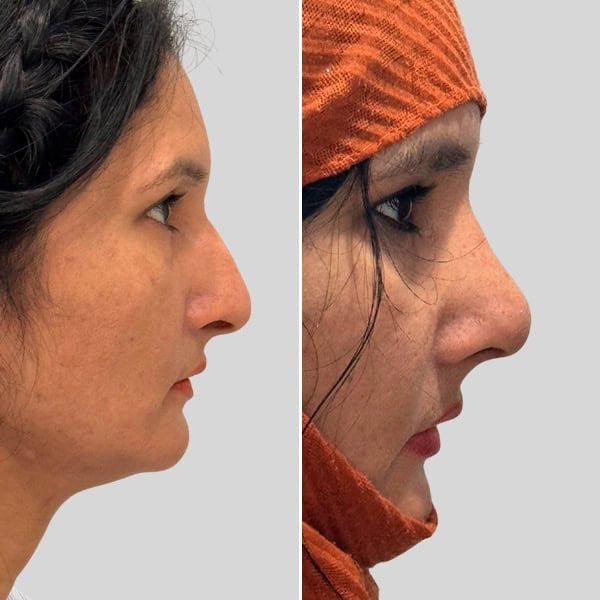
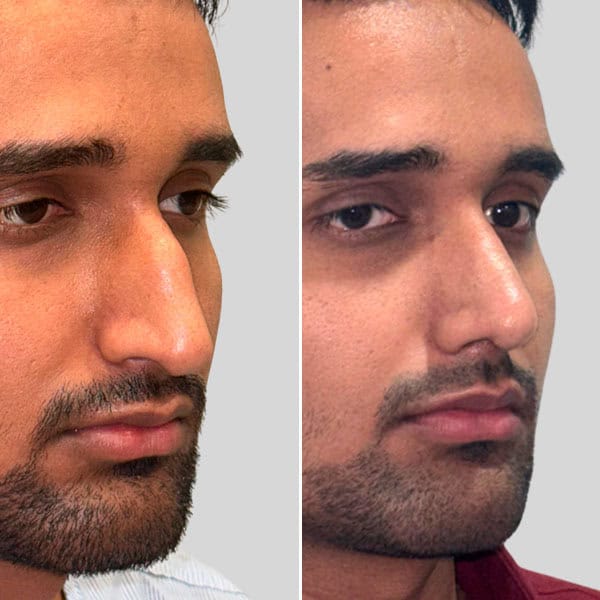
    Before & After Results
    “I was struggling with my appearance for a long time. After my first session, I noticed a remarkable improvement and felt more confident. The team at ALCS was extremely supportive, professional, and courteous throughout the process. Thank you, ALCS, for making this journey so smooth and satisfying!”

    A Reputation of Excellence

    Trusted By 10,000+ Patients

    5/5
    5/5
    5/5

    You’re in safe hands

    Meet Our Doctor

    He has been fervently servicing society in the field of plastic and reconstructive surgery since 2001.

    Double Board Certified Facial Plastic Surgeon

    Dr. Sunil Arora
    MCh, MS, MBBS
    Dr. Sunil Arora prides himself on delivering natural, long-lasting results with minimal down time. With over two decades of surgical excellence, Dr. Sunil Arora has built a reputation for creating results that are beautifully natural, long-lasting, and achieved with minimal downtime.

    Since 2001, Dr. Arora has been at the forefront of plastic surgery in Jaipur, performing advanced procedures such as Cleft Lip and Palate repair, Craniofacial Surgery, Microvascular Reconstruction, and Aesthetic Surgery.

    A pioneer in Stem Cell and Tissue Engineering research, Dr. Arora continues to push the boundaries of medical innovation. His dedication to the field has earned him the Ethicon Cosmetic Surgery Fellowship and APSI sponsorship.

    Today, patients across Jaipur choose Dr. Sunil Arora’s ALCS Hair Transplant and Cosmetic Clinic for transformative cosmetic enhancements and complex reconstructive procedures delivered with precision, artistry, and care.

    International

    ISHRS – International Society of Hair Restoration Surgery
    ISAPS – International Society of Aesthetic Plastic Surgery
    BRASA – Brazilian Society of Aesthetic Surgery

    National

    IAAPS – Indian Association of Aesthetic Plastic Surgeons
    AHRS – Association of Hair Restoration Surgeons India
    ASI – Association of Surgeons of India
    APSI – Association of Plastic Surgeons of India

    awards and recognition

    Professional Milestones

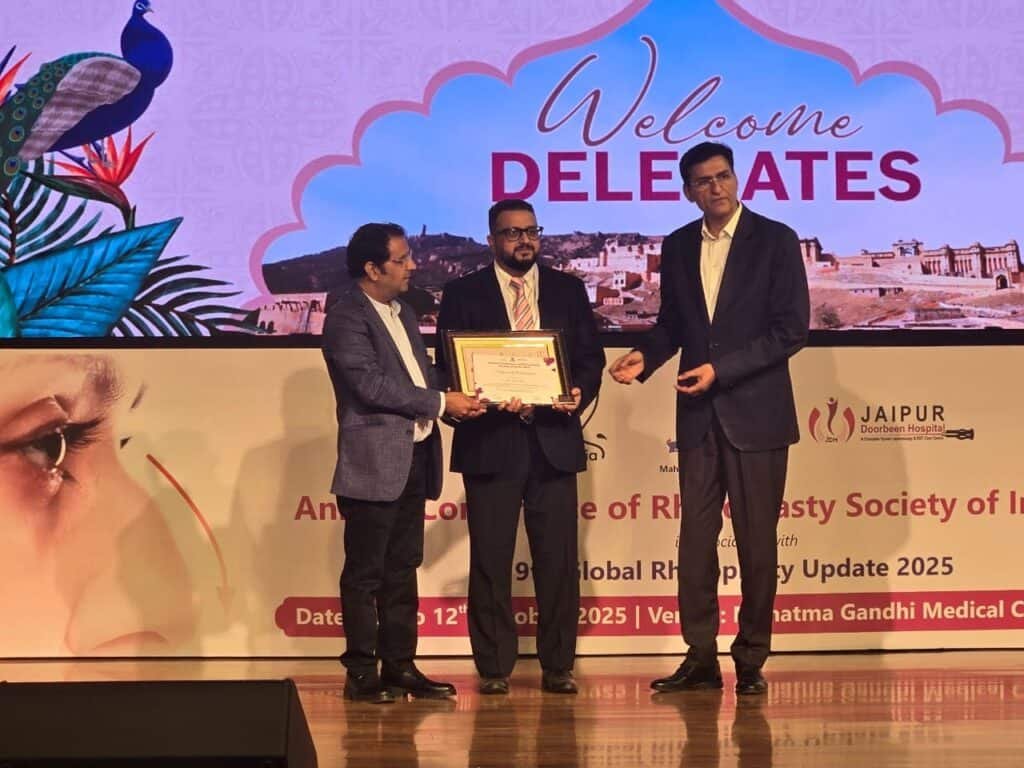
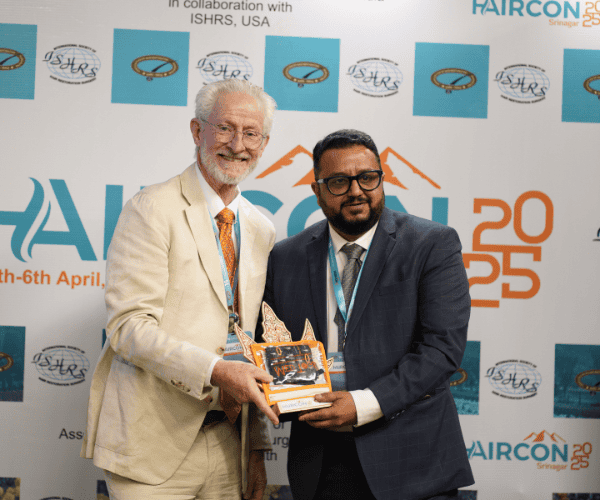
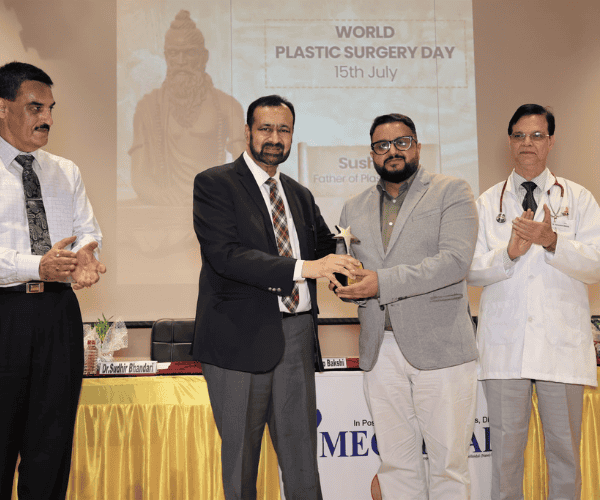
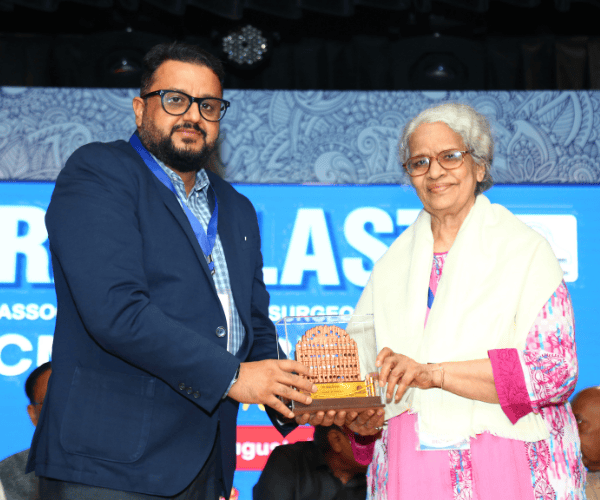
    Our Awards

    A legacy of clinical leadership and award-winning expertise in advanced aesthetic and reconstructive procedures.

    SUCCESS STORIES

    Our Celebrity Clients

    Team ALCS, a top hair transplant clinic in India, has performed over 6,000 procedures and proudly serves 45,000+ satisfied clients with consistent results.

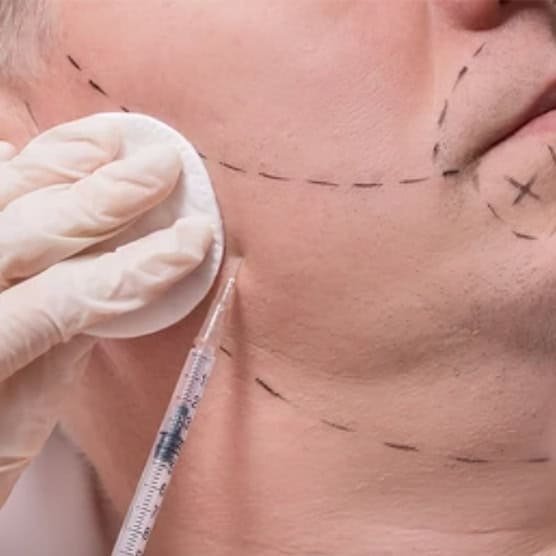
    A beard transplant works by transferring healthy hair follicles from a donor area, usually the back of the scalp, to areas of the beard with low density or patchy growth. At ALCS Clinic, a leading destination for beard transplant in Jaipur, procedures are carefully planned to follow the natural direction, angle, and growth pattern of facial hair for fuller and natural-looking results.

    The process usually involves the following steps:

    1. Consultation and Beard Design: The surgeon evaluates existing facial hair, donor hair availability, and facial structure to create a beard design that complements the patient’s facial features and desired beard style.
    2. Hair Follicle Extraction: Hair follicles are harvested from the donor area using techniques such as FUE or FUT, depending on individual treatment requirements.
    3. Follicle Implantation: The extracted follicles are carefully implanted into the beard region while maintaining natural alignment and spacing for realistic-looking results.
    4. Recovery and Hair Growth: Mild redness, swelling, or small scabs may occur temporarily after the procedure. Transplanted hairs usually shed within the first few weeks, which is a normal phase of the hair growth cycle. New beard growth generally becomes visible within three to six months and gradually improves over time.

    Recovery after a beard transplant is generally straightforward. Mild redness, swelling, and tiny scabs around transplanted follicles are common and usually improve within a few days.

    The recovery timeline can be as follows:

    • First few days: Mild redness and swelling
    • Two to three weeks: Transplanted hairs may temporarily shed
    • Three to six months: New beard growth begins
    • Nine to twelve months: Fuller results become visible

    Results develop gradually and vary between individuals.

    Following proper post-treatment care after a beard transplant is important to support healing, protect the newly implanted grafts, and help achieve optimal results. The transplanted area and donor site require gentle care during the initial recovery period to minimize complications and promote healthy beard growth.

    Some important post-treatment care instructions include:

    • Avoid touching, rubbing, or scratching the transplanted beard area during the initial healing phase
    • Wash the treated area only as instructed by your doctor using the recommended products
    • Take prescribed medications regularly to reduce discomfort and prevent infections
    • Avoid strenuous physical activities, gym workouts, and excessive sweating for at least a few days
    • Avoid smoking and alcohol consumption during the recovery period, as they may affect healing
    • Sleep with your head slightly elevated during the first few days if advised by your doctor
    • Avoid direct sun exposure and protect the treated area from dust and environmental irritants
    • Do not shave or trim the transplanted area until your doctor recommends it
    • Attend follow-up appointments to monitor healing and progress

    Mild redness, swelling, or temporary scab formation around the transplanted follicles can occur and usually improves gradually. Following your surgeon’s instructions carefully can help support a smoother recovery process and better long-term beard transplant results.

    Like any surgical procedure, beard transplantation may involve temporary side effects like redness, swelling, itching, etc. Most side effects improve with proper aftercare and recovery instructions.

    Common side effects include:

    • Mild swelling
    • Redness
    • Temporary itching
    • Small scabs around graft sites
    • Minor discomfort
    • Temporary numbness

    The cost of beard transplant in Jaipur varies depending on several factors, including the number of grafts required, the technique used, and the complexity of the beard design. At ALCS Clinic, treatment recommendations are personalized after evaluating scalp condition, coverage requirements, and individual expectations.

    Factors influencing beard transplant cost include:

    • Number of grafts needed
    • Beard design complexity
    • Technique used, such as FUE or FUT
    • Surgeon's experience and expertise
    • Clinic infrastructure and technology used
    • Post-treatment care and follow-up sessions
    • Donor hair quality and availability

    ALCS Clinic aims to provide an affordable treatment experience while maintaining high standards of care at every stage of the procedure.

    Choosing the right clinic for a beard transplant is important because the results depend on proper facial assessment, beard design planning, graft placement technique, and overall treatment execution.

    At ALCS Clinic, beard transplant treatment plans are developed after evaluating facial hair patterns, donor hair availability, beard density goals, and individual expectations.

    Reasons patients choose ALCS Clinic for beard transplant treatment include:

    • 45,000+ patients treated, reflecting extensive clinical experience across cosmetic and hair restoration procedures
    • 6,000+ successful procedures performed across aesthetic and hair-related treatments
    • Personalized consultation and facial assessment before treatment planning
    • Individualized beard transplant plans based on beard density goals and facial structure
    • Advanced beard transplant techniques designed for precise graft extraction and placement
    • Experienced medical team with a focus on patient safety, comfort, and natural-looking outcomes
    • Careful beard design planning to achieve balanced density and facial symmetry
    • Supportive guidance on post-procedure care and recovery recommendations
    • Follow-up sessions and progress monitoring after treatment

    The focus at ALCS Clinic is not just on performing the procedure, but on creating a personalized treatment approach aimed at achieving natural-looking beard growth and long-term patient satisfaction. Book your appointment with us today!

    Featured On

    Your Questions

    Frequently Asked Questions

    Do you have any questions or need clarification on something? Feel free to ask, and I’ll be happy to assist!

    Yes. Beard transplant results are generally considered permanent because surgeons usually harvest follicles from stable donor areas, usually from the back of the scalp. Once the transplanted follicles establish a blood supply and begin growing normally, they continue producing hair naturally and can remain for many years.

    Beard transplant surgery is usually performed under local anesthesia, which helps keep discomfort minimal during the procedure. Patients may feel slight pressure or movement, but usually do not experience significant pain. Mild soreness or tightness after treatment can occur and generally improves within a few days.

    The number of grafts required depends on facial structure, beard goals, existing facial hair, and treatment area. Smaller patch corrections may need fewer grafts, while fuller beard restoration can require 2,000 to 3,000 grafts or more to achieve balanced density and natural-looking coverage.

    Patients are commonly advised to avoid shaving immediately after a beard transplant procedure. Most surgeons recommend waiting around two weeks or longer, depending on healing progress. Following post-treatment instructions carefully allows grafts to settle properly and reduces unnecessary irritation during early recovery stages.

    A beard transplant procedure usually takes between four and eight hours, although timing varies depending on the number of grafts and treatment complexity. Larger sessions involving extensive coverage can take longer. The surgeon also carefully places each follicle according to natural facial hair direction and design.

    Yes. After the transplanted follicles fully grow and healing is complete, the beard can generally be treated like natural facial hair. Patients can trim, shave, and style it according to personal preference. Regular grooming habits can usually resume once the surgeon confirms complete recovery.

    Yes, natural-looking results are possible when the surgeon carefully considers beard density, facial symmetry, and natural hair growth direction. Proper placement of each graft plays an important role. Advanced techniques can help create a beard pattern that blends smoothly with existing facial features and contours.

    In certain cases, beard transplantation may improve areas affected by scars and patchy growth. Success depends on scar thickness, blood supply, and skin condition. A detailed consultation helps determine whether the area can support transplanted follicles and whether realistic cosmetic improvement can be expected.

    Testimonials

    What Are Patients Saying?

    With over 6,000 surgical operations performed in the ALCS, and specialist surgical expertise in hair transplants, you can trust us to deliver expert care and a high quality result.
    Queries on recovery period?

    Share your mobile number and our team will contact you via call or WhatsApp to assist with your appointment booking.