There are a variety of aesthetic genital plastic surgery procedures that are performed to enhance the appearance and reduce discomfort. One such procedure is monsplasty, also known as pubic lift.
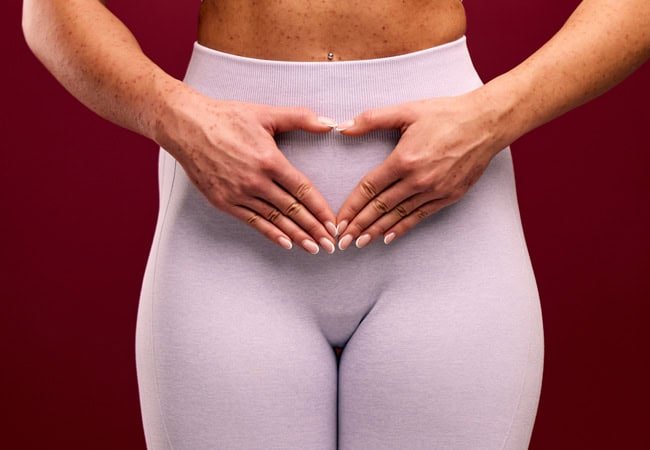
Monsplasty is a surgical procedure designed to reshape, reduce excess skin or fat, and tighten the mons pubis area.
In this blog post, we will explore who may benefit from monsplasty, who needs it, what the procedure involves, the benefits, and the associated risks.
Understanding Monsplasty
Monsplasty is a cosmetic surgical procedure aimed at removing excess fat and loose skin from the mons pubis.
Mons pubis is the mound of tissue in front of the pubic bones, generally covered by pubic hair. Over time, this area can become more prominent or saggy due to factors including weight gain, hormonal changes or after C-section surgery. As the skin loses elasticity, it may hang or bulge, creating both aesthetic and functional concerns.
Monsplasty aims to lift, tighten, and reshape the mons pubis, resulting in a flatter, more refined contour. It may enhance comfort and hygiene.
As abdominal contouring, like a tummy tuck, may make a protruding mons pubis more apparent, monsplasty is often performed concurrently with abdominal procedures to achieve balanced results.
Who Is A Good Candidate For Monsplasty?
Monsplasty can be performed in both men and women. However, it is commonly performed in women.
The good candidates for monoplasty are those who have
- Visible bulging above the pubic area that shows through clothing and bathing suits
- Sagging or loose skin hanging from the mons pubis
- Discomfort or chafing when wearing tight clothing or swimsuits
- Don’t have an underlying medical condition, including heart disease, lung problems, or diabetes, that impair healing
- Don’t smoke or are willing to quit smoking for at least four weeks
- Recurrent infections, rashes, or hygiene issues due to hanging tissue
- Have difficulty peeing or having sex
- Aesthetic concerns impacting self-confidence
- Have realistic expectations from the procedure
Procedure Of Monsplasty
The monsplasty may take one to two hours and is typically performed on an outpatient basis.
- Preoperative evaluation: Before the surgery, the cosmetic surgeon will assess your general health, including any pre-existing health conditions, allergies, risk factors, current medications, and expectations. The mons pubis is typically examined while you are standing.
- Anaesthesia administration: The procedure may be performed under general anaesthesia or local anaesthesia with sedation, depending on the complexity of the procedure and your level of comfort.
- Incision: The surgeon will use a sharp, thin knife to make a horizontal incision across the mons pubis, often positioned where it can be somewhat concealed.
- Removal of tissue: The surgeon uses a scalpel or surgical scissors to remove excess fatty tissue and skin.
- Tissue tightening and internal suturing: After removing excess skin and fat, the underlying tissues and muscles may be repositioned and tightened using internal sutures to improve support. In extensive cases, your surgeon may place small silicone tubes to drain any blood or fluid.
- Incision closure: The incisions are later closed, often using techniques to minimize tension and reduce scarring, such as layered sutures.
Recovery After Monsplasty
The time to recover may vary depending on the complexity of the procedure. After the surgery, you will be monitored to make sure you don’t have any complications. You will notice mild bruising and swelling soon after the surgery that will last for two to three weeks.
- Day 0-2: You may experience minimal discomfort in the lower abdomen and mons pubis. You may be prescribed over-the-counter medications. You may take slow-paced walks a day or two after surgery.
- Day 5-7: Light daily activities may resume, and you may return to work a week after surgery.
- Weeks 4-6: Gradual return to more strenuous activities and exercise.
Follow-up visits may be required to monitor progress and address any concerns. It may take up to eight weeks or more for complete healing of incisions. Over this period, the mons pubis region softens and contours stabilize.
Benefits Of Monsplasty
The different advantages of performing a monsplasty, including
- Improved comfort and reduced irritation, friction, and chaffing
- Enhanced aesthetic appearance resulting in a flatter, smoother mons pubis
- Cleaning the area becomes easier and more effective with less overhanging tissue, thereby reducing moisture build-up, irritation, or skin infections.
- Improved comfort in wearing clothing, including swimwear and tight or fitted garments
- Alongside physical improvements, many people report reduced self-consciousness and less anxiety about their appearance. They also report an increase in self-esteem and positive feelings.
Possible Complications From Monsplasty
Monsplasty is a safe procedure and like any procedure, it carries a low risk of complications. A few possible complications that may arise include
- Infection at the incision site
- Excessive bleeding or haematoma
- A larger or noticeable scar
- Loosening of skin
- Seroma
- Irregular contours
- Changes in sensation or numbness
- Skin discoloration
- Adverse reaction to anaesthesia
It is important to choose an experienced, board-certified plastic surgeon to help mitigate these risks.
Conclusion
Monsplasty is done to refine the contour of the mons pubis, improving aesthetics, comfort, and self-confidence. It is generally safe with satisfying outcomes when performed by a skilled surgeon.
ALCS Clinic offers monsplasty procedure in a safe environment using cutting-edge technology and the latest equipment to deliver excellent outcomes. If you are considering monsplasty, schedule an appointment with Dr Sunil Arora of ALCS Clinic for a detailed consultation.
Frequently Asked Questions
You won’t feel pain during the procedure as you will be under local or general anaesthesia. Post-surgery, you may experience mild pain, swelling, bruising, and mild to moderate discomfort for a few days, which is generally manageable with prescribed medications and proper post-operative care.
Yes, men can have monsplasty, especially when the procedure is used to remove excess fat and loose skin from the mons pubis in men, improving contour, visibility of genital anatomy, and reducing discomfort. However, it is seldom performed on men unless the excess fat and skin interfere with urinating or sexual intercourse.
The scar after a monsplasty will usually be minimal, and surgeons may place incisions in discreet locations and use refined suture techniques to reduce scarring so that it can be hidden by underwear. In most extensive surgeries involving excess skin removal, scars may be larger, but they tend to fade or flatten over time.
It is essential to follow the surgeon’s guidance regarding exercise after monsplasty. Light activities, including walking, may begin within a few days post-surgery. Strenuous exercises should be avoided for at least four to six weeks to ensure proper healing and minimize complications.
The results and improvements from monsplasty are considered permanent, as long as the weight remains stable. However, significant weight fluctuations, pregnancy, or ageing may alter the results over time.