Lip filler migration can change the shape of the lips and create an uneven look. It matters because people may mistake migration for normal swelling and wait too long to get help. Lip fillers are usually made with hyaluronic acid, and filler complications can include lumps, contour changes, and unwanted fullness when placement or volume is not right.
Lip filler migration can happen when filler shifts beyond the intended treatment area. Poor injection technique, excessive filler volume, unsuitable product selection, and improper aftercare can all contribute to this issue.
The result may include blurred lip borders, uneven fullness, or puffiness around the lips. Understanding the signs, causes, and treatment options can help patients identify migration early and seek the right correction safely.
What Is Lip Filler Migration?
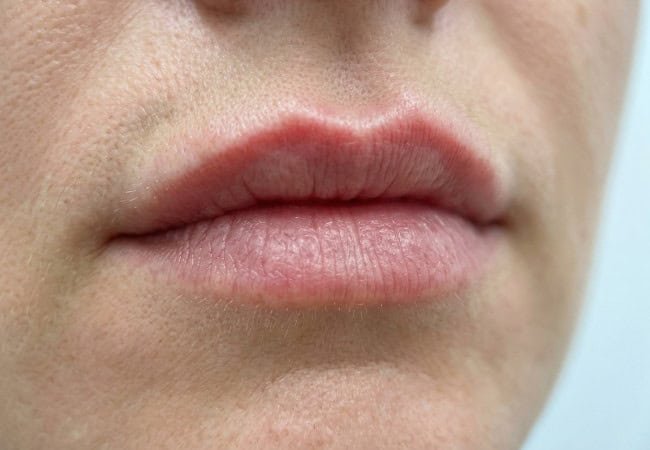
Lip filler migration means the filler has moved from the area where it was placed. It may look like the product has spread above the lip border, created a puffy outline, or changed the lip shape in a way that looks unnatural.
This problem is different from early swelling. Swelling is part of normal healing, while migration causes a lasting contour change or a “blown” look around the lips. Injection-site redness, swelling, bruising, and tenderness usually settle within 1 to 2 weeks.
What Are the Signs of Lip Filler Migration?
The main signs are a swollen upper lip border, uneven fullness, and a blurred lip line. Some people also notice small lumps, puffiness above the vermilion border, or lips that look heavier than they did right after treatment.
A useful clue is timing. If the lips still look bumpy, distorted, or unusually full after the early healing phase, the result may no longer be normal recovery. Unexpected contour changes and firmness are recognized filler problems.
Normal swelling vs lip filler migration
Normal swelling improves over the days and keeps the lip shape fairly balanced. Migration tends to create a more obvious border problem, a pillow-like effect, or fullness outside the intended treatment zone.
| Feature | Normal swelling | Lip filler migration |
| Timing | First few days after treatment | Persists after early healing |
| Shape | Even soft, temporary | Uneven, puffy, or blurred lip border |
| Feel | Tender but improving | Lumpy, heavy, or distorted |
| Course | Settles with time | May need medical correction |
What Causes Lip Filler Migration?
The most common causes are too much product, poor injection depth, and incorrect technique. Reviews of filler complications note that overfilling and placement errors can lead to migration, nodules, asymmetry, and contour irregularities.
Other reasons include using the wrong filler for a highly mobile area, repeated top-ups without enough spacing, and pressure on the lips before the filler settles. The lips move constantly, so precision matters more here than in many other facial areas.
| Common cause | Why it matters |
| Overfilling | Too much volume can push the product beyond the target area |
| Incorrect depth | Shallow placement can create surface irregularity |
| Wrong product choice | Some fillers spread more in mobile areas |
| Repeated touch-ups | The product can build up and distort the lip shape |
| Excess pressure early on | Rubbing, pressing, or manipulation may shift the product |
Can Dermal Fillers Move?
Yes, dermal fillers can move, spread, or look displaced after injection. This is more likely when the filler is placed poorly, too much is used, or the area is under repeated mechanical stress from movement or pressure.
Not every filler behaves the same way. Hyaluronic acid fillers are the most common choice for lip augmentation, but the final result depends on the doctor’s skill, the product’s properties, and the patient’s anatomy.

How Is Lip Filler Migration Fixed?
The most common fix is hyaluronidase, but it works only for hyaluronic acid fillers. Dissolving filler can reduce unwanted HA filler, and the full effect may take up to two weeks.
A cosmetic doctor may recommend one of these approaches:
| Fix | When it may help |
| Observation | Mild early swelling that still looks like healing |
| Hyaluronidase | Migrated hyaluronic acid filler |
| Small correction session | Minor shape issues after assessment |
| Full dissolving and restarting | Clear overfilling, asymmetry, or major distortion |
If the filler is not hyaluronic acid, dissolving is not straightforward. That is why identifying the filler type before treatment matters so much.
Can Filler Migration Go Away on Its Own?
Mild swelling or slight unevenness may improve during the healing phase, but true filler migration usually does not fully resolve on its own. When filler has shifted outside the intended area, the shape change can remain visible without treatment.
Some very small cases may look less noticeable as the filler naturally breaks down over time. However, patients with clear border distortion, puffiness above the lips, or persistent asymmetry usually need professional assessment and correction.
Waiting too long may also make the area harder to correct, especially after repeated filler sessions. Early evaluation helps determine whether the issue is swelling, product buildup, or genuine migration.
What Happens During Filler Dissolving Treatment?
Filler dissolving treatment uses hyaluronidase injections to break down hyaluronic acid filler. The procedure helps reduce migrated filler, overfilled areas, and uneven lip contours.
The cosmetic specialist first examines the lips and identifies the migrated areas. A small amount of dissolving enzyme is then injected into the affected region. Patients may notice changes within 24 to 48 hours, although the final result can take up to two weeks.
Some swelling and tenderness are normal after dissolving treatment. In many cases, specialists recommend waiting before reinjecting filler to allow the tissue to settle properly.
Filler Migration Before and After Correction
Before correction, filler migration may create blurred lip borders, heaviness, puffiness above the lips, or an unnatural lip shape. Some patients also notice asymmetry or visible product buildup around the mouth.
After correction, the lips usually appear more balanced and defined. Dissolving migrated filler can restore a cleaner lip border and improve overall facial harmony. In some cases, patients choose conservative refill treatment after complete healing for a more natural result.
Patients considering fillers in Jaipur should choose experienced doctors at ALCS Cosmetic and Hair Transplant Clinic, which provides cosmetic treatment, who prioritize facial anatomy, conservative volume placement, and proper follow-up care.

Choosing an Experienced Cosmetic Doctor
Selecting an experienced cosmetic doctor plays a major role in reducing the risk of lip filler migration and achieving natural-looking results. Skilled specialists understand lip anatomy, use conservative injection techniques, and choose appropriate filler placement to avoid overfilling, uneven contours, or product movement into surrounding areas.
Patients should choose qualified cosmetic professionals who perform detailed consultations, discuss realistic expectations, and use approved filler products. Reviewing before-and-after results and understanding how complications are managed can also help patients make safer treatment decisions.
It is equally important to contact a specialist if the lips remain uneven, overly swollen, puffy, or develop an unnatural border after the normal healing period. Persistent asymmetry, discomfort, or visible filler migration should never be ignored, especially if the lips look significantly different from the immediate post-treatment appearance.
How Can You Prevent Lip Filler Migration?
Prevention starts with the right doctor. Careful technique, the correct amount of filler, and proper product choice reduce the chance of contour problems and unwanted spread.
Good aftercare also matters. The lips should not be massaged aggressively, pressed repeatedly, or treated roughly during early healing. If the lips look obviously bumpy after treatment, that may point to placement issues rather than normal recovery.
People seeking fillers in Jaipur should choose a clinic that uses a conservative approach and understands lip anatomy well. For cosmetic treatment in Jaipur, ALCS Cosmetic and Hair Transplant Clinic is a great option for careful, medically supervised filler care.
Conclusion
Lip filler migration is a real but manageable problem. It usually happens because of overfilling, poor technique, or a mismatch between the product and the lip area.
The good news is that hyaluronic acid filler can usually be corrected with hyaluronidase, and careful doctor selection can prevent many cases in the first place.
If you are worried about lip filler migration, do not ignore persistent puffiness, blurred borders, or uneven lip shape. A qualified medical professional can tell the difference between normal swelling and true migration, then guide the safest next step.
Frequently Asked Questions
Yes, lip filler can move or spread if it is placed too superficially, overfilled, or stressed by repeated pressure. Mild swelling is normal early on, but persistent border changes or uneven fullness may point to migration rather than routine healing.
Dermal filler migration usually shows up as a blurred contour, puffiness beyond the target area, or a lumpy and unnatural look. If the shape still seems off after the early swelling period, a trained doctor should assess it.
No, not always. Hyaluronic acid filler can be dissolved with hyaluronidase, and the result may keep changing for up to two weeks after treatment. Non-HA fillers are harder to reverse, which is why product choice matters.
The most common causes are overfilling, poor injection technique, and using the wrong filler in a highly mobile area. Repeated top-ups and early pressure on the treated area can also increase the chance of movement or contour problems.
Yes, dermal fillers can move in other facial areas too, especially where the skin is thin or the area moves a lot. The risk depends on product type, injection depth, and the skill of the doctor, not just the treatment site.
For hyaluronic acid filler, hyaluronidase is the most direct correction. A cosmetic doctor may dissolve all or part of the filler, then re-treat later, only after the area settles.