Hair loss can be one of the most frustrating symptoms of Polycystic Ovary Syndrome (PCOS). Many women notice thinning hair, excessive shedding, or a widening part line long before receiving a diagnosis. At the same time, unwanted facial hair growth may appear, creating additional emotional stress.
If you are searching for answers about how to control PCOS hair loss, understanding the hormonal changes behind these symptoms is the first step. PCOS affects hormone levels, which can influence both scalp hair growth and facial hair development. The good news is that several treatment options can help slow hair loss, promote regrowth, and manage unwanted hair growth.
This article explains why PCOS affects hair, whether hair can grow back, and the most effective treatment options available today.
What Is PCOS and How Does It Affect Hair?
PCOS is a hormonal disorder that affects ovulation and androgen levels. Increased androgen hormones can impact hair follicles on both the scalp and face.
Women with PCOS may experience:
- Hair thinning on the scalp
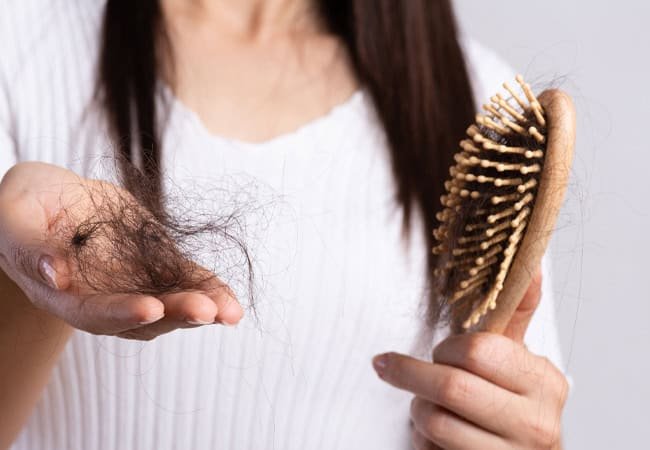
- Excessive hair shedding
- Receding hairline
- Increased facial hair
- Hair growth on the chest or abdomen
The condition can affect the normal hair growth cycle, leading to gradual thinning over time.
Why Does PCOS Cause Hair Loss?
PCOS-related hair loss happens because of increased androgen hormones. These hormones can shrink scalp hair follicles and shorten the hair growth cycle.
When androgens affect the scalp:
- Hair becomes thinner
- New hair grows more slowly
- Hair follicles become smaller
- Hair shedding increases
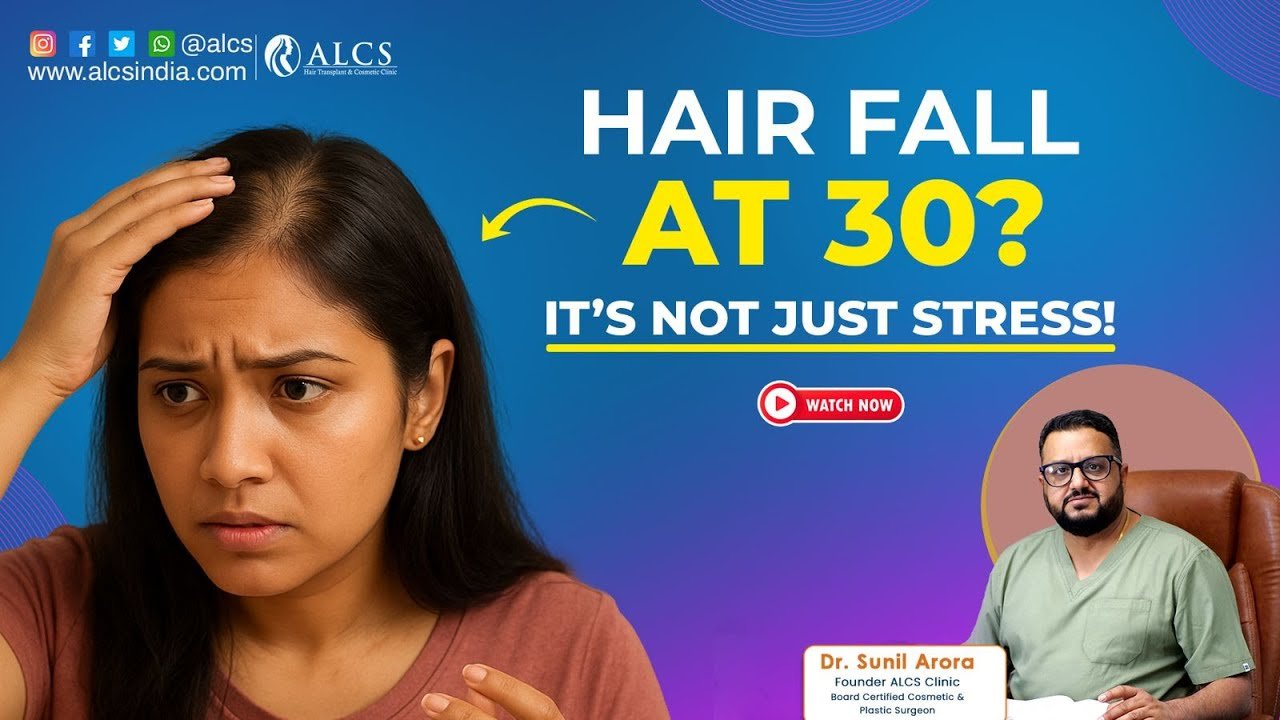
This pattern resembles female pattern hair loss in PCOS, which mainly affects the crown and top of the scalp.
| Feature | Normal Hair Growth | PCOS Hair Loss |
| Hair follicle size | Normal | Gradually shrinks |
| Hair thickness | Thick strands | Thinner strands |
| Growth cycle | Balanced | Shortened growth phase |
| Hair density | Stable | Reduced over time |
| Hair shedding | Normal | Increased |
Does PCOS Hair Loss Grow Back?
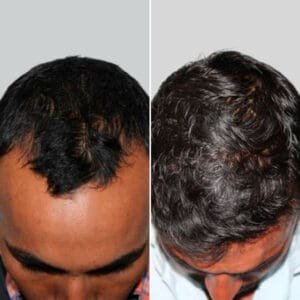
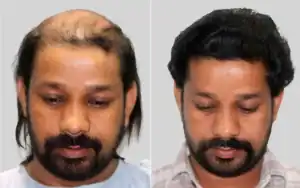
Yes, PCOS hair loss can grow back if treatment begins before permanent follicle damage occurs. Hair regrowth depends on hormone control, treatment consistency, and the severity of follicle miniaturization.
Many women experience noticeable PCOS hair regrowth after:
- Managing hormone imbalances
- Following medical treatment
- Improving insulin resistance
- Maintaining a healthy lifestyle
However, advanced follicle damage may require more specialized interventions.
Why Does PCOS Cause Facial Hair Growth?
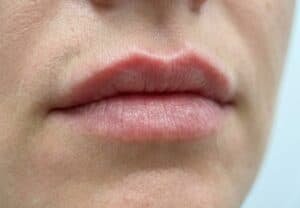
PCOS causes facial hair growth because elevated androgen levels stimulate hair follicles in androgen-sensitive areas.
As androgen levels rise, women may notice:
- Upper lip hair
- Chin hair
- Sideburn growth
- Neck hair
- Jawline hair
This condition is known as hirsutism and affects many women with PCOS.
Signs of PCOS-Related Hair Loss
PCOS-related hair loss usually appears as gradual thinning rather than sudden bald patches. Many women notice changes around the crown and part line.
Common signs include:
- Increased hair shedding while brushing
- Wider hair parting
- Reduced hair volume
- Thinning at the crown
- Visible scalp in bright light
- Receding hairline
Early treatment improves the chances of preserving existing hair.
How to Control PCOS Hair Loss
The best way to control PCOS hair loss is to reduce androgen activity and support healthy hair growth.
Effective strategies include:
1. Maintain a Healthy Weight: Weight management can improve insulin sensitivity and help reduce androgen production.
2. Follow a Balanced Diet: Focus on eating nutrition-dense foods such as:
- Lean proteins
- Fruits and vegetables
- Whole grains
- Healthy fats
- Iron-rich foods
3. Manage Stress: Chronic stress can worsen hair shedding and hormonal imbalance.
4. Improve Sleep Quality: Consistent sleep supports hormone regulation and overall health.
5. Follow Prescribed Medical Treatment: Your doctor may recommend medications to manage PCOS symptoms and protect hair follicles.
How to Stop Facial Hair Growth Due to PCOS Naturally?
Approaches like regular exercise, weight management, stress reduction, and rest may help reduce the progression of facial hair growth, although they rarely eliminate existing hair.
Ways to support hormonal balance include:
- Regular exercise
- Weight management
- Low-glycemic diet
- Stress reduction
- Adequate sleep
- Limiting highly processed foods
Women searching for how to naturally stop facial hair growth due to PCOS should understand that lifestyle changes work best when combined with medical treatment.
How to Deal with Facial Hair in PCOS?
Managing facial hair in PCOS requires both hormonal control and hair removal methods such as waxing, shaving, threading, etc. The right approach depends on the severity of growth.
Common options include:
- Threading
- Waxing
- Shaving
- Depilatory creams
- Laser hair reduction
- Electrolysis
For long-term improvement, many women choose PCOS facial hair removal treatments such as laser hair reduction.
Best Treatments for PCOS Hair Loss
The most effective treatment for PCOS-related hair loss targets the root cause, like excess male hormones (androgens) and insulin resistance. The gold standard treatment combines anti-androgens to block DHT, minoxidil to stimulate hair growth, and hormonal birth control to regulate cycles.
A comprehensive, multi-step approach usually yields the best results for reversing PCOS hair thinning:
1. Medical Treatments (Prescription Required)
- Anti-Androgens: Medications are widely used to reduce androgen levels, slow down hair loss, and promote regrowth.
- Topical Minoxidil: Over-the-counter minoxidil (e.g., Rogaine) helps stimulate hair follicles and prolongs the hair growth phase.
- Hormonal Birth Control: Low-androgen oral contraceptives help balance hormones and reduce excess facial/body hair and scalp thinning.
- Insulin-Sensitizers: Medications like Metformin help manage insulin resistance, which can indirectly lower androgen production.
2. Dietary & Lifestyle Adjustments
- Low-Glycemic Diet: Focus on whole foods, lean proteins, and healthy fats while avoiding refined carbs and sugary foods. This helps stabilize blood sugar and reduce androgen flare-ups.
- Weight Management: Losing 5-10% of your body weight can significantly improve insulin sensitivity and hormonal balance.
- Supplements: Myo-inositol and D-chiro-inositol are popular over-the-counter options for improving insulin resistance and lowering testosterone naturally.
3. Advanced Clinical Procedures
- Low-Level Laser Therapy (LLLT): Non-invasive light therapy caps or combs can be used to increase blood flow to the scalp and stimulate dormant hair follicles.
- Hair Transplant: For significant hair loss that doesn’t respond to medical management, hair transplant for women can be considered once hormones are under control.
| Treatment | Purpose | Expected Benefit |
| Topical therapy | Stimulate follicles | Reduced shedding |
| Hormonal therapy | Lower androgen effect | Slower hair loss |
| PRP therapy | Support follicle health | Improved density |
| Laser therapy | Stimulate growth | Thicker appearance |
| Hair transplant | Restore lost hair | Permanent coverage |
Can PCOS Hair Loss Be Reversed?
Yes, PCOS hair loss can be partially or significantly reversed in many women. The earlier treatment begins, the better the chances of recovery.
Successful reversal depends on:
- Duration of hair loss
- Hormone control
- Age
- Follicle health
- Treatment adherence
Hair follicles that remain active respond more effectively to treatment.
How Long Does Hair Regrowth Take?
Hair regrowth from PCOS treatment usually takes several months. Most women do not see immediate results.
General timeline:
| Time After Treatment | Expected Changes |
| 1-3 months | Reduced shedding |
| 3-6 months | Early regrowth |
| 6-12 months | Improved density |
| 12+ months | Maximum visible improvement |
Consistency is important because hair grows slowly and responds gradually to treatment.
When Should You Consult a Doctor?
You should consult a cosmetic surgeon when hair thinning becomes noticeable or facial hair growth starts affecting your confidence. Early intervention can improve treatment outcomes and help preserve existing hair.
Seek professional evaluation if you experience:
- Rapid hair loss
- Visible scalp
- Widening part line
- Receding hairline
- Excess facial hair growth
- Poor response to home treatments
A cosmetic surgeon can assess hair follicle health, recommend advanced therapies, and determine whether PRP, laser therapy, or hair transplantation may be suitable.
Read More:
Hair Growth Tips for Indian Women Facing PCOS
Medication or Treatments. What is Helpful for Women With Thinning Hair?
How Does A Hair Transplant Work For Women?
Hair Transplant For Women: Everything You Need To Know
Conclusion
PCOS can cause both scalp hair loss and unwanted facial hair growth due to hormonal imbalances. Fortunately, many women achieve significant improvement with early treatment and proper hormone management.
Understanding how to control PCOS hair loss allows you to take action before permanent follicle damage develops. Whether through lifestyle changes, medical therapies, PRP, laser treatments, or hair restoration procedures, effective solutions are available to support healthier hair growth and restore confidence
Frequently Asked Questions
No, PCOS hair loss is not always permanent. Many women experience regrowth after treating hormonal imbalances and reducing androgen activity. Early intervention provides the best chance of recovery because hair follicles remain healthier and more responsive to treatment during the initial stages of hair thinning.
The best PCOS hair loss treatment depends on individual hormone levels and hair loss severity. Treatment may include topical medications, hormonal therapy, PRP treatment, lifestyle changes, and advanced hair restoration procedures. A specialist can recommend a personalized treatment plan after evaluating your scalp and hair follicles.
Yes, weight loss can improve PCOS-related hair loss in many women. Better weight management improves insulin sensitivity, which may lower androgen production. Reduced androgen levels can help slow follicle miniaturization, decrease shedding, and create a healthier environment for hair regrowth over time.
Facial hair may reduce significantly with proper treatment, but complete disappearance is not guaranteed. Hormonal control helps slow new growth, while laser hair reduction and electrolysis target existing hair. Long-term results usually require ongoing management of the underlying hormonal imbalance.
You can support PCOS hair regrowth through regular exercise, balanced nutrition, weight management, quality sleep, and stress reduction. These lifestyle measures help improve hormone balance and scalp health. Natural approaches work best when combined with medical treatments recommended by a qualified healthcare professional.
Yes, some women with PCOS qualify for hair transplantation. Candidates usually have stable hair loss and sufficient donor hair. A cosmetic surgeon will evaluate hair density, hormone control, and scalp condition before recommending a transplant procedure for long-term hair restoration.