What is PCOS and How Does it Affect Hair Growth?
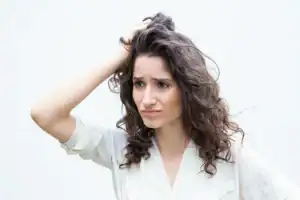
PCOS is the abbreviated form of Polycystic Ovary Syndrome. It is a hormonal disorder that affects women of reproductive age, characterised by the production of androgens in amounts higher than normal. This overproduction of androgens, or male hormones, causes symptoms of irregular periods, weight gain, infertility, excessive facial and body hair, and a lot of acne. In many cases, cysts with fluid are formed in the ovaries of women. Among the most distressing symptoms that women with PCOS face, excessive thinning of hair and hair fall top the list. The intent of this guide is to explore various medical treatment options and lifestyle modifications to help women curb the problem of hair loss due to PCOS.
Causes of PCOS
There are several causes of Polycystic Ovary Syndrome. Some of the reasons are listed below.
- Hormonal Imbalance: There are several reasons and causes of PCOS in women. One of the major drivers of PCOS is the irregularity and imbalance of the androgens or male hormones produced in the body of females. Excessive production of androgens interferes with the development of molecules present in the ovary, leading to anovulation and cyst formation.
- Insulin Resistance: Insulin resistance is another common cause of PCOS. When the body cells do not respond to insulin, the pancreas produces excessive insulin, which triggers the ovaries to produce androgens in large quantities, leading to PCOS symptoms.
- Genetics: PCOS is also something that can be acquired due to a family history. If a person’s mother, sister, or aunt has PCOS, that person is at a greater risk of developing PCOS due to specific genetic mutations related to insulin and hormonal sensitivity.
- Low-Grade Inflammation: Multiple women face issues of PCOS due to low-grade inflammation that triggers the ovaries to produce excessive androgens.
- Poor Lifestyle Factors: A lot of times, a sedentary lifestyle and poor diet accompanied with excessive and prolonged stress increase the resistance to insulin and inflammatory factors in the body, triggering PCOS.
Medical Management of Hair Growth for Women with PCOS
The medical management of Polycystic Ovary Syndrome involves addressing the causes of the symptoms of PCOS via a combination of medications. Usually, oral contraceptive pills to regulate periods, reduce androgen levels, and reduce excessive hair growth are prescribed by doctors. Anti-androgen medications are also available that help in reducing the thinning of facial hair and stopping acne by blocking the male hormones. To address the root cause, insulin-sensitising agents are used to improve the sensitivity of insulin and help with ovulation. Apart from this, hormonal therapy is also available for women struggling with infrequent periods.
Lifestyle Modifications for Hair Growth for Women with PCOS
While medical management is a wonderful option, it is essential to note that lifestyle modifications are extremely crucial in managing the symptoms of PCOS. Some of the lifestyle modification changes are listed below:
Dietary Intervention
Diet is a game changer. One can use the approach of PLATE:
- P for Protein-rich diet: Including proteins in all three major meals via sources such as dal, pulses, dairy, eggs, etc., helps in balancing the blood sugar levels of the body.
- L for Low glycaemic index carbs obtained via food items such as ragi, millets, and whole wheat grains, which can help in avoiding sudden spikes in blood glucose levels.
- A stands for Anti-inflammatory food items, such as green vegetables, ginger, and turmeric that help in fighting inflammation.
- T stands for Timing of each meal. It is equally important to note what one eats and at what time. It is required to avoid long gaps between meals.
- E stands for Excessive sugar. Excessive sugar worsens the sensitivity to insulin and triggers the symptoms of PCOS.
Apart from this, food items rich in omega-3 fatty acids, such as walnuts, flax seeds, and chia seeds can help in reducing inflammation and promoting the growth of hair follicles. Along with this, consumption of iron, zinc, and exposure to vitamin D is crucial to managing the symptoms of PCOS.
Managing Stress Levels
Unless the lifestyle aligns with the body, even the best shampoo does not work. It is extremely crucial to manage stress levels. Stress elevates the levels of cortisol, which triggers stress-induced hair fall, thereby worsening the hormonal balance in individuals. That is why practising stress-reducing exercises such as yoga, pranayam, guided meditation, journaling, and therapy are crucial for emotional regulation.
Managing stress levels will also help in improving the quality and quantity of sleep, which directly regulates hormones like melatonin and cortisol. Along with this, exercise can help significantly in improving insulin sensitivity and reducing the production of excessive androgens.
Ayurvedic Remedies
The Indian Ayurvedic system offers a plethora of herbal remedies to help in restoring the hormonal balance of the body and encourage hair growth in women struggling with PCOS. Ayurvedic herbs such as Ashwagandha, Amla, Bhringraj, and Shatavari help in supporting reproductive health, balancing female hormones, and promoting the production of collagen, which helps in strengthening the hair.
Hair Care Routine
Building a hair care routine helps in minimising hair loss. Oiling the hair with warm herbal oils every now and then can help in improving blood circulation to the scalp, thereby promoting good hair growth. Along with this, excessive heat styling using straighteners or curling irons must be avoided to take good care of the hair.
More than physical efforts, mindset plays a very crucial role in helping women tackle the problems caused by PCOS. While hair loss can be emotionally devastating, it is important to understand that no individual is alone on the healing journey of PCOS. It takes time and effort for optimal hair growth, and patience is the key.
Frequently Asked Questions (FAQs)
Yes. It is possible that in some cases hair loss can be reversed if PCOS is managed early and effectively through medical treatment and lifestyle changes.
Oiling has proven scientific evidence of improving the blood flow to the scalp. Thus, it can be beneficial when done with growth-supportive oils for PCOS-related hair loss.
No. Shaving or trimming of hairs do not affect the growth rate or thickness. Hair grows from follicles beneath the scalp via natural hair growth cycle.
Natural remedies help support hair health, but they are most effective when combined with medical and lifestyle changes.
Yes. Even a 5–10% weight loss can help in improving the insulin sensitivity and androgen balance in the body. This will help in reducing hair growth.