Get Expert Advice - Free Today

Jaipur vs Delhi vs Mumbai: How Gynecomastia Surgery Cost & Results Compare

Jaipur vs Delhi vs Mumbai How Gynecomastia Surgery Cost & Results Compare

Male cosmetic surgery in India, particularly the treatment of gynecomastia, has increased dramatically. Excess breast fat or gland tissue has become something that many men are actually self-conscious about, and surgery has been found to provide the most long-term and reliable solution to it. 

Consequently, numerous individuals seek information connected to the gynecomastia surgery cost, gynecomastia surgery cost in India, and other particular information. The three cities are all popular medical destinations, yet they have varied prices, technology, surgeon experience, and patient experience.

In this article, we will give a close comparison that will assist you in selecting the most suitable city to meet your needs and learn more about how the costs and outcomes differ.

Understanding Gynecomastia and Why Surgery Is Needed

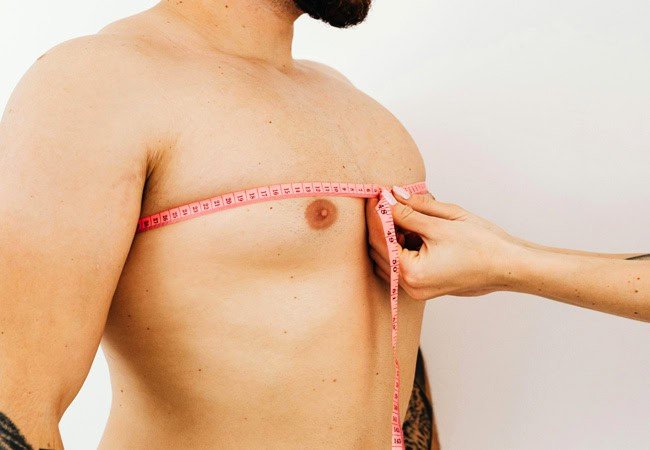
The condition of enlarged male breast tissue is called gynecomastia. This could be a result of hormonal imbalance, weight gain, genes, or side effects of some medications. The issue of gland tissue is something that cannot be reduced naturally, which affects many men, as exercise is not the solution to the problem. 

Gynecomastia surgery eliminates fat tissue along with gland tissue, and as a result, the chest appears flat and more masculine.

Gynecomastia surgery cost varies according to the level of gynecomastia, the surgical procedure, and the city in which the surgery is carried out. Mild cases entail liposuction and gland excision, whereas the severe cases may entail skin tightening, which is more expensive.

Why People Compare Jaipur, Delhi, and Mumbai

Some of the major cosmetic surgery cities include Jaipur, Delhi, and Mumbai. These cities, however, differ greatly in the cost of gynecomastia surgery in India. These three cities are compared based on the fact that:

  • Jaipur is very affordable.
  • Delhi boasts of very experienced surgeons.
  • Mumbai is a place that provides high-quality cosmetic results and technology.

The importance of the comparison is that patients want to combine good outcomes, low cost, and access to competent doctors.

General Gynecomastia Surgery Cost in India

Before looking at each city, here is a general overview of the gynecomastia surgery cost in India:

City CategoryAverage Cost Range
Tier 1 (Delhi, Mumbai, Bangalore)₹65,000 – ₹1,50,000
Tier 2 (Jaipur, Pune, Indore)₹45,000 – ₹90,000
Small Cities₹30,000 – ₹70,000

Such variation is determined by the surgeon, technology, anesthesia, post-operative service, and the reputation of the clinic.

Gynecomastia Surgery Cost in Delhi

Delhi is also one of the most desirable cities to undergo cosmetic procedures. It appeals to both domestic and international patients because of its reputable surgeons and state-of-the-art clinics. The average gynecomastia surgery cost in Delhi is between: ₹60,000 and ₹1,20,000.

Why Delhi Is Preferred

  • There are numerous gynecomastia procedures that are being done by many surgeons in Delhi every month.
  • There are progressive forms of liposuction, such as VASER, Laser lipo, and Micro-Aire, which are applied in clinics.
  • Cosmetic centers and hospitals provide quality pre- and post-surgery services.
  • The medical infrastructure of Delhi is well-established and patient-friendly.

Who Should Choose Delhi?

Individuals who desire surety, high-tech, and the freedom to select various skilled surgeons. Moderate to severe cases of gynecomastia that demand high precision are particularly best done in Delhi.

Gynecomastia Surgery Cost in Mumbai

Mumbai boasts of celebrity plastic surgery. There are a lot of actors and models who are treated here with cosmetics, which is driving the demand for high-quality aesthetic procedures.

Gynecomastia surgery cost in Mumbai is generally higher than that of the two cities: ₹70,000 to ₹150,000.

Why is Mumbai a Popular Choice?

  • This is where the surgeons specialize in cosmetic shaping and chest contouring.
  • Clinics also invest in the most recent and advanced technologies in the world.
  • Gaze on attaining a defined, sporty chest size.
  • High-end follow-up plans and individualised consultations.

Who Should Choose Mumbai?

Patients seeking the finest aesthetic finishing, fewer scars, and more practice with celebrity surgeons. The best-suited candidates are those who desire the most sophisticated technology and the best services.

Gynecomastia Surgery Cost in Jaipur

Jaipur has become a powerful hub of medical tourism. It consists of state-of-the-art hospitals, highly-trained surgical doctors, and much cheaper rates than in metro cities. Gynecomastia surgery cost in Jaipur typically lies within the: ₹45,000 to ₹90,000 range.

Why Jaipur Is a Cost-Effective Option

  • Reduced clinic rent and operating expenses to minimise the total price.
  • Jaipur surgeons are well-trained and, in many cases, experienced in a metro city.
  • In recent years, the quality of treatment has been enhanced.
  • Mild and moderate cases of gynecomastia are value for money.

Who Should Choose Jaipur?

Patients with a tight budget who would like to receive safe, reliable treatment. Best suited to students, young adults, and outstation patients seeking affordable accommodation and travelling facilities.

Detailed Cost Comparison: Jaipur vs Delhi vs Mumbai

CityCost Range
Jaipur₹45,000 – ₹90,000
Delhi₹60,000 – ₹1,20,000
Mumbai₹70,000 – ₹1,50,000

Conclusion: Jaipur is the cheapest, Delhi is average, and Mumbai is the most expensive- primarily because of high-end services and surgeon cost.

Results Comparison Between the Three Cities

CityResults
JaipurGood results for most gynecomastia grades
Excellent value at affordable pricing
Some variability depending on clinic experience
DelhiHighly consistent results
Surgeons have more experience with tough cases
Better outcomes for asymmetry or puffy nipples
MumbaiMost aesthetically pleasing
Perfect for fitness models or public figures
Best finishing and chest shaping

In case the quality of results is your number one priority, then Mumbai and Delhi are the strongest options.

Technology Used in Each City

Various cities differentiate the degree of surgical technology.

CityTechnology Used
JaipurSome clinics have VASER
Standard liposuction is more common
Not all clinics offer laser-assisted methods
DelhiMost clinics have advanced technology
VASER is widely used
Better equipment for gland removal and contouring
MumbaiMost technologically advanced
Clinics invest in the latest machines every year
High-end tools for minimal scarring and fast healing

Delhi or Mumbai might suit the patients who give priority to technology.

Surgeon Expertise Comparison

The largest determinant of cost and outcomes is the skill of the surgeon.

CitySurgeon Expertise
JaipurSkilled surgeons but fewer high-volume surgeons
Great for mild to moderate cases
DelhiMany top surgeons
High surgical volume improves expertise
Well equipped for complex gynecomastia
MumbaiSome of India’s top cosmetic surgeons
Expertise in aesthetic sculpting
Best for patients wanting near-perfect chest shape

Delhi and Mumbai are top performers in showing very accurate results.

Extra Costs Affecting the Total Gynecomastia Surgery Cost

Other than surgery payment, patients need to factor in:

  • Blood tests
  • Compression garments
  • Medications
  • Follow-up visits
  • Anesthesia charges
  • Hospital admission (if needed)

Additional charges are the highest in Mumbai. The budget-friendly option in this region is Jaipur.

Travel and Accommodation Costs

Travel and stay budget is an issue when you are in a different city.

  • Jaipur: The cheapest hotels and cheaper travelling expenses are suited to the price-sensitive patients.
  • Delhi: Medium travel costs and numerous accommodation choices.
  • Mumbai: Accommodation and transport are the most expensive. This can add 10-20 percent to the total cost.

Which City Should You Choose?

Your choice depends on your priorities:

Choose Jaipur if:

  • You desire the cheapest cost of gynecomastia surgery.
  • You desire good performance with a budget.
  • You like a peaceful city with low travel activities.

Choose Delhi if:

  • You desire qualified surgeons.
  • You desire high technology.
  • You desire stable performance at a low price.

Choose Mumbai if:

  • You desire celebrity-worthy cosmetic results.
  • You desire the newest world technology.
  • You are more interested in beauty than economy.

What Influences Gynecomastia Surgery Cost the Most?

The pricing in every city is determined by some crucial factors:

1. Grade of Gynecomastia: The higher the grade, the longer the surgery and the higher the cost.

2. Technique employed: VASER and laser are more expensive.

3. Surgeon Experience: Senior surgeons are more costly but have superior outcomes.

4. Clinic Reputation: The best clinics in Mumbai cost more.

5. City Where Surgery Is Performed: Jaipur < Delhi < Mumbai in cost.

Conclusion

When it comes to comparing the gynecomastia surgery price is Jaipur, the gynecomastia surgery price is Delhi, and the gynecomastia surgery price is Mumbai, it does come down to how comfortable you are, how you expect to see the final result, and what kind of result you want to see. The prices, amenities, and experience in each city are not equal, and it can be valuable to know what type of things are most important to you as a patient.

Jaipur is an option that you can consider in case you want affordability and reliable treatment.

Delhi will be the best option when you require both professionalism and affordable cost. Here, several seasoned plastic surgeons can be found to provide high-end skills at middle-range prices.

Conversely, Mumbai can boast of a high-quality, carved outcome when it comes to patients seeking high-end and quality results.

Whatever city you choose, keep in mind that it is a choice of an experienced surgeon rather than the place. An experienced expert is guaranteed natural chest shapes, the least amount of scarring, and a comfortable and confident post-surgery experience.

Hair Transplant for Norwood 5–7 Baldness: What Results Are Realistic?

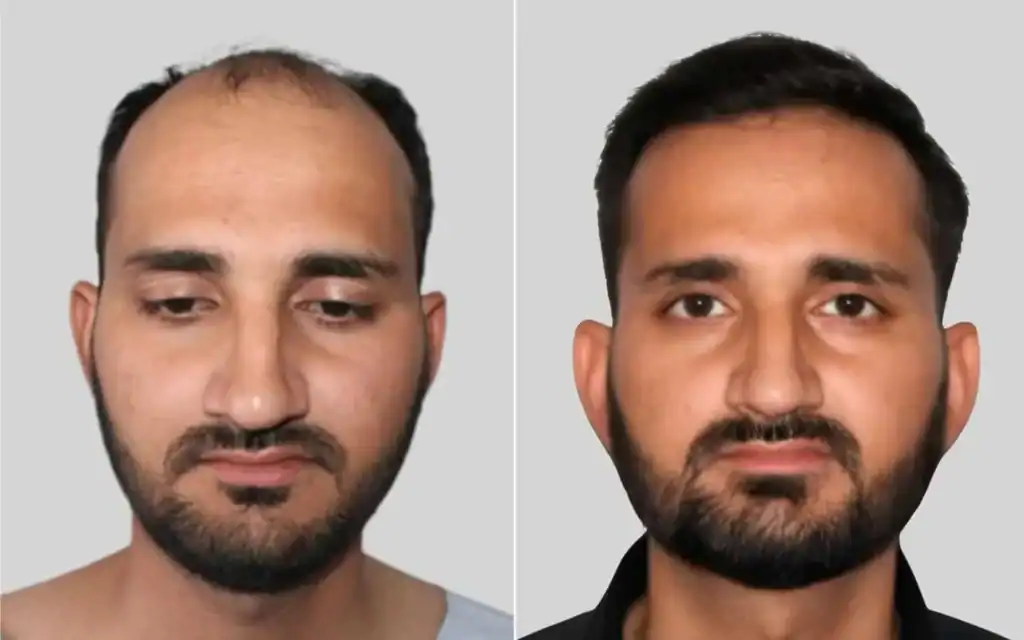
The first thing to know about hair transplant, as far as the results you would be getting after the surgery are concerned, would be understanding the hair loss stages you are going through, particularly in cases of more severe baldness. Thinning is the first stage that many men notice in the early stages of hair loss, but this stage can develop into total loss on the top and crown. The Norwood Scale of 7 stages of hair loss process explains how hair loss stages proceed through recession factors to an extreme loss in male hairiness.

When you are Norwood 5-6 or 7, you are in the advanced category. This implies that the hairline is extremely receded, the top is also severely impacted, with only a band of hair in the shape of a horseshoe left on the sides and the back. The next question is obvious: Is it possible to restore full density using a hair transplant? It is a fact that with modern methods, it is possible to do wonders, but one cannot expect too much.

This article is a clear description of what to expect when having a hair transplant at Norwood 5-7, what the constraints are, what the outcomes are, and how to plan to achieve optimal results.

Understanding Hair Loss Stages (Norwood Scale)

Norwood Scale is a scale used worldwide to categorize the 7 stages of hair loss in men. It assists physicians and patients in knowing the trend and intensity of baldness.

Early Stages of Hair Loss (Norwood 1–3)

These stages include:

  • A slightly mature hairline
  • Mild temple recession
  • In more advanced cases, thinning of the crown.

In these initial phases of hair loss, the donor (posterior part of the head) is sound. A hair transplant typically produces almost perfect results since the loss of hair is not extensive.

Advanced Male Hair Loss Stages (Norwood 4–7)

It is at this point that hair loss takes a serious turn:

  • The hairline recedes deeply
  • The mid-scalp thins
  • The crown becomes bald
  • The anterior-crown junction is lost

Norwood 5–7 involves:

  • Severe thinning
  • Very limited native hair
  • Dependence on donor hair

In these advanced male hair loss stages, the outcomes of transplantation are highly reliant on the quality of the donor areas and the follicle survival.

What Makes Norwood 5–7 Baldness Unique?

Hair loss becomes much more complicated to cure when you get to Norwood 5–7. Early losses require fewer grafts, whereas advanced losses require thousands.

Key characteristics:

  • The bald patch encompasses the whole front, mid-scalp, and crown.
  • The rest of the hair on the sides and back is the sole donor.
  • The head can be glossy, smooth, and completely bald.
  • Hair loss is usually stable but can persist gradually.

The bald area is big, and the supply of donors is limited, so total coverage is not always possible. Instead, the goal is:

  • To rebuild the hairline
  • To form a front and mid-scalp densely.
  • To cover the crown partially.

To the thickness of your youth is impossible, but to the appearance, a great deal.

How Many Grafts Do You Need for Norwood 5–7?

Mild cases need fewer grafts as compared to advanced hair loss stages. Below is a general estimate:

  • Norwood 5: 3500–4500 grafts
  • Norwood 6: 4500–6000 grafts
  • Norwood 7: 6000–7500+ grafts 

(This may require multiple sessions.)

But what you will actually have is determined by:

  • Donor density
  • Hair thickness
  • Scalp flexibility
  • Hair traits like curls and color.

Physicians usually give priority to:

  1. The highest density is in the front and mid-scalp.
  2. Fewer donors/crowns may not be dense at all.

Can Norwood 7 Achieve Full Coverage?

This is among the most popular questions on the stages of male hair loss.

The truthful response: No, not complete youth coverage.

Why?

  • With even the best donor hair, the total quantity of grafts is limited.
  • The bald area is very large.
  • The hair transplanted has to be placed strategically to appear natural.

This does not imply that you cannot appear younger and fuller.

Realistic results include:

  • A natural, mature hairline
  • Good density in the front
  • Shallower but sufficient coverage by the crown.
  • Improved facial framing
  • A tougher, macho look.

This transformation will make you appear 10-15 years younger.

What Does a Realistic Hairline Look Like for Norwood 5–7?

Men who have extreme hair loss tend to have low and young hairlines. But what hair transplant doctors typically create is a full-grown hairline that is:

  • Higher
  • Natural
  • Fit your age and donor strength.

A lower hairline:

  • Consumes too many grafts
  • Leaves less for the mid-scalp
  • May look unnatural later

A higher hairline ensures:

  • Long-term sustainability
  • Good density in key areas
  • Proper balance

The objective is to achieve the appearance of fullness through intelligent thinking.

The Importance of Donor Area Quality

The beginning of success lies in your donor area. When male hair loss stages enter the advanced phases, the donor is supposed to be used in a manner that does not overexploit it.

Strong donor areas include:

  • Thick hair
  • Double hair grafts
  • Minimal thinning
  • Good scalp elasticity

In case of weak donor hair, physicians can combine:

  • Beard hair
  • Chest hair

These are body hair grafts and are primarily used on the:

  • Crown
  • Mid-scalp
  • Adding volume

This hybrid strategy provides superior coverage.

FUE vs. FUT for Norwood 5–7: Which Technique Is Better?

In cases of progressive hair loss stages, both procedures are beneficial.

MethodResults
FUT (Strip Method)Provides more grafts in one session
Useful for Norwood 6–7
Leaves a linear scar (hidden by surrounding hair)
FUE (Follicular Unit Extraction)No visible strip scar
Faster healing
Allows extraction from beard and body
Combined FUT + FUEThis is the most powerful approach for severe baldness:Maximum grafts
Better density
Natural results

Combined methods are recommended by the majority of surgeons in Norwood 6-7.

What Results Look Like: Month-by-Month Breakdown

It is true that transplanted hair follows a timeline, regardless of whether your level of hair loss is in the early or advanced stage.

MonthsResults
1-3 MonthsShedding of transplanted hair
Redness and scabs disappear
No visible growth yet
4-6 MonthsFirst thin strands appear
Mild density
Hairline begins to show shape
7-9 MonthsFaster growth
Texture improves
Mid-scalp fills in
10-12 MonthsGood density
Visible transformation
Hairline looks natural
12-18 MonthsHair becomes thicker
Density becomes uniform
Final results visible

In the case of Norwood 6–7, the timeline can be slightly extended, particularly the crown.

What Is Realistic for the Crown Area?

The crown proves to be the hardest area to be restored in later hair loss stages. It gives low visual impact and requires lots of grafts.

Physicians tend to adhere to the rule:

Hairline and front > Mid-scalp > Crown.

This guarantees a natural look.

For Norwood 5–7:

  • A less dense (20–40 grafts/cm²) crown is typically transplanted.
  • There are patients who opt out of coverage of the crowns because of insufficient donor supply.
  • Other people apply SMP (Scalp Micropigmentation) to contour the top of the head.

Expect:

  • Light to moderate coverage
  • A whirl pattern
  • A natural, non-high-density look

Can You Achieve a Full Head of Dense Hair?

It is not an unusual request, particularly when considering the results of social media.

But the truth is:

  • Advanced male hair loss stages have a short supply of donors.
  • It is impossible to have a full head of thick hair (such as Norwood 1-2).

What is possible:

  • A natural, youthful front hairline
  • Density at the right places.
  • A balanced, mature look
  • Marked enhancement in appearance.

Perfection is not the aim but aesthetic improvement.

Tips to Improve Results at Norwood 5–7

1. Start Treatment Early

Although you are at an advanced stage, further loss will be controlled.

2. Use Medical Therapy

Medication assists in stabilizing and enhancing graft survival:

  • Finasteride
  • Minoxidil
  • Biotin
  • Low-Level Laser Therapy

These preserve donor hair and strengthen existing hair.

3. Consider Two Sessions

Large areas often require two transplants separated by 12-18 months.

4. Maintain Good Scalp Health

Avoid:

  • Smoking
  • Excessive alcohol
  • Stress

These influence blood circulation to the head.

5. Choose an Experienced Surgeon

For advanced hair loss stages, competence is even more important.

Following is the ALCS pricing for each scale of baldness

Level of BaldnessAvg cost of QHT transplantNo of Graftt required
Norwood Scale 250,000 – 70,000800-1200
Norwood Scale 370,000 – 90,0001200-1800
Norwood Scale 490,000 -110,0001800-2500
Norwood Scale 5110,000 -130,0002500-3200
Norwood Scale 6130,000 -150,0003200-4000
Norwood Scale 7150,000 -200,0004000-5000+

Before-and-After Expectations

A practical change in Norwood 5-7 involves:

  • Observable hairline advancement.
  • Frontal thickening.
  • A smoother skin on the face.
  • Moderate crown coverage
  • Direction and angle of hair.

With a frontal view, the change is dramatic. You will see less density from the top, yet still, a tremendous improvement.

Who Makes an Ideal Candidate?

You are a good candidate if:

  • You have a strong donor density.
  • Your hair loss is stable
  • You accept a mature hairline
  • You know realistic expectations.
  • You are ready to be treated with medical therapy.

When you have a weak donor area, you may require:

  • Combined FUT + FUE
  • Beard and chest hair grafts
  • Multiple sessions

Conclusion

When you are at Norwood 5–7, you are in one of the most severe male hair loss stages. But in the modern technique, you will be able to get a natural and confident appearance.

What you can expect realistically:

  • A natural, higher hairline
  • Good density in the front
  • Partial crown coverage
  • Another significant enhancement in your appearance.

What you cannot expect:

  • Teenage-level density
  • A low hairline
  • Thick crown coverage

It takes the right attitude, a true management of expectations, and a surgeon with experience to provide you with a life-altering experience- one that looks like a natural, mature, age-appropriate appearance.

Gynecomastia vs. Fat Chest: How to Know What You Need to Reduce

Have you ever been at a stand before a mirror, wondering how to reduce man boobs? You are not alone. Chest fat, puffiness around the nipples, or an overwhelming growth of breast tissue are problems in many men. Sometimes it just is too much fat. It can be a medical condition known as gynecomastia, which afflicts millions of men at times. The challenge is that both appear to be similar outside, but the cure differs greatly.

There are those men who seek exercise options, others attempt weight reduction efforts, and others may seek to know how to hide man boobs as they aim to find a long-term resolution. Whatever the case may be, the initial step toward knowing what you really need to fix is to find out the difference between gynecomastia and a fat chest.

The article describes the reasons, symptoms, medical examinations, treatment, and lifestyle modifications that can help you make a decision between whether you have genuine gynecomastia or it is simply fat around the chest, and what to do next.

What Is Gynecomastia?

Gynecomastia is a health complication where breast tissue in male individuals develops abnormally. It is not fat. It is a hard, firm, non-disappearing tissue in the form of a gland.

Main Characteristics

  • Breast enlargement of one or both breasts.
  • Hard or hardened tissue behind the nipple.
  • Nipple tenderness or sensitivity.
  • The chest has a round or cone-shaped appearance.

Gynecomastia may occur at any age: in puberty, or even in adulthood or old age.

Causes of Gynecomastia

Numerous causes may provoke this condition:

  • A hormonal imbalance (greater estrogen, lesser testosterone)
  • Puberty
  • Obesity
  • Some drugs (steroids, cardiac medications, anti-anxiety pills)
  • Alcoholism.
  • Marijuana or recreational drugs.
  • Liver or thyroid problems

Gynecomastia is not life-threatening, although it may influence self-assurance, self-presentation, and mood.

What Is Fat Chest (Pseudogynecomastia)?

The fat chest or pseudogynecomastia is not gland growth. It is merely fat around the chest region. This occurs when there is an uneven accumulation of fat on the body.

Characteristics of a Fat Chest

  • Soft, squeezable chest area
  • No pain or nipple tenderness
  • Weight loss reduces fat.
  • More frequent in overweight or obese male patients.

In comparison to gynecomastia, a fat chest can be trimmed down much more easily by means of dieting, exercise, and lifestyle modification.

Gynecomastia vs. Fat Chest: How to Tell the Difference

There are a few indicators you can look at in your own home to know whether you are interacting with gynecomastia or fat in the chest.

A. The Pinch Test

Gynecomastia: Under the nipple, you will have a rubbery, firm mass.

Fat Chest: The chest is soft.

B. Nipple Appearance

Gynecomastia: Nipples can appear swollen or bulge out.

Fat Chest: Nipples appear normal; just a lot of fat covers the chest.

C. Symmetry

Gynecomastia- Frequently one-sided, producing asymmetry.

Fat Chest: Most have both sides equally.

D. Weight Changes

Gynecomastia: Makes no improvement with weight loss.

Fat Chest: Diminishes as you lose body fat.

E. Pain or Discomfort

Gynecomastia: Painful or tender.

Fat Chest: No pain, only soft fat.

To be sure, it is a doctor who can verify it with:

  • Physical examination
  • Ultrasound
  • Blood tests (to check hormones)

Proper diagnosis is much needed since the treatment is totally different.

Why the Difference Matters

The most vital one of these is:

  • Exercise and diet are not sufficient to eradicate gynecomastia.
  • Lifestyle changes are effective in reducing fat in the chest.

It takes years of push-ups and chest workouts, yet many men fail to see any changes in it, just because they were unaware that they had gynecomastia. This is the reason to know how to reduce man boobs, knowing the root problem is the most important.

How to Reduce Man Boobs: Solutions for Fat Chest

If your problem is chest fat, good news — you can fix it naturally. Here are the most effective ways.

A. Reduce Overall Body Fat

Spot reduction is a myth. You need to make your body fat leaner by decreasing the fat in the chest.

Fat-Loss Steps

  • Consume fewer calories than you expend (calorie deficit).
  • Eat whole foods (lean meat, vegetables, fruits).
  • Restrict sugar, junk, and sweetened beverages.
  • Drink plenty of water.

As your body uses fat, the chest will also be skinnier.

B. Strength Training for the Chest

Weight training develops chest muscles and tightens the area.

Best Chest Exercises

  • Push-ups
  • Incline push-ups
  • Bench press
  • Dumbbell fly
  • Chest dips
  • Cable crossovers

These exercises enhance the shape of the chest and lessen the sagging.

C. High-Intensity Cardio

Strength training and cardio are the best answers to the question of how to lose fat quickly.

Effective Cardio Options

  • Running
  • Skipping
  • Swimming
  • HIIT workouts

This combination aids in burning fat more quickly and enhances metabolism.

D. Fix Your Hormones Naturally

Low testosterone is sometimes related to a fat chest.

Get testosterone level better by:

  • Sleeping 7–8 hours
  • Reducing stress
  • Eating protein-rich foods
  • Strength training
  • Quitting alcohol and smoking.

Balancing hormones makes it easy to reduce chest fat.

How to Reduce Man Boobs Caused by Gynecomastia

In the case of gynecomastia, the treatment method differs.

A. Medical Evaluation

First, visit a doctor to:

  • Check hormone levels
  • Check the medications you are taking.
  • Evaluate possible causes

B. Treat Underlying Conditions

In the case of hormone imbalance, thyroid problems, or drugs, the cause can be treated to decrease gynecomastia.

C. Medications

Other physicians recommend drugs to decrease the size of the breast tissue, particularly in the early stages.

D. Surgery (Male Breast Reduction)

Surgery is best in cases of long-standing gynecomastia or grade 2-3 enlargement.

Why Surgery Works

  • Removes gland tissue
  • Removes extra fat
  • Reshapes the chest
  • Permanent results

This is the only procedure that is effective in genuine gynecomastia that has persisted well over 1-2 years or more.

How to Hide Man Boobs: Quick Tips for Confidence

You can consider how to hide man boobs as you work on long-term solutions. These little tips will make you feel comfortable in your clothes.

A. Wear Compression Vests

Chest binders or compression vests instantly flatten the chest.

B. Choose Dark Colors

Dark and dark grey and black decrease the visibility of the chest.

C. Avoid Thin T-Shirts

Clingy or thin garments bring out the breast section.

D. Favor Structured Clothing.

Shape is better covered by a thick cotton t-shirt or a patterned shirt.

E. Layer Your Outfits

Wear an open jacket or shirt to cover up fat on the chest.

F. Stand Straight

Man boobs are more exaggerated by bad posture. Correct posture decreases the projection of the chest.

Can Exercises Fix Gynecomastia?

This is one of the frequent inquiries of men who want to know how to reduce man boobs naturally.

The answer is: Training is able to minimize chest fat but does not eliminate gland tissue.

In case you have real gynecomastia:

  • You can build muscle
  • You can reduce fat around it
  • But the gland will persist unless medically treated.

Nonetheless, exercises remain useful in shaping and enhancing self-esteem.

Can Diet Fix Gynecomastia?

Diet will reduce fat in the chest, not gland tissue.

But diet does help in:

  • Hormone balance
  • Reducing inflammation
  • Preventing worsening of gynecomastia

Foods to Avoid

  • Processed sugar
  • Soy-heavy foods (excessive)
  • Alcohol
  • Drugs
  • Fried food

Foods to Include

  • Lean meat
  • Eggs
  • Nuts and seeds
  • Vegetables
  • Fruits
  • Whole grains

A balanced diet aids in weight loss and hormonal well-being.

Emotional and Psychological Impact

Most men are ashamed or evade things such as swimming, gymming, or even wearing fitted clothing. It affects:

  • Confidence
  • Social life
  • Self-image

You are not alone, and there are solutions. The first step towards enhancing your physical and mental health is to know the root cause of the problem.

Conclusion

To learn how to reduce man boobs, the first and most significant step would be to know whether this is gynecomastia or just a fat chest. The correct diagnosis is key to the right solution since both are similar in appearance but quite different in practice. When you have the root cause, you can select the most efficient route to a flatter, firmer chest.

Provided that you are worried about a fat chest, the good news is that this can be naturally eliminated. Excess fat around the chest can be burned by losing weight, adhering to a clean and well-balanced diet, and engaging in regular strength training.

When the problem is gynecomastia, the treatment must be medical and not necessarily fitness-based. Consultation with a doctor, hormone level examination, or underlying causes can help.

At the same time you work on the long-term treatment, you can learn how to hide man boobs to feel more confident in a multifaceted life. It can transform the chest by choosing structured clothing, compression vests, better posture, and layering clothes, and it can all look flatter and more balanced instantly.

Frontal vs Crown Hair Transplant: Which Area Should You Fix First?

Frontal vs Crown Hair Transplant

The main question that many individuals who are thinking about hair restoration frequently can never answer is: Should I have my frontal hairline restored or have a hair transplant on the crown?

This misunderstanding is widespread due to the presence of two zones on the head, both the front and the crown, which are different and cause various effects on your mouth. When embarking on your hair restoration process, you should know all about the position of the hair transplant crown area, how complicated it might be, and why the right crown hair transplant clinic will be so significant.

A crown hair transplant must be planned well; the crown (also known as the vertex) is a hard pattern of swirls and is harder to get back. Conversely, acquiring the frontal hairline can instantly transform the way your face appears. 

Understanding Hair Transplant Basics

A hair transplant is a medical process during which robust hair follicles are excised in the donor region, typically the back part or sides of the head, and attached to scalp locations with diminishing or absent hair. Such transplanted hairs will keep growing naturally since they still have the ability to resist hair loss hormones.

The two predominant treatment areas are:

Frontal Hairline / Mid-Scalp

This covers the temples and the front hairline. This section defines the general appearance of your face. When this area retreats, it leaves a visible impact almost at a glance.

Crown or Vertex Area

This is the ringed part on the back of the head. It forms a bald area which progressively widens. Crown hair transplant is a solution to this round patch with the ability to recreate the natural swirl pattern of hair.

By knowing the differences between how these zones behave, you will know which zone to treat first.

Why Do People Lose Hair in the Frontal and Crown Areas?

Hair loss normally occurs as a result of androgenetic alopecia, or male pattern baldness. But there is a difference in the pattern of loss between front and crown. 

Frontal Hair Loss

  • Begins early (20s or 30s)
  • Causes a receding hairline
  • Changes the shape of the face
  • Can progress quickly
  • Makes a person look older

Crown Hair Loss

  • Begins a little later
  • Moves slowly yet steadily.
  • Forms a circular bald spot
  • It is more difficult to make people see without mirrors.
  • Usually is only noticed in photographs.

Which Area Affects Your Appearance More?

Visibility is the greatest issue in deciding between the frontal hairline and the crown restoration.

Frontal Hairline Impact

When people look at you, they see the frontal part. It shapes your face and gives you your appearance. A receding or weakened hairline may:

  • Make your forehead look bigger
  • Create an aged appearance
  • Lower self-confidence
  • Alter the proportion of your features.

Unless one is very careful, fixing the front offers the most visible and most expedient solution to most people.

Crown Area Impact

The hair transplant crown area is less noticeable at the front. People primarily observe the thinning of the crowns when:

  • They stand behind you
  • You bend your head
  • You take a picture from the back or top

The crown does not make the face, although it is undoubtedly important. That is why the front is fixed first by many patients.

Why the Crown Is More Difficult to Treat

Compared to a frontal transplant, a crown hair transplant takes more expertise and strategizing. Here are the main reasons:

1. Spiral Growth Pattern

The growth pattern of hair in the crown is a natural circle or whirl. The surgeon has to reproduce such a pattern well to make the result appear natural.

2. More Grafts Required

The crown is broad and requires many grafts, usually more than 1500-3000, according to the size of the bald spot.

3. Crown Thinning Continues Longer

Crown hair loss tends to continue for many years. If you treat it too early, the surrounding hair may continue to thin, creating a patchy look.

4. Density Appears Lower

Due to the variation of the hair growth angle of the crown, it is more difficult to get a “full look”. Density is hard to match with the front, even with numerous grafts.

All these complications give great significance to the selection of a reputable crown hair transplant clinic.

How Surgeons Decide Which Area to Fix First

The decision about frontal treatment and crown treatment is not random. Physicians consider some critical factors:

Your Age

The younger patients tend to lose more hair as they get older.

  • Below 30: The prioritization usually lies in the frontal area.
  • 30 to 40: Both domains are rated in terms of severity.
  • Above 40: Crown transplant is more predictable.

Your Stage of Baldness

  • When you have just frontal thinning, the choice is easy to make: redo the front.
  • In case you only have thinning of the crown, it is the first priority.
  • When both regions are thinning, physicians tend to begin at the front.

Donor Hair Availability

Donor hair is limited. When you place extra grafts on the top, you might just not have enough to recreate a natural-looking hairline later. A natural and healthy hairline should be given the first priority in order to get the best long-term achievements.

Progression of Hair Loss

Loss of hair on the front is uncontrollable and might deteriorate rapidly. The thinning of the crown is slower. It is best to begin at the front to prevent unnatural gaps in the future.

Benefits of Treating the Frontal Area First

1. Frames the Face

A strong hairline will instantly boost your looks and give you a young profile.

2. Requires Fewer Grafts

The front usually requires fewer grafts as compared to the crown, to leave some donor hair that can be utilized in the future.

3. Offers High Stability

When transplanted correctly, the frontal area remains stable over long periods of time, although other regions may keep thinning.

4. Biggest Cosmetic Impact

Mending the front shows the most obvious improvement in pictures, day-to-day interactions, and general confidence.

Such considerations render the frontal restoration the most common starting point.

When Should You Fix the Crown First?

Although the frontal area is normally given priority, there are times when a crown hair transplant is the appropriate step to take first.

1. Crown Loss Is Severe While the Front Is Stable

In case your front is not receding but your crown is nearly bald, then the most sensible thing to do is to have the crown fixed first.

2. You Are Above 40

Patterns of hair loss are predictable at this age. Doctors can comfortably decide on a crown transplant without dwelling so much on the rapid future loss.

3. You Have Excellent Donor Hair

When your donor density is good, then you can easily go ahead and even redo the crown without having to fear that you will run out of grafts when it comes to future surgery.

4. Crown Bald Spot Affects You Emotionally

There are those who will not realise that they have a bald patch until they look at pictures from behind. In case this has a greater impact on your confidence than the front, then crown restoration can be given priority.

Can Both Areas Be Transplanted in One Session?

Yes, the treatment of the front and the crown can be done during one session under certain conditions:

  • The density of your donors should be high.
  • It should be a stable hair loss stage.
  • You must not demand excessive grafts in each region.
  • Your surgeon must know how to deal with big sessions.

Nevertheless, due to the fact that the hair transplant crown area requires more grafts, quite a number of doctors use a staged method whereby the front is done initially, and the crown subsequently. This provides adequate planning and a natural outcome.

How a Crown Hair Transplant Is Performed

To achieve a successful crown hair transplant, it must be precise and artful. These are some of the main steps that will be followed in a reputable crown hair transplant clinic:

Step 1- Mapping the Crown

The natural whirl or spiral pattern is recognized. Each individual has a slightly different crown swirl direction.

Step 2- Designing the Angles

The surgeon prearranges the graft placement orientation such that each graft is placed according to the natural flow of the crown.

Step 3- Creating Micro-Slits

Small slits are made with the help of special tools. These incisions dictate the growth of the hair transplanted.

Step 4- Graft Placement

Grafts are selectively placed step by step to replicate the natural pattern.

Step 5- Ensuring Density Balance

The whirl typically has more density at its center, then less and less towards the edges to create the effect of natural growth.

When this procedure is done poorly, the crown will look artificial, or the swirl will be forced.

Conclusion

The decision on whether to undertake a frontal or a crown hair transplant is a critical one that influences your future look. The complexity of the crown is caused by a spiral order of its development and significant size, so it is necessary to select a professional clinic. More planning and grafts are also needed in the area of the hair transplant crown.

An experienced surgeon will advise you on how to go about your treatment to achieve natural outcomes and long-term satisfaction.

Why Teenagers & Young Men Struggle with Gynecomastia – and How Early Treatment Helps

Why Teenagers & Young Men Struggle with Gynecomastia – and How Early Treatment Helps

Why Teenagers & Young Men Struggle with Gynecomastia – and How Early Treatment Helps

Gynecomastia, which is enlargement of the breast in males, is becoming increasingly prevalent in teenagers and young men. With a prevalence ranging from 30% to 70%, it is the most common breast condition in males.

It can be physically uncomfortable, psychologically distressing and may have a negative impact on self-confidence and body image. 

Read on to know more about what gynecomastia is, why early treatment is important and what safe treatment options are available.

Understanding Gynecomastia: What It Really Is

Gynecomastia is a benign condition characterized by enlargement of the male breast.

Symptoms of gynecomastia include the following:

  • The most common symptoms of gynecomastia are enlarged breast mounds that can be painful or tender. 
  • The breast mounds may also feel rubbery or firm.
  • Sensitive nipples when they rub against clothes.

The severity of gynecomastia is determined by specific gradings: 

  • Grade I: Small breast enlargement with a localized button of tissue that is concentrated around the areola.
  • Grade II: Moderate breast enlargement exceeding areola boundaries with edges that are indistinct from the chest.
  • Grade III: Moderate breast enlargement exceeding areola boundaries, with edges that are distinct from the chest.
  • Grade IV: Marked breast enlargement and feminization of the breast.

Causes of Gynecomastia in Teenagers and Young Adults

Hormonal Imbalance and Puberty

  • Gynecomastia can result from an imbalance between estrogens (female hormone) and androgens (male hormone). Androgen controls traits such as muscle mass and body hair. Estrogen controls traits that include the growth of breasts.
  • Estrogen levels that are too high or are out of balance with testosterone levels can cause gynecomastia.
  • Hormonal imbalance can result from
    • Endocrine tumors: Testicular, adrenocortical or pituitary tumors
    • Endocrine disorders: Hypogonadism, hyperthyroidism
  • Gynecomastia can also be caused by the natural hormone changes during puberty. 

Steroid or Medication-Induced Gynecomastia

  • Several medications can cause gynecomastia such as:
    • Drug-induced: Anabolic steroids or illicit drugs
    • Cancer treatment: Androgen deprivation therapy for prostate cancer
    • Antibiotics: Isoniazid, ketoconazole, metronidazole
    • Blood pressure medication: Amlodipine, captopril, enalapril
    • Psychiatric medication: Diazepam, haloperidol, antidepressants
    • Ulcer medicines: Omeprazole 
    • Some illicit drugs: Cocaine, heroin and amphetamines, and other abused drugs, are commonly associated with gynecomastia. 

Lifestyle and Weight Factors

  • Pseudogynecomastia (fatty breasts) is commonly seen in obese males in which breast enlargement is due to increased fat deposition.
  • Poor lifestyle habits such as over consumption of alcohol, cigarette smoking and unhealthy diets contribute to the development of gynecomastia 

Emotional & Psychological Impact

Many males with gynecomastia are affected psychologically and emotionally.

Since gynaecomastia is inconsistent with typical male characteristics, it may lead to  challenges during psychological growth and psychological stability. It might cause anxiety, reduced self-esteem, embarrassment, and depression. Patients in this age group are more vulnerable to psychological and peer pressure. Even mild gynecomastia can have adverse psychological effects in boys.

Breast development is considered a female trait and can lead to a sense of mis-indentification in men. Shame, perceived stigma, vulnerability, sadness, anxiety and loneliness are all associated with gynecomastia. It can result in avoidance of activities where the body is visible (such as going to the beach, swimming, etc) and difficulties in socialization and relationships. 

Evidence from Research: Research has identified various psychological and emotional problems linked to gynaecomastia. This includes but is not limited to depression, anxiety, social phobia, suicidal thoughts, social withdrawal, school attendance issues, eating disorders, aggressive behavior, and significant disruptions in social and academic functioning.

It is a fact that gynecomastia represents a serious psychological challenge for many teenagers and young adult males.

How Early Surgery or Treatment Helps Recovery

Early intervention and treatment for gynecomastia may be necessary to improve the physical appearance as well as reduce the negative psychological and emotional symptoms. 

Medical and surgical treatment of gynecomastia is beneficial for different psychosocial aspects and improvements in quality of life. 

What research says: Several research studies reported improvement in quality of life and several psychological domains after treatment for gynecomastia. This includes improvements in emotional discomfort, limitations due to physical aspects and pain. 

Therefore the impact of early medical or surgical treatment for gynecomastia seems to be beneficial for several physical and psychological domains. It also has effects on the long term outcome of gynecomastia.

When to see a doctor for early treatment of gynecomastia:

  • Any increase in breast size (on one or both sides of the chest)
  • More growth on one side of the chest than the other (uneven appearance)
  • Changes in nipple appearance or any nipple discharge 
  • Tenderness in the chest area (may worsen with physical activity)

ALCS Jaipur’s Advanced Gynecomastia Correction

At ACLS Jaipur, we provide only the best and most advanced gynecomastia correction to treat your problem and live your life to the fullest. Our correction treatments comprise of medical treatment as well as surgical treatment that are selected and personalised according to the case.

Medical treatment of gynecomastia:

  • Medical treatment of gynecomastia aims to correct the estrogen-androgen imbalance.
    • It helps with blocking the effects of estrogens on the breast .
    • Administration of androgens 
    • Inhibition of estrogen production 

Surgical treatment of gynecomastia: 

  • When gynecomastia in adolescents persists for more than one year or when the gynecomastia in young males is moderate-severe, surgical treatment is to be selected.
  • The goals of surgical treatment of gynecomastia are to achieve a pleasant chest shape with limited scar.
  • The type of techniques and the choice of incision and procedure depends on the severity of breast enlargement, the presence of skin excess and surgeon and patient preference. 
  • The type of surgical treatment selected depends on the severity of the gynecomastia:
    • Grade I: Mammectomy (surgical excision). Liposuction is not required.
    • Grade II: Liposuction and surgical excision must be combined 
    • Grade III: Liposuction followed by double-circle incision mammary adenectomy 
    • Grade IV: Inverted T-shaped mammary resection

Advanced Gynecomastia Correction Surgery Techniques:

  1. Mastectomy
  • It is done for significant gynecomastia.
  • It involves breast removal, along with glandular tissue, and possibly fat and skin.
  • Results: It improves chest contour significantly
  1. Laser Surgery
  • It is done for mild to moderate gynecomastia
  • It offers a less invasive option with reduced recovery times.
  • Using laser energy, it liquefies and removes fat cells through minimal incision
  • Results: It enhances chest contour with a quicker recovery. It is effective for fat reduction and skin tightening.
  1. Tissue Excision
  • It is done for dense glandular tissue and/or significant breast skin excess.
  • It is a precise surgery to remove breast tissue and excess skin, targeting fibrous tissue.
  • Results: It results in a flatter, more traditionally masculine chest.
  1. Liposuction
  • It is done for removal of excess fatty tissue in gynecomastia
  • It uses small incisions to vacuum out fat from the breasts.
  • Results: It results in a contoured chest with enhanced definition.
  1. Combination (Liposuction and Tissue Excision)
  • It is done when there is mixed fatty and glandular breast tissue
  • It combines fat removal via liposuction with glandular tissue and skin excision for cosmetic improvement.
  • Results: It results in a sculpted, masculine chest, beneficial for achieving optimal contour in mixed tissue types.

FAQs:

Can gynecomastia go away naturally in teens?

After puberty, gynaecomastia often goes away on its own in teenagers. However, the breast tissue typically becomes permanent if the disease persists for more than a year, and surgical correction may be required.

Is gynecomastia surgery permanent?

Gynaecomastia surgery typically results in long-lasting outcomes. The surgery helps achieve a flatter and more defined appearance by removing extra fat and swollen glandular tissue from the chest. Gynaecomastia usually does not recur as long as you keep a steady weight and treat the underlying reason.

How soon can young men resume workouts after surgery?

Within ten days following gynaecomastia surgery, the majority of patients can resume mild exercise or go back to the gym. However, chest-focused exercises should be avoided for two to four weeks. Patients can typically begin low-impact activities by week five or six, such as cycling or mild bodyweight exercises that don’t put strain on the chest. It is important to consult the surgeon to give the all-clear to resume regular exercise regimen, including chest exercises.

Why More Men in India Are Turning to Cosmetic Surgery for Confidence

Why More Men in India Are Turning to Cosmetic Surgery for Confidence

Why More Men in India Are Turning to Cosmetic Surgery for Confidence

Though it might not seem as common, many men aged 20 years to 60 years have started to think about getting cosmetic surgery in India. They want to look attractive, charismatic and more masculine. 

Alongside exercise and a healthy diet, men sure can use the aid of plastic surgeons to get the look they desire just by undergoing carefully performed cosmetic surgery treatments

Read on to know more about why more men in India are turning to cosmetic surgery.

Changing Perception of Cosmetic Surgery Among Men

Cosmetic treatments for men have increased by over 200% in the past decade. Men are enjoying and benefiting from all of the cosmetic surgery services their female counterparts enjoy.

Men’s objectives for cosmetic surgery might range from a more balanced face structure to a better physique. However, even though their objectives may align with women’s wishes, there is more acceptance with such male surgeries with reduction of stigma especially in today’s world.

Now more than ever before, men have chosen to ignore outdated stereotypes and have the confidence to choose safe and effective cosmetic surgeries in order to make a positive change to their appearance.

Common Cosmetic Procedures Popular Among Indian Men

Cosmetic surgery includes various procedures that enhance or reshape parts of the body to create a more balanced and attractive appearance. These surgery options range from facial beautification to full body shaping, depending on the patient’s wishes. Most commonly preferred operations by men in India are:

  • Hair transplant 
  • Rhinoplasty (nose job)
  • Jawline enhancement 
  • Gynecomastia surgery (male breast reduction)

Hair Transplant for Baldness and Hairline Restoration

Increasing numbers of men are travelling across the world for a hair transplant to regrow their hair and rebuild their confidence and self-esteem. For many men, it’s the only way they can regain a natural head of hair.  

Hair transplantation is the standard surgical treatment for baldness and hairline restoration. Hair transplantation is the standard surgical approach, which involves harvesting follicular units from the patient’s occipital scalp. This method provides a more natural and fuller appearance.

Who can benefit from male hair transplant?

Males suffering from: 

  • Male pattern hair loss (androgenic alopecia)
  • Diffuse Unpatterned Alopecia (DUPA)
  • Spot baldness due to autoimmune conditions (Alopecia areata)

Gynecomastia Surgery for Chest Contouring

Gynecomastia is a common condition that causes enlarged breast tissue in men, often due to hormonal imbalances or excessive weight gain. It can make them feel self-conscious about their appearance and even too embarrassed to take off their shirts in public. 

A defined and chiseled pectoral contour is the ideal chest appearance for many men. When excess tissue begins to form in the chest area, it can create the appearance of female-like breasts. Male breast revision/contouring surgery can treat the various causes of enlarged male breasts to restore a firmer, more masculine pectoral contour.

Who can benefit from male breast revision/contouring services?

  • Men who develop excess breast tissue (commonly right from puberty)
  • Men with medical problems such as Klinefelter’s Syndrome or Gilbert’s Syndrome
  • Men with poor testicular hormone production.
  • Men that lose significant amounts of weight, having an excess accumulation of skin on the chest. 

Rhinoplasty and Jawline Enhancement

Known by other names like “nose job” or “rhinoplasty,” cosmetic nose surgery can include adjusting nose size, changing the nose’s bridge or tip, changing its angle, or making other modifications. Either an open nose job, in which the surgeon makes tiny incisions at the base of the nose, or a closed nose job, in which the surgeon operates inside the nose, will be performed. The end result is a more aesthetically pleasing appearance overall, and the results can be dramatic or minor.

Who can benefit from male rhinoplasty?

Males who seek

  • Aesthetic improvement in the nose
  • Correction of traumatized nose
  • Reducing or enlarging the size of the nose
  • Changing the tip or bridge of the nose
  • Narrowing the nostrils
  • Changing the angle between the nose and upper lip
  • Correction of congenital anomalies
  • Relieving respiratory problems

Jawline enhancement can help define and strengthen your jawline, giving you a more masculine and sculpted appearance. This can be achieved through various methods, including dermal fillers, liposuction or chin implants. 

Who can benefit from male jawline enhancement surgery?

Males who 

  • have a weak or asymmetrical jawline.
  • have a recessed chin
  • suffer from misaligned jaw, as well as conditions like an underbite or overbite.
  • want to remove the appearance of jowls (sagging skin under the chin)
  • want a more balanced facial profile.

Psychological Benefits: Confidence, Career & Relationships

There are a number of proven psychological edits for men undergoing cosmetic surgery. 

Boost in confidence seems to be the major psychological benefit with men feeling positive about their appearance and in their abilities. Men also report being more noticed at their workplaces, with their bosses appreciating their newfound confidence. It also impacts their self-esteem positively leading to better work performance. Moreover, it helps in establishment and maintenance of personal relationships due to the improved appearance.

Research studies have shown the following psychological benefits of cosmetic surgery:

  • improvements in psychological health (including enhanced body image and diminished distress) 
  • an increase in patients’ capacity to enjoy life, substantial reduction anxiety, and feelings of being more positively treated by others
  • enhancement of social functioning, relationships, and general quality of life after cosmetic surgery
  • high rates of satisfaction and enhanced social confidence

Why Choose ALCS Jaipur for Male Cosmetic Procedures

There are a plethora of reasons for choosing ALCS Jaipur for Male Cosmetic Procedures:

  • We put safety first: Cosmetic procedures are performed by our experts who are experienced surgeons. The treatment process is carried out safely thanks to our high hygiene standards at ALCS Jaipur. 
  • Cosmetic transformation within a budget: ALCS Jaipur offers affordable cosmetic surgery services without compromising on quality. Costs vary depending on the type of procedure, with surgery usually planned and tailored to the individual. We provide quality cosmetic services without burning a hole through your pocket.
  • Modern Facilities: ALCS Jaipur is equipped with cutting-edge medical technology and maintains high standards of care, certified by international health bodies.
  • Prime location: ALCS Jaipur is located in the heart of Rajasthan, in Jaipur, which is the meeting point of all main roads. It is easily accessible from any area in Rajasthan making it a convenient location to come for consultation, surgery or even follow-up care.

FAQs / People Also Ask:

Is cosmetic surgery safe for men in India?

Yes. Cosmetic surgery for men in India is done following the highest safety standards ensuring that your aesthetics and your health is in good hands.

Which cosmetic surgery is most popular among men in India?

Hair Transplant cosmetic surgery is most popular among men in India due to the increasing incidence of baldness and receding hairline.

Does cosmetic surgery look natural?

Yes, cosmetic surgery can look natural. Depending on the type and extent of the surgery, the results can be made to look more natural by avoiding dramatic changes in the structure of the face or body.

Does Fat Come Back After Liposuction? | Truth You Must Know

Does Fat Come Back After Liposuction?

One of the trendiest cosmetic body shaping operations is liposuction. It is used by many people to lose stubborn fat that cannot be eliminated by diet or exercise. One similar question is, Does fat recur after liposuction?

The simple explanation is: You may not get back the lost fat cells, but you can get fat when you are not careful. How this works, we should know.

How Liposuction Affects Fat Cells

Liposuction removes fat cells from certain parts of the body, like the stomach, thighs, arms, and back or hips. To know what follows, it is always beneficial to know how the body usually accumulates fat.

How the body normally stores and uses fat

There is a predetermined number of fat cells in your body. These cells serve as storage bags. As you consume calories in excess of what your body requires to utilize, these fat cells increase. The cells diminish when you burn even more calories by moving and engaging in activities.

Liposuction depletes some of these fat-storage cells in definite locations. When these cells are removed, they never regenerate. That is why liposuction permanently finds a new shape in the treated area.

However, the body is still able to store fat in the remaining fat cells. So although removed cells are lost permanently, the fat cells remaining can increase in size later on in case of weight gain.

What Happens After the Procedure: Possibilities & Realities

Your body does not act magically after liposuction. It also conforms to weight gain and weight loss planning. What is different is that there are now fewer fat cells in the treated area.

Permanence of removed fat cells vs the remaining cells’ behaviour

Here is the simple truth:

  • Ejected fat cells do not come back.
  • Fat cells that still remain can keep growing.
  • When you gain a lot of weight, new fat cells may be formed.

This is because although a certain portion of the fat layer is gone permanently, weight gain still can have an impact on your outcome. Nonetheless, due to the presence of fewer fat cells in the area that is treated, it might not increase in size as much as it used to prior to the procedure.

Scenarios: minimal weight change vs significant weight gain

Let’s explore what happens in different situations.

1. If you maintain your weight or gain just a little

Assuming that your weight remains relatively the same, your liposuction outcomes will be no different. Even a slight gain or loss in weight will not destroy the shape of the body. The treated regions might accumulate some fats, although often much less than the untreated ones.

2. If you gain a moderate amount of weight

Even when you gain about 5-10 kg of weight, fat cells may continue to expand.

This may cause:

  • Both treated and untreated enlargement.
  • Slight changes in body shape
  • A little lumpiness based on part of the weight.

The liposuction findings can still be present, but the definition might soften.

3. If you gain a significant amount of weight

In case the gain of weight is substantial, the body can form new fat cells even on the side that is treated. This occurs when there is significant weight gain.

In this situation:

  • Fat may revive treated areas.
  • Even untreated areas may increase.
  • The final outcome can be quite different.

Factors influencing fat return

The outcome following liposuction depends on a number of factors:

  • Lifestyle: These are your diet, physical activity, and exercise routine.
  • Weight gain: Small gains influenced outcomes; big gains can produce fat cells.
  • Metabolism: There are those who have a tendency to gain weight.
  • Hormonal factors: Pregnancy, menopause, drugs, or stress can lead to fat storage.
  • Genetics: The inherited distribution of fats is a key factor.

How to Maintain Your Liposuction Results

Liposuction offers you a jump-start into the process; however, the conclusion is the one you have to stay with.

The following are the main ways to make your output sustainable.

Significance of stable weight, exercise, and a healthy diet

1. Maintain a stable weight
This is the most significant variable. Unstable weight influences fat allocation and may decrease the quality of performance.

2. Follow a balanced diet
Select foods that will make you feel full without the need to gain extra calories:

  • Lean proteins
  • Vegetables and fruits
  • Whole grains
  • Healthy fats
  • Plenty of water

Limit the consumption of sweet, fried, or high-calorie foods.

3. Exercise regularly
Exercises make fat cells small. Aim for:

  • Cardio (walking, cycling, swimming)
  • Strength training
  • Core exercises
  • Everyday movement

Even an everyday 30-minutes exercise can have a huge impact.

Monitoring and possibly additional procedures

Sometimes, despite being a healthy person, little distortions or new problem details can manifest themselves over time. In such cases:

  • Consultation with your surgeon after discharge aids in monitoring outcomes.
  • Other contouring treatments like touch-up liposuction, non-invasive reduction of fat, or tightening of the skin can assist.
  • Early monitoring eliminates bigger problems in the future.

Liposuction is not a magic bullet, but it can be sustained through proper habits.

Common Myths & What to Ask Your Surgeon

Myth: “Once done, I’ll never gain fat again.”

Liposuction also makes a person believe that he/she is permanently thin. This is not true.

Reality: You still can gain fat; the treated area changed, but it is not immune

The fat cells multiply slowly, but once you already have them, they can also increase.

The treated areas do not become inactive, so they do not gain less fat than before.
In addition, untreated spots can accumulate additional fat in case of weight gain.

Important questions to ask your surgeon

Prior to undergoing liposuction, ask your surgeon:

  • What is the number of fat cells to be eliminated?
  • What impact will the weight gain have on my results?
  • What are your lifestyle recommendations?
  • Will liposuction help loosen skin, or do I require another procedure?
  • How soon can I see results?
  • Would I require follow-up?

The better informed you are, the better the results and experience.

Final Thoughts: What You Should Know Going In

Liposuction is a great contouring device, but not a substitute for healthy habits. These are the most important points to note:

  • The fat cells cannot be reproduced, so liposuction cannot prevent weight gain.
  • The body may continue to multiply existing fat cells or, when one gains a lot of weight, form new ones.
  • Realistic expectations mean long-term success.
  • You still require good food habits, exercise, and control of weight.
  • Liposuction makes the body, but it does not regulate the overall metabolism of the body.

Consider liposuction as an investment. It provides you with a stronger starting point, but it is up to you to take care of it.

FAQs / People Also Ask:

Will the fat come back after liposuction?

The extra fat cells are forever gone. However, with weight gain, the existing cells can grow, and new fat cells can appear with significant weight gain.

If fat cells are removed, why can I still gain weight after liposuction?

Because the body has not lost all the fat cells, such cells have the ability to grow bigger when you intake more calories than you expend.

Does fat return in treated areas or only in untreated areas?

Fat can return to both. Treated areas tend to gain less due to low cellular content, whereas untreated ones tend to gain.

What lifestyle changes should I make after liposuction to preserve results?

Maintain a normal weight, eat right, exercise, drink plenty of water, and do not overeat.

Can I have liposuction again if I gain weight back after the first one?

Yes, if needed. Sometimes surgeons conduct a second liposuction session for touch-ups or to correct changes that have been caused by weight gain.

Why Rhinoplasty Is Becoming Popular Among Millennials

Millennials are the future of aesthetic medicine. There is an undeniable shift in the beauty and wellness markets that is largely led by millennials. Trends show that millennials are doing what it is that they need to do to feel well about themselves. They consider cosmetic procedures to be a part of their overall self-care, best version of themselves. 

Millennials are connected 24/7 through social media and technology. Thanks to celebrities and influencers who have opened up about the work they’ve had done, it has certainly helped millennials see these procedures as a natural part of their beauty routine. Millennials have more access to information than ever before. Social media plays an undeniable role in dictating and driving these trends.

What was once taboo is now considered completely acceptable. Aesthetic procedures carry less stigma now, which also contributed to a rise in cosmetic treatments.

Millennials are also aware of areas of the face they’re not happy with and wish they could change. Aesthetic treatments allow young men and women to address these issues and boost their self-confidence. They also understand that aesthetic treatments can improve someone’s body image and self-esteem. Millennials want to be able to be comfortable in their skin again through aesthetic procedures. 

What Rhinoplasty Can Correct

The nose is central to facial balance.  and many people opt for surgical nose reshaping or rhinoplasty

Rhinoplasty is done to achieve a more harmonious alignment of the facial features. 

Rhinoplasty can be used to correct 2 issues:

  1. Cosmetic issues 

Most people who dislike their nose have concerns about the hump (bridge) or the tip of the nose. At the bridge, people may complain of a hump-like appearance of the nose. At the tip, they might have issues with it being too wide, round, blobby, beaked or just lacking in definition. 

  1. Medical issues 

Nasal conditions like birth defects, disfigurement from an injury, breathing problems, and nasal abnormalities (deviated septum) are the medical reasons for rhinoplasty. 

Nasal Hump Reduction

Hump refers to the appearance of a bump on the nasal bridge. Excessive dorsal convexity, dorsal height, or fullness of the bridge can lead to the appearance of a dorsal hump. 

Treatment of a dorsal hump involves cosmetic rhinoplasty which involves the removal of excessive bone or cartilage to reduce the dorsal height and create a smooth appearance to the bridge. This will help to improve the nasal profile. 

Tip Refinement

Facial aesthetics require the nose to have a distinctive tip that provides balance and helps to complete the well-defined, delicate structure. Others may want to refine a bulbous tip or add a definition to the nose.

Tip refinement treatment is performed as follows: 

  • Droopy Tip: A rhinoplasty procedure can lift and rotate a droopy nasal tip for a more pleasing angle.
  • Bulbous Nasal Tip: Adjusting the cartilage and using sutures can provide a more refined, pointed nasal tip.
  • Overprojected Tip: Reducing excessive projection by removing cartilage can improve facial balance.
  • Upturned Tip: Lowering an overly upturned tip helps harmonize with facial features.

Functional Corrections (Breathing Improvement)

Polyps (small growths that develop in the nasal passages) interfere with breathing and nasal function.

When the cartilage of your nose is not centered, you have a deviated septum. Deviated septum can cause trouble breathing through your nose and may result in recurrent sinus infections. 

Functional rhinoplasty is a surgical procedure designed to improve nasal function. 

How Social Media & Self-Image Influence the Trend

Social media has fundamentally altered how we think about ourselves and choose how we look. Selfies have become a regular habit due to the proliferation of cellphones. People are more conscious than ever of how they appear in pictures thanks to these self-portraits, which are rapidly shared on social media sites like Instagram and Snapchat. As a result, people start to notice characteristics that they might like to improve, most frequently the nose’s form.

The increasing interest in rhinoplasty is mostly due to the highly visual nature of social media and ongoing exposure to celebrities and influencers. Nowadays, people freely discuss their surgical experiences online, including updates on their recuperation, before-and-after photos, and candid outcomes. The process feels less daunting and more approachable because of this transparency.

Research indicates that more than 70% of individuals are swayed by before-and-after photos when contemplating cosmetic procedures. These platforms also offer a helpful environment where people can ask questions, gain a realistic grasp of the process, and benefit from the experiences of others.

People can make better, more educated choices about rhinoplasty if they recognise how social media influences beauty standards. Additionally, it helps avoid irrational expectations, particularly when certain surgeons or treatments are promoted by trends. By being aware of these factors, people are better equipped to undertake the surgery for the proper reasons, free from the pressure of internet comparisons.

Modern Techniques: Closed vs Open Rhinoplasty

One of the most prevalent cosmetic procedures in the world is still rhinoplasty, also referred to as a nose job. 

Modern surgeons are able to make extremely accurate alterations that are customized to each patient’s unique facial anatomy because of advances in medical technology. Predictable and natural-looking results are also made possible by contemporary imaging equipment and planning software.

Open rhinoplasty and closed rhinoplasty are the two primary surgical techniques, each appropriate for a particular set of circumstances.

  • Open Rhinoplasty : This method involves making internal incisions as well as a tiny incision on the columella, which is the tissue between the nostrils. This method is perfect for complex nose reshaping, major structural adjustments, and deformities since it provides maximal visibility and access. Revision procedures following a prior rhinoplasty Open rhinoplasty is recommended for patients requiring prolonged and comprehensive surgery since the surgeon can plainly observe the underlying anatomy.
  • Closed Rhinoplasty :  Endonasal rhinoplasty, also known as closed rhinoplasty, is making incisions completely inside the nostrils. This results in faster healing, less swelling and no external scars The closed approach is great for patients requiring little reshaping or first-time rhinoplasty with simpler issues, even if visibility is more restricted than with the open technique. 

Why Millennials Prefer ALCS Jaipur for Nose Surgery

  • Tailored treatments: The surgeons at ALCS Jaipur use a variety of innovative techniques to achieve precise, natural-looking results for nasal tip refinement. Millennials can choose from specialised treatment techniques such as:
    • Specialized sutures which allow for fine adjustments to the tip’s position and shape without removing large amounts of cartilage.
    • In some cases, cartilage grafts are added to the tip to provide support or achieve a more refined look.
  • Expert surgeons provide the best outcomes: Precision is critical in rhinoplasty surgery. The surgeries in facial aesthetics require a surgeon’s meticulous skill and comprehensive knowledge of nasal anatomy. Our surgeons provide that precision, ensuring changes to the nose harmonize with the patient’s facial proportions.
  • Individualised approach: Each approach is customized based on the patient’s specific needs, allowing for precise and subtle refinement of the nasal tip, ensuring natural aesthetics and a shorter recovery period.

FAQs / People Also Ask:

What age is ideal for rhinoplasty?

When the nose is fully matured determines the ideal age for rhinoplasty. This often occurs at the age of 16 for girls and 18 for boys. Emotional preparedness is just as crucial as physical maturity. The patients who want to undergo rhinoplasty need to be psychologically ready for the treatment, the recovery phase, and the outcome because rhinoplasty can result in major alterations.

How long does it take to recover from rhinoplasty?

The time for full recovery after rhinoplasty varies. Within 10 to 14 days, most patients experience a significant improvement as swelling and bruises start to go down. You should feel more like yourself by the fourth week, and swelling usually goes down. Around this time, you can normally resume light exercises like swimming or walking. After the deeper tissues have recovered, the final outcome becomes apparent about six months later. The surgical method, your ability to heal, and how well you adhere to post-operative care guidelines are all factors that affect your ability to fully recover.

Will rhinoplasty change my facial identity?

Not always. Enhancing rather than significantly altering your natural characteristics is typically the aim of rhinoplasty. Because the nose is at the middle of the face, even small adjustments can greatly enhance harmony and balance. A well-executed rhinoplasty improves overall appearance while preserving your ethnic features and uniqueness.

PRP Hair Transplant: What Patients Need to Know

Hair loss in men and women is a significant concern that affects millions all round the world. 

Various factors including genetics, hormones and lifestyle play a role in hair thinning and hair loss. Hair transplant combined with PRP (Platelet-Rich Plasma) is a powerful solution for those experiencing hair loss or thinning, which can boost healing, strengthen hair follicles, and enhance the overall results.

Dealing with hair loss can feel overwhelming. This blog is for anyone considering platelet-rich plasma (PRP) hair transplant to restore their hair and confidence. By the end of this blog, you’ll have all the information you need to make the best choice for  your hair goals.

What Is PRP and How It Works in Hair Transplant

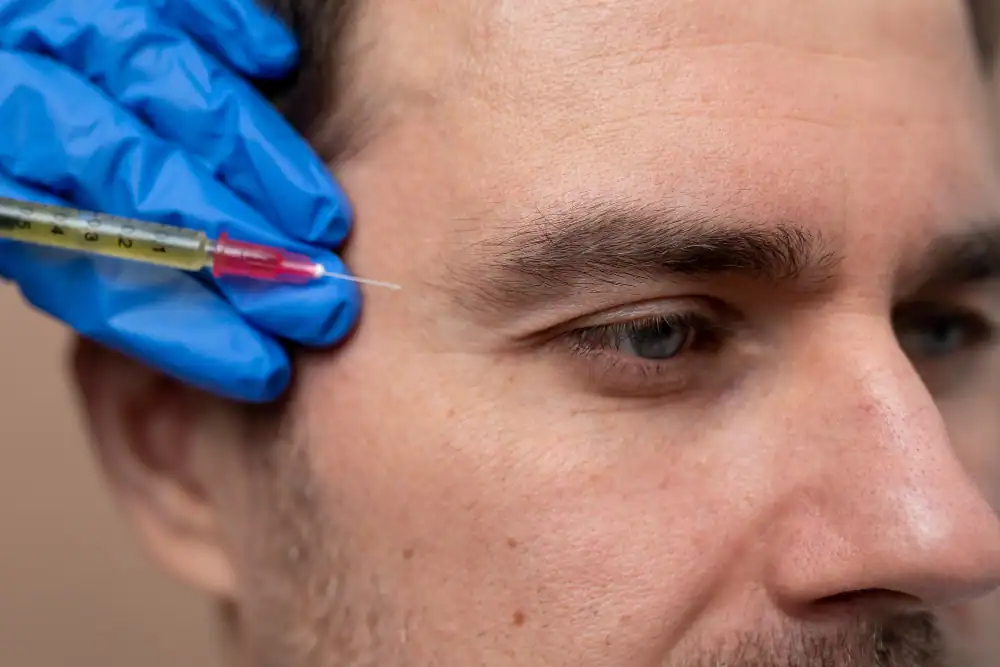
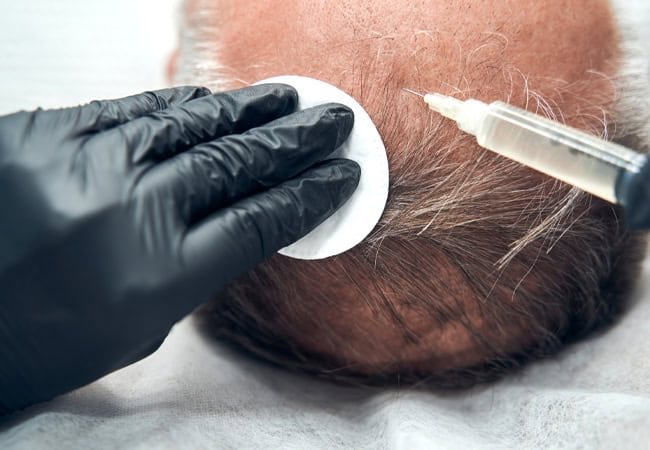
PRP therapy involves extracting a small amount of the patient’s blood, processing it to concentrate the platelets, and injecting it into the scalp. This treatment utilises the body’s own growth factors to promote hair regrowth and enhance scalp health.

The efficacy of this procedure is attributed to its capacity to stimulate dormant hair follicles and enhance blood flow to the scalp, potentially leading to increased hair density over time. Platelets contain bioactive proteins, including platelet-derived growth factor (PDGF), vascular endothelial growth factor (VEGF), and insulin-like growth factor (IGF). When these platelets get activated through the injection process, they degranulate and release these growth factors directly into the scalp tissue. The concentrated platelets release proteins that stimulate blood flow to the follicles, extend the hair growth phase, and encourage the production of thicker, healthier hair strands.

PRP treatment is an extremely important treatment following hair transplant surgery. PRP treatment works to promote hair growth and strength, and works to enhance the overall success of transplant surgery.

Benefits of Combining PRP with Hair Transplant

There are multiple benefits of Combining PRP with Hair Transplant as it has minimal downtime, is natural (due to usage of your own blood) and safe, hastens recovery and healing & boosts hair thickness and quality.

Faster Healing and Improved Graft Survival

PRP promotes faster healing of the scalp, reducing redness, swelling and inflammation.The growth factors in PRP stimulate hair follicles, encouraging stronger and thicker hair growth in the transplanted area.

What research shows:

  • PRP treatment improves the skin of grafted area by cell growth and neovascularisation (formation of new blood vessels) making the grafted area more receptive and fertile for newly transplanted hair.
  • There was also the added benefit of faster recovery of skin. This is because of the combination of growth factors plays a pivotal role in tissue repair and regeneration of the skin cells.

Stronger, Thicker Hair Regrowth

PRP promotes the growth of new, healthy hairs from follicles that have either stopped producing hair or are producing fine, thin hairs. Moreover, PRP helps minimize the temporary hair fall that commonly occurs after transplant and supports quicker regrowth. It also improves hair quality.

What research shows:

  • PRP treatment during the hair transplant plays a significant role in hair re-growth, and it remarkably improves density. PRP-treated patients had more than 75% follicle growth 
  • The quality of hair is better in PRP-treated patients as compared to non-PRP patients. In PRP patients, there were multiple erupting roots from the graft as early as 3 months besides lengthier shafts.

Step-by-Step Procedure of PRP Hair Transplant

PRP treatment is a very simple, natural, safe treatment that consists of 3 major steps:

  1. Collection and processing of blood: The session typically commences with a blood draw. This step is similar to a routine blood test and takes only a few minutes. Typically, the volume of blood collected ranges from 10 to 60 millilitres, depending on the specific requirements of the treatment. 
  2. Centrifugation: The collected blood is then put for centrifugation, that spins at high speeds, effectively separating the plasma from other components, such as red and white blood cells. This is done to separate the platelets, which are rich in growth factors essential for hair rejuvenation. 
  3. Preparation of the scalp: Before the injections, the target areas of your scalp will be cleaned and sterilized. If needed, a numbing cream or local anesthetic is applied to ensure your comfort during the procedure. 
  4. Injection of the platelet-rich plasma: The platelet-rich plasma containing growth factors is injected into the affected area of the scalp to stimulate hair growth and delay further hair loss. The growth factors in these platelets help hair grow, make hair thicker, and keep hair cells healthy.

Each session takes about 45-60 minutes, including blood draw, processing, and injection time.  The actual injection process usually takes 10-15 minutes.

Who Should Consider PRP Hair Transplant

Ideal for men and women of all ages, PRP hair treatment promotes the growth of new, healthy hairs from follicles and helps maintain existing hair by strengthening it. PRP works best for people with androgenetic alopecia (male or female pattern baldness) who still have active hair follicles. 

You should consider PRP Hair Transplant if you have:

  • Good overall health with normal platelet functioning 
  • Hair thinning or baldness
  • Male or female pattern baldness
  • Postpartum hair shedding

People with autoimmune conditions, blood disorders or those taking blood thinners may not be suitable candidates for PRP Hair Transplant.

Cost of PRP Hair Transplant in India (and Jaipur)

The cost of PRP Hair Transplant in India varies across cities and depends on factors such as location of the clinic, experience of the practitioner and reputation of the clinic.

This table shows the average cost of PRP Hair Transplant in India per session, across the major cities.

CityPrice Range (INR) per session
Delhi₹5,000 – ₹15,000
Mumbai₹5,000 – ₹14,500
Bangalore₹5,800 – ₹15,000
Hyderabad₹6,000 – ₹12,000
Ahmedabad₹7,000 – ₹13,000
Pune₹5,000 – ₹14,000
Jaipur₹5,000 – ₹14,000

Why ALCS Jaipur Is the Trusted Choice

  • Our reputation precedes us: ALCS Jaipur has been the leading provider of advanced PRP treatment and have been providing this treatment with ongoing success for over a decade.
  • Cutting-edge technology: At ACLS, there is no compromise on the quality of PRP technology at our disposal. We use only state of the art equipment for PRP Hair transplant, sourced from some of the world’s leading manufacturers.
  • Continuity of Care: We ensure that you are guided by the same practitioner through each step of your treatment resulting in the comfort of a familiar and friendly face during every visit. Our detailed and individualised consultation helps you decide which treatment is the correct option for you.

Frequently Asked Questions

How many PRP sessions are needed after hair transplant?

In the initial phase after hair transplant, 3 sessions of PRP are needed spaced 3-6 weeks apart, starting within the first month after the hair transplant. It should be repeated every 4-6 months after the first 2 months to maintain the results.

Is PRP hair transplant painful?

No, PRP hair transplant is not painful. However, potential side effects include mild discomfort as it involves multiple injections across your scalp which lasts only for a short period of time.

How soon can I see results?

New hair growth becomes evident within 1 – 3 months after the PRP hair transplant procedure. In 6 – 12 months there will be a significant increase in hair thickness and density.

Monsplasty Surgery: What Is It and Who Needs It?

There are a variety of aesthetic genital plastic surgery procedures that are performed to enhance the appearance and reduce discomfort. One such procedure is monsplasty, also known as pubic lift. 

Monsplasty is a surgical procedure designed to reshape, reduce excess skin or fat, and tighten the mons pubis area. 

In this blog post, we will explore who may benefit from monsplasty, who needs it, what the procedure involves, the benefits, and the associated risks.

Understanding Monsplasty

Monsplasty is a cosmetic surgical procedure aimed at removing excess fat and loose skin from the mons pubis. 

Mons pubis is the mound of tissue in front of the pubic bones, generally covered by pubic hair. Over time, this area can become more prominent or saggy due to factors including weight gain, hormonal changes or after C-section surgery. As the skin loses elasticity, it may hang or bulge, creating both aesthetic and functional concerns.

Monsplasty aims to lift, tighten, and reshape the mons pubis, resulting in a flatter, more refined contour. It may enhance comfort and hygiene. 

As abdominal contouring, like a tummy tuck, may make a protruding mons pubis more apparent, monsplasty is often performed concurrently with abdominal procedures to achieve balanced results.

Who Is A Good Candidate For Monsplasty?

Monsplasty can be performed in both men and women. However, it is commonly performed in women. 

The good candidates for monoplasty are those who have 

  • Visible bulging above the pubic area that shows through clothing and bathing suits
  • Sagging or loose skin hanging from the mons pubis 
  • Discomfort or chafing when wearing tight clothing or swimsuits
  • Don’t have an underlying medical condition, including heart disease, lung problems, or diabetes, that impair healing
  • Don’t smoke or are willing to quit smoking for at least four weeks 
  • Recurrent infections, rashes, or hygiene issues due to hanging tissue
  • Have difficulty peeing or having sex
  • Aesthetic concerns impacting self-confidence
  • Have realistic expectations from the procedure

Procedure Of Monsplasty

The monsplasty may take one to two hours and is typically performed on an outpatient basis. 

  • Preoperative evaluation: Before the surgery, the cosmetic surgeon will assess your general health, including any pre-existing health conditions, allergies, risk factors, current medications, and expectations. The mons pubis is typically examined while you are standing. 
  • Anaesthesia administration: The procedure may be performed under general anaesthesia or local anaesthesia with sedation, depending on the complexity of the procedure and your level of comfort.
  • Incision: The surgeon will use a sharp, thin knife to make a horizontal incision across the mons pubis, often positioned where it can be somewhat concealed. 
  • Removal of tissue: The surgeon uses a scalpel or surgical scissors to remove excess fatty tissue and skin.
  • Tissue tightening and internal suturing:  After removing excess skin and fat, the underlying tissues and muscles may be repositioned and tightened using internal sutures to improve support. In extensive cases, your surgeon may place small silicone tubes to drain any blood or fluid.
  • Incision closure: The incisions are later closed, often using techniques to minimize tension and reduce scarring, such as layered sutures.

Recovery After Monsplasty

The time to recover may vary depending on the complexity of the procedure. After the surgery, you will be monitored to make sure you don’t have any complications.  You will notice mild bruising and swelling soon after the surgery that will last for two to three weeks.

  • Day 0-2: You may experience minimal discomfort in the lower abdomen and mons pubis. You may be prescribed over-the-counter medications. You may take slow-paced walks a day or two after surgery. 
  • Day 5-7: Light daily activities may resume, and you may return to work a week after surgery. 
  • Weeks 4-6:  Gradual return to more strenuous activities and exercise. 

Follow-up visits may be required to monitor progress and address any concerns. It may take up to eight weeks or more for complete healing of incisions. Over this period, the mons pubis region softens and contours stabilize. 

Benefits Of Monsplasty

The different advantages of performing a monsplasty, including

  • Improved comfort and reduced irritation, friction, and chaffing
  • Enhanced aesthetic appearance resulting in a flatter, smoother mons pubis
  • Cleaning the area becomes easier and more effective with less overhanging tissue, thereby reducing moisture build-up, irritation, or skin infections.
  • Improved comfort in wearing clothing, including swimwear and tight or fitted garments
  • Alongside physical improvements, many people report reduced self-consciousness and less anxiety about their appearance. They also report an increase in self-esteem and positive feelings.

Possible Complications From Monsplasty

Monsplasty is a safe procedure and like any procedure, it carries a low risk of complications. A few possible complications that may arise include

  • Infection at the incision site
  • Excessive bleeding or haematoma
  • A larger or noticeable scar
  • Loosening of skin
  • Seroma
  • Irregular contours
  • Changes in sensation or numbness
  • Skin discoloration
  • Adverse reaction to anaesthesia

It is important to choose an experienced, board-certified plastic surgeon to help mitigate these risks.

Conclusion

Monsplasty is done to refine the contour of the mons pubis, improving aesthetics, comfort, and self-confidence. It is generally safe with satisfying outcomes when performed by a skilled surgeon. 

ALCS Clinic offers monsplasty procedure in a safe environment using cutting-edge technology and the latest equipment to deliver excellent outcomes. If you are considering monsplasty, schedule an appointment with Dr Sunil Arora of ALCS Clinic for a detailed consultation.

Frequently Asked Questions

Does monsplasty hurt?

You won’t feel pain during the procedure as you will be under local or general anaesthesia. Post-surgery, you may experience mild pain, swelling, bruising, and mild to moderate discomfort for a few days, which is generally manageable with prescribed medications and proper post-operative care.

Can men have monsplasty?

Yes, men can have monsplasty, especially when the procedure is used to remove excess fat and loose skin from the mons pubis in men, improving contour, visibility of genital anatomy, and reducing discomfort. However, it is seldom performed on men unless the excess fat and skin interfere with urinating or sexual intercourse.

How visible will the scar be after monsplasty?

The scar after a monsplasty will usually be minimal, and surgeons may place incisions in discreet locations and use refined suture techniques to reduce scarring so that it can be hidden by underwear. In most extensive surgeries involving excess skin removal, scars may be larger, but they tend to fade or flatten over time.

Can I exercise after monsplasty?

It is essential to follow the surgeon’s guidance regarding exercise after monsplasty. Light activities, including walking, may begin within a few days post-surgery. Strenuous exercises should be avoided for at least four to six weeks to ensure proper healing and minimize complications.

Will the results after monsplasty last forever?

The results and improvements from monsplasty are considered permanent, as long as the weight remains stable. However, significant weight fluctuations, pregnancy, or ageing may alter the results over time.