Get Expert Advice - Free Today

Gynecomastia Treatment: Understanding Costs and Options in India

Gynecomastia is a health condition in which male breast tissue grows bigger, mainly due to hormonal changes. This can be caused by excess estrogen levels or a lack of testosterone. Gynecomastia can develop in one or both breasts at any age. It can happen from adolescence to maturity, or as a side effect of certain medicines or health issues.

Gynecomastia is generally harmless, however it can be uncomfortable and cause mental discomfort. It has been shown to decrease men’s self-esteem and body image. For people thinking about gynecomastia surgery, the first step is to learn about the cost and available treatment options. This article provides a guide on gynecomastia treatment in India. It covers the surgical options, their prices, and the variables that can affect the costs.  

What Is Gynecomastia Surgery?

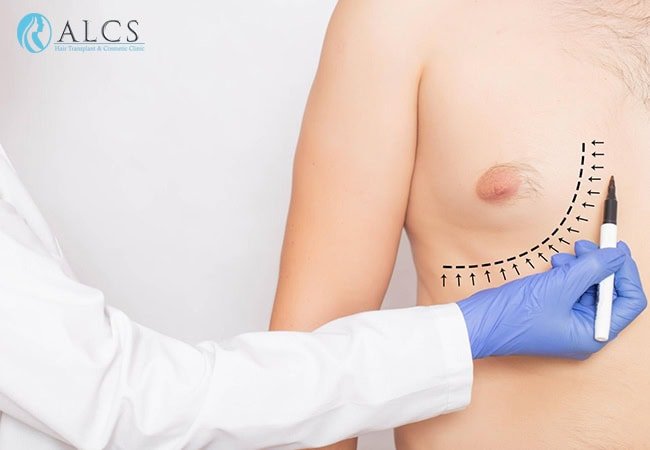
Gynecomastia surgery is also known as male breast reduction or reduction mammaplasty. It is a type of surgery done to reduce the size of overdeveloped breasts in males. The procedure usually involves removing extra breast tissue and fat to produce a more masculine shape of the chest. 

Techniques may include liposuction, gland excision, or a combination of both, depending on the extent of tissue enlargement. Recovery times and results vary, but most patients experience significant improvement in chest appearance and a reduction in associated discomfort and psychological stress.

Gynecomastia Surgery Cost in Different Cities of India

The cost of gynecomastia surgery varies quite a lot among different cities in India. Bigger cities with high-end medical setups and highly skilled surgeons charge a higher amount of money compared to smaller cities. Here is the estimated cost of gynecomastia surgery in various cities of India:

Cost Of Gynecomastia in India 
CityMinimum Cost (INR)
Delhi40,000 
Mumbai40,000 
Pune40,000 
Bangalore40,000 
Chennai40,000 
Ahmedabad40,000
Hyderabad40,000 
Lucknow40,000 
Kolkata40,000 
Kochi40,000 

Note: Amount may vary after examination and consultation

Cost-breakdown of  Gynecomastia Surgery in India

In most cases, the amount charged for diagnostic tests is around ₹10,000. A surgeon charges a fee of around ₹30,000, and operating room and ICU services charge a similar amount. 

Room rent increases the total to ₹8,000. Drugs and follow up add around ₹5,000. Compression wear costs about ₹5,000. So all together, for gynecomastia surgery in India, the total expense usually comes up to about ₹88,000.

Types of Gynecomastia

Gynecomastia can be categorized into four grades based on the degree of breast enlargement and the amount of excess skin as follows:

  1. Grade I: Breast enlargement is not significant, but there is no excess skin
  2. Grade II: Breast enlargement is moderate with no excess skin.
  3. Grade IIb (Grade III): Moderate enlargement of the breast with excess skin.
  4. Grade III (Grade IV): Gross breast enlargement with excess skin.

Cost of Gynecomastia Surgery Grade-Wise

The cost of gynecomastia surgery is also dependent upon the grade of the condition and the type of surgery needed. The table below indicates an estimate based on different grades and surgical procedures:

Grade of GynecomastiaLiposuction (₹)Gland Excision (₹)Male Breast Reduction (₹)
Grade 140,000 – 60,00035,000 – 55,00037,500 – 70,000
Grade 245,000 – 65,00040,000 – 60,00042,500 – 75,000
Grade 350,000 – 70,00045,000 – 65,00047,500 – 80,000
Grade 460,000 – 80,00055,000 – 85,00057,500 – 1,00,000

Note: Amount may vary after examination and consultation

Factors Contributing to Cost of Gynecomastia Surgery in India

The cost of gynecomastia surgery in India is determined by the following factors:

  • The costs tend to rise for higher grades of gynecomastia (Grades I-IV).
  • Liposuction, gland excision, or a combination procedure would impact the overall cost. Liposuction focuses on fatty deposits, and gland excision is removal of glandular tissue.
  • A very experienced surgeon with more experience in gynecomastia surgery will most likely charge more.
  • Clinics and hospitals with advanced technology and superior facilities generally charge more for their services.
  • Pre-surgical processes, including ECGs and blood tests add up to the overall cost.
  • Post-operative visits and medications also contribute to the total expenses.
  • Surgery in metropolitan areas tends to be more expensive due to higher living costs and demand for specialized medical services.

Can Gynecomastia Be Cured Without Surgery?

Yes, in cases where the issue is minor, or caused for a temporary phase. Gynecomastia can be self-managed even without surgery. Non-surgical treatments include:

  1. Medication:  If gynecomastia is due to other medications, changing or stopping under medical guidance sometimes resolves the condition.
  2. Hormone Therapy: In case gynecomastia is triggered by hormonal problems, treatment could reduce the hypertrophy of mammary tissue using hormone medications.
  3. Weight loss: The reduction of total body fat through diet and exercise may reduce the size of enlarged breasts, especially in cases where excess fat contributes to gynecomastia.
  4. Follow-up: In teens, gynecomastia often resolves by itself within several months to a couple of years without any interference.

However, in severe cases especially when classified as Grade II or higher, surgery is usually recommended to get better results.

Conclusion

Gynecomastia is the enlargement of breast tissue in males, caused by hormonal imbalances. Treatment of gynecomastia involves non-surgical interventions, like medication and changes in lifestyle, and surgical options, such as liposuction and gland excision. 

The price of the surgery for gynecomastia in India varies greatly on the basis of factors related to the severity of the condition, type of procedure, expertise of the surgeon, and the geography location of the source. Once these factors are understood, anyone can thoroughly research any available options and get suitable treatment. 

Frequently Asked Questions (FAQs)

What are the causes of gynecomastia?

Gynecomastia can be caused by some medicines including antidepressants, antibiotics, chemotherapy, prostate cancer treatments, and ulcer or cardiovascular medications. Anabolic steroids, heroin, and marijuana are examples of illegal substances that can induce gynecomastia.

How can you reduce gynecomastia?

It is not possible to target particular areas for fat reduction. This means that there are two types of exercises used to reduce the appearance of gynecomastia: cardio workouts to burn general body fat and chest exercises to improve the size of the muscles.

How can I prevent gyno?

Unfortunately, many of the hormonal changes that cause gynecomastia are unavoidable. If needed, you can reduce your risk of gynecomastia by changing medicines or getting treatment for a substance use disorder.

Exploring Rhinoplasty Costs in India: What You Need to Know

Rhinoplasty is often referred to as a nose job. This type of plastic surgery changes the shape and size of the nose. This rhinoplasty can be done either for functional or aesthetic purposes or both.

Rhinoplasty can be performed to repair the lack of facial symmetry, correct a birth defect, and fix structural defects such as a deviated septum. During the process, a qualified surgeon will manipulate the nasal cartilage and bones.

It can also be used to open blocked nasal passages to allow easier breathing. Rhinoplasty has become popular because it enhances the quality of life and self-confidence.

Understanding of the anticipated outcomes, available alternatives, and the rhinoplasty cost in India is imperative before undergoing a rhinoplasty. The article will give a comprehensive description of rhinoplasty care in India, surgical options, cost estimate, and length, which may help influence the cost of the surgical procedure.

Cost of Rhinoplasty Surgery in Major Indian Cities

The nose surgery cost in India differs between cities. Famous cities with standardised medical infrastructure and experienced surgeons usually charge more because of increased operating costs. The nose job cost in the leading Indian cities is presented below.

CityCost (INR)
Ahmedabad45,000-125,000
Bangalore45,000-125,000
Chennai45,000-125,000
Delhi45,000-125,000
Hyderabad45,000-125,000
Kolkata45,000-125,000
Mumbai45,000-125,000
Patna45,000-125,000
Pune45,000-125,000

Note: Costs are subject to changes based on individual examination and consultation.

Factors Affecting Rhinoplasty Surgery Cost

The cost of the entire rhinoplasty surgery depends on many factors. This is a general

  • Preoperative diagnostic tests might involve imaging, blood tests, and consultations.
  • The cost would depend on the nature of the surgery that would be done and the experience of the surgeon.
  • Operating room and anaesthesia costs incurred in a hospital or clinic may be cumulative.
  • The overhead cost may approximately include room rent in the event of an overnight stay.
  • There should also be medication, follow-up appointments, and post-operative care.

Types of Rhinoplasty

Rhinoplasty procedures may be classified based on their method and purpose:

  1. Open rhinoplasty: In open rhinoplasty, the incisions run within the nostrils and across the columella. Such an approach allows a more accurate process and more significant changes to the shape of the nose.
  2. Closed rhinoplasty: Closed rhinoplasty involves making cuts within the nose. It is often employed to perform minor surgeries on the nose, such as correcting a drooping nose, having a wide bridge, or having a hump at the back.
  3. Revision Rhinoplasty: Approach Two. Revision rhinoplasty can also be called revision rhinoplasty. This treatment is done to improve or correct the results of a previous rhinoplasty.
  4. Septorhinoplasty: To treat septal deviation and other structural defects, septorhinoplasty involves making incisions in the inner lining of the nose.
  5. Tip Plasty: It is a technique that alters the tip of the nose without changing the other nasal characteristics. The duration of tip plasty surgery is approximately 45 minutes and can be done either in sedation or under local anaesthesia.
  6. Piezoelectric surgery: Piezoelectric surgery replaces standard surgical tools with ultrasound vibrations to slice through bone and cartilage.
  7. CAD/CAM Precision: Nose reshaping surgery uses computer-aided design (CAD) and computer-aided manufacture (CAM) to generate its custom nose implants.
  8. Robotic surgery: It uses robotic procedures to manage the manual dexterity of the surgeon and allow the surgeon to perform operations with increased accuracy.
  9. Cartilage grafts: Cartilage grafting is the addition of cartilage grafts, such as cartilage of the ribs, septum, or ear.

Cost of Rhinoplasty by Procedure Type

The rhinoplasty cost depends on the technique required. It is a range of prices estimated according to different rhinoplasty procedures.

TypeCost (INR)
Cosmetic Rhinoplasty45,000-125,000
Functional Rhinoplasty45,000-125,000
Revision Rhinoplasty45,000-125,000
Open Rhinoplasty45,000-125,000
Closed Rhinoplasty45,000-125,000

Note: the cost would be different after consideration and evaluation.

Can Rhinoplasty Be Done Without Surgery?

Some patients prefer non-surgical alternatives to conventional rhinoplasty surgery. Non-surgical rhinoplasty is also referred to as liquid rhinoplasty and involves the use of dermal fillers.

It provides a less permanent re-shaping, requires minimal aftercare, and is often cheaper in India than rhinoplasty. It is possible to enhance symmetry, uplift a drooping tip, and fill small flaws with this technique.

Nevertheless, benefits can last solely six to eighteen months, and long-term nose surgery cost in India could be comparable to surgical rhinoplasty because other procedures are frequent.

Risks and Side Effects

There are certain threats and obstacles that can occur during any cosmetic surgery procedure. Rhinoplasty is among the most challenging operations to perform, so it is not astonishing that there can be any side effects. Rhinoplasty complications entail:

  • Scarring
  • Nasal septal perforation (hole)
  • Skin tissue necrosis.
  • Numbness
  • Skin discolouration
  • Swelling
  • Excessive bleeding
  • Poor healing.
  • Poor aesthetic appearance
  • Infection
  • Breathing problems
  • Anesthesia complications

The above problems are not relevant to most individuals. Instead, the patients experience only mild side effects such as bruising, swelling, and moderate discomfort. They should fade after the process in one week or two.

Conclusion

Rhinoplasty is a versatile procedure applicable to fix cosmetic and functional nasal problems. The rhinoplasty cost in India is influenced by the type of treatment, the skills of the surgeons, hospital amenities, and even the location.

A rhinoplasty is a surgery that is chosen depending on the price, expected outcomes, and long-term considerations. It is necessary to know the cost of the rhinoplasty, expected results, and long-term factors before choosing a temporary non-surgical or a permanent surgical repair. Just like the type of operation, such as how to get dimples permanently with surgery, it takes proper preparation and professional help to get satisfactory results.

With the right research and advice, patients can proceed with the treatment that enhances the quality of life with confidence.

Frequently Asked Questions (FAQs)

How long does it take to recover after a rhinoplasty?

Healing requires a few weeks in the initial part, although this may differ among patients. The final outcomes may be observed in one year, and swelling and some discomfort may persist for months.

Is non-surgical rhinoplasty a long-term solution?

No, non-surgical rhinoplasty filler-based is not permanent. Maintenance treatments are needed after every six to eight months to maintain the appearance of the desired look.

Is there a solution to respiratory problems with rhinoplasty?

In fact, rhinoplasty may serve a functional purpose such as repairing structural anomalies, such as a deviated septum, thereby improving the flow of air.

Will crying ruin your rhinoplasty?

Although crying won’t physically affect your performance, it may result in transient bruising and swelling. This is because crying is known to increase blood pressure and heart rate. Also, it creates a mucous secretion that can worsen swelling. All this makes it necessary to reduce sobbing in the initial two weeks after the surgery.

MNRF Treatment: Benefits, Costs, and What to Expect

Microneedling Radiofrequency (MNRF) treatment is a new alternative in non-surgical skincare. This procedure combines microneedling and radiofrequency energy to treat many skin issues. The technique is praised for the ability to revitalize the skin, making it firmer, smoother, and more youthful. 

Using a device with fine needles, the treatment creates controlled micro-injuries on the surface of the skin. These injuries trigger a body’s normal healing response with the stimulation of collagen and elastin. The method goes further, however, since radiofrequency energy delivers heat into the layers of the skin to tighten up and refine their texture.

Its most notable quality is that this is a very minimally invasive technique. For that reason, it is being offered as a much less intense surgical procedure but by combining the best of two methods that already proved to work. This allows for a flexible approach to a range of skin concerns, from acne scarring to fine lines and wrinkles. 

This article provides an overview of MNRF treatment, discussing its benefits, costs, and what patients can expect before, during, and after the procedure.

What is Microneedling Radiofrequency?

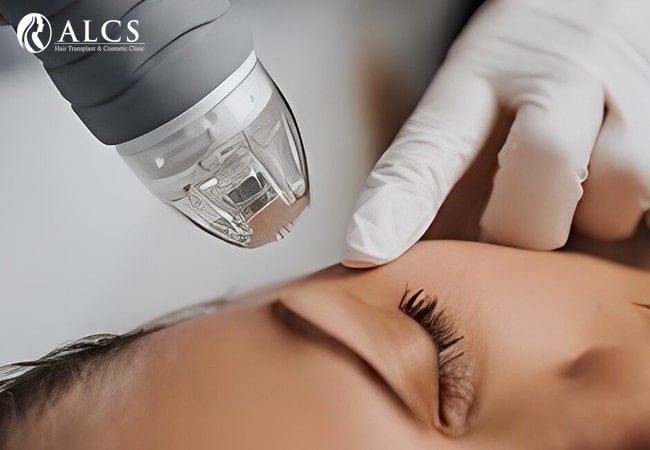
Microneedling Radiofrequency, or MNRF for short, is a skin rejuvenation technique that combines the effectiveness of microneedling and radiofrequency technology. In this process, a handheld device with tiny needles penetrates the skin, creating micro-injuries. 

These injuries are designed to trigger the body’s natural wound-healing process. As the skin heals, it begins to produce new collagen and elastin, proteins essential for maintaining skin elasticity and strength.

The new aspect of MNRF is the application of radiofrequency energy. After the needles have formed microchannels, the radiofrequency energy is delivered into the deeper skin layers. It produces heat that stimulates the production of collagen and causes the contraction of tissues. 

The two used together improve the treatment, and this makes it effective for various skin concerns. The treatment can be changed according to different client needs and the area under treatment, from varying needle penetration and radiofrequency energy intensity.

MNRF Treatment Cost in India For Different Skin Conditions

The price of an MNRF session varies widely depending on several factors. Geographical location is one, as prices differ from one city or country to another. 

The experience and qualifications of the practitioner also play a role in pricing. Finally, the area of the body being treated and the extent of the skin issues can also affect the total cost.

Skin ConditionCost per Session (INR)Total Cost (INR)
Fine Lines and Wrinkles5,000 – 10,00015,000-50,000
Acne Scars7,000-10,00020,000-70,000
Pigmentation5,000-9,00015,000-50,000
Enlarged Pores6,000-12,00018,000-60,000
Skin Rejuvenation8,000-10,00024,000-70,000
Stretch Marks6,000-12,00018,000-72,000

Another variable is the technology used. More advanced technology or devices mean higher treatment cost. The treatment itself may have a high price due to its complexity, like the number of sessions needed to get desired results. Multiple sessions are usual for most patients, which, in turn, increase the costs.

Conditions Treatable with MNRF

Microneedling Radiofrequency is a versatile treatment that can address a range of dermatological issues. Its dual action approach makes it effective for various conditions:

  • Fine Lines and Wrinkles
  • Skin Sagging and Laxity
  • Acne Scars
  • Enlarged Pores
  • Discolored Skin
  • General Skin Rejuvenation
  • Stretch Marks
  • Sun Damage
  • Dull Complexion
  • Rosacea

Since MNRF is adaptable, it acts as a one-stop solution for individuals trying to address multiple skin concerns at a time.

The procedure is also appropriate for individuals with acne scars, uneven skin tone, or large pores. For people who have acne-prone skin or scarring, MNRF will help improve texture and tone for a smoother look. 

It’s a good option for those wanting general rejuvenation of the skin without undergoing invasive surgeries. People wishing to increase the natural production of collagen in their skin to avoid or delay the signs of aging can consider MNRF as a preventive step.

Importantly, MNRF is safe for a variety of skin types and tones. Its customizable nature means that treatment depth and energy levels can be adjusted to suit individual skin sensitivity and specific conditions. Before undergoing MNRF, it is advisable for potential candidates to seek professional advice. A consultation can help determine if this treatment aligns with their skin goals and address any health considerations.

MNRF Process Step by Step

MNRF treatment involves a multi-step process designed to be safe and effective. The procedure starts with an initial consultation. In this session, a skincare professional evaluates the patient’s goals, medical history, and current skin condition. This evaluation ensures that MNRF is appropriate for the individual and sets expectations for outcomes.

  1. Pre-treatment preparation includes proper skin cleansing. Patients are informed to remove makeup, oils, and other impurities before treatment. A topical anesthetic may be applied to make the patient more comfortable during the procedure. 
  2. The treatment area is covered with a conductive gel. The conductive gel allows for smoother movement of the device over the skin and aids in the efficient delivery of radiofrequency energy.
  3. The core of the procedure is the use of the MNRF device. The fine needles of the device pierce the skin, thereby creating microchannels. As the needles penetrate the skin, the deeper layers receive radiofrequency energy simultaneously. 
  4. The combination of the two causes a stimulation of the production of collagen and elastin. The practitioner can adjust parameters such as depth of the needles and the energy level to target areas and concerns that need to be addressed.
  5. After the treatment, a calming serum or lotion may be applied to the treated area. This post-treatment step calms the skin and initiates the healing process. 

MNRF Aftercare after treatment

It is quite important to treat the skin post-MNRF treatment. Some steps to maintain proper after care are as follows: 

  • Cleansing is most important, along with hygiene care around the area where MNRF treatment was done. 
  • Avoid touching the area to minimize irritation and potential infection. 
  • Soft, fragrance-free skincare products applied according to practitioner instructions may aid in healing by calming the affected region.
  • Moisturizing the skin regularly is important. Using prescribed creams or serums maintains the hydration of the skin and prevents dryness or peeling. 
  • Sun protection is also important post-MNRF. The skin is more sensitive after the treatment, and thus it is more susceptible to ultraviolet damage. A broad-spectrum sunscreen can prevent complications and maintain the outcome.

Avoid engaging in activities that could irritate the skin such as using the sauna or rigorous exercises that bring too much sweat in the patient’s body for several days. If any symptoms last longer than what the doctor mentioned, consult them immediately. 

MNRF Treatment Results: Expectations

MNRF treatment results don’t occur overnight. Hours after the treatment, patients may feel red, swell slightly, or even have a sunburn-like feeling on the skin. These side effects are temporary and likely to fade in a few days. True benefits from the procedure come later as the skin heals and becomes rejuvenated.

Some improvements are noticeable after a few weeks but the overall effect usually only develops after several months. This gradual improvement is due to the fact that it takes time for the new collagen and elastin fibers to form and strengthen the skin. 

For better results, repeated treatment sessions are often necessary and should be scheduled over a time frame recommended by a skincare professional. Proper aftercare, including sun protection and sticking to skin care guidelines prolongs the positive results.

What Side Effects are Typical After MNRF Treatment?

MNRF treatment is generally well-tolerated. Most side effects are mild and temporary. Common post-treatment effects include:

  • Redness
  • Swelling
  • Sensitivity
  • Dryness or Peeling
  • Bruising

Following post-treatment instructions helps reduce these side effects. Skin reactions should be closely monitored and professional help consulted if symptoms become worse or persist. 

These temporary side effects are a natural part of healing, and most patients can easily cope with them. With proper aftercare, the patient can make recovery easier and optimize the entire treatment with MNRF.

Conclusion

Microneedling Radiofrequency is a pioneering skincare solution that combines microneedling with radiofrequency energy. It provides a combined approach to skin rejuvenation by addressing several concerns without surgery. The treatment effectively reduces wrinkles, tightens the skin, and improves texture by stimulating natural collagen and elastin production. While costs vary based on several factors, the benefits often outweigh the investment for many individuals seeking a non-surgical option.

Understanding the step-by-step process, aftercare regimen, expected outcomes, and possible side effects allows patients to better prepare for a positive MNRF experience. By having multiple sessions tailored to their needs, MNRF can help improve the appearance of the skin as well as instill confidence. Since technology continues to advance, access and effectiveness to MNRF is increasing and should be a consideration in aesthetic medicine.

References

https://pmc.ncbi.nlm.nih.gov/articles/PMC8423198

https://www.researchgate.net/publication/264903390_Evaluation_of_Microneedling_Fractional_Radiofrequency_Device_for_Treatment_of_Acne_Scars

Scar Revision Surgery Cost in India

Scar revision or Scar Reduction is a type of surgery to reduce scars. Scars result as part of the natural healing process after an injury, surgery, or some skin conditions such as acne. Complete removal of scars is nearly impossible but scar revision works by making scars less visible. 

Scar revision surgery costs vary in India and depend upon several factors, including the nature of the scar, the complexity of the procedure, the specialist’s expertise, and the place of surgery. This article explores the intricacies of scar revision, its various forms, and the factors that influence the cost of these procedures in India.

What is Scar Revision?

The main goal is to reduce the appearance of scars, which improves both looks and function. Some scars can cause discomfort, limit movement or slow down function. As a result, scar modification may address functional issues in addition to cosmetic ones. 

Although many scar treatments attempt to improve appearance, the operation is also necessary for severe scars that interfere with everyday activities. The technique requires a thorough examination of the scar’s features, such as its type, location, and causes, which is important in identifying the most effective treatment strategy. 

Scar Revision Surgery Cost

India is a popular destination for medical tourism, partly because of its cost-effective healthcare services. Scar revision surgery costs in India are significantly lower than in many Western countries.  

CityCost (INR)
Ahmedabad₹ 25500 – ₹ 50000
Mumbai₹ 25500 – ₹ 50000
Bangalore₹ 25500 – ₹ 50000
Pune₹ 25500 – ₹ 50000
Patna₹ 25500 – ₹ 50000
Kolkata₹ 25500 – ₹ 50000
Delhi₹ 25500 – ₹ 50000
Hyderabad₹ 25500 – ₹ 50000

Factors Influencing Cost in India

The cost of scar revision surgery in India can vary widely. Several factors contribute to this variation:

  • More extensive scars or those involving deeper tissue layers require more intricate surgical techniques and longer operation times. This increases the overall cost.
  • Non-surgical treatments like topical creams and injectables are generally less expensive than surgical interventions. Advanced resurfacing methods such as laser therapy also add to the cost.
  • Highly experienced and reputed surgeons may charge more for their services, but their expertise can result in better outcomes.
  • Costs can vary by city and region. Metropolitan areas with advanced medical facilities tend to have higher prices compared to smaller towns.
  • Modern clinics with state-of-the-art equipment and comfortable accommodations usually charge more than smaller, less equipped facilities.
  • The need for additional treatments, follow-ups, or therapies to ensure proper healing can increase the cost.

Types of Scars and Their Implications

Scars can be categorized based on their appearance and formation: 

Keloid scars

These scars are raised, shiny, and can grow beyond the original injury site. They are more common in people with darker skin. 

Hypertrophic scars

These scars are raised and red, but they stay within the original injury site. They are caused by the body producing too much collagen. 

Pitted scars

These scars are sunken or depressed, and can look like small indentations or rounded pits. They can be caused by severe acne or some injuries. 

Stretch marks

These scars appear as silvery or white streaks, and can be slightly indented or ridged. They are caused by the connective tissues under the skin being damaged when it expands or shrinks quickly. 

Flat scars

These scars may be slightly raised at first, but they flatten out as they heal. They are often pink or red in color. 

Contracture scars

These scars are thickened areas of tissue where the skin is tightened around the impacted area. 

Who Can Be Treated?

Scar revision is offered to almost everyone who wants to eliminate or repair an unattractive scar. Acne, burns from accidents or radiation, surgical operations such as cesarean births or cleft lip surgeries, piercings, skin infections, and traumatic traumas are among the most common causes.

A noticeable scar on the face or any other region of the body can cause emotional distress, lowering one’s confidence and quality of life. Scar revision might help you feel better about yourself by reducing the visibility of your scar. In India, people frequently choose such surgeries not just for cosmetic reasons, but also to improve their general health and functional comfort. 

Overview of Scar Revision Techniques

Scar revision techniques include topical treatments, injections, and surgical procedures. The right technique depends on the type of scar, its size, and whether it’s causing pain or making it difficult to move. 

  1. Silicone gel sheets: Flattens hypertrophic and keloid scars 
  2. Gels, tapes, or external compression: Helps with wound closure and healing 
  3. Skin bleaching: Substances that lighten the skin can reduce the appearance of scars 
  4. Steroid injections: Can help reduce redness, itching, and burning of keloid scars 
  5. Dermal filler: Can fill depressed or concave scars 
  6. Z-plasty: Repositions the scar by cutting small triangular flaps of skin and rearranging them to follow the skin’s natural lines 
  7. W-plasty: A surgical technique that alters the forces across the scar 
  8. Flap surgery: Moves skin, fat, blood vessels, and sometimes muscle from a healthy part of the body to the scar site 
  9. Dermabrasion: Removes the top layers of skin to smooth out irregularities 
  10. Laser therapy: Uses light or heat to trigger skin cell turnover

Preoperative Considerations

Before undergoing scar revision surgery, patients should prepare physically and mentally for the procedure. Proper nutrition and quitting habits like smoking can significantly impact healing. A diet rich in vitamins and minerals, particularly zinc and vitamins A, C, and E, supports skin repair. 

It is essential to avoid smoking, as tobacco can slow down wound healing and increase the risk of complications. Patients may also need to cease certain medications, like anticoagulants, to minimize the risk of bleeding. Those with chronic conditions such as diabetes or those taking immunosuppressants require special considerations. 

Benefits and Risks

Scar revision surgery can improve the appearance of scars and restore function to the skin. It can also help with discomfort. 

  • Scar revision can improve the appearance of scars, making them less noticeable. 
  • Scar revision can restore function to skin that was restricted by the scar. For example, it can improve the flexibility of the skin on the face. 
  • Scar revision can have a positive emotional impact. 
  • Scar revision can reduce discomfort associated with scars. 
  • Scar revision can restore elasticity to scarred skin tissue.

Scar revision is usually safe, but there are some risks. These include: 

  • Infection 
  • Bleeding 
  • Adverse reaction to anesthesia
  • Scar recurrence: 
  • Keloid formation
  • The wound may reopen after the procedure 
  • The surgery may cause a new scar to form 
  • Redness, swelling, and blistering
  • Increased sensitivity to sunlight
  • Injections and resurfacing treatments may cause the scar to be darker than the surrounding skin

Non-Surgical Alternatives 

Not all scars require surgical revision. Various non-surgical treatments can improve the appearance of scars, often at a lower cost. Topical treatments such as silicone gels, pressure dressings, and vitamin-based creams can reduce scar size and discoloration when used consistently. 

Injectable treatments involve the use of corticosteroids, dermal fillers, or other medications to break down scar tissue and even out skin texture. Resurfacing techniques like laser therapy, chemical peels, and microneedling help to smooth out and lighten scars. These options may involve multiple sessions, and while each session might be less expensive than surgery, the cumulative cost can add up. 

However, they often provide incremental improvements without the need for invasive procedures, thus appealing to patients who prefer a less dramatic approach or who wish to manage costs more gradually.

Aftercare and Long-Term Care

Post-operative care is an important part of scar revision, affecting both results and overall expenses. Patients often need to follow special care guidelines after surgery in order to recover properly. 

These guidelines often involve keeping the wound clean, applying prescription ointments or silicone sheets, shielding the region from direct sunlight, and massaging the scar on a regular basis to increase softness and flexibility. Some situations may need further non-surgical treatments, such as laser therapy or injections, to get the best results.  

Conclusion

Scar revision surgery in India offers a cost-effective solution for those seeking to improve the appearance of their scars. The procedure encompasses various techniques that range from non-invasive topical treatments to intricate surgical procedures. The cost is influenced by factors such as the scar’s complexity, the type of procedure chosen, the expertise of the surgeon, and the healthcare facility’s location and amenities. 

Varicose Veins Surgery: Costs, Treatment Options, and What to Expect

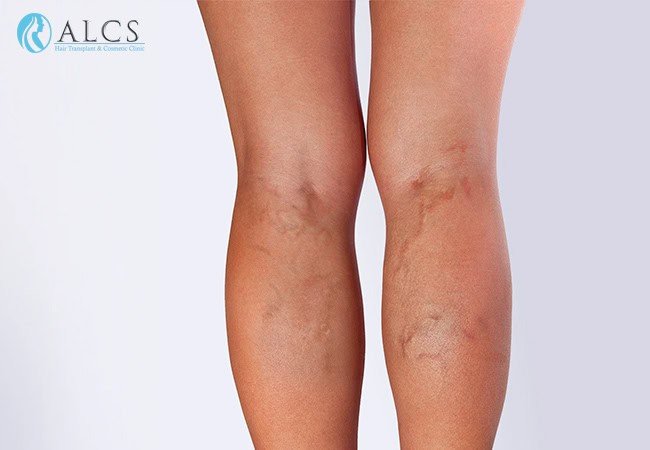
Varicose veins are enlarged, twisted veins that usually appear just below the skin’s surface, most commonly in the legs. Though often considered a cosmetic issue, varicose veins can cause discomfort and in some cases, serious health complications. 

Understanding the costs, available treatment options, and what to expect during varicose vein surgery can help individuals make informed decisions about their vascular health.

What are Varicose Veins?

Varicose veins are caused by the weakening or damage of valves within the veins, which causes blood to pool and the veins to enlarge. These valves are essential in ensuring that blood flows back to the heart, especially from the lower extremities. Factors such as prolonged standing or walking increase pressure in the leg veins, making varicose veins more prevalent in these areas.

Costs of Varicose Vein Treatments

The cost of varicose vein treatments can vary greatly depending on the chosen method, geographic location, and whether the procedure is deemed cosmetic or medically necessary.

Varicose veins can be treated with lifestyle modifications like exercise and compression stockings, as well as medical procedures including sclerotherapy, laser therapy, and surgery. Treatment costs vary based on the procedure and the clinic or hospital’s location. Prices for varicose vein treatment in India range from INR 25,000 to INR 2,50,000.

It is important to note that treatment prices vary depending on the stage and degree of varicose veins.

Types of TreatmentAverage Cost (INR)
Sclerotherapy27,500
Endovenous Laser Treatment (EVLT)80,000
Radiofrequency Ablation (RFA)c70,000
Surgical Vein Stripping50,000

Causes and Risk Factors

Several factors can contribute to the development of varicose veins:

  • A family history of varicose veins increases the likelihood of developing them.
  • Women are more prone to varicose veins, partly due to hormonal changes during pregnancy, menstruation, or menopause.
  • The risk grows with age as veins lose elasticity and valves weaken.
  • Prolonged periods of standing or sitting, obesity, and lack of exercise can elevate the risk.
  • Pregnancy, constipation, and chronic cough, etc., increase intra-abdominal pressure and thereby contribute to varicose vein formation.

Varicose Veins Symptoms

Varicose veins can range from being minor cosmetic concerns to causing significant discomfort. Common symptoms include:

  • They appear twisted and bulging, appearing like cords; they are often dark purple or blue.
  • The patient has chronic aches or sensation of pain or a feeling of weight in the legs that are especially persistent in patients who have had long periods of standing or sitting.
  • Swelling of the lower legs and ankles
  • Pruritus over the affected veins or around the skin lesions.
  • Muscle Spasm or Burns
  • Leg cramps or feeling of burning pain.

If untreated, it might also result in skin ulcers, blood clots, and hemorrhages.

Diagnosing Varicose Veins

A doctor diagnoses varicose veins through physical examination. He or she will look at your veins when standing, checking for swelling and alterations in vein appearance. Some further tests may include:

  1. Venous Doppler Ultrasound: This is a pain-free test that uses sound waves to evaluate blood flow through the valve of a vein and detect blood clots.
  2. Duplex Ultrasound: This combines traditional ultrasound with Doppler to give a very specific image of the veins, which helps in establishing the severity of the case.

Treatment

Treatment of varicose veins differs with the seriousness of the condition and presence of symptoms. The available options range from self-care measures to minimally invasive procedures and surgery.

Self-Care Measures

For individuals who have mildly developed varicose veins or with minimal symptoms, self-care strategies can provide relief and prevent progression:

  • Regular Exercise: Walking or swimming activities improve blood circulation.
  • Leg Elevation: When sitting or lying down, elevate the legs to reduce swelling.
  • Weight Management: Maintaining healthy weight reduces pressure on the veins.
  • Avoid Prolonged Standing or Sitting: Frequent change of position prevents blood from collecting in the veins.

Compression Stockings

Compression stockings are the first point of treatment in most cases with varicose veins. Specially designed, these stockings place gentle pressure on the legs, aid blood flow, and reduce swelling. They come in different types and strengths, although some require prescription. 

Minimally Invasive Procedures

Medical procedures can effectively treat varicose veins when self-care and compression stockings are insufficient. These procedures are usually performed on an outpatient basis, so patients can return home the same day.

Sclerotherapy

It injects a solution or foam directly into the varicose veins, causing scarring and eventual closure. Time will pass before the treated veins fade and disappear. Multiple sessions may be needed to achieve optimal results. This is generally done without anesthetic.

Laser Treatment

Laser therapy uses concentrated light to heat and close varicose veins. The treated veins gradually fade as they are reabsorbed by the body. Laser treatment is non-invasive and does not require any incisions or needles.

Radiofrequency or Laser Ablation

Larger varicose veins can be treated by radiofrequency or laser-based catheter interventions. A thin catheter is inserted into the vein, and energy heats the catheter’s tip, thereby causing the vein to collapse and seal up. Once the catheter is withdrawn, the vein stays closed, and the blood flows into the healthier veins.

High Ligation and Vein Stripping

This surgical technique involves ligating the involved vein close to its junction with a deep vein and then exercising it through small incisions. Although effective, this procedure is less commonly performed today because of the availability of less invasive treatments. It is usually done on an outpatient basis, and most patients can return to normal activities shortly after.

Ambulatory Phlebectomy

Ambulatory phlebectomy is a technique applied to remove the smaller varicose veins with tiny punctures in the skin. It numbs the area locally, and with specific instruments, extracts the veins from the skin, which is followed by very minor scarring, usually performed as an adjunctive procedure with other treatments for full management of veins.

Surgical Extraction

In cases of severe varicose veins that do not respond to other treatments, surgical removal may be necessary. This option is generally reserved for individuals with significant discomfort or complications. The surgery involves ligation and stripping the problematic veins, ensuring that blood flow is redirected through healthier pathways.

What to Expect During Varicose Vein Surgery

Varicose vein surgery can be relatively simple, especially with minimally invasive techniques. Here is what patients can generally expect:

Pre-Procedure

A comprehensive assessment by a vascular specialist, which may include a physical examination and possibly imaging tests, to decide on the best course of treatment. Patients may be given advice on fasting, medications, and transportation after the procedure.

Procedure

For most procedures, local anesthesia is administered to numb the treatment area. General anesthesia is rarely used for most varicose vein treatments. For sclerotherapy, injections are administered directly into the veins. Laser treatments apply laser energy to the veins. Catheter-based procedures require a catheter inserted into the vein.

After the Procedure

Most minimally invasive procedures allow patients to resume their normal activities in a day. More extensive surgeries may take a day or two to rest. Compression stockings after the procedure support the treated veins and aid in healing.

Potential Risks and Complications

Although varicose vein surgeries are usually considered safe, some potential risks include:

  • Even though this is relatively rare, infections may develop at the incision site.
  • There’s a slight risk of blood clot development which may need further treatment.
  • Temporary or, rarely permanent damage to nerves could result.
  • Around the treated veins, some patients may observe skin discoloration.

Conclusion

Varicose veins are one of the most common vascular conditions that can range from a minor aesthetic concern to a source of significant discomfort and health complications. To provide an effective treatment, the various options, especially self-care measures, compression therapy, minimally invasive procedures, and surgery, need to be understood and individually applied. 

Varying in terms of both cost and type of treatment, most procedures both treat the medical aspect and provide a cosmetic component. Patients can seek consultation with a healthcare provider to determine treatment that best fits their need and targets symptom relief as well as quality of life.