Get Expert Advice - Free Today

Why Rhinoplasty Is Becoming Popular Among Millennials

Millennials are the future of aesthetic medicine. There is an undeniable shift in the beauty and wellness markets that is largely led by millennials. Trends show that millennials are doing what it is that they need to do to feel well about themselves. They consider cosmetic procedures to be a part of their overall self-care, best version of themselves. 

Millennials are connected 24/7 through social media and technology. Thanks to celebrities and influencers who have opened up about the work they’ve had done, it has certainly helped millennials see these procedures as a natural part of their beauty routine. Millennials have more access to information than ever before. Social media plays an undeniable role in dictating and driving these trends.

What was once taboo is now considered completely acceptable. Aesthetic procedures carry less stigma now, which also contributed to a rise in cosmetic treatments.

Millennials are also aware of areas of the face they’re not happy with and wish they could change. Aesthetic treatments allow young men and women to address these issues and boost their self-confidence. They also understand that aesthetic treatments can improve someone’s body image and self-esteem. Millennials want to be able to be comfortable in their skin again through aesthetic procedures. 

What Rhinoplasty Can Correct

The nose is central to facial balance.  and many people opt for surgical nose reshaping or rhinoplasty

Rhinoplasty is done to achieve a more harmonious alignment of the facial features. 

Rhinoplasty can be used to correct 2 issues:

  1. Cosmetic issues 

Most people who dislike their nose have concerns about the hump (bridge) or the tip of the nose. At the bridge, people may complain of a hump-like appearance of the nose. At the tip, they might have issues with it being too wide, round, blobby, beaked or just lacking in definition. 

  1. Medical issues 

Nasal conditions like birth defects, disfigurement from an injury, breathing problems, and nasal abnormalities (deviated septum) are the medical reasons for rhinoplasty. 

Nasal Hump Reduction

Hump refers to the appearance of a bump on the nasal bridge. Excessive dorsal convexity, dorsal height, or fullness of the bridge can lead to the appearance of a dorsal hump. 

Treatment of a dorsal hump involves cosmetic rhinoplasty which involves the removal of excessive bone or cartilage to reduce the dorsal height and create a smooth appearance to the bridge. This will help to improve the nasal profile. 

Tip Refinement

Facial aesthetics require the nose to have a distinctive tip that provides balance and helps to complete the well-defined, delicate structure. Others may want to refine a bulbous tip or add a definition to the nose.

Tip refinement treatment is performed as follows: 

  • Droopy Tip: A rhinoplasty procedure can lift and rotate a droopy nasal tip for a more pleasing angle.
  • Bulbous Nasal Tip: Adjusting the cartilage and using sutures can provide a more refined, pointed nasal tip.
  • Overprojected Tip: Reducing excessive projection by removing cartilage can improve facial balance.
  • Upturned Tip: Lowering an overly upturned tip helps harmonize with facial features.

Functional Corrections (Breathing Improvement)

Polyps (small growths that develop in the nasal passages) interfere with breathing and nasal function.

When the cartilage of your nose is not centered, you have a deviated septum. Deviated septum can cause trouble breathing through your nose and may result in recurrent sinus infections. 

Functional rhinoplasty is a surgical procedure designed to improve nasal function. 

How Social Media & Self-Image Influence the Trend

Social media has fundamentally altered how we think about ourselves and choose how we look. Selfies have become a regular habit due to the proliferation of cellphones. People are more conscious than ever of how they appear in pictures thanks to these self-portraits, which are rapidly shared on social media sites like Instagram and Snapchat. As a result, people start to notice characteristics that they might like to improve, most frequently the nose’s form.

The increasing interest in rhinoplasty is mostly due to the highly visual nature of social media and ongoing exposure to celebrities and influencers. Nowadays, people freely discuss their surgical experiences online, including updates on their recuperation, before-and-after photos, and candid outcomes. The process feels less daunting and more approachable because of this transparency.

Research indicates that more than 70% of individuals are swayed by before-and-after photos when contemplating cosmetic procedures. These platforms also offer a helpful environment where people can ask questions, gain a realistic grasp of the process, and benefit from the experiences of others.

People can make better, more educated choices about rhinoplasty if they recognise how social media influences beauty standards. Additionally, it helps avoid irrational expectations, particularly when certain surgeons or treatments are promoted by trends. By being aware of these factors, people are better equipped to undertake the surgery for the proper reasons, free from the pressure of internet comparisons.

Modern Techniques: Closed vs Open Rhinoplasty

One of the most prevalent cosmetic procedures in the world is still rhinoplasty, also referred to as a nose job. 

Modern surgeons are able to make extremely accurate alterations that are customized to each patient’s unique facial anatomy because of advances in medical technology. Predictable and natural-looking results are also made possible by contemporary imaging equipment and planning software.

Open rhinoplasty and closed rhinoplasty are the two primary surgical techniques, each appropriate for a particular set of circumstances.

  • Open Rhinoplasty : This method involves making internal incisions as well as a tiny incision on the columella, which is the tissue between the nostrils. This method is perfect for complex nose reshaping, major structural adjustments, and deformities since it provides maximal visibility and access. Revision procedures following a prior rhinoplasty Open rhinoplasty is recommended for patients requiring prolonged and comprehensive surgery since the surgeon can plainly observe the underlying anatomy.
  • Closed Rhinoplasty :  Endonasal rhinoplasty, also known as closed rhinoplasty, is making incisions completely inside the nostrils. This results in faster healing, less swelling and no external scars The closed approach is great for patients requiring little reshaping or first-time rhinoplasty with simpler issues, even if visibility is more restricted than with the open technique. 

Why Millennials Prefer ALCS Jaipur for Nose Surgery

  • Tailored treatments: The surgeons at ALCS Jaipur use a variety of innovative techniques to achieve precise, natural-looking results for nasal tip refinement. Millennials can choose from specialised treatment techniques such as:
    • Specialized sutures which allow for fine adjustments to the tip’s position and shape without removing large amounts of cartilage.
    • In some cases, cartilage grafts are added to the tip to provide support or achieve a more refined look.
  • Expert surgeons provide the best outcomes: Precision is critical in rhinoplasty surgery. The surgeries in facial aesthetics require a surgeon’s meticulous skill and comprehensive knowledge of nasal anatomy. Our surgeons provide that precision, ensuring changes to the nose harmonize with the patient’s facial proportions.
  • Individualised approach: Each approach is customized based on the patient’s specific needs, allowing for precise and subtle refinement of the nasal tip, ensuring natural aesthetics and a shorter recovery period.

FAQs / People Also Ask:

What age is ideal for rhinoplasty?

When the nose is fully matured determines the ideal age for rhinoplasty. This often occurs at the age of 16 for girls and 18 for boys. Emotional preparedness is just as crucial as physical maturity. The patients who want to undergo rhinoplasty need to be psychologically ready for the treatment, the recovery phase, and the outcome because rhinoplasty can result in major alterations.

How long does it take to recover from rhinoplasty?

The time for full recovery after rhinoplasty varies. Within 10 to 14 days, most patients experience a significant improvement as swelling and bruises start to go down. You should feel more like yourself by the fourth week, and swelling usually goes down. Around this time, you can normally resume light exercises like swimming or walking. After the deeper tissues have recovered, the final outcome becomes apparent about six months later. The surgical method, your ability to heal, and how well you adhere to post-operative care guidelines are all factors that affect your ability to fully recover.

Will rhinoplasty change my facial identity?

Not always. Enhancing rather than significantly altering your natural characteristics is typically the aim of rhinoplasty. Because the nose is at the middle of the face, even small adjustments can greatly enhance harmony and balance. A well-executed rhinoplasty improves overall appearance while preserving your ethnic features and uniqueness.

Are the Results of Scarless Rhinoplasty Permanent?

Scarless rhinoplasty has emerged as an alternative to traditional surgical nose jobs, offering a less invasive approach with minimal downtime and no visible scarring. However, one of the important questions for many patients considering the procedure is ‘Are the results of scarless rhinoplasty permanent?’ 

Understanding the different factors that affect the results of scarless rhinoplasty helps the patients set realistic expectations about the procedure and make an informed decision.

This blog post delves deep into the nature of scarless rhinoplasty and the factors that determine if the results are permanent.

What Is Scarless Rhinoplasty?

Rhinoplasty, also known as a nose job, is a preferred procedure for individuals seeking to reshape their nose for a balanced appearance, improve breathing difficulties, and address aesthetic concerns. It can be performed as closed or open rhinoplasty.

Scarless rhinoplasty, also known as closed rhinoplasty, is a procedure done to enhance the appearance and function of the nose without leaving any visible scars. Unlike traditional rhinoplasty, where an incision is made across the columella, scarless rhinoplasty involves internal incisions only.

It has become hugely popular among individuals looking for 

  • Subtle to moderate nasal corrections, including refining the nasal tip or reducing a hump 
  • Minimal downtime and faster recovery
  • Concerned about visible scarring
  • A more balanced facial profile

The procedure may change the nose’s size, shape, and general appearance to better blend with the other facial features.

Scarless Rhinoplasty: Ideal Candidate

A thorough physical examination is necessary before the closed rhinoplasty to understand the unique anatomy of the nose and general health of the patient. You may be a suitable candidate if you 

  • Are in good physical health
  • Have strong nasal cartilage and mild to moderate asymmetry
  • Are over 18 years old and have fully developed facial feature
  • Are not pregnant or breastfeeding
  • Are a non-smoker
  • Have realistic expectations after the procedure 
  • Understand the surgical risks, potential benefits, and recovery process

Key Benefits Of Scarless Rhinoplasty

The key benefits of scarless rhinoplasty include

  • No visible external scars on the outside of the nose
  • Reduced swelling and faster healing 
  • Minimally invasive approach leaving minimal discomfort 
  • Shorter surgical time compared to open rhinoplasty
  • Less swelling and numbness 
  • Quicker and easier recovery time
  • Improved facial appearance and natural-looking results

Are The Results Of Scarless Rhinoplasty Permanent?

Scarless rhinoplasty generally produces long-lasting and often permanent results, particularly if performed by a skilled and certified surgeon. The procedure involves reshaping the bone and cartilage of the nose, which once healed may not revert to its previous form and is considered stable. However, the longevity outcomes are influenced by different factors.

The different factors that influence the long-term stability of the results, include

  • Surgeon’s skill and experience

One of the key factors determining whether the results of scarless rhinoplasty are permanent is the surgeon’s skill and experience, as the surgery is a technically demanding procedure. 

A board-certified plastic or cosmetic surgeon with extensive experience in closed rhinoplasty may deliver safer and more stable outcomes. 

An experienced surgeon will evaluate if you are a suitable candidate and navigate the complex nasal anatomy through internal incisions. Their skill may minimize trauma, optimize healing, and reduce the chance of revision surgery. 

An inexperienced surgeon may compromise the nasal structures and increase the likelihood of complications or the need for revision surgery.

  • Surgical technique and scope

The surgical approach and techniques used may also affect the results of the rhinoplasty. Scarless rhinoplasty is more suitable for addressing minor nose jobs, including refining the nasal bridge, tip, or mild asymmetries.

If the procedure is limited to subtle refinements, your results are more likely to be stable over time.

However, if the procedure involves significant structural changes, the lack of visibility may affect the precision and restrict the surgeon’s ability to achieve desired results.

  • Healing process

The healing process plays a critical role in determining if the results of scarless rhinoplasty are permanent. Each person’s healing journey is unique and may be influenced by skin thickness, genetics, and lifestyle habits.

 Post-operative care, smoking, infection, or trauma during recovery may also affect the final outcome. Swelling may take up to a year to fully resolve after the surgery.

Unrealistic expectations may lead to dissatisfaction but may not affect the physical healing process itself.

  • Trauma or injury after surgery’

Trauma or impact to the nose after the surgery may alter the surgical results. Even light pressure or accidental bumps in the first few weeks after the surgery may affect the healing process and the shape. 

Sometimes, revision rhinoplasty may be required to restore appearance and function in cases where the trauma is significant and the cosmetic outcome is compromised.

  • Post-surgical care

Proper post-operative care is essential for protecting the nose after scarless rhinoplasty, ensuring permanent results. Your surgeon may advise

  • Avoid wearing glasses or sunglasses for several weeks
  • Avoid lying on  the face and sleep on the back with the head elevated
  • Avoid strenuous physical activity immediately after surgery
  • Keep the nose protected from impact

Smoking and UV exposure may cause premature skin aging, which may impact long-term results. 

Therefore, maintaining nasal health and protecting the operated area from the trauma after the surgery significantly contributes to lasting results.

Conclusion

The scarless rhinoplasty often delivers permanent and satisfying results but only when performed by an experienced surgeon. It is important to choose a certified plastic surgeon with experience in rhinoplasty, have realistic expectations, and are committed to proper post-operative care. 

At ALCS Clinic, Dr Sunil Arora uses advanced scarless rhinoplasty techniques to create natural-looking outcomes tailored to each patient. If you have any queries about the results of the scarless rhinoplasty, feel free to book a consultation with ALCS Clinic to discuss your expectations and find out if the procedure is suitable for you..

FAQs

Will I expereince pain after rhinoplasty?

You may experience minimal discomfort or pressure immediately after the procedure. The pain should reduce or go away after a few days to a week after surgery. Your surgeon may prescribe over-the-counter pain relievers to ease the discomfort.

How long does swelling last after scarless rhinoplasty?

Most patients experience swelling that resolves within two to three weeks after the surgery. However, some patients may have residual swelling, especially at the nasal tip that may last up to a year after the surgery. You may use ice or cold packs and keep the head elevated to reduce the initial swelling and puffiness after the surgery. 

How soon can I return to work after scarless rhinoplasty?

Many patients may return to non-strenous work after 7-10 after scarless rhinoplasty surgery. However, it may vary depending on the individual’s healing capacity and nature of the job. It is preferable to avoid strenuous jobs immediately after the surgery or until approved by the surgeon.

Are revision surgeries required after rhinoplasty?

Revision surgeries are not always required after rhinoplasty. However, they may be required depending on the complexity of the original procedure, healing process, breathing issues, nasal trauma and the patient’s satisfaction with the results. Most surgeons recommend waiting for atleast a year before considering a revision procedure. 

Can Rhinoplasty Fix Breathing Problems?

Rhinoplasty, a surgical procedure on the nose, is often aimed at enhancing the size, shape or proportions of the nose.  However, it is performed not just for cosmetic or aesthetic purposes. In many cases, it may also improve nasal function and breathing by correcting structural nasal issues. This, in turn, may lead to better sleep, reduced fatigue, and improved quality of life.

Keep reading to explore how rhinoplasty addresses breathing difficulties, what the procedure involves, benefits, and risks involved!

Understanding Nasal Breathing Problems

Chronic breathing difficulties can be both uncomfortable and disruptive, significantly affecting an individual’s daily life and overall well-being. 

While temporary nasal blockages are often caused by allergies or infections, persistent breathing issues are typically due to underlying structural problems within the nose.

The common causes of nasal obstruction include 

  • Deviated septum or other structural abnormalities 
  • Nasal polyps
  • Tumors
  • Chronic sinusitis
  • Trauma or injury to the nose
  • Congenital deformity

Individuals with persistent difficulty in breathing  may be suitable candidates for nasal surgery, including rhinoplasty, to address these issues and restore proper airflow. 

Understanding Rhinoplasty

Rhinoplasty, often referred to as a ‘nose job’, is a surgical procedure performed to reshape the nose. The common reasons why people undergo rhinoplasty include

  • Abnormalities in nose structure
  • Asymmetrical or misshaped nose shape
  • Excessive wide or upturned nostrils
  • Dissatisfaction with nasal appearance
  • Nasal trauma from accidents

Rhinoplasty can be categorized into two types, including: 

  • Cosmetic rhinoplasty

When the goal of the nose surgery is to improve the appearance of the nose, it is called cosmetic rhinoplasty. It involves altering the size, shape, or symmetry of the nose or fixing deformities caused by injury for aesthetic purposes.

  • Functional rhinoplasty

When the goal of the nose surgery is to correct structural problems and  improve breathing, it is called functional rhinoplasty. It addresses problems, including deviated septum, collapsed nasal valves, enlarged turbinates, internal scarring or deformities from trauma. It can be performed alone or combined with another procedure, such as septoplasty.

How Does The Procedure Work?

Each rhinoplasty procedure is tailored based on the person’s specific anatomy and goals. It can be conducted on an outpatient basis, but more complex cases may require a longer hospital stay for monitoring. 

The key steps in rhinoplasty include

  • Consultation and evaluation: The surgeon will evaluate the nasal structure through physical examinations and discuss the breathing issues and medical history. A personalized surgical plan is then created.
  • Anaesthesia: A surgeon will administer local or general anaesthesia depending on the complexity of the procedure.
  • Surgical incision: An incision is made inside the nose (closed rhinoplasty) or through a small incision at the base of the nose between the nostrils (open rhinoplasty). 
  • Reshaping the bone and cartilage: The surgeon will raise the skin covering the nasal bones and cartilage to reshape the bone and cartilage beneath the skin.

For minor adjustments, cartilage may be taken from inside the nose or ear. For larger changes, cartilage may be taken from a rib, implants, or bone grafts from other parts of the body. In some cases, a deviated septum can be straightened during the surgery to improve breathing.

  • Closing the sutures: The nasal skin and tissue are repositioned, and incisions are sewn together.
  • Recovery process: After the surgery, it is common to experience congestion due to swelling. The internal bandages may remain in place for 1-7 days after surgery. An external splint may be taped to protect it and help maintain its new shape. 

Some light bleeding or drainage of mucus from the nose is common for the first few days after surgery. Avoid intense physical activities, taking baths, blowing the nose, and making certain facial expressions. 

Benefits Of Rhinoplasty for Breathing Problems

The different benefits of rhinoplasty for breathing problems include

  • Improved breathing: The primary goal of functional rhinoplasty is opening up blocked nasal passages, making it easier for patients to breathe through the nose. 
  • Reduces snoring: Snoring is often caused or worsened by nasal obstruction. By correcting the underlying structural issues within the nose, rhinoplasty may reduce or eliminate snoring, leading to better sleep.
  • Improved sense of smell: When the airflow is restored through the nasal passages, many patients report an enhanced sense of smell, especially if the obstruction has affected the olfactory function.
  • Aesthetic and functional improvement: The main aim of functional rhinoplasty is to improve breathing, but it may result in a balanced and symmetrical appearance. 
  • Improved quality of life: Easier breathing may lead to better sleep, reduced fatigue, and overall well-being.

Risks Of Rhinoplasty 

As with any surgical procedure, rhinoplasty carries certain risks and potential complications. These may include

  • Bleeding or blood clots
  • Infection
  • Pain or discomfort
  • Scarring
  • Swelling and bruising
  • New damage to the nose
  • Change in the sense of smell
  • Septum perforation
  • Heart attack or stroke (extremely rare) 

To minimize the risks and complications, it is important to choose an experienced and certified plastic surgeon for both cosmetic and functional rhinoplasty.

Conclusion

Functional rhinoplasty is a procedure that not only helps correct structural problems inside the nose but also enhances the quality of life of patients by restoring unobstructed breathing. It may be highly effective for individuals suffering from chronic nasal obstruction, snoring, or breathing difficulties caused by structural problems. 

For individuals experiencing persistent breathing problems, the ALCS clinic in Jaipur offers expert guidance on whether rhinoplasty may be a suitable treatment.

Dr. Sunil Arora of ALCS Clinic and his expert team will perform a comprehensive evaluation and recommend the best treatment plan for your needs – whether cosmetic, functional, or both. 

FAQs / People Also Ask:

Can you tell the differences between rhinoplasty and septoplasty?

Rhinoplasty reshapes the nose to improve the appearance and sometimes enhance breathing. Septoplasty is a procedure that helps to correct a deviated nasal septum to improve airflow. Rhinoplasty can be cosmetic or functional, but septoplasty is primarily focused on treating breathing problems caused by structural issues inside the nose.

Is rhinoplasty a simple procedure?

Rhinoplasty is a complex surgery. It requires a thorough understanding of nasal anatomy and aesthetics. The complexity of the procedure will vary depending on the individual’s nasal structure, the extent of reshaping required, and whether functional corrections are needed. Therefore, it is essential to choose an experienced and qualified surgeon for the best results.

Will I have scars after rhinoplasty?

If the procedure is done using closed rhinoplasty, there are no visible scars as the incisions are made inside the nostrils. In open rhinoplasty, a small scar may appear at the base of the nose, but it usually fades over time and becomes unnoticeable.

How long is the recovery period after the rhinoplasty?

Many patients may experience swelling immediately after the surgery, which gradually subsides over time. Also, many people may be back to normal activities after a week and resume a light routine after two to four weeks. However, full healing may take longer depending on the complexity of the procedure and the individual’s health condition. 

5 Common Myths About Scarless Nose Jobs Debunked by ALCS Jaipur Experts

Introduction

Rhinoplasty, commonly known as a nose job, has evolved significantly over the past few decades. Among the most discussed innovations in recent years is scarless rhinoplasty. 

As the demand for minimally invasive aesthetic procedures grows, scarless rhinoplasty has emerged as an appealing option, promising refined results with little to no visible scarring. 

However, there are a few myths surrounding Scarless rhinoplasty, leaving many patients confused. Understanding the facts about scarless rhinoplasty is essential for making confident and informed decisions.

Why scarless rhinoplasty is trending?

The appeal of scarless rhinoplasty lies in its combination of advanced techniques, discreet incision placement, and faster recovery timelines. 

Unlike traditional open rhinoplasty, which requires an external incision, scarless rhinoplasty involves incisions placed entirely inside the nostrils. This technique allows surgeons to reshape the nasal bone and cartilage without creating visible external scars. The result is a natural-looking enhancement with minimal evidence of surgical intervention.

Patients today are more conscious of subtle improvements and want outcomes that preserve their natural appearance while enhancing their overall facial harmony. 

As a result, scarless rhinoplasty has become a popular trend giving results that integrate naturally into one’s features.

Role of accurate information in decision-making

With widespread online resources, patients often encounter some false information about what rhinoplasty can and cannot do. 

Accurate information is crucial because misconceptions can lead to unrealistic expectations, dissatisfaction, and unnecessary anxiety. Misinformation may also prevent individuals who could  benefit from scarless rhinoplasty from pursuing treatment.

Consulting credible sources and experienced surgeons ensures that patients are aware of the limitations, benefits, and risks of scarless rhinoplasty. Open communication about recovery, potential side effects, and likely outcomes helps patients to make informed decisions based on facts, not speculation.

 Myth 1: Scarless Rhinoplasty Leaves No Scars at All

 The term “scarless” rhinoplasty is somewhat misleading. In reality, no surgery is entirely free of incisions. Scarless rhinoplasty refers to a closed technique where incisions are made inside the nostrils. Because these incisions are internal, there are no visible scars on the exterior of the nose.

Although the scars are hidden, they are still part of the healing process. Over time, these internal incisions typically heal very well, leaving no functional impact and no visible external trace. For patients concerned about noticeable marks on the nose, this technique provides a significant aesthetic advantage. 

However, it is important to understand that the term “scarless” does not imply the absence of surgical intervention but rather the strategic placement of incisions out of sight.

Myth 2: Anyone Can Get a Scarless Nose Job

Scarless rhinoplasty is not appropriate for every individual. While it is a preferred option for many, the suitability of closed techniques depends on several factors. 

Patients with minor to moderate concerns such as slight dorsal humps, subtle tip refinement, or minor asymmetries are often good candidates.

However, individuals requiring extensive structural changes, revision surgeries, or complex nasal reconstruction may benefit more from an open approach, which offers greater visibility and access to underlying tissues. 

The thickness of nasal skin, cartilage strength, and the overall architecture of the nose all influence whether a scarless approach is feasible.

During an in-person consultation, the surgeon evaluates these anatomical details to recommend the most appropriate technique. Customization is critical, as applying the same method to all patients could compromise outcomes and satisfaction. 

Myth 3: The Results Are Instant

 It is common for patients to believe that the final shape of their nose will be apparent as soon as the bandages are removed. However, scarless rhinoplasty, like all nasal surgeries, requires patience to appreciate the full results.

Initial swelling diminishes significantly within the first two to three weeks. Most patients return to work or social activities within ten to fourteen days, once the majority of visible bruising has resolved. 

However, subtle swelling, particularly around the nasal tip, can persist for several months.

Full refinement typically takes six to twelve months, as residual swelling gradually subsides and the tissues settle into their final contours. Understanding this timeline helps patients track their progress realistically.

Myth 4: It’s Painless and Risk-Free

While modern surgical techniques and anesthesia have made rhinoplasty far more comfortable than in the past, describing it as entirely painless and risk-free is inaccurate.

During surgery, patients are under general anesthesia and feel no pain. In the immediate postoperative period, sensations of pressure, nasal congestion, and mild discomfort are common. Pain is usually rated low on a scale of 0 to 10 and is effectively managed with prescribed medications.

Potential side effects include swelling, bruising under the eyes, nasal blockage due to internal splints, and temporary numbness. These are normal aspects of recovery and typically improve within a few weeks.

More serious complications are rare but can include infection, persistent bleeding, or delayed healing. Selecting an experienced surgeon significantly reduces the likelihood of such complications.

Myth 5: It’s Only About Looks

Scarless rhinoplasty can not only be used to enhance looks, but can also be used to treat mild medical issues that can result due to problems with the structure of the nose. This includes minor deviations of the septum or any constriction in the nasal structure. It can offer relief to symptoms such as breathing difficulty and discomfort due to nose structure problems. 

 Beyond physical appearance, scarless rhinoplasty can have a profound impact on self-esteem. Individuals who have long felt self-conscious about the shape of their nose frequently experience increased confidence and emotional well-being after surgery. 

Why ALCS Jaipur Patients Trust the Process

Patients of ALCS in Jaipur place their trust in the clinic for several reasons.

First, the center is staffed by experienced and skilled surgeons with extensive training in advanced rhinoplasty techniques. This expertise ensures that procedures are performed safely and yield predictable outcomes.

Second, ALCS emphasizes personalized treatment planning. Rather than applying a standardized approach, the team considers each patient’s unique anatomy, health status, and aesthetic preferences. This individualized care results in higher satisfaction and natural-looking results in patients.

Honest consultations

One of the hallmarks of ALCS Jaipur is the priority given to honest and transparent consultations. Patients receive comprehensive assessments, detailed explanations of procedural options, and realistic insights into what can be achieved. 

This clarity empowers patients to make informed decisions about their treatment.

Advanced procedures

ALCS remains at the forefront of surgical innovation, employing state-of-the-art equipment and refined techniques. The clinic routinely uses scarless rhinoplasty methods to achieve minimal scarring while ensuring structural support and stability.

Additionally, the use of advanced suturing techniques, 3D imaging for surgical planning, and modern anesthesia protocols all contribute to improved safety, comfort, and results.

Conclusion

Scarless rhinoplasty represents a significant advancement in aesthetic surgery, blending artistry with science to deliver refined, discreet results. While the term “scarless” can be misleading, the procedure offers the advantage of hidden incisions and faster healing for many patients.

Patients are encouraged to approach rhinoplasty with an open mind, guided by facts rather than myths. Honest discussions with qualified surgeons, realistic expectations, and a thoughtful consideration of functional benefits will ensure the most satisfying experience

Encouragement to book a consultation

If you are considering scarless rhinoplasty, take the first step toward clarity and confidence by scheduling a consultation. Trusting verified information and reputable specialists at ALCS Jaipur will empower you to make choices that align with your goals.

Is Scarless Rhinoplasty Suitable for All Nose Shapes?

The most noticeable aspect of the face is the nose. Many people frequently feel dissatisfied with the size and form of their noses. Some people think their noses are excessively long, while others think they’re small and protruding, or have a bump on the nose. 

A scarless rhinoplasty, sometimes known as a scarless nose job, is the most sought-after plastic and cosmetic surgery in the world, since the nose is such a prominent aspect of the face. 

Men can also get rhinoplasty treatment as nose jobs are not exclusive for women.

Rise in popularity of scarless rhinoplasty

Although traditional rhinoplasty requires incisions that could leave minor scars, “scarless rhinoplasty” is a result of improvements in surgical procedures.

Role of ALCS Clinic Jaipur in offering advanced options

The nose is a complex structure, and surgeons can face challenges while performing cosmetic surgeries. ALCS Clinic Jaipur offers state of the art equipment and facilities for Scarless rhinoplasty, using only advanced techniques. 

What is Scarless Rhinoplasty?

Scarless rhinoplasty is a surgical procedure recommended for patients who wish to alter their nose’s look without leaving visible scars.

The incisions made during a scarless rhinoplasty are made inside the nose. Scarless rhinoplasty surgery is less intrusive, yet it can still change the nose’s size, shape, and general appearance to better blend it with the rest of the face.

How is Scarless Rhinoplasty done?

  • Administration of anesthesia:General anesthesia is used to do scarless rhinoplasty surgery. 
  • Scarless rhinoplasty procedure: Once you are under anesthesia, our doctors will start creating tiny incisions inside your nose. To get the results you want, your surgeons will start working with a unique set of instruments to manipulate the bone, muscles, and tissues through these incisions. 
  • Suturing and splinting of the nose: The nose will be treated for recovery, the splints will be put in place, and the incisions will be sutured shut after the treatment is over. 

The average time to complete scarless rhinoplasty surgery is one to two hours, although this depends on the individual patient and their individual goals.

Key benefits of Scarless Rhinoplasty

  • Absence of Visible Scarring: The main benefit is the lack of visible scars. No visible signs are a concern because all incisions are concealed inside the nostrils. 
  • Greater Recuperation: Compared to open rhinoplasty, scarless rhinoplasty causes less damage to the nasal tissues, which minimizes swelling and speeds up the healing process. Minimal Pain: Because closed rhinoplasty is less intrusive, patients frequently report less pain following surgery. 
  • Natural Results: The nose can be subtly enhanced using the scarless procedure, which enhances the harmony of the face as a whole.

Common Nose Shapes and Concerns

Aquiline, bulbous, wide, asymmetrical, etc.

  • A wide nose or a flat nose: This problem typically occurs when the nose bridge is excessively broad or flat and prominent from the front. 
  • A boxy tip: When the cartilage at the base of your nose looks rectangular, it’s called a boxy tip. 
  • Long or large nose: When the nose exceeds two inches or when it is too large for the face.
  • Bulbous advice: This kind of nose tip has a bulb-like appearance, spherical and wide.
  • Crooked nose: A crooked nose can appear dramatically curved or gently tilted, but it never follows a straight line on the face. 
  • A dorsal hump: In an aside view, the nasal dorsal hump resembles a camel hump, hence is called so.

What patients usually want corrected

Patients seeking rhinoplasty commonly want to correct the shape of the nose tip, appearance of the face overall and nose-face harmony. Numerous functional and cosmetic issues with the nose, including a dorsal hump, restricted nostrils, a drooping tip, asymmetry, a deviated septum, and more, can be resolved with scarless rhinoplasty surgery.

Can Every Nose Shape Be Corrected Scarlessly?

Ideal candidates

For patients looking for minor nose adjustments, scarless rhinoplasty is typically the best option. 

A person who is a nonsmoker and in good health, but unsatisfied with their nasal appearance is the ideal candidate for scarless nose surgery. 

Scarless rhinoplasty is less intrusive, thus it might not be the best option for patients who need nasal reconstruction after trauma, like a car accident or sports injury, or who have more serious problems related to the nose.

Limitations for certain nose types

Scarless rhinoplasty faces limitations in patients with: weak nasal tip support/ wide, bulbous noses/ lack of dorsal height in the nose

Anything beyond a minor change to the nose often will be better served through an open rhinoplasty treatment.

Why Choose ALCS Clinic for Scarless Rhinoplasty?

Expert surgeons: Our team of highly qualified facial plastic surgeons can assist patients get their desired outcomes while maintaining their unique appearance by reconstructing, reshaping, and resizing the nose using no scar procedures.

Customized consultations: Every nose is unique, and rhinoplasty also varies from person to person. We, at ALCS Clinic, understand that the perfect nose shape is individual to each person. Our scarless nose surgery produces natural-looking outcomes that are customized to each patient’s unique anatomy.

Proven patient outcomes: Our results speak for themselves by the proven patient outcomes. Our patients testimonials include reviews of great attention to detail, flawless execution and great comfort throughout the Scarless rhinoplasty process.

Recovery, Risks & Expectations

Recovery and downtime:

After undergoing scarless rhinoplasty surgery, patients may experience mild to severe bleeding, bruising, and edema. These adverse effects should go away as your nose heals (a few days to a few weeks)

Patients should avoid bending over or doing heavy lifting, and they should keep the area dry and clean. Patients should also refrain from wearing cosmetics or spectacles, swimming, and prolonged sun exposure to lower the chance of infection.

Three to seven days downtime is recommended for scarless rhinoplasty to ensure an optimal recovery and excellent result.

Scarring myths:

In Scarless rhinoplasty, the incisions are made inside the nose and therefore there are no risks of scarring. 

Expectations: 

Understanding what changes can be made during Scarless rhinoplasty, can help you avoid disappointment. The more detail you can provide to your surgeon during the initial consultation, the better they’ll be able to determine if rhinoplasty will help you reach your goals.

Even if you have realistic expectations for your rhinoplasty, the results might not turn out as you had expected immediately after the surgery. This is because it can take some time before your final results are visible. Your nose needs plenty of time to heal after the surgery. 

Final thoughts on suitability

Scarless rhinoplasty is an excellent procedure in the properly selected patient. It works best in patients looking for minor nose adjustments.

Scarless rhinoplasty is a safe and effective technique for reshaping the nose for both women and men. It has several advantages including that of absent scar and natural looking results. It has minimal downtime with side effects that resolve within a matter of days to weeks.

Top 5 Cities in India for Affordable & Safe Nose Reshaping Surgery

Understanding Rhinoplasty

Rhinoplasty or nose reshaping surgery is one of the most common transformative facial plastic surgery procedures in India. It helps in the modification of the shape, size, or proportions of the nose. It can address the overall size of the nose, width of the bridge, shape of the nasal tip, position and size of the nostrils, nasal asymmetry, and breathing issues caused due to structural abnormalities. While opting for a rhinoplasty, it is absolutely crucial to select the right city and the right surgeon for optimal results. The intent of this guide is to explore the top five cities in India, which serve as the hub of plastic surgery specializing in nose reshaping.

Top 5 cities for Affordable & Safe Nose Reshaping Surgery

1. Delhi

Delhi is not just the capital of India, but also a capital in terms of medical tourism. Delhi has all the top-tier hospitals along with accreditations from international authorities, making it one of the most experienced places for plastic surgeons to perform different and affordable procedures. Depending on the complexity and credibility of the clinic, the average cost of rhinoplasty in Delhi ranges between ₹50,000 to ₹1,20,000. Delhi has the best infrastructure, advanced equipment, certified surgeons, and provisions for offering customised surgeries to patients, helping in meeting their goals and expectations.

2. Mumbai

Mumbai is often termed the cosmetic surgery capital of India as it is home to many celebrity cosmetic surgeons. If one is looking for absolute precision and high-end care, Mumbai is the best choice. The average cost of rhinoplasty in Mumbai ranges between ₹60,000 to ₹1,50,000 depending on the precision and post-operative care offered by the clinics. What truly makes Mumbai stand out in offering the best rhinoplasty is that it has surgeons trained in Western countries who use high-definition 3D imaging for simulation. Along with this, the coastal weather of the city helps in elevating the healing process with less dryness.

3. Hyderabad

Another reliable city to opt for when searching for a rhinoplasty is Hyderabad, with excellent hospitality and quality hospitals. The average cost of getting a rhinoplasty or nose job in Hyderabad ranges between ₹40,000 to ₹1,00,000, making it an affordable option for medical tourists. As the city is less crowded, personalised attention is better catered to the patients. In addition to this, Hyderabad is also considered a very good option for those looking for revision rhinoplasty.

4. Bangalore

Bangalore is another city known for its high-quality doctors and great hospitality. The average cost of getting a rhinoplasty or nose reshaping surgery ranges between ₹50,000 to ₹1,20,000 in Bangalore, with the presence of state-of-the-art technologies. The weather of Bangalore is also an advantage as it aids in healing.

5. Jaipur

Jaipur has a strong reputation for medical ethics, surgical precision, and wonderful patient care. The average cost of getting a nose reshaping surgery in Jaipur ranges between ₹45,000 to ₹90,000, making it quite affordable for patients. The city offers a high success rate of plastic surgeries with minimal complications, as the surgeries are conducted by skilled surgeons who help in pre-operative and post-operative care.

Factors Affecting the Choice of City and Surgeon for Rhinoplasty

While considering getting a nose job or rhinoplasty, there are two crucial decisions that will impact the outcome. These include the selection of the city and the selection of the surgeon. Here is a list of different factors that govern the outcome of the nose job.

Expertise and skills of the surgeon

Selecting the surgeon and the correct city to get a rhinoplasty is crucial as it directly impacts the outcome of the surgery. It is essential to look at qualifications, certifications, and specialisations that a doctor has when choosing a surgeon for rhinoplasty. A lot of specialists are present in tier-one and tier-two cities who have had the experience of performing a large volume of nose surgeries and hence have developed specialised skills and techniques.

Accreditation of the hospital or the clinic

The facility that you choose to get the surgery is extremely crucial. It is essential to prefer facilities with NABH accreditation, as the certification ensures that the facility meets stringent requirements in terms of quality and safety. Along with this, Joint Commission International or JCI also represents the gold standard in global healthcare in terms of quality and safety. Lastly, it is crucial to look at the presence of advanced equipment and technologies.

Patient care and reviews

It is crucial to evaluate multiple examples of the surgeon’s work and look for the results and natural-looking outcomes. Read the reviews from multiple sources such as Google reviews or the website of the clinic or the hospital. This will help in understanding the patterns of feedback about results and also in understanding the kind of follow-up measures offered by the clinic or the hospital.

Type of rhinoplasty being offered at the facility

There are several kinds of rhinoplasty based on the condition and expectations of the patient. In closed rhinoplasty, incisions are made entirely inside the nostrils, leaving no visible scarring. On the other hand, open rhinoplasty involves the use of a small incision across the tissue between the nostrils, leaving a small scar. Some people may require revision rhinoplasty for correcting the previous rhinoplasty results. It is essential to note that not all surgeons are equally skilled at revision work, and that is why selecting the right surgeon plays a crucial role here.

Understanding the expenses

There are several things such as the skills and expertise of the surgeon, facility, equipment and techniques used, preoperative tests, post-operative follow-ups, and follow-up visits that comprehensively govern the expenditure in rhinoplasty. It is crucial for individuals to understand and manage the finances and check for insurance coverage.

Frequently Asked Questions (FAQs)

Is rhinoplasty surgery painful?

No. The rhinoplasty or nose reshaping surgery involves the use of anaesthesia, and that is why no discomfort is experienced by the patient during the surgery.

How many days of rest are needed?

Any surgical treatment must be followed with an adequate amount of rest. Approximately 10 to 12 days of rest are required after the surgery. It is crucial to note that full healing takes about 3 to 6 months.

Are the results permanent?

Absolutely. In about 3 to 6 months, the swelling of the surgical area settles down and the new shape becomes permanent. However, if patient expectations are not met or any complications are present, revision rhinoplasty options are also available.

Are there any risks with rhinoplasty surgery?

Just like other surgeries, rhinoplasty also comes with its set of risks. These include infection, bleeding, and the inability to meet patient expectations in some cases. Such risks can be minimised by selecting the right surgeon in the right city and following all the post-operative measures.

When Should You Consider Revision Rhinoplasty?

Revision rhinoplasty, commonly referred to by people as “reverse rhinoplasty” or “secondary rhinoplasty”, is a frequently opted but complex cosmetic surgery.

As a result, there might be a chance of your cosmetic surgeon even refusing to perform this procedure. But why is revision rhinoplasty considered to be a complex procedure? Also, when would it be appropriate to perform this procedure? Let’s see.

What Is A Revision or Secondary Rhinoplasty?

In layman’s terms, revision rhinoplasty is performed when a patient has already had a rhinoplasty priorly and is going for it for the second time.

It might be possible that the patient has had this procedure multiple times before and is still going for it to further enhance their nose structure and overall appearance.

For structural support, this surgical procedure often requires cartilage for the bridge and tips of your nose. However, due to a deficit in the septum, the surgeon might take the cartilage from some other part of your body to make for it.

These other parts may be your ribs or ears. Along with cartilages, there might also be an irregularity of other soft tissues, which must be taken from other body parts.

For these soft tissues, the surgeons tend to favour your hairline. Sometimes, skin grafts are used to treat the scarring within the nose and reopen your narrowed airways. 

If you want a successful procedure with effective results, get in touch with the best revision rhinoplasty surgeon, as they would know exactly what body part to source a particular soft tissue for the best treatment.

Can A Weak Chin Be Fixed Without Surgery?

Simply put, yes. The cosmetic surgeon can fix your weak chin without surgery. If you want effective but safe results for your weak chin with the help of a non-invasive surgical procedure, dermal fillers are considered an excellent option.

That being said, if you want options that can provide you with permanent and more impactful results for your weak chin, chin implant surgery might be the move forward. 

When To Consider A Rhinoplasty Revision Surgery?

Sometimes, after you have had a rhinoplasty procedure, you still might not be satisfied with the results. For example, you might feel that the nose is too unproportionate or big, it might not be in balance with your face, or you may have difficulty breathing properly.

However, it might not be the fault of your surgeon as the recovery from surgery is not always in their control. 

Then there is another scenario where you might not have had realistic expectations that were not met by the surgery results the first time. 

You might not believe it, but rhinoplasty has quite a high revision rate.

Unfortunately, it means that a rhinoplasty patient might require revision surgery more often than you would imagine.

In fact, according to experts in the field, over 15% of rhinoplasty patients go for a revision in the near future for one of several reasons. 

Often, the cosmetic surgeon makes you aware that there is no guarantee for the success of rhinoplasty or any other cosmetic procedure for that matter.

It means that there might be a need for revision rhinoplasty in the future. But you might want to wait until you have completely recovered from the initial procedure. A hasty decision could cause damage to your nose. So don’t take revision rhinoplasty lightly. 

Why Is Revision Rhinoplasty Considered A Complex Procedure?

Revision rhinoplasty is considered one of the most complex cosmetic surgeries. There are several reasons for that, which are as follows:

  • Scar tissue from the prior rhinoplasty might limit the success of your revision rhinoplasty even after having a successful procedure. 
  • The revision surgery might require additional cartilages to replace those that are deficient or damaged. 

According to the experts, a revision rhinoplasty might not be able to rectify the deformities thrown up by the initial surgery. Also, there is a good chance that if you were dissatisfied with the initial surgery, you are not going to be satisfied with the revision either.  

Will My Revision Or Secondary Rhinoplasty Be Successful?

As mentioned earlier, this surgery is one of the most complicated cosmetic procedures. So the surgeon will not be able to guarantee if it will be successful or not. What we can suggest is that you keep your expectations with this surgery realistic. 

Why Choose ALCS India?

Are you looking for revision rhinoplasty? Then ALCS India might just be the place for you. Our team of some of the best revision rhinoplasty specialists, lead by Dr. Sunil Arora, has been responsible for thousands of successful rhinoplasty procedures to provide our patients with an enhanced appearance as well as improve the functional ability of their nose. 

Before the surgery, we provide our patients with a thorough consultation to discuss the procedure, its risk, and what they expect at the end. Also, the revision surgery might cost far more than the primary rhinoplasty. 

For the most effective results, consult with Dr. Sunil Arora at ALCS India, one of the top revision rhinoplasty surgeons. We will provide you with an attractive appearance and improve the functional ability of your nose. So book your consultation today!

Top 5 Misconceptions About Non-Surgical Rhinoplasty

Rhinoplasty is a cosmetic or plastic surgery that alters or reconstructs the shape of the nose to enhance its appearance or functional ability.

It can be an emergency procedure if you have recently suffered an injury to your nose or are afflicted with an illness harming your nose’s functional ability. Or it can be an elective cosmetic procedure if you are looking to improve the shape of your nose.

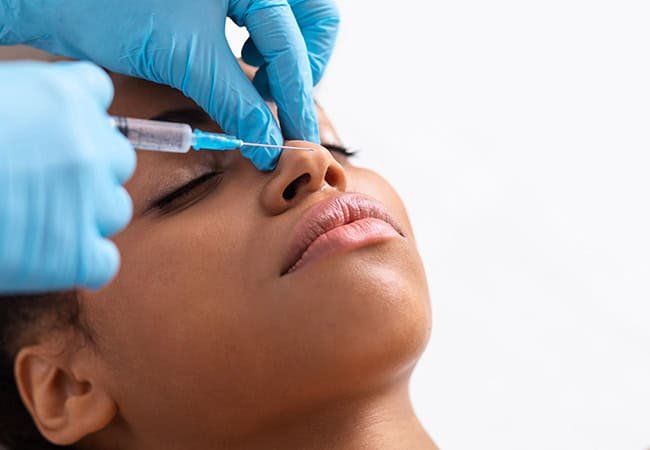
In any case, do you want an immediate solution to nose issues but are too concerned about the misconceptions regarding the non surgical nose job or liquid rhinoplasty?

Don’t worry. We will answer your queries and try to counter the common myths. The results from non surgical nose jobs before and after the procedure are pretty good, so it is natural to choose it over the surgical procedure. 

It is quite sought-after by celebrities, as they want a relatively quick procedure with faster recovery to achieve the desired result. But it should be performed by a licenced cosmetic surgeon. 

If you are thinking about having a liquid rhinoplasty or non-surgical nose job, this article will help you stay on top of the common myths and misconceptions.

Here are five of the most common misconceptions regarding nose jobs without surgery:

  • Myth: Liquid or non-surgical rhinoplasty is quite expensive. 

Fact: The cost of any cosmetic or plastic surgical procedure depends upon several factors such as the particular cosmetic surgeon, extent of disfigurement, area of your nose injected with, and last but not least, the procedure techniques used by the surgeon.

Almost all of these factors vary from person to person. So cost is a subjective matter, and so, cannot outrightly be called expensive. But typically, the cost of a non-surgical nose job is around a tenth of what the surgical rhinoplasty might cost you.

  • Myth: Non-surgical or liquid rhinoplasty can rectify every nose deformity. 

Fact: The liquid rhinoplasty or nose filler before and after results are pretty impressive and suitable for those not willing to go for painful procedures or long recovery periods of the surgical rhinoplasty.

But this 30 minutes session can be perfect for those looking for an immediate solution regarding making your nose straight, making its shape more prominent and in proportion to your facial structure, even-out the symmetry, and smooth-out any hollows and bumps.

  • Myth: The results of non-surgical or liquid rhinoplasty are permanent. 

Fact: Even though the cosmetic doctors use the latest long-lasting fillers for this procedure, the results of a non-surgical rhinoplasty only stay up for around two years.

When it comes to the hyaluronic fillers, Dr. Sunil Arora and the experts at ALCS India have complete control over how much filler should be injected. How long the results would last would also vary from patient to patient, depending on several factors.

So ideally, the patients would be advised by the doctor to have a touch-up scheduled in the near future. Now, there is no doubt that you might have come across permanent fillers. But be careful as they might pose the risk of irreversible damage to your nose structure. 

  • Myth: Non-surgical rhinoplasty is only for those who don’t like surgeries. 

Fact: It is not just for those patients who are scared or don’t want surgery. Anyone can opt for a liquid rhinoplasty if they are looking to solve nose issues on an urgent basis.

You can achieve effective results for your nose deformities like irregular shape, asymmetry, hollows or bumps, etc., far quicker than a surgical procedure, and the recovery is shorter in duration as well. 

  • Myth: Non-surgical or liquid rhinoplasty does not involve any risks. 

Fact: It is true that the non-surgical rhinoplasty is less-risky when compared to other techniques and provides quick and effective results. But you might not want to think that there are no risks or discomforts involved with a liquid rhinoplasty.

You should be aware of the risk of complications like swelling, filler migration, brushing at the spot of fluid injection and nausea. But they won’t be permanent.

In addition, the nose is one of the most sensitive areas on your body and is packed with blood vessels, so you might want to be careful before opting for any surgical or non-surgical procedure.

If you want a non surgical rhinoplasty, opt for a licenced cosmetic surgeon like Dr. Sunil Arora from ALCS India so that you will have excellent and quick results with the risk of complications shortened considerably. So book your appointment for consultation today!

Thinking About Rhinoplasty? Here’s What to Know

Am I a Suitable Candidate for Rhinoplasty Surgery?

Rhinoplasty is also known as nose surgery or septorhinoplasty. It is a type of cosmetic surgical procedure. There can be many potential reasons why an individual might want to get rhinoplasty done.

Some of those reasons could be medical like wanting to get a rhinoplasty done to correct the difficulty experienced during breathing or some cosmetic reason.

In the case of medical reasons, nasal obstruction can cause a number of difficulties like snoring, problems experienced during exercising, disturbed sleep, sleep apnea, or interference with other activities.

In most cases, medical experts first recommend getting sleep apnea treatment or nasal spray. But if those options fail, then surgery is suggested.

When nose surgery is performed due to medical reasons, then it is covered under most medical insurances. This surgical procedure is tailored to the exact requirements and desired outcomes that are sought by the patient.

Also, if an individual is only suffering from a deviated septum, this is defined as the midlevel wall of cartilage that divides the right side of the nose and the left side of the nose, and then it can be corrected by opting for a septoplasty.

But if the septal deviation is severe or if it occurs in areas that are critical for nasal support then, there is no other option but to perform rhinoplasty. This cosmetic surgery helps in addressing septal deformity and strengthening key breathing areas of the nose by strategically placing cartilage grafts.

What Should I Know About Rhinoplasty?

Rhinoplasty surgery is always performed under general anesthesia. The medical expert begins by making a small incision along the base of the nose. Thankfully, this incision does not leave any scar after healing.

This incision is also connected to the incisions that were made inside the nose. The incisions that are made inside the nose are also not visible. All these incisions help the medical expert to access the cartilage and bone of the nose.

This further helps in improving the nasal passageways and reshaping the nose through careful and meticulous adjustments that are made to both the bone and the cartilage.

Usually, individuals who wish to get a nose surgery to ask the question of whether the bone would have to be broken for performing the rhinoplasty. According to experts, this is not required in most cases as the bone is left intact in those procedures.

However, if an individual has suffered from severe trauma to the nasal bone in the past then, the bone might be shifted to a more favorable position.

Individuals who have a bony nasal hump can also get rhinoplasty done to smooth down the hump to achieve a straight profile or a gentler curve of the nose. Once the anesthesia wears off, the patient can go home.

What are the Guidelines for Recovery?

If an individual is planning to get a rhinoplasty surgery done then, it is a good idea to plan ahead and take a week off from work or school. This is advised so that the individual could just focus on resting, icing, and following the regime of nasal cleaning diligently.

The medical expert would have also provided some pain medications. And thankfully, the patient would only require those medications for a couple of days as the pain wears off after that.

During the recovery procedure of the rhinoplasty surgery, it can be somewhat difficult for the individual to breathe as various splints of bendable thin plastic sheets are placed inside the nose to keep the septum straight.

On the third day, one can expect the swelling to peak. And after that, the swelling will go down. It is also common for bruising to occur under the eye.

After getting the surgery for one week, all this will go down and the patient would only have to wear a small cast on the nose to protect it and reduce any swelling that might be left.

Once the week is completed then, the splints and cast will be removed. After that, the patient is free to return to his or her daily schedule. However, it is recommended that one should avoid engaging in any contact sports for at least six weeks.

All symptoms of healing would resolve by the end of the month. But for full healing, it might take the patient around one year. However, before all this, it is recommended that the individual should ask about the rhinoplasty cost.

Want to Know More about Rhinoplasty

If you are interested in getting rhinoplasty then, you should set up a consultation with the best rhinoplasty surgeon in your city or town. You should make sure that the surgeon is board-certified and routinely performs rhinoplasty procedures.

Feel free to ask your medical expert any questions that you might have related to this procedure. Also, ask about the total rhinoplasty cost before proceeding any further with the consultation.

What is Rhinoplasty or Nose Surgery and Expected Results At ALCS

The face of a person is the most precious gift and their identity in this world. Thus, having a perfect face with remarkable features is the dream of every person. Thus, if you hear someone say that they wished their nose was a certain way or that they would have preferred their smile in a certain way, rest assured they are very serious about it.

This is exactly where plastic surgery comes into the picture. A prominent field in the domain of plastic surgery is rhinoplasty or nose surgery. The reasons for rhinoplasty can be medical as well as cosmetic. Some of the most common reasons why people undergo rhinoplasty surgery are listed below

  1. They are having breathing problems or suffering from chronic congestion due to a problem in the natural structure of their nose
  2. The shape of their nose is asymmetrical
  3. They have excessively wide nostrils or even upturned nostrils
  4. Their nose is placed in an asymmetrical angle with their lips
  5. They have wide and bulbous nostrils
  6. They are not happy with the overall shape of their nose
  7. They have met with an accident or trauma causing injury to their nose

Every person choosing to go for rhinoplasty surgery may have their own reasons to do so. But, it is important to remember, the surgery will have a permanent impact on the shape and structure of the nose. Hence, it is extremely critical that you consult with the best rhinoplasty surgeon you can find, before going ahead with the decision.

The nose surgery can be conducted on an outpatient basis or the patient may be required to stay for some time in the hospital for monitoring. Depending on the reason why the surgery was performed, one may notice a significant change in the shape of the nose after the surgery or the change is so minimal that it is hardly noticeable. Also, the rhinoplasty cost will vary depending upon the complexity of the procedure.

Whatever be the motivation behind the rhinoplasty, one thing that all surgeons would emphasize is long and extensive planning sessions. Since the results of the surgery will be clearly visible, the surgeon would ideally take their time to study the different aspects and plan for the surgery. 

Also, a good plastic surgeon would always make sure that their patients understand all the details of the procedure, the rhinoplasty cost and have a clear idea of what to expect post the operation. As much efforts as the surgeon puts into studying and planning for the rhinoplasty, there is a possibility that the patient’s expectations may not be completely fulfilled. A good surgeon will make this absolutely clear, before going in for the procedure.

An important pre-condition for the doctor to agree for rhinoplasty is that the development and growth of the nose is complete in the patient. If that is not the case, the results of the surgery will have an impact on the growth and hence it is best avoided. Once all the conditions are met and you proceed with the nose surgery, here is what you can expect.

During the rhinoplasty, the patient will be administered intravenous general anaesthesia. The doctor will then begin with the procedure. For open rhinoplasty, the incisions will be made on the outer portion of the nostrils and proceed to make the alignments so as to achieve the desired results. In the closed procedure, on the other hand, all the incisions are made inside the nostrils and hence the scarring is not visible from outside. 

The surgery is generally a low risk one, but being a medical procedure certain risks like those listed below cannot be completely ruled out –

  1. Negative reaction of the anaesthesia
  2. Excessive bleeding
  3. Infection
  4. Septum injury
  5. Swelling in the nostrils causing discomfort

Post surgery, your nose will be covered in splints and bandages till your doctor feels it is alright to remove them. There may also be swelling and puffiness, not just around the nose but on other parts of the dace like the eyes. Cold compress generally helps in such scenario, however, in case of extreme pain, the doctor can prescribe pain killers. Do not take any medicine on your own, without consulting your surgeon.