Get Expert Advice - Free Today

What Is a Vampire Facial (PRP Facial)?

PRP-based treatments have become increasingly popular in dermatological aesthetic therapy in recent years. The Vampire Facial is one of the distinguished treatments. But why is a vampire facial a breakthrough in natural skin rejuvenation?

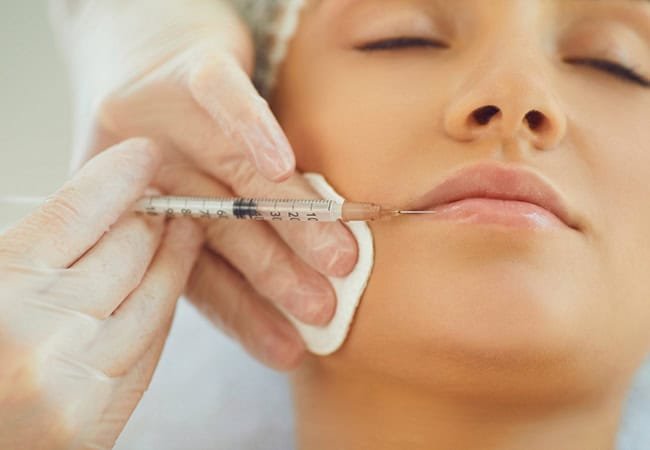
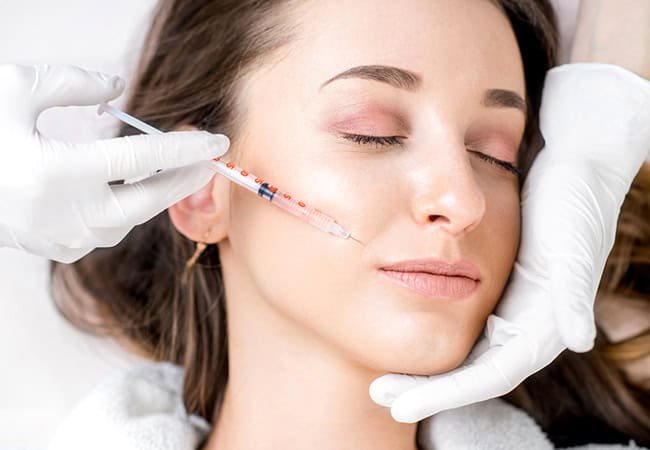
A Vampire Facial, or technically referred to as a Platelet-Rich Plasma (PRP) facial, is a very minimally invasive cosmetic treatment that involves your own blood to promote skin healing and collagen growth. It involves the combination of microneedling along with PRP to improve the skin tone, skin texture, and skin tightness.

This process is based on how your body heals itself, unlike chemical-based treatments or artificial fillers. This is why it is frequently picked by people who want to observe minor, natural, and prolonged changes in the quality of their skin.

What Is a Vampire Facial and How Does It Work?

In order to know clearly what a vampire facial is, we should examine the science behind PRP therapy.

Platelets are small elements within your blood that assist in the recovery and repair of tissues. They have growth factors that spur cell regeneration and collagen formation.

How the treatment works:

  1. A small piece of blood is taken from your arm.
  2. The blood is centrifuged.
  3. Platelet-rich plasma is separated in the centrifuge from other blood components.
  4. Microneedling is done on the face to cause controlled micro-injuries.
  5. PRP is either brushed onto the skin or injected into specific locations.
  6. The growth factors stimulate tissue repair and collagen remodelling.

Microchannels formed during microneedling perforate the skin to permit deep penetration of PRP. It increases cellular skin renewal. Gradually, the skin gets smoother, firmer, and more glowing.

Key Benefits of a Vampire Facial

The most frequent question that patients present to a dermatologist is, does a vampire facial really work? The solution is in its extended benefits.

Major benefits include:

  • Stimulates natural collagen synthesis
  • Improves skin elasticity
  • Minimizes wrinkles and lines
  • Minimizes acne scars
  • Improves enlarged pores
  • Brightens dull skin
  • Enhances overall skin tone
  • Improves mild pigmentation
  • Reduces under-eye darkness
  • Provides natural glow

PRP enhances the general health of the skin, unlike dermal fillers, which merely increase the volume of the skin. The outcomes appear renewed and not fake.

Who Is an Ideal Candidate?

One should be aware of who will benefit most before he or she decides to undergo the procedure. Ideal candidates:

  • People who show early signs of aging.
  • Patients who have mild to moderate acne scars.
  • Individuals who have rough skin.
  • You have those who feel dull or fatigued-looking.
  • Persons desiring non-surgical facial rejuvenation.
  • Patients who like natural treatment.

Not suitable for:

  • Breastfeeding or pregnant women.
  • Patients with bleeding disorders.
  • Severely anaemic individuals.
  • Patients with active skin infections.
  • Patients who take blood thinners.

Treatment must be preceded by a thorough consultation and review of medical history.

What Happens During the Procedure?

Still not knowing what a vampire facial is in practice, here is what usually occurs during the session.

Step-by-step experience:

  • Face is cleansed thoroughly
  • Topical anesthetic applied (20-30 min)
  • A blood sample is collected
  • PRP is centrifuged.
  • On the face, a microneedling device is applied.
  • PRP is applied or injected
  • Serum or a cooled mask is used.

Procedure duration:

  • 60–90 minutes

Pain level:

  • Mild discomfort
  • Typically, it can be dealt with using numbing cream.

Soon after treatment, the skin turns red and a bit swollen. That is natural, and it is a healing process.

Recovery, Downtime & Aftercare

Right after treatment:

  • Redness similar to sunburn
  • Mild swelling
  • Slight tightness
  • Pinpoint bleeding

1–3 days post-treatment:

  • Pinkish skin tone
  • Mild dryness
  • Light peeling in some cases

Aftercare instructions:

  • It is important not to touch the face unnecessarily.
  • Do not apply makeup for 24 hours
  • Apply light cleanser and moisturizer.
  • Use a wide-spectrum sunscreen every day.
  • No harsh exfoliants for 1 week.
  • Stay hydrated

In the majority of cases, most individuals regain normal activities within 24-48 hours.

Cost of a Vampire Facial

Understanding what a vampire facial is also includes knowing its financial investment.

The cost is based on various points:

  • Geographic location
  • Clinic reputation
  • Dermatologist’s expertise
  • Equipment used
  • Number of sessions needed
  • Combination with other treatments

Most dermatologists recommend:

  • 3 sessions
  • Spaced 4–6 weeks apart

The initial expense will be high, but the results are worthwhile because long-term and natural-appearing results are achieved.

Results: Timeline and Longevity

Patients often inquire twice: is a vampire facial capable of achieving real results?

Timeline of improvement:

  • 3–5 days: Fresh glow appears
  • 2–3 weeks: Skin texture improves
  • 4-6 weeks: Collagen synthesis is amplified.
  • 8-12 weeks: Fine lines have improved.

Long-term results:

  • Smoother skin
  • Improved elasticity
  • Reduced acne scars
  • Even skin tone

How long do results last?

  • 12–18 months
  • Once a year maintenance session.

The results are slow since PRP triggers your own body to heal. The change is gradual but positive.

Risks, Side Effects & Final Thoughts

Although PRP is said to be safe, no cosmetic surgery is risk-free.

Possible side effects:

  • Temporary redness
  • Mild swelling
  • Bruising at injection sites
  • Sensitivity
  • Rare infection (if hygiene is compromised)

Rarely do very serious allergic reactions occur because PRP utilizes your own blood. But it is important to select a skilled and competent dermatologist in order to be safe.

Final Thoughts

A Vampire Facial is not a simple trending cosmetic procedure. It is a scientifically supported process; it employs the healing capability of your body to improve the skin. It acts internally instead of merely plastering on surface concerns. This gives the results a natural and sophisticated appearance.

The biocompatibility of PRP therapy is one of the greatest benefits. The risk of allergic reaction is very low since the treatment involves the use of your own blood components. It is a safe alternative to those who are attracted by minimally invasive interventions, without synthetic injections or abusive chemicals.

But the outcome is not a fast and dramatic one-day. The recovery is a gradual process during which collagen is reformed in a number of weeks. The most effective results require patience and adherence to suggested sessions.

A qualified dermatologist or trained medical professional should be chosen. Good technique, sterile conditions, and proper PRP preparation play a great role in determining safety and effectiveness.

On the whole, a Vampire Facial is a good solution when a person wants to appear less wrinkled, achieve greater radiance, and experience minor anti-aging effects. It can also provide healthier, firmer, and naturally rejuvenated skin with realistic expectations and appropriate care.

Does Chin Augmentation Leave Scars? (Surgical vs Non-Surgical Options)

Chin augmentation procedures are done with minimal scarring which are not readily visible to the eye. This is because these scars are present either inside the mouth or under the chin.

The appearance of the scars depends on various factors:

  • Age – scars heal better and faster in young patients
  • Skin type – scar healing differs in dry skin and oily skin
  • Health – overall health of the patient also determines the healing of the scar

Understanding Chin Augmentation Procedures

A strong chin is a sign of beauty and helps to balance out the facial features thus enhancing facial harmony. A small or weak chin gives the appearance of a pout and makes the neck look undefined. It also accentuates the size of the nose, making it seem bigger.

Chin augmentation procedures are treatments to enhance shape and features of the jawline and chin. It can be done to widen, lengthen or modify the overall shape of the chin.

Chin augmentation procedure is usually undertaken by those who have an underdeveloped or undersized chin. The causes of underdeveloped or undersized chin could be age-related changes or due to genetics.

These augmentation procedures can be either surgical or non-surgical.

  1. Surgical chin augmentation includes insertion of chin implants or a procedure called genioplasty.
    • Chin implants: This is the most common type of surgery performed for chin augmentation. These implants are made of biocompatible materials such as Silicone, Dacron or Teflon.
      • Chin implants are available in various shapes and sizes, making it possible to achieve the desired results based on your chin anatomy. This procedure requires you to be under general anesthesia, to ensure comfort.
      • The procedure involves creating a pocket between the chin bone and the chin muscles, into which the implant is inserted. The implant then attached to the bone using sutures.
    • Genioplasty: Genioplasty is less frequently performed for chin augmentation. It involves the surgical reshaping of the jaw bone.
      • It permanently alters the shape of the jaw bone after which the jaw is secured in place using metal plates or screws.

    2. Non surgical chin augmentation, on the other hand, are minimally invasive procedures that involve injections of either synthetic dermal fillers or human fat fillers. 

    Surgical Chin Implants – Where Are the Incisions Made?

    When Surgical Chin Implants are inserted , it is done through a cut or incision in the mouth (intra-oral) or under the chin (submental)

    Intra-oral incision: These incisions are made inside the mouth. Surgeons make incisions inside the lower lip. 

    • It causes no external scarring.
    • This method requires careful mouth hygiene during healing.

    Submental incision: These incisions are made outside the mouth, under the chin. 

    • It causes external scarring in the under-chin region. This location is less visible to others. The scar is hidden in a natural crease.
    • These incisions offer better control during the placement of the implant. 
    • It also reduces the chances of infections from occurring. 
    • Submental incisions are also preferred when the chin augmentation procedure is combined with other neck procedures (neck lift).

    Non-Surgical Chin Enhancement with Fillers

    Chin fillers can effectively contour the chin and create a stronger and more sculpted chin which is particularly noticeable in the profile view. By injecting the chin area with fillers, the volume is enhanced and the proportions of the face profile are improved. 

    Chin filler treatment is performed in 15 to 30 minutes. The results of fillers last upto 1 year. As the filler will be gradually metabolized by the body, your surgeon may recommend booster injections every six months to maintain optimal results.

    The chin fillers can be either synthetic dermal fillers or human fat fillers. 

    1. Dermal fillers: The process involves the careful injection of a dermal filler into targeted areas of the chin. It is a quick, relatively painless, out-patient procedure. Most dermal filler products contain lidocaine, a form of local anaesthesia to help with any minor pain.
    • Hyaluronic acid-based fillers: Hyaluronic acid (HA) is a naturally occurring substance in the body, known for its ability to add volume and hydration. 
      • Hyaluronic acid-based fillers enhance the chin area by adding volume and sculpting the desired shape, seamlessly blending with the natural contours of your face. 
      • Since hyaluronic acid is a substance naturally found in the body, the risk of allergic reactions is extremely low. HA fillers can be quickly dissolved by injecting hyaluronidase, in case the patient is not happy with the results.  
      • Results typically last from six months to one year.
    • Calcium hydroxylapatite (CaHA)-based fillers: These fillers have a thicker consistency and stimulate collagen production in the skin. 
      • Effects can last up to 18 months or more. The results produced by CaHA fillers can’t be reversed
    • Poly-L-Lactic acid-based fillers: Poly-L-Lactic acid is a collagen stimulator that works over time to reinforce structure and improve skin firmness.  It’s suitable for patients who prefer gradual improvement rather than immediate results. 
      • The effects can last up to two years.
    1. Fat fillers: Fat injections involve collection of the patient’s own fat, and transporting it via micro-liposuction into the chin. The collected fat is first purified and then injected into the patient’s chin using micro-droplet technique, to achieve the desired shape and size.

    How Visible Are Chin Surgery Scars?

    The scars of chin augmentation procedures are visible to only a minimal extent. 

    If an intra-oral incision was made, the scar will not be externally visible. If a submental incision was made, then a small scar may be visible, but is hidden under the chin.

    Scarring is minimized by using proper techniques during the surgery, including precise suturing and avoiding too much tension on the tissue. Use of fine sutures also reduces the appearance of the scar. 

    Tips to Minimize Post-Surgery Scarring

    Handy tips to minimize post-surgery scarring:

    1. Proper post-operative site care: Clean the augmentation site regularly with mild soap and water. Use prescribed ointments or creams as directed by the surgeon to avoid infections.
    2. Avoid sun exposure: Avoid exposing the scar to direct sunlight as the UV rays can darken the scar, making it more noticeable. Use sunscreen with high SPF (SPF 30 or higher) before going outdoors.
    3. Use Scar creams: Scar creams containing ingredients like onion extract or vitamin E should be applied over the scar to accelerate healing. It helps to help soften and flatten raised scars over time.
    4. Apply silicone sheets: application of silicone sheets is widely recommended by surgeons. They should be applied directly over the scar, ensuring they cover the entire area. This should continue for several weeks or as directed by the surgeon.
    5. Keep the scar moisturised: it is advisable to apply a recommended moisturizer to the incision area. This helps in reducing scar formation and promotes smooth skin.

    How to Choose Between Surgical and Non-Surgical Options

    Surgical chin augmentation is preferable for those who have a weak chin structure, developmental abnormalities of the face and age-related chin recession. It is also preferred for those having jaw/chin damage due to accidents. If you are looking for a permanent solution for your chin, surgical chin augmentation is best for you, since the implants are built to last. 

    You should choose non surgical chin augmentation if you do not desire to undergo surgery for your chin. Non surgical augmentation can also be used to explore aesthetic preferences before committing to permanent surgical augmentation.

    Factors to consider while choosing non surgical chin augmentation: 

    • Dermal fillers are a great option for making subtle changes in the shape or definition of the chin. However, they are not as long lasting as surgical chin augmentation or fat fillers. The injections may need to be repeated to maintain the results over time. Using chin fillers is a reversible procedure. If a patient is not happy with the result, they can choose to have the filler dissolved or simply wait for the filler to be metabolised and removed by the body over time.
    • Fat fillers are the preferred choice for those looking for softer and smoother results, leading to a more natural-looking appearance. The results of fat filler last longer than the dermal fillers and also lead to less chances of adverse effects.

    Your surgeon will be able to advise you on which procedure (Surgical and Non-Surgical Options) is most appropriate for you based on your face anatomy as well as your needs and preferences. 

    Expert Advice for Smooth Healing

    Experts recommend the following strategies to facilitate smooth healing of the chin after augmentation procedures:

    1. Wear a chin support garment: after the surgery, the surgeon may prescribe a chin support garment to be worn. This helps to support the chin and its structures while healing takes place. It needs to be worn for 1-7 days (day and night), based on your surgeon’s recommendation.

    2. Care while washing the face: it is important to wash the face gently without applying too much force at the augmentation site to avoid displacing the implant. It is best to not touch around or press the chin area.

    3. Mouth care: oral hygiene should be maintained by rinsing the mouth and using mouthwash till the stitches dissolve. While brushing your teeth, careful not to brush over the incison site

    4. Avoid strenuous activity: Heavy lifting or intense exercise can strain the incision area. It is best to refrain from strenuous activities for at least two weeks.

    Is Double Chin Surgery Permanent or Temporary?

    Double chin surgery is a cosmetic procedure which aims to remove excess fat from the area under the chin.

    Double chin surgery usually has permanent results as the fat cells removed during the procedure do not typically grow back.

    The most suitable double chin surgery which determines the duration of the results may depend on whether the double chin is because of accumulation of extra fat in the chin or because of the aging process.

    What Happens During Double Chin Surgery

    There are several steps that are followed during a double chain surgery.

    Assessment: Before the surgery begins, the cosmetic surgeon will assess the anatomy of the chin and face to determine the best surgical approach.

    • Anaesthesia: First, local anaesthesia will be given in the chin area.
    • Removal of fat: Next, the excess fat will be removed from the chin area using liposuction or fat dissolving injections. Through a small incision, a thin vacuum tube will be inserted which removes the excess fat.
    • Neck lift: This is then followed by a chin lift procedure, if required. This is done to remove excess skin or to reduce skin laxity around the chin area. It results in a more tightened appearance of the underlying neck muscle and refines the jaw line.
    • Recovery: After the surgery, a compression garment is given for the chain and post operative instructions are to be followed till recovery is complete. This surgery has minimal downtime.

    How Long Do Results Last After Chin Liposuction or Neck Lift

    The results after liposuction or necklace are long lasting and remain that way as long as a stable body weight is maintained.

    Increase in body weight after the procedure can lead to production of fat cells in the chin area. This may lead to reappearance of a double chin.

    As you age, the skin around your chin area may lose its elasticity and become saggy. In time, this skin may stretch out due to gravity. This can impact the results of the double chin surgery over time.

    If you are over the age of 25 years, the results of the double chin surgery may be permanent as fat cells do not regenerate after the age of 25. Therefore, after this age, once the fat cells are removed, they will not grow back.

    Factors That Affect the Longevity of Results

    Several factors influence the longevity of double chin removal surgery. These include:

    • Elasticity of the skin: Those who have excess skin or skin laxities may develop the appearance of a loose, saggy chin even after the surgery.
    • Age: Those who are younger experience more longer lasting results due to better skin health and healing process.
    • Body weight gain: Those who gain a significant amount of weight after the surgery may develop a double chin as it causes the fat cells in the chin to expand.
    • Incomplete fat removal during the surgery: If some fat cells were missed during the double chin surgery, it can cause those fat cells to show as uneven or swollen chin.
    • Fat-to-skin ratio: Excess fat-to-skin ratio may lead to suboptimal outcome after the surgery. For such cases, additional procedures such as neck muscle tightening procedure and necklift are needed for long lasting results.
    • Adherence to post operative instructions: Failure to comply with post operative instructions, such as using compression garments and following other precautions, may lead to poor healing at the surgical site and prevents the development of proper skin contour.
    • Surgeon’s experience: A double chin surgery requires an artistic eye, precision and attention to detail. An experienced surgeon will give you better outcomes and longevity of the results.

    Can Fat Return After Double Chin Surgery?

    Yes, fat can return after double chin surgery. 

    Fat around the chin is notoriously stubborn and is difficult to completely get rid of. This can be exacerbated by excessive weight gain after the surgery, leading to the return of double chin appearance. 

    Stubborn fat around the chin can also be because of genetic factors. This can cause re-accumulation of fat under the chin.

    Maintenance Tips for Long-Lasting Results

    Here are a few tips to ensure that your double chin surgery results last for long:

    • Avoid smoking and alcohol: Smoking and alcohol can affect the healing process and the overall results in the long run. They also increase the risks of post-surgical complications.
    • Compression garments or bandages : These should be worn during the post-surgery recovery period. They help reduce the swelling and keep the incisions clean, thus avoiding potential infections of the area.
    • Regular physical activity: Being active and exercising at least 3 times a week can help reduce/ maintain your body weight. This in turn will maintain the results of the double chin surgery.
    • Neck exercises: Performing specific neck exercises can prevent development of fat in the chin area. These include neck rolls, neck rotations, head tilts and jaw movements. It is best to consult your surgeon regarding when these exercises can be started post-surgery.
    • Healthy diet and hydration: Adequate nutrition and hydration promotes proper healing of the chin, leading to long lasting effects of the surgery. It is important to consume foods such as vegetables, fruits, whole grains and lean protein.

    Non-Surgical Alternatives for Double Chin Reduction

    For those seeking non-surgical alternatives for double chin reduction, the following are the available options:

    • Fat dissolvers: The non-surgical fat dissolvers help to remove stubborn fat and cellulite for specific areas. These contain a naturally occurring acid which helps to break down the fat in the submental area. Once the fat cells are broken down, the lymphatic system washes it away. 
    • Cryolipolysis: Cryolipolysis, also known as Fat freezing, is a non surgical option that destroys fat cells by cooling them. A small applicator is put on the area where the fat cells need to be cooled. It is an effective, non-invasive method to reduce double chin.
    • Laser: Laser technique can be used to reduce double chin due to excessive/ saggy neck skin. It involves application of a laser which penetrates the deep layers of the skin and reforms the skin layers by encouraging the production of collagen. This reduces the fat cells as well as the extra skin in the neck.

    When to Consider a Revision Procedure

    For most cases, a revision procedure is not usually needed. However, a revision procedure may be needed if some pockets of  fat cells were missed during the double chin surgery. 

    Revision procedure may also be needed if there is excessive skin present in the neck region. In these cases, neck lift surgery procedures may be done. This includes either a cervicoplasty (incisions in the neck to cut the excess skin) or platysmaplasty (tightening of the platysma neck muscle).

    In the case of asymmetry or unevenness after double chin surgery, fat grafting may be done to correct the chin profile. This involves injecting fat cells to balance out the chin contour.

    Final Thoughts

    Double chin can impact one’s confidence with their appearance and their self-esteem. There are several surgical and non-surgical double chin reduction treatments which have been shown to be effective, with minimal side effects and downtime. 

    To learn more about which double chin reduction treatment is most appropriate for you, consult your cosmetic surgeon. 

    Double Chin Correction – Surgery vs Non-Surgical Treatments Compared

    Double chin is a common aesthetic concern that is caused by a variety of factors, including genetics, weight gain, ageing, or reduced skin elasticity. A number of surgical and non-surgical options are available to correct the double chin depending on the severity of the condition, quality of skin, and preferences.

    In this blog post, let us explore the differences between the surgical and non-surgical double chin treatments to help you decide the suitable treatment option for you!

    Understanding Double Chin

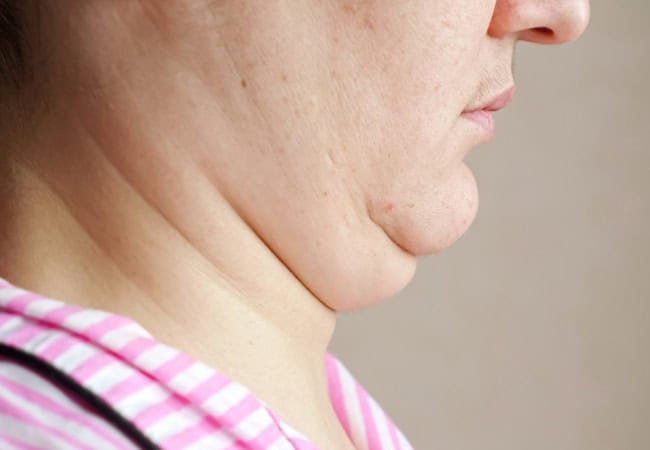
    Double chin, also known as submental fat affects people of all ages and body types. It is caused by the accumulation of excess skin, fat, or both in the upper regions of the neck. 

    The common causes of a double chin include

    • Aging: Due to aging, the skin starts losing elasticity which may lead to sagging skin and development of a double chin
    • Genetics: Some people may naturally store more fat in the chin especially if you have a family history of double chins
    • Diet: Consuming a diet high in unhealthy fats and processed foods may lead to weight gain and fat accumulation
    • Physical inactivity: Lack of regular exercise may contribute to weight gain and muscle laxity that may develop double chin
    • Underlying medical conditions: Certain medical conditions and hormonal changes may contribute to double chin.
    • Consumption of smoking and alcohol: These habits may lead to skin aging and a loss of skin elasticity may contribute to a double chin.

    Double chin can be corrected by non-surgical and surgical treatment options 

    Non-surgical Options For Double Chin Correction

    Non-surgical treatments are ideal for people with mild to moderate submental fat and relatively good skin elasticity. 

    • Deoxycholic Acid Injections 

    Deoxycholic acid is a substance found in the gall bladder and is recently used as an injectable treatment for a double chin.It is one of the few non-surgical options that is available to reduce excess fat under the chin.  

    Kybella is an FDA approved injection used for correcting double chin.

    How it works:

    It is injected into the skin beneath the chin that breaks down fat cells under the chin. You may require several injections over several weeks.

    • CoolSculpting (Cryolipolysis)

    Coolsculpting is a non-invasive procedure that targets the localized fat under the chin, usually controlled cooling.

    How it works:

    During the cool sculpting procedure, a vacuum-pressured device sucks the skin and fat into a suction cup which is then exposed to extremely cold temperatures to break down the fat cells under the chin. THe area is massaged once the vacuum applicator is removed. 

    Surgical Options For Double Chin Correction

    One of the options to reduce or correct double chin is through surgery. The three common types of surgical options of double chin correction available are 

    • Chin Liposuction

    Chin liposuction is a common surgical procedure that  involves the removal of fat from beneath the skin. It is often performed under local anaesthesia to numb the affected area

    How it works:

    A small incision is made by the surgeon under the chin near the ear lobe and a small tube, called cannula, is inserted into a small incision. It is used to gently suction out fat deposits.

    The surgeon will also sculpt and contour the chin and neck to reshape the jawline. The incisions are closed with sutures which may be removed after seven days.

    • Neck Lift Surgery

    Neck lifts are recommended for patients with double chin caused due to loss of elasticity. It often is performed under local and general anaesthesia and requires 14 days of recovery time after the procedure.

    It may include cervicoplasty to remove extra skin from around the neck and chin and platysmaplasty that helps to tighten neck muscles.

    How it works:

    • The surgeon will give anaesthesia and make tiny incisions around the ears and under the chin. 
    • The extra fat under the chin or neck is removed. The loose neck muscles are pulled tighter and stitched together reducing a double chin appearance.  The small cuts are closed with sutures.
    • Facelift

    A facelift is primarily designed to tighten the lower face and neck and makes it highly effective for addressing double chin, especially caused by sagging skin, muscle laxity, and fat accumulation.

    How it works:

    • The cosmetic surgeon places the patient under the general anaesthesia but sometimes you may be placed under local anaesthesia.
    • The surgeon will make incisions and remove the fat and saggy skin around the chin and neck area.

    Some doctors may combine more than one procedure as needed to remove the double chin completely. The recovery time for these surgeries is usually around 10-14 days. You may experience bruising or swelling immediately after the surgery that may resolve with time.

    Surgical Vs Non-surgical Double Chin Correction

    Surgical optionNon-surgical option
    Common proceduresChin liposuction, facelift, neck liftDeoxycholic acid injection, Coolsculpting
    InvasivenessInvasive (requires incisions, anaesthesia)Non-invasive or minimally invasive
    Recovery time Shorter recovery timeLonger recovery time
    ResultsImmediateGradual
    Number of sessionsUsually one surgeryMultiple sessions depending on the method
    SuitabilityEspecially popular for moderate to severe casesSuitable for mild to moderate cases
    ExpensiveUsually expensive up front and requires only one sessionMay be cheap compared to surgery but requires multiple treatments

    Table: Comparison between surgical and non-surgical double chin correction

    Which Procedure Is Suitable For You?

    The choice between surgical and non-surgical options may depend on the skin elasticity, amount of fat in the double chin and the preferences. The patients with good skin elasticity may prefer non-surgical options while those with sagging may require energy. 

    The patients with mild to moderate fat in the double chin may benefit from non-surgical options while the surgical options may provide better results for severe cases.

    Also, surgical options offer long-lasting results but require a long recovery period while  non-surgical options offer faster recovery time. However, it is preferable to consult your cosmetic surgeon to determine if a surgical or non-surgical option is suitable for you.

    Conclusion

    A double chin can be corrected using surgical or non-surgical options depending on the age, skin quality, amount of fat, and budget. Surgical options offer long-lasting, noticeable results, especially for those with significant skin laxity. Non-surgical options offer gradual results with little recovery period. 

    Dr. Sunil Arora at ALCS Clinic, Jaipur offers personalized care with thorough consultations that may help choose the best option for correcting double chin based on the patient’s overall health. 

    If you are considering double chin treatment in Jaipur, you may book a consultation with ALCS Clinic for expert guidancee of action. 

    FAQs / People Also Ask:

    Can you combine double chin correction procedures?

    Yes, many double chin correction procedures can be combined to lead long-lasting, better, and more natural-looking results. It helps in addressing fat, loose skin, and weak structure more effectively. The common combinations done are liposuction with a neck lift, neck lift with a facelift, and kybella with skin tightening.

    Can exercises work for reducing double chin?

    Scientific evidence to prove that exercises that work for reducing double chin is scarce. It may improve the muscle tone but won’t remove a significant fat deposit. Exercises, including chin to ceiling, lion’s roar, or cheek swishing are performed to tone the jawline.

    Are results from double chin removal permanent?

    The results from the double chin removal may be permanent and long-lasting especially with chin liposuction or neck lift. However, weight gain, ageing, or skin laxity over time may affect results. Non-surgical treatments may require maintenance sessions to sustain results.

    Vampire Facial for Acne Scars: How PRP Heals from Within

    What Is a Vampire Facial?

    Blood is drawn from your body and injected into your face as part of a vampire facial treatment. This procedure, involving microneedling with platelet-rich plasma (PRP), entails taking a tiny sample of blood and processing it to extract the platelets. The indications of ageing are then lessened by gently re-injecting these platelets into the skin.

    Role of PRP (Platelet-Rich Plasma)

    Red blood cells, white blood cells, plasma, and platelets are all found in our blood.  Platelets aid in blood clotting, and once a clot forms, they release enzymes that promote healing and help regenerate tissue by attracting stem cells to the injected area to aid in damage repair.  

    Additionally, this procedure promotes the synthesis of new skin cells and collagen.  Additionally, it can greatly lessen acne scars, leaving the skin tighter, smoother, and younger-looking.

    How It Works on Skin Tissue

    PRP is created by centrifuging patient blood to separate plasma-rich platelets. PRP contains platelets, which promote the creation of new skin cells and growth factors necessary for tissue repair and regeneration. Additionally, PRP is said to boost elastin, a protein that permits tissue to stretch. 

    The surface of your skin is punctured with little needles (0.5-2mm). PRP penetrates microneedle channels when applied to microneedled skin, promoting restorative cellular activity that accelerates healing and enhances outcomes.

    How PRP Helps Heal Acne Scars

    Collagen Regeneration

    Damage to the collagen, a protein that gives your skin strength and structure, is frequently the source of acne scars. A PRP vampire facial is a fantastic collagen-inducing treatment. By injecting your own blood, which is rich in protein, into your face, you can accelerate the creation of collagen, which keeps your skin looking young and makes it tighter and firmer. Over time, the production of new collagen can smooth out the texture of your skin by filling up the “pits” or depressions caused by acne.

    Skin Cell Turnover

    The promotion of cell turnover (the shredding of old, damaged skin cells and the formation of new, healthier skin cells) is one of the main ways vampire facials aid in the healing of acne scars. The skin appears healthier, plumper, glowing, and radiant as a result of the formation of new cells that aid in improved healing and restoration. 

    In order to give the skin a glow from within and make it appear more toned and taut, the new skin cells aid in the removal of dead skin cells that give the skin a lifeless, grey appearance. Deep folds become less noticeable since the hollow parts of the face are also plumped up. By tightening the skin, this anti-aging treatment slows down the ageing process.

    What to Expect During and After the Treatment

    During Treatment: Your provider evaluates your skin and talks with you about your goals during the consultation that precedes your PRP (vampire) facial or facelift. To separate the platelet-rich plasma (PRP), a tiny sample of blood is extracted and centrifuged. 

    For your comfort, a numbing cream is put on your face. PRP is used after microscopic channels are made in the skin using microneedling for a facial. PRP and dermal fillers are injected directly into specific regions during a facelift. The entire process takes one to two hours.

    After Treatment: Like a sunburn, you might experience redness, slight swelling, or sensitivity for one to three days. For at least six hours, refrain from touching or cleaning your face. When you do, use only lukewarm water and avoid using harsh cleansers. 

    For a few days, avoid exposure to the sun, cosmetics, alcohol, blood thinners, hot showers, and strenuous activity. If you’re going outside, wear a broad-spectrum sunscreen with an SPF of 50+. To reduce swelling, sleep on your back with your head slightly up. After a few days, resume a mild skincare regimen without the use of exfoliants or active chemicals. 

    Over the course of several weeks, results steadily improved to full capacity. It might be advised to schedule maintenance appointments every few months.

    How Many Sessions Are Needed?

    Even though some people might experience improvements after just one session, many treatments are frequently suggested for best outcomes. The nature and severity of acne scars vary, and some people may benefit more from a course of therapies than with just one. 

    Treatments should be spaced four to six weeks apart to promote collagen development and healing. The majority of practitioners advise three sessions separated by four to six weeks for best results, followed by yearly maintenance treatments. Frequent sessions can help the general state of skin to improve over time.

    Rejuvenate your skin naturally with a Vampire Facial – book your session today!

    Is It Safe for Sensitive or Acne-Prone Skin?

    Yes, the majority of skin types can normally benefit from the process. However, before continuing, patients with specific medical concerns or skin conditions should speak with a professional. Vampire facials often provide minimal safety risks, although this greatly relies on the patient’s health and medical background. If done by a skilled and certified professional, PRP vampire facials are totally safe.

    FAQs / People Also Ask:

    Can vampire facials remove old acne scars?

    Yes. Vampire facials induce collagen production and promotes new skin cells turnover, thereby leading to production of a new layer of skin.

    How long does it take to see results from PRP facial?

    Within a week of the face’s complete recovery, you’ll begin to see improvements. Within a week, the redness, bruising, swelling, and discomfort will go away. After only five to six sessions, there are noticeable improvements with long-lasting effects.

    Are vampire facials painful?

    Despite what the name would imply, the vampire facial usually doesn’t hurt; it really depends on how much discomfort you can handle. Microneedling is used to perform PRP. In order to reduce any discomfort, a topical anaesthetic is placed on your skin before treatment. 

    During microneedling, you might experience a slight prickling sensation, but most patients find this tolerable. If you have severe pain or discomfort during your session, let your doctor know right away.

    How many PRP sessions are needed for acne scars?

    The severity of acne scars and each person’s unique skin response determine how many sessions are required. 

    After your initial treatment, you will notice changes in your face; however, for optimal long-term results, it is recommended that you receive at least three vampire facials within three months. Three treatments, separated by around a month, are typical. How well your skin reacts to the PRP therapy will determine the numbers.

    What should I avoid after a PRP facial?

    Don’t wash or put makeup on your face for the first 24 to 48 hours after a PRP facial, and don’t touch it for at least 6 hours. For at least 72 hours, refrain from using exfoliants, harsh skincare products, and scrubbing. Steer clear of alcohol, blood thinners, saunas, steam, hot showers, and the sun. 

    Avoid vigorous exercise for a few days and don’t use moisturisers on a daily basis unless your doctor has given the all-clear. To avoid infection, avoid using dirty makeup equipment as well.

    Top 5 Benefits of Skin Boosters for Dull and Dehydrated Skin

    What Are Skin Boosters?

    Skin boosters are injectables that enhance skin quality and replenish the skin’s deep moisture content for more radiance, smoothness, and bounce. 

    How They Work

    Skin Boosters represent a category of facial skin rejuvenation products designed to restore moisture levels in the skin, allowing it to recover its natural luster and tone.

    Dryness, fine wrinkles, and lack of suppleness are caused by a decrease in the natural hyaluronic acid production of our skin as we age. Skin boosters provide a number of advantages by restoring this vital moisture.

    Using this method, substances are microinjected straight into the outermost layers of the skin. It enables direct interaction between active chemicals and skin cells, which is essential for improving the skin’s youthful appearance.

    In contrast to dermal fillers, they provide deep, long-lasting hydration to treated regions, resulting in a smooth, crease-resistant appearance with effects that last 6–12 months. They do not alter the structure of the face or add volume.

    Ingredients Used (e.g., Hyaluronic Acid)

    Hyaluronic acid, a naturally occurring substance in the skin with moisturizing qualities, is commonly found in skin boosters. In order to nourish the skin, skin boosters could also contain vitamins, antioxidants, and amino acids.

    Hyaluronic acid (HA): It is a popular option for injectable skin-boosting therapies since it plays a crucial role in enhancing skin moisture. It can retain the viscoelasticity, hydration, and integrity of skin by binding water up to 1,000 times its volume. Firm skin, ideal turgor, and fewer fine lines are all correlated with adequate HA levels in the dermis.

    Collagen: Because of its special qualities, it is frequently employed, especially for skin regeneration. Collagen promotes the growth of new skin cells and aids in skin regeneration. A fresh layer of skin cells is created as a result.

    5 Key Benefits of Skin Boosters

    The benefits of skin boosters are plentiful, ranging from diminished lines and wrinkles to tighter, more refined skin. Your skin may look and feel its best with the help of skin booster treatments.

    1. Deep Hydration from Within

    Hyaluronic acid functions as a moisture magnet when injected into the skin, drawing and holding onto water molecules. Skin looks smoother, plumper, and younger as a consequence.

    Hydrated skin has the advantage of increasing skin radiance and making your skin appear plumper and younger. For people who require an additional moisture boost and have dry or aged skin, this is very beneficial. Regular treatments keep your skin hydrated without causing it to dry out too much in between.

    2. Improved Skin Elasticity

    They promote the production of collagen and elastin, enhancing the skin’s elasticity and firmness, thereby diminishing sagging and the visible signs of aging.

    This results in more defined facial features, decreased sagging and skin that feels younger. Elasticity is one of the most desired benefits since it is crucial for keeping a lifted and young appearance.

    3. Smoother Texture and Glow

    In contrast to makeup or topical products, skin boosters improve your skin’s inherent glow from the inside, providing you with a vibrant and youthful appearance.

    This lessens the need for extensive makeup or other aesthetic procedures by promoting a healthy, natural glow. Skin boosters might be the solution for people who seek glowing skin but want a light makeup routine.

    4. Reduced Fine Lines & Wrinkles

    The boosters, abundant in hyaluronic acid, provide deep hydration to the skin while promoting collagen production, thereby enhancing elasticity and structure.

    This combined effect aids in reducing creases and wrinkles, resulting in a fuller and more youthful look.

    Skin boosters may be the all-purpose answer you seek, whether you are trying to treat dehydration in your hands, fine lines around your eyes, or crepey skin on your neck.

    5. Better Absorption of Skincare Products

    Skin boosters complement your skincare regimen rather than taking its place. Consider them the cornerstone around which your topical products are built. Your skin can absorb and benefit from serums and creams more effectively when it is hydrated and healthy from the inside out.

    This means that your skin’s deeper moisture levels have been restored, allowing moisturizers to function more efficiently. In a similar way, the antioxidants in your serum can strengthen and prolong the revitalizing benefits of skin boosters.

     Benefits of skin boosters can persist for several months; however, they may be affected by lifestyle factors including smoking, an unhealthy diet, allergies, acne, or genetic predispositions.

    Enhancing your skin’s hydration through a balanced diet, a consistent skincare regimen, facials, and regular skin booster treatments is essential for sustaining overall skin health.

    Are Skin Boosters Right for Your Skin Type?

    Skin boosters are suitable for individuals of all ages and skin types. They are particularly beneficial for those with dry and mature skin types.

    It can be used for dry patches, rough skin and skin that has acne scars.

    Different booster formulations target varied concerns, depending upon the skin type.

    When to Start Skin Booster Treatments?

    Skin boosters are suitable for individuals experiencing aging or seeking to improve skin hydration and texture, typically starting in their late 20s to early 30s.

    Skin boosters can commence right after your consultation with your doctor, provided it is considered appropriate for you and your skincare goals. 

    You might be advised to stop taking vitamin E, Ginkgo Biloba, green tea, and fish oil supplements one week prior to the procedure, as these may elevate your risk of bruising. Furthermore, you will need to refrain from using aspirin for a week before the treatment to prevent bruising.

    Rejuvenate dull, tired skin with advanced skin booster treatment in Jaipur for deep hydration and a radiant glow.

    FAQs / People Also Ask:

    How long do skin booster results last?

    Patients should anticipate more hydration, skin bounce, and a more radiant complexion after two weeks of the treatment.  Touchups could be necessary to get the desired look, but results should last six to twelve months.

    Can I apply makeup after skin booster treatment?

    For the first 24 hours after treatment, it is highly advised that you refrain from wearing makeup. This will prevent anything from entering the injection site and allow your skin to heal.

    Are skin boosters suitable for acne-prone skin?

    Indeed, skin boosters are made to work well and safely on a variety of skin types, including those with sensitive skin.

    How often should I get skin booster injections?

    Individual results will differ, and many patients prefer to add more skin booster between six months and a year. Consult your doctor to know exactly how often you should get skin booster injections.

    Are there any side effects of skin boosters?

    Possible side effects include swelling, redness, painful spots, uneven contours, and skin infections. It should take seven days for these possible side effects to go away. Postinflammatory hyperpigmentation is rare. For 24 hours after injection, it is preferable to limit alcohol consumption, exercise, and exposure to heat or sunlight in order to lower the risk of side effects.

    Top Skin Concerns a Dermatologist Can Identify During Evaluation

    Introduction

    Acne, pigmentation and melasma, as well as rosacea, eczema, and allergies are among the most common skin problems affecting people of all ages.

    Proper hydration, brightness, and lovely texture all contribute to smooth, soft, and healthy skin. Going beneath the surface to identify the underlying cause of an issue is an important part of a dermatologist’s evaluation.

    In this article, you will get all the information you need to know about the top skin concerns a dermatologist at ALCS Jaipur can detect during your evaluation and how early diagnosis helps.

    Importance of skin evaluation

    Using advanced diagnostic tools that have been carefully developed to evaluate and study the skin thoroughly, skin evaluation is done to ascertain the problems of the skin’s surface and what is beneath it. 

    In order to maximize the effectiveness of treatments and procedures, a comprehensive skin analysis guarantees that facial treatments are customized to each person’s particular skin type and condition. 

    Moreover, it reduces any possible risks, giving you assurance and security regarding your skin care procedures.

    Common Concerns Identified in First Visit

    Acne and post-acne marks

    Pores are microscopic holes in your skin through which sweat and oil rise to the surface. When bacteria, oils, and dead skin build up and irritate them, acne (pimple) develops. 

    Inflammation of acne lesions leads to acne scarring. A breakdown in the pore wall and swelling of the acne pore occur and cause the scarring.

    Pigmentation and melasma

    A disorder known as pigmentation or hyperpigmentation occurs when certain areas of the skin turn darker than normal. The skin’s excess melanin synthesis is the cause of this darkening. This could result in too much pigment, which could cause dark areas or spots.

    Melasma is a form of hyperpigmentation that mostly affects the face and is characterized by dark, discolored areas. These symmetrical brown to grey-brown patches with clear borders are frequently seen up on the forehead, nasal bridge, cheeks, and just above the upper lip.

    Rosacea, eczema, and allergies

    A collection of long-term skin disorders known as eczema are typified by dry, irritated, and itchy skin patches that can develop anywhere on the body. It belongs to a class of diseases called dermatitis, which can cause irritation or inflammation of the skin. 

    Another chronic skin ailment that typically affects the face is rosacea, which is marked by facial flushing. It is a skin disorder that makes your face red. Rosacea can occasionally result in the formation of tiny, fluid-filled pimples that mimic some eczema symptoms. The nose, cheeks, and forehead are the most often affected areas for rosacea symptoms.

    An allergic reaction to a generally harmless chemical or substances, such as soap, wool, pollen, or plants, is known as a skin allergy. An allergic skin rash, typically red and irritating, is the end result. Atopic dermatitis, contact dermatitis, hives, and other allergic disorders are all included in the category of skin allergies.

    Hidden or Overlooked Skin Conditions

    Early signs of skin cancer

    Often, the first signs of possible skin cancer are subtle. You may see a new spot appear on your skin, or you may notice changes in the size, shape, or color of an existing mole or mark. Additional warning indicators may include a rough, scaly red area, a glossy bump that turns itchy or painful, or a bump that matches your skin tone or is red.

    Skin cancer symptoms can vary depending on the type of skin cancer and its location on the skin. 

    Fungal or bacterial infections

    When bacteria penetrate the skin, either naturally or as a result of their presence on the skin, bacterial skin infections result. They can get into the skin after a wound or through a hair follicle.

    Common types of bacterial skin infections include cellulitis, which causes redness, swelling, and tenderness in the deeper layers of the skin. Impetigo is a highly contagious infection that leads to the formation of honey-colored crusts. Boils are painful, pus-filled lumps that develop due to infected hair follicles. Hansen’s disease, also known as leprosy, is a chronic condition that affects the skin, nerves, and mucous membranes.

    The fungus that causes skin infections result in fungal infection, which is most prone to form in moist places of the body where surfaces touch, such the armpit, foot, or skin folds.

    Common types include athlete’s foot, which typically causes itching, scaling, and redness between the toes. Yeast infections often affect moist areas of the body, such as the mouth, genitals, or skin folds. Ringworm is a contagious skin infection that appears as a red, circular rash. Nail fungus leads to thickened, discolored, and brittle nails. 

    The severity of infections can range from minor to severe.

    Skin sensitivity and barrier damage

    A weakened natural barrier can make your skin more sensitive and prone to irritation, particularly when exposed to harsh skincare products, temperature fluctuations, or contaminants in the environment. 

    Conversely, sensitive skin happens when the natural protective layer of the skin is disrupted or when irritation of the skin gets so severe that it produces inflammation.

    Sensitive skin can manifest in a variety of ways, often causing discomfort and irritation. It may appear red, swollen, and itchy, sometimes with redness occurring even without swelling. The skin might sting or burn, and individuals may experience rashes or hives. Dryness is another common feature. 

    How a Thorough Evaluation Helps

    Personalized treatment

    A customized skin care regimen that meets your needs is created using the information for a thorough skin evaluation. As a result, you’ll get personalized treatments that work, saving you both effort and time from trying out incorrect treatments.

    Prevention of chronic issues

    Thorough skin evaluation is also used to identify patients who are at risk of developing skin problems or who have skin issues/flare ups due to chronic skin diseases. The results of screening or assessment are used to inform the implementation of prevention and management strategies.

    Get professional skin evaluation in Jaipur by certified dermatologists. Identify skin issues early and receive personalized treatment. Book your skin check-up now.

     What to Expect During Your First Consultation

    Duration, steps, questions asked

    Before you go to the dermatologist, there are a few things to consider. Remove any nail paint and makeup for the consultation. If you have makeup on when you get there, you may be requested to take it off. You might be requested to change into a robe and take off your clothes for the skin evaluation. 

    Our dermatologists will review your medical and health history at the beginning of the consultation. Additionally, they will discuss any particular symptoms you may be having. 

    They will then look for any abnormalities on your skin, from your scalp to the soles of your feet. They’ll also address any specific issues you may have.

    Skin evaluation may include a biopsy, skin scrapings, allergy testing, or blood tests, depending on the skin issues identified. 

    Our dermatologists will then suggest a course of treatment, which may involve prescription drugs or other procedures. After that, you may be asked to schedule a follow-up appointment.

    Conclusion

    The most common skin problems include Acne, pigmentation, melasma, rosacea, eczema, and allergies. To create customized skincare regimens and address certain skin concerns, a comprehensive skin evaluation is required. A dermatology consultation helps in prompt diagnosis and effective treatment for your skin issues.

    Book your skin evaluation at ALCS today

    Book an in-clinic skin consultation where we will review your skin and history to devise your treatment path along with our state-of-the-art skin analysis technology.

    How Long Do Fillers Last? Everything You Need to Know

    Dermal fillers are currently one of the most common non-invasive cosmetic procedures. They are popular because they can add volume, fill wrinkles and enhance facial contours  – all with little downtime.

    But one question many people ask before they get them is:

    “How long do fillers actually last?”

    The answer depends on a lot of things - the kind of filler you use, where you put it and, in some cases, even how you live. In this guide, we’re breaking it down from top to bottom, in the simplest way possible.

    What Are Dermal Fillers?

    Dermal fillers, which are soft gel-like substances, can be injected beneath the skin. Their main purpose is to:

    • Restore lost volume
    • Firm fine lines and wrinkles
    • Contour facial features

    As to the majority of today’s dermal fillers, they are created with hyaluronic acid, a natural substance we have in our skin that is responsible for keeping the skin hydrated. Other fillers are made from various materials, such as calcium hydroxylapatite or poly-L-lactic acid.

    Every type of filler serves its own function, texture and lifespan.

    Why Duration Varies

    Fillers don’t last forever. Further down below, how long they stick to the host depends on a number of factors:

    • Filler Material: The material in the filler portion
    • Site of injection on the face
    • Your metabolic rate and your way of life
    • Brand and type of the filler

    Each person’s skin and regimen are different  – so the results will differ from person to person.

    1. Average Lifespan of Common Fillers

    Fillers have different durations of effects based on the ingredients used.

    Filler TypeBrand ExamplesHow Long Does It LastCommon Use Areas
    Hyaluronic Acid (HA)Juvederm, Restylane6–18 monthsLips, cheeks, under eyes, smile lines
    Calcium HydroxylapatiteRadiesse12–18 monthsJawline, nasolabial folds, cheeks
    Poly-L-lactic AcidSculptraUp to 2–3 yearsTemples, cheeks, full face

    Hyaluronic Acid Fillers

    These are the dermal fillers which are most frequently employed. Made from hyaluronic acid (HA), a substance naturally found in our skin, they are gentle, hydrating, and reversible  – perfect for beginners.

    Key Features:

    • Exhibits a soft and flexible texture 
    • Provides immediate results after injection 
    • Can be easily dissolved using hyaluronidase, if necessary 
    • Incur minimal risk alongside downtime

    Popular Brands:

    • Juvederm (Voluma, Ultra, Volbella)
    • Restylane (Lyft, Silk, Kysse)

    Longevity:
    With specific products used for treatment and areas targeted, results can last anywhere from 6-12 (lips fade faster than cheeks).

    Calcium Hydroxylapatite Fillers

    Best for regions where loss of volume or wrinkles appear more prevalent owing as it provides additional thick gel structure to support collagen production at deeper levels.

    Key Features:

    • Provides structure as well as lift 
    • Stimulates collagen production naturally 
    • Unsuitable for lips or other delicate areas
    • Has longer durability compared to HA fillers

    Popular Brand:

    • Radiesse

    Longevity:
    Radiesse is most often used to treat the lower face, hands, and nasolabial and marionette lines. Its effects last from 12-18 months.

    Poly-L-lactic Acid Fillers

    Unlike other fillers, Sculptra does not provide immediate results. Its effects are due to collagen stimulation by the body, resulting in a gradual improvement over time.

    Key Features:

    • Best suited for comprehensive full-face rejuvenation
    • Improvements manifest over an extended period of time
    • May require multiple treatment sessions
    • Ideal for long-term volumetric restoration

    Popular Brand:

    • Sculptra

    Longevity:
    For those who want longer enduring facial rejuvenation, Sculptra remains one of the best options as its results can persist for up to 2-3 years.

    2. Factors That Influence Filler Longevity

    Selecting appropriate dermal fillers is only one aspect that gets done in a procedure; every selection has many variables associated with it, which will impact longevity as well, including:

    1. Injection Site

    Movement matters. Physiology around mobile regions like lips typically has fillers metabolised much more quickly than static zones.

    Area TreatedEstimated Duration
    Lips6–9 months
    Cheeks12–18 months
    Under Eyes9–12 months
    Jawline12–24 months
    Temples12–18 months

    2. Type and Brand of Filler

    Brand differences impact outcome perception reliability. For example:

    • Juvederm Voluma lasts longer than Juvederm Ultra
    • Restylane Lyft is thicker and lasts more than Restylane Silk

    Typically, formulations intended for deeper placement tend to be firmer and thicker, and so last longer.

    3. Metabolism and Lifestyle

    Individuals with a faster metabolism, such as athletes, may have a greater rate of filler degradation. Other factors include:

    • Smoking
    • Excessive sun exposure
    • Poor diet
    • Alcohol intake
    • Stress

    Together, all these points can reduce the duration for which your filler remains effective.

    3. How to Make Fillers Last Longer

    Although no filler is completely everlasting, you can maximise the results with several practices.

    1. Follow Aftercare Instructions

    Post-procedure care matters significantly in the first 48 hours after your injection.

    • Refrain from vigorous physical activities like strenuous workouts
    • Don’t touch or apply pressure to the treated region
    • Cold compresses can be applied to reduce swelling
    • Steer clear of alcohol and hot places, like saunas

    2. Maintain a Healthy Lifestyle

    The longevity of fillers will also depend on how well you take care of yourself.

    • Maintain hydration levels
    • Consume foods rich in antioxidants
    • Abstain from smoking and alcohol
    • Wear sunscreen every day

    Healthy skin translates to longer-lasting fillers.

    3. Use Recommended Skincare

    Supportive skincare helps maintain fillers; ask your injector about appropriate products. Popular ingredients include:

    • Hyaluronic acid serums
    • Peptides
    • Vitamin C
    • SPF 30 or higher

    These aid in defending your skin barrier and safeguarding your investment.

    4. When to Consider a Top-Up

    Part of the process includes filler maintenance. There is no need to wait until it is all lost before topping up.

    Signs You May Need a Touch-Up

    • Volume begins to fade
    • Wrinkles reemerge
    • Reduced skin plumpness
    • Missing that post-first-injection glow

    Touch-Up Timeline Guide

    Filler TypeRecommended Top-Up Time
    Juvederm/Restylane9–12 months
    Radiesse12–15 months
    Sculptra18–24 months

    Touch-ups are usually quicker and require less product than the first time.

    Conclusion

    The effects of dermal fillers will vary based on a combination of factors such as the type of filler, the area being treated, and personal habits.

    Fillers treatment  can provide long-lasting satisfaction with good maintenance and regular touch-ups, but require adaptability in an approach tailored specifically for an individual’s needs.

    It is of utmost importance to:

    • Select a filler that aligns specifically with your goals.
    • Collaborate with well-qualified professionals in the field.
    • Maintain proper health and wellness routines along with regular skin care practices.

    Personalised care is the secret to longer-lasting fillers and a natural-looking result.

    Consultation Is Key

    An evaluation will be done by the practitioner to confirm if a touch-up is needed and, more importantly, if your skin is ready for another session or needs some time. Avoid subtle overfilling of fillers at all costs.

    Fillers vs. Botox: Understanding the Difference

    Staying young is no longer the solution of a skincare cream or even a high-priced operation. Botox and dermal fillers are some of the non-surgical solutions adopted today to reverse the ageing process in a fast and effective manner.

    Nonetheless, Botox and fillers remain confused by the vast population or supposedly put together. As a matter of fact, they are quite different and produce different shifts.

    The distinction may not be well-understood or easy to tell, but knowledge of it can make it much easier to make safe, informed, and effective decisions–regardless of whether you want to smooth wrinkles, replace lost volume, or just rejuvenate your face.

    Common Confusion Between Botox and Fillers

    And it is not uncommon when people say that they went to get Botox but in fact received dermal fillers or vice versa. Although they are injectables, their mechanisms of action differ totally.

    Dynamic wrinkles, Botox does particularly well on wrinkles caused by facial expression. Fillers fill out, volumise, and smooth out deep, static lines.

    Understanding this distinction is very important in the process of selecting the appropriate treatment and attainment of results that you actually desire.

    Importance of Knowing the Difference

    The wrong treatment can either yield poor results, loss of finances or even complications.

    Having a comprehension of the differences between Botox and fillers, one can:

    • Find the correct solution to your skin problems
    • Make attainable goals
    • Prevent possible dangers
    • Make your procedure safe and successful

    Talking to a professional health centre, such as the ALCS Clinic in Jaipur, will help able to advise you on the best product according to your personal needs.

    1. What is Botox?

    Botox is a brand name of botulinum toxin type A. It is a toxin that causes the relaxation of facial expression muscles on the face, which causes lines such as frown lines and crow’s feet momentarily.

    How It Works

    The mechanism of Botox is that it blocks nerve communication with muscles. It prevents muscle contraction when injected, which flattens the skin above the injection site.

    It does not fill wrinkles: it just prevents them, as time goes by, from becoming deeper.

    Common Treatment Areas

    Botox treatment is usually employed in:

    • Forehead lines
    • Frown lines (between the eyebrows)
    • Crow’s feet (outer eye corners)
    • Bunny lines (sides of the nose)
    • Chin dimpling
    • Neck bands (off-label use)

    Table: Botox Treatment Zones

    Area TreatedPurpose
    ForeheadReduces horizontal lines
    Glabella (11s)Smooths vertical frown lines
    Crow’s FeetMinimises wrinkles near the eye corners
    Nose Bunny LinesReduces scrunching near the nose bridge
    ChinSoftens dimples or orange peel texture

    2. What Are Dermal Fillers?

    Dermal fillers are injectable gels that consist of materials such as hyaluronic acid, calcium hydroxylapatite, or poly-L-lactic acid. They replace lost volume, smooth deep lines, and amplify facial features.

    How Fillers Work

    With time, the face naturally shrinks in fat, collagen, and elasticity. Functioning as scaffolds beneath the skin, dermal fillers replenish the plump firmness that comes naturally in youth.

    They prove particularly effective on hollow regions, deep wrinkles, and in accentuating the lips, cheeks, or jawline.

    Popular Uses and Treatment Zones

    Fillers treatment is used for:

    • Nasolabial folds (laugh lines)
    • Marionette lines (around the mouth)
    • Lips (for volume and shape)
    • Cheeks (for lift and contour)
    • Under-eye hollows (tear troughs)
    • Jawline and chin enhancement

    Table: Common Filler Treatment Areas

    Area TreatedResult Achieved
    LipsA fuller and more defined appearance
    CheeksYouthful contour and volume
    Under EyesReduce hollows and dark circles
    Nasolabial FoldsSmooth, deep smile lines
    Jawline & ChinSharper definition and structure

    3. Botox vs. Fillers: Key Differences

    Composition

    • Botox consists of botulinum toxin, a purified protein that provides temporary muscle relaxation.
    • By contrast, fillers consist mainly of hyaluronic acid or other biocompatible agents, which plump particular areas of the face and restore lost volume.

    Purpose (Wrinkles vs. Volume)

    • Botox was created to lessen dynamic wrinkles that form through repeated facial movements like frowns or smiles.
    • Fillers serve to augment or replenish volume in areas such as the cheeks, lips, and under eyes, and to erase static wrinkles.

    Duration of Results

    • In most cases, Botox results persist for roughly three to four months, after which the treated muscles regain full range of motion.
    • Fillers typically remain effective for six to eighteen months, or longer, depending on which formulation is used and which area is addressed.

    Cost Comparison

    • In India, the average per-area cost for Botox ranges from about ₹6,000 to ₹15,000.
    • Dermal fillers usually cost anywhere from ₹10,000 to ₹30,000 per syringe, with the exact price varying according to the brand and clinic.

    Let’s compare the two treatments side by side.

    Table: Botox vs. Fillers Comparison

    FeatureBotoxDermal Fillers
    CompositionBotulinum toxinHyaluronic acid or other substances
    FunctionMuscle relaxationVolume restoration
    Treatment FocusDynamic wrinklesStatic wrinkles & volume loss
    Onset of Results3 to 7 daysImmediate (within hours)
    Duration of Results3 to 4 months6 to 18 months (based on type)
    Recovery TimeMinimalSlight swelling/bruising for 2–5 days
    Cost Range (India)₹6,000–₹15,000 per area₹10,000–₹30,000 per syringe
    Common BrandsBotox, Dysport, XeominJuvederm, Restylane, Sculptra, Belotero

    4. Which One Do You Need?

    The perfect treatment for you will be led by your age, the concerns you’re addressing, and the goals you seek to accomplish.

    Botox is Right If You:

    • Want to diminish expression lines (forehead, frown lines, crow’s feet)
    • They are in their 20s or 30s and seek to ward off severe wrinkles
    • Choose a commitment of just 3–4 months.

    Fillers are Right If You:

    • Experiencing volume depletion or pronounced deep wrinkles
    • Are above the age of 38
    • Looking for fuller cheeks, plumper lips, or a more defined jaw line

    Table: Which Treatment Based on Age?

    Age RangeRecommended Treatment Plan
    25–35Preventive Botox
    35–45Botox + light fillers (if needed)
    45–60+Fillers for volume + Botox for wrinkles

    Can You Combine Botox and Fillers?

    Absolutely! A considerable number of patients derive optimal results by combining both treatments. It is frequently called a “liquid facelift.”

    For example:

    • Botox reduces the frowning lines on the forehead and crow’s feet.
    • Fillers accentuate the cheekbones, eliminate the remaining smile lines, and fill lips.

    At ALCS Clinic Jaipur, our experts custmise a combination of the two procedures to the specificities of your facial features and goals so that they are used safely and efficiently.

    5. Safety and Side Effects

    When performed by a skilled injector, Botox and dermal fillers become very safe procedures.

    What to Expect Post-Treatment

    Botox Side Effects:

    • Mild redness
    • Mild bruising or a very slight swelling
    • Headache (rare)

    Filler Side Effects:

    • Injection-site swelling
    • Minor bruising or the formation of temporary lumps
    • Slight tenderness or mild redness

    Tips for Safe Recovery:

    • Avoid alcohol and any medicines that are blood thinning within 24 hours of treatment.
    • Do not massage the treated areas or touch them despite the itches.
    • Sleep in the supine position for two or three nights.
    • Do not use vigorous exercise within the next 24 hours.

    Choose a Certified Provider

    Putting confidence in a skilled practitioner ensures that the results will be natural and avoids such issues as asymmetry, downturn, or infection.

    ALCS Clinic in Jaipur is widely regarded for its reliability.

    • A team of dermatologists and cosmetic surgeons who are experts
    • Use of products approved by the FDA in the US
    • Low fees and high-quality complex care.
    • There are detailed post-treatment guidelines and supportive help.

    Make an appointment at ALCS in order to discuss which solutions are most appropriate in relation to your skin type and beauty goals.

    Conclusion

    Botox and dermal fillers are the two best quality cosmetic devices, but they must never be regarded as interchangeable with another.

    To recap:

    • Using Botox, which relaxes muscle contraction to smooth out the expression lines.
    • The fillers counteract tired volume loss and treat deeper folds.
    • Depending on your age, face shape and the targets you want to be met, your needs are determined.
    • You can also do a full-face rejuvenation with the help of both of those treatments.
    • To make sure you are safe and the results are long-lasting, you need to choose a certified professional, like ALCS Clinic in Jaipur.

    Begin your quest to a more rejuvenated, younger-looking self, smart, safe, and confident.

    Do’s and Don’ts After Your Botox Appointment

    Botox is now one of the most renowned cosmetic treatments around the world. It is non-invasive, a quick procedure, and provides visible outcomes. However, producing excellent results does not end at the clinic. Your post-Botox healing can be very influential.

    Even if you are a novice or a Botox frequent visitor, some clarification of the correct actions after Botox may prevent the causes of complications and lead to longer and smoother results.

    Quick Overview of Botox

    Botox is a purified toxin of botulinum type A. It acts by obstructing neuron messages to particular facial muscles. This aids in slowing down the emergence of fine lines and wrinkles, particularly around the forehead, eyes and mouth.

    Its treatment is only a few minutes and does not require anaesthesia. The effects, however, are slow to develop, usually in 3 to 7 days, and may persist between 3 to 6 months.

    Importance of Proper Aftercare

    Post-Botox treatment is not merely a recommendation, and it is necessary. Poor aftercare may result in unsymmetrical outcomes, bruising and, in some cases, drooping of muscles within unexpected regions. By following the recommendations of your provider, you can guarantee successful healing and maintain a youthful appearance of your skin.

    Here’s everything you need to know.

    1. Immediate Do’s After Botox

    The initial hours of 6-24 following your Botox procedure are essential. And do the following post-care recommendations:

    What You Should Do

    ActionWhy It’s Important
    Stay upright for 4–6 hoursPrevents Botox from migrating to unwanted areas.
    Gently move your facial muscles.Helps the Botox settle in properly. Practice light expressions like smiling or frowning.
    Use a cold compress (if needed)Reduces mild swelling or bruising. Wrap the ice in a soft cloth to avoid direct skin contact.
    Take it easyTry to rest and stay calm. Avoid overexertion or stress immediately after the treatment.

    Bonus Tip: Stay hydrated (drink lots of water) to assist your body in dealing with the injection.

    2. Don’ts Right After Botox

    You feel like returning to your daily life, but some new routines can disrupt your Botox outcomes. Here’s what to avoid:

    What You Should Not Do

    ActivityWhy to Avoid
    Touching, rubbing, or massaging your faceIncreases the risk of the Botox spreading.
    Lying down or bending overCan cause Botox to move, leading to uneven results.
    Strenuous exercise or heavy liftingBoosts circulation and may reduce Botox’s effectiveness.
    Drinking alcohol or taking blood thinnersRaises the chance of bruising and swelling.

    Common blood thinners include:

    • Aspirin
    • Ibuprofen
    • Fish oil supplements
    • Vitamin E

    Before quitting medications, consult your doctor first.

    3. Skincare and Makeup Tips Post-Botox

    It is not uncommon for many patients to be concerned about when it is safe to resume their skincare and makeup regimens. The short answer: give your skin some breathing space!

    When to Resume Skincare

    • After 24 hours, avoid using skincare products.
    • Stay away from products such as:
      • Retinol
      • Glycolic acid
      • Salicylic acid
      • Vitamin C (if high concentration)

    Your skin might become sensitive, so select mild and gentle, hydrating products.

    Safe Makeup Practices

    • Do not apply makeup except after at least 24 hours.
    • Use clean brushes or sponges to avoid getting an infection.
    • Makeup should be applied comfortably, without pushing and rubbing the injection point.
    Product TypeWait TimeSafe to Use?
    Gentle CleanserAfter 24 hrs
    Lightweight MoisturizerAfter 24 hrs
    RetinolAfter 3 days
    Foundation (mineral)After 24 hrs
    Concealer (liquid)After 24 hrs
    Heavy scrubs or exfoliatorsAfter 5–7 days

    Pro Tip: During healing, apply a mineral-based makeup, which is indeed a safer option.

    4. Long-Term Aftercare for Lasting Results

    After your Botox has settled properly all the way, which can take around 7 to 10 days, it is time to dwell on the matter of keeping these smooth, youthful effects. With appropriate long-term custodial care, you will prolong the life of your Botox and maintain healthy skin.

    Avoid Sun Exposure

    One of the most common causes of early breakdown of Botox is the damage imposed by the sun. The UV rays will not only contribute to skin ageing, but they can also diminish the treatment outcomes.

    • Use SPF 30 and above whenever it’s a cloudy or winter day.
    • Outdoors, you need to apply sunscreen after every 2-3 hours.
    • Use wide-brimmed hats and sunglasses that screen UV radiation.

    Maintain Skin Hydration

    A moisturised skin facilitates a smoother skin and allows Botox to be effective at a more efficient rate. Wrinkles tend to come back sooner due to dry, dull skin.

    • Consume at least 8 glasses of water every day.
    • Apply moisturising skincare products such as those which are enriched with hyaluronic acid, glycerin, or ceramides.
    • Excessive consumption of alcohol and caffeine should be avoided because they can dehydrate the skin.

    Follow-Up Appointments

    The effects of Botox usually wear off after 3 to 6 months, based on your metabolism and lifestyle.

    • Schedule regular visits to maintain your look.
    • Minor adjustments can be made by your provider to have natural and more balanced results.
    • Simplification is better than over-injecting.
    Long-Term HabitWhy It Matters
    Use sunscreen dailyProtects results from sun damage
    Stay hydratedKeeps skin plump and smooth
    Avoid smokingSlows skin ageing and preserves Botox effects
    Attend regular touch-upsMaintains natural-looking results

    5. When to Contact Your Provider

    Although Botox is relatively safe, one should be warned about the symptoms that may indicate a health emergency. Let your provider know as soon as possible in case you experience any of the following symptoms:

    Recognising Unusual Symptoms

    • Severe or persistent bruising/swelling: The swelling is normal, but it should reduce in a short time. When it becomes worse, go get help.
    • Drooping eyelids or eyebrows: This can be a sign that the Botox has migrated. It is harmless but should be considered.
    • Muscle weakness in areas not injected: This is rare and might be a reaction requiring medical care.
    • Headaches, vision changes, or trouble speaking/swallowing: Uncommon; these signs may need prompt attention.
    • Signs of an allergic reaction: Such as rash, itching, shortness of breath, or dizziness-get emergency help at once.

    When in Doubt, Reach Out

    • Do not overlook symptoms, however minor they appear.
    • Communication with your provider is essential to resolve issues early and safely.
    • Having the phone number and clinic information of your injector handy after each session is good.

    Proper aftercare of your skin after a Botox visit is equally as important as the process itself. Understanding how not to strain the treated site and taking basic precautions such as remaining upright, not subjecting the treated site to pressure, and avoiding strenuous exercises can make the difference that could lead to long-lasting results. 

    It is also recommended to be cautious about skincare and make-up some days in order to avoid irritation and side effects.

    Quick Recap

    What to DOWhat to AVOID
    Stay upright for 4–6 hoursLying down or bending over
    Gently move facial musclesRubbing or massaging the treated area
    Use a cold compress if neededIntense workouts for 24 hours
    Apply skincare after 24 hoursRetinol or acids for 2–3 days
    Use mineral, non-comedogenic makeupHeavy makeup or dirty applicators
    Drink water and stay hydratedAlcohol or blood thinners (if avoidable)

    Most importantly, follow the specific instructions given by your injector. Each face is unique, and your provider understands best what would be the best approach to an individual treatment plan. Do not be afraid to ask them questions or tell them that something strange is happening or that you need help.