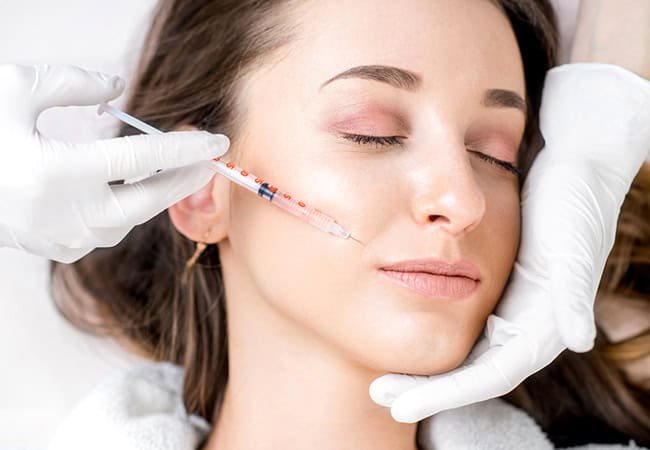
Botox is now one of the most renowned cosmetic treatments around the world. It is non-invasive, a quick procedure, and provides visible outcomes. However, producing excellent results does not end at the clinic. Your post-Botox healing can be very influential.
Even if you are a novice or a Botox frequent visitor, some clarification of the correct actions after Botox may prevent the causes of complications and lead to longer and smoother results.
Quick Overview of Botox
Botox is a purified toxin of botulinum type A. It acts by obstructing neuron messages to particular facial muscles. This aids in slowing down the emergence of fine lines and wrinkles, particularly around the forehead, eyes and mouth.
Its treatment is only a few minutes and does not require anaesthesia. The effects, however, are slow to develop, usually in 3 to 7 days, and may persist between 3 to 6 months.
Importance of Proper Aftercare
Post-Botox treatment is not merely a recommendation, and it is necessary. Poor aftercare may result in unsymmetrical outcomes, bruising and, in some cases, drooping of muscles within unexpected regions. By following the recommendations of your provider, you can guarantee successful healing and maintain a youthful appearance of your skin.
Here’s everything you need to know.
1. Immediate Do’s After Botox
The initial hours of 6-24 following your Botox procedure are essential. And do the following post-care recommendations:
What You Should Do
| Action | Why It’s Important |
| Stay upright for 4–6 hours | Prevents Botox from migrating to unwanted areas. |
| Gently move your facial muscles. | Helps the Botox settle in properly. Practice light expressions like smiling or frowning. |
| Use a cold compress (if needed) | Reduces mild swelling or bruising. Wrap the ice in a soft cloth to avoid direct skin contact. |
| Take it easy | Try to rest and stay calm. Avoid overexertion or stress immediately after the treatment. |
Bonus Tip: Stay hydrated (drink lots of water) to assist your body in dealing with the injection.
2. Don’ts Right After Botox
You feel like returning to your daily life, but some new routines can disrupt your Botox outcomes. Here’s what to avoid:
What You Should Not Do
| Activity | Why to Avoid |
| Touching, rubbing, or massaging your face | Increases the risk of the Botox spreading. |
| Lying down or bending over | Can cause Botox to move, leading to uneven results. |
| Strenuous exercise or heavy lifting | Boosts circulation and may reduce Botox’s effectiveness. |
| Drinking alcohol or taking blood thinners | Raises the chance of bruising and swelling. |
Common blood thinners include:
- Aspirin
- Ibuprofen
- Fish oil supplements
- Vitamin E
Before quitting medications, consult your doctor first.
3. Skincare and Makeup Tips Post-Botox
It is not uncommon for many patients to be concerned about when it is safe to resume their skincare and makeup regimens. The short answer: give your skin some breathing space!
When to Resume Skincare
- After 24 hours, avoid using skincare products.
- Stay away from products such as:
- Retinol
- Glycolic acid
- Salicylic acid
- Vitamin C (if high concentration)
Your skin might become sensitive, so select mild and gentle, hydrating products.
Safe Makeup Practices
- Do not apply makeup except after at least 24 hours.
- Use clean brushes or sponges to avoid getting an infection.
- Makeup should be applied comfortably, without pushing and rubbing the injection point.
| Product Type | Wait Time | Safe to Use? |
| Gentle Cleanser | After 24 hrs | ✅ |
| Lightweight Moisturizer | After 24 hrs | ✅ |
| Retinol | After 3 days | ❌ |
| Foundation (mineral) | After 24 hrs | ✅ |
| Concealer (liquid) | After 24 hrs | ✅ |
| Heavy scrubs or exfoliators | After 5–7 days | ❌ |
Pro Tip: During healing, apply a mineral-based makeup, which is indeed a safer option.
4. Long-Term Aftercare for Lasting Results
After your Botox has settled properly all the way, which can take around 7 to 10 days, it is time to dwell on the matter of keeping these smooth, youthful effects. With appropriate long-term custodial care, you will prolong the life of your Botox and maintain healthy skin.
Avoid Sun Exposure
One of the most common causes of early breakdown of Botox is the damage imposed by the sun. The UV rays will not only contribute to skin ageing, but they can also diminish the treatment outcomes.
- Use SPF 30 and above whenever it’s a cloudy or winter day.
- Outdoors, you need to apply sunscreen after every 2-3 hours.
- Use wide-brimmed hats and sunglasses that screen UV radiation.
Maintain Skin Hydration
A moisturised skin facilitates a smoother skin and allows Botox to be effective at a more efficient rate. Wrinkles tend to come back sooner due to dry, dull skin.
- Consume at least 8 glasses of water every day.
- Apply moisturising skincare products such as those which are enriched with hyaluronic acid, glycerin, or ceramides.
- Excessive consumption of alcohol and caffeine should be avoided because they can dehydrate the skin.
Follow-Up Appointments
The effects of Botox usually wear off after 3 to 6 months, based on your metabolism and lifestyle.
- Schedule regular visits to maintain your look.
- Minor adjustments can be made by your provider to have natural and more balanced results.
- Simplification is better than over-injecting.
| Long-Term Habit | Why It Matters |
| Use sunscreen daily | Protects results from sun damage |
| Stay hydrated | Keeps skin plump and smooth |
| Avoid smoking | Slows skin ageing and preserves Botox effects |
| Attend regular touch-ups | Maintains natural-looking results |
5. When to Contact Your Provider
Although Botox is relatively safe, one should be warned about the symptoms that may indicate a health emergency. Let your provider know as soon as possible in case you experience any of the following symptoms:
Recognising Unusual Symptoms
- Severe or persistent bruising/swelling: The swelling is normal, but it should reduce in a short time. When it becomes worse, go get help.
- Drooping eyelids or eyebrows: This can be a sign that the Botox has migrated. It is harmless but should be considered.
- Muscle weakness in areas not injected: This is rare and might be a reaction requiring medical care.
- Headaches, vision changes, or trouble speaking/swallowing: Uncommon; these signs may need prompt attention.
- Signs of an allergic reaction: Such as rash, itching, shortness of breath, or dizziness-get emergency help at once.
When in Doubt, Reach Out
- Do not overlook symptoms, however minor they appear.
- Communication with your provider is essential to resolve issues early and safely.
- Having the phone number and clinic information of your injector handy after each session is good.
Proper aftercare of your skin after a Botox visit is equally as important as the process itself. Understanding how not to strain the treated site and taking basic precautions such as remaining upright, not subjecting the treated site to pressure, and avoiding strenuous exercises can make the difference that could lead to long-lasting results.
It is also recommended to be cautious about skincare and make-up some days in order to avoid irritation and side effects.
Quick Recap
| What to DO | What to AVOID |
| Stay upright for 4–6 hours | Lying down or bending over |
| Gently move facial muscles | Rubbing or massaging the treated area |
| Use a cold compress if needed | Intense workouts for 24 hours |
| Apply skincare after 24 hours | Retinol or acids for 2–3 days |
| Use mineral, non-comedogenic makeup | Heavy makeup or dirty applicators |
| Drink water and stay hydrated | Alcohol or blood thinners (if avoidable) |
Most importantly, follow the specific instructions given by your injector. Each face is unique, and your provider understands best what would be the best approach to an individual treatment plan. Do not be afraid to ask them questions or tell them that something strange is happening or that you need help.