Get Expert Advice - Free Today

Dimple Surgery Cost in India: Everything You Should Know

Dimples add charm to a smile and symbolize youth and beauty across many cultures. Many people admire dimples whether they were born with them or not. If you want a dimpled smile, dimple plastic surgery, also called dimpleplasty, gives you a safe and effective way to create artificial dimples. 

This guide explains everything you should know about dimple surgery in India. We cover how the procedure works, what to expect before and after the surgery, the risks you might face, and the factors that affect the cost. 

What is Dimple Plastic Surgery?

Dimple plastic surgery is a cosmetic procedure that creates artificial dimples on your cheeks. The surgery works by modifying your underlying facial muscles and skin to form a small indentation, which gives you the look of natural dimples. 

Many people choose this procedure for aesthetic reasons because they believe a dimpled smile improves their appearance and makes them look more youthful and charming.

Dimple Surgery Cost in India

Many patients focus on the cost of dimple surgery. In India, the cost of dimple plastic surgery typically ranges between ₹30,000 and ₹90,000. Several factors affect the overall cost:

Number of Dimples

The more dimples you want, the higher the cost. Some people opt for a single dimple on one cheek, while others choose dimples on both cheeks. The final price depends on the number of dimples you want to create.

Complexity of the Procedure

Different techniques can create dimples. The complexity of the chosen method influences the cost. For instance, a procedure that requires more intricate work or special equipment may cost more than a simpler method.

Choice of Clinic

The location and reputation of the clinic also affect the cost. Clinics in metropolitan areas or those with a highly experienced team may charge a bit more. However, you do not need to spend a fortune to get a safe and effective procedure. Always focus on the surgeon’s expertise and patient reviews rather than just the cost.

What to Expect During the Procedure

Dimple surgery is a brief, minor procedure that most patients complete on an outpatient basis. Here is a step-by-step overview of the process:

Consultation and Planning

Before the surgery, you meet with your surgeon for a consultation. During this session, the surgeon discusses your goals and expectations. Together, you decide on the exact location of your new dimples. This planning ensures that your dimples will be placed in positions that look natural and suit your facial features.

Marking the Site

Once you agree on the location, the surgeon marks the spots on your cheeks where the dimples will form. This step is crucial for ensuring symmetry and precision during the procedure.

Local Anesthesia

To keep you comfortable during the surgery, the surgeon uses a local anesthetic. This means that only the targeted area becomes numb while you stay awake and feel no pain during the procedure.

Creating the Dimples

The technique used to create your dimples may vary depending on the surgeon’s experience and your desired outcome. There are two common techniques:

  1. Suture Method: In this method, the surgeon passes a suture—a type of thread—through the marked spot on your cheek using a needle. The suture connects the underlying muscle to the outer layer of skin. This connection forms a small indentation, giving you the appearance of a dimple. The advantage of this method is that it does not remove any tissue, which makes for a smoother recovery.
  2. Incision Method: Alternatively, the surgeon may make a tiny incision with a surgical blade at the marked spot. This incision creates a controlled scar that is anchored to the underlying muscle with a surgical knot. Your surgeon may choose this method based on the depth and look you want for your dimples.

Finishing the Procedure

After the dimples are created, the surgeon checks for symmetry and the overall appearance. The entire procedure usually takes less than an hour, and you leave the clinic on the same day.

Recovering from Dimple Surgery

The recovery process for dimple plastic surgery is usually straightforward. Most people resume their daily activities within a few days. Here is what you need to know about recovery:

  1. Oral Hygiene – Maintaining good oral hygiene is essential. Since the area around your mouth is involved, keeping it clean helps prevent infection. 
  2. Limiting Smiling – For about two weeks after the surgery, avoid full, wide smiles. This precaution helps your new dimples settle into place properly. Although you might feel awkward at first, this restriction is temporary and plays a major role in achieving the final results.
  3. Medications – Your surgeon will likely prescribe antibiotics to prevent infection and pain relievers to manage discomfort. Sometimes, anti-inflammatory medications are also recommended to reduce swelling.
  4. Managing Swelling – Some swelling is normal after dimple surgery. You can apply an ice pack to the treated area to reduce swelling and ease any discomfort. Use the ice pack for short intervals as your doctor advises.
  5. Follow-Up Appointments – Your doctor schedules follow-up visits to check on your healing process. These appointments allow the surgeon to ensure that your dimples are forming as expected and to address any concerns you may have.

Risks and Considerations

Although dimple surgery is generally safe, some risks exist. It is important to understand these risks before deciding to proceed with the procedure.

  • Scarring
  • Pain and Discomfort
  • Infection
  • Bleeding

How to Reduce Risks

To minimize these risks, choose a qualified and experienced surgeon. Follow all pre- and post-operative instructions carefully. If you notice unusual symptoms such as excessive swelling, pain, or signs of infection, seek medical advice right away.

Benefits of Dimple Surgery

For many, the appeal of dimple surgery goes beyond simply changing their appearance. Here are some benefits you can expect from this procedure:

  • Dimples add a youthful and attractive quality to your smile. Many people believe a dimpled smile makes them look friendlier and more approachable.
  • A new, attractive feature on your face can boost your self-esteem. If you have always admired people with dimples, having your own can make you feel more confident in social and professional settings.
  • Dimple surgery is a minor procedure that takes less than an hour. With minimal downtime and a low risk of complications, it offers a convenient way to enhance your appearance without undergoing major surgery.
  • Most patients who have dimple surgery experience minimal scarring. Modern techniques ensure that any scars that form are small and fade over time, leaving you with a natural look.

How to Choose the Right Surgeon and Clinic

Selecting the right clinic and surgeon is a crucial step in your dimple surgery journey. Use these tips to make the best choice:

  • Search for clinics that specialize in cosmetic procedures and have a strong track record in dimple surgery. Check patient reviews and before-and-after photos to gauge the results you can expect.
  • During your consultation, ask the surgeon about their experience, the techniques they use, and what you can expect during the procedure and recovery. A good surgeon answers your questions clearly and helps you feel confident in your decision.
  • Choose a clinic that offers a clean, modern, and supportive atmosphere. The quality of care and technology used can make a significant difference in the outcome of your surgery.
  • Experience matters. Look for a surgeon who has performed many dimple surgeries and can show a portfolio of successful results. This experience ensures that your procedure is safe and effective.

Conclusion

If you are considering dimple surgery, take time to research and plan carefully. This comprehensive guide covers all the aspects you need to know—from the basics of the procedure to detailed insights into preparation, recovery, and cost factors. You can make a well-informed decision that leads to a positive and fulfilling outcome with the right information and mindset

Frequently Asked Questions (FAQs)

Is dimple surgery painful?

Dimpleplasty, or dimple creation surgery, is normally painless since a local anesthetic is used to numb the region.

Can I get dimples permanently?

If natural methods do not produce the desired effects, you may want to look into a more permanent option—dimple surgery, also known as dimpleplasty.

What is the recovery process after Dimpleplasty?

The sutures dissolve and absorb in about two weeks, and the skin relaxes, resulting in a more natural look. When the internal tissue heals, it joins the cheek muscles to the skin, resulting in a dimple when smiling. You will be allowed to eat after the operation, but it is best to wait until the anesthetic has worn off.

Essential Tips for Preventing and Healing Folliculitis Scarring

many people, folliculitis damages self-esteem because of its appearance. 

Although the condition often goes away on its own, repeated outbreaks or severe infections can leave scars. In this article, we share essential tips for preventing and healing folliculitis scarring. 

Folliculitis and Its Scarring

Folliculitis begins when bacteria, yeast, or other irritants invade a hair follicle. These tiny pockets in your skin support each hair and contain oil glands. When germs settle in a follicle, the area turns red, swells, and fills with pus. In some cases, this produces small bumps that cause itching and pain.

Different types of folliculitis exist. The most common form results from the bacteria Staphylococcus aureus. Another well-known type is “hot tub” folliculitis, which the bacterium Pseudomonas aeruginosa causes as it thrives in warm, moist areas like hot tubs. 

Some people also experience folliculitis from yeast, which resembles an acne breakout, especially on the upper chest and back. Shaving-related folliculitis, such as pseudofolliculitis barbae, happens when the hair curls back into the skin, causing irritation and bumps.

Repeated inflammation or deep infections damage the skin and form scars. These scars vary in appearance. Some appear small and barely noticeable, while others stand out more. Scarring from folliculitis may show up on the face, arms, upper back, lower legs, or even the scalp. This guide focuses on tips for preventing these scars and healing them if they have already formed.

Preventing Folliculitis Scarring

The best approach to folliculitis scars is to stop them from forming. Simple steps in your daily routine can protect your skin from lasting damage.

Keep Your Skin Clean

Wash your skin regularly with a gentle cleanser to remove dirt, sweat, and oil. Keeping your skin clean reduces the bacteria count that can cause infection. Focus on areas prone to folliculitis, such as where you shave or where you sweat a lot.

Use Antibacterial Cleansers

If you struggle with folliculitis, consider using an antibacterial cleanser. These cleansers lower the bacteria count on your skin and help prevent infections. Choose a cleanser that remains gentle so it does not dry out your skin.

Avoid Over-Shaving

Frequent shaving irritates hair follicles and triggers inflammation. If you must shave, soften your hair first with warm water. Shave in the direction of hair growth and use a clean, sharp razor. For those who suffer from razor bumps or pseudofolliculitis barbae, try using an electric razor or hair removal creams instead.

Check Your Hot Tub and Pool Conditions

Hot tubs, pools, and other warm water sources breed bacteria. Before using a hot tub or pool, verify that the chemicals maintain proper levels. After swimming, take a shower to wash off any germs that may have settled on your skin.

Wear Breathable Clothing

Tight, non-breathable fabrics trap sweat and heat, which can lead to folliculitis. Choose loose-fitting, breathable clothing, especially when you exercise. This habit keeps your skin dry and lowers the chance of irritation.

Limit Excessive Sweating

When you work out or spend time outdoors, keep your skin as dry as possible. After heavy sweating, change your clothes and shower. This habit reduces the time your skin stays exposed to sweat, which can encourage bacterial growth.

Do Not Pick or Scratch

It may be tempting to pick at bumps or scratch itchy areas, but touching these spots worsens the infection and increases the chance of scarring. Let the bumps heal naturally, and use anti-itch creams to ease discomfort if needed.

Healing Folliculitis Scars

If scars from folliculitis already exist, many methods can help your skin heal and reduce their appearance. Healing takes time, but proper care brings noticeable improvements.

Use Topical Treatments

Topical treatments fade scars and improve skin texture. Look for creams or gels that include ingredients like:

  • Silicone gels or sheets reduce the appearance of scars over time.
  • Vitamin C brightens your skin and encourages collagen production, which smooths scars.
  • Retinol boosts skin cell turnover and lessens scar appearance. Use retinol creams at night, and protect your skin from the sun during the day.
  • Alpha Hydroxy Acids (AHAs) gently exfoliate your skin, remove dead cells, and promote new cell growth.

Consider Laser Treatment for Folliculitis Scars

Laser treatment proves a powerful tool for scar reduction. Different types of lasers target scar tissue and help smooth your skin. Laser treatments remove the top layers of skin and encourage new, healthy skin cells to form. This process significantly reduces the appearance of scars over time. Laser treatment offers an effective option for those with more stubborn marks.

Before choosing laser treatment, consult with a skin care specialist to determine if it suits you. The specialist discusses potential benefits, the number of sessions needed, and the cost. Remember that results take time and multiple sessions might be necessary.

Try Microneedling

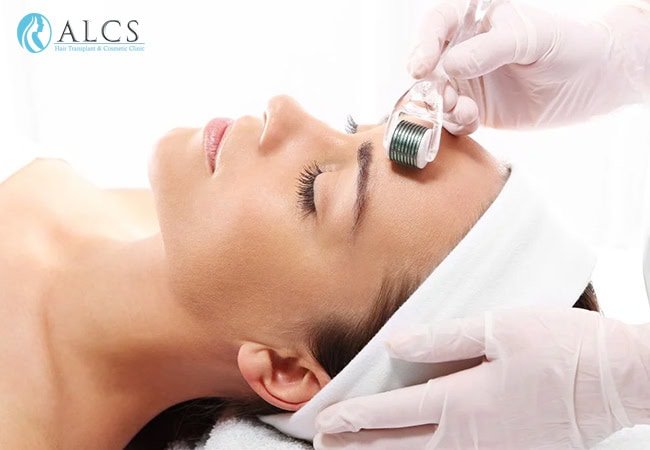
Microneedling uses tiny needles to create small punctures in your skin. These micro-injuries stimulate collagen production, which improves the look of scars. Many people ask, “How do I remove folliculitis scars?” Microneedling encourages your skin to heal and become smoother.

When you try microneedling, use a device that is safe and approved. You can perform this treatment at a clinic or use a home device if it is safe. Always follow the instructions to avoid further irritation.

Use Chemical Peels

Chemical peels remove the outer layers of your skin to reveal newer, smoother skin underneath. They work by applying a chemical solution that gently exfoliates the damaged skin. This process lessens the appearance of scars and evens out skin tone. Chemical peels suit people with shallow scars, though deeper scars may require more intensive treatments like laser therapy or microneedling.

Consider Natural Remedies

Some natural remedies help fade scars, though they may work more slowly than medical treatments. Options include:

  • Aloe vera gel soothes your skin and aids healing. Apply fresh aloe vera to the affected area daily.
  • Honey has natural antibacterial and healing properties. Use raw honey as a mask on your scars.
  • Coconut oil moisturizes your skin and may help reduce the appearance of scars over time.
  • Lemon juice acts as a natural bleach. Use it with caution because it makes your skin more sensitive to the sun. Always dilute lemon juice with water before applying it.

Special Considerations for Folliculitis Scars on the Scalp

Folliculitis can also affect your scalp, and scars in this area cause extra trouble. Scarring scalp folliculitis may lead to hair thinning or patchy hair loss. Here are some tips specifically for handling scalp scars:

Keep the Scalp Clean

Wash your scalp regularly with a gentle shampoo to remove oils and dirt. A clean scalp reduces the risk of new infections or worsening existing scars.

Use Medicated Shampoos

Medicated shampoos fight bacteria and reduce inflammation on your scalp. Look for products designed for skin conditions, and follow the instructions for best results.

Be Gentle When Brushing

Use a soft brush and avoid harsh brushing techniques. Handle your scalp gently to prevent further irritation and allow scars to heal.

Explore Laser and Light Therapies

Laser treatments also work well on the scalp. Laser scar removal treatments reduce the appearance of scars on your scalp by targeting scar tissue and promoting the growth of healthy skin and hair.

Lifestyle and Self-Care Tips for Healing

Healing from folliculitis scars involves treatments and taking care of your overall health. Follow these lifestyle tips to support your skin’s healing process:

  1. Drink plenty of water to keep your skin moist and support healing. Aim for at least eight glasses of water each day.
  1. Your skin benefits from a balanced diet. Eat plenty of fruits, vegetables, lean proteins, and whole grains. Foods rich in vitamins A, C, and E repair your skin and boost collagen production, which is essential for scar healing.
  1. Sleep gives your body time to repair itself. Aim for 7–8 hours of sleep each night. A good sleep schedule speeds up your skin’s healing and improves your overall health.
  1. High stress levels slow your body’s healing process. Practice stress management techniques like deep breathing, meditation, or light exercise. Staying relaxed helps your body repair skin and reduces the chance of new breakouts.
  1. Sun exposure darkens scars and makes them more noticeable. Use a broad-spectrum sunscreen with at least SPF 30 every day, even when it is cloudy. Wearing a hat or protective clothing also prevents your scars from darkening.
  1. Smoking and heavy drinking slow the healing process. These habits reduce your skin’s ability to repair itself and worsen scars. Quitting smoking and cutting back on alcohol improve your overall skin health.

When to Seek Professional Help

Most cases of folliculitis and minor scarring you can manage at home with proper care. However, if your scars are severe or your skin does not improve with over-the-counter treatments, seek professional help. A skin care specialist can assess your condition and recommend treatments tailored to your needs.

For some people, persistent folliculitis or deep scars require advanced treatments like laser therapy, microneedling, or chemical peels. A professional guides you on the safest and most effective methods for reducing the appearance of scars.

Conclusion

Folliculitis can be a painful and frustrating condition. Its appearance and discomfort lower your confidence. However, you have many tools to prevent folliculitis from leaving lasting scars. Keep your skin clean, practice gentle hair removal, and avoid triggers like hot tubs with low disinfectant levels to reduce your risk of scarring.

How to Care for Your Skin Under a Face Mask

After the outbreak of the Covid-19 pandemic, masks play a significant role in protecting us from the disease. However, masks can also create several skin problems, such as different types of marks, peeling of the skin, rashes and itchiness. Therefore you need to select the right facemasks for acne. Approved by certified dermatologists, here are a few tips for you if you want to protect your skin from masks:

Clean and moisturise your face regularly: 

If you follow a gentle skincare routine, you will be able to be safe from a variety of skin problems or other types of facemasks for pimples. When washing your face, consider using a mild and fragrance-free cleanser. 

Using masks often makes your skin dry; therefore, you must apply moisturiser to build a protective layer that will help you reduce the dryness of the skin. In addition, to protect your skin from the types of acne marks, select a suitable facemask for pimples

You should apply your moisturise just after you wash your face. To get the best results, you must get a moisturiser containing the following ingredients: 

  • Ceramides
  • Hyaluronic acid
  • Dimethicone (a protective barrier for reducing irritation).

To prevent different types of acne marks, you can use moisturiser according to your skin type. Some things that you should follow while selecting a moisturiser are:

  • Gel moisturiser for oily skin
  • Lotion for normal or combination skin
  • Cream for dry skin. 

So make sure to choose the right facemasks for acne as they will help you avoid types of pimple marks.

Protect your lips with petroleum jelly

Face masks can cause dry skin and chapped lips; therefore, you can protect your lips from getting dry by:

  • Washing your face frequently. 
  • Before you wear your mask. 
  • Before going to bed. 

To prevent the occurrence of breakouts or the different types of pimple marks, make sure to apply the petroleum jelly only to your lips. 

Skip the makeup when wearing a mask

You should avoid wearing makeup while wearing a mask because it can block your pores, leading to breakouts. It will also lead to different types of marks on the face. So it would be best for you to select the right facemasks for acne. Always make sure to use products which contain the label “non-comedogenic” or “would not clog pores”.

Do not use new skincare products which can potentially irritate your skin: Even when your wear masks for a short time, it can severely affect your skin. Therefore to reduce all the skin problems, make sure not to use any kind of products which might be harsh to your skin. For example, some of these products are a chemical peel, exfoliant or retinoid. 

Reduce the intensity of using some skincare products if it irritates your face: When you wear a face mask, some kinds of skincare products that you may have used in the past can cause irritations to your skin. In case you feel that your skin is feeling irritated, should cut down on suing products containing leave-on salicylic acid, the retinoid that you apply to your face and aftershave

Wear a suitable mask to avoid the different 

To avoid the different types of marks on the face, choose a mask for yourself that has: 

  • A snug but comfortable fit.
  • Two layers of fabric. 
  • The fabric present on the internal layer that rests on your skin should be soft, natural, breathable, and like cotton. 
  • Must be comfortable as well as efficiently protect yours from coronavirus. It should have a snug fit, especially on the nose, the sides and under the chin. 

If the mask has a snug fit as well as is comfortable, it can reduce skin problems significantly. However, if the mask gets too tight or has loose fighting, it can cause irritations to your skin. Also, you have to keep adjusting a mask that fits poorly, and in this process, you will transfer the harmful virus from the mask to your face. 

The mask’s fabric is also significant, so you must avoid synthetic fibres like nylon, polyester, and rayon for the internal layer that rests on your skin. The fibres mentioned above are likely to cause breakouts and irritate your skin. In addition, choosing the right facemasks for pimples will help you avoid the different types of face marks. 

Remove your mask for 15 minutes after every 4 hours

According to the health care workers, this measure will help you keep your skin protected. However, you should remove your mask only when it is safe and always wash your hands.

Some places where you can safely remove your mask are outdoors, where you are a minimum of 6 feet away from people at home when you are alone, or in a car when there is no one around you. Choosing the right facemasks for acne can help you avoid several types of face marks. 

Wash your cloth masks

According to several health organisations, you must wash a mask made of cloth each time after wearing them. Washing them helps to get rid of oils and skin cells which might cause skin problems. You can either wash the mask with the help of a washing machine or by hand, but make sure to:

  • Follow the washing instructions on the mask. 
  • Use hot water for washing unless the instructions depict something else. 
  • Use a detergent which is fragrance-free and hypoallergenic. 
  • Check the shape after washing, it does not fit well, and you should not wear it anymore. 

These measures can help you protect your skin. 

Follow the skincare plan provided by your dermatologist

You should strictly follow the skincare plan by your dermatologist if you have skin conditions like acne or rosacea.  

To avoid various types of face marks and wear a suitable mask, visit ALCS Hospital. We help you understand the different types of marks on your face and choose the best facemask for pimples.

What Is Chemical Peel?

chemical peel is a new concept in town. It has gained popularity in a relatively low time frame, and people recommend it because of its effective results. Let us know about various types of chemical peels in detail and see how they can change your skincare routine.

What is a chemical peel?

You may be wondering what a chemical peel is and why it has become the talk of the town.
Chemical peels enhance your skin quality and give you a radiant look. You can apply it to your face, hands, and neck. The chemical solutions exfoliate the skin and provide glowing skin. In addition, the peel removes the top layer of the skin and exposes the new skin, which is softer, smoother, and less wrinkled. You can use chemical peels to fight:

  • Sun damage
  • Wrinkles and fine lines
  • Acne scars
  • Hyperpigmentation
  • Melasma
  • Uneven skin tone or redness

You can choose the most suitable peel from different types of chemical peels to get the desired result.

Look at the various types of chemical peels

  • Superficial peels
    It penetrates the outermost layer of the skin and consists of mild acids like alpha-hydroxy.
  • Medium peels
    It is beneficial while removing the damaged cells and includes trichloroacetic or glycolic acid. It works on the middle and outer skin layers.
  • Deep peels
    Deep peels remove damaged cells from the middle layer of the skin. It uses phenol or trichloroacetic acid.

Pollution and dead skin hide your natural glow and make the skin appear dull. These peels help you regain the lost glow.

The technique of chemical peeling

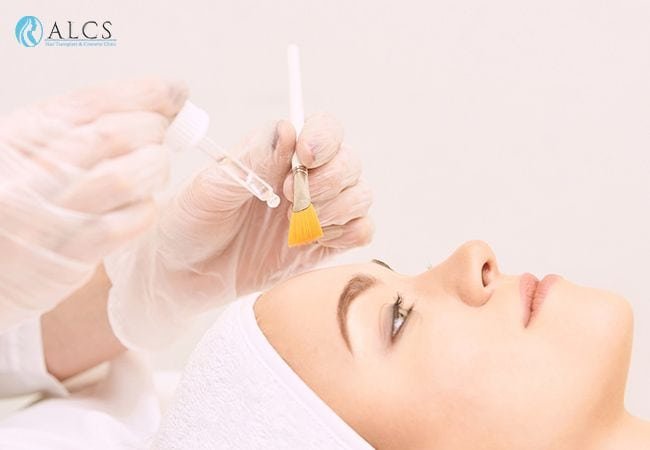
Chemical peels are carried out in a skin clinic as an outpatient procedure. The procedure starts with tying your hair at the back, and then your face is cleaned. Next, you are provided with eye protection gear, and the surgeon numbs the treatment area with topical anaesthesia. If you have chosen deep peel, then you will be given an IV. Your heart rate is also monitored during a deep chemical peel process. In a light chemical peel, salicylic acid is used in the treatment. The solution is applied to the skin with the help of a cotton ball or brush. You may experience a slight stinging sensation. You can notice the whitening of your skin, and once the procedure is complete, the solution is removed from your skin. A cotton-tipped applicator is used to apply trichloroacetic or glycolic acid on your skin during a medium peel. A blue pigment is added to trichloroacetic, and hence it is called the blue peel. You can notice the brightening of your skin and may feel a stinging sensation for about 20 minutes. A cool compress is used to control the burning sensation, and the doctor may give you a hand-held fan to cool down your skin. In deep peel, the procedure starts with giving sedation, and then a cotton-tipped applicator is used. Next, the applicator is used to apply phenol to the skin. The solution will turn your skin grey or white. The process is carried out in 15-minute portions to limit sun exposure to the acid.

Preparation tips for a chemical peel

After understanding what chemical peel is in detail, you need to prepare yourself for the process. First, you need to undergo a consultation round with your skin specialist. It will help you decide the most suitable peel for your skin. You will also get to know about the aftercare tips and the precautions you need to take. Your skin specialist may ask you about acne medications. Before a chemical peel, you must:

  • Not use retinol for at least 48 hours before the treatment.
  • Inform your skin specialist about the medication you take.
  • Not have been on Accutane for at least six months.

The skin specialist may recommend you to:

  • Use a retinol-based cream or lotion to prevent skin darkening.
  • Use special lotions.
  • Take antiviral medicines to prevent breakouts around the mouth.
  • Stop waxing, bleaching, epilating, or using any other hair removal technique.
  • Stop using face scrubs and exfoliants.

You may take a friend or family member with you, who can drive you back to your home. You may choose ALCS Clinic for your chemical peel treatment. Our skincare specialists first understand your skin and then suggest the best treatment option. We hope you may have understood about chemical peels through this blog and have got the answer to “What is a chemical peel?”

How Long Do Stretch Marks Take to Fade?

Everyone wants flawless skin without a hint of marks and scars. However, your desire to get flawless skin may go on standby with the appearance of stretch marks. Once we get stretch marks, we often wonder how long will it take for stretch marks to fade?

Stretch marks are common and can develop due to excessive stretching of your skin. You may witness the appearance of stretch marks after weight gain. Women are majorly affected by them during their pregnancy. The marks can occur on the belly, arms, thighs, hips, breasts, and lower back.

Let’s see what are stretch marks and how long does it take for stretch marks to fade?

Stretch marks are a result of overstretched skin. They are not dangerous for your health but may make you self-conscious. It is a significant cosmetic concern for many people. But with the increase in body positivity content, people have started embracing stretch marks. You can see a lot of content on self-love and body positivity on social media platforms. However, some people worry about their appearance and may think of how long does it take for a stretch mark to fade.

Signs and symptoms of stretch marks

The skin feels irritated and itchy and may appear pink before developing stretch marks. The marks form as wrinkly raised streaks and gradually flatten over time. They change their shade from red or brown to a silvery colour. It may take several years for a stretch mark to fade completely. Weight gain is also a reason behind the scars on your skin. You can try to control your body weight as it can help control the appearance of stretch marks on your body. It is easy to answer ‘how long does it take for stretch marks to disappear?’ by knowing your body.

Causes and risk factors

The common causes of stretch marks are:

  • Pregnancy is an underlying cause of stretch marks. The stretch mark is experienced by 50-90% of pregnant women.
  • You can experience stretch marks during your puberty. The sudden changes in your body can mark their appearance.
  • Certain medical conditions like Marfan syndrome and Cushing’s syndrome can cause stretch marks.
  • Excessive use of corticosteroid creams or lotions could be a reason behind your stretch marks. It decreases collagen production, which in turn can decrease skin elasticity.

Stretch marks are caused by the expansion or contraction of the skin. There are different stretch mark oils and lotions available in the market that claim to reduce their appearance. You may try it out and see the effects on your skin.

The risk factors of stretch marks are linked to your family history, chronic diseases, body mass index before pregnancy, and the child’s birth weight in pregnant women. In addition, your skin condition can help you know how long does it take for stretch marks to fade?

Diagnosis, the way to know how long does it take for stretch marks to fade away

Stretch mark diagnosis can be made based on your medical history. It does not cause any harm but may indicate an underlying medical condition. Skin examination by a trained cosmetic surgeon can also help you know about the appearance of stretch marks. In addition, the surgeon may ask you questions about your current medication and previous health records.

Treatment, a way to say goodbye to the ugly lines

The cost of treatment is high and does not prove fruitful for many people. The results of stretch marks treatment are effective if the scars result from an underlying medical condition. Stretch marks are considered a cosmetic complaint. You can use oil, creams, and lotions on the marks, but it may not give a long-lasting improvement. The scars can fade over time, and in pregnant women, they can become unnoticeable after 6 to 12 months of delivery.

Prevention

You can reduce stretch marks by:

  • Maintaining a healthy diet.
  • Avoiding junk food.
  • Having vitamins and minerals in your diet.
  • Drinking eight glasses of water daily.
  • Aiming for slow weight gain during pregnancy.

Incorporating these things can prevent stretch marks. You can see a gradual improvement in your existing marks. To address ‘how long does it take for stretch marks to fade?’, the answer is uncertain and depends on your skin.

You can contact ALCS Clinic for skin examination and know your risk factors for stretch marks.

What Are Stretch Marks and How to Treat Them

The Introduction

Stretch marks are also known as striae. Many experts consider stretch marks to be a type of scar that appears on the skin. These scars are caused when the dermis gets torn up. Scars can also appear if the deeper layer of skin is damaged due to the tissue’s stretching.Stretch marks can also be explained as the rupture of the elastin and collagen of the skin. These marks leave permanent scars when they heal. And on the surface, these marks develop into visible lines.It should be noted that stretch marks are quite dark in colour when they first appear on the skin. Stretch marks often tend to be red or purple in colour at the start. In some cases, stretch marks might also be raised above the skin. These marks might appear puffy and itchy.Thankfully, the good news is that stretch marks improve with time. As time passes, the stretch marks’ colour fades from red or purple to a very pale colour. The marks also flatten and can appear quite depressed below the level of the surrounding skin.

Who is at Risk of Getting Stretch Marks?

Some people are more at risk of developing stretch marks than others, irrespective of the fact that everybody can develop stretch marks. People who have extreme hormone levels, like pregnant women, are more susceptible to stretch marks.Individuals with a family or genetic history of stretch marks are also more at risk of developing these marks. Some mothers refer to their stretch marks as ‘tiger stripes.’ This is seen as a symbol of the woman’s struggle to give birth to a child.Apart from pregnant women, teens also develop stretch marks during puberty. This is because of the changing and growing body. The extreme fluctuation in muscle and body weight also results in stretch marks on various body contours. Individuals who use medications like corticosteroids, which can thin the skin for prolonged periods, are also at a greater risk of developing stretch marks.

Tips for Getting Rid of Stretch Marks

What if you have stretch marks on your body and you want to get rid of those marks? Sadly, just like any other scar, it is not possible to get rid of stretch marks. These marks are permanent. However, it is possible to improve the appearance of stretch marks by indulging in scar massages.If one opts for scar massages at an early stage of stretch marks development, he or she can avoid getting evident stretch marks. Ideally, it is recommended that one perform a scar massage at least once every day for good results.There are also ingredients like tretinoin and hyaluronic acid that can have small benefits for red stretch marks. One can also opt for a vascular laser treatment to enhance the pigment changes in the stretch marks.None of these methods will help you get rid of your stretch marks. This is why it is best to opt for prevention. If you are at risk of developing stretch marks, you should always keep your skin well hydrated. Avoid gaining excess weight to prevent damage to the skin.You might also be interested in learning that if you are a woman who has developed stretch marks during her pregnancy, you can get rid of those marks by getting a tummy tuck procedure done. A tummy tuck would help eliminate any stretch marks that are located below the belly button or on your lower abdomen.If you are looking to get a tummy tuck, you should also make sure that you only get this procedure done by the best cosmetic surgeon in India. Ensure that the cosmetic surgeon you select is knowledgeable, has the expertise, and is skilled at performing cosmetic surgeries.

Get Help from ALCS Clinic in Jaipur, India

At ALCS Clinic, Jaipur, India, we provide our patients with the best quality cosmetic surgical procedures. We have the best medical experts on our highly talented, skilled, and experienced team at performing these procedures.

All cosmetic procedures at the ALCS Clinic are available for patients at a very reasonable price. Contact us today to know how we can help!

How to Care for Skin Beneath a Face Mask

The COVID-19 pandemic created a significant impact on our day to day lives, and that has changed several perspectives in so many different ways. Now we not only need to practice social distancing for an infinite amount of time, but we always have to protect ourselves by wearing a face mask. Unfortunately, the later protective measure can lead to several skin issues like rashes, acne, or ‘maskne’. By now, you have all been familiar with images of painful marks of the healthcare workers after wearing N95 surgical masks for the most extended time. Even though it may seem that simple cotton masks are comfortable and less harmful, it may still irritate your area around your chin and nose. Now more than ever, it is incredibly crucial that you should take good care of your skin by following some easy tips so that you can avoid skin damage caused by your masks. 

1. Keep yourself hydrated and drink plenty of water– One of the easiest ways to take care of your skin is by drinking plenty of water. Several studies have revealed that Americans who are walking around dehydrated with their masks are asked to keep drinking water continuously. Due to the extra damage that you are getting from the face mask friction, you must make sure that your body has enough water content to ensure a healthy tissue properly.
2. Keep your skin moisturized– It is obvious for you to feel some irritation over the skin immediately after opening your mask. But on using a good skin moisturizer on the surface of the skin, you can ensure that it is protected so that you can avoid painful irritation and breakouts in future. 

3. Choose the right moisturizer-But before using moisturizer on your skin. You must make sure that you have selected an excellent moisturizer that is ideal for your skin. It is incredibly essential that you choose the most suitable moisturizer for your skin that does not cause any skin irritation or rashes. According to some of the best dermatologists present around the globe, it is highly recommended to use the following-

  • Gel moisturizers are the best moisturizer especially in hot and humid climate for people with oily skin 
  • Moisturizing creams are best for people with dry skin
  • Lotions are best for all skin types

4. Wash your mask– Another most crucial task that you should always do is keep your mask clean, especially after returning from somewhere as it traps all types of dirt, grime, oil and even old makeup that can build up underneath your mask. So it would help if you washed our mask regularly to keep away irritants from causing unnecessary damage to the skin around your nose or mouth. 

5. Cleanse your face – Now this is something that should be practised regardless of time because it is essential to keep your face clean and dirt free. After returning from a journey, when you finally get rid of your mask, you must cleanse your face to get clear all the impurities that have accumulated during the entire day. But the next crucial thing that you must do is moisturize your skin properly so that it doesn’t dry out. 

6. Avoid using heavy makeup- You may feel the urge to put on heavy makeup for a particular day. Still, it is essential to understand that you must avoid heavy makeup as that does not allow proper airflow while you are wearing a mask. Now if you have put on heavy foundations and concealers, then there are chances that it may cause breakouts. So while wearing masks, make sure that you change your makeup routine and try using minimal makeup or at least use makeup on areas that are not covered. 

7.Always use SPF- Do not forget your sunscreen as wearing a mask does not mean you do not need your SPF. Your mask will not protect you from sun damage, but your sunscreen will help you to prevent sun damage. However, instead of using heavy cream-based sunscreen, you can now use gel-based sunscreen that won’t feel too gluey on your face. 

So if you feel that you need more professional guidance with your skincare, then it would be best if you seek an appointment at the ALCS clinic, Jaipur. The clinic has the most skilled, experienced team of cosmetic skincare experts who will be able to suggest some non-surgical options too such as Laser treatments, injectable and even micro-needling if required. 

How To Remove Hair After Laser Treatment

A dermatologist will typically use laser hair removal as a professional procedure to help remove unwanted hair. Focused laser beams kill the hair follicles’ hairs by aiming them at them.

Most frequently, laser therapies are utilised on your:

  • face
  • chest
  • the armpits
  • back
  • bikini line
  • legs

An examination from 2020 revealed that improvements in long-pulsed lasers have allowed this treatment to address darker skin tones and light skin with dark hair. Based on your skin and hair colours, as well as your hair texture, your doctor will choose the ideal lasers to employ. After laser treatment remove hair easily and effectively. 

Do’s and don’ts of laser hair removal

After laser treatments, your doctor will provide detailed instructions for skin care. You should follow these recommendations to aid skin healing and avoid negative effects. Also, special care must be taken if you have to remove hair after laser treatment. After laser treatments, hair removal can become intricate. But don’t worry! We’ve got your back. 

Use cold compresses

Use a clean, soft washcloth dampened with cool water to the treated region for several minutes. A paper towel-wrapped ice pack is another option. After your laser hair removal procedure, this strategy aids in reducing any transient pain and swelling. After your skin soothes, you can go for removing hair after completing laser treatment. 

Use prescription creams

Your doctor may recommend a steroid cream to relieve pain and discomfort after receiving therapy. You can also use anti-inflammatory drugs for pain relief. Remove hair after laser treatment can become easy with this. There are questions like ‘How to remove hair after laser treatment? ‘that people usually ask. You will easily manage it yourself once you get familiar with the intricacies. 

Sun protection for your skin

Your doctor would advise you to avoid direct sun exposure because your skin will be sensitive following laser hair removal. Also, after laser treatment to remove hair can become difficult. You should avoid being in the sun for a month before the surgery and a month following. After that, consistently apply sunscreen to the treated region.

Is shaving after laser hair removal permitted?

Your doctor will advise you to shave before the operation to facilitate a more precise treatment. You can go for removing hair after completing laser treatment, but you should hold off for a few hours until any skin redness or discoloration has gone down. Shave any skin that is not:

  • enlarged
  • reddish or stained
  • it hurts

Shaving is being replaced by laser hair removal these days. On the other hand, between 10% and 25% of your hair is removed during the initial surgery. To remove hair after laser treatment, ensure your skin is ready. This is because removing hair after completing laser treatment can be quite challenging for the skin that has just been through a process. 

Repeat treatments are normally spaced out across a number of weeks or months. Most people require, on average, six. Depending on the region of treatment and individual responses, there will be a total of 6 treatments.

Don’ts for laser hair removal aftercare

Understanding how to care for your skin after laser treatment to remove hair is essential to minimise adverse effects. However, you should be aware of what to avoid following your operation. This can also include the after laser treatment to remove hair. 

  • Only schedule follow-up treatments every 4 to 6 weeks. Several attempts may be necessary.
  • You must receive treatments spaced out over time to get the desired outcomes.
  • Don’t sun tan. The risk of burns and hypopigmentation (light spots) may increase as a result.
  • Avoid using tanning creams. While appearing safe, these products might irritate.
  • Rashes, burns, and pimples could appear on the newly treated skin with laser therapy.
  • Avoid putting perfume or scented lotion on the treated area. These might cause inflammation and skin redness or discolouration.
  • If you had laser hair removal in the underarms, avoid using deodorant there. Moreover, some products could irritate the skin.
  • Stay away from body washes for at least a few days because they can irritate your skin. 

Once you pass clean through them all, you can go remove hair after treatment. 

Risks associated with laser hair removal

Swelling and redness are typical complications but only transient. You can also feel a little discomfort. Typically, such negative effects take 1 to 10 days.

A skilled, board-certified specialist will use the appropriate lasers for your skin and hair types to minimise any potential negative effects from laser hair removal. Your medical history and any drugs you take that could have negative side effects will also be discussed. Therefore, tell your doctor about it before removing hair. 

This procedure’s more severe side effects could include the following:

  •  scars
  • potential lasting changes to skin pigmentation
  • (Rare) burns, excruciating Pain
  • a blister
  • an infection

While laser hair removal is thought to be noninvasive and to cause only minor discomfort, it is advised that you watch out for any potential side effects. If you see any of the following:

  • Increased oedema, blisters, or burns
  • Discomfort that is unresponsive to the antibacterial cream you were prescribed
  • signs of scarring or changes in pigmentation
  • Signs of infection, such as pus and streaks that are red or discoloured. 

Ensure your skin doesn’t exhibit any signs of inflammation or allergy before going for hair removal after laser treatment.

Low-Level Laser Therapy (LLLT): A To Z Guide

The new best practice for hair and skin treatments is laser technology. Thousands of men and women around the world have used low-level laser light therapy (LLLT) for hair restoration to stop mild to moderate hair loss and regrow hair. 

Low-intensity lasers are applied to the scalp and beard during this non-invasive method of treatment. To promote hair development and improve the density and fullness of hair, low-level laser therapy machines emit a certain wavelength and frequency of light. 

In this article, we have discussed every aspect of low the FDA-approved LLLT, which has an 80% success rate.

What Is A Laser Light Therapy?

Low-level laser therapy (LLLT) is a modern, non-surgical hair loss treatment approved by the FDA. It utilizes laser technology to stimulate cell growth and supercharge hair follicles, resulting in improved volume and combating hair loss.

This painless procedure has no known side effects and is particularly effective in treating androgenetic alopecia, female pattern baldness, as well as other forms of alopecia and hair loss.

Additionally, it can effectively address hair loss caused by pregnancy or menopause. Low light laser therapy can also complement other hair loss treatments like PRP therapy and is often used in conjunction with hair transplant procedures, enhancing their effectiveness.

How Does Laser Light Therapy Work?

Low-level laser therapy (LLLT) is a non-invasive treatment method used to stimulate hair regrowth in individuals experiencing hair loss.

It targets hair follicles by utilizing a specific wavelength of light that possesses the unique ability to be absorbed by the molecules within the follicles. 

By harnessing this light energy, LLLT can effectively shift hair follicles into the growth phase, stimulating the regeneration process and promoting the production of thicker and fuller-looking hair shafts.

Stimulation of ATP Production

During LLLT, photons of light act upon cytochrome C oxidase, a key enzyme within the mitochondria of hair follicle cells.

This interaction prompts the production of adenosine triphosphate (ATP), which serves as the primary energy source for cellular processes. The ATP is then converted to cyclic AMP, releasing energy and stimulating metabolic processes necessary for hair growth.

Increased Vascularization

LLLT also facilitates the release of nitric oxide from cells within the scalp. Nitric oxide acts as a vasodilator, causing the blood vessels to dilate and promoting increased blood flow to the targeted region.

This enhanced vascularization ensures the efficient distribution of vital nutrients and oxygen to the hair roots, supporting their health and growth.

Prevention of DHT Build-up

An excessive build-up of dihydrotestosterone (DHT) is known to contribute to hair loss. LLLT helps prevent the accumulation of DHT, which can negatively affect hair follicles. 

By reducing the concentration of DHT, LLLT helps to maintain the health and integrity of the hair follicles, supporting their growth and minimizing hair loss.

Benefits Of Laser Light Therapy For Hair Fall Treatment

Low-level laser therapy (LLLT) is a non-invasive and safe treatment that has gained popularity for its numerous benefits in promoting hair growth.

This therapy utilizes low-level laser devices that are portable, clean, and painless. It is effective for both men and women, offering a convenient and relatively inexpensive solution for hair restoration.

Moreover, LLLT requires a minimal time commitment and has shown no adverse effects. In this article, we will explore the benefits of low-light laser therapy for hair growth.

Hair growth stimulation

One of the primary benefits of low-light laser therapy is its ability to stimulate hair growth. This treatment has shown promising results in promoting hair regrowth on the top of the head/crown and along the hairline of the forehead.

By delivering low-level laser energy to the hair follicles, LLLT enhances blood flow, increases nutrient delivery, and promotes cellular activity, leading to improved hair growth.

Non-invasive and painless

Low-light laser therapy is a non-invasive procedure that does not require any surgical intervention.

It involves the use of handheld devices that emit low-level laser light, which penetrates the scalp without causing any discomfort or pain. This makes it a preferred choice for individuals seeking a painless hair restoration option.

No reported adverse effects

LLLT has been extensively studied, and no adverse effects have been reported. Unlike some medications or surgical procedures, low-light laser therapy does not carry the risk of significant side effects. 

It is considered a safe treatment option for individuals looking to address hair loss concerns.

Minimal time commitment

Another advantage of low-light laser therapy is that it requires minimal time commitment. Treatment sessions typically last for a few minutes, and the recommended frequency is usually a few times per week. 

This makes it a convenient choice for individuals with busy schedules, as it can be easily incorporated into their daily routines.

Portable devices

LLLT devices are portable, allowing users to undergo treatment in the comfort of their own homes. This eliminates the need for frequent visits to a clinic or salon, providing flexibility and convenience. 

Portable devices make it easier for individuals to maintain a consistent treatment schedule, which is crucial for achieving optimal results.

Relatively inexpensive

Compared to other hair restoration treatments, low-light laser therapy is relatively inexpensive. 

While the cost may vary depending on the brand and model of the device, it generally represents a cost-effective option when compared to more invasive procedures or long-term medication use. 

This affordability makes LLLT accessible to a wider range of individuals seeking hair regrowth solutions.

How Is Low-Level Laser Light Therapy Administered

Low-light laser therapy is administered in a salon by trained professionals. The recommended frequency for treatments is two to three times per week.

During the therapy session, the scalp is exposed to light-emitting diodes (LEDs) for a duration of 8 to 15 minutes. This exposure can be achieved through various methods, such as using a bonnet or head cap that contains the LEDs or employing a handheld comb or brush that emits the laser light.

 The purpose of this therapy is to promote blood circulation in the scalp, which can stimulate hair growth. In certain cases, longer durations of therapy may be necessary to achieve the desired results.

The Results Of LLLT

Many individuals who undergo LLLT experience noticeable improvements in their hair thickness and fullness within 2-4 months. This article explores the timeline of results observed during LLLT treatment, highlighting the key milestones and changes that individuals may experience.

0-3 months

During the initial 0-3 months of LLLT treatment, it is common for individuals to notice hair shedding. This shedding occurs as a result of the body’s reaction to the treatment and should be viewed as a positive sign that the therapy is working effectively.

Although hair shedding can be concerning, it is essential to understand that it is a natural part of the hair growth cycle and indicates that new, healthier hair strands will replace the shed ones.

3-6 months

Between the 3-6 month mark, individuals undergoing LLLT treatment typically observe a reduction in hair shedding. This decrease in shedding is a promising sign that the treatment is starting to have a positive impact on hair loss.

Moreover, during this period, individuals may notice that areas previously affected by balding start to show signs of improvement. The hair in these areas may become fuller and denser, contributing to an overall enhancement in hair volume and appearance.

6-12 months

Continuing LLLT treatment beyond the 6-month mark can yield even more significant results. Individuals often report a noticeable reduction in hair loss during this period, as well as a continued improvement in the thickness and fullness of their hair.

The treatment helps to prevent further hair loss by promoting healthier hair growth and improving the overall condition of the scalp.

Disadvantages Of Laser Treatment For Hair Loss

Low-light laser therapy (LLLT), although considered a promising treatment for hair loss, comes with several disadvantages. Firstly, it has limited effectiveness in advanced cases of hair loss, rendering it ineffective for individuals experiencing severe or extensive hair thinning.

Additionally, one major drawback of LLLT is the extended duration required for noticeable results to appear. Patients often need to undergo several months of treatment before witnessing any significant improvement.

Another crucial factor to consider is that LLLT is not suitable for individuals taking photosensitizing medications, as it can lead to adverse reactions or complications. 

Lastly, the selection of LLLT devices needs to be done with caution, as the effectiveness of the treatment can vary based on the quality and specifications of the device used.

Suitable Candidate For LLLT

The suitable candidates for low-light laser therapy are men and women experiencing thinning hair or pattern baldness due to a hereditary condition.

The Norwood-Hamilton Classification is used to describe the degree of hair loss in men, while the Ludwig-Savin Scale is employed for women. Low-light laser therapy is beneficial for men with hair loss falling within the range of IIa to V, as it promotes hair growth in these individuals. 

For women, the therapy is effective for hair restoration in cases categorized as Ludwig (Savin) I-4, II-1, II-2, or frontal patterns of hair loss.

Cost of low light laser therapy in Hair Loss

The cost of low-level laser light therapy for hair loss treatment varies depending on the type of device being used. Home-based devices generally have a lower price compared to treatments carried out in a dermatological setup.

The cost typically starts from £45 per session, although this can vary depending on the extent of your hair loss and the specific treatment program recommended. It is often recommended to undergo a six-month treatment program for optimal results.

Laser Cap And The Cost Of LLLT Equipment?

There are many portable devices available for low-level laser therapy (LLLT), including tabletop devices, wearable devices, handheld devices, and laser combs. However, it’s important to note that not all devices have received FDA clearance or undergone electrical safety testing.

Therefore, it is advisable to consult a medical professional before choosing a device.

A Google search will reveal countless options for LLLT caps, bonnets, helmets, and other equipment. The cost of these devices varies widely. 

Lower-powered options can be found starting at just under $1,000, while higher-powered options can cost double or triple that price. For example, some devices start at $999, while others can go up to $2,400.

In addition to caps and helmets, laser combs are also popular. These can be found for around $100. There are also LLLT bands available, which typically cost about $700.

When considering purchasing LLLT equipment, it is essential to research the different therapies, procedures, and products available, as well as their safety and effectiveness. Consulting a medical professional can provide valuable guidance in selecting the most suitable device for individual needs.

Low-Level Laser Therapy – A New Alternative To Restore Life To Your Hair

Genetic hair loss is a common concern, and several popular treatments such as finasteride, minoxidil, and hair transplants have been utilized to address this issue.

Low-level laser therapy (LLLT) has emerged as a new and increasingly popular treatment option. In this article, we will focus on two key points regarding low-light laser therapy: the use of laser caps or combs and the suitability of LLLT for different stages of hair loss.

Laser Cap or Comb

LLLT devices, such as laser caps or combs, emit red laser light that gently stimulates the hair follicle cells.

These devices are portable and can be conveniently used at home. Using the device for approximately 15 minutes per day has the potential to strengthen the hair.

It is important to consult a doctor for specific directions on the use of the device and to determine the appropriate device type suitable for individual needs.

Suitability for Different Stages of Hair Loss

Low-level laser therapy is most suitable for patients in the early stage of hair loss.

Individuals in advanced stages of hair loss or with extensive baldness may not find LLLT as effective.

It is recommended to undergo 5 to 10 treatment sessions every two weeks for potential benefits.

Consulting with a healthcare professional is crucial to determine the most suitable treatment option based on the stage of hair loss and individual circumstances.

LLLT Increases Hair Growth

Low-light laser therapy increases hair growth by stimulating dormant hair follicles and targeting regions of the scalp affected by balding.

This technology utilizes specific wavelengths of light to penetrate the scalp, improving blood flow to the follicles and promoting the delivery of nutrients and oxygen necessary for healthy hair growth. 

Clinical studies have shown a remarkable 39% increase in hair growth and significantly improved hair count among individuals undergoing this therapy. The use of a laser cap, which emits low-level laser light evenly across the scalp, has been identified as a safe and effective method to achieve these results.

Laser cap benefits

low light laser therapy, or laser cap therapy, offers several benefits for individuals seeking a drug-free, natural, and convenient solution for hair loss. With no side effects, no downtime, and pain-free treatment,

Drug-free treatment 

Low-light laser therapy offers a drug-free approach to addressing hair loss. Unlike medications or topical treatments that may come with potential side effects or require long-term usage, laser cap therapy focuses on utilizing specific wavelengths of light to stimulate hair follicles and promote hair growth naturally.

100% Natural 

One of the significant advantages of low-light laser therapy is that it is a completely natural treatment method. 

The laser light used in this therapy mimics the natural light spectrum and does not involve any synthetic or artificial substances. This makes it a safe and holistic option for individuals who prefer natural solutions.

No side effects 

Since low-light laser therapy does not involve drugs or invasive procedures, it is generally well-tolerated and has minimal side effects.

Unlike certain medications or treatments that may cause adverse reactions, laser cap therapy is considered a safe and low-risk option, making it suitable for a wide range of individuals.

Done on your time 

One of the convenient aspects of low-light laser therapy is that it can be done on your own time. Laser caps are designed to be portable and can be worn at home or while engaging in daily activities. 

This flexibility allows individuals to integrate the therapy into their routine without the need for frequent visits to a clinic.

No downtime 

Unlike surgical hair restoration procedures or certain treatments that may require downtime for recovery, low-light laser therapy does not involve any downtime. 

There is no need to take time off work or disrupt your regular schedule to undergo this therapy. It offers a hassle-free option for individuals looking for a convenient hair loss treatment.

Pain-free 

Low-light laser therapy is a pain-free treatment option. The laser cap emits a low-level light that is not felt as heat or discomfort on the scalp. Individuals can undergo the therapy without experiencing any pain or discomfort, enhancing the overall treatment experience.

Natural, gradual results 

While low-light laser therapy does not offer immediate or overnight results, it provides natural and gradual improvements over time. 

Consistent use of the laser cap stimulates hair follicles, promotes blood circulation, and encourages hair growth. With regular and sustained use, individuals may notice thicker, fuller hair and a reduction in hair loss.

Can be used with other treatments

Low-light laser therapy can be used in conjunction with other hair loss treatments. Whether individuals are already utilizing medications, topical solutions, or even undergoing hair transplant procedures, laser cap therapy can complement these interventions, potentially enhancing their effectiveness and improving overall hair growth outcomes.

Low-Level Laser Therapy For Pattern Balding

Low-level laser therapy (LLLT) is increasingly being advocated as a viable treatment option for pattern balding, a condition that affects a significant percentage of both men and women.

While traditional treatments such as minoxidil, finasteride, and hair transplantation remain popular, LLLT offers a safe and promising alternative or adjunctive approach. LLLT devices emit a specific wavelength of light that can penetrate the scalp, stimulating hair growth and improving hair density. 

Various types of lasers, including Excimer (308 nm), helium-neon (632.8 nm), and fractional erbium-glass (1550 nm) lasers, have been utilized in LLLT for hair loss. This treatment can be administered through different equipment options, including in-salon hoods or overhead panels, bonnet or head caps, and handheld devices.

What To Realistically Expect

Low-light laser therapy (LLLT) is incredibly effective at treating thinner and weaker hair follicles, resulting in thicker, stronger, and healthier hair growth. This treatment significantly improves the appearance and volume of the hair. In approximately 85% of cases, LLLT can slow down or even stop hair loss.

However, LLLT does not work for individuals with long-standing baldness, as there are no hair follicles left to stimulate. The treatment is most effective when started immediately, offering maximum hair restoration benefits during the early stages of hair loss. 

Combining LLLT with platelet-rich plasma (PRP) therapy can yield enhanced results. 

However, it is crucial to manage expectations as the effectiveness of LLLT is limited in the advanced stages of hair loss. Gradual improvement can be observed over several months of consistent treatment.

What Are The Positives Of Laser Treatment For Hair Loss?

Low-light laser therapy (LLLT) offers several positive aspects. Firstly, it is a non-invasive treatment, meaning it does not require any surgical procedures or incisions.

This makes it a safer and more comfortable option for individuals seeking therapy. Secondly, LLLT is a painless procedure, allowing patients to undergo treatment without experiencing any discomfort.

Additionally, LLLT has been reported to have no side effects, ensuring minimal risks or complications for patients. Lastly, one of the significant benefits of LLLT is its ability to increase hair strength. 

This makes it an attractive option for individuals dealing with hair loss or thinning, as it promotes healthier and stronger hair growth.

What Are The Negatives Of Laser Treatment For Hair Loss?

Low-light laser therapy, despite its potential benefits, does come with several drawbacks. Firstly, it can be time-consuming, requiring multiple sessions to achieve noticeable results.

Additionally, the cost of undergoing this therapy can be quite high, making it inaccessible for some individuals. Moreover, it is important to consider that low-light laser therapy may interact with certain medications, potentially leading to adverse effects. 

Lastly, one must be cautious as the long-term safety and effectiveness of this treatment have not yet been fully established.

FAQ

What happens during the procedure?

During a low-light laser therapy procedure, a specialized laser therapy machine is positioned over the head of the patient. This machine utilizes diodes that emit light at a specific wavelength and frequency of 650nm.The purpose of this therapy is to deliver low-level light therapy directly to the hair follicles. The treatment targets the entire scalp simultaneously, ensuring comprehensive coverage. To enhance the effectiveness of the procedure, multiple lasers are directed toward the areas most commonly affected. This approach aims to achieve improved results in treating hair-related concerns.

What are the risks of LLLT?

While low-light laser therapy is generally considered safe and painless, there is a potential risk of adverse effects associated with incorrect usage or inappropriate application techniques.

Is LLLT painful?

Low-light laser therapy is a painless procedure that typically lasts 20-25 minutes, providing a comfortable experience for patients.

HydraFacial Prices in India: What Are the Costs and Benefits?

In recent years, HydraFacial has grown in popularity among skincare consumers due to its ability to renew and restore skin. This non-invasive procedure guarantees a beautiful, young complexion. It has become a popular choice among many people. 

In this article, we’re going to look at what HydraFacial comprises, the normal pricing range in India, and the benefits of this innovative skincare procedure.

Understanding HydraFacial

The HydraFacial is a complete skincare treatment that includes washing, exfoliation, extraction, and hydration. It uses a specialized device to address many skin issues in a single session. The treatment starts with a deep cleanse and exfoliation, followed by a mild acid peel to improve skin texture. 

Next, the device conducts a mild extraction to remove blocked pores and impurities. Finally, it contains a nourishing serum enriched with antioxidants and hyaluronic acid, which leaves the skin moisturized and radiant.

Process of HydraFacial

A basic HydraFacial includes four significant steps:

  1. Cleansing and exfoliation: The skin is washed and exfoliated to remove dead skin cells and impurities, preparing it for the next steps.
  2. Acid Peel: A gentle acid peel is used to exfoliate the skin and enhance its texture.
  3. Extraction: The device gently removes dirt and blackheads from the pores.
  4. Hydration: A nourishing serum is injected into the skin to provide intense hydration and a healthy glow.

HydraFacial Price in India

The cost of a HydraFacial in India can vary based on several factors, including the location of the clinic, the expertise of the esthetician, and any additional treatments included. On average, a single HydraFacial session ranges from Rs. 3500 to Rs. 6000. While this may seem pricey compared to traditional facials, the extensive benefits make it a worthwhile investment. 

Benefits of HydraFacial

HydraFacial benefits include deep cleansing with vortex suction technology, which reduces acne and blackheads. It also offers some additional benefits which are as follows:

  1. Improved Skin Texture: Exfoliation helps to level out uneven skin texture, reducing fine lines, wrinkles and hyperpigmentation.
  2. Enhanced Hydration: The treatment covers the skin with hydrating serums including hyaluronic acid and antioxidants, restoring the skin’s natural moisture barrier and leaving it plump and beautiful.
  3. Reduced Hyperpigmentation: Specialized serums target hyperpigmented regions, fading dark patches and evening out skin tone.
  4. Minimize Pore Size: Pore size is reduced during the extraction phase, which results in a more refined look and smoother skin texture.
  5. Immediate Results with No Downtime: HydraFacial delivers immediate results with no downtime, making it great for special events.
  6. Customization Options: The treatment can be tailored to address specific skin concerns, such as acne, aging, dryness, or sensitivity.

Who Can Benefit From HydraFacial?

HydraFacial is very useful and appropriate for a variety of skin types and issues. It is especially useful for:

  1. Aging Skin: Reduces fine lines, wrinkles, and age spots while increasing collagen production.
  2. Sun-damaged skin: Serums with brightening ingredients help to reduce hyperpigmentation and level out skin tone.
  3. Acne-prone skin: Deep cleansing and extraction help to decrease acne outbreaks and irritation.
  4. Dry or dehydrated skin: Hydrating serums replace moisture and restore the skin’s natural hydration level.
  5. Dull Complexions: Exfoliation and the use of rejuvenating serums restore the skin’s natural shine.
  6. Sensitive Skin: Generally well-tolerated, with adjustments for specific skin sensitivity.

The Science Of HydraFacial

A HydraFacial is a skincare procedure that involves exfoliation and suction to remove dead skin cells and toxins from the face. It also delivers serums to the skin, cleansing, hydrating, and moisturizing it. The treatment is described as calming, refreshing, and non-irritating, with many patients reporting instant relief.

The HydraFacial treatment utilizes Vortex-Fusion technology. It combines washing, exfoliation, extraction, and serum infusion in a single session. 

The device produces a vortex effect, eliminating pollutants and delivering strong serums deep into the skin. This method cleanses and nourishes the skin, giving complete and quick effects.

Post-Treatment Care: Maintaining Results

To preserve the advantages of HydraFacial, follow these post-treatment maintenance tips:

  1. Protect your skin: To prevent sun damage, apply a broad-spectrum sunscreen with an SPF of 30 or higher.
  2. Stay moisturized: Drink plenty of water to keep your skin moisturized from the inside.
  3. Avoid Harsh Products: Use mild skincare to avoid irritation.
  4. Follow a skincare routine: To ensure long-term skin health, cleanse and moisturize on a regular basis.
  5. Schedule regular sessions: Regular HydraFacial treatments every 4-6 weeks can help to retain the best results.

What are the disadvantages of HydraFacial?

Hydrafacials are typically well-tolerated; nonetheless, there are several possible side effects and drawbacks:

  1. Increased blood flow to the skin during treatment might produce modest redness, which normally resolves within a few hours.
  2. People with sensitive skin or allergies may feel discomfort or irritation for a short period.
  3. Due to the removal of impurities and dead skin, sensitive skin types may suffer breakouts.
  4. Some people may be allergic to the substances in serums, resulting in breakouts or rashes.
  5. Hydrafacials, when administered by an inexperienced practitioner, can cause bruising, irritation, and permanent redness.

HydraFacial is a cutting-edge skincare treatment that provides a wide range of advantages, including thorough cleaning and hydration, as well as enhanced skin texture and decreased hyperpigmentation. While the cost of HydraFacial in India differs, the overall benefits it offers make it an excellent complement to any skincare plan. HydraFacial is a great solution for improving the appearance and health of your skin.

Frequently Asked Questions (FAQs)

Are there any side effects or risks with HydraFacial?

HydraFacial is typically safe, with no danger of adverse effects. Some people with sensitive skin may suffer slight redness or irritation, although this usually passes quickly.

How long does a HydraFacial treatment take?

HydraFacial sessions typically take 30 to 60 minutes, making them a practical alternative for those with busy schedules.

How does HydraFacial work?

The procedure is conducted in three steps: The doctor applies a vortex-like wand to your skin to help remove debris and oil from deep inside your pores. They also use a peel to exfoliate and resurface the skin. To remove the dirt from your pores, your medical professional will utilize a wand with a vacuum-like attachment.

Can I use HydraFacial with other skincare treatments?

Yes, you may mix HydraFacial with other treatments. Consult your esthetician or dermatologist to decide the best treatment for your skin.

References

https://www.ncbi.nlm.nih.gov/pmc/articles/PMC9762628/ 

https://practicaldermatology.com/news/hydrafacial-improves-acne-skin-concerns-study/2461501/ 

https://www.healthline.com/health/what-is-hydrafacial