Get Expert Advice - Free Today

Microneedling Cost in India: Benefits & More

Microneedling, also known as collagen induction therapy, has become increasingly popular in India for its effectiveness in addressing various skin concerns, including scars, wrinkles, and uneven texture. As more people seek non-invasive procedures to rejuvenate their skin, microneedling offers an affordable and accessible solution. This article explores the costs, benefits, and essential details about microneedling in India.

What is Microneedling?

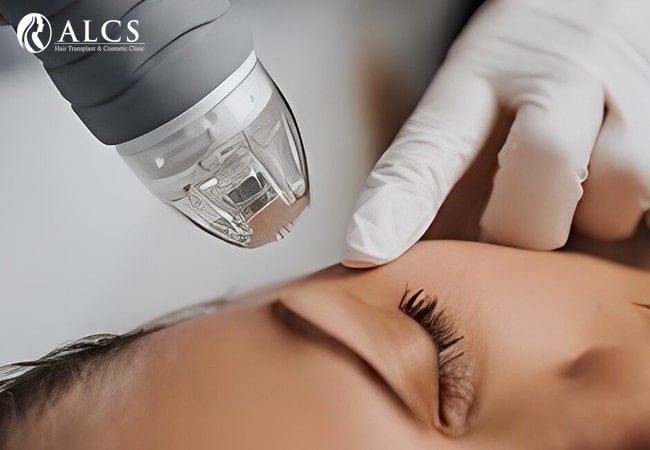
Microneedling is a cosmetic procedure that involves using a device fitted with tiny, sterile needles to create micro-injuries in the skin. These controlled injuries stimulate the body’s natural healing process, promoting the production of collagen and elastin—proteins that are essential for maintaining the skin’s elasticity and firmness. The result is smoother, firmer, and more youthful-looking skin.
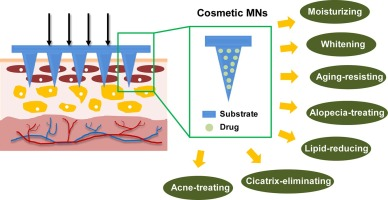
Source: Science Direct

Microneedling is used to treat a variety of skin issues, including:

  • Acne scars
  • Fine lines and wrinkles
  • Large pores
  • Sun damage
  • Uneven skin tone and texture
  • Stretch marks

Microneedling Costs in India

One of the main reasons for the growing popularity of microneedling in India is its affordability compared to other countries. The cost of microneedling in India can vary based on several factors, including the clinic’s location, the experience of the practitioner, and the specific needs of the patient.

On average, a single session of microneedling in India can cost between INR 3,000 to INR 10,000. The price may vary depending on the area being treated and the severity of the skin concern. For example, treating a small area like the face might be less expensive than treating larger areas like the back or thighs.

Patients often require multiple sessions to achieve the desired results, with most dermatologists recommending a series of 3-6 treatments spaced 4-6 weeks apart. Some clinics offer package deals that reduce the cost per session when multiple treatments are purchased upfront.

How Does Microneedling Work?

During a microneedling session, a dermatologist or licensed practitioner uses a device, often referred to as a dermaroller or microneedling pen, to gently puncture the skin. The depth of the needles can vary depending on the area being treated and the specific skin concern. The micro-injuries created by the needles trigger the body’s wound healing process, leading to the formation of new collagen and elastin.

This process not only helps to improve the appearance of scars and wrinkles but also enhances the overall texture of the skin. As new collagen forms, the skin becomes firmer and smoother, giving it a more youthful appearance.

Benefits of Microneedling

Microneedling offers numerous benefits, making it a popular choice for those looking to improve their skin without resorting to more invasive procedures. Some of the key benefits include:

1. Improved Skin Texture: Microneedling can smooth out rough skin, making it softer and more even. It’s particularly effective for treating acne scars and large pores.

2. Reduction of Fine Lines and Wrinkles: By stimulating collagen production, microneedling helps to reduce the appearance of fine lines and wrinkles, giving the skin a more youthful look.

3. Minimize Pore Size: The treatment can help to reduce the size of pores, making them less noticeable and giving the skin a smoother appearance.

4. Fades Scars and Stretch Marks: Microneedling is effective in treating various types of scars, including acne scars, surgical scars, and stretch marks.

5. Enhanced Product Absorption: The microchannels created by the needles allow for better absorption of skincare products, making them more effective.

6. Safe for All Skin Types: Unlike some other treatments, microneedling is safe for all skin types and tones. It has a lower risk of hyperpigmentation, making it suitable for people with darker skin.

7. Minimal Downtime: Microneedling is a minimally invasive procedure with little to no downtime. Most people can resume their normal activities shortly after the treatment.

What to Expect During a Microneedling Session

A typical microneedling session lasts between 30 minutes to an hour, depending on the area being treated. Here’s what you can expect during the procedure:

1. Preparation: The skin is first cleansed, and a topical anesthetic is applied to minimize discomfort.

2. Microneedling: The practitioner will use a dermaroller or microneedling pen to create tiny punctures in the skin. The device is moved across the treatment area in a controlled manner to ensure even coverage.

3. Post-Treatment Care: After the procedure, a soothing serum or mask may be applied to calm the skin. Patients are usually advised to avoid sun exposure and use a high-SPF sunscreen.

Some redness and mild swelling may occur after the treatment, similar to a mild sunburn. These side effects typically subside within a day or two. Over the next few weeks, the skin will continue to improve as new collagen is formed.

Factors Affecting the Cost of Microneedling in India

Several factors can influence the cost of microneedling in India:

1. Location of the Clinic: Clinics in metropolitan cities like Mumbai, Delhi, and Bangalore may charge more than those in smaller cities or towns.

2. Reputation of the Clinic and Practitioner: Established clinics with experienced dermatologists or aesthetic practitioners may charge higher fees.

3. Equipment Used: The type of microneedling device used can also affect the cost. Automated microneedling pens tend to be more expensive than manual dermarollers.

4. Extent of the Treatment Area: Larger treatment areas or more severe skin concerns may require longer sessions or additional treatments, increasing the overall cost.

How to Choose a Microneedling Clinic in India

Choosing the right clinic for microneedling is crucial for ensuring safe and effective results. Here are some tips to help you select a reputable clinic:

1. Clinic’s Reputation: Look for clinics with positive reviews and testimonials from previous patients. You can also ask for before-and-after photos of past clients.

2. Credentials: Ensure that the practitioner performing the procedure is a licensed dermatologist or aesthetic professional with experience in microneedling.

3. Equipment Used: Inquire about the type of microneedling device used and whether it is FDA-approved. High-quality devices are essential for safe and effective treatment.

4. Hygiene Standards: The clinic should adhere to strict hygiene and sterilization protocols to prevent infections and complications.

5. Discuss Your Skin Concerns: A good clinic will offer a consultation before the procedure to assess your skin type and concerns and to explain the expected outcomes.

Alternatives to Microneedling

While microneedling is a popular treatment, there are other options available for those looking to improve their skin:

1. Chemical Peels: Chemical peels involve applying a solution to the skin to remove the outer layer, revealing smoother, more even skin underneath.

2. Laser Resurfacing: This treatment uses laser energy to remove damaged skin and stimulate collagen production.

3. Dermabrasion: Dermabrasion involves exfoliating the outer layer of the skin using a rotating device, which can improve scars, wrinkles, and pigmentation issues.

4. Platelet-Rich Plasma (PRP) Therapy: PRP therapy involves using the patient’s own blood plasma, which is rich in growth factors, to promote healing and collagen production.

Each of these treatments has its own set of benefits and considerations. It’s important to consult with a dermatologist to determine the best option for your specific skin concerns.

Conclusion

Microneedling offers an effective and affordable solution for individuals looking to rejuvenate their skin in India. With its numerous benefits, minimal downtime, and accessibility, it’s no surprise that microneedling has become a popular choice for those seeking non-invasive skin treatments. 

By choosing a reputable clinic and experienced practitioner, you can achieve smoother, firmer, and more youthful-looking skin at a fraction of the cost compared to other countries. If you’re considering microneedling, be sure to consult with a qualified dermatologist to discuss your options and create a treatment plan tailored to your needs.

Frequently Asked Questions (FAQs)

What dangers come with microneedling?

One major concern associated with microneedling devices is skin injury. Bleeding, bruising, redness, tightness, itching, and peeling are possible side effects of the injury that usually go away on their own in a few days or weeks.

Is microneedling painful?

Although not painful, microneedling treatments can cause discomfort, particularly for individuals who are needle-phobic. Through the use of tiny needlepoints to puncture the dermis, microneedling helps promote the body’s synthesis of collagen and elastin, resulting in skin that appears younger and smoother.

References

https://www.ncbi.nlm.nih.gov/pmc/articles/PMC5556180/ 

https://www.ncbi.nlm.nih.gov/pmc/articles/PMC4976400/ 

https://www.sciencedirect.com/science/article/pii/S1748681517302504 

https://www.researchgate.net/publication/373012725_Microneedling_A_Short_Review_about_Techniques_Efficacy_and_Applications- 

How to Get Dimples Naturally: Effective Methods and Tips

Dimples have long been seen as an attractive facial feature and many people love the youthful charm they can add to a smile. Some people are born with natural dimples, but due to them being seen as attractive, sometimes other people may wish they had them too. This is why many people look for ways to create dimples or make their cheeks appear dimpled. 

From facial exercises and makeup tricks to cosmetic procedures, like dimple surgery, several options are discussed today. Before trying any method, it is important to understand what can realistically work and what results you can expect. 

In this article, we will discuss how to get dimples naturally, explore simple techniques that people commonly try at home and understand permanent treatment options, including dimple creation surgery and its cost in India. 

What Are Dimples?

Dimples are tiny indentations that appear on the skin, usually on the cheeks, when someone smiles. They result from a slight muscle deformity, where the skin is attached to the underlying facial muscles. This attachment causes the skin to “pull in” while smiling, resulting in the dimpled effect.

Can You Get Dimples Naturally?

The truth is, how to get dimples naturally significantly depends on genetics. Nevertheless, some exercises and techniques claim to help create the illusion of dimples or enhance the facial muscles to form an indentation. 

While these methods might not provide guaranteed permanent dimples, they are safe to explore, and some people have reported positive outcomes in getting dimples on cheeks naturally.

1. Facial Exercises to Create Dimples

Although not scientifically proven, certain facial exercises are thought to influence the muscles and soft tissues associated with facial expressions. Some people believe these exercises may help define cheek contours or make dimples appear more noticeable when smiling. 

How to achieve a dimple on the face naturally with exercises:  

  • Step 1: First, identify the desired location for your dimples, which usually lie about 2-3 centimeters away from the corners of the lips.  
  • Step 2: Firmly press your fingers into your cheeks in the areas where you want the dimples to be. Apply steady pressure for 30-60 seconds.  
  • Step 3: While maintaining the pressure, continue to smile as widely as you can, ensuring your finger position remains the same. This action may condition your facial muscles to create indentations in those areas.  
  • Step 4: Perform this exercise several times a day, ideally for 5-10 minutes each day.  
  • Although facial exercises may require time, with perseverance and commitment, you might observe a subtle emergence of dimples when smiling.

2. Cheek Piercings for Dimple Creation

A popular method that has arisen for creating dimples is through cheek piercings. While this approach isn’t completely natural, it serves as a less invasive option compared to surgery for those seeking how to get dimples without cosmetic interventions.  

The procedure entails getting piercings in the spots where you desire dimples. As the skin heals around these piercings, some people may notice that the tissue forms slight indentations that resemble dimples. However, this method is not guaranteed and may involve risks, such as infection or scarring, if not carried out by a trained professional.

3. Temporary Dimple Hacks: Makeup and Contouring

For those seeking a quicker and more temporary way to achieve dimples on their face, makeup and contouring can serve as an effective strategy to make dimples on the face temporarily.  

Here’s how to simulate dimples using makeup:  

  • Utilize a fine-tipped makeup brush or a brown eyeliner pencil.  
  • Identify the desired dimple location on your cheeks while smiling.  
  • Gently mark a dot where the dimple would be seen.  
  • Blend this dot using a contouring brush to create a subtle shadow effect.  
  • Make sure the shadow is flawlessly blended to maintain a natural look.  

This technique can produce the illusion of dimples, providing a simple solution for those wanting dimples for special occasions without making permanent alterations.

Dimple Surgery: Permanent Solution for Dimples

If using natural remedies doesn’t work, you might want to think about dimple surgery, also called dimpleplasty, which is a more permanent treatment.

What is Dimpleplasty?

A cosmetic surgical treatment called dimpleplasty produces artificial dimples on the cheekbones. During the procedure, a tiny incision is made inside the mouth to create a cheek muscle deficiency. After that, a suture is inserted between the cheek muscle and the skin, pulling the skin inward and giving the impression of a dimple.

The minimally invasive operation usually takes 30 to 60 minutes and is carried out under local anaesthesia. It is the most dependable way to get dimples permanently with surgery.

Dimple Surgery Cost in India

The cost of dimple surgery is an important factor for people considering the procedure. Compared to many Western countries, dimple surgery in India is generally more affordable while still offering access to experienced cosmetic surgeons and modern healthcare facilities.

The average cost of dimple surgery in India usually ranges between INR 25,000 and INR 50,000, depending on several factors. These may include the surgeon’s experience, the reputation of the clinic or hospital, and the city where the procedure is performed.

Other factors that can influence the total treatment cost include:

  • Complexity of the procedure
  • Pre-operative consultations and assessments
  • Post-surgical care and follow-up visits
  • Facility charges and medical infrastructure

Since dimpleplasty is an elective cosmetic procedure and not a medical necessity, it is important to research thoroughly before making a decision. A qualified and experienced surgeon can help improve treatment outcomes and reduce the risk of complications.

Risks and Recovery of Dimple Surgery

Dimple surgery is generally considered a safe and minimally invasive cosmetic procedure, but like any surgery, it carries certain risks. Some possible risks include infection, swelling, asymmetry, temporary numbness and minor scarring. 

Some possible risks of dimple surgery include: 

  • Infection: There is a chance of infection with any surgical operation, but it is minimal with dimple surgery.
  • Scarring: Because the incision is done inside the mouth, there is a chance of scarring, but it is usually very minor.
  • Numbness: The cheek area may become temporarily or, in rare circumstances, permanently numb.
  • Asymmetry: Following surgery, the dimples could not be quite symmetrical, necessitating adjustments.

After dimple surgery, healing is rather quick. The majority of patients can resume their jobs in a few days, and while the dimples will initially be deeper, they will eventually become softer. Usually, full results appear in a few weeks to months.

Who Should Avoid Dimple Surgery?

Dimple surgery may not be suitable for everyone and a proper medical evaluation is important before considering the procedure. People with certain health conditions or risk factors may have a higher chance of complications or poor healing outcomes.

Before undergoing dimple surgery, it is important to discuss your medical history and expectations with a qualified cosmetic surgeon. A consultation helps determine whether the procedure is safe and appropriate for you.

The procedure may not be ideal for:

  • Individuals with active skin or oral infections
  • People with bleeding disorders or clotting problems
  • Those with unrealistic expectations about the results
  • Individuals with medical conditions that may affect healing
  • People with uncontrolled diabetes or weakened immunity
  • Individuals with a history of poor wound healing or excessive scarring

Since dimpleplasty is an elective cosmetic procedure, understanding both the benefits and limitations is important. A detailed consultation with a surgeon can help identify potential risks and ensure that the treatment is the right choice for you.

Choosing the Right Method for You

Weighing the benefits and drawbacks of each approach is crucial when deciding how to get dimples on your face naturally. Makeup tricks and facial exercises are the best options if you’re searching for a short-term, non-invasive fix. However, dimpleplasty might be worthwhile if you want a long-lasting outcome.

When attempting to produce dimples, it’s important to have reasonable expectations. Exercises and other natural methods can strengthen the muscles in the face, but not everyone will get dimples from them. In a similar vein, dimple surgery entails the usual dangers associated with any cosmetic operation but is a more dependable alternative.

Conclusion

It may take some time and patience to get dimples naturally, but there are a number of ways to improve the look of your cheeks, including facial exercises, piercings, and makeup tricks. 

Dimpleplasty is a good alternative if you’re searching for a more long-term remedy, and many people can afford the dimple surgery cost in India.

It is important to speak with an expert and understand the possible dangers and results before beginning any procedure, particularly surgical. Getting dimples, whether surgical or natural, can improve the cosmetics of your face and give you the endearing appearance you want.

Frequently Asked Questions (FAQs)

Are dimples uncommon?

No, dimples are not uncommon. Facial dimples are present in approximately 20% to 30% of the global population, making them a relatively common facial feature.

Do smile lines qualify as dimples?

No, smile lines and dimples are not the same. Dimples are small indentations in the cheeks that usually occur because of a variation in facial muscle structure, while smile lines are folds or creases that develop around the mouth over time.

How do I get dimples?

Natural dimples are usually inherited and develop due to variations in facial muscles and the way the skin attaches beneath the cheeks. If you are not born with dimples, there are no proven natural methods that can permanently create them.
However, people who want dimples may explore temporary options, like makeup techniques or cosmetic procedures. Dimpleplasty, a minimally invasive surgical procedure, creates artificial dimples by making a small change inside the cheek tissue.

Can dimples appear later in life?

Natural dimples are usually genetic and present from birth. However, facial fat loss, aging changes or cosmetic procedures may sometimes create dimple-like appearances.

Is dimple surgery painful?

Dimple surgery is usually performed under local anesthesia, so pain during the procedure is minimal. Mild soreness or swelling may occur afterward.

Are dimple surgery results permanent?

Yes, dimpleplasty generally creates long-lasting results, although appearance may soften over time.

Botox Prices in India: What to Expect and How to Choose the Right Treatment

Botox is one of the most popular non-surgical cosmetic treatments worldwide, known for its ability to reduce the appearance of wrinkles and fine lines. In India, Botox treatments have grown in popularity due to the increasing demand for affordable cosmetic procedures. If you are considering Botox injections, it’s important to know what to expect in terms of cost, what factors influence the pricing, and how to choose the right clinic and practitioner.

What is Botox?

Botox (botulinum toxin) is a neurotoxin that temporarily relaxes muscles responsible for wrinkles. It is used to reduce the appearance of crow’s feet, frown lines, and forehead wrinkles. Botox is also used for medical purposes, such as treating migraines, excessive sweating (hyperhidrosis), and muscle spasms.

However, when it comes to cosmetic Botox treatments, the main goal is to achieve smoother, more youthful-looking skin.

Botox Injection Price in India

The cost of Botox in India varies depending on several factors, including the clinic, location, practitioner’s experience, and the amount of Botox required for your specific needs. On average, Botox prices in India are much more affordable compared to countries like the US or the UK, making it a popular choice for people looking to undergo the treatment.

Below is an estimated cost breakdown based on various cities in India:

CityCost per Unit (INR)Cost per Session (INR)
Mumbai₹350 – ₹800₹8,000 – ₹25,000
Delhi₹300 – ₹700₹7,000 – ₹20,000
Bangalore₹350 – ₹800₹8,000 – ₹22,000
Pune₹300 – ₹600₹6,000 – ₹18,000
Hyderabad₹250 – ₹700₹6,000 – ₹20,000
Chennai₹300 – ₹600₹7,000 – ₹18,000
Kolkata₹250 – ₹550₹5,000 – ₹16,000

This table provides an overview of Botox prices across different cities. Prices can vary depending on the treatment area and the number of units required.

Factors Affecting Botox Cost in India

While the average Botox cost in India is relatively affordable, several factors influence the overall price of your treatment. These include:

1. Number of Units Required

Botox is typically charged per unit, and the number of units you need depends on the area being treated and the severity of your wrinkles. For example, treating crow’s feet may require 10-20 units, while forehead lines might need 20-40 units. The more units you need, the higher the cost.

2. Area Being Treated

Different facial areas require different amounts of Botox. For example:

  • Forehead lines: 10-30 units
  • Crow’s feet: 10-20 units
  • Frown lines (Glabellar lines): 15-25 units
  • Neck wrinkles: 20-40 units

The cost will vary depending on how many areas you want to treat in a single session.

3. Clinic Location

The cost of Botox can vary significantly depending on the location of the clinic. Urban cities like Mumbai, Delhi, and Bangalore typically have higher Botox prices compared to smaller cities and towns. Clinics in prime areas or renowned dermatology centers also tend to charge more due to their reputation and high demand.

4. Practitioner’s Expertise

A qualified and experienced dermatologist or cosmetic surgeon may charge more for Botox treatments. While it may be tempting to opt for a lower-cost option, choosing an experienced practitioner ensures you get the best results and avoid complications.

5. Brand and Quality of Botox

Not all Botox brands are the same. Some clinics may use higher-end or imported Botox products, which can affect the price. It’s essential to inquire about the type of Botox being used and ensure that it is approved by relevant health authorities.

6. Combination with Other Treatments

Sometimes, Botox is used in combination with other cosmetic procedures like dermal fillers or chemical peels for more comprehensive facial rejuvenation. These combination treatments can increase the total cost of your cosmetic procedure.

How to Choose the Right Botox Treatment

When deciding on a Botox treatment, it’s crucial to consider the following factors to ensure you get the best value for your money and achieve the desired results.

1. Select a Qualified Practitioner

The success of Botox treatments largely depends on the skill and experience of the practitioner administering the injection. Ensure that the clinic you choose has certified dermatologists or cosmetic surgeons with experience in administering Botox. Always ask for credentials and before-and-after photos from previous patients.

2. Consultation is Key

A thorough consultation is essential before proceeding with Botox. During this consultation, your doctor should explain how Botox works, assess your skin, and provide an estimate of how many units you will need. They should also address any concerns or questions you may have.

3. Understand the Risks and Side Effects

Botox is generally safe when administered by experienced professionals, but like any procedure, it carries some risks. Common side effects include mild bruising, swelling, or redness at the injection site. In rare cases, patients may experience temporary drooping of the eyelids or eyebrows. Make sure your practitioner discusses these risks with you before proceeding.

4. Avoid Cheap Offers

While affordability is a factor, be cautious of clinics offering Botox treatments at unusually low prices. Low-cost treatments may indicate the use of counterfeit Botox or an inexperienced practitioner. Always prioritize the safety and quality of your treatment over price.

5. Check for Follow-Up Care

Good clinics provide follow-up care to ensure that the Botox has been administered correctly and that you’re satisfied with the results. They should also offer touch-ups if necessary.

6. Realistic Expectations

Botox results are not permanent, lasting anywhere from 3-6 months depending on the individual. It’s important to have realistic expectations about what Botox can achieve and be prepared for maintenance treatments to keep up your results.

Botox vs Other Cosmetic Treatments

While Botox is one of the most popular treatments for wrinkle reduction, there are other alternatives to consider, such as:

  • Dermal Fillers: Used to plump up areas with lost volume, such as the cheeks or lips.
  • Chemical Peels: Help rejuvenate the skin by removing the outer layers to reveal fresher skin beneath.
  • Laser Skin Resurfacing: A non-invasive procedure that can reduce fine lines, wrinkles, and blemishes.

Each treatment comes with its own benefits and costs, so it’s important to discuss your goals with a qualified professional to determine which option is best for you.

Botox Cost in India: What You’re Paying For

When considering Botox prices in India, you’re paying for more than just the units of Botox. Here’s what you can expect your cost to cover:

  • Product Quality: High-quality, FDA-approved Botox.
  • Consultation Fees: Initial consultation with your doctor or dermatologist.
  • Professional Expertise: Administered by a qualified and experienced professional.
  • Facility and Equipment: The clinic environment and any specialized equipment used during the procedure.
  • Follow-up Care: Any post-treatment touch-ups or consultations.

Conclusion

Botox treatments in India are a cost-effective way to achieve a more youthful appearance, but understanding the factors that influence pricing can help you make an informed decision. While the cost of Botox injections varies across cities, factors like the number of units required, the area being treated, and the expertise of the practitioner all play a role in determining the final price.

If you’re considering Botox, it’s crucial to do your research, consult with qualified professionals, and prioritize quality over cost to achieve safe, long-lasting results.

By understanding the Botox injection price in India and knowing how to choose the right clinic, you can enjoy the benefits of this popular cosmetic treatment with confidence.

Frequently Asked Questions (FAQs)

Is Botox 100 percent safe?

Botox injections are quite safe. Still, you shouldn’t have this treatment if you’re pregnant, breastfeeding or have: Neuromuscular disease. Ptosis, or drooping eyelids.

Is there a disadvantage to using Botox?

Botox injections are usually safe when you’re under the care of a licensed and skilled health care provider. The procedure can result in unwanted results or even cause harm if it’s given incorrectly. Possible side effects and undesired consequences include: Pain, swelling or bruising at the injection site.

References

  1. https://www.ncbi.nlm.nih.gov/pmc/articles/PMC6489637/ 
  2. https://www.researchgate.net/publication/332312428_Botulinum_toxin_Botox_A_for_reducing_the_appearance_of_facial_wrinkles_a_literature_review_of_clinical_use_and_pharmacological_aspect 
  3. https://www.mdpi.com/2072-6651/13/1/58

Dermal Fillers: Cost, Benefits, and What to Expect

Dermal fillers are very recently on everybody’s lips as the non-invasive cosmetic solution for those in search of a better version of themselves. Now, dermal fillers can erase the wrinkles while restoring your face with volume to look rejuvenated in lieu of surgery. 

You might be considering having dermal fillers and, hence, would want to know how much it costs and what to expect. This article details all the need-to-know factors so you can make an informed decision.

What Are Dermal Fillers?

Dermal fillers are gel-like substances injected beneath the skin to add volume, smooth fine lines, and improve facial contours. Common areas treated with fillers include the cheeks, lips, nasolabial folds (smile lines), and under-eye hollows. 

Dermal fillers for lip augmentation improve lip volume, shape, and symmetry. This helps to create a fuller appearance. The procedure is minimally invasive, with immediate results and minimal downtime.

The treatment is quick, often taking less than an hour, with minimal downtime, making it a convenient option for those seeking subtle yet noticeable results.

Benefits of Dermal Fillers

Dermal fillers offer numerous benefits, making them a popular choice for individuals looking to enhance their facial appearance:

  1. Non-surgical and minimally invasive: No incision, general anesthesia, or extensive recovery time is required with dermal fillers; rather, you can obtain fabulous results with little to no discomfort.
  2. Quick and Convenient: Usually, dermal filler treatments take anywhere from 30 to 60 minutes, depending on the area. Many patients like getting fillers for lunch, as they require little or no down-time.
  3. Visible Results: One of the biggest advantages of dermal fillers is that results appear almost immediately. While some initial swelling or redness may occur, overall improvement in facial volume or wrinkle reduction occurs all at once.
  4. Customized Treatment: Various kinds of dermal fillers help address specific concerns, such as fine lines, deep wrinkles, or volume loss. The practitioner can customize the treatment according to your needs for better results.
  5. Results: Depending on the filler, the results can last from a few months to more than a year. Dermal fillers indeed may give an economical effect for those searching for long-term results but are not yet ready to go under the knife.

How Long Do Dermal Fillers Last?

The longevity of dermal fillers depends on the type of filler used, the area treated, and individual factors such as metabolism and lifestyle. Here’s a breakdown of the common types of fillers and how long they typically last:

Type of FillerHow Long It LastsCommon Uses
Hyaluronic Acid Fillers6-12 monthsLips, cheeks, under-eye hollows
Calcium Hydroxylapatite Fillers12-18 monthsNasolabial folds, marionette lines
Poly-L-Lactic Acid FillersUp to 2 yearsDeep wrinkles, overall facial volume restoration
Polymethyl Methacrylate FillersPermanentDeep wrinkles, smile lines

Hyaluronic Acid Fillers (HA): These are the most commonly used dermal fillers. They are well-tolerated and provide natural-looking results. The body gradually absorbs HA fillers over 6 to 12 months, after which touch-up treatments may be necessary.

  • Calcium Hydroxylapatite Fillers: These fillers stimulate collagen production and last a bit longer, typically 12 to 18 months. They are ideal for deeper lines and wrinkles.
  • Poly-L-Lactic Acid Fillers: This filler type helps the body regenerate its own collagen, with effects lasting up to two years. However, results develop gradually over several months, making it ideal for those looking for more subtle changes.
  • Polymethyl Methacrylate (PMMA) Fillers: Unlike the other fillers, PMMA fillers are semi-permanent and provide long-lasting results. These are often used for deep lines, but they require a more significant commitment due to their longevity.

Cost of Dermal Fillers

The cost of dermal fillers varies depending on several factors, including the type of filler used, the expertise of the practitioner, and the area being treated. It’s important to remember that most people will require multiple syringes, especially if multiple areas of the face are being treated.

Here’s a general cost breakdown:

Type of FillerCost Per Syringe (INR)
Hyaluronic Acid Fillers₹41,500 – ₹66,400
Calcium Hydroxylapatite Fillers₹58,100 – ₹83,000
Poly-L-Lactic Acid Fillers₹66,400 – ₹1,66,000
Polymethyl Methacrylate Fillers₹83,000 – ₹2,07,500

Keep in mind that these costs are per syringe, and multiple syringes may be needed to achieve your desired results. Additionally, experienced practitioners or clinics in major cities may charge higher rates due to demand and expertise.

Factors Affecting the Cost

Several factors can influence the overall cost of dermal fillers, including:

  1. Type of Filler: As shown in the table above, different fillers come with varying price points. Longer-lasting fillers like Poly-L-Lactic Acid and Polymethyl Methacrylate fillers are generally more expensive due to their extended duration.
  2. Practitioner’s Expertise: The experience and reputation of your practitioner can significantly impact the cost. While it may be tempting to opt for a cheaper provider, it’s essential to choose a qualified and experienced practitioner to ensure safe and effective results.
  3. Geographical Location: Prices for dermal fillers can vary depending on where you live. Urban areas and larger cities often have higher costs compared to smaller towns.
  4. Amount of Filler Needed: The number of syringes required will depend on the area being treated and your desired results. For example, lip enhancement may only require one syringe, while volumizing the cheeks might need two or more.
  5. Additional Costs: Be aware of any consultation fees, follow-up appointments, or potential touch-up sessions that may not be included in the initial treatment cost.

What to Expect During and After Treatment

If you decide to undergo a dermal filler treatment, here’s what you can expect:

  • In the first step, you must go through a consultation by a qualified practitioner who will assess your facial structure, understand your aesthetic goals, and determine the best dermal fillers for you.
  • Procedure: Pre-procedure cleaning of the treatment area The doctor will administer a numbing cream to reduce discomfort during the procedure. The filler will be injected into the targeted areas with a fine needle and should not take over an hour.
  • Recovery: There is some redness, swelling, and bruising at the injection site following treatment. These symptoms usually settle within a few days. You can resume most activities when you are ready to do so. Avoid strenuous exercise and excessive sun for a few days.
  • Results: The treated area will therefore change immediately, but one will only see the actual result after the swelling subsides. They might also require repeated treatments because the durability period of the filler used dictates that it is more than once.

Best Dermal Fillers for Wrinkles

When it comes to reducing wrinkles, certain fillers stand out for their effectiveness:

  1. Hyaluronic Acid Fillers: Ideal for fine lines, moderate wrinkles, and restoring volume in areas such as the cheeks and lips.
  2. Calcium Hydroxylapatite Fillers: Best for deeper wrinkles like smile lines and marionette lines, offering a more substantial lift.
  3. Poly-L-Lactic Acid Fillers: Suitable for people looking to address deeper wrinkles and overall volume loss. This filler works by stimulating collagen production, with results that improve over time.

Conclusion

Dermal fillers offer a versatile and effective solution for those looking to enhance their facial appearance without surgery. Understanding the cost, benefits, and what to expect from the treatment can help you make an informed decision. While dermal fillers can be an investment, their ability to provide quick, long-lasting, and natural-looking results makes them a popular choice for many.

If you’re considering dermal fillers, consult with a qualified practitioner to discuss your options and create a personalized treatment plan.

Frequently Asked Questions (FAQs)

How long do dermal fillers last?

The quick answer is that dermal fillers can have an effect that lasts between three months and two years.

Which is better: Botox or dermal fillers?

Dermal fillers are equally effective as Botox. More significantly, the results are long-lasting. However, the effectiveness of dermal filler effects is still largely determined by the type of filler used. Some fillers may stay as long as Botox, while others may remain for over a year.

What are the hazards of using dermal fillers?

Common dangers include bruising:
Redness
Swelling
Pain
Tenderness
Itching
Rash
Difficulty in completing tasks (only seen when injected in the back of the hand)

Blepharoplasty Cost in India: Options for Eyelid Surgery

Cosmetic eyelid surgery is often simply known as blepharoplasty. It has become one of the more popular cosmetic operations for enhancing the beautiful appearance of the eyes, making excess skin, fat, and muscle on the eyebrow area less visible. Many people choose this operation either to look younger, as well-rested, or to correct vision problems because of sagging eyelids. 

In India, blepharoplasty has become increasingly sought-after due to the combination of highly skilled surgeons and relatively affordable costs compared to many other countries. In this article, we’ll dive into the costs associated with different types of eyelid surgeries in India, including upper eyelid surgery and double eyelid surgery, along with factors that can influence these costs.

Source: Semantic Scholar

Types of Eyelid Surgeries

Blepharoplasty can be of many different types, they are as follows:

  1. Upper Eyelid Surgery: This is focused on improving the appearance of the upper eyelids, typically by removing excess skin and fat that may cause a heavy, drooping look. It’s a popular option for individuals experiencing sagging upper eyelids due to age or genetics.
  2. Lower Eyelid Surgery: This procedure targets the lower eyelids, often addressing issues like under-eye bags or puffiness.
  3. Double Eyelid Surgery: Also known as Asian blepharoplasty, this surgery creates a crease in the upper eyelid, offering a more defined eyelid shape, which is particularly popular in some ethnic groups.

Each of these surgeries varies in complexity, which subsequently affects the cost.

Cost Overview of Blepharoplasty in India

In India, blepharoplasty costs can vary widely depending on factors such as the type of surgery, clinic location, surgeon expertise, and additional medical facilities provided. Here’s a detailed breakdown of the typical costs in INR:

Type of Eyelid SurgeryEstimated Cost (INR)
Upper Eyelid Surgery₹35,000 – ₹70,000
Lower Eyelid Surgery₹40,000 – ₹80,000
Double Eyelid Surgery (Asian)₹50,000 – ₹90,000
Combined Upper and Lower Surgery₹70,000 – ₹1,50,000

These are general estimates and can vary significantly based on a range of influencing factors.

Factors Influencing Eyelid Surgery Cost in India

Many factors play a role in determining what the total cost of the surgery is going to be, these factors are as follows: 

  1. Surgeon’s Expertise and Experience: Expert surgeons belonging to the more specialized background of eyelid surgeries command a higher fee mainly due to their level of skill and probable success records. Thus, choosing an experienced surgeon could, therefore, provide greater assurance about the quality and outcome of the treatment.
  2. Location: Cost is also variable according to the location of the clinic. Normally, big cities like Mumbai, Delhi, and Bengaluru charge extra on operation fees because of the high cost of living and overhead, but in cities, operations could be offered as cheap as possible.
  3. Clinic Facilities and Technology: State-of-the-art clinics with modern equipment and facilities usually charge more. Many top clinics in India are using advanced surgical techniques and technologies leading to enhanced patient safety, reduced recovery times, and improving results, at a higher cost.
  4. Type of Anesthesia Used: Under local or general anesthesia, eyelid surgeries may take place, costing different amounts. General anesthesia is usually more expensive because of the additional monitoring and professional staff needed.
  5. Extent of Surgery Needed: The final cost is also largely impacted by whether the patient needs to have surgery on both the upper and lower eyelid. In general, combined procedures are more expensive than single procedures due to extended hours in surgery and recovery.
  6. Post-Operative Care: Postoperative care, including medications prescribed, follow-up visits with the surgeon, and any additional interventions in relation to side effects or complications, increases the cost of care. Most of these comprehensive clinics will provide these services at the package price. Others will charge extra for these services.

Cost Comparisons: Eyelid Surgery in India vs. International Costs

One of the primary reasons individuals from abroad choose India for blepharoplasty is the cost advantage. Eyelid surgery in India generally costs a fraction of what it would in countries like the United States, the United Kingdom, or Australia. Below is a comparison of average costs:

CountryAverage Cost of Eyelid Surgery (INR Equivalent)
United States₹2,00,000 – ₹4,00,000
United Kingdom₹1,80,000 – ₹3,50,000
Australia₹1,70,000 – ₹3,20,000
India₹35,000 – ₹1,50,000

This cost difference, coupled with the quality of medical care in India, makes it an attractive option for medical tourists.

Cost of Additional Services Related to Eyelid Surgery

Apart from the core surgery fees, there are often additional services and tests that may be required, including:

  1. Consultation Fees: Initial consultation with the surgeon, which can range from ₹500 to ₹2,000.
  2. Pre-Surgery Medical Tests: Blood tests, ECG, and other required medical evaluations may cost around ₹2,000 – ₹5,000.
  3. Medication: Pain management and antibiotics can add up to ₹1,000 – ₹3,000.
  4. Post-Surgical Recovery Aids: Cold compresses, ointments, and eye shields may add around ₹1,500 – ₹3,000 to the total cost.

These costs may be included in the package for some clinics, while others might list them as separate items. It’s essential to clarify all potential additional expenses with the clinic beforehand to avoid surprises.

Financing Options and Insurance Coverage

Blepharoplasty is often regarded as a cosmetic procedure, which typically isn’t covered by insurance. There may be exceptions if it’s done to correct a medical issue such as vision obstruction caused by sagging upper eyelids. 

In these cases, a portion of the surgery may be covered by health insurance. It’s best to consult with both your insurance provider and the clinic to understand if any aspect of the surgery qualifies for coverage.

Additionally, many Indian clinics offer financing options or payment plans. This can help spread the cost over a longer period, making it more accessible for patients who need the procedure but want to manage their expenses better.

Tips for Choosing the Right Clinic and Surgeon

When selecting a clinic for blepharoplasty, the cost should be a consideration, but not the only one. Here are some tips to make an informed choice:

  1. Research Surgeon Credentials: Look for board-certified cosmetic surgeons with extensive experience in eyelid surgeries. Patient testimonials and before-and-after photos can provide insight into their expertise.
  2. Compare Clinic Packages: Many clinics offer packages that bundle the surgery cost with post-operative care, medications, and follow-ups. Comparing these can help in finding cost-effective options.
  3. Check for Hidden Costs: Ask for a breakdown of the total cost to ensure no hidden fees for post-surgery consultations, medications, or recovery aids.
  4. Read Reviews and Patient Experiences: Online reviews and testimonials can provide valuable information about patient satisfaction, clinic ambiance, and staff support, helping you choose a clinic that offers good value and high-quality care.

Conclusion

Blepharoplasty is an excellent approach to restore the eyes and attain a more youthful appearance. India’s low healthcare expenses make it a popular choice for this treatment. 

Although the costs are significantly lower than in many other countries, it is critical to consider factors such as surgeon experience, clinic facilities, and post-operative care when making your decision. By conducting extensive research and considering all factors, you can achieve successful results within a budget that meets your requirements.

Frequently Asked Questions (FAQs)

Is blepharoplasty a high risk procedure?

Some potential risks of blepharoplasty include anesthesia concerns, like allergic reactions, which can be lethal in rare cases. Surgical risks include bleeding and infection. Blood clots can lead to potentially catastrophic cardiovascular consequences such a heart attack, deep vein thrombosis, or stroke.

Is blepharoplasty painful?

Blepharoplasty is among the least painful cosmetic operations. You may experience little discomfort on the day after surgery, but you should feel better soon.

What is an appropriate age for blepharoplasty?

Some people get bags under their eyes in their 30s, while others may not develop them until their 60s. I feel that the optimal time to have a lower blepharoplasty is when the appearance of the lower eye changes and the smooth transition from the eyelid to the cheek is not present.

Face Lift Surgery Cost in India – What to Expect?

Known in the medical field as a rhytidectomy, this cosmetic surgery essentially reduces all visible signs of aging on the face and neck. Its popularity has soared significantly in India owing to lower prices compared to Western countries. Knowing the cost-related factors, possible add-ons, and different prices in various places throughout the country may go a long way toward helping you prepare better.

Source: ScienceDirect

Average Cost of Face Lift Surgery in India

The cost of face lift surgery in India varies widely depending on the type of facelift, surgeon expertise, and location of the clinic. Here’s a general range of face lift costs across India:

Type of Face Lift SurgeryCost Range (INR)Description
Traditional Face Lift2,00,000 – 3,50,000Full face lift, usually more comprehensive and invasive, treating sagging skin, wrinkles, and other aging signs on the face and neck.
Mini Face Lift1,00,000 – 2,00,000Less invasive and targets only the lower part of the face, typically a quicker recovery and more subtle results.
Mid-Face Lift1,50,000 – 2,50,000Focuses on the middle portion of the face, lifting sagging cheeks and smoothing lines around the mouth and nose.
Lower Face Lift1,20,000 – 2,00,000Specifically targets sagging skin around the jawline and neck, ideal for those experiencing jowls or neck sagging.
Thread Face Lift50,000 – 1,20,000Minimally invasive option, where dissolvable threads are used to lift the face temporarily, suitable for mild to moderate sagging.
Liquid Face Lift60,000 – 1,00,000Non-surgical facelift using fillers like Botox or dermal fillers to restore volume and reduce wrinkles, typically not as long-lasting as surgical lifts.

Factors Influencing Face Lift Surgery Cost in India

Several factors affect the overall cost of facelift surgery. Being aware of these can help you budget effectively and make informed choices.

1. Type of Procedure

  • Complexity of Surgery: Traditional face lifts tend to be more expensive as they cover larger areas and require longer operating times, while mini or targeted lifts are generally lower in cost.
  • Additional Treatments: Combining face lift surgery with other procedures like eyelid surgery or brow lifts can add to the total cost.

2. Location of the Clinic

  • City-based Price Variations: Major cities like Mumbai, Delhi, and Bangalore usually have higher surgery costs due to the quality of facilities and the expertise of surgeons. In smaller towns, the cost may be lower but with fewer options for experienced surgeons.
  • Internationally Accredited Hospitals: Hospitals accredited by JCI or NABH often charge more for facelifts, reflecting their high-quality service and stringent safety protocols.

3. Surgeon’s Expertise

  • Experience Level: A well-established surgeon with years of experience and a high success rate may charge more than a less experienced professional. Many patients are willing to pay this premium for assurance of quality.
  • Reputation: Surgeons recognized for advanced skills or high-profile clients typically have higher fees.

4. Anesthesia and Operating Room Charges

  • Type of Anesthesia: General anesthesia is more expensive than local anesthesia and is commonly required for full face lifts, while mini or thread lifts may only need local anesthesia.
  • Facility Fees: The hospital or clinic charges for operation room use, medical staff, and other essentials. These fees vary significantly, especially between high-end urban centers and smaller clinics.

Breakdown of Additional Costs

Beyond the base surgery fee, facelift surgery involves other costs, which can add to the final amount. Here’s a closer look at what these include:

Additional Cost TypeAverage Range (INR)Description
Consultation Fees500 – 5,000 per visitSome clinics may include this in the package, but others charge separately.
Pre-operative Tests5,000 – 15,000Includes blood tests, imaging, and health assessments for surgical safety.
Anesthesia Fees10,000 – 30,000Varies based on the type (general vs. local) and anesthetist’s expertise.
Hospital Stay10,000 – 25,000 per dayNecessary if you’re undergoing a full facelift or extensive procedure; not required for all.
Post-operative Medications1,000 – 5,000Pain relief, antibiotics, and other necessary medicines.
Follow-up Appointments500 – 2,000 per sessionTypically, multiple follow-ups are recommended to monitor healing.
Recovery Aids1,000 – 3,000Compression garments or special bandages to support healing.

Regional Cost Comparison for Face Lift Surgery in India

To better understand how location affects the cost of facelift surgery, here’s a regional comparison:

CityCost Range for Traditional Face Lift (INR)
Mumbai2,50,000 – 4,00,000
Delhi2,20,000 – 3,80,000
Bangalore2,00,000 – 3,50,000
Hyderabad1,80,000 – 3,00,000
Chennai1,70,000 – 2,80,000
Pune1,50,000 – 2,50,000
Ahmedabad1,50,000 – 2,40,000
Kolkata1,40,000 – 2,30,000

Tips to Manage Face Lift Surgery Costs in India

  1. Research and Compare: Research various clinics, review patient testimonials, and compare costs to find the best combination of quality and affordability.
  2. Ask About Packages: Some clinics offer bundled packages covering surgery, anesthesia, hospital stay, and follow-ups, often at a reduced rate.
  3. Insurance and Financing: While most cosmetic surgeries are not covered by health insurance, some clinics offer financing options. This can ease the burden of upfront payments, especially for higher-end surgeries.
  4. Consider Non-surgical Alternatives: For those on a tighter budget or with mild signs of aging, non-surgical treatments like Botox, fillers, or thread lifts offer temporary yet cost-effective solutions. While these won’t replace a full facelift, they can help delay the need for surgery.

Conclusion

Face lift surgery in India has been known to be relatively inexpensive when considered against international prices. However, the range of the budget includes start-to-end expenditure, one might select the best option that goes with his pocket. 

The costs add up from the type of facelift to all other expenses that you wouldn’t expect. With the expense band varying through the city and surgeon, you’ll be better prepared and do thorough research for getting yourself treated the best in your budget.

Be it mini, thread facelift or classic, knowing what to be prepared for in regards to price and possible add-ons really can make the experience much less stressful and ensure you receive maximum value from your investment into rejuvenating your look.

Frequently Asked Questions (FAQs)

How long does a facelift last?

Facelift outcomes can continue for at least ten years or more. Remember that a facelift can help you turn back the clock, but it will not stop the aging process. You may improve and maintain the effects of your facelift by taking good care of your skin, living a healthy lifestyle, and avoiding sun exposure.

Is facelift surgery safe?

Face-lift surgery might lead to issues. Some can be treated with proper care, medications, or more surgery. Long-term or permanent problems are uncommon, however they can cause changes in appearance.

What age is ideal for a facelift?

There is no “correct” age to get a facelift. It all relies on your individual anatomy and genetics. Traditionally, the youngest individuals for facelifts have been in their late 40s, while others have not demonstrated sufficient skin laxity for a facelift until a decade or more later.

V-Line Jaw Surgery Cost in India: Is It Right for You?

Facial aesthetics have a significant effect in increasing self-esteem and personal confidence. While many people are pleased with their natural features, others may want to improve them, particularly if specific facial characteristics clash with their sense of symmetry or harmony. 

A pronounced or uneven jawline is one such characteristic that can influence a person’s overall look. V-line jaw surgery is becoming increasingly popular among those wanting a more refined and feminine face shape.

V-line jaw surgery originated in South Korea and has earned global fame for transforming a broad or square jaw into a pointed, tapered V-shaped jaw. India has evolved as a cost-effective and economical destination for this reason. It attracts both domestic and international patients. 

This article will explain the benefits of V-line jaw surgery, its expenses, recovery method, and how it differs from other jaw-related treatments, allowing you to determine whether it is right for you. 

What is V-Line Jaw Surgery?

V-line jaw surgery, also known as mandibuloplasty or jaw reduction surgery, is a surgical procedure in which the lower jaw and chin are modified to create a thinner, more defined profile. This procedure seeks to create a sharp V-line jaw line that creates a major change in the features of the face. It is particularly popular among women who desire a more feminine face structure, but it is also often used by males who want their jaws to be more contoured.

Key Features of V-Line Jaw Surgery

The procedure changes a wide or square jaw to a slimmer and more balanced one. It also includes the following: 

  • Chin Refinement: The surgery usually involves the reshaping of the chin for better symmetry with the jawline.
  • Customized Approach: Every procedure is done according to the patient’s specific facial structure and aesthetic desires.

Cost of V-Line Jaw Surgery in India.

India is known for providing high-quality medical services at reasonable prices. The cost of V-line jaw surgery in India varies depending on the surgeon’s experience, hospital facilities, and geographic location.

  1. Lower Jaw Surgery (Mandibular Osteotomy): INR 2,00,000 to INR 4,00,000
  2. Upper Jaw Surgery (Maxillary Osteotomy): INR 2,50,000 to INR 5,00,000
  3. Bilateral Jaw Surgery (Both Upper and Lower): INR 4,00,000 to INR 7,00,000

Benefits of V-Line Jaw Surgery

V-Line surgery can have the following benefits: 

  • V-line surgery rectifies jawline irregularities and makes a face look more symmetrical. The more symmetrical, the more attractive.
  • It gives the patient a softer, more youthful look by softening the angle of the jaw, which was previously square-shaped. It is also popular with women, as it adds femininity to their features.
  • It improves the profile.
  • V-line jaw surgery not only alters the frontal view but also enhances the side profile by aligning the jawline and chin.

Psychological Benefits

Achieving a symmetrical, well-contoured face can have a positive psychological impact. Many patients report feeling more confident and satisfied with their appearance after the surgery.

Functional Advantages

Although the procedure is largely aesthetic, it can correct slight functional problems such as asymmetrical jaw due to birth defects or injuries. In some instances, surgery can enhance jaw functionality as well as facial balance.

V-Line Surgery Procedure: Step-by-Step

The first step is a detailed consultation with a surgeon. This includes:

  • Diagnostic imaging such as X-rays or CT scans, which will be taken in order to analyze the structure of the jaw.
  • Talk realistic expectations through the patient’s facial symmetry.
  • Study patient history for safety purposes.

Patients are generally directed to:

  • Not to take up smoking or drinking
  • Discontinue anticoagulation medication.
  • Prescription diet that avoids alcohol for possible anesthesia

Procedure Surgery

  • Surgery Anesthesia: Patient will be on general anesthesia so that it is not painful.
  • Cutting: There will be less possible scarring from minor cut that will usually go under the mouth and behind the jaw
  • Rearrangement of Chin:  The chin vertical length decreases.
  • T-shaped Osteotomy: It adjusts the width and length of the chin.
  • L-shaped Shift: It smoothes out transitions between the jaw and chin.
  • Inverted V-shape Osteotomy: It creates a narrower jawline.
  • Closure and Dressing: The incisions are sutured, and the surgical area is dressed to promote healing.

The procedure usually takes between 1 and 3 hours, depending on the complexity of the reshaping.

Phases of Recovery

Week 1: Immediate Recovery

Swelling and Bruising: These are normal and resolve with time. The patient is instructed to apply cold compresses.

Dietary Restrictions: Patients are restricted to soft or liquid diet to reduce strain on the jaw.

Pain Management: Medication is prescribed to alleviate pain and swelling.

Week 2–4: Intermediate Healing

The swelling reduces drastically, and the face shows signs of new contours.

The patient can start doing light exercises, but heavy exercise is not recommended.

Month 2–6: Final Results

The jawline finally sets in its shape completely by six months.

All residual swelling fades away, and the face attains the desired appearance.

Post-Surgery Care

Keep good oral hygiene to avoid infections.

Adhere to all post-operative advice, such as avoiding smoking and alcohol.

Attend follow-up visits to ensure proper healing.

Comparison of V-Line Surgery with Other Jaw Procedures

To get a better understanding, here is a comparison between V-Line Procedure and other surgeries:

Orthognathic Surgery

Objective: Functional issues such as bite misalignment and jaw structure problems.

Range: Involves both the upper and lower jaws.

Complexity: More invasive and usually requires orthodontic preparation.

Chin Augmentation

Objective: Augments the projection of the chin by using implants or fillers.

Range: Only the chin

Suitability: Suitable only for minor aesthetic corrections.

Buccal Fat Removal

Objective: Removal of excess fat in the cheeks for a slimmer appearance.

Range: Targets the cheek area rather than the jawline.

Suitable for cheek contouring and not for jaw reshaping.

Is V-Line Jaw Surgery Suitable for You?

The procedure is best suited for those with:

  • A square or broad jawline who wants to look more feminine.
  • Minor functional problems, such as asymmetry due to injury or birth defects.

Risks and Considerations

Nerve damage, infection, and continuous swelling are among the possible risks. Those with already present dental or bone problems are not excellent candidates. A full consultation with a professional surgeon will be necessary to determine goals, consider the risks, and verify that the treatment matches with expectations.

Conclusion

V-line jaw surgery is a transforming cosmetic procedure that can dramatically improve facial appearance by creating a sharp and feminine jawline. India has emerged as a popular location for this procedure, offering world-class medical skills at affordable prices. The benefits are undeniable but candidates should think about the risks, recovery time, and costs involved.

For people who are searching for a long-term solution to change their face structure, V-line jaw surgery is a highly attractive option. Patients can achieve their desired cosmetic outcomes and increase their confidence by consulting a skilled surgeon and following post-operative care instructions.

Frequently Asked Questions (FAQs)

Is the V-line jaw surgery safe?

V-line jaw surgery, like any other operation, has some risks and complications. Common side effects include headaches after general anesthesia. Pain and bruises.

Is the V-line surgery permanent?

This operation gives lasting results and usually requires only one surgical session. The details may be adjusted to meet your cosmetic goals. V-line surgery combines chin and jaw surgery.

What is the recovery time from V-line surgery?

This sort of surgery typically has a short recovery period, and you should be ready to resume normal activities within a week or so.

Chin Surgery Cost in India: What You Need to Know Before You Go

Chin surgery is a popular cosmetic procedure that smoothes out the face by perfecting the size and shape of the chin. In recent years, India has become a destination of choice for people looking to get chin surgery at low costs but with high-quality results. Knowing the cost of chin surgery in India can be important for those planning to undergo this life-altering surgery. 

The article deals with chin surgery costs, including costs for chin liposuction, available options for chin augmentation, and the recovery time involved in chin surgery. This gives a prospective patient a heads up on what to expect, thereby enabling him or her to be well-prepared for his or her journey.

What is Chin Surgery?

Chin surgery is a cosmetic surgical procedure designed to improve the appearance of the chin. It could include changing the shape, size, or position of the chin for better facial harmony and balance. Chin surgery corrects various concerns such as a recessed or weak chin, excessive fat deposits, and asymmetry for an overall enhanced aesthetic facial appearance.

Cost Factors for Chin Surgery in India

ProcedureDelhi (INR)Mumbai (INR)Bangalore (INR)Chennai (INR)Hyderabad (INR)
Chin Implants25,000 – 45,00030,000 – 50,00025,000 – 45,00025,000 – 45,00025,000 – 45,000
Sliding Genioplasty40,000 – 80,00050,000 – 90,00040,000 – 80,00040,000 – 80,00040,000 – 80,000
Fat Transfer60,000 – 1,00,00070,000 – 1,20,00060,000 – 1,00,00060,000 – 1,00,00060,000 – 1,00,000
Chin Liposuction35,000 – 60,00040,000 – 70,00035,000 – 60,00035,000 – 60,00035,000 – 60,000
Consultation Fee1,000 – 3,0001,500 – 4,0001,000 – 3,0001,000 – 3,0001,000 – 3,000

Factors affecting Costs of Chin Surgery

There are various factors that determine the cost of chin surgery in India. Knowledge of these factors will enable patients to estimate the costs and prepare for them.

Location and City

This procedure also can cost significantly more in certain Indian cities and regions than in others. For instance, metro cities like Delhi, Mumbai, and Bangalore would be generally more expensive compared to medical charges due to the fact of sophisticated and experienced surgeons in these locations. On the other hand, smaller cities may also charge less but provide quality treatments.

Surgeon Experience And Credibility

The experience and fame of the surgeon usually dictates the price of the chin surgery. Experienced and well-known surgeons are usually paid in advance since they have a reputation of being good at the specific skill and have always had excellent records of their work. Thus, the cost of going for such surgeons may not be that friendly to the pockets.

Type of Procedure

The cost of different chin surgery procedures varies. Chin liposuction is less invasive and will cost less than more complex augmentation options, such as chin implants or sliding genioplasty. The choice of procedure directly impacts the final cost.

Facility and Hospital Charges

The cost of the hospital or the medical facility where the operation is undertaken also determines the overall amount. High class hospitals which have sophisticated machinery, luxurious facilities might demand extra fees. Conversely, reputed clinics which are moderately priced will be less expensive but ensure quality services.

Other Cost

The extra cost may be incurred by the patient for pre-operative consultation, post-operative care, drugs, anesthesia charges, and follow-up visits. The patient should take these expenses into consideration in order not to face unexpected expenses at any time.

Types of Chin Surgery

There are several types of chin surgery, all to cater to different aesthetic needs. Among the most common procedures is chin liposuction and chin augmentation options like chin implants.

Chin Liposuction

Chin liposuction is a minimal-invasive procedure aimed at removing excessive fats from the chin and neck area. This process serves to define the jaw line and reduce a double chin to enhance facial contours. 

In this procedure, small incisions are created through which a cannula, a thin tube, is inserted to suck away unwanted fat. Chin liposuction is best suited for patients with localized fat deposits and desiring a slimmer, more sculpted chin.

Chin Augmentation Options

Chin augmentation involves several procedures that can alter the size and shape of the chin. The common options include:

  1. Chin Implants: Silicone implants are implanted to enhance the projection of the chin and improve facial balance. This is an option for individuals who want a more defined chin.
  2. Sliding Genioplasty: In this surgical procedure, the chin bone is cut and repositioned to achieve the shape and projection desired without implants.
  3. Fat Transfer: In this technique, fat is taken from one area of the body and transferred to the chin to add volume and contour.

Every form of chin augmentation has its specific benefits, and a patient can choose what he needs based on his requirement and aesthetic goals.

Recovery Time for Chin Surgery

Recovery time for chin surgery is important to know before planning and managing post-operative care. The recovery timeline varies according to the type of procedure: 

General Recovery Timeline

Chin Liposuction: Recovery from chin liposuction is quick. Most patients can resume their normal activities within a few days. Swelling and bruising are common but subside within one to two weeks.

Chin Implants: Recovery from chin implant surgery could take a little longer than that of the others. Swelling and discomfort occur typically within one to two weeks. The final results usually appear in several weeks.

Sliding Genioplasty: Sliding genioplasty requires more invasive surgical operations. Recovery time is up to six weeks, and this recovery entails the restriction of strenuous activities and specific post-surgical instructions to ensure adequate healing.

Fat Transfer: The recovery time after fat transfer to the chin is the same as with chin liposuction. Most patients are back to regular activities within a week. Swelling and minor bruising can be expected, but usually, this resolves in two weeks.

Post-operative Care

Appropriate post-operative care ensures a smooth recovery. The patient is expected to strictly adhere to his or her surgeon’s recommendations, which might include:

  • Keeping the head elevated to reduce swelling.
  • Applying ice packs to minimize bruising.
  • Adhering to prescribed medications to control pain and prevent infection.
  • Avoiding strenuous activities and heavy lifting for the recommended period.
  • Attending follow-up appointments to monitor healing progress.

These measures ensure optimal results and reduce the chance of complications.

Benefits of Chin Surgery in India

The advantages of getting chin surgery in India are not limited to cost savings. Some of the main benefits include:

Cost-effectiveness

One of the most significant reasons people consider opting for chin surgery in India is cost-effectiveness. Cosmetic surgeries in India are very inexpensive compared to many countries in the West, so people can afford to undergo surgery without compromising on quality.

Quality of Care

Indian surgeons are well-experienced and trained; they have received some of their training abroad. Medical facilities have the best equipment and technology to ensure a quality service that would ensure a good outcome.

Accessibility of Advanced Techniques

The clinics and hospitals in India have various surgical techniques and new treatments, thus providing an option for any procedure a patient may be in need of according to their particular condition and desired aesthetic effect.

What to Consider Before Undergoing Chin Surgery

Before opting for chin surgery in India, there are several factors that need to be considered to ensure a successful outcome:

Choosing the Right Surgeon

The first and foremost thing is to choose a qualified and experienced surgeon. Research the surgeon’s credentials, review their portfolio of previous work, and read patient testimonials to gauge their expertise and reliability. A skilled surgeon can significantly influence the procedure’s success and your overall satisfaction.

Understanding Risks and Complications

Like any surgical procedure, chin surgery has potential risks and complications. These include infection, bleeding, scarring, asymmetry, and adverse reactions to anesthesia. It is essential to discuss these risks with your surgeon and understand how they are managed.

Setting Realistic Expectations

Having realistic expectations about the outcomes of chin surgery is essential. While the procedure can enhance facial harmony, it may not achieve perfection. Communicate openly with your surgeon about your goals and ensure that they align with what the surgery can realistically accomplish.

Conclusion

Chin surgery in India is a highly sought-after procedure for enhancing facial aesthetic appeal at a relatively minimal cost and high-quality operation. Knowing the different variables of cost, such as type of procedure, expertise, and location of the clinic, can better guide the patient’s choices. Knowing the recovery period and post-operative care is important to ensure that healing can be smooth and successful.

A face lift can improve the outcome of chin surgery by tightening the facial skin while improving overall facial features. Combining a face lift with chin augmentation offers a more complete improvement, treating both the lower and mid-facial areas for a more balanced and youthful appearance.

A jaw lift is not usually essential, but it can help with chin surgery by improving the lower facial structure. When combined with chin augmentation, a jaw lift surgery can increase the jawline’s definition, resulting in a more symmetrical and  natural facial profile.

Through this study of chin liposuction, chin augmentation options, and more, patients can better navigate the intricacies of costs of chin surgery in India. It is important to make the right choice of surgeon, to know about possible risks, and to set realistic expectations to ensure the desired outcome. Proper planning and research will lead to a transformative experience through chin surgery in India, not only enhancing one’s appearance but also boosting self-esteem.

Frequently Asked Questions (FAQs)

How painful is chin surgery?

Chin augmentations are usually done with local anesthesia, local anesthesia plus IV sedation, or general anesthesia. Even if the patient is not in pain, it might be unsettling to feel the implant being put along the jawbone during surgery.

Will chin surgery leave a scar?

The good news about a chin liposuction scar is that it will fade and become barely apparent with time. While some individuals may require many incision sites (typically no more than three), many simply require one. This means only one small scar.

What is the recovery time after chin surgery?

Most people may return to work within seven to ten days, but it’s critical to listen to your body and avoid rushing the process. Any discomfort at this time may typically be relieved with prescribed drugs. By the conclusion of the first week, you should see a considerable reduction in swelling and bruising.

References

https://www.ncbi.nlm.nih.gov/books/NBK554506/ 

https://academic.oup.com/asj/article/31/6/634/209878

Face Fillers Cost: A Breakdown of Expenses and Benefits

Face fillers have grown in demand as an effective method to transform facial features without the need for surgery. As a result of the increasing value of facial aesthetics in modern society, there has been a major spike in the number of cosmetic procedures that target people’s looks. 

Face lifts are still a popular surgical option for those wanting a more permanent and detailed facial rejuvenation. This article gives a full analysis of the costs of face fillers, their advantages, and explains what to expect during the treatment.

Cost Breakdown of Face Fillers

The cost of face fillers can depend on various factors such as the type of filler, area being treated, and the skill. Here is an in-depth calculation of the normal costs forfface fillers in INR.

Type of FillerAverage Cost per Syringe (INR)Estimated Number of SyringesTotal Cost (INR)
Hyaluronic Acid (HA)15,000 – 25,0001-315,000 – 75,000
Calcium Hydroxylapatite (CaHA)20,000 – 30,0001-220,000 – 60,000
Poly-L-Lactic Acid (PLLA)25,000 – 35,0002-450,000 – 140,000
Polymethyl Methacrylate (PMMA)30,000 – 40,0001-230,000 – 80,000

Common Faces Fillers

Face fillers are made available in several varieties, each targeted toward a specific facial concern. Different types of facial fillers have helped people find the right face filler that could be suitable to their needs.

Hyaluronic Acid Fillers

HA fillers are the most commonly used facial fillers. They are a naturally occurring substance in the skin that maintains moisture and volume. HA fillers are excellent for smoothing wrinkles, plumping lips, and adding volume to cheeks. They are very popular because of their natural appearance and because they are reversible.

Calcium Hydroxylapatite Fillers

Microcrystalline calcium particles are suspended in gel to form a calcium hydroxylapatite (CaHA) filler. CaHA is excellent for wrinkles and lines deep within the facial skin. CaHA stimulates the body to produce its own collagen. It offers better long-term effects over some other types of fillers.

Poly-L-Lactic Acid Fillers

Poly-L-lactic acid fillers induce the production of collagen over time. In contrast, HA fillers provide instant effects, but PLLA fillers require multiple injections to get the desired outcome. 

They are recommended for treating loss of facial volume and deep lines and folds. They can create slow and natural-appearing effects.

Polymethyl Methacrylate Fillers

PMMA fillers are semi-permanent and made up of minuscule synthetic beads suspended within a gel. PMMA fillers are to be used for the deep wrinkles and folds and for facial contours. Since they last longer, they are very much in demand for the long-term results without frequent touch-ups.

Factors that May Affect the Cost

Some factors can also affect the final cost of facial fillers:

  • Different types of fillers have varying costs depending on the composition and how long it can last.
  • Bigger areas or multiple areas are usually needed for more fillers, thereby more expensive.
  • Some doctors have advanced skills, experience, and have a good reputation, making their services costly.
  • The cost is different according to the region and the standard of living in the area.
  • The total cost may differ when face fillers are combined with other cosmetic procedures.

Benefits of Face Fillers

Face fillers have various benefits which makes them a preferred choice for non-surgical facial rejuvenation.

  1. One of the main benefits of face fillers is the immediate changes in facial appearance. Patients can see a noticeable difference in wrinkles and improved facial contours shortly after the procedure.
  2. Face filler treatments are minimally invasive, requiring little to no downtime. Most people can return to their daily activities immediately after the procedure.
  3. Face fillers can also be prepared uniquely for an individual patient’s needs and goals. This helps both the surgeons and their patients feel more comfortable with the treatment. 
  4. The changes blend well with the existing facial features without creating an appearance of being “done” over.  This is the problem with other cosmetic procedures that can sometimes look unnatural.
  5. Based on the type of filler used, results typically last from several months up to a few years. This longevity makes face fillers a cost-effective means of sustained facial rejuvenation.

What to Expect from Face Fillers

Understanding the procedure and what to expect can help individuals prepare for their face filler treatment.

Preparation

Pre-treatment of the area usually involves cleaning, and application of local anesthetic applied to the treatment area to reduce pain. Occasionally, a small injection of a local anesthetic will be done for comfort.

Administration

The face filler is administered into specific facial areas with the use of fine needles or cannulas. The doctor skillfully injects the filler which smoothens the area and adds volume in targeted sites. 

Post-Treatment Care

After the procedure, patients may have mild swelling, redness, or bruising at the injection sites. These side effects are usually temporary and resolve within a few days. Patients are advised to avoid strenuous activities and excessive sun exposure shortly after treatment.

Follow-Up

Additional follow-up meetings may be needed depending on the kind of procedure and filter used. Such sessions help confirm that everything is going well and adjustments may be done where necessary.

Choosing the Right Surgeon

A qualified and experienced practitioner is very important in getting the best results with face fillers.

  1. The practitioner should be certified and have extensive experience in administering face fillers. The credentials and before-and-after photos of previous patients can give an idea of their expertise.
  2. A proper consultation process will help determine the best course of treatment. The practitioner should listen to your goals, assess your facial structure, and explain the available options clearly.
  3. Reading reviews and testimonials from other patients can help gauge the practitioner’s reputation and the quality of their services. 
  4. The clinic should be able to maintain very high standards of safety and hygiene. This means that the equipment used should be sterile, and the protocols for treatment should be followed to avoid infections or complications.

Conclusion

Face fillers are a viable alternative for those looking for non-surgical face transformation. It helps to have the Knowledge of the many types of fillers, their cost, and the advantages they provide for making better decisions. Plenty of options range from hyaluronic acid to poly methyl methacrylate, allowing patients to choose a filler based on both cosmetic objectives and price. 

Face lifts usually refer to tightening the skin and underlying tissues to decrease wrinkles and sagging. Face lifts have longer recovery times but they offer more dramatic and long-lasting effects than non-surgical fillers.

Face fillers are a great option for improving facial features since they provide instant and natural-looking effects with minimum recovery time. However, long-term costs and maintenance play a crucial role in making sure long-term results. In general, face fillers are a flexible and efficient way to get a rejuvenated look.

Frequently Asked Questions (FAQs)

How long do facial fillers last?

Dermal fillers used to soften wrinkles, which tend to become thinner, usually last six to twelve months. Deeper injections can last for a year, while newer dermal fillers can last up to two years.

Do facial fillers hurt?

Some fillers already include a numbing agent. Your physician injects little quantities of filler beneath your skin using a fine needle. They may inject filler in many places of your cheek. Although you may feel a slight pinch or sting, the cheek filler process is typically painless.

How can I avoid a pillow face?

The less is more approach is crucial to avoiding a pillow face, as is scheduling follow-up appointments to look at effects and determine whether more filler is required.

References

https://pmc.ncbi.nlm.nih.gov/articles/PMC3865975

https://www.researchgate.net/publication/281279358_Dermal_Fillers_for_Facial_rejuvenation_a_review_of_clinical_evidence

MNRF Treatment: Benefits, Costs, and What to Expect

Microneedling Radiofrequency (MNRF) treatment is a new alternative in non-surgical skincare. This procedure combines microneedling and radiofrequency energy to treat many skin issues. The technique is praised for the ability to revitalize the skin, making it firmer, smoother, and more youthful. 

Using a device with fine needles, the treatment creates controlled micro-injuries on the surface of the skin. These injuries trigger a body’s normal healing response with the stimulation of collagen and elastin. The method goes further, however, since radiofrequency energy delivers heat into the layers of the skin to tighten up and refine their texture.

Its most notable quality is that this is a very minimally invasive technique. For that reason, it is being offered as a much less intense surgical procedure but by combining the best of two methods that already proved to work. This allows for a flexible approach to a range of skin concerns, from acne scarring to fine lines and wrinkles. 

This article provides an overview of MNRF treatment, discussing its benefits, costs, and what patients can expect before, during, and after the procedure.

What is Microneedling Radiofrequency?

Microneedling Radiofrequency, or MNRF for short, is a skin rejuvenation technique that combines the effectiveness of microneedling and radiofrequency technology. In this process, a handheld device with tiny needles penetrates the skin, creating micro-injuries. 

These injuries are designed to trigger the body’s natural wound-healing process. As the skin heals, it begins to produce new collagen and elastin, proteins essential for maintaining skin elasticity and strength.

The new aspect of MNRF is the application of radiofrequency energy. After the needles have formed microchannels, the radiofrequency energy is delivered into the deeper skin layers. It produces heat that stimulates the production of collagen and causes the contraction of tissues. 

The two used together improve the treatment, and this makes it effective for various skin concerns. The treatment can be changed according to different client needs and the area under treatment, from varying needle penetration and radiofrequency energy intensity.

MNRF Treatment Cost in India For Different Skin Conditions

The price of an MNRF session varies widely depending on several factors. Geographical location is one, as prices differ from one city or country to another. 

The experience and qualifications of the practitioner also play a role in pricing. Finally, the area of the body being treated and the extent of the skin issues can also affect the total cost.

Skin ConditionCost per Session (INR)Total Cost (INR)
Fine Lines and Wrinkles5,000 – 10,00015,000-50,000
Acne Scars7,000-10,00020,000-70,000
Pigmentation5,000-9,00015,000-50,000
Enlarged Pores6,000-12,00018,000-60,000
Skin Rejuvenation8,000-10,00024,000-70,000
Stretch Marks6,000-12,00018,000-72,000

Another variable is the technology used. More advanced technology or devices mean higher treatment cost. The treatment itself may have a high price due to its complexity, like the number of sessions needed to get desired results. Multiple sessions are usual for most patients, which, in turn, increase the costs.

Conditions Treatable with MNRF

Microneedling Radiofrequency is a versatile treatment that can address a range of dermatological issues. Its dual action approach makes it effective for various conditions:

  • Fine Lines and Wrinkles
  • Skin Sagging and Laxity
  • Acne Scars
  • Enlarged Pores
  • Discolored Skin
  • General Skin Rejuvenation
  • Stretch Marks
  • Sun Damage
  • Dull Complexion
  • Rosacea

Since MNRF is adaptable, it acts as a one-stop solution for individuals trying to address multiple skin concerns at a time.

The procedure is also appropriate for individuals with acne scars, uneven skin tone, or large pores. For people who have acne-prone skin or scarring, MNRF will help improve texture and tone for a smoother look. 

It’s a good option for those wanting general rejuvenation of the skin without undergoing invasive surgeries. People wishing to increase the natural production of collagen in their skin to avoid or delay the signs of aging can consider MNRF as a preventive step.

Importantly, MNRF is safe for a variety of skin types and tones. Its customizable nature means that treatment depth and energy levels can be adjusted to suit individual skin sensitivity and specific conditions. Before undergoing MNRF, it is advisable for potential candidates to seek professional advice. A consultation can help determine if this treatment aligns with their skin goals and address any health considerations.

MNRF Process Step by Step

MNRF treatment involves a multi-step process designed to be safe and effective. The procedure starts with an initial consultation. In this session, a skincare professional evaluates the patient’s goals, medical history, and current skin condition. This evaluation ensures that MNRF is appropriate for the individual and sets expectations for outcomes.

  1. Pre-treatment preparation includes proper skin cleansing. Patients are informed to remove makeup, oils, and other impurities before treatment. A topical anesthetic may be applied to make the patient more comfortable during the procedure. 
  2. The treatment area is covered with a conductive gel. The conductive gel allows for smoother movement of the device over the skin and aids in the efficient delivery of radiofrequency energy.
  3. The core of the procedure is the use of the MNRF device. The fine needles of the device pierce the skin, thereby creating microchannels. As the needles penetrate the skin, the deeper layers receive radiofrequency energy simultaneously. 
  4. The combination of the two causes a stimulation of the production of collagen and elastin. The practitioner can adjust parameters such as depth of the needles and the energy level to target areas and concerns that need to be addressed.
  5. After the treatment, a calming serum or lotion may be applied to the treated area. This post-treatment step calms the skin and initiates the healing process. 

MNRF Aftercare after treatment

It is quite important to treat the skin post-MNRF treatment. Some steps to maintain proper after care are as follows: 

  • Cleansing is most important, along with hygiene care around the area where MNRF treatment was done. 
  • Avoid touching the area to minimize irritation and potential infection. 
  • Soft, fragrance-free skincare products applied according to practitioner instructions may aid in healing by calming the affected region.
  • Moisturizing the skin regularly is important. Using prescribed creams or serums maintains the hydration of the skin and prevents dryness or peeling. 
  • Sun protection is also important post-MNRF. The skin is more sensitive after the treatment, and thus it is more susceptible to ultraviolet damage. A broad-spectrum sunscreen can prevent complications and maintain the outcome.

Avoid engaging in activities that could irritate the skin such as using the sauna or rigorous exercises that bring too much sweat in the patient’s body for several days. If any symptoms last longer than what the doctor mentioned, consult them immediately. 

MNRF Treatment Results: Expectations

MNRF treatment results don’t occur overnight. Hours after the treatment, patients may feel red, swell slightly, or even have a sunburn-like feeling on the skin. These side effects are temporary and likely to fade in a few days. True benefits from the procedure come later as the skin heals and becomes rejuvenated.

Some improvements are noticeable after a few weeks but the overall effect usually only develops after several months. This gradual improvement is due to the fact that it takes time for the new collagen and elastin fibers to form and strengthen the skin. 

For better results, repeated treatment sessions are often necessary and should be scheduled over a time frame recommended by a skincare professional. Proper aftercare, including sun protection and sticking to skin care guidelines prolongs the positive results.

What Side Effects are Typical After MNRF Treatment?

MNRF treatment is generally well-tolerated. Most side effects are mild and temporary. Common post-treatment effects include:

  • Redness
  • Swelling
  • Sensitivity
  • Dryness or Peeling
  • Bruising

Following post-treatment instructions helps reduce these side effects. Skin reactions should be closely monitored and professional help consulted if symptoms become worse or persist. 

These temporary side effects are a natural part of healing, and most patients can easily cope with them. With proper aftercare, the patient can make recovery easier and optimize the entire treatment with MNRF.

Conclusion

Microneedling Radiofrequency is a pioneering skincare solution that combines microneedling with radiofrequency energy. It provides a combined approach to skin rejuvenation by addressing several concerns without surgery. The treatment effectively reduces wrinkles, tightens the skin, and improves texture by stimulating natural collagen and elastin production. While costs vary based on several factors, the benefits often outweigh the investment for many individuals seeking a non-surgical option.

Understanding the step-by-step process, aftercare regimen, expected outcomes, and possible side effects allows patients to better prepare for a positive MNRF experience. By having multiple sessions tailored to their needs, MNRF can help improve the appearance of the skin as well as instill confidence. Since technology continues to advance, access and effectiveness to MNRF is increasing and should be a consideration in aesthetic medicine.

References

https://pmc.ncbi.nlm.nih.gov/articles/PMC8423198

https://www.researchgate.net/publication/264903390_Evaluation_of_Microneedling_Fractional_Radiofrequency_Device_for_Treatment_of_Acne_Scars