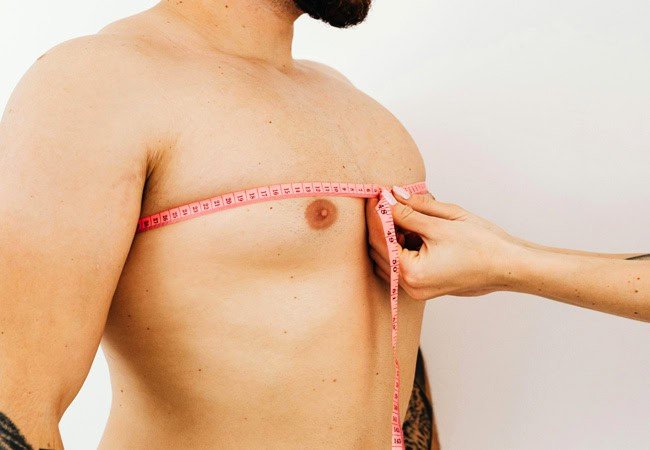
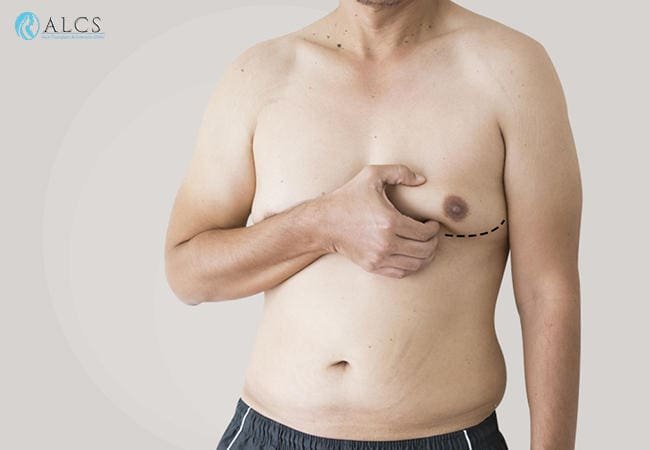
Gynecomastia is a complication where males develop massive breast tissue. It may involve either one or both sides of the chest. This is a widespread condition that may occur at various ages. Even though it is not potentially harmful, it may be an emotional stressor, a source of embarrassment, and self-doubt.
Testosterone and the estrogen hormone mismatch cause gynecomastia. Both hormones are male-characteristic, although testosterone must be greater. Breast tissue may expand when the estrogen levels rise or when the testosterone levels go down.
The reason gynecomastia occurs in different stages of our lives:
In Teenagers:
Hormones fluctuate very quickly during puberty. The level of testosterone and estrogen changes. Breast swelling may occur due to a temporary imbalance. This condition will resolve itself in 6 months to 2 years in most teenage boys.
In Adult Men:
Gynecomastia may occur in adults because of weight gain, medications, steroid use, or medical conditions that influence hormones. It may also be caused by stress, an unhealthy lifestyle, and alcohol.
In Older Men:
Testosterone levels in men also drop with age. Concurrently, there is a possibility of increased body fat, which can elevate estrogen levels. This hormone alteration may cause the enlargement of breast tissue.
Setting Expectations
One should remember that exercise can help when it is due to fat that has enlarged the chest. In the case of firm gland tissue, exercises will not eliminate it. Medical treatment or surgery can be necessary in these cases.
Difference Between Gynecomastia vs Chest Fat
A lot of men cannot determine whether they actually have gynecomastia or just excess chest fat. Gynecomastia (True Gland Enlargement):
- Hard or rubbery lump beneath the nipple.
- May be tender or painful
- The reduction is not completely weight-loss dependent.
- Brought on by a hormonal imbalance.
Chest Fat (Pseudogynecomastia):
- Stable and diffuse fatty tissue.
- Usually painless
- Lessons with body loss and exercise.
- Caused by obesity
The differentiation can be confirmed by a doctor by means of physical examination and occasionally imaging.
Causes of Gynecomastia
Hormonal Imbalance
The most widespread reason is the disproportion between testosterone and estrogen. Gland tissue escalates when the levels of estrogen rise or when levels of testosterone decrease.
Hormonal imbalance may be caused by:
- Puberty
- Aging
- Thyroid disorders
- Liver disease
- Kidney disease
- Low testosterone
- Hormone-producing tumors
Breast enlargement can also be triggered by even minor hormonal fluctuations.
Medications That Can Cause Gynecomastia
Some drugs have the power to influence the levels of hormones and cause an increase in breast tissue. Examples include:
- Anabolic steroids
- Some antidepressants
- Anti-anxiety medications
- Blood pressure medicines
- Prostate medications
- Heart medications
- Certain ulcer medications
Do not discontinue a new medicine before seeking the advice of your doctor in case you notice breast enlargement.
Lifestyle & Health-Related Causes
Lifestyle habits are also significant:
- Obesity
- Excess alcohol consumption
- Use of marijuana
- Bodybuilding steroids.
- Poor diet
- Lack of exercise
Fat tissue stimulates estrogen production. This may aggravate gynecomastia.
Can Gynecomastia Go Away on Its Own?
Yes, in some cases.
- Gynecomastia has a tendency to resolve spontaneously in teenagers over a period of 1-2 years.
- Cases that develop recently can be improved with early treatment.
- Cases involving medications could be reversed once the medication is stopped under the watch of a doctor.
But when the condition takes more than 12 months, gland tissue goes hard and fibrous. By this time, it generally fails to resolve on its own without surgery.
Exercises to Reduce Gynecomastia
Exercise can improve chest shape and reduce fat, but it cannot remove gland tissue.
Chest-Focused Exercises
These exercises work the chest muscles:
- Push-ups
- Bench press
- Dumbbell press
- Chest fly
- Cable crossover
- Incline press
Muscle development enhances the look of the chest and posture. Nevertheless, it will not remove tough gland tissue.
Fat-Loss & Cardio Exercises
To reduce the size of an enlarged body, decreasing the fat in the body is possible.
Effective cardio options:
- Running
- Cycling
- Swimming
- Brisk walking
- Skipping rope
- High-intensity interval training (HIIT)
Cardio should be used with strength training and a balanced diet.
When Exercise Will NOT Work
Exercise will not work if:
- There is firm gland tissue.
- The condition has been present for over one year.
- Skin looseness is severe.
- Hormonal imbalance is not treated.
You might require medical care if your chest size is not improving in the course of regular weight loss.
Non-Surgical Treatment Options
Hormonal Evaluation and Correction
To check, doctors may prescribe blood tests.
- Testosterone
- Estrogen
- Thyroid hormones
- Liver function
- Kidney function
In case of any underlying issue identified, treating it might decrease the growth of the breast tissue.
Medication (Where Clinically Indicated)
In some initial cases, some drugs can be used to reduce the breast tissue. They work better in cases where gynecomastia is acute. Chronic cases tend to be unresponsive to medication.
Medication is prescribed only when medically necessary.
Lifestyle Changes and Weight Management
Proper lifestyle practices are significant:
- Keep a healthy body weight
- Avoid alcohol and drugs
- Stop steroid use
- Eat balanced meals
- Exercise regularly
These measures do not necessarily eliminate gland tissue, but can stop further deterioration.
Gynecomastia Surgery Options
Permanent gynecomastia is best treated by surgery.
Liposuction
Best for fat-dominant cases
Liposuction is the removal of excess fat through a thin tube, which goes through small incisions.
Recovery and Results:
- Mild swelling and bruising
- Return to work in about 5–7 days
- Final results are visible after swelling reduces
This technique is most effective when enlargement is primarily fat-based.
Gland Excision Surgery
Required for firm gland tissue
Through a small incision around the areola, the surgeon removes that gland tissue.
Scarring and Outcomes:
- Small, well-hidden scar
- Flatter chest contour
- Permanent gland removal
This step is needed in case of the presence of hard gland tissue.
Combination Surgery
Most Common Approach
Both fat and gland tissue are found in many patients. Surgeons use a combination of liposuction and gland removal as the best option.
Who Needs It:
- Moderate to severe gynecomastia
- Long-standing cases
- Patients with mixed tissue
Combination surgery gives a natural and smooth shape to the chest.
Gynecomastia Surgery Recovery & Results
Recovery Timeline
- First week: Swelling and mild discomfort
- 1–2 weeks: Return to desk job
- 3–4 weeks: Avoid heavy workouts
- 6 weeks: Resume full physical activity
Compression Garments
Compression garments are required to be put on by patients for 3-6 weeks. This aids in alleviating swelling and facilitates healing.
When Results Become Visible
It shows improvement right after surgery. Yet, definitive results are seen after 2-3 months when the swelling has healed.
Long-Term Outcomes
Results are usually permanent if:
- Weight remains stable
- Steroids are avoided
- Hormones remain balanced
A healthy lifestyle is important.
Is Gynecomastia Surgery Safe?
Yes, when done by an expert surgeon.
Common Risks
- Swelling
- Bruising
- Temporary numbness
- Infection (rare)
- Uneven contour (rare)
Serious complications are rare.
How to Minimize Complications
- Select a certified plastic surgeon.
- Adhere to pre and post-operative recommendations.
- Avoid smoking
- Wear compression garments correctly.
- Visit follow-up visits.
Importance of Choosing an Experienced Surgeon
A well-trained surgeon provides adequate diagnosis and treatment. This will enhance outcomes and minimize the likelihood of complications.
When Should You See a Doctor?
Seek medical attention in case of:
- Rapid breast growth
- Pain or tenderness
- One-sided enlargement
- Nipple discharge
- Emotional distress
Timely diagnosis and treatment are guaranteed through early evaluation.
How to Prevent Gynecomastia from Returning
Weight Control
Keep in good physical shape to avoid chest enlargement due to fat.
Avoiding Triggering Medications or Substances
Avoid steroids, use alcohol sparingly, and talk to your doctor about medication side effects.
Hormonal Follow-Ups
When you have a hormone imbalance, frequent check-ups are a good idea.
FAQs About Gynecomastia
In cases where the gland tissue is excised entirely, recurrence rarely happens. New enlargement may, however, occur with weight gain or the use of steroids.
Yes, surgery is typically permanent in case hormone levels are stable.
Surgical success is not influenced much by age, although older patients can have loose skin.
Fat is soft and diminishes with weight loss. Gland tissue feels firm under the nipple and does not shrink with exercise. Examination is confirmable by a doctor.