Get Expert Advice - Free Today

Chest Fat or Gynecomastia? Spotting the Differences

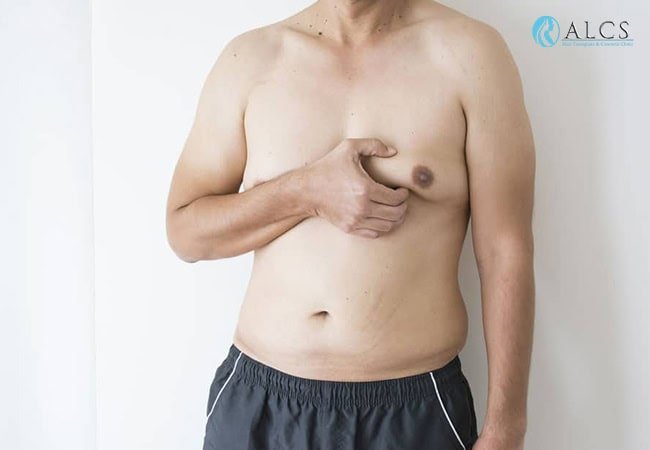
Gynecomastia is the development of breast tissues and glands in males. The prime symptom of normal chest vs gynecomastia is the development of women-like breasts. It results from hormonal imbalance and is usually visible in adolescence but clears up by itself. However, it is possible to experience gynecomastia at a later age too. The primary cause of gynecomastia is an imbalance of hormones. It can also occur as a side effect of some medication being consumed.

The difference between chest fat and gynecomastia is that the latter is caused due to development of epithelial tissues in the pectoral region. In obesity, fat accumulation can occur in different body parts, including the chest. Therefore, one can try out diets and exercises to observe how the body performs under such conditions to identify the difference between chest fat and gynecomastia. Hence to know whether you have gynaecomastia vs chest fat, you can visit a doctor who would be able to give the correct diagnosis. Gynecomastia usually requires surgery to restore a normal chest.

In case you are not sure whether you have gynecomastia or chest fat, read on to get a clear idea of chest fat and gynecomastia difference.

Symptoms of gynaecomastia vs chest fat

  • Pain: If you are experiencing slight discomfort, it can be gynecomastia. Gynecomastia is associated with mild pain and causes tenderness in the area. You would feel the chest area be swollen and experience pain while touching. Thus, in gynecomastia vs fat, pain is felt in the former, while none of these is evident in the case of chest fat. 

Still, chest fat can cause pain under some conditions unrelated to chest fat. Hence, this makes it more important to understand the difference between chest fat vs gynaecomastia. 

  • Sensation on touch: While figuring out chest fat and gynecomastia difference, you would feel that chest fat feels like fat deposited in any other part of the body such as arms, legs, thighs, etc. they feel soft on touching, whereas gynecomastia is stiff and rigid.

Gynecomastia might feel as hard and rubber-like on touching. It feels like a solid lump beneath the skin, which is not the same in the case of chest fat.

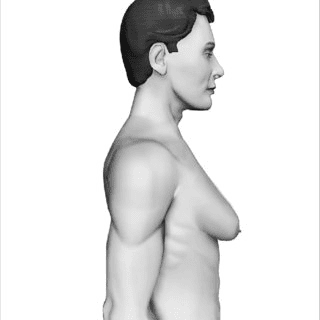
  • Appearance: There is a visible difference between chest fat vs gynaecomastia. Chest fat has a more saggy droop-down appearance without any shape. However, gynecomastia is firm and tends to have a round firm shape. It resembles the women’s breasts. In cases of lower amounts of tissues, the nipple-areolar appears to be projecting out more than the rest of the area.
  • Responses to diet and physical activity: One of the significant differences between chest fat vs gynaecomastia is evident in how the body reacts to diets and workouts. While each body is unique, with different percentages of fat distributed in other areas, after regular exercise, you should be able to see at least a slight reduction of fat in the pectoral area with time. If yes, it is chest fat, then.

Sometimes, due to genetic characteristics, fat can accumulate in areas that do not respond to diets. However, both workout and diet can together combat chest fat. Exercises such as chest flies and bench press targeting the chest muscles can help tone the area.

However, if you see little to zero changes in the chest area even after a good weight loss of the overall body, it is a sign that you might have gynecomastia. It is because body fat tends to burn during workouts on a normal chest vs gynecomastia does not show any results. 

Thus, now after having a thorough knowledge of chest fat and gynecomastia differences and evaluation, you know whether you have gynecomastia or not. Even though gynecomastia usually clears up on its own, a surgical operation is required in some cases. The surgery can be performed under general anaesthesia or intravenous sedation. 

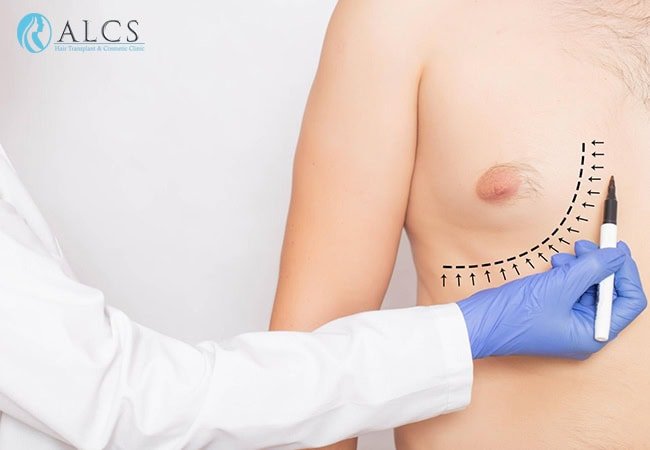
Liposuction is also paired up with it to give a proper shape to the breast. For liposuction, the surgeon would make a small incision in the area and insert a cannula. Fat is suctioned out from the body. The glandular tissue can also be removed from the same incision. For severe cases, both excess skin and glandular tissue are removed. It is used when the patient wants to change the position of the nipples or areola to get the desired contour. In many cases, eliminating glandular tissues may result in sagging skin. Skin tightening therapies can be used in such cases. 

Before the surgery, the doctor would explain all the instructions on how to take care of the chest after the surgery. Usually, two weeks are required to recover completely. 

It is pretty challenging to know the differences between gynaecomastia vs chest fat. Yet there are specific vital symptoms which show a clear distinction between gynecomastia vs fat. Visit a doctor to get a clear idea of gynecomastia vs fat, as they are the best to handle the case. You can get in touch with our doctors at ALCS India, who would provide all the information on gynecomastia vs fat.
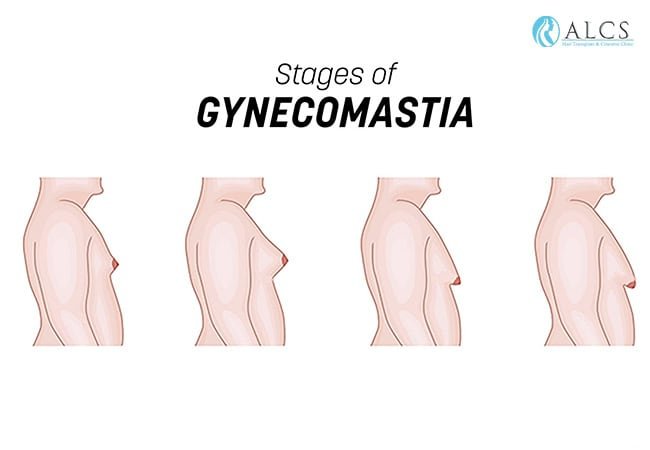

Understanding the 4 Stages of Gynecomastia

Gynecomastia is one of the most frequently seen breast conditions found in males. It involves enlargement of the breast due to tissue growth around the nipples. The growth generally occurs in symmetrical concentric circles around nipples. 

Gynecomastia leads to the development of anxiety, social discomfort, and fear of breast cancer. That is why looking for early treatment to avoid psychological pressure is recommended. 

Here we will discuss the gynecomastia stages and ways to eliminate them. 

Stages of Gynecomastia

The stages of gynecomastia can be classified in various ways. Therefore, it is vital to know about the stages to detect whether or not you have this condition. Moreover, it helps to get the right treatment at the right time. For example, treatment is usually easier when it comes to the earlier grades of gynecomastia.

There are generally four grades of gynecomastia: 

  • Grade I- Small enlargement without skin excess
  • Grade II- Moderate enlargement without skin excess
  • Grade IIb (known as Grade III)- Modern enlargement with minor skin excess
  • Grade III (known as Grade IV)- Enlargement with excess skin, looking just like women’s breasts. 

Symptoms of Different Stages of Gynecomastia 

Symptoms of different stages of gynecomastia are: 

Grade I 

The first of four gynecomastia stages involves slight enlargement of the breast. At this stage, the condition is not evident with clothing. The tissue around the areola or nipple starts growing. Moreover, the colour of the tissue is different from normal breast tissue. Nipples start looking puffy at this stage. The treatment first gynecomastia grade is most effective. 

Grade II

The tissue growth in the second grade of gynecomastia is broader and spreads all over the chest. It is a mild to moderate level of breast enlargement. At this gynecomastia stage, the condition remains non-evident under loose clothes. The chest area under the nipples feels firm and tight, and the outer area feels soft and fatty. Gland excision, along with liposuction, provides the desired results.   

Grade III

The third gynecomastia grade involves excess skin around the areola, making it droopy. The width of the chest increases due to excessive breast enlargement. The condition is of moderate to severe level. Even with loose clothing, the breast sagging is visible at this gynecomastia stage. 

Grade IV

The final of the four grades of gynecomastia is of severe level. At this stage, the breast enlargement is so extreme that it starts looking like a woman’s breast. Gland excision and liposuction are the only ways to cure this grade of gynecomastia. 

So the sooner you have the diagnosis for which of the gynecomastia stages you are in, the easier the treatment. Since there are 4 gynecomastia grades, the treatment can vary quite significantly. So come over to ALCS India and get a diagnosis for the gynecomastia grades today.

Types of Gynecomastia

Generally, there are two types of gynecomastia: 

Glandular gynecomastia

The glandular or true gynecomastia is caused in males when the level of oestrogen is increased excessively in the body. It is the gynecomastia type in which people develop significant breast tissue. It is generally found in older people. 

Fatty gynecomastia 

Fatty gynecomastia is also known as pseudo gynecomastia. It occurs due to excess weight gain or fatty cells around the chest area. The leading cause of this type of gynecomastia is a sedentary lifestyle, alcoholism, and eating junk food. 

No matter what type of gynecomastia you have, it tends to lower one’s self-esteem and confidence. So it is recommended not to avoid it and get it treated by an experienced doctor immediately. Instead, visit the ALCS clinic to know more about your condition and its most effective treatment. The clinic has a well-equipped infrastructure that allows the conduction of minor to major surgeries. So book your appointment with our top doctors today. 

How to diagnose gynecomastia? 

The diagnosis of gynecomastia occurs at a doctor’s clinic. Your doctor will ask you about your medical history along with a physical examination. Moreover, it is also important to inform your doctor about the medicines or drugs you have been taking. Finally, a blood test is conducted to check whether the liver, kidney, and heart are functioning normally or not. 

If you have any symptoms of gynecomastia grade, then it is best to get yourself diagnosed. It allows early treatment of gynecomastia and prevents it from getting severe. Looking for a clinic for gynecomastia? ALCS clinic is one of the top clinics where a team of experienced doctors and nurses effective treatment according to the gynecomastia grades. We have an.  

How to treat gynecomastia fast?   

Gynecomastia can be caused by various factors that can lead to male and female hormonal imbalances. As a result, it leads to female-like development that includes gynecomastia. Factors that can lead to gynecomastia are street drugs, excess alcohol consumption, hereditary factors, certain medications, etc. 

Hence, by reducing these factors, the normal balance can be restored. However, reducing these factors is insufficient in some cases when tissue growth is excessive. In that case, gland excision along with liposuction is required. 

Want to get effective treatment for gynecomastia? Then visit ALCS India as our experts can help diagnose which of the gynecomastia stages you are in and help you with suitable treatment. We offer liposuction along with gland excision at the most affordable prices and with minimal scars and pain. To know more about gynecomastia and ways of its treatment, contact us now.

Non-Surgical Treatments for Gynecomastia

Gynecomastia is a condition in which breast tissues develop in males. Also known as man boobs, it is mainly due to an imbalance of the hormones, which results in a higher level of female hormone promoting breast development in males.

In males, the hormone testosterone is present, which stops the growth of mammary glands while oestrogen promotes it. In a healthy person, both of these are at an equilibrium. However, when the level of oestrogen increases without testosterone, it can result in gynecomastia. However, increased fat percentage and production can also result in fat deposition in the mammary glands and their body parts.

What are the causes of gynecomastia?

There are many factors which can result in gynecomastia. However, lifestyle factors such as excessive alcohol consumption, minimal physical activity, chronic diseases, ageing, and side effects of any other medication used are common reasons for gynecomastia.

The male sex hormone testosterone has a counter effect on the development of breast tissues. Conversely, the female hormones oestrogen and progesterone enhance breast development in the presence of growth hormone and insulin.

How to cure gynaecomastia naturally?

 The only way to cure gynaecomastia naturally is by working on the underlying cause. Unfortunately, no specific supplements or medicines can treat gynecomastia naturally.

 The Food and Drugs Administration (FDA) has not approved any medication which treats gynecomastia naturally. Hence do not fall prey to such false claims.

Change your lifestyle habits and include healthier and better alternatives to see results for natural gynecomastia treatment without surgery or drugs. Anyone with obesity would observe more fat deposition in the chest than others. A higher fat percentage in the body also results in a lower testosterone level, thereby increasing aromatase activity.

Here are some lifestyle changes to get rid of gynaecomastia:

  • Reduce alcohol consumption
  • Reduce stress levels in your daily life
  • Have a sound sleep of at least 7 hours every day
  • Include physical activity in your routine. Attest has moderate-intensity physical activity for 150 minutes a week.
  • Do strength training for all the muscles and not spot training
  • Have a balanced and nutritious meal   
  • Avoid refined and packaged food items

Here are some diet tips for natural gynecomastia treatment without surgery or drugs:

  • Consume a balanced diet packed with all kinds of minerals and nutrients while having the proper ratio of proteins, carbohydrates and fats. Vitamins and minerals are crucial factors in the production of hormones; hence they will boost testosterone production, decrease the percentage of fat in the body, and treat gynecomastia naturally.
  • Protein and micronutrients such as zinc and vitamin D are essential for testosterone production. Egg yolks, oysters and tuna are also known for enhancing the level of testosterone in the body, thus helping to treat gynecomastia naturally.
  • Certain food items such as soy, legumes and liquorice roots produce a chemical known as a phytoestrogen. It is similar to oestrogen and mimics its mechanism. Reduce the consumption of these food items to have a better balance between testosterone and oestrogen levels in your body which would help to get rid of gynaecomastia. 
  • Mediterranean diet: It is a healthy and conscious eating diet in which the goal is to eat healthy food items and avoid any packaged processed food. While finding different ways for natural gynecomastia treatment without surgery or drugs indeed give the Mediterranean diet a chance.

Have an active physical routine. Include aerobic exercises, which would decrease the overall fat percentage. For example, you can include brisk walking, jogging, swimming, cycling, skipping, and other activities to get rid of gynaecomastia.

The results of any diet exercise plan would not be visible immediately. It takes around 8 weeks to get visible results. Hence be consistent in your effort.

When to see a doctor for gynecomastia?

Gynecomastia has no other symptoms other than the growth of the breast. However, it can affect one’s mental image about themselves. If you notice any nipple discharge or experience pain and swelling, visit a doctor. They would be able to tell ways for gynecomastia treatment without surgery and treat the underlying cause.

Here are some of the treatment methods involved in gynecomastia treatment:

  • The doctor may prescribe medications for breast cancer as an off-label treatment for gynecomastia.
  • They might reduce the dosage of any medication if they observe it is the cause of gynecomastia. 
  • Testosterone replacement therapy (TRT) in the form of injections, skin gels or patches can also be given to enhance testosterone levels in the body.
  • Targeting the underlying cause, such as hypothyroidism or malnutrition, is helpful in improving the condition.

Thus, gynecomastia is caused by an imbalance between testosterone and oestrogen. All the factors affecting it can be controlled to cure gynaecomastia naturally by having a nutritious diet and exercise. However, if you feel an underlying condition, see the doctor f

The Effects of Gynecomastia on Males of All Ages

Gynecomastia in males is a common condition that occurs in men and boys, leading to breast tissue swelling. It occurs when the balance of two hormones is disturbed in a person. If the breast tissues are enlarged due to the deposition of fat, then the condition is known as ‘pseudogynecomastia’. 

All boys are born with a small quantity of breast tissue. However, in males, the breast tissues are not developed the same way as in females. 

In boys, the hormone testosterone is responsible for sexual maturity. But their body also produces some amount of estrogen, which steers sexual development in girls. 

When the body produces less testosterone or a high amount of oestrogen at puberty or adulthood, the balance between them gets disturbed. Hence the higher level of oestrogen in the body leads to swelling of breast tissue and causes teenage gynecomastia. 

It has been found that almost half of adolescent boys and around two-thirds of men above 50 years experience some extent of men gynecomastia. 

Gynecomastia in Male Symptoms 

The first and primary symptom of gynecomastia in male is a fatty lump under the nipple. It can be tender or sore. Sometimes people mistake it for breast cancer, which occurs in a small number of men. Gynecomastia in male does not necessarily mean that the person has cancer; however, your doctor will run some tests to be entirely sure.  

Breast swelling happens unevenly; one breast may become larger than the other. Above all, breast tenderness is also a symptom of gynecomastia. 

If you notice swelling, your breast becomes tender or painful, or there is discharge from one or both nipples, you should see a doctor. 

Causes of Gynecomastia

There are a lot of factors that can lead to hormonal imbalance in the body, which is then responsible for gynecomastia. However, many times the exact cause that triggers breast growth is unknown. 

Apart from body changes such as ageing and puberty, other factors also lead to male gynecomastia. Some of them are: 

  • Injury and diseases that are associated with testicles are responsible for the production of testosterone. 
  • Hormones from thyroid glands control sexual development; hence any thyroid gland problem can cause gynecomastia.  
  • Cancer in the lung, pituitary gland or adrenal gland. 
  • Obesity as it leads to more production of oestrogen. 
  • Consumption of illegal drugs such as heroin, anabolic steroids, and marijuana. 
  • Kidney failure and lung diseases
  • Some boys get gynecomastia as the hormone from their mother remains briefly in their bodies. 

Apart from these factors, some types of medicines can cause men gynecomastia: 

  • Anti-androgens are taken to treat an enlarged prostate or prostate cancer. 
  • Anabolic steroids and androgens are sometimes used legally and, many times, illicitly by athletes to boost their performance. 
  • Anti-anxiety drugs are also known to cause gynecomastia in men. 
  • Heart medications and calcium channel blockers can also sometimes cause gynecomastia. 
  • Medicines on an empty stomach can also have gynecomastia as a side effect. 
  • Medicines bought over the counter to treat ulcers can also lead to gynecomastia. 
  • Antibiotics, cancer treatment medications, and antidepressants are all known causes of gynecomastia. 

Male Gynecomastia Treatment

Most cases of teenage gynecomastia eventually get treated on their own without needing any treatment. However, other cases need treatment. 

Your doctor will recommend you to a specialist called an endocrinologist to treat problems related to hormones and make you understand how they affect your body. 

The treatment of gynecomastia depends on the patient’s age, health, how long the condition may last, and how the body responds to certain drugs. If the condition occurs at puberty, i.e. teenage gynecomastia, it generally goes away on its own. However, it can take somewhere between 6 months to 3 years. 

If the condition is caused by hormonal imbalance or other health conditions, it becomes vital to treat the underlying disease. Generally, medications are given to treat hormonal issues causing breast growth. However, some cases might need surgery. Techniques used by doctors are:

  • Liposuction (extra breast fat removal)
  • Mastectomy (breast gland tissue removal)
  • Men Gynecomastia prevention

There are various steps to reduce the possibility of teenage gynecomastia or any other age. They are:

  • Do not use illicit or recreational drugs like androgens, anabolic steroids, marijuana, heroin, etc. 
  • Do not drink alcohol or drink moderately.
  • If you are on any medications, get them checked to know if it is the cause of your condition. If yes, then ask for an alternative. 

Hence one should avoid doing these things and reduce the chances of getting gynecomastia. 

Male Gynecomastia Complications 

Gynecomastia can have an impact on one’s mental health. Men with gyno can feel anxious, depressed, or embarrassed. Hence to manage these issues, one should take the following steps:

  • Talk with your doctor about gynecomastia complications on your mental health. They might recommend you to a mental health specialist. 
  •  It is vital to talk to your family and friends about your feelings. They can provide you with emotional backing.
  •  Support groups can help a lot of men with gyno. Talking to people who understand what you are going through can make you feel better. 

Gynecomastia in male is a common condition. There is nothing to be ashamed of for men with gyno. If you have this condition, talk to your doctor and get treatment.

Low Testosterone and Male Breasts

Low testosterone level in male is often responsible for the condition that leads to enlarged breast tissues called gynecomastia. Testosterone is a naturally occurring male sex hormone. It is this hormone that helps in the sexual growth of men and develops physical features. However, it also affects men’s sex drive and mood. 

The imbalance of testosterone in the body generally leads to gynecomastia. Gynecomastia and testosterone low levels both are treatable. However, it is first essential to know the condition’s underlying cause. 

Understanding Low T

With ageing, the level of testosterone gradually starts decreasing. It is referred to as hypogonadism or lows T. As per the studies, 1 to 4 men have low T. It eventually leads to various other conditions such as: 

  • Reduced libido
  • Low sperm count
  • Erectile Dysfunction (ED)
  • Enlarged male breast (gynecomastia)

To understand the condition better, book an appointment at ALCS clinic and talk with some of the top doctors. 

Understanding Gynecomastia 

The male body produces both testosterone as well as estrogen. However, the level of estrogen is very low. If the testosterone level in men becomes too low compared to estrogen or the level of estrogen is excess, a large breast develops. 

At puberty, there is a noticeable change in the body’s hormonal activity, which leads to men gyno. Generally, at this time, the condition gets resolved on its own without any treatment. As a result, both breasts can have the same excess of breast tissue, or one may have more than the other. 

In older men, gyno may occur and remain; hence, it needs to be treated. Around 1 to 4 men between 50 to 80 ages experience testosterone gyno. It is not harmful or severe but can lead to sore breast tissue. 

Causes of low Testosterone gyno 

The primary cause of low T is generally ageing. However, some underlying health conditions can also lead to this condition. Your doctor can make you understand better whether the cause of low T is an underlying condition such as:

  • Damage to testes that produce testosterone
  • Accident
  • Inflammation
  • Testicular cancer
  • Radiation and chemotherapy
  • Diseases affecting the hypothalamus and pituitary gland
  • Taking anabolic steroids

Your doctor can better understand your condition and know the actual cause of the condition. 

Treatment

Various treatments are available for the treatment of gynecomastia and low T. 

Gynecomastia

Some medicines can be used to treat the condition of testosterone gyno. However, the medications are approved to treat breast cancer and not gynecomastia. Since the health department does not approve it for the treatment of gynecomastia, the use of such medicines is known as “off-label”. The off-label treatment is safe, but it is always advised to talk to your doctor before starting it. 

Apart from medications, there are other surgical options as well. For example, liposuction is a surgical procedure that removes excess fat from the body. Doctors can also use it for the removal of breast fat. Mastectomy is another surgical procedure that is used for the removal of breast tissue glands. The procedure is performed using a small incision and with quick recovery. It may also include corrective and cosmetic treatments to enhance one’s look. 

Low T

Along with gynecomastia, one should also get treatment for low T. With age; the testosterone level also starts to decline. Thus, older men with gyno generally go for gynecomastia testosterone replacement therapy. The treatments are available as follows:

  • Skin gels
  • Patches
  • Injections

Those who undergo gyno testosterone replacement therapy experience improvement in the:

  • Energy
  • Sex drive
  • Erections
  • Sleep
  • Muscle mass

There is also a change in one’s look and mood. Those who experience low T can resolve gynecomastia with testosterone replacement therapy. 

Sides effects of Treatment

The gyno testosterone replacement therapy also has some side effects. Men with prostate cancer or breast cancer should not decide to get gyno testosterone replacement therapy as there is a significant controversy surrounding the treatment of increasing the risk of prostate cancer. It is also believed to increase the risk of cardiovascular diseases, obstructive sleep apnea, and excess red blood cell production. It is best to talk to your doctor about the risks and benefits of gyno testosterone replacement therapy. 

Conclusion 

With ageing, the condition of low T and gynecomastia becomes quite common. There are various treatment options available for the treatment of testosterone gyno conditions. Talking to your doctor about which treatment to undergo is always recommended. They will understand your condition and accordingly provide the most effective treatment. The treatments can improve the quality of life one has. The condition tends to lower confidence; talking with a therapist can also help. Joining a support group with men having similar conditions can also provide a better perspective on the condition and its treatment. 

If you are experiencing testosterone gyno condition, then it is best to contact your doctor and get treatment. ALCS clinic has top doctors who can help you with effective and safe treatment. So book your appointment now. 

CoolSculpting vs. Liposuction: What to know (Gynecomastia) – Things you should Know

Liposuction and cool sculpting are both techniques to remove fat from the body. If you are confused about laser liposuction vs coolsculpting, you can consult a doctor. The difference here is that coolsculpting is the procedure used for fat removal from smaller areas, whereas liposuction is used for fat removal from more extensive areas. 

Read on further to have a clear idea of liposuction vs coolsculpting.

What is the difference in the procedure of liposuction vs coolsculpting?

Coolsculpting is a comparatively newer technique for fat removal from smaller areas underneath the skin. You can do it on any part of the body. During cool sculpting, the doctor would use a gel pad and applicator on the skin surface to freeze the fat cells. The vacuum in the applicator will remove the fat from the skin to the top and be used for 30 to 40 minutes. It causes the fat cells to freeze and crystallise.

After this, the doctor would remove the pad and start massaging the area to break down the fat crystals. The body would then break it further, thus removing it from the area.

One of the significant advantages of this procedure in liposculpture vs coolsculpting is that there is no scarring or skin damage. However, one of the side effects of coolsculpting is that it is different from the procedure you can opt for if you need large amounts of fat removal from your body. 

For a higher amount of fat removal, liposuction is a better option. During this procedure, the doctor would make small incisions on the surface of your skin of the target area. Then, with the help of anaesthesia, the area is numbed, and a thin tube called a cannula is inserted through the incision to break down fat. The fat is then sucked out, and incisions are closed.

The doctor may use general anaesthesia or local anaesthesia. It depends on the amount of fat which has to be removed and the area from where the fat has to be removed. 

Recovery: Liposculpture vs coolsculpting

Before deciding on any procedure between liposculpture vs coolsculpting, you should also know how much recovery time is required in both cases. Coolsculpting has a brief recovery period. The patient can resume daily activities after the surgery in a short while. In liposuction, you would need at least a week of recovery time before starting your daily activities.

The doctors suggest light activities such as walking and doing light work at home after liposuction for faster recovery. It is recommended to sit or lay down in a different position for shorter hours. Compression garments are also advised to be worn 4 weeks after the surgery to help the skin adapt to the new computer.

Hence in laser liposuction vs coolsculpting, the former has a longer recovery time, and the latter is of a shorter recovery period.

How effective are these procedures?

The amount of fat removed in liposuction is much more than in coolsculpting. By location, you can also transfer fat from one part of the body to another part. Thus, liposuction can be used for the overall enhancement of body contour. However, the body’s new contour would be visible after the swelling has decreased. Thus the results are not immediate.

After coolsculpting, you will not see any sudden fat loss. The results take time to be visible. It may take a few weeks. It may vary from person to person.

The coolsculpting procedure can penetrate only a few millimetres below the skin; hence, the results slightly change. Multiple sessions are required to get a more drastic change in your contour.

Risks and complications: Laser liposuction vs coolsculpting

Coolsculpting is a non-invasive procedure; thus side effects of coolsculpting are much lesser: 

  • Redness
  • Bruising
  • Numbness
  • Discomfort 

In extremely rare cases, it can lead to paradoxical adipose hyperplasia (PAH), which stimulates fat growth. 

Liposuction is a safer technique but has more than the side effects of coolsculpting. Here are some of liposuction side effects:

  • Pain
  • Inflammation 
  • Bruising
  • numbness

There are some long-term liposuction side effects, too, which may take months to be visible. For instance, some people get seromas in the area. Seromas are fluid-filled sacs which might develop as liposuction side effects. They can disappear on their own in a few days or be drained out with the help of a needle. In some cases, fat necrosis occurs, which is damage to the fat tissue. Make sure to follow all the medication and instructions of the doctor to heal appropriately.

Thus, liposuction is best suited for larger areas, and cool sculpting is helpful for small amounts of fat removal. It is suggested to have a good diet after surgery and engage in light physical activity during recovery. Maintain a healthy lifestyle to keep the results permanent.

7 Quick Facts To Understand Gynecomastia And Gynecomastia Surgery

What is gynecomastia?

Gynecomastia is the development of mammary glands in males due to an imbalance of the hormones estrogen and testosterone. It can occur on one or both breasts of the person.

The primary reason behind gynecomastia is the disturbance of the hormonal balance between estrogen and testosterone. It can also be due to certain medications and diseases leading to breast development. One of the gynecomastia facts is that, in most cases, it subsides on its own. However, you may consider undergoing gynecomastia surgery if you feel self-conscious about it.

What is the cause of gynecomastia?

The imbalance in the levels of the hormones estrogen and testosterone is the common cause of gynecomastia. In males, a small quantity of estrogen is produced, which controls breast growth. In case of an imbalance, the estrogen level goes up, or the testosterone level goes down, and you may get gynecomastia.

Also, one of the gynecomastia facts is that it is commonly seen in obese people. It is because the deposition of fat in the breast causes pseudo-gynecomastia.

Some of the conditions which cause gynecomastia are:

  • Adrenal tumour 
  • Alcoholism 
  • Liver disorders
  • Thyroid
  • Kidney problems 
  • Klinflinters diseases (a genetic disorder)

Here are some gynecomastia facts which you should know more about:

  • The primary cause of gynecomastia is hormonal imbalance. It is generally observed in obese patients. Breast development can be due to the overdevelopment of ductal or glandular tissues and high body fat levels. Also, if the level of testosterone falls compared to the level of oestrogen, it can result in the dominance of female characteristics like breast development.
  • Alcoholism: Many people are in the grey area about these gynecomastia facts. Drinking alcohol results in an increase in the levels of oestrogen in the blood. The hormonal imbalance is not the sole reason, but for someone who’s overindulging in alcohol can result in weight gain and then subsequent risks of gynecomastia surgery.
  • Weight gain: In most cases, people confuse gynecomastia and weight gain. Weight gain results in fat formation and accumulation in the chest. Through gynecomastia surgery, it is possible to remove the overdeveloped breast tissue and excess skin, restoring the natural look. In males, the breast tissue is a mixture of glandular and greasy tissue. Thus, weight gain would further cause hormonal imbalance and hence gynecomastia.
  • Lack of awareness: Today’s medical science has advanced so much that there is a treatment for almost every ailment. Some patients keep suffering and do not have any knowledge about gynecomastia surgery. With time the surgery has become less invasive. Now with the availability of ultrasound liposuction, the surgeries have become less invasive and leave minimal to no scar in the operated area. Opt for a hospital with the latest technology, services and tools to give you the perfect chest.
  • Irreversible procedure: In nearly all cases, gynecomastia does not occur once the area is operated. However, if you wish to enhance your chest and do further corrections, it is better to consult with the specialist whether it is suitable. Each person is unique, and how their body responds to a medical procedure also varies. The kind of reaction the body shows entirely depends upon the individual’s physiological state of the body. Before deciding upon any surgery, it is better to have a consultation session with your specialist to have a clear view of the surgery and its drawbacks and possible complications.
  • Medications: If you have checked your hormone levels and find no imbalance in them, then the culprit for your newly developed mammary glands might be one of the medications you are consuming. Thus, certain medications can be the cause of gynecomastia. It is primarily due to the medications used to control prostate gland disorders, depression, anxiety, liver disorders and heart problems. The diseases of the endocrine gland can result in the development of breasts in males. Hence make sure to have a direct conversation with the doctor for a thorough discussion and give all the details about your existing chronic conditions and the medicines you are following. A transparent discussion about all your conditions would help the doctor figure out the actual problem and work on it accordingly.
  • The doctor’s expertise: The better you opt for your gynecomastia, the higher the chances of getting the desired results. The surgeon’s experience plays a crucial role in handling moments of complications and severity. It ensures you get the best treatment from well-qualified plastic surgeons trained and accredited nationally. How the doctor proceeds and does the surgery is the determining factor in the procedure’s outcome.

At ALCS India, we provide all the gynecomastia facts you need to know before proceeding with the surgery. Contact us to book your appointment now.

Celebrities with Gynecomastia: Bollywood and Hollywood Stars Who’ve Undergone Surgery

Male breast tissue expansion is known as gynecomastia, a condition that has become more well-known in recent years. It can happen at any age and is frequently brought on by an imbalance in the levels of the hormones testosterone and estrogen. For many men, this problem can appear as a little lump or as more noticeable breast tissue. 

This can cause both physical and mental issues. Their confidence and feeling of masculine may be affected by evident changes, which may also lead to self-consciousness and low self-esteem.

Source: ResearchGate

How is Gynecomastia surgery done?

Reduction mammoplasty, another name for gynecomastia surgery, is the surgical removal of extra breast tissue and fat from the male chest. Usually, excision procedures are used to remove glandular tissue and liposuction is used to remove fatty tissue. 

In certain instances, the surgeon could additionally rearrange the nipple to give it a more natural appearance. Usually, general anesthesia is used during the procedure, and patients may need a few weeks of recovery to properly heal.

Bollywood Stars and Gynecomastia

There have also been rumors of numerous Bollywood actors having gynecomastia treatment:

Salman Khan: It’s rumored that Salman Khan, one of Bollywood’s most well-liked stars, had surgery to lessen the look of swollen male breasts. He is well-known for having a toned body, thus this treatment probably helped him keep that look.

Aditya Roy Kapur: The actor, who has acted in movies like as “Aashiqui 2” and “Malang,” is said to have treated gynecomastia in an effort to improve his confidence and on-screen image.

Ranbir Kapoor: It is rumored that the multi-talented actor, most known for his parts in “Rockstar” and “Sanju,” had gynecomastia surgery, presumably to enhance his physical appearance.

Sonu Sood: Known for his charitable endeavors, it is also speculated that Sonu Sood had this therapy. His decision is unknown, although the surgery probably improved his public image and general level of fitness.

Celebrities Who Have Discussed Their Experiences With Gynecomastia

Famous celebrities like Jack Black and Dwayne “The Rock” Johnson have talked openly about their experiences with gynecomastia, highlighting the value of body positivity and self-acceptance. Famous for his toned body, Dwayne Johnson had surgery to remove excess breast tissue. Many others have been inspired to accept their bodies and seek medical assistance when needed by his openness on the surgery.

In the same way, well-known comedian Jack Black has discussed his struggles with body image, particularly gynecomastia. These celebrities have helped in eliminating the stigma attached to the condition by sharing their own tales, which started a wider discussion regarding men’s health and body image.

Celebrities Who Have Undergone Gynecomastia Surgery

Here, we explore some of the celebrities who have undergone this procedure, shedding light on their journeys and the positive impact it had on their lives.

Dwayne Johnson: Dwayne Johnson, a popular actor and former professional wrestler, has been transparent about having gynecomastia surgery. His chest became more developed as a result of the surgery, adding to his renowned muscular build.

Simon Cowell: The television personality and music producer In addition, Simon Cowell has talked about his gynecomastia. In order to improve his looks, he had surgery, which increased his body confidence and comfort.

Enrique Iglesias: In an effort to enhance his stage persona, well-known singer-songwriter Enrique Iglesias underwent gynecomastia surgery. His entire performance confidence increased as a result of the procedure, which helped him get a more toned chest.

Alec Baldwin: Well-known actor Alec Baldwin has talked about his experience receiving treatment for gynecomastia. He said that the surgery improved his general health and physical look and made him feel more at ease in his own body.

Chris Pratt: Known for his transition from comedy actor to action hero, part of his physical makeover included gynecomastia surgery. His desired appearance was mostly achieved due to the treatment, which also helped in his professional shift.

Arnold Schwarzenegger: The man known as “Arnie,” despite his enormous chest muscles, has been known to suffer from gynecomastia, even though he is no longer at the height of his physical capabilities. Arnold Schwarzenegger has held the title of Mr. Olympia several times, and the use of steroids may have contributed to the development of gynecomastia. It is commonly known that anabolic steroids, which may cause serious hormonal imbalances, are used by a large number of professional bodybuilders. Male glandular tissue develops as a result.

What are the advantages of gynecomastia surgery?

It’s difficult to lose extra breast tissue naturally, even with diet and exercise. It seems sense that many guys would be reluctant to have gynecomastia removed by invasive surgery. An increasing number of men opt for gynecomastia surgery for a permanent and successful therapy. 

It also helps to attain a flatter and more contoured chest as public awareness of this frequent problem has grown. Unfortunately, despite the desire of many men to find a non-surgical solution for gynecomastia, there is presently no possible alternative to surgery for the condition.

Gynecomastia’s Physical and Emotional Effects

In addition to its psychological effects, gynecomastia can be physically uncomfortable. Certain men may have chest discomfort or tenderness, which can make exercising difficult. Feelings of loneliness may worsen if they are uncomfortable, which may further decrease their desire to participate in sports or social activities.

Some people can reduce the appearance of extra breast tissue by adopting lifestyle modifications including frequent exercise and a nutritious diet. Medical treatments such as hormone therapy or surgery can be required in more severe situations. In order to choose the best course of therapy, people who are impacted should speak with medical professionals.

Many men have gynecomastia, a condition that can be uncomfortable on the body as well as emotionally upsetting. On the other hand, stigma has decreased and awareness has increased as a result of celebrities being honest about their experiences with gynecomastia and its treatment. 

Gynecomastia patients have choices for addressing the condition, including lifestyle modifications and surgical procedures. These well-known people’s tales serve as a reminder that getting treatment is a necessary first step in improving one’s life and gaining acceptance of oneself.

References

https://centreforsurgery.com/which-celebrities-have-had-gynecomastia/

https://medium.com/@doddox/gynecomastia-in-the-spotlight-15-celebrities-who-have-shared-their-struggles-fbf7cf561570

Gynecomastia Treatment: Understanding Costs and Options in India

Gynecomastia is a health condition in which male breast tissue grows bigger, mainly due to hormonal changes. This can be caused by excess estrogen levels or a lack of testosterone. Gynecomastia can develop in one or both breasts at any age. It can happen from adolescence to maturity, or as a side effect of certain medicines or health issues.

Gynecomastia is generally harmless, however it can be uncomfortable and cause mental discomfort. It has been shown to decrease men’s self-esteem and body image. For people thinking about gynecomastia surgery, the first step is to learn about the cost and available treatment options. This article provides a guide on gynecomastia treatment in India. It covers the surgical options, their prices, and the variables that can affect the costs.  

What Is Gynecomastia Surgery?

Gynecomastia surgery is also known as male breast reduction or reduction mammaplasty. It is a type of surgery done to reduce the size of overdeveloped breasts in males. The procedure usually involves removing extra breast tissue and fat to produce a more masculine shape of the chest. 

Techniques may include liposuction, gland excision, or a combination of both, depending on the extent of tissue enlargement. Recovery times and results vary, but most patients experience significant improvement in chest appearance and a reduction in associated discomfort and psychological stress.

Gynecomastia Surgery Cost in Different Cities of India

The cost of gynecomastia surgery varies quite a lot among different cities in India. Bigger cities with high-end medical setups and highly skilled surgeons charge a higher amount of money compared to smaller cities. Here is the estimated cost of gynecomastia surgery in various cities of India:

Cost Of Gynecomastia in India 
CityMinimum Cost (INR)
Delhi40,000 
Mumbai40,000 
Pune40,000 
Bangalore40,000 
Chennai40,000 
Ahmedabad40,000
Hyderabad40,000 
Lucknow40,000 
Kolkata40,000 
Kochi40,000 

Note: Amount may vary after examination and consultation

Cost-breakdown of  Gynecomastia Surgery in India

In most cases, the amount charged for diagnostic tests is around ₹10,000. A surgeon charges a fee of around ₹30,000, and operating room and ICU services charge a similar amount. 

Room rent increases the total to ₹8,000. Drugs and follow up add around ₹5,000. Compression wear costs about ₹5,000. So all together, for gynecomastia surgery in India, the total expense usually comes up to about ₹88,000.

Types of Gynecomastia

Gynecomastia can be categorized into four grades based on the degree of breast enlargement and the amount of excess skin as follows:

  1. Grade I: Breast enlargement is not significant, but there is no excess skin
  2. Grade II: Breast enlargement is moderate with no excess skin.
  3. Grade IIb (Grade III): Moderate enlargement of the breast with excess skin.
  4. Grade III (Grade IV): Gross breast enlargement with excess skin.

Cost of Gynecomastia Surgery Grade-Wise

The cost of gynecomastia surgery is also dependent upon the grade of the condition and the type of surgery needed. The table below indicates an estimate based on different grades and surgical procedures:

Grade of GynecomastiaLiposuction (₹)Gland Excision (₹)Male Breast Reduction (₹)
Grade 140,000 – 60,00035,000 – 55,00037,500 – 70,000
Grade 245,000 – 65,00040,000 – 60,00042,500 – 75,000
Grade 350,000 – 70,00045,000 – 65,00047,500 – 80,000
Grade 460,000 – 80,00055,000 – 85,00057,500 – 1,00,000

Note: Amount may vary after examination and consultation

Factors Contributing to Cost of Gynecomastia Surgery in India

The cost of gynecomastia surgery in India is determined by the following factors:

  • The costs tend to rise for higher grades of gynecomastia (Grades I-IV).
  • Liposuction, gland excision, or a combination procedure would impact the overall cost. Liposuction focuses on fatty deposits, and gland excision is removal of glandular tissue.
  • A very experienced surgeon with more experience in gynecomastia surgery will most likely charge more.
  • Clinics and hospitals with advanced technology and superior facilities generally charge more for their services.
  • Pre-surgical processes, including ECGs and blood tests add up to the overall cost.
  • Post-operative visits and medications also contribute to the total expenses.
  • Surgery in metropolitan areas tends to be more expensive due to higher living costs and demand for specialized medical services.

Can Gynecomastia Be Cured Without Surgery?

Yes, in cases where the issue is minor, or caused for a temporary phase. Gynecomastia can be self-managed even without surgery. Non-surgical treatments include:

  1. Medication:  If gynecomastia is due to other medications, changing or stopping under medical guidance sometimes resolves the condition.
  2. Hormone Therapy: In case gynecomastia is triggered by hormonal problems, treatment could reduce the hypertrophy of mammary tissue using hormone medications.
  3. Weight loss: The reduction of total body fat through diet and exercise may reduce the size of enlarged breasts, especially in cases where excess fat contributes to gynecomastia.
  4. Follow-up: In teens, gynecomastia often resolves by itself within several months to a couple of years without any interference.

However, in severe cases especially when classified as Grade II or higher, surgery is usually recommended to get better results.

Conclusion

Gynecomastia is the enlargement of breast tissue in males, caused by hormonal imbalances. Treatment of gynecomastia involves non-surgical interventions, like medication and changes in lifestyle, and surgical options, such as liposuction and gland excision. 

The price of the surgery for gynecomastia in India varies greatly on the basis of factors related to the severity of the condition, type of procedure, expertise of the surgeon, and the geography location of the source. Once these factors are understood, anyone can thoroughly research any available options and get suitable treatment. 

Frequently Asked Questions (FAQs)

What are the causes of gynecomastia?

Gynecomastia can be caused by some medicines including antidepressants, antibiotics, chemotherapy, prostate cancer treatments, and ulcer or cardiovascular medications. Anabolic steroids, heroin, and marijuana are examples of illegal substances that can induce gynecomastia.

How can you reduce gynecomastia?

It is not possible to target particular areas for fat reduction. This means that there are two types of exercises used to reduce the appearance of gynecomastia: cardio workouts to burn general body fat and chest exercises to improve the size of the muscles.

How can I prevent gyno?

Unfortunately, many of the hormonal changes that cause gynecomastia are unavoidable. If needed, you can reduce your risk of gynecomastia by changing medicines or getting treatment for a substance use disorder.