Get Expert Advice - Free Today

गाइनेकोमास्टिया क्या है?

गाइनेकोमास्टिया क्या है?

सबसे पहले मन में सवाल उठेगा कि गाइनेकोमास्टिया क्या है ? तो आपको बता दें कि गाइनेकोमास्टिया एक ऐसी स्थिति होती है जिसमें लड़को या पुरुषों के स्तन के टिश्यू में सूजन आ जाती है। यह तब होता है जब व्यक्ति के शरीर में पाए जाने वाले दो हार्मोन असंतुलित हो जाते हैं। अगर फैट जमा होने के कारण स्तन बढ़े हुए हैं, तो यह एक अलग स्थिति होती है जिसे “स्यूडोगाइनेकोमास्टिया” कहा जाता है।सामान्यतः उस तरह से पुरुषों में स्तन नहीं बढते हैं जैसे कि वे महिलाओं में बढ़ते हैं। सभी लड़कों में स्तन टिश्यू की थोड़ी सी मात्रा जन्म से ही होती है। उम्मीद है अब आपको प्ता चल गया होगा कि गाइनेकोमास्टिया क्या है।

लड़कों का शरीर सामान्यतः टेस्टोस्टेरोन नामक हार्मोन बनाता है, जो कि उनके शारीरिक विकास को दर्शाता है। लेकिन पुरुष थोड़ा एस्ट्रोजन भी बनाते हैं। एस्ट्रोजन हार्मोन लड़कियों में यौन विकास को बढ़ाता है। जब एक लड़का अपने यौवन से गुजर रहा होता है तो कभी कभी हार्मोन का संतुलन बदल जाता है और एस्ट्रोजन हो जाता है। कभी-कभी ऐसा होता है कि एस्ट्रोजन का अधिक होना पुरोषों में स्तन टिश्यू में सूजन का कारण बनता है। लगभग आधे किशोर लड़कों और 50 वर्ष से अधिक उम्र के दो-तिहाई पुरुषों में यह होता है।

गाइनेकोमास्टिया लक्षण

गाइनेकोमास्टिया क्या है जानने के बाद सबसे पहले उत्सुकता होती है कि इसके लक्षण क्या है। गाइनेकोमास्टिया का सबसे पहला लक्षण निप्पल के नीचे फैट के टिश्यू की गांठ की गांठ का मिलना हो सकता है। कभी-कभी यह गांठ मुलायम या पीड़ादायक भी हो सकता है। इससे आपको यह भी शक हो सकता है कि आपको स्तन कैंसर है जो कि पुरुषों को बहुत कम संख्या में होता है। Gynecomastia सामान्यतः कैंसर का संकेत नहीं होता है, लेकिन डॉक्टर कैंसर के शक को दूर करने के लिए कुछ टेस्ट कर सकता है। स्तनों में सूजन कई बार दोनों स्तनों में समान रूप से नहीं होती है, जिसमें एक स्तन दूसरे से बड़ा हो जाता है।
अपने चिकित्सक को जरूर दिखाएं अगर आप यह महसूस करते हैं कि आपके स्तनों में सूजन है या यह बहुत दर्दनाक हैं, या एक या दोनों स्तनों के निप्पल से कुछ लिक्विड निकल रहा है अब आप जान ही गए है गए है कि गाइनेकोमास्टिया क्या है और उसका लक्षण क्या है।

गाइनेकोमास्टिया होने के कारण

गाइनेकोमास्टिया क्या है और उसके लक्षण क्या जानने के बाद आप जरूर जानना चाहेंगे कि यह किन कारणों से होता है। बहुत सी चीजें हार्मोन के असंतुलन को बढ़ाती हैं जो कि पुरुषों में स्तन की वृद्धि का कारण बनती हैं पर इस स्तन की वृध्दि का कोई कारण नहीं पता चल पाता है। उम्र बढ़ने के साथ शरीर में बदलाव के साथ साथ कुछ और चीजें भी गाइनेकोमास्टिया का कारण बन सकती हैं जैसे

  • कोई चोट या को रोग जब अंडकोष को प्रभावित करता हैं, तो हार्मोन प्रभावित होता है।
  • थायराइड की समस्या से भी हार्मोन प्रभावित रहता है और विकास को प्रभावित करता है।
  • कई प्रकार के कैंसर, जिनमें फेफड़े, पिट्यूटरी ग्रंथि के ट्यूमर होने की सम्भावना से भी हार्मोन प्रभावित होते हैं।
  • मोटापा होने के कारण भी अधिक एस्ट्रोजन हो सकता है।
  • अनाबोलिक स्टेरॉयड, मारिजुआना और हेरोइन सहित अवैध दवाएं लेने से भी अधिक एस्ट्रोजेन हो सकता है।
  • गुर्दे के खराब होने के कारण भी हार्मोन बढ़ सकता है।
  • दिल की बीमारी के कारण भी हार्मोन प्रभावित हो सकता है।
  • कुछ बच्चों को थोड़े समय के लिए गाइनेकोमास्टिया हो सकता है जब उनकी माँ के हार्मोन उनके शरीर में होते हैं।

कुछ प्रकार की दवाएं गाइनेकोमास्टिया का कारण बन सकती हैं, जैसे:

एंटी-एण्ड्रोजन- ये ऐसी दवाएं हैं जो बढ़े हुए प्रोस्टेट कैंसर के इलाज में काम आती है और यह भी हार्मोन के असंतुलन का भी कारण होती है।

अनाबोलिक स्टेरॉयड और एण्ड्रोजन- एथलीट कभी-कभी अपने प्रदर्शन को और बेहतर बनाने के लिए इन दवाओं का इस्तेमाल करते हैं। कुछ शर्तों के लिए दवाओं के वैध उपयोग भी हैं।

एचआईवी की दवाएं- Gynecomastia कभी-कभी एचआईवी के इलाज का एक साइड इफेक्ट हो सकता है।

दिल की दवाएं- डिगॉक्सिन (लैनॉक्सिन) और कैल्शियम चैनल ब्लॉकर्स जैसी दवाएं भी कभी-कभी गाइनेकोमास्टिया का कारण बन सकती हैं।

पेट को साफ करने के लिए इस्तेमाल की जाने वाली दवाएं जैसे मेटोक्लोप्रमाइड (रेगलन) लेने पर एक साइड इफेक्ट के रूप में गाइनेकोमास्टिया हो सकता है।

अल्सर की दवाएं- कई दवाएं जो कि आप अल्सर के लिए इस्तेमाल करते हैं तो गाइनेकोमास्टिया का कारण बन सकता हैं, जैसे कि सिमेटिडाइन (टैगामेट एचबी)।
कुछ एंटीबायोटिक्स भी गाइनेकोमास्टिया होने के कारण बन सकते हैं। आप यह जान ही गया हैं कि गाइनेकोमास्टिया क्या होता है और यह किन कारणों से होता है।

गाइनेकोमास्टिया के इलाज

यदि आपके डॉक्टर को लगता है कि आपको गाइनेकोमास्टिया है, तो वह यह जांच करेंगे कि ये गाइनेकोमास्टिया ही है। डॉक्टर आपसे आपकी पिछली बिमारियों के बारे में कुछ पूछ सकते हैं जैसे –

  • क्या आपको गले की बीमारी, गुर्दे की बीमारी, या जिगर की बीमारी हैं?
  • आपने कौन कौन सी दवाएं ली हैं – कहीं वो आपके स्वास्थय के लिए हानिकारक तो नहीं है?

डॉक्टर आपको कई टेस्ट करवाने के लिए भी कह सकते हैं जैसे:

  • ब्लड टेस्ट या यूरिन टेस्ट
  • मैमोग्राम
  • बायोप्सी
  • सीटी स्कैन
  • एमआरआई
  • अल्ट्रासाउंड

गाइनेकोमास्टिया का इलाज क्या है?

सामान्यतः इसमें किसी इलाज की ज़रुरत नहीं होती है। गाइनेकोमास्टिया के ज्यादातर मामले समय के साथ ही कम होते जाते हैं। पर अगर यदि कोई समस्या है जिसके कारण गाइनेकोमास्टिया हो रही है तो दवाएं देने की ज़रुरत महसूस हो सकती है। अगर यह किसी दवा के कारण हो रहा है तो डॉक्टर इसे बंद करने के लिए भी कह सकता है या उसकी जगह कोई दूसरी दवा लिख ​​​​सकता है। डॉक्टर एंडोक्रिनोलॉजिस्ट को दिखाने का भी सुझाव दे सकता है। सामान्यतः इसमें सर्जरी की सिफारिश तब तक नहीं की जाती है जब तक कि गाइनेकोमास्टिया किसी गंभीर दर्द में नहीं बदल जाता है या देखने में बुरा नहीं लगता है।

जिस भी व्यक्ति को इससे समस्या हो रही है उसे तुरंत डॉक्टर से सलाह ले लेनी चाहिए। Gynecomastia कभी कभी व्यक्ति को बुरा अनुभव भी से सकता है और कपड़ा बदलते समय भी आपको शर्मिंदगी का सामना करना पड़ सकता है। यह कई अन्य लोगों में चिंता, तनाव या डिप्रेशन का खतरा भी पैदा कर सकता है। काउंसलर से बात करने से भी इसमें मदद मिल सकती है। कई अन्य बिमारियों के कारण भी आपको लगेगा कि आप गाइनेकोमास्टिया से पीड़ित है पर वो गाइनेकोमास्टिया नहीं होता है। उनमें शामिल है –

  • स्तन कैंसर
  • वसायुक्त स्तन टिश्यू

कुछ मामलों में डॉक्टर आपको कई तरह की सर्जरी कराने की भी सलाह दे सकता है। इसमें शामिल है:

  • लिपोसक्शन
  • मास्टेक्टॉमी
  • गाइनेकोमास्टिया का रोकथाम

गाइनेकोमास्टिया से बचने के उपाय

गाइनेकोमास्टिया क्या होता है जानने के बाद आइए आपको बताते है कि गाइनेकोमास्टिया से बचने का उपाय क्या है –

  • अनाबोलिक स्टेरॉयड, एण्ड्रोजन, एम्फ़ैटेमिन, मारिजुआना, या हेरोइन जैसी नशीले पदार्थों का सेवन न करें।
  • शराब न पिएं या बहुत कम पिएं।
  • गाइनेकोमास्टिया अगर किसी दवा के कारण हो रहा है तो तुरंत डॉक्टर से बात करें।

गाइनेकोमास्टिया से होने वाली जटिलताएं

Gynecomastia का व्यक्ति के मानसिक स्वास्थ्य पर भी बुरा प्रभाव पड़ सकता है। इससे आप शर्मिंदा भी महसूस कर सकते हैं या इसके बारे में बहुत अधिक टेंशन भी ले सकते हैं। इन चीजों को खत्म करने के लिए आप खुद से भी प्रयास कर सकते हैं। अपने परिवार में और करीबी दोस्तों से भी बात करते रहें। वे आपको सबसे अच्छी तरह से जानते हैं और समझते हैं। वो आपको भावनात्मक रूप में समर्थन दे सकते हैं जिसकी आपको जरूरत है।

आपको टेंशन से निकालने में सहायता समूह भी मदद कर सकते हैं। आपको उन लोगों से मिलना चाहिए जिन्हें पता है कि इस स्थिति में क्या करना चाहिए। आप अपने डॉक्टर से भी पूछ सकते है। आप सबसे अच्छे डॉक्टरों से मदद लेने के लिए ALCS Clinic में अपॉइंटमेंट भी बुक कर सकते हैं।
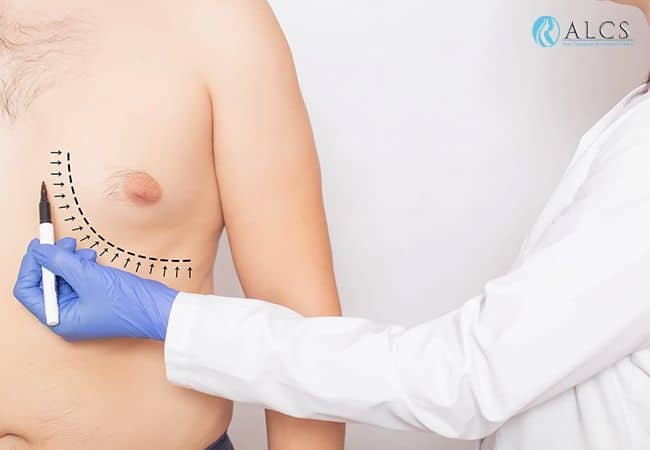
What Are The Stages Of Gynecomastia?

Gynecomastia is a common condition that causes the enlargement of breast tissue in males. It can affect newborns, teenagers and adults at different stages of life. Many people think it is simply extra chest fat but gynecomastia actually involves the growth of glandular breast tissue. 

The condition can develop due to hormonal changes, certain medications, weight gain or underlying health issues. In some cases it may go away on its own. In others it can continue to progress and lead to physical discomfort or emotional stress. Many men feel embarrassed about changes in their chest shape and often avoid talking about it. 

However gynecomastia is more common than most people realize and medical treatment options are available.

What is Gynecomastia

Gynecomastia occurs when estrogen levels become relatively higher than testosterone levels. This hormonal imbalance causes breast tissue to enlarge. The condition may affect one or both sides of the chest.

It is important to know that gynecomastia is different from pseudogynecomastia. Pseudogynecomastia happens because of fat accumulation in the chest area and is usually linked to obesity. Gynecomastia involves actual glandular tissue growth.

The condition can appear in:

  • Newborn babies because of maternal hormones
  • Teen boys during puberty
  • Older men due to age related hormonal changes

Certain medications and medical conditions can also increase the risk.

What Causes Gynecomastia?

Several factors can lead to gynecomastia. Hormonal imbalance remains the most common reason but other causes are also possible.

Hormonal Changes

Testosterone and estrogen control male characteristics and breast tissue growth. When testosterone decreases or estrogen increases breast tissue may enlarge.

Medications

Some medicines may trigger gynecomastia including:

  • Steroids
  • Anti anxiety drugs
  • Certain antibiotics
  • Heart medications
  • Drugs used for prostate conditions

Lifestyle Factors

  • Excessive alcohol consumption can disrupt hormone balance and increase estrogen levels.
  • Anabolic steroid use may interfere with natural testosterone production.
  • Obesity can raise estrogen activity due to increased body fat.
  • Recreational drugs such as marijuana may contribute to hormonal imbalance.
  • Lack of regular exercise and poor diet can increase the risk of weight gain and gynecomastia.

Health Conditions

Certain medical problems may increase the risk such as:

  • Liver disease
  • Kidney failure
  • Thyroid disorders
  • Obesity
  • Tumors affecting hormone production

According to the trusted medical resource, gynecomastia can develop due to several medical and lifestyle related factors and should be evaluated properly if symptoms persist.

What Are the Stages of Gynecomastia?

Doctors commonly divide gynecomastia into stages based on the size of the breast tissue and the amount of excess skin. These stages help guide treatment planning.

Stage 1 Gynecomastia

Stage 1 is the mildest form of gynecomastia. There is a small amount of breast enlargement without loose skin.

What does it look like?

The chest may appear slightly puffy especially around the nipple area. Some men notice a small firm lump beneath the nipple.

Symptoms in Stage 1

Symptoms are usually mild and may include:

  • Puffy nipples
  • Mild chest tenderness
  • Small glandular tissue growth

Can Stage 1 go away naturally?

Yes in some cases especially during puberty. Hormonal changes during teenage years often settle naturally within months or a few years.

Treatment Options

Doctors may recommend:

  • Observation and follow up
  • Lifestyle changes
  • Weight management
  • Reviewing medications

If the condition continues surgery may be considered later.

Stage 2 Gynecomastia

Stage 2 involves moderate breast enlargement. The chest becomes more noticeable but excess skin is still limited.

How is Stage 2 different?

The enlarged tissue spreads beyond the area around the nipple and starts affecting the shape of the chest.

Common Symptoms

Men with Stage 2 gynecomastia may experience:

  • Visible chest enlargement under clothing
  • Increased sensitivity
  • Emotional discomfort
  • Reduced confidence

Does exercise help at this stage?

Exercise may improve chest appearance if excess fat is present but it cannot remove glandular tissue completely.

Treatment for Stage 2

Treatment may include:

  • Hormonal evaluation
  • Lifestyle changes
  • Medication in selected cases
  • Liposuction or gland removal surgery

Many patients choose gynecomastia treatment at this stage because the chest changes become more visible.

Stage 3 Gynecomastia

Stage 3 gynecomastia involves significant breast enlargement with noticeable excess skin.

What happens in Stage 3?

The chest starts to resemble female breast development. The enlarged tissue becomes more obvious even when wearing loose clothing.

Symptoms Seen in Stage 3

Common signs include:

  • Larger breast tissue
  • Sagging skin
  • Chest heaviness
  • Increased self consciousness

Some men may avoid swimming gyms or fitted clothing because of embarrassment.

Why does excess skin appear?

As breast tissue grows the skin stretches. Over time the skin loses elasticity and starts sagging.

Treatment Approaches

Surgery is usually the most effective option for Stage 3 gynecomastia. Procedures may include:

  • Liposuction
  • Excision of glandular tissue
  • Skin tightening procedures

Recovery time varies depending on the severity of the condition.

Stage 4 Gynecomastia

Stage 4 is the most severe form of gynecomastia. There is marked breast enlargement along with substantial loose skin.

How severe is Stage 4?

At this stage the chest may closely resemble female breasts in size and contour. Skin sagging becomes very prominent.

Symptoms in Advanced Gynecomastia

Men may experience:

  • Physical discomfort
  • Difficulty finding comfortable clothing
  • Skin irritation beneath the chest
  • Emotional distress

Is surgery necessary?

In most cases surgery becomes the main treatment option because lifestyle changes alone cannot reverse advanced tissue growth.

Surgical Treatment

Surgery may involve a combination of:

  • Liposuction
  • Tissue excision
  • Skin removal
  • Nipple repositioning in severe cases

A board certified plastic surgeon usually evaluates the chest carefully before planning treatment.

How Do Doctors Diagnose Gynecomastia?

Doctors diagnose gynecomastia through physical examination and medical history.

Physical Examination

The doctor checks:

  • Chest tissue size
  • Tenderness
  • Skin changes
  • Presence of lumps

Medical History

Patients may be asked about:

  • Medication use
  • Alcohol or drug use
  • Weight changes
  • Hormonal symptoms

Diagnostic Tests

Tests may include:

  • Blood tests
  • Hormone testing
  • Ultrasound
  • Mammography in selected cases

According to Cleveland Clinic proper diagnosis is important because some rare conditions can mimic gynecomastia.

Can Gynecomastia Be Prevented?

Prevention is not always possible but certain steps may lower the risk.

  • Maintain a Healthy Weight: Obesity can worsen chest enlargement and hormonal imbalance.
  • Avoid Steroid Misuse: Anabolic steroids are a major trigger for gynecomastia in young men.
  • Limit Alcohol and Recreational Drugs: Excessive alcohol and drug use may affect hormone levels.
  • Review Medications: Always discuss side effects with a doctor if breast enlargement develops after starting a new medicine.

Is Gynecomastia Dangerous?

Gynecomastia itself is usually not dangerous but persistent symptoms should not be ignored.

When should you see a doctor?

Medical attention is important if you notice:

  • Rapid breast growth
  • Pain
  • Discharge from the nipple
  • Hard lumps
  • Swelling on one side only

Although male breast cancer is rare, doctors may recommend testing if symptoms appear unusual.

Emotional Impact of Gynecomastia

Gynecomastia affects more than physical appearance. Many men struggle emotionally because of the condition.

  • Confidence Issues: Some men avoid social situations because they feel uncomfortable about their chest appearance.
  • Anxiety and Stress: Teenagers especially may experience bullying or low self esteem.
  • Mental Health Support: Talking openly with a healthcare provider can help patients explore treatment and emotional support options.

Treatment Options for Gynecomastia

Treatment for gynecomastia depends on the stage of the condition, the underlying cause and how long the symptoms have been present. In some cases the condition improves naturally while others may need medical or surgical treatment.

Observation

Mild cases especially during puberty may go away on their own within a few months to a couple of years. Doctors may simply monitor the condition through regular follow ups if there is no pain or serious discomfort.

Medication

Certain medications may help reduce breast tissue growth in the early stages of gynecomastia. These medicines work by correcting hormonal imbalance. However they are usually more effective when started early and may not work well in long standing cases.

Lifestyle Changes

Lifestyle improvements can help manage symptoms and prevent the condition from worsening. Doctors often recommend:

  • Weight loss to reduce excess chest fat
  • Regular exercise to improve overall body composition
  • Avoiding alcohol and recreational drugs
  • Stopping anabolic steroid use
  • Following a balanced diet to maintain healthy hormone levels

While lifestyle changes may improve chest appearance they may not completely remove glandular breast tissue.

Surgery

Surgery is considered the most effective treatment for moderate to severe gynecomastia. It is usually recommended when enlarged breast tissue does not improve with medication or lifestyle changes. Common surgical options include liposuction to remove excess fat and gland excision to remove firm breast tissue. 

In severe cases excess skin may also be removed for a flatter and more natural chest appearance. Recovery is generally smooth and most patients return to normal activities within a few weeks.

What Is the Cost of Gynecomastia Surgery in India?

The cost of gynecomastia surgery in India generally ranges from INR 45,000 to INR 1,20,000 depending on:

  • The stage of gynecomastia
  • The surgeon’s experience
  • Hospital location
  • Type of procedure used

Larger cities and advanced surgical techniques may increase the overall cost.

Recovery After Gynecomastia Surgery

Recovery usually takes a few weeks.

What should patients expect?

Patients may experience:

  • Swelling
  • Mild pain
  • Bruising
  • Temporary tightness

Compression garments are often recommended after surgery.

When can normal activities resume?

Most people return to light activities within a week. Heavy exercise may need to wait for several weeks depending on the surgeon’s advice.

Read More:

How Common Is Gynecomastia in Men?

Non-Surgical Treatments for Gynecomastia

The Effects of Gynecomastia on Males of All Ages

Conclusion

Gynecomastia is a common condition that can affect males at different ages and stages of life. The condition ranges from mild puffiness around the nipples to more advanced chest enlargement with excess skin. 

Mild cases may improve naturally while moderate and severe stages often need medical or surgical care. The condition can also affect emotional wellbeing and confidence which is why proper diagnosis and support are important. If breast enlargement persists or causes discomfort it is best to consult a qualified healthcare professional for evaluation and personalized treatment advice

Frequently Asked Questions (FAQs)

I am 18 and have puffy nipples. Is it gynecomastia?

It could be. Puffy nipples are common in mild gynecomastia especially during puberty. A doctor can confirm the diagnosis through examination.

Can gym workouts cure gynecomastia?

Exercise can reduce chest fat but it cannot remove glandular tissue completely.

Is gynecomastia permanent?

Not always. Mild cases during puberty may disappear naturally but long standing gynecomastia often requires treatment.

Can weight loss remove gynecomastia?

Weight loss may improve chest appearance if excess fat is present but true glandular enlargement may remain.

Is gynecomastia surgery painful?

Most patients experience mild discomfort rather than severe pain. Doctors usually prescribe medications to manage recovery symptoms.

Can gynecomastia come back after surgery?

Recurrence is uncommon if the underlying cause is controlled. However steroid use or hormonal imbalance may increase the risk.

At what age is gynecomastia most common?

Gynecomastia commonly appears during infancy puberty and older adulthood because hormone levels change during these periods.

Should I worry about breast cancer?

Male breast cancer is rare but any unusual lump or nipple discharge should be evaluated by a doctor.

What Are the Causes Of Gynecomastia?

What causes gynecomastia?

Gynecomastia is a condition when a man gets enlarged breast tissue. In newborns, it is caused by the estrogen from the mother. These breast buds go away when the baby turns six months old. It may happen that in some babies, these breast buds last longer. Gynecomastia, commonly called “man boobs”, does not have to be permanent.

The causes of gynecomastia in preteen boys are estrogen-producing tumours. The breast buds can last up to 2 years. On the other hand, in teen boys, the hormonal changes during puberty are the main causes of this condition. It hits the boys between early to mid puberty.

In adult men, the causes of gynecomastia could be overactive thyroid, lung and liver cancer, liver cirrhosis, and any other hormonal problems. Regular use of alcohol and drugs can also lead to gynecomastia. Older men may experience it because of the hormonal changes in their bodies.

The use of certain medicines may also be one of the main causes of gynecomastia. These medicines are:

  • Antianxiety and antidepressant medicines
  • Steroids like prednisone
  • Medication for ulcers and epilepsy
  • Chemotherapy and antiandrogen drugs

Tea tree and lavender oils can also cause changes in the breast tissue in men. The reason behind it is that these oils contain natural estrogen that might change the body’s natural hormone. Health problems like overactive thyroid and kidney diseases are the most common cause of gynecomastia.

Symptoms

Men with gynecomastia may experience fluid discharge from the nipples. They might develop a rubbery mass under the nipple area. The mass is usually less than an inch and a half.

Diagnosis

There are no clear causes of gynecomastia. It is advised to regularly check your health and consult your doctor or an endocrinologist. During your consultation call or appointment, the doctor may ask you some questions that include:

  • Questions that answer the status of your overall health.
  • If you have seen such a condition earlier in your family?
  • If you have noticed any difference in your nipple size?
  • Changes that you might have noticed in your breast.
  • Questions related to your lifestyle and practices like the consumption of alcohol and use of a drug.
  • If you have faced any infertility problem in the past?
  • If you have felt any discharge or pain in the breast?

These are the common questions that a doctor asks a patient who experiences the symptoms of gynecomastia. You may be asked to take blood and hormone tests to understand the depth of the problem. A physical examination will help assess your health and know if there is swelling in the lymph nodes or the breast size has changed.

Gynecomastia caused by cancer and tumours is rare. If the doctor suspects a tumour’s role, they may suggest that the patient undergo a biopsy or mammogram. In a biopsy, a piece of lump is removed and is studied closely in a lab. It helps in getting an understanding of the involvement of tumour or cancer in gynecomastia.

Treatment

Usually, there is no requirement for any treatment. In teenagers, the breast will go back to its standard shape within 2 to 3 years. To reduce any pain during this time, you can use ice packs and ibuprofen.

Any changes in the breast shape due to medication will go back to normal. When one switches to other drugs or stops taking the medicines, the breast size reduces to the standard size. It is advised to stop consuming alcohol and any other illegal drugs. Gyno causes due to a health issue can be treated under medical supervision.

The doctor may advise you to undergo medications to reduce the breast size and estrogen production in your body. Surgery in the breast area can also reduce the breast size. The extra tissues are removed from the breast to bring it to the expected size. Surgery may make the chest look flatter, and in that case, repositioning of the nipple may be required. Some people undergo liposuction to bring the chest to the original shape and make it appear fuller.With the help of surgery, the breasts can be brought to their original shape. To retain the shape, you should indulge yourself in physical activities. Changes in lifestyle habits can help to maintain the new shape. Gynecomastia may come back if you do not hold a healthy lifestyle and instead indulge in gaining weight, using steroids, and taking illegal drugs.

If you feel the need to undergo treatment for gynecomastia, you may consult Dr Sunil Arora by scheduling an appointment at ALCS Clinic.

How To Know If You Have Gynecomastia?

Gynecomastia is a male condition that causes enlargement of breast gland tissue and noticeable changes in the chest area. It may appear as a firm or rubbery lump beneath the nipple, along with chest fullness, tenderness, or puffiness in one or both breasts. Unlike regular chest fat, gynecomastia usually feels concentrated under the nipple and may be sensitive to touch. 

Many men assume chest enlargement is caused by weight gain or excess fat, but that is not always the case. Gynecomastia develops due to increased gland tissue and can occur during puberty, adulthood, or later in life, generally causing confusion with normal fat accumulation.

This article will help you understand whether your chest changes are caused by gynecomastia or another condition such as excess chest fat.

What Is Gynecomastia?

Gynecomastia is the enlargement of male breast gland tissue. It happens when there is an imbalance between hormones such as estrogen and testosterone.

Unlike simple chest fat, gynecomastia involves actual breast tissue growth beneath the nipple area. It can affect one side or both sides of the chest. In some people, the enlargement appears evenly on both sides, while others may notice changes only in one breast.

Gynecomastia is more common than many people realize. It can occur in newborns, teenagers during puberty, and older men due to natural hormonal changes.

Signs That May Suggest Gynecomastia

Gynecomastia usually occurs as a firm lump under or around the nipple, along with chest fullness, tenderness, or swelling. The symptoms usually develop gradually and may affect one or both sides of the chest.

Recognizing these changes early can help you understand whether your chest changes fit the pattern of gynecomastia.

1. Firm Lump Under the Nipple

A small lump under the nipple is one of the most common signs of gynecomastia. It generally feels like a rubbery or button-like mass directly beneath the nipple area.

This lump is different from regular chest fat. Fat tends to feel soft and spread evenly across the chest. Gynecomastia tissue feels more concentrated.

You may notice:

  • A disk-shaped lump beneath the nipple
  • A rubbery texture
  • Mild movement when touched
  • Enlargement on one side or both sides.

2. Chest Tenderness or Soreness

Gynecomastia can cause tenderness or discomfort in the chest area. Sensitive nipples and soreness may happen when clothing rubs against the skin.

Many people describe the feeling as:

  • Mild pain when pressing the area
  • Sensitivity around the nipple
  • Slight discomfort while exercising
  • Tenderness during chest movements

3. Puffiness Around the Nipple Area

Puffy or swollen nipples can be an early sign of gynecomastia. The area around the nipple may appear raised or fuller than usual.

Many people notice that the chest shape starts looking different even before they feel a lump. You may see:

  • A puffy appearance around the areola
  • Swelling beneath the nipple
  • A more prominent chest contour
  • One side appears larger than the other

4. Enlargement in One or Both Sides of the Chest

Gynecomastia can affect one side of the chest or both. It does not always develop evenly.

Some people expect both sides to enlarge at the same rate, but that is not always the case. You may notice:

  • Enlargement only on one side
  • Uneven chest appearance
  • One side feels firmer than the other
  • Gradual increase in chest fullness

Asymmetry can be common and does not automatically mean something serious.

5. Changes in Chest Shape That Do Not Improve With Exercise

Chest enlargement caused by gynecomastia usually stays despite regular workouts. Gland tissue does not respond the same way body fat does.

People sometimes spend months doing push-ups or chest exercises and become frustrated when the shape remains unchanged. Signs may include:

  • Chest fullness despite weight loss
  • Persistent puffiness under the nipple
  • Little improvement with exercise
  • A defined chest with localized swelling beneath the nipple

6. Increased Sensitivity in the Chest Area

The chest area may feel more sensitive than usual. Even minor contact can feel uncomfortable in some cases.

You may notice:

  • Discomfort while lying on your chest
  • Sensitivity from tight clothing
  • Irritation during physical activity
  • Increased awareness of the nipple area

Is It Gynecomastia Or Chest Fat?

Gynecomastia involves the growth of breast gland tissue, while pseudogynecomastia, also called lipomastia, happens due to excess fat accumulation in the chest area. Both can look similar, but the tissue beneath the chest feels different.

Many people assume every enlarged male chest is gynecomastia. In reality, some cases are simply related to fat buildup and may improve with weight loss and lifestyle changes.

The differences may include:

GynecomastiaPseudogynecomastia (Chest Fat)
Firm tissue under the nipple Soft tissue
Localized enlargement Spread evenly
May be tender Usually painless
Feels rubbery Feels soft
Related to gland growth Related to fat accumulation

Pinch Test: Can it Tell the Difference?

The pinch test may provide a rough idea, but it cannot confirm a diagnosis. It only gives clues about the type of tissue present beneath the chest.

During a simple self-check:

  • Gently pinch the tissue around and beneath the nipple
  • A firm, rubbery, or disc-like lump under the nipple may suggest gynecomastia
  • Soft tissue that feels spread out may suggest lipomastia or pseudogynecomastia
  • Tenderness or sensitivity may be more common with gynecomastia

However, this test has limits. People who have both excess fat and gland tissue can find it difficult to tell the difference.

Symptoms That Need Medical Attention

Certain symptoms are not common in gynecomastia and should not be ignored. Signs such as nipple discharge, a hard lump, skin changes, or sudden chest enlargement need prompt medical evaluation.

Seek medical evaluation if you notice:

  • Nipple discharge
  • Bleeding from the nipple
  • Skin dimpling
  • A very hard lump
  • Sudden rapid enlargement
  • Changes in nipple appearance
  • Persistent pain

These symptoms can sometimes point toward other conditions, including male breast cancer. Male breast cancer is rare but should not be ignored.

Common Causes Of Gynecomastia

Gynecomastia commonly develops when there is an imbalance between testosterone and estrogen levels in the body. Hormonal changes, certain medications, underlying health conditions, and lifestyle factors can all contribute to breast tissue enlargement in males.

Several factors can contribute.

1. Hormonal Changes

Changes in estrogen and testosterone are among the most common reasons. This commonly occurs during:

  • Puberty
  • Aging
  • Infancy

Pubertal gynecomastia is especially common and may resolve on its own over time.

2. Medications

Some medications may contribute to breast tissue enlargement.

Examples include:

  • Certain anti-anxiety medicines
  • Hormonal treatments
  • Some heart medications
  • Certain cancer treatments

3. Health Conditions

Certain medical conditions can affect hormone levels.

Examples include:

  • Thyroid disorders
  • Liver disease
  • Testicular problems
  • Hormone-related conditions

These may need investigation if gynecomastia develops unexpectedly.

How Do Doctors Confirm Gynecomastia?

Doctors usually diagnose gynecomastia with a physical examination. They assess the chest tissue and ask questions about symptoms and medical history.

They may ask:

  • When did you first notice it?
  • Is it painful?
  • Did it grow quickly?
  • Are you taking any medications?
  • Do you have other symptoms?

Additional tests may sometimes be needed.

These can include:

  • Blood tests
  • Ultrasound
  • Mammography
  • Hormone testing

Testing helps rule out other causes.

Does Gynecomastia Go Away Naturally?

Yes, many cases improve without treatment. Puberty-related gynecomastia disappears naturally within months to a couple of years.

Doctors may simply monitor the condition if:

  • Symptoms are mild
  • Puberty is the likely cause
  • No concerning signs exist

FAQs

How do I know if I have gynecomastia or chest fat?

Gynecomastia involves enlargement of actual breast gland tissue, while chest fat (pseudogynecomastia) happens due to fat buildup. Gynecomastia usually feels like a firm or rubbery lump under or around the nipple. Fat usually feels softer and spreads more evenly across the chest.

What does gynecomastia feel like when touched?

Many people describe it as a small firm disc, rubbery tissue, or lump beneath the nipple area. It may feel different from surrounding chest fat and can sometimes be tender.

How can I check for gynecomastia at home?

A simple self-check involves gently pressing around the nipple area. If you feel a firm tissue mass directly beneath the nipple, it may suggest gynecomastia. A medical examination is still needed for confirmation.

Can I use the pinch test to know if I have gynecomastia?

The pinch test can give clues, but it is not fully reliable. If pinching the chest reveals soft tissue only, it may be fat. Feeling a firmer lump under the nipple could suggest gynecomastia. However, only a doctor can make an accurate diagnosis.

Is gynecomastia hard or soft?

Gynecomastia is usually firm or rubbery rather than completely soft. Chest fat tends to feel softer and less defined.

Does gynecomastia always cause pain?

No. Some people experience tenderness, soreness, or nipple sensitivity, while others notice only enlargement without discomfort.

Conclusion

Noticing changes in your chest can feel confusing and stressful. Many people immediately assume weight gain, while others fear something serious. The key difference with gynecomastia is the growth of breast gland tissue, which feels firm beneath the nipple and may come with tenderness or swelling.

The condition is usually harmless, but certain symptoms should never be ignored. If you feel a hard lump, notice nipple discharge, or experience sudden changes, speak with a doctor. 

Is Gynecomastia Permanent?

What is gynecomastia, and is Gynecomastia permanent?

In the case of females, we expect the breast tissue to be soft and plentiful. But in the case of males, the breast tissue is supposed to be slimmer, tighter and toned. Even amongst men who are not athletic, the same thing is expected. Having excess breast tissue can lead to loss of self-esteem in men. Additionally, questions like is gyno a permanent condition that creates pressure and stress. The condition is known as gynecomastia, and often men diagnosed with it isolate themselves. They sometimes tend to wear tight undergarments or layered clothes to hide the excess tissue. Thus, it makes us proud to say that we, ALCS Clinic, provide gynecomastia surgery for men professionally and in a caring manner and at an affordable cost.

Big Question- Is Gynecomastia Surgery Permanent?

It is natural to wonder how long the new changes will last. Will the surgery solve the excess tissue problem for good? Are there any chances of extra tissue returning after the initial treatment? Is gynecomastia a permanent condition? Of course, you would want a satisfactory and detailed answer for these. Male breast reduction has two objectives – one, of sculpting the chest and the other, of long-lasting results. A detailed consultation and assessment are our pre-requisites for delivering a performance that matches our patients’ needs. In some cases, the development of too much breast tissue is the problem, while sometimes breast glands are included in the issue. ALCS Clinic ensures quality results for each patient by extensively checking the involvement during the initial consultation itself. Talking about the question, ‘is gyno a permanent condition that can recur?’ The most common and primary reason for the expansion of breast tissue is weight gain. Fat deposits are likely to set on the chest of any man who gains a sufficient amount of weight. An increase in estrogen dominance is the secondary reason after weight. Estrogen dominance is related to the hormonal imbalance that can happen with the natural ageing process and the onset of andropause. In every case where weight plays a role, it is necessary to know that excess fat causes estrogen to rise.

What are the symptoms and causes of gynecomastia?

Following are the signs of gynecomastia-

  • Swollen breast tissue
  • Tenderness in breast

Seek doctor’s help if you experience the following-

  • Pain and tenderness
  • Swelling
  • Nipple discharge in either one or both the breasts

The causes of gynecomastia are listed below-

Any condition that blocks testosterone reduces its effect, or increases estrogen levels can be responsible for a decrease in the body’s testosterone levels. Several factors cause hormone imbalance, including the below-mentioned ones-

1. Natural hormonal changesMale traits like muscles and body mass are controlled by testosterone, and estrogen controls female characteristics like the growth of breasts. It is common to consider estrogen as a female hormone, but men also produce it in very minimal quantities. Gynecomastia is caused when these estrogen levels in men are too high or out of balance with testosterone.

  • Infant Gynecomastia: More than half of the male children are born having enlarged breasts because of their mother’s estrogen. But is gynecomastia permanent once it occurs in infants? No! Within the two to three weeks after birth, this extra breast tissue disappears.
  • Gynecomastia during Puberty: The most commonly seen gynecomastia is during the puberty stage due to hormonal changes. In many cases, the excess tissue goes away without any treatment within six months to two years.
  • Adult Gynecomastia: During the age of 50 and 69, gynecomastia prevails yet again. At least one of every four men in this age group is affected by this health condition.

2. Health ConditionsThe average balance of hormones can be affected by several health conditions which can lead to gynecomastia, including the following-

  • Ageing – Hormone changes associated with the natural ageing process can cause gynecomastia, especially in overweight men.
  • Hyperthyroidism – The condition in which the thyroid glands produce excess hormone thyroxine.
  • Hypogonadism – Conditions like Klinefelter syndrome or pituitary insufficiency interfere with testosterone levels and lead to gynecomastia.
  • Kidney Failure – Kidney failure is treated with dialysis, and around half of the patients experience gynecomastia due to hormonal changes it causes.
  • Tumours – Tumours, especially those involving the testes, adrenal glands or pituitary glands, can produce hormones that alter the balance of male-female hormones in the body.

If you are suffering from the condition and wondering ‘is gynecomastia permanent?’ or ‘am I stuck with it for a lifetime?’ visit the ALCS Clinic. We have the best doctors and consultants here who can help you deal with and treat the condition efficiently.

How to Get Rid of Man Breasts

Gynecomastia is such a condition that includes the enlargement of the glandular breast tissues in men which occurs due to the hormonal imbalance caused in the body. The situation arises when the testosterone level goes down, and the estrogen level rises. 

Gynecomastia Reality check

Generally, Gynecomastia is not a severe life-threatening issue, but of course, it can have a prolonged emotional effect. The worst part is this can cause a significant drop in self-confidence and give rise to problems like depression, anxiety, panic attacks and avoid social gath.Now Gynecomastia mostly occurs as a result of a hormonal imbalance between estrogen and testosterone. But there are other factors too that can trigger Gynecomastia like obesity, deficiency of a particular nutrient, tumours, liver disease, hyperthyroidism, kidney failure, drug abuse, side effects of medicines and a lot of other factors.

How to treat Gynecomastia?

The first step to treat Gynecomastia is to visit any experienced cosmetic surgeon who can identify the exact underlying cause behind the abnormal growth of the breast tissues. The doctor will then conduct a thorough exam that includes a blood test and also a breast imaging to check out the presence of other medical conditions. Once the doctor has determined the foundation of breast tissue growth, the next step is to start the treatment. The treatment options available are pretty straightforward. 

  • The mildest cases of Gynecomastia gets cured with just hormonal medications that can help to manage the testosterone level in the body so that the breast size diminishes on its own.
  • For the mild cases of Gynecomastia, exercise may not be the most natural solution, but muscle development can help to diminish the fat deposits in the breast area. Additionally, exercising also helps to regulate the hormone levels in the body.
  • There are certain medications whose side effect may give rise to the enlargement of the male breast tissues. So it is essential to identify such medicines that can cause hormonal imbalance. Drugs and medication like opioids, antidepressants, statins, androgen blockers, marijuana, steroids can cause the male breast tissues to swell.
  • All types of processed foods, saturated fats, sugary food items and refined carbohydrates must be avoided as that may trigger hormonal imbalances. 
  • If none of these treatment works, then the doctor may recommend undergoing a surgical procedure that involves tissue excision and a liposuction procedure to get rid of the undesired condition.
  • Male breast reduction with Liposuction
  • The procedure for treating Gynecomastia with Liposuction begins by administering some local anaesthetic to the area of treatment, and that involves using a small incision on each side of the chest. Through these incisions, the cosmetic surgeons usually remove the excess fat and glandular tissues at the same time to achieve a new chest contour.
  • The recovery period of the Liposuction is quite tolerable. The patients are provided with a list of post-op instructions that must be followed strictly to avoid any complication during the recovery period. They are also instructed to wear a compression garment during the recovery period as that helps to minimize swelling and offers support to the healing tissues so that the patients achieve their desired chest contour. 
  • Male breast reduction with Tissue ExcisionMale breast reduction with Tissue Excision
  • For severe cases of Gynecomastia, the cosmetic surgeons might recommend their patients to undergo a surgical tissue excision procedure to achieve the optimum result. The tissue excision procedure allows a cosmetic surgeon to remove a more significant amount of glandular tissue and some extra skin too that has not been successfully treated with Liposuction alone.
  • The location and length of the incisions mostly depend on the extent of surgery that is needed. The most experienced cosmetic surgeon typically locates the incisions within the natural creases of the chest. This method is performed on an outpatient basis, so the patients can return to their home on the same day of experiencing the procedure. The recovery period is similar to that of Liposuction.
  • If you are willing to undergo a Gynecomastia surgery from the best and experienced surgeon in Jaipur, but you are not able to find one, then we got you. You can book your first session at ALCS clinic (Jaipur) and meet with one of the best cosmetic surgeons of the place- Dr. Sunil Arora. He, with his team, are dedicated to rendering the best treatment to his patients at the most pocket-friendly price range.

Preparing for Gynecomastia Surgery: A Guide for Men

The enlargement of breast tissues in men leading to a female breast-like appearance is known as Gynecomastia. Gynecomastia not only affects the physical appearance of a man, but it also leads to psychological trauma and lower self-confidence. Men suffering from Gynecomastia want to get it treated as soon as possible. This is the reason that Gynecomastia surgery has become hugely popular.

Hormonal fluctuations that occur during the puberty period of a man may lead to the enlargement of the male breast tissue. In most cases, the male breasts remain enlarged. However, in a few cases, the breast tissue shrinks in size after puberty.

About 60 to 90% of male children, 50 to 60% of adolescents, and about 70% of men between 50 and 70 years of age have a prevalence of asymptomatic Gynecomastia.

There are several causes of Gynecomastia such as the onset of puberty, use of certain medications, excess gain in weight, use of marijuana, and use of anabolic steroids in bodybuilders.

In this article, we will be discussing everything a man needs to know before undergoing Gynecomastia surgery.

How does a man know if he has Gynecomastia?

The condition of Gynecomastia is usually seen in both the male breasts. But, a few patients may have the condition only in one breast, resulting in an asymmetrical appearance.

On self-examination, the breasts usually demonstrate a firm, palpable, mobile, tender, and disc-like tissue located in the center under the nipple-areola complex. This palpable tissue is not as hard, as in the case of breast cancer.

When this palpable tissue mass in the breast region is unilateral, fixed, hard, at the periphery of the nipple, there is nipple discharge, enlarged lymph nodes, or any changes in the skin, breast cancer should not be ruled out as the diagnosis, and a thorough examination and evaluation should be done, including MRI and mammograms.

Surgery for the Treatment of Gynecomastia

Patients with gynecomastia usually complain of lumps in their breast area, that maybe with or without excess fat. 

The surgeon must do a proper physical examination of the breasts to confirm gynecomastia and rule out any possibility of male breast cancer.

The Gynecomastia surgery preparation includes stopping smoking, eating a well-balanced and nutritious diet, stopping medications which can result in an increase in bleeding as per the doctor’s instructions. This preparation is necessary for proper healing and quick recovery after the Gynecomastia procedure.

Most surgeons prefer to perform the procedure under general anesthesia. However, with advances in the procedure, this procedure can easily be performed under local anesthesia or oral sedation.

The surgery includes the removal of the excess fat (liposuction), the surgical removal of the excess glandular tissue by making an incision at the margin of the nipple-areolar complex, and skin excision in case of severe male breast enlargement cases.

Your surgeon may use a drain post-surgery to reduce any retention of fluid. Compression vests and icings are given after the procedure to reduce swelling, reduce pain, and avoid bruising.

Recovery after Gynecomastia Surgery

For mild cases of Gynecomastia, where only liposuction has been performed to treat the condition, the patient recovers in less than a week and can go back to work.

For patients who also require the surgical removal of the excess breast tissue, the healing process can take 2 to 4 weeks before the patient can resume his normal activities.

At ALCS clinic, Jaipur most of our gynecomastia surgery patients have been able to resume work within a week or two, started with mild exercises in two weeks, and strenuous exercises in about four weeks.

Complications of Gynecomastia surgery

Gynecomastia surgery is generally extremely safe with a good recovery rate. But, like any other surgical procedure, the gynecomastia surgery may also have a few complications.

Commonly occurring side-effects include bleeding, bruising, loss of nipple skin, inverted nipples, numb nipples, retention of fluid, irregularities in the breast contour, asymmetrical breasts, and loose skin in the breast region.

The complications associated with gynecomastia surgery are usually mild and disappear on their own. It is important to follow all the post-operative instructions given by your surgeon to avoid serious complications.

Gynecomastia surgery at ALCS clinic, Jaipur

It is extremely important to choose an experienced surgeon and a good clinic for your gynecomastia surgery for good results and quicker recovery.

At the ALCS clinic, Jaipur we provide you with the best gynecomastia treatment at an affordable cost.

PREVENTION AND TREATMENT FOR ENLARGED MALE BREASTS

Gynecomastia and steroid usage are related, and you must know the details to tackle overgrown male breasts effectively.

  • If there is an increase in the fat around your chest, you may develop temporary gynecomastia. It is also known as pseudo gynecomastia but does not affect the glandular tissue.
  • You may develop overgrown breast tissues due to hormonal changes if you are a teenage boy or older man. Moreover, newborn boys can also develop this condition.
  • Gynecomastia is not a severe health issue. However, you may face challenges while managing this condition. Men and teenage boys with gynecomastia may develop pain in their chest.
  • Gynecomastia may get treated on its own. However, if the symptoms persist, you may undergo male breast reduction surgery or take medications.
  • Gynecomastia may result from hormonal imbalances, weight gain, side effects of certain medications, and genetics. In addition, your breast gets enlarged due to excess fat or excess glandular tissue.

Symptoms

Most men do not feel any symptoms; however, the common signs and symptoms of male breasts include:

  • Pain, particularly in adolescents
  • Swollen breast tissues
  • Breast tenderness
  • Nipple sensitivity

These symptoms can be treated through medications or surgery. Many times, it may go away on its own. However, you must consult a doctor if you notice nipple discharge and swelling.

Causes

When your body lacks enough testosterone, you may develop gynecomastia. In addition to low testosterone production, your body may produce more oestrogen. These changes may result from:

Natural hormone changes

Your body contains testosterone and oestrogen hormones to control your sexual traits. Testosterone is responsible for body hair and muscle mass and is excessively present in your body. However, oestrogen is also present but in smaller quantities. If there is an imbalance in these hormone levels, you may develop large breasts, also known as male breasts.

Gynecomastia can affect infants, teenage boys, and older adults. Male infants may develop gynecomastia due to the effects of their mother’s oestrogen. After 2-3 weeks of birth, the breast tissues may return to their original size. Hormonal changes during puberty cause changes in the breast tissues of teenage boys. In addition, older adults have higher chances of experiencing gynecomastia between 50-80 years.

Medications

Different hormonal medications can cause gynecomastia. For example, certain medicines that lead to enlarged male breasts include anti-androgen medication. These drugs are used to treat enlarged prostate, prostate cancer, and other conditions. Moreover, anabolic steroids and androgens for growth and increased muscle mass can also cause gynecomastia.

Other medicines that may induce breast enlargement in men include:

  • AIDS medication
  • Anti-anxiety pills
  • ADHD medications
  • Tricyclic antidepressants
  • Ulcer medications
  • Cancer drugs
  • Heart medications
  • Stomach-emptying medications
  • Recreational drugs

In addition, substances like alcohol, heroin, marijuana, and methadone can also cause this condition. However, you may take gynaecomastia treatment to manage your health.

Several health conditions can result in gynecomastia. These include:

  • Hypogonadism is a condition affecting testosterone production. Pituitary insufficiency and Klinefelter syndrome may cause gynecomastia.
  • Hormonal changes during old age may cause gynecomastia.
  • Tumours of the testes and adrenal glands can affect the testosterone-producing ability of your body.
  • If the thyroid glands start producing too much thyroxine, you may develop gynecomastia.
  • If you have undergone kidney dialysis, you may be at risk of developing gynecomastia.
  • Liver failure and cirrhosis medications can cause the development of male breasts.
  • When your body lacks essential nutrients, you may develop enlarged male breasts.
  • If you use tea tree or lavender oil, you may develop gynecomastia. These essential oils have a weak estrogenic activity, so using them as your bath and body oil may cause gynecomastia.

You may undergo treatment for gynecomastia to improve your chest muscles. However, if your chest muscles do not improve after surgery or medications, you may visit an experienced doctor like Dr. Sunil Arora. Dr. Arora is an experienced plastic surgeon based in Jaipur. You may contact him for the treatment for male breasts.

Risk factors

The risk factors for gynecomastia include:

  • Adolescence
  • Older age
  • Use of anabolic steroids for improved athletic performance
  • Health conditions like liver and kidney disease, thyroid problems, hormonally active tumours, and Klinefelter syndrome

If you leave gynecomastia without treatment, it may hamper your psychological or emotional state.

Prevention

If you must reduce gynecomastia risk, you need to look at the following factors.

  • Do not use drugs like steroids and illicit drugs like heroin and marijuana.
  • Do not drink alcohol, especially if you are obese. If you need to drink alcohol, do so in moderation.

Based on your health and the severity of the condition, you may need to undergo gynecomastia surgery for effective results. For more information, you may call and schedule an appointment with Dr. Sunil Arora.

Gynecomastia What It Is What Causes It And How to Fix It

What Is Gynecomastia?

Gynecomastia is the enlargement or inflammation of male breasts where extra fat is accumulated in your chest region. In simple terms, it is a problem where excess fat gets accumulated on your chest. It is common in men and unfortunately, most men prefer not to talk about it. 

Gynecomastia is a prevalent condition and nearly 60% of men who experience this condition are above the age of 44. If you are a healthy man with normal height and weight, you may still be suffering from this problem. Some masses of fat tissue may have accumulated in your chest area making you uneasy and uncomfortable. If you are anxious, you may want to get it checked by your doctor.

What Causes Gynecomastia?

For most men, enlarged breasts can be embarrassing and shameful. They do not realise that it is a medical condition that can be treated. Advanced medical treatments can help you get rid of the accumulated fat in your chest. 

The causes and leading factors of gynecomastia include:

  • Hormonal imbalances
  • Kidney failure
  • Various liver diseases
  • Due to the problem of malnutrition
  • Anabolic steroids
  • Several types of street drugs like marijuana, amphetamines, weed, heroin, etc

It might come as a surprise to many that essential oils can also lead to gynecomastia. More specifically, if you regularly use tea tree and lavender oil, there is a high risk of suffering from the condition. There are specific elements in these oils that activate estrogenic and antiandrogenic hormones in your body. These hormones trigger the accumulation of fat and enlarge your breasts, which in turn lead to gynecomastia. While essential oils offer a lot of benefits, you might want to reconsider using tea tree oil and lavender oil.

What Are The Drugs That Cause Gynecomastia?

Did you know prescription drugs can also lead to gynecomastia? We consume medicines and drugs to treat various conditions and ailments. Unfortunately, we are unaware of the side effects of various drugs, especially those medicines that pose a high risk for gynecomastia. However, if you are a man and have breasts that are larger than they should be, you must consider checking the side effects of the prescription medicines you take. 

Certain medications reduce the body’s ability to produce testosterone and in turn lead to gynecomastia. Some medicines even trigger testicular damage and block the testosterone synthesis in your body. All these conditions hamper the balance of hormones in your body and increase the risk of various health conditions. 

The types of drugs that may cause gynecomastia are listed below.

  • Psychoactive drugs which include antidepressants, antipsychotic agents, medicines for various infectious diseases and more
  • Various cardiac and antihypertensive medications such as ACE inhibitors, calcium blockers, alpha-blockers, and nitrates
  • Certain street drugs and abuse drugs harm your body and disturb the equal balance of your body hormones. These types of recreational drugs are heroin, marijuana, amphetamines, etc.

So, if you are suffering from gynecomastia and feel ashamed of going shirtless in public, you must avoid these drugs.

Can Surgery Treat Gynecomastia?

Breast reduction surgery is one of the most sought-after procedures to permanently treat gynecomastia. Despite having a normal weight, a balanced diet, and control of alcohol, you may fail to reduce the size of your breasts. In such cases, you must consider undergoing breast reduction surgery. It is a surgical procedure that reduces the size of the breasts to make them aesthetically pleasing. 

Liposuction is another type of medical procedure that removes excess fat from several parts of the body. It is a cosmetic procedure that can be used to reduce the size of your breasts and to give a natural look to your chest. 

SAFELipo is another medical procedure used to treat gynecomastia. It is a smoother and softer process than liposuction. It is very soft and gentle for your body and is perfect for those who can’t take massive and lengthy downtime.

Is Gynecomastia Surgery Right For You?

It is important to find out whether you are the right candidate for gynecomastia surgery. To undergo this cosmetic surgery, you are required to have normal body weight, good health, and stable development of your breast. Also, your inner strength, self-confidence, and will power will play an important role in making you a perfect fit for the surgery.

What kind of doctor does gynecomastia surgery?

When society speaks of men, they expect them to be in a certain pre-decided physique, and none of their expectations includes enlarged male breasts. However, men in any age group can suffer gynecomastia, and it is embarrassing. Solution? Gynecomastia surgery! The first and the most vital step is to make a conscious and informed choice of gynecomastia surgery doctor.

What Is Gynecomastia?

You must have heard a term called ‘man boobs’. Where does it originate from? Gynecomastia leads to the fatty buildup of breast tissue or enlarged breast glands. Most commonly, gynecomastia is seen in younger males in their puberty or older men with decreased testosterone. However, it can occur in others too. The cause of gynecomastia in every individual may be different, but there is a universal treatment available. It can help you retain a flat and more masculine chest.

What Kind Of Doctor Should Treat My Gynecomastia?

Which doctor does gynecomastia surgery? Which doctor should I choose to undergo gynecomastia surgery? The answer is simple; a plastic surgeon is the best option. However, you need to check certain things before finalising a plastic surgeon for your treatment. The doctor must be adequately qualified, board-certified, and even better if they are specialists in cosmetic breast enhancement procedures. Ensuring these gives you a go card for getting the desired chest appearance from a professional. The chances of getting successful and the best results also increase.

Would you like to get more details on gynecomastia surgery? Call ALCS Clinic today and schedule your consultation with Dr. Sunil Arora, one of the best gynecomastia surgeons here. He is a qualified and highly experienced doctor who will sit with you and talk you through the entire process. He will be more than willing to address your doubts and develop a personalised treatment plan.

It might seem very challenging when you begin the search for a competent and best gyno surgeon. When you Google search for plastic surgeons in your area, you are presented with uncountable choices. Many of them will claim to specialise in a breast reduction or gynecomastia surgeries. Some of them may have websites that impress you on the first go filled with perfectly toned male models with flat chests. They might even have videos that explain their expertise and qualification.

However, it is crucial to get a surgeon who performs gynecomastia surgeries regularly and has consistently shown successful results. Following are some of the things that can help you approach the right surgeon for a gynecomastia procedure.

  • You can get an insight into the doctor’s work and technique by seeing before and after photos of the patients, they have operated on. You can also see what are their best results so far.
  • The more the photos on the website gallery, the more the experience. Usually, the surgeon’s knowledge of performing gynecomastia surgeries is proportionate to the pictures.
  • Since the website is supposed to have the best results of the surgeon, consider them to be the best work of the surgeon and keep that view in mind.
  • Do not expect your results to be better than the best results the surgeon has obtained so far.
  • Rather than the surgeon’s technique, the before and after results can tell you a lot about their expertise.

You might feel uncomfortable asking the surgeon, but if they have experience performing many surgeries and getting good results, they will likely have a collection to show you. Look at the pictures from the perspective of yourself getting that result. Think if you would be satisfied with it. You are in a place to doubt or opt for a second opinion if the surgeon has an inconsistent or fewer number of cases. The more the photos, the more clarity you can get.

Now how can you know if the photos shown to you are their work?

The simplest way is to cross-check with the doctor or staff whether the photos being shown are of the people that the doctor themself have operated on. There is a higher possibility that the pictures shown are of the patient operated on by another doctor in group consultation. Another way to know is to check the backgrounds, lighting and poses used in the photos. The same surgeon is likely to have uniformity in the technique used and poses.

Photos that are taken from books are noticeable because they have a dark and grainy appearance. You can easily find the source from where they are copied. Thus, do not accept those.

What Other Factors Should I Consider while choosing a doctor for gynecomastia?

For making a good decision, there are various factors involved. Some of them are mentioned below-

  1. Hospital privileges
    Some surgeons can do gynecomastia surgery in office surgery centres. However, you need to evaluate if the surgeon has the privileges to perform a particular cosmetic surgery in the hospital you have chosen. Here you also have an opportunity to check their credentials. Hospitals will grant the surgery privileges only to those doctors who are adequately trained and certified.
  2. Experience
    You can find how much of the surgeon’s previous practice is focused on male breast reduction surgeries. Opt for the best gynecomastia doctor who performs gynecomastia surgeries weekly rather than one who does only a couple of them in a year. The photos of patients (before and after) can reflect the surgeon’s experience performing cosmetic surgeries.
  3. Clarity
    Of course, you do not have as much knowledge about the surgery as the surgeon. However, a little research before the consultation can help you follow the surgeon’s instructions easily. You can also ask questions like
  • Is the procedure right for me?
  • Am I a suitable candidate for the surgery?
  • Will the technique address all of my concerns like loose skin, enlarged nipples, etc.

The surgeon should explain to you simply why the recommended procedure is perfect for your body type?

These are the few things that can help you choose the best doctor for gynecomastia. However, as mentioned earlier, having too many choices can overwhelm you, so try taking family recommendations first and proceed with the one best suited to your needs. A