Get Expert Advice - Free Today

Blepharoplasty Cost in India: Options for Eyelid Surgery

Cosmetic eyelid surgery is often simply known as blepharoplasty. It has become one of the more popular cosmetic operations for enhancing the beautiful appearance of the eyes, making excess skin, fat, and muscle on the eyebrow area less visible. Many people choose this operation either to look younger, as well-rested, or to correct vision problems because of sagging eyelids. 

In India, blepharoplasty has become increasingly sought-after due to the combination of highly skilled surgeons and relatively affordable costs compared to many other countries. In this article, we’ll dive into the costs associated with different types of eyelid surgeries in India, including upper eyelid surgery and double eyelid surgery, along with factors that can influence these costs.

Source: Semantic Scholar

Types of Eyelid Surgeries

Blepharoplasty can be of many different types, they are as follows:

  1. Upper Eyelid Surgery: This is focused on improving the appearance of the upper eyelids, typically by removing excess skin and fat that may cause a heavy, drooping look. It’s a popular option for individuals experiencing sagging upper eyelids due to age or genetics.
  2. Lower Eyelid Surgery: This procedure targets the lower eyelids, often addressing issues like under-eye bags or puffiness.
  3. Double Eyelid Surgery: Also known as Asian blepharoplasty, this surgery creates a crease in the upper eyelid, offering a more defined eyelid shape, which is particularly popular in some ethnic groups.

Each of these surgeries varies in complexity, which subsequently affects the cost.

Cost Overview of Blepharoplasty in India

In India, blepharoplasty costs can vary widely depending on factors such as the type of surgery, clinic location, surgeon expertise, and additional medical facilities provided. Here’s a detailed breakdown of the typical costs in INR:

Type of Eyelid SurgeryEstimated Cost (INR)
Upper Eyelid Surgery₹35,000 – ₹70,000
Lower Eyelid Surgery₹40,000 – ₹80,000
Double Eyelid Surgery (Asian)₹50,000 – ₹90,000
Combined Upper and Lower Surgery₹70,000 – ₹1,50,000

These are general estimates and can vary significantly based on a range of influencing factors.

Factors Influencing Eyelid Surgery Cost in India

Many factors play a role in determining what the total cost of the surgery is going to be, these factors are as follows: 

  1. Surgeon’s Expertise and Experience: Expert surgeons belonging to the more specialized background of eyelid surgeries command a higher fee mainly due to their level of skill and probable success records. Thus, choosing an experienced surgeon could, therefore, provide greater assurance about the quality and outcome of the treatment.
  2. Location: Cost is also variable according to the location of the clinic. Normally, big cities like Mumbai, Delhi, and Bengaluru charge extra on operation fees because of the high cost of living and overhead, but in cities, operations could be offered as cheap as possible.
  3. Clinic Facilities and Technology: State-of-the-art clinics with modern equipment and facilities usually charge more. Many top clinics in India are using advanced surgical techniques and technologies leading to enhanced patient safety, reduced recovery times, and improving results, at a higher cost.
  4. Type of Anesthesia Used: Under local or general anesthesia, eyelid surgeries may take place, costing different amounts. General anesthesia is usually more expensive because of the additional monitoring and professional staff needed.
  5. Extent of Surgery Needed: The final cost is also largely impacted by whether the patient needs to have surgery on both the upper and lower eyelid. In general, combined procedures are more expensive than single procedures due to extended hours in surgery and recovery.
  6. Post-Operative Care: Postoperative care, including medications prescribed, follow-up visits with the surgeon, and any additional interventions in relation to side effects or complications, increases the cost of care. Most of these comprehensive clinics will provide these services at the package price. Others will charge extra for these services.

Cost Comparisons: Eyelid Surgery in India vs. International Costs

One of the primary reasons individuals from abroad choose India for blepharoplasty is the cost advantage. Eyelid surgery in India generally costs a fraction of what it would in countries like the United States, the United Kingdom, or Australia. Below is a comparison of average costs:

CountryAverage Cost of Eyelid Surgery (INR Equivalent)
United States₹2,00,000 – ₹4,00,000
United Kingdom₹1,80,000 – ₹3,50,000
Australia₹1,70,000 – ₹3,20,000
India₹35,000 – ₹1,50,000

This cost difference, coupled with the quality of medical care in India, makes it an attractive option for medical tourists.

Cost of Additional Services Related to Eyelid Surgery

Apart from the core surgery fees, there are often additional services and tests that may be required, including:

  1. Consultation Fees: Initial consultation with the surgeon, which can range from ₹500 to ₹2,000.
  2. Pre-Surgery Medical Tests: Blood tests, ECG, and other required medical evaluations may cost around ₹2,000 – ₹5,000.
  3. Medication: Pain management and antibiotics can add up to ₹1,000 – ₹3,000.
  4. Post-Surgical Recovery Aids: Cold compresses, ointments, and eye shields may add around ₹1,500 – ₹3,000 to the total cost.

These costs may be included in the package for some clinics, while others might list them as separate items. It’s essential to clarify all potential additional expenses with the clinic beforehand to avoid surprises.

Financing Options and Insurance Coverage

Blepharoplasty is often regarded as a cosmetic procedure, which typically isn’t covered by insurance. There may be exceptions if it’s done to correct a medical issue such as vision obstruction caused by sagging upper eyelids. 

In these cases, a portion of the surgery may be covered by health insurance. It’s best to consult with both your insurance provider and the clinic to understand if any aspect of the surgery qualifies for coverage.

Additionally, many Indian clinics offer financing options or payment plans. This can help spread the cost over a longer period, making it more accessible for patients who need the procedure but want to manage their expenses better.

Tips for Choosing the Right Clinic and Surgeon

When selecting a clinic for blepharoplasty, the cost should be a consideration, but not the only one. Here are some tips to make an informed choice:

  1. Research Surgeon Credentials: Look for board-certified cosmetic surgeons with extensive experience in eyelid surgeries. Patient testimonials and before-and-after photos can provide insight into their expertise.
  2. Compare Clinic Packages: Many clinics offer packages that bundle the surgery cost with post-operative care, medications, and follow-ups. Comparing these can help in finding cost-effective options.
  3. Check for Hidden Costs: Ask for a breakdown of the total cost to ensure no hidden fees for post-surgery consultations, medications, or recovery aids.
  4. Read Reviews and Patient Experiences: Online reviews and testimonials can provide valuable information about patient satisfaction, clinic ambiance, and staff support, helping you choose a clinic that offers good value and high-quality care.

Conclusion

Blepharoplasty is an excellent approach to restore the eyes and attain a more youthful appearance. India’s low healthcare expenses make it a popular choice for this treatment. 

Although the costs are significantly lower than in many other countries, it is critical to consider factors such as surgeon experience, clinic facilities, and post-operative care when making your decision. By conducting extensive research and considering all factors, you can achieve successful results within a budget that meets your requirements.

Frequently Asked Questions (FAQs)

Is blepharoplasty a high risk procedure?

Some potential risks of blepharoplasty include anesthesia concerns, like allergic reactions, which can be lethal in rare cases. Surgical risks include bleeding and infection. Blood clots can lead to potentially catastrophic cardiovascular consequences such a heart attack, deep vein thrombosis, or stroke.

Is blepharoplasty painful?

Blepharoplasty is among the least painful cosmetic operations. You may experience little discomfort on the day after surgery, but you should feel better soon.

What is an appropriate age for blepharoplasty?

Some people get bags under their eyes in their 30s, while others may not develop them until their 60s. I feel that the optimal time to have a lower blepharoplasty is when the appearance of the lower eye changes and the smooth transition from the eyelid to the cheek is not present.

Face Lift Surgery Cost in India – What to Expect?

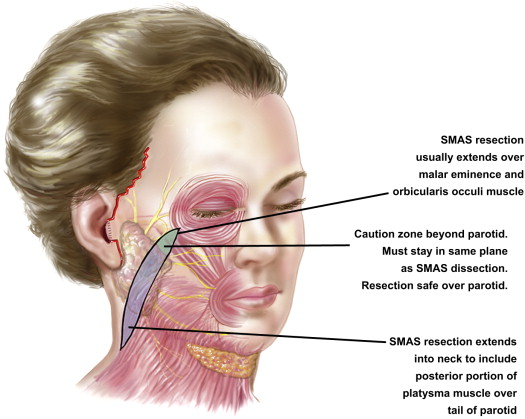
Known in the medical field as a rhytidectomy, this cosmetic surgery essentially reduces all visible signs of aging on the face and neck. Its popularity has soared significantly in India owing to lower prices compared to Western countries. Knowing the cost-related factors, possible add-ons, and different prices in various places throughout the country may go a long way toward helping you prepare better.

Source: ScienceDirect

Average Cost of Face Lift Surgery in India

The cost of face lift surgery in India varies widely depending on the type of facelift, surgeon expertise, and location of the clinic. Here’s a general range of face lift costs across India:

Type of Face Lift SurgeryCost Range (INR)Description
Traditional Face Lift2,00,000 – 3,50,000Full face lift, usually more comprehensive and invasive, treating sagging skin, wrinkles, and other aging signs on the face and neck.
Mini Face Lift1,00,000 – 2,00,000Less invasive and targets only the lower part of the face, typically a quicker recovery and more subtle results.
Mid-Face Lift1,50,000 – 2,50,000Focuses on the middle portion of the face, lifting sagging cheeks and smoothing lines around the mouth and nose.
Lower Face Lift1,20,000 – 2,00,000Specifically targets sagging skin around the jawline and neck, ideal for those experiencing jowls or neck sagging.
Thread Face Lift50,000 – 1,20,000Minimally invasive option, where dissolvable threads are used to lift the face temporarily, suitable for mild to moderate sagging.
Liquid Face Lift60,000 – 1,00,000Non-surgical facelift using fillers like Botox or dermal fillers to restore volume and reduce wrinkles, typically not as long-lasting as surgical lifts.

Factors Influencing Face Lift Surgery Cost in India

Several factors affect the overall cost of facelift surgery. Being aware of these can help you budget effectively and make informed choices.

1. Type of Procedure

  • Complexity of Surgery: Traditional face lifts tend to be more expensive as they cover larger areas and require longer operating times, while mini or targeted lifts are generally lower in cost.
  • Additional Treatments: Combining face lift surgery with other procedures like eyelid surgery or brow lifts can add to the total cost.

2. Location of the Clinic

  • City-based Price Variations: Major cities like Mumbai, Delhi, and Bangalore usually have higher surgery costs due to the quality of facilities and the expertise of surgeons. In smaller towns, the cost may be lower but with fewer options for experienced surgeons.
  • Internationally Accredited Hospitals: Hospitals accredited by JCI or NABH often charge more for facelifts, reflecting their high-quality service and stringent safety protocols.

3. Surgeon’s Expertise

  • Experience Level: A well-established surgeon with years of experience and a high success rate may charge more than a less experienced professional. Many patients are willing to pay this premium for assurance of quality.
  • Reputation: Surgeons recognized for advanced skills or high-profile clients typically have higher fees.

4. Anesthesia and Operating Room Charges

  • Type of Anesthesia: General anesthesia is more expensive than local anesthesia and is commonly required for full face lifts, while mini or thread lifts may only need local anesthesia.
  • Facility Fees: The hospital or clinic charges for operation room use, medical staff, and other essentials. These fees vary significantly, especially between high-end urban centers and smaller clinics.

Breakdown of Additional Costs

Beyond the base surgery fee, facelift surgery involves other costs, which can add to the final amount. Here’s a closer look at what these include:

Additional Cost TypeAverage Range (INR)Description
Consultation Fees500 – 5,000 per visitSome clinics may include this in the package, but others charge separately.
Pre-operative Tests5,000 – 15,000Includes blood tests, imaging, and health assessments for surgical safety.
Anesthesia Fees10,000 – 30,000Varies based on the type (general vs. local) and anesthetist’s expertise.
Hospital Stay10,000 – 25,000 per dayNecessary if you’re undergoing a full facelift or extensive procedure; not required for all.
Post-operative Medications1,000 – 5,000Pain relief, antibiotics, and other necessary medicines.
Follow-up Appointments500 – 2,000 per sessionTypically, multiple follow-ups are recommended to monitor healing.
Recovery Aids1,000 – 3,000Compression garments or special bandages to support healing.

Regional Cost Comparison for Face Lift Surgery in India

To better understand how location affects the cost of facelift surgery, here’s a regional comparison:

CityCost Range for Traditional Face Lift (INR)
Mumbai2,50,000 – 4,00,000
Delhi2,20,000 – 3,80,000
Bangalore2,00,000 – 3,50,000
Hyderabad1,80,000 – 3,00,000
Chennai1,70,000 – 2,80,000
Pune1,50,000 – 2,50,000
Ahmedabad1,50,000 – 2,40,000
Kolkata1,40,000 – 2,30,000

Tips to Manage Face Lift Surgery Costs in India

  1. Research and Compare: Research various clinics, review patient testimonials, and compare costs to find the best combination of quality and affordability.
  2. Ask About Packages: Some clinics offer bundled packages covering surgery, anesthesia, hospital stay, and follow-ups, often at a reduced rate.
  3. Insurance and Financing: While most cosmetic surgeries are not covered by health insurance, some clinics offer financing options. This can ease the burden of upfront payments, especially for higher-end surgeries.
  4. Consider Non-surgical Alternatives: For those on a tighter budget or with mild signs of aging, non-surgical treatments like Botox, fillers, or thread lifts offer temporary yet cost-effective solutions. While these won’t replace a full facelift, they can help delay the need for surgery.

Conclusion

Face lift surgery in India has been known to be relatively inexpensive when considered against international prices. However, the range of the budget includes start-to-end expenditure, one might select the best option that goes with his pocket. 

The costs add up from the type of facelift to all other expenses that you wouldn’t expect. With the expense band varying through the city and surgeon, you’ll be better prepared and do thorough research for getting yourself treated the best in your budget.

Be it mini, thread facelift or classic, knowing what to be prepared for in regards to price and possible add-ons really can make the experience much less stressful and ensure you receive maximum value from your investment into rejuvenating your look.

Frequently Asked Questions (FAQs)

How long does a facelift last?

Facelift outcomes can continue for at least ten years or more. Remember that a facelift can help you turn back the clock, but it will not stop the aging process. You may improve and maintain the effects of your facelift by taking good care of your skin, living a healthy lifestyle, and avoiding sun exposure.

Is facelift surgery safe?

Face-lift surgery might lead to issues. Some can be treated with proper care, medications, or more surgery. Long-term or permanent problems are uncommon, however they can cause changes in appearance.

What age is ideal for a facelift?

There is no “correct” age to get a facelift. It all relies on your individual anatomy and genetics. Traditionally, the youngest individuals for facelifts have been in their late 40s, while others have not demonstrated sufficient skin laxity for a facelift until a decade or more later.

Labiaplasty Cost in India: What You Need to Know Before Surgery

Labiaplasty is a cosmetic surgical procedure aimed at reshaping or reducing the size of the labia. It has gained significant traction in India over the years. Women consider this surgery for various reasons, ranging from functional discomfort during physical activities to aesthetic preferences. 

Before diving into this transformative journey, one of the primary concerns for many is understanding the cost involved. This article focuses exclusively on the Labiaplasty Surgery Cost in India, factors influencing the pricing, recovery-related expenses, and how the procedure can benefit you.

Source: ScienceDirect

Labiaplasty Surgery Cost in India

The cost of labiaplasty in India varies significantly depending on several factors, such as the surgeon’s expertise, clinic location, and additional services provided. On average, the cost of labiaplasty in India ranges between ₹40,000 and ₹1,50,000. Here’s a detailed breakdown of the pricing:

FactorEstimated Cost (INR)
Surgeon’s Fee₹20,000 – ₹70,000
Hospital/Clinic Charges₹10,000 – ₹50,000
Anesthesia Fees₹5,000 – ₹20,000
Pre-Surgical Tests₹2,000 – ₹5,000
Post-Surgery Medications₹2,000 – ₹10,000
Follow-Up Consultations₹2,000 – ₹10,000 per visit

Key Factors Affecting Labiaplasty Cost in India

Like every surgery, the cost is the result of a lot of factors and not just one. The factors responsible for the cost are as follows: 

1. Surgeon’s Expertise

The cost is heavily influenced by the surgeon’s credentials, experience, and reputation. Highly skilled surgeons with years of experience in cosmetic gynecology typically charge more, but their expertise ensures better results and minimal complications.

2. Hospital or Clinic Location

The geographical location of the clinic also plays a critical role. Clinics in metropolitan cities like Mumbai, Delhi, and Bangalore generally charge higher due to advanced infrastructure and demand for specialized services.

3. Type of Procedure

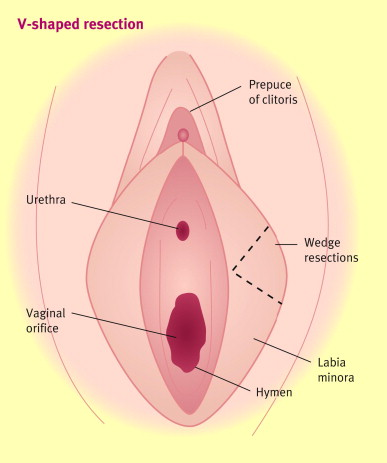
Labiaplasty can involve different techniques, such as trimming or wedge resection. Each method has its own complexity and cost implications. The choice of technique depends on the patient’s specific needs and the surgeon’s recommendation.

4. Anesthesia Type

The surgery can be performed under local or general anesthesia. While local anesthesia is more cost-effective, general anesthesia is more expensive due to the involvement of an anesthesiologist and monitoring equipment.

5. Pre- and Post-Surgical Expenses

Apart from the surgery itself, costs related to diagnostic tests, medications, and follow-up visits also add up. These expenses are essential to ensure a smooth recovery after labiaplasty.

6. Customized Packages

Some clinics offer comprehensive packages that include surgery, hospital stay, medications, and follow-ups. While these packages may seem costly upfront, they often prove to be more economical in the long run.

Benefits of Labiaplasty

Although cost is an important consideration, it’s equally vital to understand the benefits of labiaplasty. Here are some of the advantages:

  1. Comfort: Many women experience discomfort during physical activities, such as cycling or yoga. Labiaplasty alleviates such issues.
  2. Improved Hygiene: Reducing the size of the labia can make daily hygiene routines easier and reduce the risk of infections.
  3. Aesthetic Appeal: The procedure enhances self-confidence by achieving the desired aesthetic appearance.
  4. Boost in Confidence: Feeling more comfortable in intimate situations can have a positive impact on mental well-being.

Recovery After Labiaplasty: Cost Considerations

Recovery after labiaplasty is generally straightforward, but it involves additional costs that patients should anticipate. Here’s a look at some common recovery-related expenses:

ExpenseEstimated Cost
Pain Relief Medications₹500 – ₹2,000
Antibacterial Ointments₹500 – ₹1,500
Post-Surgical Garments₹1,000 – ₹3,000
Follow-Up Appointments₹2,000 – ₹10,000 per visit
Emergency Care (if needed)₹5,000 – ₹20,000

Patients should set aside an additional ₹10,000 to ₹30,000 for post-operative care and follow-ups to ensure optimal healing. Recovery typically takes about 4-6 weeks, during which proper care and rest are essential.

Why Labiaplasty in India is Cost-Effective

India has emerged as a hub for affordable and high-quality cosmetic surgeries, including labiaplasty. Here’s why opting for labiaplasty in India can be a wise choice:

  1. Affordable Pricing: Compared to Western countries where labiaplasty can cost upwards of ₹4,00,000, the procedure in India is significantly more affordable without compromising on quality.
  2. Highly Qualified Surgeons: India is home to some of the best cosmetic surgeons globally, with extensive experience in advanced gynecological procedures.
  3. State-of-the-Art Facilities: Many clinics and hospitals in India are equipped with world-class infrastructure, offering a seamless patient experience.
  4. Medical Tourism Packages: International patients can benefit from cost-effective packages that include travel, accommodation, and surgery.

How to Choose the Right Clinic for Labiaplasty

When considering labiaplasty, selecting the right clinic and surgeon is crucial. Here are some tips to make an informed decision:

  1. Research and Reviews: Look for clinics with excellent patient reviews and testimonials.
  2. Surgeon’s Credentials: Verify the surgeon’s qualifications, experience, and specialization in labiaplasty.
  3. Facility Accreditation: Ensure the clinic or hospital is accredited by recognized medical boards.
  4. Transparent Pricing: Opt for clinics that provide a detailed cost breakdown to avoid hidden charges.
  5. Consultation Sessions: Utilize initial consultations to discuss your concerns, understand the procedure, and get an accurate cost estimate.

Cost Comparison: Labiaplasty in Major Indian Cities

CityAverage Cost (INR)
Mumbai₹50,000 – ₹1,50,000
Delhi₹45,000 – ₹1,40,000
Bangalore₹40,000 – ₹1,30,000
Hyderabad₹40,000 – ₹1,20,000
Chennai₹40,000 – ₹1,25,000
Kolkata₹35,000 – ₹1,00,000

Conclusion

Labiaplasty is a life-changing procedure for many women, offering both functional and aesthetic benefits. While the Labiaplasty Surgery Cost in India is relatively affordable compared to other countries, it’s essential to factor in all related expenses, including recovery costs and follow-ups, to make a well-informed decision. 

Whether you are considering the surgery for comfort or cosmetic reasons, understanding the cost dynamics will help you plan effectively and achieve the best possible outcome. By prioritizing quality care and transparency in pricing, you can ensure a positive experience and long-lasting results.

Frequently Asked Questions (FAQs)

Is labiaplasty actually painful?

You will have swelling, irritation, and pain, but these are normally easily managed with over-the-counter (OTC) medicine.

Will I lose sensation after a labiaplasty?

The labiaplasty surgeon focuses on removing labial tissue that does not contain nerve endings. Although every surgery, including labiaplasty, has dangers, a loss of sexual feeling is uncommon after labia reduction surgery.

Can a labiaplasty go wrong?

Labiaplasty, like any other surgical operation, can lead to negative effects such as physical pain, infection, bleeding, or complications. However, problems from labiaplasty in the vaginal lips or elsewhere are quite rare.

Otoplasty (Ear Correction Surgery) Cost in India: A Complete Guide

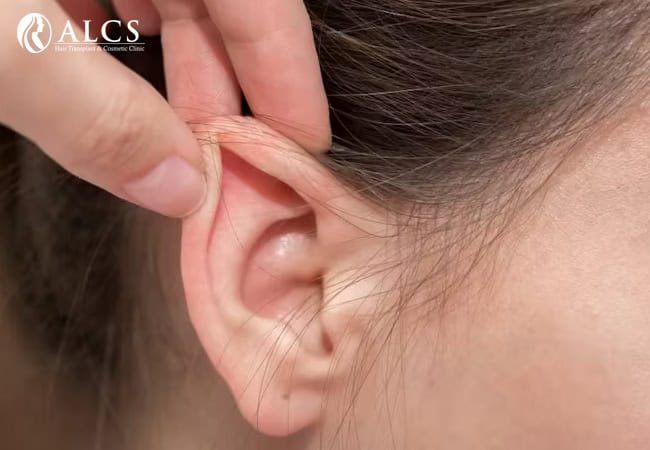
Otoplasty or ear correction surgery is a process through which the ears are reshaped for a natural and balanced outlook. This surgery is in great demand among children and adults seeking surgical correction to enhance their self-confidence against ear abnormalities. 

Knowing about the cost of otoplasty in India can provide any potential patient with much-needed knowledge. This guide gives the reader a complete overview of otoplasty costs in India, factors which influence these costs, and what to expect during the process.

Average Cost of Otoplasty in India

The cost of otoplasty in India varies based on several factors, including the type of procedure, the surgeon’s expertise, and the location of the clinic. Below is a table outlining the average costs of different otoplasty procedures in major Indian cities:

CityEar Pinning CostEar Reduction CostEar Augmentation CostOtoplasty for Children
Delhi₹28,000 – ₹48,000₹30,000 – ₹50,000₹35,000 – ₹60,000₹25,000 – ₹50,000
Mumbai₹27,000 – ₹47,000₹35,000 – ₹55,000₹40,000 – ₹53,000₹35,000 – ₹55,000
Banglore₹26,000 – ₹46,000₹33,000 – ₹52,000₹38,000 – ₹56,000₹28,000 – ₹52,000
Chennai₹24,000 – ₹44,000₹32,000 – ₹51,000₹34,000 – ₹56,000₹30,000 – ₹50,000
Hyderabad₹29,000 – ₹49,000₹31,000 – ₹51,000₹35,000 – ₹54,000₹28,000 – ₹45,000
Pune₹25,000 – ₹45,000₹33,000 – ₹54,000₹39,000 – ₹59,000₹35,000 – ₹50,000
Kolkata₹24,000 – ₹44,000₹29,000 – ₹50,000₹32,000 – ₹49,000₹25,000 – ₹50,000
Ahmedabad₹26,000 – ₹46,000₹30,000 – ₹50,000₹33,000 – ₹57,000₹25,000 – ₹50,000

Table 1: Average Otoplasty Costs in Major Indian Cities

Factors Influencing Otoplasty Costs

Some factors contribute to the variation in otoplasty costs across India:

  1. Surgeons who are experienced and famous charge more. Specialized surgeons in otoplasty may charge premium prices.
  2. Major cities like Mumbai, Delhi, and Bangalore are typically relatively more expensive than a small town. Clinics in high-class places may charge on the cost of running them.
  3. The procedures differ, including ear pinning, reduction, and augmentation and vary in their costs. Complex cases requiring additional techniques or grafts may increase the overall price.
  4. High-end clinics with first-class medical equipment and luxurious facilities are probably expensive. Facility packages with comprehensive care could charge a package price.
  5. Preoperative consultations, postoperative care, and followup visits may increase the overall cost. Some clinics integrate this into their package, while others charge extra.

Detailed Cost Breakdown

Understanding the detailed cost components can help you make an informed decision. Here is a breakdown of what contributes to the total cost of otoplasty in India:

  • Consultation Fees: Range from ₹1,000 to ₹5,000. This is the initial meeting with the surgeon to discuss your goals.
  • Surgeon Fees: ₹ 20,000 to ₹ 60,000. This charges the actual surgical procedure.
  • Anesthesia charges: Rs 5,000-Rs 15,000. This will be used for the amount of anesthesia given during the surgery.
  • Facility Charges: Between ₹5,000 to ₹20,000. For using the operating room and medical equipment.
  • Medicine and Kit: Around ₹2,000 to ₹10,000. For postoperative medicines and surgical cost.
  • Miscellaneous Fees: There is another ₹ 1,000 to ₹5,000. These include extra expenses like transportation.

Ear Reconstruction Surgery Cost vs. Ear Operation Cost

Ear Reconstruction Surgery Cost is a far more complicated surgery and costly procedure which is often due to a congenital deformity or very severe trauma. Ear Operation Cost is generally a term of common usage, referring to the general type of surgery within the ear, including otoplasty. It varies by the procedure as well as the level of difficulty. Ear operation Cost: it comprises Cosmetic and Reconstructive Surgery.

Otoplasty for Children

Otoplasty for children is a common choice to correct ear abnormalities early, preventing social issues like teasing and bullying. The costs for children are generally similar to those for adults but can vary based on the complexity of the case. Early intervention can lead to better surgical outcomes and long-term satisfaction.

Comparing Otoplasty Costs Across India

Otoplasty in India is generally more affordable compared to many Western countries. For instance, in the United States, otoplasty can cost between $5,000 to $10,000, whereas in India, the cost ranges from ₹24,000 to ₹65,000 (approximately $300 to $850). This significant difference makes India an attractive destination for medical tourism.

Insurance and Otoplasty

In most cases, otoplasty is considered a cosmetic procedure and is not covered by insurance. However, there are exceptions:

  • Medically Necessary Otoplasty: If the surgery corrects a congenital deformity that causes functional issues. Cases involving trauma or injury to the ears may qualify for insurance coverage.
  • Insurance Coverage: It Varies by provider and policy. Requires documentation and approval from the insurance company. It is advisable to consult with your insurance provider and surgeon to explore available options.

Choosing the Right Surgeon

What actually makes the otoplasty procedure successful is choosing an experienced and qualified surgeon. First, verify that your surgeon is credentialed. Ensure they have the medical certification from relevant boards. 

Determine qualification in plastic surgery or otolaryngology. Choose a surgeon that has carried out plenty of successful otoplasty procedures. Inquire about how many surgeries they have ever completed. Read reviews from other patients for proper understanding of the skills of the surgeon and patient care. 

Look at before-and-after photos of previous patients to see their work. Finally, schedule a consultation. Discuss your goals and expectations with the surgeon. Pay attention to how they communicate and address your concerns. This process will help you find a surgeon you can trust for your otoplasty.

Preparing for Otoplasty

Proper preparation can enhance your surgery experience and outcomes. Follow these steps to prepare for otoplasty:

  1. Initial Consultation: Discuss your goals and medical history with your surgeon. Understand the procedure, risks, and expected outcomes.
  2. Pre-Operative Instructions: Follow any guidelines provided by your surgeon, such as fasting before surgery. Avoid nonsteroidal anti-inflammatory drugs (NSAIDs) to reduce bleeding risks.
  3. Arrange Transportation: Ensure you have someone to drive you to and from the clinic on the day of surgery.
  4. Prepare Recovery Area: Set up a comfortable space at home for post-surgery rest. Have necessary supplies like bandages, medications, and soft foods ready.

Aftercare and Recovery

Post-operative care is important for healing and achieving the best results from otoplasty. Here are essential aftercare tips:

  1. Dressing Care: Keep the dressing clean and dry to prevent infection. Follow your surgeon’s instructions on how to care for the dressings.
  2. Avoid Touching Ears: Do not touch or manipulate your ears to allow proper healing.
  3. Clothing Choices: Wear clothes that do not require pulling over the head, such as button-up shirts.
  4. Sleeping Position: Sleep on your back to avoid pressure on the ears. Use pillows to keep your head elevated if necessary.
  5. Activity Restrictions: Avoid strenuous activities, sports, and any actions that could impact the ears for several weeks. Children should limit physical activities like recess and gym class until fully healed.

Risks and Complications

While otoplasty is generally safe, it carries some risks and potential complications:

  • Common Side Effects:
    • Soreness and tenderness around the ears.
    • Itchiness or redness at the incision sites.
    • Swelling and bruising, which usually subside within a few weeks.
    • Tingling or temporary numbness around the ears.

Benefits of Otoplasty

Otoplasty offers several significant benefits:

  • Corrects prominent, misshapen, or asymmetrical ears.
  • Improves self-esteem and reduces self-consciousness.
  • Changes are long-lasting, providing a stable solution.
  • When performed by a qualified surgeon, otoplasty is a safe option.

Conclusion

Otoplasty is a valuable procedure for those seeking to correct ear abnormalities and enhance their appearance. In India, the cost of otoplasty is relatively affordable compared to many other countries, making it an attractive option for both domestic and international patients. 

Choosing the right surgeon and clinic is crucial for achieving the best results. Ensure you conduct thorough research, read reviews, and consult with multiple surgeons before making your choice. Proper preparation and adherence to post-operative care instructions will contribute to a smooth recovery and satisfactory outcomes.

If you are considering otoplasty, consult with a qualified specialist to discuss your goals and explore the most suitable options for your needs. With the right information and support, you can achieve the ears you desire and boost your confidence.

Frequently Asked Questions (FAQs)

Is otoplasty painful?

Otoplasty normally causes minor pain. The first 24 hours are the worst, but it quickly improves. It is impossible to predict a person’s pain level. If you have done well with surgery in the past, you will likely be OK with this procedure.

How long does otoplasty surgery last?

The complete treatment takes around two hours. You will possibly be given general anesthesia, which puts you to sleep so you don’t feel anything.

Can I cut my hair after an otoplasty?

You may receive a haircut as soon as the head bandage is removed and no additional one is applied. However, the ear should not be bent forward if sutures have been placed inside for at least 6 weeks.

Hymen Repair Surgery (Hymenoplasty) Cost in India: What to Expect

Hymen repair surgery is also known as medically hymenoplasty. It is a surgical procedure to reconstruct the hymen. This elective surgery gained popularity all over the globe for different reasons, due to cultural expectations, by personal choice, for psychological comfort, or with the intention of recovering trauma. 

India has been a much-preferred destination for hymenoplasty because of the quality and affordability provided by its medical services. This article focuses on the cost-related aspect of hymenoplasty in India, discusses reconstruction options, and provides a comprehensive understanding of what patients can expect.

Source: Semantic Scholar

What is Hymenoplasty?

The hymen is a thin, elastic membrane found around the vaginal entrance. Although it has been popularly linked with virginity, this is a myth, as the hymen can rip for causes other than sexual activity. This can happen in conditions such as sports or physical stress.

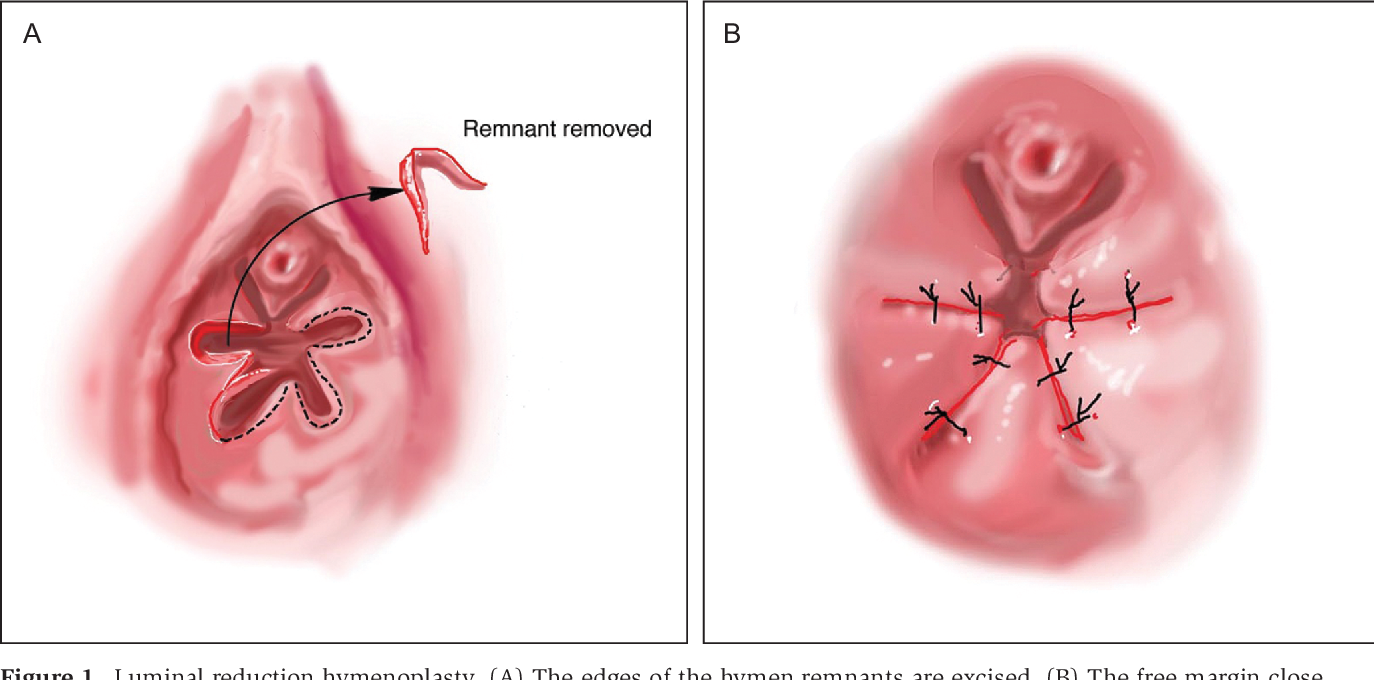
 Hymenoplasty is a surgical procedure that restores the hymen by sewing the fragments together or developing a new one from vaginal tissue. The technique is minimally invasive and typically takes 30 to 60 minutes to complete while under local anesthetic.

Hymenoplasty may potentially combine other cosmetic operations, such as vaginal rejuvenation, to address additional problems. The operation is typically safe and requires little downtime, so most patients may resume their normal activities within a few days. However, the price of the process may vary significantly based on various factors, so it is important for prospective patients to understand the financial implications.

Factors Impacting Hymenoplasty Costs in India

The cost of hymenoplasty in India is dependent on several variables, including:

  • Metropolitan cities, such as Delhi, Mumbai, Bangalore, and Hyderabad, often have greater expenses than smaller cities due to their higher cost of living and modern healthcare infrastructure.
  • Premium hospitals and private clinics with cutting-edge facilities typically demand more fees than smaller or lesser-known businesses.
  • Highly skilled and reputable surgeons frequently charge a premium for their services, which ensures greater results and lesser risks.
  • Prices vary depending on the surgical procedure used, such as traditional stitching or laser-assisted reconstruction.
  • Fees for anesthesia, room charges, and pre-surgical tests are often separate from the procedure’s base cost. 
  • Follow-up appointments, medicines, and post-operative diagnostics may incur additional fees, affecting total spending.

Hymenoplasty Costs in the Major Indian Cities

India offers hymenoplasty at a fraction of the cost compared to Western countries, where the procedure can cost anywhere between $4,000 and $8,000. Below is a breakdown of average costs in major Indian cities:

CitiesCost Range (INR)
Delhi20,000 – 80,000
Mumbai25,000 – 90,000
Bangalore20,000 – 75,000
Hyderabad15,000 – 70,000
Chennai18,000 – 65,000
Pune15,000 – 60,000
Kolkata15,000 – 50,000

Types of Hymenoplasty and their Costs

There are multiple methods of hymen reconstruction, and the expenses vary depending on the chosen method:

Traditional hymenoplasty (stitches): This approach includes suturing the hymen remains. It is the most popular and cost-effective choice.

Cost: INR 15,000 to 30,000.

Ideal for those who want a straightforward, less intrusive surgery.

Laser-Assisted Hymenoplasty: This method employs laser technology for accuracy, resulting in less scarring and a speedier recovery.

Cost: INR 35,000 to 60,000.

Ideal for: Patients who seek sophisticated surgical procedures with minimal downtime.

Alloplant Hymenoplasty: This surgery includes the creation of a new hymen using synthetic tissue or biomaterials.

Cost ranges from INR 40,000 to 75,000.

Ideal for those who don’t have enough natural tissue for rebuilding.

Comprehensive vaginal rejuvenation: combines hymenoplasty with other cosmetic operations including vaginal tightening or contouring.

Cost ranges from INR 50,000 to INR 1,000,000.

Ideal For: Those looking for a complete cosmetic augmentation of the vaginal area.

Additional costs to consider.

While the procedure’s base cost is an important consideration, patients should additionally budget for various connected fees, such as:

  • Initial consultation prices normally vary between INR 500 and 2,000, depending on the facility and surgeon.
  • Routine blood tests, physical examinations, and imaging studies may incur an extra INR 1,000 to 5,000.
  • Post-operative medications, antibiotics, and ointments may cost between INR 500 and 2,000.
  • Follow-up appointments, which are sometimes required to check recovery, cost between INR 500 and 1,500 each session.
  • Outstation or overseas patients could face hefty travel and hotel fees.

Why Choose India for Hymen Repair Surgery?

India has established itself as a top medical tourism destination, attracting people from all over the world for a variety of treatments, including hymenoplasty. One of the key reasons for India’s appeal is its low cost of treatment. Hymen repair surgery in India is substantially less expensive than in the United States, United Kingdom, or Australia, making it a viable alternative for many. 

Added to that, the country has a pool of highly qualified surgeons specialized in cosmetic gynecology, many of whom have international credentials and vast experience. This knowledge is supported by cutting-edge facilities; Indian hospitals and clinics have excellent infrastructure to provide safe and effective treatment. 

Also top clinics promote privacy and secrecy, therefore they provide private consultations and discreet treatments. This treatment is sensitive to many people, therefore it appeals to foreign patients’ sense of value for the affordability of India’s medical visa services, as well as its rich cultural legacy, which provides the best of both worlds: first-rate healthcare in an adventurous holiday location.

Conclusion

Hymen repair surgery in India is available at a reasonable cost to people who need it for personal, cultural, or emotional reasons. Prices range from INR 15,000 to 80,000, depending on the city, clinic, and surgeon. India offers an ideal balance of price, knowledge, and excellent service. Patients may plan their hymenoplasty surgery more effectively if they understand the expenses and aspects involved.

It suggests that India continues to perform well as a medical tourism destination, and hymenoplasty is a viable and dependable alternative for nearly all patients globally. Given the cost related, selecting the proper physician, and enough preparation, people can be successful in their desired outcomes confidently and with peace of mind.

Frequently Asked Questions (FAQs)

Is hymenoplasty legal in India?

Hymenoplasty is legal in India. It is a typical cosmetic operation performed by qualified gynecologists and surgeons at well-known clinics. Adult women in India have the legal right to choose their own cosmetic operations, including hymen repair.

Can a girl bleed after a hymenoplasty?

Following hymenoplasty, the repaired hymen may act differently from the native hymen. Some women may suffer bleeding, while others may not—this is normal without surgery.

Is the hymen repair procedure painful?

Hymenoplasty surgery is painless since it is conducted with local anesthetic. Many ladies opt to sleep throughout their procedure by taking a sedative. However, as the influence of anesthetic wears off, you may experience little discomfort during the initial week following the surgery.

References

https://pmc.ncbi.nlm.nih.gov/articles/PMC10423100/ 

https://www.sciencedirect.com/science/article/abs/pii/S0020729209004123 

https://casereports.bmj.com/content/16/10/e251008 

Liposuction Costs: From Arm Liposuction to Full Body Solutions

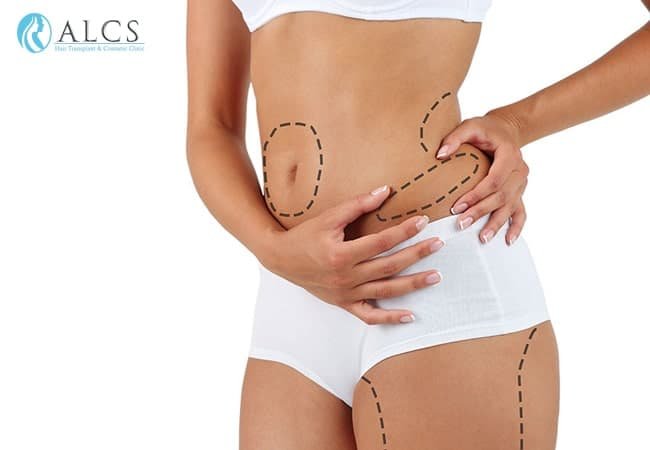
Liposuction is a cosmetic surgical technique designed to remove unwanted fat deposits from particular body locations, therefore improving overall body form and look. Liposuction offers a wide range of options, from removing persistent fat pockets in minor locations like the arms to complete procedures that involve the entire body. 

However, the cost of such procedures might vary substantially depending on the kind, the region being treated, and other factors such as the surgeon’s location. This study examines the cost of liposuction, including advanced techniques such as laser lipolysis and Vaser liposuction, as well as the costs of full-body liposuction.

Factors Affecting the Cost of Liposuction

The factors which are mainly responsible for cost variation are as follows: 

1. Type of Procedure and Complexity

Liposuction cost mainly depends on the type of procedure that is undertaken. The traditional liposuction is less expensive than newer techniques such as laser lipolysis or Vaser liposuction, as these procedures require special equipment and skills. Laser and ultrasound-assisted techniques come with added advantages, like better accuracy and faster recovery time, which justify their higher cost.

2. Treatment Area

The cost is also determined by the area. For example, a chin or arms area costs less than an abdomen or thighs area. For people who require full-body contouring, the costs are much higher because the procedure is complex and lengthy.

3. Surgeon’s Experience

A well-experienced surgeon with vast experience usually charges more. Though this increases the cost, his experience reduces the risks and chances of getting the best results.

4. Facility Fees

The cost is also determined by the clinic or hospital where the procedure is carried out. Advanced facilities with the latest equipment and better post-operative care usually charge more than the smaller or less equipped clinics.

5. Location

Location is another significant determinant of liposuction costs. Urban centers and cities have higher procedure costs than small towns or rural areas because the living cost and demand for cosmetic surgery services are higher.

Cost Table for Liposuction in India

ProcedureTreatment AreaEstimated Cost (INR)
Laser LipolysisSmall areas (e.g., chin, arms)₹50,000–₹1,50,000
Vaser LiposuctionMedium to large areas (e.g., abdomen, chest)₹75,000–₹2,00,000
Full Body LiposuctionMultiple areas₹4,00,000–₹5,00,000

Methods and Prices of Liposuction

Given below is the in-detail analysis of the methods and the prices of liposuction procedures:

1. Laser Lipolysis

Laser-assisted liposuction uses a laser that liquefies fats through its energy for the surgical removal. The minimally invasive procedure suits areas around the chin, neck or arms and besides reducing more fat, this technique induces tightening of skin as well. Recovery time is even lesser compared to classical surgical techniques and post procedure scarring and bruising reduce in number as well.  

  • Price in India:  ₹50,000–₹1,50,000/area
  • Benefits: Increased accuracy, quicker healing, and tightening of skin
  • Drawbacks: More expensive and cannot be used on small surfaces

2. Vaser Liposuction

Vaser liposuction is a procedure that uses ultrasound waves to break down fat cells, which are removed in a gentle manner. It is ideal for contouring fibrous areas such as the chest or back and will yield a smoother finish than more conventional techniques. It is very effective for larger areas needing fine detail sculpting.

  • Cost in India: ₹75,000–₹2,00,000 per area
  • Benefits: Offers better body contouring with less pain and works good for fibrous areas
  • Limitations: Costlier and requires special technical skills

4. Full Body Liposuction

Full-body liposuction treats multiple areas in one session, offering comprehensive fat removal and body sculpting. The procedure is suitable for individuals aiming for complete body transformation. However, the cost reflects the complexity and duration of the surgery.

  • Cost in India: ₹4,00,000–₹10,00,000
  • Advantages: Comprehensive results and better overall body proportion
  • Disadvantages: Expensive procedure and longer time to recover

Cost Comparison: Laser Lipolysis vs. Vaser Liposuction

Both laser lipolysis and Vaser liposuction are advanced procedures that have their benefits. Laser lipolysis is best for small areas where detail is a requirement, such as the face or arms, and can also be used for the added benefit of tightening skin. 

Vaser liposuction is best used in larger areas, such as where detailed contouring is required. Vaser liposuction is a lot more expensive, but for areas like the chest or back where there is fibrous tissue, it is much more effective than traditional methods.

Is Full-Body Liposuction Worth the Cost?

Full-body liposuction, though expensive, offers significant benefits for individuals seeking a complete transformation. It addresses multiple areas in one session, providing a cohesive and proportionate outcome. While the cost can be daunting, many patients find it a worthwhile investment in self-confidence and improved body image.

Financial Considerations

To be fully prepared, here are some additional factors one should pay attention to:

  • Usually, cosmetic surgery like liposuction is not paid for by insurance except for when it becomes a medical requirement (for instance, treating lipomas or gynecomastia).
  • Many clinics give payment schemes through EMIs, which means the operation will be accessible.
  • Ensure preoperative tests, anesthesia costs, and postoperative care are within the quoted amount to prevent hidden costs from cropping up after the operation.

Expenses after the Surgery

Though the initial costs of liposuction are very high, there may be additional post-surgical expenses. Follow-up visits, compression clothing, medications, and revision surgeries are among the latter. These costs should also be considered by the patients before opting for liposuction.

Conclusion

Liposuction is very expensive, and the prices vary based on the technique used, the area treated, and several other factors. Advanced techniques like laser lipolysis and Vaser liposuction offer improved results but come at a much higher price point. Full-body liposuction is a comprehensive result but costs a lot of money. Knowing this can help people make informed decisions about their body contouring journey.

For those contemplating liposuction, it is important to consult with a qualified surgeon and discuss the costs, risks, and expected outcomes. This will help ensure that patients select the most appropriate procedure for their needs and budget, which can then pave the way for a successful transformation.

Frequently Asked Questions (FAQs)

Can arm fat return after liposuction?

Once fat cells have been eliminated from the body, they cannot regenerate or grow into new fat cells. However, increasing weight after liposuction might cause remaining fat cells to grow. This is why it is critical to maintain your weight following your liposuction operation.

How many kilograms can be removed using liposuction?

The acceptable maximum for fat removal during a single liposuction surgery is roughly five liters (11 pounds), however this may vary from patient to patient depending on their overall health, weight, and targeted treatment regions.

What is the recovery period after liposuction?

The region will most likely be bruised and swollen for at least 10 to 14 days. You will be able to resume your usual activities as soon as you are comfortable. This might take several days or weeks. Most people can resume light work after a few days.

Which fat is most difficult to remove?

When extra visceral fat is eliminated, the body begins to target excess subcutaneous fat. Unfortunately, subcutaneous fat is more difficult to shed. Subcutaneous fat is more noticeable, but losing it requires more work due to its purpose in your body.

References

https://www.researchgate.net/publication/49693093_Liposuction_A_review_of_principles_and_techniques

https://www.sciencedirect.com/topics/medicine-and-dentistry/liposuction

Tummy Tuck Surgery Cost in India: Your Complete Guide

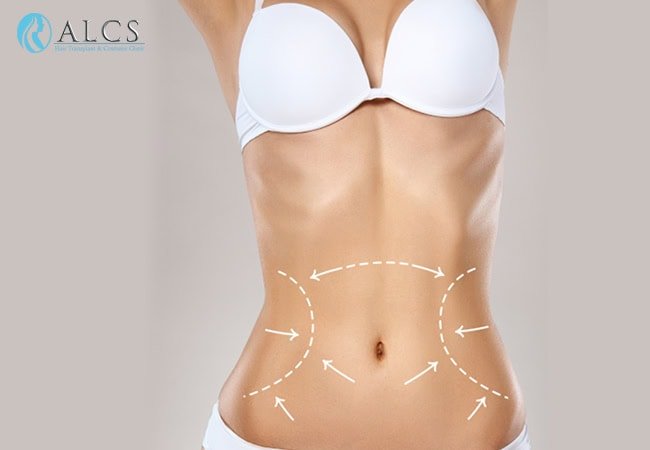
Tummy tuck surgery is medically known as abdominoplasty. It is the most popular cosmetic procedure that aims to correct the appearance of the abdominal region by removing excess fat and skin. 

This article outlines the cost of tummy tuck surgery in India, in addition to its benefits, tips for recovery, and suitability to candidates. Understanding these aspects would help individuals make better decisions about the procedure.

What is Tummy Tuck Surgery?

Tummy tuck surgery refers to a cosmetic procedure where one creates a firmer and more toned abdominal area through removal of excess skin and body fat and usually tightening of weakened or separated abdominal muscles. Therefore, this procedure is effectively suitable for people who, because of pregnancy, ageing, or massive weight loss have droopy skin or fat deposit pockets.

Tummy Tuck Surgery Cost in India

India is an attractive destination for tummy tuck surgery due to its affordability compared to many other countries. The total cost can vary based on the type of procedure, location, and additional services offered by hospitals or clinics.

Type of SurgeryMinimum CostAverage CostMaximum Cost
Full Tummy TuckRs. 1,25,000Rs. 2,00,000Rs. 2,50,000
Extended Tummy TuckRs. 1,70,000Rs. 2,10,500Rs. 2,80,000
Mini Tummy TuckRs. 1,00,000Rs. 1,80,500Rs. 1,87,000
Fleur-De-Lis Tummy TuckRs. 1,50,000Rs. 2,00,000Rs. 2,50,000
Drainless Tummy TuckRs. 1,20,000Rs. 2,10,000Rs. 3,00,000
Non-Surgical Tummy TuckRs. 75,000Rs. 95,000Rs. 1,00,000

Benefits of Tummy Tuck Surgery

Tummy tuck surgery has many physical and psychological benefits that improve quality of life:

Improved Abdominal Appearance

The surgery tightens loose skin and removes excess fat, creating a smoother and more toned abdominal area.

Posture and Core Strength

By repairing weakened abdominal muscles, the procedure may reduce back pain and improve posture.

Boost in Self-Confidence

Many patients report a significant improvement in body image and self-esteem following the surgery.

Reduction in Skin Irritation

Excess skin folds can cause chafing and irritation, which the surgery will help get rid of.

Removal of Stretch Marks

Though it is not a primary goal, tummy tuck surgery can help remove stretch marks on the lower abdomen as part of excess skin removal.

Suitable Candidates for Tummy Tuck Surgery

  • Not everyone is suitable for tummy tuck surgery. The following are the main eligibility criteria:
  • Ideal candidates are those who have unresponsive fat or loose skin in the abdominal area.
  • Non-smokers with no serious health issues are usually ideal candidates for this procedure, as they are less likely to develop complications.
  • Having a stable weight is important since changes in weight may influence the outcome of the surgery.
  • Women who are planning to have more children are recommended to delay the surgery because pregnancy can undo the procedure.

Factors Which May Affect Cost

Apart from the cost of the actual procedure, several other factors can also add up:

  • More experienced surgeons may charge more because of their expertise and advanced training.
  • Costs will vary based on the location of the hospital and the quality of its infrastructure.
  • Pre-operative tests, medications, and follow-up appointments are added to the cost.

Types of Tummy Tuck Procedures

Tummy tuck treatments, also known as abdominoplasties, can help tighten skin, decrease fat, and address weaker abdominal muscles. 

Standard or complete tummy tuck

The most frequent kind is a horizontal incision below the navel that focuses on the midsection. It’s meant to make the waist appear smaller. 

Mini tummy tuck

A shorter incision is used to remove extra skin and connective tissue from the lower abdomen. The abdominal button is often not relocated. 

Extended tummy tuck

A more thorough operation that requires a larger incision along the front and rear of the body, reaching to the hips and sides of the lower back. 

Reverse Tummy Tuck

This surgery aims to reduce extra skin on the upper abdomen. It involves cutting a horizontal incision along the lower breast fold.

Fleur-de-lis tummy tuck

This treatment includes making a vertical and horizontal incision to form a “T” shape like a fleur-de-lis or lily flower. This surgery is only indicated for individuals who require a major repair and are ready to face the risk of a more obvious scar.

The most suitable stomach tuck treatment for you will be determined by your specific demands and cosmetic goals, such as the amount and placement of extra skin and fat.

Tummy Tuck Recovery Tips

Recovery is key to the perfect result after a tummy tuck procedure. Post-operative care guidelines are to be followed by the patient so that the recovery is smooth and even. The following are a few points that will be helpful during the recovery phase.

  • Medical Instructions: Follow the surgeon’s post-operative care instructions, including wound care and medication use.
  • Compression garments: Wear compression garments to reduce swelling and provide optimal support for the stomach, ensuring proper healing.
  • Avoiding Heavy Activities: To avoid tension on the surgery region, refrain from heavy lifting and vigorous physical activities for at least six weeks.
  • Stay Hydrated: Proper hydration is essential for rapid healing and general health.
  • Eat a balanced diet: Consuming foods high in protein, vitamins, and minerals promotes tissue repair and immunity.
  • Attend Follow-up Visits: Regular checkups allow the surgeon to assess development and handle any issues quickly.

Is Tummy Tuck Surgery Worth It?

Tummy tuck surgery is an extreme procedure that can dramatically change an individual’s physical appearance and make him or her more confident. For those with droopy skin, unresponsive fats, or weakened abdominal muscles, it brings permanent results. Still, this surgery must be compared against its costs and risks involved to help in making the final decision.

Preparation for Tummy Tuck Surgery

Preparation is key to ensuring a successful outcome. Below are some steps to prepare for the surgery:

Consult a Qualified Surgeon

Discuss your goals, medical history, and expectations with a certified and experienced surgeon.

Quit Smoking

Smoking can impair healing, so it is advisable to stop smoking well before the surgery.

Maintain a Healthy Weight

Achieving and maintaining a stable weight enhances the results of the procedure.

Plan for Recovery Time

Make arrangements for time off work and other responsibilities to be on recovery.

Possible Risks and Complications

Although generally safe, tummy tuck surgery has some risks involved:

  • Infection
  • Scarring
  • Blood clots
  • Delayed healing of the wound

All risks can be minimized if an individual chooses a good surgeon as well as adheres strictly to all the pre-and post-operative instructions.

Conclusion

Tummy tuck surgery is a reasonable choice for anyone looking to give their abdomen a new, more appealing appearance. It has grown in popularity among both local and foreign patients because of its low cost and wide variety of surgical options available. People may approach the process with confidence now that they understand the advantages, costs, recovery recommendations, and requirements. 

As always, speak with a trained surgeon to identify the best course of action based on your specific goals and health status. This advice is thorough and trustworthy for anyone seeking tummy tuck surgery. It enables smart choices for better quality of life.

Frequently Asked Questions (FAQs)

How long does the tummy tuck last?

Tummy tucks are permanent and can last a lifetime. You may need to change your lifestyle to keep the effects, such as consuming nutritious meals and exercising. Weight variations might influence the result over time. Your healthcare practitioner may assist you in maintaining excellent health and achieving your goals.

What is the difference between a tummy tuck and liposuction?

The main difference between stomach tuck surgery and liposuction is their techniques. While liposuction removes unwanted fat deposits, a Tummy tuck eliminates extra abdominal skin and tightens the muscles.

Can I become pregnant after a tummy tuck?

A tummy tuck has no effect on your fertility, although most doctors advise against having the procedure until your family is complete. The danger is not in becoming pregnant or having a healthy baby; rather, it is in how your body might change and affect the results of your previous surgical procedure.

What is a mini-tuck?

While most people believe the term “mini” refers to a smaller incision, the real medical definition of a mini tummy tuck is the removal of some skin in the lower abdomen without incising around the belly button or tightening the muscles above the belly button.

References

https://pmc.ncbi.nlm.nih.gov/articles/PMC5621815

https://pmc.ncbi.nlm.nih.gov/articles/PMC8687729

V-Line Jaw Surgery Cost in India: Is It Right for You?

Facial aesthetics have a significant effect in increasing self-esteem and personal confidence. While many people are pleased with their natural features, others may want to improve them, particularly if specific facial characteristics clash with their sense of symmetry or harmony. 

A pronounced or uneven jawline is one such characteristic that can influence a person’s overall look. V-line jaw surgery is becoming increasingly popular among those wanting a more refined and feminine face shape.

V-line jaw surgery originated in South Korea and has earned global fame for transforming a broad or square jaw into a pointed, tapered V-shaped jaw. India has evolved as a cost-effective and economical destination for this reason. It attracts both domestic and international patients. 

This article will explain the benefits of V-line jaw surgery, its expenses, recovery method, and how it differs from other jaw-related treatments, allowing you to determine whether it is right for you. 

What is V-Line Jaw Surgery?

V-line jaw surgery, also known as mandibuloplasty or jaw reduction surgery, is a surgical procedure in which the lower jaw and chin are modified to create a thinner, more defined profile. This procedure seeks to create a sharp V-line jaw line that creates a major change in the features of the face. It is particularly popular among women who desire a more feminine face structure, but it is also often used by males who want their jaws to be more contoured.

Key Features of V-Line Jaw Surgery

The procedure changes a wide or square jaw to a slimmer and more balanced one. It also includes the following: 

  • Chin Refinement: The surgery usually involves the reshaping of the chin for better symmetry with the jawline.
  • Customized Approach: Every procedure is done according to the patient’s specific facial structure and aesthetic desires.

Cost of V-Line Jaw Surgery in India.

India is known for providing high-quality medical services at reasonable prices. The cost of V-line jaw surgery in India varies depending on the surgeon’s experience, hospital facilities, and geographic location.

  1. Lower Jaw Surgery (Mandibular Osteotomy): INR 2,00,000 to INR 4,00,000
  2. Upper Jaw Surgery (Maxillary Osteotomy): INR 2,50,000 to INR 5,00,000
  3. Bilateral Jaw Surgery (Both Upper and Lower): INR 4,00,000 to INR 7,00,000

Benefits of V-Line Jaw Surgery

V-Line surgery can have the following benefits: 

  • V-line surgery rectifies jawline irregularities and makes a face look more symmetrical. The more symmetrical, the more attractive.
  • It gives the patient a softer, more youthful look by softening the angle of the jaw, which was previously square-shaped. It is also popular with women, as it adds femininity to their features.
  • It improves the profile.
  • V-line jaw surgery not only alters the frontal view but also enhances the side profile by aligning the jawline and chin.

Psychological Benefits

Achieving a symmetrical, well-contoured face can have a positive psychological impact. Many patients report feeling more confident and satisfied with their appearance after the surgery.

Functional Advantages

Although the procedure is largely aesthetic, it can correct slight functional problems such as asymmetrical jaw due to birth defects or injuries. In some instances, surgery can enhance jaw functionality as well as facial balance.

V-Line Surgery Procedure: Step-by-Step

The first step is a detailed consultation with a surgeon. This includes:

  • Diagnostic imaging such as X-rays or CT scans, which will be taken in order to analyze the structure of the jaw.
  • Talk realistic expectations through the patient’s facial symmetry.
  • Study patient history for safety purposes.

Patients are generally directed to:

  • Not to take up smoking or drinking
  • Discontinue anticoagulation medication.
  • Prescription diet that avoids alcohol for possible anesthesia

Procedure Surgery

  • Surgery Anesthesia: Patient will be on general anesthesia so that it is not painful.
  • Cutting: There will be less possible scarring from minor cut that will usually go under the mouth and behind the jaw
  • Rearrangement of Chin:  The chin vertical length decreases.
  • T-shaped Osteotomy: It adjusts the width and length of the chin.
  • L-shaped Shift: It smoothes out transitions between the jaw and chin.
  • Inverted V-shape Osteotomy: It creates a narrower jawline.
  • Closure and Dressing: The incisions are sutured, and the surgical area is dressed to promote healing.

The procedure usually takes between 1 and 3 hours, depending on the complexity of the reshaping.

Phases of Recovery

Week 1: Immediate Recovery

Swelling and Bruising: These are normal and resolve with time. The patient is instructed to apply cold compresses.

Dietary Restrictions: Patients are restricted to soft or liquid diet to reduce strain on the jaw.

Pain Management: Medication is prescribed to alleviate pain and swelling.

Week 2–4: Intermediate Healing

The swelling reduces drastically, and the face shows signs of new contours.

The patient can start doing light exercises, but heavy exercise is not recommended.

Month 2–6: Final Results

The jawline finally sets in its shape completely by six months.

All residual swelling fades away, and the face attains the desired appearance.

Post-Surgery Care

Keep good oral hygiene to avoid infections.

Adhere to all post-operative advice, such as avoiding smoking and alcohol.

Attend follow-up visits to ensure proper healing.

Comparison of V-Line Surgery with Other Jaw Procedures

To get a better understanding, here is a comparison between V-Line Procedure and other surgeries:

Orthognathic Surgery

Objective: Functional issues such as bite misalignment and jaw structure problems.

Range: Involves both the upper and lower jaws.

Complexity: More invasive and usually requires orthodontic preparation.

Chin Augmentation

Objective: Augments the projection of the chin by using implants or fillers.

Range: Only the chin

Suitability: Suitable only for minor aesthetic corrections.

Buccal Fat Removal

Objective: Removal of excess fat in the cheeks for a slimmer appearance.

Range: Targets the cheek area rather than the jawline.

Suitable for cheek contouring and not for jaw reshaping.

Is V-Line Jaw Surgery Suitable for You?

The procedure is best suited for those with:

  • A square or broad jawline who wants to look more feminine.
  • Minor functional problems, such as asymmetry due to injury or birth defects.

Risks and Considerations

Nerve damage, infection, and continuous swelling are among the possible risks. Those with already present dental or bone problems are not excellent candidates. A full consultation with a professional surgeon will be necessary to determine goals, consider the risks, and verify that the treatment matches with expectations.

Conclusion

V-line jaw surgery is a transforming cosmetic procedure that can dramatically improve facial appearance by creating a sharp and feminine jawline. India has emerged as a popular location for this procedure, offering world-class medical skills at affordable prices. The benefits are undeniable but candidates should think about the risks, recovery time, and costs involved.

For people who are searching for a long-term solution to change their face structure, V-line jaw surgery is a highly attractive option. Patients can achieve their desired cosmetic outcomes and increase their confidence by consulting a skilled surgeon and following post-operative care instructions.

Frequently Asked Questions (FAQs)

Is the V-line jaw surgery safe?

V-line jaw surgery, like any other operation, has some risks and complications. Common side effects include headaches after general anesthesia. Pain and bruises.

Is the V-line surgery permanent?

This operation gives lasting results and usually requires only one surgical session. The details may be adjusted to meet your cosmetic goals. V-line surgery combines chin and jaw surgery.

What is the recovery time from V-line surgery?

This sort of surgery typically has a short recovery period, and you should be ready to resume normal activities within a week or so.

Chin Surgery Cost in India: What You Need to Know Before You Go

Chin surgery is a popular cosmetic procedure that smoothes out the face by perfecting the size and shape of the chin. In recent years, India has become a destination of choice for people looking to get chin surgery at low costs but with high-quality results. Knowing the cost of chin surgery in India can be important for those planning to undergo this life-altering surgery. 

The article deals with chin surgery costs, including costs for chin liposuction, available options for chin augmentation, and the recovery time involved in chin surgery. This gives a prospective patient a heads up on what to expect, thereby enabling him or her to be well-prepared for his or her journey.

What is Chin Surgery?

Chin surgery is a cosmetic surgical procedure designed to improve the appearance of the chin. It could include changing the shape, size, or position of the chin for better facial harmony and balance. Chin surgery corrects various concerns such as a recessed or weak chin, excessive fat deposits, and asymmetry for an overall enhanced aesthetic facial appearance.

Cost Factors for Chin Surgery in India

ProcedureDelhi (INR)Mumbai (INR)Bangalore (INR)Chennai (INR)Hyderabad (INR)
Chin Implants25,000 – 45,00030,000 – 50,00025,000 – 45,00025,000 – 45,00025,000 – 45,000
Sliding Genioplasty40,000 – 80,00050,000 – 90,00040,000 – 80,00040,000 – 80,00040,000 – 80,000
Fat Transfer60,000 – 1,00,00070,000 – 1,20,00060,000 – 1,00,00060,000 – 1,00,00060,000 – 1,00,000
Chin Liposuction35,000 – 60,00040,000 – 70,00035,000 – 60,00035,000 – 60,00035,000 – 60,000
Consultation Fee1,000 – 3,0001,500 – 4,0001,000 – 3,0001,000 – 3,0001,000 – 3,000

Factors affecting Costs of Chin Surgery

There are various factors that determine the cost of chin surgery in India. Knowledge of these factors will enable patients to estimate the costs and prepare for them.

Location and City

This procedure also can cost significantly more in certain Indian cities and regions than in others. For instance, metro cities like Delhi, Mumbai, and Bangalore would be generally more expensive compared to medical charges due to the fact of sophisticated and experienced surgeons in these locations. On the other hand, smaller cities may also charge less but provide quality treatments.

Surgeon Experience And Credibility

The experience and fame of the surgeon usually dictates the price of the chin surgery. Experienced and well-known surgeons are usually paid in advance since they have a reputation of being good at the specific skill and have always had excellent records of their work. Thus, the cost of going for such surgeons may not be that friendly to the pockets.

Type of Procedure

The cost of different chin surgery procedures varies. Chin liposuction is less invasive and will cost less than more complex augmentation options, such as chin implants or sliding genioplasty. The choice of procedure directly impacts the final cost.

Facility and Hospital Charges

The cost of the hospital or the medical facility where the operation is undertaken also determines the overall amount. High class hospitals which have sophisticated machinery, luxurious facilities might demand extra fees. Conversely, reputed clinics which are moderately priced will be less expensive but ensure quality services.

Other Cost

The extra cost may be incurred by the patient for pre-operative consultation, post-operative care, drugs, anesthesia charges, and follow-up visits. The patient should take these expenses into consideration in order not to face unexpected expenses at any time.

Types of Chin Surgery

There are several types of chin surgery, all to cater to different aesthetic needs. Among the most common procedures is chin liposuction and chin augmentation options like chin implants.

Chin Liposuction

Chin liposuction is a minimal-invasive procedure aimed at removing excessive fats from the chin and neck area. This process serves to define the jaw line and reduce a double chin to enhance facial contours. 

In this procedure, small incisions are created through which a cannula, a thin tube, is inserted to suck away unwanted fat. Chin liposuction is best suited for patients with localized fat deposits and desiring a slimmer, more sculpted chin.

Chin Augmentation Options

Chin augmentation involves several procedures that can alter the size and shape of the chin. The common options include:

  1. Chin Implants: Silicone implants are implanted to enhance the projection of the chin and improve facial balance. This is an option for individuals who want a more defined chin.
  2. Sliding Genioplasty: In this surgical procedure, the chin bone is cut and repositioned to achieve the shape and projection desired without implants.
  3. Fat Transfer: In this technique, fat is taken from one area of the body and transferred to the chin to add volume and contour.

Every form of chin augmentation has its specific benefits, and a patient can choose what he needs based on his requirement and aesthetic goals.

Recovery Time for Chin Surgery

Recovery time for chin surgery is important to know before planning and managing post-operative care. The recovery timeline varies according to the type of procedure: 

General Recovery Timeline

Chin Liposuction: Recovery from chin liposuction is quick. Most patients can resume their normal activities within a few days. Swelling and bruising are common but subside within one to two weeks.

Chin Implants: Recovery from chin implant surgery could take a little longer than that of the others. Swelling and discomfort occur typically within one to two weeks. The final results usually appear in several weeks.

Sliding Genioplasty: Sliding genioplasty requires more invasive surgical operations. Recovery time is up to six weeks, and this recovery entails the restriction of strenuous activities and specific post-surgical instructions to ensure adequate healing.

Fat Transfer: The recovery time after fat transfer to the chin is the same as with chin liposuction. Most patients are back to regular activities within a week. Swelling and minor bruising can be expected, but usually, this resolves in two weeks.

Post-operative Care

Appropriate post-operative care ensures a smooth recovery. The patient is expected to strictly adhere to his or her surgeon’s recommendations, which might include:

  • Keeping the head elevated to reduce swelling.
  • Applying ice packs to minimize bruising.
  • Adhering to prescribed medications to control pain and prevent infection.
  • Avoiding strenuous activities and heavy lifting for the recommended period.
  • Attending follow-up appointments to monitor healing progress.

These measures ensure optimal results and reduce the chance of complications.

Benefits of Chin Surgery in India

The advantages of getting chin surgery in India are not limited to cost savings. Some of the main benefits include:

Cost-effectiveness

One of the most significant reasons people consider opting for chin surgery in India is cost-effectiveness. Cosmetic surgeries in India are very inexpensive compared to many countries in the West, so people can afford to undergo surgery without compromising on quality.

Quality of Care

Indian surgeons are well-experienced and trained; they have received some of their training abroad. Medical facilities have the best equipment and technology to ensure a quality service that would ensure a good outcome.

Accessibility of Advanced Techniques

The clinics and hospitals in India have various surgical techniques and new treatments, thus providing an option for any procedure a patient may be in need of according to their particular condition and desired aesthetic effect.

What to Consider Before Undergoing Chin Surgery

Before opting for chin surgery in India, there are several factors that need to be considered to ensure a successful outcome:

Choosing the Right Surgeon

The first and foremost thing is to choose a qualified and experienced surgeon. Research the surgeon’s credentials, review their portfolio of previous work, and read patient testimonials to gauge their expertise and reliability. A skilled surgeon can significantly influence the procedure’s success and your overall satisfaction.

Understanding Risks and Complications

Like any surgical procedure, chin surgery has potential risks and complications. These include infection, bleeding, scarring, asymmetry, and adverse reactions to anesthesia. It is essential to discuss these risks with your surgeon and understand how they are managed.

Setting Realistic Expectations

Having realistic expectations about the outcomes of chin surgery is essential. While the procedure can enhance facial harmony, it may not achieve perfection. Communicate openly with your surgeon about your goals and ensure that they align with what the surgery can realistically accomplish.

Conclusion

Chin surgery in India is a highly sought-after procedure for enhancing facial aesthetic appeal at a relatively minimal cost and high-quality operation. Knowing the different variables of cost, such as type of procedure, expertise, and location of the clinic, can better guide the patient’s choices. Knowing the recovery period and post-operative care is important to ensure that healing can be smooth and successful.

A face lift can improve the outcome of chin surgery by tightening the facial skin while improving overall facial features. Combining a face lift with chin augmentation offers a more complete improvement, treating both the lower and mid-facial areas for a more balanced and youthful appearance.

A jaw lift is not usually essential, but it can help with chin surgery by improving the lower facial structure. When combined with chin augmentation, a jaw lift surgery can increase the jawline’s definition, resulting in a more symmetrical and  natural facial profile.

Through this study of chin liposuction, chin augmentation options, and more, patients can better navigate the intricacies of costs of chin surgery in India. It is important to make the right choice of surgeon, to know about possible risks, and to set realistic expectations to ensure the desired outcome. Proper planning and research will lead to a transformative experience through chin surgery in India, not only enhancing one’s appearance but also boosting self-esteem.

Frequently Asked Questions (FAQs)

How painful is chin surgery?

Chin augmentations are usually done with local anesthesia, local anesthesia plus IV sedation, or general anesthesia. Even if the patient is not in pain, it might be unsettling to feel the implant being put along the jawbone during surgery.

Will chin surgery leave a scar?

The good news about a chin liposuction scar is that it will fade and become barely apparent with time. While some individuals may require many incision sites (typically no more than three), many simply require one. This means only one small scar.

What is the recovery time after chin surgery?

Most people may return to work within seven to ten days, but it’s critical to listen to your body and avoid rushing the process. Any discomfort at this time may typically be relieved with prescribed drugs. By the conclusion of the first week, you should see a considerable reduction in swelling and bruising.

References

https://www.ncbi.nlm.nih.gov/books/NBK554506/ 

https://academic.oup.com/asj/article/31/6/634/209878

Face Fillers Cost: A Breakdown of Expenses and Benefits

Face fillers have grown in demand as an effective method to transform facial features without the need for surgery. As a result of the increasing value of facial aesthetics in modern society, there has been a major spike in the number of cosmetic procedures that target people’s looks. 

Face lifts are still a popular surgical option for those wanting a more permanent and detailed facial rejuvenation. This article gives a full analysis of the costs of face fillers, their advantages, and explains what to expect during the treatment.

Cost Breakdown of Face Fillers

The cost of face fillers can depend on various factors such as the type of filler, area being treated, and the skill. Here is an in-depth calculation of the normal costs forfface fillers in INR.

Type of FillerAverage Cost per Syringe (INR)Estimated Number of SyringesTotal Cost (INR)
Hyaluronic Acid (HA)15,000 – 25,0001-315,000 – 75,000
Calcium Hydroxylapatite (CaHA)20,000 – 30,0001-220,000 – 60,000
Poly-L-Lactic Acid (PLLA)25,000 – 35,0002-450,000 – 140,000
Polymethyl Methacrylate (PMMA)30,000 – 40,0001-230,000 – 80,000

Common Faces Fillers

Face fillers are made available in several varieties, each targeted toward a specific facial concern. Different types of facial fillers have helped people find the right face filler that could be suitable to their needs.

Hyaluronic Acid Fillers

HA fillers are the most commonly used facial fillers. They are a naturally occurring substance in the skin that maintains moisture and volume. HA fillers are excellent for smoothing wrinkles, plumping lips, and adding volume to cheeks. They are very popular because of their natural appearance and because they are reversible.

Calcium Hydroxylapatite Fillers

Microcrystalline calcium particles are suspended in gel to form a calcium hydroxylapatite (CaHA) filler. CaHA is excellent for wrinkles and lines deep within the facial skin. CaHA stimulates the body to produce its own collagen. It offers better long-term effects over some other types of fillers.

Poly-L-Lactic Acid Fillers

Poly-L-lactic acid fillers induce the production of collagen over time. In contrast, HA fillers provide instant effects, but PLLA fillers require multiple injections to get the desired outcome. 

They are recommended for treating loss of facial volume and deep lines and folds. They can create slow and natural-appearing effects.

Polymethyl Methacrylate Fillers

PMMA fillers are semi-permanent and made up of minuscule synthetic beads suspended within a gel. PMMA fillers are to be used for the deep wrinkles and folds and for facial contours. Since they last longer, they are very much in demand for the long-term results without frequent touch-ups.

Factors that May Affect the Cost

Some factors can also affect the final cost of facial fillers:

  • Different types of fillers have varying costs depending on the composition and how long it can last.
  • Bigger areas or multiple areas are usually needed for more fillers, thereby more expensive.
  • Some doctors have advanced skills, experience, and have a good reputation, making their services costly.
  • The cost is different according to the region and the standard of living in the area.
  • The total cost may differ when face fillers are combined with other cosmetic procedures.

Benefits of Face Fillers

Face fillers have various benefits which makes them a preferred choice for non-surgical facial rejuvenation.

  1. One of the main benefits of face fillers is the immediate changes in facial appearance. Patients can see a noticeable difference in wrinkles and improved facial contours shortly after the procedure.
  2. Face filler treatments are minimally invasive, requiring little to no downtime. Most people can return to their daily activities immediately after the procedure.
  3. Face fillers can also be prepared uniquely for an individual patient’s needs and goals. This helps both the surgeons and their patients feel more comfortable with the treatment. 
  4. The changes blend well with the existing facial features without creating an appearance of being “done” over.  This is the problem with other cosmetic procedures that can sometimes look unnatural.
  5. Based on the type of filler used, results typically last from several months up to a few years. This longevity makes face fillers a cost-effective means of sustained facial rejuvenation.

What to Expect from Face Fillers

Understanding the procedure and what to expect can help individuals prepare for their face filler treatment.

Preparation

Pre-treatment of the area usually involves cleaning, and application of local anesthetic applied to the treatment area to reduce pain. Occasionally, a small injection of a local anesthetic will be done for comfort.

Administration

The face filler is administered into specific facial areas with the use of fine needles or cannulas. The doctor skillfully injects the filler which smoothens the area and adds volume in targeted sites. 

Post-Treatment Care

After the procedure, patients may have mild swelling, redness, or bruising at the injection sites. These side effects are usually temporary and resolve within a few days. Patients are advised to avoid strenuous activities and excessive sun exposure shortly after treatment.

Follow-Up

Additional follow-up meetings may be needed depending on the kind of procedure and filter used. Such sessions help confirm that everything is going well and adjustments may be done where necessary.

Choosing the Right Surgeon

A qualified and experienced practitioner is very important in getting the best results with face fillers.

  1. The practitioner should be certified and have extensive experience in administering face fillers. The credentials and before-and-after photos of previous patients can give an idea of their expertise.
  2. A proper consultation process will help determine the best course of treatment. The practitioner should listen to your goals, assess your facial structure, and explain the available options clearly.
  3. Reading reviews and testimonials from other patients can help gauge the practitioner’s reputation and the quality of their services. 
  4. The clinic should be able to maintain very high standards of safety and hygiene. This means that the equipment used should be sterile, and the protocols for treatment should be followed to avoid infections or complications.

Conclusion

Face fillers are a viable alternative for those looking for non-surgical face transformation. It helps to have the Knowledge of the many types of fillers, their cost, and the advantages they provide for making better decisions. Plenty of options range from hyaluronic acid to poly methyl methacrylate, allowing patients to choose a filler based on both cosmetic objectives and price. 

Face lifts usually refer to tightening the skin and underlying tissues to decrease wrinkles and sagging. Face lifts have longer recovery times but they offer more dramatic and long-lasting effects than non-surgical fillers.

Face fillers are a great option for improving facial features since they provide instant and natural-looking effects with minimum recovery time. However, long-term costs and maintenance play a crucial role in making sure long-term results. In general, face fillers are a flexible and efficient way to get a rejuvenated look.

Frequently Asked Questions (FAQs)

How long do facial fillers last?

Dermal fillers used to soften wrinkles, which tend to become thinner, usually last six to twelve months. Deeper injections can last for a year, while newer dermal fillers can last up to two years.

Do facial fillers hurt?

Some fillers already include a numbing agent. Your physician injects little quantities of filler beneath your skin using a fine needle. They may inject filler in many places of your cheek. Although you may feel a slight pinch or sting, the cheek filler process is typically painless.

How can I avoid a pillow face?

The less is more approach is crucial to avoiding a pillow face, as is scheduling follow-up appointments to look at effects and determine whether more filler is required.

References

https://pmc.ncbi.nlm.nih.gov/articles/PMC3865975

https://www.researchgate.net/publication/281279358_Dermal_Fillers_for_Facial_rejuvenation_a_review_of_clinical_evidence