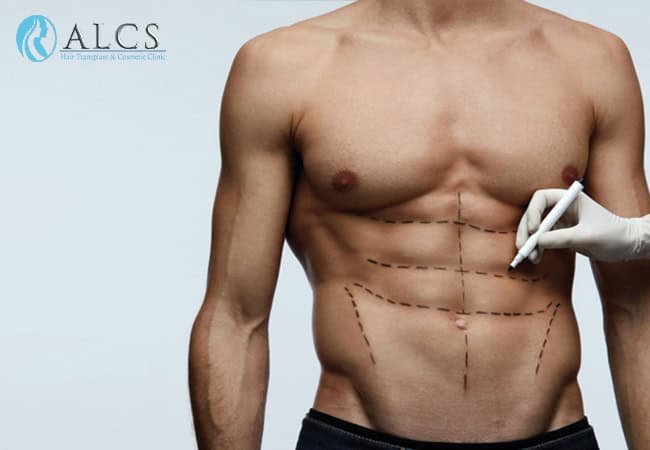
Get Expert Advice - Free Today

Does Fat Come Back After Liposuction? | Truth You Must Know

Does Fat Come Back After Liposuction?

One of the trendiest cosmetic body shaping operations is liposuction. It is used by many people to lose stubborn fat that cannot be eliminated by diet or exercise. One similar question is, Does fat recur after liposuction?

The simple explanation is: You may not get back the lost fat cells, but you can get fat when you are not careful. How this works, we should know.

How Liposuction Affects Fat Cells

Liposuction removes fat cells from certain parts of the body, like the stomach, thighs, arms, and back or hips. To know what follows, it is always beneficial to know how the body usually accumulates fat.

How the body normally stores and uses fat

There is a predetermined number of fat cells in your body. These cells serve as storage bags. As you consume calories in excess of what your body requires to utilize, these fat cells increase. The cells diminish when you burn even more calories by moving and engaging in activities.

Liposuction depletes some of these fat-storage cells in definite locations. When these cells are removed, they never regenerate. That is why liposuction permanently finds a new shape in the treated area.

However, the body is still able to store fat in the remaining fat cells. So although removed cells are lost permanently, the fat cells remaining can increase in size later on in case of weight gain.

What Happens After the Procedure: Possibilities & Realities

Your body does not act magically after liposuction. It also conforms to weight gain and weight loss planning. What is different is that there are now fewer fat cells in the treated area.

Permanence of removed fat cells vs the remaining cells’ behaviour

Here is the simple truth:

  • Ejected fat cells do not come back.
  • Fat cells that still remain can keep growing.
  • When you gain a lot of weight, new fat cells may be formed.

This is because although a certain portion of the fat layer is gone permanently, weight gain still can have an impact on your outcome. Nonetheless, due to the presence of fewer fat cells in the area that is treated, it might not increase in size as much as it used to prior to the procedure.

Scenarios: minimal weight change vs significant weight gain

Let’s explore what happens in different situations.

1. If you maintain your weight or gain just a little

Assuming that your weight remains relatively the same, your liposuction outcomes will be no different. Even a slight gain or loss in weight will not destroy the shape of the body. The treated regions might accumulate some fats, although often much less than the untreated ones.

2. If you gain a moderate amount of weight

Even when you gain about 5-10 kg of weight, fat cells may continue to expand.

This may cause:

  • Both treated and untreated enlargement.
  • Slight changes in body shape
  • A little lumpiness based on part of the weight.

The liposuction findings can still be present, but the definition might soften.

3. If you gain a significant amount of weight

In case the gain of weight is substantial, the body can form new fat cells even on the side that is treated. This occurs when there is significant weight gain.

In this situation:

  • Fat may revive treated areas.
  • Even untreated areas may increase.
  • The final outcome can be quite different.

Factors influencing fat return

The outcome following liposuction depends on a number of factors:

  • Lifestyle: These are your diet, physical activity, and exercise routine.
  • Weight gain: Small gains influenced outcomes; big gains can produce fat cells.
  • Metabolism: There are those who have a tendency to gain weight.
  • Hormonal factors: Pregnancy, menopause, drugs, or stress can lead to fat storage.
  • Genetics: The inherited distribution of fats is a key factor.

How to Maintain Your Liposuction Results

Liposuction offers you a jump-start into the process; however, the conclusion is the one you have to stay with.

The following are the main ways to make your output sustainable.

Significance of stable weight, exercise, and a healthy diet

1. Maintain a stable weight
This is the most significant variable. Unstable weight influences fat allocation and may decrease the quality of performance.

2. Follow a balanced diet
Select foods that will make you feel full without the need to gain extra calories:

  • Lean proteins
  • Vegetables and fruits
  • Whole grains
  • Healthy fats
  • Plenty of water

Limit the consumption of sweet, fried, or high-calorie foods.

3. Exercise regularly
Exercises make fat cells small. Aim for:

  • Cardio (walking, cycling, swimming)
  • Strength training
  • Core exercises
  • Everyday movement

Even an everyday 30-minutes exercise can have a huge impact.

Monitoring and possibly additional procedures

Sometimes, despite being a healthy person, little distortions or new problem details can manifest themselves over time. In such cases:

  • Consultation with your surgeon after discharge aids in monitoring outcomes.
  • Other contouring treatments like touch-up liposuction, non-invasive reduction of fat, or tightening of the skin can assist.
  • Early monitoring eliminates bigger problems in the future.

Liposuction is not a magic bullet, but it can be sustained through proper habits.

Common Myths & What to Ask Your Surgeon

Myth: “Once done, I’ll never gain fat again.”

Liposuction also makes a person believe that he/she is permanently thin. This is not true.

Reality: You still can gain fat; the treated area changed, but it is not immune

The fat cells multiply slowly, but once you already have them, they can also increase.

The treated areas do not become inactive, so they do not gain less fat than before.
In addition, untreated spots can accumulate additional fat in case of weight gain.

Important questions to ask your surgeon

Prior to undergoing liposuction, ask your surgeon:

  • What is the number of fat cells to be eliminated?
  • What impact will the weight gain have on my results?
  • What are your lifestyle recommendations?
  • Will liposuction help loosen skin, or do I require another procedure?
  • How soon can I see results?
  • Would I require follow-up?

The better informed you are, the better the results and experience.

Final Thoughts: What You Should Know Going In

Liposuction is a great contouring device, but not a substitute for healthy habits. These are the most important points to note:

  • The fat cells cannot be reproduced, so liposuction cannot prevent weight gain.
  • The body may continue to multiply existing fat cells or, when one gains a lot of weight, form new ones.
  • Realistic expectations mean long-term success.
  • You still require good food habits, exercise, and control of weight.
  • Liposuction makes the body, but it does not regulate the overall metabolism of the body.

Consider liposuction as an investment. It provides you with a stronger starting point, but it is up to you to take care of it.

FAQs / People Also Ask:

Will the fat come back after liposuction?

The extra fat cells are forever gone. However, with weight gain, the existing cells can grow, and new fat cells can appear with significant weight gain.

If fat cells are removed, why can I still gain weight after liposuction?

Because the body has not lost all the fat cells, such cells have the ability to grow bigger when you intake more calories than you expend.

Does fat return in treated areas or only in untreated areas?

Fat can return to both. Treated areas tend to gain less due to low cellular content, whereas untreated ones tend to gain.

What lifestyle changes should I make after liposuction to preserve results?

Maintain a normal weight, eat right, exercise, drink plenty of water, and do not overeat.

Can I have liposuction again if I gain weight back after the first one?

Yes, if needed. Sometimes surgeons conduct a second liposuction session for touch-ups or to correct changes that have been caused by weight gain.
Is Liposuction Safe for Men & Women Over 40?

Age, in itself, is not a barrier to liposuction. That’s why liposuction is considered safe for men and women over 40.

It should be noted that there is no upper age limit on liposuction, as long as the surgeon deems you fit for the surgery after a comprehensive medical assessment.

Understanding How Age Affects Liposuction Results

As we age, our body goes through a number of changes, but skin laxity is the most important. The biggest issue with liposuction is skin laxity, which is partly determined by skin ageing. 

While skin health always has a genetic component, there are many environmental factors that greatly impact the physiological age of your skin. This includes:

  • UV Exposure 
  • Stress
  • Smoking habit
  • Vitamin D deficiency 

All of these factors cause your skin to age faster, and may prevent the skin from retracting after liposuction (causing the appearance of loose, hanging skin).

If your skin is fairly tight (it does not hang),  then there’s a good chance your liposuction will be successful. If your skin is loose, you may need a different procedure such as a tummy tuck or a face lift otherwise removing fat in the area can just make loose skin more visible

Other factors that might disqualify someone from liposuction include health conditions, especially cardiovascular disease. These health conditions develop particularly after the age of 40 due to unhealthy lifestyle and genetics.

Ideal Candidates for Liposuction in Their 40s and Beyond

The ideal candidate for liposuction is going to be within 10-15 kgs of their ideal weight, in good general health, and has good skin laxity. They should also have reasonable expectations about their results, should not be actively gaining weight, and shouldn’t be using liposuction as a substitute for weight loss.

As we age, there are less chances of being a liposuction candidate. However, if you are in good general health and have good skin laxity, you’re very likely still a good candidate for liposuction.

Health Considerations Before Surgery

Prior to surgery, a detailed medical evaluation is necessary to assess factors such as cardiovascular health, the presence of chronic conditions, and medication use. These factors can influence both the safety of the procedure and the recovery process. 

It’s crucial for older adults to have a thorough discussion with their surgeon about potential risks and how their age might affect their recovery and the outcomes of liposuction.

  • Comprehensive health assessment: A comprehensive health assessment is necessary for older adults considering liposuction. This assessment includes reviewing medical history, current medications, and existing health conditions. Understanding these factors helps minimize risks during surgery.

Conditions like diabetes or obesity can complicate procedures. Surgeons must know about these conditions to make informed decisions. Blood tests and imaging studies may be required to evaluate overall health status.

  • Cardiovascular health assessment: Evaluating cardiovascular health is essential before any surgical procedure. Older adults may have underlying heart conditions. These can increase the risks associated with liposuction. 

Conditions such as hypertension or arrhythmias should be assessed. A thorough evaluation helps determine if a patient can safely undergo surgery. This ensures that the heart can handle the stress of surgery. 

Common Body Areas for Liposuction After 40

Liposuction is commonly done for the excessive fat accumulation that occurs during middle age.

For women, middle-age spread tends to appear around the hips, thighs, abdomen or upper arms.

excess fat around the waistline, chest or lower back. In some cases, men may receive liposuction during a breast reduction procedure when being treated for gynecomastia.

Since these areas often don’t respond readily to diet and exercise, they can be reduced successfully in most cases with liposuction in both men and women.

How Recovery Differs for Men and Women Over 40

During recovery from liposuction both men and women experience swelling, bruising, and the need for compression garments. However, men’s thicker skin can sometimes mask swelling but may take slightly longer to heal.

Recovery in general may take longer for those above the age of 40 in both men and women. This can be due to several reasons: 

  • Healing times increase due to factors like reduced circulation of blood and skin elasticity. 
  • Patients may also have pre-existing conditions that complicate healing after liposuction.

To maintain results, both men and women need adequate rest, proper nutrition and hydration, and follow-up appointments.

  • Rest: Rest plays a significant role in healing. It is important plan for adequate rest and follow post-operative instructions closely after liposuction. 
  • Nutrition and Hydration:  A balanced diet rich in vitamins will aid recovery. Hydration also supports the recovery process. Drinking plenty of water helps maintain skin elasticity and promotes healing.
  • Follow-up appointments: Follow-up appointments with the surgeon are essential. It ensures that the recovery process is on track and allows the surgeon to address any complications that may arise during recovery.

What to Expect From Long-Term Results

Setting realistic expectations is crucial for all liposuction candidates, especially those above 50. The goal of liposuction is to refine and contour rather than to dramatically change one’s appearance.

It is important to note that the results may differ due to age-related changes in skin quality. some degree of loose skin may remain after surgery due to natural ageing processes.

Maintaining a healthy lifestyle plays a significant role in achieving desired results after liposuction. Regular exercise and a balanced diet support overall health and enhance the outcome of the procedure.

Alternative Fat-Reduction Options for Mature Skin

Gastric balloon: It is a procedure in which a silicone balloon is inserted into the patient’s stomach via endoscopic under sedation. After insertion, the surgeon inflates the balloon with a sterile saline solution. The balloon stays in the stomach for a period of 6 months to reduce the feeling of hunger and thus help the patient adapt his or her eating habits.

Pros: 

  • It helps reduce weight (and fat)
  • Long term effects can be achieved
  • It also helps improve the overall health of a person

Cons:

  • It takes 1-2 months to see the effects
  • It requires undergoing two surgeries (one for insertion of gastric balloon and one for removal)

Non-surgical alternatives for fat reduction: These procedures use technologies such as ultrasound or fat freezing to target and reduce fat cells.

  • Ultrasound cavitation: This procedure uses ultrasound waves to break down fat cells, which are then naturally eliminated by the body.
  • Cryolipolysis: This technique involves targeting specific areas with cold temperatures to freeze and destroy fat cells gradually

Pros: 

  • No downtime since there’s no surgery involved 
  • It provides spot reduction of fat

Cons:

  • It may not provide results as significant as liposuction would.

If excess skin around your tummy and neck is what bothers you, then skin tightening or skin lifts may be the right options to achieve your aesthetic goals.

  • Skin tightening treatments: These non-surgical methods use radiofrequency or ultrasound technology to boost collagen production.
  • Facelift or neck lift: These surgical options can remove excess skin and improve facial contours.

Conclusion

Liposuction can be safely performed for those above 40 years of age, looking to reduce the fat in the troublesome areas of the body. There are factors that affect the eligibility of liposuction, such as skin laxity and health conditions, which affect the results of liposuction. 

It is important to understand the potential outcome and realistic expectations of the liposuction after consulting your surgeon.

Can I Sit After Brazilian Butt Lift Surgery?

The answer to this question is Yes and No. While sitting is generally not recommended for the first 6 weeks after a BBL, it can be done using specific sitting techniques and BBL cushions and pillows.

Why Sitting After BBL Needs Special Care

The first few weeks after the BBL require special care for the stabilization of the fat cells. During the initial post-operation phase is when the new transferred fat cells are vulnerable and require time to settle into the place of injection. 

The fat cells are in a delicate stage where new blood vessels are forming slowly, which are necessary to supply blood to these new fat cells. This stage is called the BBL fluffing phase which is necessary for long-term stability and survival of the fat cells.

To avoid damaging these fragile fat cells, sitting after BBL surgery requires special care.

How Long to Avoid Sitting Post-Surgery

It is best to limit the amount of sitting for at least 2 weeks after the BBL and for periods not more than 10 minutes at a stretch.

After 2 weeks, sitting duration can be increased as there are lesser chances of fat cells destruction. However, breaks should be taken frequently while sitting.

This is continued with gradually increasing the amount of sitting duration till 6 weeks. 

After 6-8 weeks, transition to normalcy begins. It is important to listen to your body and your surgeon’s recovery recommendations to achieve the best BBL outcome.

Safe Sitting Techniques After a BBL

Since it is not recommended to sit until stabilization of the BBL surgery is complete, alternative sitting techniques can be used.

  • Backwards chair sitting: 

In this technique, a chair without armrests is needed. You will be facing the backrest of the chair, as in straddling it. This ensures that you do not sit directly on the buttocks.

  • Elevated buttocks sitting:

This technique requires the use of a cushion. Place the cushion on the chair, while gently lowering yourself into a mid-sitting position so that only the thighs are in contact with the cushion. This prevents pressure on the buttocks.

  • Kneeling chair sitting: 

Alternatively, if you need to perform tasks such as working or studying, a kneeling chair is recommended.

These 3 safe sitting techniques minimize the pressure on the buttock fat cells, allowing better integration of the BBL.

Recommended BBL Pillows and Cushions

To avoid exerting pressure on the fat cells while sitting during the first few weeks after the BBL surgery, you will need to use BBL Pillows and Cushions.

  • BBL recovery pillow for chair seat: These pillows are made up of memory foam which provides gentle support to the contours of the buttocks. They cradle the thighs while allowing the buttocks to hang. They are engineered for optimal BBL outcomes while providing adequate support for chair sitting.
  • BBL donut pillow: Its unique shape provides a wide force-bearing area, supporting the back and thigh without exerting pressure on the buttocks. It can be used while sitting, driving and even lying down.
  • BBL pillow for back support: These pillows provide comfort to the back using lumbar support while reducing the pressure on the lower back. Its ergonomic design also promotes proper posture.

The length of time that the BBL Pillows and Cushions need to be used depend on the individual case as well as the instructions given by the surgeon.

Recovery Timeline: Week-by-Week Guide

Full recovery after a BBL surgery can take up to 6 months.

Immediately after the BBL surgery the buttocks me appear slightly larger than intended because extra fat is inserted. Over time the size will decrease a little as some of it gets naturally absorbed, leaving the final stabilised appearance of the buttocks by .

  • Week 1 – Week 3: During the first three weeks after BBL surgery, it is of utmost importance to avoid any pressure on the buttocks region. This is because the fat cells can easily get displaced.

This means that sitting directly on your buttocks is not allowed and BBL cushions/ pillows should be used at all times for sitting. Only loose fitting clothing should be worn.

  • Week 4: Depending on the healing rate of the BBL, sitting without a pillow/ cushion may be permitted. 

If you need to drive, a special BBL pillow needs to be used.

  • Week 5 – Week 6: At about 5 weeks, the BBL healing process is typically complete. Your regular activities can be resumed. You can wear tight clothing if desired.

What Happens If You Sit Too Soon?

There are several risks of sitting too soon after a BBL surgery

  • Shifting of fat cells:

Sitting too soon after a BBL exerts pressure on the fat cells which cause them to get displaced before they are fully integrated. This can lead to improper shape and contour of the buttocks. 

  • Reduced blood circulation to the fat cells

Sitting down after a BBL compresses the blood vessels leading to impaired blood circulation to the fat cells. The consequences of reduced blood circulation is death of the newly grafted fat cells, leading to failure of the BBL outcome.

Tips to Preserve Your BBL Results

After undergoing a BBL, it is important to know that maintenance of the BBL results depend on your commitment to maintaining them. Adhering to specific tips have been shown to effectively preserve the results of a BBL surgery.

  • Wear the compression garment: 

Soon after the BBL surgery, you will need to wear a compression garment for the buttocks. This helps to reduce discomfort and swelling while the healing of the buttocks takes place. Be sure to wear it for at least 12 hours a day.

  • Maintain a stable body weight:

The newly transferred fat cells respond to changes in body weight by changing its size. Excess weight gain or weight loss causes the fat cells to change shape, affecting the overall look and contour of the buttocks. Maintaining a stable weight can prevent this from happening.

  • Wear comfortable clothing:

Avoid wearing tight-fitting clothes as this may exert excess pressure on the fats cells in the buttocks, potentially altering the shape and contour. Wearing comfortable clothing allows the fat cells to settle in till stabilization is complete.

  • Perform glute exercises:

While a BBL surgery can give you the perfect shape of the buttocks, further enhancement of the buttocks can be obtained with glute exercises. Glute-specific exercises can tone up and lift the buttocks. It is wise to incorporate these exercises into your regular exercise workout.

Key Takeaways

Sitting after Brazilian Butt Lift Surgery is generally not recommended as it can exert pressure on the transplanted fat cells in the buttocks leading to poor outcomes. 

Your surgeon’s recommendations for sitting should be strictly followed to prevent displacement of the buttocks fat cells. There are safe sitting techniques and special BBL Pillows/ cushions that permit you to sit while the BBL heals.

Liposuction vs Weight Loss: What’s the Difference?

In today’s fast-paced world, many people are seeking various ways to improve physical appearance and overall health. Two of the popular choices to slim down or reshape specific areas of the body are natural weight loss through diet and exercise and liposuction. Both serve different purposes and offer different outcomes.

Therefore, understanding the differences between the two approaches may help individuals make an informed decision about which option is right for your body, lifestyle, and your goals. 

Keep reading to know more about the differences between liposuction and weight loss and the factors that help in deciding the best option suitable for you!

Understanding Weight Loss 

Weight loss refers to a process of reducing overall body mass, including fat, muscle, and water levels. It focuses on creating a calorie-deficient diet where you burn more calories than you consume. 

It is typically achieved through a combination of lifestyle changes, dietary adjustments, and increased physical activity.

It is usually done to reduce the risk of diseases or as a part of personal fitness goals. It is a gradual process and requires long-term commitment. It is preferable to consult a healthcare professional for a medical evaluation and personalized weight loss program to ensure safety and effectiveness.

Understanding Liposuction 

Liposuction is a cosmetic surgical process performed under local or general anaesthesia to remove stubborn pockets of fat from specific areas of the body that are resistant to diet and exercise. It must be carried out by a certified plastic or cosmetic surgeon. 

This procedure targets areas, including the abdomen, thighs, arms, hips, or chin, making it ideal for individuals struggling with localized fat deposits. There are different techniques, including tumescent liposuction, ultrasound-assisted liposuction, or laser-assisted liposuction, each with its unique advantages.

It is specifically done for body contouring and not intended for overall body mass reduction. The results are almost visible immediately after recovery, once the swelling subsides.. 

Liposuction Vs Weight Loss

The key differences between liposuction and weight loss include

Purpose

The most significant difference between the two methods lies in their purpose. The purpose of weight loss is to achieve sustainable, healthy weight to support a long, active life. 

It reduces overall body fat, improves metabolic function, lowers the risk of chronic illnesses, including diabetes and heart disease, and often enhances overall physical and mental well-being. It requires lifestyle changes to achieve long-lasting results. 

In contrast, liposuction is focused on body contouring. It is usually chosen by individuals who are close to their ideal weight but have stubborn fat in certain areas. It does not treat obesity or improve metabolic health.  Additionally, without maintaining a healthy lifestyle after the procedure, the effects of liposuction may diminish over time.

Good candidate

      Weight loss is best-suited for individuals who are overweight or obese and want to improve their health and appearance. This approach is most effective when the individual is committed to long-term lifestyle changes. It may also help in reducing the risk of underlying health issues, including hypertension and high cholesterol.

Liposuction, however, is typically performed for candidates who are close to ideal weight, have good skin elasticity, are non-smokers, and have realistic expectations. It is not a solution for significant weight reduction.

Type of fat targeted

Another important difference is the type of fat targeted. Weight loss involves removing both subcutaneous fat and visceral fat. Reducing visceral fat may help in controlling different health markers, including heart disease, insulin resistance, and other health problems.

However, liposuction only removes excess subcutaneous fat, which is found directly beneath the skin through surgical suction. So, it is not recommended for managing obesity or serious weight-related health issues.

Timeframe

Weight loss typically requires time to achieve results, as it is a gradual process and depends on the weight to be lost and the individual’s adherence to their regimen. The results are long-lasting if the individuals maintain the lifestyle measures.

However, liposuction results are often visible immediately after the swelling subsides, providing a quicker change in body shape. However, if the patient gains weight after the procedure, it may accumulate in other areas. 

Risks Associated

The risks associated with weight loss are minimal when done under supervision with a medical professional. However, the individual may experience nutrient deficiencies, muscle loss, and weight regain. 

On the other hand, risks associated with liposuction may include infection, pain, and scarring. Sometimes, results may cause uneven lumps and bumps.

Weight lossLiposuction
PurposeFor a sustainable, healthy weight and improved overall healthFor body contouring and removing stubborn fat deposits from specific areas
CandidateOverweight or obese individuals who want to improve their healthIndividuals close to their ideal weight, with good skin elasticity, non-smokers, and have realistic goals
Type of targeted fatBoth subcutaneous and visceral fatOnly subcutaneous fat
TimeframeGradual processImmediate visual improvement post-surgery and recovery
RisksLow risks. Potential for nutrient deficiencies, muscle loss or weight regainSurgical risks include infection, scarring, pain, or uneven fat removal.

Table: Key differences between weight loss and liposuction

Which One Is Right For You?

Choosing between liposuction and weight loss depends on personal goals, health conditions, and expectations.

  • If the goal is to improve health, reduce the risk of disease and overall weight, then natural weight loss techniques through diet and exercise are suitable for you.
  • If you have a healthy weight and the goal is to fine-tune the body shape by removing stubborn fat in specific areas, liposuction may be appropriate.

Some individuals may combine losing weight naturally and then opting for liposuction to achieve their health goals. Consulting with a qualified professional is essential for determining a personalized treatment plan that is suitable for your health and aesthetic goals.

Conclusion

Weight loss is a natural, long-term approach to losing weight and having better health, while liposuction is a surgical procedure aimed at improving body contours by removing localized fat deposits. However, it is preferable to consult your healthcare provider to determine the approach best suited for you.

If you are looking for expert advice and personalized care in liposuction or weight management, ALCS Clinic in Jaipur, led by Dr Sunil Arora, offers comprehensive services tailored to your needs. The experienced team at ALCS will guide you through the safest and most effective course of treatment tailored to your needs. 

Frequently Asked Questions

Is liposuction a weight loss procedure?

Liposuction is not considered a weight-loss procedure or an alternative to a weight loss. It is a body contouring surgery that is designed to remove stubborn fat from targeted areas. It does not result in significant weight reduction in the body.

Can I combine weight loss and liposuction?

Yes, many individuals may combine both weight loss and liposuction. They may choose to lose weight naturally and then undergo liposuction to contour specific areas. However, it is advisable to consult your healthcare professional before combining these two processes.

How long do liposuction results last?

Liposuction results may be long-lasting, especially if a healthy lifestyle is maintained. However, weight gain after the procedure may cause the fat to build up in untreated areas, affecting the overall appearance.

Are the results from weight loss and liposuction permanent?

Both weight loss and liposuction may offer long-lasting results, but maintaining a healthy lifestyle is important. You may regain weight after losing it, especially if you don’t adhere to lifestyle modifications. Also, liposuction results may not last if you don’t maintain a stable weight.

References

https://pubmed.ncbi.nlm.nih.gov/33085282/

https://pubmed.ncbi.nlm.nih.gov/29158895

https://pubmed.ncbi.nlm.nih.gov/34159755

https://ajcn.nutrition.org/article/S0002-9165(22)03882-5/fulltext

How Much Fat Can Be Removed in One Liposuction Session?

Liposuction is one of the most popular cosmetic procedures performed worldwide that helps reshape the body by removing stubborn fat deposits. For many prospective individuals considering the procedure, one key question arises: ‘What is the maximum amount of fat that can be safely removed during liposuction?’.

This blog post explores the maximum fat removal limits, safety guidelines, and factors that influence the amount of fat that can be removed in a single session, to help you make informed decisions about the procedure. 

Understanding Liposuction

Liposuction is a popular cosmetic procedure done to remove fat from specific areas of the body, including the stomach, hips, thighs, buttocks, arms, or neck. 

While it is often mistaken for a weight-loss solution, it is not a weight-loss method or an alternative to weight loss. It is suitable for individuals who are near the ideal weight but have areas of fat that do not respond well to diet and exercise. 

The procedure helps to target stubborn fat, improve body contour, and shape, thereby boosting confidence.

Ideal Candidates For Liposuction

Not everyone is an ideal candidate for liposuction. The ideal candidates for liposuction include individuals who 

  • Are in good physical health
  • Have a normal, stable weight range
  • Have firm, elastic skin and good muscle tone
  • Have localized fat deposits
  • Have realistic expectations about the procedure

Patients with underlying conditions, including heart disease, bleeding disorders, or compromised immune system, may not be suitable for large-volume liposuction. 

How Does Liposuction Work?

The surgeon will discuss with the patient their overall goals associated with the surgery and plans the treatment based on the individual’s anatomy, age, and medical history. The different steps in the liposuction procedure include

  • Marking the area: Your surgeon cleans and marks the area where the fat is to be removed.
  • Administration of anaesthesia: Local or general anaesthesia is administered depending on the procedure.
  • Tumescent fluid injection: A special tumescent fluid is injected into the targeted areas.
  • Removal of fat: The surgeon may use ultrasonic probes to break the fat, which liquefies the fat which is then sucked out with a small cannula about 3-5mm.
  • Post-operative care: After the treatment, the patient is strongly recommended to wear a compression garment to minimize the swelling and bruising, promoting faster recovery.

What Is The Maximum Amount Of Fat That Can Be Removed With Liposuction?

The most widely accepted guideline for the maximum limit of fat removal in a single liposuction procedure is five liters (5000ml) approximately 10-11 pounds.

Usually, about 3 to 5 liters of fat can be safely removed in a single session of liposuction for most individuals. This volume equates to about 6 to 10 pounds of fat. 

However, the amount that can be removed will vary depending on the volume of fat in the treatment areas, your body shape, desired results, and skin elasticity.

Risks Associated With Excessive Fat Removal In One Liposuction Session

Body fat may play a critical role in body function. The American Society of Plastic Surgeons considers removing more than five liters of fat to be excessive, making the procedure traumatic to the patient. 

According to the ASPS study, patients undergoing liposuction in which more than five liters of fat was removed had a higher complication rate of 3.7 percent due to an increase in seromas compared to 1.1% in those who had less than 5 liters removed. 

Removing too much fat at once may create serious complications and unsatisfactory results.

The potential risks include 

  • Excessive swelling and bruising
  • Fluid imbalance
  • Seroma (fluid buildup under the skin)
  • Delayed healing
  • Increased risk of infection
  • Fat embolism (fat entering the bloodstream)
  • Irregular body contours
  • Need for hospitalization or blood transfusion

Factors That Determine The Amount Of Fat Removed

The amount of fat that can be safely removed from liposuction surgery may vary between individuals and is dependent on different factors, including

  • Overall health: Your general health and medical history may help in determining the overall amount of fat that can be removed during liposuction. Patients with heart, kidney, or liver conditions may face higher surgical risks and may be limited to smaller fat volume removal.
  • Body Mass Index of the individual: Surgeons may use formulas and determine the safe limits of fat removal depending on the individual’s body mass index. Obese patients or patients with higher BMIs may tolerate a larger liposuction fat removal with a lower complication rate.
  • Area being treated: Smaller areas, including arms or chin, will yield less amount of fat than larger areas, like the abdomen and thighs. The length of surgery also plays an important role in determining the volume of fat removed. 
  • Number of areas treated: Treating multiple areas in one session may increase the surgical time and recovery challenges. The surgeon may limit the number of zones for safety.
  • Surgeon’s experience: Experienced, board-certified surgeons may better assess the safe removal volumes and minimize complications. Experienced surgeons will balance the aesthetics with medical safety.

Conclusion

Liposuction is a powerful tool for reshaping the body. The maximum fat removal in one session is typically around 5 liters, and it may vary depending on BMI, health status, treatment areas, and aesthetic goals. It is recommended to consult a certified plastic surgeon to assess the goals, health status, and create a personalized treatment plan. 

Whether you are looking for more information about liposuction or would like to perform the procedure, Dr Sunil Arora of ALCS India can help you make the right decision. Dr Arora, Jaipur’s leading Double Board-certified plastic surgeon, offers state-of-the-art liposuction procedures tailored to the unique body goals. 

Book a personalized consultation with Dr Arora to discuss your goals, examine your anatomy, and determine if liposuction is right for you. 

FAQs

Can you have more than one liposuction session?

Yes, many patients may undergo more than one liposuction procedure. The staged or multiple-session liposuction is common for patients who need large volumes of fat removed, want to treat multiple body areas and prefer a gradual transformation. It helps to reduce surgical risks, minimize blood loss, swelling, recovery time, and achieve more precise body contouring.

What if I need more than 5 liters removed?

If your goal is to remove more than 5 liters of fat, your surgeon may recommend splitting the procedure into multiple sessions. It ensures greater safety, reduces complications, and allows the body to heal properly between treatments. Large-volume liposuction should always be done by an experienced, board-certified plastic surgeon.

Is liposuction painful?

The liposuction is typically performed under anaesthesia, so it causes no pain during the procedure. The surgeon may prescribe painkillers after the procedure to minimize discomfort and pain after the procedure.

What is the minimum amount of fat removed in one liposuction?

There is no fixed minimum amount of fat removed during one liposuction session, and it may vary depending on the individual goals. Minimal fat removal is done for body contouring rather than weight reduction, targeting fat deposits in areas, including chins, arms, or inner thighs, for subtle refinements. 

How Long Does a Brazilian Butt Lift Last? Recovery & Results

What Is a Brazilian Butt Lift (BBL)?

 Brazilian butt lift (BBL) is a cosmetic operation that enhances the appearance of your buttocks. It enlarges your buttocks and gives your body profile more form by combining liposuction and fat transfer.

How It Works

Liposuction is used to remove excess fat from the thighs, hips, abdomen, or lower back. A part of this fat is then carefully injected into the buttocks. Results from Brazilian butt lifts last for several years.

Fat Transfer Process

There are two primary steps in the process:

Liposuction: This procedure involves removing extra fat from areas like the abdomen, thighs, flanks, or love handles where you may have undesired fat. A tiny tube known as a cannula is used to properly suction out the fat after tiny skin incisions have been made.

Transfer of Fat: Following the removal of the fat, it is filtered to eliminate any extra fluid, blood, or contaminants. In order to maximise fat’s survival in its new site, only healthy fat cells are chosen for reinjection. A precise injection of the refined fat is made into the buttocks. This enhances overall contour, increases volume, and raises the buttocks’ shape.

How Long Do BBL Results Last?

Using fat transfer, a successful Brazilian butt lift will leave the residual fat in place for the rest of your life. This fat will grow and mature with you, just like the rest of the tissue in your body. The effectiveness of the transferred fat in creating a blood supply determines how long BBL results last. About 60 to 80 percent of the injected fat usually survives the transfer process, though this might change based on a number of variables, including how your body reacts to the procedure.

Short-Term vs Long-Term Outcomes

Short-Term Outcomes after BBL include bruising and swelling in the contoured hips and buttocks. As the healing is still taking place, compression garments are required to help maintain the shape and contour created by the BBL. The skin over the buttocks will slowly start to retract.

Long-Term Outcomes, i.e. after six to eight months, the volume you gained will be permanent. You can expect a more stable and refined contour as the swelling is reduced and the body adapts to the transferred fat.

Factors Affecting Longevity

The duration of BBL outcomes is influenced by several important factors:

Surgical Technique & Expertise: A highly qualified and experienced surgeon ensures more long-lasting and natural-looking results by increasing the survival rate of transferred fat.

Post-Operative Care: using the suggested cushions or clothing and adhering to aftercare instructions help to minimise problems, promote optimal healing, and prevent fat retention.

Weight Stability: Substantial weight increase or loss will change the buttocks’ volume and form. Retaining results requires maintaining a steady weight.

Genetics & Ageing: Over time, the skin and underlying tissues will naturally age and alter, which may affect the skin’s firmness and contour. Long-term fat distribution and retention are also influenced by genetics.

Lifestyle Choices: For longer-lasting effects and the best possible skin condition, a balanced diet, frequent, moderate exercise, and quitting smoking are all important.

Pregnancy: BBL outcomes may be impacted by hormonal changes and weight swings.

H2: Brazilian Butt Lift Recovery Timeline

How well your BBL results hold up over time depends in large part on recovery. The operation or series of procedures you have will determine how long it takes you to recuperate.

First Week After Surgery

Both the buttocks and the liposuction areas may swell, bruise, and cause discomfort during the first few days. To assist control any pain, your surgeon will recommend painkillers.

To make sure everything heals completely, your doctor will keep a close eye on you for any indications of infection or problems. For a few weeks, it is recommended that you refrain from sitting directly on your buttocks in order to allow the transferred fat cells to create a blood supply. Alternatively, you can lie on your stomach or sit on a cushion. You cannot sit directly on your buttocks. For sitting-down scenarios, such as using the loo or eating, you will need to use a BBL pillow.Avoiding direct pressure during this time is crucial to the procedure’s success.

To reduce swelling and promote skin retraction around the liposuctioned areas, you might need to wear a compression garment. Walking for short periods of time is actually advised since it increases circulation, lowers oedema, and avoids blood clots.

When You Can Resume Normal Activity

After a Brazilian butt lift treatment, patients can typically return to their regular routine and light daily activities between 10 and 14 days later. However, they shouldn’t engage in demanding activities like violent exercises, stretching, crouching, or extended periods of sitting. Patients are released from their restrictions and it is safe to resume safe exercises after BBL when the new blood supply to the transferred fat has sufficiently developed and healed to permit normal sitting patterns without endangering the newly formed buttocks. This occurs in about four to six weeks of recovery.

Tips to Maintain BBL Results

Lifestyle Habits

Maintaining your BBL results greatly depends on leading a healthy lifestyle. Eat a diet full of nutritious foods, lean meats, healthy fats, and an abundance of fruits and vegetables. Avoid alcohol use and smoking as these behaviours might impair blood flow and slow the healing process.

Weight Management:

Because the transferred fat cells act like regular fat cells, their size will change in response to weight gain or decrease. Your BBL results may be impacted by rapid weight loss or gain since it can change the distribution of fat and change the volume and contour of your buttocks.

Wearing Compression Garments

After BBL surgery, wearing a compression garment is essential to your recovery. In order to reduce swelling, promote skin retraction, and enhance fat survival at liposuction sites, patients must wear a compression garment.

When to Consider a Touch-Up Procedure

Even though a BBL produces results that last, some patients can decide to have touch-up operations done to keep their preferred appearance.

• If volume is reduced more than anticipated by fat absorption; 

• If asymmetrical outcomes arise as a result of unequal fat survival

• Discontent with the first result

• If the suppleness of the skin changes with age.

Conclusion: Is BBL a Long-Term Investment?

The long-lasting effects of a Brazilian butt lift are one of its main benefits. Compared to implants, the fat is more likely to remain in place because it originates from your own body. With its benefits for body contouring and increased curves, a Brazilian butt lift is a wise investment for many patients. Your results can persist for more than ten years provided you take good care of yourself and have a healthy lifestyle.

FAQs / People Also Ask:

Does fat move after a BBL?

Putting pressure on the treated areas by sitting or lying on your backside in the first few weeks after a BBL can distort the fat cells causing it to become lumpy in some areas or resulting in volume loss. After 6-8 months, the fat cells position remains fixed and will not move.

How much fat survives after a Brazilian Butt Lift?

In the first several months, the body naturally absorbs the remaining injected fat, with just 50% to 70% of it typically surviving.

Can BBL results go away over time?

Although they are not permanent, the effects of a Brazilian butt lift might persist for a long time. Your BBL should endure for a few years to ten years. The effectiveness of the transferred fat in creating a blood supply determines how long BBL results last.

Is it safe to sit after a BBL?

It’s important to avoid sitting for at least two weeks following a BBL. The freshly grafted fat cells may experience excessive pressure even when you’re sitting on a cushion.

What is the downtime for BBL recovery?

Although the final results of a Brazilian Butt Lift (BBL) can take up to six months to manifest, the initial recuperation period is approximately two to three months. While the full effects of a Brazilian Butt Lift take three to six months to manifest, the first improvements show up once the swelling goes down.

Liposuction Vs Tummy Tuck- Differences You Must Know

Liposuction and tummy tuck are two of the most popular cosmetic procedures designed to achieve a flatter and contoured midsection. However, they work in different ways and therefore, it is essential to know the differences between these procedures to determine the procedure best suited for your needs.

In this blog post, we will discuss the key differences between liposuction and a tummy tuck to help you choose the right procedure.

Understanding Liposuction

Liposuction, also known as lipoplasty or body contouring is a minimally invasive surgery done to remove stubborn fat deposits from specific areas of the body, including the abdomen, thighs, arms, and back. It is performed by a cosmetic or plastic surgeon.

The key steps in the procedure are

  • Your surgeon applies a local anaesthetic to the midsection.
  • Small incisions are made around the site of the fat deposits.
  • A thin tube, called a cannula, will be inserted through incisions, injected with a special tumescent fluid to loosen the fat cells.
  • A medical vacuum is used to suction the dislodged fat deposits. The incisions are closed with sutures

Understanding Tummy Tuck

Tummy tuck, also known as abdominoplasty, is a more invasive surgery done to improve the shape and appearance of the abdomen by removing the excess skin and fat from the abdominal area.

It is performed by a plastic or cosmetic surgeon and addresses both abdominal muscle weakness and loose skin by removing excess skin resulting in a firmer and toned abdominal contour.

The key steps in the procedure are

  • Your surgeon will give general anaesthesia or intravenous sedation.
  • An incision is made at the bottom of the skin that covers the abdominal wall.
  • Your surgeon will remove the excess fat and skin from the abdomen, tighten the underlying abdominal muscles to create a firmer midsection and remove the extra skin. The incisions are closed with sutures.

Liposuction Vs Tummy Tuck: Key Differences

Both liposuction and tummy tuck are commonly used to achieve similar cosmetic goals. However, they have distinct differences between the two procedures. 

Ideal Candidate

Liposuction 

Liposuction may be ideal for individuals looking to remove small fat deposits found on the hips, thighs, buttocks, or stomach area that do not respond to exercise and diet. 

It is preferable for individuals with good skin elasticity, average or slightly above-average body weight, good general health or non-smokers. However, it is not recommended if you are obese and want to use it as a weight loss tool.

Tummy tuck

A tummy tuck is used for removing excess fat from the abdomen or for correcting weakened abdominal muscles due to weight loss or pregnancy. It is not preferred if your BMI is over 30, have a chronic heart condition, have had abdominal surgery that has caused lots of scars, or want to get pregnant in the future.

Expected outcome

Both liposuction and a tummy tuck claim permanent results. 

Liposuction 

Individuals may have a flatter abdomen and a more balanced midsection after the procedure. The resultant body shape are typically permanent. However, if you gain weight, you may reaccumulate fat, though not in the areas that were suctioned. 

Tummy tuck

A tummy tuck results in a flatter and toned abdomen with a tighter waistline. It may improve the appearance of stretch marks and scars. The results may be long-lasting, and the excess skin that has been removed won’t return with proper lifestyle habits.

Recovery process and time

The recovery process and time also vary for these two procedures.

Liposuction 

Liposuction has a quicker and less intensive recovery. You may experience swelling and bleeding at the site of the incision. The recovery time after liposuction will depend on the number of areas operated and the need for additional liposuction sessions. 

Your surgeon may suggest wearing a compression garment to reduce swelling and support healing. 

Most patients may return to light activities within 48 hours or more, depending on the individual. However, it is advisable to avoid heavy-weight lifting and extensive cardio activities until approved by the surgeon.

Tummy tuck

The recovery time after a tummy tuck is longer and more intense. The incision is covered with a surgical dressing that needs to be changed frequently. 

You may be suggested to wear a compression garment or belly binder. You may be prescribed pain relievers and antibiotics to manage pain.

Light movement is encouraged within a day with assistance to prevent blood clot formation. However, you may take two to six weeks for the recovery phase. Surgical drains may remain in place for up to two weeks, and regular follow-ups are essential.

It is preferable to avoid bending, placing tension on the incision, heavy lifting, or intense physical activity until approved by the doctor. 

Risks and complications

While both procedures are generally safe, they carry different risks and complications, as with any surgery.

Liposuction

The risk of complications may increase if the surgeon is working on a large area and is performing multiple procedures during the same operation. 

The possible complications include 

  • Numbness in the treated area
  • Contour irregularities
  • Fluid buildup
  • Rare complications include infection, fat embolism, and internal organ injury.

Tummy tuck

Tummy may carry more complications than other cosmetic procedures and liposuction. The possible complications include

  • Wound complications and infections
  • Delayed wound healing
  • Changes in sensation
  • Fluid accumulation 
  • Tissue necrosis
  • Scarring

However, the chances of complications are rare if performed by an experienced plastic surgeon.

Cost of the procedure

The cost of the liposuction and tummy tuck procedure may vary depending on various factors, including the expertise of the surgeon, clinic, extent of the procedure, anaesthesia, compression garments, and medication. 

Liposuction

Liposuction is typically less expensive as it is less invasive and does not involve extensive tissue removal. The cost may vary depending on how many areas are treated and the technique used.

Tummy tuck

A tummy tuck tends to be more expensive as it is a more complex surgery. It often requires highly skilled surgeons and post-surgical follow-ups that may increase the total cost.

LiposuctionTummy tuck
PurposeRemoves localized fat depositsRemoves excess skin and tightens abdominal muscles
Ideal candidateIndividuals with good skin elasticity and stubborn fat pocketsIndividuals with loose skin, muscle weakness, or after weight loss and pregnancy
Recovery time Shorter recovery timeLonger recovery time
ScarringMinimal, small scars due to small incisionsNoticeable, larger scar
CostLower May be higher than liposuction

Table: Comparison between liposuction and tummy tuck

Which Procedure Is Suitable For You?

Choosing between liposuction and a tummy tuck depends on the individual’s goals and overall health. While both procedures aim to enhance the body contours, they may be ideal for different candidates.

Liposuction may be suitable for those with stubborn localized fat deposits that are resistant to diet and exercise, especially when there is no need for muscle tightening or excess skin removal. A tummy tuck may be better for individuals with loose or sagging abdominal skin often after a significant weight loss or pregnancy.

It is recommended to consult a qualified plastic or cosmetic surgeon to evaluate your body structure, skin condition, muscle tone, medical history, and aesthetic goals and suggest the appropriate procedure catering to your needs.

Conclusion

Liposuction is a minimally invasive keyhole procedure that carries little risk or lesser recovery time. A tummy tuck is considered a more invasive procedure with longer recovery time. It is recommended to consult your healthcare provider to determine which procedure is best suited for you.

If you are considering liposuction or a tummy tuck in Jaipur, feel free to book a consultation at ALCS clinic for guidance. 

With extensive experience in cosmetic surgery,  Dr. Sunil Arora provides advanced and personalised treatment plans for aesthetic and surgical excellence. 

FAQs / People Also Ask:

Can you combine liposuction with a tummy tuck?

Yes, liposuction can be safely combined with a tummy tuck for enhanced body contouring. It allows removal of stubborn fat and tightening of loose abdominal skin and muscles. However, suitability may depend on the overall health and aesthetic goals.

Is liposuction a weight loss procedure?

No, liposuction is not a weight loss procedure or an obesity treatment. It is done for removing stubborn fat pockets from different areas of the body and improving body contours. It is best suited for individuals near their ideal weight.

Will I have scars after liposuction and tummy tuck?

Both liposuction and tummy tuck are surgical procedures and may leave a scar even if performed by a medical expert. Liposuction may result in smaller, less visible scars while tummy tuck may leave a larger, more visible scar. However tummy tuck scars are usually placed in areas that can be easily hidden.

Is Liposuction Safe?

Liposuction is a cosmetic surgical procedure that is performed to get rid of the extra fat from the body of an individual. This cosmetic procedure is also known by a number of other names including lipo, body contouring, and lipoplasty.

It is a rather popular cosmetic procedure that thousands of women decide to pursue every single year.

There are many possible reasons why a woman might decide to get liposuction done including to improve the contours of the body, to enhance the shape of the body, and to remove extra fat from various parts of the body like buttocks, hips, thighs, arms, neck, abdomen, and back.

This surgery is often chosen by women who have tried everything from dieting to exercises but still can’t get rid of their extra body fat.

While liposuction is generally considered to be a safe procedure, it is still important for an individual to not treat it as a method of weight loss. There are still some possible complications and risks that are associated with this procedure.

What Can I Expect During Liposuction?

During liposuction, anesthesia will be administered to the patient. This is done so that the patient won’t feel any pain during the procedure.

However, this does not mean that the patient might still not feel some amount of pain while recovering from the surgical procedure.

The total time for recovery can depend on the area of the body where liposuction was performed. Most liposuctions are performed as a type of outpatient surgery.

And it is also common for an individual to experience some bruising, swelling, soreness, numbness, or even pain after getting liposuction done.

Thankfully, there are some tips that one can follow to minimize pain before getting the procedure. Those tips are mentioned below.

  • Have an in-depth conversation with the doctor if you have any concerns related to experiencing any possible pain
  • Discuss the type of anesthesia that the doctor has chosen to administer
  • Ask the doctor regarding any medication that you might have to take before getting the procedure done

There are also some tips that can be followed to minimize pain after getting liposuction. And those tips are mentioned below.

  • Religiously take all medications that have been prescribed by the doctor including pain medications
  • Do not forget to wear the compression garment that was recommended by the doctor
  • According to the recommendations of the doctor, keep the drains in place
  • Try to relax and rest as much as possible
  • Consume a lot of fluids
  • Try to avoid the consumption of salt as it can increase swelling, also known as edema

Is Liposuction the Right Solution for Me?

Just like any other cosmetic surgery, there are people who can be considered good candidates for liposuction while others might wish to avoid getting this cosmetic surgery.

Hence, it is always recommended that if an individual wishes to get liposuction done, then the first step should be to always talk with a medical professional. Discuss any concerns that you might have regarding the procedure with your doctor.

That being said, there are some characteristics that make an individual a good candidate for liposuction. And some of those characteristics are mentioned below.

  • The patient must not have a lot of extra skin
  • The skin should have good elasticity
  • The patient must have good muscle tone
  • The patient has first tried to get rid of the extra fat through diet and exercises but that method hasn’t worked
  • The patient is in good overall health or in good physical shape
  • The patient must not be obese or overweight
  • The patient must not smoke

An individual should avoid getting liposuction if he or she has the following characteristics.

  • The individual engages in smoking
  • One is suffering from chronic health problems
  • The individual has a weak immune system
  • The person is overweight
  • The individual has saggy skin
  • There is a medical history of cardiovascular disease, diabetes, seizures, or Deep Vein Thrombosis (DVT)
  • The individual often takes medications that increase risk during surgery like blood thinners

What Can Be the Long-Term Side Effects of Liposuction?

As has been mentioned above, liposuction is a cosmetic surgical procedure. Because of this, there can be some potential risks and complications that an individual can experience.

Hence, it is always vital to discuss the chances of all these risks and complications before getting the procedure with an experienced and qualified doctor. Some risks that one can experience during the surgery are mentioned below.

  • Complications due to anesthesia
  • Shock
  • Injuries to organs or puncture wounds
  • Burns caused due to equipment like ultrasound probes
  • Nerve damage
  • Death

There are some risks that one can experience right after getting the surgery, like:

  • Fat clots
  • Blood clots
  • Presence of excess fluids in the lungs
  • Infections
  • Swelling or edema
  • Kidney and heart problems
  • Hematoma or bleeding under the skin
  • Seroma or fluid leaking under the skin
  • Adverse reaction to anesthesia or other medications
  • Skin necrosis or death of skin cells
  • Death

During recovery, there are some risks that the patient can experience. Those risks are mentioned below.

  • Scars
  • Problems with healing
  • Infections
  • Fluid imbalance
  • Change in skin sensation
  • Problems with contours or shape of the body

Liposuction vs Tummy Tuck: Which Is Right for You?

Are you one amongst the millions who have tried everything under the sun – from strict dieting to a gruelling exercise regimen – and yet are not able to get your dream figure. This may be due to stubborn fat deposits. As they say, where there is a will, there is a way. With the increase in the number of people wanting to get the perfect body shape, there has been an equal increase in the number of surgical interventions that promise the same. 

Some of the most common plastic surgery procedures around the world like tummy tuck surgery, liposuction and body sculpting focus on this specific need of the people. But, the most important thing to keep in mind is, whether you are looking at liposuction surgery or tummy tuck, these are not weight loss procedures. They simply help you to get a better body shape, by removing the excess fat from specific parts of your body.

Do you want to know more about these specific procedures, before making up your mind, whether or not they are right for you? Below is a simple introduction to both the procedures

Liposuction

The liposuction procedure works on the principle of sucking out the excess fat from deposits in specific areas in the body like the thighs, buttocks, hips and abdominal area. It is an invasive surgical procedure and works only on the targeted area. During the liposuction surgery, your surgeon will give you an intravenous general anaesthesia. 

After numbing the target area, the surgeon will make small incisions around the targeted deposit. Using these incisions, they will insert a small tubular device that will suck out the fat, like a liquid is sucked out using a straw. Once done, the incisions will be closed. 

The results of Liposuction are generally permanent, however, if you gain weight post your surgery the fat deposits may reappear. The deposits may not reappear in the original fat deposit location. The biggest advantage of Liposuction is that since it is a targeted procedure, the results are generally great. Getting your desired body shape is now easily within reach.

Tummy Tuck

Tummy tuck is another body shaping procedure which is sometimes also performed together with liposuction. The biggest difference is that during the tummy tuck surgery, apart from the fat deposit, the excess skin is also removed by the surgeon. This is especially beneficial for people whose body shape has changed significantly in the past, for example post pregnancy or after losing lot of weight, the skin becomes sagging and loose. Tummy tuck helps to get rid of this excess skin and is therefore, one of the most sought after body shaping procedures.

Like liposuction, even tummy tuck is an invasive surgical procedure and must be performed only by a qualified surgeon. During the tummy tuck procedure, your surgeon will first administer general anaesthesia to you. Then, they will make an incision in the lower abdominal wall and expose the muscles. They will sew the muscles, cover it with the skin and remove the excess skin before closing the incision. The results of a tummy tuck are permanent in nature.

It is important to remember that a tummy tuck procedure is suggested only for those who cannot lose the excess fat deposit with diet or exercise. There are some conditions in which the patient is advised against going for tummy tuck. These conditions include but are not limited to

  1. A person having a BMR or more than 30
  2. The persons who are trying other methods to lose weight such as by dieting or exercising
  3. Ladies who intend to become pregnant in the future
  4. Patients suffering from other chronic diseases such as heart disease, diabetes etc.

Which is the Right Option?

It is quite clear from the above descriptions that even though the end goals for both liposuction and tummy tuck are similar, there is a marked difference between both. If you are looking to only remove fat deposits from certain areas for a more toned and contoured figure, liposuction is a better choice. However, if you intend to get rid of excess skin along with toned muscles, tummy tuck surgery is the way to go.

Popular Options for Male Body Contouring in India

Whether you are a man or a woman, it is a universal fact that nobody can escape the effects of time. This is why it is rather obvious that there will come a time when your body would change. Some of those changes include the stretching of the body, the skin losing its elasticity, the skin descending, and the loosening of the skin and tissues of the face. All these changes profoundly affect the contouring of the face and the body. Sadly, these effects become more prominent in men as they age. Most of these changes show up in the areas of the chest, abdomen, and the juncture between the neck and the jaw. Because of all this, it seems rather reasonable that men would want to reverse these effects. And what better way to achieve that then to opt for safe and efficient cosmetic male body contouring surgery options?

We at ALCS Clinic understand this requirement. This is why we have made it our aim to provide all our patients with the best and safest cosmetic procedures. These cosmetic procedures are primarily aimed at bringing the expectations and desired outcomes of our patients into the real-world setting. When it comes to reducing fat and tightening extra skin then, there are both surgical and nonsurgical cosmetic procedures that act as better and safer options. There are also many medical experts who believe in using a combination of both these surgical and nonsurgical options to treat the face and body contouring issues that men face all across the globe. On top of this, modern male body contouring techniques further only require a less amount of downtime to recover. This is what makes these procedures ideal for men who are always on the go and do not have a lot of time to spare.

Things to Consider Before Getting a Male Body Contouring Procedure

If an individual wants to get a male body contouring surgery done then there are many things that one needs to consider. The first thing that the individual would have to ensure is that he or she should be in contact with a board-certified cosmetic surgeon. It is suggested that one should make sure that the cosmetic surgeon is able to understand the condition and the results that the individual wishes to achieve before getting any type of surgery done. The cosmetic surgeon should also have a good amount of experience and should also possess the required skills to deliver efficient body contouring results.

After that, the individual would have to choose between opting for a surgical body contouring procedure or a nonsurgical body contouring procedure. Depending on the exact requirement and the results that one desires to achieve, the medical expert would suggest one of these options. If the medical expert suggests opting for a surgical procedure then one would also have to choose between the different types of anesthetic procedures. Further, there are many other considerations and decisions that one would have to make as the process of getting a body contouring surgery proceeds. One should also learn about the male body sculpting surgery cost.

The Nonsurgical Options Available for Tightening the Abdomen of Men

According to various reports and surveys, the abdomen is one of the primary concerns of men when it comes to their bodies. There are also many men who wish to achieve a flat and taut abdomen that comes with a set of visible abdomen muscles. This type of shape of the abdomen is also known as a ‘six-pack’. Sadly, as men become older they eventually develop a gut irrespective of the fact that they might exercise harder and for a longer period of time. The constantly changing diet and eating habits can also affect the ability of a man to achieve those highly sought six-pack abs. Thankfully, the extra fat that is located on the outside of the abdominal wall can be treated. There are also surgical and nonsurgical methods for treating that fat. And the nonsurgical options are mentioned below.

  • SculpSure
  • CoolSculpting

In both of these procedures, the medical expert proceeds to destroy the fat cells present outside the abdominal wall with the help of heat or cold. After these cells are destroyed, the human body works to eliminate those cells through the metabolic and lymphatic systems. Both of these procedures are incredibly effective, fast, and versatile. Though, to get the desired results one would have to opt for multiple treatment schedules. These treatment schedules are usually separated 6-8 weeks apart. This helps in getting the best possible results. These treatment procedures can help in reducing the targeted amount of fat by about 20%!

The Surgical Options Available for Tightening the Abdomen of Men

When it comes to surgical options available for tightening the abdomen of men then liposuction is often considered to be the gold standard. Liposuction is also one of the first treatment methods that one can come across if he or she searches for ‘body contouring men’ on the local search engine. This surgical procedure is more aggressive but is also more efficient. With the help of this procedure, the medical expert can even re-sculpt the entire body.

To further increase the efficiency of this procedure, there are many medical experts who also believe in taking advantage of laser technology. In the correct patient, this procedure can even reveal the hidden six-pack abs. The recovery time can also vary but it usually lasts for around 6 weeks. However, it is also recommended that one should wear a compression garment to aid in getting better contouring and skin tightening results.

Get a Flatter Chest With the Help of Gynecomastia

Men are also often worried about their chests. And sadly, some men have some sort of fullness in their chests. This fullness is mainly caused due to the presence of an extra amount of glandular tissues, fat, or even a combination of both fat and tissues. This condition is known as gynecomastia. And correcting this medical condition also falls under the category of body contouring. According to experts, this procedure for body contouring men can be difficult. But the gynecomastia surgical cosmetic procedure can help a man in getting the best results. There are various procedures that can be followed to perform gynecomastia surgery. The selection of the exact procedure would primarily depend on the exact cause of this medical condition. For example, if a man is suffering from gynecomastia due to the presence of too much fat then a liposuction treatment is often the best choice. Reducing the extra fat and sculpting can also trim the chest area and provide a more masculine look. This surgical procedure can be done under the presence of a local anesthetic with a limited amount of recovery and downtime.

On the other hand, if gynecomastia is caused due to the presence of an extra amount of glandular tissues and fat at the same time then, the extra glandular tissues have to be surgically removed. This would allow the individual to have a smooth and flat chest that he might have always desired. There are also various options for the placements of incisions in this case. The amount of breast tissues that one wants to get rid of would determine the placements of the incisions.

It is rather obvious that one might also be plagued with the idea of scars in this case. This is why it is suggested that one should only opt for the services of an experienced cosmetic surgeon. This is mainly due to the fact that experienced cosmetic surgeons know just where they need to make the incisions so that the scars are as hidden as possible. In cases where men also have an extra amount of loose skin in tow with extra muscle glands and skins then, it is also important for the medical expert to remove and adjust the skin of the chest area as well.

Getting that Crisp Jaw Line that You Have Always Dreamed About!

Every man wants to have a crisp jawline as it provides them with a youthful appearance. There are many men who are not even born with that kind of jawline and some men who lose this gorgeous jawline with age. This is because of the fact that the area under the chin is one of the major spots for men to accumulate extra fat. This extra amount of fat can make one look overweight and dumpy even when one is not. Thankfully, with the help of CoolSculpting and SculpSure men can get rid of this extra fat in a noninvasive and nonsurgical method. There is another effective method that is known as Kybella. In this method, some substance is injected under the skin. This method targets the fat present under the chin.

If a man has a lot of extra fat present then liposuction is often the right way to go. If the skin elasticity of a man is still good and working optimally then these procedures can be provided without any additional procedures. However, if a man suffers from a lack of skin elasticity then he or she would also require a skin tightening procedure like ThermiRF along with these body contouring procedures. During the method of ThermiRF, the medical expert uses radiofrequency energy to heat up a tissue to form a controlled injury. This causes the body to produce more elastin and collagen. This results in an individual achieving tighter, smoother, and youthful-looking skin. Hence, if you are a man who wishes to make all his dreams come true and achieve a new level of confidence then you should contact the best cosmetic surgeons at ALCS Clinic now!