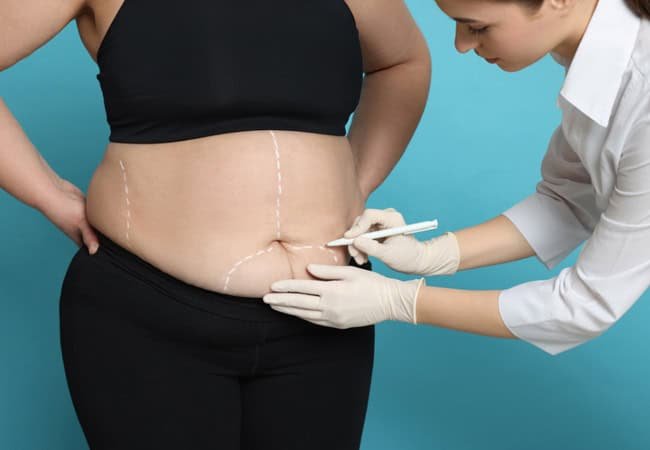
Age, in itself, is not a barrier to liposuction. That’s why liposuction is considered safe for men and women over 40.
It should be noted that there is no upper age limit on liposuction, as long as the surgeon deems you fit for the surgery after a comprehensive medical assessment.
Understanding How Age Affects Liposuction Results
As we age, our body goes through a number of changes, but skin laxity is the most important. The biggest issue with liposuction is skin laxity, which is partly determined by skin ageing.
While skin health always has a genetic component, there are many environmental factors that greatly impact the physiological age of your skin. This includes:
- UV Exposure
- Stress
- Smoking habit
- Vitamin D deficiency
All of these factors cause your skin to age faster, and may prevent the skin from retracting after liposuction (causing the appearance of loose, hanging skin).
If your skin is fairly tight (it does not hang), then there’s a good chance your liposuction will be successful. If your skin is loose, you may need a different procedure such as a tummy tuck or a face lift otherwise removing fat in the area can just make loose skin more visible
Other factors that might disqualify someone from liposuction include health conditions, especially cardiovascular disease. These health conditions develop particularly after the age of 40 due to unhealthy lifestyle and genetics.
Ideal Candidates for Liposuction in Their 40s and Beyond
The ideal candidate for liposuction is going to be within 10-15 kgs of their ideal weight, in good general health, and has good skin laxity. They should also have reasonable expectations about their results, should not be actively gaining weight, and shouldn’t be using liposuction as a substitute for weight loss.
As we age, there are less chances of being a liposuction candidate. However, if you are in good general health and have good skin laxity, you’re very likely still a good candidate for liposuction.
Health Considerations Before Surgery
Prior to surgery, a detailed medical evaluation is necessary to assess factors such as cardiovascular health, the presence of chronic conditions, and medication use. These factors can influence both the safety of the procedure and the recovery process.
It’s crucial for older adults to have a thorough discussion with their surgeon about potential risks and how their age might affect their recovery and the outcomes of liposuction.
- Comprehensive health assessment: A comprehensive health assessment is necessary for older adults considering liposuction. This assessment includes reviewing medical history, current medications, and existing health conditions. Understanding these factors helps minimize risks during surgery.
Conditions like diabetes or obesity can complicate procedures. Surgeons must know about these conditions to make informed decisions. Blood tests and imaging studies may be required to evaluate overall health status.
- Cardiovascular health assessment: Evaluating cardiovascular health is essential before any surgical procedure. Older adults may have underlying heart conditions. These can increase the risks associated with liposuction.
Conditions such as hypertension or arrhythmias should be assessed. A thorough evaluation helps determine if a patient can safely undergo surgery. This ensures that the heart can handle the stress of surgery.
Common Body Areas for Liposuction After 40
Liposuction is commonly done for the excessive fat accumulation that occurs during middle age.
For women, middle-age spread tends to appear around the hips, thighs, abdomen or upper arms.
excess fat around the waistline, chest or lower back. In some cases, men may receive liposuction during a breast reduction procedure when being treated for gynecomastia.
Since these areas often don’t respond readily to diet and exercise, they can be reduced successfully in most cases with liposuction in both men and women.
How Recovery Differs for Men and Women Over 40
During recovery from liposuction both men and women experience swelling, bruising, and the need for compression garments. However, men’s thicker skin can sometimes mask swelling but may take slightly longer to heal.
Recovery in general may take longer for those above the age of 40 in both men and women. This can be due to several reasons:
- Healing times increase due to factors like reduced circulation of blood and skin elasticity.
- Patients may also have pre-existing conditions that complicate healing after liposuction.
To maintain results, both men and women need adequate rest, proper nutrition and hydration, and follow-up appointments.
- Rest: Rest plays a significant role in healing. It is important plan for adequate rest and follow post-operative instructions closely after liposuction.
- Nutrition and Hydration: A balanced diet rich in vitamins will aid recovery. Hydration also supports the recovery process. Drinking plenty of water helps maintain skin elasticity and promotes healing.
- Follow-up appointments: Follow-up appointments with the surgeon are essential. It ensures that the recovery process is on track and allows the surgeon to address any complications that may arise during recovery.
What to Expect From Long-Term Results
Setting realistic expectations is crucial for all liposuction candidates, especially those above 50. The goal of liposuction is to refine and contour rather than to dramatically change one’s appearance.
It is important to note that the results may differ due to age-related changes in skin quality. some degree of loose skin may remain after surgery due to natural ageing processes.
Maintaining a healthy lifestyle plays a significant role in achieving desired results after liposuction. Regular exercise and a balanced diet support overall health and enhance the outcome of the procedure.
Alternative Fat-Reduction Options for Mature Skin
Gastric balloon: It is a procedure in which a silicone balloon is inserted into the patient’s stomach via endoscopic under sedation. After insertion, the surgeon inflates the balloon with a sterile saline solution. The balloon stays in the stomach for a period of 6 months to reduce the feeling of hunger and thus help the patient adapt his or her eating habits.
Pros:
- It helps reduce weight (and fat)
- Long term effects can be achieved
- It also helps improve the overall health of a person
Cons:
- It takes 1-2 months to see the effects
- It requires undergoing two surgeries (one for insertion of gastric balloon and one for removal)
Non-surgical alternatives for fat reduction: These procedures use technologies such as ultrasound or fat freezing to target and reduce fat cells.
- Ultrasound cavitation: This procedure uses ultrasound waves to break down fat cells, which are then naturally eliminated by the body.
- Cryolipolysis: This technique involves targeting specific areas with cold temperatures to freeze and destroy fat cells gradually
Pros:
- No downtime since there’s no surgery involved
- It provides spot reduction of fat
Cons:
- It may not provide results as significant as liposuction would.
If excess skin around your tummy and neck is what bothers you, then skin tightening or skin lifts may be the right options to achieve your aesthetic goals.
- Skin tightening treatments: These non-surgical methods use radiofrequency or ultrasound technology to boost collagen production.
- Facelift or neck lift: These surgical options can remove excess skin and improve facial contours.
Conclusion
Liposuction can be safely performed for those above 40 years of age, looking to reduce the fat in the troublesome areas of the body. There are factors that affect the eligibility of liposuction, such as skin laxity and health conditions, which affect the results of liposuction.
It is important to understand the potential outcome and realistic expectations of the liposuction after consulting your surgeon.