Get Expert Advice - Free Today

Microneedling Cost in India: Benefits & More

Microneedling, also known as collagen induction therapy, has become increasingly popular in India for its effectiveness in addressing various skin concerns, including scars, wrinkles, and uneven texture. As more people seek non-invasive procedures to rejuvenate their skin, microneedling offers an affordable and accessible solution. This article explores the costs, benefits, and essential details about microneedling in India.

What is Microneedling?

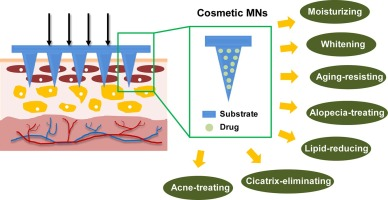
Microneedling is a cosmetic procedure that involves using a device fitted with tiny, sterile needles to create micro-injuries in the skin. These controlled injuries stimulate the body’s natural healing process, promoting the production of collagen and elastin—proteins that are essential for maintaining the skin’s elasticity and firmness. The result is smoother, firmer, and more youthful-looking skin.

Source: Science Direct

Microneedling is used to treat a variety of skin issues, including:

  • Acne scars
  • Fine lines and wrinkles
  • Large pores
  • Sun damage
  • Uneven skin tone and texture
  • Stretch marks

Microneedling Costs in India

One of the main reasons for the growing popularity of microneedling in India is its affordability compared to other countries. The cost of microneedling in India can vary based on several factors, including the clinic’s location, the experience of the practitioner, and the specific needs of the patient.

On average, a single session of microneedling in India can cost between INR 3,000 to INR 10,000. The price may vary depending on the area being treated and the severity of the skin concern. For example, treating a small area like the face might be less expensive than treating larger areas like the back or thighs.

Patients often require multiple sessions to achieve the desired results, with most dermatologists recommending a series of 3-6 treatments spaced 4-6 weeks apart. Some clinics offer package deals that reduce the cost per session when multiple treatments are purchased upfront.

How Does Microneedling Work?

During a microneedling session, a dermatologist or licensed practitioner uses a device, often referred to as a dermaroller or microneedling pen, to gently puncture the skin. The depth of the needles can vary depending on the area being treated and the specific skin concern. The micro-injuries created by the needles trigger the body’s wound healing process, leading to the formation of new collagen and elastin.

This process not only helps to improve the appearance of scars and wrinkles but also enhances the overall texture of the skin. As new collagen forms, the skin becomes firmer and smoother, giving it a more youthful appearance.

Benefits of Microneedling

Microneedling offers numerous benefits, making it a popular choice for those looking to improve their skin without resorting to more invasive procedures. Some of the key benefits include:

1. Improved Skin Texture: Microneedling can smooth out rough skin, making it softer and more even. It’s particularly effective for treating acne scars and large pores.

2. Reduction of Fine Lines and Wrinkles: By stimulating collagen production, microneedling helps to reduce the appearance of fine lines and wrinkles, giving the skin a more youthful look.

3. Minimize Pore Size: The treatment can help to reduce the size of pores, making them less noticeable and giving the skin a smoother appearance.

4. Fades Scars and Stretch Marks: Microneedling is effective in treating various types of scars, including acne scars, surgical scars, and stretch marks.

5. Enhanced Product Absorption: The microchannels created by the needles allow for better absorption of skincare products, making them more effective.

6. Safe for All Skin Types: Unlike some other treatments, microneedling is safe for all skin types and tones. It has a lower risk of hyperpigmentation, making it suitable for people with darker skin.

7. Minimal Downtime: Microneedling is a minimally invasive procedure with little to no downtime. Most people can resume their normal activities shortly after the treatment.

What to Expect During a Microneedling Session

A typical microneedling session lasts between 30 minutes to an hour, depending on the area being treated. Here’s what you can expect during the procedure:

1. Preparation: The skin is first cleansed, and a topical anesthetic is applied to minimize discomfort.

2. Microneedling: The practitioner will use a dermaroller or microneedling pen to create tiny punctures in the skin. The device is moved across the treatment area in a controlled manner to ensure even coverage.

3. Post-Treatment Care: After the procedure, a soothing serum or mask may be applied to calm the skin. Patients are usually advised to avoid sun exposure and use a high-SPF sunscreen.

Some redness and mild swelling may occur after the treatment, similar to a mild sunburn. These side effects typically subside within a day or two. Over the next few weeks, the skin will continue to improve as new collagen is formed.

Factors Affecting the Cost of Microneedling in India

Several factors can influence the cost of microneedling in India:

1. Location of the Clinic: Clinics in metropolitan cities like Mumbai, Delhi, and Bangalore may charge more than those in smaller cities or towns.

2. Reputation of the Clinic and Practitioner: Established clinics with experienced dermatologists or aesthetic practitioners may charge higher fees.

3. Equipment Used: The type of microneedling device used can also affect the cost. Automated microneedling pens tend to be more expensive than manual dermarollers.

4. Extent of the Treatment Area: Larger treatment areas or more severe skin concerns may require longer sessions or additional treatments, increasing the overall cost.

How to Choose a Microneedling Clinic in India

Choosing the right clinic for microneedling is crucial for ensuring safe and effective results. Here are some tips to help you select a reputable clinic:

1. Clinic’s Reputation: Look for clinics with positive reviews and testimonials from previous patients. You can also ask for before-and-after photos of past clients.

2. Credentials: Ensure that the practitioner performing the procedure is a licensed dermatologist or aesthetic professional with experience in microneedling.

3. Equipment Used: Inquire about the type of microneedling device used and whether it is FDA-approved. High-quality devices are essential for safe and effective treatment.

4. Hygiene Standards: The clinic should adhere to strict hygiene and sterilization protocols to prevent infections and complications.

5. Discuss Your Skin Concerns: A good clinic will offer a consultation before the procedure to assess your skin type and concerns and to explain the expected outcomes.

Alternatives to Microneedling

While microneedling is a popular treatment, there are other options available for those looking to improve their skin:

1. Chemical Peels: Chemical peels involve applying a solution to the skin to remove the outer layer, revealing smoother, more even skin underneath.

2. Laser Resurfacing: This treatment uses laser energy to remove damaged skin and stimulate collagen production.

3. Dermabrasion: Dermabrasion involves exfoliating the outer layer of the skin using a rotating device, which can improve scars, wrinkles, and pigmentation issues.

4. Platelet-Rich Plasma (PRP) Therapy: PRP therapy involves using the patient’s own blood plasma, which is rich in growth factors, to promote healing and collagen production.

Each of these treatments has its own set of benefits and considerations. It’s important to consult with a dermatologist to determine the best option for your specific skin concerns.

Conclusion

Microneedling offers an effective and affordable solution for individuals looking to rejuvenate their skin in India. With its numerous benefits, minimal downtime, and accessibility, it’s no surprise that microneedling has become a popular choice for those seeking non-invasive skin treatments. 

By choosing a reputable clinic and experienced practitioner, you can achieve smoother, firmer, and more youthful-looking skin at a fraction of the cost compared to other countries. If you’re considering microneedling, be sure to consult with a qualified dermatologist to discuss your options and create a treatment plan tailored to your needs.

Frequently Asked Questions (FAQs)

What dangers come with microneedling?

One major concern associated with microneedling devices is skin injury. Bleeding, bruising, redness, tightness, itching, and peeling are possible side effects of the injury that usually go away on their own in a few days or weeks.

Is microneedling painful?

Although not painful, microneedling treatments can cause discomfort, particularly for individuals who are needle-phobic. Through the use of tiny needlepoints to puncture the dermis, microneedling helps promote the body’s synthesis of collagen and elastin, resulting in skin that appears younger and smoother.

References

https://www.ncbi.nlm.nih.gov/pmc/articles/PMC5556180/ 

https://www.ncbi.nlm.nih.gov/pmc/articles/PMC4976400/ 

https://www.sciencedirect.com/science/article/pii/S1748681517302504 

https://www.researchgate.net/publication/373012725_Microneedling_A_Short_Review_about_Techniques_Efficacy_and_Applications- 

Plastic Surgery Costs in India: Face, Nose, and Full Body Procedures

Plastic surgery has gained popularity in India due to its affordability and the availability of skilled surgeons. Whether it’s reshaping the nose, refining facial features, or opting for full body procedures, plastic surgery can significantly boost one’s confidence. 

However, understanding the cost of plastic surgery is crucial when making a decision. In this article, we will break down the costs associated with face, nose, and full body procedures in India, along with the factors influencing these prices.

Factors Affecting Plastic Surgery Costs in India

Before diving into the specific costs, it’s essential to understand the various factors that affect plastic surgery costs in India. Here are the key factors:

  1. Type of Procedure: Different surgeries come with different complexities. A rhinoplasty (nose surgery) is relatively less invasive than a full-body lift, leading to a difference in price.
  2. Surgeon’s Expertise: Surgeons with years of experience and recognition may charge more for their services due to their reputation and expertise.
  3. Location: The cost of surgery varies by city. Major cities like Mumbai, Delhi, and Bangalore generally have higher costs due to the demand for cosmetic procedures and the availability of top-rated clinics.
  4. Hospital and Facilities: Hospitals equipped with advanced technology, modern amenities, and top-rated care tend to charge more.
  5. Anesthesia Fees: Some procedures require general anesthesia, while others only need local anesthesia, affecting the overall cost.
  6. Pre- and Post-Operative Care: Medications, consultations, and follow-up appointments can add to the total cost.
  7. Complications and Recovery: In case of complications or extended recovery time, the cost can increase significantly.

Cost Breakdown of Face, Nose, and Full Body Plastic Surgery in India

Here is a detailed look at the costs of different plastic surgery procedures in India:

Plastic Surgery ProcedureCost (INR)
Face lift 1,50,000 – 3,50,000
Eyelid Surgery (Blepharoplasty)80,000 – 2,00,000
Cheek Implants70,000 – 1,50,000
Chin Augmentation1,00,000 – 2,50,000
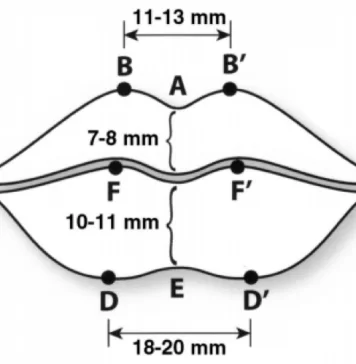
Lip Augmentation/Reduction50,000 – 1,50,000
Ear Reshaping (Otoplasty)70,000 – 1,50,000
Botox Injections15,000 – 30,000 (per session)
Dermal Fillers20,000 – 50,000 (per session)
Rhinoplasty (Nose Reshaping)90,000 – 2,50,000
Septoplasty (For Deviated Septum)75,000 – 2,00,000
Non-Surgical Rhinoplasty (Fillers)40,000 – 90,000
Liposuction1,00,000 – 3,00,000
Tummy Tuck (Abdominoplasty)2,00,000 – 4,00,000
Breast Augmentation1,50,000 – 3,00,000
Breast Reduction1,80,000 – 3,50,000
Full Body Lift4,00,000 – 9,00,000
Buttock Augmentation1,50,000 – 3,50,000
Arm Lift1,00,000 – 2,00,000
Thigh Lift1,50,000 – 2,50,000

Face Plastic Surgery Costs in Rupees

Face plastic surgery is one of the most sought-after cosmetic procedures in India. Facelift surgery, for example, aims to reduce signs of aging by tightening facial muscles and smoothing out wrinkles. The average facelift cost in India ranges from INR 1,50,000 to INR 3,50,000, depending on the complexity of the procedure.

  • Facelift: Involves tightening the skin to create a youthful look. Costs depend on the extent of the surgery.
  • Eyelid Surgery (Blepharoplasty): This procedure improves the appearance of the eyelids and costs around INR 80,000 to INR 2,00,000.
  • Cheek Implants: For those seeking a fuller, more defined cheek structure, cheek implants are priced between INR 70,000 and INR 1,50,000.

The high demand for facial plastic surgery among Indian actresses has brought considerable attention to these procedures. Several Bollywood stars have openly admitted to undergoing facial enhancements to improve their on-screen appearance.

Nose Plastic Surgery Cost in India

Rhinoplasty or nose surgery is another popular procedure. It’s performed to correct breathing issues, reshape the nose, or fix any deformities. The average nose plastic surgery cost in India is INR 90,000 to INR 2,50,000, depending on the surgeon’s expertise and the complexity of the procedure.

  • Rhinoplasty: This surgical procedure alters the shape of the nose and can also fix structural issues like a deviated septum. Costs range between INR 90,000 and INR 2,50,000.
  • Non-Surgical Rhinoplasty: A quick, non-invasive procedure using dermal fillers to reshape the nose, usually costing between INR 40,000 and INR 90,000.

Full Body Plastic Surgery Cost in India

Full body procedures include liposuction, tummy tucks, and body lifts. These are comprehensive surgeries designed to reshape and contour multiple areas of the body, making them ideal for patients who have undergone significant weight loss or want a full-body transformation.

  • Liposuction: One of the most common body contouring procedures in India, it costs between INR 1,00,000 and INR 3,00,000, depending on the areas treated.
  • Tummy Tuck (Abdominoplasty): This surgery flattens the abdomen by removing excess skin and fat, with costs ranging from INR 2,00,000 to INR 4,00,000.
  • Full Body Lift: A combination of procedures to reshape the body, generally costing around INR 4,00,000 to INR 9,00,000.
  • Mommy Makeover: Designed to restore a woman’s body after childbirth, a mommy makeover typically includes a tummy tuck, breast augmentation, and liposuction. The cost is around INR 3,50,000 to INR 7,00,000.

Why Is Plastic Surgery in India Popular?

Plastic surgery in India is becoming increasingly popular, not only due to the lower costs compared to Western countries but also because of the expertise of Indian surgeons. Many plastic surgeons in India are internationally trained and offer world-class treatments at a fraction of the cost.

The rise in demand is also fueled by Indian actresses who have openly embraced plastic surgery to enhance their features. Actresses such as Priyanka Chopra, Shilpa Shetty, and Aishwarya Rai have either admitted or are speculated to have undergone cosmetic procedures, further normalizing these surgeries in Indian society.

Conclusion

The decision to undergo plastic surgery should not be taken lightly. It’s essential to choose an experienced surgeon and understand the risks involved. While plastic surgery in India is more affordable than in many other countries, patients must still consider factors like quality of care, the surgeon’s expertise, and the potential risks before making a final decision.

If you’re considering a procedure, make sure to consult with a qualified plastic surgeon who can guide you through the process and help you achieve the results you’re looking for.

Frequently Asked Questions (FAQs)

Is plastic surgery safe in India?

Yes, India is known for having highly skilled and experienced plastic surgeons. However, it’s essential to choose the right clinic and surgeon to ensure a safe procedure.

How much does a full-body plastic surgery package cost in India?

Full-body plastic surgery packages, such as a body lift or a mommy makeover, can cost between INR 4,00,000 and INR 9,00,000, depending on the procedures included.

Are the results of plastic surgery permanent?

Most plastic surgeries offer long-lasting results, but factors like aging, weight changes, and lifestyle can affect the outcome over time.
By considering the costs and thoroughly researching your options, you can make an informed decision about undergoing plastic surgery in India.

References

  1. https://www.ncbi.nlm.nih.gov/pmc/articles/PMC3513261/ 
  2. https://journals.sagepub.com/home/psg

Breast Enlargement Injections Cost in India: What to Expect and How to Choose the Right Option

A common aesthetic operation that many women contemplate in order to increase their self-confidence and attain a more proportionate form is breast enhancement. Breast enlargement injection is one of the non-surgical techniques that are becoming popular since they provide a short-term fix without the need for implants. Cost, however, is a major factor in decision-making for any cosmetic procedure.

This article will discuss the cost of breast enlargement injection in India, important variables that affect the cost, and advice on selecting the best alternative for your requirements. We’ll also examine the outcomes, safety, and aftercare of this breast enlargement treatment.

What Are Breast Enlargement Injections?

Fillers or hormonal substances intended to give the breast area more volume and form are commonly used in breast enlargement injections. These injections offer a more natural but transient outcome as a non-invasive substitute for breast implants.

Substances that are frequently utilised include:

  • Fillers made of hyaluronic acid: Well-known for their usage in facial cosmetics, these fillers can be used to temporarily increase breast volume.
  • Macrolane injections: A filler made especially for body sculpting that is based on hyaluronic acid.
  • Fat grafting: Injecting fat from another area of the body into the breasts is sometimes regarded as a natural solution.

Average Breast Enlargement Injection Cost in India

The breast enlargement injections prices in India can vary based on a variety of factors, including the type of injection used, the doctor’s level of experience, the location of the facility, and the number of sessions needed. In India, breast enhancement injections typically cost between INR 50,000 and INR 2,50,000 each session.

Here’s a breakdown of what you can expect in terms of pricing:

Type of InjectionCost per SessionExpected Duration of Results
Hyaluronic Acid Fillers₹1,00,000 – ₹2,00,0006-12 months
Macrolane Injections₹1,20,000 – ₹2,50,00012-18 months
Fat Grafting₹50,000 – ₹1,50,000Permanent (with some reabsorption)
Hormonal Injections (Rare)₹70,000 – ₹1,50,0006-12 months

Factors That Affect Breast Enlargement Injection Prices in India

Due to a number of influencing factors, the cost of breast filler injections in India might vary greatly:

1. Injection Type

The cost of various materials used to augment the breasts varies. For instance, fillers based on hyaluronic acid, such as Macrolane, are typically more costly than conventional fat grafting methods.

2. Quantity of Product Needed

The amount of filler required to get the desired effect will determine the price. More injections or sessions may be needed for larger breasts or more striking effects, increasing the total cost.

3. Clinic Location

The clinic’s location has a significant impact on the cost. For example, due to higher operating costs, clinics in larger cities like Bangalore, Delhi, or Mumbai typically charge higher prices than clinics in smaller towns or cities.

4. Expertise of the Surgeon

Another important consideration is the reputation and experience of the aesthetician or cosmetic surgeon doing the treatment. Higher costs may be charged by surgeons with a strong track record and substantial experience.

5. After-Procedure Care

Some upscale clinics may charge extra for follow-up appointments, prescription drugs, or unique aftercare supplies, even though the majority of clinics include post-procedure care in the package.

Are Breast Enlargement Injections Worth the Cost?

Breast enlargement injection techniques may be worthwhile for those seeking non-surgical breast enhancement. However, recurrent sessions are required because most choices are just temporary, which raises the long-term breast growth injection price.

But bear in mind that the effects are usually transient (except from fat grafting), and depending on the type of injection, you might require follow-up sessions every few months or years. This implies that if you want to have frequent touch-ups, the total cost may eventually increase.

Benefits of Breast Enlargement Injections

  • Non-surgical: No major recuperation period, no implants, and no incisions.
  • Natural Look and Feel: Fat grafting and hyaluronic acid methods produce outcomes that look natural.
  • Reversible: Hyaluronic acid fillers can be dissolved if you’re not happy with the outcome.
  • Minimal Downtime: The process usually takes less than an hour and requires little time for recuperation.

Limitations and Risks

Breast augmentation injections have significant risks and restrictions, just like any cosmetic procedure:

  • Temporary Outcomes: The effects of hyaluronic acid fillers and Macrolane last six to eighteen months, after which more sessions are required.
  • Risks of Complications: Swelling, bruising, asymmetry, infection, or allergic reactions to the filler material are all possible adverse effects.
  • Expensive Upkeep: Regular touch-up treatments are necessary because the results are temporary, which raises the overall cost.

Choosing the Right Clinic for Breast Enlargement Injections in India

Choosing the finest facility for breast augmentation and enhancement injections is crucial for both safety and results.

1. Knowledge and Accreditation

Verify that the clinic is certified and that the doctor giving the injections is a skilled and knowledgeable specialist in cosmetic procedures. Verify their credentials and look for any reviews or testimonials from previous patients.

2. Consultation

A reputable clinic will offer a comprehensive consultation where you may discuss your goals, concerns, and the type of injection that is ideal for you. You should stay away from clinics that push you towards the most expensive choice without considering your specific needs.

3. Clinic’s Reputation

Look for respectable establishments that have a good track record of doing breast augmentation procedures. Check for online reviews, patient endorsements, and even before-and-after photos.

4. Cost Transparency

Make sure the clinic provides a clear and transparent cost breakdown. Some clinics may offer lower initial costs but charge more for follow-up visits, prescription medications, or touch-up sessions.

5. Assistance with Aftercare

Choosing a facility that offers comprehensive aftercare is crucial to minimising issues and ensuring the greatest results.

What to Expect During the Procedure

Breast enlargement injection typically take less than an hour to complete as an outpatient procedure. What to expect is as follows:

  1. Consultation and Marking: The doctor will mark the injection locations after assessing your breasts.
  2. anaesthesia: Local anaesthesia is given to lessen discomfort during the procedure.
  3. Injection: The filler’s volume is carefully injected into the specified areas to get the proper size and form.
  4. Recovery: You can normally return to your normal activities the same day if you have minor bruises and swelling that go away in a few days.

Breast Enlargement Injection Alternatives

If you’re considering breast enlargement injections but aren’t sure if they’re the best solution, you might want to consider other options:

  • A longer-term, albeit surgical, option is breast implants.
  • Grafting fat from one part of your body to another to achieve long-lasting, natural benefits is known as fat transfer.
  • Breast Lift: For those who wish to change the shape of their breasts rather than their size, a breast lift can help with sagging or drooping breasts.

Conclusion

Breast augmentation injections are a useful, non-surgical option for women who wish to enlarge their breasts with minimal recovery time. However, since the breast enlargement injection price in India can vary significantly depending on a variety of factors, cost is an important consideration.

Whether you’re considering Macrolane injections, hyaluronic acid fillers, or fat grafting, it’s important to compare the long-term and short-term costs and choose a reputable facility for the best results. Always have a thorough consultation with your doctor before starting, discuss your goals and concerns, and ensure that you are well informed about the procedure, its risks, and its benefits.

Frequently Asked Questions (FAQs)

What are breast enlargement injections? 

Breast augmentation injections use fillers, such as hyaluronic acid, to temporarily enlarge and shape the breasts. They are a non-surgical substitute for implants.

What is the duration of breast augmentation injections?

The effects of breast filler injections often last 12 to 24 months, depending on the type of filler used and the body’s rate of absorption.

Are breast augmentation injections safe?

Breast augmentation injections are generally considered safe when given by a trained professional. However, there are risks, such as tumours, infections, and uneven results.

Armpit Fat vs. Axillary Breast Tissue: Understanding the Causes and Solutions

Many people notice fullness or a soft bulge near the armpit area at some point in life. For some it appears after weight gain while for others it becomes more noticeable during puberty pregnancy or breastfeeding. This concern is common among both women and men and it often leads to confusion. 

People may assume the extra tissue is simply stubborn fat when in reality it could be something called axillary breast tissue. Although the two conditions can look similar they are not exactly the same. They have different causes, symptoms and treatment options. 

In most cases the condition is harmless but some people experience discomfort swelling or irritation that affects daily life. A clear explanation can ease anxiety and guide people toward the right care. This article explains armpit fat and axillary breast tissue in simple terms along with causes, symptoms, diagnosis and available solutions.

Why is the Armpit Area Important to Understand?

The armpit contains several structures including fat lymph nodes, sweat glands skin and connective tissue. In some people breast tissue can also extend into this area. Because many tissues are present in a small space it can sometimes be difficult to identify the reason for swelling or fullness.

Doctors often examine the area carefully to determine whether the concern is due to normal fat deposits, hormonal changes or extra breast tissue. The exact cause usually becomes clearer after a physical examination and imaging tests if needed.

What Is Armpit Fat?

Armpit fat refers to excess fat that collects around the upper side of the chest and underarm area. It is usually related to body weight, genetics, posture or lifestyle habits. Some people notice it while wearing fitted clothing or bras that push the skin outward.

This type of fat is generally soft and evenly spread. It does not usually cause pain or major health problems. In many cases it becomes more visible after weight gain or reduced muscle tone around the chest and arms.

Common Causes of Armpit Fat

Several factors can contribute to armpit fat:

  • Weight gain
  • Lack of physical activity
  • Poor posture
  • Aging and skin laxity
  • Tight bras or clothing
  • Genetic body shape

People store fat differently depending on their genes and hormone levels. Some naturally carry more fat around the upper body while others store it around the hips or abdomen.

Can Exercise Reduce Armpit Fat?

Yes exercise can help reduce overall body fat including fat around the armpits. However, spot reduction is not always possible. A balanced fitness routine often gives the best results.

Helpful exercises include:

  • Push-ups
  • Chest presses
  • Arm circles
  • Resistance band workouts
  • Cardio exercises like brisk walking cycling or swimming

Strength training may also improve muscle tone in the chest and upper arms which can make the area appear firmer.

What Is Axillary Breast Tissue?

Axillary breast tissue is extra breast tissue that develops in the underarm area. Doctors also call it accessory breast tissue. It forms during fetal development when milk lines do not completely disappear.

This condition is more common than many people realize. According to studies published by trusted medical sources, accessory breast tissue affects about 2 to 6 percent of women.

Unlike regular fat this tissue behaves like breast tissue. It may swell, become tender or change size during hormonal shifts such as menstruation, pregnancy or breastfeeding.

Why Does Axillary Breast Tissue Develop?

During early development embryos form milk lines that extend from the armpits to the groin. Most of this tissue disappears before birth except for the breasts. In some people a small amount remains in the armpit area.

This leftover tissue can stay unnoticed for years until hormones trigger growth later in life.

Hormonal Changes Often Make It More Noticeable

Hormonal fluctuations can increase swelling and sensitivity in axillary breast tissue. Many people first notice it during:

  • Puberty
  • Pregnancy
  • Breastfeeding
  • Menstrual cycles
  • Menopause

Some women report discomfort during monthly periods because the tissue reacts similarly to breast tissue.

Can Axillary Breast Tissue Be Painful?

Yes it can cause discomfort especially during hormonal changes. Tenderness, swelling, skin irritation and restricted arm movement are common complaints.

The discomfort often worsens when:

  • Wearing tight clothing
  • Exercising
  • Sweating excessively
  • Carrying heavy bags

In some cases people feel self-conscious about the appearance of the area which may affect confidence and clothing choices.

When Should You See a Doctor?

You should consult a doctor if you notice:

  • A new lump in the armpit
  • Persistent pain
  • Rapid swelling
  • Skin changes
  • Redness or warmth
  • Discharge
  • Sudden asymmetry

Most cases are harmless but it is important to rule out infections, cysts, enlarged lymph nodes or breast-related conditions.

Doctors usually recommend evaluation if the swelling feels hard, fixed or painful.

How Doctors Diagnose the Condition

Doctors begin with a physical examination and medical history. They may ask about pain, menstrual cycles, pregnancy or changes in size over time.

Imaging tests can help confirm the diagnosis.

Common Diagnostic Tests

Ultrasound

Ultrasound is often the first imaging test. It helps distinguish fat from glandular tissue.

Mammogram

A mammogram may be recommended especially for women over 40 or those with a family history of breast conditions.

MRI

MRI scans are used in selected cases when more detailed imaging is needed.

Trusted organizations such as the American Cancer Society and Mayo Clinic recommend proper evaluation of unexplained breast or underarm lumps.

Can Axillary Breast Tissue Turn Cancerous?

Yes, although it is uncommon axillary breast tissue can develop the same conditions as regular breast tissue including benign lumps infections and rarely cancer.

That is why doctors advise monitoring any unusual changes. Regular breast screenings remain important especially for people with a family history of breast cancer.

Fortunately most cases are benign and manageable.

Treatment Options for Armpit Fat

Treatment depends on the cause and personal preference. Many people improve the appearance through lifestyle changes alone.

Lifestyle Changes

Healthy habits often help reduce excess fat:

  • Balanced diet
  • Regular exercise
  • Weight management
  • Improved posture
  • Properly fitted bras

A professional bra fitting can sometimes make a noticeable difference in appearance.

Non-Surgical Procedures

Some people choose cosmetic procedures for armlift. These may include:

  • Cool sculpting
  • Radiofrequency treatments
  • Liposuction

Results vary depending on skin elasticity and body composition.

Treatment Options for Axillary Breast Tissue

Axillary breast tissue usually does not require treatment unless it causes symptoms or cosmetic concerns.

Monitoring and Observation

Doctors may simply monitor mild cases especially if there is no pain or growth.

Surgical Removal

Surgery is one of the most effective options for persistent discomfort or visible swelling.

The procedure may involve:

  • Excision of glandular tissue
  • Liposuction
  • Combination techniques

Recovery usually takes a few weeks depending on the extent of surgery.

Is Surgery Safe?

Yes surgery is generally safe when performed by a qualified surgeon. Like any procedure it carries some risks including swelling, scarring, infection or temporary numbness.

Patients should discuss expectations, recovery time and costs during consultation. For individuals experiencing sagging breasts along with excess tissue near the underarm area, procedures like Breast Lift Surgery in Jaipur can help improve overall breast contour and symmetry.

Can Lifestyle Habits Prevent the Problem?

Lifestyle changes can help reduce fat accumulation but they cannot fully prevent axillary breast tissue because it develops before birth.

Still maintaining a healthy weight and staying active may reduce overall fullness in the area and improve comfort. Helpful habits include:

  • Regular exercise
  • Nutritious meals
  • Adequate hydration
  • Good posture
  • Wearing supportive clothing

Read More:

How to Lose Breast Fat Quickly: Best Exercises, Tips & Diet Advice

What Is Breast Reduction?

How to Fix Breast Sagging Safely

Is It Common After Pregnancy?

Yes, many women first notice axillary breast tissue during pregnancy or breastfeeding because hormone levels stimulate breast tissue growth. Some women experience:

  • Swelling
  • Tenderness
  • Milk leakage
  • Increased fullness

In many cases symptoms reduce after breastfeeding ends although the tissue may not disappear completely.

Conclusion

Armpit fat and axillary breast tissue may appear similar but they have different causes and treatment approaches. Armpit fat usually develops from lifestyle factors, body composition and aging while axillary breast tissue forms during early development and responds to hormones. 

Most cases are harmless but persistent pain swelling or new lumps should always be evaluated by a healthcare professional. Treatment options range from exercise and lifestyle changes to surgical removal depending on the severity of symptoms and personal goals

Frequently Asked Questions (FAQs)

I am 28 and noticed swelling near my armpit during pregnancy. Should I worry?

Hormonal changes during pregnancy can make axillary breast tissue more noticeable. It is usually harmless but you should still consult a doctor for proper evaluation.

Can men develop axillary breast tissue?

Yes, although it is less common, men can also develop accessory breast tissue or fat deposits in the underarm area.

Does weight loss remove axillary breast tissue?

Weight loss may reduce surrounding fat but true axillary breast tissue often remains because it is glandular tissue rather than regular fat.

Is surgery the only permanent solution?

For axillary breast tissue surgery offers the most permanent result. Armpit fat may improve with diet exercise and non-surgical treatments.

Can a tight bra cause armpit fat?

A tight bra does not create fat but it can push existing tissue outward making the area appear fuller.

How do I know if the lump is dangerous?

You should see a doctor if the lump feels hard, grows quickly, becomes painful or causes skin changes. Imaging tests can help determine the cause.

Is recovery after surgery painful?

Most patients experience mild discomfort swelling and bruising for a short time. Doctors usually prescribe medications to manage recovery comfortably.

Can axillary breast tissue return after surgery?

Recurrence is uncommon if the tissue is completely removed although weight changes and hormones may still affect the surrounding area.

How to Get Dimples Naturally: Effective Methods and Tips

Dimples have long been seen as an attractive facial feature and many people love the youthful charm they can add to a smile. Some people are born with natural dimples, but due to them being seen as attractive, sometimes other people may wish they had them too. This is why many people look for ways to create dimples or make their cheeks appear dimpled. 

From facial exercises and makeup tricks to cosmetic procedures, like dimple surgery, several options are discussed today. Before trying any method, it is important to understand what can realistically work and what results you can expect. 

In this article, we will discuss how to get dimples naturally, explore simple techniques that people commonly try at home and understand permanent treatment options, including dimple creation surgery and its cost in India. 

What Are Dimples?

Dimples are tiny indentations that appear on the skin, usually on the cheeks, when someone smiles. They result from a slight muscle deformity, where the skin is attached to the underlying facial muscles. This attachment causes the skin to “pull in” while smiling, resulting in the dimpled effect.

Can You Get Dimples Naturally?

The truth is, how to get dimples naturally significantly depends on genetics. Nevertheless, some exercises and techniques claim to help create the illusion of dimples or enhance the facial muscles to form an indentation. 

While these methods might not provide guaranteed permanent dimples, they are safe to explore, and some people have reported positive outcomes in getting dimples on cheeks naturally.

1. Facial Exercises to Create Dimples

Although not scientifically proven, certain facial exercises are thought to influence the muscles and soft tissues associated with facial expressions. Some people believe these exercises may help define cheek contours or make dimples appear more noticeable when smiling. 

How to achieve a dimple on the face naturally with exercises:  

  • Step 1: First, identify the desired location for your dimples, which usually lie about 2-3 centimeters away from the corners of the lips.  
  • Step 2: Firmly press your fingers into your cheeks in the areas where you want the dimples to be. Apply steady pressure for 30-60 seconds.  
  • Step 3: While maintaining the pressure, continue to smile as widely as you can, ensuring your finger position remains the same. This action may condition your facial muscles to create indentations in those areas.  
  • Step 4: Perform this exercise several times a day, ideally for 5-10 minutes each day.  
  • Although facial exercises may require time, with perseverance and commitment, you might observe a subtle emergence of dimples when smiling.

2. Cheek Piercings for Dimple Creation

A popular method that has arisen for creating dimples is through cheek piercings. While this approach isn’t completely natural, it serves as a less invasive option compared to surgery for those seeking how to get dimples without cosmetic interventions.  

The procedure entails getting piercings in the spots where you desire dimples. As the skin heals around these piercings, some people may notice that the tissue forms slight indentations that resemble dimples. However, this method is not guaranteed and may involve risks, such as infection or scarring, if not carried out by a trained professional.

3. Temporary Dimple Hacks: Makeup and Contouring

For those seeking a quicker and more temporary way to achieve dimples on their face, makeup and contouring can serve as an effective strategy to make dimples on the face temporarily.  

Here’s how to simulate dimples using makeup:  

  • Utilize a fine-tipped makeup brush or a brown eyeliner pencil.  
  • Identify the desired dimple location on your cheeks while smiling.  
  • Gently mark a dot where the dimple would be seen.  
  • Blend this dot using a contouring brush to create a subtle shadow effect.  
  • Make sure the shadow is flawlessly blended to maintain a natural look.  

This technique can produce the illusion of dimples, providing a simple solution for those wanting dimples for special occasions without making permanent alterations.

Dimple Surgery: Permanent Solution for Dimples

If using natural remedies doesn’t work, you might want to think about dimple surgery, also called dimpleplasty, which is a more permanent treatment.

What is Dimpleplasty?

A cosmetic surgical treatment called dimpleplasty produces artificial dimples on the cheekbones. During the procedure, a tiny incision is made inside the mouth to create a cheek muscle deficiency. After that, a suture is inserted between the cheek muscle and the skin, pulling the skin inward and giving the impression of a dimple.

The minimally invasive operation usually takes 30 to 60 minutes and is carried out under local anaesthesia. It is the most dependable way to get dimples permanently with surgery.

Dimple Surgery Cost in India

The cost of dimple surgery is an important factor for people considering the procedure. Compared to many Western countries, dimple surgery in India is generally more affordable while still offering access to experienced cosmetic surgeons and modern healthcare facilities.

The average cost of dimple surgery in India usually ranges between INR 25,000 and INR 50,000, depending on several factors. These may include the surgeon’s experience, the reputation of the clinic or hospital, and the city where the procedure is performed.

Other factors that can influence the total treatment cost include:

  • Complexity of the procedure
  • Pre-operative consultations and assessments
  • Post-surgical care and follow-up visits
  • Facility charges and medical infrastructure

Since dimpleplasty is an elective cosmetic procedure and not a medical necessity, it is important to research thoroughly before making a decision. A qualified and experienced surgeon can help improve treatment outcomes and reduce the risk of complications.

Risks and Recovery of Dimple Surgery

Dimple surgery is generally considered a safe and minimally invasive cosmetic procedure, but like any surgery, it carries certain risks. Some possible risks include infection, swelling, asymmetry, temporary numbness and minor scarring. 

Some possible risks of dimple surgery include: 

  • Infection: There is a chance of infection with any surgical operation, but it is minimal with dimple surgery.
  • Scarring: Because the incision is done inside the mouth, there is a chance of scarring, but it is usually very minor.
  • Numbness: The cheek area may become temporarily or, in rare circumstances, permanently numb.
  • Asymmetry: Following surgery, the dimples could not be quite symmetrical, necessitating adjustments.

After dimple surgery, healing is rather quick. The majority of patients can resume their jobs in a few days, and while the dimples will initially be deeper, they will eventually become softer. Usually, full results appear in a few weeks to months.

Who Should Avoid Dimple Surgery?

Dimple surgery may not be suitable for everyone and a proper medical evaluation is important before considering the procedure. People with certain health conditions or risk factors may have a higher chance of complications or poor healing outcomes.

Before undergoing dimple surgery, it is important to discuss your medical history and expectations with a qualified cosmetic surgeon. A consultation helps determine whether the procedure is safe and appropriate for you.

The procedure may not be ideal for:

  • Individuals with active skin or oral infections
  • People with bleeding disorders or clotting problems
  • Those with unrealistic expectations about the results
  • Individuals with medical conditions that may affect healing
  • People with uncontrolled diabetes or weakened immunity
  • Individuals with a history of poor wound healing or excessive scarring

Since dimpleplasty is an elective cosmetic procedure, understanding both the benefits and limitations is important. A detailed consultation with a surgeon can help identify potential risks and ensure that the treatment is the right choice for you.

Choosing the Right Method for You

Weighing the benefits and drawbacks of each approach is crucial when deciding how to get dimples on your face naturally. Makeup tricks and facial exercises are the best options if you’re searching for a short-term, non-invasive fix. However, dimpleplasty might be worthwhile if you want a long-lasting outcome.

When attempting to produce dimples, it’s important to have reasonable expectations. Exercises and other natural methods can strengthen the muscles in the face, but not everyone will get dimples from them. In a similar vein, dimple surgery entails the usual dangers associated with any cosmetic operation but is a more dependable alternative.

Conclusion

It may take some time and patience to get dimples naturally, but there are a number of ways to improve the look of your cheeks, including facial exercises, piercings, and makeup tricks. 

Dimpleplasty is a good alternative if you’re searching for a more long-term remedy, and many people can afford the dimple surgery cost in India.

It is important to speak with an expert and understand the possible dangers and results before beginning any procedure, particularly surgical. Getting dimples, whether surgical or natural, can improve the cosmetics of your face and give you the endearing appearance you want.

Frequently Asked Questions (FAQs)

Are dimples uncommon?

No, dimples are not uncommon. Facial dimples are present in approximately 20% to 30% of the global population, making them a relatively common facial feature.

Do smile lines qualify as dimples?

No, smile lines and dimples are not the same. Dimples are small indentations in the cheeks that usually occur because of a variation in facial muscle structure, while smile lines are folds or creases that develop around the mouth over time.

How do I get dimples?

Natural dimples are usually inherited and develop due to variations in facial muscles and the way the skin attaches beneath the cheeks. If you are not born with dimples, there are no proven natural methods that can permanently create them.
However, people who want dimples may explore temporary options, like makeup techniques or cosmetic procedures. Dimpleplasty, a minimally invasive surgical procedure, creates artificial dimples by making a small change inside the cheek tissue.

Can dimples appear later in life?

Natural dimples are usually genetic and present from birth. However, facial fat loss, aging changes or cosmetic procedures may sometimes create dimple-like appearances.

Is dimple surgery painful?

Dimple surgery is usually performed under local anesthesia, so pain during the procedure is minimal. Mild soreness or swelling may occur afterward.

Are dimple surgery results permanent?

Yes, dimpleplasty generally creates long-lasting results, although appearance may soften over time.

Effective Ways to Achieve Tight Boobs: Tips and Tricks

Breast firmness is a common aesthetic desire for many women, and it often changes over time due to factors such as age, pregnancy, weight fluctuations, and lifestyle habits. While sagging breasts (medically termed as “ptosis”) are natural and part of aging, many women look for ways to maintain or restore breast firmness. 

Achieving tighter, firmer breasts involves a combination of exercises, lifestyle changes, skin care, and, in some cases, medical interventions. This article will explore effective, safe, and scientifically-backed methods to help maintain or improve breast firmness.

What is Breast Sagging?

Before diving into methods for achieving firm breasts, it’s essential to understand why sagging occurs in the first place. Breasts do not have muscles; instead, they are composed of fatty tissue, glandular tissue, and ligaments. The Cooper’s ligaments, a network of connective tissues, provide support to the breast. Over time, these ligaments can become stretched due to factors like:

  • Aging: As we age, the skin loses collagen and elasticity, leading to a decrease in skin firmness and tightness.
  • Pregnancy and Breastfeeding: Hormonal changes and the stretching of breast tissue during lactation contribute to sagging.
  • Weight Fluctuations: Significant weight gain or loss can cause the skin to stretch and the breasts to change shape.
  • Gravity: Over time, the natural pull of gravity can stretch breast tissue.
  • Lack of Support: Wearing ill-fitting or no bras during physical activity can cause additional strain on the breast ligaments.

Now, let’s explore ways to address these factors and work toward achieving firm, tight breasts.

1. Targeted Exercises

While breasts themselves do not have muscles, the muscles underneath them—the pectoral muscles—play a critical role in lifting and supporting breast tissue. By strengthening these muscles, you can improve the appearance of your breasts and enhance firmness.

Here are a few exercises that can help:

  • Push-ups: One of the best exercises for strengthening the chest muscles, push-ups target the pectoral muscles, shoulders, and triceps. Consistent push-ups can help tone the chest area, offering a slight lift to the breasts.
  • Chest Press: This exercise can be done with dumbbells or a barbell. Lying flat on your back, push the weights upward, keeping your arms straight and engaging the pectoral muscles. This movement targets the chest and helps tone the muscle beneath the breasts.
  • Dumbbell Flyes: Lying on a bench, holding a dumbbell in each hand. With your arms extended, open them wide and then bring them together in front of your chest. This targets the chest and helps tone the area.
  • Planks: This core-strengthening exercise engages various muscle groups, including the pectorals, shoulders, and arms. A strong upper body can provide better support for the breasts.
  • Wall Press: A modified push-up, this can be done against a wall. It engages the pectoral muscles while being less strenuous than floor push-ups.

2. Maintaining Healthy Skin and Hydration

Your skin is the natural support system for your breasts. When skin becomes dehydrated or loses elasticity, breasts are more prone to sagging. Here are a few ways to maintain the health and elasticity of your skin:

  • Moisturization: Regularly moisturizing your breasts with lotions or oils that contain ingredients like vitamin E, shea butter, or hyaluronic acid can keep the skin supple and hydrated. Proper moisturization can also reduce the appearance of stretch marks.
  • Hydration: Drinking plenty of water is crucial for maintaining skin elasticity. Dehydrated skin is more prone to sagging, while well-hydrated skin retains its firmness.
  • Collagen and Elastin-Boosting Products: Using creams or serums that promote collagen production can enhance skin elasticity. Some women opt for products containing retinol, peptides, or vitamin C, which are known to promote collagen synthesis.

3. Maintaining a Healthy Weight

Fluctuating weight can impact the firmness of your breasts. Rapid weight gain stretches the skin, while rapid weight loss can result in sagging as the fat volume in the breasts decreases. Maintaining a steady and healthy weight is one of the best ways to prevent breast sagging.

To avoid yo-yo dieting or sudden weight changes, focus on:

  • Balanced Nutrition: A diet rich in fruits, vegetables, lean proteins, and healthy fats can help maintain your skin’s elasticity. Omega-3 fatty acids, in particular, are known to promote skin health.
  • Regular Exercise: Incorporating cardiovascular exercises along with strength training can help manage your weight and prevent drastic changes that affect breast firmness.

4. Posture Improvement

Good posture can do wonders for the appearance of your breasts. Slouching can make your breasts appear saggy and less firm. By improving your posture, you can create the illusion of firmer, perkier breasts. Here’s how:

  • Stand Tall: Keep your back straight, shoulders back, and your head held high. A good posture automatically lifts your chest.
  • Core Strengthening: Exercises like Pilates or yoga can help improve your overall posture by strengthening your core muscles.
  • Chest Stretches: These can help open up the chest and shoulders, reducing tension that leads to slouching.

5. Proper Bra Support

Wearing the right size and type of bra can significantly impact breast support, especially during physical activity. Without proper support, the Cooper’s ligaments can stretch over time, contributing to sagging. Here are a few tips:

  • Wear a Well-Fitting Bra: Regular bra fittings are essential as your breast size can change over time. A well-fitting bra provides the necessary support to prevent excess movement and strain on the breast ligaments.
  • Sports Bra: When exercising, a high-quality sports bra is crucial. Opt for one that minimizes movement to protect the Cooper’s ligaments during physical activity.
  • Underwire vs. Wireless: Both types of bras have their benefits. Underwire bras provide more structured support, while wireless options are often more comfortable for daily wear. The key is ensuring the bra fits well and offers adequate lift.

6. Massage and Circulation

Regular breast massages can promote better blood flow, encouraging firmer and healthier breast tissue. Massaging also stimulates collagen production, which is essential for maintaining skin elasticity. Here’s how you can do it:

  • Oil Massage: Using oils like olive oil or coconut oil, gently massage your breasts in circular motions. This helps with skin hydration and promotes collagen production.
  • Ice Massage: For an instant lift, some women opt for ice massages. The cold causes the skin to contract, giving the appearance of firmer breasts temporarily.
  • Dry Brushing: Using a soft brush to massage the breast area can increase blood flow, promote skin exfoliation, and improve skin elasticity.

7. Natural Remedies

Some women turn to natural remedies to improve breast firmness. While there is limited scientific evidence supporting the effectiveness of these remedies, they may offer subtle benefits when combined with the above methods:

  • Aloe Vera: Known for its skin-tightening properties, aloe vera gel can be applied to the breasts to help firm the skin.
  • Egg White Mask: Egg whites contain proteins that are believed to improve skin firmness when applied topically.
  • Cucumber and Yogurt Mask: Cucumbers have natural toning properties, while yogurt hydrates the skin. A mixture of these ingredients applied to the breasts may temporarily tighten the skin.

8. Medical and Cosmetic Interventions

For women seeking more dramatic results, cosmetic interventions are available. However, these should only be considered after careful consultation with a medical professional:

  • Breast Lift (Mastopexy): A breast lift is a surgical procedure that removes excess skin and tightens the surrounding tissue to lift the breasts. This is one of the most effective ways to restore breast firmness, but it comes with risks and recovery time.
  • Non-Surgical Skin Tightening: Laser treatments, radiofrequency, or ultrasound therapy can stimulate collagen production and tighten the skin around the breasts without surgery. These treatments offer less dramatic results than a surgical lift but are effective for mild sagging.

Conclusion

Achieving firmer breasts involves a multifaceted approach that includes regular exercise, good skin care, proper posture, and, if necessary, medical interventions. By taking care of your body, maintaining a healthy lifestyle, and supporting your breasts with the right undergarments, you can prevent and minimize sagging, improving both appearance and confidence.

While the aging process and other factors will naturally affect breast firmness over time, combining these methods will help you maintain the best results possible.

Frequently Asked Questions (FAQs)

Can Sagging Breasts Be Firm Again?

Plastic surgery is the only way to restore young firmness to sagging breast tissue. Unfortunately, strengthening your chest muscles, eating properly, and applying topical treatments are inadequate for correcting severe sagging and drooping.

Does not wearing a bra result in sagging?

Contrary to common misconception, going braless does not imply your breasts will droop. There is also nothing wrong with wearing a bra as long as it fits correctly. Bras do not maintain the shape or perkiness of breasts.

How do I lift my breasts naturally?

Breasts do not have muscles, but beneath them is fibrous connective tissue and muscles that may be strengthened to improve the look of the chest. Common workouts for improving the chest include: pushups, swimming, curls and the bench press.

References

https://www.ncbi.nlm.nih.gov/pmc/articles/PMC5869427/ 

https://www.ncbi.nlm.nih.gov/pmc/articles/PMC9824628/

Botox Prices in India: What to Expect and How to Choose the Right Treatment

Botox is one of the most popular non-surgical cosmetic treatments worldwide, known for its ability to reduce the appearance of wrinkles and fine lines. In India, Botox treatments have grown in popularity due to the increasing demand for affordable cosmetic procedures. If you are considering Botox injections, it’s important to know what to expect in terms of cost, what factors influence the pricing, and how to choose the right clinic and practitioner.

What is Botox?

Botox (botulinum toxin) is a neurotoxin that temporarily relaxes muscles responsible for wrinkles. It is used to reduce the appearance of crow’s feet, frown lines, and forehead wrinkles. Botox is also used for medical purposes, such as treating migraines, excessive sweating (hyperhidrosis), and muscle spasms.

However, when it comes to cosmetic Botox treatments, the main goal is to achieve smoother, more youthful-looking skin.

Botox Injection Price in India

The cost of Botox in India varies depending on several factors, including the clinic, location, practitioner’s experience, and the amount of Botox required for your specific needs. On average, Botox prices in India are much more affordable compared to countries like the US or the UK, making it a popular choice for people looking to undergo the treatment.

Below is an estimated cost breakdown based on various cities in India:

CityCost per Unit (INR)Cost per Session (INR)
Mumbai₹350 – ₹800₹8,000 – ₹25,000
Delhi₹300 – ₹700₹7,000 – ₹20,000
Bangalore₹350 – ₹800₹8,000 – ₹22,000
Pune₹300 – ₹600₹6,000 – ₹18,000
Hyderabad₹250 – ₹700₹6,000 – ₹20,000
Chennai₹300 – ₹600₹7,000 – ₹18,000
Kolkata₹250 – ₹550₹5,000 – ₹16,000

This table provides an overview of Botox prices across different cities. Prices can vary depending on the treatment area and the number of units required.

Factors Affecting Botox Cost in India

While the average Botox cost in India is relatively affordable, several factors influence the overall price of your treatment. These include:

1. Number of Units Required

Botox is typically charged per unit, and the number of units you need depends on the area being treated and the severity of your wrinkles. For example, treating crow’s feet may require 10-20 units, while forehead lines might need 20-40 units. The more units you need, the higher the cost.

2. Area Being Treated

Different facial areas require different amounts of Botox. For example:

  • Forehead lines: 10-30 units
  • Crow’s feet: 10-20 units
  • Frown lines (Glabellar lines): 15-25 units
  • Neck wrinkles: 20-40 units

The cost will vary depending on how many areas you want to treat in a single session.

3. Clinic Location

The cost of Botox can vary significantly depending on the location of the clinic. Urban cities like Mumbai, Delhi, and Bangalore typically have higher Botox prices compared to smaller cities and towns. Clinics in prime areas or renowned dermatology centers also tend to charge more due to their reputation and high demand.

4. Practitioner’s Expertise

A qualified and experienced dermatologist or cosmetic surgeon may charge more for Botox treatments. While it may be tempting to opt for a lower-cost option, choosing an experienced practitioner ensures you get the best results and avoid complications.

5. Brand and Quality of Botox

Not all Botox brands are the same. Some clinics may use higher-end or imported Botox products, which can affect the price. It’s essential to inquire about the type of Botox being used and ensure that it is approved by relevant health authorities.

6. Combination with Other Treatments

Sometimes, Botox is used in combination with other cosmetic procedures like dermal fillers or chemical peels for more comprehensive facial rejuvenation. These combination treatments can increase the total cost of your cosmetic procedure.

How to Choose the Right Botox Treatment

When deciding on a Botox treatment, it’s crucial to consider the following factors to ensure you get the best value for your money and achieve the desired results.

1. Select a Qualified Practitioner

The success of Botox treatments largely depends on the skill and experience of the practitioner administering the injection. Ensure that the clinic you choose has certified dermatologists or cosmetic surgeons with experience in administering Botox. Always ask for credentials and before-and-after photos from previous patients.

2. Consultation is Key

A thorough consultation is essential before proceeding with Botox. During this consultation, your doctor should explain how Botox works, assess your skin, and provide an estimate of how many units you will need. They should also address any concerns or questions you may have.

3. Understand the Risks and Side Effects

Botox is generally safe when administered by experienced professionals, but like any procedure, it carries some risks. Common side effects include mild bruising, swelling, or redness at the injection site. In rare cases, patients may experience temporary drooping of the eyelids or eyebrows. Make sure your practitioner discusses these risks with you before proceeding.

4. Avoid Cheap Offers

While affordability is a factor, be cautious of clinics offering Botox treatments at unusually low prices. Low-cost treatments may indicate the use of counterfeit Botox or an inexperienced practitioner. Always prioritize the safety and quality of your treatment over price.

5. Check for Follow-Up Care

Good clinics provide follow-up care to ensure that the Botox has been administered correctly and that you’re satisfied with the results. They should also offer touch-ups if necessary.

6. Realistic Expectations

Botox results are not permanent, lasting anywhere from 3-6 months depending on the individual. It’s important to have realistic expectations about what Botox can achieve and be prepared for maintenance treatments to keep up your results.

Botox vs Other Cosmetic Treatments

While Botox is one of the most popular treatments for wrinkle reduction, there are other alternatives to consider, such as:

  • Dermal Fillers: Used to plump up areas with lost volume, such as the cheeks or lips.
  • Chemical Peels: Help rejuvenate the skin by removing the outer layers to reveal fresher skin beneath.
  • Laser Skin Resurfacing: A non-invasive procedure that can reduce fine lines, wrinkles, and blemishes.

Each treatment comes with its own benefits and costs, so it’s important to discuss your goals with a qualified professional to determine which option is best for you.

Botox Cost in India: What You’re Paying For

When considering Botox prices in India, you’re paying for more than just the units of Botox. Here’s what you can expect your cost to cover:

  • Product Quality: High-quality, FDA-approved Botox.
  • Consultation Fees: Initial consultation with your doctor or dermatologist.
  • Professional Expertise: Administered by a qualified and experienced professional.
  • Facility and Equipment: The clinic environment and any specialized equipment used during the procedure.
  • Follow-up Care: Any post-treatment touch-ups or consultations.

Conclusion

Botox treatments in India are a cost-effective way to achieve a more youthful appearance, but understanding the factors that influence pricing can help you make an informed decision. While the cost of Botox injections varies across cities, factors like the number of units required, the area being treated, and the expertise of the practitioner all play a role in determining the final price.

If you’re considering Botox, it’s crucial to do your research, consult with qualified professionals, and prioritize quality over cost to achieve safe, long-lasting results.

By understanding the Botox injection price in India and knowing how to choose the right clinic, you can enjoy the benefits of this popular cosmetic treatment with confidence.

Frequently Asked Questions (FAQs)

Is Botox 100 percent safe?

Botox injections are quite safe. Still, you shouldn’t have this treatment if you’re pregnant, breastfeeding or have: Neuromuscular disease. Ptosis, or drooping eyelids.

Is there a disadvantage to using Botox?

Botox injections are usually safe when you’re under the care of a licensed and skilled health care provider. The procedure can result in unwanted results or even cause harm if it’s given incorrectly. Possible side effects and undesired consequences include: Pain, swelling or bruising at the injection site.

References

  1. https://www.ncbi.nlm.nih.gov/pmc/articles/PMC6489637/ 
  2. https://www.researchgate.net/publication/332312428_Botulinum_toxin_Botox_A_for_reducing_the_appearance_of_facial_wrinkles_a_literature_review_of_clinical_use_and_pharmacological_aspect 
  3. https://www.mdpi.com/2072-6651/13/1/58

Vaginoplasty in India: Cost, Benefits & Fast Recovery

Vaginal Rejuvenation (also known as vaginoplasty) has gained popularity in India due to rising awareness and demand for personal upgrading procedures. This surgery aims to restore the vaginal tightness that might have been lost due to various reasons such as childbirth, aging, or other factors. 

It can also be considered by women seeking to restore their virginity. In this article, we will focus on the cost of vaginoplasty in India, the benefits it offers, and the steps to ensure a quick and smooth recovery.

Source: Semantic Scholar

What Is Vaginoplasty?

Vaginoplasty  is a cosmetic procedure that helps tighten the vaginal muscles and tissues. Over time, factors like childbirth, aging, and hormonal changes can result in a loss of vaginal tightness. Many women opt for this surgery to improve sexual satisfaction, regain self-confidence, or for personal reasons, including cultural or social considerations.

This surgery is often combined with procedures like hymenoplasty (restoring the hymen) for those who seek to regain the sense of virginity. It’s important to note that vaginoplasty is a personal choice and should be made after understanding the procedure, the benefits, and potential risks.

Cost of Vaginoplasty in India

India has become a popular destination for cosmetic surgeries due to the relatively lower costs compared to many Western countries. The cost of Vaginoplasty varies depending on several factors:

  1. Location of the Clinic: Clinics in metropolitan areas like Mumbai, Delhi, and Bangalore may charge more due to higher overhead costs.
  2. Surgeon’s Experience: A highly experienced and well-reputed surgeon may charge a premium for their expertise.
  3. Hospital Facilities: Premium hospitals with state-of-the-art facilities may have higher fees compared to smaller clinics.
  4. Additional Procedures: If hymenoplasty or other related procedures are done simultaneously, the overall cost will increase.
  5. Post-Surgery Care: The cost of medications, follow-up visits, and any additional care can also affect the final bill.

Below is a general estimate of Vaginoplasty costs across major Indian cities:

CityCost (INR)
Mumbai₹40,000 – ₹1,20,000
Delhi₹35,000 – ₹1,00,000
Banglore₹45,000 – ₹1,10,000
Hyderabad₹30,000 – ₹80,000
Kolkata₹35,000 – ₹90,000
Chennai₹35,000 – ₹85,000

These costs typically include surgeon’s fees, anesthesia, and hospital charges but may vary based on individual circumstances and additional requirements.

Benefits of Vaginoplasty

Vaginoplasty can offer several benefits for women, both physical and psychological. Some of the key benefits include:

  1. Enhanced Sexual Satisfaction: By tightening the vaginal muscles, women and their partners often report improved sexual experiences post-surgery. This is one of the primary reasons many women choose this procedure.
  2. Boost in Confidence: Many women who feel conscious about changes in their bodies after childbirth or aging regain their self-esteem and confidence after the surgery.
  3. Restoration of Virginity: For women who choose to combine vaginoplasty with hymenoplasty, the procedure can offer a sense of regaining their virginity, which may be culturally or personally significant.
  4. Minimal Scarring: Since this is a cosmetic surgery, skilled surgeons ensure minimal scarring, making the recovery process more comfortable and enhancing aesthetic results.
  5. Customizable: The procedure can be tailored to the specific needs of the patient, ensuring a more personalized outcome that meets individual goals.

Side Effects of Vaginoplasty

While the surgery offers several benefits, it’s essential to be aware of potential side effects:

  • Pain and Discomfort: Mild pain and discomfort are common in the initial recovery phase. This usually subsides within a few days with prescribed medications.
  • Swelling and Bruising: Some swelling and bruising in the vaginal area can occur, but these typically resolve within a week or two.
  • Infection Risk: Like any surgical procedure, there is a risk of infection. Following post-operative care guidelines strictly can help minimize this risk.
  • Scarring: While minimal, there may be small scars depending on the extent of the surgery.

Fast Recovery After Vaginoplasty

Recovery time is an important consideration for anyone undergoing vaginoplasty. Fortunately, advancements in surgical techniques have made the recovery process quicker and more manageable. Here are some steps that can aid in a smooth and fast recovery:

  1. Follow Post-Operative Care: Your surgeon will provide a detailed list of post-op instructions that may include avoiding strenuous physical activities, keeping the area clean, and taking prescribed antibiotics to prevent infection.
  2. Pain Management: Over-the-counter pain relief medication may be recommended to manage discomfort in the first few days. It’s crucial to avoid any painkillers that may cause bleeding complications, like aspirin.
  3. Rest and Relaxation: While it’s essential to walk around to promote blood circulation, extensive physical activities, including sexual intercourse, should be avoided for at least 6-8 weeks post-surgery.
  4. Maintain Proper Hygiene: Keeping the surgical area clean and dry is crucial to avoid infections. Use gentle cleansers as advised by the surgeon and avoid harsh chemicals or products in the vaginal area during the recovery period.
  5. Balanced Diet and Hydration: A balanced diet rich in vitamins, minerals, and proteins can support healing. Drinking plenty of water is also essential for maintaining overall health during recovery.
  6. Regular Follow-ups: Attending scheduled follow-up visits ensures that your recovery is progressing as expected. The doctor may recommend further care or treatments based on your recovery stage.

How to Get Virginity Back

Many women seeking Vaginoplasty are also interested in how to get their virginity back. Virginity cannot be “regained” in a biological sense, but procedures like hymenoplasty can restore the appearance of the hymen. 

It is often associated with virginity in certain cultural contexts. Combined with vaginoplasty, women may feel as though they have regained their virginity both physically and emotionally.

Can Virginity Be Regained?

From a medical perspective, virginity is a cultural concept rather than a physical state. However, through hymenoplasty, the hymen can be reconstructed, and vaginoplasty can help tighten the vaginal muscles. While these procedures can’t technically “regain” virginity, they can restore certain physical attributes associated with it.

Conclusion

Vaginoplasty in India offers a relatively affordable option for women seeking to enhance their physical and emotional well-being. The procedure not only helps restore vaginal tightness but can also offer a sense of empowerment and confidence.

Understanding the cost, benefits, and recovery process is essential before making a decision. It’s always advisable to consult a qualified surgeon to discuss individual needs and expectations to ensure a safe and satisfactory outcome.

Frequently Asked Questions (FAQs)

Is tightening virgin surgery painful?

It is quite common to feel some discomfort during the initial vaginoplasty healing phase. For the first two weeks after the surgery, the operated area may be sore to the touch, bruised, and swollen. A full recovery from vaginoplasty surgery normally takes six weeks.

What is the recovery time for virginity surgery?

Full recovery from hymenoplasty surgery might take 4 to 6 weeks. In general, downtime is limited, and most women can quickly resume their normal routine. The physicians may advise you to take some measures at this time to speed up your recovery and prevent problems.

Is there an age restriction for hymenoplasty?

The patient’s age should be higher than the consensual age. Aside from cosmetic motives it is also used for psychological ones. The patient should be in good health and not suffering from any chronic or dangerous illnesses like cancer.

Dermal Fillers: Cost, Benefits, and What to Expect

Dermal fillers are very recently on everybody’s lips as the non-invasive cosmetic solution for those in search of a better version of themselves. Now, dermal fillers can erase the wrinkles while restoring your face with volume to look rejuvenated in lieu of surgery. 

You might be considering having dermal fillers and, hence, would want to know how much it costs and what to expect. This article details all the need-to-know factors so you can make an informed decision.

What Are Dermal Fillers?

Dermal fillers are gel-like substances injected beneath the skin to add volume, smooth fine lines, and improve facial contours. Common areas treated with fillers include the cheeks, lips, nasolabial folds (smile lines), and under-eye hollows. 

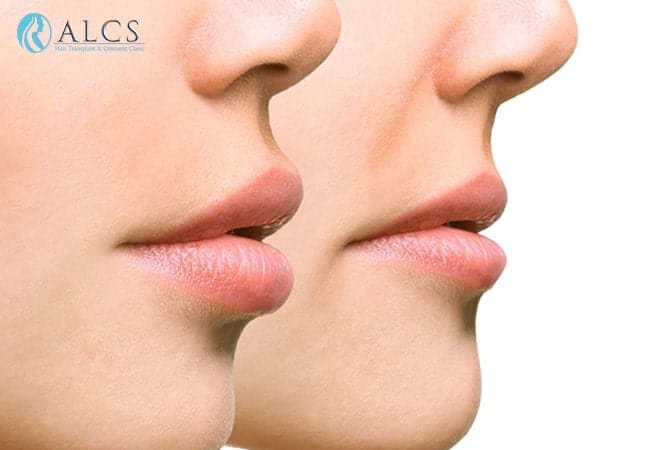
Dermal fillers for lip augmentation improve lip volume, shape, and symmetry. This helps to create a fuller appearance. The procedure is minimally invasive, with immediate results and minimal downtime.

The treatment is quick, often taking less than an hour, with minimal downtime, making it a convenient option for those seeking subtle yet noticeable results.

Benefits of Dermal Fillers

Dermal fillers offer numerous benefits, making them a popular choice for individuals looking to enhance their facial appearance:

  1. Non-surgical and minimally invasive: No incision, general anesthesia, or extensive recovery time is required with dermal fillers; rather, you can obtain fabulous results with little to no discomfort.
  2. Quick and Convenient: Usually, dermal filler treatments take anywhere from 30 to 60 minutes, depending on the area. Many patients like getting fillers for lunch, as they require little or no down-time.
  3. Visible Results: One of the biggest advantages of dermal fillers is that results appear almost immediately. While some initial swelling or redness may occur, overall improvement in facial volume or wrinkle reduction occurs all at once.
  4. Customized Treatment: Various kinds of dermal fillers help address specific concerns, such as fine lines, deep wrinkles, or volume loss. The practitioner can customize the treatment according to your needs for better results.
  5. Results: Depending on the filler, the results can last from a few months to more than a year. Dermal fillers indeed may give an economical effect for those searching for long-term results but are not yet ready to go under the knife.

How Long Do Dermal Fillers Last?

The longevity of dermal fillers depends on the type of filler used, the area treated, and individual factors such as metabolism and lifestyle. Here’s a breakdown of the common types of fillers and how long they typically last:

Type of FillerHow Long It LastsCommon Uses
Hyaluronic Acid Fillers6-12 monthsLips, cheeks, under-eye hollows
Calcium Hydroxylapatite Fillers12-18 monthsNasolabial folds, marionette lines
Poly-L-Lactic Acid FillersUp to 2 yearsDeep wrinkles, overall facial volume restoration
Polymethyl Methacrylate FillersPermanentDeep wrinkles, smile lines

Hyaluronic Acid Fillers (HA): These are the most commonly used dermal fillers. They are well-tolerated and provide natural-looking results. The body gradually absorbs HA fillers over 6 to 12 months, after which touch-up treatments may be necessary.

  • Calcium Hydroxylapatite Fillers: These fillers stimulate collagen production and last a bit longer, typically 12 to 18 months. They are ideal for deeper lines and wrinkles.
  • Poly-L-Lactic Acid Fillers: This filler type helps the body regenerate its own collagen, with effects lasting up to two years. However, results develop gradually over several months, making it ideal for those looking for more subtle changes.
  • Polymethyl Methacrylate (PMMA) Fillers: Unlike the other fillers, PMMA fillers are semi-permanent and provide long-lasting results. These are often used for deep lines, but they require a more significant commitment due to their longevity.

Cost of Dermal Fillers

The cost of dermal fillers varies depending on several factors, including the type of filler used, the expertise of the practitioner, and the area being treated. It’s important to remember that most people will require multiple syringes, especially if multiple areas of the face are being treated.

Here’s a general cost breakdown:

Type of FillerCost Per Syringe (INR)
Hyaluronic Acid Fillers₹41,500 – ₹66,400
Calcium Hydroxylapatite Fillers₹58,100 – ₹83,000
Poly-L-Lactic Acid Fillers₹66,400 – ₹1,66,000
Polymethyl Methacrylate Fillers₹83,000 – ₹2,07,500

Keep in mind that these costs are per syringe, and multiple syringes may be needed to achieve your desired results. Additionally, experienced practitioners or clinics in major cities may charge higher rates due to demand and expertise.

Factors Affecting the Cost

Several factors can influence the overall cost of dermal fillers, including:

  1. Type of Filler: As shown in the table above, different fillers come with varying price points. Longer-lasting fillers like Poly-L-Lactic Acid and Polymethyl Methacrylate fillers are generally more expensive due to their extended duration.
  2. Practitioner’s Expertise: The experience and reputation of your practitioner can significantly impact the cost. While it may be tempting to opt for a cheaper provider, it’s essential to choose a qualified and experienced practitioner to ensure safe and effective results.
  3. Geographical Location: Prices for dermal fillers can vary depending on where you live. Urban areas and larger cities often have higher costs compared to smaller towns.
  4. Amount of Filler Needed: The number of syringes required will depend on the area being treated and your desired results. For example, lip enhancement may only require one syringe, while volumizing the cheeks might need two or more.
  5. Additional Costs: Be aware of any consultation fees, follow-up appointments, or potential touch-up sessions that may not be included in the initial treatment cost.

What to Expect During and After Treatment

If you decide to undergo a dermal filler treatment, here’s what you can expect:

  • In the first step, you must go through a consultation by a qualified practitioner who will assess your facial structure, understand your aesthetic goals, and determine the best dermal fillers for you.
  • Procedure: Pre-procedure cleaning of the treatment area The doctor will administer a numbing cream to reduce discomfort during the procedure. The filler will be injected into the targeted areas with a fine needle and should not take over an hour.
  • Recovery: There is some redness, swelling, and bruising at the injection site following treatment. These symptoms usually settle within a few days. You can resume most activities when you are ready to do so. Avoid strenuous exercise and excessive sun for a few days.
  • Results: The treated area will therefore change immediately, but one will only see the actual result after the swelling subsides. They might also require repeated treatments because the durability period of the filler used dictates that it is more than once.

Best Dermal Fillers for Wrinkles

When it comes to reducing wrinkles, certain fillers stand out for their effectiveness:

  1. Hyaluronic Acid Fillers: Ideal for fine lines, moderate wrinkles, and restoring volume in areas such as the cheeks and lips.
  2. Calcium Hydroxylapatite Fillers: Best for deeper wrinkles like smile lines and marionette lines, offering a more substantial lift.
  3. Poly-L-Lactic Acid Fillers: Suitable for people looking to address deeper wrinkles and overall volume loss. This filler works by stimulating collagen production, with results that improve over time.

Conclusion

Dermal fillers offer a versatile and effective solution for those looking to enhance their facial appearance without surgery. Understanding the cost, benefits, and what to expect from the treatment can help you make an informed decision. While dermal fillers can be an investment, their ability to provide quick, long-lasting, and natural-looking results makes them a popular choice for many.

If you’re considering dermal fillers, consult with a qualified practitioner to discuss your options and create a personalized treatment plan.

Frequently Asked Questions (FAQs)

How long do dermal fillers last?

The quick answer is that dermal fillers can have an effect that lasts between three months and two years.

Which is better: Botox or dermal fillers?

Dermal fillers are equally effective as Botox. More significantly, the results are long-lasting. However, the effectiveness of dermal filler effects is still largely determined by the type of filler used. Some fillers may stay as long as Botox, while others may remain for over a year.

What are the hazards of using dermal fillers?

Common dangers include bruising:
Redness
Swelling
Pain
Tenderness
Itching
Rash
Difficulty in completing tasks (only seen when injected in the back of the hand)

Hypospadias Surgery Cost: What to Expect and Key Factors That Influence It

Hypospadias is the congenital condition in males where in infancy, there is ectopic opening of the urethra under the urethra that lies normally at the head of the penis. Such a position can vary and may include the opening near the penile tip but can move further down along the entire length of the penis as well. Usually, there is a surgery known as hypospadias repair. 

One of the burning questions for families and patients is the cost of hypospadias cosmetic surgery, among others such as age at the time of surgery, what to expect after surgery, and how to facilitate healing. In this article, we’ll explore the cost of hypospadias surgery, factors influencing it, the ideal age for surgery, and practical recovery tips to ensure the best possible outcome.

Source: SemanticScholar


Understanding the Cost of Hypospadias Surgery

The cost of hypospadias surgery can vary widely depending on several factors, such as the complexity of the condition, the surgical approach, the hospital or clinic chosen, and even the geographic location.

  1. Average Cost Range
    Hypospadias surgery costs can range from approximately $4,000 to $15,000 in the United States. For mild cases, where the procedure is straightforward and may require a single surgery, costs may be on the lower end. However, in more complex cases, where multiple surgeries are required, costs tend to be higher.
  2. Insurance Coverage
    Most insurance plans cover hypospadias surgery since it is generally considered medically necessary. However, the level of coverage can vary. Families should check with their insurance provider to determine out-of-pocket expenses, pre-authorization requirements, and the network of covered providers. For those without insurance, some hospitals offer financial assistance or payment plans.
  3. International Costs
    For patients considering surgery abroad, countries like India, Thailand, and Mexico offer more affordable options, often ranging from $1,500 to $6,000 for the entire procedure. International medical travel, or “medical tourism,” can be an attractive option for families on a budget, though travel, accommodation, and follow-up care should be factored in.

Cost Breakdown for Hypospadias Surgery in India (INR)

Cost ComponentApproximate Cost Range (INR)
Consultation and Preoperative Tests₹5,000 – ₹10,000
Surgeon Fees₹30,000 – ₹1,50,000
Anesthesia Fees₹10,000 – ₹20,000
Hospital Stay₹5,000 – ₹50,000 (per day)
Surgical Supplies₹10,000 – ₹20,000
Postoperative Medications and Dressings₹5,000 – ₹15,000
Follow-up Visits₹5,000 – ₹20,000
Total Estimated Cost₹50,000 – ₹2,50,000

Key Factors That Influence Hypospadias Surgery Cost

Several critical factors determine the overall cost of hypospadias surgery:

  1. Severity of Hypospadias
    The severity of the condition significantly impacts the cost. Minor forms of hypospadias, where the opening is near the tip of the penis, are generally easier and faster to correct than more severe cases. In complex cases, especially those requiring tissue grafting or reconstructive techniques, costs increase due to the extended surgical time and higher skill level required.
  2. Type of Surgical Technique
    There are several techniques for hypospadias repair, such as the MAGPI (meatal advancement and glanuloplasty), the TIP (tubularized incised plate), and more complex grafting methods. The choice of technique depends on the case and often dictates the surgery cost. Procedures that require more advanced reconstructive techniques, specialized equipment, or longer operative times will cost more.
  3. Age at Surgery
    The ideal age for hypospadias surgery is typically between 6 and 18 months. Surgery at this age minimizes psychological impact and allows for easier healing, but if the procedure is delayed to later childhood or adolescence, costs may rise due to increased complexity and anesthesia requirements.
  4. Surgeon’s Expertise
    Pediatric urologists or surgeons who specialize in hypospadias repair generally charge more due to their specialized skill set. Choosing a highly experienced surgeon can reduce the likelihood of complications and re-surgeries, which might ultimately be cost-saving in the long run.
  5. Hospital or Clinic Charges
    Hospital charges contribute significantly to the total cost. Larger hospitals with specialized pediatric departments may have higher costs due to their resources, facilities, and expertise, whereas private clinics may offer more competitive rates but may lack certain support services.
  6. Anesthesia and Additional Medical Care
    Anesthesia costs can vary based on the length and complexity of the surgery. Additionally, if the child requires overnight hospitalization, these charges are added to the final bill.

Recovery and Age Considerations for Hypospadias Surgery

  1. Hypospadias Surgery Age
    Surgery is recommended at a younger age, typically between 6 and 18 months. At this age, children are less likely to remember the surgery and tend to heal faster. Early surgery also minimizes potential emotional stress, as the child grows up without awareness of the condition. Performing the surgery at an optimal age also reduces anesthesia-related risks and increases the chances of a successful outcome.
  2. Recovery Period
    The typical recovery period for hypospadias surgery is about 1-2 weeks. However, complete healing may take up to six months, depending on the complexity of the repair and any complications. Parents may notice some swelling and redness, which should gradually subside within the first few weeks post-surgery.

Hypospadias Surgery Recovery Tips

Recovering from hypospadias surgery can be challenging for both parents and children. The following tips can help ensure a smoother recovery:

  1. Follow the Doctor’s Instructions
    Adhering to post-operative instructions is crucial. This may include keeping the area dry, avoiding baths for the initial days, and using prescribed medications as directed.
  2. Manage Pain and Discomfort
    Pain management is an essential part of recovery. Pediatric surgeons typically prescribe mild pain relievers to manage discomfort. Ensuring the child is comfortable can reduce stress and facilitate healing. Ice packs or cold compresses, used as directed by the doctor, can also help alleviate pain and swelling.
  3. Encourage Rest
    Limiting the child’s physical activity can prevent strain on the surgical area. Encourage quiet playtime activities, and avoid strenuous play or any activity that could impact the healing process, such as riding toys or running.
  4. Monitor for Infection Signs
    Check the surgical site daily for signs of infection, such as increased redness, swelling, or drainage. If any of these symptoms occur, consult the healthcare provider immediately to avoid complications.
  5. Consider Specialized Clothing
    Dressing the child in loose-fitting, comfortable clothing can prevent friction and irritation on the surgical site. Some parents opt for special post-operative diapers designed to minimize contact with the area.
  6. Follow Up with the Surgeon
    Regular follow-up appointments allow the surgeon to assess the healing progress. During these visits, any minor issues can be addressed promptly, preventing them from developing into more significant concerns.

Conclusion

Hypospadias surgery is one of the most common and successful procedures of placing urethra in male babies. Hypospadias surgery is very disparate in cost as it relates to the seriousness of the kind of disorder, the specific surgical technique necessary for cure, patient age, and the experience of the surgeon. So, such an awareness would allow family units with a budgetary problem to plan their choices correctly.

Optimal surgical time is around 6 to 18 months that results in a successful recovery and benefits in the long term. The proposed recovery tips will ensure pain does not interfere with general recovery; avoid lack of rest during this period as it promotes a successful recovery process while minimizing the chances of a secondary corrective procedure.

Although hypospadias surgery can be costly, all the above-mentioned options are feasible and accessible to a patient who requires the treatment: insurance coverage and options in other countries.

Frequently Asked Questions (FAQs)

Is hypospadias surgery safe?

Hypospadias correction is a safe surgery that often has positive outcomes. Mild hypospadias normally requires only one operation. More severe hypospadias may necessitate further procedures.

What is the best age to repair hypospadias?

The most common age range for hypospadias correction in males is between 6 months and 2 years old. The operation is performed as an outpatient. The youngster seldom needs to spend the night in the hospital.

Can people with hypospadias have children?

The fold of skin on top of the penis (foreskin) also develops improperly. Hypospadias can disrupt regular urine flow. Later in life, it may create issues with sperm flow. This can lead to infertility (inability to have children).