Get Expert Advice - Free Today

Hair Transplant for Alopecia Areata: Options and Considerations

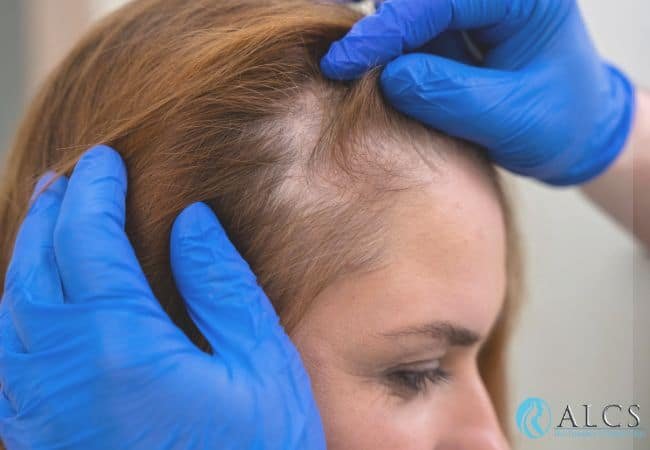
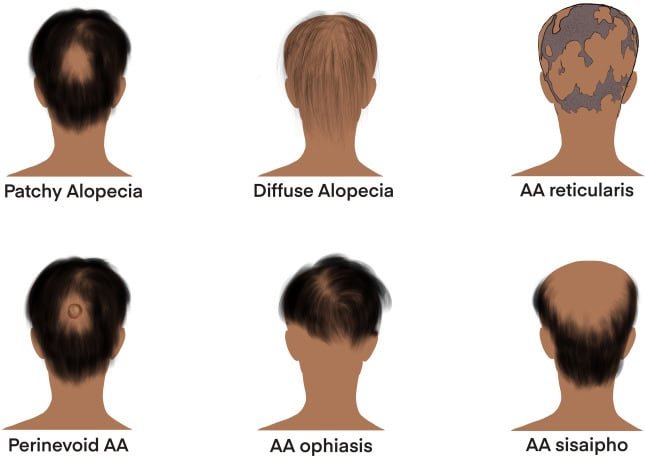
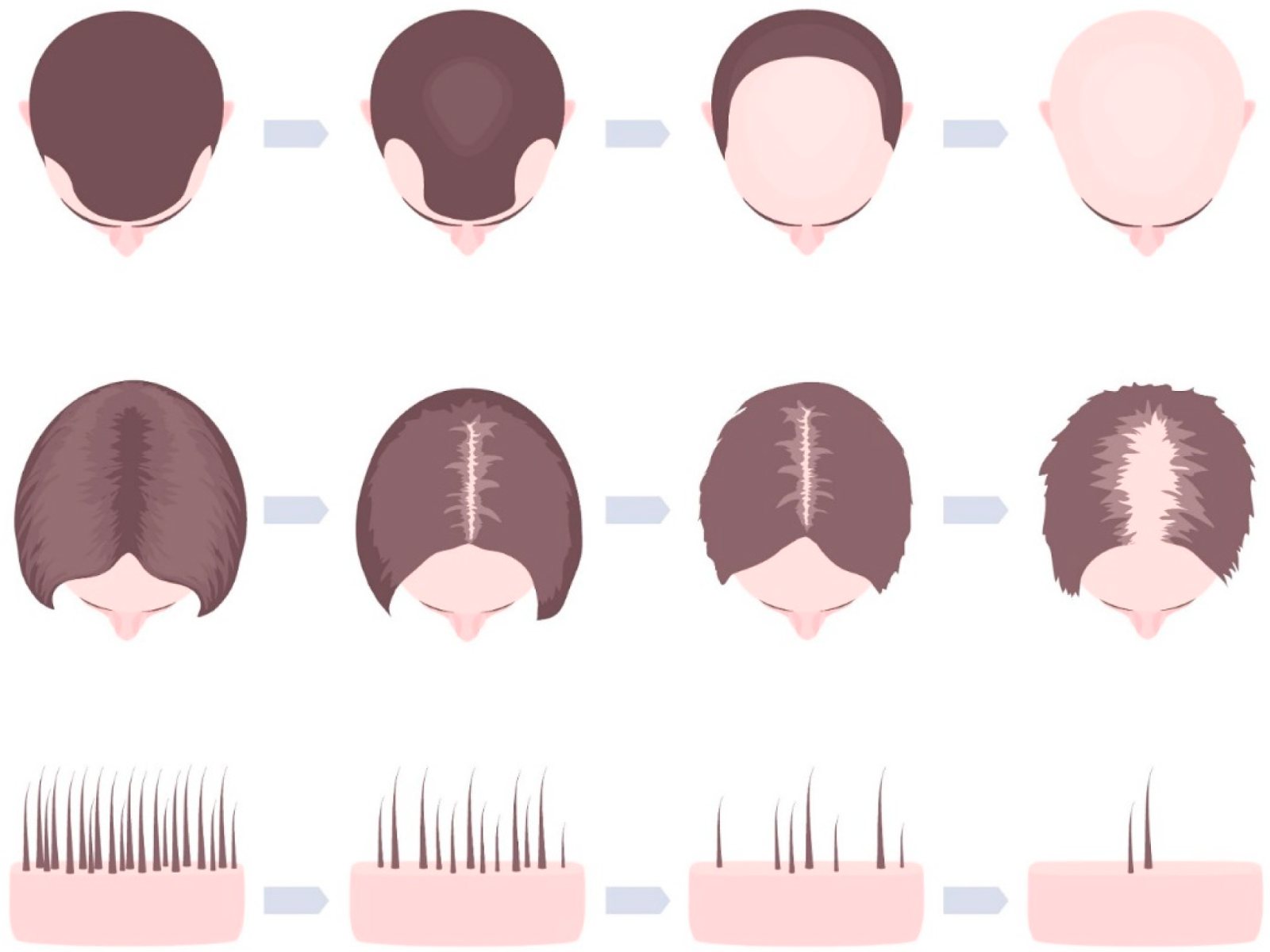
Alopecia areata is an autoimmune disease which leads to sudden loss of hair in oval or circular patches on the scalp and other regions of the body. Unlike ordinary hair loss, alopecia areata is more noticeable and frequently results in whole bald patches.

 It occurs when the body’s immune system incorrectly targets the hair follicles, leading them to shrink and significantly prevent hair growth.

Alopecia areata affects about 2% of the worldwide population, making it a fairly common disorder. It can develop at any age, however it usually appears during childhood or adolescence. 

The condition does not differentiate based on gender or ethnicity, though there may be hereditary factors that increase risk. Even though there lacks a cure for alopecia areata, hair transplantation could serve as an effective therapy option for certain people.

 This article provides insights into some of the most effective treatments for alopecia areata.

Source – ScienceDirect

What are the causes of Alopecia Areata?

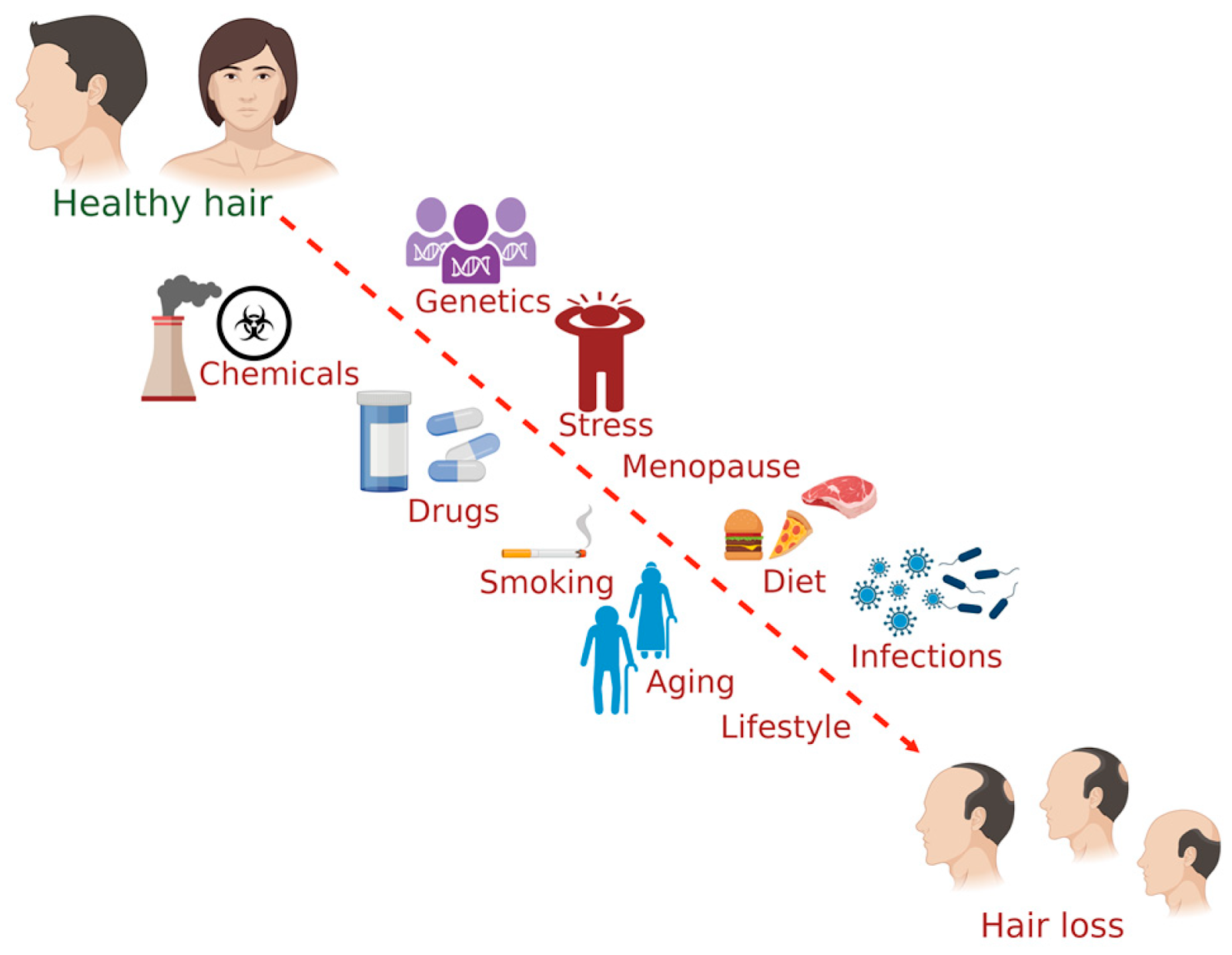
Alopecia areata is an autoimmune illness that causes hair loss on the face, scalp, and other body areas. It occurs when the immune system attacks the hair follicles, resulting in hair loss. Several variables could lead to its development, including:

  1. The development of alopecia areata can be triggered by environmental factors, such as stress, trauma, and viral infections. 
  2. It is currently unclear how these triggers affect the development of the condition.The presence of alopecia areata in the family may indicate an inherited condition. This is known as hereditary.
  3. The immune system plays a crucial role in the development of alopecia by randomly attacking the hair follicles, resulting in hair loss. The reason why the immune system attacks the hair follicles of those with hair loss is not clear.
  4. Hair loss due to hormonal changes is common in women, especially those with PCOD/PCOS, thyroid problems, hormone disorders and other hormonal conditions. Pregnancy and menopause can also cause hair loss in women. 

Hair Transplant Solutions for Alopecia Areata

Hair implants and transplants are popular methods of modern hair transplantation. Modern technology allows you to recover faster from surgery and have less downtime. Many patients report positive benefits.

It is a long-term hair loss cure that involves a couple of surgical methods used by the surgeon to remove grafts. These include: Follicular Unit Transplantation (FUT) and Follicular Unit Extraction (FUE).

Factors to consider before choosing any treatment options

Patients must have stable alopecia areata, which means that hair loss patches have not changed in size or number for an extended period of time. This is as opposed to active alopecia areata, which is defined by ongoing hair loss and new patches. 

A thorough medical examination by a dermatologist or trichologist is required to determine the stability of the illness and rule out any active autoimmune activity.

One key difficulty is the unpredictable nature of autoimmune responses in alopecia areata. Even if the condition appears to be stable, the immune system may reactivate and harm the transplanted hair follicles, resulting in their loss. 

This danger makes hair transplantation less effective for alopecia areata than other types of hair loss. In addition, the transplant’s success rate varies, and patients must have realistic expectations about the result and the possibility of additional treatments.

Hair Transplant Techniques for Alopecia Areata

Treatments for individuals with alopecia areata include hair transplantation methods that aim to restore hair in the ranges affected by the condition. The primary approaches are listed below:

1. Follicular Unit Transplant (FUT) : FUT requires removing a strip of scalp from the donor site, which is usually at the back of the head. Under a microscope, this strip is split into individual follicular units, which are afterwards implanted in the bald spots.

  • Advantages: This approach allows for the transplantation of a high number of grafts in a single session, making it suited for patients with significant hair loss. It also has a better rate of follicle survival after transplantation.
  • Disadvantages: FUT causes a linear scar at the donor site, which is apparent if the hair is cut short. The healing time is greater than with FUE, and the operation may be more disruptive and uncomfortable.

2. Follicular unit extraction (FUE) : FUE involves extracting individual hair follicles from the donor site with a tiny punch tool. The follicles are then implanted in the recipient locations.

  • Advantages: FUE has the advantage of leaving minimum scarring because it does not entail removing a piece of scalp. The recovery period is shorter, and there is less discomfort after surgery. It’s ideal for patients who desire short hairstyles.
  • Disadvantages: The surgery is time-consuming, particularly for large areas of hair loss, and can be costly. The chance of follicular damage during extraction is increased, which can impact the overall success rate.

3. Scalp micropigmentation (SMP) : It is a non-surgical option. SMP is a cosmetic technique that includes injecting pigment into the scalp to provide the impression of thicker hair or a shaved head.

  • Cosmetic Benefits: SMP can provide instant visual improvement and is a viable alternative for those who are not suitable for hair transplants. It requires no recovery time and can improve the density and appearance of thinning hair.

4. PUVA Light bath therapy : PUVA light bath therapy (Psoralen plus Ultraviolet A) is an approach for autoimmune hair loss called alopecia areata. To speed up hair regeneration and get rid of spot baldness, this treatment includes psoralen, a photosensitizing medication, with ultraviolet A (UVA) light. 

PUVA light bath therapy involves a patient taking psoralen orally prior to taking in a UVA light bath for a particular duration of time. UVA light permeates the skin and reacts with psoralen, which is believed to reduce the immune response, causing hair loss.

Additional Techniques

Aside from classic hair transplant methods, several new approaches can improve growth of hair for alopecia areata. Some of them are as follows:

1. Platelet-Rich Plasma (PRP) Therapy : In this method, PRP extracted from the patient’s blood is injected into the scalp to stimulate hair growth and improve hair follicle health. PRP can be used as a supplementation to hair transplantation to improve results.

2. Stem cell therapy : It is emerging as a potential option, involving the use of stem cells for stimulating hair regrowth. These cells may activate inactive hair follicles in alopecia areata patients.

3. Laser Therapy : Low-level laser therapy (LLLT) can stimulate hair follicles and promote hair growth. It is a non-invasive treatment that can be paired with other therapies to achieve better results.

Hair transplantation for alopecia areata is a possible alternative for those who want to restore hair in the damaged areas. Hair transplants, such as Follicular Unit Transplantation (FUT) and Follicular Unit Extraction (FUE), can be beneficial. Scalp Micropigmentation (SMP) is a non-surgical treatment, as are platelet-rich plasma (PRP) therapy, stem cell therapy, and laser therapy.

Finally, a complete medical evaluation should guide treatment decisions, taking into account the condition’s stability and the demands of each particular patient. Managing the emotional and social aspects of alopecia are essential because the condition can have an immense effect on confidence and overall quality of life.

Frequently Asked Questions

1. Can someone with alopecia areata have a hair transplant?

Not everybody with alopecia areata is a good candidate for hair transplants. Candidates must have stable alopecia areata, which means that the size or number of hair loss patches has not changed for a long duration of time. A thorough medical checkup is necessary to evaluate the stability of the illness and rule out current autoimmune activity.

2. What is the rate of success hair transplants for alopecia areata?

The outcome of a hair transplant for alopecia areata depends on several aspects, including the stability of the condition, the surgeon’s expertise, and the technique used. In general, success rates range between 60% and 90%, with higher rates reported in patients with stable alopecia areata and smaller bald patches.

3. What are the risks of hair transplantation for alopecia areata?

Hair transplantation for alopecia areata includes complications such as infection, scarring, and the possibility that transplanted hair will fall out due to autoimmune reactions. Patients may also undergo temporary shock loss, in which their existing hair falls out near the transplant site. Also, there is a possibility of unnatural-looking results, especially if the procedure is performed by an inexperienced surgeon.

Hairline Design in Hair Transplant: Art and Science

The hairline is the first thing people notice after a hair transplantation. It frames the face and has quite an effect on the overall appearance.

A poorly formed hairline might give the procedure an unnatural appearance, reducing its benefits and lowering the patient’s self-esteem. 

A well-designed hairline, on the other hand, blends in perfectly with the patient’s facial features and hair characteristics. It gives the appearance of a natural hairline. This accuracy in design is more than just aesthetics.

It also includes an understanding of hair development cycles, scalp anatomy, and the most recent transplant techniques to ensure long-lasting and natural-looking outcomes.

Source – Springer Link 

The fundamentals of Hairline Design

Hairline design is the strategic planning and arrangement of hair follicles on the forehead to create a natural-looking hairline. A well-designed hairline should not only look natural, but also age gracefully with the patient, preserving its visual appeal over time. 

Hairline design serves a purpose above cosmetic improvement, it restores a sense of health and confidence to people who have lost their hair.

A qualified surgeon can build a hairline that effortlessly integrates with existing hair. It will result in a pleasant and young appearance, taking into account elements like hair density, direction, and the patient’s specific facial features.

Historical Perspective

The progress of hairline design in hair transplants has been impressive. In the 1950s, early procedures were simple, resulting in unrealistic “hair plug” appearances.

The 1980s and 1990s saw considerable breakthroughs in Follicular Unit Transplantation (FUT), which used natural clusters of one to four hairs for a more natural appearance.

In the early 2000s, Follicular Unit Extraction (FUE) was introduced, allowing for more precise graft placement and less scarring.

In recent decades, advancements like microneedles, increased magnification, and robotic help have improved precision while reducing invasiveness.

Today, hairline design is a combination of art and science, with the goal of recreating natural-looking hairlines that are suited to individual traits.

The Artistic Elements of Hairline Design

A successful hairline design includes symmetry, balance, and authenticity. It also takes into account the individual’s specific face traits and hair qualities.  

Aesthetic Concepts

Aesthetic concepts are necessary for proper hairline design. The key principles include:

  • Symmetry and Balance: A well-designed hairline should complement and balance the patient’s face features. Symmetry improves the facial balance and natural appearance.
  • Naturalness: The hairline should resemble natural hair patterns, with a slight irregularity that prevents an overly uniform look. This means creating a density gradient, with the most hair at the front and gradually thinning out towards the back.
  • Proportions: The design must take into account the face’s proportions, conforming to the “golden ratio” that is often used in aesthetics to produce visual harmony.
  • Age: A hairline intended for a young person may not suit an older patient. It is vital to build a hairline that can age gracefully while preserving its natural look over time.

Customization

Customisation is essential in hairline design since it ensures that the final result matches the person’s specific traits. This involves:

  • Facial Shape: Different facial shapes (oval, round, square, etc.) require distinct hairline patterns to improve overall appearance. For example, a more rounded hairline may suit a round face, whilst a somewhat receded hairline may match a longer face.
  • Hair characteristics: A person’s hair’s texture, density, and color all have an impact on the design. For reaching the desired density, coarser hair may require fewer grafts than finer hair.
  • Ethnic considerations: Different ethnicities have distinct hairlines and hair types. For example, African hair typically has a distinct growth pattern and density than Asian or Caucasian hair, needing a personalized strategy.
  • Personal Preferences: Analyze the patient’s lifestyle and grooming habits. Some patients might like a hairline that allows for easy style, but others may prefer a low-maintenance design.

Patient’s Expectations

Patient expectations and satisfaction are critical factors in hairline design:

  • Open communication: During consultations, it helps to connect the surgeon’s plans with the patient’s expectations. Visual tools and models can help patients visualize possible outcomes.
  • Realistic Goals: Having realistic goals is critical. Advising patients on what can be reasonably achieved given their hair features, as well as the procedure’s limitations, helps to moderate expectations.
  • Post-Surgery Care and Follow-Up: Providing clear post-surgery care guidelines and scheduling regular follow-ups guarantees that the patient is satisfied with the long-term results.

The Scientific Basis for Hairline Design

Understanding scalp and hair follicle layout is important for successful hairline design. Equally important is using sophisticated procedures such as Follicular Unit Extraction (FUE) and Follicular Unit Transplantation (FUT), as well as ensuring exact graft placement and density for natural results.

Anatomy of Scalp and Hair Follicles

The scalp has numerous layers, including skin, subcutaneous tissue, and Galea aponeurotica. The dermis contains hair follicles, which are responsible for hair development. Each follicle contains a hair bulb, dermal papilla, and hair shaft.

The density and location of follicles on the scalp varies, influencing the shape and placement of transplanted hair. Knowledge of the scalp’s vascular and nerve supply is also essential for reducing damage and ensuring proper graft survival.

Techniques and Tools

Modern hairline design relies on advanced techniques and tools:

  • Follicular Unit Transplantation (FUT)
  • Follicular Unit Extraction (FUE)
  • Microneedles and Implanter Pens
  • Robotic Hair Transplant Systems

Graft Placement and Density

To achieve natural-looking results, precise graft location and density are necessary.

  • Graft placement: Each graft’s direction, angle, and orientation must match normal hair growth patterns. This involves placing the grafts at different angles to mimic the irregularity of natural hair.
  • Density: To avoid a patchwork or unnatural appearance, transplanted hair should have the same density as the surrounding natural hair. Surgeons frequently employ a “feathering” technique, gradually increasing density from the hairline to the back to create a seamless transition.

Challenges and Considerations

Managing technical challenges such as graft harvesting and graft survival, as well as patient-specific considerations such as age and hair type, is essential. Planning for lasting results and educating patients on maintenance are important for long-term satisfaction.

  • Harvesting Grafts: Specialized tools and techniques are required for precise extraction of healthy grafts without causing injury.
  • Graft Survival: Keeping grafts healthy throughout the operation by maintaining suitable conditions.
  • Recipient Site Development: Creating sites with the appropriate angle, depth, and direction to simulate natural hair growth.
  • Age: Younger patients may need cautious designs for future changes, but elderly individuals typically have consistent hair loss patterns.
  • Hair Type: Thickness, curliness, and color all influence design; coarser hair covers more space with fewer grafts.
  • Extent of hair loss: Determines planning; significant loss might require multi-stage methods.
  • Donor Area Quality: Limits the number of available grafts; evaluation guarantees enough healthy follicles.

Hairline design in hair transplants involves a precise blend of art and science. A well-designed hairline can considerably improve a patient’s appearance and self-esteem, but a badly done one may cause dissatisfaction. By combining creative ideas with scientific understanding and technological technology, surgeons may create natural-looking hairlines. 

To achieve long-term satisfaction, however, particular factors must be considered, patient expectations managed, and long-term results planned.

Frequently Asked Questions

1. Are hairline transplants appropriate for everyone?

Hairline transplants are often recommended for people who have hair loss or receding hairlines. However, candidature is determined by circumstances such as the severity of hair loss, donor hair availability, and overall health. A consultation with a trained surgeon is required to assess appropriateness and discuss expectations.

2. What is the recuperation process for a hairline transplant?

The recovery process varies from person to person, but it usually includes swelling, pain, and scabbing in the donor and recipient locations right after the treatment. Patients should follow their surgeon’s post-operative care instructions, which may include avoiding intense activity, keeping the scalp clean, and taking prescribed medications.

Factors Affecting the Success of a Hair Transplant

Hair transplant services have become popular as a potential treatment option for people who are losing their hair. However, the effectiveness of these procedures might vary greatly depending on several kinds of conditions.

Understanding these factors is important for anyone thinking about getting a hair transplant. It can help set achievable goals while improving overall results. 

It takes time for hair transplant effects to become detectable. For certain people who undergo a hair transplant, results may be noticeable for three months. Others may have to wait 6 months to a year before seeing the effects of their hair transplant.  

This article explores the important factors that determine the effectiveness of a hair transplant, including patient characteristics, surgeon expertise, and procedure choice.

Source – MDPI

What are some factors affecting the success of a hair transplant?

Experience and skills are required for a successful hair transplant process, just as they are for any other surgery. In order to achieve the best possible results, many variables should be considered. 

1. Patient Factors

Patient factors have a significant impact on the success rate of a hair transplant. Age, overall health, and lifestyle behaviors all have major effects on the procedure’s outcomes.

  • Donor Area Hair Quality – The donor area, typically located at the back of the head, should contain healthy, healthy hair follicles. The density and features of this region impact the chances of collecting enough grafts for transplantation. During consultations, your surgeon will check your donor area to ensure you have a sufficient quantity of healthy follicles for the best possible results. The hair follicles in the donor area have a better chance of success than single or weaker hair follicular units. Patients with fine or scant hair in the donor area have a lower success rate. The success rate also reduces if the patient is young and more hair loss is expected.
  • Age – Age has a huge impact on the end result of a hair transplant. Younger patients tend to have more stable and durable donor areas, as well as faster healing abilities. However, the pattern of hair loss may not be fully established in younger people, requiring further operations later on. Older patients might have shorter healing times and reduced hair density in donor areas, but may benefit from a more predictable hair loss pattern.
  • Patient’s Health – The success rate of a hair transplant is heavily dependent on the patient’s overall health. Diabetes, hypertension, and chronic scalp illnesses can have serious effects on hair development and healing.
    • Diabetes: Poorly controlled diabetes can compromise blood circulation and wound healing, raising the risk of infection and transplant failure. High blood sugar levels can also cause inflammation, which inhibits hair growth.
    • Hypertension: Can impair blood flow to the scalp, reducing the supply of vital nutrients and oxygen to transplanted hair follicles.
    • Chronic Scalp Diseases: Psoriasis, dermatitis, and fungal infections can all cause a hostile scalp environment, making it difficult for transplanted hair to grow. Treating these disorders before surgery is critical for best results.
    • Underlying Conditions: Autoimmune illnesses, hormone imbalances, and certain drugs can all have an impact on the outcome of a hair transplant. They interfere with the body’s natural healing and hair development cycles.
  • Lifestyle Choices – Lifestyle habits such as alcohol use and smoking can have a negative impact on the results of hair transplants.
    • Smoking: Nicotine and other substances in cigarettes restrict blood vessels, limiting blood flow to the scalp. This decreased circulation can result in insufficient oxygen and nutrient supply to transplanted follicles, limiting their development and survival. Smoking further increases the possibility of infection and hinders the healing process.
    • Excessive alcohol consumption: It can dry the body, compromising skin health and the healing process. Alcohol can also thin the blood, causing excessive bleeding during and after the treatment.
    • Diet and exercise: A well-balanced, vitamin and mineral-rich diet promotes general health and recovery. Regular exercise improves circulation, which is necessary for providing nutrients to the scalp.
  • Scalp Laxity – Scalp laxity is the looseness of the scalp skin. Higher scalp laxity makes it easier to harvest hair follicles without creating too much tension or injury to the donor site. Low scalp laxity might complicate extraction and reduce the amount of grafts that can be safely removed. If scalp laxity permits, the width of the scalp that can be removed for a transplant can rise from 8-10 mm to 1.5 cm or more.

2. Surgeon’s Expertise

A qualified surgeon with a strong background in hair restoration treatments can greatly improve the final results.

Their expertise in graft extraction, implantation, and artistic design guarantees that the transplanted hair blends flawlessly with your natural hairline. It results in a natural appearance that suits your facial features.

 In today’s digital world, information is easily accessible with a single click. To achieve the best possible results, thoroughly evaluate the surgeon’s qualifications, experience, and skills.

Hair transplant is a precise surgery that demands a highly specialized qualification, significant expertise in terms of both years of practice and the number of patients.

Beyond technical skills, the surgeon’s artistic ability to design a natural-looking hairline and ensure ideal follicle placement is important. A well-planned hairline and strategic follicle distribution may significantly boost the overall appearance and success of the transplant.

3. Surgical Techniques

The choice of surgical procedure, Follicular Unit Extraction (FUE) or Follicular Unit Transplantation (FUT), has a major effect on the success of a hair transplant. Each approach has advantages and is chosen based on the patient’s specific demands and conditions.

  • Follicular unit extraction (FUE) – FUE involves harvesting individual hair follicles from the donor area and transplanting them to the recipient area. This approach reduces scarring and allows for faster recovery. However, it demands a great level of proficiency and precision.
  • Follicular Unit Transplant (FUT) – FUT involves taking a strip of scalp from the donor location and separating it into separate follicular units for transplantation. This approach can produce more grafts in a single session but leaves a linear scar.
  • New and Emerging Techniques – Hair transplant technology innovations, such as robotic-assisted FUE and direct hair implantation (DHI), provide greater precision and possibility for better results. Staying informed about these breakthroughs might assist patients in making educated decisions.
  • Platelet-Rich Plasma (PRP) Therapy – PRP therapy involves injecting a concentrated quantity of the patient’s own platelets into the scalp to promote healing and hair growth. This additional treatment can improve graft survival and speed up recovery time after a hair transplant.

4. Post-operative Care

Post-operative care is critical to the success of a hair transplant. Following the surgeon’s recommendations while maintaining adequate scalp hygiene greatly improves healing and transplant durability.

  • Immediate Aftercare – Implementing the surgeon’s post-operative instructions is essential to avoid problems and encourage healing. This involves scalp care, avoiding vigorous activity, and taking drugs as indicated.
  • Long-Term Care – Maintaining scalp health and fostering hair growth require continual attention. It is essential to wash your hair on a regular basis, handle it gently, and avoid harsh hair treatments. Follow-up appointments with the surgeon help to ensure that any concerns are handled swiftly.
  • Medicines and Supplements – Minoxidil and finasteride are medications that can help with hair growth and prevent future loss. Nutritional supplements comprising vitamins and minerals such as biotin, zinc, and iron can also help with transplant success.

A hair transplant’s success is determined by a variety of factors, including patient characteristics, donor area quality, surgeon expertise, and post-operative care.

Patients who understand these elements and make informed judgements have a better chance of getting satisfying results. The success of a hair transplant requires an extensive plan that takes into consideration both medical and lifestyle aspects.

Frequently Asked Questions

1. Can anyone get a hair transplant, or are there special eligibility requirements?

Not everyone is a good candidate for hair transplants. Overall health, the quality and density of donor hair, the kind of hair loss, the patient’s age, and lifestyle choices are all important considerations in assessing eligibility.
A thorough consultation with a trained surgeon is required to determine individual appropriateness.

2. Are there any risks or complications related to hair transplants?

While hair transplants are generally considered safe, certain hazards include infection, scarring, unnatural-looking hair growth, and temporary hair loss.
Proper post-operative care and following the surgeon’s instructions can reduce these risks and improve the transplant’s success rate.

The Role of Diet and Nutrition in Healthy Hair Growth

Nutrition plays an important role in supporting hair development since hair follicles need various kinds of necessary nutrients to function properly.

A well-balanced diet rich in vitamins, minerals, and proteins. It can improve scalp and hair health, resulting in stronger, thicker and healthier strands. 

Biotin, vitamin D, iron, zinc, and omega-3 fatty acids are essential nutrients for hair growth. They help in the formation of keratin, the protein that makes up the hair structure.

The deficiencies in essential nutrients can cause hair thinning, loss, and other hair-related concerns. Thereby, highlighting the close relationship between food and hair health.

Source – MDPI 

The simple fact is that an individual’s nutritional health has a strong influence on the quantity and quality of their hair.

The normal supply, absorption, and transport of proteins, calories, trace elements, and vitamins are critical in tissues with high metabolic activity, for example the hair follicle.

In this article, we will try to understand the importance of various nutrients for hair health and the best foods for hair growth.

Essential Nutrients for Hair Growth

A well-balanced healthy hair diet which is high in essential vitamins and minerals can help strengthen your hair, boost growth, and improve its overall appearance. Below, we will focus on the key required for developing and sustaining healthy hair.

Vitamins

Vitamins are necessary for many metabolic activities, including the health of your hair. Getting an adequate amount of certain vitamins can have a big impact on your hair’s strength, gloss, and development.

  • Vitamin D – It is required for hair follicle cycling and promotes hair growth. Sunlight, supplemented dairy products, eggs, and fatty fish are all rich sources of vitamin D.
  • Vitamin E – It is an antioxidant that improves scalp circulation, resulting in healthy hair growth. It can be obtained from almonds, spinach, sunflower seeds, and avocados. Avocados contain a high concentration of vitamin E, which may promote hair development. A medium avocado (about 200 grams) offers 28% of your daily vitamin E requirements.
  • Vitamin A – It promotes the production of natural oils in the scalp, which keeps the hair moisturized and prevents dryness. Carrots, sweet potatoes, kale, and spinach are rich in vitamin A.
  • Vitamin C – It stimulates collagen formation, which is necessary for hair strength. Citrus fruits, strawberries, bell peppers, and broccoli are great sources of vitamin C.

Proteins

Protein is essential for the growth of hair because it comprises 95% of hair structure. Keratin is a protein that provides hair strength, elasticity and flexibility.

When you fail to consume enough protein in your diet, your hair might become brittle, dry, and fragile, and it may fall out. Extremely low protein diets may also result in reduced hair development or hair loss.

Berries, prawns, fatty fish, tofu, beans, almonds and cottage cheese are excellent protein sources. Including these foods in your diet will help reduce hair loss over time and make your hair seem healthier.

Berries are high in beneficial compounds and vitamins that may promote hair development. This includes vitamin C, which has powerful antioxidant qualities. Beans are an excellent plant-based source of protein, which is needed for hair development.

Minerals

Zinc, iron, iodine, and magnesium are among the minerals that are extremely beneficial to hair development, as will be discussed further below.

  • Iron: Iron deficiency can lead to excessive hair loss, known as telogen effluvium. It is critical that they consume an iron-rich diet and maintain proper levels of ferritin, which is the body’s iron storage system. Consume green vegetables, beans such as red kidney beans and chickpeas, shellfish, and other iron-rich foods to help prevent hair loss.
  • Zinc: Deficiency in the diet can cause dry hair. Without zinc, a hormonal imbalance can occur, causing the hair follicles to atrophy. It is not only engaged in testosterone metabolism but also serves to regulate oil production. Foods such as meat, legumes, nuts, baked beans, chickpeas, and dark chocolate can help meet zinc requirements.
  • Iodine: It is a necessary mineral for the production of thyroid hormones, so it’s crucial to consume the appropriate amount of salt. Any hormone changes can cause hair to thin, lose shine, and eventually fall out owing to a change in hair quality.
  • Selenium: It is an antioxidant, helps remove pollutants that can hinder hair development. The mineral is involved in hair development and is required by the body to regulate and activate thyroid hormones, which can cause hair loss if imbalanced. All of these hormones and minerals are connected in some manner and play a role in hair loss.

Omega-3 Fatty Acids

The omega-3s in fish oil are considered to help regulate the body’s natural functioning and also have the following benefits:

  • stimulate hair growth
  • promote hair strength 
  • nourish hair follicles

Fish oil is derived from several species of oily fish, including herring, tuna, and mackerel. It is additionally accessible as a supplement, either in liquid form or in capsules.

Fish oil contains a high concentration of omega-3s, which the body cannot produce on its own. DHA and EPA are two of the best-known omega-3 fatty acids.

A 2015 study of 120 female volunteers by Trusted Source discovered that a supplement containing omega-3s and omega-6s lowered the amount of hair in the resting, or telogen stage while increasing the amount in the growth stage.

Biotin

Biotin, commonly known as vitamin H, may assist in hair growth in those with biotin deficiency or other medical disorders that impair hair growth. Biotin can promote hair growth by:

  • Strengthening Hair – Biotin promotes hair development and regeneration while preventing hair from becoming brittle and fragile. It also enhances the health of hair follicles by supplying nutrients and oxygen.
  • Building keratin – Biotin aids in the formation of keratin structures in hair strands, resulting in denser and more voluminous hair.
  • Fighting inflammation – Biotin has anti-inflammatory and antibacterial qualities, which can help in the battle against microorganisms that cause inflammation and hair loss.
  • Controlling sebum and dandruff – Biotin in hair products can help control sebum and dandruff.

A variety of foods contain biotin, including egg yolks, liver, cauliflower, mushrooms, soybeans, beans, lentils, almonds, pecans, and whole grains.

It is also available as a supplement, either on its own or with other vitamins and minerals. The suggested daily dose for hair development is 2-5 milligrams (2,000-5,000 mcg).

Which foods to avoid for healthy hair growth?

Previously, we discussed the essential nutrients which are associated with hair growth and development. However, we also must have knowledge about which food items to avoid. Some examples are given below:

  • Alcohol – Dehydration from alcohol use may damage hair follicles and lower zinc levels, both of which are necessary for hair growth.
  • Sugar – High sugar in diet and processed foods can lead to hair loss and breakage because they are often high in empty calories and deficient in critical vitamins and minerals.
  • Refined carbs – Refined carbs, which can be found in bread, cake, spaghetti, and pizza, can interfere with your body’s stress defenses and cause sugar to be produced.
  • Carbonated beverages – Excessive fizzy drink consumption might impair the production of hormones required for hair growth, resulting in brittle, dry hair.
  • Swordfish – Swordfish has high quantities of mercury, which can affect the scalp and cause hair loss.  

Achieving healthy hair growth takes more than just external care. It involves an overall strategy that includes a well-balanced diet rich in food to help hair grow, such as necessary vitamins, minerals, and proteins.

You can significantly enhance the health and appearance of your hair by consuming adequate quantities of minerals such as biotin, vitamin D, iron, zinc, and omega-3 fatty acids.

Avoiding harmful foods such as alcohol, sweets, and refined carbohydrates is also essential for good hair. Finally, fueling your body with the correct nutrients for hair growth will affect the strength, growth, and luster of your hair.

Frequently Asked Questions

1. How long will it take for my hair to improve when I change my diet?

Improvements in hair health can usually be seen after a few months of eating a well-balanced and healthy hair diet high in key nutrients. Individual results may differ depending on factors such as overall health, severity of deficiencies, and commitment to dietary adjustments.

2. Can supplements substitute a good diet for hair growth?

While supplements can help with specific deficits, they should not be used as a substitute for a healthy, balanced diet. Whole meals have a variety of nutrients that function collaboratively, which pills cannot always replicate.

Hair Transplant for Diabetics in India: What You Need to Know

Hair loss is an increasingly common issue that affects people all around the world. As technology in medicine has improved, hair transplants have grown in popularity. However, for people with diabetes, particularly Type 2, getting a hair transplant requires careful thinking and medical examination. 

This article will look at the complexities of hair transplants for diabetes patients, the risks involved, and the measures required to ensure a successful treatment.

Diabetes & Hair Loss

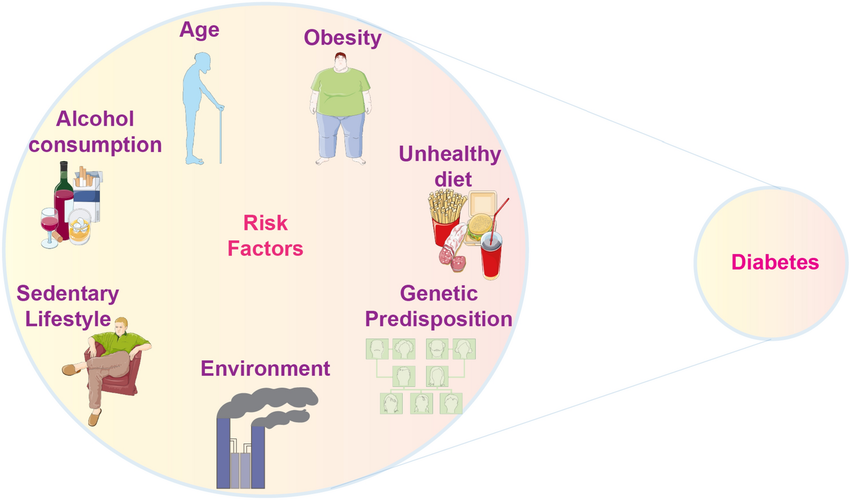
Diabetes is a chronic condition associated with high blood sugar levels. It can affect many aspects of a person’s health, including hair growth. There are two types of diabetes: type 1 and type 2. Type 2 diabetes, the most common kind, usually develops in adulthood and is related to insulin resistance.

Source: ResearchGate

A variety of reasons can contribute to hair loss in diabetes patients:

  1. Poor Blood Circulation: High blood sugar levels can damage blood vessels, resulting in poor circulation. This affects the supply of vital nutrients and oxygen to hair follicles, resulting in slowed hair growth.
  2. Hormonal Imbalance: Diabetes can induce hormonal changes that contribute to hair thinning and loss.
  3. Medications: Certain diabetic medicines may have negative effects, including hair loss.
  4. Autoimmune Response: Diabetes can cause immunological reactions that damage hair follicles, resulting in hair loss.

Hair Transplant for Diabetic Patients

Hair transplants are surgical treatments that transfer hair follicles from a donor site to a balding or thinning region. The two most common procedures are Follicular Unit Transplantation (FUT) and Follicular Unit Extraction (FUE). Although these treatments are typically safe, diabetic individuals should take extra precautions.

Risks of Hair Transplants for Diabetic Patients 

  • Diabetics have a weakened immune system, making them more vulnerable to infection. Post-operative infections could affect the healing process.
  • High blood sugar levels can disrupt the body’s natural healing mechanism, resulting in longer recovery periods.
  • Insufficient blood circulation might reduce the survival percentage of transplanted hair follicles.
  • Scarring is more likely in diabetic people because their skin integrity is decreased.

Precautions and Preparations

Before having a hair transplant, diabetes individuals should take the following steps to reduce risks and guarantee a good outcome:

  1. Medical Evaluation: A complete medical examination by both a diabetologist and a hair transplant surgeon is required. This includes checking blood sugar levels, general health, and surgical suitability.
  2. Stable Blood Sugar: Maintaining stable blood sugar levels prior to and during the surgery is critical. Poor management of glucose levels raises the risk of complications.
  3. Pre-operative care: It may include changing medicines, controlling blood sugar levels, and determining that no infections exist.
  4. Surgeon Selection: Choosing an expert surgeon who knows the specific difficulties of doing hair transplants on diabetic patients is crucial. The surgeon should have a track record of effective results.
  5. Post-operative treatment: It should include strict blood sugar monitoring, wound management, and regular follow-ups with both the hair transplant surgeon and the diabetologist.

Procedure Modifications for Diabetic Patients

To improve the outcome of hair transplants in diabetic patients, some adjustments can be made to the procedure:

  1. Minimally Invasive Techniques: Techniques such as FUE, which use less invasive techniques, can lower the risk of problems and encourage faster recovery.
  2. Platelet-Rich Plasma (PRP): This treatment can be used to speed up healing and increase transplant survival. PRP involves injecting concentrated platelets from the patient’s blood into the scalp to stimulate tissue healing and hair growth.
  3. Antibiotic prophylaxis: Giving antibiotics before and after surgery can help avoid infection.
  4. Monitoring: During and after the procedure, vital signs, blood sugar levels, and overall health must be closely monitored in order to treat any difficulties as soon as possible.

Choosing the Right Clinic for Hair Transplant

Selecting the correct facility for a hair transplant while you have diabetes is important.

  • Experience and experience in treating diabetics
  • Reviews and feedback from previous patients
  • Before and after photographs
  • Accreditation and certification
  • High-quality equipment
  • A detailed consulting procedure
  • Customized treatment plans
  • Cost Transparency

Hair transplant procedures might be a viable option for diabetic people if they take necessary precautions and consult with their healthcare specialists. Proper medical examination, stable blood sugar levels, and selecting a qualified surgeon are all important elements in achieving a positive result. With advances in hair transplant procedures and a greater understanding of diabetes management, diabetic people can achieve their goals and restore their confidence.

In conclusion, while diabetes creates specific challenges for hair transplant treatments, it is not a barrier. Diabetic patients might benefit from hair transplantation and a better quality of life with proper planning and appropriate advice.

Frequently Asked Questions (FAQs)

1. Does sugar impact hair growth?

Sugar results in reduced blood circulation. When your circulation is compromised, your blood struggles to reach your hair follicles. Another issue is that nutrients circulate in your blood but do not reach the hair follicles sufficiently.

2. Can a diabetic have a hair transplant?

Diabetics with normal blood sugar levels can safely undergo a hair transplant operation. Being a chronic diabetes patient does not exclude hair transplantation if there are enough healthy hair follicles in the donor location.

References

https://www.ncbi.nlm.nih.gov/pmc/articles/PMC3250018/ 

https://www.estecapelli.com/en/can-diabetes-patients-have-hair-transplantation/ 

https://www.linkedin.com/pulse/can-diabetics-have-hair-transplant-kolanhair-rdehf 

https://www.ncbi.nlm.nih.gov/books/NBK547740/ 

Hair transplant for Cancer Patients in India: Rebuilding Confidence

Cancer is a complicated enemy, not only because it has the ability to take lives, but also because it negatively impacts a patient’s physical and mental health. Hair loss is a common and distressing side effect of cancer treatment, particularly chemotherapy and radiation. For many people, hair is an important part of their identity, and losing it can seem like losing a piece of themselves. 

In recent years, hair transplant treatments have emerged as a ray of hope for cancer patients, providing an option of recovering their look and confidence. This article looks into the path of hair transplantation for cancer patients, including the procedure, advantages, concerns, and more.

Source: MDPI Open Access Journals

Hair Loss in Cancer Patients

Hair loss in cancer patients is largely caused by chemotherapy and radiation therapy, both of which are powerful treatments aimed at eliminating cancer cells. Unfortunately, these therapies do not distinguish between malignant and healthy cells, such as hair follicles. Chemotherapy treatments target fast dividing cells, which are typical of cancer cells, but hair follicles also fall into this group, resulting in hair thinning and loss. 

Radiation therapy, particularly when directed at the scalp, can directly damage hair follicles, causing hair loss in the irradiated regions.

Causes of Hair loss in Cancer Patients

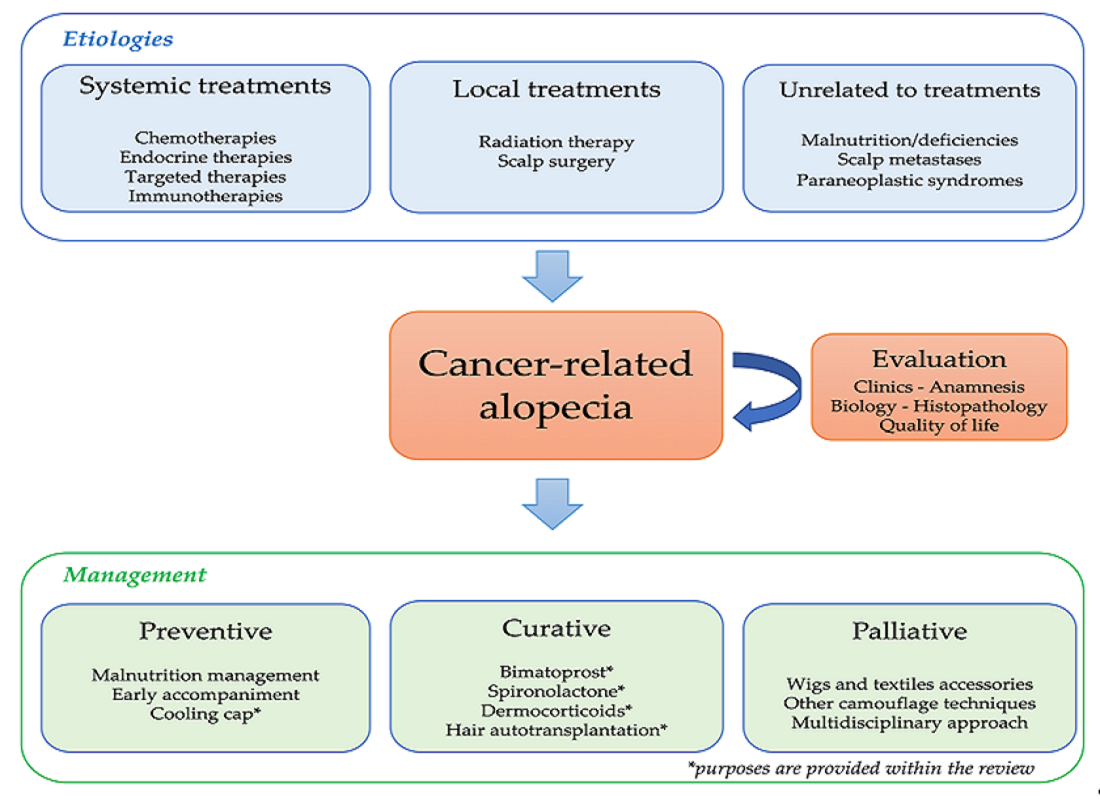
Chemotherapy, radiation therapy, hormone therapy, targeted cancer medicines, and immunotherapy can all lead to hair loss in cancer patients.

  1. Chemotherapy: Chemotherapy is the most common cause of hair loss because it affects fast-growing cells in hair roots, causing hair to fall off inside the skin. The kind of medicine, dosage, mode of administration, and your sensitivity to the drug can all influence how much hair you shed.
  2. Radiation treatment: Causes hair loss in the treated region but does not normally impact hair on the rest of the body. Hair often grows back 3 to 6 months after therapy is completed.
  3. Other therapies: Hormone treatment, targeted cancer medicines, and immunotherapy can all result in hair loss or slower growth.  

What is a Hair Transplant?

A hair transplant is a surgical procedure that distributes hair follicles from one portion of the body, often the back or sides of the head (the donor site), to balding or thinning areas (the recipient site). There are two main ways for hair transplantation:

  1. Follicular Unit Transplantation (FUT): A strip of scalp is removed from the donor location, divided into individual follicular units, and implanted in the recipient site.
  2. Follicular Unit Extraction (FUE): It involves removing individual hair follicles from the donor location and transplanting them directly to the recipient site.

Both treatments have benefits and are chosen depending on the patient’s unique requirements, the level of hair loss, and the surgeon’s experience.

When is Hair Transplant Suitable for Cancer Patients?

Whether a hair transplant would be suitable for a cancer patient is determined by a number of criteria, including the type of disease, stage, and therapies received. In general, a hair transplant may be possible if the cancer was successfully treated and there is no sign of recurrence. However, it is critical to meet with both an oncologist and a trained hair transplant surgeon to analyze your specific situation.  

Hair transplants can be an effective option for cancer patients who have completed their treatment and are experiencing hair loss. However, the suitability depends upon a number of factors:

Completion of Treatment

Cancer patients considering a hair transplant need to have completed their chemotherapy or radiation therapy. This is important for a variety of reasons.

  1. Impact of Ongoing Treatment: Chemotherapy and radiation therapy target fast dividing cells, which include both cancerous and healthy cells like hair follicles. If a patient has a hair transplant while continuing undergoing these therapies, the newly transplanted hair follicles may be damaged or killed. This might lead to poor transplant results or the failure of the transplant entirely.
  2. Body Recovery: After treatment, the body can recover from the intense strain of chemotherapy and radiation. The immune system needs time to restore strength, which is necessary for recovery after medical procedures such as a hair transplant. A fully recovered body is better prepared to deal with surgery and promote the growth of new hair.

Health Status

Before a hair transplant, the patient’s general health is examined to guarantee safety throughout the process. This involves:

  1. Medical History Review: The surgeon will review the patient’s medical history, including information about their cancer treatment, any current medical issues, and general physical status. This helps you detect any potential dangers or limitations that may impact the procedure or healing process.
  2. Blood Tests and Physical Exam: Comprehensive blood tests and a physical examination are performed to ensure that the patient has no infections, blood problems, or other illnesses that might affect the procedure. Uncontrolled diabetes, heart problems, or immunological weaknesses may need to be addressed before considering a hair transplant.

Donor Hair Availability

The availability and quality of donor hair have a significant role in the outcome of a hair transplant. Here is what this implies.

  1. Donor Site Assessment: The donor region, which is often the back or sides of the head, is checked to verify that there is enough healthy hair to collect. These regions are usually less impacted by chemotherapy and more resistant to hair loss, making them excellent for donating hair.
  2. Hair Density and Quality: The quantity and quality of hair in the donor area are critical. The donor hair should be thick enough to provide enough covering and a natural appearance in the recipient region. Thin or weak hair may produce unsatisfactory results.
  3. Level of Hair Loss: The surgeon will assess the level of hair loss in the recipient region. This helps evaluate how much donor hair is required and whether the available donor hair is sufficient to cover the balding or thinning regions.
  4. Future Hair Loss: It is critical to assess the patient’s possibility for future hair loss. The surgeon will discuss long-term hair restoration goals to ensure that the transplant outcomes are satisfactory over time. Strategic planning of donor hair usage is important for guaranteeing there is enough hair for future surgeries, if necessary.

Recovery and Results

Hair transplant recovery is relatively quick. Most patients may resume regular activities after a few days, however intense exercise should be avoided for a couple of weeks. It is common for transplanted hair to shed at first. 

New hair growth usually starts after a few months, with noticeable improvement after six to twelve months. The results are usually long-lasting if the patient stays in excellent health and follows the surgeon’s aftercare suggestions.

Considerations and Risks

While hair transplants offer numerous benefits, there are crucial concerns and possible risks:

  • Cost: Hair transplants can be costly, so it’s important to examine the financial component.
  • Time: Getting the desired results may need numerous treatments and patience, as complete hair growth takes time.
  • Realistic Expectations: Patients should have realistic expectations about the results. The density and coverage may vary depending on the conditions.
  • Surgery Risks: Infection, bleeding, and scars are among potential complications of surgery.
  • Failures in Transplantation: Not all transplants are effective, and some follicles may not survive the surgery.
  • Uneven Growth: There is a risk of uneven hair growth, which may require some extra procedures for refinement.

Hair transplants for cancer patients are more than simply a cosmetic treatment; they represent a path of recovery and empowerment. Patients who get their hair transplanted can gain confidence, and face the world with newfound enthusiasm. While the choice to have a hair transplant is personal and must be carefully considered, the potential physical and emotional advantages make it an appealing option for many cancer survivors.

As medical developments increase the success rate and accessibility of hair transplants, more people will be able to participate in this transforming journey.

Frequently Asked Questions (FAQs)

1. How long should a patient wait after completing cancer treatment before getting a hair transplant?

The suggested waiting period following cancer treatment before considering a hair transplant varies, but it is usually at least 6-12 months. This allows the body to properly recover from the effects of chemotherapy or radiation while also ensuring that the immune system is strong enough to promote recovery following surgery. It also allows time to ensure that there are no indicators of cancer return.

2. Are there any non-surgical options for hair transplants for cancer patients who are experiencing hair loss?

Yes, there are various non-surgical options for cancer patients experiencing hair loss. This includes:

Medications: Minoxidil (Rogaine) and finasteride (Propecia) can help promote hair growth and prevent hair loss, but they are not for everyone, and results may vary.
Hairpieces and Wigs: High-quality wigs and hairpieces can give an immediate solution to hair loss, giving it a natural appearance and helping to regain confidence.
Platelet-Rich Plasma (PRP) Therapy: This treatment includes injecting platelet-rich plasma from the patient’s own blood into the scalp to promote hair growth.

References

  1. https://www.ncbi.nlm.nih.gov/pmc/articles/PMC6615375/ 
  2. https://www.researchgate.net/publication/232916583_Hair_Loss_Induced_by_Chemotherapy_An_Anthropological_Study_of_Women_Cancer_and_Rehabilitation 
  3. https://www.cancerresearchuk.org/about-cancer/treatment/cancer-drugs/side-effects/hair-loss-and-thinning 
  4. https://link.springer.com/chapter/10.3920/978-90-8686-728-8_20 
  5. https://www.mdanderson.org/cancerwise/hair-loss-after-chemotherapy–10-things-to-know.h00-159540534.html

HydraFacial Prices in India: What Are the Costs and Benefits?

In recent years, HydraFacial has grown in popularity among skincare consumers due to its ability to renew and restore skin. This non-invasive procedure guarantees a beautiful, young complexion. It has become a popular choice among many people. 

In this article, we’re going to look at what HydraFacial comprises, the normal pricing range in India, and the benefits of this innovative skincare procedure.

Understanding HydraFacial

The HydraFacial is a complete skincare treatment that includes washing, exfoliation, extraction, and hydration. It uses a specialized device to address many skin issues in a single session. The treatment starts with a deep cleanse and exfoliation, followed by a mild acid peel to improve skin texture. 

Next, the device conducts a mild extraction to remove blocked pores and impurities. Finally, it contains a nourishing serum enriched with antioxidants and hyaluronic acid, which leaves the skin moisturized and radiant.

Process of HydraFacial

A basic HydraFacial includes four significant steps:

  1. Cleansing and exfoliation: The skin is washed and exfoliated to remove dead skin cells and impurities, preparing it for the next steps.
  2. Acid Peel: A gentle acid peel is used to exfoliate the skin and enhance its texture.
  3. Extraction: The device gently removes dirt and blackheads from the pores.
  4. Hydration: A nourishing serum is injected into the skin to provide intense hydration and a healthy glow.

HydraFacial Price in India

The cost of a HydraFacial in India can vary based on several factors, including the location of the clinic, the expertise of the esthetician, and any additional treatments included. On average, a single HydraFacial session ranges from Rs. 3500 to Rs. 6000. While this may seem pricey compared to traditional facials, the extensive benefits make it a worthwhile investment. 

Benefits of HydraFacial

HydraFacial benefits include deep cleansing with vortex suction technology, which reduces acne and blackheads. It also offers some additional benefits which are as follows:

  1. Improved Skin Texture: Exfoliation helps to level out uneven skin texture, reducing fine lines, wrinkles and hyperpigmentation.
  2. Enhanced Hydration: The treatment covers the skin with hydrating serums including hyaluronic acid and antioxidants, restoring the skin’s natural moisture barrier and leaving it plump and beautiful.
  3. Reduced Hyperpigmentation: Specialized serums target hyperpigmented regions, fading dark patches and evening out skin tone.
  4. Minimize Pore Size: Pore size is reduced during the extraction phase, which results in a more refined look and smoother skin texture.
  5. Immediate Results with No Downtime: HydraFacial delivers immediate results with no downtime, making it great for special events.
  6. Customization Options: The treatment can be tailored to address specific skin concerns, such as acne, aging, dryness, or sensitivity.

Who Can Benefit From HydraFacial?

HydraFacial is very useful and appropriate for a variety of skin types and issues. It is especially useful for:

  1. Aging Skin: Reduces fine lines, wrinkles, and age spots while increasing collagen production.
  2. Sun-damaged skin: Serums with brightening ingredients help to reduce hyperpigmentation and level out skin tone.
  3. Acne-prone skin: Deep cleansing and extraction help to decrease acne outbreaks and irritation.
  4. Dry or dehydrated skin: Hydrating serums replace moisture and restore the skin’s natural hydration level.
  5. Dull Complexions: Exfoliation and the use of rejuvenating serums restore the skin’s natural shine.
  6. Sensitive Skin: Generally well-tolerated, with adjustments for specific skin sensitivity.

The Science Of HydraFacial

A HydraFacial is a skincare procedure that involves exfoliation and suction to remove dead skin cells and toxins from the face. It also delivers serums to the skin, cleansing, hydrating, and moisturizing it. The treatment is described as calming, refreshing, and non-irritating, with many patients reporting instant relief.

The HydraFacial treatment utilizes Vortex-Fusion technology. It combines washing, exfoliation, extraction, and serum infusion in a single session. 

The device produces a vortex effect, eliminating pollutants and delivering strong serums deep into the skin. This method cleanses and nourishes the skin, giving complete and quick effects.

Post-Treatment Care: Maintaining Results

To preserve the advantages of HydraFacial, follow these post-treatment maintenance tips:

  1. Protect your skin: To prevent sun damage, apply a broad-spectrum sunscreen with an SPF of 30 or higher.
  2. Stay moisturized: Drink plenty of water to keep your skin moisturized from the inside.
  3. Avoid Harsh Products: Use mild skincare to avoid irritation.
  4. Follow a skincare routine: To ensure long-term skin health, cleanse and moisturize on a regular basis.
  5. Schedule regular sessions: Regular HydraFacial treatments every 4-6 weeks can help to retain the best results.

What are the disadvantages of HydraFacial?

Hydrafacials are typically well-tolerated; nonetheless, there are several possible side effects and drawbacks:

  1. Increased blood flow to the skin during treatment might produce modest redness, which normally resolves within a few hours.
  2. People with sensitive skin or allergies may feel discomfort or irritation for a short period.
  3. Due to the removal of impurities and dead skin, sensitive skin types may suffer breakouts.
  4. Some people may be allergic to the substances in serums, resulting in breakouts or rashes.
  5. Hydrafacials, when administered by an inexperienced practitioner, can cause bruising, irritation, and permanent redness.

HydraFacial is a cutting-edge skincare treatment that provides a wide range of advantages, including thorough cleaning and hydration, as well as enhanced skin texture and decreased hyperpigmentation. While the cost of HydraFacial in India differs, the overall benefits it offers make it an excellent complement to any skincare plan. HydraFacial is a great solution for improving the appearance and health of your skin.

Frequently Asked Questions (FAQs)

Are there any side effects or risks with HydraFacial?

HydraFacial is typically safe, with no danger of adverse effects. Some people with sensitive skin may suffer slight redness or irritation, although this usually passes quickly.

How long does a HydraFacial treatment take?

HydraFacial sessions typically take 30 to 60 minutes, making them a practical alternative for those with busy schedules.

How does HydraFacial work?

The procedure is conducted in three steps: The doctor applies a vortex-like wand to your skin to help remove debris and oil from deep inside your pores. They also use a peel to exfoliate and resurface the skin. To remove the dirt from your pores, your medical professional will utilize a wand with a vacuum-like attachment.

Can I use HydraFacial with other skincare treatments?

Yes, you may mix HydraFacial with other treatments. Consult your esthetician or dermatologist to decide the best treatment for your skin.

References

https://www.ncbi.nlm.nih.gov/pmc/articles/PMC9762628/ 

https://practicaldermatology.com/news/hydrafacial-improves-acne-skin-concerns-study/2461501/ 

https://www.healthline.com/health/what-is-hydrafacial

Celebrities with Gynecomastia: Bollywood and Hollywood Stars Who’ve Undergone Surgery

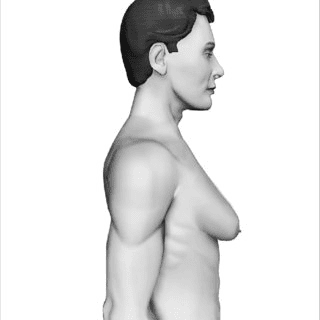
Male breast tissue expansion is known as gynecomastia, a condition that has become more well-known in recent years. It can happen at any age and is frequently brought on by an imbalance in the levels of the hormones testosterone and estrogen. For many men, this problem can appear as a little lump or as more noticeable breast tissue. 

This can cause both physical and mental issues. Their confidence and feeling of masculine may be affected by evident changes, which may also lead to self-consciousness and low self-esteem.

Source: ResearchGate

How is Gynecomastia surgery done?

Reduction mammoplasty, another name for gynecomastia surgery, is the surgical removal of extra breast tissue and fat from the male chest. Usually, excision procedures are used to remove glandular tissue and liposuction is used to remove fatty tissue. 

In certain instances, the surgeon could additionally rearrange the nipple to give it a more natural appearance. Usually, general anesthesia is used during the procedure, and patients may need a few weeks of recovery to properly heal.

Bollywood Stars and Gynecomastia

There have also been rumors of numerous Bollywood actors having gynecomastia treatment:

Salman Khan: It’s rumored that Salman Khan, one of Bollywood’s most well-liked stars, had surgery to lessen the look of swollen male breasts. He is well-known for having a toned body, thus this treatment probably helped him keep that look.

Aditya Roy Kapur: The actor, who has acted in movies like as “Aashiqui 2” and “Malang,” is said to have treated gynecomastia in an effort to improve his confidence and on-screen image.

Ranbir Kapoor: It is rumored that the multi-talented actor, most known for his parts in “Rockstar” and “Sanju,” had gynecomastia surgery, presumably to enhance his physical appearance.

Sonu Sood: Known for his charitable endeavors, it is also speculated that Sonu Sood had this therapy. His decision is unknown, although the surgery probably improved his public image and general level of fitness.

Celebrities Who Have Discussed Their Experiences With Gynecomastia

Famous celebrities like Jack Black and Dwayne “The Rock” Johnson have talked openly about their experiences with gynecomastia, highlighting the value of body positivity and self-acceptance. Famous for his toned body, Dwayne Johnson had surgery to remove excess breast tissue. Many others have been inspired to accept their bodies and seek medical assistance when needed by his openness on the surgery.

In the same way, well-known comedian Jack Black has discussed his struggles with body image, particularly gynecomastia. These celebrities have helped in eliminating the stigma attached to the condition by sharing their own tales, which started a wider discussion regarding men’s health and body image.

Celebrities Who Have Undergone Gynecomastia Surgery

Here, we explore some of the celebrities who have undergone this procedure, shedding light on their journeys and the positive impact it had on their lives.

Dwayne Johnson: Dwayne Johnson, a popular actor and former professional wrestler, has been transparent about having gynecomastia surgery. His chest became more developed as a result of the surgery, adding to his renowned muscular build.

Simon Cowell: The television personality and music producer In addition, Simon Cowell has talked about his gynecomastia. In order to improve his looks, he had surgery, which increased his body confidence and comfort.

Enrique Iglesias: In an effort to enhance his stage persona, well-known singer-songwriter Enrique Iglesias underwent gynecomastia surgery. His entire performance confidence increased as a result of the procedure, which helped him get a more toned chest.

Alec Baldwin: Well-known actor Alec Baldwin has talked about his experience receiving treatment for gynecomastia. He said that the surgery improved his general health and physical look and made him feel more at ease in his own body.

Chris Pratt: Known for his transition from comedy actor to action hero, part of his physical makeover included gynecomastia surgery. His desired appearance was mostly achieved due to the treatment, which also helped in his professional shift.

Arnold Schwarzenegger: The man known as “Arnie,” despite his enormous chest muscles, has been known to suffer from gynecomastia, even though he is no longer at the height of his physical capabilities. Arnold Schwarzenegger has held the title of Mr. Olympia several times, and the use of steroids may have contributed to the development of gynecomastia. It is commonly known that anabolic steroids, which may cause serious hormonal imbalances, are used by a large number of professional bodybuilders. Male glandular tissue develops as a result.

What are the advantages of gynecomastia surgery?

It’s difficult to lose extra breast tissue naturally, even with diet and exercise. It seems sense that many guys would be reluctant to have gynecomastia removed by invasive surgery. An increasing number of men opt for gynecomastia surgery for a permanent and successful therapy. 

It also helps to attain a flatter and more contoured chest as public awareness of this frequent problem has grown. Unfortunately, despite the desire of many men to find a non-surgical solution for gynecomastia, there is presently no possible alternative to surgery for the condition.

Gynecomastia’s Physical and Emotional Effects

In addition to its psychological effects, gynecomastia can be physically uncomfortable. Certain men may have chest discomfort or tenderness, which can make exercising difficult. Feelings of loneliness may worsen if they are uncomfortable, which may further decrease their desire to participate in sports or social activities.

Some people can reduce the appearance of extra breast tissue by adopting lifestyle modifications including frequent exercise and a nutritious diet. Medical treatments such as hormone therapy or surgery can be required in more severe situations. In order to choose the best course of therapy, people who are impacted should speak with medical professionals.

Many men have gynecomastia, a condition that can be uncomfortable on the body as well as emotionally upsetting. On the other hand, stigma has decreased and awareness has increased as a result of celebrities being honest about their experiences with gynecomastia and its treatment. 

Gynecomastia patients have choices for addressing the condition, including lifestyle modifications and surgical procedures. These well-known people’s tales serve as a reminder that getting treatment is a necessary first step in improving one’s life and gaining acceptance of oneself.

References

https://centreforsurgery.com/which-celebrities-have-had-gynecomastia/

https://medium.com/@doddox/gynecomastia-in-the-spotlight-15-celebrities-who-have-shared-their-struggles-fbf7cf561570

Lip Reduction Surgery in India: Costs and what to expect

Cosmetic surgery has been quite popular in India in the last several years, and more and more individuals are choosing to have operations done to improve their looks.

Among these, lip reduction surgery has grown in popularity as a means of achieving a facial profile that is more balanced and proportional. This article explains frequently asked concerns regarding permanently reducing your lips, including costs, procedure specifics, and what to expect.

Understanding Lip Reduction Surgery

A cosmetic procedure called lip reduction surgery tries to make lips smaller. The objective of the procedure is to provide a more harmonious appearance for the top lip, lower lip, or both. For those who believe that their lips are disproportionately huge in comparison to the rest of their facial characteristics, this method is perfect.

Some people may want this surgery to equalize the proportions of their faces, while others may desire smaller lips for cultural or personal reasons. Whatever the reason, lip reduction surgery provides a long-term fix for people who want their lips to become thinner and more attractive.

Source: Research Gate

How to Permanently Reduce the Size of Your Lips

Many people want to know about non-surgical ways to permanently reduce the size of their lips. Unfortunately, non-surgical techniques like topical treatments or lip exercises cannot produce long-lasting effects. Lip reduction surgery is the most reliable and efficient choice if you really want to achieve a permanent reduction in lip size.

In order to achieve a natural, balanced appearance, the lips are reshaped after extra tissue is removed. You may notice smaller, more proportional lips for years to come thanks to the long-lasting benefits.

Lip Reduction Surgery Cost in India

The cost of lip reduction surgery in India varies depending on several factors, including the surgeon’s expertise, the clinic’s location, and the complexity of the procedure. On average, the cost ranges from INR 30,000 to INR 80,000.

While this is significantly lower than the cost of similar procedures in Western countries, it’s essential to choose a qualified and experienced surgeon to ensure the best results. Remember that opting for the cheapest option may compromise the quality of care and the final outcome.

How to Make Male Lips Smaller

Even though lip reduction surgery is often linked with female patients, more and more male patients are choosing to have this procedure done. To look more defined and manly, men who are self-conscious about having big or overly plump lips may choose to get surgery.

Male lip reduction is a popular query, and the method is the same as for female lip reduction. To make sure the end result improves the patient’s overall appearance, the surgeon carefully evaluates the patient’s face structure and lip shape. The goal is to improve the patient’s look and confidence with a small but noticeable change.

The Process of Lip Reduction Surgery

Before having lip reduction surgery, it’s critical to understand the process and its consequences. In order to keep the patient comfortable during the procedure, local anesthetic is usually used during the surgery.

To remove some of the extra tissue, the surgeon makes tiny incisions on the inside of the lips. After that, the incisions are expertly sewed to leave just little scars that are hidden inside the mouth. Depending on the difficulty of the case, the entire process often takes 30 to 60 minutes.

A Guide to Lip Size Reduction

It’s important to speak with a licensed cosmetic surgeon who can evaluate your needs and make specific suggestions if you’re thinking about lip reduction. The surgeon will assess your face shape, go over your goals, and recommend the best course of action to get the results you want during the consultation.

While some individuals may only need lip reduction on one lip, others may need it on both the upper and lower lips. Your surgeon will help you make an educated decision by guiding you through the procedure.

Recovery and Aftercare: What to Expect

Post-surgery, patients can expect some swelling and discomfort, which is entirely normal and typically subsides within a week. The surgeon will provide specific aftercare instructions, including how to manage pain, reduce swelling, and care for the incision sites.

It’s essential to follow these guidelines carefully to ensure a smooth recovery and optimal results. Most patients can return to their regular activities within a week, although strenuous activities should be avoided for a few weeks to allow proper healing.

How to Decrease Lip Size and Reduce Lip Fat

While lip reduction surgery primarily focuses on removing excess tissue, some patients may also be concerned about how to decrease lip size by reducing lip fat. The procedure can address both concerns, as the surgeon can remove fat deposits along with excess skin to create a more refined lip shape.

What’s the difference between lip reduction and lip fillers?

As an alternative to lip reduction surgery, some people could think about using lip fillers. It’s important to recognize the differences between the two processes, though. Lip fillers are utilized to give lips additional volume, giving the appearance of bigger, plumper lips. This is a common technique for those who want to temporarily change the size and shape of their lips.

However, the goal of lip reduction surgery is to permanently reduce the size of the lips. Lip reduction offers a long-lasting solution for people who want thinner lips, while lip fillers are a non-surgical option with benefits that remain for many months.

How to Get Thinner and Smaller Lips

The most effective method if you’re wondering how to achieve thin lips or small lips is lip reduction surgery. Non-surgical techniques could yield short-term benefits, but they are unable to bring about the long-term transformation that surgery can.

You may learn more about your options and the best strategy for getting the desired lip size and shape by speaking with a skilled cosmetic surgeon. Lip reduction surgery is a dependable and safe option if you want to lower the size of your lips for a more balanced appearance or improve your confidence.

In India, lip reduction surgery is becoming more and more common among those who want to have a more natural and even face look. Whether your goal is to address personal preferences or lower lip size for cosmetic reasons, this surgery offers a permanent option that may greatly improve your self-image and confidence.

In India, you may obtain your desired outcomes at a far lower cost than in Western nations thanks to the abundance of highly qualified surgeons and clinics. But to guarantee the greatest result, selecting a qualified and experienced surgeon is important.

Buccal Fat Removal in India: Breaking Down the Costs

Buccal fat removal is a popular cosmetic surgery used to remove the layer of fat in the bottom region of the cheeks in order to provide the look of a more sculpted face. In recent years, this approach has become increasingly popular, particularly with people who want more pronounced cheekbone structure. 

It’s important to know the costs involved with buccal fat removal as more people in India are considering it. This article will explain the elements affecting buccal fat removal costs in India, what to expect during the treatment, and how to choose a surgeon.

Source: John Hopkins Medicine

What is Buccal Fat Removal?

A cosmetic procedure called buccal fat loss involves removing fat pads from the inside of the cheeks. The face can seem slimmer with more defined cheekbones and a sharper jawline by removing these fat pads, which add to the fullness of the cheeks. A small incision is created within the mouth during the treatment, which is usually performed under local anesthetic to ensure no visible scars.

Why Consider Buccal Fat Removal?

For a variety of reasons, people choose to remove their buccal fat, but the main one is to have a more balanced and contoured face. People who have naturally rounder or larger cheeks—often referred to as “chipmunk cheeks”—may think that their faces are less defined. Buccal fat removal can help enhance the cheekbones, create a more angular facial appearance, and reduce the roundness of the face.

Cost of removing buccal fat in India

The complexity of the operation, the clinic’s location, and the surgeon’s experience all affect how much buccal fat removal costs in India. In India, buccal fat reduction typically costs between ₹50,000 to ₹1,50,000. Let’s explore the factors that affect the price range in more detail.

  1. Surgeon’s Qualifications: The total cost of the treatment is mostly determined by the experience and reputation of the cosmetic surgeon doing it. It is possible for surgeons with a high success record, specialized training, and considerable experience to charge more for their services. But their experience frequently guarantees superior outcomes and lowers the possibility of risks.
  2. Location of the Clinic: The geographical location of the clinic can also impact the cost. Clinics in metropolitan cities like Mumbai, Delhi, and Bangalore tend to charge higher fees compared to those in smaller cities. This is due to the higher cost of living, demand for cosmetic procedures, and the availability of advanced medical facilities in these areas.
  3. Type of Clinic or Hospital: The type of clinic or hospital where the procedure is performed also affects the cost. High-end, luxury clinics with state-of-the-art facilities and personalized care services may charge more. On the other hand, smaller, specialized clinics may offer the procedure at a lower cost, but it is essential to ensure they meet all safety and hygiene standards.
  4. Anesthesia Fees: Buccal fat removal is usually performed under local anesthesia, which is less expensive than general anesthesia. However, the cost of anesthesia may still vary depending on the anesthesiologist’s fees, the type of anesthesia used, and the duration of the procedure.
  5. Pre- and Post-Operative Care: The cost of the procedure often includes preoperative consultations, medical tests, and post-operative care. Comprehensive post-operative care, including follow-up visits and medications, can add to the overall cost.
  6. Additional Costs: There may be additional costs associated with the procedure, such as medications, compression garments, and any necessary follow-up treatments. It is important to discuss all potential costs with your surgeon during the initial consultation to avoid any surprises later.

What to Expect During the Procedure

Buccal fat removal is a relatively straightforward procedure that typically takes about 30 minutes to an hour. Here’s a step-by-step overview of what to expect:

Consultation: Before the procedure, you will have a consultation with your surgeon to discuss your goals, medical history, and any potential risks. Your surgeon will examine your facial structure and buccal fat pads to determine the appropriate amount of fat to remove.

Anesthesia: On the day of the surgery, you will be administered local anesthesia to numb the area. In some cases, mild sedation may be used to ensure your comfort during the procedure.

Incision and Fat Removal: The surgeon will make a small incision inside your mouth, near the upper molars. Through this incision, the buccal fat pads are carefully removed. The amount of fat removed will depend on your desired outcome and the surgeon’s assessment.

Suturing: After the fat pads are removed, the incisions are closed with dissolvable sutures. Since the incisions are inside the mouth, there are no visible scars.

Recovery: Recovery from buccal fat removal is relatively quick. You may experience some swelling and discomfort for a few days, which can be managed with prescribed pain medications and cold compresses. Most patients can return to their normal activities within a week.

For people who want a more sculpted face look, buccal fat reduction might be a life-changing operation. The cost of this surgery varies greatly in India depending on a number of factors, such as the location of the clinic, the experience level of the surgeon, and the particulars of the treatment.

Understanding these elements and selecting a skilled surgeon can help you attain the desired results while ensuring your satisfaction and safety.

If you’re thinking about having buccal fat removed, do your research and consult with skilled doctors. This will guarantee that you get the best result and help you in making the right choice.

Frequently Asked Questions (FAQs)

How painful is buccal fat removal?

Buccal fat removal is a simple procedure that’s done in the office under local and IV anesthesia. You won’t feel any pain during the process, except for a slight prick when the anesthetic is administered. In the days after your surgery, you may feel a little sore.

What are some tips for a smooth recovery?

You can try eating a low-sodium diet with lots of fresh fruits and vegetables to help with healing. You should also avoid foods that contain marijuana for at least two days before the procedure and during recovery.

Is buccal fat removal permanent?

Yes, the results of buccal fat removal are usually long-lasting because the fat pads that are removed don’t grow back. However, aging and weight fluctuations can affect your facial appearance over time.

References

https://www.ncbi.nlm.nih.gov/books/NBK576413/ 

https://www.ncbi.nlm.nih.gov/pmc/articles/PMC6051676/ 

https://www.researchgate.net/publication/322906138_Bichat’s_Buccal_Fat_Pad_Removal_Cheek_Reduction_Surgery

https://www.journaljammr.com/index.php/JAMMR/article/view/4962