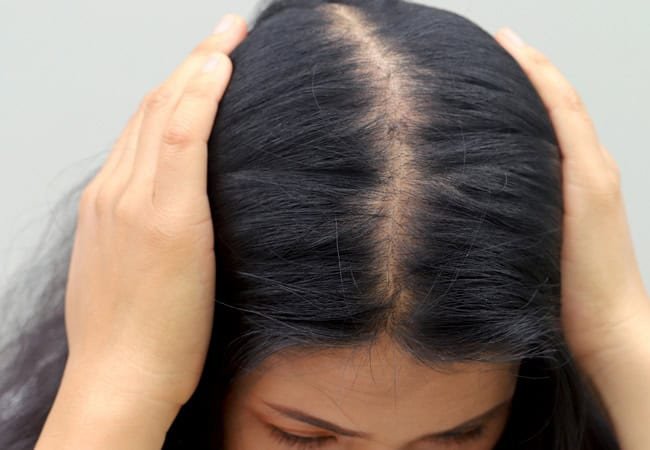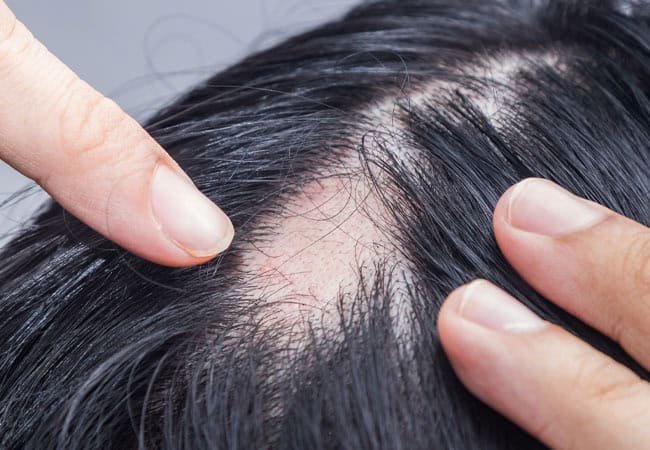
महिलाओं में बाल झड़ने के कारण पुरुषों से काफी अलग होते हैं — और यही वजह है कि ज़्यादातर महिलाएँ गलत इलाज पर सालों बर्बाद कर देती हैं। पुरुषों में हेयरलाइन पीछे जाना या गंजापन जल्दी दिख जाता है। महिलाओं में समस्या धीरे-धीरे आती है: मांग चौड़ी होना, बालों की Density कम होना, पूरे सिर से Diffuse Hair Fall, या बालों का लगातार पतला होते जाना।
शुरुआत में इसे सामान्य समझकर नज़रअंदाज़ कर दिया जाता है। Shampoo बदला जाता है, नया Hair Oil आज़माया जाता है, घरेलू नुस्खे और Supplements शुरू कर दिए जाते हैं। लेकिन कुछ महीनों बाद जब Scalp दिखने लगता है और मांग पहले से चौड़ी लगने लगती है, तब चिंता शुरू होती है।
सबसे अहम बात यह है कि हर महिला में बाल झड़ने का कारण अलग हो सकता है। किसी में यह Stress, बीमारी या पोषण की कमी से जुड़ा होता है। किसी में Thyroid, PCOS, हार्मोनल बदलाव या Genetic Female Pattern Hair Loss ज़िम्मेदार होता है। इसलिए सही इलाज “बाल झड़ना रोकने वाली चीज़” ढूँढने से नहीं, बल्कि यह समझने से शुरू होता है कि बाल झड़ क्यों रहे हैं।
ALCS Hair Transplant & Cosmetic Treatment, Jaipur में डॉ. सुनील अरोड़ा और उनकी टीम का सिद्धांत यही है — बिना कारण समझे किसी भी महिला को सीधे PRP, GFC या दवा की सलाह देना सही Approach नहीं है।
इस गाइड में आप जानेंगे: महिलाओं में बाल झड़ने के 10 प्रमुख कारण, अपना Hair Loss Pattern कैसे पहचानें, कौन-सी जाँच ज़रूरी है, कौन-सा इलाज किसके लिए है, और डॉक्टर से कब मिलना चाहिए।
एक नज़र में — Key Points
• रोज़ 50–100 बाल झड़ना सामान्य है। चिंता तब करें जब Hair Density कम हो या मांग चौड़ी होने लगे।
• महिलाओं में बाल झड़ने के 10 मुख्य कारण: Female Pattern Hair Loss, हार्मोनल बदलाव, PCOS, थायरॉइड, Iron/पोषण की कमी, Stress, Postpartum, Crash Dieting, Tight Hairstyle और Scalp Infection।
• इलाज कारण पर निर्भर करता है — कोई एक Treatment सभी के लिए सही नहीं होता।
• PRP और GFC नए बाल नहीं उगाते; ये कमज़ोर लेकिन ज़िंदा Follicles को सहारा देते हैं।
• महिलाओं में Hair Transplant सिर्फ चुनिंदा मामलों में संभव है — Donor Area मज़बूत होना ज़रूरी है।
• सबसे बड़ी गलती गलत इलाज नहीं, बल्कि सही Diagnosis में देरी करना है।
Baal Jhadna Kab Normal Hai Aur Kab Nahi? | बाल झड़ना कब सामान्य है
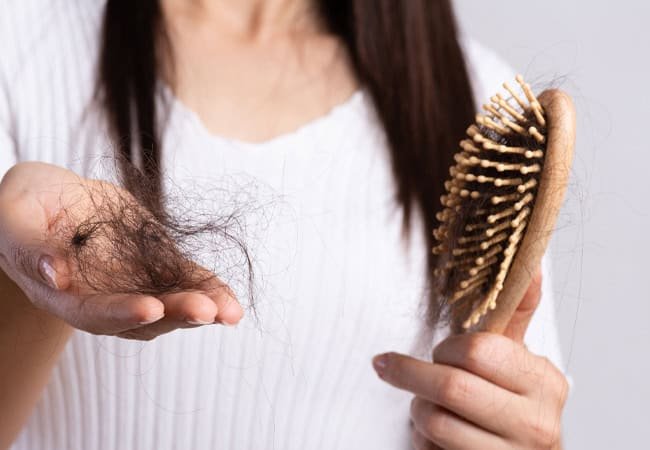
रोज़ाना लगभग 50 से 100 बाल झड़ना सामान्य Hair Growth Cycle का हिस्सा है। पुराने बाल गिरते हैं और उनकी जगह नए उगते हैं। सिर्फ तकिये या कंघी पर बाल दिखने से यह नहीं मान लेना चाहिए कि Hair Loss की बीमारी है।
चिंता तब ज़रूरी हो जाती है जब इनमें से कोई भी बदलाव लगातार दिखे:
• बालों की Density साफ़ तौर पर कम लगने लगे
• मांग (Hair Parting) पहले से चौड़ी दिखे
• चोटी या पोनीटेल की मोटाई घट जाए
• बाल पतले और कमज़ोर होते जाएँ
• Scalp पहले से ज़्यादा दिखाई देने लगे
महिलाओं में Hair Loss दो तरह से शुरू होता है। पहला — अचानक। तेज़ बुखार, बड़ी बीमारी, सर्जरी, गंभीर तनाव या तेज़ी से वज़न घटने के 2–3 महीने बाद अचानक Diffuse Hair Fall शुरू हो सकता है। दूसरा — धीरे-धीरे। Genetic Hair Loss में बाल वर्षों के दौरान चुपचाप पतले होते जाते हैं, और अक्सर तब पता चलता है जब काफी Density जा चुकी होती है।
यानी बाल कितने झड़ रहे हैं, इससे ज़्यादा मायने रखता है कि किस Pattern में और कितने समय से झड़ रहे हैं।
Mahilaon Me Baal Jhadne Ke 10 Mukhya Karan | Causes of Hair Loss in Women
महिलाओं में बाल झड़ने के कारण मोटे तौर पर दो श्रेणियों में आते हैं — अस्थायी (Temporary), जिनमें मूल कारण ठीक होने पर बाल वापस आ सकते हैं, और Progressive, जिनमें समय पर इलाज न होने पर Density लगातार घटती जाती है। नीचे दस सबसे आम कारण दिए गए हैं।
1. Female Pattern Hair Loss (Androgenetic Alopecia)
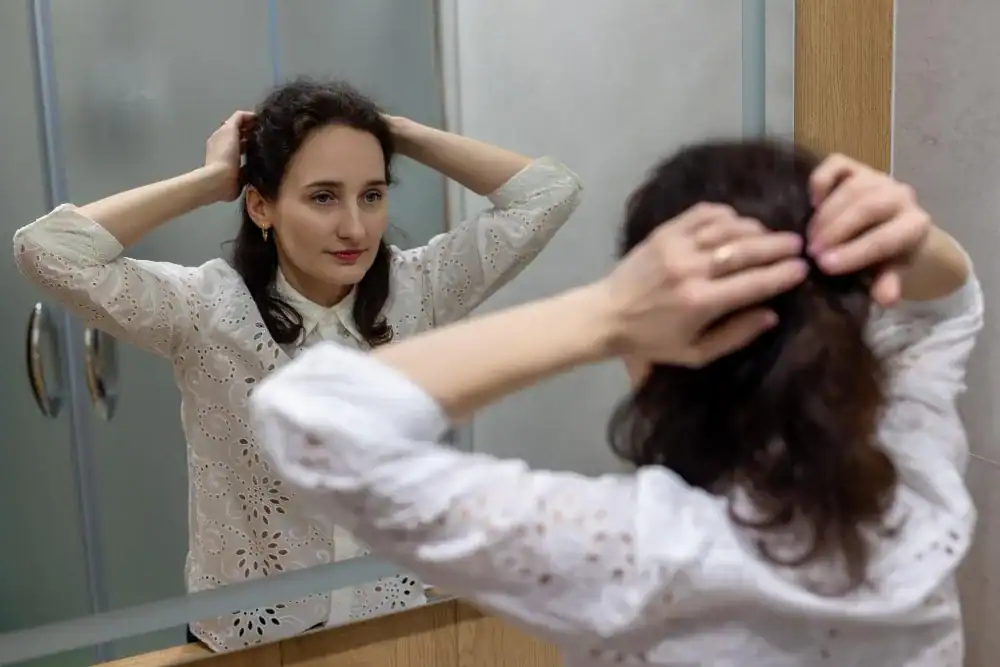
लंबे समय तक चलने वाले Hair Thinning का सबसे आम कारण Female Pattern Hair Loss है, जिसे Androgenetic Alopecia भी कहते हैं। इसमें पुरुषों की तरह हेयरलाइन पीछे नहीं जाती — बल्कि सिर के ऊपरी हिस्से और मांग के आसपास Density धीरे-धीरे कम होती है।
इस स्थिति में Hair Follicles धीरे-धीरे छोटे होते जाते हैं (Miniaturization)। जहाँ पहले मोटे और मज़बूत बाल उगते थे, वहाँ समय के साथ पतले और छोटे बाल आने लगते हैं। यह Genetic Factors और Hormonal Sensitivity से जुड़ा होता है — माँ, बहन या परिवार की अन्य महिलाओं में Hair Thinning का इतिहास हो तो संभावना बढ़ जाती है।
ज़रूरी बात: शुरुआती अवस्था में पहचान होने पर मौजूदा Follicles को बचाने की संभावना काफी बेहतर रहती है। लंबे समय से चल रहे Hair Thinning को “कमज़ोर बाल” मानकर टालना सबसे महँगी गलती साबित होती है।
2. Hormonal Changes — हार्मोनल बदलाव
महिलाओं के शरीर में Hormone Levels जीवन के अलग-अलग चरणों में बदलते हैं, और इसका सीधा असर बालों के Growth Cycle पर पड़ सकता है। Puberty, Pregnancy, Childbirth, Contraceptive Pills शुरू या बंद करना, और Menopause — ये सभी वे मोड़ हैं जहाँ हार्मोनल उतार-चढ़ाव होता है।
हर महिला में इसका असर बालों पर नहीं दिखता। लेकिन जिनके Hair Follicles हार्मोनल बदलावों के प्रति ज़्यादा संवेदनशील होते हैं, उनमें बाल झड़ना बढ़ जाता है। ऐसे मामलों में सिर्फ Hair Treatment करने से जड़ का समाधान नहीं होता — ज़रूरत पड़ने पर Hormonal Evaluation और Blood Tests की सलाह दी जाती है।
3. PCOS Aur Baal Jhadna | PCOS and Hair Loss
PCOS (Polycystic Ovary Syndrome) में Hormonal Imbalance होता है, जो अक्सर अनियमित Periods, Acne, वज़न में बदलाव और शरीर पर अनचाहे बालों के साथ दिखता है। जब Androgen Hormones का प्रभाव बढ़ जाता है, तो कुछ महिलाओं में सिर के बालों की Density घटने लगती है और Male Pattern जैसा Thinning दिख सकता है।
लेकिन दोनों तरफ़ की गलतफ़हमी से बचना ज़रूरी है — PCOS होने का मतलब यह नहीं कि बाल ज़रूर झड़ेंगे, और बाल झड़ने का मतलब यह नहीं कि कारण PCOS ही है। अगर Hair Loss के साथ अनियमित Periods या अन्य Hormonal Symptoms भी हैं, तो Hair Specialist के साथ-साथ Gynaecologist या Endocrinologist की राय उपयोगी रहती है।
4. Thyroid Ki Problem | Thyroid and Hair Loss
Thyroid Hormones शरीर के Metabolism को नियंत्रित करते हैं, और असंतुलन की स्थिति में बालों का Growth Cycle प्रभावित होता है। Hypothyroidism और Hyperthyroidism — दोनों में Diffuse Hair Loss हो सकता है। बाल पूरे सिर से पतले दिखते हैं और Hair Texture भी बदल सकता है (रूखे, भुरभुरे या पतले)।
अगर बाल झड़ने के साथ लगातार थकान, वज़न में अचानक बदलाव, ठंड ज़्यादा लगना, त्वचा का रूखापन या Periods में अनियमितता भी है, तो Thyroid Profile (TSH, T3, T4) की जाँच करानी चाहिए। ऐसे मामलों में सिर्फ Hair Treatment काफी नहीं — मूल Thyroid Condition को सही तरीके से Manage करना ज़रूरी है।
5. Iron Aur Nutrition Ki Kami | Nutritional Deficiency
बालों की Growth के लिए शरीर को लगातार पोषण चाहिए। Iron Deficiency (Low Ferritin), Protein की कमी, Vitamin D और Vitamin B12 की कमी — ये सभी Hair Health को प्रभावित कर सकते हैं। भारतीय महिलाओं में Iron Deficiency खासतौर पर आम है, विशेषकर Heavy Menstrual Bleeding, Restrictive Dieting या असंतुलित शाकाहारी आहार की स्थिति में।
लेकिन यहाँ एक बड़ी चेतावनी ज़रूरी है।
हर Hair Loss को Vitamin Deficiency मानकर बिना जाँच के Supplements शुरू कर देना गलत है। ज़रूरत से ज़्यादा Iron या Vitamin A लेना नुकसानदेह भी हो सकता है। सही तरीका यह है कि जाँच के बाद जो कमी वाकई मौजूद है, सिर्फ उसे ठीक किया जाए। और यह भी समझना ज़रूरी है कि Vitamins लेने भर से Genetic Hair Loss या पुराने Pattern Hair Loss का इलाज नहीं हो जाता।
6. Stress Aur Telogen Effluvium | तनाव के बाद बाल झड़ना
अगर किसी बीमारी, तेज़ बुखार, सर्जरी, गंभीर मानसिक तनाव या अचानक वज़न घटने के 2–3 महीने बाद अचानक बहुत ज़्यादा बाल झड़ने लगें, तो यह अक्सर Telogen Effluvium होता है।
बालों का Growth Cycle तीन चरणों में चलता है — Anagen (बढ़ना), Catagen (रुकना) और Telogen (आराम)। जब शरीर किसी बड़े Physical या Emotional Stress से गुज़रता है, तो सामान्य से कहीं ज़्यादा Follicles एक साथ Telogen Phase में चले जाते हैं। कुछ हफ़्तों बाद ये सब एक साथ झड़ते हैं — इसीलिए Hair Fall अचानक और डरावना लगता है।
राहत की बात यह है कि Trigger हटने और शरीर की स्थिति सामान्य होने पर Hair Growth धीरे-धीरे वापस बेहतर हो जाती है। लेकिन अगर 6 महीने से ज़्यादा समय तक Hair Fall जारी रहे, तो विशेषज्ञ से जाँच कराना ज़रूरी है ताकि दूसरे कारणों को भी परखा जा सके।
7. Pregnancy Ke Baad Baal Jhadna | Postpartum Hair Loss
Delivery के बाद बालों का ज़्यादा झड़ना बहुत आम है। Pregnancy के दौरान बढ़े हुए Hormone Levels के कारण बाल कम झड़ते हैं और घने लगते हैं। Delivery के बाद जब Hormone Levels सामान्य होते हैं, तो वे सारे बाल एक साथ झड़ते हैं जो पहले रुके हुए थे।
यह अनुभव नई माँओं के लिए काफी चिंताजनक होता है, लेकिन Postpartum Hair Loss ज़्यादातर मामलों में अस्थायी होता है और आमतौर पर 6–12 महीनों में स्थिति सुधरने लगती है।
सावधानी: Breastfeeding के दौरान कोई भी Hair Loss दवा या Treatment डॉक्टर की सलाह के बिना शुरू न करें। कई दवाएँ इस अवस्था में सुरक्षित नहीं मानी जातीं।
अगर Delivery के एक साल बाद भी Hair Density वापस न आए या लगातार घटती जाए, तो Medical Evaluation ज़रूरी है।
8. Crash Dieting Aur Sudden Weight Loss
तेज़ी से वज़न घटाने के लिए बहुत कम कैलोरी लेना, Crash Dieting, या लंबे समय तक असंतुलित Diet — ये सब शरीर पर Stress डालते हैं। शरीर की प्राथमिकता में बाल सबसे नीचे आते हैं। जब पोषण कम पड़ता है, तो शरीर सबसे पहले Hair Growth में कटौती करता है।
इसीलिए अचानक वज़न घटाने के 2–4 महीने बाद Hair Fall बढ़ना आम बात है। स्वस्थ और धीमी गति से वज़न घटाना, और साथ में पर्याप्त Protein लेना — दोनों Hair Health के लिए ज़रूरी हैं।
9. Tight Hairstyle | Traction Alopecia
लगातार कसी हुई Ponytail, Bun, Braids, Hair Extensions या भारी Hair Accessories बालों की जड़ों पर लगातार खिंचाव पैदा करते हैं। इस स्थिति को Traction Alopecia कहते हैं, और यह आमतौर पर Hairline और कनपटी के आसपास सबसे पहले दिखती है।
शुरुआती चरण में अगर खिंचाव बंद कर दिया जाए तो सुधार की अच्छी संभावना रहती है। लेकिन सालों तक लगातार Traction रहने पर Hair Follicles को स्थायी नुकसान हो सकता है — और उस स्थिति में सिर्फ Hair Transplant ही विकल्प बचता है। अगर Hairline के आसपास बाल लगातार कम हो रहे हों, तो सबसे पहले Hairstyle की आदतें बदलिए।
10. Scalp Ki Problem | Dandruff, Infection और अन्य
Dandruff, Seborrheic Dermatitis, Fungal Infection, Psoriasis या अन्य Scalp Conditions भी Hair Shedding बढ़ा सकती हैं। Scalp बालों की ज़मीन है — ज़मीन खराब हो तो फ़सल भी प्रभावित होती है।
अगर Hair Fall के साथ लगातार खुजली, Scaling, लालिमा, दर्द, पपड़ी या गोल Patches दिखें, तो इसे सामान्य Hair Fall मानकर घरेलू उपचार करते रहना नुकसानदेह हो सकता है। कुछ Scalp Conditions में देरी से स्थायी नुकसान हो सकता है।
Apna Hair Loss Pattern Kaise Pehchane? | Types of Female Hair Loss
महिलाओं में Hair Loss हमेशा एक जैसा नहीं दिखता। Pattern समझने से संभावित कारण की दिशा मिल जाती है। नीचे दी गई तालिका से आप अपनी स्थिति का शुरुआती अंदाज़ा लगा सकती हैं।
| क्या दिख रहा है | संभावित कारण | कितनी जल्दी डॉक्टर से मिलें |
| पूरे सिर से अचानक ज़्यादा बाल झड़ना | Telogen Effluvium, Thyroid, Iron की कमी, Postpartum | 2–3 महीने तक जारी रहे तो |
| मांग धीरे-धीरे चौड़ी होना, ऊपर से Scalp दिखना | Female Pattern Hair Loss | जितनी जल्दी हो सके |
| गोल-गोल Patch में बाल गायब होना | Alopecia Areata (अलग स्थिति) | तुरंत |
| Hairline और कनपटी के पास बाल कम होना | Traction Alopecia | जल्द — नुकसान स्थायी हो सकता है |
| खुजली, पपड़ी या लालिमा के साथ बाल झड़ना | Scalp Infection / Dermatitis | तुरंत |
| बाल पतले और भुरभुरे होना, टूटना | Nutritional Deficiency, Chemical Damage | 1–2 महीने में |
साफ़ बात: सिर्फ आईने में देखकर सही कारण पहचानना संभव नहीं है। यह तालिका दिशा देती है, Diagnosis नहीं। लंबे समय से समस्या हो तो Professional Hair Assessment ज़रूरी है।
Female Hair Loss Ka Diagnosis Kaise Hota Hai? | कौन-से टेस्ट होते हैं
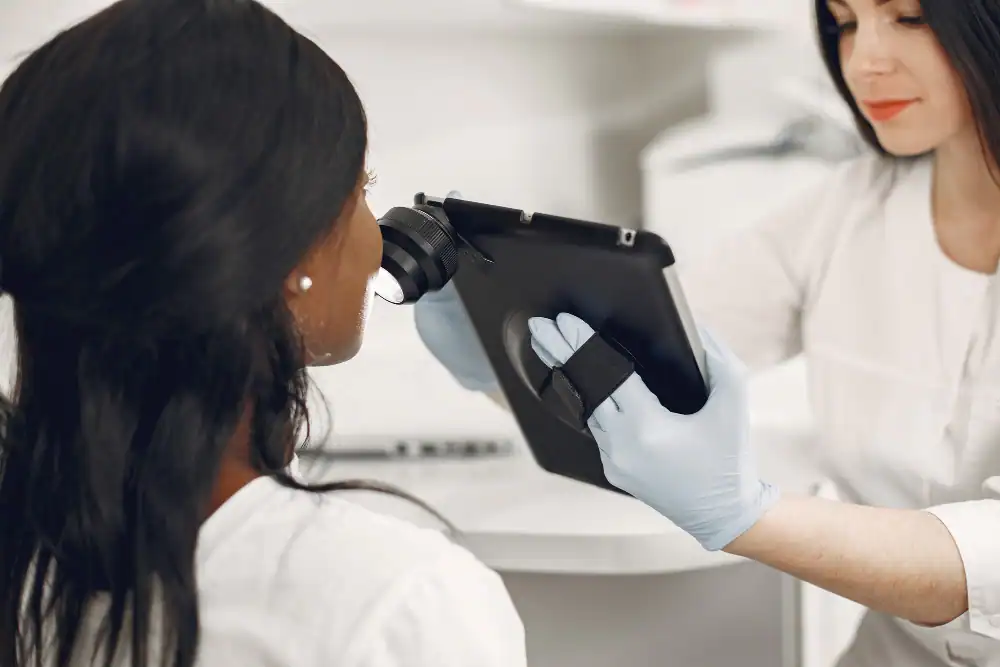
Treatment शुरू करने से पहले सही Diagnosis सबसे ज़रूरी कदम है। एक अच्छे Hair Assessment में आमतौर पर ये चीज़ें शामिल होती हैं:
1. विस्तृत History — बाल कब से झड़ रहे हैं, किस Pattern में, परिवार में किसी को है क्या, Pregnancy History, Menstrual History, Diet, Stress Level, चल रही दवाएँ और मौजूदा Medical Conditions।
2. Clinical Examination — Scalp की जाँच, Hair Density का आकलन, Pull Test, और Hair Shaft की गुणवत्ता देखना।
3. Trichoscopy — बालों और Scalp को magnify करके देखना, जिससे Follicle Miniaturization और अन्य बदलाव पकड़ में आते हैं।
4. Blood Tests (ज़रूरत पड़ने पर) — CBC, Serum Ferritin, Thyroid Profile (TSH/T3/T4), Vitamin D, Vitamin B12, और संदेह होने पर Hormonal Profile।
हर महिला को सभी Tests की ज़रूरत नहीं होती। कौन-सी जाँच करनी है, यह Symptoms और Clinical Assessment के आधार पर तय होता है। सही Diagnosis का सबसे बड़ा फ़ायदा यही है कि अनावश्यक और महँगे Treatments से बचा जा सकता है।
Mahilaon Me Baal Jhadne Ka Ilaj | Female Hair Loss Treatment Options
महिलाओं में बाल झड़ने का इलाज पूरी तरह उसके कारण पर निर्भर करता है। कोई एक Treatment सभी महिलाओं के लिए सही नहीं होता — और जो क्लिनिक सबको एक ही Package बताता है, वहाँ सावधान रहना चाहिए।
• अगर कारण Nutritional Deficiency है → प्राथमिक लक्ष्य उस कमी को ठीक करना है।
• अगर Thyroid या PCOS ज़िम्मेदार है → उस Medical Condition का सही Management पहले ज़रूरी है।
• अगर Female Pattern Hair Loss है → Hair Preservation और Follicle Support के लिए अलग Treatment Plan बनता है।
• अगर Traction या Scalp Infection है → कारण हटाना और Scalp का इलाज सबसे पहले।
Medical Treatment — Minoxidil और अन्य दवाएँ
Minoxidil महिलाओं में Hair Loss के लिए सबसे ज़्यादा इस्तेमाल होने वाला Topical Treatment Option है। किस Strength और किस Form में इस्तेमाल करना है, यह व्यक्ति की स्थिति और डॉक्टर की सलाह पर निर्भर करता है — महिलाओं और पुरुषों के लिए Strength अलग होती है।
कुछ Oral दवाएँ सिर्फ़ विशेष परिस्थितियों में और सख़्त Medical Supervision के तहत दी जाती हैं। Pregnancy Planning, Pregnancy और Breastfeeding — इन तीनों स्थितियों में Treatment Options पूरी तरह अलग होते हैं।
चेतावनी: महिलाओं को Hair Loss की दवा खुद से शुरू नहीं करनी चाहिए। Instagram, YouTube या किसी दोस्त की सलाह पर दवा लेना सुरक्षित तरीका नहीं है — कुछ दवाएँ गर्भावस्था में गंभीर जोखिम पैदा कर सकती हैं।
PRP Treatment — क्या महिलाओं के लिए उपयोगी है?
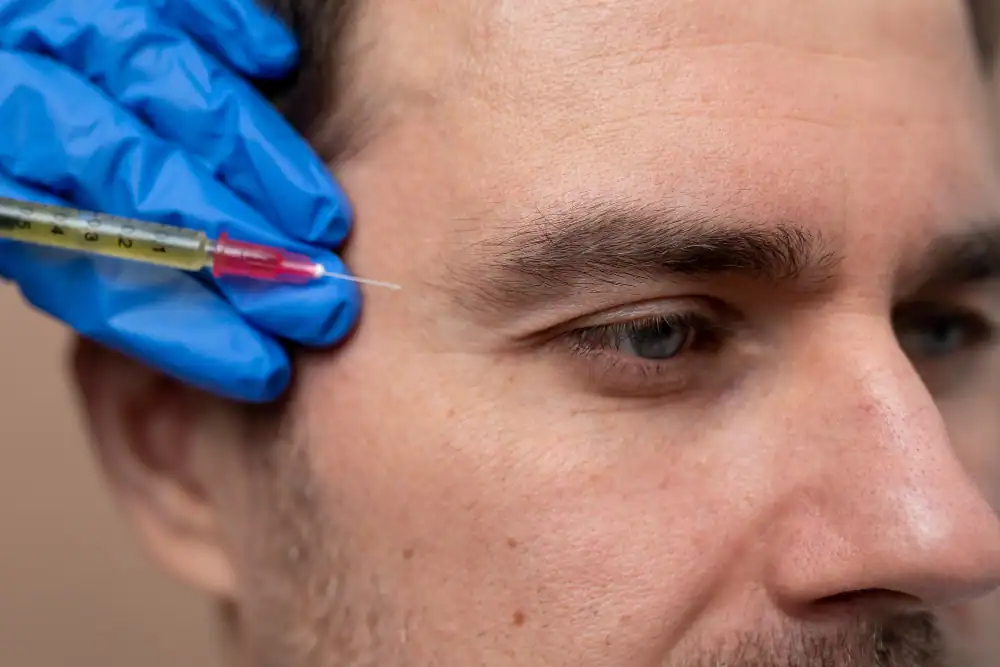
PRP यानी Platelet Rich Plasma Therapy में मरीज़ के अपने ख़ून से तैयार Plasma का इस्तेमाल किया जाता है, जिसे Scalp में इंजेक्ट किया जाता है।
चुनिंदा मरीज़ों में PRP को Hair Loss Management Plan का हिस्सा बनाया जा सकता है — खासकर तब जब Hair Follicles अभी ज़िंदा और सक्रिय हों, लेकिन बालों की गुणवत्ता और Density घट रही हो।
ग़लतफ़हमी दूर करें: PRP का उद्देश्य नए Hair Follicles बनाना नहीं है। जहाँ Follicle पूरी तरह ख़त्म हो चुका है, वहाँ PRP कुछ नहीं कर सकता। इसे कमज़ोर लेकिन जीवित Follicles के लिए Supportive Treatment समझना ज़्यादा सही है।
Sessions की संख्या Hair Loss के कारण और अवस्था पर तय होती है। PRP और GFC के बीच का फ़र्क़ विस्तार से समझने के लिए हमारा ब्लॉग “PRP vs GFC: बाल झड़ने के लिए कौन-सा इलाज बेहतर है?” पढ़ें।
GFC Therapy — Growth Factor Concentrate
GFC यानी Growth Factor Concentrate एक Regenerative Treatment है जिसमें मरीज़ के अपने ख़ून से प्राप्त Growth Factors का सांद्र रूप इस्तेमाल किया जाता है। कुछ महिलाओं में इसे Hair Follicle Support के उद्देश्य से Treatment Plan में शामिल किया जाता है।
लेकिन यह दावा करना सही नहीं होगा कि GFC हर महिला के लिए PRP से बेहतर है। Treatment का चयन Hair Loss की अवस्था, कारण, Hair Density और व्यक्तिगत Medical Factors पर निर्भर करता है।
किसी भी Regenerative Treatment से पहले यह जाँचना ज़रूरी है कि Hair Follicles अभी भी सक्रिय हैं या नहीं — क्योंकि निष्क्रिय Follicles पर इनका कोई असर नहीं होता।
Hair Transplant — क्या महिलाओं का हो सकता है?
हाँ, कुछ चुनिंदा महिलाओं में Hair Transplant संभव है। लेकिन महिलाओं में इसकी Planning पुरुषों की तुलना में कहीं ज़्यादा सावधानी माँगती है — क्योंकि ज़्यादातर महिलाओं में Diffuse Thinning होता है, जिससे Donor Area भी प्रभावित हो सकता है।
Hair Transplant इन स्थितियों में विकल्प बन सकता है:
• Hair Loss किसी सीमित क्षेत्र तक ही हो और Donor Area मज़बूत हो
• Hairline Restoration या माथा चौड़ा दिखने की समस्या
• Traction Alopecia से हुआ स्थायी नुकसान
• चोट, जलने या सर्जरी के निशान वाले हिस्से
लेकिन सभी महिलाओं के लिए Hair Transplant सही विकल्प नहीं होता। अगर Diffuse Thinning पूरे सिर में है और Donor Area भी कमज़ोर है, तो Transplant से मनचाहा परिणाम नहीं मिलता। इसलिए पहले Donor Area Assessment, Hair Loss Pattern और भविष्य में होने वाले संभावित Hair Loss का मूल्यांकन ज़रूरी है।
PRP vs GFC vs Minoxidil vs Hair Transplant — तुलना
नीचे दी गई तालिका से आप चारों विकल्पों का मूल फ़र्क़ समझ सकती हैं। ध्यान रखें — यह सामान्य जानकारी है, आपके लिए क्या सही है यह जाँच के बाद ही तय होगा।
| Treatment | किसके लिए उपयुक्त | क्या करता है | सीमा |
| Minoxidil (Topical) | शुरुआती से मध्यम Female Pattern Hair Loss | Growth Phase लंबा करता है, Follicle को सक्रिय रखता है | लगातार इस्तेमाल ज़रूरी; बंद करने पर असर घट जाता है |
| PRP | सक्रिय लेकिन कमज़ोर Follicles | मौजूदा Follicles को Support देता है | नए Follicle नहीं बनाता; कई Sessions लगते हैं |
| GFC | सक्रिय Follicles वाले चुनिंदा मरीज़ | Concentrated Growth Factors से Follicle Support | PRP से हमेशा बेहतर नहीं; निष्क्रिय Follicles पर बेअसर |
| Hair Transplant | सीमित क्षेत्र का Hair Loss + मज़बूत Donor Area | स्थायी Follicles को नई जगह स्थानांतरित करता है | Diffuse Thinning में उपयुक्त नहीं; Donor कमज़ोर हो तो संभव नहीं |
| Medical Management | Thyroid, PCOS, Anaemia जैसे कारण | मूल Medical Condition ठीक करता है | Genetic Hair Loss अकेले इससे नहीं रुकता |
Ghar Par Baal Jhadna Kaise Kam Karein? | रोज़मर्रा की देखभाल
घरेलू देखभाल Medical Treatment की जगह नहीं ले सकती, लेकिन यह बालों को और नुकसान से बचाती है और Treatment के परिणाम बेहतर बनाती है। ये आदतें आज से अपनाई जा सकती हैं:
• बालों को कसकर न बाँधें — ढीली चोटी या बन बनाएँ, और सोते समय बाल खुले या हल्के बँधे रखें।
• गीले बालों में कंघी न करें — गीले बाल सबसे ज़्यादा कमज़ोर होते हैं। पहले तौलिये से हल्के हाथ से सुखाएँ।
• रोज़ाना Heat Styling से बचें — Straightener, Curler और तेज़ गर्म Dryer बालों को भुरभुरा बनाते हैं।
• बार-बार Chemical Treatment न कराएँ — Colouring, Smoothening और Keratin के बीच पर्याप्त अंतर रखें।
• Scalp साफ़ रखें — तैलीय Scalp पर हफ़्ते में 2–3 बार Mild Shampoo करना Hair Fall नहीं बढ़ाता, बल्कि Scalp Health सुधारता है।
• रोज़ पर्याप्त Protein लें — बाल मूलतः Keratin नामक Protein से बने होते हैं।
• नींद और Stress पर काम करें — लगातार Sleep Deprivation और तनाव Hair Cycle को प्रभावित करते हैं।
• धूप और प्रदूषण से बचाव — बाहर निकलते समय स्कार्फ़ या टोपी का इस्तेमाल करें।
जो न करें: बिना जाँच के Supplements का ढेर, हर हफ़्ते नया “चमत्कारी” तेल, और Internet पर मिले नुस्खों को Scalp पर आज़माना। कई घरेलू नुस्खे Scalp में जलन या Allergy पैदा कर सकते हैं।
Baal Jhadne Par Kya Khaye? | Diet और पोषण
सही Diet Genetic Hair Loss को नहीं रोक सकती, लेकिन पोषण की कमी से होने वाले Hair Fall में इसका सीधा असर पड़ता है। इन पोषक तत्वों पर ध्यान दें:
| पोषक तत्व | बालों के लिए क्यों ज़रूरी | मुख्य स्रोत |
| Protein | बाल Keratin Protein से बने होते हैं | दाल, राजमा, छोले, अंडा, पनीर, दही, सोया, चिकन, मछली |
| Iron | Follicles तक ऑक्सीजन पहुँचाता है | पालक, चुकंदर, गुड़, खजूर, अनार, हरी पत्तेदार सब्ज़ियाँ, रेड मीट |
| Vitamin C | Iron के अवशोषण में मदद करता है | आँवला, नींबू, संतरा, अमरूद, टमाटर |
| Vitamin D | Hair Follicle Cycle से जुड़ा हुआ | सुबह की धूप, अंडे की जर्दी, Fortified दूध |
| Vitamin B12 | कमी से Diffuse Hair Fall हो सकता है | दूध, दही, अंडा, मछली (शाकाहारियों में कमी आम है) |
| Zinc | Follicle Repair में भूमिका | कद्दू के बीज, तिल, काजू, साबुत अनाज |
| Omega-3 | Scalp Health के लिए | अलसी, अखरोट, चिया बीज, मछली |
ज़रूरी सावधानी: यह Diet Chart सामान्य Hair Health के लिए है। जो कमी वाकई मौजूद है वह Blood Test से ही पता चलती है। बिना जाँच के Iron या Vitamin की ऊँची खुराक लेना नुकसानदेह हो सकता है।
Treatment Ka Result Kitne Time Me Dikhta Hai?
यह सवाल लगभग हर मरीज़ पूछता है, और इसका ईमानदार जवाब यह है — बालों में धैर्य सबसे ज़रूरी है। Hair Growth Cycle धीमा होता है, इसलिए कोई भी Treatment रातोंरात असर नहीं दिखाता।
• पहले 4–8 हफ़्ते: अक्सर कोई साफ़ बदलाव नहीं दिखता। कुछ मामलों में शुरुआत में Hair Shedding थोड़ी बढ़ सकती है — यह हमेशा बुरा संकेत नहीं होता।
• 3 महीने: Hair Fall कम होना शुरू हो सकता है। यह पहला वास्तविक संकेत होता है।
• 4–6 महीने: नए और महीन बाल दिखने लग सकते हैं। Hair Texture में सुधार महसूस होता है।
• 9–12 महीने: Density में असली अंतर दिखता है। असली मूल्यांकन इसी समय होता है।
इसीलिए 1–2 महीने में Treatment छोड़ देना सबसे आम गलती है। और परिणाम हर व्यक्ति में अलग होते हैं — यह Hair Loss की अवस्था, कारण और Follicles की स्थिति पर निर्भर करता है।
Female Hair Loss Treatment Ka Kharcha Kis Par Depend Karta Hai?
Treatment का ख़र्च हर मरीज़ में अलग होता है, इसलिए बिना जाँच के कोई निश्चित आँकड़ा बताना सही नहीं होगा। लेकिन ख़र्च इन बातों पर निर्भर करता है:
• Hair Loss का कारण — सिर्फ़ Anaemia या Thyroid ठीक करने में ख़र्च बहुत कम आता है
• Hair Loss की अवस्था — शुरुआती अवस्था में इलाज हमेशा सस्ता पड़ता है
• चुना गया Treatment — Medical Management, PRP/GFC, या Hair Transplant
• Sessions की संख्या (PRP/GFC में)
• Hair Transplant में Grafts की संख्या और Technique
• ज़रूरी Blood Tests और Follow-up Visits
एक ज़रूरी सलाह: किसी भी क्लिनिक में “Fixed Package” पहले और Diagnosis बाद में — यह क्रम गलत है। पहले कारण पता चलना चाहिए, फिर Treatment, और उसके बाद ख़र्च। ALCS Jaipur में Assessment के बाद ही आपकी स्थिति के अनुसार Treatment Plan और अनुमानित ख़र्च बताया जाता है।
Kya Hair Oil Se Baal Jhadna Ruk Sakta Hai?
सीधा जवाब — नहीं, अकेला तेल Medical Hair Loss को नहीं रोक सकता। Hair Oil बालों और Scalp की सामान्य देखभाल का हिस्सा है, और यह बालों की Conditioning, टूटन कम करने और Scalp Massage में मदद करता है। लेकिन इसे इलाज मानना गलत है।
अगर Hair Loss का कारण Female Pattern Hair Loss, Thyroid Disorder, PCOS, Nutritional Deficiency या कोई अन्य Medical Condition है, तो तेल उस मूल कारण पर कोई असर नहीं डालता। जितने महीने तेल बदलने में जाते हैं, उतने महीने Follicles को बचाने का मौका निकल जाता है।
साथ ही — बहुत ज़ोर से तेल मालिश करना, या तेल लगाकर दिनों तक न धोना, Scalp पर उल्टा असर डाल सकता है। तैलीय Scalp पर Dandruff और Fungal Growth बढ़ने की आशंका रहती है।
Doctor Se Kab Milna Chahiye? | Warning Signs
इन स्थितियों में विशेषज्ञ से मिलने में देरी नहीं करनी चाहिए:
• मांग (Hair Parting) लगातार चौड़ी होती जा रही हो
• Scalp पहले की तुलना में साफ़ दिखाई देने लगे
• अचानक गुच्छों में बाल झड़ने लगें
• गोल या स्पष्ट Bald Patches दिखाई दें
• Hair Fall के साथ खुजली, दर्द, पपड़ी या Scalp की गंभीर समस्या हो
• Hair Loss के साथ अनियमित Periods, Acne या अनचाहे बाल जैसे Hormonal Symptoms हों
• Delivery के एक साल बाद भी Hair Density वापस न आए
• Hair Fall के साथ लगातार थकान, वज़न में बदलाव या त्वचा में बदलाव हो
• 3 महीने से ज़्यादा समय से लगातार ज़्यादा बाल झड़ रहे हों
जितनी जल्दी कारण की पहचान होती है, उतनी जल्दी सही Treatment Plan बन पाता है — और Follicles बचाने की संभावना भी उतनी ही ज़्यादा रहती है।
Mahilaon Dwara Ki Jane Wali 5 Common Galtiyan
गलती 1: हर Hair Fall को Vitamin Deficiency मान लेना
Nutritional Deficiency एक आम कारण है, लेकिन हर Hair Loss उससे नहीं होता। बिना जाँच के महीनों तक Supplements लेते रहने से असली कारण छूट जाता है।
गलती 2: सालों तक सिर्फ़ Shampoo और तेल बदलते रहना
अगर Hair Density लगातार कम हो रही है, तो Cosmetic Products बदलने से कुछ नहीं होगा। यह समय बर्बाद करने का सबसे आम तरीका है।
गलती 3: सोशल मीडिया की सलाह पर दवा शुरू करना
Hair Loss की कई दवाएँ Medical History देखे बिना नहीं दी जा सकतीं। कुछ दवाएँ गर्भावस्था में गंभीर जोखिम पैदा करती हैं। Influencer की सलाह डॉक्टर की जगह नहीं ले सकती।
गलती 4: PRP या GFC को Permanent Cure मान लेना
ये Treatments चुनिंदा मामलों में उपयोगी हैं, लेकिन ये न तो नए Follicles बनाते हैं और न ही हर तरह के Hair Loss का स्थायी इलाज हैं।
गलती 5: Diagnosis में बहुत देर करना
यह सबसे महँगी गलती है। कई Hair Loss Conditions में जो Follicles ख़त्म हो गए, वे वापस नहीं आते। शुरुआती Diagnosis ही सबसे बड़ा फ़ायदा देता है।
Sahi Approach Kya Hai? | 3-Step Framework
महिलाओं में Hair Loss का सही तरीका तीन चरणों में समझा जा सकता है:
5. सही कारण की पहचान — History, Clinical Examination और ज़रूरी जाँच के आधार पर।
6. कारण के अनुसार Treatment Plan — किसी को सिर्फ़ Medical Condition Manage करने की ज़रूरत होती है, किसी को Medical Hair Treatment, किसी को PRP या GFC, और चुनिंदा मामलों में Hair Transplant।
7. Regular Monitoring — Treatment Response और Hair Density को समय-समय पर मापना, और ज़रूरत पड़ने पर Plan बदलना।
यही कारण है कि सभी मरीज़ों को एक ही Package या एक ही Treatment बताना वैज्ञानिक Approach नहीं है।
निष्कर्ष: सही इलाज सही Diagnosis से शुरू होता है
महिलाओं में बाल झड़ने की समस्या को सिर्फ़ Cosmetic Problem मानना सबसे बड़ी भूल है। इसके पीछे Genetic Factors, Hormonal Changes, PCOS, Thyroid, Nutritional Deficiency, Stress या Pregnancy — कुछ भी हो सकता है।
हर महिला को PRP की ज़रूरत नहीं होती। हर महिला को GFC की ज़रूरत नहीं होती। और Hair Transplant भी हर व्यक्ति के लिए सही विकल्प नहीं है। सही Treatment वही है जो आपके Hair Loss के वास्तविक कारण और Follicles की मौजूदा स्थिति के आधार पर चुना जाए।
याद रखिए — बालों की समस्या में सबसे बड़ी गलती गलत Treatment नहीं, बल्कि सही Diagnosis में बहुत देर कर देना है।
ALCS Jaipur में विशेषज्ञ Hair Assessment
ALCS Hair Transplant & Cosmetic Treatment, Jaipur में महिलाओं के Hair Loss का मूल्यांकन सिर्फ़ यह देखकर नहीं किया जाता कि कितने बाल झड़ रहे हैं। Hair Loss Pattern, Hair Density, Scalp Condition, Medical History और संभावित कारणों को समझने के बाद ही Treatment Approach तय की जाती है।
डॉ. सुनील अरोड़ा, MCh (Plastic Surgery), के 25+ वर्षों के अनुभव के साथ ALCS की टीम का उद्देश्य हर मरीज़ के लिए उसकी स्थिति के अनुसार वैज्ञानिक और व्यक्तिगत Treatment Plan तैयार करना है।
कई महिलाएँ सीधे PRP, GFC या Hair Transplant के बारे में पूछने आती हैं। लेकिन सही सलाह देने से पहले यह समझना ज़रूरी है कि उनके Hair Loss का असली कारण क्या है। अगर किसी मरीज़ को सिर्फ़ Medical Management चाहिए, तो उसे अनावश्यक Procedure की सलाह नहीं दी जाती।
अगर आप लंबे समय से Hair Fall, Hair Thinning या Hair Density कम होने की समस्या का सामना कर रही हैं, तो सही कारण जानना ही बेहतर पहला कदम है।
Aksar Puche Jane Wale Sawal | Female Hair Loss FAQs
महिलाओं के रोज़ कितने बाल झड़ना सामान्य है?
रोज़ाना लगभग 50 से 100 बाल झड़ना सामान्य माना जाता है। लेकिन सिर्फ़ गिनती पर ध्यान देने के बजाय Hair Density, Pattern और लगातार होने वाले बदलाव देखना ज़्यादा उपयोगी है।
क्या महिलाओं में गंजापन हो सकता है?
हाँ। महिलाओं में Hair Density काफ़ी कम हो सकती है और कुछ मामलों में स्पष्ट Thinning या Bald Areas भी विकसित हो सकते हैं। हालाँकि इसका Pattern पुरुषों से अलग होता है — आमतौर पर पूरी हेयरलाइन पीछे जाने के बजाय ऊपर से Density घटती है।
क्या PCOS से बाल झड़ते हैं?
PCOS से जुड़े Hormonal Changes कुछ महिलाओं में Hair Loss को प्रभावित कर सकते हैं, खासकर जब Androgen का प्रभाव बढ़ा हो। लेकिन हर Hair Loss का कारण PCOS नहीं होता, और PCOS वाली हर महिला के बाल नहीं झड़ते।
क्या Pregnancy के बाद बाल झड़ना सामान्य है?
हाँ, Postpartum Hair Loss बहुत आम और ज़्यादातर मामलों में अस्थायी होता है। आमतौर पर 6–12 महीनों में स्थिति सुधरने लगती है। अगर एक साल बाद भी Density वापस न आए, तो जाँच कराना चाहिए।
क्या महिलाओं को Minoxidil दिया जा सकता है?
हाँ, कुछ मामलों में डॉक्टर Minoxidil की सलाह देते हैं। महिलाओं के लिए Strength पुरुषों से अलग होती है, और इसका इस्तेमाल Medical Supervision में ही होना चाहिए। Pregnancy और Breastfeeding के दौरान डॉक्टर से पूछे बिना इस्तेमाल न करें।
क्या PRP महिलाओं के लिए सुरक्षित है?
PRP में मरीज़ का अपना ही ख़ून इस्तेमाल होता है, इसलिए इसे आमतौर पर चुनिंदा महिलाओं में इस्तेमाल किया जा सकता है। लेकिन इसकी उपयुक्तता Medical History और Hair Loss के कारण पर निर्भर करती है — यह हर महिला के लिए ज़रूरी नहीं है।
PRP और GFC में महिलाओं के लिए कौन बेहतर है?
कोई एक Treatment सभी के लिए बेहतर नहीं है। सही विकल्प Hair Loss के कारण, Follicles की स्थिति, Hair Density और विशेषज्ञ के Assessment पर निर्भर करता है।
क्या Hair Oil से महिलाओं का Hair Fall रुक सकता है?
Hair Oil सामान्य Hair Care में उपयोगी हो सकता है, लेकिन यह Medical या Genetic Hair Loss का प्रमाणित इलाज नहीं है। मूल कारण का इलाज ज़रूरी है।
क्या तनाव से महिलाओं के बाल झड़ सकते हैं?
हाँ। गंभीर Physical या Emotional Stress के 2–3 महीने बाद Telogen Effluvium के रूप में Hair Shedding बढ़ सकती है। Trigger हटने पर स्थिति आमतौर पर सुधरती है।
क्या महिलाओं का Hair Transplant संभव है?
हाँ, लेकिन सिर्फ़ चुनिंदा मामलों में। Donor Area मज़बूत होना और Hair Loss का सीमित क्षेत्र में होना ज़रूरी है। Diffuse Thinning वाली महिलाओं में यह आमतौर पर उपयुक्त नहीं होता।
महिलाओं में Hair Loss के लिए कौन-सा टेस्ट कराया जाता है?
आमतौर पर CBC, Serum Ferritin, Thyroid Profile, Vitamin D और Vitamin B12 की जाँच की जाती है। संदेह होने पर Hormonal Profile भी। लेकिन हर महिला को सभी Tests की ज़रूरत नहीं होती — यह Symptoms के आधार पर तय होता है।
क्या Female Pattern Hair Loss वापस ठीक हो सकता है?
यह Hair Loss की अवस्था पर निर्भर करता है। शुरुआती अवस्था में Treatment शुरू करने पर मौजूदा बालों को बचाने और गुणवत्ता सुधारने की संभावना काफ़ी बेहतर रहती है। जहाँ Follicles पूरी तरह ख़त्म हो चुके हों, वहाँ Hair Transplant ही विकल्प बचता है।
Hair Loss Treatment का असर कितने दिन में दिखता है?
आमतौर पर 3 महीने में Hair Fall कम होना शुरू होता है, 4–6 महीने में नए बाल दिखने लगते हैं, और असली Density का मूल्यांकन 9–12 महीने में होता है। 1–2 महीने में Treatment छोड़ देना सबसे आम गलती है।
क्या बार-बार Shampoo करने से बाल झड़ते हैं?
नहीं। Shampoo करने से वे बाल गिरते हैं जो पहले से झड़ने की अवस्था में थे। तैलीय Scalp पर हफ़्ते में 2–3 बार Mild Shampoo करना Scalp Health के लिए फ़ायदेमंद ही है।
Book Appointment