Get Expert Advice - Free Today

Lip Filler Migration: Signs, Causes, and How to Fix It

Lip filler migration can change the shape of the lips and create an uneven look. It matters because people may mistake migration for normal swelling and wait too long to get help. Lip fillers are usually made with hyaluronic acid, and filler complications can include lumps, contour changes, and unwanted fullness when placement or volume is not right.

Lip filler migration can happen when filler shifts beyond the intended treatment area. Poor injection technique, excessive filler volume, unsuitable product selection, and improper aftercare can all contribute to this issue. 

The result may include blurred lip borders, uneven fullness, or puffiness around the lips. Understanding the signs, causes, and treatment options can help patients identify migration early and seek the right correction safely.

What Is Lip Filler Migration?

Lip filler migration means the filler has moved from the area where it was placed. It may look like the product has spread above the lip border, created a puffy outline, or changed the lip shape in a way that looks unnatural.

This problem is different from early swelling. Swelling is part of normal healing, while migration causes a lasting contour change or a “blown” look around the lips. Injection-site redness, swelling, bruising, and tenderness usually settle within 1 to 2 weeks.

What Are the Signs of Lip Filler Migration?

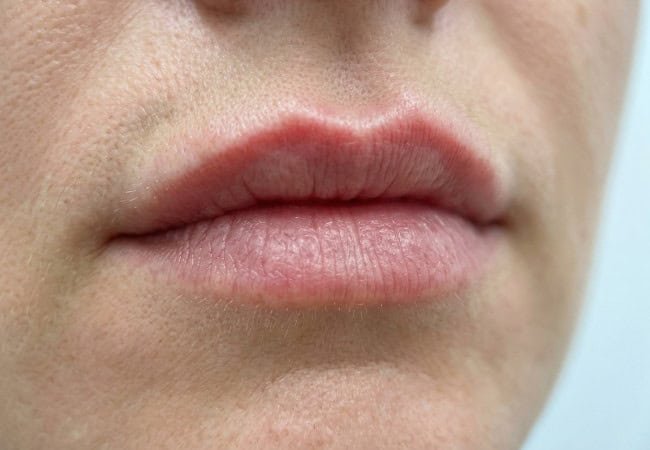
The main signs are a swollen upper lip border, uneven fullness, and a blurred lip line. Some people also notice small lumps, puffiness above the vermilion border, or lips that look heavier than they did right after treatment.

A useful clue is timing. If the lips still look bumpy, distorted, or unusually full after the early healing phase, the result may no longer be normal recovery. Unexpected contour changes and firmness are recognized filler problems.

Normal swelling vs lip filler migration

Normal swelling improves over the days and keeps the lip shape fairly balanced. Migration tends to create a more obvious border problem, a pillow-like effect, or fullness outside the intended treatment zone.

FeatureNormal swellingLip filler migration
TimingFirst few days after treatmentPersists after early healing
ShapeEven soft, temporaryUneven, puffy, or blurred lip border
FeelTender but improvingLumpy, heavy, or distorted
CourseSettles with timeMay need medical correction

What Causes Lip Filler Migration?

The most common causes are too much product, poor injection depth, and incorrect technique. Reviews of filler complications note that overfilling and placement errors can lead to migration, nodules, asymmetry, and contour irregularities.

Other reasons include using the wrong filler for a highly mobile area, repeated top-ups without enough spacing, and pressure on the lips before the filler settles. The lips move constantly, so precision matters more here than in many other facial areas.

Common causeWhy it matters
OverfillingToo much volume can push the product beyond the target area
Incorrect depthShallow placement can create surface irregularity
Wrong product choiceSome fillers spread more in mobile areas
Repeated touch-upsThe product can build up and distort the lip shape
Excess pressure early onRubbing, pressing, or manipulation may shift the product

Can Dermal Fillers Move?

Yes, dermal fillers can move, spread, or look displaced after injection. This is more likely when the filler is placed poorly, too much is used, or the area is under repeated mechanical stress from movement or pressure.

Not every filler behaves the same way. Hyaluronic acid fillers are the most common choice for lip augmentation, but the final result depends on the doctor’s skill, the product’s properties, and the patient’s anatomy.

How Is Lip Filler Migration Fixed?

The most common fix is hyaluronidase, but it works only for hyaluronic acid fillers. Dissolving filler can reduce unwanted HA filler, and the full effect may take up to two weeks.

A cosmetic doctor may recommend one of these approaches:

FixWhen it may help
ObservationMild early swelling that still looks like healing
HyaluronidaseMigrated hyaluronic acid filler
Small correction sessionMinor shape issues after assessment
Full dissolving and restartingClear overfilling, asymmetry, or major distortion

If the filler is not hyaluronic acid, dissolving is not straightforward. That is why identifying the filler type before treatment matters so much.

Can Filler Migration Go Away on Its Own?

Mild swelling or slight unevenness may improve during the healing phase, but true filler migration usually does not fully resolve on its own. When filler has shifted outside the intended area, the shape change can remain visible without treatment.

Some very small cases may look less noticeable as the filler naturally breaks down over time. However, patients with clear border distortion, puffiness above the lips, or persistent asymmetry usually need professional assessment and correction.

Waiting too long may also make the area harder to correct, especially after repeated filler sessions. Early evaluation helps determine whether the issue is swelling, product buildup, or genuine migration.

What Happens During Filler Dissolving Treatment?

Filler dissolving treatment uses hyaluronidase injections to break down hyaluronic acid filler. The procedure helps reduce migrated filler, overfilled areas, and uneven lip contours.

The cosmetic specialist first examines the lips and identifies the migrated areas. A small amount of dissolving enzyme is then injected into the affected region. Patients may notice changes within 24 to 48 hours, although the final result can take up to two weeks.

Some swelling and tenderness are normal after dissolving treatment. In many cases, specialists recommend waiting before reinjecting filler to allow the tissue to settle properly.

Filler Migration Before and After Correction

Before correction, filler migration may create blurred lip borders, heaviness, puffiness above the lips, or an unnatural lip shape. Some patients also notice asymmetry or visible product buildup around the mouth.

After correction, the lips usually appear more balanced and defined. Dissolving migrated filler can restore a cleaner lip border and improve overall facial harmony. In some cases, patients choose conservative refill treatment after complete healing for a more natural result.

Patients considering fillers in Jaipur should choose experienced doctors at ALCS Cosmetic and Hair Transplant Clinic, which provides cosmetic treatment, who prioritize facial anatomy, conservative volume placement, and proper follow-up care. 

Choosing an Experienced Cosmetic Doctor

Selecting an experienced cosmetic doctor plays a major role in reducing the risk of lip filler migration and achieving natural-looking results. Skilled specialists understand lip anatomy, use conservative injection techniques, and choose appropriate filler placement to avoid overfilling, uneven contours, or product movement into surrounding areas.

Patients should choose qualified cosmetic professionals who perform detailed consultations, discuss realistic expectations, and use approved filler products. Reviewing before-and-after results and understanding how complications are managed can also help patients make safer treatment decisions.

It is equally important to contact a specialist if the lips remain uneven, overly swollen, puffy, or develop an unnatural border after the normal healing period. Persistent asymmetry, discomfort, or visible filler migration should never be ignored, especially if the lips look significantly different from the immediate post-treatment appearance. 

How Can You Prevent Lip Filler Migration?

Prevention starts with the right doctor. Careful technique, the correct amount of filler, and proper product choice reduce the chance of contour problems and unwanted spread.

Good aftercare also matters. The lips should not be massaged aggressively, pressed repeatedly, or treated roughly during early healing. If the lips look obviously bumpy after treatment, that may point to placement issues rather than normal recovery.

People seeking fillers in Jaipur should choose a clinic that uses a conservative approach and understands lip anatomy well. For cosmetic treatment in Jaipur, ALCS Cosmetic and Hair Transplant Clinic is a great option for careful, medically supervised filler care.

Conclusion

Lip filler migration is a real but manageable problem. It usually happens because of overfilling, poor technique, or a mismatch between the product and the lip area. 

The good news is that hyaluronic acid filler can usually be corrected with hyaluronidase, and careful doctor selection can prevent many cases in the first place.

If you are worried about lip filler migration, do not ignore persistent puffiness, blurred borders, or uneven lip shape. A qualified medical professional can tell the difference between normal swelling and true migration, then guide the safest next step.

Frequently Asked Questions

Can lip filler move after treatment?

Yes, lip filler can move or spread if it is placed too superficially, overfilled, or stressed by repeated pressure. Mild swelling is normal early on, but persistent border changes or uneven fullness may point to migration rather than routine healing.

How do I know if I have dermal filler migration?

Dermal filler migration usually shows up as a blurred contour, puffiness beyond the target area, or a lumpy and unnatural look. If the shape still seems off after the early swelling period, a trained doctor should assess it.

Is lip filler migration permanent?

No, not always. Hyaluronic acid filler can be dissolved with hyaluronidase, and the result may keep changing for up to two weeks after treatment. Non-HA fillers are harder to reverse, which is why product choice matters.

What causes dermal filler migration most commonly?

The most common causes are overfilling, poor injection technique, and using the wrong filler in a highly mobile area. Repeated top-ups and early pressure on the treated area can also increase the chance of movement or contour problems.

Can dermal fillers move in areas other than the lips?

Yes, dermal fillers can move in other facial areas too, especially where the skin is thin or the area moves a lot. The risk depends on product type, injection depth, and the skill of the doctor, not just the treatment site.

What is the safest fix for lip filler migration?

For hyaluronic acid filler, hyaluronidase is the most direct correction. A cosmetic doctor may dissolve all or part of the filler, then re-treat later, only after the area settles.
Does PCOS Hair Loss Grow Back? Expert Answers and Treatment Options

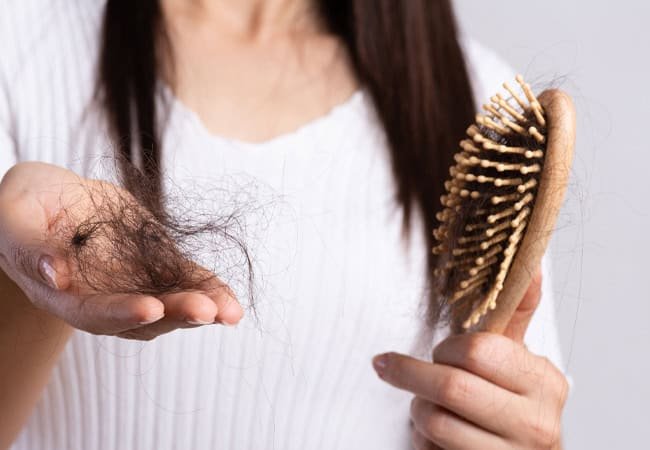
Hair loss can be one of the most frustrating symptoms of Polycystic Ovary Syndrome (PCOS). Many women notice thinning hair, excessive shedding, or a widening part line long before receiving a diagnosis. At the same time, unwanted facial hair growth may appear, creating additional emotional stress.

If you are searching for answers about how to control PCOS hair loss, understanding the hormonal changes behind these symptoms is the first step. PCOS affects hormone levels, which can influence both scalp hair growth and facial hair development. The good news is that several treatment options can help slow hair loss, promote regrowth, and manage unwanted hair growth.

This article explains why PCOS affects hair, whether hair can grow back, and the most effective treatment options available today.

What Is PCOS and How Does It Affect Hair?

PCOS is a hormonal disorder that affects ovulation and androgen levels. Increased androgen hormones can impact hair follicles on both the scalp and face.

Women with PCOS may experience:

  • Hair thinning on the scalp
  • Excessive hair shedding
  • Receding hairline
  • Increased facial hair
  • Hair growth on the chest or abdomen

The condition can affect the normal hair growth cycle, leading to gradual thinning over time.

Why Does PCOS Cause Hair Loss?

PCOS-related hair loss happens because of increased androgen hormones. These hormones can shrink scalp hair follicles and shorten the hair growth cycle.

When androgens affect the scalp:

  • Hair becomes thinner
  • New hair grows more slowly
  • Hair follicles become smaller
  • Hair shedding increases

This pattern resembles female pattern hair loss in PCOS, which mainly affects the crown and top of the scalp.

FeatureNormal Hair GrowthPCOS Hair Loss
Hair follicle sizeNormalGradually shrinks
Hair thicknessThick strandsThinner strands
Growth cycleBalancedShortened growth phase
Hair densityStableReduced over time
Hair sheddingNormalIncreased

Does PCOS Hair Loss Grow Back?

Yes, PCOS hair loss can grow back if treatment begins before permanent follicle damage occurs. Hair regrowth depends on hormone control, treatment consistency, and the severity of follicle miniaturization.

Many women experience noticeable PCOS hair regrowth after:

  • Managing hormone imbalances
  • Following medical treatment
  • Improving insulin resistance
  • Maintaining a healthy lifestyle

However, advanced follicle damage may require more specialized interventions.

Why Does PCOS Cause Facial Hair Growth?

PCOS causes facial hair growth because elevated androgen levels stimulate hair follicles in androgen-sensitive areas.

As androgen levels rise, women may notice:

  • Upper lip hair
  • Chin hair
  • Sideburn growth
  • Neck hair
  • Jawline hair

This condition is known as hirsutism and affects many women with PCOS.

Signs of PCOS-Related Hair Loss

PCOS-related hair loss usually appears as gradual thinning rather than sudden bald patches. Many women notice changes around the crown and part line.

Common signs include:

  • Increased hair shedding while brushing
  • Wider hair parting
  • Reduced hair volume
  • Thinning at the crown
  • Visible scalp in bright light
  • Receding hairline

Early treatment improves the chances of preserving existing hair.

How to Control PCOS Hair Loss

The best way to control PCOS hair loss is to reduce androgen activity and support healthy hair growth.

Effective strategies include:

1. Maintain a Healthy Weight: Weight management can improve insulin sensitivity and help reduce androgen production.

2. Follow a Balanced Diet: Focus on eating nutrition-dense foods such as:

  • Lean proteins
  • Fruits and vegetables
  • Whole grains
  • Healthy fats
  • Iron-rich foods

3. Manage Stress: Chronic stress can worsen hair shedding and hormonal imbalance.

4. Improve Sleep Quality: Consistent sleep supports hormone regulation and overall health.

5. Follow Prescribed Medical Treatment: Your doctor may recommend medications to manage PCOS symptoms and protect hair follicles.

How to Stop Facial Hair Growth Due to PCOS Naturally?

Approaches like regular exercise, weight management, stress reduction, and rest may help reduce the progression of facial hair growth, although they rarely eliminate existing hair.

Ways to support hormonal balance include:

  • Regular exercise
  • Weight management
  • Low-glycemic diet
  • Stress reduction
  • Adequate sleep
  • Limiting highly processed foods

Women searching for how to naturally stop facial hair growth due to PCOS should understand that lifestyle changes work best when combined with medical treatment.

How to Deal with Facial Hair in PCOS?

Managing facial hair in PCOS requires both hormonal control and hair removal methods such as waxing, shaving, threading, etc. The right approach depends on the severity of growth.

Common options include:

  • Threading
  • Waxing
  • Shaving
  • Depilatory creams
  • Laser hair reduction
  • Electrolysis

For long-term improvement, many women choose PCOS facial hair removal treatments such as laser hair reduction.

Best Treatments for PCOS Hair Loss

The most effective treatment for PCOS-related hair loss targets the root cause, like excess male hormones (androgens) and insulin resistance. The gold standard treatment combines anti-androgens to block DHT, minoxidil to stimulate hair growth, and hormonal birth control to regulate cycles. 

A comprehensive, multi-step approach usually yields the best results for reversing PCOS hair thinning:

1. Medical Treatments (Prescription Required)

  • Anti-Androgens: Medications are widely used to reduce androgen levels, slow down hair loss, and promote regrowth.
  • Topical Minoxidil: Over-the-counter minoxidil (e.g., Rogaine) helps stimulate hair follicles and prolongs the hair growth phase.
  • Hormonal Birth Control: Low-androgen oral contraceptives help balance hormones and reduce excess facial/body hair and scalp thinning.
  • Insulin-Sensitizers: Medications like Metformin help manage insulin resistance, which can indirectly lower androgen production.

2. Dietary & Lifestyle Adjustments

  • Low-Glycemic Diet: Focus on whole foods, lean proteins, and healthy fats while avoiding refined carbs and sugary foods. This helps stabilize blood sugar and reduce androgen flare-ups.
  • Weight Management: Losing 5-10% of your body weight can significantly improve insulin sensitivity and hormonal balance.
  • Supplements: Myo-inositol and D-chiro-inositol are popular over-the-counter options for improving insulin resistance and lowering testosterone naturally.

3. Advanced Clinical Procedures

  • Low-Level Laser Therapy (LLLT): Non-invasive light therapy caps or combs can be used to increase blood flow to the scalp and stimulate dormant hair follicles.
  • Hair Transplant: For significant hair loss that doesn’t respond to medical management, hair transplant for women can be considered once hormones are under control. 
TreatmentPurposeExpected Benefit
Topical therapyStimulate folliclesReduced shedding
Hormonal therapyLower androgen effectSlower hair loss
PRP therapySupport follicle healthImproved density
Laser therapyStimulate growthThicker appearance
Hair transplantRestore lost hairPermanent coverage

Can PCOS Hair Loss Be Reversed?

Yes, PCOS hair loss can be partially or significantly reversed in many women. The earlier treatment begins, the better the chances of recovery.

Successful reversal depends on:

  • Duration of hair loss
  • Hormone control
  • Age
  • Follicle health
  • Treatment adherence

Hair follicles that remain active respond more effectively to treatment.

How Long Does Hair Regrowth Take?

Hair regrowth from PCOS treatment usually takes several months. Most women do not see immediate results.

General timeline:

Time After TreatmentExpected Changes
1-3 monthsReduced shedding
3-6 monthsEarly regrowth
6-12 monthsImproved density
12+ monthsMaximum visible improvement

Consistency is important because hair grows slowly and responds gradually to treatment.

When Should You Consult a Doctor?

You should consult a cosmetic surgeon when hair thinning becomes noticeable or facial hair growth starts affecting your confidence. Early intervention can improve treatment outcomes and help preserve existing hair.

Seek professional evaluation if you experience:

  • Rapid hair loss
  • Visible scalp
  • Widening part line
  • Receding hairline
  • Excess facial hair growth
  • Poor response to home treatments

A cosmetic surgeon can assess hair follicle health, recommend advanced therapies, and determine whether PRP, laser therapy, or hair transplantation may be suitable.

Read More:

Hair Growth Tips for Indian Women Facing PCOS

Medication or Treatments. What is Helpful for Women With Thinning Hair?

How Does A Hair Transplant Work For Women?

Hair Transplant For Women: Everything You Need To Know

Conclusion

PCOS can cause both scalp hair loss and unwanted facial hair growth due to hormonal imbalances. Fortunately, many women achieve significant improvement with early treatment and proper hormone management. 

Understanding how to control PCOS hair loss allows you to take action before permanent follicle damage develops. Whether through lifestyle changes, medical therapies, PRP, laser treatments, or hair restoration procedures, effective solutions are available to support healthier hair growth and restore confidence

Frequently Asked Questions

Is PCOS hair loss permanent?

No, PCOS hair loss is not always permanent. Many women experience regrowth after treating hormonal imbalances and reducing androgen activity. Early intervention provides the best chance of recovery because hair follicles remain healthier and more responsive to treatment during the initial stages of hair thinning.

What is the best PCOS hair loss treatment?

The best PCOS hair loss treatment depends on individual hormone levels and hair loss severity. Treatment may include topical medications, hormonal therapy, PRP treatment, lifestyle changes, and advanced hair restoration procedures. A specialist can recommend a personalized treatment plan after evaluating your scalp and hair follicles.

Can losing weight improve PCOS hair loss?

Yes, weight loss can improve PCOS-related hair loss in many women. Better weight management improves insulin sensitivity, which may lower androgen production. Reduced androgen levels can help slow follicle miniaturization, decrease shedding, and create a healthier environment for hair regrowth over time.

Does facial hair from PCOS ever go away completely?

Facial hair may reduce significantly with proper treatment, but complete disappearance is not guaranteed. Hormonal control helps slow new growth, while laser hair reduction and electrolysis target existing hair. Long-term results usually require ongoing management of the underlying hormonal imbalance.

How can I encourage PCOS hair regrowth naturally?

You can support PCOS hair regrowth through regular exercise, balanced nutrition, weight management, quality sleep, and stress reduction. These lifestyle measures help improve hormone balance and scalp health. Natural approaches work best when combined with medical treatments recommended by a qualified healthcare professional.

Am I a candidate for a hair transplant if I have PCOS?

Yes, some women with PCOS qualify for hair transplantation. Candidates usually have stable hair loss and sufficient donor hair. A cosmetic surgeon will evaluate hair density, hormone control, and scalp condition before recommending a transplant procedure for long-term hair restoration.

Minoxidil for Men: How It Works for Hair Loss and Hair Regrowth

Hair loss affects millions of men worldwide and can begin much earlier than many expect. A receding hairline, thinning crown, or increased hair shedding may gradually become more noticeable over time. Understanding how to use minoxidil correctly is important because proper application can influence treatment outcomes.

Minoxidil is one of the most widely used treatments for pattern hair loss. It helps stimulate hair follicles, support new hair growth, and slow progressive thinning in some individuals. While results take time, consistent use may improve hair density and help maintain existing hair. 

This article explains how minoxidil works, who can use it, what results to expect, and how to maximize its benefits safely.

What is Minoxidil?

Minoxidil is a topical medication used to treat hair loss and promote hair regrowth. It is approved for male and female pattern hair loss and is available in different strengths.

Researchers originally developed minoxidil as a treatment for high blood pressure. During clinical use, they observed increased hair growth in some patients. This discovery led to topical formulations designed specifically for scalp application.

Common formulations include:

  • 2% topical solution
  • 5% topical solution
  • 5% topical foam

Minoxidil is mainly used for androgenetic alopecia, also known as pattern baldness.

How Does Minoxidil Work for Hair Growth?

Minoxidil works by increasing blood flow to the hair follicles, delivering more oxygen and nutrients needed for healthy hair growth. Minoxidil also prolongs the anagen (growth) phase of the hair cycle and may enlarge miniaturized hair follicles, allowing them to produce thicker, stronger hair strands. 

It is commonly used to treat androgenetic alopecia (male and female pattern hair loss). Consistent use is essential, as results usually become noticeable after 3-6 months, and stopping treatment may lead to renewed hair loss.

Minoxidil may:

  • Increase blood flow around follicles
  • Extend the anagen phase
  • Increase follicle size
  • Promote thicker hair shafts

These effects contribute to Minoxidil hair growth, although results vary among individuals.

Who Can Use Minoxidil?

Minoxidil can be used by men and women experiencing pattern hair loss or scalp thinning. It works best when treatment begins before significant follicle miniaturization occurs.

Minoxidil for Men

Minoxidil for men is commonly used to treat male pattern baldness and crown thinning. It may help slow hair loss progression and improve hair density.

Men may benefit if they have:

  • Receding hairline
  • Crown thinning
  • Diffuse scalp thinning
  • Family history of pattern baldness

Earlier treatment generally provides better results than waiting until extensive hair loss develops.

Minoxidil for Women

Minoxidil can help women with female pattern hair loss and diffuse thinning. Doctors may recommend different strengths depending on individual needs.

Women should seek medical advice before use during pregnancy or breastfeeding.

How to Use Minoxidil Correctly

Minoxidil should be applied to a clean, dry scalp using the recommended dose and a consistent routine. Correct application helps maximize treatment effectiveness.

Step 1: Start with a Clean, Dry Scalp

Apply minoxidil only to a clean and completely dry scalp. A dry scalp improves medication absorption and reduces product dilution. Avoid applying minoxidil immediately after washing unless the scalp is fully dry.

Step 2: Measure the Recommended Dose

Use only the recommended amount provided in the instructions. Applying extra products does not increase hair growth. Following dosage instructions also helps reduce unwanted side effects.

Step 3: Apply to Areas of Hair Thinning

Apply minoxidil directly to thinning areas of the scalp rather than the hair. Direct scalp contact allows the medication to reach the follicles. Spread the product gently with your fingertips.

Step 4: Allow It to Dry Completely

Allow minoxidil to dry fully before wearing hats or going to bed. This helps prevent transfer to other areas of the body. Drying time varies slightly between formulations.

Step 5: Follow a Consistent Daily Routine

Use minoxidil consistently according to the recommended schedule. Regular application is one of the most important factors affecting results. Many people see reduced benefits when they skip applications frequently.

How Often Should You Apply Minoxidil?

The recommended frequency of Minoxidil application depends on the formulation and your healthcare provider’s advice. Most 5% Minoxidil solutions and foams are applied twice daily, while some formulations may be used once daily. 

Apply the medication directly to the affected areas of the scalp and allow it to dry completely. Using Minoxidil consistently is important for achieving and maintaining results. Avoid applying more than the recommended amount, as it will not speed up hair growth and may increase the risk of side effects. Always follow the instructions provided with your product.

Minoxidil for Hair Loss: When Should You Start?

Minoxidil should ideally be started when hair thinning first becomes noticeable. Early treatment may help preserve more existing hair follicles.

Common signs include:

  • Receding hairline
  • Increased shedding
  • Visible scalp
  • Thinning at the crown

Using Minoxidil for Hair Loss early may improve the chances of maintaining hair density.

What Happens After Starting Minoxidil?

Minoxidil produces gradual changes that occur over several months. Most users progress through predictable stages before seeing visible improvement.

Weeks 1-4

Temporary shedding may occur during the first few weeks of treatment. Older hairs enter the shedding phase as new growth cycles begin. This stage is common and does not necessarily indicate treatment failure.

Months 2-3

Hair shedding usually begins to stabilize during months two and three. Some users notice subtle improvements in hair texture and thickness. Visible changes may still be limited during this period.

Months 4-6

Many users begin seeing noticeable improvements between months four and six. Hair may appear thicker, and scalp coverage may improve. Clinical studies frequently evaluate results during this stage.

Months 6-12

Continued improvement may occur with ongoing treatment during months six to twelve. Hair growth becomes more stable and predictable. Maintaining consistent use remains important.

Minoxidil Hair Regrowth Timeline

Most users notice initial changes within two to three months, while visible regrowth may take four to six months. Full benefits may require up to one year of consistent use.

TimelineExpected Changes
Weeks 1-4Temporary shedding
Months 2-3Reduced shedding and early improvement
Months 4-6Visible thickening and density increase
Months 6-12Continued regrowth and stabilization
Beyond 12 MonthsMaintenance of achieved results

This Minoxidil results timeline varies depending on genetics, age, and the duration of hair loss before treatment.

Does Minoxidil Really Regrow Hair?

Yes, minoxidil can regrow hair in many individuals with pattern hair loss. However, results vary, and not everyone responds equally.

Research suggests that minoxidil may:

  • Increase hair count
  • Improve hair thickness
  • Slow hair loss progression
  • Support healthier growth cycles

The treatment tends to work best in areas where follicles remain active. Long-standing bald areas may respond less effectively. Many people evaluate treatment progress through Minoxidil before and after photographs, although individual results differ significantly.

Common Mistakes That Reduce Minoxidil Results

Several common mistakes can reduce the effectiveness of minoxidil. Skipping doses, using too little, or stopping too early can reduce minoxidil results. Applying it inconsistently, to a wet scalp, or not letting it absorb properly can also make it less effective. 

Common mistakes include:

  • Skipping applications
  • Applying too much product
  • Stopping treatment too early
  • Applying only to hair instead of the scalp
  • Washing the scalp immediately after application
  • Expecting results within a few weeks

Minoxidil Side Effects

Minoxidil is generally safe and effective for treating hair loss, but some people may experience side effects. Common side effects include scalp irritation, itching, dryness, redness, flaking, and mild burning sensations at the application site.

Some common side effects of minoxidil may include:

  • Scalp itching and irritation
  • Dryness and flaking of the scalp
  • Redness or burning sensation at the application site
  • Temporary increase in hair shedding during the first few weeks
  • Unwanted facial or body hair growth
  • Headache or dizziness
  • Swelling of the hands, feet, or face
  • Rapid heartbeat or palpitations (rare)
  • Chest pain (rare)
  • Allergic reactions such as rash, itching, or swelling (rare)
  • Changes in hair texture or color in some users

Can You Stop Using Minoxidil?

You can stop using Minoxidil at any time; however, doing so will usually result in the gradual loss of the hair growth benefits achieved during treatment. Any hair that was maintained or regrown with Minoxidil may begin to shed over the following months, and the hair may eventually return to its pre-treatment state. 

Since pattern hair loss is a progressive condition, consistent and long-term use is generally recommended to maintain results. If you are considering discontinuing Minoxidil or exploring alternative treatments, it is best to consult a hair restoration specialist for personalized guidance.

How to Improve Results with Minoxidil?

Combining minoxidil with oral or topical medicines, microneedling, or methods like PRP hair treatment (Platelet-Rich Plasma therapy) or LLLT (Low-Level Light therapy) can boost hair growth. These treatments address the root causes of hair loss, enhance minoxidil absorption, and activate the enzymes needed for the medication to work effectively. 

Proven Combination Treatments

  • Finasteride / Dutasteride: These oral or topical medications block dihydrotestosterone (DHT). While minoxidil stimulates hair follicles directly, finasteride/dutasteride prevents the underlying hormonal shrinkage of the follicles. 
  • Microneedling: Using a dermaroller or dermastamp (usually once a week with a 1.0mm-1.5mm needle depth) creates micro-injuries on the scalp. This process stimulates collagen production, increases blood flow, and maximizes minoxidil penetration into the follicle. 
  • Topical Retinoids (Tretinoin/Retinol): Adding a retinoid to your topical minoxidil can enhance its effectiveness. Retinoids upregulate the enzymes in your hair follicles responsible for converting minoxidil into its active, growth-stimulating form. 

Clinical & Procedural Add-ons

  • Platelet-Rich Plasma (PRP) Therapy: A dermatologist injects your own platelet-rich plasma into the scalp. The growth factors from the platelets synergize with minoxidil to promote tissue regeneration and create a healthier environment for hair growth. 
  • Low-Level Light Therapy (LLLT): Using FDA-cleared red-light caps or combs can be done alongside minoxidil to further stimulate follicular activity and accelerate regrowth.

Vitamins & Supplements

  • Biotin & Zinc: Biotin strengthens hair keratin, while zinc regulates the hormones that contribute to hair loss.
  • Vitamin D: Maintains scalp health and is necessary for the creation of new hair follicles

When Should You Consult a Hair Specialist?

You should consult a hair specialist if hair loss is sudden, severe, or rapidly progressing. A professional evaluation can help identify the cause and guide treatment.

Seek medical advice if you experience:

  • Sudden hair shedding
  • Patchy bald spots
  • Scalp pain
  • Persistent itching
  • Scalp inflammation
  • No improvement after several months

Conclusion

Minoxidil is a widely used and clinically proven treatment that can help stimulate hair growth and slow the progression of hair loss when used consistently. While many individuals experience noticeable improvements with regular application, results may vary depending on the cause and severity of hair loss.

For advanced cases where medical treatments provide limited benefits, consulting experts at ALCS Hair Transplant and Cosmetic Center for a hair transplant in Jaipur may be a suitable option. A personalized evaluation by a qualified hair restoration specialist can help determine the most effective treatment plan for achieving long-lasting, natural-looking results.  

Frequently Asked Questions

Can minoxidil regrow a completely bald area?

Minoxidil may have limited effectiveness in completely bald areas where hair follicles are no longer active. It generally works best in areas with thinning hair rather than long-standing bald patches. Earlier treatment usually provides better outcomes because more functioning follicles remain available for stimulation.

Is it normal to lose more hair after starting minoxidil?

Yes, temporary shedding is a recognized response during the first few weeks of treatment. Older hairs enter the shedding phase as new growth cycles begin. Although this can seem concerning, it does not necessarily mean the treatment is ineffective or causing permanent hair loss.

Can I apply minoxidil only once a day?

Some formulations may be suitable for once-daily use, while others recommend twice-daily application. The appropriate schedule depends on the product and medical guidance. Following the instructions provided with your formulation helps ensure consistent treatment exposure and may improve long-term results.

How long do I need to use minoxidil?

Most people need several months before seeing noticeable improvement. Because pattern hair loss is ongoing, continued use is generally necessary to maintain results. Stopping treatment may lead to a gradual loss of the hair gained during therapy and a return to previous thinning patterns.

Can minoxidil be combined with other hair loss treatments?

Yes, doctors may combine minoxidil with other evidence-based treatments depending on the cause and severity of hair loss. Options may include prescription medications, nutritional support, scalp therapies, or procedural treatments. Treatment plans should always be individualized and medically supervised.

What should I do if I miss a dose of minoxidil?

If you miss a dose, simply continue with your next scheduled application. Do not apply extra medication to compensate for the missed dose. Maintaining a consistent long-term routine is more beneficial than occasionally using larger amounts to make up for missed applications.

Ozempic for Weight Loss: Cost, Uses, Weight Loss Results, Side Effects & Availability

Weight loss medications have become a major topic in healthcare. Among them, Ozempic has attracted global attention because of its ability to improve blood sugar control and support weight loss.

Ozempic has emerged as one of the most prescribed GLP-1 medications for diabetes and weight management. Its active ingredient, semaglutide, helps control appetite, improve insulin response, and support long-term weight reduction.

This article explains the Ozempic cost in India, who can use it, expected weight loss results, possible side effects, and long-term safety considerations.

What Is Ozempic?

Ozempic is a prescription medication that contains semaglutide. It helps manage Type 2 diabetes and may also support weight loss.

Ozempic belongs to a class of drugs called GLP-1 receptor agonists. It mimics a naturally occurring hormone in the body that regulates appetite, digestion, and blood sugar levels.

The medication is administered as a once-weekly injection. Because of its effect on appetite and calorie intake, Ozempic for weight loss has become increasingly popular among patients struggling with obesity and metabolic disorders.

While Ozempic was originally approved for Type 2 diabetes, healthcare providers may prescribe semaglutide-based therapies to suitable candidates who need medical weight management.

What Is Ozempic Used For?

Ozempic is primarily used to control blood sugar levels in people with Type 2 diabetes. It may also help with weight management and metabolic health improvement.

Doctors may recommend Ozempic for:

  • Type 2 diabetes treatment
  • Weight management in selected patients
  • Improving insulin sensitivity
  • Reducing appetite
  • Supporting cardiometabolic health

The medication works best when combined with healthy eating habits and regular physical activity.

How Does Ozempic Work?

Ozempic works by mimicking the GLP-1 hormone. It reduces appetite, slows digestion, and improves blood sugar regulation.

After eating, the body naturally releases GLP-1 hormones. These hormones signal the brain that you are full and help control insulin production.

Ozempic enhances these natural processes by:

  • Increasing feelings of fullness
  • Delaying stomach emptying
  • Reducing food cravings
  • Improving insulin release
  • Lowering blood sugar spikes

As a result, many patients consume fewer calories throughout the day without experiencing constant hunger.

Does Ozempic Help You Lose Weight?

Yes, Ozempic can help many people lose weight. It reduces hunger and helps patients maintain a calorie deficit more easily.

Clinical studies have demonstrated significant weight reduction in patients using semaglutide-based treatments alongside lifestyle changes.

The medication does not directly burn fat. Instead, it helps people eat less by controlling appetite and satiety signals.

Patients may experience:

  • Reduced food cravings
  • Smaller portion sizes
  • Improved dietary adherence
  • Gradual and sustainable weight reduction

Weight loss results vary depending on age, starting weight, dosage, physical activity levels, and medical history.

Weight loss results vary from person to person. However, clinical studies have reported the following average outcomes:

  • After 3 months: Many patients lose around 4-8% of their body weight.
  • After 6 months: Weight loss may increase to approximately 8-12% of body weight.
  • After 12 months: Some patients achieve 10-15% weight loss or more, especially when treatment is combined with healthy eating and regular exercise.

Factors such as starting weight, dosage, physical activity, and dietary habits can influence individual results.

Significant weight loss and natural aging can both contribute to facial sagging and reduced skin elasticity. In growing cities like Jaipur, there has been an increasing interest in facial rejuvenation procedures designed to improve skin firmness and overall facial appearance. In selected cases, facelift surgery in Jaipur may be recommended to address visible signs of facial aging. 

Ozempic for PCOS: Can It Help?

Ozempic may help some women with PCOS by improving insulin resistance and supporting weight loss. It is not officially approved as a PCOS treatment.

Many women with Polycystic Ovary Syndrome struggle with:

  • Weight gain
  • Insulin resistance
  • Increased appetite
  • Difficulty losing weight

Research suggests that improving insulin sensitivity may help address some PCOS-related metabolic issues.

Because semaglutide supports weight loss and glucose regulation, doctors may consider Ozempic for PCOS in selected cases. However, treatment decisions should always be individualized and supervised by a qualified physician.

Ozempic Injection Uses

Ozempic is used to manage Type 2 diabetes, support weight loss, improve blood sugar control, and reduce certain cardiovascular risks in eligible patients. 

Although Ozempic was developed for Type 2 diabetes management, its effects on appetite and metabolism have expanded its use in medical weight management. Doctors may prescribe it for different health goals depending on the patient’s condition, such as:

1. Type 2 Diabetes Management

The primary approved use of Ozempic is Type 2 diabetes management. It helps lower blood sugar levels and improves long-term glucose control.

Many patients experience improved HbA1c levels when Ozempic is combined with dietary modifications and exercise.

2. Weight Management

Weight management has become one of the most recognized Ozempic Injection Uses worldwide.

The medication reduces appetite and calorie intake, making weight loss easier for many individuals with obesity or overweight-related health concerns.

3. Cardiometabolic Benefits

Ozempic may provide benefits beyond blood sugar control and weight loss.

Studies suggest potential improvements in:

  • Cardiovascular health
  • Insulin sensitivity
  • Metabolic function
  • Appetite regulation

These effects contribute to improved overall health in many patients.

Foods to Avoid while Taking Ozempic

There is no strict Ozempic diet, but certain foods may worsen digestive side effects. Patients generally tolerate treatment better when they limit foods that are difficult to digest.

Foods to reduce include:

  • Fried foods
  • High-fat meals
  • Sugary beverages
  • Processed snacks
  • Excess alcohol
  • Large meal portions

Many doctors recommend smaller, balanced meals throughout the day to improve comfort and reduce gastrointestinal symptoms.

What Are the Side Effects of Ozempic?

The most common side effects of Ozempic are nausea, vomiting, diarrhea, constipation, and stomach discomfort. Most symptoms are mild and improve as the body adjusts to treatment.

Common Side Effects

Some patients may experience:

  • Nausea
  • Vomiting
  • Diarrhea
  • Constipation
  • Stomach discomfort
  • Bloating
  • Indigestion
  • Reduced appetite
  • Mild fatigue

These side effects are more common during the first few weeks of treatment and may decrease over time as the body adapts to the medication.

Serious Side Effects

Serious side effects are uncommon but require immediate medical attention.

Seek medical help if you experience:

  • Severe abdominal pain
  • Signs of pancreatitis
  • Persistent vomiting
  • Severe allergic reactions
  • Gallbladder problems
  • Kidney-related complications

Who Should Not Take Ozempic?

Ozempic is not suitable for everyone. Certain medical conditions may increase treatment risks. People with a history of medullary thyroid cancer, Multiple Endocrine Neoplasia Syndrome Type 2 (MEN2), severe gastrointestinal disorders, or an allergy to semaglutide should not take Ozempic. Pregnant or breastfeeding women may also need alternative treatment options. 

Your doctor may advise against Ozempic if you have:

  • Medullary thyroid cancer history
  • Multiple Endocrine Neoplasia Syndrome Type 2
  • Severe gastrointestinal disorders
  • Allergy to semaglutide
  • Pregnancy or breastfeeding concerns

A complete medical evaluation helps determine whether the medication is appropriate for you.

Ozempic vs Other Weight Loss Medications

Ozempic is one of several prescription medications used for weight management. The best option depends on individual health needs.

Different medications work through different mechanisms.

Comparison of Popular Weight Loss Medications

Medication Active Ingredient Dosing Schedule Primary Use
OzempicSemaglutide Weekly Injection Type 2 Diabetes, Weight Management 
WegovySemaglutide Weekly Injection Weight management
SaxendaLiraglutide Daily Injection Weight management
ContraveNaltrexone + Bupropion Oral Daily Weight management
Mounjaro Tirzepatide Weekly Injection Type 2 Diabetes, Weight Management 

Ozempic Cost in India

The Ozempic cost in India varies depending on dosage, pharmacy, and availability. Prices may differ between cities and healthcare providers. Demand for semaglutide-based medications has increased significantly in recent years.

Factors affecting pricing include:

  • Dosage strength
  • Supply availability
  • Pharmacy pricing
  • Import and distribution costs

Patients should purchase Ozempic only through authorized pharmacies with a valid prescription.

Is Ozempic Available in India?

Ozempic is available in India, but access may vary depending on your city, pharmacy, and current stock levels.

Due to growing interest in semaglutide-based treatments, some patients may experience delays in obtaining the medication. 

Patients should consult qualified healthcare providers regarding:

  • Current availability
  • Prescription requirements
  • Alternative treatment options
  • Appropriate dosage selection

Is Ozempic Safe for Long-Term Use?

Current evidence suggests that Ozempic can be safe for long-term use when prescribed and monitored by a healthcare professional.

Long-term treatment may help maintain:

  • Weight loss results
  • Blood sugar control
  • Metabolic improvements
  • Cardiovascular health benefits

Regular follow-up appointments remain important to monitor progress and identify any complications early.

Understanding the complete balance of Ozempic benefits and risks helps patients make informed decisions regarding treatment.

Conclusion

Ozempic can support meaningful weight loss, improve blood sugar control, and help manage obesity-related health concerns when used under medical supervision. However, it is not a substitute for healthy eating, regular exercise, or individualized medical care.

For individuals seeking additional aesthetic improvements following weight loss, liposuction treatment in Jaipur may be considered in selected cases. At ALCS Hair Transplant and Cosmetic Clinic, patients can receive personalized guidance based on their body contouring goals and overall health status.

The clinic also offers various options for cosmetic surgery in Jaipur tailored to individual aesthetic needs and preferences. 

Frequently Asked Questions

Can non-diabetic people use Ozempic for weight loss?

Yes, some healthcare providers prescribe semaglutide-based medications for weight management in non-diabetic individuals who meet specific medical criteria. Eligibility depends on body mass index, obesity-related health conditions, and overall medical history. Medical supervision remains essential throughout treatment to ensure safety and effectiveness.

How quickly does Ozempic start working for weight loss?

Many patients notice reduced appetite within the first few weeks of treatment. Visible weight loss usually appears within one to three months. Results vary based on dosage, dietary habits, exercise levels, starting weight, and individual metabolic factors. Consistency plays a major role in outcomes.

Can Ozempic cause muscle loss while losing weight?

Weight loss from any method may include some loss of lean muscle mass. Patients can reduce this risk by consuming adequate protein and performing resistance exercises regularly. Healthcare providers frequently recommend combining Ozempic treatment with strength training and balanced nutrition for optimal body composition.

What happens if I stop taking Ozempic?

Some people regain weight after stopping Ozempic, particularly if healthy lifestyle habits are not maintained. Appetite may gradually return to previous levels. Long-term success depends on sustainable dietary practices, physical activity, behavioral changes, and continued medical guidance when necessary.

Can Ozempic help people with PCOS lose weight?

Research suggests that semaglutide may support weight loss in women with PCOS who struggle with obesity and insulin resistance. Weight reduction can improve several metabolic markers associated with PCOS. However, Ozempic is not officially approved specifically for PCOS treatment and requires physician supervision.

Is Ozempic better than weight loss surgery?

Ozempic and weight loss surgery serve different purposes and suit different patients. Ozempic provides non-surgical medical weight management, while bariatric procedures produce more substantial weight reduction in severe obesity cases. Treatment selection depends on body mass index, health status, goals, and physician recommendations.

What to Expect After FUE Hair Transplant: Recovery Timeline from Day 1 to 12 Months

A successful hair transplant depends on both the procedure and the recovery process. If you understand the FUE hair transplant recovery timeline, it may help you know what changes are normal and when to expect visible hair growth.

Most patients recover from the procedure within two weeks, while final results develop over 9-12 months. This article explains the complete FUE hair transplant day-by-day recovery process, including healing, shedding, donor area recovery, and long-term results.

Difference Between FUE and FUT Hair Transplant

FUE and FUT differ mainly in how hair follicles are collected. FUE removes individual follicles, while FUT removes a strip of scalp from the donor area.

FUE leaves tiny dot-like scars and usually offers a faster recovery. FUT creates a linear scar but may allow more grafts during a single session. Due to its minimally invasive nature, many patients now choose an FUE hair transplant for hair restoration.

Key differences include:

FeatureFUEFUT
Graft Extraction Individual folliclesStrip of scalp
ScarringTiny dot scarsLinear scar
Recovery timeFasterSlower
Post-treatment effectsLess discomfortMore discomfort
Number of grafts in one sessionModerate to highHigh

What Happens Immediately After an FUE Hair Transplant?

Mild swelling, redness, and tenderness are normal immediately after surgery. Small scabs form around the implanted grafts within the first 24 hours.

You may notice:

  • Mild bleeding from the extraction sites
  • Tightness in the scalp
  • Temporary numbness
  • Itching
  • Forehead swelling
  • Mild FUE hair transplant pain

These symptoms improve gradually during the first week when proper aftercare is followed.

FUE Hair Transplant Recovery Timeline

The recovery timeline for a hair transplant follows predictable stages. Knowing what to expect helps reduce anxiety and supports a smoother recovery.

Recovery stageWhat to expect
Day 1-3Redness, swelling, scabs, mild discomfort 
Day 4-7Reduced swelling, healing continues 
10 daysReduced swelling, healing continues 
2 weeksThe scalp appears largely healed 
1 monthShedding phase begins 
2 monthsLittle visible growth, follicles remain active 
3-6 monthsNew hair starts emerging 
6-12 monthsSignificant growth and increased density 

Day 1-3 After FUE Hair Transplant

Swelling and redness are most noticeable during the first three days. The transplanted grafts are still settling into the scalp.

During this period:

  • Sleep with your head elevated.
  • Avoid touching the grafts.
  • Take prescribed medications.
  • Avoid sweating and exercise.
  • Protect the scalp from accidental friction.

The donor area may feel sore, but discomfort remains manageable.

Day 4-7 After FUE Hair Transplant

Healing becomes more visible during this stage. Swelling starts to reduce, and the scalp feels more comfortable.

You may notice:

  • Reduced redness
  • Less tenderness
  • Mild itching
  • Formation of protective crusts

Many patients begin gentle scalp washing based on their surgeon’s instructions.

10 Days After FUE Hair Transplant

By this stage, most scabs have fallen off naturally. The grafts are securely anchored within the scalp.

At this point:

  • Redness continues fading.
  • The scalp looks cleaner.
  • Daily activities become easier.
  • The risk of graft dislodgement becomes very low.

Most people feel comfortable returning to work and social gatherings.

2 Weeks After FUE Hair Transplant

By 2 weeks after a FUE hair transplant, visible signs of surgery have largely disappeared. Both donor and recipient areas appear significantly improved.

You may notice:

  • Complete scab removal
  • Reduced scalp sensitivity
  • Better donor area appearance
  • Improved comfort

This stage marks the completion of the initial FUE hair transplant healing time.

1 Month After FUE Hair Transplant

One month after a FUE hair transplant, many patients enter the shedding phase. This is completely normal.

The transplanted hair shafts begin falling out while the follicles remain healthy beneath the scalp. This process is known as the FUE hair transplant shedding phase. Temporary shedding is an expected part of recovery and does not affect final results.

2 Months After FUE Hair Transplant

Two months after a FUE hair transplant, the shedding may continue. Visible growth remains limited during this stage.

You may observe:

  • Reduced hair density
  • Minimal new growth
  • Healthy follicles beneath the skin

Patience is important because active growth usually begins in the following months.

3-6 Months After FUE Hair Transplant

New hair starts appearing between three and six months. Early growth may look thin and uneven initially.

Common changes include:

  • Better hairline definition
  • Improved scalp coverage
  • Increased hair growth
  • Gradual thickening

Many patients notice a meaningful cosmetic improvement during this period.

6-12 Months After FUE Hair Transplant

The most dramatic transformation occurs between six and twelve months. Hair becomes thicker, stronger, and more natural in appearance.

The FUE hair transplant results timeline shows steady improvement throughout this period. Most patients achieve near-final results by the twelfth month.

Some individuals continue noticing additional density up to 18 months after surgery.

FUE Hair Transplant Aftercare Instructions

It is important to wash your scalp as instructed, avoid scratching the grafts, stay away from intense exercise, and take prescribed medications on time. Following these aftercare steps helps protect grafts and supports healthy hair growth. 

Follow these instructions carefully:

  • Wash the scalp exactly as advised.
  • Avoid scratching treated areas.
  • Protect the scalp from direct sunlight.
  • Avoid smoking during recovery.
  • Limit alcohol consumption.
  • Take medications on schedule.
  • Avoid strenuous exercise initially.

How Long Does FUE Hair Transplant Healing Take?

Initial healing usually takes 10-14 days. However, complete recovery continues for several months as new hair grows.

The overall FUE hair transplant healing time depends on:

  • Age
  • Scalp condition
  • General health
  • Number of grafts transplanted
  • Adherence to aftercare instructions

Most patients recover from the procedure quickly, but visible hair growth requires patience.

Does Transplanted Hair Fall Out After FUE?

Yes, transplanted hair usually falls out within the first few weeks after an FUE hair transplant. This shedding phase is completely normal and forms part of the natural recovery process.

During this stage, only the visible hair shafts fall out, while the transplanted follicles remain healthy beneath the scalp. The follicles enter a temporary resting phase before producing new hair growth. 

Most patients begin noticing fresh hair growth between three and four months after the procedure, with density and coverage continuing to improve over the following months..

Read More:

Everything You Need to Know About an FUE Hair Transplant

Planning Your FUE Hair Transplant Surgery? Here! What You Need to Consider

Does an FUE Hair Transplant Last Forever?

Does FUE Hair Transplant Last Forever?

Transplanted follicles are genetically resistant to hair loss and can last for decades. However, natural aging and continued thinning of untreated hair may still occur.

FUE hair transplant can provide long-lasting results because the transplanted follicles are usually resistant to pattern hair loss. While aging may affect overall hair density, the transplanted hair generally continues growing for many years. 

Your surgeon may recommend medications to preserve existing non-transplanted hair.

Common Mistakes to Avoid During Recovery

Avoid touching grafts, smoking, heavy exercise, and skipping medications during recovery. These mistakes can affect healing and reduce graft survival.

After an FUE hair transplant, the scalp needs time to heal properly. The following mistakes can interfere with recovery:

  • Touching or scratching grafts
  • Smoking during recovery
  • Heavy exercise too soon
  • Skipping medications
  • Wearing tight caps
  • Ignoring washing instructions
  • Excessive sun exposure

Following professional guidance helps protect newly transplanted follicles.

When Should You Contact Your Hair Transplant Surgeon?

Mild redness, swelling, and scabbing are expected after surgery. Severe symptoms require medical attention.

Contact your surgeon if you experience:

  • Severe pain
  • Excessive bleeding
  • Fever
  • Persistent swelling
  • Pus or unusual discharge
  • Signs of infection
  • Sudden concerns about graft loss

Prompt medical evaluation helps prevent complications and supports successful recovery.

Conclusion

Understanding the FUE hair transplant recovery timeline helps set realistic expectations and reduces unnecessary concerns during the healing process. While mild swelling, scabbing, and temporary shedding are normal, most patients begin noticing visible hair growth within a few months, with final results developing over 9-12 months.

If you are planning a hair transplant in Jaipur, consult the specialists at ALCS Hair Transplant & Cosmetic Clinic to receive personalized treatment recommendations and comprehensive aftercare guidance. Proper surgical expertise, combined with careful aftercare, can help you achieve natural-looking and long-lasting hair restoration results.

Frequently Asked Questions

Can I wear a cap after an FUE hair transplant?

Most surgeons advise avoiding caps during the first few days after surgery. Once the grafts become secure, loose-fitting caps may be allowed. The exact timing varies between patients, so follow your surgeon’s guidance carefully to prevent accidental graft damage and support proper healing.

When can I start exercising after an FUE hair transplant?

Light walking is generally allowed within a few days. Running, weightlifting, swimming, and intense workouts should be avoided until your surgeon approves them. Excessive sweating during early recovery may increase irritation and interfere with healing around newly transplanted grafts.

Why does my transplanted hair look thinner after one month?

This happens because of the FUE hair transplant shedding phase. The transplanted hair shafts fall out temporarily while the follicles remain healthy underneath the scalp. New hair growth usually begins between three and four months and continues improving over the following months.

Can I use minoxidil after an FUE hair transplant?

Many surgeons recommend minoxidil after the scalp has healed adequately. It may support hair growth and help preserve existing hair. However, the correct timing differs among patients, so always consult your surgeon before starting minoxidil after transplantation.

Are PRP treatments helpful after an FUE hair transplant?

Recent research suggests that Platelet-Rich Plasma (PRP) therapy may improve healing and support hair growth after transplantation. Some clinics combine PRP with hair restoration procedures to enhance outcomes. Your surgeon can determine whether PRP is suitable for your recovery plan.

When will I see the final results of my FUE hair transplant?

Most patients see substantial improvement between nine and twelve months after surgery. Hair continues to become thicker and more mature during this period. In some cases, additional improvements in density and texture may continue for up to eighteen months after transplantation.

Does the Donor Area Grow Back After FUE Hair Transplant?

The donor area heals well after FUE, but the extracted follicles do not grow back. The surrounding hair continues growing and usually provides excellent coverage. When discussing hair transplant donor area recovery, proper extraction technique plays an important role in maintaining a natural appearance.