A successful hair transplant depends on both the procedure and the recovery process. If you understand the FUE hair transplant recovery timeline, it may help you know what changes are normal and when to expect visible hair growth.
Most patients recover from the procedure within two weeks, while final results develop over 9-12 months. This article explains the complete FUE hair transplant day-by-day recovery process, including healing, shedding, donor area recovery, and long-term results.
Difference Between FUE and FUT Hair Transplant
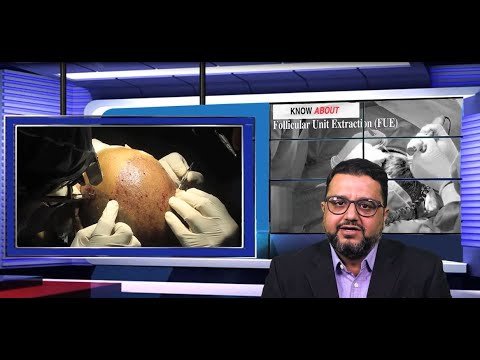
FUE and FUT differ mainly in how hair follicles are collected. FUE removes individual follicles, while FUT removes a strip of scalp from the donor area.
FUE leaves tiny dot-like scars and usually offers a faster recovery. FUT creates a linear scar but may allow more grafts during a single session. Due to its minimally invasive nature, many patients now choose an FUE hair transplant for hair restoration.
Key differences include:
| Feature | FUE | FUT |
| Graft Extraction | Individual follicles | Strip of scalp |
| Scarring | Tiny dot scars | Linear scar |
| Recovery time | Faster | Slower |
| Post-treatment effects | Less discomfort | More discomfort |
| Number of grafts in one session | Moderate to high | High |
What Happens Immediately After an FUE Hair Transplant?
Mild swelling, redness, and tenderness are normal immediately after surgery. Small scabs form around the implanted grafts within the first 24 hours.
You may notice:
- Mild bleeding from the extraction sites
- Tightness in the scalp
- Temporary numbness
- Itching
- Forehead swelling
- Mild FUE hair transplant pain
These symptoms improve gradually during the first week when proper aftercare is followed.
FUE Hair Transplant Recovery Timeline
The recovery timeline for a hair transplant follows predictable stages. Knowing what to expect helps reduce anxiety and supports a smoother recovery.
| Recovery stage | What to expect |
| Day 1-3 | Redness, swelling, scabs, mild discomfort |
| Day 4-7 | Reduced swelling, healing continues |
| 10 days | Reduced swelling, healing continues |
| 2 weeks | The scalp appears largely healed |
| 1 month | Shedding phase begins |
| 2 months | Little visible growth, follicles remain active |
| 3-6 months | New hair starts emerging |
| 6-12 months | Significant growth and increased density |
Day 1-3 After FUE Hair Transplant
Swelling and redness are most noticeable during the first three days. The transplanted grafts are still settling into the scalp.
During this period:
- Sleep with your head elevated.
- Avoid touching the grafts.
- Take prescribed medications.
- Avoid sweating and exercise.
- Protect the scalp from accidental friction.
The donor area may feel sore, but discomfort remains manageable.
Day 4-7 After FUE Hair Transplant
Healing becomes more visible during this stage. Swelling starts to reduce, and the scalp feels more comfortable.
You may notice:
- Reduced redness
- Less tenderness
- Mild itching
- Formation of protective crusts
Many patients begin gentle scalp washing based on their surgeon’s instructions.
10 Days After FUE Hair Transplant
By this stage, most scabs have fallen off naturally. The grafts are securely anchored within the scalp.
At this point:
- Redness continues fading.
- The scalp looks cleaner.
- Daily activities become easier.
- The risk of graft dislodgement becomes very low.
Most people feel comfortable returning to work and social gatherings.
2 Weeks After FUE Hair Transplant
By 2 weeks after a FUE hair transplant, visible signs of surgery have largely disappeared. Both donor and recipient areas appear significantly improved.
You may notice:
- Complete scab removal
- Reduced scalp sensitivity
- Better donor area appearance
- Improved comfort
This stage marks the completion of the initial FUE hair transplant healing time.
1 Month After FUE Hair Transplant
One month after a FUE hair transplant, many patients enter the shedding phase. This is completely normal.
The transplanted hair shafts begin falling out while the follicles remain healthy beneath the scalp. This process is known as the FUE hair transplant shedding phase. Temporary shedding is an expected part of recovery and does not affect final results.
2 Months After FUE Hair Transplant
Two months after a FUE hair transplant, the shedding may continue. Visible growth remains limited during this stage.
You may observe:
- Reduced hair density
- Minimal new growth
- Healthy follicles beneath the skin
Patience is important because active growth usually begins in the following months.
3-6 Months After FUE Hair Transplant
New hair starts appearing between three and six months. Early growth may look thin and uneven initially.
Common changes include:
- Better hairline definition
- Improved scalp coverage
- Increased hair growth
- Gradual thickening
Many patients notice a meaningful cosmetic improvement during this period.
6-12 Months After FUE Hair Transplant
The most dramatic transformation occurs between six and twelve months. Hair becomes thicker, stronger, and more natural in appearance.
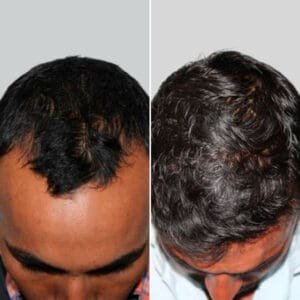
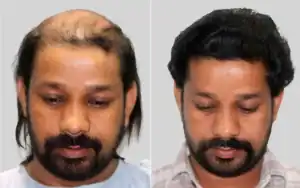
The FUE hair transplant results timeline shows steady improvement throughout this period. Most patients achieve near-final results by the twelfth month.
Some individuals continue noticing additional density up to 18 months after surgery.
FUE Hair Transplant Aftercare Instructions
It is important to wash your scalp as instructed, avoid scratching the grafts, stay away from intense exercise, and take prescribed medications on time. Following these aftercare steps helps protect grafts and supports healthy hair growth.
Follow these instructions carefully:
- Wash the scalp exactly as advised.
- Avoid scratching treated areas.
- Protect the scalp from direct sunlight.
- Avoid smoking during recovery.
- Limit alcohol consumption.
- Take medications on schedule.
- Avoid strenuous exercise initially.
How Long Does FUE Hair Transplant Healing Take?
Initial healing usually takes 10-14 days. However, complete recovery continues for several months as new hair grows.
The overall FUE hair transplant healing time depends on:
- Age
- Scalp condition
- General health
- Number of grafts transplanted
- Adherence to aftercare instructions
Most patients recover from the procedure quickly, but visible hair growth requires patience.
Does Transplanted Hair Fall Out After FUE?
Yes, transplanted hair usually falls out within the first few weeks after an FUE hair transplant. This shedding phase is completely normal and forms part of the natural recovery process.
During this stage, only the visible hair shafts fall out, while the transplanted follicles remain healthy beneath the scalp. The follicles enter a temporary resting phase before producing new hair growth.
Most patients begin noticing fresh hair growth between three and four months after the procedure, with density and coverage continuing to improve over the following months..
Read More:
Everything You Need to Know About an FUE Hair Transplant
Planning Your FUE Hair Transplant Surgery? Here! What You Need to Consider
Does an FUE Hair Transplant Last Forever?
Does FUE Hair Transplant Last Forever?
Transplanted follicles are genetically resistant to hair loss and can last for decades. However, natural aging and continued thinning of untreated hair may still occur.
FUE hair transplant can provide long-lasting results because the transplanted follicles are usually resistant to pattern hair loss. While aging may affect overall hair density, the transplanted hair generally continues growing for many years.
Your surgeon may recommend medications to preserve existing non-transplanted hair.
Common Mistakes to Avoid During Recovery
Avoid touching grafts, smoking, heavy exercise, and skipping medications during recovery. These mistakes can affect healing and reduce graft survival.
After an FUE hair transplant, the scalp needs time to heal properly. The following mistakes can interfere with recovery:
- Touching or scratching grafts
- Smoking during recovery
- Heavy exercise too soon
- Skipping medications
- Wearing tight caps
- Ignoring washing instructions
- Excessive sun exposure
Following professional guidance helps protect newly transplanted follicles.
When Should You Contact Your Hair Transplant Surgeon?
Mild redness, swelling, and scabbing are expected after surgery. Severe symptoms require medical attention.
Contact your surgeon if you experience:
- Severe pain
- Excessive bleeding
- Fever
- Persistent swelling
- Pus or unusual discharge
- Signs of infection
- Sudden concerns about graft loss
Prompt medical evaluation helps prevent complications and supports successful recovery.
Conclusion
Understanding the FUE hair transplant recovery timeline helps set realistic expectations and reduces unnecessary concerns during the healing process. While mild swelling, scabbing, and temporary shedding are normal, most patients begin noticing visible hair growth within a few months, with final results developing over 9-12 months.
If you are planning a hair transplant in Jaipur, consult the specialists at ALCS Hair Transplant & Cosmetic Clinic to receive personalized treatment recommendations and comprehensive aftercare guidance. Proper surgical expertise, combined with careful aftercare, can help you achieve natural-looking and long-lasting hair restoration results.
Frequently Asked Questions
Most surgeons advise avoiding caps during the first few days after surgery. Once the grafts become secure, loose-fitting caps may be allowed. The exact timing varies between patients, so follow your surgeon’s guidance carefully to prevent accidental graft damage and support proper healing.
Light walking is generally allowed within a few days. Running, weightlifting, swimming, and intense workouts should be avoided until your surgeon approves them. Excessive sweating during early recovery may increase irritation and interfere with healing around newly transplanted grafts.
This happens because of the FUE hair transplant shedding phase. The transplanted hair shafts fall out temporarily while the follicles remain healthy underneath the scalp. New hair growth usually begins between three and four months and continues improving over the following months.
Many surgeons recommend minoxidil after the scalp has healed adequately. It may support hair growth and help preserve existing hair. However, the correct timing differs among patients, so always consult your surgeon before starting minoxidil after transplantation.
Recent research suggests that Platelet-Rich Plasma (PRP) therapy may improve healing and support hair growth after transplantation. Some clinics combine PRP with hair restoration procedures to enhance outcomes. Your surgeon can determine whether PRP is suitable for your recovery plan.
Most patients see substantial improvement between nine and twelve months after surgery. Hair continues to become thicker and more mature during this period. In some cases, additional improvements in density and texture may continue for up to eighteen months after transplantation.
The donor area heals well after FUE, but the extracted follicles do not grow back. The surrounding hair continues growing and usually provides excellent coverage. When discussing hair transplant donor area recovery, proper extraction technique plays an important role in maintaining a natural appearance.