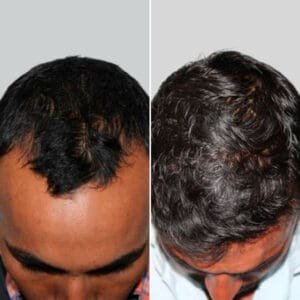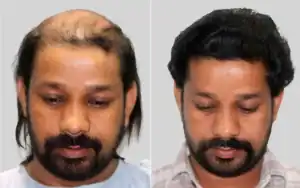
Hair fall is a common problem faced by the majority of the people at some point in their lives. Some amount of hair shedding happens every day as part of the natural hair growth cycle. Hair grows, rests and eventually falls out to make way for new strands. This process keeps your scalp healthy and active.
The difference between normal hair fall and concerning hair loss can help you take the right steps at the right time. In this article, we will break down what is normal, what is not and when you should consider seeking medical advice.
Is Hair Loss Normal?
Yes, losing strands of hair every day is considered normal, as it is part of the natural hair growth cycle in which old hairs shed to make place for new growth. However, losing substantially more or noticing bald patches indicates extreme loss.
How Much Hair Loss Per Day Is Considered Normal?
Losing around 50 to 100 strands of hair per day is considered normal. This amount may vary slightly depending on your hair type and daily routine. Hair goes through three stages which include growth, rest and shedding. At any given time, some strands are naturally in the shedding phase.
It becomes more visible when you wash or comb your hair since loose strands come out together. As long as the hair loss stays within this range and you do not see thinning or patches, there is usually no reason to worry.
From normal shedding to severe conditions, this hair loss detailed guide covers everything you need to know about managing hair loss effectively.
Common Situations Where Hair Fall Is Normal
Hair fall often looks worse during certain activities. Washing your hair can release strands that were already detached from the scalp. This is why you may see more hair in the drain on wash days.
Similarly, combing or brushing pulls out loose strands that would have fallen out anyway.
Seasonal shedding is another common and normal pattern. Some people experience more hair fall during monsoon or autumn months. This temporary shedding usually settles within a few weeks.
Other normal causes include:
- Tight hairstyles that loosen strands when opened
- Post pregnancy shedding due to hormone changes
- Mild stress or illness recovery
In these situations, hair fall is temporary and tends to return to normal without treatment.
When Should You Be Concerned About Hair Loss?
You should be concerned if hair loss becomes excessive or unusual. If you notice more than 100 to 150 strands falling daily for several weeks, it may signal a problem. Other warning signs include:
- Hair thinning at the crown or temples
- Visible scalp through hair
- Sudden increase in shedding
- Hair falling out with minimal pulling
Hair Fall in Clumps vs Gradual Shedding
Hair fall in clumps is not normal and often points to an underlying issue. If you see large bunches of hair falling while washing or combing, it may indicate a condition like telogen effluvium or alopecia.
Gradual shedding is more common and usually part of the natural cycle. However, if gradual shedding increases over time and does not improve, it still needs attention.
Thinning Hair vs Bald Patches
Thinning hair usually appears as reduced volume or a wider parting. It often develops slowly and can be linked to genetics or hormonal changes. Bald patches are clearly visible areas with little or no hair growth. Conditions like alopecia areata can cause sudden patchy hair loss.
How to Check If You Have Excessive Hair Loss
There are free simple methods which can be used to check if you are suffering from excessive hair loss:
Hair Pull Test
The hair pull test is a simple way to check active hair shedding. Take a small section of about 40 to 60 strands and gently pull. If more than 5 to 6 strands come out easily, it may suggest excessive shedding. This test should be done on dry hair and not immediately after washing. It is not a final diagnosis but can give an early indication of a problem.
Other Simple Self Checks at Home
Keep track of how much hair you lose during washing or brushing. If the amount increases suddenly, it is worth noting. Look for signs like:
- More hair on pillow or floor
- Reduced ponytail thickness
- Slower hair growth
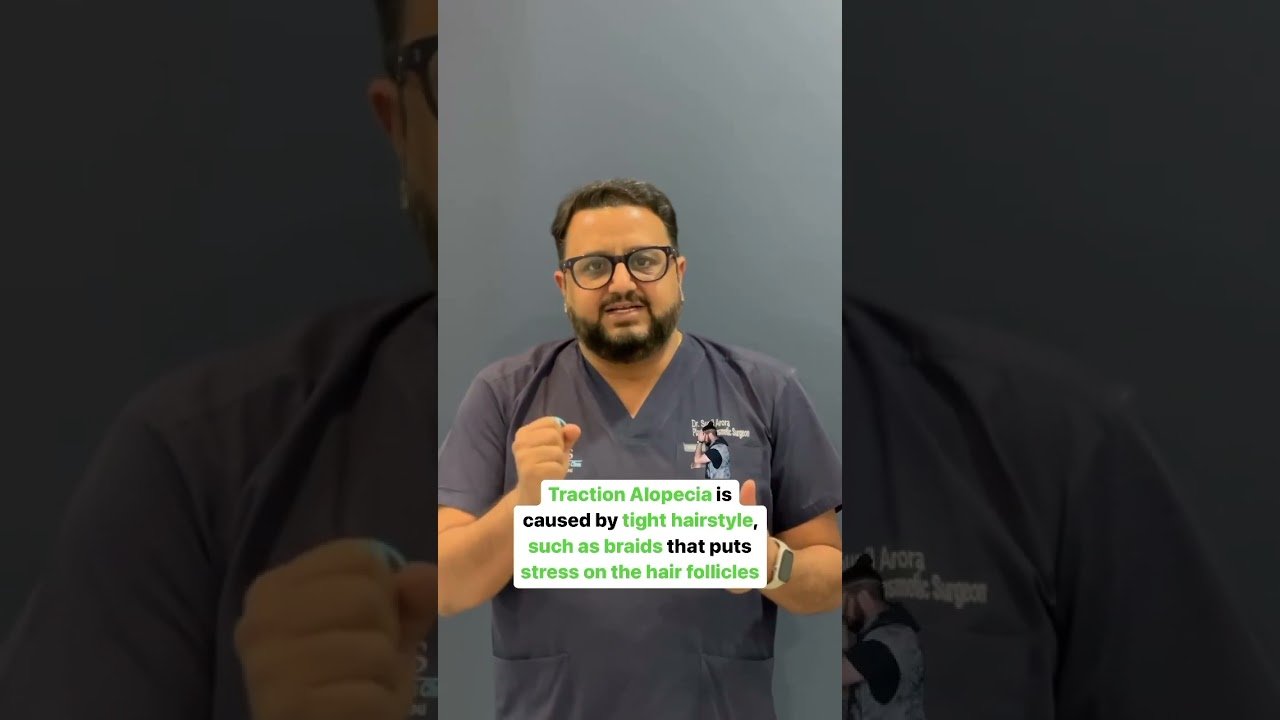
Warning Signs of Permanent Hair Loss: When to Seek Professional Help | Dr. Sunil Arora
Common Causes of Excessive Hair Loss
Some common conditions that could be the underlying reason for excessive hair loss:
Medical Conditions
If hair loss comes with other symptoms like fatigue or skin issues, medical evaluation is important. Conditions possibly related to hair loss:
- Alopecia areata is an autoimmune condition where the body attacks hair follicles leading to patchy loss.
- Thyroid disorders can also affect hair growth. Both underactive and overactive thyroid can cause thinning hair.
- Lupus is another condition that may lead to hair loss due to inflammation.
Hormonal Imbalances
Hormones play a key role in hair growth. Changes in hormones during pregnancy, menopause or due to conditions like PCOS can lead to hair thinning.
In men, androgenic alopecia or male pattern baldness is linked to hormonal sensitivity. Women may also experience similar patterns due to hormonal shifts.
Nutritional Deficiencies
A lack of essential nutrients can weaken hair. Iron deficiency is one of the most common causes especially in women. Other important nutrients include:
- Protein
- Vitamin D
- Vitamin B12
- Zinc
Stress and Lifestyle Factors
Stress can push hair into the shedding phase prematurely. This condition is known as telogen effluvium. Emotional stress, illness or major life changes can trigger it.
Lifestyle habits like poor sleep smoking or lack of exercise can also impact hair health. These factors affect overall body function including hair growth.
Hair Care Practices That Cause Hair Loss
Certain hair care habits can damage hair over time. Frequent use of heat styling tools, chemical treatments or tight hairstyles can weaken hair roots. Rough handling while combing or using harsh products can also contribute to breakage. While this may not always affect the scalp directly, it can make hair appear thinner.
When to See a Doctor for Hair Loss
You should consult a doctor if hair loss is sudden, severe or persistent. Seek help if you notice:
- Hair falling in large amounts daily
- Bald patches or receding hairline
- Itching pain or redness on scalp
- Hair loss along with weight changes or fatigue
These symptoms may indicate an underlying medical issue that needs treatment.
Who to Consult: Dermatologist vs Specialist
A dermatologist is usually the first point of contact for hair loss. They can examine your scalp and suggest tests if needed. In some cases, you may be referred to an endocrinologist if hormonal issues are suspected. Nutritionists can also help if deficiencies are involved.
Can Hair Loss Be Prevented or Controlled?
Certain practices can help manage hair loss, for instance:
Lifestyle and Diet Improvements
A balanced diet plays a major role in maintaining healthy hair. Include foods rich in protein iron and vitamins. Healthy habits include:
- Drinking enough water
- Managing stress
- Getting regular sleep
- Exercising regularly
Hair Care Routine Tips
Gentle hair care can reduce unnecessary breakage. Use mild shampoos and avoid excessive heat styling. Tips for better care:
- Do not tie hair too tightly
- Use a wide tooth comb
- Avoid frequent chemical treatments
- Oil your scalp gently if suitable
Early Treatment Options
Early treatment can help control hair loss and improve results. Doctors may suggest topical treatments, supplements or lifestyle changes based on the cause. The sooner you address the issue, the better the chances of recovery.
Treatment Options for Excessive Hair Loss
Treatment depends on the cause of hair loss. Common options include:
- Medications like minoxidil
- Nutritional supplements
- Hormonal treatments
- Platelet rich plasma therapy
- Hair transplant in severe cases
Frequently Asked Questions
Losing 50 to 100 strands daily is normal and part of the natural hair cycle.
Yes, it is normal because loose strands come out together during these activities.
Early signs include increased shedding, thinning hair and visible scalp.
The hair pull test gives a basic idea but it is not a final diagnosis. A doctor can confirm the cause.
Yes, stress can trigger temporary hair shedding known as telogen effluvium.
You should consult a doctor if hair loss is sudden, severe or does not improve over time.
In many cases, hair can grow back once the underlying cause is treated or resolved.
No, many treatments are available and transplant is usually considered only in advanced cases.
Conclusion
Hair loss is a normal part of life, but it is vital to recognize when it becomes an issue. Simple dietary, lifestyle and hair care adjustments can help to prevent a variety of disorders. At the same time, do not dismiss warning indications such as unexpected thinning or bald spots. Getting urgent medical advice might help you manage your hair loss better.