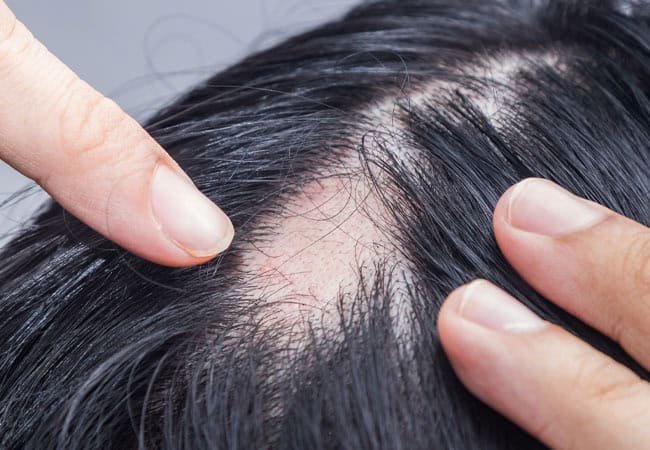
Alopecia areata is an acute hair loss disorder that occurs in individuals of all ages and sexes. It typically starts with tiny, circular bald spots on the head, beard, eyebrows, or other parts of the body. The initial patch is a shock to many, particularly when one has no pain or outside skin issue. This is accompanied by hair loss, fear, anxiety, and not knowing what to do next.
The question of spreading alopecia areata is one of the major concerns. Certain individuals just have one or two patches that regrow naturally, but still others might notice new patches appearing as time progresses. It is essential to know this condition early and do the right things, as it is unknown. Educating oneself on how to stop alopecia areata from spreading can slow further hair loss, and the chances of recovery with proper care and treatment will be increased.
What Is Alopecia Areata and Why Does It Spread?
Alopecia areata is an autoimmune disease. Simply put, this implies that the immune system of the body is confused and begins to attack healthy hair follicles. Hair grows out of these follicles. Hair is lost when attacked, but the follicles are not destroyed, and this is why it regrows.
The exact cause of alopecia areata remains unknown to doctors, but multiple factors may cause or aggravate it:
- Genetic tendency or family history
- Emotional or physical stress
- Hormonal imbalance
- Thyroid disorders
- Vitamin and mineral deficiencies
Depending on the case, the condition may be mild or progressive. New patches in some individuals occur near old ones, whereas in others, the scalp may continue to lose hair to bigger regions.
Learning the need to halt the progression of alopecia areata at an early stage, due to the universal fact that, except in the case of untreated or mismanaged ones, alopecia areata may become harder to treat at an advanced stage.
Early Signs You Should Never Ignore
Early detection of alopecia areata provides your best opportunity to cope with it. Most individuals disregard the initial symptoms, believing that shedding of hair is a temporary or stress-related situation.
Early warning signs include:
- Bald patches on the scalp or beard.
- Sudden hair loss during washing or combing.
- Thinner hair, short and broken at the base.
- Itch, tingling, or soreness of the affected region.
- There is a change in the nails, including small pits, white spots, or ridges.
Hair loss normally occurs without redness, pain, or scarring, which distinguishes it from fungal infections or other scalp issues. It is important that you visit a dermatologist as soon as you see even one patch. Preventive medical care before the disease advances is significant in both controlling and preventing the spread.
Medical Treatments That Help Control Alopecia Areata
Despite the absence of a long-term treatment for alopecia areata, a few medical interventions can slow down the disease and trigger hair growth. The treatment method is based on the size of patches, the age of the patient, and the rate at which hair loss is spreading.
Usually treated options include:
- Topical steroids to ease inflammation of the hair follicles.
- Direct injections of steroids into bald areas to grow faster.
- Minoxidil solution or foam to promote hair growth.
- Topical immunotherapy to alter the scalp immune response.
- Oral drugs in severe or spreading cases.
Strength always counts. The necessity to see the immediate results causes many to terminate the treatment prematurely. It takes time, sometimes several months, before hair grows. Medical follow-up assists in monitoring progress and modifying treatment in response, particularly with regard to how to stop alopecia areata from spreading safely.
Diet, Lifestyle, and Stress Management
Alopecia areata is directly associated with immune well-being, with lifestyles making a significant impact on its treatment. Stress is a known agitating factor that could worsen hair loss or cause new patches.
Supporters of lifestyle and diet include:
- Consumption of high-protein foods, including eggs, lentils, fish, and dairy.
- Eating iron-rich foods such as spinach, dates, and beetroot.
- Eating nuts, seeds, and fruit that contain a lot of zinc and vitamins.
- Drinking sufficient amounts of water to keep the scalp and the body hydrated.
- Getting 7-8 hours of sleep per day.
To diagnose iron deficiency, vitamin D, vitamin B12, and thyroid problems, doctors normally order a blood test. Addressing these deficiencies will promote the general well-being of the hair and immunity. Stress management using yoga, meditation, journaling, or light exercise can also help flare-ups and aid in recovery.
Daily Hair and Scalp Care Plan
Every day care does not treat alopecia areata, but it preserves the existing hair, and it helps in the outcome of treatment. Hurrying hair, coarse products may also cause more breakage, and patches can be more visible.
Basic daily care measures are:
- Applying mild, sulfate-free shampoos
- Gently wash the hair without excessive rubbing.
- The prevention of frequent heat styling or chemical treatments.
- Not tying hair too tightly
- Massaging the scalp to enhance blood flow.
It is also worth protecting bald areas against the sun. Wear hats, scarves, or sunscreen every time we go outside.
Emotional care matters too. Hair loss may also impair confidence and self-esteem; emotional support from loved ones or support groups may simplify the experience. A peaceful and upbeat mindset enhances healing and strengthens the process of preventing the extension of alopecia areata as well as medical treatment.
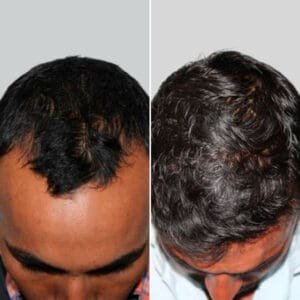
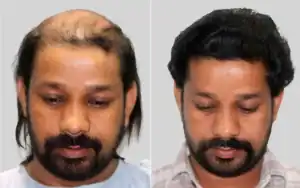
In cases where alopecia leads to permanent hair loss, hair transplant treatment can help restore natural hair density.
Conclusion
Alopecia areata may be scary since it may seem sudden, though it does not always result in permanent hair loss. Regrowth is enjoyed by many individuals, particularly when the condition is detected at an early stage and dealt with appropriately. Timely intervention will make a difference in managing the situation and decreasing additional hair loss.
Early diagnosis gives them time to start treatment before the condition deteriorates. Early medical treatment is able to calm the immune system and aid hair follicles. Frequent check-ins with a dermatologist also provide an opportunity to monitor progress and change treatment accordingly.
In recovery, the issue of healthy lifestyle choices holds significance. Just a healthy diet, sleep, and managing stress all contribute to good immune health. Such little day-to-day habits tend to make the body stronger to heal and respond more effectively to treatment.
The tender scalp and hair treatment must also not be overlooked. Hard products, tight hairstyles, and excess heat should be avoided to avoid damaging the already damaged hair follicles and breaking them unnecessarily. Emotional care is also pertinent, since recovery depends on confidence and mental well-being.
By learning how to stop alopecia areata from spreading, you become in control of the condition. Through time, patience, and a proper care plan, hair will grow, and confidence will gradually come back along with healthier hair.