Get Expert Advice - Free Today

Can You Regrow Hair Naturally? Science Explains

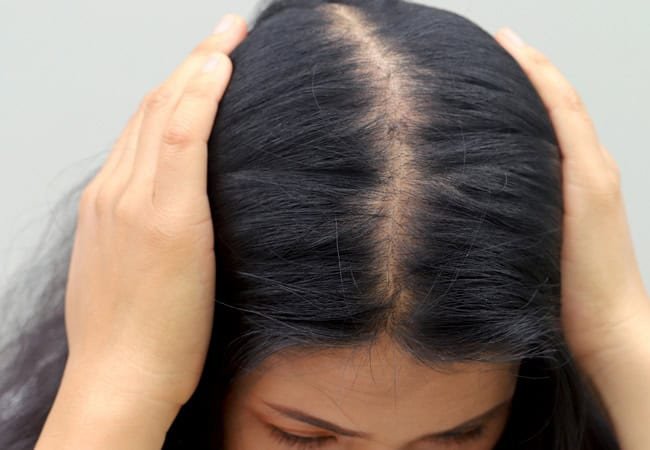
Slow hair growth, hair thinning, and receding hairlines are so widespread today. Excessive hair fall is observed by many people while brushing, washing, or styling the hair. This may cause anxiety and influence confidence.

Due to this increasing apprehension, most individuals tend to search the internet to understand whether we can regrow hair naturally or whether simple homemade solutions can make hair grow thicker.

The features of natural remedies are appealing as they are cheap, convenient, and often safe. It should, however, be noted that not all hair loss is equal. Certain hair fall is temporary and reversible, whereas others could require medical intervention.

Reversible hair loss may occur as a result of stress, nutritional deficiencies, disease, or hormonal fluctuations. Hair, in such instances, tends to grow as soon as the root cause is remedied.

But permanent conditions of hair loss, such as genetic baldness, might not react to home remedies completely. In these instances, dermatologists may prescribe some advanced methods like hair loss treatment, hair transplant treatment, or prp hair treatment.

The key to selecting a treatment method is to know the underlying cause of hair loss first.

Is Natural Hair Regrowth Really Possible? What Science Says

Understanding the Hair Growth Cycle

The growth of hair has an inherent cycle of three phases.

Anagen phase: This is the vigorous growing stage. At this stage, hair grows at a rate of approximately 1 cm per month. It can last between 2 and 7 years.

Catagen phase: It is a temporary time of stagnation in which hair ceases to grow and is disconnected from the blood flow.

Telogen phase: This is the resting phase. In a matter of months, the hair falls off, and another strand starts growing through the follicle.

Approximately 90 percent of all your hair will be in the growing stage at any given time.

When Hair Can Grow Back Naturally

The growth of hair may occur naturally when the hair follicles are alive and healthy. Natural remedies might be useful in situations like:

  • Hair loss that is temporary and caused by stress.
  • Nutritional deficiencies
  • Post-illness hair shedding
  • Mild hormonal imbalances
  • Poor scalp circulation

When Natural Remedies May Not Work

In some cases, natural methods might not suffice.

These include:

  • Advanced genetic baldness
  • Long-term follicle damage
  • Severe scalp infections
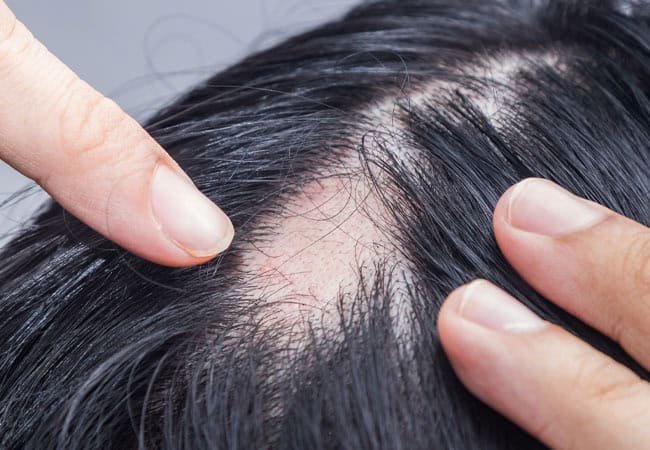
  • Autoimmune diseases such as alopecia areata

Under these circumstances, dermatologists might prescribe professional therapies such as hair loss treatment to decelerate the hair loss and provide stimulating effects.

Common Causes of Hair Loss That Slow Down Natural Hair Growth

Genetic Hair Loss (Androgenetic Alopecia)

This is the universal cause of hair loss in both men and women. It is passed down and causes slow shrinkage of the hair as one ages.

Natural cures can delay it, but often have no ability to reverse it.

Nutritional Deficiencies (Iron, Biotin, Vitamin D)

Healthy hair needs adequate nutrition for the hair follicles. Shortage of iron, biotin, and vitamin D may make hair roots weak, leading to shedding.

Proper correction of these deficiencies usually enhances hair growth.

Hormonal Changes and Thyroid Disorders

The hormones are significant in the development of hair. Hair loss may be caused by conditions such as thyroid imbalance, PCOS, pregnancy, or menopause.

The hormonal problem is normally treated, which restores hair growth.

Stress, Lifestyle, and Poor Sleep

Cortisol levels are elevated by stress. This may advance hair follicles to stage one of shedding too early.

Hair growth can also be weakened due to poor sleep and unhealthy lifestyle habits.

Scalp Conditions Affecting Hair Growth

Hair growth requires a healthy scalp. Dandruff, fungus, or inflammation of the scalp can cause problems and break down follicles, preventing the hair from growing.

10 Science-Backed Natural Remedies for Faster Hair Growth

Scalp Massage to Stimulate Blood Circulation

Scalp massage enhances blood circulation to the scalp. Improved blood circulation supplies oxygen and nutrients to the hair roots.

Scalp massages (5-10 minutes a day) help to keep hair healthier.

Rosemary Oil for Hair Growth

One natural oil that has been widely studied as a hair growth oil is rosemary oil. Research indicates that it does not harm circulation or cause hair follicles to grow.

Add several drops with a carrier oil and rub into the scalp.

Onion Juice for Hair Follicle Stimulation

Onion juice is rich in sulfur, which makes hair stronger and aids in the stimulation of follicles. Research indicates that it can enhance the growth of hair under some circumstances.

Apply fresh onion juice on the scalp and leave it on for 20-30 minutes prior to washing.

Aloe Vera to Improve Scalp Health

Aloe vera calms irritation of the scalp and dryness of dandruff. A healthy scalp environment promotes scalp hair growth.

It also assists in balancing the production of scalp oil.

Coconut Oil for Hair Strength

Coconut oil wets the hair shaft and minimizes the loss of proteins. This maintains hair well and does not break easily.

Hair quality can be enhanced by regular oiling.

Balanced Diet for Hair Growth

Hair is composed largely of protein. A nutritious diet containing vitamins and minerals is the key to hair growth.

Bring in fruits, vegetables, whole grains, and healthy fats.

Protein Intake and Hair Structure

Protein helps in maintaining hair structure and growth. Protein deficiency may result in dry, split hair.

Protein sources such as eggs, lentils, dairy products, and beans are good.

Managing Stress to Reduce Hair Fall

Meditation, breathing exercises, and yoga can be used as stress management techniques to alleviate stress-induced hair loss.

Reduced stress levels enable healthier hair cycles.

Gentle Hair Care Practices

Harsh hair styling may harm hair roots.

Hair follicles can be guarded by the use of mild shampoos and by not using a lot of heat in styling.

Proper Scalp Hyagiene

Washing the head regularly helps to keep the scalp hygienic by removing the accumulated oil, dirt, and cells.

Hair follicles also work well when the scalp is clean.

Nutrients That Play a Major Role in Natural Hair Growth

Iron and Feraritin Levels

It is oxygen transported by iron to the follicles of hair. One of the most widespread causes of hair loss is low iron levels.

Biotin and Vitamin B Complex

Biotin contributes to the strengthening of hair structure and contributes to the production of keratin.

Vitamin D and Hair Follicle Activation

Vitamin D aids in the activation of inactive hair follicles and potentially helps in the growth of new hair.

Zinc and Protein for Hair Strength

Zinc aids in the reformation of tissues and the preservation of healthy hair follicles.

NutrientRole in Hair GrowthNatural Sources
BiotinStrengthens hair structureEggs, nuts
IronPrevents hair sheddingSpinach, lentils
Vitamin DActivates hair folliclesSunlight
ZincRepairs hair tissuePumpkin seeds

Lifestyle Habits That Improve Natural Hair Growth

Sleep and Hair Regeneration

  • Sleep is during which hair follicles are repaired and regenerated. Sleep deprivation may interfere with the hair growth process.
  • Strive to get 7-8 hours of restful sleep each night.

Reducing Stress and Cortisol Levels

  • Never-ending stress may cause uncontrolled hair loss.
  • Stress can be managed by practicing mindfulness, meditation, and exercise.

Avoiding Harsh Hair Treatments

  • Chemical treatments like bleaching, perming, and over-subjecting hair to heat.
  • Fewer of these practices safeguard hair follicles.

Maintaining a Healthy Scalp

  • Maintaining a clean and well-moisturized head provides the optimal living conditions for hair.

When Natural Hair Growth Remedies Are Not Enough

Medical hair loss treatment for Early Hair Thinning

Dermatologists can prescribe drugs and treatments to ease hair loss and promote growth. These therapies address the causes of hair loss.

Regenerative Therapies like Prp Hair Treatment

In PRP therapy, the platelet-rich plasma of the patient is employed to induce hair follicles. It enhances follicle activity and new hair growth.

Permanent Restoration with Hair Transplant Treatment

Hair transplantation involves the transfer of healthy hair follicles of one region of the scalp to areas where there is alopecia.

This is viewed as a long-lasting remedy to advanced baldness.

How Long Does It Take to Regrow Hair Naturally?

Growing hair is a long process. Various techniques exhibit results at varying rates.

MethodVisible Results
Natural remedies3–6 months
Diet & lifestyle correction3–4 months
PRP therapy3–5 months
Hair transplantPermanent growth after 6–9 months

Dermatologist Tips for Faster and Healthier Hair Growth

According to dermatologists, both natural care and healthy habits produce optimal outcomes.

Important tips include:

  • Eat well-balanced nutrition with vitamins and protein.
  • Do not over-style hair with heat and rough chemicals.
  • Massage the scalp regularly.
  • Manage stress effectively.
  • Early treatment of scalp infections.
  • Consult a professional when hair loss persists.

Read More:

3 Surprising Ways Cigarettes Can Cause Hair Loss

8 Lifestyle Changes That Cause Hair Loss

Hair Loss – What’s Normal and When to be Concerned

Conclusion

A problem with hair loss is common among all ages. The answer to the question is yes in most cases, and many people ask whether we can regrow hair naturally.

This can be reinforced with natural remedies, which can help in the health of the hair, better circulation in the scalp, and strengthening of hair follicles. Results, however, require time and consistency.

What Is a Vampire Facial (PRP Facial)?

PRP-based treatments have become increasingly popular in dermatological aesthetic therapy in recent years. The Vampire Facial is one of the distinguished treatments. But why is a vampire facial a breakthrough in natural skin rejuvenation?

A Vampire Facial, or technically referred to as a Platelet-Rich Plasma (PRP) facial, is a very minimally invasive cosmetic treatment that involves your own blood to promote skin healing and collagen growth. It involves the combination of microneedling along with PRP to improve the skin tone, skin texture, and skin tightness.

This process is based on how your body heals itself, unlike chemical-based treatments or artificial fillers. This is why it is frequently picked by people who want to observe minor, natural, and prolonged changes in the quality of their skin.

What Is a Vampire Facial and How Does It Work?

In order to know clearly what a vampire facial is, we should examine the science behind PRP therapy.

Platelets are small elements within your blood that assist in the recovery and repair of tissues. They have growth factors that spur cell regeneration and collagen formation.

How the treatment works:

  1. A small piece of blood is taken from your arm.
  2. The blood is centrifuged.
  3. Platelet-rich plasma is separated in the centrifuge from other blood components.
  4. Microneedling is done on the face to cause controlled micro-injuries.
  5. PRP is either brushed onto the skin or injected into specific locations.
  6. The growth factors stimulate tissue repair and collagen remodelling.

Microchannels formed during microneedling perforate the skin to permit deep penetration of PRP. It increases cellular skin renewal. Gradually, the skin gets smoother, firmer, and more glowing.

Key Benefits of a Vampire Facial

The most frequent question that patients present to a dermatologist is, does a vampire facial really work? The solution is in its extended benefits.

Major benefits include:

  • Stimulates natural collagen synthesis
  • Improves skin elasticity
  • Minimizes wrinkles and lines
  • Minimizes acne scars
  • Improves enlarged pores
  • Brightens dull skin
  • Enhances overall skin tone
  • Improves mild pigmentation
  • Reduces under-eye darkness
  • Provides natural glow

PRP enhances the general health of the skin, unlike dermal fillers, which merely increase the volume of the skin. The outcomes appear renewed and not fake.

Who Is an Ideal Candidate?

One should be aware of who will benefit most before he or she decides to undergo the procedure. Ideal candidates:

  • People who show early signs of aging.
  • Patients who have mild to moderate acne scars.
  • Individuals who have rough skin.
  • You have those who feel dull or fatigued-looking.
  • Persons desiring non-surgical facial rejuvenation.
  • Patients who like natural treatment.

Not suitable for:

  • Breastfeeding or pregnant women.
  • Patients with bleeding disorders.
  • Severely anaemic individuals.
  • Patients with active skin infections.
  • Patients who take blood thinners.

Treatment must be preceded by a thorough consultation and review of medical history.

What Happens During the Procedure?

Still not knowing what a vampire facial is in practice, here is what usually occurs during the session.

Step-by-step experience:

  • Face is cleansed thoroughly
  • Topical anesthetic applied (20-30 min)
  • A blood sample is collected
  • PRP is centrifuged.
  • On the face, a microneedling device is applied.
  • PRP is applied or injected
  • Serum or a cooled mask is used.

Procedure duration:

  • 60–90 minutes

Pain level:

  • Mild discomfort
  • Typically, it can be dealt with using numbing cream.

Soon after treatment, the skin turns red and a bit swollen. That is natural, and it is a healing process.

Recovery, Downtime & Aftercare

Right after treatment:

  • Redness similar to sunburn
  • Mild swelling
  • Slight tightness
  • Pinpoint bleeding

1–3 days post-treatment:

  • Pinkish skin tone
  • Mild dryness
  • Light peeling in some cases

Aftercare instructions:

  • It is important not to touch the face unnecessarily.
  • Do not apply makeup for 24 hours
  • Apply light cleanser and moisturizer.
  • Use a wide-spectrum sunscreen every day.
  • No harsh exfoliants for 1 week.
  • Stay hydrated

In the majority of cases, most individuals regain normal activities within 24-48 hours.

Cost of a Vampire Facial

Understanding what a vampire facial is also includes knowing its financial investment.

The cost is based on various points:

  • Geographic location
  • Clinic reputation
  • Dermatologist’s expertise
  • Equipment used
  • Number of sessions needed
  • Combination with other treatments

Most dermatologists recommend:

  • 3 sessions
  • Spaced 4–6 weeks apart

The initial expense will be high, but the results are worthwhile because long-term and natural-appearing results are achieved.

Results: Timeline and Longevity

Patients often inquire twice: is a vampire facial capable of achieving real results?

Timeline of improvement:

  • 3–5 days: Fresh glow appears
  • 2–3 weeks: Skin texture improves
  • 4-6 weeks: Collagen synthesis is amplified.
  • 8-12 weeks: Fine lines have improved.

Long-term results:

  • Smoother skin
  • Improved elasticity
  • Reduced acne scars
  • Even skin tone

How long do results last?

  • 12–18 months
  • Once a year maintenance session.

The results are slow since PRP triggers your own body to heal. The change is gradual but positive.

Risks, Side Effects & Final Thoughts

Although PRP is said to be safe, no cosmetic surgery is risk-free.

Possible side effects:

  • Temporary redness
  • Mild swelling
  • Bruising at injection sites
  • Sensitivity
  • Rare infection (if hygiene is compromised)

Rarely do very serious allergic reactions occur because PRP utilizes your own blood. But it is important to select a skilled and competent dermatologist in order to be safe.

Final Thoughts

A Vampire Facial is not a simple trending cosmetic procedure. It is a scientifically supported process; it employs the healing capability of your body to improve the skin. It acts internally instead of merely plastering on surface concerns. This gives the results a natural and sophisticated appearance.

The biocompatibility of PRP therapy is one of the greatest benefits. The risk of allergic reaction is very low since the treatment involves the use of your own blood components. It is a safe alternative to those who are attracted by minimally invasive interventions, without synthetic injections or abusive chemicals.

But the outcome is not a fast and dramatic one-day. The recovery is a gradual process during which collagen is reformed in a number of weeks. The most effective results require patience and adherence to suggested sessions.

A qualified dermatologist or trained medical professional should be chosen. Good technique, sterile conditions, and proper PRP preparation play a great role in determining safety and effectiveness.

On the whole, a Vampire Facial is a good solution when a person wants to appear less wrinkled, achieve greater radiance, and experience minor anti-aging effects. It can also provide healthier, firmer, and naturally rejuvenated skin with realistic expectations and appropriate care.

How to Get Rid of Gynecomastia

Gynecomastia is a complication where males develop massive breast tissue. It may involve either one or both sides of the chest. This is a widespread condition that may occur at various ages. Even though it is not potentially harmful, it may be an emotional stressor, a source of embarrassment, and self-doubt.

Testosterone and the estrogen hormone mismatch cause gynecomastia. Both hormones are male-characteristic, although testosterone must be greater. Breast tissue may expand when the estrogen levels rise or when the testosterone levels go down.

The reason gynecomastia occurs in different stages of our lives:

In Teenagers:

Hormones fluctuate very quickly during puberty. The level of testosterone and estrogen changes. Breast swelling may occur due to a temporary imbalance. This condition will resolve itself in 6 months to 2 years in most teenage boys.

In Adult Men:

Gynecomastia may occur in adults because of weight gain, medications, steroid use, or medical conditions that influence hormones. It may also be caused by stress, an unhealthy lifestyle, and alcohol.

In Older Men:

Testosterone levels in men also drop with age. Concurrently, there is a possibility of increased body fat, which can elevate estrogen levels. This hormone alteration may cause the enlargement of breast tissue.

Setting Expectations

One should remember that exercise can help when it is due to fat that has enlarged the chest. In the case of firm gland tissue, exercises will not eliminate it. Medical treatment or surgery can be necessary in these cases.

Difference Between Gynecomastia vs Chest Fat

A lot of men cannot determine whether they actually have gynecomastia or just excess chest fat. Gynecomastia (True Gland Enlargement):

  • Hard or rubbery lump beneath the nipple.
  • May be tender or painful
  • The reduction is not completely weight-loss dependent.
  • Brought on by a hormonal imbalance.

Chest Fat (Pseudogynecomastia):

  • Stable and diffuse fatty tissue.
  • Usually painless
  • Lessons with body loss and exercise.
  • Caused by obesity

The differentiation can be confirmed by a doctor by means of physical examination and occasionally imaging.

Causes of Gynecomastia

Hormonal Imbalance

The most widespread reason is the disproportion between testosterone and estrogen. Gland tissue escalates when the levels of estrogen rise or when levels of testosterone decrease.

Hormonal imbalance may be caused by:

  • Puberty
  • Aging
  • Thyroid disorders
  • Liver disease
  • Kidney disease
  • Low testosterone
  • Hormone-producing tumors

Breast enlargement can also be triggered by even minor hormonal fluctuations.

Medications That Can Cause Gynecomastia

Some drugs have the power to influence the levels of hormones and cause an increase in breast tissue. Examples include:

  • Anabolic steroids
  • Some antidepressants
  • Anti-anxiety medications
  • Blood pressure medicines
  • Prostate medications
  • Heart medications
  • Certain ulcer medications

Do not discontinue a new medicine before seeking the advice of your doctor in case you notice breast enlargement.

Lifestyle & Health-Related Causes

Lifestyle habits are also significant:

  • Obesity
  • Excess alcohol consumption
  • Use of marijuana
  • Bodybuilding steroids.
  • Poor diet
  • Lack of exercise

Fat tissue stimulates estrogen production. This may aggravate gynecomastia.

Can Gynecomastia Go Away on Its Own?

Yes, in some cases.

  • Gynecomastia has a tendency to resolve spontaneously in teenagers over a period of 1-2 years.
  • Cases that develop recently can be improved with early treatment.
  • Cases involving medications could be reversed once the medication is stopped under the watch of a doctor.

But when the condition takes more than 12 months, gland tissue goes hard and fibrous. By this time, it generally fails to resolve on its own without surgery.

Exercises to Reduce Gynecomastia

Exercise can improve chest shape and reduce fat, but it cannot remove gland tissue.

Chest-Focused Exercises

These exercises work the chest muscles:

  • Push-ups
  • Bench press
  • Dumbbell press
  • Chest fly
  • Cable crossover
  • Incline press

Muscle development enhances the look of the chest and posture. Nevertheless, it will not remove tough gland tissue.

Fat-Loss & Cardio Exercises

To reduce the size of an enlarged body, decreasing the fat in the body is possible.

Effective cardio options:

  • Running
  • Cycling
  • Swimming
  • Brisk walking
  • Skipping rope
  • High-intensity interval training (HIIT)

Cardio should be used with strength training and a balanced diet.

When Exercise Will NOT Work

Exercise will not work if:

  • There is firm gland tissue.
  • The condition has been present for over one year.
  • Skin looseness is severe.
  • Hormonal imbalance is not treated.

You might require medical care if your chest size is not improving in the course of regular weight loss.

Non-Surgical Treatment Options

Hormonal Evaluation and Correction

To check, doctors may prescribe blood tests.

  • Testosterone
  • Estrogen
  • Thyroid hormones
  • Liver function
  • Kidney function

In case of any underlying issue identified, treating it might decrease the growth of the breast tissue.

Medication (Where Clinically Indicated)

In some initial cases, some drugs can be used to reduce the breast tissue. They work better in cases where gynecomastia is acute. Chronic cases tend to be unresponsive to medication.

Medication is prescribed only when medically necessary.

Lifestyle Changes and Weight Management

Proper lifestyle practices are significant:

  • Keep a healthy body weight
  • Avoid alcohol and drugs
  • Stop steroid use
  • Eat balanced meals
  • Exercise regularly

These measures do not necessarily eliminate gland tissue, but can stop further deterioration.

Gynecomastia Surgery Options

Permanent gynecomastia is best treated by surgery.

Liposuction

Best for fat-dominant cases

Liposuction is the removal of excess fat through a thin tube, which goes through small incisions.

Recovery and Results:

  • Mild swelling and bruising
  • Return to work in about 5–7 days
  • Final results are visible after swelling reduces

This technique is most effective when enlargement is primarily fat-based.

Gland Excision Surgery

Required for firm gland tissue

Through a small incision around the areola, the surgeon removes that gland tissue.

Scarring and Outcomes:

  • Small, well-hidden scar
  • Flatter chest contour
  • Permanent gland removal

This step is needed in case of the presence of hard gland tissue.

Combination Surgery

Most Common Approach

Both fat and gland tissue are found in many patients. Surgeons use a combination of liposuction and gland removal as the best option.

Who Needs It:

  • Moderate to severe gynecomastia
  • Long-standing cases
  • Patients with mixed tissue

Combination surgery gives a natural and smooth shape to the chest.

Gynecomastia Surgery Recovery & Results

Recovery Timeline

  • First week: Swelling and mild discomfort
  • 1–2 weeks: Return to desk job
  • 3–4 weeks: Avoid heavy workouts
  • 6 weeks: Resume full physical activity

Compression Garments

Compression garments are required to be put on by patients for 3-6 weeks. This aids in alleviating swelling and facilitates healing.

When Results Become Visible

It shows improvement right after surgery. Yet, definitive results are seen after 2-3 months when the swelling has healed.

Long-Term Outcomes

Results are usually permanent if:

  • Weight remains stable
  • Steroids are avoided
  • Hormones remain balanced

A healthy lifestyle is important.

Is Gynecomastia Surgery Safe?

Yes, when done by an expert surgeon.

Common Risks

  • Swelling
  • Bruising
  • Temporary numbness
  • Infection (rare)
  • Uneven contour (rare)

Serious complications are rare.

How to Minimize Complications

  • Select a certified plastic surgeon.
  • Adhere to pre and post-operative recommendations.
  • Avoid smoking
  • Wear compression garments correctly.
  • Visit follow-up visits.

Importance of Choosing an Experienced Surgeon

A well-trained surgeon provides adequate diagnosis and treatment. This will enhance outcomes and minimize the likelihood of complications.

When Should You See a Doctor?

Seek medical attention in case of:

  • Rapid breast growth
  • Pain or tenderness
  • One-sided enlargement
  • Nipple discharge
  • Emotional distress

Timely diagnosis and treatment are guaranteed through early evaluation.

How to Prevent Gynecomastia from Returning

Weight Control

Keep in good physical shape to avoid chest enlargement due to fat.

Avoiding Triggering Medications or Substances

Avoid steroids, use alcohol sparingly, and talk to your doctor about medication side effects.

Hormonal Follow-Ups

When you have a hormone imbalance, frequent check-ups are a good idea.

FAQs About Gynecomastia

Is gynecomastia recurrent?

In cases where the gland tissue is excised entirely, recurrence rarely happens. New enlargement may, however, occur with weight gain or the use of steroids.

Is surgery permanent?

Yes, surgery is typically permanent in case hormone levels are stable.

Is there an age influence on treatment success?

Surgical success is not influenced much by age, although older patients can have loose skin.

How to know if it’s fat or gland?

Fat is soft and diminishes with weight loss. Gland tissue feels firm under the nipple and does not shrink with exercise. Examination is confirmable by a doctor.

How to Fix Breast Sagging Safely

Breast sagging is a natural phenomenon that most women go through with aging. Although it is purely natural, sagging breasts may influence self-esteem and self-confidence. There are several factors, such as pregnancy, breastfeeding, aging, weight gain or loss, and lifestyle habits, that contribute to the appearance of the breast over time.

At present, there are numerous options available to women seeking to enhance breast firmness. These include lifestyle changes and non-surgical interventions, as well as very sophisticated surgical interventions. Being familiar with each choice makes you get to know which one fits your body and comfort better.

This article explains how to fix breast sagging through a practical yet medically established means.

What Is Breast Sagging?

Medically, breast ptosis, also known as breast sagging, occurs when the skin and the connective tissues that hold the breasts lose their strength and elasticity. Consequently, the breasts will fall further down the chest, and the nipples can point down.

Sagging may be mild or severe. A few women experience the loss of some firmness, and some experience a major droop. The extent of sagging is also a significant determinant in deciding the appropriate treatment.

Main Causes of Breast Sagging

Breast sagging does not occur overnight. Most often, it is a combination of several factors acting over a long period of time.

Aging

Collagen and elastin levels also reduce as the body ages. These are the proteins that make the skin elastic and firm. The breast skin gets looser when it decreases.

Pregnancy and Breastfeeding

Breasts swell during pregnancy as a result of hormone changes. The breast tissue could also shrink, leaving the skin extended after the process of breastfeeding.

Weight Fluctuations

The increase in weight leads to an expansion of the skin, whereas the loss of weight leads to the removal of volume. Weight cycling undermines the support of the breast.

Gravity

The years of constant downward pull are inherently leading to sagging.

Lifestyle Factors

Smoking destroys collagen, an unhealthy diet, and exercise weakens skin health.

Can Breast Sagging Be Fixed Without Surgery?

Yes, mild to moderate sagging of the breast may be readily treated non-surgically. Non-surgical procedures are aimed at muscles, skin, and additional drooping. These are effective in cases where sagging is non-critical.

When women seek the means of how to fix breast sagging, non-surgical choices tend to be the first recourse, as they are inexpensive and safe.

Non-Surgical Treatments for Breast Sagging

1. Exercise and Muscle Toning

The breast is made of glandular and fat tissue, but it lies above the breast’s chest muscles. These muscles can be strengthened to make the breasts look firmer and slightly lifted.

Effective exercises include:

  • Push-ups
  • Chest presses
  • Dumbbell fly exercises
  • Wall push-ups
  • Arm circles and planks

Exercise enhances posture, chest, and appearance. Results take time and consistency.

2. Wearing the Right Bra

A supportive bra is required to prevent additional sagging. A lot of women use the incorrect size of bras, and this causes poor support.

A good bra:

  • Lifts the breasts naturally
  • Lessens tension on the skin and ligaments.
  • Prevents undue movement.

The importance of sports bras is particularly observed during physical activity. Support is an easy yet effective measure in the process of how to fix breast sagging.

3. Skin Tightening Creams and Oils

Topical products do not dramatically lift breasts, but change the skin texture and firmness. Retinol, collagen boosters, vitamin E, and hyaluronic acid creams are used to maintain the skin as moist and healthy.

Simultaneously, massage using these products enhances blood flow, which facilitates skin rejuvenation.

4. Diet and Hydration

Healthy skin starts from within. Skin elasticity can be maintained using a balanced diet that is abundant in protein, vitamins, and antioxidants.

Significant nutrients are:

  • Protein for tissue repair
  • Vitamin C is needed to produce collagen.
  • Skin hydrating healthy fats.
  • Healing zinc and antioxidants.

Proper water consumption keeps the skin moist and less dry.

5. Non-Surgical Cosmetic Procedures

Aesthetic treatments are available today as a non-surgical alternative.

Radiofrequency (RF) Treatment

RF therapy involves focused heat to tighten skin and increase collagen production. In successive sessions, the breast skin becomes firmer and smoother.

Ultrasound-Based Treatments (HIFU)

These therapies work on deeper layers of the skin and increase firmness over time. Outcomes build in a few months.

They are widely used by women who desire visible enhancement but not downtime.

Lifestyle Changes to Prevent Further Sagging

Prevention contributes significantly to the sustainability of results.

  • Stop smoking to preserve collagen.
  • Maintain a stable weight
  • Practice good posture
  • Avoid sun exposure over the chest area.

Big changes come in very small, everyday packages.

When Non-Surgical Methods Are Not Enough

Non-surgical cases are limited. They might not deliver satisfactory results when sagging is moderate to severe. The most appropriate and well-lasting is surgical correction in these situations.

It is at this stage that breast lift surgery is seriously considered by women who are keen on how to fix breast sagging.

Breast Lift Surgery (Mastopexy)

Breast lift is a surgical cosmetic operation aimed at elevating and refilling flattened breasts. It debrides excessive skin, pulls back underlying tissue, and also brings the nipples up to a younger, higher position.

This process enhances firmness and contour and has no substantial effect on the size of the breast unless used with implants.

Types of Breast Lift Procedures

  • Crescent Lift: Applied to extremely slight sagging. The upper areola is incised in a small procedure. Scarring is minimal.
  • Periareolar Lift: Ideal in mild to moderate sagging. The cut encircles the areola, permitting discrete lifting and modelling.
  • Vertical (Lollipop) Lift: Skilled in moderate sagging. It provides superior re-shaping and durability.
  • Anchor Lift: Suggested for severe sagging. It is most effective at lifting and reshaping, but it does more scarring.

The decision is guided by the shape of the breast, the extent of the sagging, and individual ambitions.

Breast Lift With Implants

There are women who do not just have breast sagging, but also feel that the volume has been greatly depleted due to pregnancy, breastfeeding or extreme weight loss. When these happen, a breast lift may be sufficient to restore position but not fullness.

A breast lift with an implant will focus on these two concerns simultaneously, lifting the breasts and providing them with volume. This process assists in producing a more balanced, younger, and firmly formed look and enhances general breast symmetry.

Benefits include:

  • Improved breast position
  • Enhanced size and shape
  • Fuller upper breast area
  • Younger and slimmer look.

This hybrid solution is long-lasting and natural in appearance.

Emotional Well-Being and Body Confidence

Sagging of the breast is not a sign of beauty or femininity. It is optional to treat and not a necessity. It is most important to feel comfortable and confident in your body.

Knowing what you can do about your breast sagging will enable you to make empowered decisions about it, whether you need to accept the natural loss or get medical intervention.

Conclusion

A frequent concern is breast sagging, and modern medicine and lifestyle changes provide numerous opportunities to enhance the breast shape and firmness. Exercise and skin care, non-surgical treatments, and breast lift surgery are ways to deal with sagging at all stages.

The trick is in selecting what fits your body, objectives, and comfort level. Confidence and satisfaction are actually possible with the proper approach.

How to Prevent Hair Loss in Teenage Girls

Hair is significant to the confidence and self-image of a teenage girl. The teenage years are marked by a lot of physical, emotional, and hormonal fluctuation. Due to this, hair fall is a common problem. A lot of teenage girls see some hair in their pillow, their comb, or the floor of their bathroom, and start worrying or feeling stressed.

Male hair loss at this age may be painful and traumatic, yet in the vast majority of instances, it is short-term and can be cured through some treatment. In contrast to the adult loss of hair, the loss of hair in teenagers is typically associated with lifestyle, nutrition, stress, or hormonal fluctuations, but not permanent harm. The sooner the issue is comprehended, the better it is to cope with it.

Understanding how to prevent hair loss for teenage girls is not only highly important to achieve better hair health but also to establish healthy lifestyle practices in the future. This guide has elaborated on the causes of hair loss, warning signs, correct diet, day-in, day-out hair care, medical therapies, and the simple steps in restoring strong and healthy hair.

Common Causes of Hair Loss in Teenage Girls

Hair loss does not happen without a reason. In teenage girls, it is often caused by more than one factor working together. It is not usually the result of one factor alone in a teenage girl.

Hormonal Changes During Puberty

Puberty results in sudden hormonal changes in the body. These hormones regulate the hair growth cycle. Hormones rising and falling may cause the hair to go into the sleep cycle earlier than usual, causing too much shedding.

Poor Nutrition and Dieting

Most teenage girls will either skip their meals or put themselves on diets so that they can lose weight. This denies the body important nutrients that aid hair growth. Some very common causes of hair fall are iron deficiency, protein deficiency, and vitamin deficiency.

Stress and Emotional Pressure

Stress can be caused by academic pressure, examinations, societal expectations, body image concerns, and peer pressure. Stress influences the blood flow to the head and drives the hair follicles into a shedding stage.

Wrong Hair Practices

Heat overuse, chemical processing, recurrent coloring, small ponytails, braids, and coarse brushing reduce hair root strength, resulting in their rupture.

Medical Conditions

Hair loss may also be caused by conditions such as anemia, thyroid problems, PCOS, scalp infections, dandruff, or fungal infections.

The first thing to learn about how to prevent hair loss for teenage girl is to understand the reasons.

If you’re experiencing early hair fall, exploring different ways to prevent hair loss can help you manage it effectively from the start.

Signs and Types of Hair Loss to Watch Out For

Loss of hair may manifest in various ways. Early detection is beneficial in acting promptly.

Excessive Daily Hair Fall

It is normal to lose up to 100 strands in a day. In case it falls more than that or the fall persists for weeks, this should not be overlooked.

Hair Thinning

Hair can begin to appear flat or less thick, particularly around the front of the head.

Hair Breakage

The damage to hair occurs because it dries or lacks moisture, or gets heat damage and splits. This raises hair to appear short and unhealthy.

Patchy Hair Loss

Unexpected bald spots could be a sign of a complication known as alopecia areata, which requires treatment.

Scalp Problems

Hair fall can also be induced by persistent dandruff, itching, redness, or pain on the scalp.

A timely diagnosis simplifies the treatment of hair loss and recognizes how to prevent hair loss for teenage girl before it is severe.

Best Diet to Prevent Hair Loss in Teenage Girls

One of the most significant factors of healthy hair is diet. To get good hair growth, nutrients are required to build hair strands in the hair follicles.

Protein for Hair Strength

Protein is the primary element of hair. Protein deficiency causes hair that is weak and thin. Good sources include:

  • Eggs
  • Milk, curd, and paneer
  • Pulses, lentils, and chickpeas
  • Nuts and seeds

Iron-Rich Foods

Iron assists in transporting oxygen to the hair roots. A significant cause of hair loss among teenage girls is iron deficiency. Include:

  • Spinach and leafy vegetables
  • Beetroot
  • Dates and raisins
  • Jaggery
  • Pomegranate

Vitamins and Minerals

  • Vitamin A helps scalp health
  • Vitamin C enhances the absorption of iron.
  • Vitamin D helps hair follicles.
  • Zinc and biotin make hair strong.

Healthy Fats

The Omega-3 fatty acids feed the scalp and make it less dry. They include walnuts, flaxseeds, and chia seeds.

Hydration

Hair is well hydrated by drinking a lot of water, and dryness and breakage are avoided.

One of the most natural and safe methods of learning how to prevent hair loss for teenage girl is through a balanced diet.

Healthy Hair Care Routine for Teenagers

Hair health is highly influenced by daily hair habits.

Choose Mild Hair Products

Wash with soft, sulfate-free hair spray. Do not use harsh products that strip natural oils.

Wash Hair Properly

Hair need not be washed more than 2 to 3 times a week. Excessive use of soap may dry the scalp and damage hair roots.

Oil Massage

Scalp massage with coconut, almond, and castor oil enhances blood circulation and stimulates hair follicles. Do this once or twice a week.

Avoid Heat Styling

Straighteners, curlers, and blow dryers are damaging to hair when frequently used. Use natural hair dryers as much as possible.

Gentle Hair Handling

A wide-tooth comb should be used, no tight hairstyles, and never pull hair severely.

A little routine that is taken regularly can go a long way to learning how to prevent a teenage girl from naturally losing hair.

Medical Treatments and When to See a Doctor

Home care is sometimes not sufficient to improve hair loss. Medical help may be needed.

When to Consult a Doctor

  • Over 3 months of hair fall.
  • Sudden or patchy hair loss
  • Serious dandruff or head infections.
  • Unpredictable loss of hair.

Medical Tests

Physicians can recommend blood tests to measure iron deficiency, vitamin deficiency, thyroid, or hormone balance.

Treatment Options

  • Iron supplement, or vitamin D supplement, or biotin supplement.
  • Dandruff shampoos.
  • Hormonal disorders such as PCOS.
  • Scalp treatment in case of infections.

Avoid Self-Medication

Hair growth medicines should not be used by teenagers without medical advice, as they have side effects.

Professional advice is the way to achieve safe and effective outcomes, as well as learn how to prevent hair loss for teenage girl the correct way.

Conclusion

Most hair loss in teenage girls will be temporary and is generally something to deal with. The main reasons are hormonal changes, poor nutrition, stress, and bad habits with hair. Early management, healthy nutrition, unobtrusive hair practices, and mood are the secrets of healthy hair.

The puberty age is that age of growth and transformation, and hair issues should not be regarded as a fear or lack of self-esteem. By being patient, consistent, and guided in the right direction, it is possible to restore hair health. Educating teenage girls about hair loss prevention early on in their lives will help them establish strong hair standards in the future.

The first step to healthy hair is healthy decisions, both inside and out.

How to Stop Alopecia Areata From Spreading Early

Alopecia areata is an acute hair loss disorder that occurs in individuals of all ages and sexes. It typically starts with tiny, circular bald spots on the head, beard, eyebrows, or other parts of the body. The initial patch is a shock to many, particularly when one has no pain or outside skin issue. This is accompanied by hair loss, fear, anxiety, and not knowing what to do next.

The question of spreading alopecia areata is one of the major concerns. Certain individuals just have one or two patches that regrow naturally, but still others might notice new patches appearing as time progresses. It is essential to know this condition early and do the right things, as it is unknown. Educating oneself on how to stop alopecia areata from spreading can slow further hair loss, and the chances of recovery with proper care and treatment will be increased.

What Is Alopecia Areata and Why Does It Spread?

Alopecia areata is an autoimmune disease. Simply put, this implies that the immune system of the body is confused and begins to attack healthy hair follicles. Hair grows out of these follicles. Hair is lost when attacked, but the follicles are not destroyed, and this is why it regrows.

The exact cause of alopecia areata remains unknown to doctors, but multiple factors may cause or aggravate it:

  • Genetic tendency or family history
  • Emotional or physical stress
  • Hormonal imbalance
  • Thyroid disorders
  • Vitamin and mineral deficiencies

Depending on the case, the condition may be mild or progressive. New patches in some individuals occur near old ones, whereas in others, the scalp may continue to lose hair to bigger regions. 

Learning the need to halt the progression of alopecia areata at an early stage, due to the universal fact that, except in the case of untreated or mismanaged ones, alopecia areata may become harder to treat at an advanced stage.

Early Signs You Should Never Ignore

Early detection of alopecia areata provides your best opportunity to cope with it. Most individuals disregard the initial symptoms, believing that shedding of hair is a temporary or stress-related situation.

Early warning signs include:

  • Bald patches on the scalp or beard.
  • Sudden hair loss during washing or combing.
  • Thinner hair, short and broken at the base.
  • Itch, tingling, or soreness of the affected region.
  • There is a change in the nails, including small pits, white spots, or ridges.

Hair loss normally occurs without redness, pain, or scarring, which distinguishes it from fungal infections or other scalp issues. It is important that you visit a dermatologist as soon as you see even one patch. Preventive medical care before the disease advances is significant in both controlling and preventing the spread.

Medical Treatments That Help Control Alopecia Areata

Despite the absence of a long-term treatment for alopecia areata, a few medical interventions can slow down the disease and trigger hair growth. The treatment method is based on the size of patches, the age of the patient, and the rate at which hair loss is spreading.

Usually treated options include:

  • Topical steroids to ease inflammation of the hair follicles.
  • Direct injections of steroids into bald areas to grow faster.
  • Minoxidil solution or foam to promote hair growth.
  • Topical immunotherapy to alter the scalp immune response.
  • Oral drugs in severe or spreading cases.

Strength always counts. The necessity to see the immediate results causes many to terminate the treatment prematurely. It takes time, sometimes several months, before hair grows. Medical follow-up assists in monitoring progress and modifying treatment in response, particularly with regard to how to stop alopecia areata from spreading safely.

Diet, Lifestyle, and Stress Management

Alopecia areata is directly associated with immune well-being, with lifestyles making a significant impact on its treatment. Stress is a known agitating factor that could worsen hair loss or cause new patches.

Supporters of lifestyle and diet include:

  • Consumption of high-protein foods, including eggs, lentils, fish, and dairy.
  • Eating iron-rich foods such as spinach, dates, and beetroot.
  • Eating nuts, seeds, and fruit that contain a lot of zinc and vitamins.
  • Drinking sufficient amounts of water to keep the scalp and the body hydrated.
  • Getting 7-8 hours of sleep per day.

To diagnose iron deficiency, vitamin D, vitamin B12, and thyroid problems, doctors normally order a blood test. Addressing these deficiencies will promote the general well-being of the hair and immunity. Stress management using yoga, meditation, journaling, or light exercise can also help flare-ups and aid in recovery.

Daily Hair and Scalp Care Plan

Every day care does not treat alopecia areata, but it preserves the existing hair, and it helps in the outcome of treatment. Hurrying hair, coarse products may also cause more breakage, and patches can be more visible.

Basic daily care measures are:

  • Applying mild, sulfate-free shampoos
  • Gently wash the hair without excessive rubbing.
  • The prevention of frequent heat styling or chemical treatments.
  • Not tying hair too tightly
  • Massaging the scalp to enhance blood flow.

It is also worth protecting bald areas against the sun. Wear hats, scarves, or sunscreen every time we go outside. 

Emotional care matters too. Hair loss may also impair confidence and self-esteem; emotional support from loved ones or support groups may simplify the experience. A peaceful and upbeat mindset enhances healing and strengthens the process of preventing the extension of alopecia areata as well as medical treatment.

In cases where alopecia leads to permanent hair loss, hair transplant treatment can help restore natural hair density.

Conclusion

Alopecia areata may be scary since it may seem sudden, though it does not always result in permanent hair loss. Regrowth is enjoyed by many individuals, particularly when the condition is detected at an early stage and dealt with appropriately. Timely intervention will make a difference in managing the situation and decreasing additional hair loss.

Early diagnosis gives them time to start treatment before the condition deteriorates. Early medical treatment is able to calm the immune system and aid hair follicles. Frequent check-ins with a dermatologist also provide an opportunity to monitor progress and change treatment accordingly.

In recovery, the issue of healthy lifestyle choices holds significance. Just a healthy diet, sleep, and managing stress all contribute to good immune health. Such little day-to-day habits tend to make the body stronger to heal and respond more effectively to treatment.

The tender scalp and hair treatment must also not be overlooked. Hard products, tight hairstyles, and excess heat should be avoided to avoid damaging the already damaged hair follicles and breaking them unnecessarily. Emotional care is also pertinent, since recovery depends on confidence and mental well-being.

By learning how to stop alopecia areata from spreading, you become in control of the condition. Through time, patience, and a proper care plan, hair will grow, and confidence will gradually come back along with healthier hair.