Baldness often refers to a significant loss of scalp hair. The most frequent cause of baldness is hereditary hair loss as people age. Some people would rather let their hair loss progress naturally without treatment or camouflage.
Others may disguise it with caps, wraps, make-up, or wigs. Others decide to use one of the treatments on offer to stop additional hair loss or encourage growth. In this article, we will give you a complete idea about hair loss causes, symptoms, types, and solutions.
Signs And Symptoms Of Hair Loss
Signs and symptoms of hair loss can vary depending on the underlying cause. Here are some common indications:
Gradual thinning on top of the head
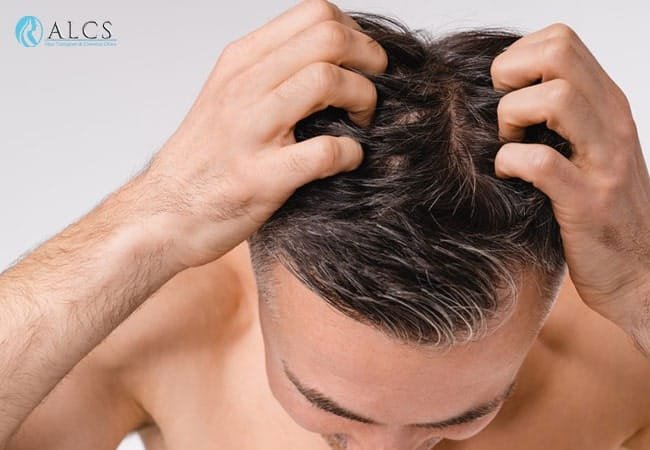
One of the most common signs of hair loss is a gradual thinning of hair on the top of the head, especially in men. This thinning may begin with a receding hairline or a widening part.
Circular or patchy bald spots
In some cases, hair loss may occur in distinct circular or patchy areas on the scalp. These bald spots can be smooth and completely devoid of hair.
Sudden loosening of hair
A sudden increase in hair shedding or noticeable clumps of hair coming out while brushing, washing, or even gentle tugging can be a sign of hair loss.
This condition is known as telogen effluvium and can be triggered by factors such as physical or emotional stress, hormonal changes, or certain medications.
Full-body hair loss
Hair loss may not be limited to the scalp alone. Some medical conditions, treatments like chemotherapy, or autoimmune disorders can lead to the loss of hair on the entire body, including eyebrows, eyelashes, and body hair.
Patches of scaling that spread over the scalp
Scalp conditions such as alopecia areata, a type of autoimmune disorder, can cause patchy hair loss accompanied by scaling, redness, or inflammation. These patches may gradually enlarge and spread across the scalp.
If you’re unsure whether your daily hair fall is normal or a sign of a deeper issue, read our detailed guide on what is normal hair loss and when to worry to understand the early warning signs.
When To See A Doctor
If you are distressed by persistent hair loss or notice a receding hairline in women, it is advisable to see a doctor. Seeking early treatment can help prevent significant and permanent baldness.
Moreover, if you experience sudden or patchy hair loss, it is essential to consult a healthcare professional. Sometimes, hair loss can be a symptom of an underlying medical condition that requires treatment.
By seeking medical attention, you can receive a proper diagnosis and explore appropriate treatment options to address the cause of your hair loss effectively. Remember, early intervention can often lead to better outcomes in managing hair loss concerns.
Before assuming your hair fall is unique, check out these important hair loss statistics you should know to see how it affects different age groups and genders.
Causes Of Hair Loss
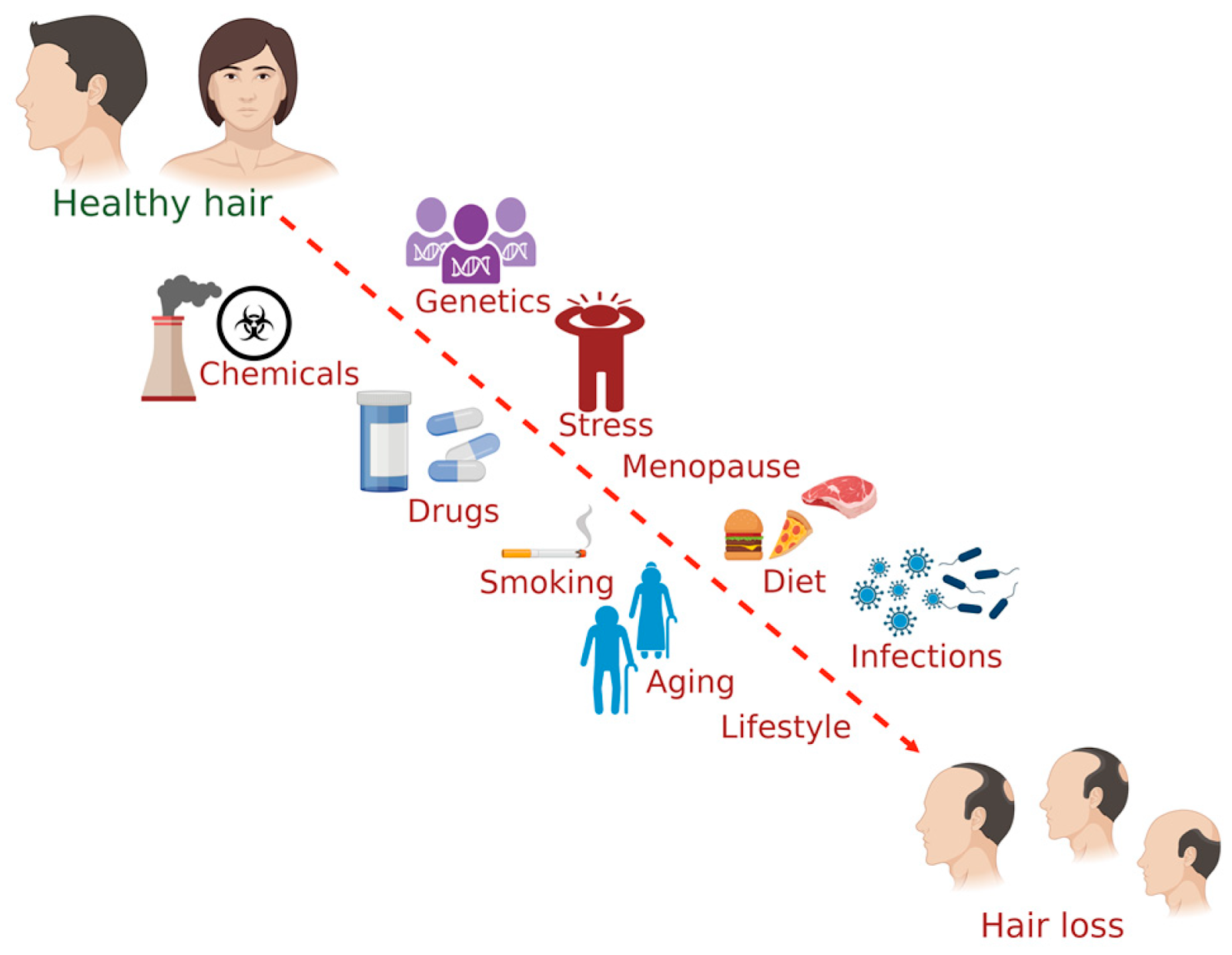
Hair loss can be attributed to a variety of factors, ranging from hormonal imbalances to genetic predisposition. Understanding the causes of hair loss is crucial to effectively address the issue. Here are some key factors that contribute to hair loss, along with explanations for each.
Hormones
Hormonal changes can have a significant impact on hair growth and loss. Conditions such as hormonal imbalances, particularly an excess of dihydrotestosterone (DHT) in both men and women, can lead to hair thinning and eventual loss. This condition is commonly associated with pattern baldness or androgenetic alopecia.
Stress and Illness
Both physical and emotional stress can trigger hair loss. When the body is under significant stress, it diverts resources away from hair growth towards vital functions, resulting in temporary hair shedding.
Additionally, certain illnesses and medical treatments like chemotherapy can cause hair loss as a side effect.
Gene and Family History
Genetic factors play a substantial role in determining the likelihood of hair loss. If you have a family history of baldness, you are more susceptible to inheriting the genes associated with hair loss. Male pattern baldness and female pattern hair loss are examples of genetic conditions that can result in hair thinning and bald patches.
Drugs, Burns, and Injuries
Certain medications and medical treatments can lead to hair loss as a side effect. These may include chemotherapy drugs, anticoagulants, and antidepressants. Additionally, burns and injuries to the scalp can damage hair follicles, impairing their ability to produce new hair.
Pregnancy
During pregnancy, hormonal fluctuations can affect the hair growth cycle. Many women experience a temporary increase in hair thickness and fullness during pregnancy due to elevated estrogen levels.
However, after childbirth, hormonal changes can trigger excessive shedding known as postpartum hair loss. This shedding is usually temporary and resolves within a few months.
Cosmetic Procedures
Certain cosmetic procedures, such as hair extensions, weaves, tight hairstyles (like braids or ponytails), and chemical treatments like perming or straightening, can cause hair breakage and traction alopecia.
These procedures can place excessive strain on the hair shafts or irritate the scalp, resulting in hair loss.
Autoimmune Diseases
Autoimmune disorders, such as alopecia areata, cause the immune system to mistakenly attack the hair follicles, leading to sudden hair loss in patches. These conditions can be chronic and may require medical intervention to manage symptoms.
Medical Conditions
Various medical conditions, including thyroid disorders (such as hypothyroidism or hyperthyroidism), scalp infections (like ringworm), and trichotillomania (a compulsive hair-pulling disorder), can contribute to hair loss. Treating the underlying medical condition is essential to address hair loss.
Diet
Poor nutrition and dietary deficiencies can impact hair health. Inadequate intake of essential nutrients like protein, iron, zinc, and vitamins can result in weakened hair follicles, leading to hair loss. A balanced diet with adequate nutrients is crucial for healthy hair growth.
Vitamin Deficiency
Specific vitamin deficiencies, such as deficiency in vitamin D, vitamin B12, or biotin, can contribute to hair loss. These vitamins play important roles in maintaining healthy hair follicles and promoting hair growth. Supplementation or dietary adjustments may be necessary to address these deficiencies.
Risk Factors
Hair loss can be influenced by various risk factors. A notable risk factor is a family history of balding on either the mother’s or father’s side, as genetics plays a significant role in determining hair loss patterns.
Another factor is age, as hair tends to be naturally thin with advancing years. Significant weight loss can also contribute to hair loss, as it can disrupt the balance of nutrients and vitamins necessary for healthy hair growth.
Medical conditions, such as diabetes and lupus, have been associated with hair loss as well. Stress, whether physical or emotional, can trigger hair loss by affecting the hair growth cycle.
Poor nutrition, characterized by an inadequate intake of essential nutrients, can lead to weakened hair follicles and subsequent hair loss. Considering these risk factors can help understand and manage hair loss concerns.
Prevention
Preventing hair loss can be achieved by following a few simple practices. Firstly, it is important to be gentle with your hair and avoid tugging or pulling it excessively. It can lead to breakage and hair loss. Using a wide-toothed comb can help prevent pulling out hair while detangling.
Additionally, harsh treatments, medications, and supplements should be avoided, as they can contribute to hair loss. Protecting your hair from sunlight by wearing a hat or using sunscreen sprays can also help maintain its health.
Quitting smoking is another crucial step, as smoking has been linked to hair loss. If undergoing chemotherapy, using a cooling cap can help minimize hair loss as a result of the treatment.
By adopting these preventative measures, you can reduce the risk of hair loss and promote healthier hair growth.
Types Of Hair Loss
Hair loss can occur in various forms, each with its own unique characteristics and underlying causes. Understanding the different types of hair loss can help in identifying the appropriate treatment options and management strategies for individuals experiencing this common condition.
Involutional alopecia
This type of hair loss occurs naturally as a person ages, resulting in thinning hair. It is a gradual process that is influenced by genetic factors.
Androgenic alopecia
Also known as male or female pattern baldness, this common type of hair loss is caused by genetic and hormonal factors. It leads to a receding hairline and thinning on the crown of the head.
Alopecia areata
This autoimmune condition causes sudden hair loss in patches. It can occur on the scalp or other areas of the body and may be triggered by stress or genetics.
Trichotillomania
A psychological disorder where individuals have an irresistible urge to pull out their hair, resulting in noticeable hair loss. It can be treated with therapy and behavioral interventions.
Telogen effluvium
This temporary hair loss condition is often triggered by stress, illness, hormonal changes, or medication. It causes a large number of hairs to enter the resting phase and subsequently fall out.
Scarring alopecia
This rare form of hair loss occurs when inflammation damages the hair follicles, leading to permanent hair loss and scarring of the scalp. It may result from conditions such as lupus or lichen planopilaris.
Traction alopecia
Repeated tension or pulling on the hair, often due to tight hairstyles or hair accessories, can cause hair loss. It typically occurs along the hairline or in areas where hair is frequently pulled.
Central centrifugal cicatricial alopecia
Primarily affecting women of African descent, this progressive condition leads to scarring and permanent hair loss. It usually starts at the crown and spreads outward.
Remember, these descriptions are just brief overviews, and each type of hair loss can have additional nuances and variations. It is always best to consult with a medical professional for an accurate diagnosis and appropriate treatment options.
If you’re experiencing unusual hair fall patterns, learning about the different types of hair loss can help you recognize whether it’s temporary or permanent.
How Is Hair Loss Diagnosed?
Diagnosing Hair Loss – A Step-by-Step Guide
Recognize changes in your hair
If you notice any significant changes in your hair, such as excessive shedding, thinning, or bald patches, it is essential to take them seriously. These changes can be indicative of an underlying issue and should prompt you to seek medical attention.
Consider recent illnesses and surgeries
Certain illnesses, such as thyroid disorders or autoimmune diseases, can contribute to hair loss. Additionally, surgeries that require anesthesia or significant physical trauma can cause temporary hair shedding. Inform your healthcare provider about a recent medical event relevant to your hair loss.
Assess life stressors
High levels of stress, whether due to emotional or physical factors, can sometimes lead to hair loss. If you have experienced significant stressors recently, it is worth discussing them with your healthcare provider during the diagnostic process.
Evaluate family history
Hair loss can have a genetic component. Understanding your family history of hair loss can provide valuable insights for your healthcare provider and help in determining potential causes and treatment options.
Schedule an appointment with a medical professional
If you notice changes in your hair, it is recommended to make an appointment with a medical professional. It may be a dermatologist, trichologist (hair specialist), or primary care physician, depending on availability and resources. They will conduct a thorough examination and guide you through the diagnosis process.
Undergo a physical exam
During the appointment, the medical professional will perform a physical examination of your scalp and hair. They will look for any visible signs of infection, inflammation, or other abnormalities that could be contributing to your hair loss.
Consider a scalp biopsy
In some cases, a biopsy of the skin on your scalp may be necessary. This procedure involves taking a small sample of the scalp tissue to be analyzed under a microscope. A scalp biopsy can help identify specific conditions or diseases affecting the hair follicles.
Multiple tests may be needed
Diagnosing hair loss often requires several tests to determine the underlying cause. These tests may include blood tests, such as a complete blood count (CBC), thyroid function tests, or hormonal evaluations.
They can provide valuable information about your overall health and potential contributing factors to hair loss.
What Are The Treatment Options For Hair Loss?
When it comes to the treatment of hair loss, there is a range of options available depending on the underlying cause. The best treatment option for you will depend on the specific cause of your hair loss.
One approach involves the use of topical or oral medications. Topical creams, gels, solutions, or foams that are applied directly to the scalp can be effective. One commonly used medication is minoxidil, which can help stimulate hair growth and prevent further hair loss.
Another medication, finasteride, is often prescribed for male pattern baldness and can help prevent androgenetic hair loss. In some cases, anti-inflammatory medications like corticosteroids may be prescribed to reduce inflammation and promote hair growth.
Certain forms of laser therapy and platelet-rich plasma (PRP) treatments have shown promise in stimulating hair growth. In more advanced cases, hair transplant surgery may be an option, where healthy hair follicles are transplanted to areas of hair loss.
The best treatment option for you should be determined by consulting with a healthcare professional who can evaluate your condition and recommend the most suitable course of action.
Which Vitamin Can Help With Hair Loss?
The role of nutrition in preventing or treating hair loss can be a topic of debate. While specific nutrients play a vital role in hair growth, increasing your intake of these nutrients may not guarantee hair loss prevention.
However, a few vitamins have been associated with hair health. B vitamins, including riboflavin, biotin, folate, and vitamin B12, are thought to support hair growth. Iron, vitamin C, and vitamin D are also believed to be important for maintaining healthy hair.
It’s important to note that individual needs vary, and a balanced diet along with consultation with a healthcare professional is recommended to address specific nutritional concerns related to hair loss.
Is It Possible To Stop Hair Loss Indefinitely?
The ability to stop hair loss indefinitely depends on the underlying cause. In many cases, if hair loss is addressed promptly, there is a higher chance of reversing or slowing down its progression.
However, it’s important to note that certain causes of hair loss cannot be completely reversed. For instance, damage to hair follicles resulting from excessively tight hairstyles or harsh chemicals applied to the hair may be irreversible.
Similarly, certain autoimmune diseases can contribute to hair loss that is challenging to reverse. It is crucial to identify the cause of hair loss and consult a healthcare professional or dermatologist to determine the most appropriate treatment options for individual circumstances.
If you believe a hair transplant is a one-time permanent cure for all hair loss, it’s important to explore the real hair transplant myths and facts before proceeding.
Women And Hair Loss
Hair loss is not solely a concern for men; it also affects women significantly. Approximately 50% of women experience noticeable hair loss at some point. Female pattern hair loss is a common condition, characterized by hair thinning on the crown and the top of the scalp.
Women over the age of 40 are particularly susceptible to this type of hair loss. Postpartum hair loss is another temporary condition experienced by many women after giving birth, which usually resolves within a few months.
Additionally, women who have undergone chemotherapy or taken certain medications may also experience hair loss as a side effect. Certain hairstyles, such as tight ponytails or braids, exert pressure on the hair, and the use of harsh chemicals can contribute to hair loss as well.
Lastly, menopausal women often experience changes in hormone levels, which can lead to hair thinning or loss.
What Are The Myths About Hair Loss?
There are several persistent myths surrounding hair loss that continue to mislead people. One common misconception is that shampooing your hair too frequently causes hair loss, but in reality, shampooing does not lead to significant hair loss.
Another myth suggests that dandruff can cause permanent hair loss, whereas dandruff does not directly result in permanent baldness, although severe cases may cause temporary shedding.
Stress is often blamed for permanent hair loss, but while stress can contribute to temporary hair shedding, it rarely leads to permanent baldness.
Additionally, the notion that shaving one’s head can make the hair grow back twice as thick is unfounded, as hair growth and thickness are determined by genetic and hormonal factors. Standing on your head may increase blood circulation to the scalp, but it does not significantly stimulate hair growth.
Brushing your hair 100 strokes a day is often believed to make it healthier, but excessive brushing can damage the hair. Hats and wigs do not cause hair loss in women, although ill-fitting headwear may lead to traction alopecia.
Lastly, hair loss is not limited to intellectual women; it can affect individuals of any gender, intellectual capacity, age, or background. It’s important to dispel these myths and seek accurate information and professional advice when dealing with hair loss concerns.
What Is The Relationship Between Hair Loss In Women And Menopause?
During menopause, changes in hormone levels can impact the health and growth of hair. Some women may experience either increased hair growth or thinning of hair.
The decline in female hormones during menopause can lead to an increase in androgen levels, which can cause hair follicles to shrink. As a result, hair growth becomes slower, and hair becomes more prone to falling out.
A thorough examination is necessary to determine the underlying causes of hair loss during menopause. Tests for iron levels and thyroid hormones are often recommended to identify potential contributing factors.
By addressing hormonal imbalances and ensuring adequate nutrient levels, it is possible to manage and minimize hair loss during this stage of life.
Self-care
Taking care of your hair is essential when it comes to managing hair loss. By implementing a few self-care practices, you can promote healthy hair growth and minimize further damage. Here are some key points to consider:
- Eating a nutritious diet that includes proteins, fats, vitamins, and minerals nourishes your hair follicles, supports hair growth, and reduces hair loss.
- Opt for a lightweight shampoo and conditioner designed for your hair type to avoid weighing down the hair, maintain its volume, and prevent breakage.
- Avoid tight hairstyles such as ponytails, braids, or buns that put excessive tension on the hair follicles, leading to hair loss over time.
- Limit the use of heating processes like blow dryers, curling irons, and straighteners. They can cause damage to the hair shaft, resulting in breakage and hair loss. Instead, opt for air-drying or use heat-protectant products when necessary.