Get Expert Advice - Free Today

What is PRP therapy?

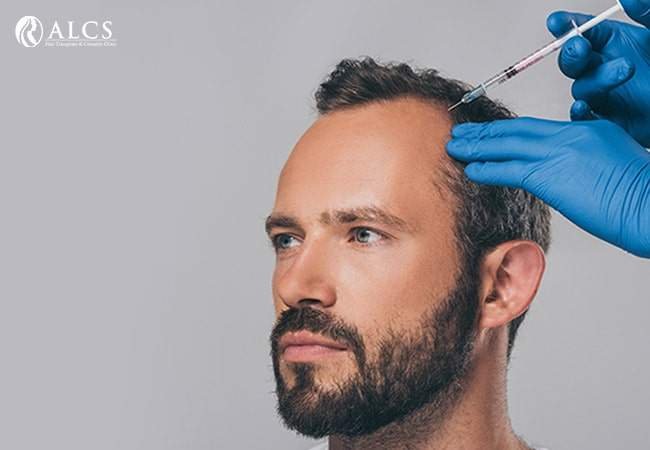
PRP (platelet-rich plasma) therapy for hair loss is a restorative process that is performed in three-step.

It is a medical treatment that involves drawing a patient’s blood and processing it to finally inject it into the scalp.

PRP injections are considered to induce natural hair growth. Along with that, they also tend to maintain growth by increasing blood supply to the hair follicle.

It also helps in increasing the thickness of the hair shaft. In some cases, PRP therapy is combined with other hair loss procedures or medications.

Though many cosmetic surgeons recommend getting PRP therapy, there is not enough research proving its effectiveness as a hair loss treatment.

The usage of this therapy can be traced back to the 1980s. Initially, it was used for healing injured tendons, ligaments, and muscles.

PRP hair therapy process

The PRP process is performed in three-step. Generally, three treatments of 4 to 6 weeks gap are performed for the most effective results. For maintenance, treatment is required every 4 to 6 months.

The three steps of the PRP hair process are:

Step 1

The process begins with drawing out the patient’s blood. That is typically taken from one’s arm. The blood sample is then into a machine called a centrifuge that spins at high speed to separate blood fluids of different densities apart.

Step 2

The centrifuge separates the fluids in about 10 minutes. The components of blood are obtained in three layers:

  • Plasma deficient in platelets
  • Plasma rich in platelets
  • Red blood cells

Step 3

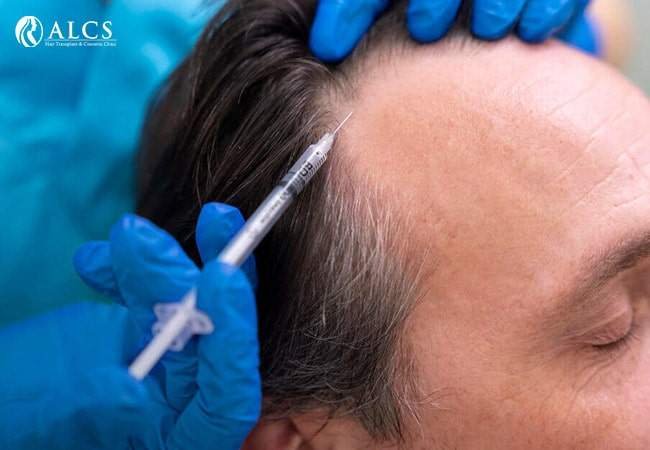
The platelet-rich plasma is taken into a syringe and then injected into areas of the scalp where hair growth needs to be accelerated.

As already said, the effectiveness of PRP therapy has yet to be proven by any strong or enough research. Moreover, it also needs to be made clear from whom the therapy is most effective and under what circumstances.

Recent studies have claimed that though there are scientific bases to support PRP therapy for hair loss, it is still at its initial stage for hair restoration. The available evidence needs to be stronger.

These are three steps that are involved in PRP therapy. The entire process can be performed in one session of 30 minutes. If you are looking for a clinic to get the treatment, visit ALCS immediately.

Side effects of PRP for hair loss

The process involves injecting a patient’s blood into their scalp; therefore, there is no risk of getting a communicable disease. But since there is injecting process involved, the therapy tends to carry some risk factors, such as:

  • Infection
  • Injury to blood vessels or nerves
  • Calcification at the injection points
  • Scar tissue

Local anaesthesia is provided at the treated site before injecting. In some cases, there remains a chance that the patient can react negatively to the anaesthetic.

So, at the time of consultation, inform your doctor about the tolerance level to anaesthetics.

Risks of PRP for hair loss

Before getting the treatment, it is advised to inform your doctor or healthcare provider about all medications you take, including supplements and herbs. The PRP therapy is not advised if you:

  • Are on blood thinners
  • Smoke heavily
  • Have a history of alcohol or drug misuse

The treatment might also be rejected if you’ve been diagnosed with the following:

  • Acute or chronic infections
  • Cancer
  • Hypofibrinogenemia
  • Low platelet count
  • Skin disease
  • Hemodynamic instability
  • Liver disease
  • Thyroid disease
  • Platelet dysfunction syndromes
  • Systemic disorder
  • Sepsis
  • Metabolic disorder

During the initial consultation, your doctor will discuss your health condition, medicines you take, family history of chronic diseases, etc. It is vital to keep your doctor informed about all as it determines whether the PRP hair therapy is effective for you or not.

If your doctor finds any conditions or medication hindering the treatment, they might suggest against it.

Takeaway

A hair transplant procedure is a common and popular treatment option for hair loss. Some people also take medications to cope with the issue. However, apart from these, one other option that many choose to opt for is the PRP process.

Though there is not much clinical evidence to show if the PRP process works, many believe it is one of the safest and effective options. It helps in reversing hair loss and stimulating new hair growth.

To know which treatment or combination of treatments is ideal for you, consult your doctor. Various factors help to determine that, such as age, any underlying medical condition, the extent of hair loss issue, lifestyle, etc.

If you still need clarification about PRP hair therapy, visit ALCS Clinic. It is one of the reputed clinics for hair treatments. With his exceptional skills and trained staff, Dr Sunil Arora provides safe and effective surgeries and medical processes.

Moreover, the state-of-art infrastructure of the clinic and the availability of advanced resources provides credibility to it. So, book your appointment now for one of the best PRP therapy.

The PRP Vampire Hair Regrowth Plan

loss has been a consistent issue that both men and women experience. Over time various treatment options, medications and hair products have come up in an attempt to promote regrowth.

Platelet-Rich Plasma therapy, or PRP, is one of the latest treatments that have become quite popular. It is based on the “vampire facelift” technique that helps to reduce the appearance of fine lines and acne.

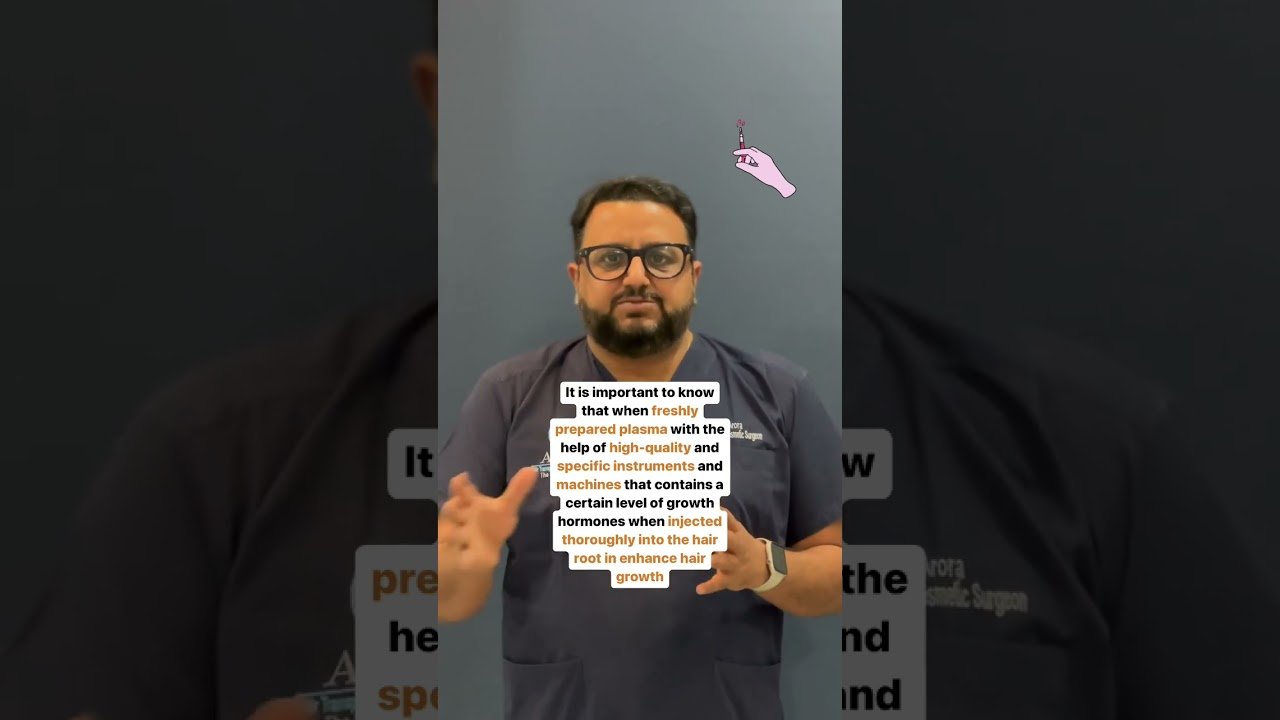
PRP therapy involves drawing a small amount of the patient’s blood. The blood is then spun in a centrifuge at a very high speed. It is done to separate the constituent elements of the blood.

The plasma and platelets that get separated are then removed from the solution and injected or rubbed into the scalp.

Why is PRP so famous?

People have been looking for a hair loss solution for centuries. They have been trying all substances into their scalps and have received no real successful result.

PRP therapy works on the principle that plasma, having a rich amount of platelets, contains the essential building blocks that promote tissue regeneration and healing. It is also believed to strengthen hair follicles and thicken existing hair.

Who is PRP therapy for?

Per the practitioners, PRP therapy can effectively treat pattern baldness, receding hairlines and even Alopecia. The treatment is available for men and women with hair loss solutions at some beauty clinics.

PRP therapy is not offered in various countries as it has yet to be proven to show any real benefits when dealing with genetic hair loss.

The therapy calls for at least eight therapy cycles. After the fourth cycle, you are expected to see the first signs of growth. Initially, patients would expect to see little more than “fuzz” growing in the treated area.

What are the drawbacks?

The biggest drawback of PRP therapy is that any significant scientific evidence does not support its effectiveness. Even many cosmetic surgeons recommend using other proven hair regrowth techniques along with PRP therapy.

In that case, it becomes entirely possible that the hair growth result may be due to the “complementary” hair loss treatments.

Moreover, these therapies can be too expensive, depending on the practitioner. Usually, eight cycles are involved, and one cycle alone costs a lot.

This makes it highly unlikely for commoners to get the treatment. Then there is also the cost of consultation, medications and after-appointments.

Why choose vampire treatment for hair loss?

The medications prescribed for hair treatment are not entirely effective, and there are high chances for unwanted side effects. The next option is surgical hair restoration which can cost a lot and still does not treat the hair problems.

So, here the benefits of vampire treatment for hair loss come into action. It is an affordable way to improve hair density that does not involve any surgery or harmful side effects.

Vampire Hair Restorations, a proprietary 3-treatment protocol of PRP, works effectively to stimulate inactive or newly ageing follicles. It helps to prevent follicular decline, restore their health, reduce hair loss and improve hair thinning.

The use of PRP has become broader with the various research and studies. It is now known for its skin, scalp, and hair stimulation benefits.

Advantages of PRP vampire hair restoration

The advantages of the treatment are:

  • Time-tested proven results
  • Safe & effective
  • Short treatment time
  • Affordable three treatment protocol
  • No downtime
  • Natural results

Benefits of PRP vampire treatment for hair loss

The benefits that PRP vampire treatment offers for hair are:

  • Boost blood supply to the follicle
  • Enhances the shaft size (thickness)
  • Triggers the growth and maintains it
  • Controls hair growth cycle
  • Reduces hair loss

The results generally vary from person to person, and all the benefits mentioned above are not guaranteed.

What is PRP vampire hair regrowth treatment?

It is a three-treatment protocol that offers subdermal and intra-dermal therapy. Vampire hair regrowth treatment helps in reducing hair loss. Moreover, it stimulates the growth of hair follicles for both men and women.

The platelets have building components that stimulate the follicles to grow hair. Moreover, it pushes hair follicles in the resting phase to grow, which appears as new hair growth.

Understanding that this treatment does not cause new hair follicles to grow in areas with none before is vital. It stimulates neovascularization and new cell growth.

The procedure involves injecting a needle into the scalp and applying it during micro-needling. It offers results that look natural by stimulating the growth of hair naturally.

The treatment is offered as an alternative or in addition to medicines or surgical procedures. It helps with hair loss or hair thinning in both men and women.

What is the procedure of a PRP vampire?

The procedure involves collecting, concentrating and applying one’s own platelets. It is a
5-step process.

Step 1: Blood is withdrawn from the patient and put into a centrifuge.

Step 2: In 10 minutes, the centrifugation separates the blood components, and platelets are drawn into a syringe.

Step 3: The scalp is numbed and cleansed gently.

Step 4: PRP injection is strategically injected into the scalp that needs improvement.

Step 5: Micro-needling of the scalp and applying PRP serums in those channels.

All these steps are involved in PRP vampire treatment.

How Many PRP Sessions Do I Need for Hair Regrowth?

Hair loss or hair thinning is a global concern that is being faced by millions of people. Androgenetic alopecia, also referred to as pattern baldness, is the most prevalent form of hair loss that may affect either a man or a woman.

Research in India indicates that about 58 percent of men report some form of hair baldness when they are aged 50 and above. Bald hair might have a negative effect on a person’s self-esteem and mental well-being.

But with the development of medical science, there are some new treatments that are effective in preventing hair loss and stimulating hair growth.

The PRP (Platelet-Rich Plasma) Therapy is one of such innovative treatments that are effective in virtually all forms of hair baldness.

PRP is a non-surgical method where the platelet-rich plasma that is formed by the blood of the patient is injected into the scalp. This therapy stimulates more blood supply to the hair follicles and enhances cell proliferation.

How many PRP sessions are needed for hair regrowth?

The number of sessions needed before hair growth is achieved is one of the greatest concerns of patients who consider PRP therapy as the answer to hair loss treatment. Each session varies with an individual based on diverse factors, including the level of hair loss and the individual’s general health.

Therefore, PRP therapy is an individualised therapy based on the individual patient’s goals.

As a rule, patients need to have three to four sittings separated by intervals of 5 to 6 weeks, in which the density and the thickness of the hair get better. It is advisable to have a session every 4 to 6 months to sustain the results.

Is the result of PRP therapy permanent?

The majority of our patients start noticing improvements in their hair density and thickness within multiple sessions. Follow-ups should be conducted every 6-12 months during the treatment.

Regular maintenance sessions are also necessary to maintain the benefits obtained with PRP therapy.

The solution is short-term, but the outcomes can be long-term. Maintaining good health and keeping up a healthy hair regimen would help to uphold long-term hair health.

In addition, when the procedure is carried out by a well-trained and qualified doctor or surgeon then the likelihood of success and survival is greater.

Dr. Sunil Arora, who is the in-house cosmetic surgeon of ALCS Clinic, is experienced and has a phenomenal track record of effective surgeries and treatment options.

Is PRP therapy painful?

PRP treatment is non-invasive and non-surgical, thus, pain-free. It is done using local anesthesia and is deemed to be among the safest methods of restoring hair growth.

It is done by inserting a needle into the head; therefore, pain will not be an issue, though it will be tolerable. Further, there is no risk of infectious diseases since one can inject their blood into the scalp.

Slight swelling and tenderness of the scalp can be experienced by some patients. Nevertheless, it is self-limiting and does not exceed 3 to 5 days.

What is better: PRP or a hair transplant?

PRP therapy and Hair transplant are effective forms of hair restoration; however, the mode of operation that is better suited to the individual is based on individual objectives, level of hair loss, and the objectives of the treatment.

Most doctors usually prescribe a hair transplant to patients with severe baldness or thinning of their hair on the entire scalp. It assists in covering bald areas and fading hairlines better.

In addition, a hair transplant should be considered by those who are affected by genetic hair loss or the so-called female or male pattern baldness.

Conversely, PRP treatment is more appropriate in individuals with alopecia areata and traction alopecia (both conditions are hair loss).

PRP therapy would best suit you when you desire stronger hair, thicker and natural hair growth, and also lessen the loss of hair. Our specialists offer the most effective PRP hair treatment at ALCS Clinic.

Who can PRP hair restoration therapy help?

PRP hair treatment is ideal for people who want a non-surgical method of hair loss treatment. PRP hair is government-approved, whereby you are less advanced in hair loss.

The therapy is normally deemed to be of no use for individuals with notable balding since it cannot rejuvenate hair follicles that have been inactive over a considerable duration.

In the ALCS Clinic, our specialists assist patients in recognizing the fact of their return of hair and in selecting the treatment agency that would be more appropriate.

What are Some of the Factors Which Affect the PRP Hair Transplantation Success?

The efficacy of Platelet-Rich Plasma (PRP) in treating hair loss may vary based on a number of factors. Some of the key variables that influence the success of PRP hair transplantation include,

  1. Age: Younger individuals usually react more to PRP treatment than older people. This is attributable to the fact that the young bodies tend to heal more quickly and possess robust regenerative powers. With increased age, the body becomes less active in terms of healing and producing new cells, which also influences the effectiveness of PRP treatment.
  2. Level of Hair Loss: PRP is typically more efficient for individuals experiencing hair loss in its initial phase. This is due to the fact that the hair follicles are still alive, but they might be weak. PRP may be used to enhance them and encourage their development. Nevertheless, in the case of individuals who depilate their hair to the extent that the follicles are already dead, PRP might not work as well as in the latter scenario.
  3. Underlying Health Conditions: Some underlying health conditions, such as autoimmune diseases, such as alopecia areata, may affect the outcomes of PRP treatment. These disorders may make the body attack its hair follicles, which complicates the functionality of PRP.
  4. Sessions: PRP is not a single treatment session. The duration of each session is usually three to six sessions. To ensure that a person experiences results, every session is spaced a week apart. The better the results, the more consistent the treatment.
  5. Post-Treatment Care: You should take your doctor’s advice seriously after PRP treatment. Other things, such as hair treatments that are harsh, medicines, and activities that can irritate the scalp, should be avoided so that the treatment can improve. The after-treatment care is essential to achieve optimal results.
  6. Lifestyle Factors: A healthy lifestyle may positively affect the effectiveness of PRP. Healthier eating, physical and mental activity can all help produce healthier hair and scalp.
  7. Genetics: Genetics is a major cause of hair loss. Individuals whose families have a history of lost hair, such as pattern baldness, may require longer PRP treatments or supplementary treatment to sustain their hair growth outcomes.

These considerations can ensure that individuals receiving PRP to treat their hair loss stand a better likelihood of achieving improved outcomes even after the treatment process.

How much does PRP therapy cost?

The PRP hair restoration is conducted with at least three sessions spaced by 5-6 weeks, and maintenance treatments within 1-2 years. The median price of PRP therapy in India is between INR 4,500 and 15,000 per session.

The kind of procedure, equipment needed, area or location of clinic, infrastructure, and advanced facilities available in the clinics, the expertise of the surgeon, etc., are also factors that determine the cost.

Best Going bald Counteraction Guidance for Men

Going bald is a typical event for people. The issue is all the more normally found in men when contrasted with ladies. Hence, a hair relocate is more normal among men.

There might be a few reasons for balding like hereditary qualities, stress, utilization of specific meds, horrible eating routine, mineral inadequacy, and contamination.

Balding affects the regard and fearlessness of a man, and results in a compromised character. A man with balding is as a rule on a steady post for different solutions for right balding.

In this article, we will examine the best strategies for balding avoidance in men.

Tips to forestall going bald in men:

1) Protein-rich eating regimen

A nutritious eating regimen high in protein decidedly affects the hair, skin, and generally well being of a person. A portion of the protein-rich food things that can be remembered for your eating regimen are paneer, soy, tofu, lentils, beans, fish, eggs, cheddar, yogurt, lean meat, milk, seeds, and nuts.

2) Regular Hair Wash

Standard hair wash keeps the scalp clean and sans oil. This diminishes the gamble of dandruff and contamination in hair. One should utilize a cleanser which is gentle or natural, to forestall harm of hair because of the unforgiving synthetic substances. Ordinary hair-wash with gentle cleanser forestalls balding.

3) Massage of the Scalp

Rubbing the scalp with oil helps in enacting the hair follicles and further developing the blood course in the scalp. This aids in hair development and halting going bald. Some fundamental hair oils like almond and sesame have hair development properties.

4) Gentle Hair Brushing

It is fitting to forestall cleaning your teeth just after a shower when the hair is wet and is bound to break. In the event that one should brush their hair following a shower, it is prudent to utilize a wide-tooth brush rather than a hairbrush subsequent to unwinding the hair utilizing fingers.

5) Drink a lot of water

One human hair shaft comprises a quarter part water. Drinking at least 6 to 8 glasses of water in a day and remaining hydrated supports sound hair development.

6) Exercise routinely

Some type of moderate activity like strolling, swimming, cycling, yoga, and so forth day to day is an unquestionable necessity to keep the chemicals adjusted and a decrease in anxiety, bringing about less balding.

7) Quitting Smoking

Smoking forestalls bloodstream to the scalp locale bringing about lesser hair development and an expansion in balding. Stopping smoking isn’t just helpful for the hair however, additionally for the general well being of a person.

8) Abstaining from Liquor

Very much like smoking, liquor also forestalls bloodstream to the scalp district causing an expanded going bald and a lessening in hair development. Going without liquor has numerous medical advantages, remembering counteraction of balding and an increment for the pace of hair development.

9) Hair misfortune supplements

Nutrient enhancements help in the counteraction of balding. Vitamin An aids in the creation of sebum, which is valuable for a sound scalp. Vitamin B assists in regular hair with shading maintenance. Vitamin E further develops blood course and keeps the scalp sound and useful to further develop blood dissemination.

10) Avoid pressure

Stress prompts expanded going bald. One can attempt yoga or reflection, take a walk, pay attention to music, or read a book to diminish feelings of anxiety.

11) Mesotherapy

Mesotherapy can be utilized to deal with bald issues like alopecia. The specialist infuses Minoxidil, Finasteride, nutrients, or normal plant extricates into the scalp during the time spent in Mesotherapy. It helps in halting balding and expanding hair development. Minoxidil and Finasteride can likewise be taken as drugs. They help in giving fundamental supplements to the hair, improvement in blood course, and adjusting the chemical levels.

Going bald goes about as an obstacle for some men, genuinely, inwardly, and intellectually.

The above going bald anticipation tips can help in halting balding in men.

One can go through Mesotherapy at the ALCS center, Jaipur, before straightforwardly selecting the hair relocate strategy. Mesotherapy can help in totally halting going bald.

On the off chance that the above tips and Mesotherapy don’t work, one can go through the hair transplant procedure at the ALCS center, Jaipur under the accomplished and talented hands of Dr. Sunil Arora.

The Secret Risks Of Modest Hair Transfers

We live in such a general public where we attempt to profit from the most expensive productive administrations or glimmering bargains in order to set aside a great deal of cash. In any case, individuals pick such a choice that may be inside a financial plan, compromising the item or administration quality.

Exactly the same thing happens with regards to going through a hair relocate method since this hair reclamation strategy is very costly. Presently, with regards to compromising the nature of treatment, you should rethink your choices as no dangers ought to be taken in regards to your wellbeing.

Likewise, choosing a modest careful choice can yield undesired outcomes, however that may likewise make enduring harm to the scalp.

At ALCS center, we endeavor to convey the best hair relocate technique that will give you certainty and lift your confidence. Nonetheless, prior to going through a hair relocate methodology, you should likewise recall that the direct inverse impact may likewise happen assuming you select some unacceptable decision or decide to go through a modest hair relocation.

To guarantee a protected and fast recuperation period, you should realize that numerous unlicensed centers do the systems wrongfully. Assuming you have picked any of these centers, you will be at the main gamble of offering the best arrangements.

So the following are a couple of tips that will get you far from the risks of going through modest hair relocate

Exploring the center and the specialist To keep away from any gamble connected with the hair relocate technique, prior to settling your hair facility, you should make a speedy examination about the chosen facility to check the center’s strategies, the specialists present there and the general authenticity of the center.

You may likewise decide to take a gander at the web-based entertainment surveys to find out about the facility. In the event that you find a couple of negative surveys as well, you should go through those to grasp the disadvantages of the center.

Picking quality over value We have a propensity for picking more prudent choices to set aside cash. Presently, you may now and then get a quality item inside at a reasonable cost, yet by and large, you don’t. Same goes for treatment. Efficiently estimated hair transfers can be your bad dream and can seriously affect your wellbeing and hair.

Many reports guarantee that patients who have settled on an expensive effective choice are forgotten about with an overwhelming outcome, which requires a second strategy to redress the first that will cost you twofold.

Thus, to achieve the best outcome, you should simply choose a certifiable hair center with probably the most experienced hair specialists with regards to playing out the best hair relocate system.

What can be the drawn out gambles related with a modest hair relocate?

Hair relocate is a careful least intrusive technique where the hair specialist picks a sound giver region and afterward removes hair follicles from the head’s back and side to relocate these hair follicles from the head’s top or center to cover the thinning up top region.

The whole treatment plan is performed under neighborhood sedation, and it is crucial to ensure that the specialist present in the facility has insight in carrying out this technique since just an accomplished specialist will actually want to embed the hair follicles cautiously at the right point so the most regular appearance is achieved.

In any case, since this is a surgery, there are high possibilities that it might imply a few difficulties and dangers in the event that it is not performed accurately.

Going through a modest hair transplant may negatively affect your body. Many individuals are left with an inconsistent bothersome look that might be once in a while related with outrageous hair shedding and extreme harm to the contributor region.

Another exceedingly terrible gamble that could show up on the off chance that you decide to go through a hair relocate technique under an unpracticed specialist’s direction is overharvesting that can for all time harm the contributor region.

The condition might deteriorate to such a degree that the patients might try and always be unable to keep their hair short as they would have to keep a long hair to cover the giver region and may influence their self-assurance.

So on the off chance that you are pondering going through a protected hair relocate methodology and gaining the best normal looking appearance, ALCS is the main conceivable choice.

Hair Today, Gone Tomorrow: A Deep Dive into Baldness Statistics in India

Apart from your skin and facial features, hair is the third most noticeable part of your physical appearance. Healthy-looking hair with good density and quality can boost a person’s personality and increase their confidence. 

However, hair loss in men and women is a common problem not only in India but also all over the world. That said, baldness can be a big disadvantage for many people. 

Many people start losing hair at an early age for a variety of reasons, including: 

  • Environmental Factors
  • Generic Reasons
  • Hormonal Imbalances
  • Bedtime Habits, and many more. 

That is why taking good care of your hair is crucial to preventing baldness. In this article, we will give you a brief overview of the major factors which cause baldness and how to prevent it. 

Baldness: A Statistical Overview 

In this section, we have discussed the percentage of people suffering from baldness or extreme hair loss across different genders and age groups in India.

Baldness Statistics According To Gender

Men: In India, male pattern baldness (officially and medically termed male androgenetic alopecia) is very common. It was projected that almost 50% of Indian men would have hair loss in 2023. Usually beginning in early adulthood, hair loss occurring due to genetic, stress-related and environmental reasons usually worsens with age and ultimately causes baldness among men. 

Women: Although less common, female-pattern baldness (or, female androgenetic alopecia) is nonetheless noteworthy. According to the reports of the National Centre of Biotechnology Information, about 20–30% of Indian women experienced hair thinning or severe hair loss in 2020; this frequency increased after menopause.

Baldness Statistics According To Age

Young Adults: Although it affects a smaller percentage of people during this period, hair loss can start as early as the late teens or early 20s for men. Thinning at the crown or receding hairlines are common in young people.

Middle Ages: Baldness becomes more noticeable in people in their middle years, generally starting at the age of 30-35, particularly in men. This age range is when most of the cases of the occurrences of male pattern baldness appear.

Older Adults: Hair loss advances further in these age groups; many men experience noticeable baldness by the time they are 50 years or older.

It is important to remember that these statistics are approximations based on the available data as of 2023. The precise prevalence rates may fluctuate depending on the Indian location and individual factors. 

Furthermore, new developments in medical and cosmetic therapies are always being made to address hair loss. Therefore, it’s crucial that those who are affected by it speak with healthcare providers for individualised care.

5 Factors Contributing to Baldness 

In India, baldness is more common due to a combination of lifestyle, genetics, and environmental factors. Because of food habits, stressful lifestyles, and pollution, hair loss is frequently more common in urban regions.

Here are the 5 common factors contributing to baldness.

  1. Genetic factors 

Androgenetic alopecia, often known as male pattern baldness, is a prevalent disorder impacted by genetic factors. Though it can happen to women as well, it mostly affects men. Baldness is largely influenced by genetic predisposition. 

Individuals may be more vulnerable if they have variations in particular genes, such as the androgen receptor gene. This gene controls the sensitivity of hair growth to the hormone dihydrotestosterone (DHT), which is connected to hair loss. 

These genetic variations, which can be inherited from one or both parents, alter how the hair follicles react to DHT, which causes hair loss and thinning. 

Strong evidence comes from family history as baldness in close relatives raises the likelihood. Male pattern baldness is a complex hereditary characteristic that has multiple manifestations due to a complex interaction between hormonal and genetic factors.

  1. Hormonal Imbalance

According to ALCS Doctors, One of the main reasons for baldness in India is hormonal imbalance. A major contributing factor to hair loss is variation in the levels of specific types of hormones, specifically high levels of DHT and dihydrotestosterone. 

Hair follicles that are exposed to DHT eventually stop generating hair altogether and instead generate fewer, weaker hair strands. Genes, food choices, and lifestyle are frequently associated with hormonal imbalances. 

Hormonal imbalances get worse when a person already suffering from it starts taking a bad diet, undergoes extreme stress, or sometimes takes drugs. 

  1. Age-Related Factors   

Baldness affects a significant percentage of people and is more common as people age. Genetic predisposition and the natural ageing process are the main causes of baldness. 

People who have weak or thin hair follicles often become less effective at growing new hair as they age. Hair loss can also result from age-related hormonal changes, such as an increase in dihydrotestosterone (DHT) levels. 

Because age-related baldness is common in India, even though other variables like genetics, lifestyle, genes, and environmental ups and downs play a part, it is important for people to be aware of this aspect and take the necessary steps to get rid of this baldness problem.

  1. Environmental Factors

Common environmental factors responsible for causing baldness include:

  • Dust Pollution
  • Bad Air Quality
  • Extremely Dry Weather
  • High Humidity 
  • Exposure to toxic substances present in the environment 

Pollution is one of the major problems with hair loss in a country like India as polluted air contains PM10 and PM2.5, which are thinner than hair. 

Dust, which is not good for hair, makes your hair dry and leads to hair fall because it gets directly trapped in the hair and as long as it stays there it depletes your hair quality. 

  1. Stress 

When the body is under some stress, the natural cycle of hair growth is disrupted by the stress and this can be a major factor for baldness. It means any kind of shock which includes surgery, burns, emotional trauma etc can cause stress in an individual’s mind and it affects hair growth. 

You can practise healthy habits like modifying your diet, increasing your water intake and practising calming exercises like yoga and meditation to eliminate stress and ultimately keep yourself away from baldness. 

Conclusion 

In conclusion, apart from affecting your appearance, baldness and severe hair loss can make you more worried causing stress that can lower your self-esteem and make you underconfident. 

If you’re facing hair loss which is not due to genetic or uncontrollable reasons, you can always contact a qualified and certified dermatologist or physician to guide you on how to take the best care of your hair to minimise hair loss.

However, if the problem doesn’t go away with trying home remedies and taking the right precautions and steps advised by a physician, you can always opt for medical interventions that can include surgeries relating to hair transplantation.

Everyday Guide for Hair Care and Maintenance

Starting a hair care routine is similar to starting one for your skin. You won’t frequently wander from it once you’ve found one that suits you. Here is a summary of all the information you require to choose the hair care routine that is ideal for you.

Your Hair Care Routine Ultimately Depends On A Few Factors

Creating an effective hair care routine depends on several factors that can significantly impact your choices. The natural texture and type of your hair play a crucial role in determining the appropriate products and techniques to maintain its health.

Additionally, if your hair has been exposed to dye, bleach, or chemicals, it requires extra consideration in your routine to prevent damage. It’s common to encounter at least one aspect of your hair that you find problematic, but by identifying these concerns, you can focus on finding targeted solutions. 

The key lies in selecting the best products and practices that address your specific hair needs, ensuring a successful and personalized hair care routine.

Every Routine Shares A Few Basic Components

It’s essential to understand your hair’s specific requirements and modify your routine accordingly for optimal hair health and appearance.

Cleanse

Cleansing your hair involves finding the right balance between removing impurities like dead skin cells and product residue without stripping the hair of its natural oils. It is foremost to remove sebum buildup and unwanted oil, as well as to wash out chlorine thoroughly, as it can damage your hair and cause dryness.

Conditioner

Conditioning your hair offers a myriad of benefits. It helps moisturize and detangle your hair, adding shine and reducing frizz. Conditioners coat the strands to replenish moisture and improve the overall health and appearance of your hair.

Moisturize and Seal

Apart from regular conditioning, it is essential to moisturize and seal your hair to provide extra hydration. You can use a hydrating hair product, such as a leave-in conditioner, and follow up with a sealing oil to lock in the moisture and prevent dryness.

Detangle

Detangling your hair is crucial for preventing breakage and maintaining its health. It is crucial to use the right tool, such as a wide-tooth comb, to avoid pulling out hair mistakenly. 

Depending on your hair type, you may need to detangle daily or less often, as excessive manipulation can cause damage.

Style, Protect, and Spot Treat

When styling your hair, it is prime to consider protection. Use a heat protection spray before using heat styling tools to shield your strands from potential damage. 

Additionally, you can style your hair with volumizers and gels to achieve the desired look while minimizing the risk of breakage. Spot treating refers to addressing specific hair concerns. 

For example, if you have frizzy hair, you can try a protein treatment specifically designed to control frizz in that area.

The Products And Tools Used In Each Step

Several products and tools play vital roles in maintaining healthy and nourished hair. Starting with cleansing, a deep-working shampoo is essential to thoroughly remove dirt, oil, and product buildup from the scalp and strands. 

For a complete cleanse, a daily or rinse-out conditioner can provide the necessary hydration and make the hair more manageable. For additional moisture, incorporating a deep conditioner into the routine can offer intense nourishment to dry or damaged hair.

You can apply a cream-based lotion to protect the hair from breakage and dryness. This lotion acts as a barrier, providing further protection and locking in moisture. 

When detangling, it is best to use a wide-tooth comb as it causes less damage to the hair. Opting for a plastic version of the brush can also minimize breakage. Before combing, applying a detangling spray can further ease the process and prevent unnecessary hair loss. 

Additionally, a detangling serum can enhance hair conditioning and make it softer, adding an extra touch of smoothness.

When dealing with oiliness, a little dry shampoo can be a savior, instantly refreshing the hair and getting rid of unwanted oil. For overall hair nourishment, incorporating scalp treatments, protein treatments, and hair masks into the routine can significantly improve hair health. 

These treatments provide essential nutrients, strengthen the hair, and enhance its appearance. By utilizing the right products and tools, a comprehensive hair care routine can effectively address various concerns and keep the hair healthy and vibrant.

Your Individual Hair Needs Will Naturally Change Over Time

Taking care of your hair is essential for maintaining its health and appearance. By following these general tips, you can nurture your hair and promote its natural beauty.

Hair undergoes notable changes over time. Approximately every 7 years, the texture of hair can change, and new hair bundles start forming. As we age, hair tends to become thinner and weaker, which is commonly associated with aging. 

Hormonal fluctuations play a significant role in hair health, and imbalances can negatively affect hair. During pregnancy, hormonal changes can lead to hair loss, and after childbirth, when hormone levels drop, hair loss may occur. 

Menopause is often linked to various hair issues, including thinning hair and increased hair loss, due to hormonal fluctuations.

Consult A Professional And Be Consistent

To maintain healthy hair, it is essential to be consistent with your hair care routine and seek advice from a specialist. Different people have varying frequencies for washing their hair, but consulting a dermatologist can help determine the ideal frequency for your hair type.

It’s important to remember that significant results cannot be achieved overnight, so patience is key. When incorporating new products into your routine, give yourself time to adapt to them.

For optimal application, start with shampoo, conditioner, and in-shower products, followed by heat protection, a volumizer or mousse, and finally, a shine serum. By following these guidelines and seeking professional guidance, you can establish a consistent hair care routine that suits your needs.

General Tips And Tricks That Benefit All Hair Types

Taking care of your hair is essential for maintaining its health and appearance. By following these general tips, you can nurture your hair and promote its natural beauty.

Get regular trims

Trimming your hair every 6 to 8 weeks is beneficial for maintaining healthy hair. Regular trims help prevent split ends and breakage, keeping your hair looking fresh and vibrant.

Use warm, not hot water.

When washing your hair, opt for lukewarm water instead of hot water. Hot water can strip away the natural oils from your scalp and hair, leaving it dry and prone to damage. Lukewarm water is gentler and helps to maintain the moisture balance of your hair.

Maintain a balanced diet.

Your hair’s health is influenced by the nutrients you consume. Ensure that your diet includes essential nutrients for healthy hair growth. 

Some prime nutrients for hair health include unsaturated fats (such as olive or canola oil), Omega-3 fatty acids (found in nuts and seeds like almonds, chia, and flax), and plant-based fats from avocado.

Poultry (chicken and turkey), lean red meat (85% lean or higher), seafood (shrimp, salmon, and tuna), leafy green vegetables (spinach), fortified cereals, cooked yellow vegetables (sweet potatoes and winter squash), have plenty of vitamins and minerals.

Liver or liver oil, cooked leafy greens (kale, turnips, and collards), nuts and seeds (almonds and sunflower seeds), fish (salmon, herring, sardines, and canned tuna), and eggs (specifically the yolk) are containing healthy fats that are essential for hair health.

Go natural where possible

Allowing your hair to breathe by avoiding excessive use of heat styling tools like straighteners and curling irons can work wonders for its health. Additionally, avoid putting your hair up in a tight ponytail, as it can cause strain and breakage.

Swap products as the seasons change.

Your hair care routine may need adjustments depending on the time of year. In winter, opt for products with extra hydrating properties to combat dryness, while in summer, choose more lightweight formulas to help your hair stay bouncy and prevent greasiness.

Know the trick of shampooing and conditioning

The frequency of washing your hair depends on its type. Oily hair may require daily washing, while chemically treated hair can be washed less frequently to prevent color fading. 

Focus on cleaning the scalp rather than the entire length of hair while shampooing. Conditioning is essential, as it can significantly improve the look of damaged or weathered hair. Shampooing is entirely dependent on age, hair type, activities, and background.

If you color your hair, use a shampoo designed for color-treated hair. Before swimming, wet and condition your hair to protect it from the damaging effects of chlorine.

Don’t treat dandruff with oils

Dandruff is a minor scalp disorder and not simply dry skin. Applying oil to the scalp can worsen the condition. Opt for shampoos specifically formulated to treat dandruff, as they contain medicated ingredients that effectively address the issue. Brushless to limit hair loss: 

Excessive brushing can cause hair breakage. It’s normal to lose 50 to 100 hairs per day, so avoid unnecessary brushing. Opt for a brush with ball-tipped bristles, as they are gentler on the hair. Never brush wet hair; instead, use a wide-toothed comb to prevent damage.

Avoid extreme color changes

When considering drastic color changes, keep in mind that they can potentially damage your hair. Dermatologists recommend staying within three shades of your natural color to minimize the risk of hair damage.

Protect hair from the sun

Sun exposure can dry out and damage your hair, especially if it’s color-treated. To prevent this, wear a hat or use a hair spray with broad-spectrum sun protection to shield your hair from harmful UV rays.

Take a time out from styling

Sometimes, the best thing you can do for your hair is to do nothing at all. Frequent tugging, combing, brushing, drying, and chemical treatments can damage the hair shafts. Avoid vigorous towel-drying, as it can cause breakage. 

Remember that damaged hair grows out, and the new growth will be healthier. Giving your hair a break from styling can help it recover and maintain its natural vitality.

Avoid alcohol, processed food, and sweet beverages

Alcohol, processed food, and sweet beverages can have detrimental effects on the health and appearance of our hair. 

Alcohol consumption, especially in excessive amounts, can lead to dehydration, nutrient deficiencies, and impaired liver function, all of which can negatively impact the health of our hair follicles. 

Processed foods, typically high in unhealthy fats, sugars, and artificial additives, lack the essential nutrients needed for maintaining healthy hair, such as vitamins, minerals, and proteins. 

These deficiencies can weaken the hair strands, making them more prone to breakage and thinning. Additionally, excessive consumption of sugary beverages can contribute to inflammation and insulin resistance, which can disrupt the natural hair growth cycle and lead to hair loss.

Understanding Hair Loss: Detailed Guide

Baldness often refers to a significant loss of scalp hair. The most frequent cause of baldness is hereditary hair loss as people age. Some people would rather let their hair loss progress naturally without treatment or camouflage. 

Others may disguise it with caps, wraps, make-up, or wigs. Others decide to use one of the treatments on offer to stop additional hair loss or encourage growth. In this article, we will give you a complete idea about hair loss causes, symptoms, types, and solutions.

Signs And Symptoms Of Hair Loss

Signs and symptoms of hair loss can vary depending on the underlying cause. Here are some common indications:

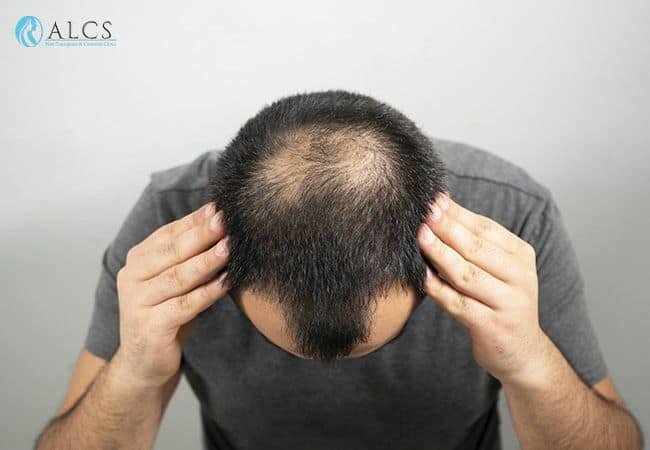
Gradual thinning on top of the head

One of the most common signs of hair loss is a gradual thinning of hair on the top of the head, especially in men. This thinning may begin with a receding hairline or a widening part.

Circular or patchy bald spots 

In some cases, hair loss may occur in distinct circular or patchy areas on the scalp. These bald spots can be smooth and completely devoid of hair.

Sudden loosening of hair

A sudden increase in hair shedding or noticeable clumps of hair coming out while brushing, washing, or even gentle tugging can be a sign of hair loss. 

This condition is known as telogen effluvium and can be triggered by factors such as physical or emotional stress, hormonal changes, or certain medications.

Full-body hair loss

Hair loss may not be limited to the scalp alone. Some medical conditions, treatments like chemotherapy, or autoimmune disorders can lead to the loss of hair on the entire body, including eyebrows, eyelashes, and body hair.

Patches of scaling that spread over the scalp

Scalp conditions such as alopecia areata, a type of autoimmune disorder, can cause patchy hair loss accompanied by scaling, redness, or inflammation. These patches may gradually enlarge and spread across the scalp.

If you’re unsure whether your daily hair fall is normal or a sign of a deeper issue, read our detailed guide on what is normal hair loss and when to worry to understand the early warning signs.

When To See A Doctor

If you are distressed by persistent hair loss or notice a receding hairline in women, it is advisable to see a doctor. Seeking early treatment can help prevent significant and permanent baldness.

Moreover, if you experience sudden or patchy hair loss, it is essential to consult a healthcare professional. Sometimes, hair loss can be a symptom of an underlying medical condition that requires treatment. 

By seeking medical attention, you can receive a proper diagnosis and explore appropriate treatment options to address the cause of your hair loss effectively. Remember, early intervention can often lead to better outcomes in managing hair loss concerns.

Before assuming your hair fall is unique, check out these important hair loss statistics you should know to see how it affects different age groups and genders.

Causes Of Hair Loss 

Hair loss can be attributed to a variety of factors, ranging from hormonal imbalances to genetic predisposition. Understanding the causes of hair loss is crucial to effectively address the issue. Here are some key factors that contribute to hair loss, along with explanations for each.

Hormones

Hormonal changes can have a significant impact on hair growth and loss. Conditions such as hormonal imbalances, particularly an excess of dihydrotestosterone (DHT) in both men and women, can lead to hair thinning and eventual loss. This condition is commonly associated with pattern baldness or androgenetic alopecia.

Stress and Illness 

Both physical and emotional stress can trigger hair loss. When the body is under significant stress, it diverts resources away from hair growth towards vital functions, resulting in temporary hair shedding. 

Additionally, certain illnesses and medical treatments like chemotherapy can cause hair loss as a side effect.

Gene and Family History

Genetic factors play a substantial role in determining the likelihood of hair loss. If you have a family history of baldness, you are more susceptible to inheriting the genes associated with hair loss. Male pattern baldness and female pattern hair loss are examples of genetic conditions that can result in hair thinning and bald patches.

Drugs, Burns, and Injuries

Certain medications and medical treatments can lead to hair loss as a side effect. These may include chemotherapy drugs, anticoagulants, and antidepressants. Additionally, burns and injuries to the scalp can damage hair follicles, impairing their ability to produce new hair.

Pregnancy

During pregnancy, hormonal fluctuations can affect the hair growth cycle. Many women experience a temporary increase in hair thickness and fullness during pregnancy due to elevated estrogen levels. 

However, after childbirth, hormonal changes can trigger excessive shedding known as postpartum hair loss. This shedding is usually temporary and resolves within a few months.

Cosmetic Procedures

Certain cosmetic procedures, such as hair extensions, weaves, tight hairstyles (like braids or ponytails), and chemical treatments like perming or straightening, can cause hair breakage and traction alopecia. 

These procedures can place excessive strain on the hair shafts or irritate the scalp, resulting in hair loss.

Autoimmune Diseases 

Autoimmune disorders, such as alopecia areata, cause the immune system to mistakenly attack the hair follicles, leading to sudden hair loss in patches. These conditions can be chronic and may require medical intervention to manage symptoms.

Medical Conditions 

Various medical conditions, including thyroid disorders (such as hypothyroidism or hyperthyroidism), scalp infections (like ringworm), and trichotillomania (a compulsive hair-pulling disorder), can contribute to hair loss. Treating the underlying medical condition is essential to address hair loss.

Diet

Poor nutrition and dietary deficiencies can impact hair health. Inadequate intake of essential nutrients like protein, iron, zinc, and vitamins can result in weakened hair follicles, leading to hair loss. A balanced diet with adequate nutrients is crucial for healthy hair growth.

Vitamin Deficiency

Specific vitamin deficiencies, such as deficiency in vitamin D, vitamin B12, or biotin, can contribute to hair loss. These vitamins play important roles in maintaining healthy hair follicles and promoting hair growth. Supplementation or dietary adjustments may be necessary to address these deficiencies.

Risk Factors

Hair loss can be influenced by various risk factors. A notable risk factor is a family history of balding on either the mother’s or father’s side, as genetics plays a significant role in determining hair loss patterns. 

Another factor is age, as hair tends to be naturally thin with advancing years. Significant weight loss can also contribute to hair loss, as it can disrupt the balance of nutrients and vitamins necessary for healthy hair growth. 

Medical conditions, such as diabetes and lupus, have been associated with hair loss as well. Stress, whether physical or emotional, can trigger hair loss by affecting the hair growth cycle. 

Poor nutrition, characterized by an inadequate intake of essential nutrients, can lead to weakened hair follicles and subsequent hair loss. Considering these risk factors can help understand and manage hair loss concerns.

Prevention

Preventing hair loss can be achieved by following a few simple practices. Firstly, it is important to be gentle with your hair and avoid tugging or pulling it excessively. It can lead to breakage and hair loss. Using a wide-toothed comb can help prevent pulling out hair while detangling. 

Additionally, harsh treatments, medications, and supplements should be avoided, as they can contribute to hair loss. Protecting your hair from sunlight by wearing a hat or using sunscreen sprays can also help maintain its health. 

Quitting smoking is another crucial step, as smoking has been linked to hair loss. If undergoing chemotherapy, using a cooling cap can help minimize hair loss as a result of the treatment. 

By adopting these preventative measures, you can reduce the risk of hair loss and promote healthier hair growth.

Types Of Hair Loss

Hair loss can occur in various forms, each with its own unique characteristics and underlying causes. Understanding the different types of hair loss can help in identifying the appropriate treatment options and management strategies for individuals experiencing this common condition.

Involutional alopecia

This type of hair loss occurs naturally as a person ages, resulting in thinning hair. It is a gradual process that is influenced by genetic factors.

Androgenic alopecia 

Also known as male or female pattern baldness, this common type of hair loss is caused by genetic and hormonal factors. It leads to a receding hairline and thinning on the crown of the head.

Alopecia areata

This autoimmune condition causes sudden hair loss in patches. It can occur on the scalp or other areas of the body and may be triggered by stress or genetics.

Trichotillomania

A psychological disorder where individuals have an irresistible urge to pull out their hair, resulting in noticeable hair loss. It can be treated with therapy and behavioral interventions.

Telogen effluvium

This temporary hair loss condition is often triggered by stress, illness, hormonal changes, or medication. It causes a large number of hairs to enter the resting phase and subsequently fall out.

Scarring alopecia

This rare form of hair loss occurs when inflammation damages the hair follicles, leading to permanent hair loss and scarring of the scalp. It may result from conditions such as lupus or lichen planopilaris.

Traction alopecia 

Repeated tension or pulling on the hair, often due to tight hairstyles or hair accessories, can cause hair loss. It typically occurs along the hairline or in areas where hair is frequently pulled.

Central centrifugal cicatricial alopecia 

Primarily affecting women of African descent, this progressive condition leads to scarring and permanent hair loss. It usually starts at the crown and spreads outward.

Remember, these descriptions are just brief overviews, and each type of hair loss can have additional nuances and variations. It is always best to consult with a medical professional for an accurate diagnosis and appropriate treatment options.

If you’re experiencing unusual hair fall patterns, learning about the different types of hair loss can help you recognize whether it’s temporary or permanent.

How Is Hair Loss Diagnosed?

Diagnosing Hair Loss – A Step-by-Step Guide

Recognize changes in your hair

If you notice any significant changes in your hair, such as excessive shedding, thinning, or bald patches, it is essential to take them seriously. These changes can be indicative of an underlying issue and should prompt you to seek medical attention.

Consider recent illnesses and surgeries

Certain illnesses, such as thyroid disorders or autoimmune diseases, can contribute to hair loss. Additionally, surgeries that require anesthesia or significant physical trauma can cause temporary hair shedding. Inform your healthcare provider about a recent medical event relevant to your hair loss.

Assess life stressors

High levels of stress, whether due to emotional or physical factors, can sometimes lead to hair loss. If you have experienced significant stressors recently, it is worth discussing them with your healthcare provider during the diagnostic process.

Evaluate family history

Hair loss can have a genetic component. Understanding your family history of hair loss can provide valuable insights for your healthcare provider and help in determining potential causes and treatment options.

Schedule an appointment with a medical professional

If you notice changes in your hair, it is recommended to make an appointment with a medical professional. It may be a dermatologist, trichologist (hair specialist), or primary care physician, depending on availability and resources. They will conduct a thorough examination and guide you through the diagnosis process.

Undergo a physical exam

During the appointment, the medical professional will perform a physical examination of your scalp and hair. They will look for any visible signs of infection, inflammation, or other abnormalities that could be contributing to your hair loss.

Consider a scalp biopsy

In some cases, a biopsy of the skin on your scalp may be necessary. This procedure involves taking a small sample of the scalp tissue to be analyzed under a microscope. A scalp biopsy can help identify specific conditions or diseases affecting the hair follicles.

Multiple tests may be needed

Diagnosing hair loss often requires several tests to determine the underlying cause. These tests may include blood tests, such as a complete blood count (CBC), thyroid function tests, or hormonal evaluations. 

They can provide valuable information about your overall health and potential contributing factors to hair loss.

What Are The Treatment Options For Hair Loss?

When it comes to the treatment of hair loss, there is a range of options available depending on the underlying cause. The best treatment option for you will depend on the specific cause of your hair loss.

One approach involves the use of topical or oral medications. Topical creams, gels, solutions, or foams that are applied directly to the scalp can be effective. One commonly used medication is minoxidil, which can help stimulate hair growth and prevent further hair loss. 

Another medication, finasteride, is often prescribed for male pattern baldness and can help prevent androgenetic hair loss. In some cases, anti-inflammatory medications like corticosteroids may be prescribed to reduce inflammation and promote hair growth. 

Certain forms of laser therapy and platelet-rich plasma (PRP) treatments have shown promise in stimulating hair growth. In more advanced cases, hair transplant surgery may be an option, where healthy hair follicles are transplanted to areas of hair loss. 

The best treatment option for you should be determined by consulting with a healthcare professional who can evaluate your condition and recommend the most suitable course of action.

Which Vitamin Can Help With Hair Loss?

The role of nutrition in preventing or treating hair loss can be a topic of debate. While specific nutrients play a vital role in hair growth, increasing your intake of these nutrients may not guarantee hair loss prevention. 

However, a few vitamins have been associated with hair health. B vitamins, including riboflavin, biotin, folate, and vitamin B12, are thought to support hair growth. Iron, vitamin C, and vitamin D are also believed to be important for maintaining healthy hair. 

It’s important to note that individual needs vary, and a balanced diet along with consultation with a healthcare professional is recommended to address specific nutritional concerns related to hair loss.

Is It Possible To Stop Hair Loss Indefinitely?

The ability to stop hair loss indefinitely depends on the underlying cause. In many cases, if hair loss is addressed promptly, there is a higher chance of reversing or slowing down its progression. 

However, it’s important to note that certain causes of hair loss cannot be completely reversed. For instance, damage to hair follicles resulting from excessively tight hairstyles or harsh chemicals applied to the hair may be irreversible. 

Similarly, certain autoimmune diseases can contribute to hair loss that is challenging to reverse. It is crucial to identify the cause of hair loss and consult a healthcare professional or dermatologist to determine the most appropriate treatment options for individual circumstances.

If you believe a hair transplant is a one-time permanent cure for all hair loss, it’s important to explore the real hair transplant myths and facts before proceeding.

Women And Hair Loss

Hair loss is not solely a concern for men; it also affects women significantly. Approximately 50% of women experience noticeable hair loss at some point. Female pattern hair loss is a common condition, characterized by hair thinning on the crown and the top of the scalp. 

Women over the age of 40 are particularly susceptible to this type of hair loss. Postpartum hair loss is another temporary condition experienced by many women after giving birth, which usually resolves within a few months. 

Additionally, women who have undergone chemotherapy or taken certain medications may also experience hair loss as a side effect. Certain hairstyles, such as tight ponytails or braids, exert pressure on the hair, and the use of harsh chemicals can contribute to hair loss as well. 

Lastly, menopausal women often experience changes in hormone levels, which can lead to hair thinning or loss.

What Are The Myths About Hair Loss?

There are several persistent myths surrounding hair loss that continue to mislead people. One common misconception is that shampooing your hair too frequently causes hair loss, but in reality, shampooing does not lead to significant hair loss. 

Another myth suggests that dandruff can cause permanent hair loss, whereas dandruff does not directly result in permanent baldness, although severe cases may cause temporary shedding. 

Stress is often blamed for permanent hair loss, but while stress can contribute to temporary hair shedding, it rarely leads to permanent baldness. 

Additionally, the notion that shaving one’s head can make the hair grow back twice as thick is unfounded, as hair growth and thickness are determined by genetic and hormonal factors. Standing on your head may increase blood circulation to the scalp, but it does not significantly stimulate hair growth. 

Brushing your hair 100 strokes a day is often believed to make it healthier, but excessive brushing can damage the hair. Hats and wigs do not cause hair loss in women, although ill-fitting headwear may lead to traction alopecia. 

Lastly, hair loss is not limited to intellectual women; it can affect individuals of any gender, intellectual capacity, age, or background. It’s important to dispel these myths and seek accurate information and professional advice when dealing with hair loss concerns.

What Is The Relationship Between Hair Loss In Women And Menopause?

During menopause, changes in hormone levels can impact the health and growth of hair. Some women may experience either increased hair growth or thinning of hair. 

The decline in female hormones during menopause can lead to an increase in androgen levels, which can cause hair follicles to shrink. As a result, hair growth becomes slower, and hair becomes more prone to falling out. 

A thorough examination is necessary to determine the underlying causes of hair loss during menopause. Tests for iron levels and thyroid hormones are often recommended to identify potential contributing factors. 

By addressing hormonal imbalances and ensuring adequate nutrient levels, it is possible to manage and minimize hair loss during this stage of life.

Self-care

Taking care of your hair is essential when it comes to managing hair loss. By implementing a few self-care practices, you can promote healthy hair growth and minimize further damage. Here are some key points to consider:

  • Eating a nutritious diet that includes proteins, fats, vitamins, and minerals nourishes your hair follicles, supports hair growth, and reduces hair loss.
  • Opt for a lightweight shampoo and conditioner designed for your hair type to avoid weighing down the hair, maintain its volume, and prevent breakage.
  • Avoid tight hairstyles such as ponytails, braids, or buns that put excessive tension on the hair follicles, leading to hair loss over time.
  • Limit the use of heating processes like blow dryers, curling irons, and straighteners. They can cause damage to the hair shaft, resulting in breakage and hair loss. Instead, opt for air-drying or use heat-protectant products when necessary.

Myth: Hair From Transplants Falls Out After Some Years

A hair transplant is a long-lasting and efficient treatment for baldness in the modern cosmetic world. If you’re considering getting a hair transplant, you should be aware that it’s normal and temporary for transplanted hair to fall out. 

Knowing the difference between regular hair loss and falling of the transplanted hair grafts following a hair transplant is crucial. In this article, we will discuss why transplanted hair falls out and which factors can be responsible for it.

Is It Normal To Lose Hair After A Hair Transplant?

Yes. Following a hair transplant, temporary hair loss is typical. It is a transient side effect of hair restoration therapy that is quite hilarious.

The American Academy of Dermatology states that it is typical for transplanted hair to fall out due to shock two to eight weeks after surgery. By the third month after a transplant, the hair typically seems thinner.

The grafted follicles start to grow hair normally once the shock wears off. Your hair will appear thicker and healthier as the transplanted hair grows.

Causes Of Hair Loss After Hair Transplant

Hair loss after hair transplant surgery can occur due to several factors. Here are three prime causes:

Shock Hair Loss

Shock hair loss refers to the temporary shedding of transplanted hair within two months after the surgery. This phenomenon is a natural part of the hair transplant process and is known as telogen effluvium. 

During this phase, the transplanted hair follicles enter a resting phase before regrowing. It is important to note that this hair loss is temporary, and the hair almost always grows back within four months. 

Graft Rejection

The success of a hair transplant surgery relies on the ability of the grafts or flaps to take root and generate new hair. In some cases, the grafts or flaps may fail to develop or fall out soon after the operation, leading to an uneven or spotty appearance. 

This rejection can occur due to various reasons, including inadequate blood supply, improper placement, or the patient’s immune system response. 

Improper Postoperative Care

Failure to adhere to the recommended care instructions can contribute to hair loss after the procedure. Improper scalp hygiene, such as neglecting cleansing or using harsh products, can lead to infection or the accumulation of debris, hindering hair growth. 

Additionally, engaging in excessive physical activities, such as heavy lifting or intense exercise, can disrupt the healing process and cause the transplanted hair to fall out. 

Pattern Baldness After Hair Transplant Surgery

After a hair transplant surgery, patients can expect to achieve natural-looking results. The advancements in creating the hairline and strategically placing the hair in thinning areas have contributed to more realistic outcomes. 

Typically, individuals begin to notice improvements between six and nine months after the procedure, with about 60% of new hair growth visible during this time. However, it’s important to note that hair loss and thinning may persist even after a hair transplant. 

In such cases, dermatologists may recommend medications that target hair loss. These medications can help prevent or slow down future hair loss and thinning.

Age and genetic factors play a role in the biological thinning of hair. In some instances, patients may require multiple “touch-up” surgeries to achieve the desired natural-looking outcome. 

To ensure successful results, individuals should diligently follow their surgeon’s post-procedure instructions. As for the donor site where the hair was harvested, it typically shrinks to a small, inconspicuous incision line that blends seamlessly with the surrounding hair, becoming barely noticeable. 

With proper care and maintenance, individuals can enjoy natural-looking results for years to come.

How to Avoid Hair Loss After a Hair Transplant

To avoid hair loss after a hair transplant, there are several important factors to consider and steps to follow. Let’s go through each point in detail:

Medication

Your surgeon may prescribe ointments or gels to be applied twice daily. These products are typically water-based and promote wound healing, retain moisture, and provide a barrier against infection. 

Commonly used options include mupirocin, Neosporin, and petrolatum. Some physicians prefer surgical gels, although they can be difficult to remove from the hair.

Minoxidil and finasteride (Propecia) are two drugs frequently administered to individuals following hair transplant surgery. To promote hair growth, minoxidil is a topical drug that is given directly to the scalp. 

The oral drug finasteride prevents testosterone from being converted to dihydrotestosterone (DHT), which is the cause of hair loss. It has been demonstrated that finasteride enhances hair regrowth and prevents further hair loss.

Choosing The Right Hair Transplant Surgeon

Selecting a qualified and experienced surgeon is crucial for a successful hair transplant. Look for a surgeon who oversees a skilled team that can efficiently place thousands of grafts in a single day. 

Some physicians delegate certain surgical responsibilities to their staff, so it’s important to understand who will be performing which aspects of the procedure. 

A good surgeon should discuss all the pros and cons of the procedure with you. Ensure that your surgeon has at least six years of surgical training following medical school, including a minimum of three years of plastic surgery residency training.

They should have also passed comprehensive oral and written exams, graduated from an accredited medical school, and regularly participated in continuing medical education.

Aftercare Instructions

Proper aftercare is essential for the success of your hair transplant. Your surgeon will provide you with specific instructions, but here are some general guidelines to follow:

Keep the newly transplanted hair follicles in a moist environment by frequently misting them with a saline solution.

Avoid washing your hair directly under the shower. Instead, hand wash your hair after 1-2 days. Use a gentle shampoo and lukewarm water poured from a cup.

Sleep in a semi-upright position for the first few nights to minimize swelling. Use a recliner or prop yourself up at a 45-degree angle.

Maintain a fixed sleeping position for the first three nights to reduce forehead swelling. Engage in light physical exercise such as walking and stretching, but avoid intense physical exertion that can increase pain and inflammation.

Proper Diet And Hydration

Nutrition plays a vital role in the success of hair transplantation. A well-balanced diet is essential for maintaining healthy hair follicles. Here are some tips:

Ensure you have a nutritious diet without significantly increasing your food intake. Balanced meals containing essential vitamins and minerals will support healing and hair growth.

Vitamin B is particularly important for hair health. It nourishes the hair roots and promotes the hair growth process.

Stay hydrated by drinking an adequate amount of water. Proper hydration is crucial for scalp health and the overall success of the transplant.

Hair Loss Medications: What All Options are Available? (Medications, Oils, Supplements)

This comprehensive guide provides you with an in-depth understanding of hair loss medications, what all options are available (medications, oils, supplements), including, the different types of medications, best supplements for hair growth and most frequently asked questions.

Topical Minoxidil

Topical minoxidil is a hair loss medication that can help with various types of hair loss, including:

  • Male and female pattern hair loss (androgenetic alopecia)
  • Alopecia areata, an autoimmune disease where the immune system attacks the hair follicles
  • Telogen effluvium, characterized by hair shedding all over the scalp due to disruptions in the hair growth cycle
  • Anagen effluvium, rapid hair loss caused by medical treatments
  • Hypotrichosis, a rare condition with minimal hair growth on the scalp and body
  • Certain forms of cicatricial alopecia, involving scarring of the hair follicles.

The exact mechanism of action of minoxidil is not fully understood, but many people have reported significant results. Consider consulting a dermatologist for better outcomes, as they can:

  • Diagnose the underlying cause of hair loss
  • Determine the appropriate concentration (2% or 5%) of minoxidil for you
  • Provide guidance on correct application techniques.

Here are some key points regarding minoxidil usage:

  • Available as a foam or liquid, minoxidil should be applied directly to the scalp twice a day for optimal results.
  • It may take several months to a year to notice a significant improvement in hair thickness.
  • Initially, increased shedding may occur for a month or two after starting the medication.
  • After six months, dermatologists evaluate progress by counting new hairs and comparing photographs taken at the beginning of treatment.
  • If satisfactory results are observed, treatment can be continued indefinitely, as discontinuation often leads to hair loss recurrence.

Side effects may include:

  • Contact dermatitis
  • Itching
  • Local burning
  • Flushing
  • Changes in hair color or texture
  • Headache

Precautions to keep in mind when using topical minoxidil:

  • Limit the application of minoxidil to the scalp and avoid applying it to other parts of the body.
  • Avoid contact with eyes, mouth, and mucous membranes, as well as broken, infected, shaved, or inflamed skin.
  • Take caution to avoid inhaling the spray mist if using a spray applicator.
  • Refrain from using occlusive dressings or other topical drugs that enhance absorption alongside minoxidil.
  • Discontinue the use of minoxidil if increased hair loss persists for more than two weeks.

If you’re confused about treatment choices, compare hair transplant vs medications for hair loss to decide what suits your condition best.

Oral Finasteride

Oral finasteride is a prescription medication primarily used for male pattern hair loss, also known as androgenetic alopecia. It works by inhibiting the production of a hormone that damages hair follicles, thereby slowing down hair loss and stimulating new hair growth. Here are the key points about oral finasteride:

  • It is taken once a day by mouth and is most effective when taken at the same time each day.
  • It typically takes around four months for finasteride to start showing results, but significant hair growth may take up to a year.
  • Dermatologists evaluate progress after six months to determine whether to continue treatment.
  • Treatment can be continued as long as desired hair growth is desired, as discontinuation may lead to hair loss recurrence.

Side effects associated with oral finasteride include:

  • Impotence
  • Decreased libido
  • Ejaculation disorders
  • Breast tenderness and enlargement
  • Testicular pain

Precautions to consider when using oral finasteride:

  • Use caution when using finasteride in cases of hepatic impairment.
  • Patients should undergo evaluation for prostatic carcinoma before and during therapy.
  • Women who are pregnant or may become pregnant should avoid handling crushed or broken tablets of finasteride.
  • Finasteride use may increase the risk of high-grade prostate cancer.

Antiandrogens

Medications that inhibit androgens, which are sex hormones that can damage or destroy hair follicles, have shown potential in stopping hair loss in female pattern baldness, also known as androgenetic alopecia. These medications, known as antiandrogens, are available only by prescription and include spironolactone and oral contraceptives containing estrogen. Here are the key points about antiandrogens:

  • Antiandrogens typically start showing results after four months of treatment.
  • Long-term use of antiandrogens is necessary to prevent hair loss from recurring.

Side effects associated with antiandrogens include:

  • Irregular menstrual periods
  • Drowsiness

Women who are trying to become pregnant should avoid taking antiandrogens. 

Here are some specific antiandrogens:

Spironolactone (Aldactone):

  • It belongs to the class of drugs called potassium-sparing diuretics.
  • Spironolactone reduces fluid in the body without causing potassium loss.
  • It acts as an anti-androgen by slowing down androgen production and blocking androgen action.

Cimetidine (Tagamet):

  • Cimetidine is primarily used to treat gastrointestinal ulcers as a histamine blocker.
  • It also has an anti-androgenic effect by blocking dihydrotestosterone from binding to follicle receptor sites.
  • High doses are required for results, and it is not recommended for men due to possible feminizing effects.

Cyproterone Acetate:

  • Cyproterone acetate is used to reduce excessive sex drive in men and treat hirsutism in women.
  • It blocks the binding of dihydrotestosterone (DHT) to its receptors.
  • Cyproterone acetate is considered a last resort due to potential toxicity and long-term side effects.

Oral contraceptives:

  • Birth control pills that decrease ovarian androgen production can be used to treat androgenetic alopecia in women.
  • Consult with a doctor to choose the right hormonal formulation based on medical and lifestyle history.
  • Low-androgen index birth control pills should be used for treating hair loss.

It’s important to discuss your specific medical and lifestyle history with your doctor to determine the most suitable treatment options. 

Additionally, caution should be exercised, especially for smokers over 35 years old, due to the increased risk of blood clots and other serious conditions associated with contraceptive pill use.

If you’re confused about treatment choices, compare hair transplant vs medications for hair loss to decide what suits your condition best.

Corticosteroids

Corticosteroid medications are used to treat specific types of hair loss caused by autoimmune diseases such as alopecia areata, lichen planopilaris, and discoid lupus erythematosus. 

These conditions involve the body’s immune system attacking healthy tissues, including the hair follicles. Here are the key points about corticosteroids:

  • Corticosteroids are immune system suppressors that can counteract the effects of autoimmune diseases, promoting hair growth.
  • These medications are available as topical solutions or injections and require a prescription.
  • Dermatologists determine the most suitable treatment based on the individual’s age and the severity of their symptoms.

Treatment approaches for different age groups include:

  • For children with alopecia areata, a topical steroid cream can be applied to the skin or scalp.
  • For adults, steroids may be injected into the skin or scalp, often involving multiple injections during a single appointment.

The frequency of corticosteroid treatments:

  • Steroid treatments can be administered every four to six weeks.
  • Hair regrowth may be visible within one or two months.

In cases where injections are not suitable or tolerated:

  • For individuals who cannot tolerate injections or do not experience hair growth, a dermatologist may prescribe corticosteroids to be taken orally for 8 to 10 weeks.
  • If there is no visible effect after six months of oral treatment, it is recommended to discontinue this approach.

Side effects associated with topical, injected, or oral corticosteroids:

  • Topical and injected corticosteroids may cause scalp irritation, leading to a rash, as well as thinning of the scalp’s skin.
  • Oral corticosteroids may weaken the body’s immune system, making it less capable of fighting bacterial or viral infections.

Antifungal Medications

When hair loss is caused by a fungal infection such as tinea capitis (scalp ringworm), dermatologists may recommend the use of antifungal medications. Here are some key points about antifungal medications for hair loss:

  • Antifungal medications are prescribed by dermatologists to treat tinea capitis, a fungal infection that can lead to hair loss.
  • These medications are taken orally on a daily basis.
  • It may take one to two months of treatment before noticeable results are seen
  • When treatment is initiated promptly after symptom onset, most individuals experience significant hair regrowth.
  • Like any medication, antifungal drugs can have side effects.
  • Common side effects of antifungal medications include rash, diarrhea, and upset stomach.

Lifestyle Changes

Some lifestyle changes can help control hair loss:

Quit smoking:

  • Smoking has been linked to various negative effects on the body, including potential hair loss.
  • Quitting smoking may help decrease the risk of hair loss.

Scalp massage:

  • Massaging the scalp can provide a pleasurable experience and stimulate the hair follicles.
  • Some individuals have reported perceiving improvements in hair density after regular scalp massages.

Balanced diet:

  • Maintaining a balanced diet is essential for promoting healthy hair.
  • Include a variety of vegetables, fruits, whole grains, unsaturated fats, and lean proteins in your meals.
  • Limit your consumption of sugary foods.
  • Consider incorporating iron-rich foods, omega-3 fatty acid sources, and high-protein foods into your diet.
  • Stay hydrated by drinking an adequate amount of water.

Reduce stress:

  • Chronic stress can have negative impacts on overall health, including hair health.
  • Hair loss can sometimes be a result of a stressful lifestyle.
  • Implement stress-reduction strategies such as regular exercise, listening to music, practicing yoga, meditating, and ensuring sufficient sleep.

Best Foods For Hair Growth

A whole food, nutrient-rich diet plays a crucial role in supporting healthy hair growth. Incorporating specific foods into your diet can help promote hair growth. Here are some recommended options:

Organic foods: Opt for organic foods to avoid chemicals that can disrupt the endocrine system and interfere with hair growth.

Pumpkin seeds: Rich in zinc, pumpkin seeds are essential for healthy hair growth. Zinc deficiency has been linked to hypothyroidism and hair loss.

Wild-caught fish: Fish like salmon, high in omega-3 fats, reduce inflammation and support hair growth and thickness.

Green tea: Promotes detoxification and contains antioxidants that aid in hair growth. It may also inhibit the conversion of testosterone into DHT, a hormone associated with hair loss.

Super seeds: Chia, flax, and hemp seeds are rich in fiber and healthy fats, promoting hair growth.

Bone broth: High in protein, collagen, and amino acids, bone broth provides essential nutrients for encouraging healthy hair growth.

By incorporating these foods into your diet, along with implementing lifestyle changes and natural remedies, you can take proactive steps to address hair loss and support hair growth.

Foods To Avoid

When it comes to foods that should be avoided or minimized, the following options are recommended:

Trans fatty acids: Unhealthy fats like trans fatty acids have been found to increase inflammation and the production of DHT, which can contribute to hair loss. It’s advisable to steer clear of hydrogenated oils such as corn oil and soybean oil, as they are high in trans fats.

Sugar: Sugar plays a role in hormonal imbalances, contributes to insulin resistance, increases DHT levels, and causes inflammation, all of which can lead to hair loss. It is recommended to reduce consumption of sugary foods and beverages.

Processed foods: Highly processed foods often contain unhealthy fats, added sugars, and excessive sodium, which are counterproductive to promoting healthy hair growth. Minimizing the intake of processed foods is beneficial.

Alcohol: Excessive alcohol consumption can increase inflammation and cause liver toxicity, which may contribute to hair loss. Heavy drinking, along with smoking, has been linked to an increased risk of hair loss. It is advisable to moderate alcohol consumption.

Caffeine: While small amounts of organic coffee and tea can be beneficial for hair health, excessive caffeine intake should be avoided. 

Too much caffeine can lead to dehydration, hormone imbalances, and the production of DHT. It’s important to consume caffeine in moderation.

Best Supplements For Hair Growth

To support healthy hair growth, incorporating certain supplements into your daily routine can be beneficial. These supplements provide essential nutrients that promote hair health and growth. 

Some of the best supplements for hair growth include:

Collagen protein: As the body’s natural collagen production slows down with age, consuming collagen supplements can support collagen production and aid in natural hair growth. Recommended daily servings range from 1 to 3 servings.

Saw palmetto: This natural DHT blocker can significantly improve hair growth. Taking 320 milligrams of saw palmetto daily is recommended.

Pygeum: By blocking DHT binding sites and improving prostate health, pygeum addresses the underlying cause of hair loss. Daily intake of 100 milligrams, taken twice a day, is suggested.

Pumpkin seed oil: Inhibiting DHT formation and containing fatty acids that support hair thickness, consuming 8 grams or 1 tablespoon of pumpkin seed oil daily can be beneficial.

Fish oil: Fish oil helps reduce inflammation and promotes hair thickening. Taking 1,000 milligrams of fish oil daily is recommended.

Aloe vera juice: Aloe vera juice, consumed in a half cup twice a day and used as a shampoo, can naturally thicken hair.

Ashwagandha: This adaptogen herb helps the body manage stress, balance hormones, and reduce cortisol levels. Consuming 500 milligrams of ashwagandha daily supports healthy hair growth.

Rhodiola: Another adaptogen herb, rhodiola helps combat stress and fosters hair growth. Taking 500 milligrams daily is suggested.

B-Complex vitamins: B vitamins aid in stress management, with biotin (B7) promoting natural hair thickening and vitamin B5 supporting adrenal gland function. Taking one tablet of B-Complex vitamins daily is recommended.

Zinc: Zinc deficiency can contribute to hair loss, making it important to consume adequate amounts. Women should aim for 8 milligrams daily, while men should aim for 11 milligrams daily. Zinc also supports immune system function and gut repair.

Essential Oils For Stimulating Hair Growth

When it comes to natural remedies for hair regrowth, essential oils can be a great option. These oils can be applied topically to promote hair growth and thickness. Some of the best essential oils for stimulating hair growth include:

Rosemary oil: Rosemary oil is highly effective in enhancing hair thickness and growth. It is believed to increase cellular metabolism, which stimulates hair growth. Rosemary oil can be as effective as minoxidil, a conventional hair loss treatment.

Spikenard oil: Spikenard oil promotes hair growth and may even slow down the graying process. 

Lavender, thyme, cedarwood, sage, and peppermint oils: These oils are known to increase scalp circulation and can aid in stimulating new hair growth. 

One recommendation is to combine three to four drops each of peppermint, rosemary, and sage oils with one tablespoon of olive oil (coconut oil or jojoba oil can also be used). Gently massage this mixture into the areas of concern once or twice a day.

The Best Shampoo Ingredients For Hair Loss

When choosing a shampoo for hair loss, it’s important to focus on the ingredients rather than brand names. 

Looking at the ingredients label can help you determine if the product contains ingredients that can effectively address shedding, stimulate hair growth, and improve scalp health. 

The active ingredients in hair loss shampoos can be divided into two categories:

  •  DHT blockers and 
  • ingredients that promote hair growth.

DHT blockers

DHT blockers are substances that inhibit the hormone dihydrotestosterone (DHT), which is responsible for male pattern baldness and can damage hair follicles over time. 

Medications like finasteride work by reducing DHT production. Some key points about DHT and hair loss include:

  • DHT is the main hormone involved in male pattern baldness.
  • Blocking DHT can help prevent hair follicle damage and gradual hair thinning.

Ingredients that promote hair growth

Ingredients that stimulate hair growth work by either accelerating the hair growth cycle or increasing blood flow to the scalp. Here are some notable ingredients with hair growth-stimulating properties:

Ketoconazole: Widely used in shampoos and medications, ketoconazole controls fungal growth and treats skin infections. It is effective for managing dandruff, skin rashes, and hair loss.

Salicylic Acid: Found naturally in various sources, salicylic acid is known for its use in acne treatments. It also has benefits for hair loss by acting as an exfoliant, removing excess sebum from the scalp.
Pyrithione Zinc: This antimicrobial substance has a long history of use in medicated shampoos to treat scalp conditions like dandruff and seborrheic dermatitis. It is known for its effectiveness in maintaining scalp health.

Frequently Asked Questions (FAQs)

How Does Minoxidil Work To Treat Hair Loss?

Minoxidil functions as a vasodilator, enhancing blood circulation to the hair follicles, thereby stimulating hair growth and preventing additional hair loss. By widening the blood vessels in the scalp, it allows for increased nutrient and oxygen delivery to the hair follicles. This improved blood flow promotes the growth of thicker, healthier hair strands.

Is Finasteride Suitable For Both Men And Women?

Finasteride is primarily prescribed for the treatment of male pattern baldness and is not suitable for use by women, particularly those who are pregnant or intending to become pregnant. Its use in women is not recommended due to potential risks to fetal development.

Can Hair Loss Medications Cause Any Side Effects?

Hair loss medications can indeed have certain side effects. Common side effects associated with these medications include scalp irritation, itching, and dryness. It’s important to note that not everyone experiences these side effects, and they can vary in severity from person to person.

How Long Does It Take To See Results From Hair Loss Medications?

The timeframe for seeing results from hair loss medications can vary from person to person. While individual experiences may differ, it is generally advised to use these medications consistently for several months before expecting noticeable improvements.
Patience and persistence are key when it comes to treating hair loss. It’s important to follow the prescribed dosage and usage instructions provided by healthcare professionals.

Can Hair Loss Medications Be Used Alongside Other Treatments?

Hair loss medications are often used in combination with other treatments to maximize their effectiveness. They can be used alongside procedures such as hair transplant surgery or laser therapy to complement the overall treatment plan.
The combination of different approaches aims to address hair loss from multiple angles and provide more comprehensive results.

Are Hair Loss Medications Suitable For Everyone?

The suitability of hair loss medications varies for everyone, and it is advisable to seek guidance from a healthcare professional to determine the most appropriate treatment approach based on individual circumstances.
Not everyone may be an ideal candidate for hair loss medications, as factors such as underlying health conditions, medication interactions, and personal preferences need to be considered.

Do I Need A Prescription To Obtain Hair Loss Medications?

The need for a prescription to obtain hair loss medications depends on the specific medication. Certain medications, such as finasteride, typically require a prescription from a healthcare professional.
On the other hand, medications like minoxidil can often be purchased over-the-counter without a prescription. However, it is still recommended to consult with a healthcare professional for proper guidance and advice regarding the use of hair loss medications.