Get Expert Advice - Free Today

Does Dandruff Cause Hair Loss?

Can Dandruff Cause Hair Loss?

A skin condition causing your scalp to peel is called dandruff. It causes tiny skin flakes to fall everywhere on your collar, shoulders and often on the table you are sitting on. That is why it can be a little embarrassing.

Does dandruff cause hair loss?

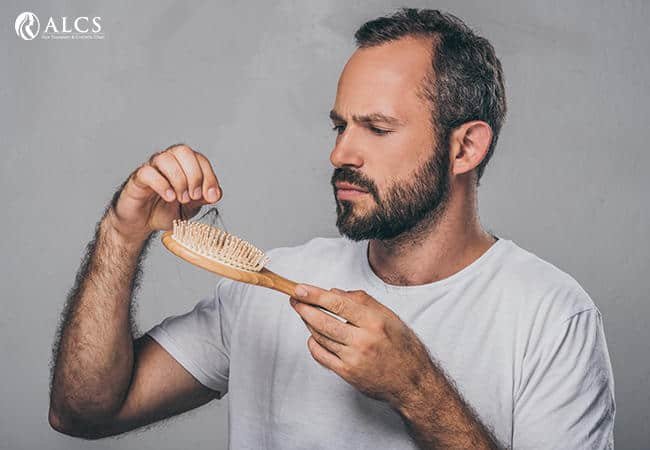
That is one of the most prominent questions asked to us by our patients. Dandruff is not associated with your hair. So it is not going to matter how many times you wash your hair. However, dandruff can cause your scalp to itch, which can lead you to scratch it. The constant scratching can damage your hair follicles, causing you to have hair loss, but not baldness.

If you are wondering, “Will dandruff cause hair fall?” there is no straightforward answer to it. However, you might want to look into the preventive methods for your dandruff problems.

How Can We Prevent Dandruff From Causing Hair Loss?

The primary factor in eliminating hair loss caused by dandruff is itchiness. Getting rid of itchiness reduces scratching. It will ultimately protect your hair follicles, preventing any hair loss. The first course of action is to get a thorough diagnosis.

Diagnosis

Various factors can lead to dandruff. They can be irregular or imperfect head-washing routines to prior dermatological conditions. The best plan of action, in that case, is to contact a dermatologist for a thorough diagnosis. You can also clear your query, “Can dandruff lead to hair loss?” during your consultation. Here are a few hair issues:

  • Contact Dermatitis: Your skin might be sensitive to certain hair products such as shampoo, hair spray, gels, etc.,
  • Dry Skin: Dry skin is one of the most common causes of dandruff. It might cause the skin to itch and flake off.
  • Seborrheic Dermatitis: Seborrheic dermatitis causes a red eruption that is oily and might result in scaling.
  • Malassezia: It is a fungus most people have in their scalp that causes a growth of excess skin cells, leading to irritation, and the extra dead skin cells might be the reason behind dandruff.

For the best diagnosis and treatment of any of these conditions, you might want to consult with Dr Sunil Arora at ALCS India, the best man to answer the question, “Does dandruff cause hair loss?”

Medicated Shampoo

After the diagnosis, the doctor might prescribe you a medicated shampoo. If you have not already used it, you might want to start now. If you do not have a prescription and yet you want to try it out, here are a few ingredients it should have:

  • Salicylic acid,
  • Selenium sulfide,
  • Pyrinthione zinc and
  • Ketoconazole.

Although a medicated shampoo with these contents would work fine for darker hair, you might want to try out a shampoo without selenium sulfide if you have lighter hair. That is because selenium sulfide might cause discolouration, which can be pretty surprising.

Medicated shampoo can be a good option for you if you are worried about “Can dandruff cause hair loss?”.

Moisture

One of the imperative ways to take care of your scalp is to regularly hydrate it using hair conditioners. It is vital in the case of a medicinal shampoo containing salicylic acid.

Massaging your scalp with coconut oil might help, as it has anti-fungal qualities along with being moisturizing. It works similarly to ketoconazole. So coconut oil is another thing that might keep you away from the query “Does dandruff cause hair loss?”.

Stress

Stress is not something that can lead to dandruff in a direct sense, but it can indeed weaken your immunity, making your scalp susceptible to Malassezia Fungus. The best way to steer clear of stress is to moderate it with the help of meditation and yoga.

Prevention:

Here are a few techniques to ensure that you won’t have a query like “Does dandruff lead to hair loss?”:

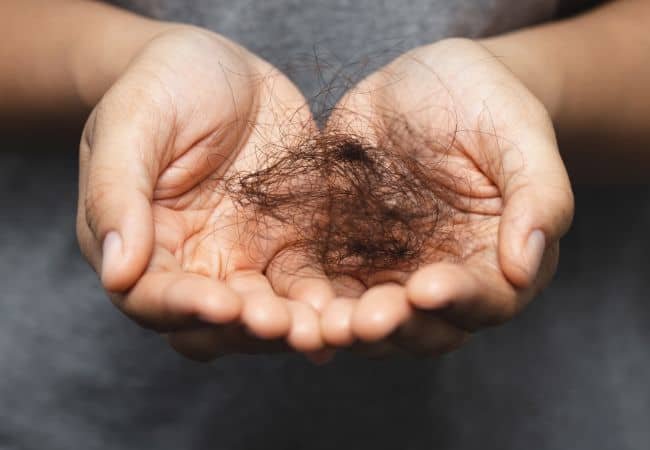
  • If you experience hair fall in a bunch, you might want to check with a doctor as it might indicate a scalp issue.
  • Follow the instructions given on the shampoo or oil bottle carefully for it to be effective.
  • If your dandruff is not going away by shampoo or other home remedies, contact a dermatologist.
  • Please stay away from tight hairstyles or tying your hair in a tight bunch, as it may cause hair fall.
  • Avoid scratching or aggressively massaging your hair.

But the most crucial step in case of recurring dandruff is to contact your dermatologist. You can book an appointment online at ALCS India and consult with Dr Sunil Arora.

What Is The Treatment For Male Pattern Baldness?

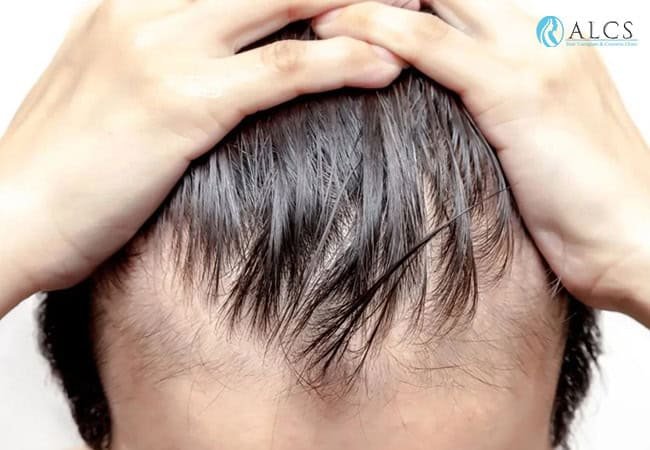
Male pattern baldness is a common problem in which men experience extreme hair loss. They may observe bald patches and thin hair on their scalp. It happens due to hormonal changes and majorly affects older men.

Pattern baldness is a sign of ageing, but it can disturb a man psychologically, especially young men. Sometimes, sudden hair loss can signify a serious health condition that requires immediate medical attention.

There are different treatments for male pattern baldness that show effective results. However, none of them works as efficiently as a hair transplant.

You can undergo a hair transplant if you experience male pattern hair loss. The two major hair transplant processes include:

Follicular Unit Transplantation (FUT)

It is a classic hair transplant method, and the treatment starts with removing hair from the back of your scalp. The removed skin contains healthy hair follicles that are transplanted in areas with low hair volume. Once the hair starts to grow, you can see a reduction in male pattern baldness.

Follicular Unit Extraction (FUE)

In FUE, hair follicles are extracted directly from the scalp and planted in the bald region. It uses advanced tools to extract hair follicles and hence, does not cause scarring on the scalp.

Apart from these two methods, there is another way of treating baldness and hair loss. Laser treatment has emerged as the most recent method to treat male pattern baldness. It reduces the inflammation that prevents the hair from growing. However, more research is required to form an opinion on the effectiveness of laser treatment for male pattern baldness.

Besides hair transplant procedures, you may improve your lifestyle and daily habits to refine your hair condition.

Five lifestyle changes to improve male pattern baldness

Some of the changes that you can adopt are:

Quit smoking

Apart from harming your lungs, smoking marks the appearance of fine lines and wrinkles on your face. In addition, nicotine and tobacco enhance premature greying and hair thinning. It is therefore suggested to quit smoking to improve your overall health.

Massage your scalp regularly

Head massage stimulates scalp tissues and promotes hair growth. In addition, head massage enhances blood flow in the scalp, which in turn enriches the hair follicles. You can oil your hair at least twice per week to nourish your hair follicles.

Take a healthy diet.

Include vegetables, fruits, nuts, whole grains, unsaturated fats, and lean proteins in your diet. Healthy eating can enrich your hair with the required nutrients. In addition, you can include eggs in your diet to improve your hair health. Finally, taking an iron-rich diet develops hair follicles, and you can find a decent amount of iron in leafy vegetables, beans, and grains.
Similarly, you can add fish to your plate. The omega-3 fatty acids in the fish can nourish the hair follicles and prevent hair thinning. Also, try to take plenty of fluids and keep yourself hydrated.

Manage stress

Stress can lead to excess hair fall. It increases muscle tension and causes an imbalance in hormone levels. The fluctuating hormones can lead to hair loss that can result in baldness. It is recommended to manage your stress levels as it is the best treatment for male pattern baldness.

Proper medical checkup

Certain medical conditions like diabetes, lupus, thyroid conditions and eating disorders can lead to hair loss. You must visit a doctor to find out the underlying causes of your hair loss. Sometimes, anaemia and celiac disease can also lead to male pattern baldness.
Negligence and delayed treatment can make your situation worse. Likewise, your delayed response to hair fall problems can aggravate the hair fall. It is therefore essential to undergo treatment for male pattern baldness at the earliest.

Takeaway

You can follow home remedies for hair loss, but there is no scientific evidence to claim the effectiveness of home remedies on hair loss. Some people believe that biotin supplements can promote hair growth by nourishing unhealthy hair follicles. However, biotin supplements improve hair fall if it is caused by biotin deficiency. It does not show positive effects in other cases.

It is essential to adopt a scientifically proven treatment approach for hair loss and baldness. Remember, you must start male baldness treatment at the earliest to get an effective result.

How to Improve The Quality of Hair?

here are factors you should be considering to improve the quality of your hair. A few of them are as follows:

  • Zinc: Zinc is known to be one of the most crucial elements for the betterment of your body. Its deficiency can cause hair loss and balding. So you should regularly consume fruits and vegetables (especially the leafy greens), etc. and drink as much clean water every day as possible. You can also take zinc supplements to improve your hair quality.
  • Correct Shampoo: Using harmful hair products is one of the most prominent causes of bad hair. It can also lead to the deterioration of your hair quality. Do not use shampoos with hard ingredients like ammonium lauryl sulphate and sodium lauryl sulphate.
  • Protein Intake: Enhancing your protein intake is one of the best things to improve your hair quality. Regularly consuming around 45g of protein in your diet would make a huge difference. Dairy products (low-fat), lean meat, fish, beans, and chicken can help you grow better hair.
  • Omega-fats: Fatty acids loaded with omega-three can restore your hair follicles to improve the quality. A few good sources of omega-three are cottage cheese, salad, flax seeds, cereal, yoghurt, etc.

Now that we have told you how to improve your hair quality, you might also want to try out a few tips for the maintenance of your hair:

  • Let your hair dry by itself (rather than using a dryer).
  • Scalp massage for better hair growth.
  • Try not to use hair straighteners or dryers and let your hair breathe.
  • Constant hair cuts might stop any split-ends.

Following these simple enhancement and maintenance instructions might be the answer to your query, “How to increase my hair quality?”.

Clean Eating Habits

You are defined by what you eat when it comes to your hair and general health. Having a nourishing diet will restore your hair follicles. In addition, you should have leafy greens, iron and vitamin D to rejuvenate your hair and improve its quality.

Maintain Your Health

Maintaining your health is of extreme importance and one of the crucial answers to ‘how to improve the quality of hair.’ Be sure to have regular check-ups as the doctors can tell you about any issue with your thyroid, etc., as it can be the reason for your dull hair.

Stress

Stress is a triggering factor in several health conditions. It channels the positive energy required to maintain the hair quality and growth elsewhere. For example, events causing stress like hospitalization or death of a family member or childbirth can lead to telogen effluvium. But the hair loss to deteriorating quality due to stress is not permanent. So if you are pondering how to improve the quality of your hair, you might want to bring down the stress as much as you can.

Heat And Hair Products

Hairstyling is very important to many people, and two of the prominent practices involved are hair straightening and hair drying. Both of them require heating the hair, which can affect the quality of hair. Hair products like wax and hair spray are also used along with heating methods. It is an effective way of ensuring a great hairstyle. But using them too frequently might worsen the quality of your hair.

Analyze Your Hair Patterns

The scalp and hair are different for everyone. The products and practices working for your friend or relative might not work for you. So carefully analyze how your hair reacts to other hair products like shampoos and oils. People have a myth that washing hair too frequently might increase the rate of hair loss. But it can not be further from the truth. It is completely fine if you wash your hair daily, and in fact, it can be a possible answer to ‘how to improve the quality of hair.’

Check-Up with Dermatologist

If you experience any issues with your hair or scalp, visit your dermatologist at the earliest. Choose a board-certified dermatologist with vast experience in the field. The hair loss or worsened hair quality might be due to conditions like androgenetic alopecia (genetic hair loss). The doctor might recommend you with several treatment options like oral medications (finasteride, spironolactone, dutasteride), topical medications like rogaine, procedures like PRP hair transplant or vitamin supplements (Nutrafol or Viviscal).

If you have any queries or doubts about how to improve the quality of hair, you might want to consider consulting with Dr Sunil Arora at ALCS India.

How Effective Is PRP Treatment for Hair Loss?

Hair loss is a rising issue among older and younger adults and even the youngsters in a few instances. But now, with the latest technologies, medical experts have created new methods for effectively and efficiently treating hair loss, and one of them, which is being talked about the most, is PRP hair treatment.

PRP or Platelet-Rich-Plasma treatment has been used for quite some time to effectively treat the bones, muscles and ligaments in the human body. But now, it is also being used to treat hair loss. Now you might be wondering, “How effective is PRP for hair loss?”. Before learning about its efficacy, you should know what the PRP treatment exactly is?

What Is PRP Treatment?

Human blood consists of four primary parts, i.e. red blood cells (RBCs), white blood cells (WBCs), platelets and plasma (the liquid part). Plasma serves as the medium through which RBCs and WBCs flow through the body; the thrombocytes that help your body heal by clotting the blood are called platelets.

Now, scientists have devised a method of hair restoration through the usage of PRP. The PRP treatment is implemented to raise blood flow and instigate hair growth, depending upon genetics, age, hormones, and other factors.

How Does PRP For Hair Loss Work?

Following are the three steps performed during the PRP treatment for hair restoration:

Step 1: Blood is drawn out of the arm by a doctor. It is then put into a centrifuge machine to segregate the different constituents of blood like blood cells and plasma.

Step 2: After the blood is processed through the centrifuge, it gets segregated into three different parts, blood cells, platelet-rich plasma and platelet-poor plasma. Out of these constituents, the platelet-rich plasma or PRP is extracted for the further process.

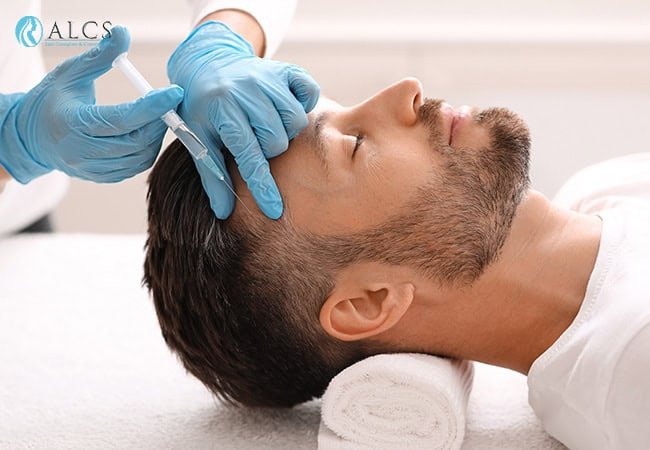
Step 3: For the final step, the doctor injects the plasma rich with platelets directly on your scalp. Over the next few months, this procedure is implemented several times for the best results. After the treatment is finished, you must undergo multiple maintenance sessions to achieve the best efficacy possible.

But, there are quite a few medical experts who are still a bit unconvinced about the working and effectiveness of the PRP treatment. So, if you have queries like “How does PRP work for hair loss?” you might want to consult with the experts at ALCS India.

Eligibility For The PRP Treatment

Although anyone with hair loss issues can think about undergoing a PRP treatment, the following are a few candidates who might not be eligible for it. These involve the people suffering from:

  • Long-standing liver conditions,
  • Metabolic conditions,
  • Sepsis,
  • Acute infections,
  • Persistent skin diseases,
  • Thyroid,
  • Platelet dysfunction syndrome and
  • Low platelet count.

If you have any of these medical conditions, you might want to avoid the PRP treatment. But if you are unaware of any of them, you might want to check with your doctor to determine if PRP treatment is the right way to go.

How Effective Is PRP For Hair Loss?

PRP treatment for hair restoration has been in use by doctors for quite a while now. But there are still many doctors who are sceptical about the effectiveness and potency of platelet-rich plasma being used to treat hair loss. In addition, there are no guarantees associated with the PRP. Often, doctors recommend the combination of PRP with other procedures for hair growth to achieve the most favourable outcomes. But that makes it difficult to determine if the PRP is working or just the other procedures.

The effectiveness of PRP, like with any treatment for any other medical condition, varies from person to person. The doctor might also recommend certain other treatments for hair restoration, like follicular unit extraction and follicular unit transplantation. That’s why it is best to consult with your doctor to determine if the PRP treatment would work for you.

Conclusion

We have tried to explain PRP, how it works, and how effective it is. PRP is not just being used to treat muscles and tendons of your body but also your hair. It involves injecting the platelet-rich plasma directly into your scalp that reaches the hair follicles to initiate hair growth.

As with any other minimally invasive treatment, the effectiveness of PRP varies from person to person.

That’s why it is best to have a consultation with your doctor to determine if the PRP treatment would work for you. So book an appointment for a consultation with Dr Sunil Arora to find more about the PRP hair restoration technique.

Taking biotin for hair: is it worth it or not ?

What does biotin do for hair?

A significant part of the population faces hair fall issues once they have crossed the age of 30. Hair loss results in lower self-confidence in many people.

The hair loss issue can be tackled in multiple ways after understanding the root cause. Many people have resorted to biotin hair treatments and got significant visible results.

Each patient is unique because of the root cause behind their hair loss. Here, you will get information about the working action of biotin and its benefits for your hair and the conditions under which biotin is good for hair growth.

What is biotin?

Biotin is the common name for vitamin B7, earlier called vitamin H. It belongs to the group of vitamin B complexes that is popular for its skin, hair and nail benefits. Vitamin B complexes are also a metabolism booster and aid in converting carbohydrates and fats to energy.

Biotin is a critical component in the synthesis of amino acids. In addition, it plays a significant role in forming keratin, the hair protein. Hence, adding biotin to your diet can help you grow stronger and healthier hair and enhance the rate of hair growth.

Vitamin B7 is a water-soluble vitamin hence excess of it is passed out by the kidneys. Thus, biotin should be consumed on a daily basis as it cannot be stored in the body.

What causes hair loss?

The leading cause of hair loss in younger people is a lack of certain nutrients in their bodies. Other reasons are stress, hormonal imbalances and depression. However, they are mostly temporary and can be fixed with a healthy diet, supplements and controlling stress.

Hormonal imbalance diseases such as thyroid and ovarian disorders also result in hair loss. In such cases, try to bring the hormonal condition under control to decrease the effect of the disease on hair.

Biotin deficiency is a significant cause of hair loss in most cases. In rare cases, biotin deficiency can be hereditary too. People with alcoholic habits and pregnant women are at higher risks of biotin deficiency.

In some cases, even if you include an adequate amount of biotin, it may not get digested. The reasons behind it may be poor digestion and bad gut health. Poor gut health can lead to insufficient absorption of essential nutrients.

Thus, while trying to get to the root cause of your hair loss, check over your gastrointestinal health. Eating a well-balanced nutrient-rich food is of no use if it is not getting digested properly.

How much biotin for hair growth is required?

After understanding biotin benefits for hair, you should understand the optimum amount of biotin to be consumed. It is in the range of 30-100mg for adults. The requirement for biotin in pregnant women is higher. Food rich in biotin is a part of everyday diet. They are egg yolks, some fish and caviar (salmon, cod, roe, oyster, etc.), sweet potatoes, legumes and organ meat.

Does applying biotin on hair work?

Nowadays, multiple products containing biotin in their ingredients are considered the best biotin for hair growth. However, the benefits of applying the best biotin for hair growth results in the form of shampoos, serums, oils and masks have no evidence. In order to show its benefits, the biotin present should penetrate through the scalp and aid in protein synthesis.

However, over the counter products applied to the hair can generally not penetrate deep into the scalp. Thus, there are minimal results with the counter application.

Are there any biotin hair growth side effects?

A common question arises in a patient’s mind: Can biotin cause hair loss? There are rarely any cases of biotin hair growth side effects. It is an entirely safe vitamin, and an overdose of it rarely causes any complications. However, it can cause interference with other medications and their mechanisms. If you have any medical condition such as diabetes, seizures, high blood pressure, consult your doctor before using biotin for hair loss. Also, be careful with the damage. It can have side effects like upset stomach, acne, and allergic reaction.

Biotin for hair loss: How long to see results?

Natural hair growth is a time taking procedure. It can be accelerated by biotin hair treatment, but still, it would need sufficient time. It is usually seen that significant growth is visible in around 3 months. However, each patient and their case is unique, and it would need its own time to grow hair.

If you want a treatment with one of the best biotin for hair growth in Jaipur, you may consider visiting Dr Sunil Arora for all your hair problems at ALCS Clinic. He is an expert in biotin treatment and would give you the best advice as per your case. So look no more and book a consultation and treatment appointment at ALCS Clinic to get a solution for your hair problems.

If you are looking for more information on biotin for hair loss or how long to see the results of this treatment, get in touch with the experts at ALCS India. They will also tell you whether taking biotin for hair is suitable and how much biotin you should take for your hair growth.

PRP treatment for hair loss and how long does it last?

PRP results might not be the same for everyone

As PRP therapy uses a serum extracted from your blood, the dependence of the results majorly rests on your own body’s healing abilities. The longevity of the effects is all on the response of your scalp and follicles. So, how long does the treatment last? Your blood is the chief factor in determining how long PRP serves the purpose.

Even before knowing about PRP, one must understand that the cause of every patient’s hair loss condition is unique. A patient’s hair loss cause may differ from the second patient’s. Here are some causes that are important to consider in the present times.

Genetic propensity as dictated by DNA or androgenetic alopecia

Certain medications’ side effects or allergic reactions to chemicals being used. Poor nutrition, environment, and over-styling can expose one’s hair to toxic chemicals in the air, hair care products, and food. This way, even young people are experiencing hair loss. While some may turn bald by 22, some can still expect to have their hair for around 20-30 years more.

Have questions about how long PRP lasts for hair loss? Contact ALCS Clinic! With Dr Sunil Arora’s help, it can be easy for you to learn the answer to specific questions concerning your case- is PRP hair treatment a permanent solution to hair loss? Read it all if there is such a case because it will significantly help.

How effective is PRP as a solution?

The studies of authoritative sources like the National Center for Biotechnology Information have summed its worldwide studies in the following way.

Case Study 1

With studies conducted on 20 people with half their scalps being PRP treated and half with placebo, patients were given 3 injections at a 30-day interval with a booster at 6 months. Over 24 months, Doctors tracked the patients’ progress regularly during checkups. The factors under consideration are:

  • Hair regrowth
  • K67 cells for new cell growth
  • Hair dystrophy a possibility in which the hair shaft can be more fragile
  • Adverse reactions’ possibility like itching or burning sensations

PRP treatment results noted were:

At the time of the treatment’s commencements, the patients had 67.5 hairs per square centimetre with 120.1 hairs per square centimetre density. After 3 months, 128.5 hairs per square centimetre were visible, with 228.6 hairs per square centimetre for density.

  • The scalp’s epidermis seemed to thicken with more keratinocytes and hair follicle cells.
  • Small blood vessels were observed developing in the scalp
  • The patients experienced no side effects
  • After 12 months, 4 patients showed relapse and experienced hair loss. They received PRP serum booster shots.

Case Study 2

Eleven patients aged 20-40 years and experiencing different hair loss levels were signed up. They received 4 PRP therapy sessions at 2 week-long intervals. After regular checkups, the final evaluation was conducted 3 months after the first session. Here are the observations:

  • Before the treatment, the hair pull test yielded an average of 10 strands. Post-treatment, the count fell to 3.
  • Scalp pictures clicked before and after the therapy, showing better scalp coverage.
  • On a 1-10 scale, patients rated their satisfaction at 7.
  • After marking a specific scalp area with 71 follicles before treatment, the change observed was growth to the point of 93.09 follicles.

Now how long does PRP last for hair loss? One should expect at least 12 months of positive PRP treatment results. After it, if required, the dermatologist may recommend one more session attendance.

To get answers to questions like-” Is PRP hair treatment a permanent solution?”, be sure to reach out to ALCS Clinic. Dr Sunil Arora, along with his team, is ready to help you gain your hair back. At the clinic, you can get an honest and real idea of what to expect and what not to. But for now, let us move to a conclusive answer to how long PRP lasts for hair loss.

How long does PRP last during hair loss?

One can expect positive results for at least 12 months or more. The body’s healing capabilities determine the outcomes. Taking good care of the body can help enhance the presence and extend the time of the treatment’s effects. Following the trichologist’s directions can also lead to similar results. Case studies display clear evidence of how PRP works. So it is good to consider the therapy if the aim is to gain the lost self-esteem and confidence.

Now that we know how long PRP lasts for hair loss, it is time for you to think and consider whether the therapy is for you or not. At ALCS, you can get the ideal PRP treatment results for yourself. As we know, the answer to “Is PRP hair treatment a permanent solution?” Your next step should be reaching out to Dr Sunil Arora and the people at ALCS. There is no better way to regain shining hair and confidence than with the help of a therapy practised with expertise.

Going bald Prevention: 22 Tips to Help Save Your Hair

You might get worried when you experience severe hair fall. It is perfectly normal to shed a few hair strands every day. However, if you experience intense hair fall, you must take preventive actions to control it. Different ways can prevent your hair from falling, but first, it is essential to understand what causes your hair to fall.

Some hair fall issues like hair loss after pregnancy can resolve on their own. But if your health condition like stress, underactive or overactive thyroid, and scalp infection causes hair loss, you must take it seriously. Do not worry! You can stop going bald by managing stress and correcting your diet.

Here are a few tips you can adopt to prevent going bald.

  • Mediterranean diet
    The Mediterranean diet uses a lot of raw veggies and fresh herbs in its recipes. Eating natural herbs may control the risk of androgen alopecia, which is the leading cause of female and male pattern baldness. If you eat high doses of herbs like parsley, basil, and green salad, you may stop going bald.
  • Protein
    Your hair follicles contain proteins called keratin. Therefore, it is essential to eat protein to maintain your hair growth. Some protein sources that you may add to your diet include eggs, nuts, fish, chicken, turkey, and dairy products.
  • Vitamin A
    Vitamin A can increase the rate of hair growth. Moreover, it may keep your scalp healthy by managing sebum production.
  • Multivitamin
    If you want to retain more hair on your scalp, you must include vitamin A, B, C, D, iron, selenium, and zinc in your meals. You can get multivitamin supplements from a drugstore.
  • Vitamin D
    Vitamin D is good for your bones. But, can you stop going bald by consuming vitamin D? Yes! A lack of vitamin D in your body may aggravate nonscarring alopecia. So if you want to maintain healthy and shiny hair on your head, you must take vitamin D.
  • Biotin
    Biotin maintains the hair life cycle and promotes healthy hair. However, its deficiency in your body may promote hair loss. Eating 3-5 milligrams of biotin every day can prevent balding.
  • Saw palmetto
    Saw palmetto, a herb, is derived from the fruits of American dwarf pine trees. If you are a man, you can maintain your testosterone levels by consuming saw palmetto. In addition, as testosterone is essential for healthy hair growth, you must consume Saw Palmetto to reduce hair loss.
  • Ginseng
    It is enriched with certain phytochemicals that prevent hair loss and promote hair growth. You can take ginseng supplements or try topical medications consisting of ginseng.
  • Regular washing
    Regular washing is an excellent option to prevent hair fall. In addition, it keeps your scalp clean and healthy. However, you must use a mild shampoo with no harmful chemicals. As harsh shampoos can damage your hair, and hence you must use a chemical-free shampoo.
  • Coconut oil
    Massaging your hair with coconut oil can prevent hair damages caused by grooming and UV exposure. Moreover, it prevents hair breakage by enhancing blood flow in the scalp area. Coconut oil also contains lauric acid that binds a protein in the hair, thus preventing split ends and hair fall.
  • Olive oil
    If you want to condition your hair naturally, you may use olive oil. Moreover, it may prevent genetic hair loss and hair breakage.
  • Gentle styling
    Do not style your hair in a way that pulls your hair. Instead, try loose buns and braids to prevent hair loss. Moreover, limit the usage of hair styling tools.
  • Hair processing
    Do not chemically treat your hair as it can promote hair loss.
  • Laser therapy
    Laser therapy may prevent genetic hair loss. Moreover, low-level lasers may also prevent hair loss due to chemotherapy.
  • Platelet-rich plasma
    Hair surgeons may use platelet-rich plasma therapy to prevent hair loss. In this treatment, a surgeon injects plasma into your scalp to prevent going bald.
  • Minoxidil
    You can use this OTC drug to combat female pattern baldness. You can apply the liquid to your scalp every day for effective results.
  • Finasteride
    It is a prescriptive drug that may promote hair growth in men. However, women who want to conceive must avoid this drug.
  • Phenylephrine
    Topical phenylephrine may prevent hair loss caused by over-styling your hair. In addition, the medicine provides strength to your follicle muscles, thus preventing hair breakage.
  • Essential oils
    Essential oils like lavender, lemongrass, peppermint, and rosemary can prevent hair loss. You can mix these oils with a carrier oil and then apply it to your scalp.
  • Onion juice
    Can I stop going bald by using onion juice? Yes! You can witness hair regrowth by applying onion juice to your scalp twice a day. In addition, it can efficiently treat hair loss caused by alopecia areata.
  • Massage
    If you massage your hair for four minutes every day, you may promote hair growth on your scalp.
  • Yoga
    Stress also promotes hair fall. Therefore, it is essential to manage stressful situations. For stress management and hair growth, you may try yoga and breathing exercises.

Patients often ask, ‘can going bald stop hair fall?’ While it might sound to be an ideal solution, it is not. Going bald would only be a temporary solution until the hair grows back. Can going bald stop hair fall? No, it cannot.

You can stop hair fall by implementing these home remedies. In addition, if you want more information on hair fall treatments, you may contact ALCS Clinic.

How To Regrow Hair On Bald Spot

What is hair loss?

Various symptoms determine hair loss. Androgenic alopecia, commonly known as male or female pattern baldness, is common among men over 50 and women who have had menopause.

For male pattern baldness, causes include:

  • Genetics
  • Medications
  • Thyroid conditions
  • Nutritional disorders
  • High levels of androgens, called sex hormones

For women to go completely bald is less likely; however, they very commonly experience thinning. Female pattern baldness is divided into three types:

  • A small amount of thinning occurs around the hair part.
  • Widening of the part and increased thinning around it.
  • Thinning throughout, with visible top of the scalp.

Female pattern baldness can be due to various reasons such as genetics, medication or treatments, side effects, or hormone changes caused by pregnancy or menopause. They start developing symptoms around their 40s and beyond. Read on to know if it is possible to regrow hair on a bald spot. 

Can natural methods be used to grow hair on bald heads? 

You must acquire a multidirectional approach to regrow hair on the bald spot fast. You will need to combine different approaches for the best results. Consult your doctor if you want to combine natural methods with medical treatment. They can help you understand the treatments’ effect and if it is possible to regrow hair on bald spots. 

What causes hair loss?

The causes of hair loss can be many and various. For some, it can arise due to genetic components; for others, the causes can be an autoimmune disease, high-stress levels, recent surgery or illness, hair damage from bleach or dyes, scalp conditions, or vitamin deficiencies.

If a person is experiencing a hormonal imbalance or thyroid condition, hair loss can occur. Pulling on hair and wearing tight hairstyles are also responsible for hair loss. 

Natural treatment options to grow hair in bald spots. 

If you are looking for ways to grow hair in bald spots, you have come to the right place. Check out some of the most effective natural treatments to grow hair back in a bald spot. 

  • Massage

Massaging the scalp with hair oils can improve hair thickness by boosting blood flow. The growth of dermal papilla cells found at the end of hair follicle boosts while stretching while massaging.

Massaging the scalp every day not only relieves stress and tension but also helps hair regrowth. Always use your fingertips and not your fingernails for massaging. Move your finger by applying light and medium pressure for around 4 minutes daily. Be patient and consistent to regrow hair on the bald spot fast. 

  • Aloe vera

Aloe vera is known to be one of the most effective natural treatment methods to grow hair on a bald head. The benefits of aloe vera for hair include conditioning hair, reducing dandruff and unblocking hair follicles. Apply the gel a few times per week before washing hair. Using hair products containing aloe vera also works. 

  • Coconut oil

Coconut oil contains lauric acid deep inside the hair shaft to reduce protein loss. You can use this oil before or after a hair wash. For oily hair, the leave-in overnight treatment is best. You can use the technique for dry hair as well. Coconut oil lubricates the hair shaft and thus prevents hair breakage. Enrichment of the scalp’s microbiome makes hair follicles healthier. 

  • Viviscal

People with thinning hair benefit from viviscal, a natural hair growth supplement. The combination of shark and mollusc powder, organic silica, and vitamin C in AminoMar C. Viviscal is rich in this marine complex. All these ingredients together help regenerate new cells and strengthen existing cells. Take the pill twice every day for six months to regrow hair on the bald spot fast. You can also find shampoos and conditioners with viviscal.

  • Fish oil

Fish oil is rich in omega fatty acids. Consuming it tends to improve hair as they contain nutrients and proteins. Thus omega supplement with antioxidants reduces hair loss and boost hair density. Moreover, it improves overall health by improving nutrients.  

  • Ginseng

Including ginseng in the diet promotes hair growth by stimulating hair follicles. Ginseng has an active component, Ginsenosides, which positively affects hair. There are some successful results found through various research on the effect of ginseng to grow hair back in a bald spot. 

  • Onion juice

Onion juice is one of the effective hair growth promoters. It can treat patchy alopecia areata, an autoimmune condition leading to hair follicle damage. Moreover, it also boosts blood circulation, thus promoting hair follicle development and growth. Try to consume the natural oil juice by blending a few onions and then squeezing out the juice. Apply the juice before the shampoo and leave it for 15 minutes. 

  • Rosemary oil

Rosemary oil is a very common oil that people use for hair growth and to reduce hair loss. It is even used to treat androgenetic alopecia. Mix only a few drops of oil with your normal carrier oil, such as argan or jojoba. Massage with this oil twice a week. Adding a few drops into shampoo or conditioner also helps. Remember not to use it directly on your scalp; combine it with other products. 

If you were wondering whether it is possible to regrow hair on a bald spot, this blog must have answered your questions. Combining one or two of these natural treatments with medical treatments can help to regrow hair on the bald spot fast.

Easy And Quick Ways To Remove Pubic Hair At Home

From a biological perspective, the purpose of pubic hair is to minimize infections by trapping sweat, oil, and bacteria and lowering the chances of yeast infection in sensitive areas. As such, there is no medical reason for removing pubic hair; it is purely a personal choice. 

Some individuals prefer to retain it well-groomed, while some prefer removing it all. And, the reasons are various, ranging from personal preference and hygiene to cultural or aesthetic norms enforced by societal trends. 

There are several options for trimming or removing pubic hair, and the choice of the removal method depends on your skin’s sensitivity. However, none of these give a permanent solution for hair removal at home. Permanent hair removal solutions are provided by professional saloons or cosmetic clinics. 

Different Methods of Pubic Hair Removal at Home

There are several ways to remove pubic hair at home, but remember, each has its benefits and drawbacks. Also, the choice of hair removal method depends on your skin’s pain tolerance and desired results. Let’s learn more about each of these methods: 

Shaving

It is one of the easiest methods to maintain pubic hair; it just needs a razor and some gel or cream. Shaving is quick, convenient, and can be done in the shower, making it a preferred choice for many.

Pros:

  • Easily done at home with minimal tools.
  • Can be completed quickly.
  • Razors and shaving cream are inexpensive and widely available.

Cons:

  • Hair grows back quickly, often within a few days.
  • It can cause razor burns, nicks, and ingrown hairs.
  • Requires regular upkeep to maintain smoothness.

Here are some tips to follow for effective results from the shaving method:

  • Clean and disinfect the razor to ensure hygiene. 
  • Wet your pubic hair for hassle-free shaving.
  • Apply a generous amount of shaving cream or gel on the pubic hair. 
  • Always choose products designed for sensitive skin to minimize irritation.
  • Use a moisturizing gel/ lotion/cream to prevent breakouts on sensitive skin after shaving.
  • Always shave in the direction of hair growth to reduce the risk of irritation and ingrown hairs.
  • Gently stretch the skin with your free hand to avoid nicks and cuts. 
  • Rinse the razor after each use. 

Trimming

Trimming can be done with scissors, and it is a quick way to manage pubic hair.  It has lesser risks as it does not touch the skin. 

Pros:

  • Allows for precise control over hair length.
  • Completely pain-free method.
  • Simple and fast method to maintain.

Cons:

  • Hair regrows at the same rate.
  • Does not provide smooth, hair-free skin.

Here are some tips to follow for effective results from the trimming method. 

  • Choose the right tools for trimming- either electric trimmers with various guards and settings for different lengths or scissors with rounded tips to avoid accidental cuts.
  • Disinfect your pair of scissors/ trimmer before and after use.
  • Ensure trimming is done on dry pubic hair for better control. 
  • Trim small sections of hair at a time to get the desired trimmed level. 
  • Apply a fragrant-free moisturizer to soothe the skin.
  • Maintain separate scissors and keep them in a cool and dry area.
  • Trim in a properly lighted area to see clearly and avoid cuts. 

Depilatory Creams

Depilatory creams are chemical-based products usually available as creams in the market. They are applied to the skin and dissolve the hair below the skin’s surface. Depilatory creams work by weakening the hair protein called keratin, making it easy to remove. 

You need to be extra cautious when using chemical creams suitable for intimate areas to reduce or minimize skin sensitivity. Chemical creams can be used easily by just applying them to the area, waiting a few minutes, and then wiping them off, resulting in smooth skin.

Pros:

Simple application and removal process.

Painless procedure 

Works within minutes.

Cons:

  • Chemicals can be sensitive to many skin types, can cause allergic reactions or skin irritation.
  • Most creams or gels have a strong, unpleasant smell.
  • Hair regrows within a few days.

Here are some tips to follow for effective results from the depilatory method

  • Select a cream that is formulated for sensitive areas like bikini lines or pubic areas. 
  • Try a patch test and wait for 24 hours to check for any skin reactions.
  • Wash the pubic area with mild soap to remove residues of soap, oil, and dirt before applying the cream. 
  • Apply a thick, even layer of cream or follow the directions for the usage of the product. 
  • Stick to the time mentioned on the product for effective results. Do not exceed the time, as chemicals can cause burns or other irritations. 
  • Rinse out the cream thoroughly with water and pat dry with a soft towel.
  • Moisturize the skin to prevent dryness.
  • Wear loose-fitting clothes to avoid friction.

Waxing

Waxing is a painful way to get rid of pubic hair but provides longer-lasting results for hairless skin. The hair is removed from the root, so it would take a long time to grow back. There is also less irritation once the pain subsides within hours. 

Waxing can be done safely at home, but professional assistance is better. It can cause rashes and irritation if you have sensitive skin. There are two types of waxes available- hard and soft waxes. Hard wax sticks only to the hair, and hence, the pain is minimal while pulling. Soft wax, on the other hand, sticks to small hair as well as your skin, resulting in a more painful waxing procedure.  

Pros:

  • Results can last up to four weeks.
  • Leaves skin smooth and hair-free for longer periods.
  • Regular waxing can result in reduced hair growth over time. 

Cons:

  • Can be quite painful, especially for first-timers.
  • The hair needs to be at a certain length for effective removal.
  • For sensitive skin, there can be severe redness and irritation post-treatment.

Here are some tips to follow for effective results from the waxing method: 

  • Always choose the right waxing products for your skin type- hard or soft wax.  
  • Clean and disinfect the pubic area before waxing.
  • Make sure residues of oil, sweat, etc, are rinsed out before waxing for effective grip on the hair. 
  • Hair should be at least 6 mm long for the wax to grip effectively.
  • Apply the wax in the direction of hair growth using an applicator stick. If it’s wax strips, press down firmly.
  • Strip off or remove in the opposite direction of hair growth. 
  • Work in small sections for proper hair removal and to minimize pain. 
  • To reduce redness and swelling, apply a cold pack to the area immediately after waxing.

Epilators

Epilators are electric devices that grasp multiple hairs simultaneously and pull them out from the root. Although this method can be painful, it offers long-lasting results that are similar to waxing.

Pros:

  • The results are long-lasting, up to 4 weeks or more. 
  • It can be used at home without professional assistance.
  • Continuous use reduces hair growth. 

Cons:

  • Can be quite painful, especially for first-time users.
  • Epilators can be more expensive than razors or depilatory creams.
  • There is possible skin irritation post-use.

Here are some tips to follow for effective results from the epilating method:

  • Choose the epilator with multiple speed settings and attachments like sensitive area caps, massaging rollers, exfoliating brushes, etc.
  • The ideal hair length for epilator removal is about 3-5 mm for best results. 
  • Move the epilator against the direction of hair growth.
  • Use the epilator slowly and steadily across the skin; do not hurry to complete the removal. 
  • Avoid going over the same area multiple times in one session to prevent skin irritation.
  • Apply a cold press to reduce irritation post-epilating. 

Conclusion

As we have seen, there are many methods to remove pubic hair at home. The choice of the hair removal method depends on many factors, such as your skin’s pain tolerance and sensitivity, cost-effectiveness, and desired results. Each method needs careful handling to avoid irritation and infections, as the pubic area is very sensitive. 

With proper after-care practices like moisturizing and exfoliating, problems of ingrown hair and skin irritations can be minimized. Consult a dermatologist at the earliest if skin redness or irritation persists in the intimate areas.

Five things to know before planning a PRP treatment

Hair Damage and loss have become common and drastic issues in everyone’s life. It can be associated with one’s health complications. However, there can be various other reasons such as increasing pollution or psychological factors.

Medicine has established various remedies for hair loss or damage issues. But the one solution that has proven its effectiveness with time and time is plasma replacement therapy, i.e. PRP (Platelet Rich Plasma) treatment.

Some of the best medical practitioners consider PRP for hair to show the best possible results. Dr Sunil Arora, an experienced and skilled cosmetic surgeon, suggests that plasma replacement therapy is undoubtedly one of the best treatments.

But he also recommends patients be medically literate about the procedure before making plans for PRP treatment. Hence, in this blog, we learn about things to know about PRP treatment.

What is PRP for hair?

The PRP treatment is a natural regenerative hair therapy. It uses the regenerative properties of platelets that help repair hair and generate new tissue around the hair bulb. Plasma replacement therapy focuses on allowing better and stronger growth of hair.

How is therapy performed?

The therapy involves the standard withdrawal of blood from the patient’s arm. The blood is then put in a centrifuge which rotates at high speed to separate the red blood cells from the plasma.

The platelet-rich plasma is then extracted to inject into the scalp of the patient. This is basically the entire process of plasma replacement therapy that depends on the richness of platelets.

Is there any risk of PRP for hair?

As per the studies, it has been found that, for the most part, there are no real and severe complications associated with the therapy.

Who is an ideal candidate for the therapy?

All those suffering from hair loss can opt for PRP treatment. The only thing to consider while making plans for PRP treatment is to choose the best professionals who are highly experienced in the field to avoid any complications.

What effect do PRP injections have on the skin?

The PRP injections are mainly given to provide a younger look. It helps the body produce more collagen and elastin, which are vital for making your skin smooth and firm. It also makes fine lines and wrinkles less noticeable.

Thus overall, plasma replacement therapy allows your skin to look and feel fresh by retaining more moisture. Dermatologists also recommend PRP injections for acne or rosacea.

Along with addressing skin problems, the therapy is also ideal for helping grow hair back. It induces hair growth and makes them thicker by speeding up the healing process.

Who should get PRP injections?

PRP injections are highly safe as they use the patient’s plasma. Hence there are no major complications associated with it. Above all, your dermatologist will ensure their treatment is safe and suitable.

For sensitive areas like under-eyes, laser treatment can be too harsh; therefore, dermatologists generally use PRP injections.

What is the process of PRP injection?

As mentioned, the process starts with taking blood samples and separating plasma and red blood cells. Local anaesthetic or topical is given at the treated site.

Finally, the PRP is injected into the body using a syringe. This entire process is done in one session, usually taking around 30 minutes. The appointment can take longer if the larger area or more than one area needs to be treated.

Is there downtime?

After the therapy, you don’t need to stay in the hospital and can return to your everyday life right after the appointment. Common side effects such as redness, swelling, itching or tingling can last a few days.

It is vital to keep yourself hydrated before and after the treatment. You also need to apply sunscreen daily. Follow all the aftercare instructions that your dermatologist provides you.

Know about PRP treatment that you might not see the result for a few weeks or months as it makes your body more collagen.

Hair Restoration

If the PRP treatment is done for hair restoration, you will only need 3 or 4 treatments in a row. The hair restoration process starts with PDO Smooth Threads and continues with PRP/PRF and Stem Cells.

A sufficient time is given between each treatment for proper hair growth. You can see the desired results in 4 to 9 months.

Twenty-four hours before the treatment, drink lots of water to keep yourself hydrated. This is done to keep yourself hydrated as the treatment involves taking blood.

Is PRP effective?

You need to be consistent to get the desired results. The treatment has to be taken on a daily interval of three to six months.

After the first treatment, you may experience immediate hair shedding. But with consistent treatment, it stops and is followed by hair regrowth.

So, these are all the things to know before planning PRP treatment. The process is completely safe, and if you are considering it, then book your appointment at ALCS Clinic.