Introduction: Understanding the Hair Growth Cycle
A person’s hair progresses through a perpetual cycle of development. The hair cycle contains Anagen, Catagen, Telogen, and Exogen as its four distinct phases.
The natural progression of your hair passes through different stages, which control its growth and resting condition before it eventually falls out. Any disruption to this normal cycle results in hair thinning or excessive hair loss.
Knowledge of the hair cycle allows you to differentiate between standard and aberrant conditions regarding your hair wellness.
Anagen Phase – The Growth Stage
The hair growth cycle starts with the longest initial phase. During this stage, your hair develops directly from the follicle.
The Anagen phase exists over a span of 2 to 7 years based on natural factors such as genetic background, combined with an individual’s age and general wellness state. During this stage, hair extends approximately 1 centimetre throughout each monthly period.
The majority of the hair present on your scalp—85 to 90 per cent is actively growing during the Anagen phase at any moment.
Catagen Phase – The Transitional Phase
The Catagen phase follows the growth phase, during which hair remains active for 2 to 3 weeks. It’s a short, transitional period.
During this stage, hair growth stops. The hair follicle experiences a decrease in size while breaking free from its blood supply.
Less than 5 per cent of all hair resides in this phase simultaneously.
Telogen Phase – The Resting Stage
The Telogen stage represents a rest period for hair during which it remains inactive.
This phase lasts around 3 months. During this phase, the hair stays inside the follicle, yet it fails to grow. Fresh hair cells gradually develop beneath the surface.
Every scalp bears ten to fifteen per cent of hairs that are currently in this growth phase. New hair growth starts with the natural shedding of previous hair.
Exogen Phase – The Shedding Process
The Exogen phase continues from Telogen. During this phase, the hair detaches from the scalp surface.
During this phase, the normal hair shedding process lets about 50 to 100 hairs leave your body daily.
A disturbed hair cycle or underlying condition could be present if you shed more than 50 to 100 hairs every day.
Table: Hair Growth Cycle at a Glance
| Phase | Duration | What Happens | % of Hair |
| Anagen | 2–7 years | Active growth | 85–90% |
| Catagen | 2–3 weeks | Transition, follicle shrinks | ~5% |
| Telogen | ~3 months | Resting phase | 10–15% |
| Exogen | Several weeks | Hair sheds from the scalp | Part of Telogen |
Factors Affecting the Hair Growth Cycle
Multiple elements determine both your hair growth patterns and shedding characteristics. Hair grows and falls out differently because of these four main factors.
1. Hormonal Changes
Changes in hormone levels from pregnancy or menopause, plus thyroid imbalance, affect how fast your hair grows.
2. Nutritional Deficiencies
Deficiencies in vitamins, iron and zinc, combined with too little protein, reduce hair follicle strength and end the growth phase earlier.
3. Stress
Prolonged stress triggers many hair follicles to move into the Telogen resting phase, leading to hair loss.
4. Medications
Some prescribed medicines, especially antidepressants, can disturb how hair grows.
5. Health Conditions
Scalp infections and autoimmune diseases damage hair follicles through direct contact.
How Disruptions in the Cycle Lead to Hair Loss
Disruptions to the natural hair growth cycle create visible damage to the health of your hair.
A shorter growth phase stops hair from reaching its normal length and becoming strong. The hair becomes fragile, and thinning starts earlier than usual.
When hair stays in the resting phase for too long, it delays hair growth. With fewer hair fibres over time, you notice thinner locks.
Stress events and illnesses, or hormonal changes, can force hair into shedding (early exogen) when it’s too soon for new hair follicles to replace lost strands.
Hair Loss Conditions Related to Growth Cycle Imbalance
Naturally occurring hair growth patterns disrupted by period changes result in multiple forms of hair loss.
1. Telogen Effluvium – When hair transitions too soon into the resting phase because of stress or health issues, Telogen Effluvium causes hair to fall out rapidly.
2. Anagen Effluvium – During the hair growth phase known as Anagen, some people lose hair (Anagen Effluvium) when they receive chemotherapy or encounter harmful substances that harm their growing hair follicles.
3. Androgenetic Alopecia – This condition, known as androgenetic alopecia, impacts both men and women. Genetic and hormonal influences slow down the Anagen phase, leading to hair loss from central areas and receding hairlines.
4. Alopecia Areata – The immune system in Alopecia Areata makes errors and damages hair follicles, causing unique bald spots and disrupting natural hair cycles.
Tips to Maintain a Healthy Hair Growth Cycle
You can help your hair grow better through everyday practices that support natural hair cycles.
- Follow a balanced diet that provides protein, iron, zinc and vitamins B, D and E to promote healthy hair growth.
- Lower your stress levels through yoga meditation, exercise, and pastimes because stress often makes hair fall out.
- Rubbing your scalp stimulates blood flow to your hair roots and promotes natural hair development.
- Using hair tools excessively, such as blow dryers, can make hair brittle while damaging the roots.
- Take care of your scalp health by washing it often with gentle shampoo to stop oil buildup and debris.
- Regularly wearing tight hairstyles such as buns or braids creates strain that weakens hair follicles and breaks strands.
Medical Treatments and Interventions
If lifestyle changes fail, medical options can help your hair grow back.
1. Minoxidil – The scalp treatment Minoxidil enhances hair follicle activity by promoting new hair growth. Suitable for both men and women.
2. Finasteride – Men take Finasteride by mouth to stop DHT production and fight male-pattern baldness.
3. PRP Therapy (Platelet-Rich Plasma) – Doctors inject platelets taken from your own blood into your scalp through PRP Therapy to activate hair follicles and create new hair growth.
4. Low-Level Laser Therapy (LLLT) – Works with red light to enhance blood flow and improve hair follicle health. It’s a painless, non-invasive procedure.
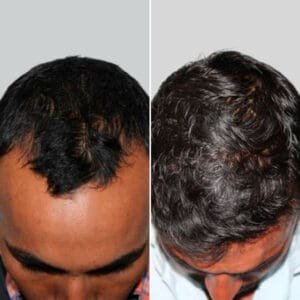
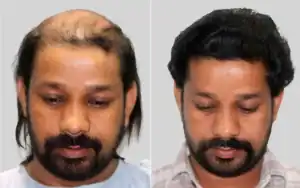
5. Hair Transplant Surgery – Doctors transfer hair follicles from the scalp’s back area to thin spots and bald areas for stable, permanent results.
Your doctor needs to lead these medical treatments.
FAQs
Your body naturally sheds about 50 to 100 hairs every day in the Exogen phase.
Yes. Higher levels of stress can trigger Telogen Effluvium, which leads to sudden, excessive hair loss.
Anagen: 2–7 years
Catagen: 2–3 weeks
Telogen: Around 3 months
Exogen: Several weeks
Not always. Health problems, alongside your genetic makeup and limited nutrients, plus surface damage, can trigger hair loss.
Yes. A healthy lifestyle combined with proper nutrition and stress reduction helps the body work through its normal hair growth cycle.