Get Expert Advice - Free Today

Is Liposuction Safe for Men & Women Over 40?

Age, in itself, is not a barrier to liposuction. That’s why liposuction is considered safe for men and women over 40.

It should be noted that there is no upper age limit on liposuction, as long as the surgeon deems you fit for the surgery after a comprehensive medical assessment.

Understanding How Age Affects Liposuction Results

As we age, our body goes through a number of changes, but skin laxity is the most important. The biggest issue with liposuction is skin laxity, which is partly determined by skin ageing. 

While skin health always has a genetic component, there are many environmental factors that greatly impact the physiological age of your skin. This includes:

  • UV Exposure 
  • Stress
  • Smoking habit
  • Vitamin D deficiency 

All of these factors cause your skin to age faster, and may prevent the skin from retracting after liposuction (causing the appearance of loose, hanging skin).

If your skin is fairly tight (it does not hang),  then there’s a good chance your liposuction will be successful. If your skin is loose, you may need a different procedure such as a tummy tuck or a face lift otherwise removing fat in the area can just make loose skin more visible

Other factors that might disqualify someone from liposuction include health conditions, especially cardiovascular disease. These health conditions develop particularly after the age of 40 due to unhealthy lifestyle and genetics.

Ideal Candidates for Liposuction in Their 40s and Beyond

The ideal candidate for liposuction is going to be within 10-15 kgs of their ideal weight, in good general health, and has good skin laxity. They should also have reasonable expectations about their results, should not be actively gaining weight, and shouldn’t be using liposuction as a substitute for weight loss.

As we age, there are less chances of being a liposuction candidate. However, if you are in good general health and have good skin laxity, you’re very likely still a good candidate for liposuction.

Health Considerations Before Surgery

Prior to surgery, a detailed medical evaluation is necessary to assess factors such as cardiovascular health, the presence of chronic conditions, and medication use. These factors can influence both the safety of the procedure and the recovery process. 

It’s crucial for older adults to have a thorough discussion with their surgeon about potential risks and how their age might affect their recovery and the outcomes of liposuction.

  • Comprehensive health assessment: A comprehensive health assessment is necessary for older adults considering liposuction. This assessment includes reviewing medical history, current medications, and existing health conditions. Understanding these factors helps minimize risks during surgery.

Conditions like diabetes or obesity can complicate procedures. Surgeons must know about these conditions to make informed decisions. Blood tests and imaging studies may be required to evaluate overall health status.

  • Cardiovascular health assessment: Evaluating cardiovascular health is essential before any surgical procedure. Older adults may have underlying heart conditions. These can increase the risks associated with liposuction. 

Conditions such as hypertension or arrhythmias should be assessed. A thorough evaluation helps determine if a patient can safely undergo surgery. This ensures that the heart can handle the stress of surgery. 

Common Body Areas for Liposuction After 40

Liposuction is commonly done for the excessive fat accumulation that occurs during middle age.

For women, middle-age spread tends to appear around the hips, thighs, abdomen or upper arms.

excess fat around the waistline, chest or lower back. In some cases, men may receive liposuction during a breast reduction procedure when being treated for gynecomastia.

Since these areas often don’t respond readily to diet and exercise, they can be reduced successfully in most cases with liposuction in both men and women.

How Recovery Differs for Men and Women Over 40

During recovery from liposuction both men and women experience swelling, bruising, and the need for compression garments. However, men’s thicker skin can sometimes mask swelling but may take slightly longer to heal.

Recovery in general may take longer for those above the age of 40 in both men and women. This can be due to several reasons: 

  • Healing times increase due to factors like reduced circulation of blood and skin elasticity. 
  • Patients may also have pre-existing conditions that complicate healing after liposuction.

To maintain results, both men and women need adequate rest, proper nutrition and hydration, and follow-up appointments.

  • Rest: Rest plays a significant role in healing. It is important plan for adequate rest and follow post-operative instructions closely after liposuction. 
  • Nutrition and Hydration:  A balanced diet rich in vitamins will aid recovery. Hydration also supports the recovery process. Drinking plenty of water helps maintain skin elasticity and promotes healing.
  • Follow-up appointments: Follow-up appointments with the surgeon are essential. It ensures that the recovery process is on track and allows the surgeon to address any complications that may arise during recovery.

What to Expect From Long-Term Results

Setting realistic expectations is crucial for all liposuction candidates, especially those above 50. The goal of liposuction is to refine and contour rather than to dramatically change one’s appearance.

It is important to note that the results may differ due to age-related changes in skin quality. some degree of loose skin may remain after surgery due to natural ageing processes.

Maintaining a healthy lifestyle plays a significant role in achieving desired results after liposuction. Regular exercise and a balanced diet support overall health and enhance the outcome of the procedure.

Alternative Fat-Reduction Options for Mature Skin

Gastric balloon: It is a procedure in which a silicone balloon is inserted into the patient’s stomach via endoscopic under sedation. After insertion, the surgeon inflates the balloon with a sterile saline solution. The balloon stays in the stomach for a period of 6 months to reduce the feeling of hunger and thus help the patient adapt his or her eating habits.

Pros: 

  • It helps reduce weight (and fat)
  • Long term effects can be achieved
  • It also helps improve the overall health of a person

Cons:

  • It takes 1-2 months to see the effects
  • It requires undergoing two surgeries (one for insertion of gastric balloon and one for removal)

Non-surgical alternatives for fat reduction: These procedures use technologies such as ultrasound or fat freezing to target and reduce fat cells.

  • Ultrasound cavitation: This procedure uses ultrasound waves to break down fat cells, which are then naturally eliminated by the body.
  • Cryolipolysis: This technique involves targeting specific areas with cold temperatures to freeze and destroy fat cells gradually

Pros: 

  • No downtime since there’s no surgery involved 
  • It provides spot reduction of fat

Cons:

  • It may not provide results as significant as liposuction would.

If excess skin around your tummy and neck is what bothers you, then skin tightening or skin lifts may be the right options to achieve your aesthetic goals.

  • Skin tightening treatments: These non-surgical methods use radiofrequency or ultrasound technology to boost collagen production.
  • Facelift or neck lift: These surgical options can remove excess skin and improve facial contours.

Conclusion

Liposuction can be safely performed for those above 40 years of age, looking to reduce the fat in the troublesome areas of the body. There are factors that affect the eligibility of liposuction, such as skin laxity and health conditions, which affect the results of liposuction. 

It is important to understand the potential outcome and realistic expectations of the liposuction after consulting your surgeon.

Does Chin Augmentation Leave Scars? (Surgical vs Non-Surgical Options)

Chin augmentation procedures are done with minimal scarring which are not readily visible to the eye. This is because these scars are present either inside the mouth or under the chin.

The appearance of the scars depends on various factors:

  • Age – scars heal better and faster in young patients
  • Skin type – scar healing differs in dry skin and oily skin
  • Health – overall health of the patient also determines the healing of the scar

Understanding Chin Augmentation Procedures

A strong chin is a sign of beauty and helps to balance out the facial features thus enhancing facial harmony. A small or weak chin gives the appearance of a pout and makes the neck look undefined. It also accentuates the size of the nose, making it seem bigger.

Chin augmentation procedures are treatments to enhance shape and features of the jawline and chin. It can be done to widen, lengthen or modify the overall shape of the chin.

Chin augmentation procedure is usually undertaken by those who have an underdeveloped or undersized chin. The causes of underdeveloped or undersized chin could be age-related changes or due to genetics.

These augmentation procedures can be either surgical or non-surgical.

  1. Surgical chin augmentation includes insertion of chin implants or a procedure called genioplasty.
    • Chin implants: This is the most common type of surgery performed for chin augmentation. These implants are made of biocompatible materials such as Silicone, Dacron or Teflon.
      • Chin implants are available in various shapes and sizes, making it possible to achieve the desired results based on your chin anatomy. This procedure requires you to be under general anesthesia, to ensure comfort.
      • The procedure involves creating a pocket between the chin bone and the chin muscles, into which the implant is inserted. The implant then attached to the bone using sutures.
    • Genioplasty: Genioplasty is less frequently performed for chin augmentation. It involves the surgical reshaping of the jaw bone.
      • It permanently alters the shape of the jaw bone after which the jaw is secured in place using metal plates or screws.

    2. Non surgical chin augmentation, on the other hand, are minimally invasive procedures that involve injections of either synthetic dermal fillers or human fat fillers. 

    Surgical Chin Implants – Where Are the Incisions Made?

    When Surgical Chin Implants are inserted , it is done through a cut or incision in the mouth (intra-oral) or under the chin (submental)

    Intra-oral incision: These incisions are made inside the mouth. Surgeons make incisions inside the lower lip. 

    • It causes no external scarring.
    • This method requires careful mouth hygiene during healing.

    Submental incision: These incisions are made outside the mouth, under the chin. 

    • It causes external scarring in the under-chin region. This location is less visible to others. The scar is hidden in a natural crease.
    • These incisions offer better control during the placement of the implant. 
    • It also reduces the chances of infections from occurring. 
    • Submental incisions are also preferred when the chin augmentation procedure is combined with other neck procedures (neck lift).

    Non-Surgical Chin Enhancement with Fillers

    Chin fillers can effectively contour the chin and create a stronger and more sculpted chin which is particularly noticeable in the profile view. By injecting the chin area with fillers, the volume is enhanced and the proportions of the face profile are improved. 

    Chin filler treatment is performed in 15 to 30 minutes. The results of fillers last upto 1 year. As the filler will be gradually metabolized by the body, your surgeon may recommend booster injections every six months to maintain optimal results.

    The chin fillers can be either synthetic dermal fillers or human fat fillers. 

    1. Dermal fillers: The process involves the careful injection of a dermal filler into targeted areas of the chin. It is a quick, relatively painless, out-patient procedure. Most dermal filler products contain lidocaine, a form of local anaesthesia to help with any minor pain.
    • Hyaluronic acid-based fillers: Hyaluronic acid (HA) is a naturally occurring substance in the body, known for its ability to add volume and hydration. 
      • Hyaluronic acid-based fillers enhance the chin area by adding volume and sculpting the desired shape, seamlessly blending with the natural contours of your face. 
      • Since hyaluronic acid is a substance naturally found in the body, the risk of allergic reactions is extremely low. HA fillers can be quickly dissolved by injecting hyaluronidase, in case the patient is not happy with the results.  
      • Results typically last from six months to one year.
    • Calcium hydroxylapatite (CaHA)-based fillers: These fillers have a thicker consistency and stimulate collagen production in the skin. 
      • Effects can last up to 18 months or more. The results produced by CaHA fillers can’t be reversed
    • Poly-L-Lactic acid-based fillers: Poly-L-Lactic acid is a collagen stimulator that works over time to reinforce structure and improve skin firmness.  It’s suitable for patients who prefer gradual improvement rather than immediate results. 
      • The effects can last up to two years.
    1. Fat fillers: Fat injections involve collection of the patient’s own fat, and transporting it via micro-liposuction into the chin. The collected fat is first purified and then injected into the patient’s chin using micro-droplet technique, to achieve the desired shape and size.

    How Visible Are Chin Surgery Scars?

    The scars of chin augmentation procedures are visible to only a minimal extent. 

    If an intra-oral incision was made, the scar will not be externally visible. If a submental incision was made, then a small scar may be visible, but is hidden under the chin.

    Scarring is minimized by using proper techniques during the surgery, including precise suturing and avoiding too much tension on the tissue. Use of fine sutures also reduces the appearance of the scar. 

    Tips to Minimize Post-Surgery Scarring

    Handy tips to minimize post-surgery scarring:

    1. Proper post-operative site care: Clean the augmentation site regularly with mild soap and water. Use prescribed ointments or creams as directed by the surgeon to avoid infections.
    2. Avoid sun exposure: Avoid exposing the scar to direct sunlight as the UV rays can darken the scar, making it more noticeable. Use sunscreen with high SPF (SPF 30 or higher) before going outdoors.
    3. Use Scar creams: Scar creams containing ingredients like onion extract or vitamin E should be applied over the scar to accelerate healing. It helps to help soften and flatten raised scars over time.
    4. Apply silicone sheets: application of silicone sheets is widely recommended by surgeons. They should be applied directly over the scar, ensuring they cover the entire area. This should continue for several weeks or as directed by the surgeon.
    5. Keep the scar moisturised: it is advisable to apply a recommended moisturizer to the incision area. This helps in reducing scar formation and promotes smooth skin.

    How to Choose Between Surgical and Non-Surgical Options

    Surgical chin augmentation is preferable for those who have a weak chin structure, developmental abnormalities of the face and age-related chin recession. It is also preferred for those having jaw/chin damage due to accidents. If you are looking for a permanent solution for your chin, surgical chin augmentation is best for you, since the implants are built to last. 

    You should choose non surgical chin augmentation if you do not desire to undergo surgery for your chin. Non surgical augmentation can also be used to explore aesthetic preferences before committing to permanent surgical augmentation.

    Factors to consider while choosing non surgical chin augmentation: 

    • Dermal fillers are a great option for making subtle changes in the shape or definition of the chin. However, they are not as long lasting as surgical chin augmentation or fat fillers. The injections may need to be repeated to maintain the results over time. Using chin fillers is a reversible procedure. If a patient is not happy with the result, they can choose to have the filler dissolved or simply wait for the filler to be metabolised and removed by the body over time.
    • Fat fillers are the preferred choice for those looking for softer and smoother results, leading to a more natural-looking appearance. The results of fat filler last longer than the dermal fillers and also lead to less chances of adverse effects.

    Your surgeon will be able to advise you on which procedure (Surgical and Non-Surgical Options) is most appropriate for you based on your face anatomy as well as your needs and preferences. 

    Expert Advice for Smooth Healing

    Experts recommend the following strategies to facilitate smooth healing of the chin after augmentation procedures:

    1. Wear a chin support garment: after the surgery, the surgeon may prescribe a chin support garment to be worn. This helps to support the chin and its structures while healing takes place. It needs to be worn for 1-7 days (day and night), based on your surgeon’s recommendation.

    2. Care while washing the face: it is important to wash the face gently without applying too much force at the augmentation site to avoid displacing the implant. It is best to not touch around or press the chin area.

    3. Mouth care: oral hygiene should be maintained by rinsing the mouth and using mouthwash till the stitches dissolve. While brushing your teeth, careful not to brush over the incison site

    4. Avoid strenuous activity: Heavy lifting or intense exercise can strain the incision area. It is best to refrain from strenuous activities for at least two weeks.

    Can I Sit After Brazilian Butt Lift Surgery?

    The answer to this question is Yes and No. While sitting is generally not recommended for the first 6 weeks after a BBL, it can be done using specific sitting techniques and BBL cushions and pillows.

    Why Sitting After BBL Needs Special Care

    The first few weeks after the BBL require special care for the stabilization of the fat cells. During the initial post-operation phase is when the new transferred fat cells are vulnerable and require time to settle into the place of injection. 

    The fat cells are in a delicate stage where new blood vessels are forming slowly, which are necessary to supply blood to these new fat cells. This stage is called the BBL fluffing phase which is necessary for long-term stability and survival of the fat cells.

    To avoid damaging these fragile fat cells, sitting after BBL surgery requires special care.

    How Long to Avoid Sitting Post-Surgery

    It is best to limit the amount of sitting for at least 2 weeks after the BBL and for periods not more than 10 minutes at a stretch.

    After 2 weeks, sitting duration can be increased as there are lesser chances of fat cells destruction. However, breaks should be taken frequently while sitting.

    This is continued with gradually increasing the amount of sitting duration till 6 weeks. 

    After 6-8 weeks, transition to normalcy begins. It is important to listen to your body and your surgeon’s recovery recommendations to achieve the best BBL outcome.

    Safe Sitting Techniques After a BBL

    Since it is not recommended to sit until stabilization of the BBL surgery is complete, alternative sitting techniques can be used.

    • Backwards chair sitting: 

    In this technique, a chair without armrests is needed. You will be facing the backrest of the chair, as in straddling it. This ensures that you do not sit directly on the buttocks.

    • Elevated buttocks sitting:

    This technique requires the use of a cushion. Place the cushion on the chair, while gently lowering yourself into a mid-sitting position so that only the thighs are in contact with the cushion. This prevents pressure on the buttocks.

    • Kneeling chair sitting: 

    Alternatively, if you need to perform tasks such as working or studying, a kneeling chair is recommended.

    These 3 safe sitting techniques minimize the pressure on the buttock fat cells, allowing better integration of the BBL.

    Recommended BBL Pillows and Cushions

    To avoid exerting pressure on the fat cells while sitting during the first few weeks after the BBL surgery, you will need to use BBL Pillows and Cushions.

    • BBL recovery pillow for chair seat: These pillows are made up of memory foam which provides gentle support to the contours of the buttocks. They cradle the thighs while allowing the buttocks to hang. They are engineered for optimal BBL outcomes while providing adequate support for chair sitting.
    • BBL donut pillow: Its unique shape provides a wide force-bearing area, supporting the back and thigh without exerting pressure on the buttocks. It can be used while sitting, driving and even lying down.
    • BBL pillow for back support: These pillows provide comfort to the back using lumbar support while reducing the pressure on the lower back. Its ergonomic design also promotes proper posture.

    The length of time that the BBL Pillows and Cushions need to be used depend on the individual case as well as the instructions given by the surgeon.

    Recovery Timeline: Week-by-Week Guide

    Full recovery after a BBL surgery can take up to 6 months.

    Immediately after the BBL surgery the buttocks me appear slightly larger than intended because extra fat is inserted. Over time the size will decrease a little as some of it gets naturally absorbed, leaving the final stabilised appearance of the buttocks by .

    • Week 1 – Week 3: During the first three weeks after BBL surgery, it is of utmost importance to avoid any pressure on the buttocks region. This is because the fat cells can easily get displaced.

    This means that sitting directly on your buttocks is not allowed and BBL cushions/ pillows should be used at all times for sitting. Only loose fitting clothing should be worn.

    • Week 4: Depending on the healing rate of the BBL, sitting without a pillow/ cushion may be permitted. 

    If you need to drive, a special BBL pillow needs to be used.

    • Week 5 – Week 6: At about 5 weeks, the BBL healing process is typically complete. Your regular activities can be resumed. You can wear tight clothing if desired.

    What Happens If You Sit Too Soon?

    There are several risks of sitting too soon after a BBL surgery

    • Shifting of fat cells:

    Sitting too soon after a BBL exerts pressure on the fat cells which cause them to get displaced before they are fully integrated. This can lead to improper shape and contour of the buttocks. 

    • Reduced blood circulation to the fat cells

    Sitting down after a BBL compresses the blood vessels leading to impaired blood circulation to the fat cells. The consequences of reduced blood circulation is death of the newly grafted fat cells, leading to failure of the BBL outcome.

    Tips to Preserve Your BBL Results

    After undergoing a BBL, it is important to know that maintenance of the BBL results depend on your commitment to maintaining them. Adhering to specific tips have been shown to effectively preserve the results of a BBL surgery.

    • Wear the compression garment: 

    Soon after the BBL surgery, you will need to wear a compression garment for the buttocks. This helps to reduce discomfort and swelling while the healing of the buttocks takes place. Be sure to wear it for at least 12 hours a day.

    • Maintain a stable body weight:

    The newly transferred fat cells respond to changes in body weight by changing its size. Excess weight gain or weight loss causes the fat cells to change shape, affecting the overall look and contour of the buttocks. Maintaining a stable weight can prevent this from happening.

    • Wear comfortable clothing:

    Avoid wearing tight-fitting clothes as this may exert excess pressure on the fats cells in the buttocks, potentially altering the shape and contour. Wearing comfortable clothing allows the fat cells to settle in till stabilization is complete.

    • Perform glute exercises:

    While a BBL surgery can give you the perfect shape of the buttocks, further enhancement of the buttocks can be obtained with glute exercises. Glute-specific exercises can tone up and lift the buttocks. It is wise to incorporate these exercises into your regular exercise workout.

    Key Takeaways

    Sitting after Brazilian Butt Lift Surgery is generally not recommended as it can exert pressure on the transplanted fat cells in the buttocks leading to poor outcomes. 

    Your surgeon’s recommendations for sitting should be strictly followed to prevent displacement of the buttocks fat cells. There are safe sitting techniques and special BBL Pillows/ cushions that permit you to sit while the BBL heals.

    Is Double Chin Surgery Permanent or Temporary?

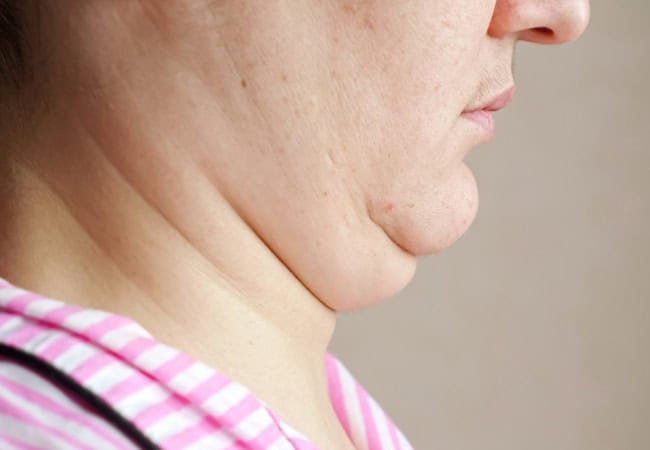
    Double chin surgery is a cosmetic procedure which aims to remove excess fat from the area under the chin.

    Double chin surgery usually has permanent results as the fat cells removed during the procedure do not typically grow back.

    The most suitable double chin surgery which determines the duration of the results may depend on whether the double chin is because of accumulation of extra fat in the chin or because of the aging process.

    What Happens During Double Chin Surgery

    There are several steps that are followed during a double chain surgery.

    Assessment: Before the surgery begins, the cosmetic surgeon will assess the anatomy of the chin and face to determine the best surgical approach.

    • Anaesthesia: First, local anaesthesia will be given in the chin area.
    • Removal of fat: Next, the excess fat will be removed from the chin area using liposuction or fat dissolving injections. Through a small incision, a thin vacuum tube will be inserted which removes the excess fat.
    • Neck lift: This is then followed by a chin lift procedure, if required. This is done to remove excess skin or to reduce skin laxity around the chin area. It results in a more tightened appearance of the underlying neck muscle and refines the jaw line.
    • Recovery: After the surgery, a compression garment is given for the chain and post operative instructions are to be followed till recovery is complete. This surgery has minimal downtime.

    How Long Do Results Last After Chin Liposuction or Neck Lift

    The results after liposuction or necklace are long lasting and remain that way as long as a stable body weight is maintained.

    Increase in body weight after the procedure can lead to production of fat cells in the chin area. This may lead to reappearance of a double chin.

    As you age, the skin around your chin area may lose its elasticity and become saggy. In time, this skin may stretch out due to gravity. This can impact the results of the double chin surgery over time.

    If you are over the age of 25 years, the results of the double chin surgery may be permanent as fat cells do not regenerate after the age of 25. Therefore, after this age, once the fat cells are removed, they will not grow back.

    Factors That Affect the Longevity of Results

    Several factors influence the longevity of double chin removal surgery. These include:

    • Elasticity of the skin: Those who have excess skin or skin laxities may develop the appearance of a loose, saggy chin even after the surgery.
    • Age: Those who are younger experience more longer lasting results due to better skin health and healing process.
    • Body weight gain: Those who gain a significant amount of weight after the surgery may develop a double chin as it causes the fat cells in the chin to expand.
    • Incomplete fat removal during the surgery: If some fat cells were missed during the double chin surgery, it can cause those fat cells to show as uneven or swollen chin.
    • Fat-to-skin ratio: Excess fat-to-skin ratio may lead to suboptimal outcome after the surgery. For such cases, additional procedures such as neck muscle tightening procedure and necklift are needed for long lasting results.
    • Adherence to post operative instructions: Failure to comply with post operative instructions, such as using compression garments and following other precautions, may lead to poor healing at the surgical site and prevents the development of proper skin contour.
    • Surgeon’s experience: A double chin surgery requires an artistic eye, precision and attention to detail. An experienced surgeon will give you better outcomes and longevity of the results.

    Can Fat Return After Double Chin Surgery?

    Yes, fat can return after double chin surgery. 

    Fat around the chin is notoriously stubborn and is difficult to completely get rid of. This can be exacerbated by excessive weight gain after the surgery, leading to the return of double chin appearance. 

    Stubborn fat around the chin can also be because of genetic factors. This can cause re-accumulation of fat under the chin.

    Maintenance Tips for Long-Lasting Results

    Here are a few tips to ensure that your double chin surgery results last for long:

    • Avoid smoking and alcohol: Smoking and alcohol can affect the healing process and the overall results in the long run. They also increase the risks of post-surgical complications.
    • Compression garments or bandages : These should be worn during the post-surgery recovery period. They help reduce the swelling and keep the incisions clean, thus avoiding potential infections of the area.
    • Regular physical activity: Being active and exercising at least 3 times a week can help reduce/ maintain your body weight. This in turn will maintain the results of the double chin surgery.
    • Neck exercises: Performing specific neck exercises can prevent development of fat in the chin area. These include neck rolls, neck rotations, head tilts and jaw movements. It is best to consult your surgeon regarding when these exercises can be started post-surgery.
    • Healthy diet and hydration: Adequate nutrition and hydration promotes proper healing of the chin, leading to long lasting effects of the surgery. It is important to consume foods such as vegetables, fruits, whole grains and lean protein.

    Non-Surgical Alternatives for Double Chin Reduction

    For those seeking non-surgical alternatives for double chin reduction, the following are the available options:

    • Fat dissolvers: The non-surgical fat dissolvers help to remove stubborn fat and cellulite for specific areas. These contain a naturally occurring acid which helps to break down the fat in the submental area. Once the fat cells are broken down, the lymphatic system washes it away. 
    • Cryolipolysis: Cryolipolysis, also known as Fat freezing, is a non surgical option that destroys fat cells by cooling them. A small applicator is put on the area where the fat cells need to be cooled. It is an effective, non-invasive method to reduce double chin.
    • Laser: Laser technique can be used to reduce double chin due to excessive/ saggy neck skin. It involves application of a laser which penetrates the deep layers of the skin and reforms the skin layers by encouraging the production of collagen. This reduces the fat cells as well as the extra skin in the neck.

    When to Consider a Revision Procedure

    For most cases, a revision procedure is not usually needed. However, a revision procedure may be needed if some pockets of  fat cells were missed during the double chin surgery. 

    Revision procedure may also be needed if there is excessive skin present in the neck region. In these cases, neck lift surgery procedures may be done. This includes either a cervicoplasty (incisions in the neck to cut the excess skin) or platysmaplasty (tightening of the platysma neck muscle).

    In the case of asymmetry or unevenness after double chin surgery, fat grafting may be done to correct the chin profile. This involves injecting fat cells to balance out the chin contour.

    Final Thoughts

    Double chin can impact one’s confidence with their appearance and their self-esteem. There are several surgical and non-surgical double chin reduction treatments which have been shown to be effective, with minimal side effects and downtime. 

    To learn more about which double chin reduction treatment is most appropriate for you, consult your cosmetic surgeon. 

    Liposuction vs Weight Loss: What’s the Difference?

    In today’s fast-paced world, many people are seeking various ways to improve physical appearance and overall health. Two of the popular choices to slim down or reshape specific areas of the body are natural weight loss through diet and exercise and liposuction. Both serve different purposes and offer different outcomes.

    Therefore, understanding the differences between the two approaches may help individuals make an informed decision about which option is right for your body, lifestyle, and your goals. 

    Keep reading to know more about the differences between liposuction and weight loss and the factors that help in deciding the best option suitable for you!

    Understanding Weight Loss 

    Weight loss refers to a process of reducing overall body mass, including fat, muscle, and water levels. It focuses on creating a calorie-deficient diet where you burn more calories than you consume. 

    It is typically achieved through a combination of lifestyle changes, dietary adjustments, and increased physical activity.

    It is usually done to reduce the risk of diseases or as a part of personal fitness goals. It is a gradual process and requires long-term commitment. It is preferable to consult a healthcare professional for a medical evaluation and personalized weight loss program to ensure safety and effectiveness.

    Understanding Liposuction 

    Liposuction is a cosmetic surgical process performed under local or general anaesthesia to remove stubborn pockets of fat from specific areas of the body that are resistant to diet and exercise. It must be carried out by a certified plastic or cosmetic surgeon. 

    This procedure targets areas, including the abdomen, thighs, arms, hips, or chin, making it ideal for individuals struggling with localized fat deposits. There are different techniques, including tumescent liposuction, ultrasound-assisted liposuction, or laser-assisted liposuction, each with its unique advantages.

    It is specifically done for body contouring and not intended for overall body mass reduction. The results are almost visible immediately after recovery, once the swelling subsides.. 

    Liposuction Vs Weight Loss

    The key differences between liposuction and weight loss include

    Purpose

    The most significant difference between the two methods lies in their purpose. The purpose of weight loss is to achieve sustainable, healthy weight to support a long, active life. 

    It reduces overall body fat, improves metabolic function, lowers the risk of chronic illnesses, including diabetes and heart disease, and often enhances overall physical and mental well-being. It requires lifestyle changes to achieve long-lasting results. 

    In contrast, liposuction is focused on body contouring. It is usually chosen by individuals who are close to their ideal weight but have stubborn fat in certain areas. It does not treat obesity or improve metabolic health.  Additionally, without maintaining a healthy lifestyle after the procedure, the effects of liposuction may diminish over time.

    Good candidate

          Weight loss is best-suited for individuals who are overweight or obese and want to improve their health and appearance. This approach is most effective when the individual is committed to long-term lifestyle changes. It may also help in reducing the risk of underlying health issues, including hypertension and high cholesterol.

    Liposuction, however, is typically performed for candidates who are close to ideal weight, have good skin elasticity, are non-smokers, and have realistic expectations. It is not a solution for significant weight reduction.

    Type of fat targeted

    Another important difference is the type of fat targeted. Weight loss involves removing both subcutaneous fat and visceral fat. Reducing visceral fat may help in controlling different health markers, including heart disease, insulin resistance, and other health problems.

    However, liposuction only removes excess subcutaneous fat, which is found directly beneath the skin through surgical suction. So, it is not recommended for managing obesity or serious weight-related health issues.

    Timeframe

    Weight loss typically requires time to achieve results, as it is a gradual process and depends on the weight to be lost and the individual’s adherence to their regimen. The results are long-lasting if the individuals maintain the lifestyle measures.

    However, liposuction results are often visible immediately after the swelling subsides, providing a quicker change in body shape. However, if the patient gains weight after the procedure, it may accumulate in other areas. 

    Risks Associated

    The risks associated with weight loss are minimal when done under supervision with a medical professional. However, the individual may experience nutrient deficiencies, muscle loss, and weight regain. 

    On the other hand, risks associated with liposuction may include infection, pain, and scarring. Sometimes, results may cause uneven lumps and bumps.

    Weight lossLiposuction
    PurposeFor a sustainable, healthy weight and improved overall healthFor body contouring and removing stubborn fat deposits from specific areas
    CandidateOverweight or obese individuals who want to improve their healthIndividuals close to their ideal weight, with good skin elasticity, non-smokers, and have realistic goals
    Type of targeted fatBoth subcutaneous and visceral fatOnly subcutaneous fat
    TimeframeGradual processImmediate visual improvement post-surgery and recovery
    RisksLow risks. Potential for nutrient deficiencies, muscle loss or weight regainSurgical risks include infection, scarring, pain, or uneven fat removal.

    Table: Key differences between weight loss and liposuction

    Which One Is Right For You?

    Choosing between liposuction and weight loss depends on personal goals, health conditions, and expectations.

    • If the goal is to improve health, reduce the risk of disease and overall weight, then natural weight loss techniques through diet and exercise are suitable for you.
    • If you have a healthy weight and the goal is to fine-tune the body shape by removing stubborn fat in specific areas, liposuction may be appropriate.

    Some individuals may combine losing weight naturally and then opting for liposuction to achieve their health goals. Consulting with a qualified professional is essential for determining a personalized treatment plan that is suitable for your health and aesthetic goals.

    Conclusion

    Weight loss is a natural, long-term approach to losing weight and having better health, while liposuction is a surgical procedure aimed at improving body contours by removing localized fat deposits. However, it is preferable to consult your healthcare provider to determine the approach best suited for you.

    If you are looking for expert advice and personalized care in liposuction or weight management, ALCS Clinic in Jaipur, led by Dr Sunil Arora, offers comprehensive services tailored to your needs. The experienced team at ALCS will guide you through the safest and most effective course of treatment tailored to your needs. 

    Frequently Asked Questions

    Is liposuction a weight loss procedure?

    Liposuction is not considered a weight-loss procedure or an alternative to a weight loss. It is a body contouring surgery that is designed to remove stubborn fat from targeted areas. It does not result in significant weight reduction in the body.

    Can I combine weight loss and liposuction?

    Yes, many individuals may combine both weight loss and liposuction. They may choose to lose weight naturally and then undergo liposuction to contour specific areas. However, it is advisable to consult your healthcare professional before combining these two processes.

    How long do liposuction results last?

    Liposuction results may be long-lasting, especially if a healthy lifestyle is maintained. However, weight gain after the procedure may cause the fat to build up in untreated areas, affecting the overall appearance.

    Are the results from weight loss and liposuction permanent?

    Both weight loss and liposuction may offer long-lasting results, but maintaining a healthy lifestyle is important. You may regain weight after losing it, especially if you don’t adhere to lifestyle modifications. Also, liposuction results may not last if you don’t maintain a stable weight.

    References

    https://pubmed.ncbi.nlm.nih.gov/33085282/

    https://pubmed.ncbi.nlm.nih.gov/29158895

    https://pubmed.ncbi.nlm.nih.gov/34159755

    https://ajcn.nutrition.org/article/S0002-9165(22)03882-5/fulltext

    How Much Fat Can Be Removed in One Liposuction Session?

    Liposuction is one of the most popular cosmetic procedures performed worldwide that helps reshape the body by removing stubborn fat deposits. For many prospective individuals considering the procedure, one key question arises: ‘What is the maximum amount of fat that can be safely removed during liposuction?’.

    This blog post explores the maximum fat removal limits, safety guidelines, and factors that influence the amount of fat that can be removed in a single session, to help you make informed decisions about the procedure. 

    Understanding Liposuction

    Liposuction is a popular cosmetic procedure done to remove fat from specific areas of the body, including the stomach, hips, thighs, buttocks, arms, or neck. 

    While it is often mistaken for a weight-loss solution, it is not a weight-loss method or an alternative to weight loss. It is suitable for individuals who are near the ideal weight but have areas of fat that do not respond well to diet and exercise. 

    The procedure helps to target stubborn fat, improve body contour, and shape, thereby boosting confidence.

    Ideal Candidates For Liposuction

    Not everyone is an ideal candidate for liposuction. The ideal candidates for liposuction include individuals who 

    • Are in good physical health
    • Have a normal, stable weight range
    • Have firm, elastic skin and good muscle tone
    • Have localized fat deposits
    • Have realistic expectations about the procedure

    Patients with underlying conditions, including heart disease, bleeding disorders, or compromised immune system, may not be suitable for large-volume liposuction. 

    How Does Liposuction Work?

    The surgeon will discuss with the patient their overall goals associated with the surgery and plans the treatment based on the individual’s anatomy, age, and medical history. The different steps in the liposuction procedure include

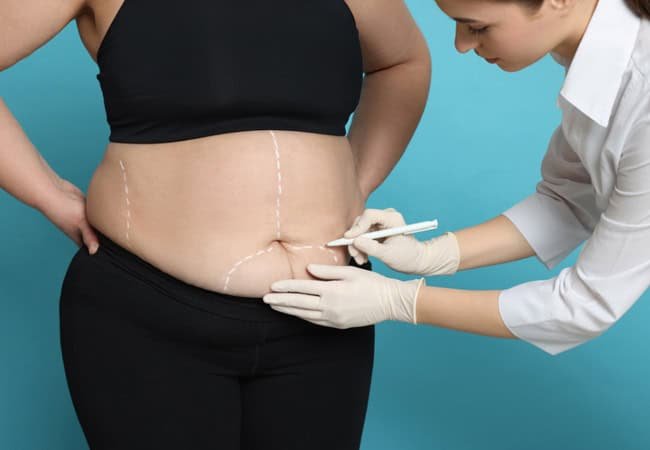
    • Marking the area: Your surgeon cleans and marks the area where the fat is to be removed.
    • Administration of anaesthesia: Local or general anaesthesia is administered depending on the procedure.
    • Tumescent fluid injection: A special tumescent fluid is injected into the targeted areas.
    • Removal of fat: The surgeon may use ultrasonic probes to break the fat, which liquefies the fat which is then sucked out with a small cannula about 3-5mm.
    • Post-operative care: After the treatment, the patient is strongly recommended to wear a compression garment to minimize the swelling and bruising, promoting faster recovery.

    What Is The Maximum Amount Of Fat That Can Be Removed With Liposuction?

    The most widely accepted guideline for the maximum limit of fat removal in a single liposuction procedure is five liters (5000ml) approximately 10-11 pounds.

    Usually, about 3 to 5 liters of fat can be safely removed in a single session of liposuction for most individuals. This volume equates to about 6 to 10 pounds of fat. 

    However, the amount that can be removed will vary depending on the volume of fat in the treatment areas, your body shape, desired results, and skin elasticity.

    Risks Associated With Excessive Fat Removal In One Liposuction Session

    Body fat may play a critical role in body function. The American Society of Plastic Surgeons considers removing more than five liters of fat to be excessive, making the procedure traumatic to the patient. 

    According to the ASPS study, patients undergoing liposuction in which more than five liters of fat was removed had a higher complication rate of 3.7 percent due to an increase in seromas compared to 1.1% in those who had less than 5 liters removed. 

    Removing too much fat at once may create serious complications and unsatisfactory results.

    The potential risks include 

    • Excessive swelling and bruising
    • Fluid imbalance
    • Seroma (fluid buildup under the skin)
    • Delayed healing
    • Increased risk of infection
    • Fat embolism (fat entering the bloodstream)
    • Irregular body contours
    • Need for hospitalization or blood transfusion

    Factors That Determine The Amount Of Fat Removed

    The amount of fat that can be safely removed from liposuction surgery may vary between individuals and is dependent on different factors, including

    • Overall health: Your general health and medical history may help in determining the overall amount of fat that can be removed during liposuction. Patients with heart, kidney, or liver conditions may face higher surgical risks and may be limited to smaller fat volume removal.
    • Body Mass Index of the individual: Surgeons may use formulas and determine the safe limits of fat removal depending on the individual’s body mass index. Obese patients or patients with higher BMIs may tolerate a larger liposuction fat removal with a lower complication rate.
    • Area being treated: Smaller areas, including arms or chin, will yield less amount of fat than larger areas, like the abdomen and thighs. The length of surgery also plays an important role in determining the volume of fat removed. 
    • Number of areas treated: Treating multiple areas in one session may increase the surgical time and recovery challenges. The surgeon may limit the number of zones for safety.
    • Surgeon’s experience: Experienced, board-certified surgeons may better assess the safe removal volumes and minimize complications. Experienced surgeons will balance the aesthetics with medical safety.

    Conclusion

    Liposuction is a powerful tool for reshaping the body. The maximum fat removal in one session is typically around 5 liters, and it may vary depending on BMI, health status, treatment areas, and aesthetic goals. It is recommended to consult a certified plastic surgeon to assess the goals, health status, and create a personalized treatment plan. 

    Whether you are looking for more information about liposuction or would like to perform the procedure, Dr Sunil Arora of ALCS India can help you make the right decision. Dr Arora, Jaipur’s leading Double Board-certified plastic surgeon, offers state-of-the-art liposuction procedures tailored to the unique body goals. 

    Book a personalized consultation with Dr Arora to discuss your goals, examine your anatomy, and determine if liposuction is right for you. 

    FAQs

    Can you have more than one liposuction session?

    Yes, many patients may undergo more than one liposuction procedure. The staged or multiple-session liposuction is common for patients who need large volumes of fat removed, want to treat multiple body areas and prefer a gradual transformation. It helps to reduce surgical risks, minimize blood loss, swelling, recovery time, and achieve more precise body contouring.

    What if I need more than 5 liters removed?

    If your goal is to remove more than 5 liters of fat, your surgeon may recommend splitting the procedure into multiple sessions. It ensures greater safety, reduces complications, and allows the body to heal properly between treatments. Large-volume liposuction should always be done by an experienced, board-certified plastic surgeon.

    Is liposuction painful?

    The liposuction is typically performed under anaesthesia, so it causes no pain during the procedure. The surgeon may prescribe painkillers after the procedure to minimize discomfort and pain after the procedure.

    What is the minimum amount of fat removed in one liposuction?

    There is no fixed minimum amount of fat removed during one liposuction session, and it may vary depending on the individual goals. Minimal fat removal is done for body contouring rather than weight reduction, targeting fat deposits in areas, including chins, arms, or inner thighs, for subtle refinements. 

    Are the Results of Scarless Rhinoplasty Permanent?

    Scarless rhinoplasty has emerged as an alternative to traditional surgical nose jobs, offering a less invasive approach with minimal downtime and no visible scarring. However, one of the important questions for many patients considering the procedure is ‘Are the results of scarless rhinoplasty permanent?’ 

    Understanding the different factors that affect the results of scarless rhinoplasty helps the patients set realistic expectations about the procedure and make an informed decision.

    This blog post delves deep into the nature of scarless rhinoplasty and the factors that determine if the results are permanent.

    What Is Scarless Rhinoplasty?

    Rhinoplasty, also known as a nose job, is a preferred procedure for individuals seeking to reshape their nose for a balanced appearance, improve breathing difficulties, and address aesthetic concerns. It can be performed as closed or open rhinoplasty.

    Scarless rhinoplasty, also known as closed rhinoplasty, is a procedure done to enhance the appearance and function of the nose without leaving any visible scars. Unlike traditional rhinoplasty, where an incision is made across the columella, scarless rhinoplasty involves internal incisions only.

    It has become hugely popular among individuals looking for 

    • Subtle to moderate nasal corrections, including refining the nasal tip or reducing a hump 
    • Minimal downtime and faster recovery
    • Concerned about visible scarring
    • A more balanced facial profile

    The procedure may change the nose’s size, shape, and general appearance to better blend with the other facial features.

    Scarless Rhinoplasty: Ideal Candidate

    A thorough physical examination is necessary before the closed rhinoplasty to understand the unique anatomy of the nose and general health of the patient. You may be a suitable candidate if you 

    • Are in good physical health
    • Have strong nasal cartilage and mild to moderate asymmetry
    • Are over 18 years old and have fully developed facial feature
    • Are not pregnant or breastfeeding
    • Are a non-smoker
    • Have realistic expectations after the procedure 
    • Understand the surgical risks, potential benefits, and recovery process

    Key Benefits Of Scarless Rhinoplasty

    The key benefits of scarless rhinoplasty include

    • No visible external scars on the outside of the nose
    • Reduced swelling and faster healing 
    • Minimally invasive approach leaving minimal discomfort 
    • Shorter surgical time compared to open rhinoplasty
    • Less swelling and numbness 
    • Quicker and easier recovery time
    • Improved facial appearance and natural-looking results

    Are The Results Of Scarless Rhinoplasty Permanent?

    Scarless rhinoplasty generally produces long-lasting and often permanent results, particularly if performed by a skilled and certified surgeon. The procedure involves reshaping the bone and cartilage of the nose, which once healed may not revert to its previous form and is considered stable. However, the longevity outcomes are influenced by different factors.

    The different factors that influence the long-term stability of the results, include

    • Surgeon’s skill and experience

    One of the key factors determining whether the results of scarless rhinoplasty are permanent is the surgeon’s skill and experience, as the surgery is a technically demanding procedure. 

    A board-certified plastic or cosmetic surgeon with extensive experience in closed rhinoplasty may deliver safer and more stable outcomes. 

    An experienced surgeon will evaluate if you are a suitable candidate and navigate the complex nasal anatomy through internal incisions. Their skill may minimize trauma, optimize healing, and reduce the chance of revision surgery. 

    An inexperienced surgeon may compromise the nasal structures and increase the likelihood of complications or the need for revision surgery.

    • Surgical technique and scope

    The surgical approach and techniques used may also affect the results of the rhinoplasty. Scarless rhinoplasty is more suitable for addressing minor nose jobs, including refining the nasal bridge, tip, or mild asymmetries.

    If the procedure is limited to subtle refinements, your results are more likely to be stable over time.

    However, if the procedure involves significant structural changes, the lack of visibility may affect the precision and restrict the surgeon’s ability to achieve desired results.

    • Healing process

    The healing process plays a critical role in determining if the results of scarless rhinoplasty are permanent. Each person’s healing journey is unique and may be influenced by skin thickness, genetics, and lifestyle habits.

     Post-operative care, smoking, infection, or trauma during recovery may also affect the final outcome. Swelling may take up to a year to fully resolve after the surgery.

    Unrealistic expectations may lead to dissatisfaction but may not affect the physical healing process itself.

    • Trauma or injury after surgery’

    Trauma or impact to the nose after the surgery may alter the surgical results. Even light pressure or accidental bumps in the first few weeks after the surgery may affect the healing process and the shape. 

    Sometimes, revision rhinoplasty may be required to restore appearance and function in cases where the trauma is significant and the cosmetic outcome is compromised.

    • Post-surgical care

    Proper post-operative care is essential for protecting the nose after scarless rhinoplasty, ensuring permanent results. Your surgeon may advise

    • Avoid wearing glasses or sunglasses for several weeks
    • Avoid lying on  the face and sleep on the back with the head elevated
    • Avoid strenuous physical activity immediately after surgery
    • Keep the nose protected from impact

    Smoking and UV exposure may cause premature skin aging, which may impact long-term results. 

    Therefore, maintaining nasal health and protecting the operated area from the trauma after the surgery significantly contributes to lasting results.

    Conclusion

    The scarless rhinoplasty often delivers permanent and satisfying results but only when performed by an experienced surgeon. It is important to choose a certified plastic surgeon with experience in rhinoplasty, have realistic expectations, and are committed to proper post-operative care. 

    At ALCS Clinic, Dr Sunil Arora uses advanced scarless rhinoplasty techniques to create natural-looking outcomes tailored to each patient. If you have any queries about the results of the scarless rhinoplasty, feel free to book a consultation with ALCS Clinic to discuss your expectations and find out if the procedure is suitable for you..

    FAQs

    Will I expereince pain after rhinoplasty?

    You may experience minimal discomfort or pressure immediately after the procedure. The pain should reduce or go away after a few days to a week after surgery. Your surgeon may prescribe over-the-counter pain relievers to ease the discomfort.

    How long does swelling last after scarless rhinoplasty?

    Most patients experience swelling that resolves within two to three weeks after the surgery. However, some patients may have residual swelling, especially at the nasal tip that may last up to a year after the surgery. You may use ice or cold packs and keep the head elevated to reduce the initial swelling and puffiness after the surgery. 

    How soon can I return to work after scarless rhinoplasty?

    Many patients may return to non-strenous work after 7-10 after scarless rhinoplasty surgery. However, it may vary depending on the individual’s healing capacity and nature of the job. It is preferable to avoid strenuous jobs immediately after the surgery or until approved by the surgeon.

    Are revision surgeries required after rhinoplasty?

    Revision surgeries are not always required after rhinoplasty. However, they may be required depending on the complexity of the original procedure, healing process, breathing issues, nasal trauma and the patient’s satisfaction with the results. Most surgeons recommend waiting for atleast a year before considering a revision procedure. 

    Is PRP Necessary After a Hair Transplant?

    Hair transplant surgeries have become one of the most effective solutions for treating hair loss and baldness, especially among individuals seeking long-term, natural results. While the hair transplant offers promising outcomes, many surgeons now incorporate Platelet-rich Plasma (PRP) therapy to accelerate healing and enhance the success of the transplant. 

    In this blog post, we will explore the role of PRP in post-transplant care, its benefits, potential risks, and whether it is essential for achieving optimal hair transplant results.

    What Is PRP (Platelet-rich Plasma) Therapy?

    Platelet-rich plasma (PRP)  is a non-invasive regenerative medical treatment derived from the patient’s own blood. It is an effective solution for individuals who are experiencing hair thinning, androgenic alopecia, or hair loss due to stress and underlying medical conditions. 

    It may be used as a standalone treatment or in combination with other hair restoration procedures.

    It is made of two elements, i.e plasma, or the liquid portion of the blood, and platelets that play an important role in healing. 

    Platelets are rich in growth factors, including PDGF (Platelet-Derived Growth Factor), VEGF (Vascular Endothelial Growth Factor), and TGF (Transforming Growth Factor), that may support tissue repair, cell regeneration, and reduction of inflammation.

    How Is PRP Therapy Performed?

    The PRP hair therapy process includes

    • Clinicians draw blood from the patient
    • The blood is placed into a device called a centrifuge that rapidly spins the sample, separating out the other components of the blood from the platelets. The platelet-rich plasma is then extracted.
    • The platelet-rich plasma is then injected into areas of the scalp where hair growth needs to be accelerated.

    The procedure may last about 30-45 minutes and does not require any recovery time. Typically, about 3-6 PRP sessions are recommended after hair transplant spaced about a month apart, for optimal results.

    Role of PRP After Hair Transplantation

    The mechanisms behind PRP injections are not completely understood. Hair transplantation repositions healthy hair follicles into bald or thinning areas and PRP acts as a booster to speed up recovery and improve the quality and density of the new hair.

    The available studies have shown that increased concentration of growth factors in PRP may 

    • Accelerate tissue healing
    • Reduce inflammation
    • Improve blood supply to the grafted area
    • Prevent temporary post-surgical hair loss.

    Though not completely mandatory after a hair transplant, PRP therapy may act as a powerful supplement to maximize the effectiveness of a hair transplant, especially in the initial few months.

    Future research studies are required to optimize the use of PRP after a hair transplant in promoting hair growth.

    Benefits Of PRP After A Hair Transplant

    Regular PRP sessions after the hair transplant may prevent thinning and enhance the hair quality over time. The main reasons for PRP after a hair transplant include 

    • Faster healing and reduced recovery time

    PRP has growth factors that accelerate the repair of tissues. It may result in reduced redness and inflammation.

    • Provides nourishment

    PRP provides vital growth factors for the hair roots and a robust blood supply to the grafts. It helps the transplanted follicles establish and thrive.

    • Prevents shock loss and damage to existing hair follicles

    The transplanted and native hair may shed temporarily after the hair transplant 

    procedure, called shock loss. PRP helps strengthen surrounding follicles and prevent shock loss.

    • Higher rate of graft survival

    PRP may enhance the blood supply and nutrient delivery to the transplanted follicles, thereby increasing their chances of survival and reducing graft loss.

    • Improved hair quality and density 

    PRP therapy will strengthen the new grafts and the existing hair over time, resulting in increased hair density and scalp condition.

    Factors Affecting PRP Response After A Hair Transplant

    The response to PRP treatment in hair transplantation may vary among individuals depending on the individual’s diet, exercise, and lifestyle choices. Hormonal imbalances may affect the response of individuals to PRP.

    • Age: Younger individuals may have better responses as their hair follicles are more responsive to growth factors. 
    • Severity of hair loss: Early stage hair loss may respond better compared to advanced stages. 
    • Underlying conditions: PRP may not respond to the hair loss associated with other medical conditions. 

    PRP Post-Treatment Guidelines

    After PRP therapy, you may experience temporary redness or tenderness that will subside within a few hours. It is recommended to 

    • Avoid washing the hair for 24 hours after the treatment and follow the post-care instructions provided by their healthcare provider.
    • Refrain from touching or scratching the treated area
    • Avoid direct sun exposure, swimming, and intense physical activity for 24-48 hours
    • Avoid using hair styling products
    • Follow all post-care instructions provided by the surgeon

    You may notice visible hair thickening after three to six months of treatment. However, the time may vary depending on the severity of the condition

    Risks And Side Effects Of PRP After Hair Transplant

    A PRP injection is a low-risk procedure as it uses your own blood and does not usually cause major side effects. However, like any injection-based treatment, it may involve mild side effects,  including

    • Temporary redness, swelling, pain or discomfort at injection sites
    • Scalp tenderness or tightness
    • Minor bruising
    • Headache or dizziness

    These side effects are usually mild and resolve on its won within a few days.

    Less common risks of PRP injections include

    • Bleeding
    • Tissue damage
    • Infection
    • Nerve injuries

    Conclusion

    PRP therapy is not strictly necessary after a hair transplant. However, many surgeons recommend it after the hair transplant as it offers numerous advantages that may improve healing and hair density and growth. Therefore, PRP therapy may help in maximizing the success of the hair transplant and encouraging healthy hair regrowth.  

    If you are struggling with hair loss and considering hair transplant surgery and PRP therapy after the hair transplant in Jaipur, then consider booking a consultation with ALCS Clinic. 

    At ALCS Clinic in Jaipur, Dr Sunil Arora, with extensive experience in hair transplantation, offers tailored PRP treatment plans suitable for your hair transplants. With cutting-edge technology, a patient-centric approach, and affordability, ALCS Clinic ensures the best PRP therapy.  

    FAQs

    Is one session of PRP enough for hair fall?

    One session of PRP may be sufficient for some individuals. However, in most cases, one session of PRP is not enough to achieve long-lasting results after a hair transplant. Many surgeons recommend 3-6 sessions spaced at least a month apart for optimal results.

    Is PRP safe for everyone?

    PRP therapy is generally considered safe for most individuals especially because it uses the patient’s own blood, reducing the risk of allergic reactions or infections. However, it is not suitable for people with blood disorders, chronic liver disease, severe anemia, and active inflammation at the treatment site.

    How many PRP sessions do I need?

    An individual may need three to six PRP sessions spaced about a month to six weeks for optimal results after a hair transplant. However, sessions may vary depending on the specific case and history of the individual. It is recommended to consult your surgeon to evaluate scalp condition, hair type, and graft survival rate to determine your sessions.

    Can PRP stop hair loss permanently?

    No, PRP therapy can not stop hair loss permanently. It may be effective for slowing hair thinning, improving hair density, and stimulating dormant follicles but it does not cure the underlying causes of hair loss, including androgenic alopecia, hormonal imbalances, genetic predisposition, and chronic scalp conditions.

    Female Hair Transplant vs Male Hair Transplant

    Hair loss is often seen as a predominantly male issue, but millions of women worldwide are also struggling with hair thinning, receding hairlines, and bald spots. With advancements in the medical field, a variety of effective hair restoration treatments are now available to both men and women. While male hair transplant procedures have gained widespread popularity, female hair transplantation remains less documented despite being equally important. 

    In this blog post, we will explore how female hair transplant procedures differ from the male ones, what makes women suitable candidates, the methods used, and what women can expect during and after the procedure. 

    Understanding Hair Loss In Women And Men

    Both men and women experience patterned baldness, also known as androgenic alopecia. However, the pattern of hair loss differs significantly between men and women.

    • Male pattern baldness: Men experience receding hairlines, bald patches, or bald spots. This starts with a receding hairline and thinning at the crown, progressing into more defined bald spots or complete baldness over time. They experience hair loss due to genetics, stress, age, certain medical conditions, and hormonal shifts.
    • Female pattern hair loss: Women do not lose frontal hairline or bald spots but experience diffuse thinning across the entire scalp, especially at the crown, leading to a widened hair partition. They experience hair loss due to hormonal imbalance and poor lifestyle choices. 

    Due to these differences, hair transplantation for women requires a tailored approach that considers natural hair distribution, coverage of the scalp, and aesthetic goals.

    Common Causes Of Hair Loss In Women

    Understanding the underlying cause is important before planning a hair transplant. The common causes of hair loss in women include:

    • Hormonal imbalances (e.g., PCOS, menopause, thyroid disorders)
    • Genetic predisposition (androgenic alopecia)
    • Stress, trauma, or illness
    • Iron deficiency or poor nutrition
    • Autoimmune disorders
    • Hair styling practices, such as traction alopecia from tight hairstyles or frequent heat treatments

    Hair Transplantation For Women

    Women experiencing hair loss are turning to hair transplants as they offer a long-lasting solution by using the patient’s own hair follicles to restore hair volume, thereby restoring confidence.

    Women undergo similar hair transplant procedures as men. The most popular hair transplant methods used for women include

    • Follicular Unit Extraction (FUE): It is a popular, minimally invasive hair transplant method used for addressing patterned baldness among women. It involves the extraction and transplantation of individual hair follicles from one location to another. It is preferred when women want to keep their hair long or avoid shaving the entire scalp.
    • Follicular Unit Transplantation (FUT): It involves the extraction of an entire strip of skin containing hair follicles for transplantation, from which individual follicular units are separated and transplanted. It is preferred when a larger number of grafts are needed. 

    In most cases, no-shave or partial-shave FUE methods are preferred for women to maintain aesthetics during recovery.

    Hair Transplants for Women: Is It Different From Men’s Procedures?

    The female hair transplant procedures are different from male procedures in terms of surgical approach to recovery, and expectations. 

    Candidacy for hair transplant

    Not everyone experiencing hair loss is an ideal candidate for a hair transplant. It depends on several factors, including the type and extent of hair loss, the availability of donor hair, and the underlying cause of the condition. 

    Men with male pattern baldness who have a stable donor area at the back or sides of the scalp are ideal candidates.

    Women with localized hair loss or a stable donor area may be ideal candidates. As women experience diffuse thinning across the entire scalp, it may limit the availability of viable grafts.

    A thorough medical evaluation may be required for women to determine if surgery is viable.

    Surgical approach 

    Male transplants often involve complete shaving of the head in the donor area. However, for women, shaving the entire head is usually not acceptable for aesthetic and emotional reasons. 

    The non-shaven FUE technique is preferred for women with long hair or who need a large number of grafts, which helps females to maintain existing hairstyles without affecting the outcomes. 

    Surgical planning is required in women when implanting the hair transplants to prevent harm to the surrounding, healthy hair follicles. It often prioritises minimising the visible signs of surgery. So, a skilled and experienced surgeon is required for a hair transplant in women, as it is more precise than a male hair transplant. 

    Hairline design

    Hairlines are shaped differently in males and females. It plays an important role in achieving natural-looking results in hair transplantation. 

    Men’s hairlines follow an M-shaped pattern, while women prefer a softer, more rounded contours that complement and enhance the natural shape of the face. Women’s hair transplant focuses on preserving or restoring facial symmetry.

    Density and aesthetic goals

    Men who are undergoing hair transplants are often looking to restore lost hairlines or fill in bald areas. 

    Women on the other hand, are usually concerned with increasing density, reducing the visibility of the scalp through hair, and preserving the existing hairline. So, it requires an extensive process ensuring grafts are placed in a natural direction and density to blend with the surrounding hair. 

    Recovery and Post-operative care in women

    Postoperative recovery in men is similar to women. However, women will experience psychological stress, especially when scalp visibility is higher post-surgery. Also, women may require ongoing treatments, including hormone therapy or medications, after the transplantation procedures.

    Many women may see noticeable improvement in hair density and volume within six to 12 months after the procedure. The outcomes may vary depending on the experience of the surgeon, proper pre-operative diagnosis, patient compliance with post-op care, and expectations.

    Female hair transplantMale hair transplant
    Pattern of hair lossDiffuse thinning mostly on top of the scalpReceding hairline, bald spots, and crown thinning
    Donor area stabilityLess predictableMore stable donor area at the back and side of the scalp
    Ideal candidatesWomen with localized thinning or traction alopeciaMen with a stable donor area and androgenic alopecia
    Surgical approachOften uses no-shave FUE or partial shave methodsFUE or FUT is commonly used
    Visibility post-surgeryScalp exposure can be emotionally distressingMay generally accept a shaved scalp for surgery
    Aesthetic expectationsHigh expectations for density, volume, and natural blendingFocus on coverage and hairline restoration

    Table: Comparison between Female and Male Transplants

    Conclusion

    Female hair transplantation is a highly effective solution for women experiencing hair loss, but it does differ significantly from male procedures in terms of causes, patterns, and patient expectations. With strategic planning and proper post-operative care, women can achieve natural, long-lasting results. It is recommended to consult an experienced surgeon to ensure a successful outcome tailored to female-specific needs.

    ALCS Clinic, located in Jaipur and led by Dr Sunil Arora, is committed to innovation and excellence, making it a preferred choice for women seeking hair transplantation. If you are considering a hair transplant for women, book your consultation today for expert guidance and comprehensive evaluation!

    Frequently Asked Questions

    Who is a candidate for women’s hair transplantation?

    Women with traction alopecia caused by tight hairstyles, localised bald spots due to injury or surgery, and thinning hair are suitable for hair transplantation. However, it is preferable to have an assessment by a cosmetic surgeon to determine whether you are an ideal candidate for hair transplantation.

    What are the challenges in women’s hair transplants?

    Women’s hair transplants are more complex due to less stable donor areas and diffuse thinning across the scalp. It requires careful evaluation and strategic graft placement. Additionally, women often seek higher hair density and volume, making it essential to manage expectations and plan for natural, long-lasting results.

    Will I need medications after a female hair transplant?

    Yes, many women may require ongoing medical therapy, including minoxidil, hormonal treatment, or nutritional support to prevent further hair loss and maintain the results of hair transplant in non-treated areas.

    Is a female hair transplant as effective as it is for men?

    Yes, female hair transplants can be effective, but the success may depend on the proper diagnosis, the extent of hair loss, donor hair quality, and the need for a tailored approach. Women may have diffuse thinning and so require a more strategic plan for transplantation.

    References

    https://pubmed.ncbi.nlm.nih.gov/33905785

    https://www.jaad.org/article/S0190-9622(21)00901-4/abstract

    https://pubmed.ncbi.nlm.nih.gov/40354670

    https://www.ncbi.nlm.nih.gov/books/NBK547740

    Can Rhinoplasty Fix Breathing Problems?

    Rhinoplasty, a surgical procedure on the nose, is often aimed at enhancing the size, shape or proportions of the nose.  However, it is performed not just for cosmetic or aesthetic purposes. In many cases, it may also improve nasal function and breathing by correcting structural nasal issues. This, in turn, may lead to better sleep, reduced fatigue, and improved quality of life.

    Keep reading to explore how rhinoplasty addresses breathing difficulties, what the procedure involves, benefits, and risks involved!

    Understanding Nasal Breathing Problems

    Chronic breathing difficulties can be both uncomfortable and disruptive, significantly affecting an individual’s daily life and overall well-being. 

    While temporary nasal blockages are often caused by allergies or infections, persistent breathing issues are typically due to underlying structural problems within the nose.

    The common causes of nasal obstruction include 

    • Deviated septum or other structural abnormalities 
    • Nasal polyps
    • Tumors
    • Chronic sinusitis
    • Trauma or injury to the nose
    • Congenital deformity

    Individuals with persistent difficulty in breathing  may be suitable candidates for nasal surgery, including rhinoplasty, to address these issues and restore proper airflow. 

    Understanding Rhinoplasty

    Rhinoplasty, often referred to as a ‘nose job’, is a surgical procedure performed to reshape the nose. The common reasons why people undergo rhinoplasty include

    • Abnormalities in nose structure
    • Asymmetrical or misshaped nose shape
    • Excessive wide or upturned nostrils
    • Dissatisfaction with nasal appearance
    • Nasal trauma from accidents

    Rhinoplasty can be categorized into two types, including: 

    • Cosmetic rhinoplasty

    When the goal of the nose surgery is to improve the appearance of the nose, it is called cosmetic rhinoplasty. It involves altering the size, shape, or symmetry of the nose or fixing deformities caused by injury for aesthetic purposes.

    • Functional rhinoplasty

    When the goal of the nose surgery is to correct structural problems and  improve breathing, it is called functional rhinoplasty. It addresses problems, including deviated septum, collapsed nasal valves, enlarged turbinates, internal scarring or deformities from trauma. It can be performed alone or combined with another procedure, such as septoplasty.

    How Does The Procedure Work?

    Each rhinoplasty procedure is tailored based on the person’s specific anatomy and goals. It can be conducted on an outpatient basis, but more complex cases may require a longer hospital stay for monitoring. 

    The key steps in rhinoplasty include

    • Consultation and evaluation: The surgeon will evaluate the nasal structure through physical examinations and discuss the breathing issues and medical history. A personalized surgical plan is then created.
    • Anaesthesia: A surgeon will administer local or general anaesthesia depending on the complexity of the procedure.
    • Surgical incision: An incision is made inside the nose (closed rhinoplasty) or through a small incision at the base of the nose between the nostrils (open rhinoplasty). 
    • Reshaping the bone and cartilage: The surgeon will raise the skin covering the nasal bones and cartilage to reshape the bone and cartilage beneath the skin.

    For minor adjustments, cartilage may be taken from inside the nose or ear. For larger changes, cartilage may be taken from a rib, implants, or bone grafts from other parts of the body. In some cases, a deviated septum can be straightened during the surgery to improve breathing.

    • Closing the sutures: The nasal skin and tissue are repositioned, and incisions are sewn together.
    • Recovery process: After the surgery, it is common to experience congestion due to swelling. The internal bandages may remain in place for 1-7 days after surgery. An external splint may be taped to protect it and help maintain its new shape. 

    Some light bleeding or drainage of mucus from the nose is common for the first few days after surgery. Avoid intense physical activities, taking baths, blowing the nose, and making certain facial expressions. 

    Benefits Of Rhinoplasty for Breathing Problems

    The different benefits of rhinoplasty for breathing problems include

    • Improved breathing: The primary goal of functional rhinoplasty is opening up blocked nasal passages, making it easier for patients to breathe through the nose. 
    • Reduces snoring: Snoring is often caused or worsened by nasal obstruction. By correcting the underlying structural issues within the nose, rhinoplasty may reduce or eliminate snoring, leading to better sleep.
    • Improved sense of smell: When the airflow is restored through the nasal passages, many patients report an enhanced sense of smell, especially if the obstruction has affected the olfactory function.
    • Aesthetic and functional improvement: The main aim of functional rhinoplasty is to improve breathing, but it may result in a balanced and symmetrical appearance. 
    • Improved quality of life: Easier breathing may lead to better sleep, reduced fatigue, and overall well-being.

    Risks Of Rhinoplasty 

    As with any surgical procedure, rhinoplasty carries certain risks and potential complications. These may include

    • Bleeding or blood clots
    • Infection
    • Pain or discomfort
    • Scarring
    • Swelling and bruising
    • New damage to the nose
    • Change in the sense of smell
    • Septum perforation
    • Heart attack or stroke (extremely rare) 

    To minimize the risks and complications, it is important to choose an experienced and certified plastic surgeon for both cosmetic and functional rhinoplasty.

    Conclusion

    Functional rhinoplasty is a procedure that not only helps correct structural problems inside the nose but also enhances the quality of life of patients by restoring unobstructed breathing. It may be highly effective for individuals suffering from chronic nasal obstruction, snoring, or breathing difficulties caused by structural problems. 

    For individuals experiencing persistent breathing problems, the ALCS clinic in Jaipur offers expert guidance on whether rhinoplasty may be a suitable treatment.

    Dr. Sunil Arora of ALCS Clinic and his expert team will perform a comprehensive evaluation and recommend the best treatment plan for your needs – whether cosmetic, functional, or both. 

    FAQs / People Also Ask:

    Can you tell the differences between rhinoplasty and septoplasty?

    Rhinoplasty reshapes the nose to improve the appearance and sometimes enhance breathing. Septoplasty is a procedure that helps to correct a deviated nasal septum to improve airflow. Rhinoplasty can be cosmetic or functional, but septoplasty is primarily focused on treating breathing problems caused by structural issues inside the nose.

    Is rhinoplasty a simple procedure?

    Rhinoplasty is a complex surgery. It requires a thorough understanding of nasal anatomy and aesthetics. The complexity of the procedure will vary depending on the individual’s nasal structure, the extent of reshaping required, and whether functional corrections are needed. Therefore, it is essential to choose an experienced and qualified surgeon for the best results.

    Will I have scars after rhinoplasty?

    If the procedure is done using closed rhinoplasty, there are no visible scars as the incisions are made inside the nostrils. In open rhinoplasty, a small scar may appear at the base of the nose, but it usually fades over time and becomes unnoticeable.

    How long is the recovery period after the rhinoplasty?

    Many patients may experience swelling immediately after the surgery, which gradually subsides over time. Also, many people may be back to normal activities after a week and resume a light routine after two to four weeks. However, full healing may take longer depending on the complexity of the procedure and the individual’s health condition.