Get Expert Advice - Free Today

How Long Does a Brazilian Butt Lift Last? Recovery & Results

What Is a Brazilian Butt Lift (BBL)?

 Brazilian butt lift (BBL) is a cosmetic operation that enhances the appearance of your buttocks. It enlarges your buttocks and gives your body profile more form by combining liposuction and fat transfer.

How It Works

Liposuction is used to remove excess fat from the thighs, hips, abdomen, or lower back. A part of this fat is then carefully injected into the buttocks. Results from Brazilian butt lifts last for several years.

Fat Transfer Process

There are two primary steps in the process:

Liposuction: This procedure involves removing extra fat from areas like the abdomen, thighs, flanks, or love handles where you may have undesired fat. A tiny tube known as a cannula is used to properly suction out the fat after tiny skin incisions have been made.

Transfer of Fat: Following the removal of the fat, it is filtered to eliminate any extra fluid, blood, or contaminants. In order to maximise fat’s survival in its new site, only healthy fat cells are chosen for reinjection. A precise injection of the refined fat is made into the buttocks. This enhances overall contour, increases volume, and raises the buttocks’ shape.

How Long Do BBL Results Last?

Using fat transfer, a successful Brazilian butt lift will leave the residual fat in place for the rest of your life. This fat will grow and mature with you, just like the rest of the tissue in your body. The effectiveness of the transferred fat in creating a blood supply determines how long BBL results last. About 60 to 80 percent of the injected fat usually survives the transfer process, though this might change based on a number of variables, including how your body reacts to the procedure.

Short-Term vs Long-Term Outcomes

Short-Term Outcomes after BBL include bruising and swelling in the contoured hips and buttocks. As the healing is still taking place, compression garments are required to help maintain the shape and contour created by the BBL. The skin over the buttocks will slowly start to retract.

Long-Term Outcomes, i.e. after six to eight months, the volume you gained will be permanent. You can expect a more stable and refined contour as the swelling is reduced and the body adapts to the transferred fat.

Factors Affecting Longevity

The duration of BBL outcomes is influenced by several important factors:

Surgical Technique & Expertise: A highly qualified and experienced surgeon ensures more long-lasting and natural-looking results by increasing the survival rate of transferred fat.

Post-Operative Care: using the suggested cushions or clothing and adhering to aftercare instructions help to minimise problems, promote optimal healing, and prevent fat retention.

Weight Stability: Substantial weight increase or loss will change the buttocks’ volume and form. Retaining results requires maintaining a steady weight.

Genetics & Ageing: Over time, the skin and underlying tissues will naturally age and alter, which may affect the skin’s firmness and contour. Long-term fat distribution and retention are also influenced by genetics.

Lifestyle Choices: For longer-lasting effects and the best possible skin condition, a balanced diet, frequent, moderate exercise, and quitting smoking are all important.

Pregnancy: BBL outcomes may be impacted by hormonal changes and weight swings.

H2: Brazilian Butt Lift Recovery Timeline

How well your BBL results hold up over time depends in large part on recovery. The operation or series of procedures you have will determine how long it takes you to recuperate.

First Week After Surgery

Both the buttocks and the liposuction areas may swell, bruise, and cause discomfort during the first few days. To assist control any pain, your surgeon will recommend painkillers.

To make sure everything heals completely, your doctor will keep a close eye on you for any indications of infection or problems. For a few weeks, it is recommended that you refrain from sitting directly on your buttocks in order to allow the transferred fat cells to create a blood supply. Alternatively, you can lie on your stomach or sit on a cushion. You cannot sit directly on your buttocks. For sitting-down scenarios, such as using the loo or eating, you will need to use a BBL pillow.Avoiding direct pressure during this time is crucial to the procedure’s success.

To reduce swelling and promote skin retraction around the liposuctioned areas, you might need to wear a compression garment. Walking for short periods of time is actually advised since it increases circulation, lowers oedema, and avoids blood clots.

When You Can Resume Normal Activity

After a Brazilian butt lift treatment, patients can typically return to their regular routine and light daily activities between 10 and 14 days later. However, they shouldn’t engage in demanding activities like violent exercises, stretching, crouching, or extended periods of sitting. Patients are released from their restrictions and it is safe to resume safe exercises after BBL when the new blood supply to the transferred fat has sufficiently developed and healed to permit normal sitting patterns without endangering the newly formed buttocks. This occurs in about four to six weeks of recovery.

Tips to Maintain BBL Results

Lifestyle Habits

Maintaining your BBL results greatly depends on leading a healthy lifestyle. Eat a diet full of nutritious foods, lean meats, healthy fats, and an abundance of fruits and vegetables. Avoid alcohol use and smoking as these behaviours might impair blood flow and slow the healing process.

Weight Management:

Because the transferred fat cells act like regular fat cells, their size will change in response to weight gain or decrease. Your BBL results may be impacted by rapid weight loss or gain since it can change the distribution of fat and change the volume and contour of your buttocks.

Wearing Compression Garments

After BBL surgery, wearing a compression garment is essential to your recovery. In order to reduce swelling, promote skin retraction, and enhance fat survival at liposuction sites, patients must wear a compression garment.

When to Consider a Touch-Up Procedure

Even though a BBL produces results that last, some patients can decide to have touch-up operations done to keep their preferred appearance.

• If volume is reduced more than anticipated by fat absorption; 

• If asymmetrical outcomes arise as a result of unequal fat survival

• Discontent with the first result

• If the suppleness of the skin changes with age.

Conclusion: Is BBL a Long-Term Investment?

The long-lasting effects of a Brazilian butt lift are one of its main benefits. Compared to implants, the fat is more likely to remain in place because it originates from your own body. With its benefits for body contouring and increased curves, a Brazilian butt lift is a wise investment for many patients. Your results can persist for more than ten years provided you take good care of yourself and have a healthy lifestyle.

FAQs / People Also Ask:

Does fat move after a BBL?

Putting pressure on the treated areas by sitting or lying on your backside in the first few weeks after a BBL can distort the fat cells causing it to become lumpy in some areas or resulting in volume loss. After 6-8 months, the fat cells position remains fixed and will not move.

How much fat survives after a Brazilian Butt Lift?

In the first several months, the body naturally absorbs the remaining injected fat, with just 50% to 70% of it typically surviving.

Can BBL results go away over time?

Although they are not permanent, the effects of a Brazilian butt lift might persist for a long time. Your BBL should endure for a few years to ten years. The effectiveness of the transferred fat in creating a blood supply determines how long BBL results last.

Is it safe to sit after a BBL?

It’s important to avoid sitting for at least two weeks following a BBL. The freshly grafted fat cells may experience excessive pressure even when you’re sitting on a cushion.

What is the downtime for BBL recovery?

Although the final results of a Brazilian Butt Lift (BBL) can take up to six months to manifest, the initial recuperation period is approximately two to three months. While the full effects of a Brazilian Butt Lift take three to six months to manifest, the first improvements show up once the swelling goes down.

Liposuction Vs Tummy Tuck- Differences You Must Know

Liposuction and tummy tuck are two of the most popular cosmetic procedures designed to achieve a flatter and contoured midsection. However, they work in different ways and therefore, it is essential to know the differences between these procedures to determine the procedure best suited for your needs.

In this blog post, we will discuss the key differences between liposuction and a tummy tuck to help you choose the right procedure.

Understanding Liposuction

Liposuction, also known as lipoplasty or body contouring is a minimally invasive surgery done to remove stubborn fat deposits from specific areas of the body, including the abdomen, thighs, arms, and back. It is performed by a cosmetic or plastic surgeon.

The key steps in the procedure are

  • Your surgeon applies a local anaesthetic to the midsection.
  • Small incisions are made around the site of the fat deposits.
  • A thin tube, called a cannula, will be inserted through incisions, injected with a special tumescent fluid to loosen the fat cells.
  • A medical vacuum is used to suction the dislodged fat deposits. The incisions are closed with sutures

Understanding Tummy Tuck

Tummy tuck, also known as abdominoplasty, is a more invasive surgery done to improve the shape and appearance of the abdomen by removing the excess skin and fat from the abdominal area.

It is performed by a plastic or cosmetic surgeon and addresses both abdominal muscle weakness and loose skin by removing excess skin resulting in a firmer and toned abdominal contour.

The key steps in the procedure are

  • Your surgeon will give general anaesthesia or intravenous sedation.
  • An incision is made at the bottom of the skin that covers the abdominal wall.
  • Your surgeon will remove the excess fat and skin from the abdomen, tighten the underlying abdominal muscles to create a firmer midsection and remove the extra skin. The incisions are closed with sutures.

Liposuction Vs Tummy Tuck: Key Differences

Both liposuction and tummy tuck are commonly used to achieve similar cosmetic goals. However, they have distinct differences between the two procedures. 

Ideal Candidate

Liposuction 

Liposuction may be ideal for individuals looking to remove small fat deposits found on the hips, thighs, buttocks, or stomach area that do not respond to exercise and diet. 

It is preferable for individuals with good skin elasticity, average or slightly above-average body weight, good general health or non-smokers. However, it is not recommended if you are obese and want to use it as a weight loss tool.

Tummy tuck

A tummy tuck is used for removing excess fat from the abdomen or for correcting weakened abdominal muscles due to weight loss or pregnancy. It is not preferred if your BMI is over 30, have a chronic heart condition, have had abdominal surgery that has caused lots of scars, or want to get pregnant in the future.

Expected outcome

Both liposuction and a tummy tuck claim permanent results. 

Liposuction 

Individuals may have a flatter abdomen and a more balanced midsection after the procedure. The resultant body shape are typically permanent. However, if you gain weight, you may reaccumulate fat, though not in the areas that were suctioned. 

Tummy tuck

A tummy tuck results in a flatter and toned abdomen with a tighter waistline. It may improve the appearance of stretch marks and scars. The results may be long-lasting, and the excess skin that has been removed won’t return with proper lifestyle habits.

Recovery process and time

The recovery process and time also vary for these two procedures.

Liposuction 

Liposuction has a quicker and less intensive recovery. You may experience swelling and bleeding at the site of the incision. The recovery time after liposuction will depend on the number of areas operated and the need for additional liposuction sessions. 

Your surgeon may suggest wearing a compression garment to reduce swelling and support healing. 

Most patients may return to light activities within 48 hours or more, depending on the individual. However, it is advisable to avoid heavy-weight lifting and extensive cardio activities until approved by the surgeon.

Tummy tuck

The recovery time after a tummy tuck is longer and more intense. The incision is covered with a surgical dressing that needs to be changed frequently. 

You may be suggested to wear a compression garment or belly binder. You may be prescribed pain relievers and antibiotics to manage pain.

Light movement is encouraged within a day with assistance to prevent blood clot formation. However, you may take two to six weeks for the recovery phase. Surgical drains may remain in place for up to two weeks, and regular follow-ups are essential.

It is preferable to avoid bending, placing tension on the incision, heavy lifting, or intense physical activity until approved by the doctor. 

Risks and complications

While both procedures are generally safe, they carry different risks and complications, as with any surgery.

Liposuction

The risk of complications may increase if the surgeon is working on a large area and is performing multiple procedures during the same operation. 

The possible complications include 

  • Numbness in the treated area
  • Contour irregularities
  • Fluid buildup
  • Rare complications include infection, fat embolism, and internal organ injury.

Tummy tuck

Tummy may carry more complications than other cosmetic procedures and liposuction. The possible complications include

  • Wound complications and infections
  • Delayed wound healing
  • Changes in sensation
  • Fluid accumulation 
  • Tissue necrosis
  • Scarring

However, the chances of complications are rare if performed by an experienced plastic surgeon.

Cost of the procedure

The cost of the liposuction and tummy tuck procedure may vary depending on various factors, including the expertise of the surgeon, clinic, extent of the procedure, anaesthesia, compression garments, and medication. 

Liposuction

Liposuction is typically less expensive as it is less invasive and does not involve extensive tissue removal. The cost may vary depending on how many areas are treated and the technique used.

Tummy tuck

A tummy tuck tends to be more expensive as it is a more complex surgery. It often requires highly skilled surgeons and post-surgical follow-ups that may increase the total cost.

LiposuctionTummy tuck
PurposeRemoves localized fat depositsRemoves excess skin and tightens abdominal muscles
Ideal candidateIndividuals with good skin elasticity and stubborn fat pocketsIndividuals with loose skin, muscle weakness, or after weight loss and pregnancy
Recovery time Shorter recovery timeLonger recovery time
ScarringMinimal, small scars due to small incisionsNoticeable, larger scar
CostLower May be higher than liposuction

Table: Comparison between liposuction and tummy tuck

Which Procedure Is Suitable For You?

Choosing between liposuction and a tummy tuck depends on the individual’s goals and overall health. While both procedures aim to enhance the body contours, they may be ideal for different candidates.

Liposuction may be suitable for those with stubborn localized fat deposits that are resistant to diet and exercise, especially when there is no need for muscle tightening or excess skin removal. A tummy tuck may be better for individuals with loose or sagging abdominal skin often after a significant weight loss or pregnancy.

It is recommended to consult a qualified plastic or cosmetic surgeon to evaluate your body structure, skin condition, muscle tone, medical history, and aesthetic goals and suggest the appropriate procedure catering to your needs.

Conclusion

Liposuction is a minimally invasive keyhole procedure that carries little risk or lesser recovery time. A tummy tuck is considered a more invasive procedure with longer recovery time. It is recommended to consult your healthcare provider to determine which procedure is best suited for you.

If you are considering liposuction or a tummy tuck in Jaipur, feel free to book a consultation at ALCS clinic for guidance. 

With extensive experience in cosmetic surgery,  Dr. Sunil Arora provides advanced and personalised treatment plans for aesthetic and surgical excellence. 

FAQs / People Also Ask:

Can you combine liposuction with a tummy tuck?

Yes, liposuction can be safely combined with a tummy tuck for enhanced body contouring. It allows removal of stubborn fat and tightening of loose abdominal skin and muscles. However, suitability may depend on the overall health and aesthetic goals.

Is liposuction a weight loss procedure?

No, liposuction is not a weight loss procedure or an obesity treatment. It is done for removing stubborn fat pockets from different areas of the body and improving body contours. It is best suited for individuals near their ideal weight.

Will I have scars after liposuction and tummy tuck?

Both liposuction and tummy tuck are surgical procedures and may leave a scar even if performed by a medical expert. Liposuction may result in smaller, less visible scars while tummy tuck may leave a larger, more visible scar. However tummy tuck scars are usually placed in areas that can be easily hidden.

Double Chin Correction – Surgery vs Non-Surgical Treatments Compared

Double chin is a common aesthetic concern that is caused by a variety of factors, including genetics, weight gain, ageing, or reduced skin elasticity. A number of surgical and non-surgical options are available to correct the double chin depending on the severity of the condition, quality of skin, and preferences.

In this blog post, let us explore the differences between the surgical and non-surgical double chin treatments to help you decide the suitable treatment option for you!

Understanding Double Chin

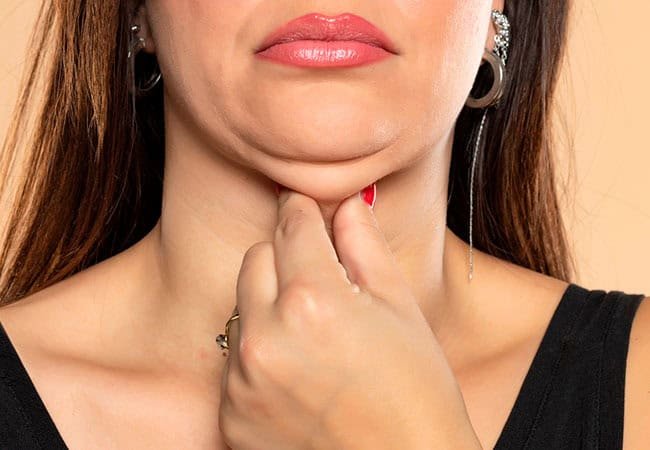
Double chin, also known as submental fat affects people of all ages and body types. It is caused by the accumulation of excess skin, fat, or both in the upper regions of the neck. 

The common causes of a double chin include

  • Aging: Due to aging, the skin starts losing elasticity which may lead to sagging skin and development of a double chin
  • Genetics: Some people may naturally store more fat in the chin especially if you have a family history of double chins
  • Diet: Consuming a diet high in unhealthy fats and processed foods may lead to weight gain and fat accumulation
  • Physical inactivity: Lack of regular exercise may contribute to weight gain and muscle laxity that may develop double chin
  • Underlying medical conditions: Certain medical conditions and hormonal changes may contribute to double chin.
  • Consumption of smoking and alcohol: These habits may lead to skin aging and a loss of skin elasticity may contribute to a double chin.

Double chin can be corrected by non-surgical and surgical treatment options 

Non-surgical Options For Double Chin Correction

Non-surgical treatments are ideal for people with mild to moderate submental fat and relatively good skin elasticity. 

  • Deoxycholic Acid Injections 

Deoxycholic acid is a substance found in the gall bladder and is recently used as an injectable treatment for a double chin.It is one of the few non-surgical options that is available to reduce excess fat under the chin.  

Kybella is an FDA approved injection used for correcting double chin.

How it works:

It is injected into the skin beneath the chin that breaks down fat cells under the chin. You may require several injections over several weeks.

  • CoolSculpting (Cryolipolysis)

Coolsculpting is a non-invasive procedure that targets the localized fat under the chin, usually controlled cooling.

How it works:

During the cool sculpting procedure, a vacuum-pressured device sucks the skin and fat into a suction cup which is then exposed to extremely cold temperatures to break down the fat cells under the chin. THe area is massaged once the vacuum applicator is removed. 

Surgical Options For Double Chin Correction

One of the options to reduce or correct double chin is through surgery. The three common types of surgical options of double chin correction available are 

  • Chin Liposuction

Chin liposuction is a common surgical procedure that  involves the removal of fat from beneath the skin. It is often performed under local anaesthesia to numb the affected area

How it works:

A small incision is made by the surgeon under the chin near the ear lobe and a small tube, called cannula, is inserted into a small incision. It is used to gently suction out fat deposits.

The surgeon will also sculpt and contour the chin and neck to reshape the jawline. The incisions are closed with sutures which may be removed after seven days.

  • Neck Lift Surgery

Neck lifts are recommended for patients with double chin caused due to loss of elasticity. It often is performed under local and general anaesthesia and requires 14 days of recovery time after the procedure.

It may include cervicoplasty to remove extra skin from around the neck and chin and platysmaplasty that helps to tighten neck muscles.

How it works:

  • The surgeon will give anaesthesia and make tiny incisions around the ears and under the chin. 
  • The extra fat under the chin or neck is removed. The loose neck muscles are pulled tighter and stitched together reducing a double chin appearance.  The small cuts are closed with sutures.
  • Facelift

A facelift is primarily designed to tighten the lower face and neck and makes it highly effective for addressing double chin, especially caused by sagging skin, muscle laxity, and fat accumulation.

How it works:

  • The cosmetic surgeon places the patient under the general anaesthesia but sometimes you may be placed under local anaesthesia.
  • The surgeon will make incisions and remove the fat and saggy skin around the chin and neck area.

Some doctors may combine more than one procedure as needed to remove the double chin completely. The recovery time for these surgeries is usually around 10-14 days. You may experience bruising or swelling immediately after the surgery that may resolve with time.

Surgical Vs Non-surgical Double Chin Correction

Surgical optionNon-surgical option
Common proceduresChin liposuction, facelift, neck liftDeoxycholic acid injection, Coolsculpting
InvasivenessInvasive (requires incisions, anaesthesia)Non-invasive or minimally invasive
Recovery time Shorter recovery timeLonger recovery time
ResultsImmediateGradual
Number of sessionsUsually one surgeryMultiple sessions depending on the method
SuitabilityEspecially popular for moderate to severe casesSuitable for mild to moderate cases
ExpensiveUsually expensive up front and requires only one sessionMay be cheap compared to surgery but requires multiple treatments

Table: Comparison between surgical and non-surgical double chin correction

Which Procedure Is Suitable For You?

The choice between surgical and non-surgical options may depend on the skin elasticity, amount of fat in the double chin and the preferences. The patients with good skin elasticity may prefer non-surgical options while those with sagging may require energy. 

The patients with mild to moderate fat in the double chin may benefit from non-surgical options while the surgical options may provide better results for severe cases.

Also, surgical options offer long-lasting results but require a long recovery period while  non-surgical options offer faster recovery time. However, it is preferable to consult your cosmetic surgeon to determine if a surgical or non-surgical option is suitable for you.

Conclusion

A double chin can be corrected using surgical or non-surgical options depending on the age, skin quality, amount of fat, and budget. Surgical options offer long-lasting, noticeable results, especially for those with significant skin laxity. Non-surgical options offer gradual results with little recovery period. 

Dr. Sunil Arora at ALCS Clinic, Jaipur offers personalized care with thorough consultations that may help choose the best option for correcting double chin based on the patient’s overall health. 

If you are considering double chin treatment in Jaipur, you may book a consultation with ALCS Clinic for expert guidancee of action. 

FAQs / People Also Ask:

Can you combine double chin correction procedures?

Yes, many double chin correction procedures can be combined to lead long-lasting, better, and more natural-looking results. It helps in addressing fat, loose skin, and weak structure more effectively. The common combinations done are liposuction with a neck lift, neck lift with a facelift, and kybella with skin tightening.

Can exercises work for reducing double chin?

Scientific evidence to prove that exercises that work for reducing double chin is scarce. It may improve the muscle tone but won’t remove a significant fat deposit. Exercises, including chin to ceiling, lion’s roar, or cheek swishing are performed to tone the jawline.

Are results from double chin removal permanent?

The results from the double chin removal may be permanent and long-lasting especially with chin liposuction or neck lift. However, weight gain, ageing, or skin laxity over time may affect results. Non-surgical treatments may require maintenance sessions to sustain results.

Which Age Is Best for Hair Transplant Surgery?

Hair loss is a common problem that may affect individuals at any age, leading to distress and reduced confidence. With new advancements in medical technology, hair transplant surgery has become a reliable and long-term solution for individuals with significant hair thinning or balding. However, many patients often have a question ‘What age is best to undergo a hair transplant surgery?’

Keep reading to determine how age influences the timing and success of hair transplant surgery.

Understanding Hair Transplant Surgery

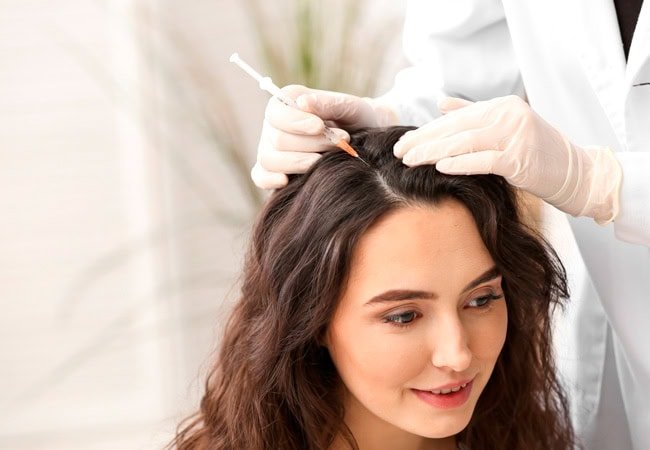
Hair transplantation is a minimally invasive surgical procedure to treat hair loss in both men and women experiencing hair loss. It involves removing hair follicles from one area of the scalp, usually at the back of the scalp and moving them to thinning or balding areas of the scalp. 

It is primarily used for treating androgenic alopecia and can also be used to restore hair after trauma or surgery.

The different types of extraction of the donor grafts are:

  • Follicular unit strip surgery is a procedure that involves the removal of a 6-10 inch strip of skin from the back of the head that is divided into tiny grafts containing individual follicular units.
  • Follicular unit extraction is a procedure that involves the removal of individual grafts directly from the donor site using specialized instruments. 

Once transplanted, these follicles continue to grow hair naturally in their new location.

Reasons For Hair Loss At A Young Age

Hair loss is more common with age, but many young individuals may also experience it. The different factors that may contribute are:

  • Family history: It is the most common cause of hair loss that happens with ageing, called androgenic alopecia. It is characterized by a receding hairline and bald spots in men and thinning hair along the crown of the scalp in women.
  • Hormonal changes: Hair loss may be triggered due to hormonal changes due to pregnancy, childbirth, menopause or thyroid problems.
  • Medications: Hair loss can occur as a side effect of certain medications used for cancer, arthritis, depression, and high blood pressure
  • Radiation: Cancer treatments involving radiation may cause temporary or permanent hair loss. 
  • Stress: Many people may experience hair loss after a traumatic physical or emotional shock.
  • Hair treatments: Overuse of hair chemicals and excessive hairstyling may cause a type of hair loss.

Ideal Age To Undergo Hair Transplant Surgery

There is no ideal age for a hair transplant. It depends on the individual circumstances, including the pattern and extent of hair loss, availability of donor hair, and overall health.

Below 25 years

Hair transplant is generally not recommended for individuals below 25 years of age unless their hair loss has stabilized. In this age group, there is a risk of continued hair thinning even after the procedure, which may lead to a patchy or unnatural appearance over time. 

Also, hormonal fluctuations are common in this age group,  which may result in a misdiagnosis of the cause of hair loss. 

Instead, these patients are usually prescribed hair loss medications to stabilise the condition before considering hair transplant surgery. 

25-35 years

Many patients are ready for a hair transplant within this age window, as hair loss patterns tend to stabilize and the donor area remains healthy. This increases the likelihood of a successful and lasting transplant.  

30-50 years 

Many experts consider this age group as a great window for hair transplants. Hair loss patterns are well-defined, and individuals generally have realistic expectations about the outcome.

Over 50 years 

Transplants are still possible for this age group and are considered successful if the individual is in good health and has sufficient donor hair. 

Below 25 yearsGenerally not recommendedHair loss is progressive, risk of patchy results
25-35 yearsMay be ideal for many individualsHair loss patterns are more stable
30-50 yearsHighly recommendedHair loss patterns are well-defined and patients have realistic expectations
Over 50 yearsPossible and successfulDepends on the health of the individual

Table: Age limit recommendation for a hair transplant surgery

Ideally, anyone who is over 18 years of age is considered eligible to undergo hair transplant surgery. However, the best results are observed in individuals who undergo the procedure between 30-50 years, as the hair loss patterns are more well-developed and the risk of continued hair thinning affecting the transplanted hair is minimized.

How Does Age Impact Hair Transplant Surgery?

Age plays a significant role in the outcome of the hair transplant surgery. Your surgeon may perform a comprehensive examination of the scalp, review the patient’s medical history and assess the stability of hair loss to determine if a hair transplant is feasible for the patient.

Here is how the age influences the procedure:

  • Stability of hair loss: Older patients may experience more stable hair loss patterns, making it easier to plan for a long-lasting hair transplant
  • Donor hair quality and quantity: The quality and quantity of the hair follicles decline with age. So, transplantation will be more difficult for older individuals as the weaker hair follicles tend to fall off.
  • Healing rate: Younger individuals tend to heal faster and experience fewer complications. However, healthy older individuals may experience successful hair transplants when performed by qualified surgeons.
  • Underlying medical conditions: Individuals with advanced age tend to have certain underlying medical conditions, including diabetes, hypertension and so on, that may affect the safety of a hair transplant procedure.

Conclusion

The right age for hair transplant surgery depends on the individual’s stage of hair loss, their overall health, and expectations. It is preferable to consult a hair transplant specialist to determine if you are the right candidate for hair transplant surgery.

If you are struggling with hair loss and considering hair transplant surgery in Jaipur, then consider booking a consultation with ALCS Clinic. 

We are equipped with the latest medical technology and years of experience in successful hair transplants. Our team, led by Dr Sunil Arora, will talk through different options, advising you on the best course of action. 

FAQs / People Also Ask:

What age is too old to undergo a hair transplant surgery?

There is no strict upper age limit for considering a hair transplant as long as the individual is in good health with no underlying medical condition and has sufficient donor hair. It may depend on the overall health, hair quality, and having realistic expectations. 

Can you have a hair transplant if you have grey hair?

Yes, you may have a hair transplant if you have grey hair. Hair colour does not affect the success of the procedure if the grey hair remains healthy and capable of growing new hair. However, it is important to choose an experienced surgeon for optimal results.

Can you have a hair transplant before 25?

Surgeons typically advise against hair transplants below 25 years due to ongoing hair loss and hormonal changes. It may result in unnatural results and a need for multiple hair transplant surgeries. In most cases, surgeons may start with medications, including minoxidil or finasteride, to control hair loss until a more stable pattern emerges.

Can I have a hair donation from another person?

No, you cannot receive a hair transplant from another person, as hair follicles are genetically unique and your immune system would reject someone else’s hair follicles. Donor compatibility and immune rejection are the major limitations in using hair from another person. 

Vampire Facial for Acne Scars: How PRP Heals from Within

What Is a Vampire Facial?

Blood is drawn from your body and injected into your face as part of a vampire facial treatment. This procedure, involving microneedling with platelet-rich plasma (PRP), entails taking a tiny sample of blood and processing it to extract the platelets. The indications of ageing are then lessened by gently re-injecting these platelets into the skin.

Role of PRP (Platelet-Rich Plasma)

Red blood cells, white blood cells, plasma, and platelets are all found in our blood.  Platelets aid in blood clotting, and once a clot forms, they release enzymes that promote healing and help regenerate tissue by attracting stem cells to the injected area to aid in damage repair.  

Additionally, this procedure promotes the synthesis of new skin cells and collagen.  Additionally, it can greatly lessen acne scars, leaving the skin tighter, smoother, and younger-looking.

How It Works on Skin Tissue

PRP is created by centrifuging patient blood to separate plasma-rich platelets. PRP contains platelets, which promote the creation of new skin cells and growth factors necessary for tissue repair and regeneration. Additionally, PRP is said to boost elastin, a protein that permits tissue to stretch. 

The surface of your skin is punctured with little needles (0.5-2mm). PRP penetrates microneedle channels when applied to microneedled skin, promoting restorative cellular activity that accelerates healing and enhances outcomes.

How PRP Helps Heal Acne Scars

Collagen Regeneration

Damage to the collagen, a protein that gives your skin strength and structure, is frequently the source of acne scars. A PRP vampire facial is a fantastic collagen-inducing treatment. By injecting your own blood, which is rich in protein, into your face, you can accelerate the creation of collagen, which keeps your skin looking young and makes it tighter and firmer. Over time, the production of new collagen can smooth out the texture of your skin by filling up the “pits” or depressions caused by acne.

Skin Cell Turnover

The promotion of cell turnover (the shredding of old, damaged skin cells and the formation of new, healthier skin cells) is one of the main ways vampire facials aid in the healing of acne scars. The skin appears healthier, plumper, glowing, and radiant as a result of the formation of new cells that aid in improved healing and restoration. 

In order to give the skin a glow from within and make it appear more toned and taut, the new skin cells aid in the removal of dead skin cells that give the skin a lifeless, grey appearance. Deep folds become less noticeable since the hollow parts of the face are also plumped up. By tightening the skin, this anti-aging treatment slows down the ageing process.

What to Expect During and After the Treatment

During Treatment: Your provider evaluates your skin and talks with you about your goals during the consultation that precedes your PRP (vampire) facial or facelift. To separate the platelet-rich plasma (PRP), a tiny sample of blood is extracted and centrifuged. 

For your comfort, a numbing cream is put on your face. PRP is used after microscopic channels are made in the skin using microneedling for a facial. PRP and dermal fillers are injected directly into specific regions during a facelift. The entire process takes one to two hours.

After Treatment: Like a sunburn, you might experience redness, slight swelling, or sensitivity for one to three days. For at least six hours, refrain from touching or cleaning your face. When you do, use only lukewarm water and avoid using harsh cleansers. 

For a few days, avoid exposure to the sun, cosmetics, alcohol, blood thinners, hot showers, and strenuous activity. If you’re going outside, wear a broad-spectrum sunscreen with an SPF of 50+. To reduce swelling, sleep on your back with your head slightly up. After a few days, resume a mild skincare regimen without the use of exfoliants or active chemicals. 

Over the course of several weeks, results steadily improved to full capacity. It might be advised to schedule maintenance appointments every few months.

How Many Sessions Are Needed?

Even though some people might experience improvements after just one session, many treatments are frequently suggested for best outcomes. The nature and severity of acne scars vary, and some people may benefit more from a course of therapies than with just one. 

Treatments should be spaced four to six weeks apart to promote collagen development and healing. The majority of practitioners advise three sessions separated by four to six weeks for best results, followed by yearly maintenance treatments. Frequent sessions can help the general state of skin to improve over time.

Rejuvenate your skin naturally with a Vampire Facial – book your session today!

Is It Safe for Sensitive or Acne-Prone Skin?

Yes, the majority of skin types can normally benefit from the process. However, before continuing, patients with specific medical concerns or skin conditions should speak with a professional. Vampire facials often provide minimal safety risks, although this greatly relies on the patient’s health and medical background. If done by a skilled and certified professional, PRP vampire facials are totally safe.

FAQs / People Also Ask:

Can vampire facials remove old acne scars?

Yes. Vampire facials induce collagen production and promotes new skin cells turnover, thereby leading to production of a new layer of skin.

How long does it take to see results from PRP facial?

Within a week of the face’s complete recovery, you’ll begin to see improvements. Within a week, the redness, bruising, swelling, and discomfort will go away. After only five to six sessions, there are noticeable improvements with long-lasting effects.

Are vampire facials painful?

Despite what the name would imply, the vampire facial usually doesn’t hurt; it really depends on how much discomfort you can handle. Microneedling is used to perform PRP. In order to reduce any discomfort, a topical anaesthetic is placed on your skin before treatment. 

During microneedling, you might experience a slight prickling sensation, but most patients find this tolerable. If you have severe pain or discomfort during your session, let your doctor know right away.

How many PRP sessions are needed for acne scars?

The severity of acne scars and each person’s unique skin response determine how many sessions are required. 

After your initial treatment, you will notice changes in your face; however, for optimal long-term results, it is recommended that you receive at least three vampire facials within three months. Three treatments, separated by around a month, are typical. How well your skin reacts to the PRP therapy will determine the numbers.

What should I avoid after a PRP facial?

Don’t wash or put makeup on your face for the first 24 to 48 hours after a PRP facial, and don’t touch it for at least 6 hours. For at least 72 hours, refrain from using exfoliants, harsh skincare products, and scrubbing. Steer clear of alcohol, blood thinners, saunas, steam, hot showers, and the sun. 

Avoid vigorous exercise for a few days and don’t use moisturisers on a daily basis unless your doctor has given the all-clear. To avoid infection, avoid using dirty makeup equipment as well.

Top 5 Benefits of Skin Boosters for Dull and Dehydrated Skin

What Are Skin Boosters?

Skin boosters are injectables that enhance skin quality and replenish the skin’s deep moisture content for more radiance, smoothness, and bounce. 

How They Work

Skin Boosters represent a category of facial skin rejuvenation products designed to restore moisture levels in the skin, allowing it to recover its natural luster and tone.

Dryness, fine wrinkles, and lack of suppleness are caused by a decrease in the natural hyaluronic acid production of our skin as we age. Skin boosters provide a number of advantages by restoring this vital moisture.

Using this method, substances are microinjected straight into the outermost layers of the skin. It enables direct interaction between active chemicals and skin cells, which is essential for improving the skin’s youthful appearance.

In contrast to dermal fillers, they provide deep, long-lasting hydration to treated regions, resulting in a smooth, crease-resistant appearance with effects that last 6–12 months. They do not alter the structure of the face or add volume.

Ingredients Used (e.g., Hyaluronic Acid)

Hyaluronic acid, a naturally occurring substance in the skin with moisturizing qualities, is commonly found in skin boosters. In order to nourish the skin, skin boosters could also contain vitamins, antioxidants, and amino acids.

Hyaluronic acid (HA): It is a popular option for injectable skin-boosting therapies since it plays a crucial role in enhancing skin moisture. It can retain the viscoelasticity, hydration, and integrity of skin by binding water up to 1,000 times its volume. Firm skin, ideal turgor, and fewer fine lines are all correlated with adequate HA levels in the dermis.

Collagen: Because of its special qualities, it is frequently employed, especially for skin regeneration. Collagen promotes the growth of new skin cells and aids in skin regeneration. A fresh layer of skin cells is created as a result.

5 Key Benefits of Skin Boosters

The benefits of skin boosters are plentiful, ranging from diminished lines and wrinkles to tighter, more refined skin. Your skin may look and feel its best with the help of skin booster treatments.

1. Deep Hydration from Within

Hyaluronic acid functions as a moisture magnet when injected into the skin, drawing and holding onto water molecules. Skin looks smoother, plumper, and younger as a consequence.

Hydrated skin has the advantage of increasing skin radiance and making your skin appear plumper and younger. For people who require an additional moisture boost and have dry or aged skin, this is very beneficial. Regular treatments keep your skin hydrated without causing it to dry out too much in between.

2. Improved Skin Elasticity

They promote the production of collagen and elastin, enhancing the skin’s elasticity and firmness, thereby diminishing sagging and the visible signs of aging.

This results in more defined facial features, decreased sagging and skin that feels younger. Elasticity is one of the most desired benefits since it is crucial for keeping a lifted and young appearance.

3. Smoother Texture and Glow

In contrast to makeup or topical products, skin boosters improve your skin’s inherent glow from the inside, providing you with a vibrant and youthful appearance.

This lessens the need for extensive makeup or other aesthetic procedures by promoting a healthy, natural glow. Skin boosters might be the solution for people who seek glowing skin but want a light makeup routine.

4. Reduced Fine Lines & Wrinkles

The boosters, abundant in hyaluronic acid, provide deep hydration to the skin while promoting collagen production, thereby enhancing elasticity and structure.

This combined effect aids in reducing creases and wrinkles, resulting in a fuller and more youthful look.

Skin boosters may be the all-purpose answer you seek, whether you are trying to treat dehydration in your hands, fine lines around your eyes, or crepey skin on your neck.

5. Better Absorption of Skincare Products

Skin boosters complement your skincare regimen rather than taking its place. Consider them the cornerstone around which your topical products are built. Your skin can absorb and benefit from serums and creams more effectively when it is hydrated and healthy from the inside out.

This means that your skin’s deeper moisture levels have been restored, allowing moisturizers to function more efficiently. In a similar way, the antioxidants in your serum can strengthen and prolong the revitalizing benefits of skin boosters.

 Benefits of skin boosters can persist for several months; however, they may be affected by lifestyle factors including smoking, an unhealthy diet, allergies, acne, or genetic predispositions.

Enhancing your skin’s hydration through a balanced diet, a consistent skincare regimen, facials, and regular skin booster treatments is essential for sustaining overall skin health.

Are Skin Boosters Right for Your Skin Type?

Skin boosters are suitable for individuals of all ages and skin types. They are particularly beneficial for those with dry and mature skin types.

It can be used for dry patches, rough skin and skin that has acne scars.

Different booster formulations target varied concerns, depending upon the skin type.

When to Start Skin Booster Treatments?

Skin boosters are suitable for individuals experiencing aging or seeking to improve skin hydration and texture, typically starting in their late 20s to early 30s.

Skin boosters can commence right after your consultation with your doctor, provided it is considered appropriate for you and your skincare goals. 

You might be advised to stop taking vitamin E, Ginkgo Biloba, green tea, and fish oil supplements one week prior to the procedure, as these may elevate your risk of bruising. Furthermore, you will need to refrain from using aspirin for a week before the treatment to prevent bruising.

Rejuvenate dull, tired skin with advanced skin booster treatment in Jaipur for deep hydration and a radiant glow.

FAQs / People Also Ask:

How long do skin booster results last?

Patients should anticipate more hydration, skin bounce, and a more radiant complexion after two weeks of the treatment.  Touchups could be necessary to get the desired look, but results should last six to twelve months.

Can I apply makeup after skin booster treatment?

For the first 24 hours after treatment, it is highly advised that you refrain from wearing makeup. This will prevent anything from entering the injection site and allow your skin to heal.

Are skin boosters suitable for acne-prone skin?

Indeed, skin boosters are made to work well and safely on a variety of skin types, including those with sensitive skin.

How often should I get skin booster injections?

Individual results will differ, and many patients prefer to add more skin booster between six months and a year. Consult your doctor to know exactly how often you should get skin booster injections.

Are there any side effects of skin boosters?

Possible side effects include swelling, redness, painful spots, uneven contours, and skin infections. It should take seven days for these possible side effects to go away. Postinflammatory hyperpigmentation is rare. For 24 hours after injection, it is preferable to limit alcohol consumption, exercise, and exposure to heat or sunlight in order to lower the risk of side effects.

Exercises vs Aesthetic Procedures: What Really Removes a Double Chin?

If you have a double chin due to excess fat or drooping skin and want to rejuvenate your facial appearance, read on to know more about Exercises and Aesthetic Procedures for Double Chin.

What Causes a Double Chin?

A layer of fat that develops beneath your chin is a typical occurrence that is referred to as submental fat or a double chin. It enlarges your neck and might occasionally make you appear older. Although it is frequently linked to weight gain, it can also be brought on by aging-related loose skin or heredity. Many people have extra weight on their necks and chins, which can alter the appearance of your jaw and face.

Genetics, Aging, Weight Gain

Obesity: Obesity is the most frequent cause of double chins. Excess fat is a common consequence of obesity. There must be a place in the body for the fatty tissue to be stored, and the chin is one of several possible locations. Fat can generate folds that give the illusion of a second, lower chin by weighing down the skin beneath it.

Genetics: Genetics can cause a double chin. If you have a family history of double chins, you might have one yourself. This is because where your body sends and stores fat can be influenced by your genetics.

Muscle weakness: If the neck is never stretched or strengthened, a double chin may form, albeit this is less common. Lack of exercise can cause the chin to become flabby.

Aging: Aging may occasionally be the cause of double chins. Your skin sags and wrinkles as you age. The body produces less collagen and elastin, two proteins that maintain the skin’s fullness, firmness, and elasticity, through time. These proteins deteriorate and shrink with age, causing sagging skin, notably beneath the jaw.

Exercises for Double Chin: Do They Work?

There is anecdotal evidence that chin workouts can help lessen double chins, but there is no scientific proof that they can eliminate double chins. Exercises for the double chin have produced miraculous results, according to a number of posts. 

Even these workouts won’t completely remove a huge fat deposit or extreme skin laxity, they can help to some extent, particularly with muscle tone and possibly minimising the appearance of a double chin if it was brought on by muscular weakness or only little fat under the chin.

 Common Face Yoga Movements

These techniques include particular exercises designed to tone and strengthen the chin and neck region.

1. Stretching the Tongue

  • Look directly ahead and extend your tongue as far as you can.
  • Raise your tongue toward your nostrils.
  • Release after ten seconds of holding.
  • Perform this ten times in three sets of eight to ten repetitions.

2. Stretching Your Neck

  •  Look up at the ceiling by tilting your head back.
  • Put your tongue up against your mouth’s roof.
  • Hold for five to ten seconds, then let go.
  • Do this exercise ten times.

3. Ball exercise

  • Put a ball that is 9 to 10 inches under your chin.
  • Firmly press your chin against the ball.
  • Three sets of eight to ten repetitions each should be used for this workout.

4. Pucker Up

  • Tilt your head back and gaze at the ceiling.
  • As though you were kissing the ceiling, pucker your lips.
  • After holding the pucker, let go and put your head back in its natural position.
  • Do this in three sets of eight to ten reps each.

Limitations of At-Home Remedies

At-Home Remedies are less invasive methods that can also help enhance the appearance of a double chin, even though more invasive procedures can produce noticeable changes.

Aesthetic Procedures That Reduce Double Chin

Kybella Injections

Kybella is an FDA-approved injectable that reduces chin fat by killing fat cells with deoxycholic acid. It is a prescription medication that is administered under the chin through a series of tiny injections.

The outcome is a considerable decrease in submental fat. KYBELLA®-treated fat cells do not come back, so even if you gain weight, you will not develop a double chin.

People who have received this double chin treatment experience visible effects four to six weeks following the final session.

Liposuction for Submental Fat

For Submental liposuction (chin liposuction), a plastic surgeon makes small incisions in the treatment area to implant a hollow instrument known as a liposuction cannula. The surgeon rotates the cannula around to break up the fat. At the same time, gentle suction transports fat from the treatment area to the cannula and out of the body. Local anesthetic is often required for chin liposuction to alleviate pain during the procedure.

CoolSculpting

This treatment uses cryolipolysis, a nonsurgical method for removing fat deposits from certain body areas. Cryolipolysis is FDA-approved and can be used in nine different locations of the body, including under the chin and jawline.

This double chin treatment is noninvasive and minimally invasive. During a session, a licensed practitioner applies cold temperatures to your specific areas with applicators. The applicators on the treatment area maintain a predetermined low temperature. This mechanism causes fat cells beneath the skin to freeze.This causes some of the frozen fat cells to perish. Over time, the body naturally expels the damaged fat cells.

Each session lasts 30 to 60 minutes depending on the treatment area. The number of sessions needed is determined by your doctor’s specific treatment plan. Results may be evident within one to three weeks, but the entire effect may take at least three months to manifest.

Pros and Cons: Exercises vs Aesthetic Procedures

Both Exercises and cosmetic procedures have advantages and disadvantages when it comes to decreasing a double chin. Regular exercise can help tone muscles and promote a healthy lifestyle. It’s also free, safe, and natural. They do not, however, eliminate fat or extra skin, and the effects are typically gradual. Exercises by themselves may not be beneficial for many people, particularly those with large fat deposits or sagging skin.

Conversely, aesthetic procedures like as CoolSculpting, Kybella, or Submental liposuction yield more rapid and apparent results. These procedures can tighten skin, reduce body fat, and produce results that are long-lasting or even permanent. The drawbacks include the potential for high costs, the need for several sessions, and the possibility of mild side effects or recovery time.

Achieve a sharper, defined jawline with safe and effective double chin correction surgery in Jaipur by experienced surgeons.

Which Is Right for You?

It is crucial to understand that you have a variety of therapy and management options available, regardless of how your double chin was caused. There are options that can meet your needs and goals, whether you would rather explore surgical procedures, try focused activities, or modify your lifestyle for natural weight loss.

Exercises might be helpful for minor cases, but aesthetic procedures are more successful for moderate to severe double chin cases with quicker, more durable outcomes.

It is recommended to seek expert guidance and assistance if you are thinking of exploring exercises or aesthetic procedures to lessen your double chin. A doctor can tailor a plan that best fits your personal circumstances and ensures that you feel confident and comfortable in your skin.

FAQs / People Also Ask:

How long does it take for chin exercises to work?

Exercise can somewhat improve muscle tone and lessen the appearance of a double chin, but it won’t remove a significant fat deposit or extreme skin laxity. A healthy lifestyle and appropriate food can help you acquire a more toned appearance and avoid more fat formation, even though exercise alone might not be the best way to address stubborn chin fat.

Is Kybella better than liposuction?

Whereas liposuction is a surgical technique that eliminates fat cells directly, Kybella is an injectable treatment that dissolves fat cells beneath the chin. Although Kybella is a non-surgical solution, it could take several sessions to get the desired effects. When less fat needs to be eliminated, a Kybella procedure is used.


Are results from double chin removal permanent?

Because the fat cells are totally eliminated during liposuction, the effects of double chin removal are permanent. Depending on lifestyle and weight management, minor touch-ups may be required for non-invasive procedures like fat-dissolving injections.


Can chewing gum help reduce a double chin?

No. Although chewing gum can help you swallow and chew food better, it won’t help you get a more defined jawline.

Is CoolSculpting safe for the neck area?

Yes, the FDA has approved the procedure for a number of body parts. To find out if CoolSculpting is correct for you, speak with your primary care physician if you have Raynaud’s disease or a significant sensitivity to cold.

Top Questions to Ask Before Getting Monsplasty

Every woman aspires to have an ideal body shape. For numerous women, pronounced mons pubis can be an aesthetic concern. If you find it difficult to wear your favorite swimsuit or have to hide a bulge in your pubic area, a monsplasty or pubic lift might be suitable for you. Here are a few questions that many women ask before getting monsplasty.

What Is Monsplasty and Who Is It For?

The surgical removal of excess skin and fatty tissue from the mons pubis is known as a monsplasty. The mass of flesh in front of your pelvic bones, known as your mons pubis, is often covered in pubic hair. One type of cosmetic surgery is a monsplasty. It changes the structure of your mons pubis by lifting, tightening, and reshaping it to give it a more comfortable and attractive appearance. It might also enhance comfort and functionality.

Monsplasty is appropriate for people who: 

  • Postpartum women: Pregnancy can cause changes in the shape of the body, including the area around the mons pubis. Pregnancy contours can be restored with the use of monsplasty.
  • Individuals with Weight Fluctuations: Excess skin and fat may remain after significant weight loss. After losing weight, monsplasty can improve body contours.
  • Ageing People: Skin elasticity declines with age, causing drooping in the mons pubis and other places.
  • People in Discomfort: Excess tissue in the area may cause physical discomfort for some people, which can interfere with intimacy and daily activities.

Understanding Mons Pubis Reduction

The mons pubis is the triangular area that stretches from the top of the pubic hairline down to the genitals. 

When you gain weight, excess fat often accumulates in your mons pubis. This can cause it to enlarge and bulge out. The more weight you gain, the more your skin stretches.If you then lose a large amount of weight, you’re left with the same amount of skin but less fatty tissue that needs to be covered. Because the extra skin is loose, it can sag.

Other reasons for a bulging mons pubis may be due to:

  • C-section. After a C-section, the skin around the scar may remain tight against your tissues, but the skin below it doesn’t. As a result, it can form a bulge.
  • Hormones. Estrogen can cause increased fat deposition in your mons pubis
  •  Genetics: Your parents may pass on a tendency for greater fat accumulation in your mons pubis.

Individuals who are considered suitable for Monsplasty generally consist of those who are troubled by surplus fat or tissue in the mons pubis area. The most appropriate candidates are those who maintain good overall health, possess realistic expectations regarding the outcomes, and do not smoke, since smoking can hinder the healing process.

Cosmetic vs Functional Benefits

The procedure is carried out for either cosmetic or functional purposes and may lead to enhanced self-esteem, improved sexual pleasure, and the restoration of urinary function.

Cosmetic benefits of Monsplasty are as follows:

  1. A tighter, smoother, more sculpted, and flatter mons pubis  
  2. A more defined body silhouette  
  3. An increase in your self-confidence and an enhanced body image 

Functional benefits, on the other hand, of Monsplasty include:

  1. A better sexual experience with reduced discomfort  
  2. Enhanced cleanliness in the groin region  
  3. Greater ease while urinating

Important Questions to Discuss With Your Surgeon

What Are the Risks?

Pubic lift surgery is safe, effective and commonly performed. The hazards connected with surgery have been greatly decreased by modern surgical procedures and technology. However, there are few chances of potential risks which include:

  • Infection: As with any surgery, there is a risk of infection at the incision site.
  • Scarring: While incisions are placed strategically, some scarring is inevitable.
  • Changes in Sensation: Some patients may experience temporary changes in sensation in the treated area.

It is important to consult your surgeon if you experience any of these symptoms if they are persistent or troublesome in nature.

How Much Experience Do You Have With Monsplasty?

Pubic lift surgery necessitates extensive experience, precision, and accuracy from the surgeon. Each mons pubic lift should be tailored to your body and the results you wish to achieve.

It is crucial to choose a qualified and experienced surgeon to minimize complications and achieve optimal results.

Will There Be Visible Scars?

The scar from the incision appears similar to a cesarean section scar and is discreetly located. It usually stays under the bikini line. Nonetheless, a skilled and knowledgeable surgeon will try to reduce obvious scars.

Regain confidence and comfort with expert monsplasty treatment in Jaipur tailored to your body and aesthetic goals.

Pre-Surgery & Recovery Considerations

What Is the Recovery Timeline?

After surgery, it will take several weeks (about 6 weeks) for full recovery to occur. However, you can recover at home as it doesn’t require hospital stay after the surgery.

During the recovery period, you may experience 

  • Some mild bruising and swelling after surgery
  • Temporary pain and discomfort
  • Slow resumption of your daily activities

Adhering closely to your surgeon’s post-operative care guidelines is crucial for a successful recovery. This may involve wearing a compression garment to minimize swelling and provide support to the healing tissues.

When Can I Resume Sexual Activity?

The period for resuming sexual activity following a monsplasty typically spans from three to six weeks after the surgery. It is essential to heed both your body’s signals and your surgeon’s recommendations to guarantee that you return to these activities in a safe and comfortable manner.

Cost and Financing Options

The complexity of the treatment, the location of the clinic, and the needs of the person all affect how much monsplasty (Mons Pubis reduction) costs. Mons Pubis fat reduction sessions typically cost between ₹30,000 and ₹50,000, though this might vary depending on the surgery type, anaesthesia type, procedure length, doctor experience, and whether more than one session is needed.

Insurance usually does not pay monsplasty because it is a cosmetic treatment. It is recommended that patients enquire immediately with their insurance companies about any possible exclusions or partial coverage.

Realistic Expectations and Outcomes

You will observe the outcomes of your monsplasty right after the procedure. By the sixth week, you will fully notice the results. These changes are permanent.

FAQs / People Also Ask:

Is monsplasty painful?

You won’t experience any discomfort throughout the surgery because it is done under anaesthesia. Experiencing temporary pain following a monsplasty procedure is part of the recovery process, and this discomfort can be alleviated by ensuring adequate rest and utilizing painkillers as prescribed by your surgeon.

How long is the recovery time for monsplasty?

Recovery time is about 6 weeks. Patients may begin walking immediately after regaining consciousness from anesthesia; however, it is essential that they allow themselves adequate rest during the initial weeks following surgery to promote optimal recovery.

Are results permanent after monsplasty?

Yes, the results are permanent and long lasting after monsplasty. However, weight gain can trigger excess fat deposition and a bulging pubic pad. 

Can monsplasty be combined with other procedures?

Yes, it can. Your surgeon might recommend a monsplasty either as an independent procedure or combined with a mommy makeover or an abdominal lift, depending on your body goals.

Will I lose sensation after the surgery?

No, you will not lose sensation in the area after surgery as no nerves are cut or removed during the procedure.

How to Choose the Right Aesthetic Facial Treatment

In recent years, facial aesthetic treatments have become increasingly popular as women and men seek effective solutions to enhance their appearance without the need for invasive surgery. 

Whether addressing fine lines, volume loss, uneven skin tone or sagging skin, the right treatment can significantly improve self-confidence and overall well being. 

However, achieving optimal results requires more than simply choosing the most advertised or trending procedure. Personalized treatment planning is essential to ensure safety, effectiveness and natural-looking outcomes.

Importance of Personalized Treatment

Every individual has unique facial features, skin characteristics and aesthetic goals. A treatment that works well for one person may not deliver the same results for another. 

For this reason, personalized treatment is critical in facial aesthetics. It ensures that all procedures are carefully selected and performed to match your specific concerns, medical history and expectations.

Personalized plans also reduce the likelihood of complications, overtreatment or unsatisfactory results. By considering factors such as skin type, age, lifestyle and the degree of correction required, experienced professionals can create strategies that improve appearance of the face while maintaining natural harmony and balance.

1. Factors That Influence Your Choice

Skin Type and Concerns

One of the most significant factors in choosing the right facial aesthetic treatment is your skin type and the concerns you wish to address. 

Individuals with oily or acne-prone skin may benefit more from chemical peels or laser resurfacing to control breakouts and improve skin texture. On the other hand, those with dry or sensitive skin often require gentler treatments such as skin boosters and hyaluronic acid-based fillers that restore hydration without causing irritation.

Pigmentation issues, enlarged pores, fine lines and loss of elasticity are additional considerations. 

A careful evaluation of these concerns ensures the selected procedures effectively target your priorities without compromising skin health.

Age and Facial Structure

Age plays a pivotal role in determining suitable aesthetic treatments. 

Younger individuals typically experience dynamic wrinkles resulting from muscle movement. In these cases, aesthetic eatment such as Botox provide excellent results by relaxing targeted muscles.

As the skin ages, there is a natural decline in collagen, elastin and volume, leading to sagging, hollowed cheeks and deeper folds. Dermal fillers, thread lifts and advanced skin tightening modalities are often recommended to restore youthful contours. Facial structure, including bone density and fat distribution, also guides treatment selection to maintain proportional enhancement.

Lifestyle and Downtime

Your lifestyle, professional commitments and social activities directly impact the choice of treatment. 

Patients with limited time for recovery may prefer procedures with minimal downtime, such as injectables or superficial peels. On the other hand, those willing to dedicate time to more intensive results might consider deeper peels, fractional laser resurfacing or thread lifts, which require longer healing periods.

ALCS Jaipur emphasizes aligning treatment plans with your lifestyle to ensure convenience and adherence to aftercare recommendations. This approach helps sustain results and promotes a positive overall experience.

2. Most Popular Aesthetic Treatments for the Face

Botox and Fillers

Botox and dermal fillers remain among the most popular and effective aesthetic treatments. Botox injections target dynamic wrinkles, such as crow’s feet, forehead lines and frown lines, by temporarily relaxing the underlying muscles. Results typically appear within a few days and last approximately three to four months.

Dermal fillers, often composed of hyaluronic acid, add volume to areas that have lost fullness due to aging. Common applications include the nasolabial folds, marionette lines, cheeks, chin and lips. Fillers provide immediate improvement with results lasting six to twelve months, depending on the product and treatment area.

Chemical Peels and Lasers

Chemical peels involve applying a specialized solution to exfoliate the skin and reveal a smoother, more even complexion. Light peels address mild pigmentation and rough texture, while medium to deep peels target deeper wrinkles and sun damage.

Laser treatments, such as fractional CO2 and intense pulsed light (IPL), are highly effective for resurfacing the skin, reducing scars, improving tone and stimulating collagen production. These procedures can be customized for various skin types and levels of concern, offering powerful rejuvenation with controlled recovery periods.

Thread Lifts and Skin Boosters

Thread lifts have emerged as a popular option for patients seeking non-surgical lifting and tightening. This procedure uses biocompatible threads inserted beneath the skin to reposition sagging tissue and stimulate collagen synthesis. Results are immediate and continue to improve over several months.

Skin boosters are injectable treatments that hydrate the skin from within, enhancing elasticity, smoothness and radiance. Unlike traditional fillers that add volume, skin boosters work by distributing hyaluronic acid evenly across treated areas for a refreshed and glowing appearance.

3. How to Avoid Wrong Treatments

Dangers of DIY or Unqualified Clinics

One of the most critical aspects of aesthetic care is ensuring that all treatments are performed by qualified professionals. 

DIY kits and unlicensed practitioners pose significant risks, including infections, scarring, asymmetry and even permanent damage. At-home fillers, peels or injections often lack quality control and proper technique, making complications far more likely. 

ALCS Jaipur strongly advises patients to seek care only at accredited clinics with experienced dermatologists or aesthetic physicians. This safeguards your health and ensures adherence to established medical protocols.

Realistic Expectations

Equally important is maintaining realistic expectations about what facial aesthetics can achieve. 

While treatments can deliver remarkable improvements, they do not create perfection or completely reverse the aging process. A transparent discussion with your specialist about likely outcomes, duration of results and necessary maintenance helps align your goals with achievable results.

At ALCS Jaipur, patient education is a cornerstone of care. Detailed consultations address both the benefits and limitations of each procedure so that you can make informed, confident decisions.

4. Consultation Process at ALCS Jaipur

In-Depth Analysis

Your journey at ALCS Jaipur begins with an in-depth consultation. During this appointment, the aesthetic specialist will assess your skin type, facial anatomy, medical history and personal concerns. Advanced imaging tools may be used to analyze texture, pigmentation and structural volume.

This comprehensive evaluation ensures that no detail is overlooked and that any underlying conditions are identified before treatment planning. The goal is to create a foundation of trust and clarity, setting the stage for a successful outcome.

Tailored Treatment Plan

Following the assessment, your specialist will develop a tailored skin treatment plan. This plan outlines the recommended procedures, timelines and aftercare protocols. You will have the opportunity to discuss options, ask questions and understand the rationale behind each recommendation.

Whether you require a single session or a combination approach, the plan will be designed to suit your skin’s needs, aesthetic goals and lifestyle. ALCS Jaipur is committed to offering solutions that enhance natural beauty safely and sustainably.

Conclusion

Choosing the right facial aesthetic treatment requires careful consideration, expert guidance and personalized planning. At ALCS Jaipur, patients benefit from a thorough, patient-focused approach that combines advanced technology with medical expertise. From the initial consultation to post-procedure care, every step is designed to deliver natural, beautiful results while ensuring comfort and safety.

For anyone considering facial aesthetics, consulting with a trusted clinic like ALCS Jaipur is the most reliable way to achieve your desired outcome while protecting your skin’s health.

Top Skin Concerns a Dermatologist Can Identify During Evaluation

Introduction

Acne, pigmentation and melasma, as well as rosacea, eczema, and allergies are among the most common skin problems affecting people of all ages.

Proper hydration, brightness, and lovely texture all contribute to smooth, soft, and healthy skin. Going beneath the surface to identify the underlying cause of an issue is an important part of a dermatologist’s evaluation.

In this article, you will get all the information you need to know about the top skin concerns a dermatologist at ALCS Jaipur can detect during your evaluation and how early diagnosis helps.

Importance of skin evaluation

Using advanced diagnostic tools that have been carefully developed to evaluate and study the skin thoroughly, skin evaluation is done to ascertain the problems of the skin’s surface and what is beneath it. 

In order to maximize the effectiveness of treatments and procedures, a comprehensive skin analysis guarantees that facial treatments are customized to each person’s particular skin type and condition. 

Moreover, it reduces any possible risks, giving you assurance and security regarding your skin care procedures.

Common Concerns Identified in First Visit

Acne and post-acne marks

Pores are microscopic holes in your skin through which sweat and oil rise to the surface. When bacteria, oils, and dead skin build up and irritate them, acne (pimple) develops. 

Inflammation of acne lesions leads to acne scarring. A breakdown in the pore wall and swelling of the acne pore occur and cause the scarring.

Pigmentation and melasma

A disorder known as pigmentation or hyperpigmentation occurs when certain areas of the skin turn darker than normal. The skin’s excess melanin synthesis is the cause of this darkening. This could result in too much pigment, which could cause dark areas or spots.

Melasma is a form of hyperpigmentation that mostly affects the face and is characterized by dark, discolored areas. These symmetrical brown to grey-brown patches with clear borders are frequently seen up on the forehead, nasal bridge, cheeks, and just above the upper lip.

Rosacea, eczema, and allergies

A collection of long-term skin disorders known as eczema are typified by dry, irritated, and itchy skin patches that can develop anywhere on the body. It belongs to a class of diseases called dermatitis, which can cause irritation or inflammation of the skin. 

Another chronic skin ailment that typically affects the face is rosacea, which is marked by facial flushing. It is a skin disorder that makes your face red. Rosacea can occasionally result in the formation of tiny, fluid-filled pimples that mimic some eczema symptoms. The nose, cheeks, and forehead are the most often affected areas for rosacea symptoms.

An allergic reaction to a generally harmless chemical or substances, such as soap, wool, pollen, or plants, is known as a skin allergy. An allergic skin rash, typically red and irritating, is the end result. Atopic dermatitis, contact dermatitis, hives, and other allergic disorders are all included in the category of skin allergies.

Hidden or Overlooked Skin Conditions

Early signs of skin cancer

Often, the first signs of possible skin cancer are subtle. You may see a new spot appear on your skin, or you may notice changes in the size, shape, or color of an existing mole or mark. Additional warning indicators may include a rough, scaly red area, a glossy bump that turns itchy or painful, or a bump that matches your skin tone or is red.

Skin cancer symptoms can vary depending on the type of skin cancer and its location on the skin. 

Fungal or bacterial infections

When bacteria penetrate the skin, either naturally or as a result of their presence on the skin, bacterial skin infections result. They can get into the skin after a wound or through a hair follicle.

Common types of bacterial skin infections include cellulitis, which causes redness, swelling, and tenderness in the deeper layers of the skin. Impetigo is a highly contagious infection that leads to the formation of honey-colored crusts. Boils are painful, pus-filled lumps that develop due to infected hair follicles. Hansen’s disease, also known as leprosy, is a chronic condition that affects the skin, nerves, and mucous membranes.

The fungus that causes skin infections result in fungal infection, which is most prone to form in moist places of the body where surfaces touch, such the armpit, foot, or skin folds.

Common types include athlete’s foot, which typically causes itching, scaling, and redness between the toes. Yeast infections often affect moist areas of the body, such as the mouth, genitals, or skin folds. Ringworm is a contagious skin infection that appears as a red, circular rash. Nail fungus leads to thickened, discolored, and brittle nails. 

The severity of infections can range from minor to severe.

Skin sensitivity and barrier damage

A weakened natural barrier can make your skin more sensitive and prone to irritation, particularly when exposed to harsh skincare products, temperature fluctuations, or contaminants in the environment. 

Conversely, sensitive skin happens when the natural protective layer of the skin is disrupted or when irritation of the skin gets so severe that it produces inflammation.

Sensitive skin can manifest in a variety of ways, often causing discomfort and irritation. It may appear red, swollen, and itchy, sometimes with redness occurring even without swelling. The skin might sting or burn, and individuals may experience rashes or hives. Dryness is another common feature. 

How a Thorough Evaluation Helps

Personalized treatment

A customized skin care regimen that meets your needs is created using the information for a thorough skin evaluation. As a result, you’ll get personalized treatments that work, saving you both effort and time from trying out incorrect treatments.

Prevention of chronic issues

Thorough skin evaluation is also used to identify patients who are at risk of developing skin problems or who have skin issues/flare ups due to chronic skin diseases. The results of screening or assessment are used to inform the implementation of prevention and management strategies.

Get professional skin evaluation in Jaipur by certified dermatologists. Identify skin issues early and receive personalized treatment. Book your skin check-up now.

 What to Expect During Your First Consultation

Duration, steps, questions asked

Before you go to the dermatologist, there are a few things to consider. Remove any nail paint and makeup for the consultation. If you have makeup on when you get there, you may be requested to take it off. You might be requested to change into a robe and take off your clothes for the skin evaluation. 

Our dermatologists will review your medical and health history at the beginning of the consultation. Additionally, they will discuss any particular symptoms you may be having. 

They will then look for any abnormalities on your skin, from your scalp to the soles of your feet. They’ll also address any specific issues you may have.

Skin evaluation may include a biopsy, skin scrapings, allergy testing, or blood tests, depending on the skin issues identified. 

Our dermatologists will then suggest a course of treatment, which may involve prescription drugs or other procedures. After that, you may be asked to schedule a follow-up appointment.

Conclusion

The most common skin problems include Acne, pigmentation, melasma, rosacea, eczema, and allergies. To create customized skincare regimens and address certain skin concerns, a comprehensive skin evaluation is required. A dermatology consultation helps in prompt diagnosis and effective treatment for your skin issues.

Book your skin evaluation at ALCS today

Book an in-clinic skin consultation where we will review your skin and history to devise your treatment path along with our state-of-the-art skin analysis technology.