Hair loss is often seen as a predominantly male issue, but millions of women worldwide are also struggling with hair thinning, receding hairlines, and bald spots. With advancements in the medical field, a variety of effective hair restoration treatments are now available to both men and women. While male hair transplant procedures have gained widespread popularity, female hair transplantation remains less documented despite being equally important.
In this blog post, we will explore how female hair transplant procedures differ from the male ones, what makes women suitable candidates, the methods used, and what women can expect during and after the procedure.
Understanding Hair Loss In Women And Men
Both men and women experience patterned baldness, also known as androgenic alopecia. However, the pattern of hair loss differs significantly between men and women.
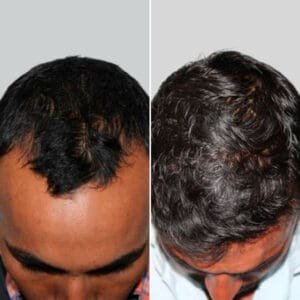
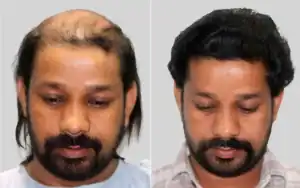
- Male pattern baldness: Men experience receding hairlines, bald patches, or bald spots. This starts with a receding hairline and thinning at the crown, progressing into more defined bald spots or complete baldness over time. They experience hair loss due to genetics, stress, age, certain medical conditions, and hormonal shifts.
- Female pattern hair loss: Women do not lose frontal hairline or bald spots but experience diffuse thinning across the entire scalp, especially at the crown, leading to a widened hair partition. They experience hair loss due to hormonal imbalance and poor lifestyle choices.
Due to these differences, hair transplantation for women requires a tailored approach that considers natural hair distribution, coverage of the scalp, and aesthetic goals.
Common Causes Of Hair Loss In Women
Understanding the underlying cause is important before planning a hair transplant. The common causes of hair loss in women include:
- Hormonal imbalances (e.g., PCOS, menopause, thyroid disorders)
- Genetic predisposition (androgenic alopecia)
- Stress, trauma, or illness
- Iron deficiency or poor nutrition
- Autoimmune disorders
- Hair styling practices, such as traction alopecia from tight hairstyles or frequent heat treatments
Hair Transplantation For Women
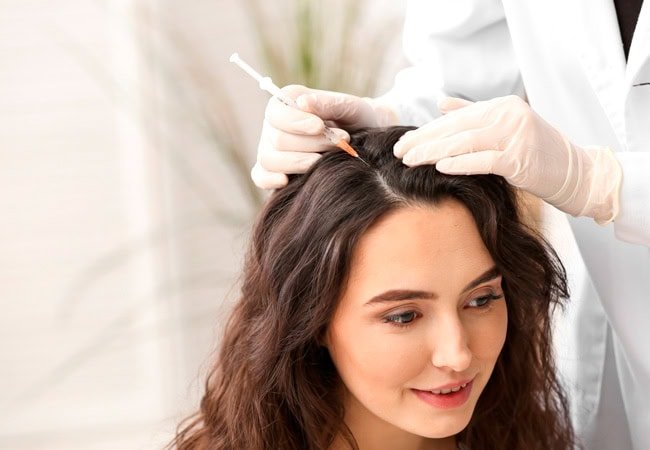
Women experiencing hair loss are turning to hair transplants as they offer a long-lasting solution by using the patient’s own hair follicles to restore hair volume, thereby restoring confidence.
Women undergo similar hair transplant procedures as men. The most popular hair transplant methods used for women include
- Follicular Unit Extraction (FUE): It is a popular, minimally invasive hair transplant method used for addressing patterned baldness among women. It involves the extraction and transplantation of individual hair follicles from one location to another. It is preferred when women want to keep their hair long or avoid shaving the entire scalp.
- Follicular Unit Transplantation (FUT): It involves the extraction of an entire strip of skin containing hair follicles for transplantation, from which individual follicular units are separated and transplanted. It is preferred when a larger number of grafts are needed.
In most cases, no-shave or partial-shave FUE methods are preferred for women to maintain aesthetics during recovery.
Hair Transplants for Women: Is It Different From Men’s Procedures?
The female hair transplant procedures are different from male procedures in terms of surgical approach to recovery, and expectations.
Candidacy for hair transplant
Not everyone experiencing hair loss is an ideal candidate for a hair transplant. It depends on several factors, including the type and extent of hair loss, the availability of donor hair, and the underlying cause of the condition.
Men with male pattern baldness who have a stable donor area at the back or sides of the scalp are ideal candidates.
Women with localized hair loss or a stable donor area may be ideal candidates. As women experience diffuse thinning across the entire scalp, it may limit the availability of viable grafts.
A thorough medical evaluation may be required for women to determine if surgery is viable.
Surgical approach
Male transplants often involve complete shaving of the head in the donor area. However, for women, shaving the entire head is usually not acceptable for aesthetic and emotional reasons.
The non-shaven FUE technique is preferred for women with long hair or who need a large number of grafts, which helps females to maintain existing hairstyles without affecting the outcomes.
Surgical planning is required in women when implanting the hair transplants to prevent harm to the surrounding, healthy hair follicles. It often prioritises minimising the visible signs of surgery. So, a skilled and experienced surgeon is required for a hair transplant in women, as it is more precise than a male hair transplant.
Hairline design
Hairlines are shaped differently in males and females. It plays an important role in achieving natural-looking results in hair transplantation.
Men’s hairlines follow an M-shaped pattern, while women prefer a softer, more rounded contours that complement and enhance the natural shape of the face. Women’s hair transplant focuses on preserving or restoring facial symmetry.
Density and aesthetic goals
Men who are undergoing hair transplants are often looking to restore lost hairlines or fill in bald areas.
Women on the other hand, are usually concerned with increasing density, reducing the visibility of the scalp through hair, and preserving the existing hairline. So, it requires an extensive process ensuring grafts are placed in a natural direction and density to blend with the surrounding hair.
Recovery and Post-operative care in women
Postoperative recovery in men is similar to women. However, women will experience psychological stress, especially when scalp visibility is higher post-surgery. Also, women may require ongoing treatments, including hormone therapy or medications, after the transplantation procedures.
Many women may see noticeable improvement in hair density and volume within six to 12 months after the procedure. The outcomes may vary depending on the experience of the surgeon, proper pre-operative diagnosis, patient compliance with post-op care, and expectations.
| Female hair transplant | Male hair transplant | |
| Pattern of hair loss | Diffuse thinning mostly on top of the scalp | Receding hairline, bald spots, and crown thinning |
| Donor area stability | Less predictable | More stable donor area at the back and side of the scalp |
| Ideal candidates | Women with localized thinning or traction alopecia | Men with a stable donor area and androgenic alopecia |
| Surgical approach | Often uses no-shave FUE or partial shave methods | FUE or FUT is commonly used |
| Visibility post-surgery | Scalp exposure can be emotionally distressing | May generally accept a shaved scalp for surgery |
| Aesthetic expectations | High expectations for density, volume, and natural blending | Focus on coverage and hairline restoration |
Table: Comparison between Female and Male Transplants
Conclusion
Female hair transplantation is a highly effective solution for women experiencing hair loss, but it does differ significantly from male procedures in terms of causes, patterns, and patient expectations. With strategic planning and proper post-operative care, women can achieve natural, long-lasting results. It is recommended to consult an experienced surgeon to ensure a successful outcome tailored to female-specific needs.
ALCS Clinic, located in Jaipur and led by Dr Sunil Arora, is committed to innovation and excellence, making it a preferred choice for women seeking hair transplantation. If you are considering a hair transplant for women, book your consultation today for expert guidance and comprehensive evaluation!
Frequently Asked Questions
Women with traction alopecia caused by tight hairstyles, localised bald spots due to injury or surgery, and thinning hair are suitable for hair transplantation. However, it is preferable to have an assessment by a cosmetic surgeon to determine whether you are an ideal candidate for hair transplantation.
Women’s hair transplants are more complex due to less stable donor areas and diffuse thinning across the scalp. It requires careful evaluation and strategic graft placement. Additionally, women often seek higher hair density and volume, making it essential to manage expectations and plan for natural, long-lasting results.
Yes, many women may require ongoing medical therapy, including minoxidil, hormonal treatment, or nutritional support to prevent further hair loss and maintain the results of hair transplant in non-treated areas.
Yes, female hair transplants can be effective, but the success may depend on the proper diagnosis, the extent of hair loss, donor hair quality, and the need for a tailored approach. Women may have diffuse thinning and so require a more strategic plan for transplantation.
References
https://pubmed.ncbi.nlm.nih.gov/33905785
https://www.jaad.org/article/S0190-9622(21)00901-4/abstract