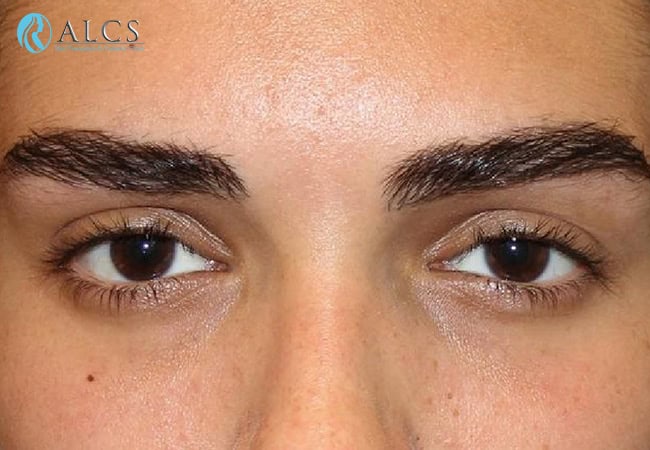
Eyebrows do much more than frame the eyes. They improve facial symmetry, express emotions, and even protect the eyes from sweat, water, and debris. For those with sparse, damaged, or absent eyebrows, relying solely on makeup can be both time-consuming and unsatisfactory.
A more permanent solution is an eyebrow hair transplant. This comprehensive guide explains the procedure, methods, cost factors, and everything you need to know about getting an eyebrow transplant in India.
What Is an Eyebrow Hair Transplant?
An eyebrow hair transplant is a specialized cosmetic procedure that involves relocation of hair follicles from the donor area – usually behind the ears or on the lower back of the scalp – to the eyebrow region. The procedure can be performed with local anesthesia in order to make the patient suffer minimal discomfort while undergoing the treatment.
They would be integrated once implanted into the natural eyebrow. They continue growing as they had been growing before at the donor site. It is possible to have them trimmed from time to time to appear neat, and the results would be long-term and natural.
Eyebrow Transplant Cost in Different Cities of India
Below is a table with the approximate cost range per graft and the total cost of an eyebrow transplant in various Indian cities:
| Cities | Cost per Graft (INR) | Total Cost (INR) |
| Mumbai | 80-150 | 20,000-50,000 |
| Indore | 40-80 | 20,000-30,000 |
| Delhi | 80-150 | 20,000-50,000 |
| Bangalore | 80-150 | 20,000-50,000 |
| Chennai | 70-130 | 20,000-50,000 |
| Kolkata | 70-130 | 20,000-50,000 |
| Hyderabad | 80-150 | 20,000-50,000 |
| Pune | 75-140 | 20,000-50,000 |
| Ahmedabad | 80-150 | 20,000-50,000 |
Methods of Eyebrow Transplantation
There are two main methods of an eyebrow hair transplant: Follicular Unit Extraction (FUE) and Follicular Unit Transplantation (FUT). More advanced techniques include Direct Hair Implantation (DHI) and micropigmentation, which provide new options.
Follicular Unit Extraction (FUE)
A small patch of hair is shaved at the donor site, from which individual hair follicles are extracted. The transplanted grafts are preserved in a saline or plasma solution when they cannot be implanted right away.
Advantages: This procedure is very less invasive and leaves very little scarring. The extraction and implantation are done very precisely to resemble the growth of hair, which occurs naturally.
Follicular Unit Transplantation (FUT)
A strip of skin with hair follicles is removed from the donor region, which is usually taken from the back of the head. The strip is dissected carefully into individual grafts to ensuring the grafts stay hydrated.
Considerations: FUT is relatively more invasive compared to FUE because the former requires a strip removal which will cause a linear scar.
Advanced Techniques: DHI and Micropigmentation
Direct Hair Implantation (DHI)
In DHI, hair follicles are taken out and implanted directly into the recipient site with a specialized tool. This tool gives the surgeon precise control over the depth and angle of implantation.
Benefits: The precision of the DHI technique ensures a natural appearance since each hair is placed to follow the natural direction of growth.
DHI Micropigmentation
In this process, rather than transplanting hair, the skin is implanted with a non-toxic pigment in order to create a denser look for the eyebrows. Unlike the traditional eyebrow tattoos, DHI micropigmentation uses pigments that reflect short hair and is applied in a manner that blends very well with any present hairs.
Reasons why Eyebrow Transplant in India is Cost-Effective
This is one of the main expense determinants of an eyebrow transplant in India. Understanding these can help you plan your treatment and manage your expectations of the costing.
1. Case complexity
Greater extents of hair loss or damage may necessitate more grafts, and hence the expenditure will be higher. Those with heavier scar tissue formations or additional health issues may incur higher charges due to the added complexity.
2. Artistic Skill
In comparison, highly experienced and internationally certified surgeons usually charge more in terms of their experience and precision. As the procedure is as much an art as it is a science, a superb surgeon who consistently delivers natural-looking results might come at a premium.
3. Technique and Technology
The FUT technique is typically more invasive and costly than the FUE technique. Advanced techniques such as DHI also need high-end tools, which adds to the expense. Using high-tech, accurate equipment also increases the cost.
4. Technician and Staff Involvement
The expertise of the nursing staff and technicians involved also determines the final cost.
More personnel or specialized support may result in higher charges.
5. Location and Facility
The prices vary significantly between cities. The clinics in the metropolitan cities, such as Mumbai and Delhi, will charge higher fees due to the high operating cost and increased demand. The clinics offering hi-tech facilities and high-grade hygiene and care may also recover more.
Why opt for an Eyebrow Transplant?
Eyebrow transplants can help in finally ending various eyebrow hair loss or dissatisfaction in one’s natural eyebrow shape. Following are some common reasons people choose this surgery:
1. Congenital or Developmental Conditions
Some people are born with naturally thin or uneven eyebrows (a condition known as hypotrichosis). For those who desire a fuller and more defined eyebrow, a transplant can provide a dramatic aesthetic boost.
2. Traumatic or Accidental Damage
Accidents or burns can damage or completely remove eyebrow hair, necessitating reconstruction. In cases where scarring has altered the natural eyebrow line, transplantation can help restore symmetry.
3. Over-Plucking and Cosmetic Damage
Overapplication of low-quality makeup or excessive plucking of brows causes sparse eyebrows. Instead of daily makeup application, the transplant is a much more permanent correction for the problem.
4. Professional and Personal Reasons
Media and public personalities: Actors, models, and celebrities frequently need well-defined eyebrows for shoot-on screen purposes. A well-groomed eyebrow leads to well-defined facial contours and gives a boost to the esteem and confidence level of a person.
Possible complications and risks
Although transplant eyebrow procedures are generally safe, if one wishes to be conscious of the inherent risks and complications associated with such procedures, they include:
- Swelling on the brows and around the eyes, combined with mild pain, is expected.
- Some of the existing eyebrows can fall off for a while after the transplantation.
- In the case of the FUT method, in particular, there could be a linear scar left at the donor area.
- The area will itch and may be numb due to healing.
- If the surgeon is not experienced, or hygiene is poor, there is a chance of infections, cysts, or ingrown hairs.
The best way to avoid these risks is to get a qualified and well-known surgeon who follows all sterilization techniques and has the latest technology.
Post-Procedure Care and Recovery
Proper care after an eyebrow transplant is what makes the surgery successful. The following are the key post-procedure guidelines.
Immediate Post-Procedure
- Let your body rest and avoid any strenuous activities.
- Take prescribed pain relievers and antibiotics to manage discomfort and prevent infection.
- Apply a cool compress gently to reduce swelling.
Short-Term Care
- Clean the transplant area as advised by your doctor. Avoid rubbing or scratching the area.
- Do not wear makeup for some days to avoid irritation.
- Avoid direct sunlight on the transplanted area to avoid possible damage or discoloration.
Long-term Care
- When the transplanted hair grows, trimming might be necessary from time to time to keep it in shape.
- Regular check-up with the surgeon will ensure proper monitoring and concern of the issues.
- Smoking and alcohol abuse should be avoided as they can delay healing.
Realistic Expectations and Final Results
It is essential for anyone planning to undergo an eyebrow transplant to know the time frame for recovery and results:
- Initial Shedding: There is a tendency for some of the transplanted hairs to fall out within the first 1 to 1.5 months.
- Early Growth: New hair growth is usually observed around 4 to 5 months after the procedure.
- Full Result: The complete results may take up to 12 months for the hair to grow naturally from the donor site.
Conclusion
Eyebrow transplants have emerged as an option in India as a reliable, permanent alternative for people struggling with sparse, uneven, or damaged eyebrows. From FUE and FUT to advanced DHI methods, and micropigmentation techniques, there is a variety of options for each patient based on their specific requirements and aesthetic demands.
The cost of an eyebrow transplant depends on several factors, such as the complexity of the case, the surgeon’s expertise, the chosen method, the skills of the supporting staff, and the location of the clinic. As seen in our cost table, prices vary significantly from city to city, making it essential for potential patients to research and consult with multiple clinics to find the best option that fits both their needs and budget.