Introduction to Hair Transplants in India
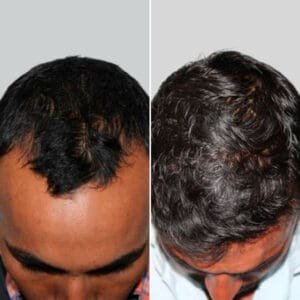
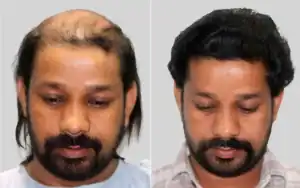
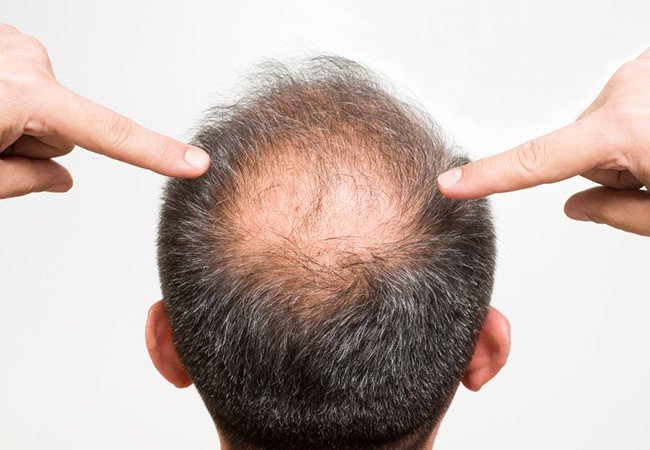
Hair loss is a very common problem, which affects thousands of people worldwide. While male pattern baldness commonly affects males, individuals seeking long-term solutions to restore hairlines usually opt for hair transplantation procedures. Hair transplantation serves as a permanent solution to resist balding and overcome the male pattern baldness problem. When performed by skilled and experienced surgeons, the results after the surgery are brilliant, mimicking the natural growth of hair. The procedure helps in improving the self-esteem and confidence of individuals in life. Along with this, hair transplantation is a cost-effective solution based on a long-term perspective.
The intent of this guide is to help the readers understand everything they need to know about undergoing a hair transplantation procedure in India. This would serve as a guide as to what to expect before, during, and after the hair transplantation procedure.
Types of Hair Transplant Techniques
Mainly, there are two most common hair transplant techniques used in India. These are:
- Follicular unit transplantation, a procedure which involves removal of strips of hair from the donor area to be grafted to the recipient area. This technique is responsible for leaving linear scars in the donor area.
- Follicular unit extraction, a procedure which involves extraction of hair follicles from the donor area using small punch tools, leaving dot-like scars which are less noticeable compared to the linear scars left by follicular unit transplantation.
What to Expect Before the Hair Transplant Procedure?
The initial consultation and evaluation of the hair loss pattern, quality of the donor area, health of the scalp, and patient condition is an extremely crucial step in the hair transplantation procedure. When done via a qualified hair transplant surgeon, a personalized plan is prepared to match the patient’s expectations with the potential surgical outcomes after assessing the patient’s condition.
Before the hair transplantation procedure, certain instructions are required to be followed to minimise the risk of complications by the individuals opting for the procedure. These include:
- Certain medications, such as blood thinners and anti-inflammatory drugs, would be required to stop before the surgery.
- On the day of the surgery, the patients would be required to wash their hair thoroughly to ensure that the scalp is free from any greasy, dirty, and oily substances.
- Individuals opting for hair transplantation would be required to quit smoking and drinking at least a week before the procedure as both of these agents can interfere with the healing process.
What to Expect During the Hair Transplant Procedure?
Initial Consultation
A detailed and thorough examination of the scalp of the patient is conducted by a hair transplantation surgeon or dermatologist. Along with this, the doctors also examine the health and availability of grafts from the donor area and create a personalized hairline design to match the symmetry of the face of the patient. After the initial consultation and scalp analysis, blood tests are conducted by doctors to assess the underlying health conditions of the patient. Post that, the donor and recipient areas are shaved or trimmed, and pre-operative photos are taken for documentation and planning.
Administration of Anaesthesia
For the surgery, local anaesthesia is administered to both the donor and recipient sites of the patient for hair transplantation surgery so that the patient experiences minimal discomfort and pain.
Extraction of Hair Follicles
The extraction of hair follicles occurs by two different techniques. Extraction of individual follicular units using a micro punch tool and storing the grafts in a storage solution is done in the follicular unit extraction method. It is a quick technique that leaves no linear scars. On the other hand, removal of a strip of hair from the donor area using dissection technique and closing the donor area with sutures or stapler after transplantation is done in follicular unit transplantation. This technique offers the advantage of more grafts being harvested in a single sitting. Then the extracted follicles or grafts are kept in a tray and segregated into ones, twos, threes, fours, and so on. Surgeons will then plan the hair implantation process to give natural-looking results and maximum density to the patient.
Preparation of Recipient Site and Donor Site
The recipient site is prepared by making small incisions in the bald areas where grafts can be implanted by the surgeon based on the angle and direction required. After that, the harvested grafts are carefully implanted into the tiny incisions, and the scalp is cleaned and bandaged.
What to Expect Immediately After the Procedure?
Like any other procedure or surgery, hair transplantation also carries some risks and complications, which anybody opting for the procedure must be aware of. Here is a list of some risks and complications that are commonly observed in patients:
- The follicular unit transplantation procedure may cause linear scarring in the donor area. On the other hand, follicular unit extraction typically leaves small dot-like scars. If not performed by skilled surgeons, these scars may become quite noticeable.
- If a person is careless in taking adequate care after the operation, infections may occur in donor and recipient areas, which may hamper the healing process.
- Right after the surgery, as the anaesthesia wears off, temporary numbness is experienced in the donor area, which resolves after a few weeks.
Hair Growth Timeline After Hair Transplantation
- During 1 to 2 months after the transplantation, the transplanted hair may shed. It should be noted that this is a part of the normal hair growth cycle and is completely expected.
- During 4 to 6 months after the transplantation, new hair growth begins. The hairs that grow during this phase are fine and soft but gradually gain strength and thickness over time.
- During 6 to 12 months after the transplantation, thicker and stronger hair begins to grow, and the density improves noticeably.
- After 12 to 18 months, the transplanted hair will grow to its natural length, and you can style, cut, and groom it just like your original hair.
Post-Recovery Hair Care and Follow-up
After the initial recovery phase, doctors will advise you to use mild and non-abrasive shampoo and conditioner for washing the transplanted hair. It is also important to protect the scalp from excessive and prolonged sun exposure, as the newly transplanted follicles remain sensitive for several months.
In addition to these care instructions, regular follow-up appointments with the medical team are crucial. These check-ups help monitor your progress, detect any early complications, and ensure optimal long-term results from the hair transplantation procedure.
Long-Term Health Plan After Hair Transplantation
After the hair transplantation procedure, the surgeon will instruct you with a detailed post-operative care plan to minimise the risk of infection and ensure the survival of the grafts. Right after the surgery, mild swelling and redness in the recipient and donor areas may be present for a few days. Within a week or two, the scabs around the transplanted hair follicles will fall off. It is essential to note that one should not pick scabs and should let them fall naturally. Some patients may experience falling of the transplanted hair in the first few weeks after the procedure. This situation is termed as shock loss. It is essential to note that this process is completely natural and normal.
Frequently Asked Questions (FAQs)
Yes, hair transplants are considered permanent. While it is a permanent solution, the non-transplanted hair may get thin over time, requiring a few additional procedures for their correction.
Most people start noticing new hair growth between 4 to 6 months. However, full results typically appear by 12 to 18 months after the hair transplantation procedure.
While hair transplant is generally safe, minor risks such as swelling, redness, scabbing, and temporary numbness may be present, which can be resolved with proper aftercare.
The procedure is performed under local anesthesia, so one does not feel pain during the transplant. Some mild discomfort and soreness can occur post-procedure, which is easily manageable with medications as prescribed by doctors.
It’s recommended to take 3 to 7 days off from work, depending on your comfort and the nature of your job. Swelling and scabbing may be visible during the first few days, which some may prefer to recover from privately.