Get Expert Advice - Free Today

Hypospadias Surgery Cost: What to Expect and Key Factors That Influence It

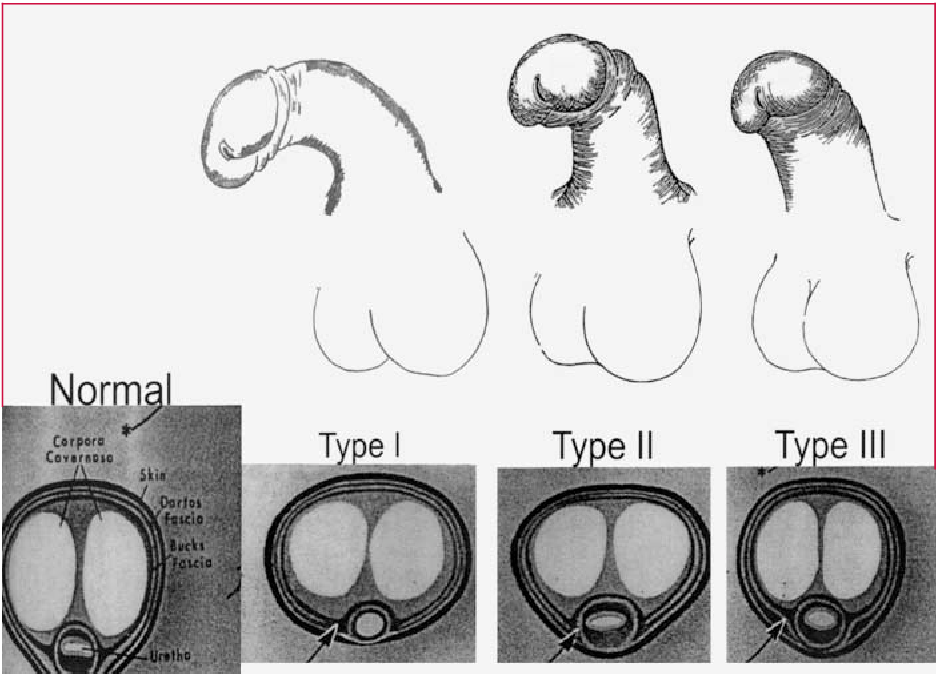
Hypospadias is the congenital condition in males where in infancy, there is ectopic opening of the urethra under the urethra that lies normally at the head of the penis. Such a position can vary and may include the opening near the penile tip but can move further down along the entire length of the penis as well. Usually, there is a surgery known as hypospadias repair. 

One of the burning questions for families and patients is the cost of hypospadias cosmetic surgery, among others such as age at the time of surgery, what to expect after surgery, and how to facilitate healing. In this article, we’ll explore the cost of hypospadias surgery, factors influencing it, the ideal age for surgery, and practical recovery tips to ensure the best possible outcome.

Source: SemanticScholar


Understanding the Cost of Hypospadias Surgery

The cost of hypospadias surgery can vary widely depending on several factors, such as the complexity of the condition, the surgical approach, the hospital or clinic chosen, and even the geographic location.

  1. Average Cost Range
    Hypospadias surgery costs can range from approximately $4,000 to $15,000 in the United States. For mild cases, where the procedure is straightforward and may require a single surgery, costs may be on the lower end. However, in more complex cases, where multiple surgeries are required, costs tend to be higher.
  2. Insurance Coverage
    Most insurance plans cover hypospadias surgery since it is generally considered medically necessary. However, the level of coverage can vary. Families should check with their insurance provider to determine out-of-pocket expenses, pre-authorization requirements, and the network of covered providers. For those without insurance, some hospitals offer financial assistance or payment plans.
  3. International Costs
    For patients considering surgery abroad, countries like India, Thailand, and Mexico offer more affordable options, often ranging from $1,500 to $6,000 for the entire procedure. International medical travel, or “medical tourism,” can be an attractive option for families on a budget, though travel, accommodation, and follow-up care should be factored in.

Cost Breakdown for Hypospadias Surgery in India (INR)

Cost ComponentApproximate Cost Range (INR)
Consultation and Preoperative Tests₹5,000 – ₹10,000
Surgeon Fees₹30,000 – ₹1,50,000
Anesthesia Fees₹10,000 – ₹20,000
Hospital Stay₹5,000 – ₹50,000 (per day)
Surgical Supplies₹10,000 – ₹20,000
Postoperative Medications and Dressings₹5,000 – ₹15,000
Follow-up Visits₹5,000 – ₹20,000
Total Estimated Cost₹50,000 – ₹2,50,000

Key Factors That Influence Hypospadias Surgery Cost

Several critical factors determine the overall cost of hypospadias surgery:

  1. Severity of Hypospadias
    The severity of the condition significantly impacts the cost. Minor forms of hypospadias, where the opening is near the tip of the penis, are generally easier and faster to correct than more severe cases. In complex cases, especially those requiring tissue grafting or reconstructive techniques, costs increase due to the extended surgical time and higher skill level required.
  2. Type of Surgical Technique
    There are several techniques for hypospadias repair, such as the MAGPI (meatal advancement and glanuloplasty), the TIP (tubularized incised plate), and more complex grafting methods. The choice of technique depends on the case and often dictates the surgery cost. Procedures that require more advanced reconstructive techniques, specialized equipment, or longer operative times will cost more.
  3. Age at Surgery
    The ideal age for hypospadias surgery is typically between 6 and 18 months. Surgery at this age minimizes psychological impact and allows for easier healing, but if the procedure is delayed to later childhood or adolescence, costs may rise due to increased complexity and anesthesia requirements.
  4. Surgeon’s Expertise
    Pediatric urologists or surgeons who specialize in hypospadias repair generally charge more due to their specialized skill set. Choosing a highly experienced surgeon can reduce the likelihood of complications and re-surgeries, which might ultimately be cost-saving in the long run.
  5. Hospital or Clinic Charges
    Hospital charges contribute significantly to the total cost. Larger hospitals with specialized pediatric departments may have higher costs due to their resources, facilities, and expertise, whereas private clinics may offer more competitive rates but may lack certain support services.
  6. Anesthesia and Additional Medical Care
    Anesthesia costs can vary based on the length and complexity of the surgery. Additionally, if the child requires overnight hospitalization, these charges are added to the final bill.

Recovery and Age Considerations for Hypospadias Surgery

  1. Hypospadias Surgery Age
    Surgery is recommended at a younger age, typically between 6 and 18 months. At this age, children are less likely to remember the surgery and tend to heal faster. Early surgery also minimizes potential emotional stress, as the child grows up without awareness of the condition. Performing the surgery at an optimal age also reduces anesthesia-related risks and increases the chances of a successful outcome.
  2. Recovery Period
    The typical recovery period for hypospadias surgery is about 1-2 weeks. However, complete healing may take up to six months, depending on the complexity of the repair and any complications. Parents may notice some swelling and redness, which should gradually subside within the first few weeks post-surgery.

Hypospadias Surgery Recovery Tips

Recovering from hypospadias surgery can be challenging for both parents and children. The following tips can help ensure a smoother recovery:

  1. Follow the Doctor’s Instructions
    Adhering to post-operative instructions is crucial. This may include keeping the area dry, avoiding baths for the initial days, and using prescribed medications as directed.
  2. Manage Pain and Discomfort
    Pain management is an essential part of recovery. Pediatric surgeons typically prescribe mild pain relievers to manage discomfort. Ensuring the child is comfortable can reduce stress and facilitate healing. Ice packs or cold compresses, used as directed by the doctor, can also help alleviate pain and swelling.
  3. Encourage Rest
    Limiting the child’s physical activity can prevent strain on the surgical area. Encourage quiet playtime activities, and avoid strenuous play or any activity that could impact the healing process, such as riding toys or running.
  4. Monitor for Infection Signs
    Check the surgical site daily for signs of infection, such as increased redness, swelling, or drainage. If any of these symptoms occur, consult the healthcare provider immediately to avoid complications.
  5. Consider Specialized Clothing
    Dressing the child in loose-fitting, comfortable clothing can prevent friction and irritation on the surgical site. Some parents opt for special post-operative diapers designed to minimize contact with the area.
  6. Follow Up with the Surgeon
    Regular follow-up appointments allow the surgeon to assess the healing progress. During these visits, any minor issues can be addressed promptly, preventing them from developing into more significant concerns.

Conclusion

Hypospadias surgery is one of the most common and successful procedures of placing urethra in male babies. Hypospadias surgery is very disparate in cost as it relates to the seriousness of the kind of disorder, the specific surgical technique necessary for cure, patient age, and the experience of the surgeon. So, such an awareness would allow family units with a budgetary problem to plan their choices correctly.

Optimal surgical time is around 6 to 18 months that results in a successful recovery and benefits in the long term. The proposed recovery tips will ensure pain does not interfere with general recovery; avoid lack of rest during this period as it promotes a successful recovery process while minimizing the chances of a secondary corrective procedure.

Although hypospadias surgery can be costly, all the above-mentioned options are feasible and accessible to a patient who requires the treatment: insurance coverage and options in other countries.

Frequently Asked Questions (FAQs)

Is hypospadias surgery safe?

Hypospadias correction is a safe surgery that often has positive outcomes. Mild hypospadias normally requires only one operation. More severe hypospadias may necessitate further procedures.

What is the best age to repair hypospadias?

The most common age range for hypospadias correction in males is between 6 months and 2 years old. The operation is performed as an outpatient. The youngster seldom needs to spend the night in the hospital.

Can people with hypospadias have children?

The fold of skin on top of the penis (foreskin) also develops improperly. Hypospadias can disrupt regular urine flow. Later in life, it may create issues with sperm flow. This can lead to infertility (inability to have children).

Labiaplasty Cost in India: What You Need to Know Before Surgery

Labiaplasty is a cosmetic surgical procedure aimed at reshaping or reducing the size of the labia. It has gained significant traction in India over the years. Women consider this surgery for various reasons, ranging from functional discomfort during physical activities to aesthetic preferences. 

Before diving into this transformative journey, one of the primary concerns for many is understanding the cost involved. This article focuses exclusively on the Labiaplasty Surgery Cost in India, factors influencing the pricing, recovery-related expenses, and how the procedure can benefit you.

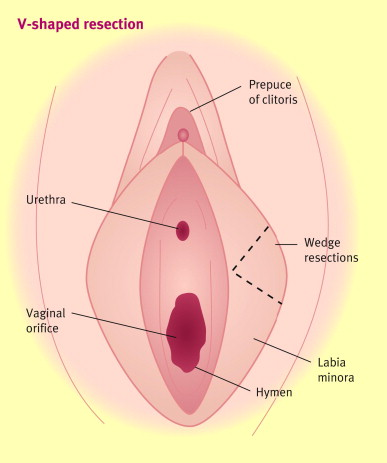
Source: ScienceDirect

Labiaplasty Surgery Cost in India

The cost of labiaplasty in India varies significantly depending on several factors, such as the surgeon’s expertise, clinic location, and additional services provided. On average, the cost of labiaplasty in India ranges between ₹40,000 and ₹1,50,000. Here’s a detailed breakdown of the pricing:

FactorEstimated Cost (INR)
Surgeon’s Fee₹20,000 – ₹70,000
Hospital/Clinic Charges₹10,000 – ₹50,000
Anesthesia Fees₹5,000 – ₹20,000
Pre-Surgical Tests₹2,000 – ₹5,000
Post-Surgery Medications₹2,000 – ₹10,000
Follow-Up Consultations₹2,000 – ₹10,000 per visit

Key Factors Affecting Labiaplasty Cost in India

Like every surgery, the cost is the result of a lot of factors and not just one. The factors responsible for the cost are as follows: 

1. Surgeon’s Expertise

The cost is heavily influenced by the surgeon’s credentials, experience, and reputation. Highly skilled surgeons with years of experience in cosmetic gynecology typically charge more, but their expertise ensures better results and minimal complications.

2. Hospital or Clinic Location

The geographical location of the clinic also plays a critical role. Clinics in metropolitan cities like Mumbai, Delhi, and Bangalore generally charge higher due to advanced infrastructure and demand for specialized services.

3. Type of Procedure

Labiaplasty can involve different techniques, such as trimming or wedge resection. Each method has its own complexity and cost implications. The choice of technique depends on the patient’s specific needs and the surgeon’s recommendation.

4. Anesthesia Type

The surgery can be performed under local or general anesthesia. While local anesthesia is more cost-effective, general anesthesia is more expensive due to the involvement of an anesthesiologist and monitoring equipment.

5. Pre- and Post-Surgical Expenses

Apart from the surgery itself, costs related to diagnostic tests, medications, and follow-up visits also add up. These expenses are essential to ensure a smooth recovery after labiaplasty.

6. Customized Packages

Some clinics offer comprehensive packages that include surgery, hospital stay, medications, and follow-ups. While these packages may seem costly upfront, they often prove to be more economical in the long run.

Benefits of Labiaplasty

Although cost is an important consideration, it’s equally vital to understand the benefits of labiaplasty. Here are some of the advantages:

  1. Comfort: Many women experience discomfort during physical activities, such as cycling or yoga. Labiaplasty alleviates such issues.
  2. Improved Hygiene: Reducing the size of the labia can make daily hygiene routines easier and reduce the risk of infections.
  3. Aesthetic Appeal: The procedure enhances self-confidence by achieving the desired aesthetic appearance.
  4. Boost in Confidence: Feeling more comfortable in intimate situations can have a positive impact on mental well-being.

Recovery After Labiaplasty: Cost Considerations

Recovery after labiaplasty is generally straightforward, but it involves additional costs that patients should anticipate. Here’s a look at some common recovery-related expenses:

ExpenseEstimated Cost
Pain Relief Medications₹500 – ₹2,000
Antibacterial Ointments₹500 – ₹1,500
Post-Surgical Garments₹1,000 – ₹3,000
Follow-Up Appointments₹2,000 – ₹10,000 per visit
Emergency Care (if needed)₹5,000 – ₹20,000

Patients should set aside an additional ₹10,000 to ₹30,000 for post-operative care and follow-ups to ensure optimal healing. Recovery typically takes about 4-6 weeks, during which proper care and rest are essential.

Why Labiaplasty in India is Cost-Effective

India has emerged as a hub for affordable and high-quality cosmetic surgeries, including labiaplasty. Here’s why opting for labiaplasty in India can be a wise choice:

  1. Affordable Pricing: Compared to Western countries where labiaplasty can cost upwards of ₹4,00,000, the procedure in India is significantly more affordable without compromising on quality.
  2. Highly Qualified Surgeons: India is home to some of the best cosmetic surgeons globally, with extensive experience in advanced gynecological procedures.
  3. State-of-the-Art Facilities: Many clinics and hospitals in India are equipped with world-class infrastructure, offering a seamless patient experience.
  4. Medical Tourism Packages: International patients can benefit from cost-effective packages that include travel, accommodation, and surgery.

How to Choose the Right Clinic for Labiaplasty

When considering labiaplasty, selecting the right clinic and surgeon is crucial. Here are some tips to make an informed decision:

  1. Research and Reviews: Look for clinics with excellent patient reviews and testimonials.
  2. Surgeon’s Credentials: Verify the surgeon’s qualifications, experience, and specialization in labiaplasty.
  3. Facility Accreditation: Ensure the clinic or hospital is accredited by recognized medical boards.
  4. Transparent Pricing: Opt for clinics that provide a detailed cost breakdown to avoid hidden charges.
  5. Consultation Sessions: Utilize initial consultations to discuss your concerns, understand the procedure, and get an accurate cost estimate.

Cost Comparison: Labiaplasty in Major Indian Cities

CityAverage Cost (INR)
Mumbai₹50,000 – ₹1,50,000
Delhi₹45,000 – ₹1,40,000
Bangalore₹40,000 – ₹1,30,000
Hyderabad₹40,000 – ₹1,20,000
Chennai₹40,000 – ₹1,25,000
Kolkata₹35,000 – ₹1,00,000

Conclusion

Labiaplasty is a life-changing procedure for many women, offering both functional and aesthetic benefits. While the Labiaplasty Surgery Cost in India is relatively affordable compared to other countries, it’s essential to factor in all related expenses, including recovery costs and follow-ups, to make a well-informed decision. 

Whether you are considering the surgery for comfort or cosmetic reasons, understanding the cost dynamics will help you plan effectively and achieve the best possible outcome. By prioritizing quality care and transparency in pricing, you can ensure a positive experience and long-lasting results.

Frequently Asked Questions (FAQs)

Is labiaplasty actually painful?

You will have swelling, irritation, and pain, but these are normally easily managed with over-the-counter (OTC) medicine.

Will I lose sensation after a labiaplasty?

The labiaplasty surgeon focuses on removing labial tissue that does not contain nerve endings. Although every surgery, including labiaplasty, has dangers, a loss of sexual feeling is uncommon after labia reduction surgery.

Can a labiaplasty go wrong?

Labiaplasty, like any other surgical operation, can lead to negative effects such as physical pain, infection, bleeding, or complications. However, problems from labiaplasty in the vaginal lips or elsewhere are quite rare.

Otoplasty (Ear Correction Surgery) Cost in India: A Complete Guide

Otoplasty or ear correction surgery is a process through which the ears are reshaped for a natural and balanced outlook. This surgery is in great demand among children and adults seeking surgical correction to enhance their self-confidence against ear abnormalities. 

Knowing about the cost of otoplasty in India can provide any potential patient with much-needed knowledge. This guide gives the reader a complete overview of otoplasty costs in India, factors which influence these costs, and what to expect during the process.

Average Cost of Otoplasty in India

The cost of otoplasty in India varies based on several factors, including the type of procedure, the surgeon’s expertise, and the location of the clinic. Below is a table outlining the average costs of different otoplasty procedures in major Indian cities:

CityEar Pinning CostEar Reduction CostEar Augmentation CostOtoplasty for Children
Delhi₹28,000 – ₹48,000₹30,000 – ₹50,000₹35,000 – ₹60,000₹25,000 – ₹50,000
Mumbai₹27,000 – ₹47,000₹35,000 – ₹55,000₹40,000 – ₹53,000₹35,000 – ₹55,000
Banglore₹26,000 – ₹46,000₹33,000 – ₹52,000₹38,000 – ₹56,000₹28,000 – ₹52,000
Chennai₹24,000 – ₹44,000₹32,000 – ₹51,000₹34,000 – ₹56,000₹30,000 – ₹50,000
Hyderabad₹29,000 – ₹49,000₹31,000 – ₹51,000₹35,000 – ₹54,000₹28,000 – ₹45,000
Pune₹25,000 – ₹45,000₹33,000 – ₹54,000₹39,000 – ₹59,000₹35,000 – ₹50,000
Kolkata₹24,000 – ₹44,000₹29,000 – ₹50,000₹32,000 – ₹49,000₹25,000 – ₹50,000
Ahmedabad₹26,000 – ₹46,000₹30,000 – ₹50,000₹33,000 – ₹57,000₹25,000 – ₹50,000

Table 1: Average Otoplasty Costs in Major Indian Cities

Factors Influencing Otoplasty Costs

Some factors contribute to the variation in otoplasty costs across India:

  1. Surgeons who are experienced and famous charge more. Specialized surgeons in otoplasty may charge premium prices.
  2. Major cities like Mumbai, Delhi, and Bangalore are typically relatively more expensive than a small town. Clinics in high-class places may charge on the cost of running them.
  3. The procedures differ, including ear pinning, reduction, and augmentation and vary in their costs. Complex cases requiring additional techniques or grafts may increase the overall price.
  4. High-end clinics with first-class medical equipment and luxurious facilities are probably expensive. Facility packages with comprehensive care could charge a package price.
  5. Preoperative consultations, postoperative care, and followup visits may increase the overall cost. Some clinics integrate this into their package, while others charge extra.

Detailed Cost Breakdown

Understanding the detailed cost components can help you make an informed decision. Here is a breakdown of what contributes to the total cost of otoplasty in India:

  • Consultation Fees: Range from ₹1,000 to ₹5,000. This is the initial meeting with the surgeon to discuss your goals.
  • Surgeon Fees: ₹ 20,000 to ₹ 60,000. This charges the actual surgical procedure.
  • Anesthesia charges: Rs 5,000-Rs 15,000. This will be used for the amount of anesthesia given during the surgery.
  • Facility Charges: Between ₹5,000 to ₹20,000. For using the operating room and medical equipment.
  • Medicine and Kit: Around ₹2,000 to ₹10,000. For postoperative medicines and surgical cost.
  • Miscellaneous Fees: There is another ₹ 1,000 to ₹5,000. These include extra expenses like transportation.

Ear Reconstruction Surgery Cost vs. Ear Operation Cost

Ear Reconstruction Surgery Cost is a far more complicated surgery and costly procedure which is often due to a congenital deformity or very severe trauma. Ear Operation Cost is generally a term of common usage, referring to the general type of surgery within the ear, including otoplasty. It varies by the procedure as well as the level of difficulty. Ear operation Cost: it comprises Cosmetic and Reconstructive Surgery.

Otoplasty for Children

Otoplasty for children is a common choice to correct ear abnormalities early, preventing social issues like teasing and bullying. The costs for children are generally similar to those for adults but can vary based on the complexity of the case. Early intervention can lead to better surgical outcomes and long-term satisfaction.

Comparing Otoplasty Costs Across India

Otoplasty in India is generally more affordable compared to many Western countries. For instance, in the United States, otoplasty can cost between $5,000 to $10,000, whereas in India, the cost ranges from ₹24,000 to ₹65,000 (approximately $300 to $850). This significant difference makes India an attractive destination for medical tourism.

Insurance and Otoplasty

In most cases, otoplasty is considered a cosmetic procedure and is not covered by insurance. However, there are exceptions:

  • Medically Necessary Otoplasty: If the surgery corrects a congenital deformity that causes functional issues. Cases involving trauma or injury to the ears may qualify for insurance coverage.
  • Insurance Coverage: It Varies by provider and policy. Requires documentation and approval from the insurance company. It is advisable to consult with your insurance provider and surgeon to explore available options.

Choosing the Right Surgeon

What actually makes the otoplasty procedure successful is choosing an experienced and qualified surgeon. First, verify that your surgeon is credentialed. Ensure they have the medical certification from relevant boards. 

Determine qualification in plastic surgery or otolaryngology. Choose a surgeon that has carried out plenty of successful otoplasty procedures. Inquire about how many surgeries they have ever completed. Read reviews from other patients for proper understanding of the skills of the surgeon and patient care. 

Look at before-and-after photos of previous patients to see their work. Finally, schedule a consultation. Discuss your goals and expectations with the surgeon. Pay attention to how they communicate and address your concerns. This process will help you find a surgeon you can trust for your otoplasty.

Preparing for Otoplasty

Proper preparation can enhance your surgery experience and outcomes. Follow these steps to prepare for otoplasty:

  1. Initial Consultation: Discuss your goals and medical history with your surgeon. Understand the procedure, risks, and expected outcomes.
  2. Pre-Operative Instructions: Follow any guidelines provided by your surgeon, such as fasting before surgery. Avoid nonsteroidal anti-inflammatory drugs (NSAIDs) to reduce bleeding risks.
  3. Arrange Transportation: Ensure you have someone to drive you to and from the clinic on the day of surgery.
  4. Prepare Recovery Area: Set up a comfortable space at home for post-surgery rest. Have necessary supplies like bandages, medications, and soft foods ready.

Aftercare and Recovery

Post-operative care is important for healing and achieving the best results from otoplasty. Here are essential aftercare tips:

  1. Dressing Care: Keep the dressing clean and dry to prevent infection. Follow your surgeon’s instructions on how to care for the dressings.
  2. Avoid Touching Ears: Do not touch or manipulate your ears to allow proper healing.
  3. Clothing Choices: Wear clothes that do not require pulling over the head, such as button-up shirts.
  4. Sleeping Position: Sleep on your back to avoid pressure on the ears. Use pillows to keep your head elevated if necessary.
  5. Activity Restrictions: Avoid strenuous activities, sports, and any actions that could impact the ears for several weeks. Children should limit physical activities like recess and gym class until fully healed.

Risks and Complications

While otoplasty is generally safe, it carries some risks and potential complications:

  • Common Side Effects:
    • Soreness and tenderness around the ears.
    • Itchiness or redness at the incision sites.
    • Swelling and bruising, which usually subside within a few weeks.
    • Tingling or temporary numbness around the ears.

Benefits of Otoplasty

Otoplasty offers several significant benefits:

  • Corrects prominent, misshapen, or asymmetrical ears.
  • Improves self-esteem and reduces self-consciousness.
  • Changes are long-lasting, providing a stable solution.
  • When performed by a qualified surgeon, otoplasty is a safe option.

Conclusion

Otoplasty is a valuable procedure for those seeking to correct ear abnormalities and enhance their appearance. In India, the cost of otoplasty is relatively affordable compared to many other countries, making it an attractive option for both domestic and international patients. 

Choosing the right surgeon and clinic is crucial for achieving the best results. Ensure you conduct thorough research, read reviews, and consult with multiple surgeons before making your choice. Proper preparation and adherence to post-operative care instructions will contribute to a smooth recovery and satisfactory outcomes.

If you are considering otoplasty, consult with a qualified specialist to discuss your goals and explore the most suitable options for your needs. With the right information and support, you can achieve the ears you desire and boost your confidence.

Frequently Asked Questions (FAQs)

Is otoplasty painful?

Otoplasty normally causes minor pain. The first 24 hours are the worst, but it quickly improves. It is impossible to predict a person’s pain level. If you have done well with surgery in the past, you will likely be OK with this procedure.

How long does otoplasty surgery last?

The complete treatment takes around two hours. You will possibly be given general anesthesia, which puts you to sleep so you don’t feel anything.

Can I cut my hair after an otoplasty?

You may receive a haircut as soon as the head bandage is removed and no additional one is applied. However, the ear should not be bent forward if sutures have been placed inside for at least 6 weeks.

Hymen Repair Surgery (Hymenoplasty) Cost in India: What to Expect

Hymen repair surgery is also known as medically hymenoplasty. It is a surgical procedure to reconstruct the hymen. This elective surgery gained popularity all over the globe for different reasons, due to cultural expectations, by personal choice, for psychological comfort, or with the intention of recovering trauma. 

India has been a much-preferred destination for hymenoplasty because of the quality and affordability provided by its medical services. This article focuses on the cost-related aspect of hymenoplasty in India, discusses reconstruction options, and provides a comprehensive understanding of what patients can expect.

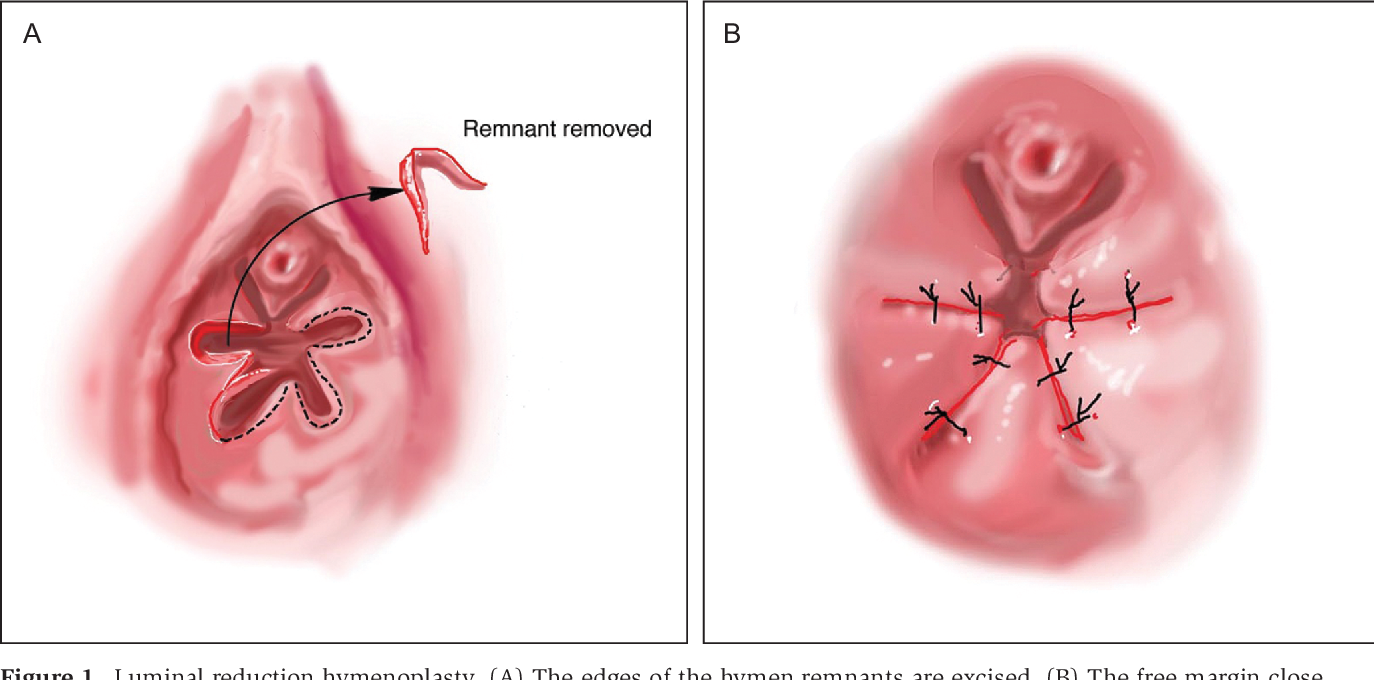
Source: Semantic Scholar

What is Hymenoplasty?

The hymen is a thin, elastic membrane found around the vaginal entrance. Although it has been popularly linked with virginity, this is a myth, as the hymen can rip for causes other than sexual activity. This can happen in conditions such as sports or physical stress.

 Hymenoplasty is a surgical procedure that restores the hymen by sewing the fragments together or developing a new one from vaginal tissue. The technique is minimally invasive and typically takes 30 to 60 minutes to complete while under local anesthetic.

Hymenoplasty may potentially combine other cosmetic operations, such as vaginal rejuvenation, to address additional problems. The operation is typically safe and requires little downtime, so most patients may resume their normal activities within a few days. However, the price of the process may vary significantly based on various factors, so it is important for prospective patients to understand the financial implications.

Factors Impacting Hymenoplasty Costs in India

The cost of hymenoplasty in India is dependent on several variables, including:

  • Metropolitan cities, such as Delhi, Mumbai, Bangalore, and Hyderabad, often have greater expenses than smaller cities due to their higher cost of living and modern healthcare infrastructure.
  • Premium hospitals and private clinics with cutting-edge facilities typically demand more fees than smaller or lesser-known businesses.
  • Highly skilled and reputable surgeons frequently charge a premium for their services, which ensures greater results and lesser risks.
  • Prices vary depending on the surgical procedure used, such as traditional stitching or laser-assisted reconstruction.
  • Fees for anesthesia, room charges, and pre-surgical tests are often separate from the procedure’s base cost. 
  • Follow-up appointments, medicines, and post-operative diagnostics may incur additional fees, affecting total spending.

Hymenoplasty Costs in the Major Indian Cities

India offers hymenoplasty at a fraction of the cost compared to Western countries, where the procedure can cost anywhere between $4,000 and $8,000. Below is a breakdown of average costs in major Indian cities:

CitiesCost Range (INR)
Delhi20,000 – 80,000
Mumbai25,000 – 90,000
Bangalore20,000 – 75,000
Hyderabad15,000 – 70,000
Chennai18,000 – 65,000
Pune15,000 – 60,000
Kolkata15,000 – 50,000

Types of Hymenoplasty and their Costs

There are multiple methods of hymen reconstruction, and the expenses vary depending on the chosen method:

Traditional hymenoplasty (stitches): This approach includes suturing the hymen remains. It is the most popular and cost-effective choice.

Cost: INR 15,000 to 30,000.

Ideal for those who want a straightforward, less intrusive surgery.

Laser-Assisted Hymenoplasty: This method employs laser technology for accuracy, resulting in less scarring and a speedier recovery.

Cost: INR 35,000 to 60,000.

Ideal for: Patients who seek sophisticated surgical procedures with minimal downtime.

Alloplant Hymenoplasty: This surgery includes the creation of a new hymen using synthetic tissue or biomaterials.

Cost ranges from INR 40,000 to 75,000.

Ideal for those who don’t have enough natural tissue for rebuilding.

Comprehensive vaginal rejuvenation: combines hymenoplasty with other cosmetic operations including vaginal tightening or contouring.

Cost ranges from INR 50,000 to INR 1,000,000.

Ideal For: Those looking for a complete cosmetic augmentation of the vaginal area.

Additional costs to consider.

While the procedure’s base cost is an important consideration, patients should additionally budget for various connected fees, such as:

  • Initial consultation prices normally vary between INR 500 and 2,000, depending on the facility and surgeon.
  • Routine blood tests, physical examinations, and imaging studies may incur an extra INR 1,000 to 5,000.
  • Post-operative medications, antibiotics, and ointments may cost between INR 500 and 2,000.
  • Follow-up appointments, which are sometimes required to check recovery, cost between INR 500 and 1,500 each session.
  • Outstation or overseas patients could face hefty travel and hotel fees.

Why Choose India for Hymen Repair Surgery?

India has established itself as a top medical tourism destination, attracting people from all over the world for a variety of treatments, including hymenoplasty. One of the key reasons for India’s appeal is its low cost of treatment. Hymen repair surgery in India is substantially less expensive than in the United States, United Kingdom, or Australia, making it a viable alternative for many. 

Added to that, the country has a pool of highly qualified surgeons specialized in cosmetic gynecology, many of whom have international credentials and vast experience. This knowledge is supported by cutting-edge facilities; Indian hospitals and clinics have excellent infrastructure to provide safe and effective treatment. 

Also top clinics promote privacy and secrecy, therefore they provide private consultations and discreet treatments. This treatment is sensitive to many people, therefore it appeals to foreign patients’ sense of value for the affordability of India’s medical visa services, as well as its rich cultural legacy, which provides the best of both worlds: first-rate healthcare in an adventurous holiday location.

Conclusion

Hymen repair surgery in India is available at a reasonable cost to people who need it for personal, cultural, or emotional reasons. Prices range from INR 15,000 to 80,000, depending on the city, clinic, and surgeon. India offers an ideal balance of price, knowledge, and excellent service. Patients may plan their hymenoplasty surgery more effectively if they understand the expenses and aspects involved.

It suggests that India continues to perform well as a medical tourism destination, and hymenoplasty is a viable and dependable alternative for nearly all patients globally. Given the cost related, selecting the proper physician, and enough preparation, people can be successful in their desired outcomes confidently and with peace of mind.

Frequently Asked Questions (FAQs)

Is hymenoplasty legal in India?

Hymenoplasty is legal in India. It is a typical cosmetic operation performed by qualified gynecologists and surgeons at well-known clinics. Adult women in India have the legal right to choose their own cosmetic operations, including hymen repair.

Can a girl bleed after a hymenoplasty?

Following hymenoplasty, the repaired hymen may act differently from the native hymen. Some women may suffer bleeding, while others may not—this is normal without surgery.

Is the hymen repair procedure painful?

Hymenoplasty surgery is painless since it is conducted with local anesthetic. Many ladies opt to sleep throughout their procedure by taking a sedative. However, as the influence of anesthetic wears off, you may experience little discomfort during the initial week following the surgery.

References

https://pmc.ncbi.nlm.nih.gov/articles/PMC10423100/ 

https://www.sciencedirect.com/science/article/abs/pii/S0020729209004123 

https://casereports.bmj.com/content/16/10/e251008 

Varicose Veins Surgery: Costs, Treatment Options, and What to Expect

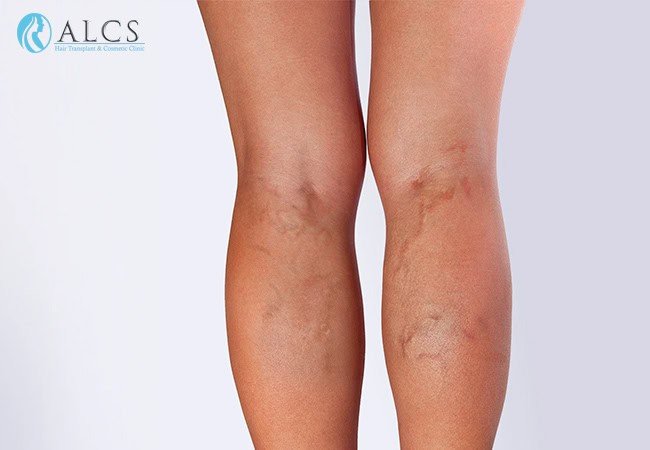
Varicose veins are enlarged, twisted veins that usually appear just below the skin’s surface, most commonly in the legs. Though often considered a cosmetic issue, varicose veins can cause discomfort and in some cases, serious health complications. 

Understanding the costs, available treatment options, and what to expect during varicose vein surgery can help individuals make informed decisions about their vascular health.

What are Varicose Veins?

Varicose veins are caused by the weakening or damage of valves within the veins, which causes blood to pool and the veins to enlarge. These valves are essential in ensuring that blood flows back to the heart, especially from the lower extremities. Factors such as prolonged standing or walking increase pressure in the leg veins, making varicose veins more prevalent in these areas.

Costs of Varicose Vein Treatments

The cost of varicose vein treatments can vary greatly depending on the chosen method, geographic location, and whether the procedure is deemed cosmetic or medically necessary.

Varicose veins can be treated with lifestyle modifications like exercise and compression stockings, as well as medical procedures including sclerotherapy, laser therapy, and surgery. Treatment costs vary based on the procedure and the clinic or hospital’s location. Prices for varicose vein treatment in India range from INR 25,000 to INR 2,50,000.

It is important to note that treatment prices vary depending on the stage and degree of varicose veins.

Types of TreatmentAverage Cost (INR)
Sclerotherapy27,500
Endovenous Laser Treatment (EVLT)80,000
Radiofrequency Ablation (RFA)c70,000
Surgical Vein Stripping50,000

Causes and Risk Factors

Several factors can contribute to the development of varicose veins:

  • A family history of varicose veins increases the likelihood of developing them.
  • Women are more prone to varicose veins, partly due to hormonal changes during pregnancy, menstruation, or menopause.
  • The risk grows with age as veins lose elasticity and valves weaken.
  • Prolonged periods of standing or sitting, obesity, and lack of exercise can elevate the risk.
  • Pregnancy, constipation, and chronic cough, etc., increase intra-abdominal pressure and thereby contribute to varicose vein formation.

Varicose Veins Symptoms

Varicose veins can range from being minor cosmetic concerns to causing significant discomfort. Common symptoms include:

  • They appear twisted and bulging, appearing like cords; they are often dark purple or blue.
  • The patient has chronic aches or sensation of pain or a feeling of weight in the legs that are especially persistent in patients who have had long periods of standing or sitting.
  • Swelling of the lower legs and ankles
  • Pruritus over the affected veins or around the skin lesions.
  • Muscle Spasm or Burns
  • Leg cramps or feeling of burning pain.

If untreated, it might also result in skin ulcers, blood clots, and hemorrhages.

Diagnosing Varicose Veins

A doctor diagnoses varicose veins through physical examination. He or she will look at your veins when standing, checking for swelling and alterations in vein appearance. Some further tests may include:

  1. Venous Doppler Ultrasound: This is a pain-free test that uses sound waves to evaluate blood flow through the valve of a vein and detect blood clots.
  2. Duplex Ultrasound: This combines traditional ultrasound with Doppler to give a very specific image of the veins, which helps in establishing the severity of the case.

Treatment

Treatment of varicose veins differs with the seriousness of the condition and presence of symptoms. The available options range from self-care measures to minimally invasive procedures and surgery.

Self-Care Measures

For individuals who have mildly developed varicose veins or with minimal symptoms, self-care strategies can provide relief and prevent progression:

  • Regular Exercise: Walking or swimming activities improve blood circulation.
  • Leg Elevation: When sitting or lying down, elevate the legs to reduce swelling.
  • Weight Management: Maintaining healthy weight reduces pressure on the veins.
  • Avoid Prolonged Standing or Sitting: Frequent change of position prevents blood from collecting in the veins.

Compression Stockings

Compression stockings are the first point of treatment in most cases with varicose veins. Specially designed, these stockings place gentle pressure on the legs, aid blood flow, and reduce swelling. They come in different types and strengths, although some require prescription. 

Minimally Invasive Procedures

Medical procedures can effectively treat varicose veins when self-care and compression stockings are insufficient. These procedures are usually performed on an outpatient basis, so patients can return home the same day.

Sclerotherapy

It injects a solution or foam directly into the varicose veins, causing scarring and eventual closure. Time will pass before the treated veins fade and disappear. Multiple sessions may be needed to achieve optimal results. This is generally done without anesthetic.

Laser Treatment

Laser therapy uses concentrated light to heat and close varicose veins. The treated veins gradually fade as they are reabsorbed by the body. Laser treatment is non-invasive and does not require any incisions or needles.

Radiofrequency or Laser Ablation

Larger varicose veins can be treated by radiofrequency or laser-based catheter interventions. A thin catheter is inserted into the vein, and energy heats the catheter’s tip, thereby causing the vein to collapse and seal up. Once the catheter is withdrawn, the vein stays closed, and the blood flows into the healthier veins.

High Ligation and Vein Stripping

This surgical technique involves ligating the involved vein close to its junction with a deep vein and then exercising it through small incisions. Although effective, this procedure is less commonly performed today because of the availability of less invasive treatments. It is usually done on an outpatient basis, and most patients can return to normal activities shortly after.

Ambulatory Phlebectomy

Ambulatory phlebectomy is a technique applied to remove the smaller varicose veins with tiny punctures in the skin. It numbs the area locally, and with specific instruments, extracts the veins from the skin, which is followed by very minor scarring, usually performed as an adjunctive procedure with other treatments for full management of veins.

Surgical Extraction

In cases of severe varicose veins that do not respond to other treatments, surgical removal may be necessary. This option is generally reserved for individuals with significant discomfort or complications. The surgery involves ligation and stripping the problematic veins, ensuring that blood flow is redirected through healthier pathways.

What to Expect During Varicose Vein Surgery

Varicose vein surgery can be relatively simple, especially with minimally invasive techniques. Here is what patients can generally expect:

Pre-Procedure

A comprehensive assessment by a vascular specialist, which may include a physical examination and possibly imaging tests, to decide on the best course of treatment. Patients may be given advice on fasting, medications, and transportation after the procedure.

Procedure

For most procedures, local anesthesia is administered to numb the treatment area. General anesthesia is rarely used for most varicose vein treatments. For sclerotherapy, injections are administered directly into the veins. Laser treatments apply laser energy to the veins. Catheter-based procedures require a catheter inserted into the vein.

After the Procedure

Most minimally invasive procedures allow patients to resume their normal activities in a day. More extensive surgeries may take a day or two to rest. Compression stockings after the procedure support the treated veins and aid in healing.

Potential Risks and Complications

Although varicose vein surgeries are usually considered safe, some potential risks include:

  • Even though this is relatively rare, infections may develop at the incision site.
  • There’s a slight risk of blood clot development which may need further treatment.
  • Temporary or, rarely permanent damage to nerves could result.
  • Around the treated veins, some patients may observe skin discoloration.

Conclusion

Varicose veins are one of the most common vascular conditions that can range from a minor aesthetic concern to a source of significant discomfort and health complications. To provide an effective treatment, the various options, especially self-care measures, compression therapy, minimally invasive procedures, and surgery, need to be understood and individually applied. 

Varying in terms of both cost and type of treatment, most procedures both treat the medical aspect and provide a cosmetic component. Patients can seek consultation with a healthcare provider to determine treatment that best fits their need and targets symptom relief as well as quality of life.