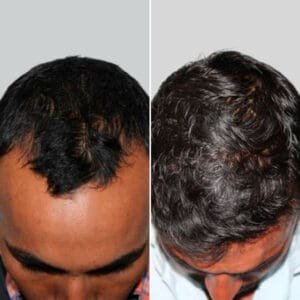
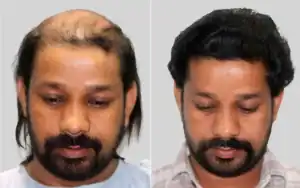
Hair loss affects anyone and can affect confidence and self-esteem, especially when thinning hair or baldness begins to change your appearance over time. Many people explore different hair restoration options to improve hair density and regain a fuller look.
Among the available solutions, you may have come across a biofibre hair transplant, a cosmetic hair restoration procedure designed to create the appearance of fuller hair using synthetic fibers rather than natural hair follicles.
People looking for biofibre hair transplant in Jaipur can consult ALCS Hair Transplant and Cosmetic Clinic to better understand whether this treatment aligns with their hair restoration goals and expectations. Since the procedure provides instant visible results, it may appeal to people with advanced hair loss, limited donor hair, or those looking for additional density after previous treatments.
What Is a Biofibre Hair Transplant?
A biofibre hair transplant is a cosmetic hair restoration procedure that uses synthetic fibers instead of natural hair follicles to create the appearance of fuller hair. It provides immediate results and does not require donor hair from another area of the scalp.
Unlike traditional hair transplant methods that relocate living follicles, biofibre hair transplantation involves implanting artificial fibers directly into the scalp. These synthetic fibers are designed to mimic the appearance of natural hair and are secured beneath the skin using specialized implantation techniques.
Biofibre hair is available in multiple colors, lengths, and textures to help create a natural-looking result. The fibers are implanted individually by trained specialists and usually require a tolerance test beforehand to ensure the scalp accepts the material properly.
What Does Biofibre Hair Look Like?
Biofibre hair comes in a range of lengths from 15 cm to 45 cm and in 13 different colors. The fibers keep their color over time; they do not grey like natural hair. This feature benefits those who are completely bald and want a consistent hair appearance. However, if you have some natural hair, the biofibre might look a bit different as your natural hair changes with age.
Color and Texture Selection
You choose from several hair textures and colors to match your natural hair as closely as possible. While biofibre hair is designed to look natural, keep in mind that you should not bleach or dye it. This requirement means you need to select a color that you will be happy with for several years.
Biofibre hair transplants target the head. The procedure does not suit areas like eyebrows, beards, or other parts of the body because these areas remain more sensitive.
Types of Biofibre Hair Available
Biofibre hair comes in different implantation options designed to create varying levels of density and coverage. The right choice depends on the treatment area and the desired appearance.
1. Standard Biofibre (Biofibre 4.0)
Standard Biofibre is designed to provide natural-looking coverage while improving overall density. Approximately 1,000 implanted fibers can create the visual effect of nearly 3,000 natural hairs.
Specialists commonly use this option to improve frontal hair coverage and lower the hairline.
2. High-Density Medicap (MHD)
High-Density Medicap uses a denser implantation technique to create a fuller appearance. In this method, specialists implant three synthetic hairs into a single implantation point.
MHD is commonly used for areas such as the crown, where additional volume may be needed.
The appropriate option depends on your hair restoration goals, scalp condition, and desired density.
Who is a Good Candidate for a Biofibre Hair Transplant?
A biofibre hair transplant works best for people who want immediate cosmetic improvement and may not qualify for traditional hair transplants. It is especially useful for people with little or no donor hair available.
Unlike natural hair transplants that rely on healthy donor follicles, biofibre implants use synthetic fibers. This makes the procedure attractive for people who have extensive hair loss or have already exhausted donor areas from previous surgeries.
You may be a good candidate if you:
- Have advanced baldness with limited donor hair
- Want instant visible results
- Have undergone previous failed hair restoration procedures
- Have scalp scars that make traditional transplantation difficult
- Need additional density after a natural transplant
- Prefer a cosmetic solution without waiting months for hair growth
The procedure can also benefit individuals who are completely bald and want a fuller appearance without relying on natural hair availability.
However, even suitable candidates should undergo a tolerance test to ensure their body accepts the synthetic fibers.
Who Should Avoid Biofibre Hair Transplants?
Biofibre hair transplants are not ideal for everyone. People with certain scalp conditions or medical concerns may face a higher risk of complications.
Because synthetic fibers are implanted into the scalp, proper healing and scalp health play a major role in success.
You may not be a suitable candidate if you have:
- Active scalp infections
- Chronic inflammatory scalp diseases
- Autoimmune disorders affecting hair growth
- Severe skin sensitivity
- A history of implant rejection
- Poor wound healing
People seeking permanent natural hair growth should also consider alternatives. Biofibre hair does not grow naturally and requires ongoing maintenance.
A consultation with a qualified specialist helps determine whether the treatment aligns with your goals and health profile.
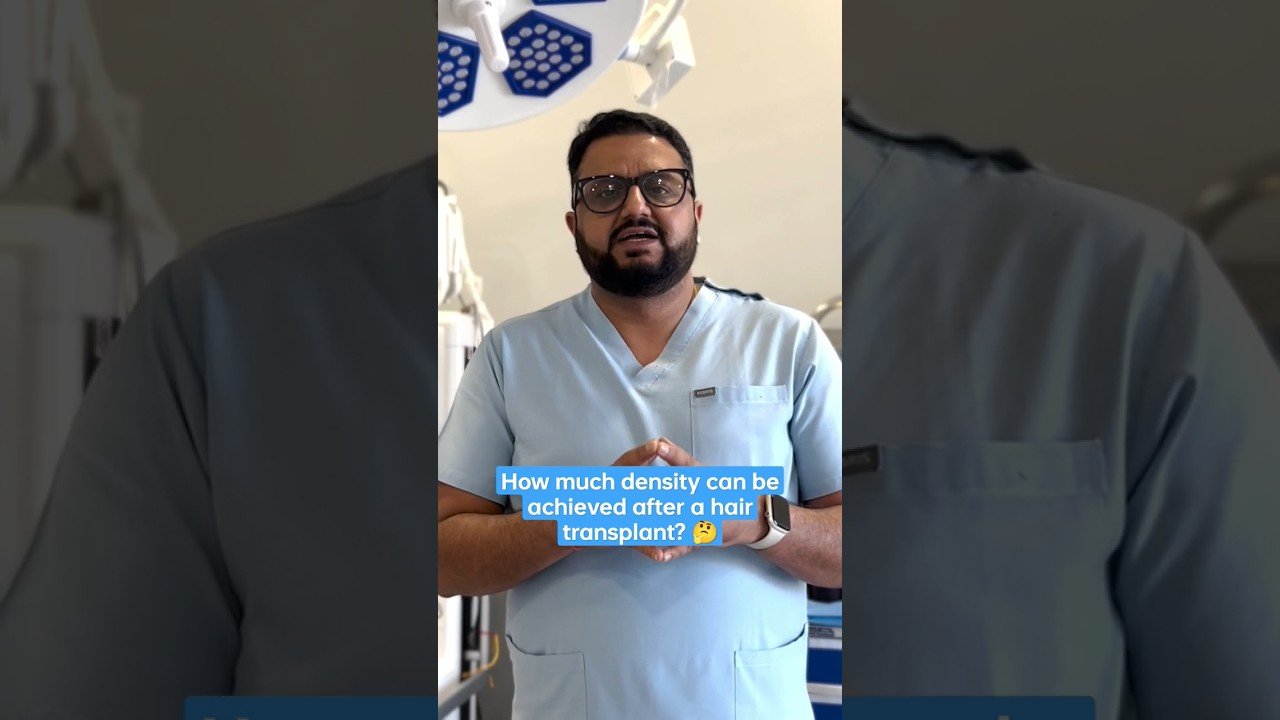
How Does a Biofibre Hair Transplant Procedure Work?
The procedure usually begins with a detailed consultation, followed by scalp preparation, implantation and post-treatment care. Each step plays an important role in improving results and supporting proper healing.
Your journey starts with a detailed consultation with a qualified biofibre hair transplant doctor, who reviews your hair loss history, examines scalp health and evaluates whether you are a suitable candidate for the procedure.
The procedure commonly includes the following steps:
1. Pre-Procedure Preparation:
You may follow a special routine for scalp care before the procedure. Good scalp health remains vital for a successful transplant.
2. The Implantation:
During the procedure, the specialist uses hooked needles to implant the fibers into your scalp. Because the fibers lack a natural root, the specialist places them deeper to prevent early shedding.
3. Post-Procedure Care:
Right after the surgery, you follow a strict aftercare routine. Your doctor advises you on how to wash your hair and protect the implanted area from infection. Your doctor can prescribe a 7-day course of antibiotics to reduce the risk of infection.
4. Follow-Up Treatments:
It takes around 20 to 30 days for the fibers to anchor in the scalp. To achieve your desired density, you may need follow-up sessions every five weeks. Over time, about 10% of the fibers shed annually, so you may require yearly touch-ups.
Safety and Tolerance
All biofibre hairs meet a high safety standard. They receive a safety grade of VI on the medical polymer scale, which means they are completely safe for hair restoration when implanted properly.
However, because biofibre hair is synthetic, your body might reject the implants.
For this reason, your doctor recommends a tolerance test before the procedure. This test ensures that your body will accept the synthetic fibers without any adverse reactions.
Immediate and Long-Term Results
One main attraction of the biofibre hair transplant is that you see immediate results. Unlike other methods that require months of waiting for transplanted follicles to grow, biofibre implants give you a fuller look on the same day as the procedure. However, because the fibers are synthetic, they do not grow like natural hair, and you must perform regular maintenance.
Pros and Cons of Biofibre Hair Transplants
Biofibre hair transplants provide immediate cosmetic results and do not require donor hair, making them attractive for people with advanced hair loss. However, because the implanted fibers are synthetic, they require ongoing maintenance and may not suit everyone.
Understanding both the advantages and limitations can help you decide whether this hair restoration option aligns with your expectations and long-term goals.
Pros:
- Immediate Results
- No Donor Area Needed
- Durable Appearance
- Minimal Downtime
Cons:
- The fibers shed over time (about 10% per year), so you need regular touch-ups.
- Once cut, the fibers do not grow back, which means any trimming is a permanent change.
- You cannot bleach or dye the fibers, which may trouble you if you like to change your hair color.
- Although rare, your body may reject synthetic implants. A tolerance test remains crucial to prevent this.
- To prevent infection and ensure proper anchoring, you must follow a strict aftercare routine.
Biofibre Hair Transplant Cost in Jaipur
The cost of biofibre hair transplant in Jaipur can vary depending on the number of grafts required, treatment goals and the overall extent of hair loss. At ALCS Clinic, treatment recommendations are personalized after evaluating scalp condition, coverage requirements and individual expectations. Since every case differs, the overall biofibre hair transplant cost may vary from person to person.
Several factors can influence the final treatment cost, including:
- Number of grafts required
- Severity and pattern of hair loss
- Desired hair density and coverage area
- Doctor’s experience and expertise
- Technique and implantation planning used
- Clinic location and treatment facilities
- Follow-up care and maintenance sessions
Biofibre Hair Transplant Risks
However, like any scalp procedure, there is a small risk of complications, such as infection or implant rejection.
Most patients experience only mild side effects after a biofibre hair transplant, and these usually resolve within a few days. Common risks include:
- Mild Redness: Temporary redness around the implanted area is common immediately after the procedure and usually fades within a few days.
- Scalp Swelling: Some patients notice slight swelling or tenderness around the treated area. This reaction is usually mild and improves with rest and proper care.
- Minor Discomfort: Mild soreness or scalp sensitivity can occur during the healing period, particularly in the first few days.
- Itching During Healing: As the scalp recovers, some individuals may experience temporary itching. Avoid scratching because this may disturb newly implanted fibers.
- Risk of Infection: In rare cases, approximately 2% of patients may develop infections that can require fiber removal. This risk is one reason doctors generally prescribe a short course of antibiotics.
- Implant Rejection: Because biofibre hair uses synthetic fibers, some individuals may experience rejection reactions. A tolerance test before the procedure helps reduce this possibility.
Following your surgeon’s aftercare instructions, taking prescribed medications, and avoiding scalp irritation can significantly reduce the likelihood of complications and improve long-term results.
How to Maintain Biofibre Hair Long-Term?
Biofibre hair requires ongoing care because synthetic fibers do not behave like natural hair. Proper maintenance helps preserve appearance and reduce unnecessary shedding.
Although the results appear immediately, long-term success depends heavily on your daily habits and follow-up care.
Helpful maintenance practices include:
- Wash hair gently using recommended products
- Avoid aggressive rubbing during drying
- Use soft brushes or wide-tooth combs
- Avoid strong chemical products
- Protect the scalp during contact sports
- Attend follow-up appointments regularly
Because approximately 10% of implanted fibers may shed each year, periodic maintenance sessions are usually recommended.
Read More:
What Is Bio FUE Hair Transplant?
Why FUE Implantation is Preferred Over FUT
10 Reasons to Opt for FUE Hair Transplant
Common Mistakes After a Biofibre Hair Transplant
The most common mistakes after a biofibre hair transplant include ignoring aftercare instructions, touching the scalp too early, and skipping follow-up care. These errors can increase the risk of infection, irritation, and premature fiber shedding.
Many patients focus on achieving immediate cosmetic results but overlook the importance of long-term maintenance. Proper healing and fiber anchoring depend heavily on following your specialist’s guidance during recovery.
Common mistakes include:
- Touching the Scalp Too Soon: Repeated touching can disrupt newly implanted fibers before they anchor properly.
- Using Harsh Hair Products: Strong shampoos and chemical products may irritate the scalp.
- Skipping Prescribed Medication: Antibiotics help reduce infection risk and should be taken exactly as instructed.
- Returning to Exercise Too Quickly: Heavy sweating and friction may interfere with healing.
- Missing Follow-Up Sessions: Regular evaluations allow specialists to monitor healing and maintain density.
Following post-procedure instructions carefully helps improve long-term outcomes.
Biofibre Hair Transplant Success Rate
Studies and clinical observations show that the success rate for biofibre hair transplants ranges between 95% and 98%. Experienced specialists achieve this high success rate when you adhere to the recommended aftercare routine.
However, a small percentage of cases see rejection or extraction of the fibers due to infection. Therefore, a tolerance test before the procedure remains important to ensure that your body accepts the synthetic implants.
Biofibre vs. Natural Hair Transplants
Biofibre and natural hair transplants differ mainly in the type of hair used and long-term maintenance. Natural transplants use living hair follicles that continue growing, while biofibre transplants use synthetic fibers that provide instant results but require periodic replacement.
It remains important to understand how biofibre hair transplants differ from natural hair transplants. Here is a simple comparison:
Natural Hair Transplants
Transplants involve moving healthy hair follicles from one part of your scalp to another. The transplanted hair grows naturally because it has a living root.
- Appearance: The hair blends seamlessly with your existing hair and ages naturally, including greying over time.
- Maintenance: Once transplanted, the natural hair continues to grow and requires normal hair care routines. You do not need regular re-implantation.
Biofibre Hair Transplants
Instead of moving natural follicles, your specialist implants synthetic fibers directly into the scalp using hooked needles.
- Appearance: Biofibre hairs come in various colors and lengths and do not grey or change with age. However, they cannot grow or be altered like natural hair.
- Maintenance: You must replace the fibers periodically, as they shed at about 10% per year, and the procedure requires strict aftercare.
Conclusion
A biofibre hair transplant offers an immediate solution for those who look to address hair loss. It especially appeals if you seek a quick improvement without relying on donor hair. The procedure provides instant results and a controlled appearance, which makes it a popular choice for many individuals. However, you must weigh the pros and cons before making your decision.
Frequently Asked Questions (FAQs)
No, a biofibre hair transplant is not completely permanent. Synthetic fibers gradually shed over time, with approximately 10% of implanted fibers lost annually, which means maintenance or touch-up sessions may be required.
Most patients recover within a few days, while the implanted fibers usually take around 20-30 days to anchor securely into the scalp. Following aftercare instructions is important for proper healing.
Biofibre hair can be cut and styled, but once trimmed, it does not grow back. The fibers also should not be dyed or bleached, so selecting a suitable color before treatment is important.
The procedure generally causes minimal discomfort because specialists perform it under local anesthesia. Some patients may experience mild redness or scalp sensitivity for a few days after treatment.
People with limited donor hair, extensive baldness, scalp scarring, or those seeking immediate cosmetic improvement are considered good candidates for a biofibre hair transplant. A consultation and tolerance test help determine suitability.