Get Expert Advice - Free Today

Hair Transplants and Scarring: What to Expect

Today’s primary surgical methods fall into two categories. Everyone results in a unique kind of scarring. The amount of scalp scarring you have depends on your surgeon’s expertise and experience.

Whichever option you select, both the surgeries and wound-closure methods have advanced and improved. This article will cover the general topics of hair transplant scarring, post-operative care, and techniques to reduce scarring.

Types Of Scars From FUT And FUE

Hair transplant surgery is a popular and effective solution for individuals experiencing hair loss or thinning. There are two primary surgical procedures used for hair transplantation: follicular unit extraction (FUE) and follicular unit transplantation (FUT).

While these techniques can provide excellent results in terms of hair restoration, they also leave scars on the scalp. Understanding the several types of scars that can result from these procedures is crucial for individuals considering hair transplant surgery.

Follicular Unit Extraction (FUE)

FUE involves the extraction of hair follicles from the donor areas, typically located at the back and sides of the scalp. During the procedure, a surgeon uses a micro-punch tool to remove each hair follicle graft individually.

 Each extraction leaves a tiny round scar, measuring up to 1 millimeter in diameter. Depending on the number of hair shafts extracted, hundreds or even thousands of puncture mark scars may be visible. These scars often appear as tiny white dots on the scalp.

The hair follicles extracted through FUE, typically containing 1-4 hairs, are then grafted onto the recipient areas of the scalp. The entire procedure may take many hours, or even days, to complete, especially if a large number of grafts are required. 

In some cases, multiple FUE sessions may be necessary to achieve the desired hair density. FUE is usually performed on an outpatient basis, under local anesthesia. Since no stitches are required for closure, the recovery time after FUE is relatively short.

Follicular Unit Transplantation (FUT)

FUT, on the other hand, involves the surgical removal of a strip of scalp from the donor area. It is typically located at the back of the scalp.

After the strip removal, the doctor sutures the surrounding scalp together, resulting in a linear scar. The length of the scar depends on the size of the strip extracted and may extend from ear to ear.

The harvested grafts are then prepared for transplantation onto the recipient areas of the scalp. Small incisions are punched for each individual hair graft. Similar to FUE, the FUT procedure is performed on an outpatient basis under local anesthesia. 

However, unlike FUE, stitches are required to close the wound created by the strip removal. These stitches are typically removed approximately ten days later.

It is worth noting that the FUT procedure may cause more post-operative pain and swelling compared to FUE, primarily due to the larger incision and the resulting scar.

How To Minimize Scarring

Keloids and hypertrophic scars, although uncommon, can be a concern after hair transplant surgery. A patch test can be done to assess the likelihood of developing noticeable scars in an easily camouflaged area of the scalp.

In the event of keloid or hypertrophic scar formation, these can be effectively managed with intralesional injections of triamcinolone acetonide 40 mg/ml, a medication that reduces inflammation and promotes healing.

Follicular unit excision (FUE) is a hair transplant technique that is less likely to result in wide scars, cross-hatch scars, or multiple large scars. However, complications can still occur, albeit rarely, even with the most skilled surgeons.

Nonetheless, it is crucial to emphasize that these complications are generally avoidable by taking proper precautions and ensuring thorough patient education. 

Both medical and aesthetic complications should be taken seriously, regardless of their impact on the final outcome.

Various procedures exist to lessen or reduce the size of the scar resulting from hair transplant surgery. However, it is crucial to note that the complete elimination of scars is not always guaranteed. 

As individuals age, their scalps may naturally sag, potentially causing scalp reduction scars to become wider or more visible over time. In such cases, alternative procedures may be recommended to address the scar’s appearance.

One solution for minimizing the visibility of scars is grafting hair follicles into the mark from previous follicular unit transplantation (FUT) using the FUE method. 

The effectiveness of this approach depends on the thickness of the scar tissue. Additionally, scar tissue can be thinned using medication to improve the overall results of the hair transplant procedure.

It is worth noting that scarred skin may not hold grafts as securely as healthy skin. Therefore, it is essential to have a thorough discussion with your doctor to determine the most appropriate method for minimizing the appearance of scarring. 

By considering individual factors and preferences, such as the type and location of the scar, the doctor can provide personalized recommendations for optimizing the outcome and reducing visible scarring.

You can quickly watch this video to minimize the scalp scar:

Post-Op Care For Scars

For strip harvesting procedures, the visibility of scars is mainly influenced by the number and width of the wound. After multiple surgeries, there may be a temptation to maximize donor yield by harvesting from virgin donor regions.

If the existing scar is removed along with the new donor strips, it is possible to leave a single scar despite multiple surgeries.

While recipient-hair effluvium is relatively common after a hair transplant, donor-hair fall is significantly less common. Donor-hair effluvium occurs as a consequence of anagen effluvium, which is a response to the interrupted blood supply. 

This issue is more likely to arise when harvesting from donor tissue bordered by scar tissue. However, the problem spontaneously resolves within three to four months.

Saline Water Application

Salinated water is for compressing the scalp. Some physicians also use copper peptide products, although the evidence supporting their effectiveness in speeding up healing is minimal. These products may help prevent crust formation in the donor area.

Medicated Gel

Ointments or gels are prescribed and should be applied twice daily. You must use these products on both the donor incision and the recipient area.

Water-based gels are commonly used as they promote wound healing by retaining moisture and providing a physical and/or medical barrier against infection. Polysporin, mupirocin, Neosporin, and petrolatum are some common ointments used. 

However, some physicians may prefer surgical gels, although they can be difficult to remove from the hair. Topical antibiotic ointments are rarely required.

Supplements and Medications

Minoxidil may be prescribed to decrease postoperative effluvium, although the evidence supporting its effectiveness is limited. Some physicians may prescribe minoxidil postoperatively, but it can cause scalp irritation.

In such cases, the physician advises a topical corticosteroid to hasten the resolution of discomfort. Additionally, hair growth medication like finasteride may be recommended to improve hair regrowth. 

Vitamin supplements, pain relievers, and antibiotics may also be prescribed as part of the post-operative care regimen.

Follow the Physician’s Instructions

It is essential to closely follow the instructions provided by your physician for optimal recovery. Avoid direct sunlight exposure to the scalp and refrain from vigorously handling or scratching the scalp.

Use the shampoo and lotion recommended by your physician. When drying the recipient area, use a soft towel and gently pat it instead of rubbing it. Avoid excessive sweating on the scalp, as it can damage hair follicles and contribute to scarring.

Possible Treatments For Scars

Concealing the scarred area is an option, particularly by growing hair over the donor area. However, this approach may be more challenging for certain types of scars, such as keloid scars, which tend to grow wider than the original surgical scar and may continue to expand over time.

Fortunately, there are several procedures available that can help disguise hair transplant scars and provide individuals with renewed confidence in their appearance.

Scalp micro pigmentation

One notable treatment option is scalp micro pigmentation (SMP). It is known as a medical hairline tattoo or scalp hair tattooing. SMP is a permanent procedure where the expert injects the pigment directly into the scalp, creating the illusion of thicker hair.

Many patients opt for SMP as an alternative to surgical hair transplant procedures, especially when it comes to coloring in scarred areas left behind by follicular unit extraction (FUE) or follicular unit transplantation (FUT). 

The number of SMP sessions required may vary depending on the size of the area being treated, and the chosen ink color is typically matched to the patient’s current hair color. 

It’s important to note that while the hair may naturally gray or lighten over time, the ink used in SMP is unlikely to lighten at the same rate. Discomfort may be experienced during the SMP process.

Tricopigmentation

Another treatment option to consider is tricopigmentation (TMP). It is a temporary form of SMP. TMP involves the insertion of ink into the top layer of the dermis, providing semi-permanent inking.

The duration of TMP can vary depending on the clinic, ranging from six months to three years. Some individuals may find TMP physically uncomfortable.

Laser therapy

In addition to SMP and TMP, laser treatment can also help reduce the appearance of hair transplant scars. This approach is sometimes applicable in conjunction with SMP or TMP.

Laser treatment targets and removes damaged skin, stimulating collagen production in the dermis layer, leading to rejuvenated elasticity and an improved overall appearance of the skin. 

It is important to note that laser treatment for hair transplant scars is not specifically designed for scar removal, and individual results may vary.

What is the recovery time for a hair transplant procedure?

Depending on the patient and their circumstances, different hair transplant healing phases follow. Although the average recuperation period following hair transplant surgery is only seven days, this can vary. 

The same amount of time is required to return to work after surgery and to your daily activities. This article attempts to teach you everything you need to know about how long the Hair Transplant Recovery Time is and how to take care of yourself following the treatment.

Recovery timeline table (day by day or week by week)

The recovery timeline for a hair transplant can vary depending on the type of surgery performed. Follicular Unit Extraction (FUE) generally offers faster recovery times compared to other methods.

Patients who undergo FUE surgery can typically return to work within a week after the procedure. However, it is crucial to exercise extreme care with the transplanted hair during the first two weeks to ensure proper healing and protection. 

Patients should avoid touching the grafts to allow them to securely anchor and promote successful hair growth.

Immediately after the surgery, the transplanted hair will have a similar appearance to the existing hair for about a month. It is a normal part of the healing process, and it takes time for the grafts to settle in. 

It usually takes around three to five months before the transplanted hair begins to grow. Patients need to be patient during this period and provide ample time for the hair follicles to establish themselves and start producing new hair.

Recovery MilestonesDescription
2-5 DaysBandages are removed during this period. It is crucial not to touch the grafts to avoid any potential damage to the newly transplanted hair follicles.
Day 6On the sixth day, patients can start washing their hair gently by hand. Following the provided instructions is important to ensure proper cleansing without disturbing the grafts.
10-14 DaysNon-dissolvable stitches, if used during the procedure, are typically removed after 10 to 14 days. This step promotes further healing and reduces the risk of complications.
Few WeeksAfter a few weeks, it is common for the transplanted hair to fall out. This shedding is a natural part of the hair growth cycle and should not cause alarm. The hair will grow back later in the recovery process.
6 MonthsAround six months after the hair transplant, new hair growth usually begins to appear. This is an encouraging sign, indicating the success of the transplantation procedure.
12-18 MonthsFull results from the hair transplant are typically visible between 12 to 18 months post-surgery. By this time, the transplanted hair has fully grown and blended with the existing hair, providing the desired aesthetic outcome.

Factors influencing recovery

Various factors, such as age, hair transplant procedure, overall health, and follow-up procedures, can significantly impact the recovery process after a hair transplant, influencing the final outcome of the procedure.

Age

Age plays a role in hair transplant recovery. As people age, the hair follicles may stop producing new hairs, leading to thinning or baldness. The natural aging process affects the quality and density of hair.

Hair loss associated with aging is not experienced by everyone, but it is more common for individuals to show signs of baldness by the age of 30. Men, 

in particular, may experience male pattern baldness, which is related to the normal function of the male hormone testosterone. Women can also develop a similar type of baldness known as female pattern baldness.

Hair Transplant Procedure

The choice of hair transplant procedure can affect the recovery process. Two popular techniques are used, such as Follicular Unit Transplantation (FUT) and Follicular Unit Extraction (FUE).

FUT involves removing a strip of scalp from the donor area and transplanting it to the recipient area, while FUE involves extracting individual hair follicles and transplanting them. 

The healing and recovery time may vary between these procedures, and your surgeon will provide specific instructions for post-operative care.

Overall Health

The overall health of an individual can impact hair transplant recovery. Certain health conditions, such as diabetes, cardiovascular disease, and autoimmune disorders may affect the healing process.

Additionally, temporary hair loss can occur due to physical or mental stress. It is important to discuss your medical history with your surgeon to ensure a safe and successful recovery.

Follow-up Procedures

In some cases, a follow-up procedure may be necessary to achieve more natural-looking results. It may involve a surgical “touch-up” procedure or the use of mini-grafts to fill in and blend the hairline.

These follow-up procedures can contribute to the overall outcome of the hair transplant and may affect the recovery process.

Tips for faster recovery

Remember to consult your physician for personalized advice and follow their instructions for optimal recovery after a hair transplant.

Sleep with a slight elevation at a 30-degree angle and an extra pillow behind the head. It helps relieve pressure in the donor area. Protect your scalp from direct sunlight, especially if it is swollen post-surgery.

Use lightly salinated water for compresses to prevent crust formation and aid healing. Apply ointments or gels twice daily to the donor incision and recipient area. 

These promote wound healing, retain moisture, and provide a barrier to infection. Regular options include polysporin, mupirocin, Neosporin, and petrolatum. 

Surgical gels may also be prescribed but can be hard to remove from hair. Topical antibiotics are rarely necessary.

Start hair washing the day after the procedure. Dry off hair gently with a towel and use a cold setting when blow-drying. Avoid scratching, bumping, or rubbing the grafted hair to prevent graft loss.

Shampoo with a mild, hypoallergenic formula after the first 48 hours to soak the scalp, and it helps prevent crust formation.

After three days, you can use products like Toppik and hair fibers. Hair spray can be used after seven days. Spraying a comb with hairspray and then combing the hair may be more effective. You can start using hair color two weeks after surgery.

Gently apply ice on the forehead (avoiding the implanted grafts) for 20 minutes during the first 2-3 days to reduce forehead swelling.

Limit exercising to prevent unnecessary bleeding. Avoid strenuous exercise for at least 14 days after surgery to protect the newly grafted scalp.

Avoid processed and sugary drinks and select a healthy diet to support hair growth and overall well-being.

Hydrate your scalp by drinking at least eight glasses of water daily. Sufficient water intake promotes scalp health and prevents dryness.

Ensure proper nutrition to support the hair transplantation process. The quality of blood affects healing, and vitamins are essential for healthy blood. Stick to a balanced diet and avoid overeating. Nutrition plays a crucial role in reducing hair loss.

Smoking reduces blood flow to the hair roots, which is crucial for hair growth. Alcohol is a diuretic and reduces nutrient absorption. Quit both to support optimal healing and hair growth.

Avoid sexual activity for at least ten days after surgery, as it can increase blood pressure and heart rate.

What to do/avoid during recovery?

During the recovery period after a hair transplant, it is crucial to follow specific instructions to ensure a successful healing process and optimize the results. Here are three mandatory points to keep in mind:

Rest and avoid strenuous activities.

Your physician will recommend rest for the first two days after the procedure. Avoid vigorous exercise, heavy lifting, and bending over at the neck or waist for at least one week.

These activities can increase blood flow to the scalp, which may disrupt the newly transplanted hair follicles. By taking adequate rest and avoiding strenuous activities, you promote proper healing and minimize the risk of complications.

Be gentle with washing and handling the recipient area.

For the first ten days, it is essential not to rub the recipient area. Instead, gently wash the zone using the flat of your fingers and a generous portion of shampoo.

After washing, pat the area dry with a soft towel to prevent unnecessary friction or irritation. It is also recommended to avoid scratching or rubbing the scalp during this period. If itching occurs, warm compresses can be used as a soothing remedy.

Take precautions when sleeping and protecting the scalp.

Sleep with your head elevated at a 30-degree angle by using an extra pillow behind your head or sleeping on a recliner. This position helps reduce swelling and improves blood circulation to the scalp.

Additionally, wearing a clean hat can protect the grafted area when going outdoors. Ensure that the hat is loose-fitting and doesn’t apply excessive pressure on the scalp. 

Furthermore, avoid exposing your head to direct sunlight for the first two weeks to prevent sunburn and potential damage to the scalp.
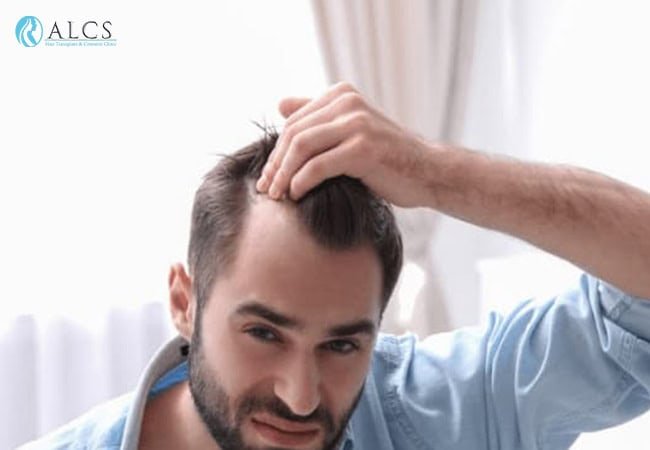
What factors influence the cost of a hair transplant?

If you’re thinking about getting a hair transplant, look for a facility that charges reasonably without sacrificing the standard of treatment and the medical staff. 

Depending on a wide range of variables, the cost of a hair transplant can vary by as much as threefold. Find out everything you need to know about the cost and value of hair restoration surgery in this article.

Factors Affect Hair Transplant Surgery Cost 

The cost of a hair transplant is determined by various factors. The surgeon’s experience, qualifications, and certifications as well as their adoption of the latest techniques and tools, can impact the pricing.

The choice between FUE and FUT techniques, as well as the necessary tests, can also affect the overall cost. Furthermore, the geographic location of the clinic and the competition within the area can contribute to variations in hair transplant costs.

Surgeon’s experience

The surgeon’s experience plays a significant role. A highly experienced and skilled surgeon who has treated various cases and has more than five years of hair transplant experience will likely charge a higher fee.

Additionally, the surgeon’s qualifications and certifications, such as being MBBS, MS, or MCh in Plastic and Cosmetic surgery, or being ABHRS-certified, can impact the cost. 

A well-qualified and knowledgeable surgeon who stays updated with the latest advancements in the field and utilizes the latest technology and tools will generally charge more for their services.

Hair transplant techniques

The technique used during the hair transplant procedure also affects the cost. There are two primary techniques: Follicular Unit Extraction (FUE) and Follicular Unit Transplantation (FUT). FUT may be less expensive than FUE, but it leaves a longitudinal scar, while FUE leaves small spots.

The choice of technique depends on the patient’s specific baldness pattern and the surgeon’s recommendation. Additionally, some tests may be necessary to determine the suitability of the donor-to-recipient ratio, further impacting the overall cost.

The geographic location of the clinic

The geographic location of the hair transplant clinic can influence the cost. In areas where the cost of living is high, the expenses associated with running a clinic tend to be greater, and this may be reflected in higher prices for hair transplantation.

Additionally, competition among hair transplant surgeons in a particular region can affect the pricing. In some cases, traveling long distances to find a suitably qualified surgeon may also add to the overall cost, including travel expenses to and from the clinic.

Average Costs Of Hair Transplant

The average cost of hair transplant surgery can vary significantly depending on various factors, such as the individual’s hair loss condition and the location where the procedure is performed. 

In India, the cost typically ranges from around USD 400 to USD 3,800. On the other hand, hair transplant surgery in the United States can cost approximately USD 50,000.

The cost per graft, which refers to the individual hair follicles being transplanted, also varies across different countries. In Turkey, the cost per graft can be as low as US$1.07, while in Canada, it can go up to US$7.00.

In the United Kingdom, the cost of hair transplant surgery generally falls within the range of £4,000 to £8,000, depending on the specific location and the area of the implant. 

However, in certain areas of the UK, the cost can range from £1,000 to £30,000, depending on the extent of hair loss and the complexity of the procedure.

Cost Comparison Table (FUT Vs FUE)

When considering hair transplant options, it is important to compare the costs associated with different methods. Specifically, the cost comparison between Follicular Unit Transplantation (FUT) and Follicular Unit Extraction (FUE) can provide insights into the financial aspects of these procedures.

FUTFUE
Depending on how extensive the operation is, FUT might cost between $4,000 and $10,000.
However, since the grafts are removed in a strip rather than one at a time, FUT is like getting in volume; you’ll get more grafts for your money.
Depending on how extensive the operation is, the cost of FUE can range from $4,000 to $15,000.
Unlike the FUT technique, where grafts are taken in bulk, individual grafts are removed one at a time. 
The harvesting of the grafts from the donor location takes longer as a result. This explains why FUE generally costs more than FUT.

Financing Options

Financing options for hair transplant surgery can be an important consideration for individuals looking to undergo this procedure. 

The cost of a hair transplant will largely depend on the amount of hair being moved and can range from $4,000 to $15,000.

It is worth noting that most insurance plans do not cover hair transplant surgery, so patients typically need to explore other means of financing.

Fortunately, the vast majority of hair transplant clinics offer free, no-obligation online or in-person consultations. These consultations serve as an opportunity for potential patients to discuss their concerns, receive an assessment of their candidacy for surgical intervention, and obtain an estimate of the cost involved.

In many cases, consultation fees are normally deducted from the overall cost of the surgery if the patient decides to proceed.

To remain competitive in this increasingly commoditized market, top hair transplant surgeons often provide free consultations. It enables prospective patients to consult multiple surgeons and compare their expertise, techniques, and results before making a decision. 

Therefore, it is advisable for individuals considering hair transplant surgery to include consultation fees in their surgical budgets. 

By doing so, they ensure that they have the necessary resources to fully explore different options and thoroughly evaluate the best surgeon for their specific needs.

Cost Vs Value

When considering the cost versus value of FUT (Follicular Unit Transplantation) and FUE (Follicular Unit Extraction) hair transplant surgeries, several factors need to be taken into account:

FUE

FUE hair transplant surgery typically ranges between $4,000 and $15,000 per session, with costs potentially reaching up to $50,000 for multiple sessions.

Health insurance does not typically cover cosmetic procedures like FUE hair transplant surgery. Prescription medications for pain management may be required after the procedure.

FUE has a graft survival rate of around 90%, which refers to the percentage of transplanted hair follicles that successfully grow in the recipient area. Robotic FUE, which utilizes advanced robotic technology, boasts a success rate of 80%.

The success of an FUE procedure greatly depends on the expertise and experience of the doctor performing it.

FUT

FUT is an older technique compared to FUE. It involves removing a strip of scalp from the donor area and dissecting it into individual hair grafts for transplantation.

FUT hair transplant surgeries are generally faster than FUE procedures. FUT surgeries tend to have a lower price range, typically starting around $4,000 to $10,000.

FUT may require a massive number of grafts compared to FUE due to the nature of the procedure. FUT procedures are well-equipped to handle emergencies that may arise during the surgery.

The success rates of FUT can reach as high as 81% – 91%, but they also depend on other factors such as the patient’s age, the extent of hair loss, availability of donor area hair grafts, and the patient’s overall attitude towards the procedure.

Does A Hair Transplant Affect The Hair In Donor Areas?

The most frequent procedure used to treat the symptoms of androgenetic alopecia in both men and women is a hair transplant. The donor area, from which the grafts are taken, and the recipient area, from which hair follicles are retrieved from the donor area, are both involved in this treatment. 

A safe and effective hair transplant depends heavily on the treatment of the donor area. Learn everything there is to know about the donor place, including any risks and how you can minimize them.

How FUT And FUE Affect Donor Areas

The scalp’s occipital and temporal regions are used to harvest a strip of donor follicles for FUT (Follicular Unit Transplantation) hair transplant surgery. If the hair is worn at least half an inch long, the linear scar left by the donor site closure is usually not noticeable.

Trichophytic closure is one of the more sophisticated procedures for reducing scar appearance. This technique makes it possible to quickly and affordably acquire a large number of donor follicles. 

If more grafting is ever needed, multiple hair transplants can be carried out via FUT. To produce outstanding patient results, extreme care must be taken during strip collection, donor site closing, graft examination, setting up the site, and graft insertion.

Depending on the density of the donor’s hair, FUE hair transplant surgery offers an equivalent amount of grafts to FUT. The objective of FUE is to thin out the donor hair until it is clearly visible.

However, if the patient wants a short haircut following surgery, it’s especially important to avoid overharvesting from a small donor area as it can leave that area looking substantially less thick than the surrounding donor zone. 

FUE sites should be evenly dispersed throughout the donor area, including the occipital and temporal areas, at a uniform density in relation to the native follicular unit density in order to ensure a safe surgical strategy.

Possible Side Effects

Hair transplant procedures, while generally safe and effective, can sometimes be associated with certain side effects and complications.

Donor site complications, which can include issues such as wound dehiscence and neuralgia, as well as general complications like infection or adverse reactions to medications, are prime considerations that patients should be aware of before undergoing the procedure.

Donor site complications

Donor site complications after a hair transplant can include several issues, such as wound dehiscence, neuralgia and neuromas, and arteriovenous fistulas. Wound dehiscence is a significant complication that occurs when sutures are removed, and the wound fails to heal properly.

Factors such as advanced age, chronic corticosteroid use, malnutrition, systemic diseases like diabetes, and tension in wound closure contribute to the risk. Administering corticosteroids can help reduce postoperative edema and minimize stress.

Infections and inadequate surgical hygiene can also increase the risk of wound dehiscence, requiring treatment that includes removing necrotic tissue, maintaining proper moisture balance, and addressing any infection.

Neuralgia and neuromas can develop after a hair transplant, particularly affecting nerves such as the auriculotemporal, lesser occipital, and greater occipital nerves.

These complications can lead to persistent scalp hyperesthesia, causing discomfort and tenderness. 

Nerve injuries during the transplant procedure can trigger the formation of neuromas, which are palpable nodules that develop when fibrous tissue grows around damaged nerve fibers. 

Managing these complications may require specialized interventions, such as targeted nerve blocks or medications to alleviate the associated symptoms.

Arteriovenous fistulas are another possible complication at the donor site. Patients may experience a throbbing sensation near the surgical wound postoperatively.

Upon examination, a pulsating subcutaneous lump or nodule can be observed. Arteriovenous fistulas occur when there is an abnormal connection between an artery and a vein. 

This complication may require further medical intervention, such as surgical correction or embolization, to restore normal blood flow and alleviate symptoms.

General complications

Hair shedding is a normal process that occurs after a hair transplant. It happens because the transplanted hairs fall out within 2-3 weeks as part of the natural shedding cycle.

It occurs because the hair shafts are detached from their original location, while the roots remain intact.

New growth starts from the roots, and the transplanted hairs regrow within a few months. This temporary shedding phase, often referred to as shock loss, is followed by the emergence of new hair growth, which becomes visible within 3-4 months post-surgery.

Bleeding is a common complaint during and after a hair transplant surgery due to the surgical nature of the procedure. However, skilled surgeons and proper surgical techniques minimize blood loss.

During the postoperative period, it is foremost to follow instructions provided by the doctor, including pressing the gauze on any bleeding sites and avoiding blood-thinning medications that could increase the risk of bleeding.

Infections can happen even with the best facilities and precautions, although choosing a reputable doctor and a well-equipped facility can reduce the risk. It is important to follow post-operative care instructions and take prescribed antibiotics to minimize the risk of infection.

Proper hygiene practices and keeping the transplanted area clean are crucial in preventing infections. If any signs of infection appear, such as redness, swelling, or pus, it is essential to seek medical attention promptly.

Pain is a common experience after a hair transplant surgery due to the surgical procedure itself. However, doctors typically administer sedatives and anesthesia during the methods to minimize pain.

Pain medications are prescribed for the post-operative period to manage any discomfort. 

Some individuals may also experience a stretching sensation in cases of follicular unit transplantation (FUT), but this can be resolved with painkillers recommended by the doctor. Over-the-counter pain relievers, such as paracetamol, can also be effective in alleviating pain.

Itching is a frequent side effect experienced by many people after a hair transplant. It occurs due to the formation of scabs at the transplant site. 

To alleviate itching, it is important to follow the provided aftercare instructions, which may include spraying a solution over the grafts and washing the scalp with a mild or medicated shampoo. With proper care, the itching gradually subsides over the course of a few days.

Swelling is another common side effect after hairs transplant surgery, although its severity may vary from person to person. Swelling around the forehead and eyes can give the appearance of a “black eye.” However, the swelling typically subsides within a few days with proper post-operative care.

Numbness can occur after a follicular unit transplantation (FUT) procedure due to the cutting of nerves. It is important to discuss this possibility with your doctor before the procedure to understand the potential risks and ways to avoid nerve damage and numbness.

Scarring is a consideration when choosing between follicular unit extraction (FUE) and FUT methods. FUE leaves tiny micro scars that disappear within a few weeks and can often be hidden by the surrounding hair.

On the other hand, FUT leaves a linear scar that may be visible if the surrounding hair is short. You can discuss scarring concerns with your doctor to make an informed decision about the transplantation method.

Cysts can occur when grafts are not extracted properly and result in the formation of clusters of pimples. These cysts typically disappear within a few weeks. If they persist or cause concern, it is advisable to consult a physician for further evaluation and guidance.

Hiccups are a rare side effect that may affect certain patients undergoing hair restoration. However, hiccups usually resolve within a few weeks and are not cause for significant concern. If hiccups persist or become bothersome, it is recommended to consult with a healthcare professional for appropriate management.

How To Minimize The Impact

To minimize the impact of hair transplant side effects, there are several key measures you can take. Firstly, it is crucial to keep the newly grafted area moist. Avoid heavy exercise till the first week and you can start swimming that can’t be the cause of traumatic head injury.

Your surgeon will provide essential tools and instructions to create a soothing environment for the transplanted hair follicles. Frequent misting of the hair with a saline solution can help, and it’s essential to protect your hair from dehydration.

Secondly, practice gentle washing techniques to care for your hair after the transplant. Wait for 1-2 days before washing your hair by hand. Avoid washing your hair directly under the shower with high pressure. Instead, decrease the shower pressure and use your hands to clean your hair gently.

Opt for a gentle shampoo and wash your hair with a cup of lukewarm water to prevent scalp irritation. Additionally, consider sleeping in a semi-upright position to minimize the effects of gravity on the transplanted hair follicles. 

Rather than sleeping straight, adopt a “recliner” position with an upright angle of about 45 degrees. This position helps reduce swelling and promotes better blood circulation to the scalp. 

It’s crucial to sleep in a fixed position for the first three nights to minimize movement and avoid rubbing the newly transplanted area, thereby reducing the potential for swelling and irritation.

How Much Is Hair Transplant In India Cost 2023?

Receding hairline especially among males aged above 45 is a widespread problem in India. It happens because of certain unhealthy food habits, abnormal genes and high-stress levels. 

While in earlier times, people did not give much concern to extreme hair loss, today, the increasing insecurity and the high rise of beauty standards have made hair transplantation a popular option for people coming from all kinds of backgrounds. 

As a result, the number of hair transplant surgeries that take place in India has gone up to approximately 3,50,000. 

So if you are considering undergoing hair transplant surgery then it is important to understand the factors affecting its cost and the options available to choose from. That is why in this article we have covered everything that you need to know about hair transplant cost in India in 2023. Stay tuned to know more. 

3 Factors Affecting Hair Transplant Costs

On average, the cost of a hair transplant in India starts at somewhere around ₹ 40,000 and can go up to ₹ 80,000 based on factors such as the complexity of the procedure and your individual requirements. 

Here are the 3 main factors which influence the overall cost of hair transplants in India:

  • Extent Of Baldness: Smaller bald patches on your head require less time of operation because of which their price will be lower than that required for treating severe baldness. Likewise, the higher the amount of hair that requires replacement, the higher the Hair transplant cost.
  • Expertise Of The Surgeon: The qualifications, practical practising history, success rate, reputation Uncertain other certifications of the surgeon also influence the ultimate cost of hair transplant. Choosing a surgeon with more experience will likely cost you a higher amount. 
  • The Area Of Treatment: Working on the scalp is much easier than other body parts like the face since it requires a higher level of precision and the risk of complication is also comparatively higher. That is why a hair transplant that is done on the face costs more. 

Types of Hair Transplants in India

The 3 primary types of hair transplants available in India are:

1. FUT (Follicular Unit Transplant)

FUT is also called the strip method. During the procedure, thin skin strips containing hair are removed from the sides and the back of your head (or donor’s head) and then they are carefully dissected and stitched on the area that requires hair transplant. 

2. FUE (Follicular Unit Extraction)

    The process of follicular unit extraction is pretty much similar to that of follicular unit transplant except the former makes use of individual hair strands instead of cutting out strips of skin from other areas of the body. 

    It allows quick healing and in comparison with FUT, the scarring is much less and even unnoticeable. 

    3. DHI (Direct Hair Implantation)

      DHI is a straightforward and precise method that doesn’t require incisions. As a result, it not only enables quick and easy recovery but also produces more natural-looking and aesthetically pleasing results. 

      Cost Variation Across Different Cities 

      • Mumbai – ₹95,000 to ₹1,75,000 
      • Delhi – ₹40,000 to ₹2,40,000 
      • Bangalore – ₹40,000- ₹80,000
      • Kolkata – ₹35,000 to ₹1,15,000 
      • Chennai – ₹35,000 – ₹2,65,000
      • Hyderabad – ₹35,000 – ₹2,65,000

      What Influences the Cost in Different Cities

      • Demand And Competition: Hair transplantation is more common in metropolitan cities and areas with higher cases of complete hair loss. In such places, due to the increased demand, the competition among clinics is high resulting in elevated charges. 
      • Clinic Reputation: Any clinic that has an excellent reputation with an evident history of successful surgeries is likely to charge higher for their services because of the quality and expertise of the surgeons available there. 
      • Surgeon’s Expertise: The higher the amount of experience a surgeon has the more is going to be his fees. 
      • Technology And Equipment: There are a wide variety of surgical and diagnostic tools available in today’s era. Clinics that use expensive and the latest technology along with methods that require more effort and precision will certainly charge higher for the services. 

      Cost Breakdown for a Hair Transplant Procedure

      • Pre-surgery consultation fees: While there are a few clinics offering free pre-surgery consultation, on average most Indian surgeons charge up to ₹2000 for it. 
      • Procedure cost per graft: The price of cost per graft depends on your individual situation and the type of surgery you opt for. The range starts at ₹25 and can rise up to ₹150 per graft.
      • Post-operative care and medications: The average cost is ₹3,000 – ₹15,000.

      Hidden Costs and Additional Expenses

      • Anesthesia Charges: Generally, anesthesia charges lie between ₹5,000 – ₹20,000 depending on the type of anaesthesia used by your surgeon. 
      • Follow-Up Appointments: The average cost is ₹3,000 – ₹15,000.
      • Travel And Accommodation Expenses: These include the facilities which are provided by the hospitals so that you can stay comfortably there before, during and after your surgery for the time prescribed by your surgeon. The average cost for these lies between  ₹5,000 to  ₹30,000. 

      Financing Options for Hair Transplants

      The availability of financing options varies according to the location of your clinic and certain individual factors. Common options include: 

      • Health Insurance Coverage: While health insurance coverage can help you to cut down the overall cost of your surgery, you have to first check whether your insurance covers cosmetic procedures because it depends on the type of plan you have taken. 
      • Medical Loans: If you are running tight on a budget then medical loans are a great option as they allow you to borrow money first and then repay later through small installments. 
      • EMI Options: EMI is one of the best options because it makes hair transplants more affordable as you have to pay only a small amount every month instead of paying a high amount at once. 

      ALCS, a well-reputed hair transplant clinic in Pune offers all the above three options along with expert surgeons to assist you in achieving your perfect hair goals. 

      Conclusion

      All in all, while hair transplant surgery is now easily accessible and has become affordable over the years in India, it is important to understand the factors influencing its cost and analyze your budget to make an informed choice. Making comparisons of all available surgeons, the benefits that they offer and the financing options that they have can help you decide better and make the most out of your money. 

      Why Are Multiple Sessions Sometimes Needed For A Hair Transplant?

      For some people, one session is typically sufficient to produce positive outcomes. An extra hair transplant may be necessary to get a more natural and fuller appearance to fill up the bald spots or thicken your hairline.

      Multiple sessions are necessary for a few patients who have crossed Norwood 6 baldness. In this article, you will get to know about the multiple sessions of hair transplant procedures.

      Reasons For Multiple Sessions

      Multiple hair transplant sessions may be necessary when dealing with extensive baldness, low hair density, challenges in the transplant procedure, and the likelihood of future hair loss.

      It is crucial to consult with a hair transplant surgeon to determine the best course of action based on individual circumstances.

      Size of baldness

      If the baldness is extensive and covers a large area, multiple hair transplant sessions may be necessary. It is especially true for androgenetic alopecia, which is the most common type of hair loss and can affect men and women differently.

      The condition can occur at any time, even during the teenage years. In female pattern baldness, the hair follicles are gradually replaced by finer and thinner hair, leading to a miniaturized version of the original hair. Women may experience baldness at the top of the head or at the part.

      Hair density

      Hair transplants may not be as effective for people with widespread thinning and baldness. The procedure works best for individuals who are experiencing natural balding or thinning or those who have lost hair due to an injury.

      If the hair density is significantly low or the baldness is extensive, multiple sessions may be necessary to achieve satisfactory results.

      While hair transplant surgery has become increasingly popular and can provide a natural appearance, there are challenges that can affect the outcome. One challenge is the availability of donor’s hair, as there is a limit to the amount of hair that can be transplanted.

      Another challenge is ensuring the survival of transplanted hair, as not all transplanted hair follicles may successfully grow new hair. In such cases, multiple sessions may be required to achieve the desired hair density.

      Future hair loss with age

      Hair loss with aging is a natural process and can vary among individuals. Some people may start experiencing signs of baldness by the age of 30, while others may not be affected until later in life.

      Male pattern baldness, which is linked to the male hormone testosterone, often starts with receding hairlines or balding at the temples or the top of the head. Women can also develop a similar type of baldness known as female pattern baldness, which results in less dense hair and a visible scalp. 

      If there is a likelihood of future hair loss, additional hair transplant sessions may be required to address ongoing hair loss and maintain a desired appearance.

      Planning For Multiple Sessions

      A Giga session in the context of a hair transplant refers to a transplant session involving 5000 or more grafts. It is important to note that single-session FUE (Follicular Unit Extraction) procedures have never achieved graft counts close to 5000.

      Undertaking a Giga session is a significant endeavor that requires specific patient and procedural considerations for successful outcomes.

      Patient Selection

      Patient selection is the initial and crucial step in planning multiple hair transplant sessions. The ideal candidate for a Giga session should have above-average to excellent hair density and above-average scalp laxity. 

      Various devices are available to assess hair density accurately. However, a physical examination is necessary to evaluate the patient’s suitability for the procedure.

      Anesthesia

      Anesthesia plays a vital role in ensuring patient comfort and safety during the hair transplant process. Prior to the procedure, the overlying hair is trimmed. Anesthesia of the donor site is achieved by infiltrating 1% Xylocaine with 1:200,000 epinephrine.

      Subsequently, a tumescent solution containing 1:400,000 epinephrine is infused to reduce bleeding. The donor area is then divided into two to four sections, carefully dissected, and closed using absorbable dermal sutures and surface staples.

      Procedure

      Performing Giga sessions requires shaving the recipient site to efficiently transplant a large number of grafts. The recipient site areas are anesthetized by administering a ring block using 1% lidocaine and 1:200,000 epinephrine.

      Tumescent fluid containing 1:300,000–1:400,000 epinephrine is injected into the target area to create tumescence in the subcutaneous space, minimizing bleeding during the creation of slits. The use of lower concentrations of epinephrine in the tumescent fluid is sometimes explored for potential benefits in graft survival.

      The size of the slits created during the procedure depends on factors such as hair coarseness and the number of follicles per graft. 

      Coarse hair or follicular units with splayed-out hairs may require larger slit sizes, typically ranging from 0.65 mm to 1.2 mm. For patients with Norwood 6 hair loss, the procedure typically involves one to two strip sessions initially to move the required 6000–8000 grafts. 

      Subsequently, FUE may be performed to improve the scar if needed and for any refinement work.

      Can A Hair Transplant Work For Someone With Very Thin Hair?

      When you schedule a consultation for a hair transplant, your surgeon will examine your scalp to see if you are a match. Hair transplants depend on having an adequate supply of healthy hair follicles to ensure that there remains sufficient hair to cover the thinning regions. 

      We will talk about the difficulties involved in thin hair transplant procedures in this article.

      Challenges With Thin Hair

      Hair transplant surgery can be a valuable solution for individuals experiencing hair loss. However, it’s important to acknowledge that this procedure may not work for everyone. 

      Hair transplants are primarily effective in restoring hair for individuals who are naturally balding or experiencing thinning hair due to natural causes or injuries. The procedure may not be as effective for individuals with widespread thinning and extensive baldness.

      Despite the growing popularity of hair transplant surgery and its ability to provide a natural appearance when performed skillfully, surgeons still face certain challenges that can hinder optimal results. 

      One significant challenge is the limitation of donor hair availability. The amount of viable donor hair that can be used for transplantation is finite, and if the individual has limited donor hair, it may affect the overall outcome.

      Another challenge is ensuring the survival of transplanted hair. Not all transplanted hair follicles will successfully take root and grow in their new location. 

      Factors such as inadequate blood supply, trauma during the transplantation process, or the individual’s specific hair characteristics can impact the survival rate of transplanted hair.

      How Can FUT Work?

      A surgical treatment called Follicular Unit Transplantation (FUT) is performed to treat hair loss. The surgeon removes a strip of scalp from the back of the head, which is often where hair growth is thickest, during a FUT hair transplant.  

      Following that, the strip is split up into a variety of follicles, each of which can cover a bald spot. The patient could be required to produce the required medical data before surgery and take a sedative to unwind. 

      A technician then extracts the hair shafts from the strip of the scalp after the surgeon has marked the area for hair extraction. The hair follicles are then implanted into the bald zones.

      Despite the fact that FUT surgery is frequently speedier than other hair transplant procedures, it does leave a linear scar where the scalp strip was removed.

      How Can FUE Work?

      FUE hair transplants operate by replacing old hair follicles to regrow hair in bald or thinning areas of the scalp. Age-related shortening of the three-phase cycle of hair development and regrowth can result in hair loss.  

      Numerous factors, including heredity, hormonal changes, and certain medical problems, have a role in the causes of hair loss. 

      Individual follicular units are extracted from the donor area of the scalp during the FUE technique and then transplanted into the balding or thinning portions of the scalp.

      After transplantation, blood arteries will feed the hair follicles, which should start producing new hair in a few months. 

      In order to discuss the process, its advantages, dangers, and potential outcomes with a skilled hair transplant surgeon, FUE hair transplant is a safe and effective method for replacing hair.

      When A Hair Transplant Is Not Recommended?

      A hair transplant is not recommended in the following cases:

      Aged people and people below 25 years old

      Hair loss is a natural process, and the number of hairs is determined by genetics. Hair follicles stop producing new hairs with age, leading to signs of baldness. 

      However, hair loss with aging is not experienced by everyone, and hair growth varies. Hair transplants are not recommended for individuals below 25 years old as their hair is still undergoing natural changes, and healthy hair follicles may not be available for transplantation.

      People with chronic diseases and overall health

      Chronic illnesses such as androgenetic alopecia, psoriasis, lupus, or eczema can affect hair health. Hair transplants are not suitable for individuals with these conditions. 

      Additionally, stress, anxiety, boredom, and obsessive-compulsive disorder (OCD) can contribute to hair loss and are factors to consider before undergoing a hair transplant surgery.

      It is advisable to delay hair transplant procedures during pregnancy as they may negatively impact the health of both the mother and fetus. The recovery process can be challenging, and the use of anesthesia or medications can pose potential risks.

      Unstable blood sugar levels and impaired wound healing, and blood clotting are common issues in diabetic patients. These factors make them unsuitable candidates for hair transplants. 

      It is prime for diabetic patients to have stable blood sugar levels and consult with their healthcare provider before considering the procedure.

      Blood-thinning medications can increase the risk of excessive bleeding during and after surgery, making a hair transplant procedure dangerous. Similarly, individuals with high blood pressure may not be suitable candidates for a hair transplant due to potential complications.

      Temporary hair loss

      Temporary hair shredding, caused by health conditions, medications, rapid weight loss, or chemotherapy, does not necessarily require a hair transplant. In most cases, the hair is likely to grow back within a few months once the underlying condition is treated. 

      It is essential to consult a dermatologist to diagnose the cause of hair loss and determine the appropriate course of action.

      The pattern of baldness

      The pattern of baldness is an important factor to consider before undergoing a hair transplant. Individuals with well-defined baldness, thinning hair, or limited hair loss due to scalp injuries or cosmetic procedures are generally good candidates for hair restoration surgery. 

      The level of baldness also affects the cost of the techniques, and it is advisable to compare the fees among different clinics before making a decision. The Norwood rating scale is commonly used to assess the grade of baldness.

      Alternatives For Treatment

      Here are some alternatives to hair transplant treatment, considering the points you provided – 

      Finasteride and Minoxidil

      Finasteride and Minoxidil are FDA-approved drugs for treating pattern baldness. Finasteride reduces the production of DHT, a hormone associated with hair loss. 

      Minoxidil, available in both oral and topical forms (such as Rogaine), stimulates hair regrowth. Both medications can be effective in slowing down hair loss and promoting new hair growth.

      Oral Minoxidil

      Oral minoxidil has been found to be more effective than topical minoxidil in stimulating hair regrowth. It can be prescribed by a healthcare professional and is an option for individuals who do not see significant results with topical minoxidil.

      PRP (Platelet-Rich Plasma) Treatment

      PRP treatment has been used in various medical fields, including hair loss. In this procedure, the patient’s blood is drawn and separated in a centrifuge to obtain platelets and plasma. 

      The platelet-rich plasma is then injected into the areas of hair loss on the scalp. PRP can improve cell growth and collagen production, potentially promoting hair regrowth. It may require multiple sessions and can be effective for up to two years.

      Dutasteride

      Although not FDA-approved for hair loss, Dutasteride is another medication that can be considered an alternative to Finasteride. It is more effective in inhibiting DHT production, potentially leading to better hair regrowth. 

      However, Dutasteride should only be taken under the guidance of a healthcare professional due to its potential side effects.

      Lifestyle Changes

      Making a few lifestyle changes can also help manage hair loss. Quitting smoking, adopting a healthy diet rich in vitamins and minerals, and incorporating scalp massages can promote hair health and potentially slow down hair loss.

      Laser Treatments

      Laser comb treatment and laser caps have shown mixed results in treating hair loss. Laser combs are handheld devices that emit low-level laser therapy, while laser caps are worn on the head. 

      They are believed to stimulate hair follicles and improve hair density and diameter. These treatments may work best when combined with other forms of treatment.

      Can I Color Or Perm My Hair After A Hair Transplant?

      Following a hair transplant procedure, it’s crucial to consider the impact of dyeing or perming your hair. While you may be eager to experiment with new styles, it’s foremost to understand the potential risks and consult with your surgeon to ensure the safety of the newly transplanted hair follicles.

      What To Expect After A Hair Transplant?

      After a hair transplant, there are a few important things to expect during recovery. Firstly, your hair will be in a state of recovery, with the transplanted hair follicles going through a process of shedding and subsequent growth.

      The donor area, from where the hair follicles were extracted, may be tender and require careful handling. Additionally, the grafted hair follicles in the recipient area will be fragile, so it’s crucial to avoid touching or disturbing them.

      You will receive aftercare instructions from your surgeon, including guidance on how and when to wash your hair. Generally, the bandage can be removed after two days, and you should wash your hair gently by hand, using a mild shampoo. 

      Most individuals can return to work around three days after the procedure. It’s important to refrain from touching the grafts to prevent any complications. If stitches were used, they are usually dissolvable and will dissolve on their own over time.

      Does Transplanted Hair Turn Grey?

      Transplanted hair can indeed turn grey, and this outcome is primarily influenced by three factors. First and foremost, the graying of hair is a natural consequence of the normal aging process, affecting both transplanted and non-transplanted hair. 

      Secondly, the likelihood of transplanted hair turning grey depends on the individual’s genetics and chronic illness. The characteristics of transplanted hair tend to be similar to the donor hair, including its tendency to grey.

      Hair transplantation is a surgical procedure in which hair shafts are removed from the “donor site” on one region of the scalp and placed on the “recipient site,” a bald or balding area. 

      If the donor hair used in the transplant procedure exhibits signs of graying, the transplanted hair will follow suit and begin to turn grey as well. 

      Thus, the graying of transplanted hair is closely linked to the normal aging process, individual genetics, and the traits of the donor hair used in the transplant.

      Can I Cut And Dye My Hair After A Hair Transplant?

      After undergoing a hair transplant surgery, it is crucial to wait at least two weeks before having a haircut. During this time, your scalp will be in a sensitive state, and it needs time to heal. 

      When you finally decide to get a haircut, it is recommended to meet an expert hairdresser who is familiar with handling transplanted hair. 

      In terms of hair dyeing, it is prime to avoid using hair dye for at least one week before a hair transplant. Hair dyes can potentially irritate your hair and scalp, which is not ideal before undergoing a surgical procedure. 

      However, after the surgery, Toppik and other hair fibers can be used as early as three days post-surgery. If you wish to dye your hair, it should be done safely, but only after one month has passed since the transplant. 

      This waiting period is necessary as the hair transplant takes around 7-14 days to heal, and during this time, you must not attempt to color it or apply any other chemical treatment. 

      Harsh chemicals found in hair dyes should be avoided until at least 1-month post-transplant. If you decide to dye your hair, it is recommended to use an organic, peroxide-free hair dye to minimize any potential irritation to the scalp.

      Can You Perm After Hair Transplant?

      It is not recommended to perm your hair after a hair transplant due to several reasons. Perm works by affecting the keratin in your hair, specifically, the bonds between keratin molecules.

      However, the perm process can cause damage to your hair over time, potentially leading to hair loss. Proper scalp care is crucial after a hair transplant, as once a hair follicle is damaged; new hair cannot grow from that follicle. 

      During the perm process, incorrect use of chemicals can result in skin irritation, hair breakage, oral toxicity, and scarring alopecia. Perms are not recommended for younger people, and there is a higher risk of breast cancer associated with chemical treatments. 

      While it may be possible to start chemical treatments after a hair transplant, it can damage the hair shafts and compromise the results of the transplant. Therefore, it is advisable to avoid perming hair after a hair transplant to maintain the health and integrity of the transplanted hair.

      How To Protect Your Scalp After Hair Transplant?

      After undergoing a hair transplant procedure, it is crucial to take proper care of your scalp to ensure optimal healing and the success of the transplant. 

      • Arrange for a driver to take you home following the procedure. The transplantation process may leave you feeling groggy or tired due to anesthesia.
      • Ensure that your scalp stays dry after the hair transplant. Follow your surgeon’s instructions regarding when it is safe to wash your hair and use a gentle patting motion with your fingertips when cleansing your scalp to avoid any unnecessary friction or pressure.
      • Keep your head elevated in bed for at least a week after the procedure. By propping your head up with pillows, you maintain a semi-upright position while sleeping. This elevation helps minimize swelling and reduces the risk of fluid accumulation in the scalp area. 
      • Wash your hair gently. Follow the aftercare instructions given by your surgeon or medical team regarding when and how to wash your hair after the transplant. 
      • Use a mild shampoo, and be cautious not to rub or scratch your scalp vigorously. Instead, use a gentle patting motion with your fingertips to cleanse the scalp and avoid dislodging the grafts.
      • Follow the aftercare instructions provided by your surgeon or medical team. Adhering to the prescribed medications, cleaning routines, and follow-up appointments is essential for the long-term results and the overall health of your scalp.
      • Stop consuming alcohol or smoking for at least the first two weeks after surgery. Alcohol and smoking can impede healing, reduce blood flow to the scalp, and increase the risk of complications.
      • Avoid exposing your scalp to direct sunlight, especially during the initial healing phase. Protect your scalp by wearing a hat or using sunscreen specifically formulated for the scalp.
      • Avoid dyeing your hair for at least a month after the surgery. The scalp needs time to heal, and applying hair dye can introduce chemicals that may irritate or harm the newly transplanted hair follicles. 
      • Refrain from strenuous exercise or activities that may cause excessive sweating for the first two weeks after the surgery. Intense physical exertion can increase blood pressure and strain the healing scalp, potentially leading to complications.

      How Do I Know If My Hair Loss Is Normal Or If I Need A Hair Transplant?

      It’s typical to shed between 50 and 100 hair strands per day, according to the American Academy of Dermatology, so losing a few hairs per day is nothing to worry about. 

      However, excessive hair loss could be a sign of underlying disorders. Hair loss is alarming and requires medical treatment, as opposed to hair shedding. To help you distinguish between the two, we’ve put together thorough information on hair loss vs. hair fall.

      Hair Fall Vs Hair Loss

       Hair fall and hair loss are two commonly used terms that refer to the shedding of hair. While hair fall is a natural phenomenon and a part of our everyday life, hair loss can be a cause for concern. 

      Hair fall, also known as telogen effluvium, occurs when hair reaches the end of its growth cycle and falls out, making it a normal occurrence. You may notice a few strands of hair on your pillow when you wake up, which is generally nothing to worry about. 

      If you experience excessive hair fall, it may be an indication of an underlying issue.

      To maintain healthy hair, it is important to follow a good and balanced diet and reduce anxiety and stress levels. 

      Hair fall can be associated with weakened hair, which can be caused by various factors such as chemical treatments, excessive heat styling, genetics, and medical conditions like thyroid disorders, diabetes, hypertension, and anxiety. 

      Environmental factors like pollution can also contribute to hair fall. While normal hair fall is not a cause for concern, excessive hair loss should not be ignored. 

      It is crucial to understand that hair-related problems require proper healthcare attention, and if you notice visible hair loss on your scalp, it is advisable to seek professional help.

      If you’re unsure about your stage of hair loss, understanding when to consider a hair transplant can help you make the right decision.

      Causes Of Hair Loss And Hair Fall

      Hair loss and hair fall are common concerns that can be caused by a range of factors. These may include genetic predisposition, hormonal imbalances, nutritional deficiencies, stress, certain medical conditions, and excessive styling or treatments that damage the hair follicles.

      Family History

      • Genetic factors play a significant role,
      • Inherited patterns of hair loss can be seen in families.

      Autoimmune Disorder

      • Conditions like alopecia areata,
      • The immune system mistakenly attacks hair follicles, leading to hair loss.

      Hormonal Imbalance

      • Fluctuations in hormone levels, such as during pregnancy or menopause,
      • Can trigger temporary or permanent hair loss.

      Reaction to Drugs

      • Certain medications like chemotherapy drugs,
      • Can cause hair loss as a side effect in some individuals.

      Stress

      • High levels of stress can disrupt the hair growth cycle,
      • Leading to increased hair shedding and temporary hair loss.

      Age

      • As individuals age, hair follicles gradually shrink and produce thinner strands,
      • Resulting in overall hair thinning and increased hair fall.

      Sudden Weight Loss

      • Abrupt and significant weight loss can shock the body,
      • Leading to temporary hair shedding as the body reallocates resources.

      Nutritional Imbalance

      • Inadequate intake of essential nutrients, such as iron, vitamins, and proteins,
      • Can weaken the hair follicles, causing hair to become brittle and fall out more easily.

      How to Understand If It’s Hair Fall and Not Loss

      Hair fall and hair loss may appear similar, but there are significant differences between the two. While both can be considered normal or abnormal, understanding their distinctions is crucial. 

      Hair growth typically follows a cycle, where hair grows for about three to four years before entering a regression phase. During this regression phase, the hair can fall out at any time within the subsequent three months. 

      However, it’s important to note that new hair strands continuously replace the ones that are shed, ensuring a healthy hair growth cycle.

      Hair fall refers to the natural shedding of hair that occurs as part of this cycle. On an average day, it is considered normal to lose up to 100 strands of hair. However, if the count exceeds 100 strands, it may be indicative of excessive hair fall. 

      If you consistently notice a higher-than-normal hair fall count, it is advisable to seek medical advice from a doctor or a dermatologist to identify and address the underlying cause.

      On the other hand, hair loss goes beyond the normal hair fall process. Hair loss refers to a significant and noticeable reduction in hair density or bald patches. 

      How Does The Expert Distinguish Between The Two?

      When it comes to distinguishing between hair fall and hair loss, a dermatologist plays a crucial role in evaluating the condition and providing appropriate guidance.

      One common sign of hair loss is a gradual thinning on the top of the head. This type of hair loss, known as male or female pattern baldness, tends to occur over time and can be easily identified by a healthcare professional. 

      Another significant indication of hair loss is the presence of bald patches on the scalp. These patches can be localized or spread across the scalp, leading to noticeable hair thinning and loss in specific areas. 

      In more severe cases, hair loss can extend beyond the scalp and result in full-body hair loss.

      Hair fall, on the other hand, is often temporary and doesn’t lead to baldness or significant hair thinning. It is a normal part of the hair growth cycle, and lost hair usually regrows within a few months. 

      If a person experiences a substantial loss of hair that doesn’t regrow, it is a strong indication of hair loss rather than typical hair fall.

      During a medical evaluation, a dermatologist will examine the scalp and hair to determine the cause or causes of hair loss. They may consider factors such as family history, medical conditions, hormonal imbalances, nutritional deficiencies, or medications. 

      By identifying the underlying cause, the doctor can provide a more accurate diagnosis. Fortunately, there are effective treatment options available for many types of hair loss. 

      Consulting with a dermatologist is essential to receive a proper diagnosis and personalized treatment plan based on the specific type and cause of hair loss.

      Average Hair Loss In Men And Women

      Hair loss is a common concern for both men and women, but there are notable differences in their average experiences. Women tend to lose more hair strands per day than men, often due to factors such as heat styling and frequent hair coloring, which can contribute to increased shedding. 

      Styling practices alone can cause up to 40% of women to experience additional hair loss. Women are also more susceptible to hormonal imbalances, such as those related to their menstrual cycle and menopause, which can further contribute to hair loss. 

      On the other hand, men are primarily affected by androgenic alopecia, a condition caused by an excess amount of DHT hormone, leading to a gradual thinning of the hair. 

      Understanding these distinctions can help individuals better address and manage their specific hair loss concerns.

      Treatment For Temporary Hair fall

      Hair fall is a common concern that can be effectively addressed through various treatment approaches. From medication and vitamin supplements to adopting gentle styling techniques, there are multiple options available to combat hair fall and promote healthier, stronger hair.

      Medication (Minoxidil)

      • Minoxidil, a topical medication, promotes hair growth by increasing blood flow to the scalp and revitalizing hair follicles. Regular application of minoxidil can effectively reduce hair fall and stimulate the regrowth of thicker and healthier hair strands.

      Vitamin supplements (Biotin, Iron, Zinc)

      • Biotin supplements help strengthen hair strands, prevent breakage, and promote overall hair health and growth.
      • Adequate intake of iron and zinc through supplements can address deficiencies that contribute to hair loss, promoting stronger and nourished hair.

      Styling technique (Don’t pull your hair)

      • Avoid tight hairstyles and excessive pulling or tugging on your hair, as it can lead to hair breakage and traction alopecia.
      • Embrace gentle styling techniques and use hair accessories that don’t strain your hair, reducing the risk of hair fall and promoting healthier locks.

      When Do You Need A Hair Transplant Surgery?

      Transplant surgery is typically needed for individuals who experience specific conditions related to hair loss. Both men and women with well-defined baldness, thinning hair, or limited hair loss resulting from scalp injuries or repeated cosmetic procedures often consider hair restoration surgery. 

      Additionally, individuals affected by autoimmune diseases that target hair follicles may also opt for transplant surgery. This procedure aims to provide patients with natural-looking results, effectively addressing their hair loss concerns and restoring their confidence.

      Can hair transplants correct a receding hairline?

      Both men and women can experience hair loss at a young age due to several circumstances. We refer to this as a receding hairline. But owing to technology and research, innovative methods of hair transplantation for receding hairlines are now available. 

      Patients who are balding, have a receding hairline, or have lost density in their temples can benefit from a non-invasive cosmetic technique called a hair transplant for receding hairline. 

      We shall learn everything there is to know about receding hairlines and how hair transplants can reverse them in this article.

      What Is A Receding Hairline?

      A receding hairline is a condition that can occur in both males and females and is often one of the first signs of male pattern baldness. It can be influenced by a variety of factors such as genetics, hormonal changes, and aging. 

      The condition shows distinct symptoms, such as hair thinning and loss around the temples and forehead area. In men, the hairline typically begins receding just above the temples, creating a distinct M-shaped pattern. It is also common in aging individuals. 

      In women, a receding hairline can create a V-shape in the middle of the head. However, the good news is that there are a range of promising ways to manage a receding hairline, including medical treatments, hair restoration procedures, and lifestyle changes that can help slow down or reverse the process.

      The Causes Of Receding Hairline

      Receding hairline, also known as male pattern baldness or androgenetic alopecia, is a common condition that affects both men and women. 

      It is characterized by the gradual thinning of hair at the temples and crown of the head, resulting in a receding hairline. Several factors contribute to this condition, including age, hormonal changes, and family history, medication, illness, and lifestyle choices.

      Age

      The natural process of aging is one of the primary causes of a receding hairline. As individuals grow older, their hair follicles go through a cycle of growth, rest, and shedding. 

      With age, the growth phase of the hair follicles becomes shorter, while the resting phase becomes longer. This leads to the gradual thinning of hair and the receding of the hairline.

      Hormonal changes

      Hormonal imbalances can play a significant role in the development of a receding hairline. In particular, an increase in dihydrotestosterone (DHT), a hormone derived from testosterone, is associated with hair loss. 

      DHT attaches to hair follicles, causing them to shrink and weaken over time. This results in shorter and thinner hair strands, eventually leading to a receding hairline.

      Family history

      Genetic predisposition is another important factor in the development of a receding hairline. 

      If you have a family history of baldness or a receding hairline, you are more likely to experience it yourself. Genetic factors can make certain individuals more susceptible to the effects of hormones like DHT on hair follicles.

      Medication

      Some medications can have hair loss and a receding hairline as potential side effects. Medications, such as certain chemotherapy drugs, blood thinners, and antidepressants have been linked to hair loss. 

      If you suspect that medication is causing your receding hairline, it is important to consult with a healthcare professional to explore alternative options.

      Illness

      Certain medical conditions and illnesses can contribute to hair loss and a receding hairline. 

      Conditions like alopecia areata, an autoimmune disease that causes patchy hair loss, and thyroid disorders can affect the hair follicles and disrupt the normal hair growth cycle. Scalp infections, such as fungal infections, can also lead to hair loss.

      Lifestyle choices

      Poor lifestyle choices can exacerbate the likelihood of developing a receding hairline. 

      Factors such as high-stress levels, smoking, excessive alcohol consumption, poor nutrition, and lack of proper hair care can contribute to hair loss. Stress, for example, can disrupt the hair growth cycle, leading to excessive shedding and a receding hairline.

      Symptoms Or Outlook Of A Receding Hairline

      A receding hairline is a common condition that primarily affects men, typically starting any time after the end of puberty, often in their late 30s. The following points provide a concise overview of the symptoms and outlook associated with a receding hairline:

      Hairline location

      A receding hairline typically begins above the temples. Over time, the hairline moves backward across the top of the head.

      Bare scalp ring

      As the hairline recedes, it leaves a ring of hair around the top of the scalp, while the central area may become increasingly sparse.

      Thinning hair

      The thinning of hair may continue as the receding hairline progresses. While the sides and back of the head are typically spared in women, the thinning in men can extend throughout the entire top region.

      Forehead hairline: 

      The hair in the middle of the head may stay closer to the forehead, creating a distinctive V-shaped pattern often referred to as a “widow’s peak.”

      Hair retention

      Despite the receding hairline, many men are usually left with some hair on the top of their heads. The degree of hair loss can vary widely from person to person.

      Gender differences

      In women, a receding hairline is less common. Unlike men, women typically experience hair loss more evenly throughout the scalp, with the sides and back of the head often remaining unaffected.

      Is Hair Transplanting A Solution To Receding Hairline?

      A hair transplant can indeed be an effective solution for addressing a receding hairline, hair loss, and hair thinning in the temples. It offers a long-term solution for those seeking to restore their hairline and achieve a fuller head of hair. 

      However, it is crucial to note that hair transplantation is not suitable for everyone, as several factors need to be considered. Before undergoing a hair transplant procedure, it is crucial to meet the criteria of a good candidate. 

      Factors such as overall health, hair density, and the pattern of baldness play a significant role. Additionally, it is critical to evaluate the temple area to determine if the hair loss is temporary or ongoing. By examining these factors, the procedure can be appropriately arranged to ensure desired outcomes.

      A successful hair transplant requires more than just medical and technical expertise. Aesthetic and creative sense, as well as high accuracy and a steady hand, are essential for achieving a natural-looking and well-designed hairline. 

      The hairline design is a crucial aspect that should not be overlooked, as it impacts the overall result of the procedure. Therefore, choosing a skilled and experienced hair transplant surgeon is vital for achieving the desired outcome.

      After the hair transplant surgery, it is normal for the transplanted hair to fall out between two and eight weeks. However, this should not cause concern, as new hair usually begins to grow from the transplanted follicles within several months. 

      It is essential to have patience during this period and follow the post-operative instructions provided by the surgeon. With time, the transplanted hair will continue to grow, and the final results can be observed, allowing individuals to enjoy a restored hairline and improved hair density.

      Which Hair Transplant Technique Works Best For Receding Hairline?

      The Follicular Unit Extraction (FUE) technique is considered the most popular and effective hair transplant technique for treating a receding hairline. 

      In this procedure, a healthcare provider extracts individual hair grafts from areas of your scalp that have healthy hair growth and transfers them to the bald or thinning areas.

      One of the prime advantages of FUE is that it recreates your hairline one hair graft at a time, resulting in a more natural and flawless outcome. 

      By carefully selecting donor hair from thicker areas of your scalp, FUE can successfully transplant hair to areas where hair loss is either partial or complete.

      FUE is known for its comfortable and successful nature, with patients experiencing minimal discomfort during the procedure. While there can be some side effects, such as irritation and scarring, they are generally mild and temporary. 

      In rare cases, patients may also experience dizziness, nausea, or vomiting, but these are uncommon.

      One significant benefit of FUE is that the scars left from the extraction process are almost unnoticeable, as the incisions made for graft removal are tiny and heal well. 

      Additionally, the survival rate of the transplanted hair grafts in FUE is typically around 90%, ensuring a successful outcome.

      Another advantage is the faster recovery time associated with FUE compared to other hair transplant techniques. Generally, it takes around 3 to 5 days for the surgical sites to heal after the Follicular Unit Extraction procedure.

      Hair Transplant For Receding Hairline Cost

      The hair transplant cost for receding hairline typically falls within the range of $4,000 to $15,000 per session. If multiple sessions are required, the fees can go up to $50,000. 

      It’s important to note that surgical procedures to treat baldness, including hair transplants, are generally considered cosmetic procedures and are not usually covered by insurance. 

      Therefore, individuals should be prepared to pay for the procedure out of pocket. Apart from the actual procedure, there may be additional costs associated with hair transplant surgery. 

      These can include prescription medications for pain management and post-operative care. It’s advisable to discuss these potential costs with your surgeon during the consultation process.

      Several factors can influence the overall cost of a hair transplant for a receding hairline. 

      These factors include the amount of hair that needs to be extracted and transplanted, the availability of surgeons in your area who perform this procedure, the frequency at which your surgeon can perform follicular unit extraction (FUE) hair transplants, and the level of experience and demand for your chosen surgeon. 

      All these factors can contribute to the variation in cost from one individual to another.