Get Expert Advice - Free Today

Hair Transplants Treat Hair Loss Beyond Pattern Baldness

Hair transplants, a popular and effective solution for pattern baldness, are not limited to addressing hair loss caused by this condition alone. With advancements in surgical techniques and technology, hair transplants offer hope to individuals experiencing hair loss due to a wide range of underlying causes. 

In this article, we have discussed all possible conditions treated by hair transplant surgery, results, and factors responsible before the surgery.

Which Disorders Can Be Treated By Hair Transplant?

While hair transplant surgery can be an effective solution for certain conditions, it may not be suitable for everyone. In this discussion, we will explore the conditions that are commonly treated by hair transplant surgery, as well as the situations where it may not be the best option.

A good option for

Male pattern baldness, also known as androgenetic alopecia, is a common condition characterized by hair thinning and receding hairline in men. 

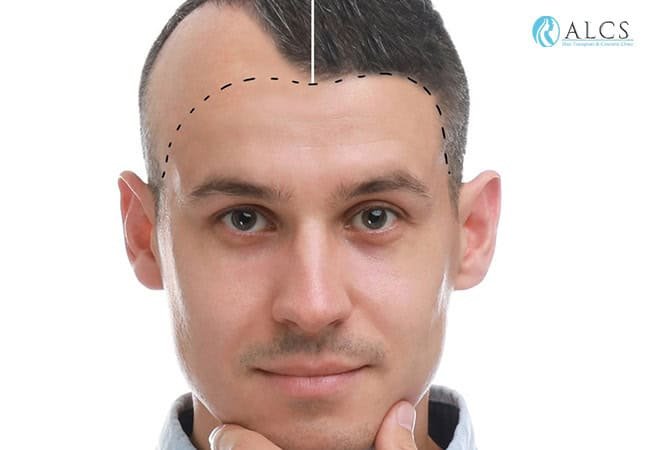
Hair transplant surgery can be an excellent option for men with this condition since it allows for the redistribution of healthy hair follicles from the donor site to the balding areas. 

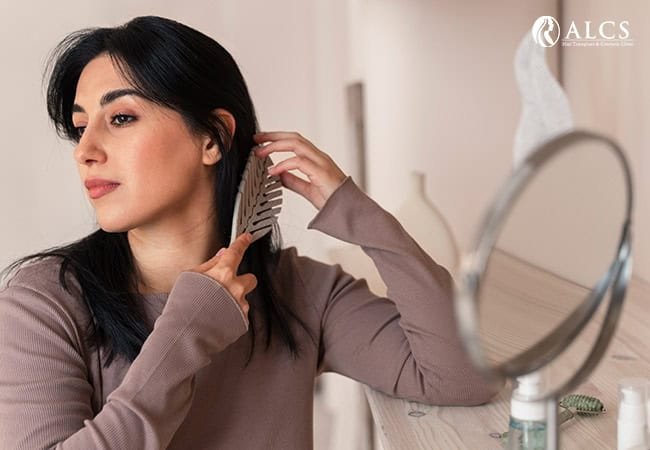
Hair transplant surgery can help women with thinning hair by transplanting healthy hair follicles to areas with hair loss. 

However, it is important to note that the causes of hair loss in women can be diverse and may require a thorough evaluation by a medical professional before considering hair transplant surgery.

Hair loss resulting from burns or scalp injuries can have a significant impact on a person’s appearance and self-esteem. Hair transplant surgery can be an effective treatment option in such cases. By transplanting hair follicles to the affected areas, the surgery can help restore hair growth and improve the overall aesthetic outcome.

Not a good option for

Hair transplant surgery may not be the best solution for women with a widespread pattern of hair loss since there may not be enough viable donor hair follicles available to achieve satisfactory results. 

The success of hair transplant surgery relies on the availability of an adequate number of healthy donor hair follicles. If a person does not have sufficient donor hair sites, either due to extensive hair loss or other reasons, hair transplant surgery may not be a viable option. 

Patients who have diffuse unpatterned alopecia (DUPA),  Cicatricial alopecia (CA), temporary hair loss, and are medically unfit, are poor candidates for hair transplant.

A thorough evaluation by a hair transplant specialist can determine the feasibility of the procedure based on individual circumstances. Alopecia areata is not the right condition to treat by hair transplant surgery.

Individuals who tend to develop keloid scars may not be suitable candidates for hair transplant surgery. The surgical procedure itself can potentially trigger the formation of keloid scars, which can affect the aesthetic outcome and overall satisfaction with the results.

Not all procedures are the same, explore different hair transplant treatment options to find what suits your condition best.

Things To Consider Before Having Hair Transplant Surgery

Before undergoing a hair transplant, there are several important considerations to keep in mind. Firstly, it’s crucial to remember that a hair transplant is a surgical procedure that involves the relocation of hair follicles from one area of the scalp to another. 

Secondly, both transplanted and natural hair require similar care and maintenance to ensure their health and vitality. Additionally, it’s crucial to recognize that hair transplantation is not a magical solution that will instantly provide a full head of hair. 

Patience and realistic expectations are necessary as the outcome may vary from person to person. Proper aftercare, including following the surgeon’s instructions and taking prescribed medications, is vital to optimize the healing process and maximize the chances of achieving permanent, satisfactory results.

Long-Term Outlook After Hair Transplant Surgery

The long-term outlook of a hair transplant procedure is generally positive, with the transplanted areas of the scalp continuing to grow hair. 

However, the density of the new hair may vary depending on factors such as scalp laxity (the looseness of the scalp skin), the density of follicles in the transplanted zone, hair caliber or quality, and hair curl. 

It is important to note that it can take up to a year before the full results of a hair transplant become apparent. During the healing process, the transplanted hair may fall out, but it should grow back in due course. 

Achieving a natural-looking result may require several “touch-up” hair transplant surgeries. In addition to surgical procedures, some individuals may benefit from using medication and low-level laser therapy to further promote hair growth.

Is It Worth Getting A Hair Transplant?

A hair transplant can be a worthy option for individuals who can afford the high cost of the procedure and have not achieved desired results from treatments such as minoxidil. 

Compared to other surgeries, hair transplant carries relatively low risks. However, note that there is a possibility of minimal hair regrowth. A hair transplant can be a life-changing solution for those seeking a fuller head of hair with fewer bald areas, leading to improved self-esteem. 

Furthermore, it offers a permanent hair loss solution. It is essential to be aware that even after the procedure, individuals may still experience hair thinning and loss, potentially requiring follow-up transplants. 

To achieve the best results, it is crucial to diligently follow the post-procedure instructions provided by the surgeon. Additionally, there may be a need to wait a few days before washing the hair to ensure optimal healing and success of the transplant.

Will A Hair Transplant Look Natural?

The final appearance of a hair transplant is greatly influenced by training and prior experience. The recipient area must also receive the grafts from the donor area for the hair transplant to be successful. 

A successful hair transplant is one in which nobody can tell that you’ve had one done. Of course, several other elements also play a role. In this article, we will discuss the factors responsible for the best hair transplant result.

How does a hair transplant work?

A surgical treatment called a hair transplant is used to treat pattern baldness as well as other causes of hair loss, including hereditary conditions, hormone imbalances, 

stress, a poor diet, and medications. 

The donor location, which is typically the back of the scalp, chest, or beard, is where the surgeon harvests grafts, or small pieces of skin, during the surgery. 

After that, these grafts are implanted in the areas of the scalp where hair loss has taken place. Following the procedure, the transplanted skin heals and hair growth continues, creating a hairline that looks natural.

A hair transplant gives a natural-looking result

Hair transplants can provide natural-looking  and permanent results through improvements in hairline creation and strategic placement of hairs in thinning areas. 

Typically, patients witness noticeable changes between six and nine months post-surgery, with around 60% of new hair growth observed within this timeframe. 

Temporary shedding of transplanted hair occurs between two and eight weeks after the procedure. To address ongoing hair loss, dermatologists may recommend medications that can slow down or prevent further thinning. 

While hair loss can persist even after a transplant, these medications can help maintain natural-looking results for an extended period. Although hair transplantation is a costly procedure, it offers a good option for those who can afford it and presents relatively low risks compared to other surgeries. 

Multiple touch-up surgeries may be necessary to achieve the desired natural-looking outcome, emphasizing the importance of following the surgeon’s post procedural instructions. 

Additionally, the donor site eventually shrinks to a concealed incision line, hidden within the surrounding hair.

The factors responsible for optimum result

Achieving optimum results after a hair transplant is influenced by several factors. These include technological advancements, selecting a qualified surgeon, and taking nutritional supplements.    

Proper Postoperative Care

Following the surgeon’s instructions for postoperative care is crucial for the success of a hair transplant. This includes maintaining a moist environment for the newly transplanted hair follicles by misting them frequently with a saline solution. 

It’s important to protect the hair from dehydration and avoid washing it directly under the shower. Gentle hair cleansing, using a mild shampoo and lukewarm water, can help reduce scabbing and scalp itching. 

Sleeping in a semi-upright position for the first few nights can minimize swelling and promote proper healing.

PRP Therapy

Nutritional Food and Supplements

Platelet-rich plasma (PRP) therapy is a common treatment used after a hair transplant. It involves extracting growth factors and proteins from your blood, which promote cellular growth and hair follicle proliferation. PRP therapy can enhance the growth and density of transplanted hair.

Proper nutrition is essential for the success of a hair transplant. The hair follicles are living cells that require a good blood supply for optimal healing and growth. Consuming a balanced diet with adequate vitamins and minerals can accelerate the healing process. 

  • Vitamin B: Essential for nourishing the hair root and promoting hair growth. It can be found in whole grains, legumes, eggs, milk, red meat, poultry, dark green leafy vegetables (broccoli, spinach), bananas, avocados, and citrus fruits (oranges, lemons).
  • Vitamin B2: Improves hair quality by enhancing blood supply.
  • Vitamin B3: Protects hair color.
  • Vitamin B5: Prolongs the anagen (growth) phase of hair follicles.
  • Vitamin B6: Supports scalp nutrition and cell renewal.
  • Vitamin B7: Reduces inflammation and delays graying of hair.
  • Vitamin B9 (Folic Acid): Promotes rapid hair growth by nourishing the hair follicles.
  • Vitamin B12: Supports hair growth.

By ensuring a nutritious diet and potentially supplementing with these vitamins, you can improve the overall health and growth of transplanted hair follicles.

A qualified and experienced surgeon

The choice of a qualified hair transplant surgeon is crucial for obtaining optimum hair transplant results. Despite notable technological advancements in the field, such as robotic-assisted surgery and suction-assisted follicular extraction, the surgeon remains the most important factor. 

Countless clinics are available, but many are unable to dedicate sufficient time and resources to achieve natural-looking outcomes. Patients seeking the best results must be highly selective and may need to consider traveling to find an excellent option. 

It is essential to avoid falling prey to false assurances, as correcting a failed procedure is difficult and mentally distressing. Surgical instruments used in hair transplantation are user-dependent, and poorly trained practitioners can cause significant and permanent disfigurement. 

Patients must do their due diligence and choose a qualified hair transplant surgeon. Achieving optimum results requires a team effort, with a skilled team of technicians, guided by the surgeon, placing thousands of grafts in a single day. 

It is crucial for patients not only to understand how to choose a surgeon but also to be fully aware of who is performing each aspect of the procedure. Some physicians delegate surgical responsibilities to their staff, such as graft dissection and removal. 

Therefore, patients should discuss all the pros and cons of the procedure with a qualified hair transplant surgeon to ensure comprehensive understanding and make informed decisions. 

A reputable hair transplant surgeon should meet criteria such as board certification, completion of surgical training, passing comprehensive exams, graduating from an accredited medical school, ongoing medical education, and performing surgery in accredited facilities.

How Does A Hair Transplant Work For Women?

Women’s hair restoration procedures can be as effective as those for males. When the grafts are inserted into the most aesthetically problematic places rather than dispersed over the scalp, women with female pattern hair loss typically can achieve the best, most predictable results. 

In this article, we will talk about hair loss in women and how hair transplantation in women functions.

Why Do Women Lose Hair?

Because of the trimming restrictions, female hair transplantation is difficult to perfect. In surgery, the strategy of applying grafts to a focused location is typically used. The causes listed below may be the cause of female baldness.

Female Pattern Baldness (FPB)

Female Pattern Baldness (FPB) is the most common kind of hair loss among women, and it is primarily a hereditary condition. While it typically occurs in the late 50s or 60s, 

It can happen at any time, even during the teenage years. FPB, also known as androgenetic alopecia, affects men and women differently. In the case of female pattern baldness, the hair follicle is gradually replaced by hair that is equal in size. 

However, the new hair is finer and thinner, resulting in a miniaturized version. Women with FPB often experience hair loss at the top of the head or along the part, as the family’s genes can cause thinning of hair in these areas.

Chronic Illness

Hair loss can also be triggered by various chronic illnesses and medical conditions. In such cases, the hair follicles become uniformly smaller in size, leading to sudden hair loss. 

Some medical conditions associated with hair loss in women include pregnancy, thyroid disorders, anemia, autoimmune diseases, polycystic ovary syndrome (PCOS), and certain skin conditions like psoriasis and seborrheic dermatitis. 

Additionally, there is a link between menopause and hair loss. Other factors that can contribute to hair loss include extreme stress, physical trauma such as surgery or intense illness, dramatic weight loss over a short period, excessive intake of vitamin A, chemotherapy, diabetes, chronic fever, the use of blood thinners, birth control pills, and steroids. 

Hormonal changes caused by certain medications or hormone replacement therapy can also affect hair growth.

Lifestyle

Apart from genetic and medical factors, sedentary lifestyle choices and practices can contribute to hair loss in women. Excessive exposure to high heat from blow dryers or flat irons can damage the hair and lead to hair loss. 

Harsh chemicals found in products like bleach, perms, or other hair treatments can also weaken the hair follicles and cause hair loss. Additionally, tightly pulled hairstyles using clips, bands, or pins can put excessive strain on the hair, leading to traction alopecia. 

Over shampooing or excessive brushing and combing, particularly when the hair is wet, can result in hair breakage and loss. It is crucial to adopt gentle hair care practices and avoid subjecting the hair to unnecessary stress to maintain healthy hair growth.

Types Of Female Pattern Hair Loss

Women can experience different types of baldness, including the Ludwig pattern, Norwood Hamilton pattern, and Christmas tree pattern. 

The Ludwig pattern is the most common type, often observed in postmenopausal women. It involves diffuse central thinning of hair while retaining the frontal hairline. 

The main objective in treating this pattern is to increase hair density in the central area without causing harm to existing hair. Instead of mini blades, 21G needles can be used for making the slit during implantation, and high magnification loupes of 4X to 5X are employed. 

The Norwood Hamilton pattern is less frequently seen in females and is characterized by the loss of frontotemporal hair, causing the recession. 

Temples may experience more thinning compared to the central area, and the front temporal region is reconstructed similarly to that in males. Lastly, the Christmas tree pattern refers to a broad frontal accentuation of hair loss that tapers posteriorly.

When Should Women Opt For Hair Transplantation Surgery?

Hair transplant surgery in women should be considered in specific circumstances. Firstly, if a woman’s response to medications, such as minoxidil 5% and finasteride, is slow, despite following the prescribed dosage and proper counseling, she may explore surgical options. 

It is important to note that while finasteride is not FDA-approved for female pattern hair loss, it can still be prescribed after careful consideration. Additionally, mild herbal dihydrotestosterone (DHT) inhibitors like saw palmetto and green tea extract can be incorporated into the treatment plan. 

Topical peptides have also shown promising results. Before opting for hair transplantation, other underlying causes of female pattern hair loss, such as polycystic ovarian syndrome or adrenal hyperplasia, should be ruled out. 

In severe cases where medication is not expected to yield satisfactory results, early hair transplant surgery can be considered. However, it is crucial to understand that hair transplantation in women aims to camouflage existing baldness rather than achieve ideal density and coverage. 

The precise placement of grafts at the accurate positions on the scalp is of paramount importance for the surgeon to ensure optimal results.

How Hair Transplant Works For Women?

Hair transplantation surgery for women with diffuse hair loss and overall thinning works differently compared to men. In most cases, women experience hair loss in all areas of the head, including the sides and back, which are typically considered donor sites in hair transplant surgery. 

However, these donor areas in women are usually unstable and affected by dihydrotestosterone (DHT), a hormone that can kill hair follicles.

If hair and accompanying follicles are removed from these donor areas in women and transplanted to other zones, they will eventually fall out. 

Due to this limitation, only a little percentage of women are suitable candidates for hair transplant surgery, typically ranging from 2% to 5% of women with hair loss. It is important to note that women with hair loss tend to retain their frontal hairline but experience loss of volume rather than a receding hairline.

Physicians may take economic advantage by selecting female patients for hair transplantation, as the success rate and overall coverage achieved may be limited compared to men. However, there are specific cases where women may benefit from hair transplant surgery:

  • Nonhormonal causes such as mechanical or traction alopecia, women who have undergone previous cosmetic surgery are concerned about hair loss around the incision sites.
  • Women who exhibit a distinct pattern of baldness similar to male pattern baldness, including hairline recession, vertex thinning, and a donor area unaffected by androgenetic alopecia.
  • Hair loss due to trauma, such as burn victims, scarring from accidents, or chemical burns.
  • Alopecia marginalis is a condition that closely resembles traction alopecia.

How Are Hair Transplant Procedures Evolving With Newer Technologies?

The possibilities in the hair transplant industry are enormous because there are clinics in every city and even every village. There are those who, in one way or another, struggle with hair issues. There is a vast scope now that everyone is aware of the solution. 

The more recent methods of hair transplant surgery and the anticipated global potential for the future have been covered in this article.

Two Most Popular Techniques Of Hair Transplant Surgery

The “strip method,” also known as FUT hair transplant, includes stereo-microscopic dissection to remove a thin layer of hair shafts from the donor region. 

After that, the wound is sutured to stop further damage. Divided into individual pieces, the transplanted grafts from the removed follicles are then inserted into the recipient location.

FUE (Follicular Unit Extraction) hair transplantation is a popular technique for hair repair. In this procedure, a single follicular unit is randomly removed from the donor area, usually the sides or back of the scalp, using tiny circular incisions. 

Hair transplantation might be less invasive, more profitable, and safer with this technology.

Current Popular Methods Of Hair Transplant Surgery

NeoGraft, Robotic FUE, and Direct Hair Implantation (DHI) are three popular methods of hair transplantation. Each technique has its own advantages and considerations, making it essential for individuals to consult with a skilled surgeon to determine the most suitable method for their specific needs.

NeoGraft

NeoGraft is a popular method of hair transplantation known for its effectiveness and advanced techniques. It is a semi-automated version of Follicular Unit Extraction (FUE) and is considered more advanced than other FUE techniques. 

The procedure begins with the application of a local anesthetic to the scalp. Hair follicles are then extracted using a wand that utilizes suction. Unlike traditional methods, NeoGraft does not require the surgeon to make incisions for new hair follicles. Instead, a modern tool makes the incisions and implants the grafts simultaneously using pneumonic pressure. 

Dressings are applied to the donor and implantation sites to manage bleeding. The healing process typically takes about a week, and most individuals can resume their regular routines within two weeks. 

NeoGraft’s automation helps reduce the chances of surgical complications and minimize damage to hair follicles.

Robotic FUE

Robotic FUE is another popular method used in contemporary hair transplant surgery. It offers precise and efficient removal of follicular units with the help of a robot. 

The procedure is performed as an outpatient procedure under local anesthesia, and it requires an experienced team. Robotic FUE is a minimally invasive technique that contributes to natural-looking transplanted hair. 

It should be noted that the robot does not replace the importance of appropriate candidate selection, hairline design, and the surgeon’s judgment regarding the optimal placement of transplanted hair for both short- and long-term results. 

The robotic approach is considered a crucial tool for hair transplant surgeons in enhancing the overall procedure.

Direct hair implementation (DHI)

Direct Hair Implantation (DHI) is a technique that focuses on the survival rate of harvested grafts during hair transplantation. Several factors, such as hydration maintenance, cold temperature, and reduced mechanical handling, contribute to the success of this method. 

DHI is a variation of the existing Follicular Unit Extraction technique, where follicular unit grafts are implanted immediately after being harvested. Unlike traditional methods that use steel or sapphire blades for implantation, DHI utilizes a specialized implant pen. 

This pen allows for direct implantation of the hair grafts, providing precise control and placement during the procedure.

The Future Of Hair Restoration Method

The future of hair transplant surgery lies in stem cell technology. Stem cell hair transplants involve harvesting a small skin sample from which hair follicles are extracted. 

These follicles are then replicated in a laboratory and implanted back into the scalp where hair loss has occurred. This process allows hair to grow in both the donor and recipient areas.

Stem cells have the remarkable ability to develop into various types of cells. They are unspecialized cells that can divide and renew themselves, either remaining as stem cells or differentiating into other cell types.

The procedure begins with a punch biopsy to extract stem cells from the individual. A circular blade is rotated into the skin, removing a cylindrical sample of tissue. 

The stem cells are then separated from the tissue using a centrifuge and injected back into the scalp where hair loss has occurred. The specific techniques employed may vary slightly.

An updated process is used to extract stem cells from fat so that they can be injected into the scalp. This procedure typically takes around three hours. However, it’s important to note that the outcome of the procedure cannot be guaranteed, and results may vary from person to person.

Research suggests that stem cell hair transplants can be effective in treating various hair loss conditions, including male androgenetic alopecia and cicatricial alopecia, where hair follicles are replaced with scar tissue.

Some expected side effects of the procedure include pain, which should subside within a week, and scarring at the fat extraction site. However, there is limited information available regarding other possible side effects. 

Risks associated with the procedure include bleeding, infection, and potential damage to nerves or arteries near the sample and injection sites.

Despite the ongoing research, stem cell hair transplants show promising results. An Italian study reported a 29% increase in hair density 23 weeks after the last treatment. 

The cost of stem cell hair transplants has not been determined yet, as they are still in the research stage. Estimated fee range from approximately $3,000 to $10,000, depending on the type and extent of hair loss being treated.

Cell treatment aims to address the issue of donor shortage. Studies have shown that dermal papillae and connective tissue sheath cells possess the ability to generate hair follicles. However, the challenge lies in developing a viable culturing system to apply these concepts to human cells in vivo.

Growth factors, such as vascular endothelial growth factor (VEGF), platelet-derived growth factor (PDGF), basic fibroblast growth factor (bFGF), insulin growth factor-1 (IGF-1), and keratinocyte growth factor (KGF), play a crucial role in promoting hair growth. 

VEGF, in particular, has been found to be essential for hair biology and angiogenesis, influencing hair size. Improved follicle vascularization has been linked to enhanced hair development and size.

Due to its accessibility, platelet-rich plasma (PRP) obtained from peripheral blood is also frequently employed. PRP can be easily made after centrifuging patient blood, and injection techniques are comparable to mesotherapy. 

Because there was no research on PRP’s efficacy for treating hair loss in the beginning, and many doctors criticized its usage. However, the situation has changed after numerous favorable PRP efficacy reports. 

There is presently no established protocol for PRP preparation, PRP quality standards, or injection intervals.

Can Hair Transplants Be Reversed?

Proper post-operative care and hygiene are crucial to prevent infections, and any signs of persistent or worsening infection should be promptly addressed by your surgeon.

Poor Result after 1 Year of Surgery

Hair transplantation is a gradual process, and it can take several months to a year to see the final results. 

However, if you are dissatisfied with the outcome even after a year, such as sparse hair growth or uneven distribution, it may suggest a subpar procedure. Consultation with a qualified hair transplant specialist is advised in such cases.

Unnatural Look

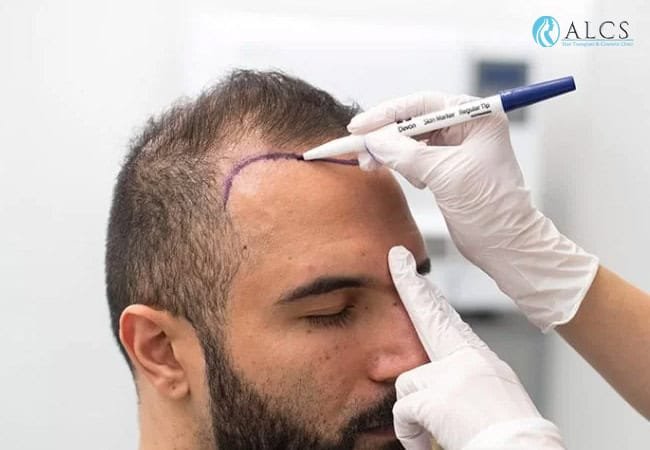
One of the foremost goals of a hair transplant is to achieve a natural-looking hairline and overall appearance. If your hairline appears unnaturally straight, too low, or with an unnatural density, it may be a sign of an improper hair transplant. 

Skilled surgeons take into account factors like hair direction, angle, and distribution to create a result that seamlessly blends with your existing hair.

Can A Hair Transplant Be Corrected?

 A hair transplant can be corrected through various methods, allowing patients with unsatisfactory results to achieve a more natural and aesthetically pleasing outcome. 

Skilled surgeons often encounter patients who seek corrective hair transplant surgery after experiencing issues with their previous procedure. Let’s delve into each of the points provided and elaborate on them:

Unnatural Hairline Repair

An unnatural hairline is a common problem that may arise from a poorly executed hair transplant. To address this issue, several techniques can be employed. 

One approach involves adding a large number of 1-3 hair grafts strategically placed between, behind, and in front of the existing large 15-25 hair grafts. It helps create a more natural transition and softens the appearance of the hairline.

Another option is the surgical removal of plugs, which involves removing larger grafts and replacing them with smaller, more natural-looking ones. 

Poor Follicle Quality Repair

Poor follicle quality can pose a challenge when correcting a hair transplant. It can manifest as limited or depleted occipital donor hair, which may be a result of previous procedures. 

Additionally, the existing hairline may not only appear “pluggy” but also be in an inappropriate location. In such cases, simply adding more hair will not solve the problem. 

Poor Hair Density Repair

Poor hair density after a hair transplant can result in an unnatural and uneven hairline, often referred to as “bushes” between trees. To rectify this issue, surgeons have several options. 

One prime approach strategically adds more grafts to increase density and create a softer hairline. By carefully placing these grafts, the overall density can be improved, making the unnatural hairline less noticeable. 

Scarring Repair

One popular technique is scalp micropigmentation, which involves using specialized pigments to match the patient’s natural hair color and create the illusion of hair follicles in areas affected by scarring. 

This method helps camouflage the scars, resulting in a more seamless and aesthetically pleasing outcome. Laser therapy can also fix the scar issue by removing the damaged skin.

Immediately After Corrective Hair Transplant Surgery

Following the corrective hair transplant surgery, a specialized procedure is carried out to ensure proper healing and protection. An Adaptive dressing, treated with Polysporin ointment, is carefully placed on the patient’s head to cover the transplanted hair.

It is followed by applying Kerlix bandages and a 3-inch Ace bandage, securely wrapping the head. For the next 48 hours, a simple dressing consisting of gauze soaked in saline solution is used, along with a soft elastic bandage. 

After this initial period, the patient can gently shampoo their hair daily using a mild product like Johnson & Johnson’s baby shampoo, facilitating a healthy recovery process.

Recovery After Reversed Hair Transplant 

After undergoing hair transplant corrective surgery, the patient is given post-operative guidance by the nursing staff. It is recommended that someone accompanies the patient, as driving is not permitted within the first 24 hours due to the lingering effects of sedation. 

The patient can resume professional activities the day after the surgery. To manage discomfort in the donor area, an analgesic like Tylenol with codeine is prescribed, typically taken 6 to 8 hours after the operation. 

During the initial 24 to 48 hours, it is advised that the patient sleeps with their head elevated to minimize swelling. Approximately 25% of patients experience forehead edema, which can spread to the eyelids and cheeks by the second day. 

Cold compresses can help reduce this swelling. After 24 hours, the patient can remove the Ace bandage and shower while wearing the remaining dressings, using lukewarm water. 

The scalp should be washed with an antiseptic shampoo or soap, being careful to only clear dry blood without disturbing the crusts. Sutures are typically removed at 7 to 10 days, while the crusts formed in the grafted areas will naturally fall off within 8 to 15 days. 

Baby oil can be used to soften the crusts. After one month, the patient can begin using minoxidil over the implanted area, promoting increased blood supply.

Myth: Hair Transplants Are A Cure For All Types Of Hair Loss

Hair transplants have become increasingly popular as a highly effective solution for pattern baldness. However, it is essential to note that hair transplant surgery is not limited to addressing hair loss caused by this condition alone. 

With significant advancements in surgical techniques and technology, hair transplants offer hope to individuals experiencing hair loss due to a wide range of underlying causes. 

In this article, we will delve into the various conditions for which hair transplant surgery may be a suitable option.

Medications As A Hair Loss Solution

While medications can be used to address temporary hair loss, they are not a suitable alternative to hair transplantation. 

Minoxidil, a topical medication, can be purchased over the counter and when applied to the affected area, it temporarily halts hair loss and thickens existing hair, giving the illusion of a fuller head of hair. However, this effect is short-lived, and discontinuing the medication usually leads to a return of the original hair loss. 

Finasteride, an oral medication available with a prescription, works by slowing down hair loss and promoting hair growth. It is not recommended for long-term use due to potential side effects. Moreover, these medications should be avoided by fertile women.

To make informed decisions about your hair health, refer to this hair loss detailed guide that covers symptoms, diagnosis, and treatment approaches.

Hair Transplant: The Most Compelling Remedy For Hair Loss

The first and most significant advantage of hair transplants is that the effects are long-lasting. After the surgery, you will continue to grow hair in that particular area for the rest of your life. 

Hair grafts are surgically removed from donor areas and then implanted into the intended bald area during the hair transplantation procedure.

The body parts with permanent hair roots, such as the back and sides of the head, the chest, the beard, the axilla, and the pubic region, are referred to as the donor area.

Ideal Conditions For Hair Transplant

Ideal conditions for hair transplant surgery vary depending on individual circumstances. However, hair transplant surgery can be a good option for several groups of people, including:

  • Men with male pattern baldness

Hair transplant surgery is often an effective solution for men experiencing hair loss due to male pattern baldness. 

This condition typically results in a receding hairline or a thinning crown, and hair transplant surgery can help restore a natural-looking hairline and improve overall density.

  • Women with thinning hair

Hair transplant surgery can be a viable option for women who have experienced thinning hair, especially in cases where the hair loss is localized or limited to specific areas. It can help improve hair density and restore a fuller appearance.

  • Individuals who have lost hair from burns or scalp injuries

Hair transplant surgery can be beneficial for people who have lost hair due to burns or scalp injuries. 

By transplanting healthy hair follicles to the affected areas, the surgery can help restore hair growth and improve the appearance of scars or areas with hair loss.

There are certain conditions and situations where hair transplant surgery may not be a suitable option. These include:

  • Women with a widespread pattern of hair loss throughout the scalp

Hair transplant surgery may not be the best solution for women who have extensive hair loss throughout the scalp. In such cases, other treatment options or alternative approaches may be more appropriate.

  • Individuals who lack sufficient “donor” hair sites

Hair transplant surgery relies on the availability of donor hair sites, typically from areas of the scalp with healthy hair follicles. If a person does not have an adequate supply of the donor’s hair, the surgery may not be feasible or may not achieve the desired results.

  • People prone to keloid scars

Individuals who are prone to developing keloid scars, which are thick and fibrous scars that can form after injury or surgery, may not be suitable candidates for hair transplant surgery. The procedure can potentially trigger the formation of keloids, leading to further complications.

  • Hair loss caused by medication (e.g., chemotherapy)

Hair loss due to medication, such as chemotherapy, is typically temporary. In such cases, it is advisable to wait until the medication is completed and the hair starts to regrow naturally before considering hair transplant surgery.

The Ideal Candidate For A Hair Transplant

The ideal candidate for hair transplant surgery can be men and women of all races who meet certain criteria. The two most important factors are having enough healthy hair on the scalp that can be transplanted to the thinning area and the ability to grow hair in that area. 

To determine if you are a good candidate, a dermatologist will conduct a thorough scalp examination and may also recommend a blood test to identify any underlying factors contributing to hair loss. 

In some cases, a scalp biopsy may be necessary. Once the exam and tests confirm that you are a suitable candidate, the dermatologist can discuss the expected results and help set realistic expectations.

An ideal candidate for hair transplant surgery is someone who has sufficient hair loss, a healthy scalp and is in good general health. They should have good hair growth at the back and sides of the head, which serve as the donor areas for the transplantation. 

Factors such as hair color, texture, and waviness can also impact the cosmetic outcome. Candidates need to have reasonable expectations and openly discuss them with their surgeon. 

Hair replacement techniques often utilize existing hair, and the surgery is not intended as a means to “keep up with your hair loss” but rather as a practical approach to address the issue.

Hair transplant surgery can enhance both your appearance and self-confidence. However, it’s crucial to carefully consider your expectations and have a thorough discussion with your surgeon to ensure you have a clear understanding of the potential outcomes. 

It’s worth noting that the surgical procedure itself may result in temporary shock loss, caused by the trauma to the scalp. Nonetheless, with the right candidate selection and the use of appropriate techniques, h

Myth: Hair Transplants Are Always Extremely Expensive

The number of hair restoration treatments, the incidence of alopecia, and the development of technology in the hair transplant industry are the main factors driving the growth of the global market for hair transplants. 

For example, the International Society of Hair Restoration Surgery (ISHRS) claimed that 2,221,191 hair restoration treatments were carried out globally in 2021.

In 2021, the market for hair transplants was estimated to be worth $4.90 billion, and by 2031, it is expected to be worth $30.13 billion. The price of a hair transplant is dependent on a few variables that are covered in detail in this article.

Expected Hair Transplant Cost Worldwide

The cost of hair transplant surgery worldwide can vary significantly depending on various factors. One crucial factor is the extent of hair loss and the number of grafts required. 

In India, the cost of hair transplant surgery typically ranges from USD 400 to USD 3,800. On the other hand, in the United States, the same procedure can cost around USD 50,000. The cost per graft also differs across countries, ranging from US$1.07 in Turkey to US$7.00 in Canada.

In the United Kingdom, the cost of hair transplant surgery can vary between £4,000 and £8,000, depending on the location and the area of the implant. Some regions in the UK may offer procedures costing between £1,000 and £30,000, depending on the severity of hair loss. 

Generally, the amount of hair being transplanted plays a significant role in determining the overall cost. It can range from $4,000 to $15,000, and it’s important to note that most insurance plans do not cover hair transplant procedures.

To attract potential patients, most hair transplant clinics offer free consultations, either online or in person, without any obligation. 

In some cases, if the individual is deemed a suitable candidate for surgery, the consultation fees are deducted from the total cost. In this highly competitive market, many top hair transplant surgeons also provide free consultations to stand out among their peers. 

Therefore, when budgeting for a hair transplant, prospective patients should consider including consultation fees in their overall surgical budget to ensure they conduct thorough research and find the best surgeon for their specific needs.

Why The Hair Transplant Costs Vary?

The cost of a hair transplant varies due to the specific factors mentioned below. It’s crucial to consult with multiple clinics, compare costs, and consider the expertise and reputation of the surgeon before making a decision. 

Remember, while cost is an essential factor, the quality of the procedure and the expected results should also be taken into consideration.

Hair transplantation procedure

The cost is determined by the technique used, which can vary between Follicular Unit Extraction (FUE) and Follicular Unit Transplantation (FUT). FUT involves removing a strip of the scalp, leaving a longitudinal scar, while FUE involves extracting individual hair follicles, leaving small spots. 

The choice of technique depends on factors like the surgeon’s expertise and the patient’s specific baldness pattern. Additionally, some tests may be required before the procedure, which can impact the overall cost.

Bald area of the patient

The level of baldness influences the cost of hair transplants. The more extensive the baldness, the higher the number of grafts required to cover the area. This increases the complexity and duration of the procedure, affecting the cost. 

Clinics may also have different pricing structures, so it’s essential to compare fees from various providers before making a decision. The Norwood rating scale is often used to assess the grade of baldness and determine the appropriate treatment plan.

Donor area availability

The donor area, usually the back of the head, provides the hair follicles for transplantation. 

If  the donor area is thin or insufficient, the surgeon may need to extract follicles from other parts of the body, such as the chest or beard. This process is more challenging and time-consuming, which can lead to higher costs.

Number of sessions needed

Depending on the extent of baldness and the desired density, multiple sessions may be required to achieve satisfactory results. Each session adds to the overall cost, including the fees for the surgeon, staff, and facility.

Qualifications of the surgeon

The experience, skill level, and qualifications of the surgeon significantly influence the cost of a hair transplant. 

An experienced and knowledgeable surgeon with more than five years of experience and a background in plastic and cosmetic surgery can guarantee better results. The surgeon’s expertise in managing complex cases and ability to create a natural-looking hairline is crucial. 

Certification from organizations like the American Board of Hair Restoration Surgery (ABHRS) indicates a high level of skill and competence, which may come at a higher cost. 

It’s crucial to ensure that the doctor stays updated with the latest advancements in the field and uses the latest technology and tools.

Location Of The Clinic

The geographical location of the clinic can impact the cost of hair transplantation. If the clinic is located in an area with a high cost of living, the prices may be higher. 

Additionally, competition among hair transplant surgeons in a particular region can affect the pricing. Patients may need to factor in the costs of travel to and from the clinic, especially if they have to travel long distances to find a qualified surgeon.

The Impact of Smoking and Alcohol on Hair Transplants

It will be more difficult to perform the procedure if you wait until a week or two prior to quitting drinking because there won’t be any blood clotting. The healing process will be harmed by alcohol use. It will take more time to recover. It’s possible that the transplanted hair follicles won’t stick to the skin.

Similar to how alcohol has negative impacts, smoking has similar ones. As a result, the healing process is slowed. Additionally, smoking slows blood flow. In this post, we’ll talk about how smoking and drinking affect hair transplant surgery.

How smoking affects hair growth/transplant

 Smoking has been found to have negative effects on hair growth and hair transplant outcomes. Here are the key points:

Vasoconstriction

Smoking can lead to vasoconstriction, narrowing the blood vessels. It reduces blood flow to the hair follicles, depriving them of essential oxygen and nutrients necessary for healthy hair growth.

DNA damage

Smoking can form DNA adducts and cause free radical damage to the hair follicles. This damage can disrupt the normal growth cycle of hair and contribute to hair loss.

Senescence and hormonal effects

Smoking has been associated with an increase in cellular senescence, a state of irreversible growth arrest. It can also disrupt hormonal balance, including increased androgen levels and a hyp-estrogenic state, which can contribute to hair thinning and androgenetic alopecia.

Toxic contents

Tobacco smoke contains various toxic substances, including nicotine, phenol, quinolone, aniline, nickel, and benzopyrenes. These substances can potentially damage hair follicles and affect the growth cycle pigmentation of hair.

Reduced blood flow

Smoking affects circulation and cardiovascular health, leading to the buildup of plaque in blood vessels. It can impair blood flow to the hair follicles, compromising their health and contributing to hair loss.

Free radical production

Smoking increases the production of free radicals in the body. Free radicals are highly reactive molecules that can damage DNA and contribute to oxidative stress, which can negatively impact hair follicles and the hair growth process.

When it comes to hair transplant surgery, quitting smoking is crucial for optimal outcomes:

Nicotine’s effects

Nicotine in cigarettes causes the tightening of blood vessels, leading to reduced blood flow. It can jeopardize the survival of transplanted hair follicles and hinder the wound-healing.

Depriving follicles of oxygen

Smoking following surgery can deprive newly transplanted hair follicles of oxygen and nutrients, which are vital for their survival and growth. It can result in graft failure and compromised results.

Insufficient blood flow

Narrowed blood arteries due to smoking impede adequate blood flow and circulation. Sufficient oxygen delivery is crucial for the survival of transplanted hair follicles and optimal wound healing.

Therefore, it is recommended to quit smoking at least one week before the surgery and continue to abstain for at least one month after the surgery.

It will help maximize the success of the hair transplant procedure by ensuring proper blood flow and oxygenation to the newly transplanted follicles and promoting overall healing.

How alcohol affects hair growth/transplant

While there is no direct link between alcohol use and hair loss, heavy drinking can lead to certain situations, nutritional deficiencies, and hormonal issues that may affect hair growth and the success of hair transplants. Here are some key points to consider:

Nutritional deficiencies and hormonal issues

Drinking excessive amounts of alcohol can contribute to deficiencies or malabsorption of key nutrients. Not getting enough zinc, copper, or protein in your diet may lead to hair shedding. People who drink heavily may also have poor dietary habits and not consume enough nutrients.

Iron deficiency

Heavy drinking can lead to a decrease in the intake of iron-rich foods. Iron is essential for healthy hair growth, and a deficiency can contribute to hair loss.

Zinc and copper absorption

Alcohol may affect the absorption of zinc and copper in the body. These minerals are crucial for hair health, and their deficiency can lead to hair thinning and loss.

Protein absorption and consumption

Drinking alcohol can interfere with the absorption of protein or lead to lower protein consumption. A severe deficiency in protein can cause various issues, including hair loss, thinning hair, flaky skin, brittle nails, and overall poor hair health.

Dehydration

Ethanol, the main component of alcoholic beverages, acts as a diuretic, causing dehydration by pulling water out of the body through sweating and urination. It can make the hair dehydrated, leading to dryness, split ends, hair breakage, and even hair loss.

Hormonal imbalances

Excessive alcohol consumption can affect the thyroid gland and the overall hypothalamic-pituitary-thyroid axis. These interactions may disrupt the regulation of hair growth and hair shedding. 

Long-lasting hypo- and hyperthyroidism can result in hair loss and thinning across the whole scalp.

Adverse effects of alcohol-containing hair products

Regular alcohol consumption through drinking or using certain alcohol-containing hair products can have detrimental effects on the hair. These products may dry out the hair, leading to excessive dryness, split ends, hair breakage, dandruff, and greasiness.

Studies showing impact

Researchers suggested in an earlier 2003 study that the harmful compounds in cigarette smoke might cause harm to the DNA of cells in your hair follicles. Decreased hair growth could potentially result from damage to these cells’ DNA.

Research from 2018 reviewed According to a reliable source, cells in balding scalps’ hair follicles are especially vulnerable to oxidative stress.

2020 research between the ages of 20 and 35, Trusted Source examined the rate of symptoms that appear in androgenetic alopecia in male smokers and nonsmokers. 

Male-pattern baldness and female-pattern baldness are other names for androgenetic alopecia.

Only 200 of 500 non-smokers showed evidence of hair loss, compared to 425 out of 500 smokers who had some degree of hair loss.

Researchers discovered that grade 3 hair loss affected 47% of smokers, and grade 3 hair loss affected 24% of smokers. Only 10% of non-smokers completed grades three or four.

Zinc deficiency may be a factor in hair loss, according to a 2013 study involving participants who had four different types of hair loss: alopecia areata, telogen effluvium, female pattern hair loss, and male pattern hair fall.

The researchers claim that additional studies have come to the conclusion that low serum copper levels may be a contributing factor in thinning hair.

Chronic alcohol use may raise the risk of nutritional deficits, according to a 2018 analysis. Since alcohol has zero nutritional content, it is a liquid with empty calories. Drinking may cause a person to become full, making it difficult for them to eat wholesome foods.

The American Academy of Dermatology Association claims that considerable hair loss might result from a deficiency in biotin, iron, or zinc.

Recommendations for patients

It is highly recommended to quit smoking and drinking following a hair transplant surgery. Smoking has a detrimental effect on the blood flow to the hair roots, which is crucial for proper hair growth. 

Reduced blood flow can hinder healing and negatively impact the transplanted hair follicles. Therefore, quitting smoking is essential to ensure optimal results from the procedure.

Alcohol, being a diuretic, can lead to dehydration and reduce the absorption of essential vitamins and minerals from the gut. Adequate absorption of these nutrients is vital for promoting healthy hair growth.

To maximize the benefits of a hair transplant, it is advised to abstain from alcohol during the recovery period.

Ensuring proper hydration is another essential aspect after hair transplant surgery. Keeping the scalp hydrated helps prevent dryness, which can hinder the healing process and affect the growth of transplanted hair. 

Drinking at least eight glasses of water daily is recommended to maintain scalp hydration and support overall hair health.

Following a balanced diet is crucial for optimal hair growth and control of hair loss. Increasing protein intake is particularly important as hair is predominantly made up of protein. 

Including foods rich in fatty acids and fat-soluble vitamins can promote hair health. Additionally, consuming a variety of vitamins such as vitamin A, vitamin C, B-complex vitamins, and biotin is essential for hair growth and maintenance. Green tea can provide effective antioxidants that contribute to overall hair health.

Hair Transplant For Women: Everything You Need To Know

Women believe they will also be ideal candidates because hair restoration surgery is a viable choice for over 90% of the country’s balding males, but this is typically not the situation. 

In this article, we’ve covered women’s hair transplant surgery, along with hair loss causes, healing times, costs, and many other topics.

Hair Loss In Women

Despite the fact that being identified as a male at birth may make hair loss appear like a more serious issue, being allocated as a girl at birth may make hair loss or thinning almost as frequent. 

Although it can occur at any stage of life and for diverse causes, most women first notice it in their 30-40s.

Female Pattern Baldness

Female Pattern Baldness is the most common kind of hair loss and is predominantly a hereditary condition. While it typically occurs in the late 50s or 60s, it can happen at any time. 

Known as androgenetic alopecia, it affects men and women differently, and in some cases, even during teenage years. In female pattern baldness, the hair follicle is replaced by hair that is equal in size, but the new hair is finer and thinner, creating a miniaturized version. 

Women may experience baldness at the top of the head or at the part, as the family’s genes can cause thinning of hair along the top of the head.

Three types of female alopecia are seen in the clinics including Ludwig pattern, Norwood pattern and Christmas pattern.

Illnesses That Cause Hair Loss in Women

There are various illnesses that can lead to hair loss in women. In these cases, the hair follicle remains uniform in size, but sudden hair loss occurs. 

A wide range of medical conditions can contribute to hair loss, including pregnancy, thyroid disorders, and anemia. Additionally, autoimmune diseases, polycystic ovary syndrome (PCOS), and certain skin conditions such as psoriasis and seborrheic dermatitis can cause hair loss. 

Menopause has also been linked to hair loss in women. Hormone changes brought on by taking certain medications can also affect hair growth.

Other factors that can contribute to hair loss include extreme stress, physical trauma like surgery or intense illness, rapid weight loss, excessive intake of vitamin A, and the use of certain medications such as chemotherapy drugs, diabetes medications, blood thinners, birth control pills, and steroids. 

Lifestyle habits

Certain lifestyle habits can also contribute to hair loss in women. Excessive heat from blow dryers or flat irons, harsh chemicals from bleach or perms, and tightly pulled hairstyles using clips, bands, or pins can damage the hair follicles and lead to hair loss. 

Over shampooing and excessive brushing or combing, particularly when the hair is wet, can also weaken the hair and cause it to fall out. It is essential to be mindful of these habits and take steps to minimize their impact on hair health.

How Hair Transplant Works For Women

Hair loss is a common anxiety among women, often characterized by diffuse thinning throughout the scalp. Unlike men, women tend to experience hair loss in all areas of the head, including the sides and back. 

These regions are considered the donor sites in hair transplant surgery, as the follicles in these areas are typically not affected by dihydrotestosterone (DHT), the hormone responsible for male pattern baldness.

However, it is prime to note that donor areas in women are generally unstable and susceptible to the effects of DHT. 

If hair and accompanying follicles are removed from these donor sites and transplanted to other areas, they are likely to fall out. It is crucial for physicians to consider this fact before recommending hair transplantation for female patients.

While some women may experience overall thinning, they often retain their frontal hairline without receding. Although they may lose volume, their hairline remains intact. This distinction is chief because it influences the feasibility of hair transplant surgery in women.

Hair transplant surgery is not suitable for all women with hair loss. In fact, only a small percentage, approximately 2% to 5%, can truly benefit from this procedure.

It is essential to manage expectations as women may not achieve the same level of coverage they had before experiencing hair loss.

There are specific cases where women may be considered good candidates for hair transplant surgery. These include:

  • Mechanical or traction alopecia: Hair loss caused by factors such as tight hairstyles, braiding, or the use of hair extensions.
  • Previous cosmetic surgery: Women who have undergone cosmetic procedures and are concerned about hair loss around the incision sites may opt for hair transplantation to restore hair growth in those areas.
  • Baldness pattern similar to male pattern baldness: Some women may exhibit a distinct pattern of baldness close to that seen in men, with a hairline recession, vertex thinning (on the crown or top of the scalp), and a donor area unaffected by androgenetic alopecia.
  • Hair loss due to trauma: Women who have suffered hair loss due to traumatic incidents such as burns, accidents, or chemical burns may consider hair transplant surgery a reconstructive option.
  • Alopecia marginalis: This condition resembles traction alopecia and may make women suitable candidates for hair transplantation.In certain cases, flap and tissue expansion procedures maybe employed to address hair loss in women who meet the criteria for hair transplant surgery.

Benefits Of Hair Transplant

Hair transplant procedures provide significant benefits for women experiencing hair loss. 

From restoring a thicker and more voluminous head of hair to boosting self-confidence, hair transplantation offers a reliable solution that can enhance a woman’s appearance and improve her quality of life.

  • Enhanced appearance with a fuller head of hair, reducing the visibility of bald areas and restoring a youthful look.
  • Heightened self-confidence and improved self-esteem due to the renewed ability to style hair and participate in social activities without concerns about hair loss.
  • A long-term solution to hair loss, offering permanent results by transplanting healthy hair follicles that are resistant to balding.
  • Freedom from the constant worry and ongoing expenses associated with temporary hair loss treatments or concealment methods.

Hair Transplant Risks

Hair transplant procedures come with certain risks and potential complications. Understanding these risks is crucial for individuals considering hair transplantation, as it allows them to make informed decisions and take appropriate precautions to minimize the likelihood of adverse outcomes.

Bleeding may occur during the hair transplant procedure, but it is typically minimal and controlled by the surgeon. 

  • Infection is a potential risk after a hair transplant, although it is rare and can be minimized with proper hygiene and post-operative care.
  • Swelling of the scalp is a common side effect after a hair transplant, but it usually subsides within a few days or weeks.
  • Bruising around the eyes may occur due to the surgical procedure, but it is temporary and fades away over time.
  • A crust can form on the scalp where hair was transplanted or removed, but it is part of the normal healing process and will eventually heal.
  • Numbness or lack of sensation in the treated areas of the scalp is a temporary side effect that typically resolves within a few weeks or months.
  • Itching is a common occurrence during the healing process after a hair transplant. You can manage it with proper care and medications.
  • Inflammation or infection of the hair follicles (folliculitis) can occur but is rare and can be treated with antibiotics.
  • Shock loss, a temporary loss of transplanted hair, can happen after a hair transplant, but the hair usually regrows within a few months.
  • Unnatural-looking tufts of hair can occur if the transplanted hair is not properly positioned or if there is a poor grafting technique, highlighting the importance of choosing a skilled surgeon.

Hair Transplant Surgery Procedure Details

Hair transplant surgery is a procedure that involves the transplantation of hair follicles from one area of the scalp, known as the donor area, to another zone with thinning or balding hair, known as the recipient area. 

The hair transplant surgery in women has three essential steps, such as trimming the hair, implanting the graft in the recipient area and results.

There are two main techniques used to obtain the follicles for transplantation: Follicular Unit Transplantation (FUT) and Follicular Unit Extraction (FUE).

FUT hair transplant

In the FUT technique, a strip of scalp skin is surgically removed from the back of the head using a scalpel. The incision is typically several inches long and is then closed with stitches. 

The surgeon carefully separates the removed portion of the scalp into small sections using a magnifying lens and a sharp surgical knife. These sections, known as grafts, are then implanted into the recipient area, where they will promote natural-looking hair growth.

FUE hair transplant

The FUE technique involves making tiny holes in the recipient area using a blade or needle. The surgeon then gently places individual hair follicles into these holes.

This technique allows for a more precise and targeted transplantation of hair follicles. During a single treatment session, a surgeon may transplant hundreds or even thousands of hairs using the FUE technique.

After the hair transplant surgery, the recipient area is covered with gauze, or bandages to protect it. The scalp may be sore and tender for a few days, and there may be some swelling or bruising in the treated areas. 

It is important to follow post-operative care instructions provided by the surgeon, which may include taking prescribed medications, avoiding strenuous activities, and keeping the scalp clean and protected.

Recovery After Hair Transplant Surgery

During the recovery period after a hair transplant, it is common for the scalp to be very tender. To alleviate discomfort, it is advisable to take pain medications as prescribed by your surgeon or healthcare provider. 

It will help manage any post-operative pain and ensure a more comfortable recovery process. Additionally, wearing bandages over your scalp, as instructed by your surgeon, can provide support and protection to the transplanted area, aiding in the healing process.

Following the hair transplant procedure, your surgeon may prescribe an antibiotic or an anti-inflammatory drug. 

These medications are intended to prevent infections and reduce inflammation in the scalp. It is crucial to strictly follow the prescribed dosage and frequency to promote proper healing and minimize the risk of complications.

In most cases, individuals can typically return to work within 2 to 5 days after the hair transplant operation. However, it is foremost to consider the nature of your job and any specific instructions provided by your surgeon.

Engaging in light activities during this time is recommended while avoiding any strenuous activities or heavy lifting that could potentially disrupt the healing process.

Around 10 days after the hair transplant procedure, it is usually time to have the stitches removed. It is a simple and quick procedure that is typically performed by your healthcare provider. 

The removal of stitches ensures that the incision sites have healed right and that the transplanted hair follicles are securely in place, setting the stage for successful hair growth.

After approximately three weeks, you can gradually resume exercise or sports activities. It is important to consult with your surgeon or healthcare provider before engaging in any intense physical activities. 

By waiting for the recommended duration, you allow your scalp to heal sufficiently, reducing the risk of injury to the transplanted area and ensuring the best possible outcomes from the procedure.

Hair Transplant Cost

The cost of a hair transplant procedure can vary significantly and is dependent on various factors. It primarily depends on the amount of hair being moved and the individual’s hair loss history. 

Generally, hair transplant costs range from $4,000 to $15,000. It’s important to note that insurance usually does not cover the expenses associated with hair transplants. 

Additionally, the average price per graft can differ based on the country, varying from US$1.07 in Turkey to US$7.00 in Canada. In the UK, the cost typically falls between £4,000 and £8,000. 

Apart from these factors, the location of the clinic and the transplant area are also important considerations that contribute to the overall cost. Factors influencing hair transplant cost:

The amount of hair being moved

The extent of hair loss and the desired coverage area play a significant role in determining the cost of a hair transplant. The more hair that needs to be transplanted, the more time, effort, and resources are required, resulting in a higher overall cost.

The type of hair transplant procedure

There are different techniques available for hair transplantation, such as Follicular Unit Transplantation (FUT) and Follicular Unit Extraction (FUE). FUT involves removing a strip of scalp and extracting hair follicles, while FUE involves individually extracting follicles. 

The choice of procedure can impact the cost, with FUE generally being more expensive due to its labor-intensive nature.

The surgeon

The experience, expertise, and reputation of the surgeon performing the hair transplant can influence the cost. 

Highly skilled and renowned surgeons may charge higher fees due to their expertise and success rates. It’s crucial to choose a qualified and experienced professional to ensure the best results.

Travel cost

For individuals seeking hair transplants abroad, travel expenses need to be considered. It includes the cost of flights, accommodation, and local transportation. While opting for treatment in another country may offer cost advantages, it’s essential to factor in all associated expenses.

Location

The location of the clinic can also affect the overall cost. Different countries and regions have varying costs of living, healthcare infrastructure, and regulatory standards, which can influence the pricing of hair transplant procedures. 

For instance, clinics in countries like Turkey may offer more affordable options compared to clinics in countries with higher living costs.

Common Mistakes to Avoid After a Hair Transplant

Hair transplant surgery has emerged as a popular cosmetic procedure for people suffering from hair thinning or balding. The procedure involves the transplantation of healthy hair follicles from an area with healthy hair growth to a hair-thinning or bald area.

The success of a hair transplant procedure will depend on factors like the condition of your scalp, your overall health, the skill of the hair transplant surgeon, and how well you take care of your hair and scalp after a hair transplant surgery.

The results of a hair transplant surgery may be impacted negatively due to some mistakes made by patients after the procedure. In this article, we will be discussing the common mistakes that should be avoided after a hair transplant procedure for the best treatment results.

Mistakes to Avoid Following a Hair Transplant Surgery

It is important to follow all the post-operative instructions provided by your surgeon after a hair transplant surgery to get optimal treatment results. The following common mistakes should be avoided after a hair transplant:

1. Not Following Post-Surgical Instructions

The surgeon will give specific post-operative instructions to have a quick and smooth recovery following hair transplant surgery.

Not following these instructions can lead to complications or even hair transplant failure.

2. Improper Sleeping Position

You should sleep with the head elevated at a 45-degree angle for the first one week after surgery. This is done to avoid swelling and help in rapid wound healing. 

Sleeping flat on the stomach or rubbing the new hairline against the pillow should be avoided. This can be done by sleeping on a recliner or covering yourself using a heavy blanket.

3. Scratching the Head or Showering

You should avoid washing your hair for the first 48 hours after hair transplant surgery. You can gently do a hair wash on the third day after the surgery. Avoid washing your hair aggressively for at least five days after the surgery.

Always use a mild shampoo and avoid squeezing the shampoo directly on the scalp. Apply it on the scalp gently using your hands.

It is common to experience itchiness on the scalp region after a hair transplant surgery. Scratching of the newly transplanted hair follicles can lead to damage to the hair roots and prevent the growth of new hair. It is therefore important to avoid rubbing or scratching the transplanted area too hard.

4. Chemical Treatments and Hair Styling

Avoid chemical hair treatments, hair coloring, and hair styling products that can lead to hair follicle damage for six months after hair transplant surgery. 

Any type of exposure to chemicals or mechanical interference after a hair transplant can cause scalp inflammation, which can prevent hair growth.

5. Strenuous Activities

Engaging in strenuous physical activities after a hair transplant surgery can cause an increase in blood pressure, which can reduce the blood supply to the transplanted region and prevent new hair growth.

The doctor, therefore, recommends avoiding any strenuous physical activity for at least two weeks after a hair transplant surgery.

6. Alcohol Consumption and Smoking

Smoking and alcohol consumption can negatively affect the healing process after hair transplant surgery.

Alcohol consumption can lead to the dehydration of the body, which can make the process of healing slower. The nicotine present in cigarettes can decrease the blood flow to the scalp region, which prevents the grafts from getting adequate nutrients.

It is therefore recommended to quit smoking and alcohol consumption at least a couple of weeks before and after hair transplant surgery.

7. Direct Sun Exposure

Avoid exposing your scalp to direct sunlight for at least two weeks after a hair transplant surgery.

Direct exposure to sunlight after a hair transplant surgery can cause blood clot formation, which can decrease the blood supply to the hair follicles. This can negatively affect the growth of the transplanted hair and may even cause damage to the existing hair.

8. Fast Food Consumption

Fast and processed food is high in empty calories and low in nutrients. The growth of thick, soft, healthy, strong, sleek, and beautiful hair needs a lot of nutrients and it is therefore recommended to avoid fast food and consume a nutritious and healthy diet after a hair transplant surgery.

If you are not getting enough nutrients from your diet, you may need to take supplements prescribed by your doctor for a quick and smooth recovery after a hair transplant procedure.

9. Dehydration

It is essential to drink at least 10% more water than you usually consume to help you recover faster after hair transplant surgery and make you feel more comfortable. 

A good way to check that you are well-hydrated is by checking your urine color. The urine color should ideally be translucent to very pale yellow.

Conclusion

The aftercare following a hair transplant surgery plays an important role in determining the success of the procedure. Common mistakes like smoking, alcohol consumption, consumption of fast food, drinking less water, exposure to direct sunlight, scratching the scalp, shampooing of hair, performing strenuous activities, sleeping flat on the stomach, and not following the doctor’s post-operative instructions should be avoided to help in a quicker and smoother recovery following a hair transplant surgery.