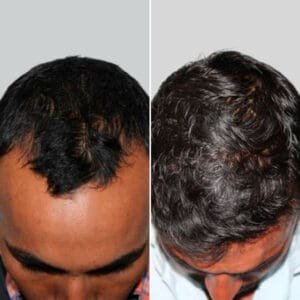
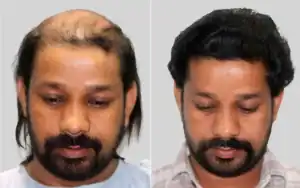
A hair transplant is often seen as the final step in restoring confidence and improving appearance. Many people expect instant results once the procedure is done, so it can feel worrying when the transplanted hair starts falling out soon after surgery. This stage often causes unnecessary stress because patients assume the transplant has failed.
In reality, some amount of hair shedding after a transplant is completely normal and expected. The scalp and hair follicles need time to recover and adjust to their new position. This temporary phase is part of the natural healing process. Patients can be worry-free and concentrate on long-term outcomes by understanding what is normal and what could require medical treatment.
Is Hair Loss After a Hair Transplant Normal?
Yes, some hair loss after a hair transplant is normal. This temporary shedding is called shock loss. It usually happens within the first few weeks after surgery and can surprise many patients.
Shock loss means the hair shaft falls out but the follicle stays alive under the skin. The transplanted follicles enter a resting phase before they begin growing again. This is not the same as permanent hair loss.
Most patients notice shedding between 2 to 4 weeks after the procedure and new growth often starts around 3 to 4 months later. Full visible improvement usually takes 9 to 12 months and sometimes longer depending on the treatment area.
It is important to set expectations early. Hair transplantation is a gradual process. Patients should not judge results too soon because early shedding is usually part of successful healing.
Why Hair Sheds After a Hair Transplant?
Hair sheds after a transplant because the normal hair growth cycle gets temporarily disrupted.
Every hair follicle goes through growth resting and shedding phases. During a transplant, the follicles experience surgical stress when they are removed and implanted into a new area. This stress pushes many follicles into the resting phase known as telogen.
As a result, the visible hair falls out while the root stays healthy under the scalp. The follicle then prepares for a new growth cycle. This is why shedding soon after surgery does not usually mean the graft has failed.

Hair Growth Timeline After a Hair Transplant
Although everyone experiences symptoms differently, but the general flow of hair growth may follow this timeline:
Week 1 to 3: Healing and Shedding
During the first week, the scalp may look red and slightly swollen. Small scabs form around the transplanted grafts and begin to clear within 7 to 14 days.
By the second or third week, shock loss may begin. Patients often notice the transplanted hairs falling out. This can feel alarming but it is a common part of recovery.
Month 1 to 3: Dormant Phase
This stage requires patience. Most of the transplanted hairs have shed and the scalp may look similar to how it did before surgery.
Even though there is little visible change, the follicles are still active under the skin. They are healing and preparing for new growth.
Month 3 to 6: Early Growth
Around the third or fourth month, new hair usually starts to appear. These new hairs may look thin, light or uneven at first.
This is normal. Hair texture and thickness improve gradually over time as the follicles become stronger.
Month 6 to 12: Visible Results
Between six and twelve months, patients begin to see clear improvement in density and coverage. The hairline starts to look fuller and more natural.
For crown areas, final results may take a little longer. Most surgeons advise waiting at least one year before judging the final outcome.
How to Reduce Hair Loss and Support Regrowth
Simple habits during the first two weeks can make a big difference in graft survival, for instance:
Proper Post-Transplant Care
Following aftercare instructions is one of the best ways to protect transplanted grafts.
- Patients should avoid touching, scratching or rubbing the scalp during the first few days.
- Sleeping with the head slightly elevated helps reduce swelling.
- Heavy exercise, direct sun exposure and excessive sweating should also be avoided during early recovery.
- Gentle washing should begin only when advised by the doctor.
- Pulling at scabs or washing too aggressively can disturb healing.
Medications That Improve Hair Retention
Some doctors recommend medications to support existing hair and improve long-term retention.
Topical Minoxidil may help improve blood flow to the scalp and support regrowth. In some cases oral Finasteride may be advised for men with pattern hair loss to reduce ongoing thinning.
These medicines do not replace the transplant but they can protect surrounding natural hair and improve overall density. Patients should only use them under medical guidance because not every treatment suits every person.
Nutrition and Scalp Care
Healthy hair growth also depends on overall health, some useful tips include:
- A balanced diet rich in protein iron zinc and vitamins supports healing and follicle strength. Poor nutrition can slow recovery and affect hair quality.
- Staying hydrated and keeping the scalp clean also helps. Smoking and heavy alcohol use should be limited because both can affect blood supply and healing.
- Good scalp care supports better long-term results after surgery.
Modern Techniques That Improve Hair Survival
Some advanced techniques popularly being used for improving hair survival include:
DHI (Direct Hair Implantation)
DHI or Direct Hair Implantation is a modern method used in some hair transplant procedures.
In this technique, the surgeon uses a special implanter pen to place follicles directly into the scalp. This allows better control over angle depth and direction.
Because graft handling is reduced, some clinics believe DHI may improve graft survival and create a more natural-looking result. It can be especially useful for hairline design.
However, success still depends more on the surgeon’s skill and patient care than the method alone.
PRP Therapy Support
PRP stands for Platelet-Rich Plasma therapy. It uses the patient’s own blood to support healing.
A small blood sample is processed to separate growth factor-rich plasma, which is then injected into the scalp. Some doctors use PRP after transplantation to support recovery and strengthen follicles. PRP is often used as an additional treatment rather than a replacement for surgery. It may help improve scalp health and support early regrowth in selected patients.
Read More:
Hair Loss – What’s Normal and When to be Concerned
Hair Transplant: Permanent Solution to Baldness
When Hair Loss May Be a Problem?
Not all shedding is normal. Sometimes hair loss may suggest poor graft survival or another issue. Warning signs include continued redness, swelling pain or discharge from the scalp after the early healing phase. These may point to infection or inflammation.
If large bald patches remain after several months with no signs of regrowth, the grafts may not be surviving as expected. Severe shedding outside the transplant area or shedding that continues far beyond the usual recovery period should also be checked.
Patients should contact their doctor if they feel the recovery does not match the expected timeline. Early review can help prevent bigger problems.
Modern advancements have made hair transplant as a solution for hair loss more effective and natural-looking than ever before.
Key Takeaways for Long-Term Results
Hair shedding after a transplant is often temporary and usually part of normal healing. Shock loss can be frustrating but it does not mean the transplant has failed. The key is patience. New growth takes time and final results may take up to a year or more.
Following aftercare instructions using doctor-recommended treatments and maintaining good scalp health all improve the chances of success. Modern techniques like DHI and supportive options like PRP can also help but long-term results depend on consistent care and realistic expectations. A successful transplant is not judged in the first month. It is judged by healthy steady growth over time.
Frequently Asked Questions
Yes, it is normal. This is called shock loss and usually happens within the first few weeks. The hair shaft falls out but the follicle remains alive and can grow new hair later.
Shock loss usually starts around 2 to 4 weeks after surgery and may continue for several weeks. Most patients begin seeing new growth around 3 to 4 months.
New hair often starts appearing around the third or fourth month. Early growth may look thin or uneven at first but improves over time.
Yes, in some cases grafts may not survive due to poor healing infection, smoking or not following aftercare advice. This is why regular follow-up with the doctor is important.
Follow post-operative instructions carefully, eat a balanced diet, avoid smoking and ask your doctor about treatments like Minoxidil or PRP therapy if needed.
Newer methods like DHI may improve graft placement and handling which can support better survival. Still, the experience of the surgeon and proper aftercare matter just as much.