Get Expert Advice - Free Today

Choosing the Right Hair Transplant Method: A Comprehensive Guide

Recent advancements in hair transplant operations have produced remarkable, long-lasting results that look natural. How many different kinds of hair transplants exist? 

An individual may undergo any type of hair transplant treatment, which comprise the following, depending on their health, diagnosis, and eligibility. A hair transplant, like other cosmetic operations, can help improve your self-esteem by giving you back your former confidence and natural look. 

But it’s crucial that you comprehend the ins and outs of hair transplants, just as with any operation. We have contrasted discussions of several hair transplant procedures on this page.

What Are The Different Types Of Hair Transplant Procedures? 

There are several types of hair transplant procedures available. The two primary types are Follicular Unit Transplantation (FUT) and Follicular Unit Extraction (FUE)

Both FUT and FUE involve implanting grafts into the recipient area to achieve natural-looking results. The main difference between these two methods lies in how the grafts are obtained from the donor area.

In addition to these traditional methods, synthetic hair transplants have become popular nowadays. This technique involves the implantation of fibers using specialized hair implant devices. Synthetic fibers are known to be more durable and stronger than natural hair.

Another procedure called scalp reduction surgery is effective for addressing top hair baldness in both men and women. This procedure involves pulling up and stitching together skin from the sides of the head if the top of the head is bald.

Follicular Unit Transplantation (FUT)

This method involves removing a long, thin strip of tissue from the back of the scalp, each strip containing 1 to 4 hairs.

These grafts are then placed into small incisions made in the recipient area and secured with stitches. FUT results in a scar on the back of the head, but the area where the skin is removed is trimmed, eliminating the need for shaving the entire head.

Follicular Unit Extraction (FUE)

With FUE, the back of the head is shaved, and individual hairs are extracted one by one using specialized tools. These individual grafts are then transplanted into small incisions made in the scalp.

While FUE leaves multiple tiny scars, they are not easily noticeable, particularly when there is proper hair growth. Nowadays, 4 different types of FUE methods are popular and they are equally effective.

  1. Manual FUE :

Manual FUE is a meticulous and controlled method of performing Follicular Unit Extraction. It involves a board-certified hair transplant surgeon who uses a small handheld tool to carefully cut grafts.

Local anesthesia is administered, and the grafts are isolated using a manual punch. They are then extracted using micro clips or a micro scalpel. 

The advantage of manual FUE is that the doctor has complete control over every aspect of the procedure. The surgeon can adjust how the grafts react during the process.

  1. Motorized FUE

It is a technique in which follicular units are collected using a sharp or non-sharp stapling punch that is attached to a small motor. 

This method allows for fast scalp puncture and graft separation, enabling the harvesting of a significant number of grafts in a shorter period. Motorized FUE helps minimize errors throughout the transplant process.

  1. Robotic FUE 

Robotic FUE is an advanced procedure that assists the surgeon in identifying the best extraction areas. The patient’s scalp is scanned to determine the optimal donor site.

The actual extraction is performed using forceps. However, it’s crucial to note that the skill and experience of the surgeon remain of utmost importance in robotic transplants. 

This technique can potentially reduce the number of sessions a patient requires for a hair transplant.

  1. Automated FUE 

This is a method that does not rely on a robot or a machine for graft extraction. Instead, it utilizes air or wet suction to extract grafts.

A series of tubes filled with a solution is used to suck the grafts from the scalp and transport them to storage containers. In automated FUE, the surgeon’s expertise plays a vital role in ensuring the success of the procedure.

Scalp Reduction Surgery

This procedure is rarely performed and involves surgically removing the bald area of the scalp. The hair-bearing scalp is then stretched to cover the removed portion.

Scalp reduction surgery is known to be very costly and carries an increased risk of scalp tightening. While it can provide the appearance of fuller hair on the scalp, it does not restore the previous hair density.

Several risks and complications are associated with this surgery, such as the possibility of skin graft failure and the formation of small bumps on the scalp.

Synthetic Hair Implant

This type of hair transplant is performed by qualified and experienced physicians. It is a surgical procedure that involves implanting synthetic fibers into areas of the scalp that were previously bald. 

Synthetic hair implants are biocompatible, and a fiber compatibility test is conducted before the procedure. The artificial hair used in this method has a knot at the end. 

The surgeon utilizes special implanters during the outpatient procedure, which is relatively light in terms of invasiveness. Artificial hair for implants is available in various lengths, shapes, and colors, allowing for customization based on the patient’s preferences.

Correlation Of Hair Transplant Options (Men Vs Women)

Hair transplants for men and women have distinct correlations. In the case of men, approximately 90% experience androgenetic alopecia and possess good donor areas on the sides and back of their heads that remain unaffected by dihydrotestosterone (DHT).

The choice between Follicular Unit Extraction (FUE) and Follicular Unit Transplantation (FUT) depends on the strength of the donor areas and the amount of hair thinning from all regions of the head. 

Women, on the other hand, typically experience hair thinning throughout the entire head, resulting in a loss of volume rather than patches on the scalp or receding hairlines. It is advisable for both men and women to consult with a physician to determine the suitability of transplantation. Both FUE and FUT are viable options for women, requiring careful skill and precision.

Pros & Cons Of FUE Hair Transplants

Follicular Unit Extraction (FUE) hair transplant is a popular procedure known for its minimal scarring and faster recovery time. However, it is prime to consider both the advantages and disadvantages before opting for this technique.

Pros 

One significant advantage of FUE is the minimal scarring it leaves behind. Since grafts are extracted individually, the resulting scars are small and barely noticeable, making it an attractive option for individuals who prefer short haircuts.

Moreover, FUE allows for harvesting hair from other parts of the body, such as the chest or beard, increasing the donor pool. The procedure is generally painless, and the recovery time is faster compared to other techniques like Follicular Unit Transplantation (FUT). 

Additionally, FUE provides long-lasting, natural-looking results, and it is suitable for individuals who require less coverage and a smaller number of grafts. Unlike FUT, FUE allows for greater flexibility in terms of exercise and activities.

Cons 

It is important to note that FUE still involves surgery, which comes with inherent risks and potential complications.

While FUE minimizes scarring, it may result in more visible scars if multiple procedures are performed. In contrast, FUT typically only leaves one mark, regardless of the number of future procedures. 

Another drawback is the requirement to shave the head or at least the donor area for the FUE procedure, which may not be preferable for everyone. Due to the individual extraction process, FUE may require more than one session, as harvesting the grafts can be time-consuming. 

Lastly, FUE tends to be more expensive compared to other hair transplant methods, which can be a limiting factor for some individuals.

Pros & Cons Of FUT Hair Transplants

Follicular Unit Transplantation (FUT) hair transplant is a widely used method that offers unique advantages and disadvantages. It involves the extraction of a strip of the scalp for grafting, providing more and better quality grafts but leaving a linear scar.

Pros

One of the vital advantages of FUT is its ability to produce a high yield of hair, making it suitable for individuals seeking extensive hair coverage.

Unlike FUE (Follicular Unit Extraction), FUT does not require shaving the head as long hair can easily cover the resulting scar, which is typically located at the back of the head. 

Additionally, FUT procedures generally take less time to perform, and they tend to be more cost-effective as they charge based on the procedure rather than per follicle. 

Furthermore, FUT is a relatively painless procedure with a straightforward recovery, providing long-lasting and natural results. Moreover, in case further procedures are required, FUT is associated with less scarring.

Cons

It is foremost to consider that FUT is a surgical procedure, which involves certain risks associated with any surgery. While the resulting scar from FUT is typically covered by hair and located at the back of the head, it is still noticeable.

Recovery after FUT procedures tends to be longer compared to other hair transplant methods. It requires limiting activities and exercises, as well as following an extensive aftercare policy to minimize scarring. 

Moreover, FUT may not be a suitable option if an individual’s scalp is either too loose or too tight, as the procedure relies on the elasticity of the scalp to harvest and transplant the hair follicles effectively.

Pros & Cons Of Synthetic Hair Implant

A synthetic hair transplant is an alternative approach to traditional hair transplantation, utilizing artificial hair fibers for restoration. 

While it offers advantages such as immediate results and affordability, there are also considerations regarding appearance, durability, and potential for complications.

Pros 

One notable advantage of synthetic hair transplant is its effectiveness in addressing advanced hair loss, including cases of complete baldness.

This procedure provides quick results, allowing individuals to regain a fuller head of hair without waiting months to achieve high hair density. 

Moreover, synthetic hair transplant is a more affordable option compared to other hair loss solutions, making it accessible for individuals on a budget.

Cons 

While synthetic hair transplant offers several benefits, there are also drawbacks to consider. One con is the need to adapt to a different hair care routine. 

Specialized products are suitable for synthetic hair must be used, requiring a change in the individual’s hair care regimen. Another disadvantage is that about 30% of transplanted hair may break within a year, necessitating reimplantation at regular intervals. 

Furthermore, regular hair cleaning is essential to prevent the accumulation of sebum plugs, which can be time-consuming. Some individuals may also experience an itchy scalp after the procedure, which can be uncomfortable. 

Additionally, there is a risk of damaging the surrounding natural hair during the implantation process. Lastly, allergic reactions may occur due to the use of synthetic hair strands, which can be a potential concern for definite individuals.

Pros & Cons Of Scalp Reduction Method

Scalp reduction techniques can provide benefits like a more defined hairline and improved coverage. It is crucial to weigh the potential drawbacks, such as scarring, the risk of complications, and the limited effectiveness in certain cases.

Pros 

Scalp reduction surgery, despite having both pros and cons, offers several advantages for individuals dealing with extensive hair loss. One significant benefit is the ability to achieve the appearance of a fuller head of hair.

Surgically removing the bald area of the scalp, this procedure allows for the remaining hair to cover up the bald patches, resulting in a more aesthetically pleasing and convincing outcome. 

Additionally, scalp reduction surgery is relatively easy to perform and has a relatively high safety factor, making it a viable option for many patients.

Cons 

However, it is critical to consider the potential drawbacks of scalp reduction surgery. One probable con is that the procedure may result in an unusual shape of the residual bald area.

While the surgery aims to reduce the zone of baldness, the remaining scalp may have an altered contour that may not appear entirely natural. Another concern is scarring, which is an inevitable consequence of the surgery. 

The presence of scars on the scalp may be visible and can affect the overall appearance. Moreover, it is essential to note that scalp reduction surgery does not prevent ongoing baldness, as the procedure addresses the existing hair loss but does not stop further hair thinning or loss.

An Analogy Of Probable Side-Effects Of All Hair Transplant Procedures?

Each type of hair transplant procedure carries its own set of potential side effects. It is important for individuals considering hair transplant surgery to consult with a qualified professional, discuss their concerns, and understand the potential risks associated with each technique.

By weighing the benefits against the side effects, individuals can make informed decisions to address their hair loss concerns effectively.

FUT (Follicular Unit Transplant) side effects include the possibility of unnatural-looking hair, bumps or scarring in the donor area, inflammation of hair follicles (folliculitis), bleeding, swelling, pain, and itching in the donor and recipient areas, numbness, and the formation of cysts at the transplant site.

FUE (Follicular Unit Extraction) side effects can include the risk of infections at the donor or recipient sites, drainage or crust formation in the surgery area, pain or swelling around the surgery site, swelling in the donor and recipient areas, bleeding from the extraction sites, numbness or tingling sensations in the scalp. 

Transplanted hair that doesn’t match the surrounding hair in texture or appearance, the possibility of continued balding or thinning in non-transplanted areas.

Synthetic hair transplant side effects may involve the risk of rejection by the body’s immune system, leading to allergic reactions. 

Approximately 30% of the transplanted synthetic hair may break within a year, requiring reimplantation. Only specific hair products suitable for implanted synthetic hair can be used, and there is a rare chance of developing migraine-like headaches. 

In some cases, synthetic hair may cause damage to the surrounding natural hair. The scalp may become itchy following treatment, necessitating caution to avoid scratching and potential damage to delicate hair grafts. 

Regular professional scalp cleansing is necessary to prevent the accumulation of sebum plugs.

Scalp reduction surgery side effects can result in an uneven balding area after the surgery. Additionally, there is a risk of encountering additional complications such as infection, scarring, or poor wound healing, as with any surgical procedure.

Success Rate Comparability Of All Types Of Hair Transplants Procedure

The success rates of different hair transplant procedures vary based on several factors. Different techniques are employed to address various aspects of hair restoration.

In this discussion, we will explore the success rates of different types of hair transplant procedures, including Follicular Unit Transplantation (FUT), Follicular Unit Extraction (FUE), synthetic hair implantation, and scalp reduction surgery.

FUT Success Rates

The success rates of FUT can reach as high as 95-98%. However, it is essential to note that the success of the procedure relies heavily on the expertise and skill of the physician performing the transplant.

Other factors that can influence the success rates include the patient’s age, the extent of scalp loss, the availability of suitable donor area hair grafts, and the attitude of the patients toward post-operative care.

FUE Success Rates

The graft survival rates for FUE are generally around 90%. It is important to mention that the success rates can vary based on the skill, knowledge, and experience of the doctor performing the procedure. 

However, advancements in technology have introduced robotic FUE, which has shown a success rate of 100% when performed accurately.

Synthetic Hair Implant Success Rates

The success rates for this procedure are relatively lower, ranging from 10% to 20% hair loss per year. Due to the temporary nature of synthetic hair, re-implantations may be required once a year to maintain the desired outcome.

It is important to note that the success of this procedure also depends on the patient’s adherence to post-operative care instructions.

Scalp Reduction Surgery Success Rates

While this procedure can be very effective in certain cases, it is important to note that it doesn’t always guarantee successful outcomes. 

The success rates of scalp reduction surgery can vary depending on individual circumstances, such as the extent of hair loss and the patient’s specific condition.

Comparing The Results Of Hair Transplant Procedure

When comparing the results of different hair transplant techniques, it is crucial to consider factors such as the naturalness of the outcome, permanence, and the need for subsequent procedures.

FUT and FUE are widely recognized for their ability to provide natural and long-lasting results. Synthetic hair transplants offer immediate results but require regular reimplants, while scalp reduction surgery provides an immediate reduction in the visible bald patch but may not address the underlying cause of hair loss.

FUT results

After FUT, the transplanted hair sheds within 1 month. New hair starts growing between 3-4 months, initially appearing fragile and thin. Substantial hair growth is observed, resulting in thick and long hair after approximately 6 months.

FUE results

FUE is considered the best hair transplant technique. Experienced specialists map hair growth to ensure a natural and realistic result. 

The procedure requires experience and expertise. It is the most popular hair restoration solution due to its permanent nature. The transplanted hair in FUE grows exactly like normal hair.

Synthetic hair transplant results

 Synthetic hair transplant is not a permanent solution. Reimplants are required every year to maintain the desired appearance.

Scalp reduction surgery results

Scalp reduction surgery involves bringing hair-bearing tissue closer and suturing it to eliminate the bald patch completely. This procedure provides immediate results by reducing the visible area of hair loss.

Different Recovery Times Of Hair Transplant Techniques

The recovery time after a hair transplant varies depending on the technique used. FUT requires a longer recovery period due to its more invasive nature, while FUE generally has a quicker initial recovery process.

Synthetic hair transplants often allow immediate resumption of normal activities. Scalp reduction surgery requires a recovery period of a few weeks to let the body heal.

FUT Recovery

The FUT technique involves a more invasive procedure compared to other methods. As a result, the recovery time is longer. Patients should be careful with the stitches and keep the donor area clean.

Stitches are typically removed after 10-12 days. It’s important to note that the transplanted hair will fall out within 2-3 weeks after the procedure. However, this is a normal part of the process. Substantial hair growth can be expected within 8-12 months following the transplant. 

Some patients may experience temporary numbness in the treated areas, but this should resolve over time. The final result of the FUT procedure is usually visible after approximately 1 year. Patients can usually resume their work activities after 1 week of recovery.

FUE Recovery

The recovery time for FUE hair transplant varies depending on the chosen method of surgery. Generally, the initial recovery process for FUE is quick and relatively painless, typically lasting around 10-14 days.

During this time, patients may experience mild discomfort and swelling in the donor and recipient areas. It’s important to follow post-operative instructions provided by the surgeon, such as keeping the scalp clean and avoiding strenuous activities. 

Patients who undergo an FUE hair transplant should expect some shedding of transplanted hair within a few weeks after the procedure. However, new hair growth will typically start within six weeks. Full results can be seen within several months to a year.

Synthetic Hair Transplant Recovery

Unlike other hair transplant techniques, synthetic hair transplant typically requires no downtime after the implantation procedure. Patients can usually resume their normal lifestyle immediately following the procedure. 

However, it’s essential to follow any specific aftercare instructions provided by the surgeon. Synthetic hair implants are designed to provide immediate results without the need for waiting for natural hair growth.

Scalp Reduction Surgery Recovery

After the surgery, patients need to allow a period of recovery for their bodies to heal. It’s important to avoid major physical activities for approximately three weeks following the procedure to promote proper healing.

During the recovery period, the scalp may look slightly different, and there may be temporary thinning and hair fall-out. However, new hair growth typically begins within six weeks. It may take several months to see the full results of the scalp reduction surgery.

FAQ

Which hair transplant is the best?

The best hair transplant technique ultimately depends on individual factors such as hair loss pattern, donor hair availability, and patient preferences. Consulting with a qualified hair transplant specialist is recommended to determine the most suitable technique for each individual case.

Is it possible to get a natural hairline through a hair restoration procedure?

Yes, it is possible to achieve a natural-looking hairline through hair restoration procedures. Advanced techniques such as FUE (Follicular Unit Extraction) and DHI (Direct Hair Implantation) allow for precise placement of hair grafts, mimicking the natural direction, angle, and density of hair growth, resulting in a highly realistic and natural hairline.

Can you combine FUE and FUT techniques?

The combination technique of FUT (Follicular Unit Transplantation) and FUE (Follicular Unit Extraction) allows for the harvesting of a higher amount of hair grafts, providing the opportunity to save grafts for future sessions. This approach results in a fuller, more natural-looking hairline while minimizing damage to hair follicles.

Are there any advanced hair transplant techniques coming in the future?

In the future, advanced hair transplant techniques will continue to evolve, providing more effective and natural-looking results. Advanced FUE (Follicular Unit Extraction) methods will involve even more precise robotic assistance, minimizing scarring and maximizing graft survival rates.
Direct hair implantation (DHI) techniques will further improve, allowing for more precise placement of hair follicles with minimal trauma to the scalp. 
Direct hair transplant (DHT) methods will incorporate advanced tissue engineering and regenerative medicine approaches, facilitating faster healing and improved hair growth.

How to Choose the Right Hair Transplant Surgeon: A Comprehensive Guide

Over the past five years, there have been significant changes in the field of hair transplant surgery—and not all of them are good. 

In contrast to the highly specialized cosmetic surgical treatment it is, social media, TV, radio, and traditional print media market to the susceptible hair loss consumer a more free-of-danger, assured product.

In order for you to know what to look for in a hair restoration surgeon, this article is meant to point you in a more sincere route.

Importance Of Choosing The Right Surgeon

In the field of hair transplantation, notable technological advancements have emerged, such as robotic-assisted surgery, suction-assisted follicular extraction, and semi-automated graft implantation.

These advancements have revolutionized the industry, offering more efficient and precise procedures. However, amidst these developments, the most crucial factor remains the selection of a skilled and qualified hair transplant surgeon.

With countless clinics offering hair transplant services, it is imperative for individuals seeking the most natural and successful results to be extremely selective in their choice of surgeon.

In some cases, it may even be necessary to consider traveling outside of one’s local area to find an excellent option. It is important not to fall prey to false assurances and promises made by less reputable clinics, as correcting a failed hair transplant can be a difficult and mentally tormenting process.

Surgical instruments used in hair transplantation are highly dependent on the skill and expertise of the practitioner. Unfortunately, poorly trained individuals may misuse these instruments, leading to significant and permanent disfigurement.

Patients must therefore conduct thorough research and exercise due diligence to ensure they make informed decisions when choosing a hair transplant surgeon.

A qualified dermatologist or plastic surgeon is essential for a successful hair transplant procedure.

This process requires a team effort, with the surgeon leading the surgical team. Follicular Unit Extraction (FUE), a popular hair transplantation procedure, often involves a team of technicians working under the guidance and supervision of the surgeon. 

These skilled technicians are responsible for placing thousands of hair grafts in a single day. However, it is important for patients to not only choose a reputable surgeon but also understand who will be performing specific aspects of the procedure.

Some physicians delegate surgical responsibilities, such as graft dissection and removal, to their staff.  Patients should be fully aware of who will be performing each aspect of the procedure to ensure transparency and accountability.

When selecting a hair transplant surgeon, it is crucial to consider the entire procedure, not just the specific harvesting or surgical device being offered. Many clinics focus solely on these aspects, failing to address the most critical elements of the procedure.

Patients should engage in open and thorough discussions with a qualified hair transplant surgeon, weighing the pros and cons of the procedure. This will help them understand the potential risks, benefits, and outcomes associated with the surgery.

To ensure the highest standard of care, a hair transplant surgeon should meet several criteria. First and foremost, board certification by the American Board of Plastic Surgery® (ABPS) in the United States or the Royal College of Physicians and Surgeons of Canada® in Canada is essential.

This certification guarantees that the surgeon has completed a rigorous training program and has met the highest standards of competence in the field.

Additionally, the surgeon should have completed at least six years of surgical training following medical school, with a minimum of three years in plastic surgery residency. 

They should have also passed comprehensive oral and written exams, graduated from an accredited medical school, and participate in continuing medical education, including patient safety, on an annual basis.

Lastly, the surgeon should perform surgeries in accredited, state-licensed, or Medicare-certified surgical facilities to ensure patient safety and quality of care.

You can quickly check this video to understand how can you select your hair transplant specialist:

Factors To Consider Before Hair Transplant Surgery 

Choosing the right hair transplant surgeon is a crucial decision when considering hair restoration surgery.

Several factors should be taken into account to ensure a successful and satisfactory outcome. Here are the key points to consider when selecting a hair transplant surgeon:

You can quickly check this video to understand the factors of a  hair transplant specialist:

Professional Qualification

The first factor to consider is the surgeon’s professional qualification. Verify if the surgeon is a licensed medical doctor with a specialization in hair restoration surgery or a related field.

Look for certifications from reputable organizations or associations such as the International Society of Hair Restoration Surgery (ISHRS) or the American Board of Hair Restoration Surgery (ABHRS). 

These credentials indicate that the surgeon has undergone appropriate training and meets certain standards of expertise.

Experience

Experience plays a crucial role in the success of hair transplant surgeries. It’s important to assess the surgeon’s experience specifically in the field of hair restoration.

Inquire about the number of years the surgeon has been performing hair transplant procedures and the number of surgeries they have conducted. 

An experienced surgeon is more likely to have a refined technique, a better understanding of patient needs, and the ability to handle any unexpected situations that may arise during the procedure.

Expertise in Performing realistic results

Mega and Giga sessions refer to hair transplant procedures where a large number of grafts (usually over 2,000 or 3,000) are transplanted in a single session. If you require a significant amount of hair restoration, it is essential to choose a surgeon who is experienced and skilled in giving realistic results.

This expertise ensures that the surgeon can efficiently transplant a larger number of grafts while maintaining quality and minimizing the risk of complications.

Artistic Skills of the Surgeon

Hair transplantation is not just a technical procedure; it also requires an artistic touch to achieve natural-looking results. Assess the surgeon’s artistic skills by examining before-and-after photos of their previous patients. 

Look for consistent and aesthetically pleasing outcomes that match your expectations. A skilled surgeon will consider factors like hairline design, graft placement, and density to create a harmonious and natural appearance. 

Ask for past patient’s photos and phone numbers for further evaluation. If possible speak to the patients’ who had the same hair loss history.

Reputation among Past Patients

Patient testimonials and reviews can provide valuable insights into the surgeon’s reputation. You can research online for feedback from previous patients regarding their overall experience, satisfaction with the results, and the surgeon’s professionalism.

Positive reviews and a strong reputation among past patients can indicate that the surgeon has consistently delivered successful outcomes and provided a positive patient experience.

Questions To Ask Your Surgeon

Before your hair transplant procedure, it’s crucial to gather important information from the surgeon to ensure that you make an informed decision. Here are the questions you should ask and the aspects they cover.

Qualifications and Experience

  • Ask about the surgeon’s qualifications and experience in performing hair transplants.
  • Inquire if they are registered with the General Medical Council (GMC) and hold a license to practice.

Number of Hair Transplants and Complications

  • Determine how many hair transplants the surgeon has performed in the past.
  • Ask about the number of procedures they have conducted that had complications.

Recommended Hair Transplant Type    

  • Inquire about the specific type of hair transplant the surgeon recommends for you and why.
  • Understand the rationale behind their recommendation based on your individual needs.

Follow-up in Case of Complications

  • Ask what kind of follow-up care you should expect if any complications arise.
  • Ensure the surgeon has a plan in place to address any potential issues.

Patient Satisfaction Rates

  • Request information about the surgeon’s patient satisfaction rates.
  • Understanding the experiences of previous patients can give you an idea of their track record.

Qualifications and Professional Memberships

  • Inquire about the surgeon’s qualifications and training in the field of hair transplantation.
  • Check if they are a member of a relevant professional association that signifies adherence to training and skill standards.

Common Complications

  • Ask about the most common complications associated with the hair transplant procedure.
  • It’s essential to be aware of potential risks and complications before undergoing the surgery.

Aftercare and Responsible Parties

  • Understand what kind of aftercare will be provided and who will be responsible for your post-operative care.
  • Clarify any doubts or concerns regarding the support you’ll receive during the recovery.

Addressing Unsatisfactory Results

  • Inquire about the steps to take if something goes wrong or if you are not happy with the final results.
  • Ensure that the surgeon has a plan to address any concerns or dissatisfaction.

Cost and Additional Treatments

  • Ask about the total cost of the hair transplant procedure.
  • Inquire if further treatments or touch-ups would incur additional fees in the future.

The surgeon should provide the following information without your prompt:

Procedure Details

  • Explain how the hair transplant procedure will be performed.
  • Discuss the techniques, such as follicular unit transplantation (FUT) or follicular unit extraction (FUE), they will employ.

Time Requirements

  • Inform you about the estimated duration of the procedure.
  • Understand how much time you need to allocate for the surgery.

Anesthesia

  • Specify whether anesthesia or local anesthetic will be used during the procedure.
  • Discuss the options available and their implications.

Post-operative Pain

  • Explain the level of pain or discomfort you can expect after the surgery.
  • Provide information about pain management strategies.

Recovery Period

  • Give an estimate of the expected recovery time after the hair transplant.
  • Understand when you can resume regular activities.

Risks and Complications

  • Discuss potential risks and complications associated with the procedure.
  • Provide an honest assessment of the likelihood and severity of these risks.

Longevity of Results

  • Explain how long the results of the hair transplant are expected to last.
  • Understand that hair loss may still occur in other areas not treated during the procedure.

Post-procedure Appearance

  • Provide an overview of what you can expect to look like after the hair transplant.
  • Discuss any temporary changes or side effects you might experience.

Red Flags To Avoid

When considering a hair transplant surgeon, it is crucial to exercise caution and ensure that you choose a qualified and reputable professional. Here are some key points to consider when deciding whether to avoid a particular hair transplant surgeon:

Take time after your consultation.

After consulting with a hair transplant surgeon, it is essential to take sufficient time to evaluate the information provided and make an informed decision. Avoid rushing into the procedure without understanding the potential risks, benefits, and expected outcomes.

Ask for a leaflet from the manufacturer.

Reputable surgeons use high-quality products for hair transplant procedures. It is advisable to ask for a leaflet or detailed information about the product they plan to use. It will help you research and verify the effectiveness, safety, and track record of the product.

Avoid paying for the procedure in advance.

Paying for the entire procedure in advance, especially to a surgeon or clinic you are not familiar with, can be risky. Reputable hair transplant surgeons usually have a transparent payment process, where you pay in installments or after each session. 

Avoid surgeons who demand a full payment upfront or pressure you into making immediate financial commitments.

Ensure the advice is right for you.

A hair transplant is not suitable for everyone. Before proceeding with the procedure, make sure it is the right solution for your particular hair loss condition. 

A trustworthy surgeon will assess your case, discuss alternative options if necessary, and provide an honest evaluation of the potential outcomes.

Avoid group treatments or events involving alcohol

Group treatments or events involving alcohol may indicate a lack of professionalism and proper medical standards. Hair transplant procedures require a sterile environment and focused attention from the surgeon and their team.

Avoid surgeons who promote group treatments or conduct the process in a casual setting where alcohol is involved.

Avoid treatment vouchers sold on group discount or voucher sites

Hair transplant procedures should be carried out by experienced and skilled surgeons in reputable clinics. Avoid purchasing treatment vouchers from unknown sources or group discount websites.

Such offers may compromise the quality of the procedure or lead to unprofessional services.

Clinics in unconventional locations

Reputable hair transplant surgeons typically operate in specialized clinics or medical facilities equipped with the necessary infrastructure and hygiene standards.

Be cautious of practitioners who offer mobile services, and perform procedures in private homes, hotels, or unconventional locations. It can raise concerns about the cleanliness, safety, and professionalism of the environment.

Beware of doctors who advertise on social media.

While social media can be a valuable platform for promoting businesses, it should not be the sole or primary method for advertising medical services. 

Reputable hair transplant surgeons maintain a professional online presence but also establish their credibility through other means, such as referrals, testimonials, and recognized industry affiliations. 

Be cautious of practitioners who rely heavily on social media advertising without providing adequate evidence of their qualifications and expertise.

Hair Today, Gone Tomorrow: A Deep Dive into Baldness Statistics in India

Apart from your skin and facial features, hair is the third most noticeable part of your physical appearance. Healthy-looking hair with good density and quality can boost a person’s personality and increase their confidence. 

However, hair loss in men and women is a common problem not only in India but also all over the world. That said, baldness can be a big disadvantage for many people. 

Many people start losing hair at an early age for a variety of reasons, including: 

  • Environmental Factors
  • Generic Reasons
  • Hormonal Imbalances
  • Bedtime Habits, and many more. 

That is why taking good care of your hair is crucial to preventing baldness. In this article, we will give you a brief overview of the major factors which cause baldness and how to prevent it. 

Baldness: A Statistical Overview 

In this section, we have discussed the percentage of people suffering from baldness or extreme hair loss across different genders and age groups in India.

Baldness Statistics According To Gender

Men: In India, male pattern baldness (officially and medically termed male androgenetic alopecia) is very common. It was projected that almost 50% of Indian men would have hair loss in 2023. Usually beginning in early adulthood, hair loss occurring due to genetic, stress-related and environmental reasons usually worsens with age and ultimately causes baldness among men. 

Women: Although less common, female-pattern baldness (or, female androgenetic alopecia) is nonetheless noteworthy. According to the reports of the National Centre of Biotechnology Information, about 20–30% of Indian women experienced hair thinning or severe hair loss in 2020; this frequency increased after menopause.

Baldness Statistics According To Age

Young Adults: Although it affects a smaller percentage of people during this period, hair loss can start as early as the late teens or early 20s for men. Thinning at the crown or receding hairlines are common in young people.

Middle Ages: Baldness becomes more noticeable in people in their middle years, generally starting at the age of 30-35, particularly in men. This age range is when most of the cases of the occurrences of male pattern baldness appear.

Older Adults: Hair loss advances further in these age groups; many men experience noticeable baldness by the time they are 50 years or older.

It is important to remember that these statistics are approximations based on the available data as of 2023. The precise prevalence rates may fluctuate depending on the Indian location and individual factors. 

Furthermore, new developments in medical and cosmetic therapies are always being made to address hair loss. Therefore, it’s crucial that those who are affected by it speak with healthcare providers for individualised care.

5 Factors Contributing to Baldness 

In India, baldness is more common due to a combination of lifestyle, genetics, and environmental factors. Because of food habits, stressful lifestyles, and pollution, hair loss is frequently more common in urban regions.

Here are the 5 common factors contributing to baldness.

  1. Genetic factors 

Androgenetic alopecia, often known as male pattern baldness, is a prevalent disorder impacted by genetic factors. Though it can happen to women as well, it mostly affects men. Baldness is largely influenced by genetic predisposition. 

Individuals may be more vulnerable if they have variations in particular genes, such as the androgen receptor gene. This gene controls the sensitivity of hair growth to the hormone dihydrotestosterone (DHT), which is connected to hair loss. 

These genetic variations, which can be inherited from one or both parents, alter how the hair follicles react to DHT, which causes hair loss and thinning. 

Strong evidence comes from family history as baldness in close relatives raises the likelihood. Male pattern baldness is a complex hereditary characteristic that has multiple manifestations due to a complex interaction between hormonal and genetic factors.

  1. Hormonal Imbalance

According to ALCS Doctors, One of the main reasons for baldness in India is hormonal imbalance. A major contributing factor to hair loss is variation in the levels of specific types of hormones, specifically high levels of DHT and dihydrotestosterone. 

Hair follicles that are exposed to DHT eventually stop generating hair altogether and instead generate fewer, weaker hair strands. Genes, food choices, and lifestyle are frequently associated with hormonal imbalances. 

Hormonal imbalances get worse when a person already suffering from it starts taking a bad diet, undergoes extreme stress, or sometimes takes drugs. 

  1. Age-Related Factors   

Baldness affects a significant percentage of people and is more common as people age. Genetic predisposition and the natural ageing process are the main causes of baldness. 

People who have weak or thin hair follicles often become less effective at growing new hair as they age. Hair loss can also result from age-related hormonal changes, such as an increase in dihydrotestosterone (DHT) levels. 

Because age-related baldness is common in India, even though other variables like genetics, lifestyle, genes, and environmental ups and downs play a part, it is important for people to be aware of this aspect and take the necessary steps to get rid of this baldness problem.

  1. Environmental Factors

Common environmental factors responsible for causing baldness include:

  • Dust Pollution
  • Bad Air Quality
  • Extremely Dry Weather
  • High Humidity 
  • Exposure to toxic substances present in the environment 

Pollution is one of the major problems with hair loss in a country like India as polluted air contains PM10 and PM2.5, which are thinner than hair. 

Dust, which is not good for hair, makes your hair dry and leads to hair fall because it gets directly trapped in the hair and as long as it stays there it depletes your hair quality. 

  1. Stress 

When the body is under some stress, the natural cycle of hair growth is disrupted by the stress and this can be a major factor for baldness. It means any kind of shock which includes surgery, burns, emotional trauma etc can cause stress in an individual’s mind and it affects hair growth. 

You can practise healthy habits like modifying your diet, increasing your water intake and practising calming exercises like yoga and meditation to eliminate stress and ultimately keep yourself away from baldness. 

Conclusion 

In conclusion, apart from affecting your appearance, baldness and severe hair loss can make you more worried causing stress that can lower your self-esteem and make you underconfident. 

If you’re facing hair loss which is not due to genetic or uncontrollable reasons, you can always contact a qualified and certified dermatologist or physician to guide you on how to take the best care of your hair to minimise hair loss.

However, if the problem doesn’t go away with trying home remedies and taking the right precautions and steps advised by a physician, you can always opt for medical interventions that can include surgeries relating to hair transplantation.

Why Age Matters: The Best Time for a Hair Transplant

Age-related hair loss often starts at the temple and crown in men but is more pervasive but less visible in women. You will learn everything there is to know about how aging affects hair loss in this article, including solutions.

In this article, we will discuss the relation between age and hair loss, optimal age for hair loss and other factors responsible for hair transplant surgery.

Age and hair loss

The ideal age at which someone begins to experience hair loss is impossible to determine. In most cases, hair loss can start as soon as a person enters their teenage years, or it may not happen till they retire.

Usually, persons in their 30s and 40s begin detecting indications. Significant hair loss does, however, occasionally occur later in life.

Hair thickness change

Hair thickness change is a natural process that occurs as we age. Our hair is made up of many protein strands, and each strand has a normal lifespan of between 2 and 7 years.

During this time, the hair falls out and is replaced with new hair. The number of hairs we have on our scalp is determined by our genes, and not everyone experiences hair loss with aging. 

However, the growth of our hair can vary, and the thick, coarse hair of a young adult eventually becomes thin and light-colored with age. It is because the hair follicles gradually stop producing new hairs.

One of the most common signs of aging hair is baldness, which can be seen by the time individuals reach 30 years old. Men, in particular, are more prone to baldness, with nearly all men experiencing some degree of baldness by the age of 60.

This type of baldness is often related to the normal function of the male hormone testosterone and is called male pattern baldness. It typically starts with receding hairlines or thinning at the temples or the top of the head. 

Hair Loss in Your 20s

In your 20s, the majority of cases of androgenetic alopecia, the most common form of hair loss, begin. Around 20% of men have at least some visible hair loss by the age of 20.

Experiencing hair loss at such a young age can have a significantly related to malnutrition and genetics.

If you’re concerned about your hair loss, it’s important to address it and take action. 

Hair Loss in Your 30s and Beyond

As you enter your 30s and beyond, the likelihood of displaying some balding increases. Men will have some noticeable hair loss by the age of 30, and by the age of 50, around 50% of men will have experienced some level of hair loss. 

By the time men reach 60, two-thirds of them will either be bald or have a balding pattern. Hair loss becomes more common as you get older, but it’s never too late to address the issue. 

The optimal age for a hair transplant

The most popular remedy for all balding and hair loss issues are a hair transplant. Numerous people are unsure of the best age for hair transplant surgery. We’ll go into great detail about the best age for hair transplants.

Generally, a hair transplant can be performed on anyone above the age of 18, but a recommended age of 25 years or above is often suggested by experts.

One reason is that in the early 20s, the patient tends to experience ongoing hair loss even after the transplant due to the natural progression of hair loss with age. It can result in an unnatural appearance and dissatisfaction with the results. 

Additionally, at an early age, the severity or pattern of their hair loss may not be fully determined, making it difficult for the surgeon to plan the transplant effectively. 

On the other hand, waiting until around the age of 20-30 or above is believed to be the best time for a hair transplant, as the pattern and extent of hair loss are usually more stable by then.

There are certain considerations for specific age groups. For example, getting a hair transplant at the age of 21 may not be advisable because individuals of this age may not have fully determined their pattern of baldness.

Waiting until the age of 25 allows for a more accurate assessment of the hair loss pattern and provides a better understanding of future hair loss progression. 

Getting a hair transplant at the age of 60 or 70 is also possible, provided that the individual’s general health is good. The recovery period may take longer, and the hair follicles might take more time to settle.

However, with suitable overall health and a donor area that can support hair growth, a hair transplant can still be a viable option. 

It is recommended to get approval from a General Practitioner before undergoing the operation at such advanced ages to ensure that the body can support the hair growth and handle the surgical procedure.

Factors to consider before hair transplant surgery (overall health, hair loss pattern, etc.)

The overall health of an individual plays a crucial role in determining the success of a hair transplant procedure. Also, understanding the pattern of hair loss is essential for designing a personalized transplant plan that addresses specific areas of baldness and ensures natural-looking results.

Overall Health

There are various circumstances where the surgery cannot be completed. Others may be able to do it, but there is a higher chance of postoperative problems and unsuccessful treatment. 

Here, we’ll go through all the situations in which a hair transplant is either not appropriate for you or, even if it is when it won’t produce satisfactory results.

Mental Illness

Mental health conditions can also contribute to hair loss. Stress, anxiety, boredom, and obsessive-compulsive disorder (OCD) are known to have an impact on the overall health of individuals, including their hair. Stress-induced hair loss, known as telogen effluvium, can result in excessive shedding of hair. 

Poor Scalp Health

Chronic illnesses can have a significant impact on scalp health and contribute to hair loss. Conditions such as psoriasis, lupus, or eczema can affect the scalp and lead to hair loss.

If you have alopecia areata, which is characterized by patchy hair loss, along with pattern baldness, it may not be suitable to undergo hair transplant surgery. 

Pregnancy

Pregnancy is a time when women experience numerous hormonal changes, which can have an impact on hair growth. While hair loss during pregnancy is relatively common, it is generally temporary and resolves after childbirth.

However, it is chief to avoid hair transplant procedures during pregnancy as they may be harmful to both the mother and the baby. The recovery process after surgery is not easy, and it can negatively impact the health of the mother and fetus.

Diabetes and Thyroid

Diabetic patients may experience reduced responsiveness to conventional hair loss treatments. Additionally, wound healing and blood clotting may be impaired in individuals with diabetes, making them unsuitable candidates for hair transplant surgery.

People with thyroid disorder often experience hair loss when they brush it.

Cardiovascular Diseases

Individuals with cardiovascular diseases may be taking blood-thinning medications, which can pose risks during and after surgery. Hair transplant procedures involve making small incisions in the scalp, which may cause more bleeding in individuals taking blood-thinning medications.

Therefore, they may not be suitable candidates for hair transplant surgery. Additionally, individuals with high blood pressure may also face complications during the procedure. 

Allergic to Anesthesia

Hair transplant surgery typically requires the use of anesthesia. Individuals who have a history of adverse reactions to anesthesia or are known to be allergic to it may not be suitable candidates for the procedure.

It is essential to disclose any known allergies or adverse reactions to anesthesia to the dermatologist or surgeon during the consultation process.

Hair loss pattern

The hair loss pattern plays a significant role in hair transplant surgery. Here are the key points related to how the hair loss pattern affects the procedure:

Temporary Hair Loss

Temporary hair loss can occur as a result of various health conditions, and it is important not to panic if you notice an increased amount of hair fall. In most cases, the hair is likely to grow back within a matter of months once the underlying condition is treated.

If you are experiencing excessive hair loss, it is advisable to consult a dermatologist who can diagnose the specific cause.

The dermatologist will examine your scalp to determine if it is a case of androgenic alopecia, which is a common form of hair loss. They will also assess the pattern of hair loss to determine if it is consistent with this condition.

In some cases, if you have lost more than 50% of your hair, it may indicate an underlying health issue such as an autoimmune disease, chronic illness, and side effects of certain medications, rapid weight loss, or undergoing chemotherapy.

Hair Loss Has No Stable Pattern

One essential aspect to understand about hair loss is that it does not follow a stable pattern.

While certain areas of the scalp may be more affected by the hormone dihydrotestosterone (DHT), which is responsible for hair loss in androgenic alopecia, there are also regions that are relatively unaffected.

This demarcation is crucial when considering hair transplant procedures. The donor area, which is typically the back of the scalp, is usually unaffected by DHT and can be used for transplantation to the balding areas. 

Other Candidates for Hair Transplant

Apart from individuals with male or female pattern baldness, hair transplant surgery can also benefit the following groups:

  • Women with specific patterns of hair loss.
  • Individuals with hair loss resulting from scarring, scalp injuries, or previous cosmetic surgery procedures.
  • Individuals looking to restore or thicken eyebrows, mustaches, or beards.
  • Individuals who have had prior hair restoration procedures and seek further improvement.

Hair Transplant: What to Expect in the First Month

Your hairline undergoes a few significant alterations in the first month following a hair transplant. First, there will be some oozing, swelling, and bleeding (have your pillow protectors available). 

Crusts and scabs will then appear along your hairline as the grafts begin to mend. Once the grafts have begun to grow, they will eventually fall out before you start to see excessive results. 

In this article, we have given a complete overview of immediate post-operative care and complications after a hair transplant surgery.

Immediate post-operative

The immediate post-operative care after a hair transplant procedure depends on the extent and complexity of the technique. The following points outline the chief aspects of care:

Scalp soreness and tenderness

The patient may experience discomfort in the scalp area. Pain medication can be prescribed to alleviate aching, excessive tightness, or throbbing sensations.

Antibiotics

To reduce the risk of infection, antibiotics are commonly prescribed. It is important to take the whole course as directed by the healthcare provider.

Anti-inflammatory medications

Medications may be given to control swelling and promote healing. These should be taken as prescribed.

Bandage removal

Usually, the bandages used during the surgery will be removed one day after the procedure. Follow the instructions provided by your surgeon for proper removal.

Analgesics and sleeping pills

The healthcare provider may provide analgesics (pain relievers) and sleeping pills to manage discomfort and promote restful sleep during the recovery period.

Loose-fitting baseball cap

A loose-fitting baseball cap may be provided to protect the scalp from external factors and provide some comfort. Follow the instructions on when and how to wear it.

Return for a hair wash

It is common to return to the clinic the day after the surgery for a hair wash. It ensures proper cleansing of the scalp and helps remove any residue or dried blood.

Ointments or gels

Ointments or gels are often prescribed and should be applied twice daily to the donor and recipient sites as instructed by the healthcare provider. These promote healing and reduce the risk of infection.

Hair shedding

It is normal for the transplanted hair to fall out around 2 to 3 weeks after the procedure. It is part of the natural hair growth cycle and should not cause concern.

New hair growth

Significant hair growth typically occurs around 8 to 12 months after the surgery. The healthcare provider may prescribe medications like minoxidil or finasteride improve hair growth and density.

Gentle hair washing

Within two days following the surgery, it is generally safe to start gently washing your hair as instructed by your surgeon. Use a mild shampoo and avoid any harsh scrubbing or rubbing.

Stitch removal

If stitches were used during the procedure, your doctor will remove them within a week to 10 days after the surgery. Follow the healthcare provider’s instructions for proper and timely removal.

Recovery timeline table (day by day)

The recovery time following a hair transplant procedure can vary depending on the type of surgery performed. Follicular Unit Extraction (FUE) typically offers faster recovery times compared to other methods. Here is a timeline that outlines the general recovery process:

Within 2 to 5 days

Any bandages used during the surgery can usually be removed, but it is important not to touch or disturb the grafts. This period is crucial for the initial healing of the transplanted hair follicles.

Day 6

You should be able to gently wash your hair by hand, following the instructions provided by your surgeon. It is crucial to be gentle during this process to avoid dislodging the grafts.

After 10 to 14 days

 Non-dissolvable stitches, if used, can typically be removed by your surgeon. This step marks the completion of the primary healing phase.

After a few weeks

It is common for the transplanted hair to fall out, which is known as shock loss. It is a normal part of the process, and it should not be a cause for concern. The hair follicles will go into a resting phase before regrowing new hair.

After 6 months

New hair growth usually begins, and you will notice small hair follicles emerging from the transplanted area. It is an exciting phase as it signifies the regrowth process.

After 12 to 18 months

The full results of the hair transplant should become apparent. By this time, the transplanted hair should have grown significantly, providing a fuller and more natural appearance.

It is important to note that every individual’s healing process may vary, and these timelines serve as general guidelines.

Additionally, it is common for the transplanted hair to initially look the same as the existing hair for about a month. The best results from a hair transplant are typically visible around eight to 12 months after the procedure.

In some cases, patients may require a surgical “touch-up” procedure to refine the results and achieve a more natural-looking hairline. This touch-up procedure often involves the blending and filling-in of the hairline using mini-grafts, micro-grafts, or slit grafts.

It is advisable to discuss this option with your surgeon once the initial healing and growth process has taken place.

What to do and what to avoid

After a hair transplant, it is foremost to follow certain dos and don’ts for optimal healing and successful results. Firstly, rest as much as possible for the first two days and avoid engaging in vigorous exercise, heavy lifting, and bending over at the neck or waist for at least one week.

These activities can increase blood flow to the scalp and potentially disrupt the healing process. Additionally, your physician will advise you to avoid sexual activity for at least ten days after the surgery to prevent any strain on the scalp.

During the initial ten days, refrain from rubbing the recipient’s area with a towel. Instead, gently wash the area and pat it dry to avoid any unnecessary friction or irritation.

When sleeping, try to maintain a slightly elevated position at a 30-degree angle by using an extra pillow behind the head. You can wear a clean hat, as long as it does not fit snugly or come into contact with the grafted area.

When shampooing, use the flat of your fingers to gently lather with a generous portion of shampoo, and afterward, use a soft towel and a blow dryer on a low setting to dry your hair.

It is crucial to avoid scratching or rubbing the scalp and instead opt for warm compresses, as they aid in preventing crust formation and encouraging crust dissolution.

Furthermore, refrain from shampooing your hair for the first two days, and if using compresses, lightly salinated water is suitable. 

Lastly, individuals involved in dirty or physically strenuous labor should not work for 7 to 10 days postoperatively, and you must avoid exposing the head to direct sunlight for the initial two weeks after the hair transplant.

Signs of complications

Complications after hair transplant surgery are possible, although the procedure is generally considered safe and low risk. It is prime to understand that no medical approach is entirely without potential risks.

Complications can arise from various factors, including surgical techniques, inadequate counseling, improper scalp examination, hidden medical history, and allergic reactions.

Pain

One common complication is pain, which is typically reported over the donor area in Follicular Unit Extraction (FUE) procedures.

Pain medications may be necessary to manage discomfort during the recovery period. Post-operative edema, or swelling, is another potential complication. 

Swelling

Swelling may appear on the third day after the surgery, starting over the forehead and gradually spreading to the upper and lower eyelids and cheeks.

Edema

Patients should avoid sleeping on one side or in a prone position to minimize edema. If there is edema accompanied by pain and redness over the donor and recipient areas, immediate action should be taken.

Anaphylaxis

Anaphylaxis, a severe allergic reaction, can develop early after the procedure. Symptoms include facial swelling, difficulty breathing, and low blood pressure. Prompt medical attention is required if anaphylaxis is suspected.

Itching

Itching is a common complaint following a hair transplant. It is often caused by drying and crusting of the scalp. Gentle head washing from the third day after surgery and topical aloe vera can help effectively control itching.

Hiccups

Hiccups, although unusual, can occur due to irritation of the phrenic nerve during strip harvesting. This complication typically resolves on its own.

Effluvium

Postoperative effluvium, also known as shock loss or effluvium, can occur around 3 to 4 weeks after the transplant. It is characterized by the sudden loss of transplanted hair due to a temporary disruption of blood supply during the transplantation process. It is usually a temporary phenomenon.

Folliculitis

Folliculitis is the inflammation of hair follicles and can occur as a response to insult or trauma to the follicles.

Physical trauma or chemical irritation can trigger folliculitis. Scarring is a consideration when choosing between FUE and Follicular Unit Transplantation (FUT) procedures.

Bleeding

After a hair transplant, minor bleeding is common and typically subsides within a few hours. In rare cases, excessive bleeding can occur, requiring medical attention to control and prevent complications

Infection

Infections are rare after a hair transplant but can occur if proper post-operative care is not followed.

Scars

FUE leaves tiny micro scars that typically disappear within a few weeks and are easily hidden. FUT, on the other hand, results in a linear mark along the donor area.

Infections are a potential risk, even with the best facilities and skilled doctors.

While choosing a reputable surgeon can minimize the chances of infection, follow postoperative care instructions, and take any prescribed antibiotics to reduce the risk.

Necrosis

Necrosis, the death of tissue, can occur in the donor site due to deep punching during extraction or in the recipient site due to the creation of slits. Immediate medical attention is necessary if necrosis is suspected.

How Long Does a Hair Transplant Last? Understanding Long-term Results

You will be able to see the shape of your enhanced hairline as soon as your doctor has finished the hair transplant procedure. After your transplant, hair should begin to grow swiftly.

After first growth, hair loss and shedding are common frustrations for patients. This initial crop of transplanted hair should regrow permanently when it falls out.

In this article, we have discussed hair transplant longevity factors, long-term results, and maintenance.

Factors Influencing Longevity

The longevity of a hair transplant can be influenced by various factors, such as scalp laxity, hair pattern, density, and curly hair.

 Besides, Age plays a significant role, as hair naturally changes with time, and hair loss patterns can be influenced by genetic factors and hormones. 

Additionally, a family history of hair loss can indicate a higher probability of experiencing hair loss. Certain medical conditions and medications can also affect the success and longevity of a hair transplant, as they may impact overall health, wound healing, and blood clotting. 

Finally, the availability of an adequate donor hair supply is essential for achieving satisfactory and long-lasting results.

Age

Age is an important factor that can influence the longevity of a hair transplant. Hair is made up of protein strands and has a normal life cycle of 2 to 7 years.

As people age, the hair falls out and is replaced with new hair. However, the number of hairs produced is determined by your genes.

Hair loss with aging is not experienced by everyone, but for those who do experience it, hair growth varies. The thick, coarse hair of a young adult eventually becomes thin, brittle, and light-colored with age.

As individuals age, hair follicles may stop producing new hairs, leading to signs of baldness. Men, in particular, may experience male pattern baldness, which is related to the normal function of the male hormone testosterone. 

This baldness typically occurs at the temples or the top of the head. Women can also develop a similar type of baldness known as female pattern baldness, where the hair becomes less dense, and the scalp may become visible.

Hair Loss Family History

The probability of experiencing male pattern hair loss is often dependent on family history and age. This type of hair loss is commonly linked to the maternal grandfather and father’s hair loss patterns.

 If there is a strong family history of baldness, it may indicate a higher likelihood of experiencing hair loss and can influence the longevity of a hair transplant.

Medical Conditions and Certain Medications

Certain medical conditions and medications can affect the success and longevity of a hair transplant. Conditions such as chronic stress, anxiety, boredom, and obsessive-compulsive disorder (OCD) can impact overall health and hair growth.

For example, diabetic patients who are not responding well to their given treatments may have impaired wound healing and blood clotting abilities, which can make them unsuitable candidates for a hair transplant.

Stable blood sugar levels and consultation with a healthcare professional are necessary before considering the procedure. 

Additionally, some medications, particularly blood-thinning medications used for cardiovascular diseases, can be dangerous after surgery as they may cause increased bleeding.

Individuals taking such medications may not be ideal candidates for a hair transplant. Similarly, individuals with high blood pressure may also face limitations in undergoing the procedure.

Donor Hair Supply

The availability of an adequate donor hair supply is crucial for a successful hair transplant and its longevity. Donor’s hair refers to the hair follicles that are harvested from the back or sides of the scalp and transplanted to the balding areas.

It is important to have enough donor hair to effectively cover the bald spots and achieve natural-looking results. If the donor hair supply is limited, it may affect the overall outcome and longevity of the transplant.

The Average Lifespan Of A Hair Transplant 

For those who are experiencing hair loss, hair transplantation is typically a successful surgery. A hair transplant’s success percentage varies, however, patients generally give the procedure an 8.3 out of 10 satisfaction rating.

However, a number of variables, including the patient’s diet and hair upkeep following the treatment, might affect a hair transplant’s success rate. 

A permanent remedy for hair loss may be a hair transplant. To fully appreciate the effects of a hair transplant treatment, it often takes around a year. Before the hair can begin to grow after the surgery, the graft or flap must heal.

To get the best effects, a “touch-up” may occasionally be required, however, this will depend on the individual. A hair transplant can endure for many years with accurate upkeep, giving individuals who receive it a head of hair that looks natural.

Patients can anticipate seeing benefits from hair transplant surgery six to nine months after the treatment. The timeframe varies from patient to patient, and it could take longer for some people to detect changes than others. 

The transplanted hair will typically fall out in the first 6 to 8 weeks as a result of shock, but it will then start to grow back and progressively get longer. However, the hair may initially appear odd and unruly. 

Patients should have patience because it may take up to a year for the full effects of the hair transplant operation to show, and for some people, it may take up to 18 months.

In addition, transplanted hair longevity is entirely dependent on the recipient area influence of various patients.

How To Maintain Results 

After undergoing a hair transplant surgery, it is crucial to follow certain post-operative instructions to ensure optimal healing and maintain the results. Here are some key points to consider:

Avoid direct sunlight and vigorously handle your scalp

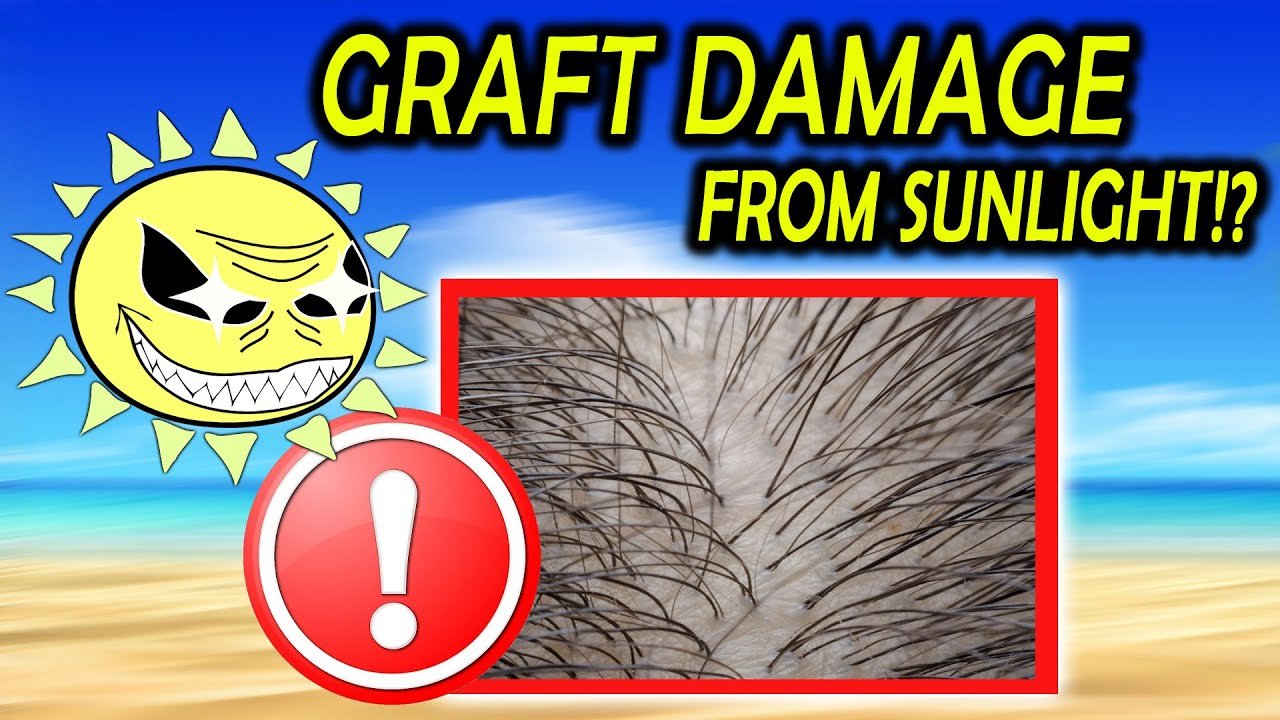
Protecting your scalp from direct sunlight is essential as it can lead to sunburn and damage the delicate healing tissues. Additionally, avoid any vigorous handling or rubbing of the scalp, as this can disrupt the grafts and hinder healing.

You can check this video to understand how sunlight damages the hair follicles:

Use the physician’s recommended shampoo and lotion

Your physician will provide specific instructions regarding the shampoo and lotion to use after the surgery. It is essential to follow their recommendations as these products are specifically formulated to promote healing and protect the transplanted hair.

Use a soft towel and pat the recipient’s area.

When drying your hair or the recipient area, use a soft towel and gently pat the zone instead of rubbing it vigorously. It will help prevent trauma to the grafts and reduce the risk of dislodging them.

Be cautious of head sweating.

Excessive sweating can be detrimental to the hair follicles, especially during the initial healing period. Avoid activities that can cause excessive sweating, such as intense physical exercise or spending time in hot and humid environments. 

Opt for a cold setting and take measures to keep your scalp dry. You can check this video to understand why sweating is a big “No” after a hair transplant.

Consider PRP therapy

Platelet-Rich Plasma (PRP) therapy is a popular remedy after hair transplant surgery. It involves using your blood to extract growth factors and proteins that promote cellular growth and hair follicle proliferation.

PRP therapy is known for its hair growth abilities and can help achieve denser hair after a hair transplant.

Focus on recommended nutrition.

Proper nutrition plays a vital role in the success of a hair transplantation process. Increase your intake of protein-rich foods, which are essential for hair growth and repair.

 Include fatty acids and fat-soluble vitamins, such as vitamin A, vitamin D, and vitamin E. A balanced diet that includes antioxidants, vitamin C, B-complex vitamins, and biotin is also beneficial for hair growth and controlling hair loss. 

Green tea, rich in effective antioxidants, can also support healthy hair follicles. Remember that the quality of your blood affects the healing process, as vitamins and nutrients are carried through the blood to nourish the grafts. Avoid overeating and stick to a well-balanced diet.

Foods to avoid after surgery

Pay attention to your food choices after hair transplant surgery. Avoid grains and wheat-derived foods for about 15 days, as they can potentially irritate the scalp.

Animal foods, milk, fermented foods (yogurt, kefir, probiotics), and pickles should be minimized during the initial healing period. 

Animal oils can contribute to acne, so it’s advisable to limit their consumption. Additionally, processed foods, cigarettes, alcohol, hookahs, and recreational substances should be avoided as they can harm the healing process.

 Stay away from tea and caffeine-containing beverages for at least three days post-surgery, and avoid processed foods and sugary beverages as well.

Adequate intake of vitamins and minerals

Several B vitamins are crucial for hair health. Vitamin B nourishes the hair roots and facilitates the hair growth process. Include foods rich in B vitamins, such as whole grains, legumes, eggs, milk, red meat, poultry, dark green leafy vegetables (broccoli, spinach), bananas, avocados, and citrus fruits (oranges, lemons).

B2 improves hair quality by enhancing blood circulation to the scalp. B3 protects hair color, while B5 prolongs the anagen (growth) phase of hair. B6 is foremost for scalp nutrition and cell renewal. 

B7 (biotin) reduces inflammation and delays graying of hair. B9 (folic acid) promotes rapid hair growth by nourishing the hair follicles, and B12 supports overall hair growth.

Maintain scalp hydration

Adequate hydration is crucial for maintaining a healthy scalp and promoting hair growth. Drink at least eight glasses of water daily and ensure you stay properly hydrated throughout the day.

Follow the recommended hair wash procedure.

Your physician will provide instructions on when and how to wash your hair after the transplant. Typically, hair washing starts the day after the surgery. Gently dry off the hair with a towel and use a cool setting while blow-drying.

Avoid scratching, bumping, or rubbing the grafted hair to prevent graft loss. In the first 48 hours, it’s advised to avoid shampooing, but soaking the scalp can help prevent crust formation. 

When you start shampooing, use a mild, hypoallergenic formula recommended by your physician.

Consider prescribed medications

Your doctor may prescribe medications such as minoxidil and finasteride (Propecia) to enhance the results of the hair transplant.

Minoxidil is a topical drug applied directly to the scalp to promote hair growth. It is often used following a hair transplant surgery.

Finasteride is an oral medication that blocks the conversion of testosterone into dihydrotestosterone (DHT), which is responsible for hair loss. Finasteride has been shown to improve hair regrowth and prevent further hair loss.

How to Assess If You Are a Good Candidate for a Hair Transplant

You’ve probably heard about hair transplant surgery if you’ve done any research on your alternatives for hair restoration. But are you a suitable candidate for a hair transplant? What circumstances can make you unable to undergo this kind of procedure?

Self-conscious people who want to enhance their appearances is an excellent candidates for hair transplants. Patients seek treatment at the facility for balding patches on the crown, thinning patches on the scalp, and receding hairlines. 

You will get a thorough explanation of what makes an ideal candidate for hair transplant surgery in this article.

Criteria For A Good Candidate

A good candidate for hair transplant surgery can be found among men and women of all races. The two most important factors to consider are having enough healthy hair on the scalp that can be transplanted to the area in need and the ability to grow hair on the thinning area of the scalp.

To determine candidacy, a dermatologist will conduct a thorough scalp examination and may require a blood test to check for any underlying conditions that may be causing hair loss. In some cases, a scalp biopsy may be necessary. 

The dermatologist can provide an estimation of the expected results if the examination and tests indicate that the individual is a suitable candidate.

An ideal candidate for hair transplant surgery is someone who has sufficient hair loss, a dense donor area with healthy hair, a healthy scalp, and overall good general health. 

It is essential for candidates to have realistic expectations about the outcome of the procedure. Factors such as hair color, texture, waviness, or curliness can also affect the final cosmetic result.

The use of two or more techniques in combination can help achieve the best possible results, enhancing both the appearance and self-confidence of the patient. 

It is crucial for individuals to carefully consider their expectations and discuss them openly with their surgeon before undergoing the procedure.

Hair transplant techniques typically utilize the existing hair on the patient’s scalp. It is not a minor surgery aimed at “keeping up with hair loss,” but rather a practical approach to address the issue of hair loss.

It is important to note that there may be a temporary phenomenon called “shock loss,” which occurs due to the trauma of the surgical procedure. However, this is a normal part of the healing process and should not be a cause for concern.

With proper care and follow-up, the transplanted hair will eventually grow back, providing a permanent solution to hair loss.

Factors To Consider (Overall Health, Hair Loss Pattern, Expectations, Etc.)

Overall health, hair loss pattern, and expectations after surgery have a significant impact on the suitability and success of a hair transplant surgery.

Overall health

The pattern of hair loss is an important consideration. Hair loss caused by androgenetic alopecia, commonly known as pattern baldness, can vary from person to person.

A stable pattern of hair loss is essential for the success of a hair transplant. Clearly, demarcated regions where the hormone dihydrotestosterone (DHT) will not affect are required. 

Therefore, it is advisable to consult with a dermatologist to determine if the pattern of hair loss is stable before considering a hair transplant. Revisiting the dermatologist after a few years may also be necessary to reassess the suitability of the procedure.

Mental illness can have an impact on hair transplant surgery. Stress, anxiety, boredom, and obsessive-compulsive disorder (OCD) can affect overall health, including hair growth.

These conditions may hinder the recovery process and potentially impact the success of the procedure. Manage mental health conditions effectively before considering a hair transplant.

Poor scalp health is another chief aspect to consider. Individuals with chronic illnesses such as androgenetic alopecia, psoriasis, lupus, or eczema may not be suitable candidates for a hair transplant.

Treating these scalp conditions is essential before considering a surgical procedure. Additionally, those with alopecia areata alongside pattern baldness should seek appropriate treatment options rather than undergoing hair transplant surgery.

For women, pregnancy is a critical consideration. It is generally advised to delay a hair transplant procedure while a woman is pregnant, as it may have potential risks for both the mother and the baby.

The recovery process can be challenging during pregnancy, and the surgery may negatively impact the health of both the mother and fetus. 

Diabetes is another health condition that can affect hair transplant surgery. Diabetic patients may have complications related to wound healing and blood clotting, which are crucial aspects of the procedure.

Stable blood sugar levels and consultation with healthcare professionals are necessary to assess the feasibility and safety of a hair transplant for individuals with diabetes.

Cardiovascular diseases pose additional challenges for hair transplant candidates. Patients who require blood-thinning medications may experience increased bleeding during and after the surgery, making it riskier.

Similarly, individuals with high blood pressure may not be suitable candidates for a hair transplant due to potential complications.

Finally, it is prime to consider any allergies to anesthesia. Hair transplant surgeries typically require anesthesia, and individuals who have had adverse reactions to anesthesia may not be suitable candidates.

It is crucial to disclose any allergies or medical conditions that may prevent the safe administration of anesthesia during the procedure.

Hair loss pattern

The hair loss pattern is a crucial factor that affects the outcome of a hair transplant procedure. The presence of healthy hair on the sides and back of the head, known as the donor areas, is essential for grafting the hair follicles onto the balding areas. 

Individuals with a well-defined baldness pattern, thinning hair, or limited hair loss due to scalp injuries or repeated cosmetic procedures tend to be good candidates for hair restoration surgery.

When considering hair transplant options, the cost of the procedure is often proportional to the level of baldness and varies from clinic to clinic. It is advisable to compare the fees of different hair transplant clinics before making a decision.

Expectations

After a hair transplant, one can expect natural-looking results that depend largely on the surgeon’s expertise. A skilled surgeon will meticulously place the transplanted hair follicles to mimic the natural hair growth pattern, ensuring a seamless and undetectable outcome.

 However, it is important to note that the final results may vary from person to person due to individual factors such as hair quality, scalp condition, and the extent of hair loss.

Following the procedure, it is common for the scalp to be very tender. Patients may experience discomfort, swelling, or mild pain, which can be managed with prescribed pain medications.

To protect the newly transplanted area, patients are typically advised to wear bandages over their scalp for a day or two. In addition, the surgeon may prescribe an antibiotic or an anti-inflammatory drug to prevent infections and reduce swelling.

Recovery time after a hair transplant is relatively short, with most individuals being able to return to work within 2 to 5 days after the operation. 

Within 2 to 3 weeks after the transplant, the transplanted hair will fall out, which is a normal part of the process. However, this shedding is temporary, and new growth can be noticed within a few months.

On average, around 60% of new hair growth can be expected after 6 to 9 months.

To enhance the success of the procedure, surgeons may prescribe the use of hair-growing drugs such as minoxidil and finasteride. These medications can help promote hair growth and prevent further hair loss.

Consultation Process

Find a surgeon who specializes in hair transplant surgery. Look for professionals who are registered with the General Medical Council (GMC) and have a valid license to practice.

During the consultation, ask the surgeon about their qualifications and experience in hair transplant procedures. Discuss how many hair transplants they have performed in the past and inquire specifically about the number of cases where complications have arisen.

The surgeon should recommend a specific type of hair transplant procedure based on your needs and expectations. They should explain why they believe this particular method is suitable for you, considering factors such as the extent of hair loss, donor hair availability, and desired outcomes.

It is essential to discuss the follow-up process in the event of any complications. The surgeon should provide information on how they will address and manage risks, and what level of support you can expect during recovery.

Inquire about the surgeon’s patient satisfaction rates to gauge the quality of their work. While it’s subjective, a surgeon with a high rate of satisfied patients can be an indication of their skill and expertise.

Ask about the surgeon’s qualifications and training. Additionally, check if they are a member of a relevant professional association that sets standards for training and skill in the field of hair transplant surgery.

Discuss the most common complications associated with hair transplant surgery. It may include issues like infection, scarring, bleeding, or poor graft survival. Understanding potential risks will help you make an informed decision.

Inquire about the post-operative care and who will be responsible for providing it. Understand what type of aftercare you can expect, such as follow-up appointments, medication, or instructions for proper wound care.

It’s important to discuss what steps to take if something goes wrong or if you are not satisfied with the results. Understand the surgeon’s policy for revision procedures or addressing concerns post-surgery.

Discuss the cost of the hair transplant surgery, including any pre-operative tests and post-operative medications. Inquire if there would be any additional charges for further treatments or revisions if required.

Seek a detailed explanation of how the hair transplant will be performed, including the specific techniques, instruments used, and the expected duration of the procedure. Clarify whether anesthesia will be administered and the type of anesthesia to be used.

Understand the potential pain or discomfort you may experience during and after the procedure. Discuss the expected recovery timeline and any specific precautions or restrictions you must follow. Additionally, learn about potential risks and complications associated with the surgery.

Inquire about how long the results of the hair transplant are expected to last. While individual factors can influence this, the surgeon should provide an estimate based on their experience and the chosen method.

Ask the surgeon about the expected appearance immediately after the procedure and the changes you can expect during the recovery. It will help you set realistic expectations and plan for any adjustments to your daily routine or appearance.

How To Prepare For A Hair Transplant Surgery

Preparing for a hair transplant surgery involves following specific instructions provided by the surgeon. These guidelines typically include information about dietary restrictions, smoking cessation, and medication adjustments.

It is crucial to adhere to these instructions to ensure smoother surgery and optimal results. One important aspect is to stop smoking at least a week or two before the surgery, as smoking inhibits blood flow and can negatively impact the healing process.

Additionally, it is essential to be aware of where the surgery will be performed and the types of anesthesia they will give you. Understanding the location of the procedure can help you plan your logistics accordingly. 

Moreover, discussing the anesthesia options will make you clear about what to expect during the surgery and any precautions you may need to take.

In addition, it is advisable to avoid nonsteroidal anti-inflammatory drugs (NSAIDs) and certain herbal supplements that increase the risk of bleeding for at least seven days prior to the surgery.

It is crucial to inform your surgeon about any prescription anticoagulants, as they may need to be temporarily stopped. Topical minoxidil should be discontinued one week before the surgery, oral finasteride should be continued throughout the perioperative period.

Furthermore, it is recommended to abstain from smoking and alcohol at least one week before the surgery to promote optimal healing and minimize potential complications.

By following these preparations, you can ensure that you are well-prepared for your hair transplant surgery. You can communicate with your surgeon, follow their instructions, and maintain a healthy lifestyle before the procedure. 

These measures will contribute to a successful surgery and enhance your chances of achieving the desired hair restoration results.

Interlocking Graft Transplantation

A hair transplant is a procedure performed to treat the loss of hair. It involves taking hair-bearing skin from one area of the scalp and grafting these pieces of skin onto the bald or hair-thinning regions of the scalp or trauma areas.

An important aspect of a successful hair transplant procedure is creating the best recipient sites, which are the sites where holes are created by the surgeon to place the dissected hair grafts, for graft placement. The angle, direction, pattern, tilt, and density of the transplant graft will all be taken into consideration.

Interlocking graft transplantation is a technique that involves the placement of the hair grafts in an interlocked or staggered manner such that one row after another is placed in between the previous row, making it difficult to see through or between the hair grafts. Therefore, ten hair grafts placed with an interlocked pattern will appear twice as dense as ten hair grafts placed in a non-interlocked pattern.

Types of Hair Transplants

There are two main types of hair transplants, depending on the technique used for performing the procedure. The two different types of hair transplants include:

Follicular Unit Transplantation (FUT)

This procedure involves the removal of a long strip of the hair scalp by the transplant surgeon, separation of the hair follicles, and then transplantation of these hair follicles at the recipient site.

Follicular Unit Extraction (FUE)

This procedure involves the individual extraction of the hair follicles by the transplant surgeon and their transplantation on the recipient area of the scalp.

The interlocking graft transplantation technique, also known as the interlocking FUE technique, is an evolved version of the FUE technique that allows a tighter arrangement of grafts in a way that the next row of hair grafts is arranged to somewhat in between the previous row of hair grafts, which is not possible in case of a parallel arrangement of hair grafts.

Interlocking also allows the hair grafts to fit better because they do not compete for the same space as in the case of a parallel arrangement. Additionally, the placement of interlocked grafts is far easier compared to a non-interlocked pattern by the hair transplant team. This is because the hair grafts in a non-interlocked pattern tend to pop or come out as the grafts fight for space in a parallel arrangement.

Interlocking Graft Transplantation Procedure

A cosmetic surgeon performs the procedure of interlocking graft transplantation in different steps. These steps include the following:

  • Initial consultation: A patient having hair loss or balding problems will first have a consultation appointment with a hair transplant specialist to assess their exact condition and determine their treatment options.
  • Pre-operative diagnostic tests: The doctor will recommend undergoing a few diagnostic tests and blood tests to determine the patient’s eligibility for undergoing a hair transplant procedure and to check for any underlying medical conditions.
  • Hairline designing: The surgeon will then create a treatment plan and a tentative hairline design for the donor and recipient site based on the patient’s hair condition and general health.
  • Photography: The surgeon will take photographs of the patient from different angles to check the present hair condition, as well as be able to compare the pre-operative and post-operative photographs and check the treatment results.
  • Hair trimming: The hair on the donor area will be trimmed by the surgeon to make it easier to handle.
  • Local anesthesia: The surgeon will then administer local anesthesia to numb the donor area.
  • Creation of slit: The surgeon will use various instruments to harvest the skin in the donor area using a special slit blade or sapphire blade.
  • Grafts harvesting: The hair follicles and grafts are removed from the donor site by the surgeon.
  • Implantation: The harvested grafts are then implanted by the surgeon in the recipient site using an interlocked pattern.
  • Bandage and gauze: The scalp is then cleansed and covered using gauze. Some patients may have to wear a pressure bandage for a day or two after the procedure, while some patients are allowed to recover without any bandages.

Benefits of Interlocking Graft Transplantation

Interlocking graft transplantation has several advantages over the placement of hair grafts in a parallel pattern. These benefits include the following:

  • Natural-looking results: The hair growth following an interlocking graft transplant technique occurs in a zigzag manner that closely resembles the natural hair growth pattern compared to the conventional methods that lead to hair growth in straight rows. Therefore, the strategic placement of hair grafts in an interlocked fashion helps in creating a more natural-looking appearance for the patient.
  • Higher hair density: Traditional FUE technique involves the use of larger slits by the surgeon which leads to limited hair density. Interlocking graft transplantation, however, is done using a special slit blade or sapphire blade that allows for smaller and denser slits. This helps in achieving higher hair density and fuller hair transplant results for the patients.
  • Quicker healing: The traditional FUE technique for hair transplantation will take approximately ten to twelve days for the wound to heal. However, the use of smaller slits in the interlocking graft transplantation technique helps the wound to heal in four to five days. The reduced healing time helps the patients resume their routine activities faster.
  • Improved graft survival rates: The interlocking graft transplantation technique generally involves the use of a specialized graft chilling device to preserve the grafts, rather than ice packs which are generally used for graft preservation using FUE or FUT techniques. The graft chilling device helps in the maintenance of a constant temperature and safeguards the hair grafts from temperature-related trauma improving the survival rates of the grafts significantly.

Why Choose ALCS Hair Transplant and Cosmetic Clinic?

If you are suffering from hair loss and are looking to undergo hair transplantation using the interlocking graft transplantation technique, ALCS Hair Transplant and Cosmetic Clinic is the right choice for undergoing the procedure.

You should choose the ALCS clinic in Jaipur for your treatment for the following reasons:

  • Expertise of transplant team: Interlocking graft transplantation involves the use of dense slits and advanced needle implanters to place the hair transplants at the recipient site. This procedure requires precision and expertise. We have a skilled and experienced hair transplant team led by Dr. Sunil Arora, who is considered to be the best cosmetic surgeon in Jaipur, to deliver successful treatment results with long-term graft survival rates.
  • Advanced techniques and innovative treatment approach: We provide advanced hair transplant techniques, like the use of interlocking techniques. This technique is generally recommended in cases of people who want a progressive and superior hair transplant experience. We believe in treating every hair follicle like a vital organ and ensuring its long-term survival. 

ALCS clinic in Jaipur offers individualized attention to all our patients. We are committed to providing the highest quality hair transplant treatments to all our patients. 

Bottom Line

Interlocking graft transplantation is an example of how quality is more important than quantity. Although the number of hair grafts that are transplanted to the recipient site is important in determining the treatment results. However, if the hair grafts are not distributed properly or not handled well, the treatment results would not be as desirable. 

The interlocking technique in hair transplantation is a precise procedure that needs to be carefully carried out by the cosmetic surgeon to achieve desirable results. The technique has several benefits over traditional FUT and FUE hair transplantation techniques when performed accurately.

Latest Innovations in Hair Transplant -What Does the Future Hold

Since the invention of hair transplant surgery in 1952, the methods for hair growth available today have undergone a significant change.

Treatments now include sophisticated new medications, advancements in hair transplant surgery, and the cloning of individual hair cells in place of unnatural-looking transplants. 

There is anticipation that new technology may make donor hair restrictions obsolete. The most promising concept of stem cell hair transplantation will be covered in this article.

The current state of hair transplant

The surgeon harvests grafts, or tiny pieces of skin, from the donor location, which is typically the back of the scalp, during the surgery. 

After that, these grafts are implanted in the areas of the scalp where hair loss has taken place. After the procedure, the transplanted skin heals, and hair growth keeps

going, creating a hairline that looks natural. There are two main methods for hair transplantation:

Follicular unit transplantation (FUT)

FUT hair transplant, sometimes referred to as the “strip method,” entails removing a strip of hair follicles from the donor area using stereo-microscopic dissection. 

After that, the region is sutured, preventing further scarring. The transplanted grafts from the excised follicles are separated into individual pieces and placed into the recipient area. 

Because more follicles survive using this technique, the results look natural and are extremely full. Success rates can reach 95–98%, and recovery times are typically 10–12 days.

Follicular unit extraction (FUE)

A common method for hair restoration is FUE (Follicular Unit Extraction) hair transplantation. In this operation, a single follicular unit is taken randomly by small circular incisions from the donor area, which is typically the sides or back of the scalp. 

Manual and robotic FUE are the two primary varieties. Robotic FUE hair transplant treatments accurately and precisely remove hair follicles from the donor area of the scalp using cameras and robotic arms. 

With this technology, hair transplantation could be less intrusive, more effective, and possibly more successful. With this technology, hair transplantation could be less intrusive, more effective, and possibly more successful. 

One of the main advantages of FUE hair transplant is that it produces results that seem natural and high-quality hair grafts with little discomfort and a quick recovery. Additionally, compared to other methods, FUE hair transplant leaves fewer scars.

Recent innovations

Recent innovations in hair transplant procedures have introduced the NeoGraft technique, which is a semi-automated version of Follicular Unit Extraction (FUE).

This advanced technique offers several benefits over traditional FUE techniques and is considered one of the most modern methods of hair implantation. Here are the key points about the NeoGraft procedure:

Local Anesthetic: During the NeoGraft procedure, a local anesthetic is applied to the scalp to ensure a pain-free experience for the patient.

Suction Extraction: Instead of manually extracting hair follicles, the NeoGraft technique utilizes a wand that uses suction to remove the follicles. This automated process enhances efficiency and precision.

Incision-Free Implantation: Unlike other techniques, the surgeon does not need to make incisions for implanting new hair follicles. A specific tool is employed to create the necessary incisions and implant the follicles using pneumonic pressure.

Dressing Application: After the procedure, a dressing is applied to both the donor site (where follicles were extracted) and the implantation site. This dressing helps manage bleeding and aids in the healing process.

Healing Time: The implanted hair follicles typically heal within about a week, and most individuals can resume their usual routines within two weeks after the procedure.

Reduced Trauma and Damage: The NeoGraft system is designed to minimize trauma and damage to hair follicles compared to traditional FUE and Follicular Unit Transplantation (FUT) surgeries. It leads to a lower chance of surgical complications and ensures better overall results.

Minimally Invasive: The NeoGraft technique is considered minimally invasive, as it does not require stitches or staples. It reduces the risk of scarring and simplifies the recovery process.

Automation and Precision: The automated nature of the NeoGraft technique removes the possibility of human error that could potentially cause damage to nerves or blood vessels. It ensures a higher level of precision during the procedure.

Time Efficiency: Compared to traditional FUE, the NeoGraft technique is generally quicker, typically taking between 4 and 10 hours to complete the entire procedure.
Pricing: The cost of a NeoGraft hair transplant procedure can vary based on several factors, including the experience and skill of the surgeon, the number of hair grafts being transplanted, and the cost of living in your area.

On average, the price ranges from $5 to $9 per hair graft. For 1,000 to 2,000 follicles, the total cost could range from $5,000 to $18,000.

Potential Risks: If the donor site is overharvested during the procedure, it can lead to a moth-eaten appearance and pinpoint scarring where follicles were removed. 

Future trends and predictions

In the future, hair transplant procedures are expected to witness advancements and introduce new techniques. One such potential technique is stem cell hair transplant, which shares similarities with traditional hair transplants.

This procedure involves the removal of a small skin sample from which hair follicles are harvested. These follicles are then replicated in a laboratory setting and subsequently implanted back into the scalp in areas experiencing hair loss. 

This technique allows hair to grow in both the donor and recipient areas, maximizing the effectiveness of the procedure. While stem cell hair transplants are currently only theoretical, ongoing research is being conducted to further explore and develop this innovative approach.

Stem cells play a crucial role in this future technique. Stem cells are unspecialized progenitor cells with the ability to develop into different types of cells.

They possess the unique characteristic of being able to divide and renew themselves, either remaining as stem cells or differentiating into specialized cell types. 

In the case of stem cell hair transplants, the procedure begins with a punch biopsy to extract stem cells from the individual. This biopsy is performed using a circular blade instrument that is rotated into the skin, removing a cylindrical sample of tissue. 

The stem cells are then separated from the tissue using a specialized machine called a centrifuge. Finally, the stem cells are injected back into the scalp in the areas experiencing hair loss. It is important to note that specific procedures may vary slightly, but the entire process generally takes around three hours to complete.

While stem cell hair transplants show promise, it is essential to understand that this technique does not guarantee specific outcomes, and results can vary from person to person. 

However, preliminary research has indicated that stem cell hair transplants can effectively treat various hair loss conditions, including male androgenetic alopecia (male pattern baldness), androgenetic alopecia (female pattern baldness), and cicatricial alopecia (a condition where hair follicles are destroyed and replaced with scar tissue).

Following the procedure, it is expected that patients may experience some pain, which typically subsides within a week. Additionally, scarring may be observed in the area where the fat has been removed for stem cell extraction.

Currently, there is limited information available regarding the possible side effects of stem cell hair transplants. However, as with any medical procedure, there is always a risk of bleeding or infection at the site of the sample and injection. 

Furthermore, there is a small risk of damage to the nerves or arteries beneath the procedure site. Despite these risks, stem cell hair transplants are considered very promising, with an Italian study demonstrating a 29% increase in hair density 23 weeks after the last treatment.

In terms of cost, since stem cell hair transplants are still in the research stages, the final fees have yet to be determined. However, estimated costs range from approximately $3,000 to $10,000, depending on the type and extent of hair loss being treated.

Cell treatment seeks to solve the issues of donor shortage. Dermal papillae and connective tissue sheath cells have been demonstrated to have technogenic potential in studies, thus the next challenge is to create a viable culturing system.

The problem today is to apply these ideas to human cells in vivo after making substantial strides in identifying growth agents and culture conditions that sustain cell echogenicity in vitro.

All attempts to date to use any kind of cell system, including DP cells, CTS cells, or stem cells derived from either HFs or adipocytes, have failed to yield any appreciable cosmetic effects.

The superficial stem cells that give rise to the epidermal cells and sebaceous glands are more primitive. Dermal papilla cells at the base of capillaries are mesenchymal in origin.

Due to their interdependence, both cells interact via the action of several growth factors to create the future follicular unit. 

Growth factors that promote hair growth include vascular endothelial growth factor (VEGF), platelet-derived growth factor (PDGF), basic fibroblast growth factor (bFGF), insulin growth factor-1 (IGF-1), and keratinocyte growth factor (KGF).

Several more growth factors, including VEGF, are also present in PRP. Studies show that VEGF is essential for hair biology and that VEGF-induced angiogenesis influences hair size to some extent. 

The first concrete proof that enhanced follicle vascularization encourages hair development and improves follicle, and hair size was shown in 2001 by Yano et al13, who identified VEGF as a critical modulator of hair follicle growth and cycling.

Expert opinions

The future trends of hair transplant procedures show a lot of promise, with ongoing research and innovation in the field. Newer medical therapies and stem cell injections are being explored, with the aim of regenerating hair without the need for traditional transplants.

Additionally, there are efforts to clone hair follicles, which could potentially revolutionize the field by providing a means to grow new hair. 

Automation is also on the horizon, as experts predict that robotic devices will be able to perform extraction and implantation of grafts with minimal human involvement.

Male pattern baldness affects a significant percentage of men, around 50% to 60%. As a result, future plans involve investing more in stem cell research and improving surgical instruments and techniques to minimize pain and enhance the overall implantation process.

According to David Orentreich, MD, a professor of dermatology at Mount Sinai School of Medicine, the future of hair transplantation looks even brighter than the present.

The procedures are becoming more natural, leading to better outcomes for patients. Cloning, which has been achieved in other areas, holds the potential to be applied to hair follicles.

A breakthrough medication that is highly effective and safe in preventing hair loss may reduce the need for transplants in the future.

Ken Washenik, MD, Ph.D., the medical director of Bosley, a hair restoration practice, predicts that hair transplantations will continue to evolve, progressing towards smaller grafts and cell-based transplants.

The concept of injecting hair seeds into balding areas to stimulate the growth of new follicles is expected to become a reality within the next five years, complementing the existing follicle-based transplant techniques.

New York City dermatologist Bruce Katz, MD, director of the Juva Skin and Laser Center, emphasizes the potential of cloning in hair restoration. If successful, cloning would provide the best ability to restore hair, delivering optimal physical and cosmetic results.

Hair Transplants and Scarring: What to Expect

Today’s primary surgical methods fall into two categories. Everyone results in a unique kind of scarring. The amount of scalp scarring you have depends on your surgeon’s expertise and experience.

Whichever option you select, both the surgeries and wound-closure methods have advanced and improved. This article will cover the general topics of hair transplant scarring, post-operative care, and techniques to reduce scarring.

Types Of Scars From FUT And FUE

Hair transplant surgery is a popular and effective solution for individuals experiencing hair loss or thinning. There are two primary surgical procedures used for hair transplantation: follicular unit extraction (FUE) and follicular unit transplantation (FUT).

While these techniques can provide excellent results in terms of hair restoration, they also leave scars on the scalp. Understanding the several types of scars that can result from these procedures is crucial for individuals considering hair transplant surgery.

Follicular Unit Extraction (FUE)

FUE involves the extraction of hair follicles from the donor areas, typically located at the back and sides of the scalp. During the procedure, a surgeon uses a micro-punch tool to remove each hair follicle graft individually.

 Each extraction leaves a tiny round scar, measuring up to 1 millimeter in diameter. Depending on the number of hair shafts extracted, hundreds or even thousands of puncture mark scars may be visible. These scars often appear as tiny white dots on the scalp.

The hair follicles extracted through FUE, typically containing 1-4 hairs, are then grafted onto the recipient areas of the scalp. The entire procedure may take many hours, or even days, to complete, especially if a large number of grafts are required. 

In some cases, multiple FUE sessions may be necessary to achieve the desired hair density. FUE is usually performed on an outpatient basis, under local anesthesia. Since no stitches are required for closure, the recovery time after FUE is relatively short.

Follicular Unit Transplantation (FUT)

FUT, on the other hand, involves the surgical removal of a strip of scalp from the donor area. It is typically located at the back of the scalp.

After the strip removal, the doctor sutures the surrounding scalp together, resulting in a linear scar. The length of the scar depends on the size of the strip extracted and may extend from ear to ear.

The harvested grafts are then prepared for transplantation onto the recipient areas of the scalp. Small incisions are punched for each individual hair graft. Similar to FUE, the FUT procedure is performed on an outpatient basis under local anesthesia. 

However, unlike FUE, stitches are required to close the wound created by the strip removal. These stitches are typically removed approximately ten days later.

It is worth noting that the FUT procedure may cause more post-operative pain and swelling compared to FUE, primarily due to the larger incision and the resulting scar.

How To Minimize Scarring

Keloids and hypertrophic scars, although uncommon, can be a concern after hair transplant surgery. A patch test can be done to assess the likelihood of developing noticeable scars in an easily camouflaged area of the scalp.

In the event of keloid or hypertrophic scar formation, these can be effectively managed with intralesional injections of triamcinolone acetonide 40 mg/ml, a medication that reduces inflammation and promotes healing.

Follicular unit excision (FUE) is a hair transplant technique that is less likely to result in wide scars, cross-hatch scars, or multiple large scars. However, complications can still occur, albeit rarely, even with the most skilled surgeons.

Nonetheless, it is crucial to emphasize that these complications are generally avoidable by taking proper precautions and ensuring thorough patient education. 

Both medical and aesthetic complications should be taken seriously, regardless of their impact on the final outcome.

Various procedures exist to lessen or reduce the size of the scar resulting from hair transplant surgery. However, it is crucial to note that the complete elimination of scars is not always guaranteed. 

As individuals age, their scalps may naturally sag, potentially causing scalp reduction scars to become wider or more visible over time. In such cases, alternative procedures may be recommended to address the scar’s appearance.

One solution for minimizing the visibility of scars is grafting hair follicles into the mark from previous follicular unit transplantation (FUT) using the FUE method. 

The effectiveness of this approach depends on the thickness of the scar tissue. Additionally, scar tissue can be thinned using medication to improve the overall results of the hair transplant procedure.

It is worth noting that scarred skin may not hold grafts as securely as healthy skin. Therefore, it is essential to have a thorough discussion with your doctor to determine the most appropriate method for minimizing the appearance of scarring. 

By considering individual factors and preferences, such as the type and location of the scar, the doctor can provide personalized recommendations for optimizing the outcome and reducing visible scarring.

You can quickly watch this video to minimize the scalp scar:

Post-Op Care For Scars

For strip harvesting procedures, the visibility of scars is mainly influenced by the number and width of the wound. After multiple surgeries, there may be a temptation to maximize donor yield by harvesting from virgin donor regions.

If the existing scar is removed along with the new donor strips, it is possible to leave a single scar despite multiple surgeries.

While recipient-hair effluvium is relatively common after a hair transplant, donor-hair fall is significantly less common. Donor-hair effluvium occurs as a consequence of anagen effluvium, which is a response to the interrupted blood supply. 

This issue is more likely to arise when harvesting from donor tissue bordered by scar tissue. However, the problem spontaneously resolves within three to four months.

Saline Water Application

Salinated water is for compressing the scalp. Some physicians also use copper peptide products, although the evidence supporting their effectiveness in speeding up healing is minimal. These products may help prevent crust formation in the donor area.

Medicated Gel

Ointments or gels are prescribed and should be applied twice daily. You must use these products on both the donor incision and the recipient area.

Water-based gels are commonly used as they promote wound healing by retaining moisture and providing a physical and/or medical barrier against infection. Polysporin, mupirocin, Neosporin, and petrolatum are some common ointments used. 

However, some physicians may prefer surgical gels, although they can be difficult to remove from the hair. Topical antibiotic ointments are rarely required.

Supplements and Medications

Minoxidil may be prescribed to decrease postoperative effluvium, although the evidence supporting its effectiveness is limited. Some physicians may prescribe minoxidil postoperatively, but it can cause scalp irritation.

In such cases, the physician advises a topical corticosteroid to hasten the resolution of discomfort. Additionally, hair growth medication like finasteride may be recommended to improve hair regrowth. 

Vitamin supplements, pain relievers, and antibiotics may also be prescribed as part of the post-operative care regimen.

Follow the Physician’s Instructions

It is essential to closely follow the instructions provided by your physician for optimal recovery. Avoid direct sunlight exposure to the scalp and refrain from vigorously handling or scratching the scalp.

Use the shampoo and lotion recommended by your physician. When drying the recipient area, use a soft towel and gently pat it instead of rubbing it. Avoid excessive sweating on the scalp, as it can damage hair follicles and contribute to scarring.

Possible Treatments For Scars

Concealing the scarred area is an option, particularly by growing hair over the donor area. However, this approach may be more challenging for certain types of scars, such as keloid scars, which tend to grow wider than the original surgical scar and may continue to expand over time.

Fortunately, there are several procedures available that can help disguise hair transplant scars and provide individuals with renewed confidence in their appearance.

Scalp micro pigmentation

One notable treatment option is scalp micro pigmentation (SMP). It is known as a medical hairline tattoo or scalp hair tattooing. SMP is a permanent procedure where the expert injects the pigment directly into the scalp, creating the illusion of thicker hair.

Many patients opt for SMP as an alternative to surgical hair transplant procedures, especially when it comes to coloring in scarred areas left behind by follicular unit extraction (FUE) or follicular unit transplantation (FUT). 

The number of SMP sessions required may vary depending on the size of the area being treated, and the chosen ink color is typically matched to the patient’s current hair color. 

It’s important to note that while the hair may naturally gray or lighten over time, the ink used in SMP is unlikely to lighten at the same rate. Discomfort may be experienced during the SMP process.

Tricopigmentation

Another treatment option to consider is tricopigmentation (TMP). It is a temporary form of SMP. TMP involves the insertion of ink into the top layer of the dermis, providing semi-permanent inking.

The duration of TMP can vary depending on the clinic, ranging from six months to three years. Some individuals may find TMP physically uncomfortable.

Laser therapy

In addition to SMP and TMP, laser treatment can also help reduce the appearance of hair transplant scars. This approach is sometimes applicable in conjunction with SMP or TMP.

Laser treatment targets and removes damaged skin, stimulating collagen production in the dermis layer, leading to rejuvenated elasticity and an improved overall appearance of the skin. 

It is important to note that laser treatment for hair transplant scars is not specifically designed for scar removal, and individual results may vary.