Get Expert Advice - Free Today

The amount Hair Thickness A Hair Relocate Can Give

A head loaded with power could not just make you at any point look delightful yet in addition help your self-assurance so you can vanquish each part of your life.

Nonetheless, the symptoms of certain prescriptions and stress, strain, contamination, or other way of life decisions can take harm to your hair thickness. At last, you might wind up having frail and fragile hair back to front.

Balding can presumably be a damaging encounter that influences your appearance as well as your emotional well-being. Nonetheless, going through a hair relocate system can assist with reestablishing lost hair as well as help to certainty by improving the appearance.

Hair Relocate methods

A hair relocate is a kind of surgery that moves hair from the giver site to the going bald or hair diminishing region to load up with meager hair. Typically, this system is acted in the giver’s office under neighborhood or general sedation. The two most normal hair relocate systems are Follicular Unit Extraction (FUE) and Follicular Unit Relocate (FUT).

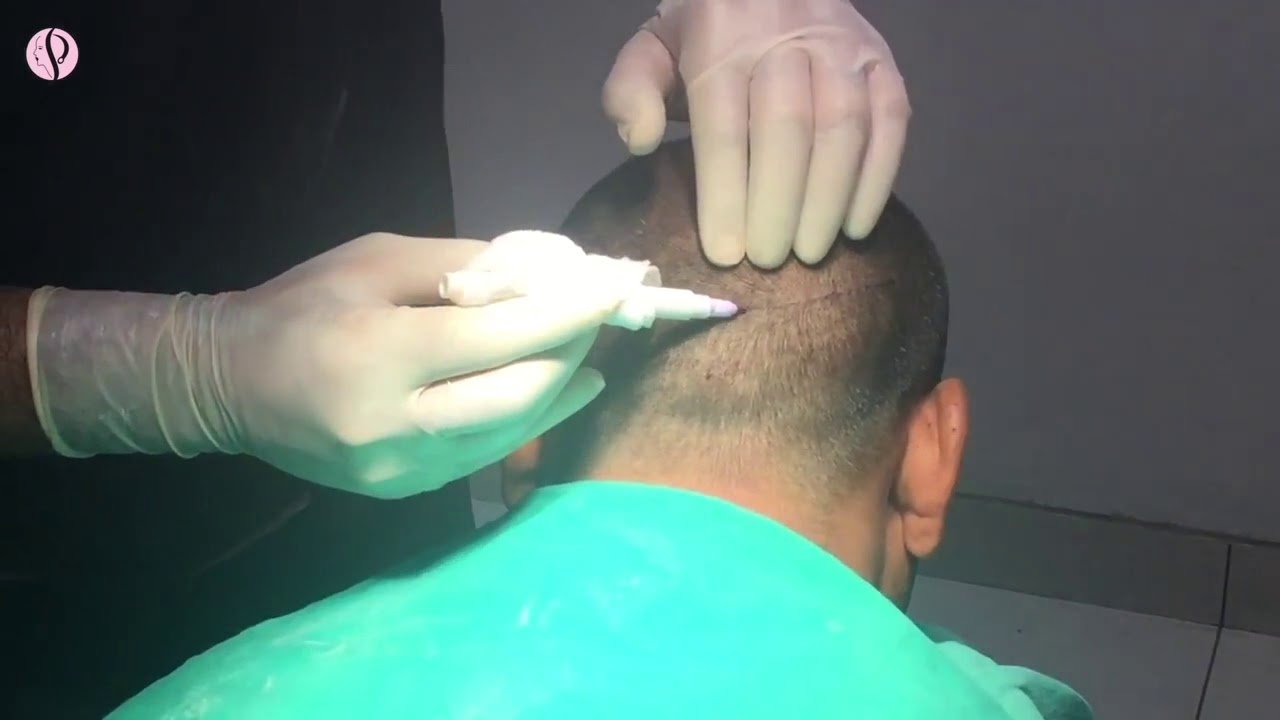
The FUT hair relocate technique includes eliminating a 6 to 10-inch take from the rear of the head or the benefactor region. Then the specialist saves the skin and shuts the scalp cut. This region generally stays concealed inside the hair around it.

In the subsequent stage, the specialist or his group separates the strip into a few minuscule units, each having a singular hair or in dew hairs. The number and kind of hair follicles you see relies upon the nature, condition, and size of the going bald region.

The FUE hair relocate strategy includes separating individual hair follicles from the contributor region. At last, these separated hair follicles are painstakingly relocated onto the beneficiary region, which is the genuine going bald piece of the scalp. As of now, FUE hair relocate utilizes the most outstanding innovation to achieve the most wanted outcome, which includes minimal agony as well as the most un-incidental effects and scarring.

Sooner or later, it might appear to be that both the techniques are something similar, yet they are not. For any accomplished hair specialist like Dr. Sunil Arora from ALCS, the technique might take around 4 to 8 hours to finish the whole system.

Hair Relocate Assumptions

It is normal for patients to encounter a few aggravations and delicacies in the treatment region. The specialist recommends a few drugs for torment and a few anti-infection agents to improve recuperation. Likewise, fundamentals to adhere to the directions are given by the specialist stringently.

However, prior to going through such a hair rebuilding strategy, the vast majority of the patients want to be familiar with the hair thickness that they can accomplish. Remembering this, it is outstandingly fundamental to fathom the hair thickness that you might get from the activity depends on various variables like age, going bald, and the reason behind going bald.

Hair thickness and Hair Relocate

Much prior to going through the strategy, the specialist will initially inspect the thinning up top condition and afterward will assess the quantity of hair follicles that might be expected to conceal the bare patches.

Moreover, the quantity of follicular hair units that are utilized by the specialist that decides the embed will altogether influence the hair thickness in the wake of going through the system. Presently, this makes it colossally fundamental to go through a hair relocate method from the best hair center on the off chance that you mean to accomplish the most ideal outcome.

Be that as it may, there are a few misguided judgments about expanding hair thickness by relocating an overabundant measure of hair onto the going bald regions, which can help them accomplish full hair thickness.

It is fundamental to recollect that relocating overabundant hair follicles can make a critical effect on the general blood stream of the encompassing hair, and that might try and bring about shock misfortune. Thus, it is just an accomplished hair relocate specialist who can gauge what hair thickness will be best for the patient in light of the patient’s normal hair thickness.

Presently, hair thickness can shift generally from one individual to another, and every individual’s hair is one of a kind. Subsequently, the hair thickness after a FUE hair relocate system of one patient can extensively change from each other.

By and large, each individual can anticipate a standard hair thickness of around 30-35 percent of the regular hair thickness after the system.

Best Going bald Counteraction Guidance for Men

Going bald is a typical event for people. The issue is all the more normally found in men when contrasted with ladies. Hence, a hair relocate is more normal among men.

There might be a few reasons for balding like hereditary qualities, stress, utilization of specific meds, horrible eating routine, mineral inadequacy, and contamination.

Balding affects the regard and fearlessness of a man, and results in a compromised character. A man with balding is as a rule on a steady post for different solutions for right balding.

In this article, we will examine the best strategies for balding avoidance in men.

Tips to forestall going bald in men:

1) Protein-rich eating regimen

A nutritious eating regimen high in protein decidedly affects the hair, skin, and generally well being of a person. A portion of the protein-rich food things that can be remembered for your eating regimen are paneer, soy, tofu, lentils, beans, fish, eggs, cheddar, yogurt, lean meat, milk, seeds, and nuts.

2) Regular Hair Wash

Standard hair wash keeps the scalp clean and sans oil. This diminishes the gamble of dandruff and contamination in hair. One should utilize a cleanser which is gentle or natural, to forestall harm of hair because of the unforgiving synthetic substances. Ordinary hair-wash with gentle cleanser forestalls balding.

3) Massage of the Scalp

Rubbing the scalp with oil helps in enacting the hair follicles and further developing the blood course in the scalp. This aids in hair development and halting going bald. Some fundamental hair oils like almond and sesame have hair development properties.

4) Gentle Hair Brushing

It is fitting to forestall cleaning your teeth just after a shower when the hair is wet and is bound to break. In the event that one should brush their hair following a shower, it is prudent to utilize a wide-tooth brush rather than a hairbrush subsequent to unwinding the hair utilizing fingers.

5) Drink a lot of water

One human hair shaft comprises a quarter part water. Drinking at least 6 to 8 glasses of water in a day and remaining hydrated supports sound hair development.

6) Exercise routinely

Some type of moderate activity like strolling, swimming, cycling, yoga, and so forth day to day is an unquestionable necessity to keep the chemicals adjusted and a decrease in anxiety, bringing about less balding.

7) Quitting Smoking

Smoking forestalls bloodstream to the scalp locale bringing about lesser hair development and an expansion in balding. Stopping smoking isn’t just helpful for the hair however, additionally for the general well being of a person.

8) Abstaining from Liquor

Very much like smoking, liquor also forestalls bloodstream to the scalp district causing an expanded going bald and a lessening in hair development. Going without liquor has numerous medical advantages, remembering counteraction of balding and an increment for the pace of hair development.

9) Hair misfortune supplements

Nutrient enhancements help in the counteraction of balding. Vitamin An aids in the creation of sebum, which is valuable for a sound scalp. Vitamin B assists in regular hair with shading maintenance. Vitamin E further develops blood course and keeps the scalp sound and useful to further develop blood dissemination.

10) Avoid pressure

Stress prompts expanded going bald. One can attempt yoga or reflection, take a walk, pay attention to music, or read a book to diminish feelings of anxiety.

11) Mesotherapy

Mesotherapy can be utilized to deal with bald issues like alopecia. The specialist infuses Minoxidil, Finasteride, nutrients, or normal plant extricates into the scalp during the time spent in Mesotherapy. It helps in halting balding and expanding hair development. Minoxidil and Finasteride can likewise be taken as drugs. They help in giving fundamental supplements to the hair, improvement in blood course, and adjusting the chemical levels.

Going bald goes about as an obstacle for some men, genuinely, inwardly, and intellectually.

The above going bald anticipation tips can help in halting balding in men.

One can go through Mesotherapy at the ALCS center, Jaipur, before straightforwardly selecting the hair relocate strategy. Mesotherapy can help in totally halting going bald.

On the off chance that the above tips and Mesotherapy don’t work, one can go through the hair transplant procedure at the ALCS center, Jaipur under the accomplished and talented hands of Dr. Sunil Arora.

The Secret Risks Of Modest Hair Transfers

We live in such a general public where we attempt to profit from the most expensive productive administrations or glimmering bargains in order to set aside a great deal of cash. In any case, individuals pick such a choice that may be inside a financial plan, compromising the item or administration quality.

Exactly the same thing happens with regards to going through a hair relocate method since this hair reclamation strategy is very costly. Presently, with regards to compromising the nature of treatment, you should rethink your choices as no dangers ought to be taken in regards to your wellbeing.

Likewise, choosing a modest careful choice can yield undesired outcomes, however that may likewise make enduring harm to the scalp.

At ALCS center, we endeavor to convey the best hair relocate technique that will give you certainty and lift your confidence. Nonetheless, prior to going through a hair relocate methodology, you should likewise recall that the direct inverse impact may likewise happen assuming you select some unacceptable decision or decide to go through a modest hair relocation.

To guarantee a protected and fast recuperation period, you should realize that numerous unlicensed centers do the systems wrongfully. Assuming you have picked any of these centers, you will be at the main gamble of offering the best arrangements.

So the following are a couple of tips that will get you far from the risks of going through modest hair relocate

Exploring the center and the specialist To keep away from any gamble connected with the hair relocate technique, prior to settling your hair facility, you should make a speedy examination about the chosen facility to check the center’s strategies, the specialists present there and the general authenticity of the center.

You may likewise decide to take a gander at the web-based entertainment surveys to find out about the facility. In the event that you find a couple of negative surveys as well, you should go through those to grasp the disadvantages of the center.

Picking quality over value We have a propensity for picking more prudent choices to set aside cash. Presently, you may now and then get a quality item inside at a reasonable cost, yet by and large, you don’t. Same goes for treatment. Efficiently estimated hair transfers can be your bad dream and can seriously affect your wellbeing and hair.

Many reports guarantee that patients who have settled on an expensive effective choice are forgotten about with an overwhelming outcome, which requires a second strategy to redress the first that will cost you twofold.

Thus, to achieve the best outcome, you should simply choose a certifiable hair center with probably the most experienced hair specialists with regards to playing out the best hair relocate system.

What can be the drawn out gambles related with a modest hair relocate?

Hair relocate is a careful least intrusive technique where the hair specialist picks a sound giver region and afterward removes hair follicles from the head’s back and side to relocate these hair follicles from the head’s top or center to cover the thinning up top region.

The whole treatment plan is performed under neighborhood sedation, and it is crucial to ensure that the specialist present in the facility has insight in carrying out this technique since just an accomplished specialist will actually want to embed the hair follicles cautiously at the right point so the most regular appearance is achieved.

In any case, since this is a surgery, there are high possibilities that it might imply a few difficulties and dangers in the event that it is not performed accurately.

Going through a modest hair transplant may negatively affect your body. Many individuals are left with an inconsistent bothersome look that might be once in a while related with outrageous hair shedding and extreme harm to the contributor region.

Another exceedingly terrible gamble that could show up on the off chance that you decide to go through a hair relocate technique under an unpracticed specialist’s direction is overharvesting that can for all time harm the contributor region.

The condition might deteriorate to such a degree that the patients might try and always be unable to keep their hair short as they would have to keep a long hair to cover the giver region and may influence their self-assurance.

So on the off chance that you are pondering going through a protected hair relocate methodology and gaining the best normal looking appearance, ALCS is the main conceivable choice.

Low-Level Laser Therapy (LLLT): A To Z Guide

The new best practice for hair and skin treatments is laser technology. Thousands of men and women around the world have used low-level laser light therapy (LLLT) for hair restoration to stop mild to moderate hair loss and regrow hair. 

Low-intensity lasers are applied to the scalp and beard during this non-invasive method of treatment. To promote hair development and improve the density and fullness of hair, low-level laser therapy machines emit a certain wavelength and frequency of light. 

In this article, we have discussed every aspect of low the FDA-approved LLLT, which has an 80% success rate.

What Is A Laser Light Therapy?

Low-level laser therapy (LLLT) is a modern, non-surgical hair loss treatment approved by the FDA. It utilizes laser technology to stimulate cell growth and supercharge hair follicles, resulting in improved volume and combating hair loss.

This painless procedure has no known side effects and is particularly effective in treating androgenetic alopecia, female pattern baldness, as well as other forms of alopecia and hair loss.

Additionally, it can effectively address hair loss caused by pregnancy or menopause. Low light laser therapy can also complement other hair loss treatments like PRP therapy and is often used in conjunction with hair transplant procedures, enhancing their effectiveness.

How Does Laser Light Therapy Work?

Low-level laser therapy (LLLT) is a non-invasive treatment method used to stimulate hair regrowth in individuals experiencing hair loss.

It targets hair follicles by utilizing a specific wavelength of light that possesses the unique ability to be absorbed by the molecules within the follicles. 

By harnessing this light energy, LLLT can effectively shift hair follicles into the growth phase, stimulating the regeneration process and promoting the production of thicker and fuller-looking hair shafts.

Stimulation of ATP Production

During LLLT, photons of light act upon cytochrome C oxidase, a key enzyme within the mitochondria of hair follicle cells.

This interaction prompts the production of adenosine triphosphate (ATP), which serves as the primary energy source for cellular processes. The ATP is then converted to cyclic AMP, releasing energy and stimulating metabolic processes necessary for hair growth.

Increased Vascularization

LLLT also facilitates the release of nitric oxide from cells within the scalp. Nitric oxide acts as a vasodilator, causing the blood vessels to dilate and promoting increased blood flow to the targeted region.

This enhanced vascularization ensures the efficient distribution of vital nutrients and oxygen to the hair roots, supporting their health and growth.

Prevention of DHT Build-up

An excessive build-up of dihydrotestosterone (DHT) is known to contribute to hair loss. LLLT helps prevent the accumulation of DHT, which can negatively affect hair follicles. 

By reducing the concentration of DHT, LLLT helps to maintain the health and integrity of the hair follicles, supporting their growth and minimizing hair loss.

Benefits Of Laser Light Therapy For Hair Fall Treatment

Low-level laser therapy (LLLT) is a non-invasive and safe treatment that has gained popularity for its numerous benefits in promoting hair growth.

This therapy utilizes low-level laser devices that are portable, clean, and painless. It is effective for both men and women, offering a convenient and relatively inexpensive solution for hair restoration.

Moreover, LLLT requires a minimal time commitment and has shown no adverse effects. In this article, we will explore the benefits of low-light laser therapy for hair growth.

Hair growth stimulation

One of the primary benefits of low-light laser therapy is its ability to stimulate hair growth. This treatment has shown promising results in promoting hair regrowth on the top of the head/crown and along the hairline of the forehead.

By delivering low-level laser energy to the hair follicles, LLLT enhances blood flow, increases nutrient delivery, and promotes cellular activity, leading to improved hair growth.

Non-invasive and painless

Low-light laser therapy is a non-invasive procedure that does not require any surgical intervention.

It involves the use of handheld devices that emit low-level laser light, which penetrates the scalp without causing any discomfort or pain. This makes it a preferred choice for individuals seeking a painless hair restoration option.

No reported adverse effects

LLLT has been extensively studied, and no adverse effects have been reported. Unlike some medications or surgical procedures, low-light laser therapy does not carry the risk of significant side effects. 

It is considered a safe treatment option for individuals looking to address hair loss concerns.

Minimal time commitment

Another advantage of low-light laser therapy is that it requires minimal time commitment. Treatment sessions typically last for a few minutes, and the recommended frequency is usually a few times per week. 

This makes it a convenient choice for individuals with busy schedules, as it can be easily incorporated into their daily routines.

Portable devices

LLLT devices are portable, allowing users to undergo treatment in the comfort of their own homes. This eliminates the need for frequent visits to a clinic or salon, providing flexibility and convenience. 

Portable devices make it easier for individuals to maintain a consistent treatment schedule, which is crucial for achieving optimal results.

Relatively inexpensive

Compared to other hair restoration treatments, low-light laser therapy is relatively inexpensive. 

While the cost may vary depending on the brand and model of the device, it generally represents a cost-effective option when compared to more invasive procedures or long-term medication use. 

This affordability makes LLLT accessible to a wider range of individuals seeking hair regrowth solutions.

How Is Low-Level Laser Light Therapy Administered

Low-light laser therapy is administered in a salon by trained professionals. The recommended frequency for treatments is two to three times per week.

During the therapy session, the scalp is exposed to light-emitting diodes (LEDs) for a duration of 8 to 15 minutes. This exposure can be achieved through various methods, such as using a bonnet or head cap that contains the LEDs or employing a handheld comb or brush that emits the laser light.

 The purpose of this therapy is to promote blood circulation in the scalp, which can stimulate hair growth. In certain cases, longer durations of therapy may be necessary to achieve the desired results.

The Results Of LLLT

Many individuals who undergo LLLT experience noticeable improvements in their hair thickness and fullness within 2-4 months. This article explores the timeline of results observed during LLLT treatment, highlighting the key milestones and changes that individuals may experience.

0-3 months

During the initial 0-3 months of LLLT treatment, it is common for individuals to notice hair shedding. This shedding occurs as a result of the body’s reaction to the treatment and should be viewed as a positive sign that the therapy is working effectively.

Although hair shedding can be concerning, it is essential to understand that it is a natural part of the hair growth cycle and indicates that new, healthier hair strands will replace the shed ones.

3-6 months

Between the 3-6 month mark, individuals undergoing LLLT treatment typically observe a reduction in hair shedding. This decrease in shedding is a promising sign that the treatment is starting to have a positive impact on hair loss.

Moreover, during this period, individuals may notice that areas previously affected by balding start to show signs of improvement. The hair in these areas may become fuller and denser, contributing to an overall enhancement in hair volume and appearance.

6-12 months

Continuing LLLT treatment beyond the 6-month mark can yield even more significant results. Individuals often report a noticeable reduction in hair loss during this period, as well as a continued improvement in the thickness and fullness of their hair.

The treatment helps to prevent further hair loss by promoting healthier hair growth and improving the overall condition of the scalp.

Disadvantages Of Laser Treatment For Hair Loss

Low-light laser therapy (LLLT), although considered a promising treatment for hair loss, comes with several disadvantages. Firstly, it has limited effectiveness in advanced cases of hair loss, rendering it ineffective for individuals experiencing severe or extensive hair thinning.

Additionally, one major drawback of LLLT is the extended duration required for noticeable results to appear. Patients often need to undergo several months of treatment before witnessing any significant improvement.

Another crucial factor to consider is that LLLT is not suitable for individuals taking photosensitizing medications, as it can lead to adverse reactions or complications. 

Lastly, the selection of LLLT devices needs to be done with caution, as the effectiveness of the treatment can vary based on the quality and specifications of the device used.

Suitable Candidate For LLLT

The suitable candidates for low-light laser therapy are men and women experiencing thinning hair or pattern baldness due to a hereditary condition.

The Norwood-Hamilton Classification is used to describe the degree of hair loss in men, while the Ludwig-Savin Scale is employed for women. Low-light laser therapy is beneficial for men with hair loss falling within the range of IIa to V, as it promotes hair growth in these individuals. 

For women, the therapy is effective for hair restoration in cases categorized as Ludwig (Savin) I-4, II-1, II-2, or frontal patterns of hair loss.

Cost of low light laser therapy in Hair Loss

The cost of low-level laser light therapy for hair loss treatment varies depending on the type of device being used. Home-based devices generally have a lower price compared to treatments carried out in a dermatological setup.

The cost typically starts from £45 per session, although this can vary depending on the extent of your hair loss and the specific treatment program recommended. It is often recommended to undergo a six-month treatment program for optimal results.

Laser Cap And The Cost Of LLLT Equipment?

There are many portable devices available for low-level laser therapy (LLLT), including tabletop devices, wearable devices, handheld devices, and laser combs. However, it’s important to note that not all devices have received FDA clearance or undergone electrical safety testing.

Therefore, it is advisable to consult a medical professional before choosing a device.

A Google search will reveal countless options for LLLT caps, bonnets, helmets, and other equipment. The cost of these devices varies widely. 

Lower-powered options can be found starting at just under $1,000, while higher-powered options can cost double or triple that price. For example, some devices start at $999, while others can go up to $2,400.

In addition to caps and helmets, laser combs are also popular. These can be found for around $100. There are also LLLT bands available, which typically cost about $700.

When considering purchasing LLLT equipment, it is essential to research the different therapies, procedures, and products available, as well as their safety and effectiveness. Consulting a medical professional can provide valuable guidance in selecting the most suitable device for individual needs.

Low-Level Laser Therapy – A New Alternative To Restore Life To Your Hair

Genetic hair loss is a common concern, and several popular treatments such as finasteride, minoxidil, and hair transplants have been utilized to address this issue.

Low-level laser therapy (LLLT) has emerged as a new and increasingly popular treatment option. In this article, we will focus on two key points regarding low-light laser therapy: the use of laser caps or combs and the suitability of LLLT for different stages of hair loss.

Laser Cap or Comb

LLLT devices, such as laser caps or combs, emit red laser light that gently stimulates the hair follicle cells.

These devices are portable and can be conveniently used at home. Using the device for approximately 15 minutes per day has the potential to strengthen the hair.

It is important to consult a doctor for specific directions on the use of the device and to determine the appropriate device type suitable for individual needs.

Suitability for Different Stages of Hair Loss

Low-level laser therapy is most suitable for patients in the early stage of hair loss.

Individuals in advanced stages of hair loss or with extensive baldness may not find LLLT as effective.

It is recommended to undergo 5 to 10 treatment sessions every two weeks for potential benefits.

Consulting with a healthcare professional is crucial to determine the most suitable treatment option based on the stage of hair loss and individual circumstances.

LLLT Increases Hair Growth

Low-light laser therapy increases hair growth by stimulating dormant hair follicles and targeting regions of the scalp affected by balding.

This technology utilizes specific wavelengths of light to penetrate the scalp, improving blood flow to the follicles and promoting the delivery of nutrients and oxygen necessary for healthy hair growth. 

Clinical studies have shown a remarkable 39% increase in hair growth and significantly improved hair count among individuals undergoing this therapy. The use of a laser cap, which emits low-level laser light evenly across the scalp, has been identified as a safe and effective method to achieve these results.

Laser cap benefits

low light laser therapy, or laser cap therapy, offers several benefits for individuals seeking a drug-free, natural, and convenient solution for hair loss. With no side effects, no downtime, and pain-free treatment,

Drug-free treatment 

Low-light laser therapy offers a drug-free approach to addressing hair loss. Unlike medications or topical treatments that may come with potential side effects or require long-term usage, laser cap therapy focuses on utilizing specific wavelengths of light to stimulate hair follicles and promote hair growth naturally.

100% Natural 

One of the significant advantages of low-light laser therapy is that it is a completely natural treatment method. 

The laser light used in this therapy mimics the natural light spectrum and does not involve any synthetic or artificial substances. This makes it a safe and holistic option for individuals who prefer natural solutions.

No side effects 

Since low-light laser therapy does not involve drugs or invasive procedures, it is generally well-tolerated and has minimal side effects.

Unlike certain medications or treatments that may cause adverse reactions, laser cap therapy is considered a safe and low-risk option, making it suitable for a wide range of individuals.

Done on your time 

One of the convenient aspects of low-light laser therapy is that it can be done on your own time. Laser caps are designed to be portable and can be worn at home or while engaging in daily activities. 

This flexibility allows individuals to integrate the therapy into their routine without the need for frequent visits to a clinic.

No downtime 

Unlike surgical hair restoration procedures or certain treatments that may require downtime for recovery, low-light laser therapy does not involve any downtime. 

There is no need to take time off work or disrupt your regular schedule to undergo this therapy. It offers a hassle-free option for individuals looking for a convenient hair loss treatment.

Pain-free 

Low-light laser therapy is a pain-free treatment option. The laser cap emits a low-level light that is not felt as heat or discomfort on the scalp. Individuals can undergo the therapy without experiencing any pain or discomfort, enhancing the overall treatment experience.

Natural, gradual results 

While low-light laser therapy does not offer immediate or overnight results, it provides natural and gradual improvements over time. 

Consistent use of the laser cap stimulates hair follicles, promotes blood circulation, and encourages hair growth. With regular and sustained use, individuals may notice thicker, fuller hair and a reduction in hair loss.

Can be used with other treatments

Low-light laser therapy can be used in conjunction with other hair loss treatments. Whether individuals are already utilizing medications, topical solutions, or even undergoing hair transplant procedures, laser cap therapy can complement these interventions, potentially enhancing their effectiveness and improving overall hair growth outcomes.

Low-Level Laser Therapy For Pattern Balding

Low-level laser therapy (LLLT) is increasingly being advocated as a viable treatment option for pattern balding, a condition that affects a significant percentage of both men and women.

While traditional treatments such as minoxidil, finasteride, and hair transplantation remain popular, LLLT offers a safe and promising alternative or adjunctive approach. LLLT devices emit a specific wavelength of light that can penetrate the scalp, stimulating hair growth and improving hair density. 

Various types of lasers, including Excimer (308 nm), helium-neon (632.8 nm), and fractional erbium-glass (1550 nm) lasers, have been utilized in LLLT for hair loss. This treatment can be administered through different equipment options, including in-salon hoods or overhead panels, bonnet or head caps, and handheld devices.

What To Realistically Expect

Low-light laser therapy (LLLT) is incredibly effective at treating thinner and weaker hair follicles, resulting in thicker, stronger, and healthier hair growth. This treatment significantly improves the appearance and volume of the hair. In approximately 85% of cases, LLLT can slow down or even stop hair loss.

However, LLLT does not work for individuals with long-standing baldness, as there are no hair follicles left to stimulate. The treatment is most effective when started immediately, offering maximum hair restoration benefits during the early stages of hair loss. 

Combining LLLT with platelet-rich plasma (PRP) therapy can yield enhanced results. 

However, it is crucial to manage expectations as the effectiveness of LLLT is limited in the advanced stages of hair loss. Gradual improvement can be observed over several months of consistent treatment.

What Are The Positives Of Laser Treatment For Hair Loss?

Low-light laser therapy (LLLT) offers several positive aspects. Firstly, it is a non-invasive treatment, meaning it does not require any surgical procedures or incisions.

This makes it a safer and more comfortable option for individuals seeking therapy. Secondly, LLLT is a painless procedure, allowing patients to undergo treatment without experiencing any discomfort.

Additionally, LLLT has been reported to have no side effects, ensuring minimal risks or complications for patients. Lastly, one of the significant benefits of LLLT is its ability to increase hair strength. 

This makes it an attractive option for individuals dealing with hair loss or thinning, as it promotes healthier and stronger hair growth.

What Are The Negatives Of Laser Treatment For Hair Loss?

Low-light laser therapy, despite its potential benefits, does come with several drawbacks. Firstly, it can be time-consuming, requiring multiple sessions to achieve noticeable results.

Additionally, the cost of undergoing this therapy can be quite high, making it inaccessible for some individuals. Moreover, it is important to consider that low-light laser therapy may interact with certain medications, potentially leading to adverse effects. 

Lastly, one must be cautious as the long-term safety and effectiveness of this treatment have not yet been fully established.

FAQ

What happens during the procedure?

During a low-light laser therapy procedure, a specialized laser therapy machine is positioned over the head of the patient. This machine utilizes diodes that emit light at a specific wavelength and frequency of 650nm.The purpose of this therapy is to deliver low-level light therapy directly to the hair follicles. The treatment targets the entire scalp simultaneously, ensuring comprehensive coverage. To enhance the effectiveness of the procedure, multiple lasers are directed toward the areas most commonly affected. This approach aims to achieve improved results in treating hair-related concerns.

What are the risks of LLLT?

While low-light laser therapy is generally considered safe and painless, there is a potential risk of adverse effects associated with incorrect usage or inappropriate application techniques.

Is LLLT painful?

Low-light laser therapy is a painless procedure that typically lasts 20-25 minutes, providing a comfortable experience for patients.

Synthetic Hair Transplant: Comprehensive Guide

While artificial hair transplants may appear like a promising solution for those who have no other choice, it’s crucial to recognize that if they choose to have the procedure, they will also be responsible for all the hazards involved.

Synthetic hair transplants replaced traditional ones in the late 1970s. In this article, we discussed a surgical treatment that involves transplanting individual hair strands, not wigs or other hair accessories.

Let’s look at this amazing process, its components, and its sequential steps.

What Is A Synthetic Hair Transplant?

A synthetic hair transplant is a surgical procedure in which synthetic fibers are implanted into previously bald areas. This treatment is performed by qualified and experienced physicians using specialized hair implant devices.

Each strand of synthetic hair has a knot at its end to prevent it from slipping out of the scalp. Synthetic hair strands are known to be more durable than natural hair and are biocompatible; however, a fiber compatibility test is performed before the procedure to ensure the synthetic hair is suitable for the patient’s skin.

The surgeon uses special implanters to implant up to 100 strands of artificial hair into the bald area. This outpatient procedure involves a light surgery, and an adverse reaction should be detected after the implantation of 100 strands. 

Synthetic hair is available in different lengths, shapes, and colors to create a natural-looking hairline.

What Is The Significance Of A Synthetic Hair Transplant?

While traditional hair transplant techniques involve using a patient’s own hair follicles, synthetic hair transplant is an alternative option that offers several advantages in certain situations.

In this section we will explore the significance of synthetic hair transplants as a viable option for extreme baldness where conventional techniques are impossible.

A viable option for extreme baldness

Synthetic hair transplant is an effective alternative for individuals with extreme baldness or hair loss, where traditional hair transplant techniques may not be possible due to the lack of donor’s hair.

In such cases, synthetic hair transplant provides an option for restoring a full head of hair without a donor site.

Can be sought at any time during your life

Unlike traditional hair transplant procedures that require a certain amount of hair growth, synthetic hair transplants can be performed at any time during a patient’s life, making it a convenient option for those who want to restore their hair at any age.

Outpatient procedure

A synthetic hair transplant is an outpatient procedure that does not require the patient to take leave from work or their daily routine. The procedure typically takes a few hours to complete, and the patient can go home on the same day.

No substantial post-operative procedure

Unlike traditional hair transplant procedures, synthetic hair transplant requires minimal post-operative care. Routine cleaning and follow-up appointments are necessary, but the patient does not have to undergo any substantial post-operative process.

Hair can be seen immediately

One significant advantage of synthetic hair transplant is that the results are visible immediately after the procedure. The patient can see a full head of hair right away, without waiting for the transplanted hair to grow.

Hair does not turn grey or white

Synthetic hair does not turn grey or white as a patient ages, unlike natural hair. It means that the patient can enjoy a full head of hair without worrying about the effects of aging.

Comparatively less expensive

Synthetic hair transplant is generally less expensive than traditional hair transplant procedures. The cost varies depending on the number of hair strands required, but overall, it is a cost-effective option for those looking to restore their hair.

Various colors and types

Synthetic hair transplant offers a range of colors and types to suit any hair texture, making it a versatile option for those looking to restore their hair. 

This allows patients to choose a hair color and texture that matches their natural hair or to experiment with different looks.

Are There Any Side Effects And Complications Of This Procedure?

Synthetic hair transplantation may come with some side effects that patients should be aware of. Here are some of the potential side effects of synthetic hair transplantation:

Rejection by the immune system

Synthetic hair is a foreign body, and the immune system may recognize it as such and trigger an allergic reaction. It can cause a variety of symptoms, including redness, itching, and swelling.

Breakage of transplanted hair

Approximately 30% of the transplanted synthetic hair may break within a year and require reimplantation. It can be an additional cost to the patient and may result in a less satisfactory outcome.

Headaches

In rare cases, patients may develop migraine-like headaches following the procedure.

Damage to surrounding hair

In some cases, synthetic hair may cause the surrounding natural hair to be destroyed, resulting in further hair loss.

Itching

The scalp may become itchy following the treatment, and patients should avoid scratching because the hair grafts are delicate and sensitive.

Special hair products

Patients should only use the recommended hair products that are suitable for synthetic hair to maintain its appearance and longevity.

Scalp cleansing

It is necessary to have regular scalp cleansing performed by a professional to avoid the accumulation of sebum plugs.

Destruction of surrounding native hair

There is a possibility that the procedure may destroy the surrounding natural hair in the long run, especially if the area is not completely bald.

Poor blood circulation

Continuous reimplantation of synthetic hair can lead to poor blood circulation, decreasing the survival rate of existing hair.

Long-term risks

Although not verified, cancer is a potential long-term risk of artificial hair implantation.

Eligible Candidate For Artificial/Synthetic Hair Implant Procedure?

Synthetic hair transplantation is a procedure that involves the implantation of synthetic hair into the scalp to restore hair growth. It is an option for individuals who have limited donor areas, suffer from extremely low-density hair, or are completely bald.

We will discuss the eligibility criteria for synthetic hair transplants. Eligibility Criteria for Synthetic Hair Transplant:

Limited donor area or exhausted donor area

If an individual has limited donor areas or has already undergone FUT or FUE transplant and has exhausted their donor area, then they may be eligible for synthetic hair transplantation.

Want instant results

Individuals who do not want to wait for a few months for the hair to grow after FUT or FUE transplant may opt for synthetic hair transplantation. Synthetic hair transplantation offers instant results.

Good health and scalp health

An individual must be in good overall health and have good scalp health to be eligible for synthetic hair transplantation.

No sensitivity or medical conditions

Individuals who do not suffer from sensitive skin or scalp problems, HIV, hepatitis, uncontrolled diabetes, asthma, heart problems, autoimmune diseases, hypertension, or high blood pressure, and are not taking blood thinners or beta-blockers may be eligible for synthetic hair transplantation.

Extremely low-density hair or completely bald

Individuals who suffer from extremely low-density hair on the scalp or are completely bald may be eligible for synthetic hair transplantation.

Pass the tolerance test

Individuals who pass the tolerance test with no sensitivity to synthetic hair may be eligible for synthetic hair transplantation.

Prepared to follow aftercare guidelines

Individuals who are prepared to follow the proper scalp aftercare and hygiene guidelines may be eligible for synthetic hair transplantation.

Need for touch-ups

Individuals who are willing to undergo touch-ups to maintain the hair may be eligible for synthetic hair transplantation.

How Is The Synthetic Hair Implant Procedure Performed?

The procedure of synthetic hair transplant begins with a fiber compatibility test to ensure that the patient is not allergic to synthetic hair. The process involves inserting 100 artificial hairs in the first month, which are monitored for nearly a month for any allergic reactions.

Once there are no signs of any allergic reactions, the full procedure is performed. Patients are required to visit the clinic every month for follow-ups and scalp cleaning, which involves removing sebum plugs and preventing infection, inflammation, and even cysts. 

It is crucial to maintain regular follow-ups to ensure the success of the synthetic hair transplant procedure.

The synthetic hair transplant procedure involves several steps, which are as follows:

  • The first step is to anesthetize the scalp with local anesthesia to minimize any discomfort or pain during the procedure.
  • Next, the doctor uses an automatic hair implant device to implant each hair strand into the scalp. The device inserts and hooks the knot at the end of each strand inside the scalp fascia. 
  • The process is done one by one until the desired hair density is achieved. The implantation process continues until the doctor reaches the appropriate hair density. This may take several hours to complete, depending on the extent of the hair loss.
  • Once the implantation is complete, the doctor will cleanse the scalp with a disinfectant to prevent any infections. It is essential to keep the scalp clean and free from infection during the recovery period.

What Are The Advantages Of Artificial/Synthetic Hair Implantation? 

Synthetic hair fibers are implanted into the scalp to create the appearance of natural hair growth. In this column, we will discuss the advantages of synthetic hair transplants.

Simple, quick, and painless procedure

Synthetic hair transplantation is a simple, quick, and painless procedure. The implantation process is relatively straightforward and can be completed in a couple of hours.

Natural aesthetic results

Synthetic hair fibers are designed to look and feel like natural hair, providing an immediate, improved appearance. Unlike traditional hair transplant procedures, you don’t have to wait for the hair to grow.

High hair density in a couple of hours

Synthetic hair transplantation can create high hair density in just a few hours, making it an ideal option for those looking for immediate results.

Outpatient procedure

Synthetic hair transplantation is an outpatient procedure, which means you can get back to your active lifestyle immediately after the implant.

A good option for patients with a limited donor area for a hair transplant

Synthetic hair transplantation is a good option for patients with a limited donor area for hair transplant. It does not require donor hair, unlike traditional hair transplantation procedures.

Highly affordable procedure

 Synthetic hair transplantation is highly affordable compared to traditional hair transplantation procedures, making it accessible to a wider range of people.

Can be performed alone or in combination with other procedures

Synthetic hair transplantation can be performed alone or in combination with other procedures, depending on the individual’s needs.

How Many Biofibers Of Artificial Hair Can Be Implanted In A Single Session?

During a hair transplant session, synthetic hair can be transplanted under the effect of local anesthesia. The number of synthetic hairs that can be transplanted in a session varies depending on the duration of the procedure.

Typically, it takes around 2 hours to transplant 500 synthetic hairs and 3 hours to transplant 1000 synthetic hairs. Patients can return to their routine on the same day after the procedure. 

The maximum number of synthetic hairs that can be transplanted in a single session is up to 2000 hairs.

How Long Will It Take To Recover From An Artificial/Synthetic Hair Implant Procedure? 

Recovery from a synthetic hair transplant is relatively easy, with no significant downtime. Patients can resume their normal lifestyle immediately after the procedure.

There may be some minor swelling and redness in the treated area, which will gradually subside over the next few days. Patients are advised to avoid vigorous exercise and strenuous activities for the first few days after the procedure to minimize the risk of dislodging the newly transplanted hair follicles. 

The surgeon will provide detailed aftercare instructions to help ensure a smooth recovery and optimal results.

Are There Any Pre And Post-Treatment Guidelines For Artificial/Synthetic Hair Implants? 

Before undergoing a synthetic hair transplant, a thorough discussion of medical history, general physical examination, and some medical tests are required.

The doctor may prescribe certain products that need to be used regularly to make your scalp suitable for hair implantation. It is important to follow the post-treatment guidelines provided by the clinic, which include not using regular hair products such as gels, hair dyes, etc. 

The implanted hair should be washed with a gentle shampoo, and a soft brush should be used to comb it. It is also important to cleanse your scalp regularly, but the scalp should be treated very gently. 

Medications and antibiotics may be prescribed by the doctor to prevent infection. Lastly, hair maneuvers and scratching should be avoided to prevent damage to the implanted hair. 

By following these guidelines, the best possible results can be achieved after a synthetic hair transplant.

What Is The Cost Of Artificial/Synthetic Hair Implantation In India? 

The cost of a synthetic hair transplant can vary depending on various factors. On average, it can range from Rs.85 to Rs.120 per strand. Factors such as the number of strands required, the complexity of the procedure, the location of the clinic, and the experience of the surgeon can influence the cost.

Are The Results Of Artificial/Synthetic Hair Implantation Permanent? 

The results of synthetic hair transplants are not permanent and reimplants are needed every year to maintain the desired level of hair growth.

The longevity of the synthetic hair strands can vary depending on the individual’s scalp condition and how well they follow the post-transplant care instructions. 

In some cases, the synthetic hair may last up to two years, but it is not uncommon for patients to require reimplants every year. 

It is essential to consult with a hair transplant specialist to understand the potential outcomes of synthetic hair transplants and whether it is a suitable option for the individual’s specific hair loss condition.

What Is Artificial Hair Fibres?

Artificial hair fibers are synthetically derived monomers of highly purified nylon material that are used in an aesthetic medicine procedure to improve hair thickening. 

These fibers are ideal when an immediate aesthetic result is required and can be customized to match any color, length (ranging from 15 to 45 cm), and shape (straight, wavy, or curly) to match the natural hair of the individual. 

While synthetic hair fibers are undetectable to natural hair, they do run the risk of rejection in some cases. Therefore, it is essential to consult with a hair transplant doctor to determine if artificial hair fibers are a suitable option for the individual.

Durability Of Artificial Hair Fibers

Artificial hair fibers require utmost care and cleaning during the initial stage for at least seven days as they are fragile and delicate. 

It is important to follow up regularly with cleaning and removal of crusts to ensure the longevity of the artificial hair fibers, which is typically two to three years. 

Further implant sessions are typically performed after three to four weeks on the same area of the scalp and after one to two weeks on a different area. Therefore, maintenance and follow-up are crucial for the durability of artificial hair fibers.

How To Take Care Of Synthetic Hair

After an artificial hair fiber implant, immediate post-implant treatment includes local and general antibiotic treatment for 5-6 days. During this time, hair should be handled with care, avoiding abrupt maneuvers, as complete adhesion of hair requires 20-30 days.

It’s important to note that artificial hair fibers never grow in length or number, and the selected length of fiber is chosen according to the client’s requirements. 

Regular washing and combing can be started from the 7th day onwards, which can help maintain the artificial hair fibers in good condition.

Is Repeated Biofibre Implantation Harmful?

Repeated synthetic hair transplant can also be harmful, as the synthetic materials used may cause irritation, inflammation, or infection of the scalp. 

While it can help refill the lost fibers and maintain the outlook, it can also lead to mild swelling in the forehead which usually goes away within 3-4 days. As synthetic hair implant lasts 8-10 years, a second procedure may be needed.

However, repeated synthetic hair transplants may cause more severe side effects, such as hair breakage, scalp damage, or even permanent hair loss, and therefore should be avoided. 

It is always advisable to consult with a medical professional before considering any hair transplant procedure.

Is An Artificial Hair Transplant Safe?

Synthetic hair transplant, which involves the implantation of foreign bodies into the scalp, is considered safe. While people may sometimes confuse it with hair transplantation methods used in the 80s, synthetic hair transplant produces good results.

It’s important to follow the aftercare advice provided by the doctor, which may include taking a 7-day course of antibiotics after the surgery. While there are some potential side effects, such as infection, the success rate for synthetic hair transplants is generally high, with 95-98% of implants being successful. 

Only 2% of cases experience infection, which can be managed with proper care and attention.

Artificial Vs Real Hair Transplants

Hair transplantation is a cosmetic procedure that involves moving hair from one part of the body to another. While traditional hair transplant uses real hair, synthetic hair implant has emerged as an alternative solution.

Here, we’ll explore the similarities and differences between these two methods, and which one may be the right choice for you.

Normal Hair Transplant

  • Natural hair will perfectly match your existing hair, providing a seamless and realistic result.
  • You will not need regular top-up treatments as the transplanted hair will continue to grow and shed like your natural hair.

Synthetic Hair Transplant

  • You can bleach or use permanent chemical treatments on synthetic hairs, providing more versatility in styling.
  • You may need a large number of implants and multiple sessions as synthetic hairs typically come in smaller units.
  • If you cut the fibers, they won’t grow back, so you’ll need to stick with the same hairstyle.
  • Artificial hair won’t age in the same way as natural hair, so you may see color and texture differences as you age.

The Difference Between A Hair Transplant And A Hair Implant

Although many people might initially confuse these, they are very different. If you’re also thinking about getting a transplant or an implant, you need to be well aware of what each one requires. We discuss the key variations between the two in the sections below.

Hair Transplant

A hair transplant is a surgical procedure that involves the removal of hair follicles from denser areas of the scalp, known as the donor zone, which are then implanted into areas with less hair, known as the recipient zone. 

The procedure is performed under local anesthesia by highly trained doctors. Since the hair follicles come from the same person, there is no risk of rejection. However, it may take six to eight months for the transplanted hair to grow and become fully visible.

Hair Implant

Hair implantation involves the placement of artificial hair into already dead follicles on the scalp. The results of hair implantation are immediately visible, and hair does not need to be taken from the donor area.

 However, hair implants have a higher risk of being rejected by the body compared to hair transplants. Additionally, there is a risk of scalp infections with this procedure. Therefore, it is essential to carefully consider the risks and benefits of hair implantation before undergoing the procedure.

Does An Artificial Hair Transplant Give You Natural Looks?

Artificial hair transplant techniques can provide a relatively acceptable look, but it is important to note that this appearance cannot be preserved later.

Unlike natural hair, artificial hair is not a part of the human organism, which can give it a dull appearance. Additionally, the process requires the transplantation of additional hair strands, which can be a costly procedure. 

There are also concerns about the long-term cost-effectiveness of artificial hair transplant methods. Overall, while an artificial hair transplant can provide some improvement in appearance, it is crucial to consider all of the potential drawbacks and limitations before deciding on this option.

Additional Complications Of Synthetic Hair Transplant

Synthetic hair transplant has been known to have several additional complications. The thin dermal tissue in the temples and low frontal hairline areas can cause difficulty inserting synthetic hair fibers, leading to a higher risk of apparent inflammation and scar formation.

Moreover, 15-20% of the transplanted artificial hair fibers may fall out every year, and the estimated life span of synthetic hair is around 8 to 10 years. Heat and chemicals can cause damage to the synthetic hair strands, and the insertion process can lead to permanent scalp damage. 

All these factors should be taken into consideration while considering synthetic hair transplant as a hair restoration option.

FAQ

How Long Does Synthetic Hair Transplant Last?

A synthetic hair transplant typically lasts 7 to 8 years before experiencing a 10% loss each year.

Can Synthetic Hair Damage Your Hair?

Synthetic hair has the potential to damage natural hair, but taking proper precautions can help minimize the risk of damage.

Is Synthetic Hair Expensive?

Synthetic hair is generally more affordable than wigs, and it is also known for being comfortable and lightweight.

Does Synthetic Hair Look Fake?

While synthetic hair may have an unnatural shine, its visual quality is generally good, and it can feel natural to the touch.

Can You Shower With The Synthetic Hair?

It’s generally safe to shower with synthetic hair using lukewarm water, as hot water can damage the strands and dull their shine.

How does synthetic hair transplant work?

For those who are unable to undergo conventional transplants due to a lack of donor hair or medical issues, artificial hair transplants are a therapy option. This technique, which acts as an alternative to actual transplants, is known as “bio fibre.”

FUE vs. FUT: Which Hair Transplant Method is Right for You?

A hair transplant is done to add hair to a part of your head that may be bald or where your hair may be receding. Candidates for hair transplants can want the treatment because they are self-conscious about their baldness and look better overall.

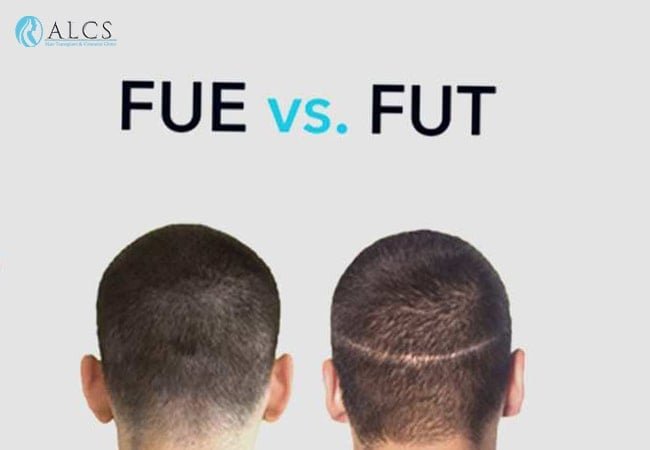
 In an FUE process, hair follicles are extracted individually and then transplanted to different locations on the scalp; in a FUT operation, the scalp is removed in a long strip, the follicles are separated, and the grafts are replanted.

What Are FUE And FUT Hair Transplant Techniques?

Follicular Unit Transplant (FUT), also known as the strip method, and Follicular Unit Excision (FUE) are two primary techniques used in hair transplant procedures.

Both approaches have demonstrated high success rates in hair restoration. In FUT, the surgeon extracts a strip of donor skin from the scalp, while in FUE, individual follicular units are directly excised from the scalp. 

These procedures offer productive solutions for individuals seeking to restore their hair and address issues of hair loss.

FUE

Follicular Unit Extraction (FUE) is a hair transplant technique that has gained popularity over the traditional Follicular Unit Transplantation (FUT) method. In FUE, individual follicular units are harvested from the scalp, unlike in FUT where a strip of tissue is removed.

During an FUE procedure, the scalp is shaved, and follicular unit grafts are excised individually. A motorized surgical tool is used to create microscopic circular incisions on the scalp, typically with a 0.8mm to 1mm punch. 

It allows the surgeon to harvest hair from the donor area without creating a linear scar, unlike a FUT that can leave a noticeable scar at the donor site.

The extraction of follicular units through FUE leaves a series of tiny dot scars on the scalp, which are less conspicuous compared to the linear scar from FUT. These dot scars tend to be less noticeable, especially when hair grows back and covers the area.

If multiple sessions are required, the donor area may gradually thin out due to the extraction of follicular units. 

However, it is essential to ensure an adequate donor supply for a long-term plan, taking into consideration the available hair in the donor area.

FUT

Follicular Unit Transplantation (FUT), also known as strip surgery, is a hair transplant procedure that involves the following steps:

  • A strip of hair-bearing skin is surgically removed from the donor area, typically the back or sides of the scalp.
  • The amount of donor’s hair available is influenced by the looseness or laxity of the scalp skin.
  • The hair density per square centimeter in the donor scalp determines the potential donor hair yield.
  • The strip of hair-bearing skin is carefully dissected under high-powered microscopes to create tiny grafts of individual follicular units, which can consist of one to four hairs each.
  • The dissected grafts are placed in a chilled tissue storage solution to maintain viability and quality.
  • The donor area is stitched up using sutures, and the surrounding hair covers the stitches.
  • Between 10 and 14 days after the procedure, the physician removes stitches.

Comparison Table (Procedure, Scarring, Cost, Recovery, Results, Etc.)

Follicular Unit Extraction (FUE) and Follicular Unit Transplantation (FUT) are two popular techniques for hair transplantation.

In terms of procedure, FUE involves the extraction of individual hair follicles from the donor area using a punch tool, while FUT requires the removal of a strip of scalp from the donor zone, from which the hair follicles are extracted.

FUE results in tiny, dot-like scars scattered across the donor area, whereas FUT leaves a linear scar that can be concealed with longer hair. In terms of cost, FUE is generally more expensive due to the time-consuming nature of the procedure. 

Recovery is typically faster with FUE as it requires minimal healing time and causes less discomfort. FUT, on the other hand, may require a prolonged recovery period due to the surgical incision. 

Both techniques can produce natural-looking results, but FUE is often preferred for patients with smaller areas to be transplanted, while FUT may be more suitable for individuals with larger areas of hair loss.

FeaturesFUTFUE
Shaving /Trimming of headnot neededneeded
Costcheaperexpensive
Large areaspossibledifficult
Stitches requiredYesNo
Visible scarring with short hair at backMay be presentTiny dot like scars
Pain after the procedureMinorNone
Time required for the procedureShortLonger
Healing time: donor area2-3 weeksApproximately 1 week
Healing time: recipient areaAround  2 weeks10–14 days
Amount of time after which patient may return to workNext dayUsually the next day, BUT SOME DISCMFORT FOR2 WEEKS
Natural resultsYesYes
Transection rate (grafts damaged during extraction)Varies 1–2%2-5%

Pros And Cons

FUE offers the advantage of minimal scarring, and quicker recovery, and is suitable for smaller areas. FUT, on the other hand, provides a more cost-effective option and allows for extensive transplant sitting, but leaves a linear scar and requires a lengthy recovery period. 

Here, we have discussed detailed information on the pros and cons of FUE and FUT hair transplant techniques.

FUT hair transplant pros

The consultant can discuss specific advantages and disadvantages of FUT in your case. They can provide personalized guidance and help determine the most suitable approach for your desired outcomes and preferences.

  • FUT (Follicular Unit Transplantation) typically yields a higher growth rate of transplanted hair compared to the FUE (Follicular Unit Excision) procedure. It is because the grafts extracted in FUT are usually larger and contain more follicular units, which have a higher chance of successful transplantation and regrowth.
  • FUT utilizes precise stereo-microscopic dissection techniques, which minimize the transection or damage of hair follicles during extraction policy. 
  • It ensures a higher percentage of viable grafts for transplantation and improves the overall success rate of the procedure.
  • The entire donor area needs to be shaved for extraction, FUT does not require complete shaving of the head. 
  • Only a narrow strip of the donor’s hair is trimmed, allowing patients to maintain their endure hairstyle and conceal the procedure more easily during the healing phase.
  • FUT is generally less expensive than FUE. The FUT procedure requires less time and resources for extraction, making it a cost-effective option for individuals seeking hair transplantation.

FUT hair transplant Cons

The major drawback of FUT is the linear scar that remains after the procedure. The strip of the donor’s hair that is removed leaves behind a visible scar, especially if the hair is cut very short or shaved.

While the mark can be concealed by longer hair, it can be a concern for individuals who prefer shorter hairstyles or those who wish to keep their hair at a shorter length.

Due to the linear scar left by FUT, it may not be possible to keep the back of the hair very short, such as with a #2 or #3 guard or a fade with a razor. The scar may be noticeable at these shorter lengths that can limit hairstyle options for some individuals.

Some patients may experience more discomfort or pain at night following FUT compared to FUE. However, pain perception is subjective and can vary from person to person. 

While not everyone experiences severe postoperative pain, it is a possibility that should be taken into consideration when choosing the transplantation method.

FUE hair transplant pros

FUE hair transplant offers a minimally invasive technique that allows a quicker recovery time compared to traditional methods, ensuring less discomfort and scarring for patients.

  1. No Linear Scar

One of the significant advantages of FUE (Follicular Unit Extraction) is that it does not leave a linear scar on the donor area of the scalp. Instead, individual follicular units are extracted using tiny punches, leaving small, circular scars that are barely noticeable.

  1. Minimal Post-operative Pain

Compared to FUT (Follicular Unit Transplantation), FUE generally involves less post-operative pain. Since FUE does not imply the removal of a strip of scalp tissue, patients typically experience minimal discomfort and a faster recovery.

  1. Short Hair Wearability

With FUE, hair can be worn short without the risk of a visible linear scar. It is particularly advantageous for individuals who prefer shorter hairstyles or have a professional requirement to maintain a neat appearance.

  1. Faster Donor Area Healing

In most cases, the healing time in the donor area is shorter with FUE compared to FUT. Since FUE involves individual follicular unit extraction, the healing process is generally quicker, allowing patients to resume their regular activities sooner.

  1. Cosmetically Acceptable Scarring

While FUE does leave multiple tiny scars, these scars are usually less noticeable compared to a single linear mark from FUT. 

However, it’s worth noting that if the hair is cut short, thousands of pin-sized scars may become more visible, resulting in a moth-eaten or patchy appearance.

FUE hair transplant Cons

FUE hair transplant may result in a higher risk of graft damage compared to other methods, particularly if performed by inexperienced surgeons. In this column, we discuss some of the FUE disadvantages.

  1. Slightly Lower Growth Rate

FUE may have a slightly lower growth rate compared to FUT due to higher transverse cut rates. Transection refers to the accidental damage or cutting of hair follicles during extraction policy.

FUE’s extraction technique may result in a higher risk of transection, potentially reducing the overall hair growth yield.

  1. Lower Total Lifetime Yield

While FUE can yield satisfactory results, it generally has a lower total lifetime yield compared to FUT. FUT allows for the extraction of a substantial number of grafts in a single session, which can result in a higher overall hair density and better coverage.

  1. Shaving Requirement

For a standard FUE procedure, it is necessary to shave the back and sides of the head to facilitate the extraction of individual follicular units. 

It can be a concern for individuals who prefer to keep their hair long or those who do not wish to reveal the transplant surgery. 

However, some clinics offer Long Hair FUE as an alternative, which allows for the extraction without shaving, but it may involve additional costs.

  1. Higher Fees

FUE hair transplant procedures typically have higher fees compared to FUT. The meticulous nature of the individual extraction process, along with the advanced skills and time required, often leads to higher costs for FUE surgeries.

Patient Profiles For FUT And FUE Hair Transplantation

An ideal candidate for FUT (Follicular Unit Transplantation) or FUE hair transplantation hair should meet certain criteria. Based on a few factors, your physician will decide which method would give you the best result. The following criteria are common for all the patients who are planning to undergo hair transplant surgery.

Age 

The ideal age for an FUE hair transplant is typically considered to be a minimum of 25 years old, as this allows for the natural progression of hair loss patterns (stabilized pattern) to become more evident.

Healthy Donor Supply 

The patient should have a good and healthy donor supply, especially in the back and sides of the scalp. These areas provide hair roots that can be excised and transplanted to fulfill cosmetic goals. 

FUT and FUE techniques, being widely-accepted and result-oriented techniques, requires a stable state of the donor area before the surgery.

Absence of Autoimmune Disorders

The patient’s scalp must be free from autoimmune disorders, such as Alopecia areata or spot baldness. These conditions make it difficult to perform a FUT hair transplant as the entire scalp is affected by the disease, making it challenging to harvest a healthy strip of hair.

Scalp Flexibility

The flexibility of the scalp is essential for easy insertion of grafts during the hair transplant procedure. Scalp laxity plays a crucial role, and an exceptionally tight scalp can hinder the success of the surgery.

No DUPA Suspicions

The patient should not be suspected of having Diffuse Un-Patterned Hair Loss (DUPA). DUPA mainly affects the back and sides of the scalp, including the safe donor area. If a patient is diagnosed with DUPA, the possibility of using the FUT hair transplant technique is avoided.

You can give quickly watch these two patient profile videos of the FUT and FUE procedures.

https://www.youtube.com/watch?v=5OJU3PXwVeA

The Cost of Hair Transplants in India: A Comprehensive Guide

Hair loss is a major issue for millions of individuals throughout the world, causing many to look into various hair replacement options. Among these options, hair transplants have emerged as a popular and successful choice. The hair transplant business in India has grown significantly, drawing both local and foreign patients because of its high-quality procedures and reasonable rates. 

This detailed article focuses on the cost of hair transplants in India, including various procedures, pricing factors, and what one can expect from the process.

Cost of Hair Transplants in India

The cost of a hair transplant procedure in India varies based on many factors, including the kind of transplant technique, the amount of grafts, the degree of baldness, and the surgeon’s experience. The following are the approximate pricing estimates for various hair transplant treatments in India:

  1. FUE Method Transplant: The cost ranges from roughly Rs 40,000 to Rs 130,000 per graft. Each transplant normally has three hair follicles. The price per graft, including taxes, ranges between Rs 20 and Rs 150.
  2. FUE procedure: The cost of the FUE procedure varies according to the degree of baldness. On average, each graft costs around Rs 50, including taxes. The cost for a FUE hair transplant varies from Rs 25 to Rs 200 per graft, excluding GST taxes.
  3. DHT Hair Transplant: The cost of a DHT hair transplant ranges from Rs 30 to Rs 220 per graft, excluding GST taxes.
  4. FUT Hair Transplant: The cost of a FUT hair transplant ranges from Rs 20 to Rs 180 per graft, excluding GST taxes.

Please keep in mind that these pricing figures are only estimates and may vary based on a variety of factors. It is essential that you speak with a skilled hair transplant expert to get an exact cost estimate based on your unique demands and preferences.

Here is a cost chart that can help you evaluate where you are on the baldness scale.

BALDNESS GRADEPATIENT REQUIRED NO. OF GRAFTSCOST OF TRANSPLANT
1st Grade of Baldness700- 120022000 to 40000
2nd Grade of Baldness1500-180029,000 to 50,000
2A Grade of Baldness1100- 150030,000 to 55,000
3A Grade of Baldness1500- 190040,000 to 60,000
4th Grade of Baldness1400- 230032,000 to 65,000
4A Grade of Baldness1800- 250045,000 to 70,000
5 Grade of Baldness2000- 250050,000 to 80,000
5A Grade of Baldness2200- 280055,000 to 1,00,000
6th Grade of Baldness2400- 300058000 to 1,30,000
7th Grade of Baldness2500- 320070,000 to 1,75,000

Factors Impacting the Cost of Hair Transplants in India

The cost of a hair transplant is determined by a number of factors, including the degree of hair loss and the size of the treated area. Also, factors such as the chosen procedure, surgeon skill, and clinic location all contribute significantly to the final cost.

  1. The Degree of Baldness: The degree of baldness is a key factor in determining the cost of a hair transplant. The cost is usually related to the degree of baldness a person has. Different clinics may charge different fees for their hair transplant procedures, therefore it is best to check expenses from similar facilities before choosing one.  In situations of severe baldness, the number of grafts needed for the transplant increases. The increased quantity of grafts has a direct impact on the procedure’s final cost.  It is critical to have an accurate assessment of your baldness grade to estimate the degree of the transplant needed. The Norwood rating system is often used to determine the kind of baldness.
  2. The total number of grafts : The overall number of grafts required for a hair transplant process determines its cost. Grafts normally cost between Rs 25 and Rs 120. The surgeon can determine the exact number of grafts required based on the individual’s hair loss situation. The number of grafts required affects the total cost of the treatment. The degree of baldness, as measured by the Norwood grading scale or other diagnostic methods, influences the amount of grafts required to cover the balding region successfully.
  3. Donor Graft Availability : The availability of donor grafts has a considerable impact on the cost of a hair transplant. Typically, hair follicles are taken from the back of the head, which is the major donor site. However, if the donor region is too small or inadequate, the doctor may have to take follicles from other places of the body, such as the chest or beard. This alternate method is more difficult and time-consuming, which might increase the total cost of the process.
  4. Hair Transplantation Type : The cost of a hair transplant is greatly influenced by the technique used. The costs differ between the two basic methods, Follicular Unit Extraction (FUE) and Follicular Unit Transplantation (FUT). FUT includes the surgical removal of a strip of scalp, which leaves a horizontal scar. In contrast, FUE leaves tiny areas where individual hair follicles are removed. The approach used depends on the patient’s individual situation. A trained surgeon will analyze the patient’s baldness and choose the best treatment strategy. They will also analyze the donor-to-recipient ratio to achieve the best possible outcome. In certain situations, further tests may be necessary to assess the hair and scalp condition, which might increase the entire cost. 
  5. Experienced Staff: The skills and expertise of a hair surgeon have an important effect on the cost of hair transplants. Surgeons with over five years of experience can manage difficult situations. A wide range of patient demands, providing comfort with their established track record.  Their experience with surgical equipment ensures that surgeries are accurate and without any complications, resulting in better results. Additionally, their experience in creating natural-looking hairlines that compliment your facial features is also valuable. Patients are prepared to pay a premium for these assurances, expecting the best results from experienced doctors who can provide visually attractive and successful hair restoration.
  6. Geographic location : The cost of hair transplantation varies according on the clinic’s geographic location. The procedure is likely to be more expensive in locations with high cost of living, such as big cities or metropolitan regions. Also, the level of competition in a certain place might impact the pricing, since clinics may modify their prices in response to market demand. Patients who opt to travel long distances to locate a sufficiently skilled surgeon should also consider the costs of getting to and from the clinic, which can contribute to the entire cost.
  7. Reputation of the clinic: The popularity and reputation of a clinic might influence the cost of hair transplantation. Reputable clinics with a track record of successful surgeries and pleased customers tend to demand greater rates than less well-known clinics. The higher price point is frequently justified by the perceived benefit of obtaining high-quality service and having qualified and experienced personnel execute the treatment. Patients may be ready to pay extra for the guarantee of receiving treatment at a respected facility.
  8. Number of sessions necessary : The number of sessions required for a hair transplant might impact the total cost. Each session normally lasts several hours, ranging from five to eight. A surgeon can transplant between 3000 and 4000 grafts in a single session, however in certain circumstances, more than 4000 grafts may be necessary. Depending on the degree of baldness and desired effect, many treatments may be required. Each subsequent session will increase the final cost of the hair transplant since it requires more time, money, and experience from the medical team.

Trichoscopy

The use of trichoscopy in hair transplant treatments might affect the cost in the following ways:

  1. Clinic with Trichoscopy Analysis: Including a clinic with trichoscopy analysis capability may increase total costs. These specialist clinics invest in the required equipment and technology to conduct precise hair analysis.
  2. Software-based automated hair analysis: This modern technology enables a thorough evaluation of the patient’s hair qualities, giving crucial information for the hair transplant surgery.
  3. Estimation of eventual Result: Trichoscopy analysis allows the surgeon to predict the eventual outcome of the hair transplant. This evaluation helps to manage the patient’s expectations and select the best course of action.
  4. Donor Area Assessment: Trichoscopy analysis determines the size, thickness, and density of the donor area, which is the location from which hair follicles are harvested for transplantation. This information assists the surgeon in determining the probable availability of the donor’s hair for the transplant surgery.
  5. Viability: Trichoscopic study helps to determine whether a patient is a potential candidate for a hair transplant. The surgeon can analyze the procedure’s feasibility and success rate by inspecting the hair and scalp.
  6. Determining the Number of Sessions: Trichoscopy analysis helps to estimate the number of sittings or sessions needed for the hair transplant surgery. This study takes into account the level of hair loss, desired density, and the condition of the donor area, enabling the surgeon to plan the treatment accordingly.

Consumables and Punches

Consumables and punches contribute significantly to the expense of a hair transplant. Clinics usually charge for the consumables and instruments used during the operation.

It is critical that these consumables are standardized, specialized, and of high quality. Using high-quality consumables guarantees the greatest possible outcomes for patients while lowering the risk of problems.

In addition, punches, which are specialized equipment linked to the FUE machine, are typically imported and must be of the greatest quality. To preserve hygiene and achieve the best outcomes, it is advised that each new patient receive a fresh punch.

Clinics that use exclusively imported, high-quality punches may charge a premium price to make up for these costs.

FUE Machine and Counter

The FUE machine and counter used during the hair transplant surgery have an influence on the final cost. A decent FUE machine should operate at a low RPM (Revolutions Per Minute) and produce little torque.

This guarantees that the hair follicles are carefully picked without using too much force, reducing the risk of harm. A high-quality FUE machine generally has RPMs ranging from 600 to 1200.

In addition, the machine should include a counter feature for determining the quantity of hair grafts harvested throughout the operation. This counter function is also useful for calculating the cost per graft for hair transplants in India.

Types of OT Facilities

The type of OT (Operating Theater) facilities can influence the cost of a hair transplant surgery. Facilities that fulfill certain criteria, such as being adequately sterilized and fumigated, following COVID protocols, and following disinfection and sterilization norms, tend to be more expensive.

These institutions may offer extra services including auto-cleared OT gowns, PPE kits, and emergency kits. Additionally, the availability of modern equipment such as multi-parameter monitors, defibrillators, and a central supply of oxygen raises the overall cost.

The medical team uses facilities with high-quality magnification loops, such as Carl Zeiss magnification lenses, for hair transplant operations, which need sensitive manipulation of hair grafts.

The team performing the surgery

The cost of a hair transplant is greatly impacted by the team that does it. It is critical to select an experienced surgical team that works together.

Various skill sets are required throughout the process, and the surgeon should be assisted by trained and experienced medical personnel. Graft harvesting requires a professional crew as well. A skilled, trained, and experienced staff will often charge extra for their services since they are certain of achieving positive results.

Hidden cost charges

The cost for a hair transplant operation might be estimated per hair or per graft. Some clinics may charge more per hair, while others may charge according to the cost per graft.

It is critical to establish with the hospital administration whatever procedure they use and what defines a graft. A single hair graft might include anywhere from 1 to 4 hair follicles, thus it is critical to grasp the exact cost structure and maintain clarity regarding charges.

Expertise in particular area hair transplantation

The hair transplant team’s experience in executing unusual cases of hair transplant can have an influence on the total cost.

Additional abilities and knowledge are required for specialized instances such as repair hair transplant, beard hair transplant, brow hair transplant, beard-to-scalp transplant, and body-to-scalp transplant.

These procedures frequently require the use of specialized tools, punches, and equipment, which can raise the cost of a hair transplant. These treatments are more expensive than ordinary hair transplants due to their complexity and special requirements.

In conclusion, hair transplants in India have become an increasingly popular remedy for hair loss, with high-quality operations available at reasonable rates. The cost of hair transplants in India varies greatly depending on a variety of criteria, including the technique employed (FUE, FUT, DHT), the degree of baldness, the amount of grafts required, the surgeon’s experience, the clinic’s geographic location, and its reputation.

Understanding these aspects can assist patients in making educated decisions and finding the best therapy available within their budget. Additionally, potential patients should speak with competent hair transplant experts to obtain accurate assessments and individualized cost estimate

Hair Transplant Aftercare: A Complete Guide to Post-Transplant Care and Maintenance

The immediate post-operative period is crucial for healing and recuperation, which can have a significant impact on the final result of your procedure. This article includes all the aftercare information, side effects, and thorough advice you’ll need during this time for hair transplants.

What Patients Should Expect After The Hair Transplant Procedure

By adhering to these guidelines, you can promote the healing process, minimize the risk of complications, and enhance the success of your hair transplant. Remember to consult your hair transplant surgeon for specific post-operative instructions and any concerns you may have throughout the recovery spell.

1-14 Days

After a hair transplant, it is crucial to follow the proper care routine to ensure optimal healing and results. During the initial 1-14 days, you will receive a post-op kit that includes a spray for your scalp.

It is essential to spray your scalp regularly with this solution to accelerate follicle healing, prevent infection in the incisions, and avoid scab formation. When spraying, use your left hand for the left side and your right hand for the right side. If needed, ask a family member or friend for assistance.

After completing the 12-hour spraying period, it is recommended to rest and sleep for a few hours. During this time, it is important to avoid activities such as swimming, drinking alcohol, smoking, high-impact exercise, and combing your hair vigorously. Be cautious not to wet your hair excessively to prevent bleeding or irritation.

5-9 Days

Around 5-9 days post-transplant, your scalp should have healed enough for gentle washing. Soreness and swelling should have subsided by this point. However, it is still advised to avoid shampoo during this stage.

Instead, focus on delicately removing any dried skin or scabs that may have formed. It is crucial to continue avoiding high-impact exercise until all follicles have healed.

10-14 Days

After undergoing a hair transplant procedure, it is important to follow certain steps for proper care and maintenance. Here’s what to do after a hair transplant:

  • 10-14 days after the procedure, your scalp will likely appear pink and scabbed. It is a normal part of the healing process and typically lasts around 10-14 days. There should be no pain or discomfort during this period.
  • Once your scalp has healed, the transplanted follicles will go dormant again, and the newly transplanted hair will fall out. It is also usual and expected.
  • Begin washing your hair again, but be gentle. Avoid using aggressive and abusive shampoo. It can irritate the scalp and disrupt the healing process. It’s foremost to choose a shampoo that suits your needs and doesn’t contain any ingredients you are allergic to or sensitive to. Tea tree shampoo is a great choice for its soothing properties.
  • To wash your hair after a hair transplant, fill a clean bowl with tepid water. Add a dollop of tea tree shampoo and mix it well with the water until it becomes soapy.
  • Use a cup or jug to pour the solution carefully over the transplanted and donor areas of your scalp. Make sure to be gentle while applying the shampoo.
  • In the transplanted area, pat down gently on the grafts and wash the suture line gently using a circular motion. Take care not to apply excessive pressure.
  • Ensure that all sides of the scalp are rinsed off using ordinary clean water.
  • After washing, allow your hair to dry naturally. Avoid using hairdryers or excessive rubbing with towels, as this can cause friction and damage the newly transplanted hair.
  • Stitches, if any, will be removed seven to ten days after a Follicular Unit Transplant (FUT) procedure. Follow your surgeon’s instructions regarding stitch removal and any additional post-operative care.

3-6 months

3-6 months after hair transplantation, nature will take its course and gradually promote natural hair growth. During this period, it is important to attend check-up appointments at the 3-month and 6-month marks. 

Each person’s healing process may vary, so it is advisable to discuss aftercare and the future of your hair with your healthcare provider.

10 months

Around 10 months after the procedure, you can expect the first signs of natural hair regrowth to appear. Initially, the growth may be patchy and uneven.

However, between 5-8 months, the majority of your transplanted follicles should start growing. By the 10th month, you should have achieved full, natural, and healthy hair growth.

12 months

At the 12-month mark, it is recommended to have a final hair transplant aftercare check-up. This check-up allows your healthcare provider to provide feedback on the progress of your hair growth and address any concerns you may have.

It can also be a significant milestone in your hair restoration journey, helping you regain confidence in your appearance.

How To Care For The Transplanted Area

Taking care of hair after a transplant is crucial to ensure the success and longevity of the procedure. By following specific guidelines, individuals can promote healing, minimize complications, and protect the newly transplanted hair follicles. The following points outline the essential steps to care for transplanted hair.

Keep the newly grafted area moist

Firstly, it is prime to keep the newly grafted area moist. The surgeon typically provides all the necessary tools and instructions to maintain a moist environment for the transplanted hair follicles. Frequent misting of the hair with a saline solution helps to prevent dehydration and promote healing.

Gentle hand washing

Gentle hand washing is recommended after the first one to two days following the transplant. It is advised to avoid washing the hair directly under the shower as the water pressure can be too strong.

Instead, decrease the shower pressure or use a cup of lukewarm water to wash the hair gently. A gentle shampoo should be used to avoid any harsh chemicals that may irritate the scalp.

Sleeping semi-upright

During the initial days after the transplant, it is recommended to sleep in a semi-upright position. This position helps to minimize the effects of gravity on the transplanted hair follicles. Instead of sleeping in a completely flat position, a “recliner” position with an upright angle of about 45 degrees is ideal.

Keep any swelling and irritation to a minimum.

To reduce swelling and irritation, frequent gentle cleansing of the hair is important. It will help to prevent scabbing and alleviate scalp itching. It is also advised to sleep in a fixed position for the first three nights to minimize any forehead swelling that may occur.

Avoid vigorous exercise after hair transplant surgery

Vigorous exercise should be avoided immediately after the hair transplant surgery. While light activities such as walking and stretching are acceptable, intense physical exertion should be restricted.

Engaging in intense exercise too soon can increase pain and inflammation in the scalp, potentially affecting the healing process.

A softer hairstyle works better than harsh up-dos

Choosing a softer hairstyle is recommended during the recovery period. Loosen ponytails and braids to avoid putting stress on the newly implanted hairs. Overusing hair products should also be avoided, as transplanted hair shafts can be more delicate and prone to damage.

By adhering to these guidelines, individuals can optimize the outcome of their hair transplant procedure. It is important to remember that each person’s recovery process may vary slightly, and it is advisable to consult with the surgeon for specific instructions tailored to the individual’s needs. 

Following proper care after a hair transplant will help promote healthy hair growth and ensure long-lasting results.

Potential Side Effects

While hair transplantation is generally considered safe and effective, there are several side effects that patients may experience during the recovery period.

It is important to note that these side effects are usually temporary and subside on their own over time. Let’s take a closer look at the potential side effects after hair transplantation:

Hair Shedding

One of the common side effects after hair transplantation is hair shedding. This occurs because the transplanted hairs go through a normal process called shedding.

The hair shaft falls out within 2-3 weeks after the procedure, while the root remains intact. The growth starts again from the root, and new hair becomes visible by 3-4 months. 

This phenomenon is known as shock loss and is a temporary phase. The transplanted hairs eventually regrow back within a few months.

Bleeding

Bleeding is a natural consequence of any surgical procedure, including hair transplantation. During the transplantation process, cuts and nicks are made in the scalp, which can lead to some blood loss.

However, the amount of bleeding is usually minimal and is effectively controlled by the surgeon during the procedure. After the surgery, patients are advised to apply gentle pressure on the gauze to minimize bleeding. 

It is also essential to avoid blood-thinning medications before and after the surgery to reduce the risk of excessive bleeding.

Infections

Although the risk is minimal, there is a possibility of developing infections after hair transplantation. Choosing a reputable and experienced doctor and clinic can significantly reduce the chances of encountering infections.

Even with the best facilities, some infections may occur. In such cases, antibiotics may be prescribed to prevent or treat any inflammation that may arise.

Pain

Pain is a common side effect after any surgical procedure, including hair transplantation. However, the level of pain experienced varies from person to person. To minimize discomfort, the doctor will administer sedatives and anesthesia during the procedure.

 In addition, pain medications may be prescribed for a post-operative period to manage any discomfort. Patients may also experience a stretching sensation in cases where the strip harvesting technique (FUT) is used. 

Taking over-the-counter painkillers, such as paracetamol, can help alleviate this sensation.

Itching

Itching is a common side effect experienced by a majority of people after hair transplantation. It occurs due to the formation of scabs at the transplant site.

To address itching, patients are usually instructed to spray a solution provided by the clinic over the grafts and wash their scalp with a mild or medicated shampoo. With proper care and hygiene, the itching gradually subsides over a few days.

Swelling

Swelling is another common side effect following hair transplantation. The degree of swelling can vary from person to person. It is typically observed on the forehead and around the eyes, which may resemble a black eye.

However, the swelling generally subsides within a few days without specific treatment.

Numbness

Numbness can occur after hair transplantation, particularly in cases where the strip harvesting technique (FUT) is employed. This numbness is attributed to the cutting of nerves during the procedure.

 It is advisable to discuss this potential side effect with the doctor before undergoing the procedure to understand the risks and take necessary precautions to avoid nerve damage and minimize the occurrence of numbness.

Scarring

Scarring is a consideration when it comes to hair transplantation. In the case of Follicular Unit Extraction (FUE), tiny micro scars may be left behind, but these scars typically disappear within a few weeks.

They are often so small that they become virtually invisible. On the other hand, the strip harvesting technique (FUT) can result in a linear scar along the donor area. Although this scar is permanent, it is usually hidden by surrounding hair.

Cysts

Cysts can occasionally occur after hair transplantation. They are usually the result of buried grafts that were not properly taken out during the procedure.

Cysts may resemble a cluster of pimples and can be worrisome for patients. However, they typically disappear within a few weeks as the healing progresses. If the cysts do not subside or cause discomfort, it is recommended to consult a physician for further evaluation and treatment.

Hiccups

While rare, hiccups can be an unexpected side effect some patients may experience after hair restoration. The exact cause of hiccups following the procedure is not well understood. However, they typically resolve on their own within a few weeks and do not require specific treatment.

How To Maximize Results

To maximize the results of hair transplantation, there are several important factors to consider. By following these guidelines, you can increase the chances of a successful and satisfactory outcome.

Follow aftercare instructions

First and foremost, it is crucial to adhere to the aftercare instructions provided by your surgeon. In the initial weeks following the procedure, it is important to avoid direct sunlight and refrain from vigorously handling your scalp.

Exposure to sunlight can be harmful and hinder the healing process, while excessive touching or rubbing of the scalp can dislodge the newly transplanted hair follicles.

Follow an anti-infection routine

Another key aspect is to follow an anti-infection routine. Hair transplants involve breaking the skin, which poses a risk of microbial invasion and potential infection.

Therefore, it is essential to diligently follow the prescribed hygiene practices to minimize this risk. Keeping the scalp clean, using prescribed antiseptic solutions or creams, and taking any prescribed antibiotics or medications as directed can help prevent infections.

PRP therapy

Consider incorporating Platelet-Rich Plasma (PRP) therapy into your post-transplant routine. PRP therapy is a popular remedy after a hair transplant, as it utilizes your own blood to extract growth factors and proteins that promote cellular growth.

PRP is known to be rich in hair growth abilities, and combining it with hair transplants can potentially result in denser hair growth. Consult with your surgeon to determine if PRP therapy is suitable for you and to discuss the recommended treatment plan.

Beware of sweating

Sweating can negatively impact the regrowth process, so it is essential to be mindful of this. Excessive sweating can lead to increased itching of the scalp, which can potentially result in severe infections of the newly transplanted hair follicles.

These infections can cause permanent damage and even lead to the loss of transplanted hair. To avoid this, it is advisable to avoid activities that induce excessive sweating during the initial healing phase.

Hair washes procedure for speedy regrowth

The hair wash procedure plays a vital role in the speedy regrowth of transplanted hair. It is crucial to follow the specific instructions provided by your surgeon regarding the use of hair care products and the frequency of washing.

Typically, a gentle soap or shampoo recommended by the surgeon should be used, and it is important to avoid taking a shower or bath for the first few days after the procedure. When washing your hair, apply a small amount of pressure and use a soft cloth to gently cleanse the scalp. 

It is important to avoid rubbing the scalp vigorously, as this can disturb the grafts and potentially lead to poor regrowth. 

Nutritional recommendations after hair transplant

Nutrition plays a significant role in achieving successful results after a hair transplant. The hair follicle is a living cell that relies on a healthy blood supply for nourishment.

Improving the quality of our blood can expedite the healing process and support the growth of transplanted hair. Blood contains essential vitamins that are crucial for maintaining hair health.

It is important to note that increasing the number of meals consumed does not necessarily contribute to better results. Instead, it is vital to focus on eating properly and maintaining a balanced diet. Adequate nutrition is extremely important for supporting the healing process and minimizing hair loss.

By providing the necessary nutrients through a well-rounded diet, individuals can enhance the health of their transplanted hair and optimize the outcome of the procedure. Proper nutrition can also help reduce hair loss and promote overall hair growth.

Foods to be limited in nutrition after hair transplant

After a hair transplantation procedure, it is crucial to pay attention to your diet for optimal results. Here are some key points regarding food and nutrition:

  • Limit the consumption of grains and wheat-derived foods for a period of 15 days following the transplant. Minimize the intake of animal foods, milk, fermented foods (such as yogurt, kefir, probiotics), and pickles.
  • Pay attention to the fat content in your diet, as excessive consumption of animal oils can lead to acne.
  • Avoid processed foods, cigarettes, alcohol, hookahs, and recreational substances, as they can have a negative impact on the healing process.
  • Stay away from tea and beverages containing caffeine for at least three days after the operation.

Recommended vitamins and foods after hair transplant 

Vitamin B is essential for hair health and the growth process. It nourishes the hair root and promotes hair growth.

Foods rich in vitamin B include whole grains, legumes, eggs, milk, red meat, poultry, dark green leafy foods like broccoli and spinach, as well as bananas, avocados, oranges, and lemons.

Specifically, vitamin B2 improves hair quality by promoting blood circulation. Vitamin B3 helps protect hair color. Vitamin B5 prolongs the anagen phase of hair growth. Vitamin B6 is important for nutrition and promotes cell renewal in the scalp.

 Vitamin B7 reduces inflammation and delays graying of hair. Vitamin B9 (Folic acid) promotes rapid hair growth by nourishing the hair. Lastly, vitamin B12 aids in hair growth and development.

What to Expect During a Hair Transplant: A Comprehensive Guide

Prior to getting a hair transplant, there are a few considerations. To find out if you are a good candidate for the operation, you need first speak with a hair transplant specialist. The surgeon will examine your scalp and determine the pattern of your hair loss. 

The following stage, if you are found to be a good candidate, is to select the best hair transplant method for you. Most people are familiar with the before and after hair transplant results, but many patients come to us curious about the actual steps involved in the procedure. 

The hair transplant surgery, consultation, and post-operative recovery time have all been covered in detail in this article.

Detail The Steps Of A Hair Transplant Procedure

Pre-op advice, graft harvesting and conservation, implantation, and post-op care are all steps in the hair transplant procedure. This entire process typically takes 6 to 9 hours. Read the technique for hair transplantation in detail below.

Consultation

You will come into the clinic for a consultation where you will meet your doctor. During this consultation, you will discuss your hair loss concerns and the doctor will provide advice on the best treatment options to achieve the most natural-looking results.

The doctor will ask you a few questions to understand your medical history and any potential underlying causes of hair loss. Pictures of your scalp will be taken for record-keeping purposes and to evaluate any potential future hair loss.

Two weeks before the procedure

It is important to prepare for the hair transplant procedure by making certain lifestyle adjustments. Two weeks before the procedure, you should discontinue the use of any medications or vitamin supplements that contain aspirin, ibuprofen (e.g., Motrin, Aleve, Advil), herbs that increase blood flow or thin the blood (such as Echinacea, Gingko Biloba, Garlic), and Vitamin E.

If you have any chronic diseases, it is advisable to consult with your physician before the procedure. To aid in healing, it is recommended to take 1000mg of Vitamin C three times per day. 

It is also important not to cut the hair on the back of your head before the surgery. Additionally, any topical hair treatment products should be discontinued during this two-week period.

One week before the procedure

In the week leading up to the procedure, there are several precautions to take. Refrain from consuming alcohol for a full week before the surgery.

It is also important to stop smoking and using nicotine products during this time. Discontinue the use of Rogaine products as well. Furthermore, it is advised to refrain from any form of casual exercise in the 3-7 days prior to the surgery.

The night before the procedure

The night before your hair transplant procedure, it is recommended to wash your hair with a mild shampoo. Take all of your prescribed medications as usual.

You can expect to receive a call from the clinic to confirm your appointment and ensure that all necessary preparations are in place.

Preparing the scalp

On the day of the procedure, your scalp will need to be prepared for the transplant. In most cases, shaving of the head is required, and this can be done in the clinic.

The purpose of shaving the head is to allow the hair transplant surgeon to closely mimic the natural angle and direction of your native hairs, minimizing transaction rates (damage to the hair follicles during the procedure). 

It ensures a more natural-looking result. However, there may be cases where an unshaven hair transplant is possible. This possibility should be discussed with your doctor to determine if it is feasible and appropriate for your distinct situation.

Pre-checks

Before the hair transplant procedure, you will be required to fill in paperwork consenting to the procedure. The nurses will explain the approach to you, and pre-operative photographs will be taken to document your current hair condition.

The surgeon will then explain the step-by-step process and mark the treatment areas on your scalp.

Anesthetic

A local anesthetic will be injected into your scalp to ensure that the extraction and grafting of the hair are painless.

The anesthetic will take effect almost instantly, and you will remain conscious throughout the total procedure. You will have the ability to communicate with the surgical team if you need a break or have any concerns.

Extraction of follicular units

The extraction process involves using a specialized punch device with a diameter ranging from 0.6mm to 0.9mm. This device is used to puncture the skin around the follicle at a depth of 1-2 millimeters.

The hair follicle bulb is then carefully removed using fine forceps with the aid of a dynamic magnifying glass. The extracted follicles are placed into a glass tray containing a solution that maintains their ideal hydration, temperature, and humidity levels.

Harvesting the grafts

After the extraction process, you will have a break for lunch and an opportunity to stretch your legs. 

Meanwhile, the surgeon will examine the extracted grafts and determine which ones are suitable for use and which are not. The grafts will be separated into groups based on their thickness and the size of the bulb.

Implantation of the grafts

Once the grafts are ready for implantation, a local anesthetic will be topped up to ensure the procedure remains pain-free and comfortable. The grafts are manually implanted into the recipient area of your scalp.

The surgeon will carefully penetrate the skin and place the grafts approximately 1mm below the surface. The duration of this stage may vary depending on the patient and the number of grafts being implanted.

Aftercare

After the hair transplant method, the surgeon will bandage your head to protect the grafts and promote healing. It is salient to avoid touching your new hair grafts for the first 3-days to prevent dislodging or damaging them.

You will need to spray the new follicles with a prescribed solution every half hour to avert the formation of scabs. The surgeon may also provide you with medication to aid in the healing process. The donor area, from where the hair follicles were extracted, will typically take 5-7 days to heal. It is crucial to take proper care of your newly transplanted hair for the next 12 months. It includes following the surgeon’s instructions, attending post-operative appointments, and avoiding any activities that may jeopardize the success of the transplant.

Final results

After the healing process is complete, you can expect to see a noticeable difference in your hairline or hair density in the treated areas. However, it is important to note that the untreated areas of your scalp may still be prone to baldness.

Depending on your desired outcome and the progression of hair loss, additional hair transplant procedures may be needed in the future to address those areas.

Wound care

After a hair transplant procedure, proper wound care is essential to promote healing and ensure the best possible results. Here are the key points to consider for wound care after a hair transplant:

Swelling prevention 

You can apply an ice pack gently over the eyebrow area to minimize the swelling. It can help reduce inflammation and discomfort. However, avoid direct contact with the scalp to prevent any damage to the grafts.

Avoid touching the scalp : It is crucial to avoid touching the scalp unnecessarily, especially the transplanted areas. Touching the scalp can increase the risk of infection or dislodging the grafts. If you need to rub the scalp for any reason, make sure your hands are clean and follow the recommended guidelines provided by your surgeon.

Use the provided baseball cap : After the procedure, a specialized baseball cap may be provided to protect the scalp and minimize any potential trauma to the grafts. It is principal to follow the instructions provided by your surgeon regarding the cap. Wear the hat as recommended to provide additional protection to the newly transplanted hair.

Hair shedding :It is common to experience hair shedding in the weeks following a hair transplant. The hair in the grafts may start to fall out as part of the normal hair growth cycle. It is a temporary phase and should not be a cause for concern.

The transplanted hair follicles will enter a resting phase before regrowing new hair in the coming months.

Activity

It is vital to avoid bending, lifting, and straining for one week after the hair transplant procedure. These activities can stress the scalp and interfere with the healing process.

Keep your physical activity to a minimum during this time to allow your body to recover.

When picking up objects or tying shoes, it is recommended to bend at the knees instead of at the waist. It helps to minimize strain on the scalp and reduces the risk of damaging the transplanted hair follicles.

Medications

The doctors will prescribe antibiotics after the hair transplant procedure to prevent ulceration. These antibiotics help to minimize the risk of any potential inflammation in the treated area.

Methylprednisolone, a corticosteroid medication, is often given to prevent swelling and inflammation. This medication can help reduce the swelling around the transplanted hair follicles and promote healing.

Pain medication may be prescribed to manage any post-operative discomfort or pain that you may experience after the procedure. It is foremost to take the pain medication as directed by your physician to ensure your comfort during the recovery interval.

Folliculitis

Folliculitis refers to the inflammation of hair follicles, which can lead to the formation of pimple-like lesions. In the context of hair transplants, folliculitis can occur due to ingrown hairs in the transplanted area.

If you experience folliculitis, apply a warm, moist cloth to the affected area for several minutes. It can help soothe the inflammation and alleviate any discomfort. If the condition persists or worsens, speak to your doctor for further evaluation and guidance.

Numbness

It is common to experience numbness at the suture line (where the incision was made) and the graft sites following a hair transplant procedure. This numbness is typically temporary and is expected to resolve within six to eight weeks after the procedure.

The numbness occurs due to the disruption of nerve endings during the surgery. As the healing progresses, the nerve function gradually returns, and the sensation in the treated area improves.

Special instructions

After undergoing a hair transplant technique, it is beneficial to follow these special instructions:

Avoid direct sunlight or cold exposure for three weeks. Wear a hat to protect the transplanted area from excessive sunlight or cold temperatures.

Apply a generous amount of antibiotic ointment to the newly transplanted graft area. Keep the lotion on overnight to promote healing and prevent infection.

It is normal to experience slight bleeding overnight. Use a disposable towel to absorb any blood that may occur.

Place a towel over your pillow for the first few nights. It will help protect the transplanted area and prevent any staining or discomfort.

If you experience persistent pain or redness, immediately contact your physician. It is prime to seek medical attention if these symptoms persist after the procedure.

Instructions For Recovery After Hair Transplant Technique

After undergoing a hair transplant technique, it is crucial to follow the post-operative procedures carefully. Following these instructions will aid in the successful recovery and optimal results.

Within a few days, you may notice visible new hair growth, which is an encouraging sign of the procedure’s effectiveness. To minimize any potential swelling, it is important to use the prescribed medications aimed at preventing such issues. 

Swelling commonly occurs near the forehead, above the nose, and around the eyes. However, rest assured that this swelling typically subsides naturally by the end of the first week, allowing for a more comfortable recovery.

As time progresses, you can anticipate further improvements in your hair transplant results. Around three months after the procedure, you may begin to notice significant growth in the newly transplanted hair. 

This growth continues for an extended period, with noticeable progress even after six months. It is important to be patient, as the hair follicles need time to establish themselves and thrive in their new location. 

By the one-year mark, you can expect your transplanted hair to be fully grown, providing you with the desired outcome. It is important to note that some hair fallout may occur in the first few months following the procedure, but this is a natural part of the process and should not cause concern.

The specific post-operative instructions may vary depending on the number of days that have passed since your hair transplant. It is crucial to adhere to the instructions provided by your healthcare professional, as they will be tailored to your individual needs and recovery progress.

By following these instructions diligently, you can ensure the best possible outcome from your hair transplant procedure.

Instructions For The First Three Days After Surgery

Remember to follow these instructions carefully to ensure the best possible outcome of your hair transplant procedure.

  • Do not remove the bandage for several hours after surgery to avoid swelling. Leaving the bandage in place helps protect the transplanted area and reduces the risk of swelling.
  • Avoid bending over for 48 hours after the surgery. Bending over can increase the chances of bleeding or swelling in the treated area. It is chief to keep your head elevated to promote proper blood circulation.
  • Sleep with your head on two or three medical pillows for the first five days after the surgery. This elevated position helps prevent swelling by reducing the amount of fluid accumulation in the scalp.
  • Do not shampoo your hair for 72 hours after the hair transplant. It is essential to avoid contact with water during this initial period to allow the grafts to firmly anchor themselves in the scalp.
  • The medical staff will wash your hair and scalp on the day following the surgery. After the first day, you must follow their instructions regarding washing your scalp. They will provide you with a prescribed method for washing your scalp, which you should adhere to for the next ten days.
  • Avoid smoking, exercising, lifting weights, or engaging in any strenuous physical activity until the third day after the surgery. These activities can increase blood pressure and interfere with the healing process. It is crucial to give your body enough time to recover.
  • Discomfort and pain may occur within the first three days after the hair transplant. It is normal and can be managed with pain medication prescribed by your doctor. If the pain persists or worsens, it is recommended to consult your medical professional.
  • The patient will be provided with a post-operative kit containing essential items for the recovery process. Please follow the instructions provided in the kit.
  • Follow the specific washing directions provided by your surgeon or medical team. Typically, you will be advised to start washing your hair gently after a specific period of time. Use a mild shampoo and lukewarm water to cleanse the transplanted area. Avoid rubbing or scratching the scalp vigorously.

Instructions After The Third Day Of Surgery

Be careful when wearing and removing clothes to avoid touching or injuring the new hair follicles. It is crucial to protect the transplanted grafts and promote proper healing.

Take the necessary medication as prescribed by your surgeon. Follow the prescribed medication as it is crucial for the recovery process and to prevent any complications.

Avoid consuming blood-thinning medications and drinks such as aspirin, green tea, alcohol, and Arabic coffee for at least ten days after the procedure. These substances can interfere with the healing process and increase the risk of bleeding.

After three days of hair transplantation, scabs may appear on the scalp around the transplanted grafts. Do not touch or pick at the scabs as they will naturally fall off within ten days.

Direct sunlight is particularly damaging due to the UV rays. To protect your scalp, wear a hat whenever you are exposed to direct sunlight.

Itching during the recovery period is a normal sensation. However, it is important not to scrub or scratch your scalp, as this can disrupt the healing process and potentially damage the transplanted hair.

Wash your scalp twice a week with a special medicated shampoo. When washing your hair, use warm water. It helps maintain proper hygiene and promotes a healthy scalp environment.

Avoid swimming in a pool for at least a month and in the sea for at least three months. Harmful chemicals present in pools and seawater can cause scalp inflammation and compromise the healing process.

Natural hair follicles will gradually grow strong and continue to grow after six months. It is crucial to never use chemical creams or shampoos on your scalp, as they can be harmful and interfere with the growth of your transplanted hair. Stick to gentle and suitable hair care products.

Things To Consider Before Your Hair Transplant

Here are the key considerations before your hair transplant:

  • Avoid using sprays, gels, mousses, or waxes on your hair before the transplant. These products can interfere with the surgical process and may need to be washed off, potentially affecting the success of the procedure.
  • Choose comfortable clothing for the day of the surgery, including a shirt that does not need to be pulled over your head. It will help avoid unnecessary contact or friction with the transplanted area, ensuring a smooth healing process.
  • If you enjoy listening to music, bring your music player along for your enjoyment during the procedure. It can help you relax and pass the time more comfortably.
  • Take any daily medications as prescribed by your doctor on the day of the surgery. It is essential to follow your physician’s instructions regarding medication to ensure your safety and the success of the transplant.
  • After the procedure, it is recommended to wait at least four weeks before resuming hair coloring. It allows sufficient time for the transplanted hair follicles to settle and heal properly, minimizing any potential damage or interference caused by hair coloring chemicals.

Hair Transplants In India: Statistics And Trends

The hair transplant industry in India has experienced remarkable growth in recent years. India performs around 350,000 hair transplant surgeries annually, favoured by medical tourists.

India is a popular destination for medical tourism owing to the availability of affordable treatments, highly skilled medical experts, and advanced technologies.

The hair transplant industry in India has grown by almost 192% in the last decade.

The Rise Of Hair Transplants In India

The rise of hair transplants in India can be attributed to multiple factors:

  • Grooming Awareness: The increasing awareness of grooming has fueled the demand for hair loss solutions. People have developed a positive outlook towards these treatments in order to boost their self-esteem and confidence.
  • Technological Advancements: The safety of hair transplant procedures and the availability of cutting-edge technology have significantly boosted the medical tourism appeal. Procedures such as Follicular Unit Extraction (FUE) and Follicular Unit Transplantation (FUT) provide minimally invasive and natural-looking results.
  • Influence of Celebrity Culture: Celebrities openly share their successful hair transplant experiences. This trend has broken the stigma surrounding the procedure. Their success stories have encouraged others to seek similar solutions.
  • Highly Skilled Surgeons: The Indian health sector backed by the WHO and the US FDA, offers cost-effective hair transplant treatment based on the US surgical standard protocols. The cost difference for hair transplants between India and the USA is substantial, driving international patients. 
  • Lifestyle and Stress Factors: Modern lifestyles with high stress levels, irregular eating habits, and exposure to pollution contribute to hair loss. 
  • Hair loss is so common these days that people, especially the younger population, seek safe remedies such as, hair transplants to regain lost hair.

Types Of Hair Transplants

India provides medically advanced, affordable, and diverse treatment options for hair transplants.

The 3 most popular methods are Follicular Unit Transplantation (FUT), Follicular Unit Extraction (FUE), and Direct Hair Implantation (DHI).

Follicular Unit Transplantation (FUT)

Follicular Unit Transplantation is one of the traditional hair transplant methods. 

In this technique, a strip of skin containing hair follicles is surgically removed from the donor area and then dissected into smaller grafts. 

These grafts are then meticulously implanted into the recipient area, where hair loss has occurred. 

FUT is suitable for people with extensive hair loss due to its ability to transplant a large number of hair follicles in a single session, 

Follicular Unit Extraction (FUE)

Follicular Unit Extraction, or FUE, has gained significant popularity due to the following reasons:

It is a minimally invasive procedure. 

Unlike FUT, this procedure extracts individual hair follicles directly from the donor area using micro-punches and implants them into the recipient area.

FUE leaves minimal scarring so the recovery is quicker compared to FUT. 

Direct Hair Implantation (DHI)

Direct Hair Implantation (DHI) is an advanced FUE technique. What sets DHI apart is the use of a specialized tool known as a Choi pen. 

The tool enables the direct implantation of hair follicles into the recipient area without creating recipient site incisions in advance. 

The reduction in the outside-body time for the hair follicles increases their survival rates. DHI also offers precise control over the angle and depth of implantation, contributing to natural-looking results.

Popularity and Success Rates in India

In India, the popularity of these hair transplant techniques varies based on factors such as individual preferences, hair loss severity, and medical recommendations. 

Around 70-80% of hair transplant procedures in India are performed using the FUE technique.

FUT is a sought-after option for individuals requiring a higher graft count in a single session. 

The success rate of FUT is generally high, with around 90% of transplanted follicles successfully taking root and growing hair.

Direct Hair Implantation (DHI) has also been gaining traction in India due to its promise of minimal handling of grafts and potentially higher success rates. 

The International Society of Hair Restoration Surgery (ISHRS) 2022 Practice Census Results presents estimated data on the hair transplant market based on the type of procedure.

Hair Restoration Surgical Procedures by Type of Procedure (n=168) in 2021:

Hair Transplant Statistics And Trends In India

According to global hair transplant market data, India is the most preferred destination for hair transplants, performing approximately 80% to 90% of all hair transplant surgeries. 

According to the Ministry of Tourism of India’s records, the year 2020 witnessed a considerable influx of 86,644 foreign tourists who travelled to India in pursuit of various medical treatments. 

The Indian hair transplant market was estimated at USD 195.25 million in 2022 and it is expected to grow at a CAGR of 17.12% by 2029.

The International Society of Hair Restoration Surgery (ISHRS) 2022 Practice Census Results presents an estimated volume of surgical hair restoration procedures performed in 2021:

Extrapolated worldwide volume of surgical hair restoration procedures performed in 2021:

Countries2021 Data% Change 2019 to 2021
United States/ Canada149,254-18%
Mexico/ Central & South America59877-2%
Europe112,7425%
Asia/Australia256,83531%
Middle East/Africa124475-34%

Hair Transplant Market Based On The Number Of Procedures Performed

The growth rate of hair transplant treatments in India has been nothing short of remarkable. 

The following graph presents the number of surgical, non-surgical, and combined procedures performed by the ISHRS physicians in 2021.

Hair Transplant Market Based on Gender

The market share of hair transplant procedures performed on males in 2021 is much higher than that of females. 

According to ISHRS, members treated approximately 87.3% of surgical procedures and 62.5% of non-surgical procedures on men, while 12.7% of surgical procedures and 37.5% of non-surgical procedures on women. 

Average Percent Male and Female Hair Restoration Surgical Procedures (n=185)

Average Percent Male and Female Hair Restoration Non-Surgical Procedures (n=185)

Hair Transplant Market Based On Region

The hair transplant market in India is growing at a CAGR of 25% to 30% in Tier I cities like Mumbai, Delhi NCR, Chennai, Hyderabad, Bengaluru etc. 

The growing market is due to advanced medical facilities, skilled professionals, and international connectivity.

Key Players In The Indian Hair Transplant Industry

5 key players of the Indian hair transplant industry are.

1. Enhance Clinics

Enhance Clinics, led by the renowned Dr. Manoj Khanna, has been a pioneer in the hair transplantation field. 

Dr. Khanna’s experience and the clinic’s infrastructure have propelled Enhance Clinics to a prominent position in the industry.

2. ALCS Hair Transplant and Cosmetic Clinic

ALCS, founded by the internationally renowned cosmetic surgeon Dr Sunil Arora, is a major player in the Indian hair transplant industry. 

Their patient-centric approach and natural-looking outcomes have solidified their position as an influencer in the hair restoration arena. 

Dr. Sunil Arora won the Best Hair Transplant & Plastic Surgeon of Rajasthan award in 2014, and he was again awarded the Best Visionaries of Rajasthan in 2016.

3. Harleys Clinic

Harleys Clinic, under the guidance of Dr. Sumit Agrawal, has garnered a reputation for its commitment to precision and quality. 

Dr Agrawal’s expertise in surgical and non-surgical hair restoration methods has attracted global clients.

Harley Clinic’s dedication to personalized care and advanced treatments has made it a name to reckon with.4.

4. DermaClinix

DermaClinix, helmed by Dr Kavish Chouhan and Dr Amrendra Kumar, is synonymous with cutting-edge technology and innovation. 

The clinic’s emphasis on research and development has led to the introduction of groundbreaking hair restoration techniques. 

DermaClinix’s collaborative approach and scientific rigour have garnered them widespread recognition.

  1. Rejoice Hair Transplant

Rejoice Hair Transplant, founded by Dr. Shankar Sawant, has emerged as a player known for its holistic approach to hair restoration. 

The clinic, with a team of experienced surgeons and ethical practices, has built a loyal clientele.

Their patient-first philosophy and comprehensive range of services set them apart in the competitive landscape.

Conclusion

Over the past decade, the hair transplant industry in the country has experienced an impressive 192% growth, with approximately 350,000 surgeries performed annually. 

The rising popularity of cosmetic surgery is due to the growing awareness and demand of the grooming industry, which aims to enhance appearance and beauty.

The increasing awareness about hair loss remedies, the desire to boost self-confidence, and the accessibility of advanced treatment options have all contributed to the demand among both men and women.

According to the global hair transplant market data, around 80% to 90% of hair transplant surgeries are carried out in India. 

Among the preferred locations for these procedures, Delhi and Jaipur are the most preferred destinations. Most overseas patients seeking hair restoration treatments come from regions like Europe, America, and Australia. 

As the industry continues to expand and innovate, it is clear that hair transplants have become a vital component of India’s medical tourism landscape.