Get Expert Advice - Free Today

Is Hair Restoration The Best Option For Receiving Desired Hairline?

Everyone wants to look and feel pretty. Today, whether it’s women or men, everyone is too conscious and concerned about their physical appearance. Regarding beauty standards, our society considers having a healthy scalp and hair top. However, hair loss has become one of the major issues for all, from teenagers to adults. But the good thing is that advancement in science has led to various effective hair restoration techniques that help achieve fresh and natural-looking hair back. 

Hair restoration is a surgical procedure that involves hair replacement from the region of higher density and then implanting it into the desired area. The patient should have enough hair follicles and permanent roots at the donor site to make hair replacement possible. The main challenge of the hair transplant technique is not just conducting the surgery but also making it aesthetically appealing.  

Ways to treat hair loss 

People all over the world have one common problem, which is hair loss. Losing, on average, 50 hair in a day is common, but when the number exceeds that, it becomes a matter of concern. When people first experience hair loss they tend to opt for DIY remedies from cosmetic products available in the market. However, they are not found to be so effective. 

Besides that, people also look for short-term solutions such as wigs, extensions or extensions. Though it works for many, they call for high maintenance and regular replacement. Moreover, they can be expensive and still do not look natural. Apart from all these, people feel embarrassed and seek long-term and better options. 

There are various over-the-counter lotions and medications available to reduce hair loss. These prescribed drugs help to reduce hair loss and accelerate hair growth rate. These medications’ effects are undoubtedly positive but may only be transient. 

Therefore one of the most popular and effective treatment options for hair restoration is the hair transplant procedure. It provides permanent and natural-looking hairline restoration results. 

Hair transplant

A hair restoration procedure is one of the most popular cosmetic surgeries nowadays. For hair replacement, the hair follicle units are generally grafted from the side or back of the head. There are two types of techniques available; FUE and FUT hair transplant. 

In the FUT hair transplant technique, a strip containing hair follicles is extracted from the donor area and bisected in the lab. On the other hand, the FUE technique involves extracting individual units. 

There is another approach which involves the combination of both the FUT and FUE techniques. It is the most preferred option as it offers various benefits over the other two techniques. 

The donor area gets preserved for any future use. The FUE technique involves extracting 2000-2500 units individually. This amount is harvested in various sessions as it will lead to overharvesting. Thus, the combination of techniques is used even after extracting 4000 units; the donor area is still preserved for further use. Hence it is an ideal solution for those experiencing extreme or progressive baldness. The combination method ensures less graft damage as it uses the FUT technique. Hence the damage rate is around 1% with greater production of grafts. With the combined technique, 2 to 3 future multiple settings are possible.

The hair transplant’s permanence depends on the theory that donor hair is DHT resistant due to genetic malfunction and therefore remains the same even under androgenic factors. 

Principle of hairline restoration 

During the hair transplant, the hairline is created based on age, sex, facial profile, and specific needs. The surgeon performing the surgery should have surgical and aesthetic skills to create a natural-looking hairline. While creating a hairline, some guidelines need to be strictly followed, such as:

  • Right angulation: To get a natural hairline, all the hair follicles must be angled properly and accurately. The angles are generally just random. 
  • Proper hair graft placement: Apart from the angle, hair grafts should also be correct. The existing hair follicles are placed randomly in a zig-zag manner, so grafts should adhere to the same pattern. The linear pattern looks unnatural. 
  • Hair follicle selection based on hairline region: Each hair has four carefully chosen follicles. The front and temporal triangles need thin hair grafts, whereas thicker hair grafts are required for back rows. 

All these factors make it necessary to choose a reputable clinic and an experienced surgeon to get a hair transplant. Hair transplant in Jaipur is highly popular. However, out of many clinics available therefore are few that offer advanced treatment approaches. 

ALCS Clinic in Jaipur is among the top clinics in the city and all over the country. With his years of experience, Dr Sunil Arora provides one of the best services. He has an incredible record of con

Is Hair Transplantation Right For You? Factors To Consider

Hair loss is a dreading issue that almost everyone starts facing at some point. However, many opt for traditional or DIY remedies to treat the condition. It is important to understand that losing around 50 to 100 hair daily is common. But it is a matter of concern if the number increases more than that. The early signs of hair loss include lots of hair in a comb, while scrubbing, or on pillows. 

Though everyone faces hair loss issues, some have temporary conditions, and others experience lifelong issues. Male or female pattern baldness or androgenic alopecia is generally due to genetics. Apart from that, other conditions such as increased stress, pollution, altered lifestyle, poor nutrition and excess junk foods also contribute to hair loss. 

Solutions for Hair Loss

Whether it’s women or men, both experience hair loss issues; however, the pattern of hair loss differs in both. Males go bald, whereas women experience hair thinning and do not go completely bald. Hence men generally look for permanent and effective solutions to hair loss. Using shampoos, oils, and lotions for hair loss treatment is generally unreliable. 

Apart from using hair products, many opt for wigs, extensions, or shaved heads as a solution to increasing baldness. Many change their hairstyles that tend to hide their bald parts. These are just temporary solutions, and they can become too laborious. 

There are various over-the-counter medications available in the market for hair loss. These medications work by slowing down hair loss and, at the same time, accelerating hair growth. It has been found that though the effects shown by these medications are positive, the condition relapses in a short period. 

Therefore, a hair transplant is one of the most effective and long-lasting treatments for hair loss. It is minimally invasive cosmetic surgery. The procedure involves extracting follicular hair units from the donor area and then transplanting them to the desired area. 

The demand for hair transplants has increased tremendously in past years. Many hair transplant clinics are being opened in Jaipur to meet such demand. This has led to a comparatively lower cost of transplants than what it used to be before. 

Facts of hair transplantation

Consider hair transplant facts to understand if a hair transplant is right for you. 

  • Can a hair transplant bring back lost hair?

It is important to understand the right facts about hair transplants. It is not a process that regrows lost hair follicles. Hair transplantation is a surgical process that replaces the follicular unit from one place to the desired recipient area. 

Dr Sunil Arora at ALCS Clinic is one of the top surgeons with years of experience, enabling him to conduct effective and successful transplants. 

  • Is a hair transplant painful?

Many people fear the pain associated with hair transplants. Consider hair transplant facts about pain, no matter how severe or small the surgery is. Since people anticipate pain during and after the treatment, they abandon the plan. However, the right hair transplant factor is that it is entirely painless. Moreover, the procedure is performed under local anaesthesia, so one feels no discomfort. 

Even after the transplant, one feels slight pain that is easily tolerable and does not cause morbidity. If experienced surgeons perform the surgery, know you won’t feel discomfort. 

Just like any medical surgery, it is vital to inform your surgeon about all the medications that you are on or if you have any other medical condition. It helps them to avoid any kind of complications. 

  • How does transplanted hair grow?

One should not believe the myth and get the hair transplant factors right. Many believe that the hair starts growing immediately after the transplant, but the reality is that one has to wait for several months to enjoy the fully developed outcome. A few weeks after the surgery, the transplanted hair shaft completely falls, and new hair follicles grow. After three months, hair starts growing, and the growth is clearly noticeable after six months. It may look irregular initially, but it eventually covers the entire scalp. After one year of the surgery, the procedure’s success can be declared. 

These are the hair transplant factors that you should consider to know if a hair transplant is right for you or not. Moreover, there are many myths about the treatment that one should refrain from. A hair transplant is a highly effective treatment that offers permanent and natural-looking results. There is generally no complication related to it. To know about the procedure better, consult an experienced surgeon. 

ALCS Clinic in Jaipur is one of the top clinics that can help you get the most effective results. We have the right team, medical services and technology to provide the most effective results. If you are considering getting a hair transplant for you, then now is your time. So, make a decision now an

Hair Transplantation Techniques: FUE VS FUT

It is not unknown that hair transplant has become one of the top cosmetic surgeries today. All the major cities have resources available to perform the transplant surgery conveniently and successfully. If you look at the data from a few previous years, you will notice that the hair transplant industry has seen rapid growth in our country at competitive prices. It has led to the establishment of various reputed clinics with the latest hair transplant technology. 

The hair transplant involves extracting hair follicles from the donor area with sufficient hair density and then transplanting them to the recipient area. Two primary hair transplant techniques are available; FUT and FUE hair transplant. Choosing the technique is one of the most important stages of the procedure. The hair transplant techniques involve the same fundamental procedure; the only difference between FUE and FUT is how grafts are harvested. 

  • FUT (Follicular Unit Transplantation) or Strip Transplantation: This hair transplant technique involves the extraction of a strip containing a large amount of follicle unit. The strip is then bisected further into the lab under a microscope. The extracted units are then implanted into the bald area. A trichophytic closure technique is used to close the donor area. The donor area heals with scarring without being noticeable. 
  • FUE (Follicular Unit Extraction): The FUE hair transplant technique involves extracting individual follicular units from the donor area. By assuming the direction of the hair root, the hair grafts are pulled and extracted through a punching surgical tool. The units are then implanted in the recipient area. To avoid scarring, each hair follicle is taken from a distance apart. 

Deciding on which technique to choose can take time. Various factors such as age, scalp type and texture, location and size of the bald area determine the type of technique that will be suitable for you. 

FUE vs FUT Hair Transplant 

Let’s compare both hair transplant techniques to understand which would be better for you.

  • Procedure: For the FUT transplant, a strip is extracted from the donor area from which follicular units are bisected later in the lab. On the other hand, in the FUE technique, each unit is extracted and then directly implanted in the desired area.
  • Follicle Count: With an FUE hair transplant, a count of 2000 to 2500 hair follicle units can be extracted, but the FUT technology allows harvesting of 3000-3500 units. Thus for covering larger bald areas, FUT is preferred. 
  • Indications: For the facial hair transplant or initial phase of hair loss FUE technique is indicated. At the same time, FUT is indicated in extreme hair loss cases or for high-density hair transplants. 
  • Cost: FUE is generally time-consuming and needs to be performed very carefully; therefore, it is more expensive than the FUT technique. 
  • Scarring: Both techniques cause almost undetectable scarring. New hair transplant technology for FUT helps provide minor, easily concealable, linear scarring. Similarly, FUE grafts can be removed with almost undetectable circular scarring. 
  • Shaving: For the FUT technique, shaving can be avoided or done minimally, but for the FUE technique, it is compulsory. 
  • Damage Rate: FUT technique involves careful dissection of follicular units under high magnification; therefore, the roots are safe. However, for the FUE technique, the roots are pulled by assuming their direction and using a surgical punch tool; therefore, the damage rate is much higher. 
  • Time Required: FUE technique requires lesser time than FUT. Where FUE can be performed in 4 to 6 hours, FUT takes 5 to 8 hours.

This FUE vs FUT hair transplant provides a detailed comparison between both procedures. It helps to understand which hair transplant will be more suitable for you. However, before the surgery, various consultation sessions are organised with the surgeon to better understand the condition of the scalp, hair and desired results. 

Which hair transplant technique is best?

The latest hair transplant technology has made getting effective and permanent outcomes from both FUE and FUT techniques easier. However, the technique should be chosen by the requirement. Not every patient will have the same technique performed similarly. Various factors influence the effectiveness and success of the hair transplant. Age, sex, quantity and quality of graft, degree of baldness, and hair density are some of the factors considered when choosing the type of hair transplant technique.

Hair loss can drastically impact one’s social, personal and professional life. So if you see the early signs of hair loss, it is best to start taking adequate steps. However, it has become evident there is no need to panic as a hair transplant in Jaipur by ALCS Clinic is one of the most effective. Our in-house surgeon, Dr Sunil Arora, has conducted various successful surgeries in his years of service. By adapting the latest hair transplant technology and technique ALCS Clinic has become one of the best in the industry. So book your appointment now!

Restore Your Hairline With Hair Transplant Surgery

Hair loss drastically impacts one’s social, professional and personal life. Finding hair in combs makes people freak out, but still, many opt for temporary solutions to fix it. However, these fixes only last for a while, and people eventually start looking for more permanent results. A hair transplant for receding hairline is the only treatment for hair loss that offers permanent results. Since people are becoming more aware of its effectiveness and desire a permanent solution, the demand for hair transplants is increasing tremendously. The rise in clinic competition has led to a lower cost of hair transplants in India. 

Though hair transplant hairline offers incredible results, it is important to understand whether the solution is right for you. Therefore, before the surgery is performed, a consultation session is organised with the surgeon to address questions and evaluate the condition to understand whether the treatment is feasible for you. 

What is a hair transplant?

A hair transplant for receding hairline is a minimally invasive surgical procedure that helps to restore the hair follicle. The method involves extracting follicle units from the donor area with high hair density and implanting them into the desired bald area. It shouldn’t be confused with the regenerative process; hair transplant is a completely restorative method. The treatment helps you to reach reasonable expectations, but you won’t have your pre-hair loss hair back.

Hair follicles’ life depends on the blood supply to them, and therefore 100% restoration is impossible. Though only 30% restoration is possible, the advanced techniques help to provide pleasing and natural-looking hair. 

FUE and FUT technique involves the same procedure; the only difference is how grafts are harvested. The FUT technique extracts a small strip from the donor area, generally the head’s back or side. The donor area is the region with high hair density sufficient to carry out the implant. Once extracted, the strip is sent to the lab for further dissection under a microscope. Finally, the units are implanted into the slits formed at the recipient area. On the other hand, in the FUE technique, each follicular unit is grafted from the donor area and then transplanted into the desired area. 

Are the results of a hair transplant permanent?

Receding hairline transplant is the only treatment option for hair loss that offers permanent and natural-looking results. The follicles of lost hair are DHT-prone. They serve as hormone receptors and therefore experience shrinkage and thinning before hair loss. The frontal area and vertex area experience most of the hair loss.

During the hair transplant for receding hairline procedure, DHT-resistant hair follicles are implanted, which do not get impacted and remain throughout life. These DHT-resistant hair follicles are generally present at the back and side of the head. To avoid damage to hair follicles, they are extracted carefully. The damage rate in the FUT technique is less as the dissection is carried out in the lab under a high-resolving microscope. 

Therefore, implanting DHT-resistant hair follicles during the procedure helps to provide permanent results. 

How does a hair transplant transform appearance?

Receding hairline transplant aims at covering the bald area by transferring hair follicles from the donor area. The hair follicle is taken from the androgen-insensitive region, which is the back and side of the head. These follicles remain genetically unimpacted and therefore last for a longer time to give permanent results. 

The existing hair and the transplanted hair follicle look the same and grow in the same manner, for the transplant patient’s hair is used to get as natural-looking hair as possible. Moreover, a skilled surgeon with solid attention to artistic detail is a must. 

To provide natural-looking hair, a lot of key factors are taken into consideration. The patient’s age, sex, facial features, head shape, etc., all help to determine the perfect hairline design. A perfectly designed hairline enhances one’s look but also boosts their confidence. 

The angle of hair follicles in the bald area is positioned correctly before implanting any new hair follicles. Ideal and correct angulation is a must to have a natural design. The angulations are considered at the time of preparing for implanting or slicing.

Secondly, the pattern of the hair follicles is also an important factor. The units are arranged in a zigzag pattern. A linear pattern gives the appearance of doll hair which looks unnatural.  

The quality and quantity of hair follicles implanted also determine the appearance that a receding hairline transplant will offer. For frontal lines and temporal triangles, single grafts are used. To cover a larger bold area, many thick grafts are implanted. 

All those factors together determine the appearance that a hair transplant hairline offers. It is an incredible treatment option for those suffering from hair loss. However, the important thing to remember is that choosing a skilled and experienced surgeon is as important, so if you are searching for a surgeon to restore your hairline, visit ALCS Clinic now!

What To Expect During A Hair Transplant Procedure?

Deciding on getting a hair transplant process is critical and needs careful thinking. Since it is a surgical procedure, there is always some doubt and questions before undergoing a hair transplant. So, one should know a few important things about the procedure. There are various misconceptions and false facts about hair transplants that people believe in. These tend to hamper one’s decision or make them expect unrealistic outcomes.

The demand for the process of hair transplant is growing rapidly as it is the only treatment for hair loss that provides a permanent solution. The increased demand has led to increased competition, so the process cost in Jaipur has significantly decreased. Though it has become easier for people to get transplants, it needs a lot of research to search for the best clinic.

So, one should better understand the hair restoration process before having the treatment. At ALCS Clinic, we provide complete transparency to make our patients receive satisfying results. Our surgeon, Dr Sunil Arora, is a highly skilled surgeon who makes patients understand the hair transplant procedure step-by-step. It helps to set realistic and reasonable expectations before the patient. 

Hair Transplant cosmetic surgery

A hair transplant is a minimally invasive surgical procedure that helps to restore the hair follicle. The method involves extracting follicle units from the donor area with high hair density and implanting them into the desired bald area. The surgeon should have exceptional surgical and artistic skills to perform the surgery. 

Basic factors that one should know at the time of a hair transplant procedure:

  • The procedure is strictly restorative. It involves moving hair follicles from one part to another. The process shouldn’t be confused with regenerative therapy that replaces lost hair follicles.
  • You will have to wait several months to get the complete results. At six months, the hair growth becomes visible.
  • Hair loss can still happen near the transplanted hairs, but it does not prevent hair loss. With a properly performed transplant, the hairs remain for the patient’s life. 
  • Technological advancements have enabled permanent, natural results that look just like a normal hairline.

Like any other surgical procedure, a hair transplant is not without risk or complication. That is why it needs to be carried out by skilled surgeons.

These are some of the facts that one should keep in mind at the time of the hair transplant process. 

Hair transplant procedure step by step

At the time of the hair transplant process, the following steps are performed by a specialised and authorised plastic or cosmetic surgeon:

  1. Local anaesthesia: Before the procedure is started, local anaesthesia is given. A single dosage before the start of the procedure is sufficient. The effect remains for 12 hours. It helps patients not to feel any pain or discomfort at the time of the hair transplant procedure. 
  2. Grafts harvesting from the donor site: The grafts are harvested from the donor site where hair density is high, generally the back or side of the head. There two primary hair transplant techniques differ in the harvesting procedures:
  • FUT hair grafting (Follicular unit transplantation or strip technique): FUT technique involves extracting the strip from the donor area with follicular hair units. The desired strip is extracted from the head’s back or side with sufficient hair follicles. It is then sent to the lab to dissect further under a microscope. Afterwards, the follicular units are implanted in the bald area. 
  • FUE hair transplant (Follicular unit extraction): This hair replacement technique extracts the hair follicle units individually from the donor area. A punch-like surgical instrument is used to pluck out the roots. Then each unit is implanted into the desired area. 
  1. Slitting the recipient area: After harvesting the grafts from either technique, the recipient area is prepared for implantation. This step needs to be performed carefully because it impacts the overall results of the transplantation. It takes exceptional surgical skills and artistic sense to accomplish slitting precisely. 
  2. Transplantation of hair roots: Finally, the harvested follicular grafts are implanted at the desired area in the prepared slits. The arrangement, alignment and angulations of follicular grafts are considered for natural-looking hair. 

These are the steps that are involved at the time of the hair transplant procedure. From this, we understand the importance of choosing an experienced and skilled surgeon. 

ALCS clinic is a leading clinic for hair transplants. It is among the top clinics not only in Jaipur but all over India. We have the availability of cutting-edge technology to provide outcomes that are ideal for patients. Our medical team, led by Dr Sunil Arora, is highly skilled. 

Dr Sunil Arora is an experienced and reputed cosmetic surgeon who has done wonders in the hair transplant field. He has an extraordinary record of successful surgeries. So, if yo

Five things to know before planning a PRP treatment

Hair Damage and loss have become common and drastic issues in everyone’s life. It can be associated with one’s health complications. However, there can be various other reasons such as increasing pollution or psychological factors.

Medicine has established various remedies for hair loss or damage issues. But the one solution that has proven its effectiveness with time and time is plasma replacement therapy, i.e. PRP (Platelet Rich Plasma) treatment.

Some of the best medical practitioners consider PRP for hair to show the best possible results. Dr Sunil Arora, an experienced and skilled cosmetic surgeon, suggests that plasma replacement therapy is undoubtedly one of the best treatments.

But he also recommends patients be medically literate about the procedure before making plans for PRP treatment. Hence, in this blog, we learn about things to know about PRP treatment.

What is PRP for hair?

The PRP treatment is a natural regenerative hair therapy. It uses the regenerative properties of platelets that help repair hair and generate new tissue around the hair bulb. Plasma replacement therapy focuses on allowing better and stronger growth of hair.

How is therapy performed?

The therapy involves the standard withdrawal of blood from the patient’s arm. The blood is then put in a centrifuge which rotates at high speed to separate the red blood cells from the plasma.

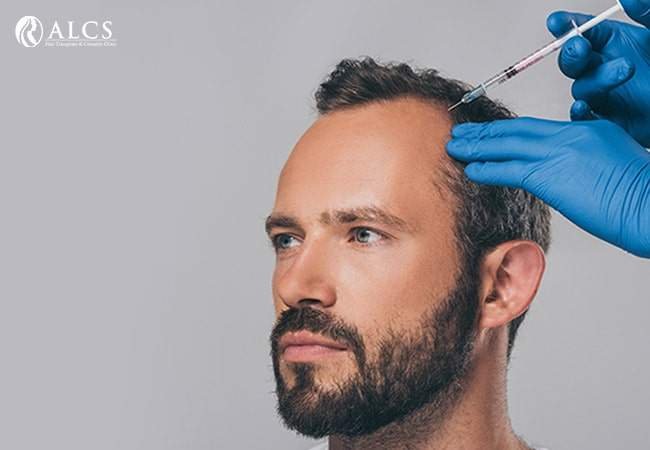
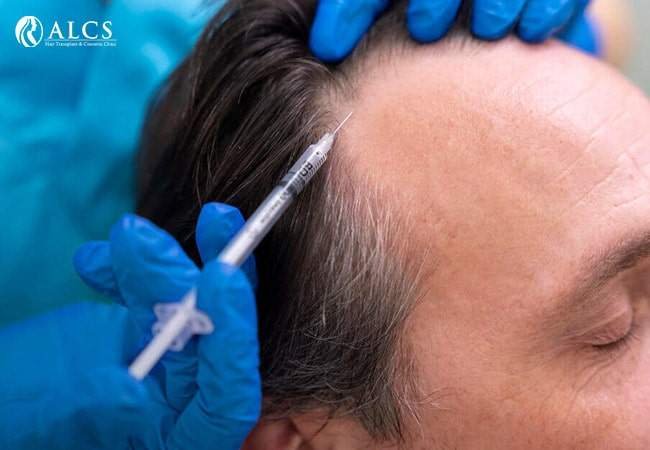
The platelet-rich plasma is then extracted to inject into the scalp of the patient. This is basically the entire process of plasma replacement therapy that depends on the richness of platelets.

Is there any risk of PRP for hair?

As per the studies, it has been found that, for the most part, there are no real and severe complications associated with the therapy.

Who is an ideal candidate for the therapy?

All those suffering from hair loss can opt for PRP treatment. The only thing to consider while making plans for PRP treatment is to choose the best professionals who are highly experienced in the field to avoid any complications.

What effect do PRP injections have on the skin?

The PRP injections are mainly given to provide a younger look. It helps the body produce more collagen and elastin, which are vital for making your skin smooth and firm. It also makes fine lines and wrinkles less noticeable.

Thus overall, plasma replacement therapy allows your skin to look and feel fresh by retaining more moisture. Dermatologists also recommend PRP injections for acne or rosacea.

Along with addressing skin problems, the therapy is also ideal for helping grow hair back. It induces hair growth and makes them thicker by speeding up the healing process.

Who should get PRP injections?

PRP injections are highly safe as they use the patient’s plasma. Hence there are no major complications associated with it. Above all, your dermatologist will ensure their treatment is safe and suitable.

For sensitive areas like under-eyes, laser treatment can be too harsh; therefore, dermatologists generally use PRP injections.

What is the process of PRP injection?

As mentioned, the process starts with taking blood samples and separating plasma and red blood cells. Local anaesthetic or topical is given at the treated site.

Finally, the PRP is injected into the body using a syringe. This entire process is done in one session, usually taking around 30 minutes. The appointment can take longer if the larger area or more than one area needs to be treated.

Is there downtime?

After the therapy, you don’t need to stay in the hospital and can return to your everyday life right after the appointment. Common side effects such as redness, swelling, itching or tingling can last a few days.

It is vital to keep yourself hydrated before and after the treatment. You also need to apply sunscreen daily. Follow all the aftercare instructions that your dermatologist provides you.

Know about PRP treatment that you might not see the result for a few weeks or months as it makes your body more collagen.

Hair Restoration

If the PRP treatment is done for hair restoration, you will only need 3 or 4 treatments in a row. The hair restoration process starts with PDO Smooth Threads and continues with PRP/PRF and Stem Cells.

A sufficient time is given between each treatment for proper hair growth. You can see the desired results in 4 to 9 months.

Twenty-four hours before the treatment, drink lots of water to keep yourself hydrated. This is done to keep yourself hydrated as the treatment involves taking blood.

Is PRP effective?

You need to be consistent to get the desired results. The treatment has to be taken on a daily interval of three to six months.

After the first treatment, you may experience immediate hair shedding. But with consistent treatment, it stops and is followed by hair regrowth.

So, these are all the things to know before planning PRP treatment. The process is completely safe, and if you are considering it, then book your appointment at ALCS Clinic.

What is PRP therapy?

PRP (platelet-rich plasma) therapy for hair loss is a restorative process that is performed in three-step.

It is a medical treatment that involves drawing a patient’s blood and processing it to finally inject it into the scalp.

PRP injections are considered to induce natural hair growth. Along with that, they also tend to maintain growth by increasing blood supply to the hair follicle.

It also helps in increasing the thickness of the hair shaft. In some cases, PRP therapy is combined with other hair loss procedures or medications.

Though many cosmetic surgeons recommend getting PRP therapy, there is not enough research proving its effectiveness as a hair loss treatment.

The usage of this therapy can be traced back to the 1980s. Initially, it was used for healing injured tendons, ligaments, and muscles.

PRP hair therapy process

The PRP process is performed in three-step. Generally, three treatments of 4 to 6 weeks gap are performed for the most effective results. For maintenance, treatment is required every 4 to 6 months.

The three steps of the PRP hair process are:

Step 1

The process begins with drawing out the patient’s blood. That is typically taken from one’s arm. The blood sample is then into a machine called a centrifuge that spins at high speed to separate blood fluids of different densities apart.

Step 2

The centrifuge separates the fluids in about 10 minutes. The components of blood are obtained in three layers:

  • Plasma deficient in platelets
  • Plasma rich in platelets
  • Red blood cells

Step 3

The platelet-rich plasma is taken into a syringe and then injected into areas of the scalp where hair growth needs to be accelerated.

As already said, the effectiveness of PRP therapy has yet to be proven by any strong or enough research. Moreover, it also needs to be made clear from whom the therapy is most effective and under what circumstances.

Recent studies have claimed that though there are scientific bases to support PRP therapy for hair loss, it is still at its initial stage for hair restoration. The available evidence needs to be stronger.

These are three steps that are involved in PRP therapy. The entire process can be performed in one session of 30 minutes. If you are looking for a clinic to get the treatment, visit ALCS immediately.

Side effects of PRP for hair loss

The process involves injecting a patient’s blood into their scalp; therefore, there is no risk of getting a communicable disease. But since there is injecting process involved, the therapy tends to carry some risk factors, such as:

  • Infection
  • Injury to blood vessels or nerves
  • Calcification at the injection points
  • Scar tissue

Local anaesthesia is provided at the treated site before injecting. In some cases, there remains a chance that the patient can react negatively to the anaesthetic.

So, at the time of consultation, inform your doctor about the tolerance level to anaesthetics.

Risks of PRP for hair loss

Before getting the treatment, it is advised to inform your doctor or healthcare provider about all medications you take, including supplements and herbs. The PRP therapy is not advised if you:

  • Are on blood thinners
  • Smoke heavily
  • Have a history of alcohol or drug misuse

The treatment might also be rejected if you’ve been diagnosed with the following:

  • Acute or chronic infections
  • Cancer
  • Hypofibrinogenemia
  • Low platelet count
  • Skin disease
  • Hemodynamic instability
  • Liver disease
  • Thyroid disease
  • Platelet dysfunction syndromes
  • Systemic disorder
  • Sepsis
  • Metabolic disorder

During the initial consultation, your doctor will discuss your health condition, medicines you take, family history of chronic diseases, etc. It is vital to keep your doctor informed about all as it determines whether the PRP hair therapy is effective for you or not.

If your doctor finds any conditions or medication hindering the treatment, they might suggest against it.

Takeaway

A hair transplant procedure is a common and popular treatment option for hair loss. Some people also take medications to cope with the issue. However, apart from these, one other option that many choose to opt for is the PRP process.

Though there is not much clinical evidence to show if the PRP process works, many believe it is one of the safest and effective options. It helps in reversing hair loss and stimulating new hair growth.

To know which treatment or combination of treatments is ideal for you, consult your doctor. Various factors help to determine that, such as age, any underlying medical condition, the extent of hair loss issue, lifestyle, etc.

If you still need clarification about PRP hair therapy, visit ALCS Clinic. It is one of the reputed clinics for hair treatments. With his exceptional skills and trained staff, Dr Sunil Arora provides safe and effective surgeries and medical processes.

Moreover, the state-of-art infrastructure of the clinic and the availability of advanced resources provides credibility to it. So, book your appointment now for one of the best PRP therapy.

The PRP Vampire Hair Regrowth Plan

loss has been a consistent issue that both men and women experience. Over time various treatment options, medications and hair products have come up in an attempt to promote regrowth.

Platelet-Rich Plasma therapy, or PRP, is one of the latest treatments that have become quite popular. It is based on the “vampire facelift” technique that helps to reduce the appearance of fine lines and acne.

PRP therapy involves drawing a small amount of the patient’s blood. The blood is then spun in a centrifuge at a very high speed. It is done to separate the constituent elements of the blood.

The plasma and platelets that get separated are then removed from the solution and injected or rubbed into the scalp.

Why is PRP so famous?

People have been looking for a hair loss solution for centuries. They have been trying all substances into their scalps and have received no real successful result.

PRP therapy works on the principle that plasma, having a rich amount of platelets, contains the essential building blocks that promote tissue regeneration and healing. It is also believed to strengthen hair follicles and thicken existing hair.

Who is PRP therapy for?

Per the practitioners, PRP therapy can effectively treat pattern baldness, receding hairlines and even Alopecia. The treatment is available for men and women with hair loss solutions at some beauty clinics.

PRP therapy is not offered in various countries as it has yet to be proven to show any real benefits when dealing with genetic hair loss.

The therapy calls for at least eight therapy cycles. After the fourth cycle, you are expected to see the first signs of growth. Initially, patients would expect to see little more than “fuzz” growing in the treated area.

What are the drawbacks?

The biggest drawback of PRP therapy is that any significant scientific evidence does not support its effectiveness. Even many cosmetic surgeons recommend using other proven hair regrowth techniques along with PRP therapy.

In that case, it becomes entirely possible that the hair growth result may be due to the “complementary” hair loss treatments.

Moreover, these therapies can be too expensive, depending on the practitioner. Usually, eight cycles are involved, and one cycle alone costs a lot.

This makes it highly unlikely for commoners to get the treatment. Then there is also the cost of consultation, medications and after-appointments.

Why choose vampire treatment for hair loss?

The medications prescribed for hair treatment are not entirely effective, and there are high chances for unwanted side effects. The next option is surgical hair restoration which can cost a lot and still does not treat the hair problems.

So, here the benefits of vampire treatment for hair loss come into action. It is an affordable way to improve hair density that does not involve any surgery or harmful side effects.

Vampire Hair Restorations, a proprietary 3-treatment protocol of PRP, works effectively to stimulate inactive or newly ageing follicles. It helps to prevent follicular decline, restore their health, reduce hair loss and improve hair thinning.

The use of PRP has become broader with the various research and studies. It is now known for its skin, scalp, and hair stimulation benefits.

Advantages of PRP vampire hair restoration

The advantages of the treatment are:

  • Time-tested proven results
  • Safe & effective
  • Short treatment time
  • Affordable three treatment protocol
  • No downtime
  • Natural results

Benefits of PRP vampire treatment for hair loss

The benefits that PRP vampire treatment offers for hair are:

  • Boost blood supply to the follicle
  • Enhances the shaft size (thickness)
  • Triggers the growth and maintains it
  • Controls hair growth cycle
  • Reduces hair loss

The results generally vary from person to person, and all the benefits mentioned above are not guaranteed.

What is PRP vampire hair regrowth treatment?

It is a three-treatment protocol that offers subdermal and intra-dermal therapy. Vampire hair regrowth treatment helps in reducing hair loss. Moreover, it stimulates the growth of hair follicles for both men and women.

The platelets have building components that stimulate the follicles to grow hair. Moreover, it pushes hair follicles in the resting phase to grow, which appears as new hair growth.

Understanding that this treatment does not cause new hair follicles to grow in areas with none before is vital. It stimulates neovascularization and new cell growth.

The procedure involves injecting a needle into the scalp and applying it during micro-needling. It offers results that look natural by stimulating the growth of hair naturally.

The treatment is offered as an alternative or in addition to medicines or surgical procedures. It helps with hair loss or hair thinning in both men and women.

What is the procedure of a PRP vampire?

The procedure involves collecting, concentrating and applying one’s own platelets. It is a
5-step process.

Step 1: Blood is withdrawn from the patient and put into a centrifuge.

Step 2: In 10 minutes, the centrifugation separates the blood components, and platelets are drawn into a syringe.

Step 3: The scalp is numbed and cleansed gently.

Step 4: PRP injection is strategically injected into the scalp that needs improvement.

Step 5: Micro-needling of the scalp and applying PRP serums in those channels.

All these steps are involved in PRP vampire treatment.

How Many PRP Sessions Do I Need for Hair Regrowth?

Hair loss or hair thinning is a global concern that is being faced by millions of people. Androgenetic alopecia, also referred to as pattern baldness, is the most prevalent form of hair loss that may affect either a man or a woman.

Research in India indicates that about 58 percent of men report some form of hair baldness when they are aged 50 and above. Bald hair might have a negative effect on a person’s self-esteem and mental well-being.

But with the development of medical science, there are some new treatments that are effective in preventing hair loss and stimulating hair growth.

The PRP (Platelet-Rich Plasma) Therapy is one of such innovative treatments that are effective in virtually all forms of hair baldness.

PRP is a non-surgical method where the platelet-rich plasma that is formed by the blood of the patient is injected into the scalp. This therapy stimulates more blood supply to the hair follicles and enhances cell proliferation.

How many PRP sessions are needed for hair regrowth?

The number of sessions needed before hair growth is achieved is one of the greatest concerns of patients who consider PRP therapy as the answer to hair loss treatment. Each session varies with an individual based on diverse factors, including the level of hair loss and the individual’s general health.

Therefore, PRP therapy is an individualised therapy based on the individual patient’s goals.

As a rule, patients need to have three to four sittings separated by intervals of 5 to 6 weeks, in which the density and the thickness of the hair get better. It is advisable to have a session every 4 to 6 months to sustain the results.

Is the result of PRP therapy permanent?

The majority of our patients start noticing improvements in their hair density and thickness within multiple sessions. Follow-ups should be conducted every 6-12 months during the treatment.

Regular maintenance sessions are also necessary to maintain the benefits obtained with PRP therapy.

The solution is short-term, but the outcomes can be long-term. Maintaining good health and keeping up a healthy hair regimen would help to uphold long-term hair health.

In addition, when the procedure is carried out by a well-trained and qualified doctor or surgeon then the likelihood of success and survival is greater.

Dr. Sunil Arora, who is the in-house cosmetic surgeon of ALCS Clinic, is experienced and has a phenomenal track record of effective surgeries and treatment options.

Is PRP therapy painful?

PRP treatment is non-invasive and non-surgical, thus, pain-free. It is done using local anesthesia and is deemed to be among the safest methods of restoring hair growth.

It is done by inserting a needle into the head; therefore, pain will not be an issue, though it will be tolerable. Further, there is no risk of infectious diseases since one can inject their blood into the scalp.

Slight swelling and tenderness of the scalp can be experienced by some patients. Nevertheless, it is self-limiting and does not exceed 3 to 5 days.

What is better: PRP or a hair transplant?

PRP therapy and Hair transplant are effective forms of hair restoration; however, the mode of operation that is better suited to the individual is based on individual objectives, level of hair loss, and the objectives of the treatment.

Most doctors usually prescribe a hair transplant to patients with severe baldness or thinning of their hair on the entire scalp. It assists in covering bald areas and fading hairlines better.

In addition, a hair transplant should be considered by those who are affected by genetic hair loss or the so-called female or male pattern baldness.

Conversely, PRP treatment is more appropriate in individuals with alopecia areata and traction alopecia (both conditions are hair loss).

PRP therapy would best suit you when you desire stronger hair, thicker and natural hair growth, and also lessen the loss of hair. Our specialists offer the most effective PRP hair treatment at ALCS Clinic.

Who can PRP hair restoration therapy help?

PRP hair treatment is ideal for people who want a non-surgical method of hair loss treatment. PRP hair is government-approved, whereby you are less advanced in hair loss.

The therapy is normally deemed to be of no use for individuals with notable balding since it cannot rejuvenate hair follicles that have been inactive over a considerable duration.

In the ALCS Clinic, our specialists assist patients in recognizing the fact of their return of hair and in selecting the treatment agency that would be more appropriate.

What are Some of the Factors Which Affect the PRP Hair Transplantation Success?

The efficacy of Platelet-Rich Plasma (PRP) in treating hair loss may vary based on a number of factors. Some of the key variables that influence the success of PRP hair transplantation include,

  1. Age: Younger individuals usually react more to PRP treatment than older people. This is attributable to the fact that the young bodies tend to heal more quickly and possess robust regenerative powers. With increased age, the body becomes less active in terms of healing and producing new cells, which also influences the effectiveness of PRP treatment.
  2. Level of Hair Loss: PRP is typically more efficient for individuals experiencing hair loss in its initial phase. This is due to the fact that the hair follicles are still alive, but they might be weak. PRP may be used to enhance them and encourage their development. Nevertheless, in the case of individuals who depilate their hair to the extent that the follicles are already dead, PRP might not work as well as in the latter scenario.
  3. Underlying Health Conditions: Some underlying health conditions, such as autoimmune diseases, such as alopecia areata, may affect the outcomes of PRP treatment. These disorders may make the body attack its hair follicles, which complicates the functionality of PRP.
  4. Sessions: PRP is not a single treatment session. The duration of each session is usually three to six sessions. To ensure that a person experiences results, every session is spaced a week apart. The better the results, the more consistent the treatment.
  5. Post-Treatment Care: You should take your doctor’s advice seriously after PRP treatment. Other things, such as hair treatments that are harsh, medicines, and activities that can irritate the scalp, should be avoided so that the treatment can improve. The after-treatment care is essential to achieve optimal results.
  6. Lifestyle Factors: A healthy lifestyle may positively affect the effectiveness of PRP. Healthier eating, physical and mental activity can all help produce healthier hair and scalp.
  7. Genetics: Genetics is a major cause of hair loss. Individuals whose families have a history of lost hair, such as pattern baldness, may require longer PRP treatments or supplementary treatment to sustain their hair growth outcomes.

These considerations can ensure that individuals receiving PRP to treat their hair loss stand a better likelihood of achieving improved outcomes even after the treatment process.

How much does PRP therapy cost?

The PRP hair restoration is conducted with at least three sessions spaced by 5-6 weeks, and maintenance treatments within 1-2 years. The median price of PRP therapy in India is between INR 4,500 and 15,000 per session.

The kind of procedure, equipment needed, area or location of clinic, infrastructure, and advanced facilities available in the clinics, the expertise of the surgeon, etc., are also factors that determine the cost.

The amount Hair Thickness A Hair Relocate Can Give

There are numerous reasons that you might consider before undergoing hair transplant surgery. If you are planning to undergo a hair transplant, you must keep reading this article to get a clear idea of the success rate and the types of transplant surgeries that are most commonly performed.

More about a hair transplant procedure

A hair transplant is also popular as a hair restoration method is a surgical procedure and involves harvesting hair follicles from one part of the body to the affected area of the scalp. The part of the body from where the hair follicles are collected is called the donor site. While the area where the hair is implanted is known as the recipient site.

There are different methods of hair transplant that are available, but the most advanced and the most common procedures are-

Follicular Unit Extract (FUE)

In the FUE hair transplant procedure, the surgeons collect individual hair follicles from the donor area by utilizing some minimally invasive, pain-free technique.

Follicular Unit Transplant (FUT)

In this hair restoration procedure, the surgeon extracts a piece of skin from the scalp’s back. This skin consists of numerous hair follicles that are extracted and preserved for implanting into the recipient area.

Who can undergo a hair transplant procedure?

Different people choose to undergo a hair transplant procedure for various reasons like-

Both men and women choose to undergo a hair transplant procedure to eliminate baldness.

Not only people who are suffering from baldness may choose to undergo this hair restoration procedure, but people who are not satisfied with their hair volume can also choose to undergo a hair transplant procedure.

Smaller or bigger scale accidents are unavoidable, and that may give rise to some unexpected hair damage conditions. So such people can also experience a hair transplant procedure to restore hair in the affected areas.

Cosmetic surgeries are high on trend now, and many people desire to have an increasing hair volume of their lashes, eyebrows, or even beard. They, too, can decide to undergo a hair transplant procedure to accomplish the desired outcome.

The hair transplant success rate

The success rate of a hair transplant procedure is one of the most crucial things about which you must have a clear idea before undergoing a hair transplant procedure.

Well, according to some stat reports, it has been seen that about 80 percent of all transplanted hair follicles always grow back within three to four months, provided you have strictly followed all the post-op instructions.

This number is quite encouraging and proves that hair transplant is one of the most effective hair restoration methods compared to any other natural remedies or medications.

However, the success rate of the FUE highly depends on a few factors like if anyone experienced hair loss as a result of chemotherapy or severe injury to the scalp, then the chances that FUE will be slightly lower than usual. However, in other cases, FUE hair transplants are usually very successful in providing the most desirable result.

Now speaking about the FUT hair transplant procedure’s success rate, it has a slightly higher success rate compared to that of the FUE hair transplant procedure. However, this is a very complicated and sophisticated procedure.

Precautions that must be taken both before and after undergoing a hair transplant procedure

As with all medical procedures, it is essential to stick to the pre-and post-surgery instructions provided by your hair surgeon to guarantee the most desirable outcome. So before undergoing a hair transplant procedure, the patients must be in an overall good health condition and must avoid drinking alcohol, smoking, having spicy foods, taking some blood-thinning medications, and even participating in some strenuous activities.

During the treatment procedure, most of the patients are asked to wear some disposable clothing and keep communicating with the hair surgeon in case they experience any difficulty.

Immediately after undergoing a hair transplant procedure, the patients will feel some amount of pain and swelling, which is normal. In this time, it is essential to follow instructions provided by your surgeons, such as maintaining a healthy lifestyle, a healthy diet, avoiding smoking, consuming alcohol, caffeine, and aspirin-type medications.

The surgeons may also impose some restrictions regarding activities like shampooing, brushing hair, or even scratching hair.