Get Expert Advice - Free Today

PRP treatment for hair loss and how long does it last?

PRP results might not be the same for everyone

As PRP therapy uses a serum extracted from your blood, the dependence of the results majorly rests on your own body’s healing abilities. The longevity of the effects is all on the response of your scalp and follicles. So, how long does the treatment last? Your blood is the chief factor in determining how long PRP serves the purpose.

Even before knowing about PRP, one must understand that the cause of every patient’s hair loss condition is unique. A patient’s hair loss cause may differ from the second patient’s. Here are some causes that are important to consider in the present times.

Genetic propensity as dictated by DNA or androgenetic alopecia

Certain medications’ side effects or allergic reactions to chemicals being used. Poor nutrition, environment, and over-styling can expose one’s hair to toxic chemicals in the air, hair care products, and food. This way, even young people are experiencing hair loss. While some may turn bald by 22, some can still expect to have their hair for around 20-30 years more.

Have questions about how long PRP lasts for hair loss? Contact ALCS Clinic! With Dr Sunil Arora’s help, it can be easy for you to learn the answer to specific questions concerning your case- is PRP hair treatment a permanent solution to hair loss? Read it all if there is such a case because it will significantly help.

How effective is PRP as a solution?

The studies of authoritative sources like the National Center for Biotechnology Information have summed its worldwide studies in the following way.

Case Study 1

With studies conducted on 20 people with half their scalps being PRP treated and half with placebo, patients were given 3 injections at a 30-day interval with a booster at 6 months. Over 24 months, Doctors tracked the patients’ progress regularly during checkups. The factors under consideration are:

  • Hair regrowth
  • K67 cells for new cell growth
  • Hair dystrophy a possibility in which the hair shaft can be more fragile
  • Adverse reactions’ possibility like itching or burning sensations

PRP treatment results noted were:

At the time of the treatment’s commencements, the patients had 67.5 hairs per square centimetre with 120.1 hairs per square centimetre density. After 3 months, 128.5 hairs per square centimetre were visible, with 228.6 hairs per square centimetre for density.

  • The scalp’s epidermis seemed to thicken with more keratinocytes and hair follicle cells.
  • Small blood vessels were observed developing in the scalp
  • The patients experienced no side effects
  • After 12 months, 4 patients showed relapse and experienced hair loss. They received PRP serum booster shots.

Case Study 2

Eleven patients aged 20-40 years and experiencing different hair loss levels were signed up. They received 4 PRP therapy sessions at 2 week-long intervals. After regular checkups, the final evaluation was conducted 3 months after the first session. Here are the observations:

  • Before the treatment, the hair pull test yielded an average of 10 strands. Post-treatment, the count fell to 3.
  • Scalp pictures clicked before and after the therapy, showing better scalp coverage.
  • On a 1-10 scale, patients rated their satisfaction at 7.
  • After marking a specific scalp area with 71 follicles before treatment, the change observed was growth to the point of 93.09 follicles.

Now how long does PRP last for hair loss? One should expect at least 12 months of positive PRP treatment results. After it, if required, the dermatologist may recommend one more session attendance.

To get answers to questions like-” Is PRP hair treatment a permanent solution?”, be sure to reach out to ALCS Clinic. Dr Sunil Arora, along with his team, is ready to help you gain your hair back. At the clinic, you can get an honest and real idea of what to expect and what not to. But for now, let us move to a conclusive answer to how long PRP lasts for hair loss.

How long does PRP last during hair loss?

One can expect positive results for at least 12 months or more. The body’s healing capabilities determine the outcomes. Taking good care of the body can help enhance the presence and extend the time of the treatment’s effects. Following the trichologist’s directions can also lead to similar results. Case studies display clear evidence of how PRP works. So it is good to consider the therapy if the aim is to gain the lost self-esteem and confidence.

Now that we know how long PRP lasts for hair loss, it is time for you to think and consider whether the therapy is for you or not. At ALCS, you can get the ideal PRP treatment results for yourself. As we know, the answer to “Is PRP hair treatment a permanent solution?” Your next step should be reaching out to Dr Sunil Arora and the people at ALCS. There is no better way to regain shining hair and confidence than with the help of a therapy practised with expertise.

Going bald Prevention: 22 Tips to Help Save Your Hair

You might get worried when you experience severe hair fall. It is perfectly normal to shed a few hair strands every day. However, if you experience intense hair fall, you must take preventive actions to control it. Different ways can prevent your hair from falling, but first, it is essential to understand what causes your hair to fall.

Some hair fall issues like hair loss after pregnancy can resolve on their own. But if your health condition like stress, underactive or overactive thyroid, and scalp infection causes hair loss, you must take it seriously. Do not worry! You can stop going bald by managing stress and correcting your diet.

Here are a few tips you can adopt to prevent going bald.

  • Mediterranean diet
    The Mediterranean diet uses a lot of raw veggies and fresh herbs in its recipes. Eating natural herbs may control the risk of androgen alopecia, which is the leading cause of female and male pattern baldness. If you eat high doses of herbs like parsley, basil, and green salad, you may stop going bald.
  • Protein
    Your hair follicles contain proteins called keratin. Therefore, it is essential to eat protein to maintain your hair growth. Some protein sources that you may add to your diet include eggs, nuts, fish, chicken, turkey, and dairy products.
  • Vitamin A
    Vitamin A can increase the rate of hair growth. Moreover, it may keep your scalp healthy by managing sebum production.
  • Multivitamin
    If you want to retain more hair on your scalp, you must include vitamin A, B, C, D, iron, selenium, and zinc in your meals. You can get multivitamin supplements from a drugstore.
  • Vitamin D
    Vitamin D is good for your bones. But, can you stop going bald by consuming vitamin D? Yes! A lack of vitamin D in your body may aggravate nonscarring alopecia. So if you want to maintain healthy and shiny hair on your head, you must take vitamin D.
  • Biotin
    Biotin maintains the hair life cycle and promotes healthy hair. However, its deficiency in your body may promote hair loss. Eating 3-5 milligrams of biotin every day can prevent balding.
  • Saw palmetto
    Saw palmetto, a herb, is derived from the fruits of American dwarf pine trees. If you are a man, you can maintain your testosterone levels by consuming saw palmetto. In addition, as testosterone is essential for healthy hair growth, you must consume Saw Palmetto to reduce hair loss.
  • Ginseng
    It is enriched with certain phytochemicals that prevent hair loss and promote hair growth. You can take ginseng supplements or try topical medications consisting of ginseng.
  • Regular washing
    Regular washing is an excellent option to prevent hair fall. In addition, it keeps your scalp clean and healthy. However, you must use a mild shampoo with no harmful chemicals. As harsh shampoos can damage your hair, and hence you must use a chemical-free shampoo.
  • Coconut oil
    Massaging your hair with coconut oil can prevent hair damages caused by grooming and UV exposure. Moreover, it prevents hair breakage by enhancing blood flow in the scalp area. Coconut oil also contains lauric acid that binds a protein in the hair, thus preventing split ends and hair fall.
  • Olive oil
    If you want to condition your hair naturally, you may use olive oil. Moreover, it may prevent genetic hair loss and hair breakage.
  • Gentle styling
    Do not style your hair in a way that pulls your hair. Instead, try loose buns and braids to prevent hair loss. Moreover, limit the usage of hair styling tools.
  • Hair processing
    Do not chemically treat your hair as it can promote hair loss.
  • Laser therapy
    Laser therapy may prevent genetic hair loss. Moreover, low-level lasers may also prevent hair loss due to chemotherapy.
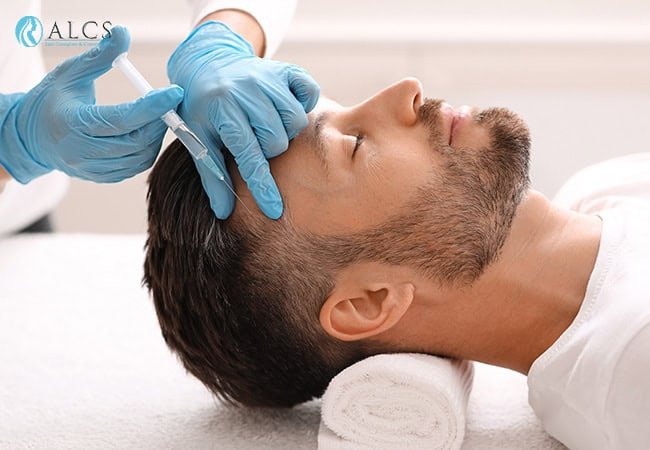
  • Platelet-rich plasma
    Hair surgeons may use platelet-rich plasma therapy to prevent hair loss. In this treatment, a surgeon injects plasma into your scalp to prevent going bald.
  • Minoxidil
    You can use this OTC drug to combat female pattern baldness. You can apply the liquid to your scalp every day for effective results.
  • Finasteride
    It is a prescriptive drug that may promote hair growth in men. However, women who want to conceive must avoid this drug.
  • Phenylephrine
    Topical phenylephrine may prevent hair loss caused by over-styling your hair. In addition, the medicine provides strength to your follicle muscles, thus preventing hair breakage.
  • Essential oils
    Essential oils like lavender, lemongrass, peppermint, and rosemary can prevent hair loss. You can mix these oils with a carrier oil and then apply it to your scalp.
  • Onion juice
    Can I stop going bald by using onion juice? Yes! You can witness hair regrowth by applying onion juice to your scalp twice a day. In addition, it can efficiently treat hair loss caused by alopecia areata.
  • Massage
    If you massage your hair for four minutes every day, you may promote hair growth on your scalp.
  • Yoga
    Stress also promotes hair fall. Therefore, it is essential to manage stressful situations. For stress management and hair growth, you may try yoga and breathing exercises.

Patients often ask, ‘can going bald stop hair fall?’ While it might sound to be an ideal solution, it is not. Going bald would only be a temporary solution until the hair grows back. Can going bald stop hair fall? No, it cannot.

You can stop hair fall by implementing these home remedies. In addition, if you want more information on hair fall treatments, you may contact ALCS Clinic.

Indian Celebrities Who Have Done Hair Transplant

What is hair loss?

Around 50 to 100 days of falling per day are normal. But you start noticing the number increasing rapidly, then know you are experiencing hair loss. Various symptoms determine hair loss. For men over 50 and women who have had menopause, androgenic alopecia becomes common. This condition is popularly known as male or female pattern baldness. In this, the hair is lost in undefined patterns. 

The causes of male pattern baldness include genetics, medications, nutritional disorders, thyroid conditions and high levels of androgens. Women experiencing pattern baldness is rare; however, hair thinning is common. 

The hair thinning in females is of three stages. The first stage is when only a little thinning occurs at the hair part. Then at the second stage, it starts to widen up. Lastly, the thinning spreads throughout the scalp making hair visible. It can be due to many reasons that include genetics, medication or treatments, or hormonal changes caused by pregnancy or menopause. Many Indian celebrities have done hair transplants to treat hair loss. 

What is hair transplant surgery?

Hair transplant surgery is an effective treatment option for hair loss. In this surgical procedure, the hair from one of the body parts is taken and inserted into the target area with less or thinning hair. With the development of technology, there have been various improvements and advancements in hair transplant treatment.

An experienced surgeon performs the procedure at the clinic. Firstly, they clean the scalp and then numb the area where the hair must be removed. 

There are two methods by which this treatment can be performed. One is Follicular Unit Strip Surgery (FUSS), and the other is Follicular Unit Extraction (FUE). The difference in both techniques is that in FUSS, a hair strip is extracted that contains hair follicles that are then transplanted, whereas FUE involves individual hair follicle extraction. 

Indian celebrities who have done hair transplant

Akshay Kumar, an Indian celebrity who has done hair transplants,  is one of the fittest celebrities and role models to all his fans worldwide. The hair loss doesn’t even spare him. At the age of 40s, he started experiencing hair loss. In a profession where your looks matter, Khiladi Kumar acted quickly and underwent a hair transplant. It helped him to avoid the worst conditions. With time he looks even better, and all because of this new hair and, of course, his efforts. 

Akshay Kumar and even Salman Khan opted for FUE hair transplant treatment to treat hair loss. 

Apart from them, various other Indian celebrities have done hair transplants at the right time and now flaunt their gorgeous hair. A list of some of the Indian actors who have done hair transplant are:

  • Vivek Oberoi
  • Kapil Sharma
  • Himesh Reshamiya
  • Akshay Khanna

Thus we can see that hair loss is a very common condition and leaves no one, whether celebrities or common people. That is why it becomes vital to avail right options, such as hair transplants and restoration, that will cure the condition and boost one’s confidence. 

Celebrity hair transplant clinic to choose

For many Indian actors who have done hair transplants, ALCs is among the top clinics they choose to get their hair transplants in Jaipur, India. Mentioned below are some of the top reasons that make the ALCS stand out: 

  • Guaranteed advanced techniques that provide 100% natural results every time.
  • High graft survival ratio. 
  • The outcomes are without any cuts, scars, stitches, or pain.
  • Experienced surgeons perform procedures.
  • Use of high precision and patent instruments to ensure safety. 
  • Many happy and satisfied patients also include celebrities and big names in various fields. 
  • Holds various certifications that provide credibility to the clinic. 

Choosing a hair transplant clinic is one thing, but one should also do thorough research about the surgeons. While searching for a celebrity hair transplant, doctors look for the following points:

  • Who will be performing the procedure, the surgeon or the assistant? You will find various clinics where assistants perform the entire procedure. However, at ALCS, you can be sure that you will always be in the right and experienced hands of our top surgeons. 
  • Check if the doctor is suitable and certified or not. 
  • Always look for the experience of the doctor or surgeon. To understand that, determine the average number of surgeries performed in a month or year. 
  • Do research on their instrument usage protocols and whether they are followed strictly. 
  • The treatment options are available at the clinic. 
  • Always read the reviews online and talk to any acquaintances you have visited before. 

On evaluating all the points, ALCS Clinic is always found to be one of the best hair transplant clinics, which also makes it one of the top choices of celebrities. So, if you are also looking for a hair transplant, wait no longer and book an appointment at the ALCS clinic.

How To Regrow Hair On Bald Spot

What is hair loss?

Various symptoms determine hair loss. Androgenic alopecia, commonly known as male or female pattern baldness, is common among men over 50 and women who have had menopause.

For male pattern baldness, causes include:

  • Genetics
  • Medications
  • Thyroid conditions
  • Nutritional disorders
  • High levels of androgens, called sex hormones

For women to go completely bald is less likely; however, they very commonly experience thinning. Female pattern baldness is divided into three types:

  • A small amount of thinning occurs around the hair part.
  • Widening of the part and increased thinning around it.
  • Thinning throughout, with visible top of the scalp.

Female pattern baldness can be due to various reasons such as genetics, medication or treatments, side effects, or hormone changes caused by pregnancy or menopause. They start developing symptoms around their 40s and beyond. Read on to know if it is possible to regrow hair on a bald spot. 

Can natural methods be used to grow hair on bald heads? 

You must acquire a multidirectional approach to regrow hair on the bald spot fast. You will need to combine different approaches for the best results. Consult your doctor if you want to combine natural methods with medical treatment. They can help you understand the treatments’ effect and if it is possible to regrow hair on bald spots. 

What causes hair loss?

The causes of hair loss can be many and various. For some, it can arise due to genetic components; for others, the causes can be an autoimmune disease, high-stress levels, recent surgery or illness, hair damage from bleach or dyes, scalp conditions, or vitamin deficiencies.

If a person is experiencing a hormonal imbalance or thyroid condition, hair loss can occur. Pulling on hair and wearing tight hairstyles are also responsible for hair loss. 

Natural treatment options to grow hair in bald spots. 

If you are looking for ways to grow hair in bald spots, you have come to the right place. Check out some of the most effective natural treatments to grow hair back in a bald spot. 

  • Massage

Massaging the scalp with hair oils can improve hair thickness by boosting blood flow. The growth of dermal papilla cells found at the end of hair follicle boosts while stretching while massaging.

Massaging the scalp every day not only relieves stress and tension but also helps hair regrowth. Always use your fingertips and not your fingernails for massaging. Move your finger by applying light and medium pressure for around 4 minutes daily. Be patient and consistent to regrow hair on the bald spot fast. 

  • Aloe vera

Aloe vera is known to be one of the most effective natural treatment methods to grow hair on a bald head. The benefits of aloe vera for hair include conditioning hair, reducing dandruff and unblocking hair follicles. Apply the gel a few times per week before washing hair. Using hair products containing aloe vera also works. 

  • Coconut oil

Coconut oil contains lauric acid deep inside the hair shaft to reduce protein loss. You can use this oil before or after a hair wash. For oily hair, the leave-in overnight treatment is best. You can use the technique for dry hair as well. Coconut oil lubricates the hair shaft and thus prevents hair breakage. Enrichment of the scalp’s microbiome makes hair follicles healthier. 

  • Viviscal

People with thinning hair benefit from viviscal, a natural hair growth supplement. The combination of shark and mollusc powder, organic silica, and vitamin C in AminoMar C. Viviscal is rich in this marine complex. All these ingredients together help regenerate new cells and strengthen existing cells. Take the pill twice every day for six months to regrow hair on the bald spot fast. You can also find shampoos and conditioners with viviscal.

  • Fish oil

Fish oil is rich in omega fatty acids. Consuming it tends to improve hair as they contain nutrients and proteins. Thus omega supplement with antioxidants reduces hair loss and boost hair density. Moreover, it improves overall health by improving nutrients.  

  • Ginseng

Including ginseng in the diet promotes hair growth by stimulating hair follicles. Ginseng has an active component, Ginsenosides, which positively affects hair. There are some successful results found through various research on the effect of ginseng to grow hair back in a bald spot. 

  • Onion juice

Onion juice is one of the effective hair growth promoters. It can treat patchy alopecia areata, an autoimmune condition leading to hair follicle damage. Moreover, it also boosts blood circulation, thus promoting hair follicle development and growth. Try to consume the natural oil juice by blending a few onions and then squeezing out the juice. Apply the juice before the shampoo and leave it for 15 minutes. 

  • Rosemary oil

Rosemary oil is a very common oil that people use for hair growth and to reduce hair loss. It is even used to treat androgenetic alopecia. Mix only a few drops of oil with your normal carrier oil, such as argan or jojoba. Massage with this oil twice a week. Adding a few drops into shampoo or conditioner also helps. Remember not to use it directly on your scalp; combine it with other products. 

If you were wondering whether it is possible to regrow hair on a bald spot, this blog must have answered your questions. Combining one or two of these natural treatments with medical treatments can help to regrow hair on the bald spot fast.

How To Remove Hair After Laser Treatment

A dermatologist will typically use laser hair removal as a professional procedure to help remove unwanted hair. Focused laser beams kill the hair follicles’ hairs by aiming them at them.

Most frequently, laser therapies are utilised on your:

  • face
  • chest
  • the armpits
  • back
  • bikini line
  • legs

An examination from 2020 revealed that improvements in long-pulsed lasers have allowed this treatment to address darker skin tones and light skin with dark hair. Based on your skin and hair colours, as well as your hair texture, your doctor will choose the ideal lasers to employ. After laser treatment remove hair easily and effectively. 

Do’s and don’ts of laser hair removal

After laser treatments, your doctor will provide detailed instructions for skin care. You should follow these recommendations to aid skin healing and avoid negative effects. Also, special care must be taken if you have to remove hair after laser treatment. After laser treatments, hair removal can become intricate. But don’t worry! We’ve got your back. 

Use cold compresses

Use a clean, soft washcloth dampened with cool water to the treated region for several minutes. A paper towel-wrapped ice pack is another option. After your laser hair removal procedure, this strategy aids in reducing any transient pain and swelling. After your skin soothes, you can go for removing hair after completing laser treatment. 

Use prescription creams

Your doctor may recommend a steroid cream to relieve pain and discomfort after receiving therapy. You can also use anti-inflammatory drugs for pain relief. Remove hair after laser treatment can become easy with this. There are questions like ‘How to remove hair after laser treatment? ‘that people usually ask. You will easily manage it yourself once you get familiar with the intricacies. 

Sun protection for your skin

Your doctor would advise you to avoid direct sun exposure because your skin will be sensitive following laser hair removal. Also, after laser treatment to remove hair can become difficult. You should avoid being in the sun for a month before the surgery and a month following. After that, consistently apply sunscreen to the treated region.

Is shaving after laser hair removal permitted?

Your doctor will advise you to shave before the operation to facilitate a more precise treatment. You can go for removing hair after completing laser treatment, but you should hold off for a few hours until any skin redness or discoloration has gone down. Shave any skin that is not:

  • enlarged
  • reddish or stained
  • it hurts

Shaving is being replaced by laser hair removal these days. On the other hand, between 10% and 25% of your hair is removed during the initial surgery. To remove hair after laser treatment, ensure your skin is ready. This is because removing hair after completing laser treatment can be quite challenging for the skin that has just been through a process. 

Repeat treatments are normally spaced out across a number of weeks or months. Most people require, on average, six. Depending on the region of treatment and individual responses, there will be a total of 6 treatments.

Don’ts for laser hair removal aftercare

Understanding how to care for your skin after laser treatment to remove hair is essential to minimise adverse effects. However, you should be aware of what to avoid following your operation. This can also include the after laser treatment to remove hair. 

  • Only schedule follow-up treatments every 4 to 6 weeks. Several attempts may be necessary.
  • You must receive treatments spaced out over time to get the desired outcomes.
  • Don’t sun tan. The risk of burns and hypopigmentation (light spots) may increase as a result.
  • Avoid using tanning creams. While appearing safe, these products might irritate.
  • Rashes, burns, and pimples could appear on the newly treated skin with laser therapy.
  • Avoid putting perfume or scented lotion on the treated area. These might cause inflammation and skin redness or discolouration.
  • If you had laser hair removal in the underarms, avoid using deodorant there. Moreover, some products could irritate the skin.
  • Stay away from body washes for at least a few days because they can irritate your skin. 

Once you pass clean through them all, you can go remove hair after treatment. 

Risks associated with laser hair removal

Swelling and redness are typical complications but only transient. You can also feel a little discomfort. Typically, such negative effects take 1 to 10 days.

A skilled, board-certified specialist will use the appropriate lasers for your skin and hair types to minimise any potential negative effects from laser hair removal. Your medical history and any drugs you take that could have negative side effects will also be discussed. Therefore, tell your doctor about it before removing hair. 

This procedure’s more severe side effects could include the following:

  •  scars
  • potential lasting changes to skin pigmentation
  • (Rare) burns, excruciating Pain
  • a blister
  • an infection

While laser hair removal is thought to be noninvasive and to cause only minor discomfort, it is advised that you watch out for any potential side effects. If you see any of the following:

  • Increased oedema, blisters, or burns
  • Discomfort that is unresponsive to the antibacterial cream you were prescribed
  • signs of scarring or changes in pigmentation
  • Signs of infection, such as pus and streaks that are red or discoloured. 

Ensure your skin doesn’t exhibit any signs of inflammation or allergy before going for hair removal after laser treatment.

Easy And Quick Ways To Remove Pubic Hair At Home

From a biological perspective, the purpose of pubic hair is to minimize infections by trapping sweat, oil, and bacteria and lowering the chances of yeast infection in sensitive areas. As such, there is no medical reason for removing pubic hair; it is purely a personal choice. 

Some individuals prefer to retain it well-groomed, while some prefer removing it all. And, the reasons are various, ranging from personal preference and hygiene to cultural or aesthetic norms enforced by societal trends. 

There are several options for trimming or removing pubic hair, and the choice of the removal method depends on your skin’s sensitivity. However, none of these give a permanent solution for hair removal at home. Permanent hair removal solutions are provided by professional saloons or cosmetic clinics. 

Different Methods of Pubic Hair Removal at Home

There are several ways to remove pubic hair at home, but remember, each has its benefits and drawbacks. Also, the choice of hair removal method depends on your skin’s pain tolerance and desired results. Let’s learn more about each of these methods: 

Shaving

It is one of the easiest methods to maintain pubic hair; it just needs a razor and some gel or cream. Shaving is quick, convenient, and can be done in the shower, making it a preferred choice for many.

Pros:

  • Easily done at home with minimal tools.
  • Can be completed quickly.
  • Razors and shaving cream are inexpensive and widely available.

Cons:

  • Hair grows back quickly, often within a few days.
  • It can cause razor burns, nicks, and ingrown hairs.
  • Requires regular upkeep to maintain smoothness.

Here are some tips to follow for effective results from the shaving method:

  • Clean and disinfect the razor to ensure hygiene. 
  • Wet your pubic hair for hassle-free shaving.
  • Apply a generous amount of shaving cream or gel on the pubic hair. 
  • Always choose products designed for sensitive skin to minimize irritation.
  • Use a moisturizing gel/ lotion/cream to prevent breakouts on sensitive skin after shaving.
  • Always shave in the direction of hair growth to reduce the risk of irritation and ingrown hairs.
  • Gently stretch the skin with your free hand to avoid nicks and cuts. 
  • Rinse the razor after each use. 

Trimming

Trimming can be done with scissors, and it is a quick way to manage pubic hair.  It has lesser risks as it does not touch the skin. 

Pros:

  • Allows for precise control over hair length.
  • Completely pain-free method.
  • Simple and fast method to maintain.

Cons:

  • Hair regrows at the same rate.
  • Does not provide smooth, hair-free skin.

Here are some tips to follow for effective results from the trimming method. 

  • Choose the right tools for trimming- either electric trimmers with various guards and settings for different lengths or scissors with rounded tips to avoid accidental cuts.
  • Disinfect your pair of scissors/ trimmer before and after use.
  • Ensure trimming is done on dry pubic hair for better control. 
  • Trim small sections of hair at a time to get the desired trimmed level. 
  • Apply a fragrant-free moisturizer to soothe the skin.
  • Maintain separate scissors and keep them in a cool and dry area.
  • Trim in a properly lighted area to see clearly and avoid cuts. 

Depilatory Creams

Depilatory creams are chemical-based products usually available as creams in the market. They are applied to the skin and dissolve the hair below the skin’s surface. Depilatory creams work by weakening the hair protein called keratin, making it easy to remove. 

You need to be extra cautious when using chemical creams suitable for intimate areas to reduce or minimize skin sensitivity. Chemical creams can be used easily by just applying them to the area, waiting a few minutes, and then wiping them off, resulting in smooth skin.

Pros:

Simple application and removal process.

Painless procedure 

Works within minutes.

Cons:

  • Chemicals can be sensitive to many skin types, can cause allergic reactions or skin irritation.
  • Most creams or gels have a strong, unpleasant smell.
  • Hair regrows within a few days.

Here are some tips to follow for effective results from the depilatory method

  • Select a cream that is formulated for sensitive areas like bikini lines or pubic areas. 
  • Try a patch test and wait for 24 hours to check for any skin reactions.
  • Wash the pubic area with mild soap to remove residues of soap, oil, and dirt before applying the cream. 
  • Apply a thick, even layer of cream or follow the directions for the usage of the product. 
  • Stick to the time mentioned on the product for effective results. Do not exceed the time, as chemicals can cause burns or other irritations. 
  • Rinse out the cream thoroughly with water and pat dry with a soft towel.
  • Moisturize the skin to prevent dryness.
  • Wear loose-fitting clothes to avoid friction.

Waxing

Waxing is a painful way to get rid of pubic hair but provides longer-lasting results for hairless skin. The hair is removed from the root, so it would take a long time to grow back. There is also less irritation once the pain subsides within hours. 

Waxing can be done safely at home, but professional assistance is better. It can cause rashes and irritation if you have sensitive skin. There are two types of waxes available- hard and soft waxes. Hard wax sticks only to the hair, and hence, the pain is minimal while pulling. Soft wax, on the other hand, sticks to small hair as well as your skin, resulting in a more painful waxing procedure.  

Pros:

  • Results can last up to four weeks.
  • Leaves skin smooth and hair-free for longer periods.
  • Regular waxing can result in reduced hair growth over time. 

Cons:

  • Can be quite painful, especially for first-timers.
  • The hair needs to be at a certain length for effective removal.
  • For sensitive skin, there can be severe redness and irritation post-treatment.

Here are some tips to follow for effective results from the waxing method: 

  • Always choose the right waxing products for your skin type- hard or soft wax.  
  • Clean and disinfect the pubic area before waxing.
  • Make sure residues of oil, sweat, etc, are rinsed out before waxing for effective grip on the hair. 
  • Hair should be at least 6 mm long for the wax to grip effectively.
  • Apply the wax in the direction of hair growth using an applicator stick. If it’s wax strips, press down firmly.
  • Strip off or remove in the opposite direction of hair growth. 
  • Work in small sections for proper hair removal and to minimize pain. 
  • To reduce redness and swelling, apply a cold pack to the area immediately after waxing.

Epilators

Epilators are electric devices that grasp multiple hairs simultaneously and pull them out from the root. Although this method can be painful, it offers long-lasting results that are similar to waxing.

Pros:

  • The results are long-lasting, up to 4 weeks or more. 
  • It can be used at home without professional assistance.
  • Continuous use reduces hair growth. 

Cons:

  • Can be quite painful, especially for first-time users.
  • Epilators can be more expensive than razors or depilatory creams.
  • There is possible skin irritation post-use.

Here are some tips to follow for effective results from the epilating method:

  • Choose the epilator with multiple speed settings and attachments like sensitive area caps, massaging rollers, exfoliating brushes, etc.
  • The ideal hair length for epilator removal is about 3-5 mm for best results. 
  • Move the epilator against the direction of hair growth.
  • Use the epilator slowly and steadily across the skin; do not hurry to complete the removal. 
  • Avoid going over the same area multiple times in one session to prevent skin irritation.
  • Apply a cold press to reduce irritation post-epilating. 

Conclusion

As we have seen, there are many methods to remove pubic hair at home. The choice of the hair removal method depends on many factors, such as your skin’s pain tolerance and sensitivity, cost-effectiveness, and desired results. Each method needs careful handling to avoid irritation and infections, as the pubic area is very sensitive. 

With proper after-care practices like moisturizing and exfoliating, problems of ingrown hair and skin irritations can be minimized. Consult a dermatologist at the earliest if skin redness or irritation persists in the intimate areas.

Why Is Vaser Liposuction Ideal For Brazillian Buttock Lift

Pubic hair removal is a complete choice-based decision, and the removal is not required for any health reasons, sexual, etc. many people of all gender and age categories have their preference for how to get rid of pubic hair permanently. 

There are several options to trim or shave your pubic hair, but none are successful in permanent removal. If any disorder causes hair loss, only you can get rid of pubic hair permanently; otherwise, it will grow back. If you want to keep it under control, have a routine to follow any of these methods:

Shaving:

It is one of the easiest methods to maintain pubic hair; it just needs a razor and some gel or cream. However, there are chances of cuts and razor infections. Thus, a separate razor would be a better voice.  

Here are some tips to follow:

  • Clean and disinfect the razor
  • Wet your pubic hair to make it easy to shave
  • Use a moisturising gel to moisturise the skin and prevent breakouts 
  • Hold the skin taut and shave in the direction of hair growth 
  • Rinse the razor after each use

Tweezing:

Tweezing, also known as plucking, picks out each hair and requires much more time. If you want a bit of shaping and a quick trim with less work, it is a great option to permanently remove pubic hair at home. However, be careful not to pull out your hair excessively, as it can irritate and damage your skin and hair follicles. 

Here are some things to keep in mind while tweezing:

  • Disinfect and clean your tweezers before sing 
  •  Be in an area with good light to not miss out on any hair
  • Hold the skin tightly and get the hair between the tweezers and pull it out with gentle force 
  • Look up and down in a few minutes to avoid neck cramps due to still posture 

Trimming:

Trimming can be done with scissors and is a quick way to trim pubic hair. It has lesser risks as it does not touch the skin. Some of the things to follow while trimming includes:

  • Disinfect your pair of scissors 
  • Use it on dry pubic hair 
  • Cut the hair one by one till you get the desired trimmed level. 
  • Maintain separate scissors and keep them in a cool and dry area.

Over-the-counter epilators:

Depositors are substances usually available as creams in the market used to weaken the hair protein keratin making it easy to fall out and remove easily. It also reduces irritation in the area as the hair grows back. It can be used easily by just applying it to the area, waiting a few minutes and then wiping it off.  

Waxing:

Waxing is a painful way to get rid of pubic hair permanently and would give you weeks before the next hair growth. The hair is removed from the root, so it would take a long time to grow back. There is less irritation too. 

Waxing can be done safely at home, but professional assistance is better. It can cause rashes and irritation if you have sensitive skin. Here’s the correct way to wax your hair: 

  • Clean and disinfect the area before waxing
  • Apply over-the-counter wax or wax strip
  • Firmly hold the strip and pull it away from the skin. 

Medical hair removal: The medical treatments to permanently remove pubic hair at home last longer because they weaken the hair structure. Some of the popular treatments are laser hair removal and electrolysis. 

In laser hair removal, the doctor uses a laser device on the skin that weakens the hair follicle through light shots to permanently remove pubic hair at home. It needs several sessions to see visible results as the heat used to weaken hair is required for a long period.  

Epilator also works on a similar principle wherein the machine sends radio frequencies to damage the follicle. It works on each hair follicle at once and hence does not treat a group of hair follicles like laser technology. However, it is not as good as laser technology but can be opted for by those on a budget.

Precautions

Here are some side effects to consider if you want to permanently remove pubic hair at home: 

  • Irritations and itching
  • Ingrown hairs and bumpy skin due to shaving
  • Redness and irritation in cases of sensitive skin
  • Allergy from the ingredients of creams and gels used for shaving
  • Immune system reactions like hives to treatment through electrolysis and laser treatment. 
  • Swelling
  • Cuts due to wax or shaving 
  • Infection in the cut area 
  • Folliculitis
  • Higher risks of getting sexually transmitted diseases 

Hence, visit a doctor if you suffer from any side effects to get a clear idea of the cause. 

Transforming Your Appearance With Hair Transplant: A Comprehensive Overview

Hair loss is one of the many symptoms of ageing. Everyone at one stage of their life experiences this issue. However, in today’s time, things have become a little different. The younger generation has become more prone to hair loss issues. Since aesthetic appearance is significant, having a healthy scalp gives you the upper hand in your social, personal and professional life. 

To tackle this problem, minimally invasive hair transplant surgery is performed to get permanent and natural-looking hair. The comprehensive overview of hair transplant involves extracting the hair follicle from the donor area of greater hair density and transferring it to the bald area. 

One should distinguish hair transplant from regenerative possession. In a hair transplant, the hair follicles are transferred from one part to another. At the same time, the regenerative process involves the restoration of the lost hair follicle. 

One should keep their expectations realistic with the hair transplant. Each follicle has its blood supply for sustenance. So the treatment can restore up to 30% of the hair follicle. 

Hair loss highly impacts one’s social and professional life; therefore, a hair transplant can boost confidence by tackling the issue. Due to this, the demand for hair transplant treatment is increasing rapidly. Various clinics are being set up to meet the demand, which has led to a significant downfall in the cost of treatment. Previously what was a rare surgical procedure has become quite common today. 

Transforming Appearance With Hair Transplant 

Cosmetic hair transplant surgery tends to boost one’s confidence by enhancing the appearance with a transforming hair transplant.

The benefits of cosmetic hair transplant are: 

  • Enhances Look

Everyone is concerned about their physical appearance, whether women or men. Due to this reason, hair transplant has become highly popular. The desire to look naturally attractive has led to the expansion of the cosmetic market. Hair, one of the significant features of a damaged scalp, can impact appearance. 

Society sees a healthy scalp as a symbol of freshness and vigour. Alternatives such as a wig, hats and hairstyles for covering bald scalps can be tiresome and keep you always conscious of your look. That is why people look for long-lasting results. It enhances their look and makes them feel confident. The advancement in technologies and surgical techniques now helps to provide even better results. So, though the hair loss issue has increased, the treatments available are also much more effective. 

  • Low Maintenance

The hair transplant provides permanent therapy; therefore, the treatment does not require high upkeep. After the treatment, one can continue with their regular everyday lifestyle. The aftercare is easily manageable and easy to follow. You can go to work right on the next day after the treatment. Though there is little requirement for high maintenance, it is vital to strictly follow all the minor recommendations that your surgeons provide. It will help you to get a better result which lasts for a longer period. 

  • Cost-effective

If we compare the cost of hair transplants in India to other countries, it has been found that India has many affordable transplants. It has become one of the main reasons that a larger section of people come to India, especially to get hair transplants. Not only the cost, even the facilities and highly trained medical team attracts people. India has become quite popular for hair transplant tourism. Previously people used to go to foreign countries to get their hair transplants, but now, the senior is the exact opposite. The reason for the cost becoming affordable in India is the rise in demand for transplants which has led to tough competition among the clinics. 

  • Life Transforming 

Hair transplant surgery offers a huge impact on your life that you can not even imagine. It changes the way you see yourself and the society looks at you. Though it is a surgical process, people still consider it worthwhile. It eliminates the concern of covering your bald spot with wigs, scarves, hats or hairstyles. You can style your hair in whatever way you want. It makes your dream of having each day a ‘good hair day’ possible. 

These are some of how transforming appearance with a hair transplant will benefit you. 

Now, the next question arises which clinic to choose for a hair transplant? You can find various hair transplant clinics in Jaipur, but among them, ALCS Clinic stands out. It has a reputation for being one of the top clinics in Jaipur and all over India. The availability of advanced equipment and techniques helps to provide the finest outcome that is more natural looking and long-lasting. Our in-house surgeon, Dr Sunil Arora, has years of experience. He is among the top surgeons in the cosmetic field.  

So, if you want to flaunt your beautiful fresh hair, book an appointment now at ALCS Clinic to get a comprehensive overview of hair transplants.

Hair Transplant: A Life-Changing Decision

Hair loss is a major issue that many of almost all age groups suffer from. Though this issue has become common, various treatments are available to tackle it. A hair transplant is a life changing decision for hair loss. It offers permanent and natural-looking outcomes. However, many still need to be more confident while making decisions for a hair transplant because of pluggy-looking hair previously obtained due to inefficient techniques. Due to outdated plug processes that produce unnatural and artificial-looking hair, hair transplant is still considered doubtful by many. 

In recent years, great advances in hair transplant techniques have led to better and more natural-looking results. There are various benefits of hair transplant, but along with that, there are some drawbacks which are expected. The outcome of a hair transplant is so effective that its demand has increased rapidly. Above all, more and more clinics are being established. All these factors have led to high competition, so the price of hair transplants has become much lower than it used to be. Though it has made hair transplant accessible to all, it has become difficult to choose the right clinic for hair transplant life changing decisions.

What is Hair Transplant? 

A hair transplant is a cosmetic surgical procedure to treat hair loss issues. It involves extracting the hair follicle unit from the donor area with sufficient hair density and implanting it into the bald area. It is important to remember here that it is not a regenerative process but a restorative one. 

The hair transplant therapy is based on the observation that all hair follicle units are DHT-resistant. The frontal line, vertex and central region are DHT sensitive, and, therefore, it experiences thinning and contributes to a major bald section. Though a hair transplant is a life changing decision, getting a head full of hair through it is still impossible. 

Every hair follicle needs blood supply so that a hair transplant can replace up to 30% of lost units. So, even though it is a restorative process, the decision for a hair transplant is worthwhile. It is the best treatment option available for hair loss. 

Hair Transplant Techniques: FUE and FUT

There are two main techniques available for hair transplants. They are as follows:

  • FUT (Follicular Unit Transplantation/ strip technique)
  • FUE (Follicular Unit Extraction)

FUE and FUT technique involves the same procedure; the only difference is how grafts are harvested. The FUT technique involves extracting a small strip from the donor area, generally the head’s back or side. The donor area is the region with high hair density sufficient to carry out the implant. Once extracted, the strip is sent to the lab for further dissection under a microscope. Finally, the units are implanted into the slits formed at the recipient area. On the other hand, in the FUE technique, each follicular unit is grafted from the donor area and then transplanted into the desired area. 

The decision for hair transplant technique is based on various factors such as age, gender, number of graft units needed, quality of hair follicle and the size of the balding area. FUT technique is preferred when around 3000-3500 graft units are required. Whereas if a lesser amount of around 2000-2500 is required, FUE is carried out. 

There is a third way, which is the combination of FUT and FUE. This technique is best to generate a higher number of follicular units. Combining both can help produce more than 4000 units in a single session. 

Benefits of Hair Transplant 

A hair transplant is a life changing decision, and it offers various benefits such as: 

  • Permanent Results: Hair transplant tends to offer long lasting results. Just ensure that you are in experienced hands. When the hair unit is extracted from a safe donor area by a skilled surgeon using the right technique, the results are wondrous. 
  • Natural Outcome: Technological advancement has led to more natural-looking transplants. Like any other surgical procedure, exceptional surgical skills and expertise help to provide incredible results. The hair follicles are aligned, angled and extracted carefully for best results. 
  • Boosting Self-esteem: Hair loss can impact one’s confidence severely. One may feel discouraged and conscious all the time. Moreover, hiding the balding area with scarves, hats, or wigs every time you step outside your home can become too cumbersome. Therefore hair transplant offers a second chance to grow and flaunt your beautiful hair and boost your self-esteem. 

If you are considering getting a hair transplant, now is the right choice. ALCS Clinic in Jaipur can help you get the most effective results. We are recognised as one of the top clinics for hair transplants. Everything adds value to our credibility, from the availability of the latest techniques and equipment to well-trained medical staff and experienced surgeons. So,

A Comprehensive Overview of Hair Transplant Techniques And Technologies

Hair loss can be one of life’s most drastic and stressful things. Hair depicts and enhances one’s beauty and physical appearance. So if someone starts experiencing hair fall rapidly, it is obvious to get worried. Male pattern baldness, female pattern baldness, and androgenic alopecia are the main reasons for hair loss. However, other factors such as inadequate nutrition, stress, and increased pollution also play a major role. 

Due to the increase in hair loss problems, the latest hair transplant technology has become an incredible option. However, deciding whether to get a transplant takes work. People generally look for different remedies to address hair loss issues traditionally. It is to be remembered that no treatment completely stops hair loss. A hair transplant is just a long-term solution. 

Hair Transplant Techniques

In the latest hair transplant technology, the hair follicles are harvested from the donor area, and then direct hair implantation is conducted into the recipient area under local anaesthesia. The most important step is graft harvesting which determines the final result. 

There are two main types of hair transplant techniques, and both differ in their graft harvesting procedures. These are as follows: 

  • FUT (Follicular Unit Transplantation): It is also known as the strip technique, as a thin strip of soft scalp tissue is extracted from the donor area. It is a slightly difficult step. The strip is generally taken from the back or side of the head. The grafted strip is taken into the graft separation room, dissected to extract individual follicular grafts and finally implanted in the bald area. 
  • FUE (Follicular Unit Extraction): This technique is much simpler than FUT but takes much longer to perform. Follicular units are extracted using a punch-like surgical tool, and then direct hair implantation is done into the desired bald area. 
  • Combination of both: In another technique, the combination of FUE and FUT is performed to reap its benefits. Moreover, performing both in one session also helps to counter their drawbacks. The FUT technique is used to extract the majority of follicles, and then the FUE technique helps to retrieve the remaining units. Combining the techniques helps to extract a large number of follicle grafts and also allows graft preservation for future use. 

Though these three types of hair transplant techniques are available, many hair transplant centres in India rely on the FUE technique. The main reason is the need for more resources and executives to combine FUT and FUE. The FUE technique is not of much interest to patients, and therefore one should make an informed decision about choosing the right clinic. 

ALCS Clinic in Jaipur is among India’s few clinics offering world-class services. We have availability of all the required equipment and hair transplant technologies to perform any hair transplant technique to provide effective and natural-looking results. Dr Sunil Arora of ALCS Clinic is among the top surgeons in the hair transplant industry. He has years of experience in the surgical field and has an outstanding record of successful surgeries. 

Benefits of getting hair transplant surgery 

Various brands advertise the best hair loss treatment options and products. Even on the internet, many ways are available to be completely effective. However, the latest hair transplant technology is the best treatment and has various benefits. 

Here are the benefits of getting hair transplant surgery:

  • Permanent Results: The hair transplant techniques are based on transferring DHT-resistant hair follicular units. Thus, do not thin out over time or under the influence of genetics. Hence, the result of a hair transplant is generally long-lasting. The hair follicle remains for a lifetime.
  • Provides Natural Results: Advanced hair transplant technologies help to provide results that are more natural looking. Moreover, it is also important to choose an experienced surgeon with incredible expertise for the best results. 
  • Non-demanding Aftercare: The transplanted hair grows naturally like the rest of the hair; therefore, it does not call for much aftercare. 
  • Economical: Over the past years, hair transplant in India has become a much more economical option. With thorough research and understanding, one can look for a clinic that offers an affordable and incredible treatment option. Moreover, many people from foreign countries come to India to get their hair transplants done. 

All these factors have led to the increased popularity of hair transplants. Many commoners and celebrities choose it to tackle their hair loss issues. Though only a little high upkeep is required after the treatment, one should follow all the tips and advice their surgeon provides for the most effective results. 

ALCS Clinic is among the top clinic