Get Expert Advice - Free Today

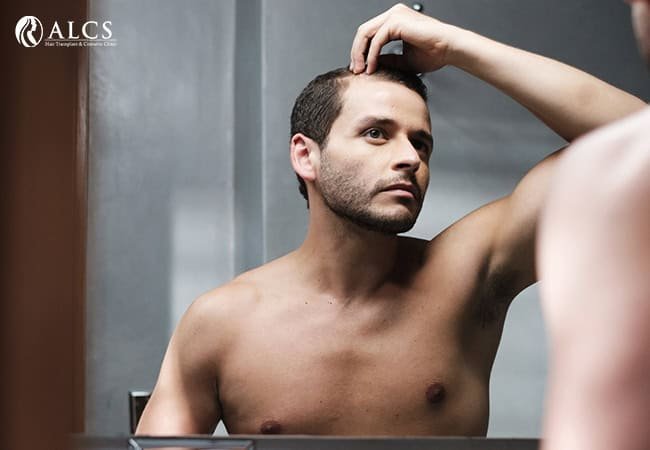
Taking biotin for hair: is it worth it or not ?

What does biotin do for hair?

A significant part of the population faces hair fall issues once they have crossed the age of 30. Hair loss results in lower self-confidence in many people.

The hair loss issue can be tackled in multiple ways after understanding the root cause. Many people have resorted to biotin hair treatments and got significant visible results.

Each patient is unique because of the root cause behind their hair loss. Here, you will get information about the working action of biotin and its benefits for your hair and the conditions under which biotin is good for hair growth.

What is biotin?

Biotin is the common name for vitamin B7, earlier called vitamin H. It belongs to the group of vitamin B complexes that is popular for its skin, hair and nail benefits. Vitamin B complexes are also a metabolism booster and aid in converting carbohydrates and fats to energy.

Biotin is a critical component in the synthesis of amino acids. In addition, it plays a significant role in forming keratin, the hair protein. Hence, adding biotin to your diet can help you grow stronger and healthier hair and enhance the rate of hair growth.

Vitamin B7 is a water-soluble vitamin hence excess of it is passed out by the kidneys. Thus, biotin should be consumed on a daily basis as it cannot be stored in the body.

What causes hair loss?

The leading cause of hair loss in younger people is a lack of certain nutrients in their bodies. Other reasons are stress, hormonal imbalances and depression. However, they are mostly temporary and can be fixed with a healthy diet, supplements and controlling stress.

Hormonal imbalance diseases such as thyroid and ovarian disorders also result in hair loss. In such cases, try to bring the hormonal condition under control to decrease the effect of the disease on hair.

Biotin deficiency is a significant cause of hair loss in most cases. In rare cases, biotin deficiency can be hereditary too. People with alcoholic habits and pregnant women are at higher risks of biotin deficiency.

In some cases, even if you include an adequate amount of biotin, it may not get digested. The reasons behind it may be poor digestion and bad gut health. Poor gut health can lead to insufficient absorption of essential nutrients.

Thus, while trying to get to the root cause of your hair loss, check over your gastrointestinal health. Eating a well-balanced nutrient-rich food is of no use if it is not getting digested properly.

How much biotin for hair growth is required?

After understanding biotin benefits for hair, you should understand the optimum amount of biotin to be consumed. It is in the range of 30-100mg for adults. The requirement for biotin in pregnant women is higher. Food rich in biotin is a part of everyday diet. They are egg yolks, some fish and caviar (salmon, cod, roe, oyster, etc.), sweet potatoes, legumes and organ meat.

Does applying biotin on hair work?

Nowadays, multiple products containing biotin in their ingredients are considered the best biotin for hair growth. However, the benefits of applying the best biotin for hair growth results in the form of shampoos, serums, oils and masks have no evidence. In order to show its benefits, the biotin present should penetrate through the scalp and aid in protein synthesis.

However, over the counter products applied to the hair can generally not penetrate deep into the scalp. Thus, there are minimal results with the counter application.

Are there any biotin hair growth side effects?

A common question arises in a patient’s mind: Can biotin cause hair loss? There are rarely any cases of biotin hair growth side effects. It is an entirely safe vitamin, and an overdose of it rarely causes any complications. However, it can cause interference with other medications and their mechanisms. If you have any medical condition such as diabetes, seizures, high blood pressure, consult your doctor before using biotin for hair loss. Also, be careful with the damage. It can have side effects like upset stomach, acne, and allergic reaction.

Biotin for hair loss: How long to see results?

Natural hair growth is a time taking procedure. It can be accelerated by biotin hair treatment, but still, it would need sufficient time. It is usually seen that significant growth is visible in around 3 months. However, each patient and their case is unique, and it would need its own time to grow hair.

If you want a treatment with one of the best biotin for hair growth in Jaipur, you may consider visiting Dr Sunil Arora for all your hair problems at ALCS Clinic. He is an expert in biotin treatment and would give you the best advice as per your case. So look no more and book a consultation and treatment appointment at ALCS Clinic to get a solution for your hair problems.

If you are looking for more information on biotin for hair loss or how long to see the results of this treatment, get in touch with the experts at ALCS India. They will also tell you whether taking biotin for hair is suitable and how much biotin you should take for your hair growth.

4 Key Factors That Influence Hair Transplant Success

h as over-the-counter products, the success rate of hair transplant is much higher. In three to four months, around 10 to 80 percent of the transplanted hair would grow back to normal length.

Here are some of how you get a hair transplant successful:

  • Choice of the clinic: Several factors determine the hair transplant success rate, and opting for a high-end clinic is one of them. The procedure’s success also depends on the type of procedure and the extent of hair damage and loss. 
  • Skilled surgeons: It is always safer to get your hair transplant done by an experienced doctor with specific training in the field. Make sure to see the reviews of the patients they have treated to understand their extent of expertise. Doctors with advanced knowledge and training who are introduced to the field would be the better choice. Also, ensure they have sufficient experience with the type of problem you are suffering from. 
  • Kind of procedure: There are several types of procedures, and each hair transplant success rate is different. The most trusted and safest option is Follicular Unit Extraction (FUE); the hair transplant success rate is high and everyone’s top option. The procedure is done by taking hair from one part of the hair, known as the donor site, and grafting it on the bald and thinning regions of the head, known as the recipient site. The healthy hair follicles are extracted and grafted one by one. It is the distinguishing factor making FUE hair transplants successful. In other techniques, the common approach is to extract the entire strip of skin containing healthy, strong hair follicles and divide them into sections which are then transplanted on the recipient area. FUE is a more precise and technical method, making the hair transplant successful. 

The high degree of precision of FUE is the reason why it is the preferred choice by most doctors for treatment. Also, many patients prefer FUE because it gives natural-looking hair growth afterward. It seems so natural that anyone who has not seen you before would never believe you had hair fall issues. Finally, in terms of pain, FUE is much less painful compared to other procedures.

  • Professional advice: The only way to understand the reason for hair fall and how to treat it is to have a consultation with an experienced doctor. As per your condition, they would examine and suggest a treatment plan. They would suggest all the options available and also the outcomes of each procedure. It would be a complete mistake if you just decided on getting a hair transplant without understanding your condition, the reason for hair loss, the techniques available, the success rate of hair transplant, recovery, etc. 

After undergoing a hair transplant surgery, the scalp is extremely tender. Pain medications are prescribed for some days after the surgery. You would have to wear bandages on your head to cover your scalp for one or two days. The doctor would also prescribe antibiotics or anti-inflammatory drugs for several days. It would be best if you had a break of 2 to 5 days from your office to recover and heal.

Within 2 to 3 weeks after the surgery, you will notice that your hair has started falling out. It is entirely normal, and new hair will start growing in a few months. It would take around 6 to 9 months to see the success of a hair transplant. The doctors can also prescribe hair-growing drugs such as minoxidil to boost hair growth after trepanation. However, there are backed-up studies showing hair growth drugs’ efficiency.  

How long does a hair transplant last?

The success rate of hair transplants is high; thus, patients need not worry about it. After the procedure, the patient would have thicker hair and feel confident. However, in some cases, it can result in hair thinning and hair fall, which would give an unnatural patchy appearance. Therefore, subsequent sessions are required for the long-term success of hair transplants. 

Touch up procedure may also be required, which is done to fill in any gaps or thinning patches to give an overall natural hair appearance.

The hair transplant success rate also depends on postoperative care. Make sure to follow all the instructions of the doctor. Avoid strenuous physical activity for several weeks, and start with the persimmon of the doctor. You would have to wait for some days even to wash your hair.

Most of the patients undergoing surgery are worried about the success rate of hair transplants and the longevity of the new hair. However, the vital thing to remember is that the results can vary from person to person.

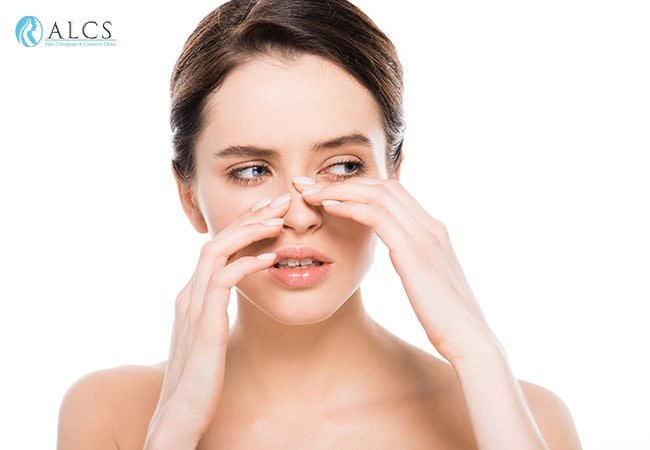
Do Nose Jobs Hurt? Understanding Rhinoplasty Pain

Is rhinoplasty painful? It is one of the main concerns that patients have in mind when they are making the perfect nose shape or functionality decision. Rhinoplasty is a sought-after cosmetic surgery procedure, and patients are often afraid of being hurt.

This guide will enable you to know the amount of pain to expect, how recovery experiences feel, what can help alleviate the pain, and the long-term outcomes that you can anticipate. We shall also respond to related questions like: Is rhinoplasty permanent? And does rhinoplasty leave scars?

Understanding Rhinoplasty: What the Surgery Involves

Rhinoplasty, also known as a nose job, is a surgical operation that reforms the nose. The surgeon can reconstruct the bone, cartilage, or skin to enhance a look or to improve breathing. 

Rhinoplasty may be:

  • Cosmetic (to alter the appearance of the nose)
  • Functional (to enhance breathing)
  • Reconstructive (to repair defects during birth or injuries).

The thought of changing the nose sounds agonizing, but the surgery is intended to ensure the patients are comfortable throughout the procedure.

Is Rhinoplasty Painful?

Here is the big question to be answered.

During Surgery: No Pain at All

Rhinoplasty will not hurt you. The procedure is done in the presence of the surgeons:

  • General anesthesia (you are asleep)
  • or local anesthesia under tranquilization (you are calm, painless)

Due to anesthesia, you will not know what is happening. The operation, per se, is not painful, then.

After Surgery: Mild to Moderate Discomfort

The patients mostly report that the road to recovery is not painful, but rather uncomfortable. You may feel:

  • Heavy or sore around the nose.
  • Weighed-down sense (such as a bad cold).
  • Mild aching under the eyes
  • Soreness and swelling of the cheek.
  • Occasional headache

Actual sharp pain is rare. During the initial days, surgeons normally prescribe pain medication, which helps to keep the discomfort under control.

The Truth from Most Patients

Individuals who have received rhinoplasty usually state:

  • It did not hurt as much as I thought.
  • It was not painful but rather like being under pressure.
  • The stuffiness was worse than the soreness.

In general, rhinoplasty is not very painful, but the pain levels depend on the person.

Why Discomfort Happens After Rhinoplasty

The changes are naturally accepted by your body after the surgery. Ordinary healing results include swelling, bruising, and congestion.

The following are typical causes of discomfort:

a. Swelling of the Nose Tissues

The nose becomes swollen on the inside and outside following surgery. This brings about a fullness that may be unpleasant.

b. Nasal Blockage

Due to swelling and internal splinting/packing, you may not be able to breathe through your nose for a few days. It may be annoying, but not typically hurtful.

c. Bruising Around Eyes

Others acquire bruises or dark circles below the eyes. This can be a little uncomfortable, but it tends to pass in a week.

d. Pain on palpation of the nose.

The nose will be sensitive in a few weeks, particularly if you bump it.

Pain Timeline: What to Expect Each Day

Patients commonly desire daily ideas of the sensation of pain. Here is a simple breakdown.

Day/WeekSymptoms
Day 1 (Right After Surgery)You feel groggy from anesthesia.

There is pressure around the nose.

Pain is mild and controlled by medication.

Breathing through your nose may be difficult.
Day 2–3Mild swelling and congestion peak.

Discomfort is noticeable but manageable.

Most patients say this is the “least comfortable” stage.
Day 4–7Pain decreases a lot.

Bruising begins to fade.

Splint may still be in place.

You can do basic tasks without difficulty.
Day 7–10 (Splint Removal)Removing the splint may feel odd but not painful.

You feel more normal once breathing improves.
Week 2–4Mild tenderness remains.

Most swelling reduces.

You look more like yourself.
1–3 MonthsMinor morning stiffness or sensitivity may continue.

The nose keeps refining.
6–12 MonthsFull healing.

Final shape becomes visible.

Tips to Reduce Pain and Discomfort After Rhinoplasty

Despite the fact that the process of rhinoplasty is not very painful, some pieces of advice will make you even more comfortable.

a. Take Your Medication on Time

Anti-inflammatory and painkiller drugs decrease swelling and pain.

b. Keep Your Head Elevated

Resting on numerous pillows assists in reducing swelling.

c. Use Cold Compresses

Reducing swelling is best done by cooling the cheeks (not the nose).

d. Avoid Strenuous Activities

No heavy exercise, bending, or lifting for at least two weeks.

e. Eat Soft Foods

Hard foods can be both hard to chew and dangerous to your facial muscles.

f. Do Not Blow Your Nose

Blowing may aggravate swelling or internal healing.

g. Stay Hydrated

Consumption of water aids the body in healing more quickly.

h. Protect Your Nose

Do not bump it, put on glasses too soon, or sleep with your face down.

Is Rhinoplasty Permanent? Understanding Long-Term Results

The other most frequently asked questions by patients are: Is rhinoplasty permanent?

Yes, rhinoplasty results are permanent.

The bone and cartilage surgical modifications remain permanent. When the nose is healed, it remains the new shape.

However, remember:

  • The nose and face change slightly in response to aging over the decades.
  • The skin texture may be influenced by sun exposure.
  • Later injuries can change the nose.

Nevertheless, in general, the perioperative optimizations are sustainable.

Why Rhinoplasty Is Considered Permanent

  • Cartilage is re-molded, re-positioned, or eliminated.
  • The bone is carved or made straight.
  • Reorganization is not self-reversing.

The rhinoplasty planned by the surgeons is intended to have a long-lasting effect.

Does Rhinoplasty Leave Scars?

One of the issues of great interest to most patients is: Does rhinoplasty leave scars?

Closed Rhinoplasty

In closed rhinoplasty, all the incisions are within the nostrils.

Outcome: No observable scars anywhere on the body.

Open Rhinoplasty

In open rhinoplasty, a small cut is made at the base of the nose in the columella.

Outcome: A small scar can appear but, it is normally barely noticeable.

Most open-rhinoplasty scars:

  • Fade in a few months
  • Fades into the skin color.
  • Become almost unnoticeable

How to Reduce Scarring

  • Do as your surgeon directs on wound care.
  • Apply prescribed creams or gels.
  • Do not scratch or pick the area.

Generally, all rhinoplasty scars are minimal and hardly a cosmetic issue.

Emotional Side of Recovery: What Patients Should Know

Rehabilitation following rhinoplasty is not a physical process. It has its emotional sides as well.

a. Being Fretful about the Final Result

During the first few weeks, you may be concerned about swelling or appearance. This is normal.

b. Adjusting to Your New Look

A dissimilar nose can require some time to embrace.

c. Feeling Impatient

Treatment will require months; thus, patience will be valuable.

d. Comparing Yourself to Others

Each individual recovery is unique. Your journey is unique.

Being aware of such emotions allows you to remain calm.

When Should You Call Your Doctor?

Though healing of a nose job is generally uneventful, contact your surgeon in case you experience:

  • Excessive bleeding
  • Persistent fever
  • severe, unexpected pain
  • Infection or abnormal discharge.
  • Not responding to breathing easier.
  • Damage to the nose during healing.

Timely and early communication avoids frustrations.

Final Outcome: What to Expect After Full Healing

As soon as the nose is healed up:

  • You must breathe better (if functional changes are made).
  • The form is made to be natural and defined.
  • The swelling is resolved within months.
  • You are able to resume normal body activities.

A majority of the patients will be happier, more confident, and comfortable in their appearance.

Pros and Cons of Rhinoplasty

Pros

  • Permanent results
  • Improved facial balance
  • Improved breathing (in functional cases)
  • Natural-looking outcomes
  • Boost in confidence

Cons

  • Recovery takes time
  • Transient edema and congestion.
  • Minimal pain during the first week.
  • Minor possibility of revision surgery.

Having knowledge of both parties assists you in making informed choices.

Conclusion

Have you been asking yourself the question: Is rhinoplasty painful? The answer to it is simple: rhinoplasty is not as painful as most people are afraid of. Anesthesia also means that you do not feel pain, and the post-surgical pain is easily treated with medication and attention. The congestion and swelling can be temporarily painful, but these symptoms fade soon.

The concern above on whether rhinoplasty is a permanent operation, the answer is yes, so you will see the results you will then have for life. And in case you worry about scarring, and you ask yourself the question: Does rhinoplasty leave scars? Fear not, the scars are so small or no scars at all.

Rhinoplasty is a safe and effective surgery that can help you look better, breathe better, and feel better. Through proper preparation, expectations, and having the right surgeon, you can have an easy recovery and a gorgeous new nose.

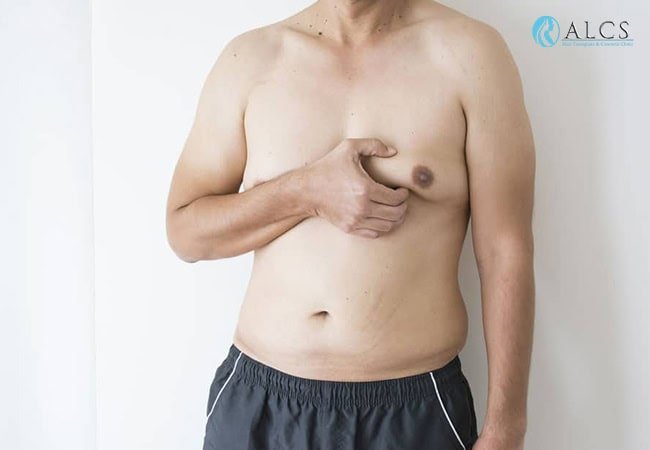
The Effects of Gynecomastia on Males of All Ages

Gynecomastia in males is a common condition that occurs in men and boys, leading to breast tissue swelling. It occurs when the balance of two hormones is disturbed in a person. If the breast tissues are enlarged due to the deposition of fat, then the condition is known as ‘pseudogynecomastia’. 

All boys are born with a small quantity of breast tissue. However, in males, the breast tissues are not developed the same way as in females. 

In boys, the hormone testosterone is responsible for sexual maturity. But their body also produces some amount of estrogen, which steers sexual development in girls. 

When the body produces less testosterone or a high amount of oestrogen at puberty or adulthood, the balance between them gets disturbed. Hence the higher level of oestrogen in the body leads to swelling of breast tissue and causes teenage gynecomastia. 

It has been found that almost half of adolescent boys and around two-thirds of men above 50 years experience some extent of men gynecomastia. 

Gynecomastia in Male Symptoms 

The first and primary symptom of gynecomastia in male is a fatty lump under the nipple. It can be tender or sore. Sometimes people mistake it for breast cancer, which occurs in a small number of men. Gynecomastia in male does not necessarily mean that the person has cancer; however, your doctor will run some tests to be entirely sure.  

Breast swelling happens unevenly; one breast may become larger than the other. Above all, breast tenderness is also a symptom of gynecomastia. 

If you notice swelling, your breast becomes tender or painful, or there is discharge from one or both nipples, you should see a doctor. 

Causes of Gynecomastia

There are a lot of factors that can lead to hormonal imbalance in the body, which is then responsible for gynecomastia. However, many times the exact cause that triggers breast growth is unknown. 

Apart from body changes such as ageing and puberty, other factors also lead to male gynecomastia. Some of them are: 

  • Injury and diseases that are associated with testicles are responsible for the production of testosterone. 
  • Hormones from thyroid glands control sexual development; hence any thyroid gland problem can cause gynecomastia.  
  • Cancer in the lung, pituitary gland or adrenal gland. 
  • Obesity as it leads to more production of oestrogen. 
  • Consumption of illegal drugs such as heroin, anabolic steroids, and marijuana. 
  • Kidney failure and lung diseases
  • Some boys get gynecomastia as the hormone from their mother remains briefly in their bodies. 

Apart from these factors, some types of medicines can cause men gynecomastia: 

  • Anti-androgens are taken to treat an enlarged prostate or prostate cancer. 
  • Anabolic steroids and androgens are sometimes used legally and, many times, illicitly by athletes to boost their performance. 
  • Anti-anxiety drugs are also known to cause gynecomastia in men. 
  • Heart medications and calcium channel blockers can also sometimes cause gynecomastia. 
  • Medicines on an empty stomach can also have gynecomastia as a side effect. 
  • Medicines bought over the counter to treat ulcers can also lead to gynecomastia. 
  • Antibiotics, cancer treatment medications, and antidepressants are all known causes of gynecomastia. 

Male Gynecomastia Treatment

Most cases of teenage gynecomastia eventually get treated on their own without needing any treatment. However, other cases need treatment. 

Your doctor will recommend you to a specialist called an endocrinologist to treat problems related to hormones and make you understand how they affect your body. 

The treatment of gynecomastia depends on the patient’s age, health, how long the condition may last, and how the body responds to certain drugs. If the condition occurs at puberty, i.e. teenage gynecomastia, it generally goes away on its own. However, it can take somewhere between 6 months to 3 years. 

If the condition is caused by hormonal imbalance or other health conditions, it becomes vital to treat the underlying disease. Generally, medications are given to treat hormonal issues causing breast growth. However, some cases might need surgery. Techniques used by doctors are:

  • Liposuction (extra breast fat removal)
  • Mastectomy (breast gland tissue removal)
  • Men Gynecomastia prevention

There are various steps to reduce the possibility of teenage gynecomastia or any other age. They are:

  • Do not use illicit or recreational drugs like androgens, anabolic steroids, marijuana, heroin, etc. 
  • Do not drink alcohol or drink moderately.
  • If you are on any medications, get them checked to know if it is the cause of your condition. If yes, then ask for an alternative. 

Hence one should avoid doing these things and reduce the chances of getting gynecomastia. 

Male Gynecomastia Complications 

Gynecomastia can have an impact on one’s mental health. Men with gyno can feel anxious, depressed, or embarrassed. Hence to manage these issues, one should take the following steps:

  • Talk with your doctor about gynecomastia complications on your mental health. They might recommend you to a mental health specialist. 
  •  It is vital to talk to your family and friends about your feelings. They can provide you with emotional backing.
  •  Support groups can help a lot of men with gyno. Talking to people who understand what you are going through can make you feel better. 

Gynecomastia in male is a common condition. There is nothing to be ashamed of for men with gyno. If you have this condition, talk to your doctor and get treatment.

Low Testosterone and Male Breasts

Low testosterone level in male is often responsible for the condition that leads to enlarged breast tissues called gynecomastia. Testosterone is a naturally occurring male sex hormone. It is this hormone that helps in the sexual growth of men and develops physical features. However, it also affects men’s sex drive and mood. 

The imbalance of testosterone in the body generally leads to gynecomastia. Gynecomastia and testosterone low levels both are treatable. However, it is first essential to know the condition’s underlying cause. 

Understanding Low T

With ageing, the level of testosterone gradually starts decreasing. It is referred to as hypogonadism or lows T. As per the studies, 1 to 4 men have low T. It eventually leads to various other conditions such as: 

  • Reduced libido
  • Low sperm count
  • Erectile Dysfunction (ED)
  • Enlarged male breast (gynecomastia)

To understand the condition better, book an appointment at ALCS clinic and talk with some of the top doctors. 

Understanding Gynecomastia 

The male body produces both testosterone as well as estrogen. However, the level of estrogen is very low. If the testosterone level in men becomes too low compared to estrogen or the level of estrogen is excess, a large breast develops. 

At puberty, there is a noticeable change in the body’s hormonal activity, which leads to men gyno. Generally, at this time, the condition gets resolved on its own without any treatment. As a result, both breasts can have the same excess of breast tissue, or one may have more than the other. 

In older men, gyno may occur and remain; hence, it needs to be treated. Around 1 to 4 men between 50 to 80 ages experience testosterone gyno. It is not harmful or severe but can lead to sore breast tissue. 

Causes of low Testosterone gyno 

The primary cause of low T is generally ageing. However, some underlying health conditions can also lead to this condition. Your doctor can make you understand better whether the cause of low T is an underlying condition such as:

  • Damage to testes that produce testosterone
  • Accident
  • Inflammation
  • Testicular cancer
  • Radiation and chemotherapy
  • Diseases affecting the hypothalamus and pituitary gland
  • Taking anabolic steroids

Your doctor can better understand your condition and know the actual cause of the condition. 

Treatment

Various treatments are available for the treatment of gynecomastia and low T. 

Gynecomastia

Some medicines can be used to treat the condition of testosterone gyno. However, the medications are approved to treat breast cancer and not gynecomastia. Since the health department does not approve it for the treatment of gynecomastia, the use of such medicines is known as “off-label”. The off-label treatment is safe, but it is always advised to talk to your doctor before starting it. 

Apart from medications, there are other surgical options as well. For example, liposuction is a surgical procedure that removes excess fat from the body. Doctors can also use it for the removal of breast fat. Mastectomy is another surgical procedure that is used for the removal of breast tissue glands. The procedure is performed using a small incision and with quick recovery. It may also include corrective and cosmetic treatments to enhance one’s look. 

Low T

Along with gynecomastia, one should also get treatment for low T. With age; the testosterone level also starts to decline. Thus, older men with gyno generally go for gynecomastia testosterone replacement therapy. The treatments are available as follows:

  • Skin gels
  • Patches
  • Injections

Those who undergo gyno testosterone replacement therapy experience improvement in the:

  • Energy
  • Sex drive
  • Erections
  • Sleep
  • Muscle mass

There is also a change in one’s look and mood. Those who experience low T can resolve gynecomastia with testosterone replacement therapy. 

Sides effects of Treatment

The gyno testosterone replacement therapy also has some side effects. Men with prostate cancer or breast cancer should not decide to get gyno testosterone replacement therapy as there is a significant controversy surrounding the treatment of increasing the risk of prostate cancer. It is also believed to increase the risk of cardiovascular diseases, obstructive sleep apnea, and excess red blood cell production. It is best to talk to your doctor about the risks and benefits of gyno testosterone replacement therapy. 

Conclusion 

With ageing, the condition of low T and gynecomastia becomes quite common. There are various treatment options available for the treatment of testosterone gyno conditions. Talking to your doctor about which treatment to undergo is always recommended. They will understand your condition and accordingly provide the most effective treatment. The treatments can improve the quality of life one has. The condition tends to lower confidence; talking with a therapist can also help. Joining a support group with men having similar conditions can also provide a better perspective on the condition and its treatment. 

If you are experiencing testosterone gyno condition, then it is best to contact your doctor and get treatment. ALCS clinic has top doctors who can help you with effective and safe treatment. So book your appointment now. 

CoolSculpting vs. Liposuction: What to know (Gynecomastia) – Things you should Know

Liposuction and cool sculpting are both techniques to remove fat from the body. If you are confused about laser liposuction vs coolsculpting, you can consult a doctor. The difference here is that coolsculpting is the procedure used for fat removal from smaller areas, whereas liposuction is used for fat removal from more extensive areas. 

Read on further to have a clear idea of liposuction vs coolsculpting.

What is the difference in the procedure of liposuction vs coolsculpting?

Coolsculpting is a comparatively newer technique for fat removal from smaller areas underneath the skin. You can do it on any part of the body. During cool sculpting, the doctor would use a gel pad and applicator on the skin surface to freeze the fat cells. The vacuum in the applicator will remove the fat from the skin to the top and be used for 30 to 40 minutes. It causes the fat cells to freeze and crystallise.

After this, the doctor would remove the pad and start massaging the area to break down the fat crystals. The body would then break it further, thus removing it from the area.

One of the significant advantages of this procedure in liposculpture vs coolsculpting is that there is no scarring or skin damage. However, one of the side effects of coolsculpting is that it is different from the procedure you can opt for if you need large amounts of fat removal from your body. 

For a higher amount of fat removal, liposuction is a better option. During this procedure, the doctor would make small incisions on the surface of your skin of the target area. Then, with the help of anaesthesia, the area is numbed, and a thin tube called a cannula is inserted through the incision to break down fat. The fat is then sucked out, and incisions are closed.

The doctor may use general anaesthesia or local anaesthesia. It depends on the amount of fat which has to be removed and the area from where the fat has to be removed. 

Recovery: Liposculpture vs coolsculpting

Before deciding on any procedure between liposculpture vs coolsculpting, you should also know how much recovery time is required in both cases. Coolsculpting has a brief recovery period. The patient can resume daily activities after the surgery in a short while. In liposuction, you would need at least a week of recovery time before starting your daily activities.

The doctors suggest light activities such as walking and doing light work at home after liposuction for faster recovery. It is recommended to sit or lay down in a different position for shorter hours. Compression garments are also advised to be worn 4 weeks after the surgery to help the skin adapt to the new computer.

Hence in laser liposuction vs coolsculpting, the former has a longer recovery time, and the latter is of a shorter recovery period.

How effective are these procedures?

The amount of fat removed in liposuction is much more than in coolsculpting. By location, you can also transfer fat from one part of the body to another part. Thus, liposuction can be used for the overall enhancement of body contour. However, the body’s new contour would be visible after the swelling has decreased. Thus the results are not immediate.

After coolsculpting, you will not see any sudden fat loss. The results take time to be visible. It may take a few weeks. It may vary from person to person.

The coolsculpting procedure can penetrate only a few millimetres below the skin; hence, the results slightly change. Multiple sessions are required to get a more drastic change in your contour.

Risks and complications: Laser liposuction vs coolsculpting

Coolsculpting is a non-invasive procedure; thus side effects of coolsculpting are much lesser: 

  • Redness
  • Bruising
  • Numbness
  • Discomfort 

In extremely rare cases, it can lead to paradoxical adipose hyperplasia (PAH), which stimulates fat growth. 

Liposuction is a safer technique but has more than the side effects of coolsculpting. Here are some of liposuction side effects:

  • Pain
  • Inflammation 
  • Bruising
  • numbness

There are some long-term liposuction side effects, too, which may take months to be visible. For instance, some people get seromas in the area. Seromas are fluid-filled sacs which might develop as liposuction side effects. They can disappear on their own in a few days or be drained out with the help of a needle. In some cases, fat necrosis occurs, which is damage to the fat tissue. Make sure to follow all the medication and instructions of the doctor to heal appropriately.

Thus, liposuction is best suited for larger areas, and cool sculpting is helpful for small amounts of fat removal. It is suggested to have a good diet after surgery and engage in light physical activity during recovery. Maintain a healthy lifestyle to keep the results permanent.

7 Shocking Liposuction Side Effects That No One Talks About – Things you should Know

Everyone wants a flat tummy with flawless abs in the gym mirrors. Celebrities, social media influencers and fitness influencers promote a healthy lifestyle and have increased the level of fitness and its meaning.

While everyone is trying to maintain a clean diet and work out regularly, hitting their weekly and monthly targets, it is common not to see any instant visible results of your effort. You can consider undergoing liposuction surgery if you are searching for a procedure to get immediate results and minimal effort. Many celebrities and influencers have used liposuction to get the perfect body contour giving us primary fitness goals. 

Liposuction is a medical procedure to get rid of stubborn body fat. However, any medical treatment comes with its side effects too. So, there are side effects of liposuction as well. Here we have described everything you need to know about liposuction side effects long term, details of the procedure, results, recovery time, etc., before deciding about it. So, let us know about the long term side effects of liposuction. 

What is liposuction?

Liposuction is a cosmetic procedure which removes stubborn body fat from the body through a suction method. It is also known as lipoplasty, lipectomy, liposculpture suction and lipo. 

Most liposuction is done for health purposes, but some opt for it for aesthetic procedures. Liposuction is a way to remove stubborn body fat, which would generally not respond to exercises and diets. Liposuction is usually done on the abdomen, thighs, calves, neck, chin, arms, etc., to redefine the body’s contour. However, it is a medical procedure; thus, liposuction surgery side effects also exist. Nevertheless, they are usually minimal and can be managed through medications.

How long do the results of liposuction last?

The results of the surgery are not visible immediately because of the swelling. Hence, to see the actual body contour, you would have to wait for the results of the surgery till the swelling has decreased; thus, instant results are not possible for this procedure.

The long term side effects of liposuction can take around 6 months to heal completely. You will notice slight changes and your newly acquired contour during this period. 

How much weight can be lost through liposuction?

It is not possible to lose all the fat in one sitting. Therefore, liposuction is planned if a person needs to lose 6 to 8 pounds of fat. The surgery is planned with a few weeks gap to allow the body to heal and avoid any liposuction side effects long term. It is usually done at an interval of 3 to 4 weeks before the following liposuction. 

Recovery from liposuction

The period of recovery varies from person to person. After The surgery, it is required to wear compression garments for one to two months to help recover. Antibiotics should be taken as prescribed.

What are the side effects of liposuction?

Liposuction side effects immediately after the surgery include sharp pain for a few days, which decreases. However, the pain felt when the surgery is done under general anaesthesia is more intense and needs pain medications. In any case, liposuction surgery side effects are minimal, but in others, it might take the wrong route. Here are some of the liposuction surgery side effects which you should be aware of:

  • Body deformity: Improper fat removal can result in uneven skin with a wavy bumpy look. There are chances of skin damage due to the insertion of the cannula incorrectly leaving permanent spots, which is a long term side effect of liposuction. 
  • Fluid retention: Fluid under the pockets of the skin (seroma) can accumulate. Your doctor can drain it through a sterilised needle.
  • Skin infection: There are cases of severe skin infection which can become life-threatening.
  • Puncturing of internal organs: If the cannula is inserted under the skin improperly, it damages the internal organs, and immediate surgical repair must be done.
  • Fat embolism: The cannula breaks down fat into small pieces, which can get trapped in the blood vessels and travel to the lungs or brain. Thus fat embolism is one of the liposuction surgery side effects and an immediate medical emergency.
  • Kidney, lungs and heart issues: During liposuction, vast amounts of fluids are injected into the body, resulting in a sudden imbalance in the fluid levels. The kidney, lungs and brain are under pressure to balance the fluids.
  • Lidocaine toxicity: Lidocaine is the anaesthesia used during liposuction. It is usually safe anaesthesia, but in rare cases of side effects of liposuction, it results in lidocaine toxicity resulting in severe heart and central nervous system disorders.

After having a complete overview of the long term side effects of liposuction, you can decide whether you want to undergo surgery or not. Then, you can get in touch with us at ALCS India and get an appointment with our doctors

What To Expect While Recovering From Rhinoplasty?

Rhinoplasty is one of the most common surgeries performed by plastic surgeons. However, do not hesitate and consider yourself alone because a considerable number of patients all around the world opt for this procedure. 

Both genders can get a rhinoplasty. It can be done for aesthetic purposes and has many other benefits. For example, rhinoplasty helps in fixing breathing issues. In some cases, reshaping the nose through rhinoplasty can also show proven benefits in the sinus. Many people during their rhinoplasty recovery have testified to this. It is also helpful in dealing with deviated septum issues. If you wish to undergo rhinoplasty for medical purposes, a doctor would be the best person to answer all your queries related to the procedure, details, and recovery time for rhinoplasty.

Also, several people want to achieve better symmetry to get balanced facial proportions. Rhinoplasty can correct nostril width and shape, bridge width, humps or depression on the nose, improper nasal tip, and much more.

What happens during rhinoplasty surgery?

Before deciding on the procedure, get a complete idea of the steps of the surgery and rhinoplasty recovery:

  • Anaesthesia: To ensure a comfortable experience, doctors would first administer anaesthesia. It can be intravenous sedation or general anaesthesia. As per your health condition, the doctor would suggest the best option.
  • Incision: Rhinoplasty can be performed as a close procedure by a hidden nose incision or as an open procedure where the insidious are made on the arrow tip separating the nostrils. The skin which covers the nasal bone and cartilage is carefully lifted to allow access for reshaping the nose.
  • Reshaping: A big nose can be reshaped to a smaller one by removing some bone or cartilage. It may also require adding some cartilage grafts in the area. The cartilage grafts are made from the cartilage from the partition between the nose. In rare cases, the cartilage can be extracted from the ears or the rib cage.
  • Correction: If the patient has deviated septum, the septum is straightened, and the projections blocking the air pathway are reduced to improve breathing.
  • Closing of incisions: As soon as the shaping and sculpting of the nose procedure are complete, the nasal skin and tissue are redraped, and incisions are closed. The doctor might perform additional surgeries on the creases of the nose to adjust them later.
  •  Recovery and results: For the first few days during the recovery time for rhinoplasty, your nose would be covered with splints and gauze to support the new contour. 

You can get to know more about  Nose job recovery by getting in touch with us at ALCS India. Our doctors are highly qualified plastic surgeons who would give you a clear idea of nose job recovery, the extent of pain, the surgery steps, how much recovery time for rhinoplasty is required and much more. So contact us at ALCS India and bid goodbye to your worries related to nose job recovery.

What happens during rhinoplasty recovery?

The results of rhinoplasty are gradual. It would take around a year for the recovery nose job and the swelling to decrease. However, some people might notice faster rhinoplasty recovery as the tissues begin to heal and the nose shape is evident.

The softer tissues of the nose would need more time to return to a normal state than any other body tissue. Hence, even though I can see a difference in 3 to 4 of the recovery nose jobs, the final results would take several months. 

Pain and inflammation would be higher in the initial recovery nose job period. You would also notice it under your eyes and cheeks area, which would eventually heal. The surgeon would give you instructions to follow during your recovery time for rhinoplasty. It would include medications, instructions, postoperative care, follow-ups, etc. Make sure to abide by all the interventions during your rhinoplasty recovery for successful results.

How to choose the right plastic surgeon?

Make sure to go with a doctor who has high experience in dealing with the type of appearance you want for yourself. Always opt for a nationally certified and trained doctor. Have a one-to-one consultation session and ensure that you are comfortable and clear all your doubts about the procedure. It would be best to take a look at their previous work. Go through the before and after transformations. It helps you clarify whether they can perform and give you the desired results. If you have, you can also provide them with photos of the kind of nose you want by rhinoplasty.

Thus, undergoing a rhinoplasty would significantly boost your confidence levels. In addition, a slight change in your facial features would add a lot more to your overall satisfaction and hence can improve the overall quality of your life. So, book your appointment now at the ALCS clinic for safe and effective rhinoplasty surgery.

8 Cosmetic Surgery Tips That You Should Follow

Cosmetic surgery is a form of plastic surgery that enhances one’s appearance. However, it needs to be carried on with complete precision. The number of cosmetic surgeries performed is tremendously increasing every year. It is due to the growing popularity and benefits of cosmetic surgery. 

Cosmetic surgery procedures can be performed for the improvement of any part of the body. However, this decision shouldn’t be taken lightly. The surgery results are often permanent, so it is vital to be sure of your decision and choose an experienced surgeon. 

If your surgeon finds that there is some underlying condition that can not be treated by surgery, then they might recommend you for counselling before the surgery. Patients with Body Dysmorphic Disorder (BDD) are also recommended counselling. 

In past years people have become more interested in skin surgeries with the advancement of medical science. Innovations in the skin care domain have led to various successful surgeries. Above all, the latest trend of altering one’s facial features for a more desirable outlook has increased. However, some adverse side effects come with the benefits of cosmetic surgery. That is why one should properly understand the procedure and its side effects before undergoing surgery. 

All qualified and experienced surgeons recommend strict regulations for cosmetic surgery. Here are cosmetic surgery tips mentioned that one should follow before cosmetic surgery:

Know your surgeon

One of the first and most important cosmetic surgery tips that one should take care of is choosing an accomplished and experienced surgeon. One should be fully aware of the practitioner’s expertise. One should thoroughly research the surgeon’s career span, their specialisation field, and other vital details. It will lead you to choose the perfect surgeon for yourself. 

Meet the doctor in person

After doing the research, the next vital tip is to meet the doctor in person. All the surgeons demand meeting the patient in person to understand their condition better and the expected result. It also aims at making the patients comfortable around the surgeon and helping them to trust their practitioner. 

Understand the procedure

With the internet, there has been ease of getting ample knowledge about anything at your fingertip. Hence, before cosmetic surgery, it is vital to gain knowledge about the process and procedure. Watching videos on plastic surgery, reading articles or joining medical forums discussion can help a lot. Doing research can help you to choose the proper cosmetic surgery procedure. However, it is essential to understand that sometimes you can find false information online, so always consult your plastic surgeon. 

Know the risk

There are various risks and complications associated with cosmetic surgery. Your surgeon will provide a complete detail about all the possible threats one can face. Hence, one should always ask as many questions as they have in their mind. Any good surgeon will always be honest and forthcoming about the positive and negative impacts of the surgery. 

Look to visual data of doctors’ previous surgeries.

Seeing the photographs of previous surgeries performed by surgeons will help you understand the capabilities of doctors better and the effectiveness of the process. It helps to form the right expectation with the surgery. However, it is vital to get the images verified to know whether they are accurate or computerised. 

Maintain individuality 

One of the essential cosmetic surgery tips to know before skin surgery is why you want to get it done. The key is to be proud of oneself and not have unfair expectations. Plastic surgery is a complicated process hence the decision to undergo surgery needs to be taken carefully. 

Consult with family and friends

By consulting your family and friends about the decision to get skin surgery done, you can think about various other aspects that weren’t considered before. In addition, the advice and support of loved ones help to ease any complicated situations. 

Understand the recovery process

Every surgeon must make their patient understand the recovery process of the surgery. It helps patients to take care of the post-operation constraints and needs. 

These are some cosmetic surgery tips one should take care of before skin surgery. Skincare is vital, and any decision regarding it should be made after thorough research and thinking. These cosmetic surgery tips aim at informing patients all about cosmetic surgery and the steps taken to choose the proper cosmetic surgery procedure and practitioner. 

If you are considering getting cosmetic surgery done, visit the ALCS clinic. You can find some of the top surgeons with years of experience. In addition, the medical staff is skilled and supportive. They aid patients throughout the procedure. Above all, the clinic has the availability of all the advanced medical equipment and techniques to conduct eff

7 Quick Facts To Understand Gynecomastia And Gynecomastia Surgery

What is gynecomastia?

Gynecomastia is the development of mammary glands in males due to an imbalance of the hormones estrogen and testosterone. It can occur on one or both breasts of the person.

The primary reason behind gynecomastia is the disturbance of the hormonal balance between estrogen and testosterone. It can also be due to certain medications and diseases leading to breast development. One of the gynecomastia facts is that, in most cases, it subsides on its own. However, you may consider undergoing gynecomastia surgery if you feel self-conscious about it.

What is the cause of gynecomastia?

The imbalance in the levels of the hormones estrogen and testosterone is the common cause of gynecomastia. In males, a small quantity of estrogen is produced, which controls breast growth. In case of an imbalance, the estrogen level goes up, or the testosterone level goes down, and you may get gynecomastia.

Also, one of the gynecomastia facts is that it is commonly seen in obese people. It is because the deposition of fat in the breast causes pseudo-gynecomastia.

Some of the conditions which cause gynecomastia are:

  • Adrenal tumour 
  • Alcoholism 
  • Liver disorders
  • Thyroid
  • Kidney problems 
  • Klinflinters diseases (a genetic disorder)

Here are some gynecomastia facts which you should know more about:

  • The primary cause of gynecomastia is hormonal imbalance. It is generally observed in obese patients. Breast development can be due to the overdevelopment of ductal or glandular tissues and high body fat levels. Also, if the level of testosterone falls compared to the level of oestrogen, it can result in the dominance of female characteristics like breast development.
  • Alcoholism: Many people are in the grey area about these gynecomastia facts. Drinking alcohol results in an increase in the levels of oestrogen in the blood. The hormonal imbalance is not the sole reason, but for someone who’s overindulging in alcohol can result in weight gain and then subsequent risks of gynecomastia surgery.
  • Weight gain: In most cases, people confuse gynecomastia and weight gain. Weight gain results in fat formation and accumulation in the chest. Through gynecomastia surgery, it is possible to remove the overdeveloped breast tissue and excess skin, restoring the natural look. In males, the breast tissue is a mixture of glandular and greasy tissue. Thus, weight gain would further cause hormonal imbalance and hence gynecomastia.
  • Lack of awareness: Today’s medical science has advanced so much that there is a treatment for almost every ailment. Some patients keep suffering and do not have any knowledge about gynecomastia surgery. With time the surgery has become less invasive. Now with the availability of ultrasound liposuction, the surgeries have become less invasive and leave minimal to no scar in the operated area. Opt for a hospital with the latest technology, services and tools to give you the perfect chest.
  • Irreversible procedure: In nearly all cases, gynecomastia does not occur once the area is operated. However, if you wish to enhance your chest and do further corrections, it is better to consult with the specialist whether it is suitable. Each person is unique, and how their body responds to a medical procedure also varies. The kind of reaction the body shows entirely depends upon the individual’s physiological state of the body. Before deciding upon any surgery, it is better to have a consultation session with your specialist to have a clear view of the surgery and its drawbacks and possible complications.
  • Medications: If you have checked your hormone levels and find no imbalance in them, then the culprit for your newly developed mammary glands might be one of the medications you are consuming. Thus, certain medications can be the cause of gynecomastia. It is primarily due to the medications used to control prostate gland disorders, depression, anxiety, liver disorders and heart problems. The diseases of the endocrine gland can result in the development of breasts in males. Hence make sure to have a direct conversation with the doctor for a thorough discussion and give all the details about your existing chronic conditions and the medicines you are following. A transparent discussion about all your conditions would help the doctor figure out the actual problem and work on it accordingly.
  • The doctor’s expertise: The better you opt for your gynecomastia, the higher the chances of getting the desired results. The surgeon’s experience plays a crucial role in handling moments of complications and severity. It ensures you get the best treatment from well-qualified plastic surgeons trained and accredited nationally. How the doctor proceeds and does the surgery is the determining factor in the procedure’s outcome.

At ALCS India, we provide all the gynecomastia facts you need to know before proceeding with the surgery. Contact us to book your appointment now.