Get Expert Advice - Free Today

Rhinoplasty : The Basics Of Getting A Nose Job

Many men and women tend to be unhappy with the appearance of their nose that makes them want to get a nose job. It is the ultimate solution of getting aesthetic outcomes with the additional benefit of improved nose functioning. The doctor can do it either for cosmetic purposes or medical issues. Either way, it is a complex and delicate procedure that needs experience and skills.

Rhinoplasty is a prevalent cosmetic nose surgery, but it still has multiple questions surrounding the procedure. Rhinoplasty reshapes the nose to achieve efficient, natural-looking results and aids fast recovery. It is usually a safe surgery when done by an experienced surgeon. You can get the nose of your dreams and boost your appearance.

We have mentioned some information you might want to know before undergoing rhinoplasty. You can check for professionals online and shortlist the one based on your requirements. You also need to check for the nose job price they charge to make the arrangements. Alternatively, you can visit ALCS India once to get a consultation regarding your rhinoplasty surgery. We also offer non surgical rhinoplasty at our clinic.

What is nose surgery or rhinoplasty?

As previously said, rhinoplasty is plastic surgery of the nose. It can be done to make minor changes, but they can improve the balance of the person’s facial features and bring out exceptional results. Rhinoplasty is a complicated surgery performed only on the target area on a 3-D facial feature. One small structural change can permanently change how you look. Thus, you need to rely on your surgeon’s creative aspect along with their surgical skills to meet the look you want.

When you get a nose job matters!

Investing how you look is an emotional and financial commitment. However, did you know that doing it at the right time is vital? Many times, teenagers consider getting nose plastic surgery or, in other words, rhinoplasty. But you should at least be 16 years old for physical maturity and facial growth to be complete. The nose needs to be fully developed before any alterations are made. While considering the procedure, the individual should decide themselves and not based on someone else’s opinion.

It is crucial to maintain a realistic view when undergoing any cosmetic procedure. Prepare yourself mentally and put effort into understanding how the process works. While choosing the surgeon, look at the pictures of the patients they previously had. Rhinoplasty requires its own skillset and is different from other cosmetic surgeries. Therefore, the surgeons can charge extra rhinoplasty costs based on their experience.

Rhinoplasty can achieve a wide array of results, so knowing what you want is necessary. Patients can even use it to correct some medical issues like a deviated septum or broken nose due to an accident.

Following are some common reasons for patients to consider rhinoplasty-

  • Removal of a hump on the nose bridge
  • Narrowing of the nose bridge
  • Narrowing or widening the nostrils
  • Shortening the nose length
  • Redefining bulbous tip for harmony
  • Fixing a crooked nose

Depending on your concern, you may need a single change or combination of changes. The surgery is performed on an outpatient basis under IV sedation anaesthesia. Whether an open or closed rhinoplasty also depends on the results aspired. In an open rhinoplasty, the incisions are made inside and under the nose between the nostrils. In a closed one, the incision is made inside the nose. Closed rhinoplasty is usually recommended for minor changes, while an open rhinoplasty is preferred for injury and significant cosmetic changes.

After the surgery, you will be asked to rest in a recovery room and return home after a few hours. For a couple of days, expect some swelling and bruising. Some might even have discolouration around the eyes. You can take over-the-counter meds and cold compresses to deal with the side effects.

Post-rhinoplasty follow-ups will be scheduled after a few days to keep up with the progress, and then another one after 2-4 weeks. As you heal, it is suggested that you avoid excess exercise and movements until the doctor says.

To achieve the desired outcomes and aesthetic look, rhinoplasty needs to be done by a professional who is well experienced and skilled. Therefore, you need to check the qualifications and training of the doctor before finalising the surgeon. The rightly trained and talented surgeon has that artistic touch and surgical skill to reshape the nose precisely as you want.

At ALCS India, we have empanelled some of the top cosmetic surgeons who are well-qualified and trained. We want our patients to be fulfilled with the procedure they came in looking for. Our leading experts can provide extensive guidance on rhinoplasty and non surgical rhinoplasty as well. So get your estimated nose surgery cost and appointment with the best in the field today at ALCS India.

What should I look for in a hair transplant surgeon?

Over the last twenty years, the hair transplant industry has experienced many changes. Innovation of new techniques for hair transplant has changed the game in the cosmetic surgery industry. Now, the hair transplant procedure is less invasive, provides natural-looking results, and improves your aesthetics. Moreover, you have the option to choose from some of the best hair replacement doctors.

As aesthetic development has boosted the cosmetic surgery industry, you can choose from multiple hair transplant clinics and doctors. However, you must remember that nothing can match the skill, knowledge, and expertise of a trained hair transplant surgeon. Therefore, if you have decided to undergo a hair transplant surgery, you must choose a qualified expert.

Specific points that you must remember while selecting a hair transplant doctor are:

  • Try to spend some time finding the top hair transplant doctors in your locality. As hair transplant is a specialised treatment, take your time to finalise a doctor. You may ask for referrals from your friends and family. However, do not take advice from someone ignorant of hair transplant surgeries. Instead, improve your knowledge by reading about hair fall from trusted sources. Moreover, try understanding everything about the treatment and ways to control excessive hair fall.
  • Do not seek advice from your general physician. Since they are not specialised in treating excessive hair fall, it is better not to consult with them. You may ask for a reference, though.
  • Do not fall into the marketing gimmicks of hair clinics claiming to be the best or offering low prices. Many clinics show flashy advertisements to attract patients. However, such advertisements do not guarantee quality services.

You may take the advice of people who have undergone this procedure in the past. However, you do not need to follow their instructions as their case may differ from yours. Instead, you may think about whose advice to consider before undergoing a hair transplant surgery.

Things to keep in mind!

Here are some things to keep in mind while looking for a hair transplant surgeon.

Take a consultation appointment: Once you have completed your primary research, you may call the shortlisted hair transplant specialist to book initial consultations. The consultation rounds are crucial as you can clear your concerns during the discussion. Moreover, you may ask them to show the pictures of previous surgeries. After looking at the pictures, you may decide on undergoing the treatment. In addition, you may ask them about their educational qualification, board accreditation, and the team they work with. Finally, try to contact a hair transplant surgeon with several years of experience in hair restoration.

Communicate without hesitation: The doctor may want to know about your lifestyle and eating habits during the discussion. Many times, excess hair fall results from lifestyle disorders. For example, excess alcohol and nicotine consumption may induce hair fall. Moreover, hair loss is also caused by a genetic flaw or existing medical conditions. For example, terminal illnesses, sudden shock to the body, and nutritional deficiencies may make you lose your hair strands. Fortunately, these factors causing hair fall can be managed by topical medicines and do not require a hair transplant. However, if you have a genetic hair loss, your doctor may advise a hair transplant. Moreover, if you are suitable for a hair transplant, only then you may consider it.

Have a realistic expectation: Initial consultations also help you set realistic expectations from the surgery. You may discuss your expectations with your hair replacement doctor. If your doctor believes that you have developed an unrealistic expectation, they will help you with your doubts and concerns. You cannot expect a defined result from the surgery as the outcome depends on various factors. These factors may include your age, hair texture, availability of donor hair, the size of your head, and the extent of baldness. The hair restoration doctor will set your expectations based on these factors. If you feel that your surgeon does not provide you with correct information, you may look for a second opinion.

Consider the cost of after-care services: Another crucial aspect that you must not ignore is the quality of after-care services. If your chosen hair clinic provides exceptional after-care services, you must book your appointment there. Some clinics offer hair transplant surgery at a minimal cost. However, they only cover the treatment cost and do not offer after-care facilities. Therefore, try to find a hair transplant surgeon who provides after-care services to their patients.

Check for ideal price: Lastly, check the treatment price at different hair clinics. Sometimes, you may feel that the treatment price is too low. For example, some hair clinics charge per follicle, and every follicle has 2-3 hair strands, making the overall treatment cost higher than the actual quoted price. Therefore, it is vital to understand the price breakup initially, such as during the consultation. You must understand the price per follicle and how many strands you would require to cover the bald patches on your head. Moreover, try to learn about the number of sessions needed for the treatment.

If you want to choose one of the best hair transplant doctors for your hair restoration process, you may contact Dr. Sunil Arora at ALCS Clinic.

Understanding the 4 Stages of Gynecomastia

Gynecomastia is one of the most frequently seen breast conditions found in males. It involves enlargement of the breast due to tissue growth around the nipples. The growth generally occurs in symmetrical concentric circles around nipples. 

Gynecomastia leads to the development of anxiety, social discomfort, and fear of breast cancer. That is why looking for early treatment to avoid psychological pressure is recommended. 

Here we will discuss the gynecomastia stages and ways to eliminate them. 

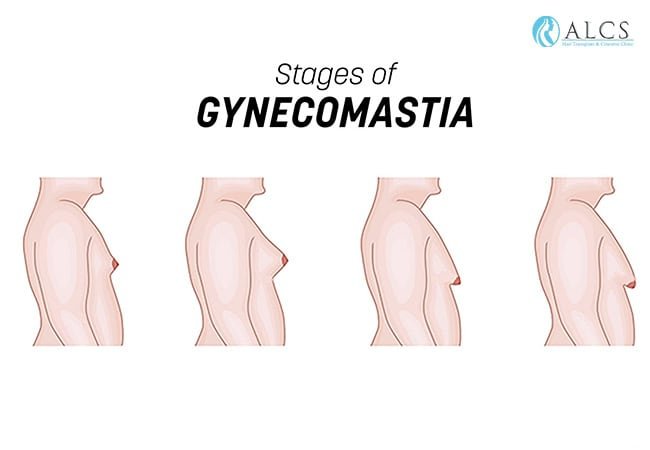
Stages of Gynecomastia

The stages of gynecomastia can be classified in various ways. Therefore, it is vital to know about the stages to detect whether or not you have this condition. Moreover, it helps to get the right treatment at the right time. For example, treatment is usually easier when it comes to the earlier grades of gynecomastia.

There are generally four grades of gynecomastia: 

  • Grade I- Small enlargement without skin excess
  • Grade II- Moderate enlargement without skin excess
  • Grade IIb (known as Grade III)- Modern enlargement with minor skin excess
  • Grade III (known as Grade IV)- Enlargement with excess skin, looking just like women’s breasts. 

Symptoms of Different Stages of Gynecomastia 

Symptoms of different stages of gynecomastia are: 

Grade I 

The first of four gynecomastia stages involves slight enlargement of the breast. At this stage, the condition is not evident with clothing. The tissue around the areola or nipple starts growing. Moreover, the colour of the tissue is different from normal breast tissue. Nipples start looking puffy at this stage. The treatment first gynecomastia grade is most effective. 

Grade II

The tissue growth in the second grade of gynecomastia is broader and spreads all over the chest. It is a mild to moderate level of breast enlargement. At this gynecomastia stage, the condition remains non-evident under loose clothes. The chest area under the nipples feels firm and tight, and the outer area feels soft and fatty. Gland excision, along with liposuction, provides the desired results.   

Grade III

The third gynecomastia grade involves excess skin around the areola, making it droopy. The width of the chest increases due to excessive breast enlargement. The condition is of moderate to severe level. Even with loose clothing, the breast sagging is visible at this gynecomastia stage. 

Grade IV

The final of the four grades of gynecomastia is of severe level. At this stage, the breast enlargement is so extreme that it starts looking like a woman’s breast. Gland excision and liposuction are the only ways to cure this grade of gynecomastia. 

So the sooner you have the diagnosis for which of the gynecomastia stages you are in, the easier the treatment. Since there are 4 gynecomastia grades, the treatment can vary quite significantly. So come over to ALCS India and get a diagnosis for the gynecomastia grades today.

Types of Gynecomastia

Generally, there are two types of gynecomastia: 

Glandular gynecomastia

The glandular or true gynecomastia is caused in males when the level of oestrogen is increased excessively in the body. It is the gynecomastia type in which people develop significant breast tissue. It is generally found in older people. 

Fatty gynecomastia 

Fatty gynecomastia is also known as pseudo gynecomastia. It occurs due to excess weight gain or fatty cells around the chest area. The leading cause of this type of gynecomastia is a sedentary lifestyle, alcoholism, and eating junk food. 

No matter what type of gynecomastia you have, it tends to lower one’s self-esteem and confidence. So it is recommended not to avoid it and get it treated by an experienced doctor immediately. Instead, visit the ALCS clinic to know more about your condition and its most effective treatment. The clinic has a well-equipped infrastructure that allows the conduction of minor to major surgeries. So book your appointment with our top doctors today. 

How to diagnose gynecomastia? 

The diagnosis of gynecomastia occurs at a doctor’s clinic. Your doctor will ask you about your medical history along with a physical examination. Moreover, it is also important to inform your doctor about the medicines or drugs you have been taking. Finally, a blood test is conducted to check whether the liver, kidney, and heart are functioning normally or not. 

If you have any symptoms of gynecomastia grade, then it is best to get yourself diagnosed. It allows early treatment of gynecomastia and prevents it from getting severe. Looking for a clinic for gynecomastia? ALCS clinic is one of the top clinics where a team of experienced doctors and nurses effective treatment according to the gynecomastia grades. We have an.  

How to treat gynecomastia fast?   

Gynecomastia can be caused by various factors that can lead to male and female hormonal imbalances. As a result, it leads to female-like development that includes gynecomastia. Factors that can lead to gynecomastia are street drugs, excess alcohol consumption, hereditary factors, certain medications, etc. 

Hence, by reducing these factors, the normal balance can be restored. However, reducing these factors is insufficient in some cases when tissue growth is excessive. In that case, gland excision along with liposuction is required. 

Want to get effective treatment for gynecomastia? Then visit ALCS India as our experts can help diagnose which of the gynecomastia stages you are in and help you with suitable treatment. We offer liposuction along with gland excision at the most affordable prices and with minimal scars and pain. To know more about gynecomastia and ways of its treatment, contact us now.

Handling mega session hair transplant

Mega session hair transplant is often used as a hair transplant lingo. However, patients are not sure of the meaning and the suitability of this procedure. Therefore, before opting for this procedure, you must know its meaning, eligibility criteria, requirement, and why you can choose this procedure.

A mega session hair transplant is a procedure to graft more than 2,500 hair follicles in a sitting. However, the definition of this term has changed over the years. Before the 90s, if hair transplant surgeons used to move more than 1,500 hair grafts in a sitting, they used to call it a mega session. But with improved technology, a mega session can now move up to 4,000 grafts in a single session. It depends on the skill and expertise of the hair transplant team. If the team has more members, you may expect better results. Moreover, a mega session also requires dense packing. It is a process to implant large hair follicles over a small area, thus creating a lush and natural look.

How to know if you require a mega session?

You can know your suitability by seeking expert advice on mega session hair transplants. As everyone does not require these sessions, you must check your suitability for this hair transplant surgery. However, if you have encountered advanced hair loss, you may choose this hair restoration process. Before performing a mega session on your scalp, hair transplant surgeons diagnose your scalp condition. They look at the availability of donor hair and the extent of baldness. If you want dense hair on your scalp, you will require more grafts per session. But the decision of the graft requirement depends on your surgeon. If you and your surgeon decide to implant more grafts, you may expect a rise in hair implants cost.

Once you have decided to undergo a mega session, you must follow its protocol. Let us understand the procedure in detail.

You must be well-informed about the procedure to get the best results. Try to read various online and offline sources on mega session hair transplants. Moreover, get a rough idea of the hair transplant cost. As you have to sit for long hours during the transplant, be prepared for it. You may have to sit for 6-7 hours during the FUE hair transplant treatment. If you and your surgeon have decided to move more than 2,500 grafts in a single sitting, you may require 4-7 specialists for the procedure.

Furthermore, the procedure requires sedatives and local anaesthesia. In addition, you must prepare yourself physically and mentally to sit for long hours during the treatment. Your surgeon requires advanced technical skills and expertise to perform the transplant. You and your surgeon must be fully prepared before undergoing a mega session.

It is pretty easy to understand that you must undergo initial consultation rounds before mega sessions or FUE hair transplant. The initial discussion with your hair transplant surgeon clarifies the process and helps you understand your requirements. In addition, you must perform a background check on the selected clinic to know if they have the experience to conduct mega sessions. If you doubt the doctor’s credibility and claims, you may opt for a second opinion at another clinic.

It is crucial to monitor your health status at different times during the treatment. Therefore, you must trust an experienced surgeon and their team for your treatment. If you want to look for one of the best hair transplant surgeons, you may contact Dr. Sunil Arora.

Which approach do I consider?

Another debate around the efficiency of a mega session is which hair transplant procedure provides better results. Which approach can you choose to get better results? You may try Follicular Unit Extraction (FUE) or Follicular Unit Transplantation (FUT) for the procedure. In FUE, your hair transplant surgeon plucks one hair at a time and grafts them at the bald area. Similarly, in FUT, the surgeon extracts a strip of your skin and segregates it into different parts for grafting.

The FUT procedure creates a linear scar and leads to minimal damage to your head. Moreover, this procedure removes more grafts in a short time. Therefore, you can choose FUT for mega session hair transplant surgery. During initial consultations, remember to discuss the hair transplant price with respect to the procedure with your hair surgeon.

A successful mega session changes the way you look. You may feel more confident after undergoing the procedure. Moreover, you do not need to rest for prolonged periods after the treatment. You may resume your work in a day or two. However, to get better results, make informed choices before undergoing the procedure.

A hair transplant can make or break your overall appearance. If you want to get the best services without compromising your looks, you may try ALCS Clinic. We provide one of the best hair transplant solutions in India.

Everything to Know About FUE Hair Transplant

What is an FUE hair transplant?

Follicular Unit Extraction (FUE) hair transplant involves removing hair follicles from the skin and planting them on the scalp. It leads to the growth of hair in new areas which look thicker. FUE emerged as a substitute for the traditional FUT (Follicular Unit Transplantation) technique. The FUT technique involves extracting the entire piece of skin with follicles and then transplanting the required part. 

FUE is a more chosen option than FUT as it does not provide a ‘hair plug’ look in which hair and skin do not match. Above all, unlike FUT, it does not lead to scarring. 

You can undergo an FUE hair transplant if you have thinning hair or balding with enough hair nearby. But if you do not have enough healthy or thick hair, you are not a good candidate for this technique. 

How does FUE hair transplant work? 

With ageing, the three-phase hair cycle of hair growth and regrowth becomes short, and eventually, there is no hair growth. However, it differs from person to person. Some people experience balding in their 20s and others much later in life. 

The follicular unit extraction hair transplants replace the old follicles with new ones still capable of growing hairs. The follicles, after the transplant, receive nourishment through blood vessels and start growing hair. 

What is an FUE hair transplant procedure?

The procedure of FUE hair transplant involves: 

  • The area that needs transplantation and from where follicles are to be removed is shaved down. 
  •  The micro punch tool is used to remove follicles from the skin. 
  • A sharp tool or needle makes multiple tiny incisions where the follicles must be inserted. 
  • Follicles are inserted into incisions. 
  • The target site is cleaned and bandaged for recovery. 

The FUE hair transplants are performed on the scalp, but they can be performed on other body parts where hair is absent, including arms, legs, and genital areas. 

What are FUE hair transplant side effects?

The follicular unit extraction hair transplant technique generally does not lead to any scarring other than white dots in the area from where area hair follicles are extracted, which fade away eventually. Other than that, if you experience any side effects, then contact your doctor. 

FUE hair transplant side effects that you need to look for are: 

  • Infection
  • Drainage or crust
  • Pain and swelling
  • Follicle swelling
  • Bleeding
  • Numbness or tingling
  • Balding or thinning even after the transplant. 
  • Transplanted hair does not match the hair around. 

When performed by experienced surgeons, FUE hair transplant side effects can be mitigated easily. Want to get the safest and most effective FUE hair transplant results? Contact the ALCS clinic. We have some excellent experienced surgeons for hair restoration procedures. Moreover, the infrastructure is well-equipped with advanced equipment and labs. 

What to expect after an FUE hair transplant? 

The recovery after the FUE hair transplant is quick. However, you might experience swelling and discomfort for around 3 days. 

Your doctor may recommend you aftercare instructions such as: 

  • Do not wash your hair for about 3 days. 
  • When washing your hair, use gentle and unscented shampoo for at least a week.
  • Try to take a few days off of work to make recovery faster. 
  • Try not to brush new hair for at least 3 weeks. 
  • Try not to wear a hat, beanies or other pieces of clothing on your head. 
  • Do not indulge in strenuous activities for at least 2 weeks. 

During the healing process, it is common to experience hair fall. After about 3 to 4 months, you will start to notice the difference. As per the health of transplanted hair, you may not experience expected FUE hair transplant results.

How to prepare for a Follicular Unit Extraction hair transplant? 

Here are some tips to prepare for an FUE hair transplant: 

  • Try not to smoke for 24 Hrs before the surgery. 
  • Do not consume alcohol for at least 3 days before the surgery. 
  • Avoid aspirin or blood thinners for around 2 weeks before the surgery. 
  • Vitamins and dietary supplements should also be avoided for 2 weeks before the surgery.
  • Avoid taking antidepressants before the surgery for about 2 weeks. 
  • Do not get a haircut before the surgery. 
  • To increase blood flow, a scalp massage for 10 to 30 minutes is recommended daily. 
  • Your surgeon will recommend Echocardiogram (ECG) and blood tests before the test. 

Following your doctor’s instructions is always best to make surgery safe and allow quicker recovery. In addition, it is best to keep your doctor aware of the medications that you are on. 

Want more information about FUE hair transplant? Then contact the ALCS clinic. These are some of the top doctors with years of experience. You can get the most effective treatment for hair fall here. So, if you have a hair fall issue, book your appointment now!

Rhinoplasty: Enhancing Nose Aesthetics

A nose job, also known as rhinoplasty in medical terms, is a surgery aimed at changing the shape of the nose. It can be performed for aesthetic purposes or due to health issues such as difficulty breathing.

The upper portion of the nose is made up of bone, and the lower part is made of cartilage. A nose job can alter the bone, cartilage and skin. Before considering cosmetic nose surgery, please discuss with your doctor thoroughly whether it suits you. The doctor would make a plan as per your case. 

Types of rhinoplasty

Nose operations are done for the following reasons:

  • Removal of a hump from the nose
  • Straighten the nose bridge
  • Defining the nose tip
  • Altering the size of nostrils
  • Correcting the nose after an accident
  • Increasing the size of the breathing passage
  • Increasing or decreasing the size of the nose

A nose job is also performed to change the shape of the nose for medical reasons. For instance, anyone with a problem with the cartilage separating the two nostrils can undergo rhinoplasty. In addition, cosmetic nose surgery is done by choice to enhance one’s features.

Anyone below the age of 18 should not undergo cosmetic nose surgery as the nose has not grown yet fully. In girls, the maturity time is 15-16 years, and in boys, it is 18 years.

Rhinoplasty in detail

Rhinoplasty is an outpatient procedure, meaning the patient does not have to stay overnight. Instead, the doctor uses local or general anaesthesia. If general anaesthesia is used, the patient is asleep throughout the procedure. In the case of local anaesthesia, the nose is just insensitive to pain for some hours while the process is carried out.

Deciding about rhinoplasty

While considering rhinoplasty, it is essential to look for a surgeon who is an experienced plastic surgeon and has performed several nose surgeries. In addition, you can check that the surgeon is certified by the Indian board of plastic surgeons.

It is advisable to undergo rhinoplasty in an accredited hospital or facility. Then, in case of any serious complication, the doctor would be able to work with the temp of a well-trained doctor who would handle the situation better.

In the consultation session, talk about your goals and expectations from the surgery to your doctor. The doctor would also help youtube understand the details and extent to which the surgery would help give the desired nose.

Although there is no such ideal and perfect nose, the surgery can help enhance the structure’s existing features and beauty. The surgeon would assess your physical features and change or improve them accordingly.

The surgeon would examine the structure of your nose and other facial features. After that, they would be able to give you a real-time result on the extent of your expectations.

The surgeon would also ask about your overall health condition and the presence of any chronic diseases such as heart issues, diabetes etc. They would also enquire about your ongoing medications. All the associated risks, the surgery’s recovery time, and the cost required.

There are different kinds of procedures available to get a more defined nose. Once you have decided on the method to go forward with, the doctor will explain every step of the surgery in detail.

If you have any health insurance plans, talk to the insurer to check to what extent they would cover the surgery cost. It is necessary as health insurance is not bound to pay for cosmetic procedures. 

Recovery time of rhinoplasty 

After a nose operation, it is required to wear the nose splint in the first week. In addition, it is necessary to maintain your head in an elevated position for at least 24 hours after the surgery. It is common to see some bruising and swelling in the surrounding area, which would improve by the third day. The condition would gradually become normal down by 2 weeks. 

During the recovery time of rhinoplasty, it is common to notice a slight swelling in the nose for up to 6 months. The final result of the surgery would be visible after it has completely healed.

It is essential to avoid any high-intensity activity for 3 to 6 weeks during the rhinoplasty recovery time. You can resume normal activities after 2 to 4 weeks without any visible signs of the surgery.

What are the risks associated with rhinoplasty?

Any surgery has some extent of risk associated with it. Bleeding, infection and allergic reaction to anaesthesia are some of the common ones.

Here are some of the risks due to rhinoplasty:

  • Nose bleeding
  • Lack of sensation
  • Inflammation
  • Permanent nerve damage
  • Scarring in the basal areas of the nose
  • Need for further surgeries for correction.
  • Rupturing of small blood vessels 

If you experience any abnormalities after the surgery, immediately seek medical help. You can get effective treatment from some of the best doctors at ALCS Clinic.

How to Improve The Quality of Hair?

here are factors you should be considering to improve the quality of your hair. A few of them are as follows:

  • Zinc: Zinc is known to be one of the most crucial elements for the betterment of your body. Its deficiency can cause hair loss and balding. So you should regularly consume fruits and vegetables (especially the leafy greens), etc. and drink as much clean water every day as possible. You can also take zinc supplements to improve your hair quality.
  • Correct Shampoo: Using harmful hair products is one of the most prominent causes of bad hair. It can also lead to the deterioration of your hair quality. Do not use shampoos with hard ingredients like ammonium lauryl sulphate and sodium lauryl sulphate.
  • Protein Intake: Enhancing your protein intake is one of the best things to improve your hair quality. Regularly consuming around 45g of protein in your diet would make a huge difference. Dairy products (low-fat), lean meat, fish, beans, and chicken can help you grow better hair.
  • Omega-fats: Fatty acids loaded with omega-three can restore your hair follicles to improve the quality. A few good sources of omega-three are cottage cheese, salad, flax seeds, cereal, yoghurt, etc.

Now that we have told you how to improve your hair quality, you might also want to try out a few tips for the maintenance of your hair:

  • Let your hair dry by itself (rather than using a dryer).
  • Scalp massage for better hair growth.
  • Try not to use hair straighteners or dryers and let your hair breathe.
  • Constant hair cuts might stop any split-ends.

Following these simple enhancement and maintenance instructions might be the answer to your query, “How to increase my hair quality?”.

Clean Eating Habits

You are defined by what you eat when it comes to your hair and general health. Having a nourishing diet will restore your hair follicles. In addition, you should have leafy greens, iron and vitamin D to rejuvenate your hair and improve its quality.

Maintain Your Health

Maintaining your health is of extreme importance and one of the crucial answers to ‘how to improve the quality of hair.’ Be sure to have regular check-ups as the doctors can tell you about any issue with your thyroid, etc., as it can be the reason for your dull hair.

Stress

Stress is a triggering factor in several health conditions. It channels the positive energy required to maintain the hair quality and growth elsewhere. For example, events causing stress like hospitalization or death of a family member or childbirth can lead to telogen effluvium. But the hair loss to deteriorating quality due to stress is not permanent. So if you are pondering how to improve the quality of your hair, you might want to bring down the stress as much as you can.

Heat And Hair Products

Hairstyling is very important to many people, and two of the prominent practices involved are hair straightening and hair drying. Both of them require heating the hair, which can affect the quality of hair. Hair products like wax and hair spray are also used along with heating methods. It is an effective way of ensuring a great hairstyle. But using them too frequently might worsen the quality of your hair.

Analyze Your Hair Patterns

The scalp and hair are different for everyone. The products and practices working for your friend or relative might not work for you. So carefully analyze how your hair reacts to other hair products like shampoos and oils. People have a myth that washing hair too frequently might increase the rate of hair loss. But it can not be further from the truth. It is completely fine if you wash your hair daily, and in fact, it can be a possible answer to ‘how to improve the quality of hair.’

Check-Up with Dermatologist

If you experience any issues with your hair or scalp, visit your dermatologist at the earliest. Choose a board-certified dermatologist with vast experience in the field. The hair loss or worsened hair quality might be due to conditions like androgenetic alopecia (genetic hair loss). The doctor might recommend you with several treatment options like oral medications (finasteride, spironolactone, dutasteride), topical medications like rogaine, procedures like PRP hair transplant or vitamin supplements (Nutrafol or Viviscal).

If you have any queries or doubts about how to improve the quality of hair, you might want to consider consulting with Dr Sunil Arora at ALCS India.

Non-Surgical Treatments for Gynecomastia

Gynecomastia is a condition in which breast tissues develop in males. Also known as man boobs, it is mainly due to an imbalance of the hormones, which results in a higher level of female hormone promoting breast development in males.

In males, the hormone testosterone is present, which stops the growth of mammary glands while oestrogen promotes it. In a healthy person, both of these are at an equilibrium. However, when the level of oestrogen increases without testosterone, it can result in gynecomastia. However, increased fat percentage and production can also result in fat deposition in the mammary glands and their body parts.

What are the causes of gynecomastia?

There are many factors which can result in gynecomastia. However, lifestyle factors such as excessive alcohol consumption, minimal physical activity, chronic diseases, ageing, and side effects of any other medication used are common reasons for gynecomastia.

The male sex hormone testosterone has a counter effect on the development of breast tissues. Conversely, the female hormones oestrogen and progesterone enhance breast development in the presence of growth hormone and insulin.

How to cure gynaecomastia naturally?

 The only way to cure gynaecomastia naturally is by working on the underlying cause. Unfortunately, no specific supplements or medicines can treat gynecomastia naturally.

 The Food and Drugs Administration (FDA) has not approved any medication which treats gynecomastia naturally. Hence do not fall prey to such false claims.

Change your lifestyle habits and include healthier and better alternatives to see results for natural gynecomastia treatment without surgery or drugs. Anyone with obesity would observe more fat deposition in the chest than others. A higher fat percentage in the body also results in a lower testosterone level, thereby increasing aromatase activity.

Here are some lifestyle changes to get rid of gynaecomastia:

  • Reduce alcohol consumption
  • Reduce stress levels in your daily life
  • Have a sound sleep of at least 7 hours every day
  • Include physical activity in your routine. Attest has moderate-intensity physical activity for 150 minutes a week.
  • Do strength training for all the muscles and not spot training
  • Have a balanced and nutritious meal   
  • Avoid refined and packaged food items

Here are some diet tips for natural gynecomastia treatment without surgery or drugs:

  • Consume a balanced diet packed with all kinds of minerals and nutrients while having the proper ratio of proteins, carbohydrates and fats. Vitamins and minerals are crucial factors in the production of hormones; hence they will boost testosterone production, decrease the percentage of fat in the body, and treat gynecomastia naturally.
  • Protein and micronutrients such as zinc and vitamin D are essential for testosterone production. Egg yolks, oysters and tuna are also known for enhancing the level of testosterone in the body, thus helping to treat gynecomastia naturally.
  • Certain food items such as soy, legumes and liquorice roots produce a chemical known as a phytoestrogen. It is similar to oestrogen and mimics its mechanism. Reduce the consumption of these food items to have a better balance between testosterone and oestrogen levels in your body which would help to get rid of gynaecomastia. 
  • Mediterranean diet: It is a healthy and conscious eating diet in which the goal is to eat healthy food items and avoid any packaged processed food. While finding different ways for natural gynecomastia treatment without surgery or drugs indeed give the Mediterranean diet a chance.

Have an active physical routine. Include aerobic exercises, which would decrease the overall fat percentage. For example, you can include brisk walking, jogging, swimming, cycling, skipping, and other activities to get rid of gynaecomastia.

The results of any diet exercise plan would not be visible immediately. It takes around 8 weeks to get visible results. Hence be consistent in your effort.

When to see a doctor for gynecomastia?

Gynecomastia has no other symptoms other than the growth of the breast. However, it can affect one’s mental image about themselves. If you notice any nipple discharge or experience pain and swelling, visit a doctor. They would be able to tell ways for gynecomastia treatment without surgery and treat the underlying cause.

Here are some of the treatment methods involved in gynecomastia treatment:

  • The doctor may prescribe medications for breast cancer as an off-label treatment for gynecomastia.
  • They might reduce the dosage of any medication if they observe it is the cause of gynecomastia. 
  • Testosterone replacement therapy (TRT) in the form of injections, skin gels or patches can also be given to enhance testosterone levels in the body.
  • Targeting the underlying cause, such as hypothyroidism or malnutrition, is helpful in improving the condition.

Thus, gynecomastia is caused by an imbalance between testosterone and oestrogen. All the factors affecting it can be controlled to cure gynaecomastia naturally by having a nutritious diet and exercise. However, if you feel an underlying condition, see the doctor f

What are the steps of a hair transplant procedure?

Hair transplantation is a surgery performed to move hair follicles from an affluent hair site to the bald area. Generally, the hair is extracted from the back or side of the head. The procedure is performed by a surgeon in the medical office under local anaesthesia.

Pattern baldness is the chief cause of hair loss which is generally related to genetics. However, there are other causes of hair loss too, such as:

  • Stress
  • Illness
  • Diet
  • Medications
  • Hormonal Imbalance

Hair fall might be possible if you have any of the symptoms mentioned above. So you might want to get in touch with Dr Sunil Arora at ALCS India, as he is among the country’s best cosmetic and plastic surgeons. 

What happens during a hair transplant procedure? 

The scalp is thoroughly cleaned for the hair transplant procedure, and then a tiny needle with local anaesthesia is administered to numb the area.  

  • Two hair transplant techniques are available to obtain the hair follicles for transplantation: FUT and FUE
  • Follicular Unit Transplantation (FUT): The FUT hair transplant technique involves the following steps:
  • Surgeons use a scalpel to cut off a strip of inches long from the back of the head where there is hair. 
  • The incision is closed with stitches. 
  • The strip is then separated into several small sections by using a magnifying lens and sharp surgical knife. 
  • These sections are implanted on the bald area, which grows and gives natural-looking hair. 

Follicular Unit Extraction (FUE): FUE hair transplantation is done in the following steps:

  • The hair follicles are extracted from a hair-affluent site like the back or side of the head using hundreds of tiny punch incisions. 
  • The surgeon makes tiny holes on the scalp that receives the hair transplant using a blade or needle. 
  • The hair is then gently placed in these tiny holes. Hundreds of thousands of hair can be inserted in one session. 
  • The scalp is then covered using graft, gauze, or bandages. 

The hair transplant technique can take 4 hours or more to be completed. The bandages are generally removed after 10 days of the surgery. To get the hair transplantation done for complete hair, you may require 3 to 4 sessions. Each session occurs several months apart to allow the area to heal properly.  

Want to get a hair transplantation done? Then visit the ALCS clinic in Jaipur now. Dr Sunil Arora, with his skilled medical staff, is known to be one of the top surgeons. He has years of experience and can help you get effective and safe hair transplants. 

What happens after a hair transplant is done? 

After the hair transplantation is done, your scalp may become sore. Moreover, your doctor may prescribe you some medications after the hair transplantation is done, such as: 

  • Pain Medication
  • Antibiotics to avoid infection
  • Anti-inflammatory medications to reduce swelling 

A few days after the hair transplant is done, you can return to your work. Above all, it is normal to experience hair fall 2 to 3 weeks after the procedure because it leads to new hair growth. 

Most people can see the growth of new hair after 8 to 12 weeks of a hair transplant procedure. 

What are the risks associated with the hair transplant process? 

Side effects of hair transplants are generally minor and fade away in a few weeks. Some of them are: 

  • Bleeding
  • Infection
  • Numbness
  • Lack of sensation 
  • Itching
  • Inflammation or hair follicle infection
  • Shock-loss
  • Unnatural-looking tufts of hair 
  • Swelling of scalp
  • Bruising around eyes
  • Crust forms around the transplanted or donor area

When performed by an experienced surgeon, all these complications can be easily mitigated. Moreover, it is also essential to follow all the precautionary tips recommended by your doctor after the surgery. Looking for a clinic to get a hair transplant? Then book an appointment now at ALCS Clinic and get safe treatment. 

What is the long-term result of the hair transplant process? 

People who undergo hair transplants will continue to have their hair grown in the transplanted area. The density of new hair depends on: 

  • Scalp laxity, i.e. how loose your scalp is. 
  • The density of follicles in the transplanted area. 
  • Hair calibre
  • Hair curl

You may experience hair loss in a non-treated area if you don’t take medicine or undergo laser therapy. Therefore, discussing your desired results and possible outcomes with a doctor beforehand is vita

How Effective Is PRP Treatment for Hair Loss?

Hair loss is a rising issue among older and younger adults and even the youngsters in a few instances. But now, with the latest technologies, medical experts have created new methods for effectively and efficiently treating hair loss, and one of them, which is being talked about the most, is PRP hair treatment.

PRP or Platelet-Rich-Plasma treatment has been used for quite some time to effectively treat the bones, muscles and ligaments in the human body. But now, it is also being used to treat hair loss. Now you might be wondering, “How effective is PRP for hair loss?”. Before learning about its efficacy, you should know what the PRP treatment exactly is?

What Is PRP Treatment?

Human blood consists of four primary parts, i.e. red blood cells (RBCs), white blood cells (WBCs), platelets and plasma (the liquid part). Plasma serves as the medium through which RBCs and WBCs flow through the body; the thrombocytes that help your body heal by clotting the blood are called platelets.

Now, scientists have devised a method of hair restoration through the usage of PRP. The PRP treatment is implemented to raise blood flow and instigate hair growth, depending upon genetics, age, hormones, and other factors.

How Does PRP For Hair Loss Work?

Following are the three steps performed during the PRP treatment for hair restoration:

Step 1: Blood is drawn out of the arm by a doctor. It is then put into a centrifuge machine to segregate the different constituents of blood like blood cells and plasma.

Step 2: After the blood is processed through the centrifuge, it gets segregated into three different parts, blood cells, platelet-rich plasma and platelet-poor plasma. Out of these constituents, the platelet-rich plasma or PRP is extracted for the further process.

Step 3: For the final step, the doctor injects the plasma rich with platelets directly on your scalp. Over the next few months, this procedure is implemented several times for the best results. After the treatment is finished, you must undergo multiple maintenance sessions to achieve the best efficacy possible.

But, there are quite a few medical experts who are still a bit unconvinced about the working and effectiveness of the PRP treatment. So, if you have queries like “How does PRP work for hair loss?” you might want to consult with the experts at ALCS India.

Eligibility For The PRP Treatment

Although anyone with hair loss issues can think about undergoing a PRP treatment, the following are a few candidates who might not be eligible for it. These involve the people suffering from:

  • Long-standing liver conditions,
  • Metabolic conditions,
  • Sepsis,
  • Acute infections,
  • Persistent skin diseases,
  • Thyroid,
  • Platelet dysfunction syndrome and
  • Low platelet count.

If you have any of these medical conditions, you might want to avoid the PRP treatment. But if you are unaware of any of them, you might want to check with your doctor to determine if PRP treatment is the right way to go.

How Effective Is PRP For Hair Loss?

PRP treatment for hair restoration has been in use by doctors for quite a while now. But there are still many doctors who are sceptical about the effectiveness and potency of platelet-rich plasma being used to treat hair loss. In addition, there are no guarantees associated with the PRP. Often, doctors recommend the combination of PRP with other procedures for hair growth to achieve the most favourable outcomes. But that makes it difficult to determine if the PRP is working or just the other procedures.

The effectiveness of PRP, like with any treatment for any other medical condition, varies from person to person. The doctor might also recommend certain other treatments for hair restoration, like follicular unit extraction and follicular unit transplantation. That’s why it is best to consult with your doctor to determine if the PRP treatment would work for you.

Conclusion

We have tried to explain PRP, how it works, and how effective it is. PRP is not just being used to treat muscles and tendons of your body but also your hair. It involves injecting the platelet-rich plasma directly into your scalp that reaches the hair follicles to initiate hair growth.

As with any other minimally invasive treatment, the effectiveness of PRP varies from person to person.

That’s why it is best to have a consultation with your doctor to determine if the PRP treatment would work for you. So book an appointment for a consultation with Dr Sunil Arora to find more about the PRP hair restoration technique.