A tummy tuck or abdominoplasty is a special cosmetic procedure that people chose to undergo to restore body proportions either by tightening the muscles or by removing the extra layers of fat from the abdominal area. Both men and women are eligible for undergoing this surgery, but candidates must be aware of the fact that Tummy Tuck is not an alternative for obesity and weight loss. Women may choose to undergo a tummy tuck procedure post-pregnancy to tighten their abdominal muscles and get rid of the excess fat or loose skin around the belly and fetch an aesthetically pleasing appearance.
When should you plan a Tummy Tuck?
In case you are dealing with post-pregnancy stretch marks, loosened flab muscles, and extra fat deposits that you cannot eliminate with diet or exercise.
You have experienced a change in abdominal shape due to pregnancy or abrupt weight loss.
You want to make your abdomen look aesthetically pleasing.
People who are already experiencing other cosmetic surgeries like Abdominoplasty, liposuction, buttock implant, or hip tightening may also choose to opt for a Tummy Tuck procedure to improve a perfect appearance.
Candidates who are willing to restore a flat stomach appearance may also opt for this procedure especially when diet and exercise are not helping to accomplish the desired appearance.
Women who want to look attractive in a swimsuit especially after pregnancy.
You want to accomplish a perfectly contoured abdomen that will make you appear younger.
However, this must be kept in mind that before deciding to undergo one such cosmetic procedure it is extremely important to consult with a plastic surgeon. Furthermore, candidates must also be aware of the fact that tummy tuck will include scarring but the most experienced surgeon will be able to keep the scar conspicuous in the bikini or pelvic area. Also future weight gain and pregnancy may adversely impact the outcome.
What are the options of Tummy Tuck?
There are a few varieties of Tummy Tuck procedures that are available. On consulting with the best professional, they will be able to recommend the best option for you based on your condition and requirement. Stated below are some of the different approaches of abdominoplasty-
Complete abdominoplasty- This is a traditional tummy tuck approach where two incisions are made, one at the lower abdomen and the other around the navel. The surgeon then removes the extra skin, tightens the muscles to deliver the desired contour. In some cases, the surgeons may also perform liposuction to eliminate the excess fatty tissues.
Mini abdominoplasty- In this process, only one incision is made in the pubic region that extends up to as low as possible. Through this incision, the surgeon carefully removes the excess skin, tightens the loose muscles, and may also eliminate the extra fatty tissues to deliver the desired contour. This tummy tuck approach is highly recommendable for people who are already in great shape but cannot accomplish their goals with exercise and dieting.
Extended or lateral abdominoplasty- This is considered one of the most effective procedures for a woman who wants to get rid of excess skin after a significant weight loss or even pregnancy. In this procedure, the surgeon makes deeper incisions to improve the front as well as the sides and hips. Extended abdominoplasty helps to improve the overall abdominal appearance.
Recovery time after a tummy tuck
Since Tummy Tuck is an invasive surgery, the recovery time involved is also extensive. On average, people may require six months or more to recover completely. In the first few days, preventing complications and keeping the pain under control remains a priority. The condition may start to worsen during the first few weeks, but with care and medication; the condition can be managed very easily. After a few months, you will finally be able to witness the desired appearance gradually. It is extremely important to remember that the recovery time highly varies from person to person. However, strictly adhering to the post-op instructions and having all the medications on time may help to speed up your recovery. Wearing compression garments post-surgery is extremely essential as that helps to enhance the accomplished contour.
Thinking about undergoing a Tummy tuck procedure? Don’t worry if you are in Jaipur, our ALCS clinic will be able to help you out. All you have to do is book an initial consultation and consult with our experienced professionals.
Deciding to undergo a breast augmentation procedure is no doubt a big one. Even though the thought of undergoing this procedure to improve the body appearance is worth every penny, but the word surgery seems scary. It is even scarier when you do not have an idea about the procedure and the longevity of the process.
The good news is now you can exchange your implant size to get a smaller or a larger size after undergoing your first breast augmentation procedure.
According to the records of the National Breast Implant Registry (NBIR), in the year 2019, in 84% of cases, women choose to undergo a reoperation after undergoing their initial augmentation procedure to change the shape, size, or style of their existing breast implants.
Why Women Consider Breast Revision Surgery?
Women choose to undergo a breast augmentation procedure to accomplish a better breast appearance that compliments their overall body. But sometimes situations may arise when they are not contemplated with the breast appearance they accomplish and as a result, they may choose to undergo revision surgery. Some women may also choose to undergo revision surgery due to aging, changes in body weight, pregnancy, etc.
The only aim to undergo revision surgery is to resize the breasts and achieve the desired appearance. There are several other reasons why a woman might need to go for revision surgery. Some of them are listed below-
To address various complications like swelling, implant rupture, asymmetrical appearance, hardening of the capsule around the implant.
To rectify malposition, i.e., when the implant has shifted below the inframammary fold or side-wise towards the armpit
To repair issues with your existing implants like capsular contracture
To switch from earlier saline implants to modern silicone implants
To switch from smooth to textured breast implants, or vice versa
To rectify a saggy breast condition with a breast lift
To replace an older implant after 10-20 years as needed
To remove implants completely
Wait Before Breast Revision Surgery
If you decide to go for revision surgery after the initial one, your surgeon would advise you to wait for 3-6 months so that any tenderness, soreness, or swelling disappears. This gives the scar tissue enough time to form completely so that the revision surgery is successful. Moreover, this waiting period can be utilized in case you reconsider your decision of resizing and don’t regret it in the future.
What To Expect From A Breast Implant Exchange Consultation
The consultation is similar to the one you had before the initial implantation. You should utilize this consultation session to clarify your doubts and voice your concerns.
During this consultation, you have to provide details about the desired size you want to accomplish. The doctor will discuss whether a saline or silicone implant is more suitable, and also confirm if there are any additional concerns that you are facing from the previous procedure that needs to be rectified.
During this sizing process, as per your body structure, height, and weight, the surgeon will help you consider the realistic options available for you. This stops women from choosing an implant size too big or not fit for their body type.
To explain the revision surgery procedure in short; during the breast implant revision surgery, the existing breast implants are removed and then replaced with new implants to achieve an attractive body appearance. Usually, the surgeons utilize the existing breast incisions to perform the revision surgery. Since the implant revision surgery does not follow any specific routine so it needs to be tailored as per the patient’s desires. It is highly recommendable to choose an experienced and well-qualified board-certified plastic surgeon to analyze the patient desires and also address any other complications or rectifications required.
Is Revision Breast Surgery Right for You?
At ALCS Clinic, Jaipur, we provide the best breast augmentation and revision breast surgery. you can avail the treatment under the guidance of some of the best trained and highly experienced surgeons – Dr. Sunil Arora.
If you are thinking to go for breast revision surgery, you can schedule a consultation with ALCS Clinic. Along with the best surgeons, we have efficient staff to guide you properly. The state-of-the-art facilities at our clinic would make your journey comfortable. Right from the initial consultation with the surgeon to the final surgical procedure, our doctor here would understand your desires, analyze any issues that you are facing and then devise the best treatment plan so that you can achieve the best result.
Hair transplant is one of the most popular and effective treatment options for hair loss. However, following the pre-operative and post-operative care instructions provided by your hair transplant surgeon is essential for proper healing and successful results.
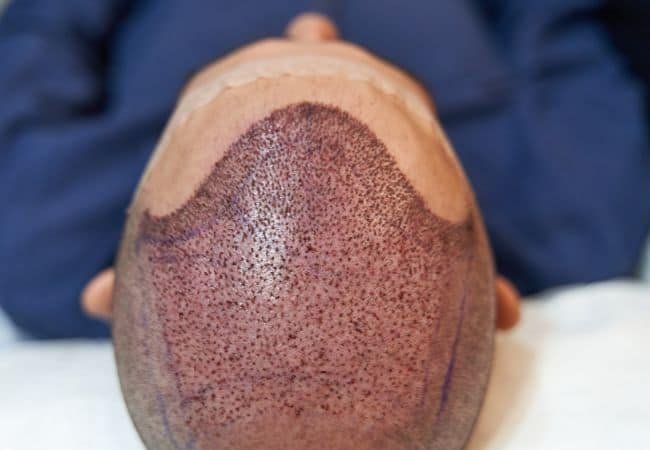
During the recovery period, many patients notice the formation of small crusts or scabs on the scalp, which can sometimes cause concern.
One of the most common questions people ask after a hair transplant surgery is how to get rid of these scabs safely. While scab formation is a natural part of the healing process, understanding why they occur and how to manage them properly can help ensure smooth recovery and protect the newly transplanted grafts.
What Are Hair Transplant Scabs?
Scabs are rough, dry, crust-like structures that form on the scalp as part of the body’s natural wound-healing process after a hair transplant surgery. They are usually made up of dried blood, plasma, and healing fluids that collect around the tiny incisions created during the procedure, giving them a crusty appearance.
The formation of scabs is a normal part of recovery after a hair transplant. These scabs act as a temporary protective barrier over the treated area, helping shield the newly implanted grafts from external damage, bacteria, and irritation while the scalp heals underneath.
How Are Scabs Formed After a Hair Transplant?
Scabs form naturally after a hair transplant as part of the body’s healing process. During the procedure, the surgeon makes tiny incisions in the scalp to implant hair grafts. These small wounds may cause slight bleeding, which triggers the body to form blood clots to prevent blood loss.
Initially, these blood clots are soft, but as they dry and harden over time, they develop into crust-like structures called scabs. The scabs act as a protective barrier over the treated area, helping shield the newly implanted grafts from infection and external damage while allowing the skin underneath to heal.
As recovery progresses, the skin continues repairing itself beneath the scabs. Once healing advances, the scabs gradually loosen and naturally fall off, usually within 7-14 days after the procedure.
How to Remove Scabs After a Hair Transplant?
Proper hair transplant scab removal should always be done gently to avoid damaging newly implanted grafts or affecting scalp healing after a hair transplant. To support safe removal of scabs after hair transplant, wash gently as instructed by your doctor and avoid picking or scratching the scabs.
Follow these steps carefully:
Apply the prescribed moisturizer or lotion and leave it on for about 30 minutes to soften the scabs.
Rinse gently with lukewarm water.
Lather a mild shampoo in your hands before applying it.
Massage the scalp gently using light circular movements.
Wash thoroughly with lukewarm water.
Pat the scalp dry using a soft towel without rubbing.
Avoid using force while removing scabs, as aggressive handling may irritate the scalp and interfere with healing.
How Long Do Hair Transplant Scabs Last?
Hair transplant scabs usually last for about 7-14 days after the procedure and gradually fall off as the scalp heals. The exact duration may vary depending on individual healing and post-operative care.
However, recovery timelines can vary from person to person depending on factors such as:
Number of grafts transplanted
Graft packing density
Size of recipient-site incisions
Individual healing response
Adherence to post-operative care instructions
As the scabs begin to shed, some short transplanted hairs may also fall out with them. This is a normal part of the recovery process and is not a sign of graft failure.
The implanted hair follicles stay securely attached beneath the scalp, even though the apparent hair shafts may shed. The grafts are usually properly fixed by the fifth day after surgery to prevent graft loosening.
Factors Affecting Scab Formation and Healing Time
The time it takes for scabs to form and naturally fall off after a hair transplant can vary from person to person. Several factors, including the treatment method used, the extent of the procedure, and how well post-operative instructions are followed, can influence the healing process.
Key factors affecting scab formation and healing time are:
Individual Healing Capacity: Every person heals at a different pace based on factors such as age, overall health, immune response, and skin healing ability. Some individuals may experience faster scab shedding, while others may require more time for complete recovery.
Hair Transplant Technique Used: The type of procedure performed can affect recovery time. Procedures like FUE (Follicular Unit Extraction) involve smaller and more scattered incisions, which may heal faster. FUT (Follicular Unit Transplantation), on the other hand, involves a strip-based method that may require a slightly longer healing period.
Extent of the Procedure: The number of grafts transplanted and the size of the treatment area can influence healing. Larger procedures with densely packed grafts may result in more scab formation and a slightly longer recovery period.
Post-Operative Care: Following the surgeon’s aftercare instructions plays an important role in healing. Gentle hair washing, keeping the scalp moisturized, and avoiding excessive sun exposure or pressure on the scalp can help scabs soften and shed naturally.
Natural Skin Recovery Process: As the scalp heals beneath the scabs, the protective crust gradually dries, loosens, and falls away. This process is a normal part of recovery and signals ongoing healing of the treated area.
Hair Transplant Scab Healing Timeline
Hair transplant recovery usually follows a predictable timeline, with scabs forming within the first few days, gradually drying, and shedding between days 7-14. New hair growth usually starts becoming visible around months 3-4.
The hair transplant scab healing process generally can have a timeline like:
Timeline
What Happens
Day 1-3
Mild redness and clot formation
Day 3-5
Small scabs begin forming
Day 5-7
Scabs become dry
Day 7-10
Gradual shedding begins
Day 10-14
Most scabs disappear
Month 3-4
New growth starts
When Should You Be Concerned About Hair Transplant Scabs?
Scab formation after a hair transplant is a normal part of the healing process and usually resolves on its own within one to two weeks. However, while mild redness, slight swelling, and itching are expected, certain symptoms could indicate that the healing process is not progressing normally.
Warning signs to look out for include:
Severe swelling: Mild swelling around the forehead or scalp can occur initially, but excessive or worsening swelling that persists beyond a few days should not be ignored.
Yellow discharge: Any yellow fluid or drainage from the transplant site may indicate an infection or delayed healing.
Pus formation: Pus around the grafted area is not considered normal and may suggest bacterial infection at the incision sites.
Foul smell from the scalp: An unpleasant odor coming from the transplant area can sometimes be a sign of infection and should be evaluated by your surgeon.
Excessive pain: Mild discomfort is expected after surgery, but severe or increasing pain that does not improve with prescribed medications may require attention.
Increasing redness: Slight redness around the grafts is common initially, but redness that spreads or intensifies over time could indicate inflammation or infection.
Fever: Developing a fever after a hair transplant may suggest that the body is responding to an infection and should be assessed promptly.
Heavy or persistent bleeding: Small spots of bleeding immediately after surgery can be normal, but significant or ongoing bleeding is not expected during recovery.
How to Care for Scabs After a Hair Transplant?
Proper scalp care after a hair transplant helps promote healing, prevent infection, and support healthy graft growth. Following your surgeon’s instructions carefully can also help the scabs soften and shed naturally.
Some helpful care tips include:
Wash your scalp with a mild or baby shampoo starting around 72 hours after surgery, as advised by your doctor.
Use saline spray or prescribed lotions to keep the scalp moist and reduce itching.
Avoid scratching, rubbing, or picking at the scabs.
Limit prolonged sun exposure during the recovery period.
Avoid tight caps or headwear for the first few days.
Avoid using hair brushes till the scabs fall off or till the doctor permits the same.
Avoid strenuous physical activity that may increase sweating.
Avoid using a shower or high-pressure water while washing your hair.
What Will Happen if I Remove the Scabs Early?
You should not try to remove your scab using nails or anything rough before it has completed its purpose, as this could affect your hair transplant treatment results and injure your scalp.
Picking your scab before its time can result in the following:
Bleeding
Dislodgement of the implanted hair follicle
Scarring
Higher infection risk
Delayed hair growth
Longer healing time
To prevent infection risk and even failure of the hair transplant procedure, it is best to avoid picking your scab early.
Scabs Not Falling Off After Hair Transplant: What to Do?
If your scabs have not fallen off after two weeks, there is usually no need to panic. Continue following your surgeon’s post-operative instructions, including keeping the scalp clean, using recommended moisturizers or saline sprays, and avoiding scratching or forcefully removing the scabs.
Persistent scabs after a hair transplant can sometimes lead to itching, discomfort, or interfere with the healing process if left untreated for an extended period. If the crusts remain beyond the expected healing period, it is advisable to contact your hair transplant surgeon for an evaluation.
Avoid attempting to pick or remove stubborn scabs on your own, as this may irritate the scalp and potentially affect the healing of transplanted grafts.
Conclusion
Scab formation after a hair transplant is a normal and important part of the healing process. These protective crusts help safeguard the newly implanted grafts and support proper recovery. While it may be tempting to remove the scabs quickly, patience and proper aftercare are essential to ensure the best possible results.
Following your surgeon’s instructions, maintaining scalp hygiene, and avoiding habits like scratching or picking can help the scabs fall off naturally within seven to fourteen days. If you notice persistent scabs, unusual symptoms, or delayed healing, consulting your hair transplant surgeon can help address any concerns.
Frequently Asked Questions
Can I scratch my scalp if it feels itchy after a hair transplant?
No, scratching your scalp after a hair transplant is not recommended, even if itching becomes uncomfortable. Scratching may dislodge newly implanted grafts, delay healing, increase irritation, and raise the risk of scarring. Using saline sprays or doctor-recommended lotions can help reduce itching safely during recovery.
Is it normal for transplanted hair to fall with scabs?
Yes, it is completely normal for small transplanted hairs to shed along with the scabs. This does not mean that the grafts have failed or become dislodged. The hair shafts may fall out, while the follicles remain secure beneath the scalp and continue supporting future hair growth.
Can scabs damage my hair transplant results?
Scabs themselves generally do not damage hair transplant results. In fact, they serve a protective role during healing by shielding the scalp and helping grafts settle properly. Problems usually occur only when scabs are picked, scratched, or forcefully removed before the healing process is complete.
Can I use coconut oil to soften transplant scabs?
It is best to avoid using coconut oil or any home remedies unless your surgeon specifically approves them. Certain oils or products may irritate the scalp or interfere with healing. Always use moisturizers, lotions, or aftercare products recommended by your doctor for safe recovery and scab management.
Do all hair transplant patients develop scabs?
Most patients develop some level of scabbing after a hair transplant procedure because scab formation is a natural part of healing. The severity and amount of scabbing can differ based on graft numbers, surgical technique, scalp sensitivity, and how closely post-operative care instructions are followed during recovery.
Can I wear a hat while healing after a hair transplant?
Wearing a hat immediately after a hair transplant is generally not recommended unless approved by your surgeon. Tight or rough headwear can create pressure, friction, and irritation around the grafts. Once healing progresses, your doctor may allow loose-fitting head coverings during the recovery phase.
Why are my scabs thicker than expected after a hair transplant?
Scab thickness can vary significantly from person to person and is not always a cause for concern. Factors like larger graft sessions, higher graft density, skin type, healing response, and the hair transplant method used can all influence the appearance and thickness of post-surgical scabs.
Ask any fans of Hindi film music and they are certain to have heard and liked songs by the dynamic music director Himesh Reshammiya. With a slightly nasal twang to his voice and the music rooted in the Indian melodies, Himesh has been a known name in the Indian households ever since his first movie as an independent music director, “Pyar Kiya To Darna Kya”. What endeared him to the audience was not just his soulful music, but also his unique hairstyle.
With his music career taking off with chartbusters like “Tera Suroor”, “Aashiq Banaya Aapne” and others, Himesh took the next logical step, i.e. acting. He acted in several movies and was the judge in many popular reality TV shows on singing. The typical style of Himesh Reshammiya, with a slightly tilted cap was extremely popular with many fans following in his footsteps.
Ask any fans of Hindi film music and they are certain to have heard and liked songs by the dynamic music director Himesh Reshammiya. With a slightly nasal twang to his voice and the music rooted in the Indian melodies, Himesh has been a known name in the Indian households ever since his first movie as an independent music director, “Pyar Kiya To Darna Kya”. What endeared him to the audience was not just his soulful music, but also his unique hairstyle.
With his music career taking off with chartbusters like “Tera Suroor”, “Aashiq Banaya Aapne” and others, Himesh took the next logical step, i.e. acting. He acted in several movies and was the judge in many popular reality TV shows on singing. The typical style of Himesh Reshammiya, with a slightly tilted cap was extremely popular with many fans following in his footsteps.
At such a high point in his career, Himesh faced a common problem faced by most men, that of a thinning hair line. Also referred to as male pattern baldness, the receding hair line can be a problem for anyone and here was a person who was appearing on TV and in movies regularly. Thus, getting it remedied was a need of the hour. This is where the talk of “Himesh Reshammiya hair transplant” started.
With many awards and accolades under his belt, the Himesh Reshammiya hair treatment was inevitable and the results were out there for everyone to see. With the confidence of a head full of healthy and natural hair, Himesh Reshammiya has been seen frequently experimenting with his hair, post the Himesh hair transplant.
So, was the Himesh Reshammiya hair transplant real or only rumoured?
Hair Transplant is a common procedure and a great back up for all the celebrities whose income majorly depends on their appearance. Somebody like Himesh, who is always in the public eye, needs to always look good and stay fit. A healthy hair line is a prominent part of his appearance, including the unique hairstyle that is copied by many. Hence, Himesh Reshammiya hair treatment was imperative, under the threat of permanent hair loss.
While the news was never confirmed, many experts believe that Himesh hair transplant is real. They cite the before and after photographs of the singer, song writer for the same. The difference between the hair lines is quite visible and evident. The regrowth of hair and the permanent results are there for everyone to see and it is possible only through a hair transplant. Thus, it is safe to say that Himesh Reshammiya hair transplant is very much a reality. This treatment has given him great results and anyone can see the outcome.
The next obvious question then is, What is this Hair Transplant Procedure?
As the name suggests, Hair Transplant is a medical procedure during which healthy hair from one part of the scalp of the patient (donor area) is transplanted onto another (recipient area). The density of hair growth is very high in the donor area, for example, like at the back of the scalp. On the other hand, the density of hair growth on the recipient area is minimum (the typical bald patches that appear on the head).
There is further sub classification in the types of hair transplant based on the method for removing the hair from the donor area.
Follicular Unit Transplant (FUT) – This is the traditional procedure, in which a strip of scalp is removed from the donor area and that is then closed with stitches. The hair follicles from the removed strip are then extracted and grafted on to the recipient area. The only problem with this method is the scarring left behind at the place where the strip was removed from.
Follicular Unit Extraction (FUE) – A comparatively newer and slightly expensive method, FUE is an improvisation over FUT since this method does not involve any strip removal. Instead, the individual follicular units from the donor area are extracted using special devices and transplanted one by one on the recipient area. This leads to minimal scarring, lesser pain and faster recovery.
Both the methods of hair transplant are popular and quite easily available these days. Anyone, men or women, can benefit from the procedure. The only caveat being, it is a medical procedure and needs a qualified surgeon to carry it out just like any other operation. Also, everyone may not be a good candidate for every type of hair transplant. It is the surgeon’s experience that will help you identify the right procedure for you.
Hence, it is advised to visit a qualified expert with a good experience in carrying out a hair transplant procedure. You can visit Dr. Sunil Arora at ALCS for a consultation and benefitting from his years of experience in the field.
A skin condition causing your scalp to peel is called dandruff. It causes tiny skin flakes to fall everywhere on your collar, shoulders and often on the table you are sitting on. That is why it can be a little embarrassing.
Does dandruff cause hair loss?
That is one of the most prominent questions asked to us by our patients. Dandruff is not associated with your hair. So it is not going to matter how many times you wash your hair. However, dandruff can cause your scalp to itch, which can lead you to scratch it. The constant scratching can damage your hair follicles, causing you to have hair loss, but not baldness.
If you are wondering, “Will dandruff cause hair fall?” there is no straightforward answer to it. However, you might want to look into the preventive methods for your dandruff problems.
How Can We Prevent Dandruff From Causing Hair Loss?
The primary factor in eliminating hair loss caused by dandruff is itchiness. Getting rid of itchiness reduces scratching. It will ultimately protect your hair follicles, preventing any hair loss. The first course of action is to get a thorough diagnosis.
Diagnosis
Various factors can lead to dandruff. They can be irregular or imperfect head-washing routines to prior dermatological conditions. The best plan of action, in that case, is to contact a dermatologist for a thorough diagnosis. You can also clear your query, “Can dandruff lead to hair loss?” during your consultation. Here are a few hair issues:
Contact Dermatitis: Your skin might be sensitive to certain hair products such as shampoo, hair spray, gels, etc.,
Dry Skin: Dry skin is one of the most common causes of dandruff. It might cause the skin to itch and flake off.
Seborrheic Dermatitis: Seborrheic dermatitis causes a red eruption that is oily and might result in scaling.
Malassezia: It is a fungus most people have in their scalp that causes a growth of excess skin cells, leading to irritation, and the extra dead skin cells might be the reason behind dandruff.
For the best diagnosis and treatment of any of these conditions, you might want to consult with Dr Sunil Arora at ALCS India, the best man to answer the question, “Does dandruff cause hair loss?”
Medicated Shampoo
After the diagnosis, the doctor might prescribe you a medicated shampoo. If you have not already used it, you might want to start now. If you do not have a prescription and yet you want to try it out, here are a few ingredients it should have:
Salicylic acid,
Selenium sulfide,
Pyrinthione zinc and
Ketoconazole.
Although a medicated shampoo with these contents would work fine for darker hair, you might want to try out a shampoo without selenium sulfide if you have lighter hair. That is because selenium sulfide might cause discolouration, which can be pretty surprising.
Medicated shampoo can be a good option for you if you are worried about “Can dandruff cause hair loss?”.
Moisture
One of the imperative ways to take care of your scalp is to regularly hydrate it using hair conditioners. It is vital in the case of a medicinal shampoo containing salicylic acid.
Massaging your scalp with coconut oil might help, as it has anti-fungal qualities along with being moisturizing. It works similarly to ketoconazole. So coconut oil is another thing that might keep you away from the query “Does dandruff cause hair loss?”.
Stress
Stress is not something that can lead to dandruff in a direct sense, but it can indeed weaken your immunity, making your scalp susceptible to Malassezia Fungus. The best way to steer clear of stress is to moderate it with the help of meditation and yoga.
Prevention:
Here are a few techniques to ensure that you won’t have a query like “Does dandruff lead to hair loss?”:
If you experience hair fall in a bunch, you might want to check with a doctor as it might indicate a scalp issue.
Follow the instructions given on the shampoo or oil bottle carefully for it to be effective.
If your dandruff is not going away by shampoo or other home remedies, contact a dermatologist.
Please stay away from tight hairstyles or tying your hair in a tight bunch, as it may cause hair fall.
Avoid scratching or aggressively massaging your hair.
But the most crucial step in case of recurring dandruff is to contact your dermatologist. You can book an appointment online at ALCS India and consult with Dr Sunil Arora.
A significant chunk of our everyday life is available on social media. Most of us keep on updating our social media profiles to get likes and views. To get maximum likes, we try to experiment with our looks and, at times, even cover extra miles to get the desired attention.
Our hair plays a pivoting role in enhancing our overall appearance, and in the absence of hair, our lives may take a pause. Fortunately, medical science has made enough advancements to treat baldness and hair thinning. However, there are a lot of options to hide your baldness. Some of these are a temporary fix, while some treatments provide a permanent solution for balding.
Hair transplant is one such option that provides long-term benefits for baldness. There are many benefits of hair transplants. First, it provides a natural-looking result at an affordable cost.
Advantages of hair transplant
The benefits of undergoing a hair transplant include:
Improved appearance It is one of the implicit benefits of hair transplant. Hair transplant gives you voluminous hair to flaunt. When you regain your lost hair, it improves your self-confidence.
Permanent remedy for hair loss It provides a long-lasting and effective result in baldness and hair thinning. In this technique, your surgeon uses your existing hair to treat bald spots.
Treats your bald spots It covers the bald patches with healthy hair follicles. The new hair growth makes you confident, and you can resume your social life. You can flaunt your thick hair on social media without any worries.
Low maintenance Hair transplant does not need heavy maintenance. Once your hair starts to grow, you only need to invest in essential hair care products. Unlike other temporary hair fixes, it provides a better and long-lasting result. Low maintenance is amongst the main benefits of hair transplants.
Cost-efficient After undergoing a hair transplant, you don’t need to invest in wigs and other hair care products. Hair transplant is a one-time investment that provides effective results when performed under an experienced surgeon.
Success rate Hair transplant has a high success rate. Most of the patients get the long term benefits of hair transplant. Other alternative treatments do not have a high success rate, and you may need to undergo a repetitive process in a short time.
Does not involve many complications Hair transplant is a minimally invasive procedure that works on the scalp. It does not require a hefty and complicated process; hence the chances of post-surgery complications are low. However, it would be best to discuss the possible risks with your surgeon before undergoing a hair transplant procedure.
Low possibility of side effects One of the most significant advantages of hair transplant is that it does not involve a side effect. Moreover, to reduce the risk of infection, your surgeon prescribes antibiotics. It is a minimally invasive process carried under anaesthesia to minimise discomfort. In addition, your surgeon provides you with after-care tips to get a speedy recovery.
Natural hair The surgery is performed by taking your existing hair follicles. These hair follicles match the strands on your scalp. Hence, a hair transplant surgery provides a natural result, and once your hair starts to grow, it is hard to distinguish normal hair from the transplanted hair.
Does not require many medications You don’t need to take a plethora of medicines after your surgery. However, you may need to take antibiotics and painkillers to reduce the after-surgery discomfort. Moreover, you can keep your head elevated for a few days following the surgery.
These are a few advantages of hair transplant. If you have faced excessive hair loss, you can give a try to a hair transplant. You can see the improvement in your hair condition after undergoing a hair transplant.
Takeaway
Hair transplant is a safe procedure that works well in restoring lost hair. However, it is suggested to undergo treatment under an experienced board-certified surgeon. At ALCS Clinic, we provide hair transplants at an affordable cost while maintaining the highest safety protocols. In addition, we offer a comfortable and friendly environment to our patients and focus on developing a profound relationship with our patients. You will feel the comfort of your home the minute you walk into our clinic.
You can call us to experience utmost comfort during your look transformation. If you want to get a head full of hair, you may contact ALCS Clinic.
Male pattern baldness is a common problem in which men experience extreme hair loss. They may observe bald patches and thin hair on their scalp. It happens due to hormonal changes and majorly affects older men.
Pattern baldness is a sign of ageing, but it can disturb a man psychologically, especially young men. Sometimes, sudden hair loss can signify a serious health condition that requires immediate medical attention.
There are different treatments for male pattern baldness that show effective results. However, none of them works as efficiently as a hair transplant.
You can undergo a hair transplant if you experience male pattern hair loss. The two major hair transplant processes include:
It is a classic hair transplant method, and the treatment starts with removing hair from the back of your scalp. The removed skin contains healthy hair follicles that are transplanted in areas with low hair volume. Once the hair starts to grow, you can see a reduction in male pattern baldness.
In FUE, hair follicles are extracted directly from the scalp and planted in the bald region. It uses advanced tools to extract hair follicles and hence, does not cause scarring on the scalp.
Apart from these two methods, there is another way of treating baldness and hair loss. Laser treatment has emerged as the most recent method to treat male pattern baldness. It reduces the inflammation that prevents the hair from growing. However, more research is required to form an opinion on the effectiveness of laser treatment for male pattern baldness.
Besides hair transplant procedures, you may improve your lifestyle and daily habits to refine your hair condition.
Five lifestyle changes to improve male pattern baldness
Some of the changes that you can adopt are:
Quit smoking
Apart from harming your lungs, smoking marks the appearance of fine lines and wrinkles on your face. In addition, nicotine and tobacco enhance premature greying and hair thinning. It is therefore suggested to quit smoking to improve your overall health.
Massage your scalp regularly
Head massage stimulates scalp tissues and promotes hair growth. In addition, head massage enhances blood flow in the scalp, which in turn enriches the hair follicles. You can oil your hair at least twice per week to nourish your hair follicles.
Take a healthy diet.
Include vegetables, fruits, nuts, whole grains, unsaturated fats, and lean proteins in your diet. Healthy eating can enrich your hair with the required nutrients. In addition, you can include eggs in your diet to improve your hair health. Finally, taking an iron-rich diet develops hair follicles, and you can find a decent amount of iron in leafy vegetables, beans, and grains. Similarly, you can add fish to your plate. The omega-3 fatty acids in the fish can nourish the hair follicles and prevent hair thinning. Also, try to take plenty of fluids and keep yourself hydrated.
Manage stress
Stress can lead to excess hair fall. It increases muscle tension and causes an imbalance in hormone levels. The fluctuating hormones can lead to hair loss that can result in baldness. It is recommended to manage your stress levels as it is the best treatment for male pattern baldness.
Proper medical checkup
Certain medical conditions like diabetes, lupus, thyroid conditions and eating disorders can lead to hair loss. You must visit a doctor to find out the underlying causes of your hair loss. Sometimes, anaemia and celiac disease can also lead to male pattern baldness. Negligence and delayed treatment can make your situation worse. Likewise, your delayed response to hair fall problems can aggravate the hair fall. It is therefore essential to undergo treatment for male pattern baldness at the earliest.
Takeaway
You can follow home remedies for hair loss, but there is no scientific evidence to claim the effectiveness of home remedies on hair loss. Some people believe that biotin supplements can promote hair growth by nourishing unhealthy hair follicles. However, biotin supplements improve hair fall if it is caused by biotin deficiency. It does not show positive effects in other cases.
It is essential to adopt a scientifically proven treatment approach for hair loss and baldness. Remember, you must start male baldness treatment at the earliest to get an effective result.
It is obvious to wonder when is the best time to get your much-awaited hair rejuvenation to improve your aesthetics. There are indeed certain times in a year that is best to get your hair transplant done.
Selecting an apt time and date can prove to be beneficial for getting better results and easier recovery. Keep reading if you want to know when is the best time to get a hair transplant and why you should opt for it.
What is a hair transplant, and how do seasons affect it?
Hair transplant is a minimally invasive procedure that involves removing hair with its roots from the back of the head or other body parts and then transferring them to the bald area. There is not an extensive recovery period after this procedure, and you can easily go to your work the next day.
But when is the best time to get your hair transplant done, and why? Of course, the best time to get the procedure done is as per your convenience and the doctor’s availability. But hair transplant surgery is more in demand in the summer. Here is why!
There is a large population of people who visit hair clinics far from their homes, either because they have heard good reviews about the doctor or because it is cost-effective. Since there is travel involved, they prefer summer rather than monsoon. In general, many people take time off from their jobs or go on a vacation during these months, especially parents who have young kids. Also, it would be nice not to run them to school during recovery.
While the above is a patient perspective, what is the expert opinion on when is the best time to get a hair transplant?
According to the experts, you can get a hair transplant in summer, but it is not ideal. Your hair transplant won’t be a failure, but it might pose challenges as you recover. Summer means sweat. Sweating can make recovery challenging. To avoid bacteria entering the transplant site via sweat, you might need to clean the area or avoid sweaty activities frequently.
Sun rays can be harmful, and you do not want to expose your fresh wound to it, so you have to be careful. You can indeed have a transplant in summer, but then be ready to spend a few days indoors or in a cool place.
Winter is the best for transplants!
In winter, you don’t sweat, which means your scalp remains dry and clean naturally. There is a change in our lifestyles during winter. We tend to stay indoors and avoid outdoor activities like sports and sunbathing. With a lesser impact on daily life, you can quickly recover from the transplant.
You do not need to find a shade on the beach or keep yourself from going for a swim. It all happens naturally in winter. Another benefit of getting the transplant in winter is that you have a new look with new hair when it is summer and time for fun activities.
You have a new you with your new hair that boosts your confidence and makes your summer worth it!
So, in the end, when is the best time to get hair transplant surgery? It depends on you!
There is not single but several factors that play a role in deciding a hair transplant surgery. Ultimately, the final call is all dependent on you. As long as you are ready to do whatever aftercare is required, any time is the best time to get your hair transplant. One thing to look out for is allowing a proper recovery. You need to be more careful in summer but if that suits you, go ahead.
Another important thing is getting the right hair transplant surgeon. The experience of the surgeon has a direct impact on results. Thus, it would be best to have a surgeon with adequate knowledge, qualifications and trustworthiness. You need to be sure that you have made the right choice and will get the desired results.
Your doctors will take your daily routine and needs into consideration. The surgeon will also recommend a preferred time and method for your hair transplant, depending on your case.
At ALCS, we have a proper mix of experts, consultants and staff who will together help you get the best treatment. So when you are faced with questions such as, ‘when is the right time to get a hair transplant?’ or ‘Which method should I opt for?’ We have you covered! Call us for a consultation today!
Millions around the country suffer from hair loss and pattern baldness. But nowadays, they have several options for hair transplantation. However, although there are no side effects in the process, wearing any headgear might subject the receiver area to friction or unnecessary pressure.
Since the donor and receiver areas are shaved before the procedure, and you won’t notice the changes for at least a few months, having queries like “How long after a hair transplant can you wear a hat?” is quite natural. So we would be happy to provide you with all the relevant information regarding the headgear.
After How Many Days Of Hair Transplant Can I Wear A Cap?
One of the most frequent queries put up by the patients before the procedure is, “When can I wear a hat after a hair transplant?”. Although the average waiting time for wearing a hat is considered to be around a week, we recommend you wait for at least three weeks to a month to prevent any harm to the newly transplanted hair follicles. The doctor would provide you with the correct time for wearing a hat at the time of consultation post-procedure. But you might want to go for a headgear that is light and not too tight, as it would put an added pressure on the donor and receiver areas.
To prevent any damage to the newly implanted hair grafts and achieve the best outcome, you must follow the guidelines and instructions provided to you by the doctor. If you have any doubts or queries, it would be best to get in touch with the doctor and post-procedure staff, rather than anyone else.
Reason Behind Wearing A Cap After The Procedure
Another prevalent query about the post-op is, “Why should I be wearing a cap after a hair transplant?”. There are two hair restoration procedures: Follicular Unit Extraction (FUE) and Follicular Unit Transplantation (FUT). In FUE, there is no need to make a significant incision to extract hair follicles from the donor area. So there is no noticeable scar on your head. But if you have opted for the FUT method, the surgeon would remove a tiny strip of skin abundant with hair from the donor areas like the sides or the back of your head. After that, the follicles are extracted from the skin graft and implanted individually onto the scalp. So after the procedure, there would be an apparent scar on the donor area that might make you a little insecure about the procedure. So you might want to opt for headgear, preferably light and loose hat. Also, if you choose FUE, the recovery is quite fast as there is no scar. But the donor area is shaved to make the extraction easier. So a hat might be a good option after a few days post-procedure.
Tips For Wearing A Hat After The Hair Transplant Procedure
Although it would be okay for you to wear a hat after a few days, there are two things you might need to take into consideration while wearing one: The type of hat and how you wear it.
Type Of Hat: If you are dead set on wearing a hat after the procedure, opt for one that is loose, light and made out of a breathable and soft fabric. A cap too tight would make you sweat and put an added pressure on your donor and receiver areas. You might want to steer clear of black coloured headgear as black colour attracts and absorbs heat.
How You Wear It: Selecting the right hat is not enough. You should also know how to wear it properly. First off, it should be worn light and loose. If the hat is adjustable, you should adjust it as loose as possible to avoid pressure on the donor and receiver areas. Another crucial thing to remember is putting it on in a front-to-back motion and taking it off from back to front.
Come over to ALCS India if you are looking for a hair transplant procedure. Our experts will be happy to answer every one of your queries, including “When can I wear a cap after hair transplant?”. So log on to www.alcsindia.com and book your appointment today.
Hair fall and pattern baldness are quite prevalent in India, with millions affected by hair-related issues around the country. In the olden times, baldness used to be for life, as there was nothing they could do about it.
But it is not a topic of worry anymore. The new hair transplant techniques have ensured that patients would have their hair in its full strength in just a few months.
A surgery that extracts the hair follicles from a donor area like the sides or back of the head and plants them back into the receiver area like the scalp is called hair transplantation surgery.
Here are a few of the hair transplantation methods that can help you with the pattern baldness with minimally invasive procedures:
Follicular Unit Transplantation (FUT): In this technique, the surgeon removes a thin strip of hair-abundant skin from the donor area like the sides and back of the head. Then they extract the hair follicles individually and implant them onto the scalp. Although FUT is not the newest hair transplant technology, it is quite effective and a relatively cheaper one on the list. But it might leave a noticeable scar on the donor area after the procedure and can be pretty painful.
Follicular Unit Extraction (FUE): It is one of the latest hair transplant techniques in the industry. In this method, the surgeon extracts the hair follicles from the donor area individually. Then they are implanted back onto the receiver area, such as the scalp. The patients prefer it for its ability to provide effective results without inducing too much pain. Moreover, unlike the FUT method, there is no apparent scar on the donor area.
Platelet-Rich Plasma (PRP) Method: In this technique, a sample of blood is drawn from your body. The blood cells and the platelet-rich plasma are separated through a centrifuge. The plasma is then injected into the receiver area with baldness. It promotes hair growth by reviving the dormant hair follicles. This latest hair transplant technology is almost risk-free. Doctors have used it for other medical conditions like joint issues, erectile dysfunction, etc., but it has only recently been used for hair treatment.
Stem Cell Hair Transplant: Stem Cell Hair Transplant, the newest hair transplant technology, is effective for people suffering from pattern baldness. The doctor extracts a few hair follicles from the patient’s donor area, like the sides and back of the head. After that, they are multiplied or cloned in a lab and implanted back onto the scalp, just like the Follicular Unit Extraction method.
Automated Neograft Hair Transplant: Another latest hair transplant technology, Automated Neograft Hair Transplant, is the enhanced version of follicular unit extraction. Instead of going through an arduous and meticulous process of extracting every hair follicle by hand, automated Neograft hair transplantation is conducted by a thin rod-like apparatus. It suctions the hair follicles and implants them automatically without the need for individual incisions for transplantation.
ARTAS iX: The ARTAS iX hair transplant technique is a precise and minimally invasive method combining robotics and artificial intelligence. Using advanced robotics, it scans and extracts the best hair grafts from the donor areas several times. After that, it analyses the best possible position for implanting each follicle to achieve the best results. It provides the patients with a smooth hair transplant.
BioGraft Hair Transplant: BioGraft method uses the traditional hair transplant techniques such as FUE or FUT, then blends the existing natural and transplanted hair into one seamless form with the help of a technology called strands. It ensures no apparent difference in the styling, shades or texture of the implanted and existing hair. The little details like where the hair folds and how they curl are focused on providing the patients with a seamless hairstyle.
The selection of these new hair transplants is decided after the consultation with the doctor, as they would be able to provide you with the necessary information and determine which one is the best for you.
A few of the factors that dictate the success of a hair transplant procedure are as follows:
The technique used for hair transplantation.
Surgeon conducting the procedure.
Infrastructure and technology used by the healthcare facility of your choice.
After-care followed by the patient after the procedure.
Are you looking for a hair transplant? Then come over to ALCS India for the latest hair restoration techniques. Our experts will provide you with all the necessary information and ensure that you have the best and most indistinguishable hairstyle post-procedure.