Get Expert Advice - Free Today

What is the recovery time for a hair transplant procedure?

Depending on the patient and their circumstances, different hair transplant healing phases follow. Although the average recuperation period following hair transplant surgery is only seven days, this can vary. 

The same amount of time is required to return to work after surgery and to your daily activities. This article attempts to teach you everything you need to know about how long the Hair Transplant Recovery Time is and how to take care of yourself following the treatment.

Recovery timeline table (day by day or week by week)

The recovery timeline for a hair transplant can vary depending on the type of surgery performed. Follicular Unit Extraction (FUE) generally offers faster recovery times compared to other methods.

Patients who undergo FUE surgery can typically return to work within a week after the procedure. However, it is crucial to exercise extreme care with the transplanted hair during the first two weeks to ensure proper healing and protection. 

Patients should avoid touching the grafts to allow them to securely anchor and promote successful hair growth.

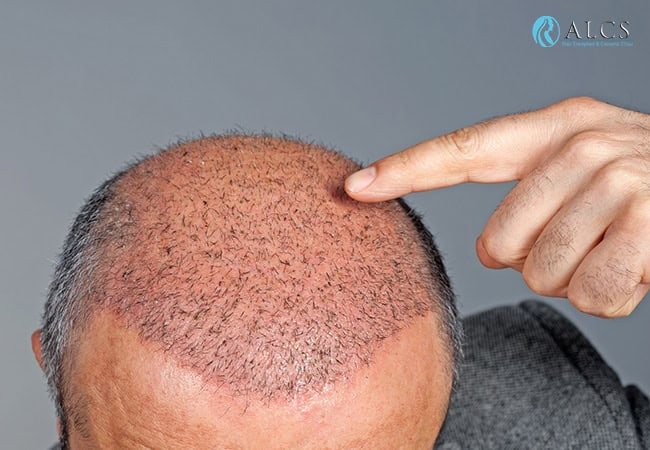
Immediately after the surgery, the transplanted hair will have a similar appearance to the existing hair for about a month. It is a normal part of the healing process, and it takes time for the grafts to settle in. 

It usually takes around three to five months before the transplanted hair begins to grow. Patients need to be patient during this period and provide ample time for the hair follicles to establish themselves and start producing new hair.

Recovery MilestonesDescription
2-5 DaysBandages are removed during this period. It is crucial not to touch the grafts to avoid any potential damage to the newly transplanted hair follicles.
Day 6On the sixth day, patients can start washing their hair gently by hand. Following the provided instructions is important to ensure proper cleansing without disturbing the grafts.
10-14 DaysNon-dissolvable stitches, if used during the procedure, are typically removed after 10 to 14 days. This step promotes further healing and reduces the risk of complications.
Few WeeksAfter a few weeks, it is common for the transplanted hair to fall out. This shedding is a natural part of the hair growth cycle and should not cause alarm. The hair will grow back later in the recovery process.
6 MonthsAround six months after the hair transplant, new hair growth usually begins to appear. This is an encouraging sign, indicating the success of the transplantation procedure.
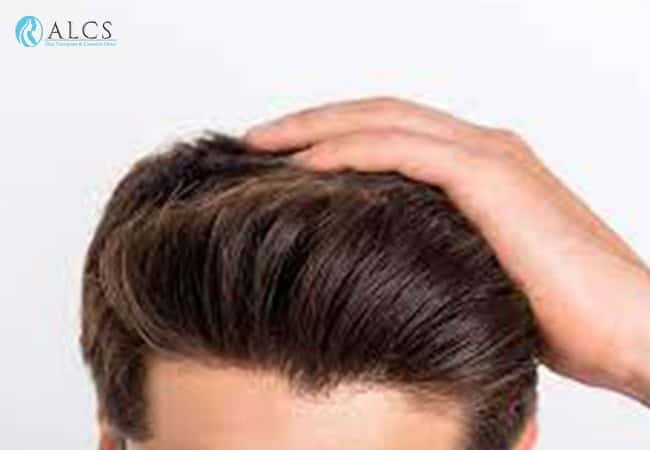
12-18 MonthsFull results from the hair transplant are typically visible between 12 to 18 months post-surgery. By this time, the transplanted hair has fully grown and blended with the existing hair, providing the desired aesthetic outcome.

Factors influencing recovery

Various factors, such as age, hair transplant procedure, overall health, and follow-up procedures, can significantly impact the recovery process after a hair transplant, influencing the final outcome of the procedure.

Age

Age plays a role in hair transplant recovery. As people age, the hair follicles may stop producing new hairs, leading to thinning or baldness. The natural aging process affects the quality and density of hair.

Hair loss associated with aging is not experienced by everyone, but it is more common for individuals to show signs of baldness by the age of 30. Men, 

in particular, may experience male pattern baldness, which is related to the normal function of the male hormone testosterone. Women can also develop a similar type of baldness known as female pattern baldness.

Hair Transplant Procedure

The choice of hair transplant procedure can affect the recovery process. Two popular techniques are used, such as Follicular Unit Transplantation (FUT) and Follicular Unit Extraction (FUE).

FUT involves removing a strip of scalp from the donor area and transplanting it to the recipient area, while FUE involves extracting individual hair follicles and transplanting them. 

The healing and recovery time may vary between these procedures, and your surgeon will provide specific instructions for post-operative care.

Overall Health

The overall health of an individual can impact hair transplant recovery. Certain health conditions, such as diabetes, cardiovascular disease, and autoimmune disorders may affect the healing process.

Additionally, temporary hair loss can occur due to physical or mental stress. It is important to discuss your medical history with your surgeon to ensure a safe and successful recovery.

Follow-up Procedures

In some cases, a follow-up procedure may be necessary to achieve more natural-looking results. It may involve a surgical “touch-up” procedure or the use of mini-grafts to fill in and blend the hairline.

These follow-up procedures can contribute to the overall outcome of the hair transplant and may affect the recovery process.

Tips for faster recovery

Remember to consult your physician for personalized advice and follow their instructions for optimal recovery after a hair transplant.

Sleep with a slight elevation at a 30-degree angle and an extra pillow behind the head. It helps relieve pressure in the donor area. Protect your scalp from direct sunlight, especially if it is swollen post-surgery.

Use lightly salinated water for compresses to prevent crust formation and aid healing. Apply ointments or gels twice daily to the donor incision and recipient area. 

These promote wound healing, retain moisture, and provide a barrier to infection. Regular options include polysporin, mupirocin, Neosporin, and petrolatum. 

Surgical gels may also be prescribed but can be hard to remove from hair. Topical antibiotics are rarely necessary.

Start hair washing the day after the procedure. Dry off hair gently with a towel and use a cold setting when blow-drying. Avoid scratching, bumping, or rubbing the grafted hair to prevent graft loss.

Shampoo with a mild, hypoallergenic formula after the first 48 hours to soak the scalp, and it helps prevent crust formation.

After three days, you can use products like Toppik and hair fibers. Hair spray can be used after seven days. Spraying a comb with hairspray and then combing the hair may be more effective. You can start using hair color two weeks after surgery.

Gently apply ice on the forehead (avoiding the implanted grafts) for 20 minutes during the first 2-3 days to reduce forehead swelling.

Limit exercising to prevent unnecessary bleeding. Avoid strenuous exercise for at least 14 days after surgery to protect the newly grafted scalp.

Avoid processed and sugary drinks and select a healthy diet to support hair growth and overall well-being.

Hydrate your scalp by drinking at least eight glasses of water daily. Sufficient water intake promotes scalp health and prevents dryness.

Ensure proper nutrition to support the hair transplantation process. The quality of blood affects healing, and vitamins are essential for healthy blood. Stick to a balanced diet and avoid overeating. Nutrition plays a crucial role in reducing hair loss.

Smoking reduces blood flow to the hair roots, which is crucial for hair growth. Alcohol is a diuretic and reduces nutrient absorption. Quit both to support optimal healing and hair growth.

Avoid sexual activity for at least ten days after surgery, as it can increase blood pressure and heart rate.

What to do/avoid during recovery?

During the recovery period after a hair transplant, it is crucial to follow specific instructions to ensure a successful healing process and optimize the results. Here are three mandatory points to keep in mind:

Rest and avoid strenuous activities.

Your physician will recommend rest for the first two days after the procedure. Avoid vigorous exercise, heavy lifting, and bending over at the neck or waist for at least one week.

These activities can increase blood flow to the scalp, which may disrupt the newly transplanted hair follicles. By taking adequate rest and avoiding strenuous activities, you promote proper healing and minimize the risk of complications.

Be gentle with washing and handling the recipient area.

For the first ten days, it is essential not to rub the recipient area. Instead, gently wash the zone using the flat of your fingers and a generous portion of shampoo.

After washing, pat the area dry with a soft towel to prevent unnecessary friction or irritation. It is also recommended to avoid scratching or rubbing the scalp during this period. If itching occurs, warm compresses can be used as a soothing remedy.

Take precautions when sleeping and protecting the scalp.

Sleep with your head elevated at a 30-degree angle by using an extra pillow behind your head or sleeping on a recliner. This position helps reduce swelling and improves blood circulation to the scalp.

Additionally, wearing a clean hat can protect the grafted area when going outdoors. Ensure that the hat is loose-fitting and doesn’t apply excessive pressure on the scalp. 

Furthermore, avoid exposing your head to direct sunlight for the first two weeks to prevent sunburn and potential damage to the scalp.

What factors influence the cost of a hair transplant?

If you’re thinking about getting a hair transplant, look for a facility that charges reasonably without sacrificing the standard of treatment and the medical staff. 

Depending on a wide range of variables, the cost of a hair transplant can vary by as much as threefold. Find out everything you need to know about the cost and value of hair restoration surgery in this article.

Factors Affect Hair Transplant Surgery Cost 

The cost of a hair transplant is determined by various factors. The surgeon’s experience, qualifications, and certifications as well as their adoption of the latest techniques and tools, can impact the pricing.

The choice between FUE and FUT techniques, as well as the necessary tests, can also affect the overall cost. Furthermore, the geographic location of the clinic and the competition within the area can contribute to variations in hair transplant costs.

Surgeon’s experience

The surgeon’s experience plays a significant role. A highly experienced and skilled surgeon who has treated various cases and has more than five years of hair transplant experience will likely charge a higher fee.

Additionally, the surgeon’s qualifications and certifications, such as being MBBS, MS, or MCh in Plastic and Cosmetic surgery, or being ABHRS-certified, can impact the cost. 

A well-qualified and knowledgeable surgeon who stays updated with the latest advancements in the field and utilizes the latest technology and tools will generally charge more for their services.

Hair transplant techniques

The technique used during the hair transplant procedure also affects the cost. There are two primary techniques: Follicular Unit Extraction (FUE) and Follicular Unit Transplantation (FUT). FUT may be less expensive than FUE, but it leaves a longitudinal scar, while FUE leaves small spots.

The choice of technique depends on the patient’s specific baldness pattern and the surgeon’s recommendation. Additionally, some tests may be necessary to determine the suitability of the donor-to-recipient ratio, further impacting the overall cost.

The geographic location of the clinic

The geographic location of the hair transplant clinic can influence the cost. In areas where the cost of living is high, the expenses associated with running a clinic tend to be greater, and this may be reflected in higher prices for hair transplantation.

Additionally, competition among hair transplant surgeons in a particular region can affect the pricing. In some cases, traveling long distances to find a suitably qualified surgeon may also add to the overall cost, including travel expenses to and from the clinic.

Average Costs Of Hair Transplant

The average cost of hair transplant surgery can vary significantly depending on various factors, such as the individual’s hair loss condition and the location where the procedure is performed. 

In India, the cost typically ranges from around USD 400 to USD 3,800. On the other hand, hair transplant surgery in the United States can cost approximately USD 50,000.

The cost per graft, which refers to the individual hair follicles being transplanted, also varies across different countries. In Turkey, the cost per graft can be as low as US$1.07, while in Canada, it can go up to US$7.00.

In the United Kingdom, the cost of hair transplant surgery generally falls within the range of £4,000 to £8,000, depending on the specific location and the area of the implant. 

However, in certain areas of the UK, the cost can range from £1,000 to £30,000, depending on the extent of hair loss and the complexity of the procedure.

Cost Comparison Table (FUT Vs FUE)

When considering hair transplant options, it is important to compare the costs associated with different methods. Specifically, the cost comparison between Follicular Unit Transplantation (FUT) and Follicular Unit Extraction (FUE) can provide insights into the financial aspects of these procedures.

FUTFUE
Depending on how extensive the operation is, FUT might cost between $4,000 and $10,000.
However, since the grafts are removed in a strip rather than one at a time, FUT is like getting in volume; you’ll get more grafts for your money.
Depending on how extensive the operation is, the cost of FUE can range from $4,000 to $15,000.
Unlike the FUT technique, where grafts are taken in bulk, individual grafts are removed one at a time. 
The harvesting of the grafts from the donor location takes longer as a result. This explains why FUE generally costs more than FUT.

Financing Options

Financing options for hair transplant surgery can be an important consideration for individuals looking to undergo this procedure. 

The cost of a hair transplant will largely depend on the amount of hair being moved and can range from $4,000 to $15,000.

It is worth noting that most insurance plans do not cover hair transplant surgery, so patients typically need to explore other means of financing.

Fortunately, the vast majority of hair transplant clinics offer free, no-obligation online or in-person consultations. These consultations serve as an opportunity for potential patients to discuss their concerns, receive an assessment of their candidacy for surgical intervention, and obtain an estimate of the cost involved.

In many cases, consultation fees are normally deducted from the overall cost of the surgery if the patient decides to proceed.

To remain competitive in this increasingly commoditized market, top hair transplant surgeons often provide free consultations. It enables prospective patients to consult multiple surgeons and compare their expertise, techniques, and results before making a decision. 

Therefore, it is advisable for individuals considering hair transplant surgery to include consultation fees in their surgical budgets. 

By doing so, they ensure that they have the necessary resources to fully explore different options and thoroughly evaluate the best surgeon for their specific needs.

Cost Vs Value

When considering the cost versus value of FUT (Follicular Unit Transplantation) and FUE (Follicular Unit Extraction) hair transplant surgeries, several factors need to be taken into account:

FUE

FUE hair transplant surgery typically ranges between $4,000 and $15,000 per session, with costs potentially reaching up to $50,000 for multiple sessions.

Health insurance does not typically cover cosmetic procedures like FUE hair transplant surgery. Prescription medications for pain management may be required after the procedure.

FUE has a graft survival rate of around 90%, which refers to the percentage of transplanted hair follicles that successfully grow in the recipient area. Robotic FUE, which utilizes advanced robotic technology, boasts a success rate of 80%.

The success of an FUE procedure greatly depends on the expertise and experience of the doctor performing it.

FUT

FUT is an older technique compared to FUE. It involves removing a strip of scalp from the donor area and dissecting it into individual hair grafts for transplantation.

FUT hair transplant surgeries are generally faster than FUE procedures. FUT surgeries tend to have a lower price range, typically starting around $4,000 to $10,000.

FUT may require a massive number of grafts compared to FUE due to the nature of the procedure. FUT procedures are well-equipped to handle emergencies that may arise during the surgery.

The success rates of FUT can reach as high as 81% – 91%, but they also depend on other factors such as the patient’s age, the extent of hair loss, availability of donor area hair grafts, and the patient’s overall attitude towards the procedure.

Does A Hair Transplant Affect The Hair In Donor Areas?

The most frequent procedure used to treat the symptoms of androgenetic alopecia in both men and women is a hair transplant. The donor area, from which the grafts are taken, and the recipient area, from which hair follicles are retrieved from the donor area, are both involved in this treatment. 

A safe and effective hair transplant depends heavily on the treatment of the donor area. Learn everything there is to know about the donor place, including any risks and how you can minimize them.

How FUT And FUE Affect Donor Areas

The scalp’s occipital and temporal regions are used to harvest a strip of donor follicles for FUT (Follicular Unit Transplantation) hair transplant surgery. If the hair is worn at least half an inch long, the linear scar left by the donor site closure is usually not noticeable.

Trichophytic closure is one of the more sophisticated procedures for reducing scar appearance. This technique makes it possible to quickly and affordably acquire a large number of donor follicles. 

If more grafting is ever needed, multiple hair transplants can be carried out via FUT. To produce outstanding patient results, extreme care must be taken during strip collection, donor site closing, graft examination, setting up the site, and graft insertion.

Depending on the density of the donor’s hair, FUE hair transplant surgery offers an equivalent amount of grafts to FUT. The objective of FUE is to thin out the donor hair until it is clearly visible.

However, if the patient wants a short haircut following surgery, it’s especially important to avoid overharvesting from a small donor area as it can leave that area looking substantially less thick than the surrounding donor zone. 

FUE sites should be evenly dispersed throughout the donor area, including the occipital and temporal areas, at a uniform density in relation to the native follicular unit density in order to ensure a safe surgical strategy.

Possible Side Effects

Hair transplant procedures, while generally safe and effective, can sometimes be associated with certain side effects and complications.

Donor site complications, which can include issues such as wound dehiscence and neuralgia, as well as general complications like infection or adverse reactions to medications, are prime considerations that patients should be aware of before undergoing the procedure.

Donor site complications

Donor site complications after a hair transplant can include several issues, such as wound dehiscence, neuralgia and neuromas, and arteriovenous fistulas. Wound dehiscence is a significant complication that occurs when sutures are removed, and the wound fails to heal properly.

Factors such as advanced age, chronic corticosteroid use, malnutrition, systemic diseases like diabetes, and tension in wound closure contribute to the risk. Administering corticosteroids can help reduce postoperative edema and minimize stress.

Infections and inadequate surgical hygiene can also increase the risk of wound dehiscence, requiring treatment that includes removing necrotic tissue, maintaining proper moisture balance, and addressing any infection.

Neuralgia and neuromas can develop after a hair transplant, particularly affecting nerves such as the auriculotemporal, lesser occipital, and greater occipital nerves.

These complications can lead to persistent scalp hyperesthesia, causing discomfort and tenderness. 

Nerve injuries during the transplant procedure can trigger the formation of neuromas, which are palpable nodules that develop when fibrous tissue grows around damaged nerve fibers. 

Managing these complications may require specialized interventions, such as targeted nerve blocks or medications to alleviate the associated symptoms.

Arteriovenous fistulas are another possible complication at the donor site. Patients may experience a throbbing sensation near the surgical wound postoperatively.

Upon examination, a pulsating subcutaneous lump or nodule can be observed. Arteriovenous fistulas occur when there is an abnormal connection between an artery and a vein. 

This complication may require further medical intervention, such as surgical correction or embolization, to restore normal blood flow and alleviate symptoms.

General complications

Hair shedding is a normal process that occurs after a hair transplant. It happens because the transplanted hairs fall out within 2-3 weeks as part of the natural shedding cycle.

It occurs because the hair shafts are detached from their original location, while the roots remain intact.

New growth starts from the roots, and the transplanted hairs regrow within a few months. This temporary shedding phase, often referred to as shock loss, is followed by the emergence of new hair growth, which becomes visible within 3-4 months post-surgery.

Bleeding is a common complaint during and after a hair transplant surgery due to the surgical nature of the procedure. However, skilled surgeons and proper surgical techniques minimize blood loss.

During the postoperative period, it is foremost to follow instructions provided by the doctor, including pressing the gauze on any bleeding sites and avoiding blood-thinning medications that could increase the risk of bleeding.

Infections can happen even with the best facilities and precautions, although choosing a reputable doctor and a well-equipped facility can reduce the risk. It is important to follow post-operative care instructions and take prescribed antibiotics to minimize the risk of infection.

Proper hygiene practices and keeping the transplanted area clean are crucial in preventing infections. If any signs of infection appear, such as redness, swelling, or pus, it is essential to seek medical attention promptly.

Pain is a common experience after a hair transplant surgery due to the surgical procedure itself. However, doctors typically administer sedatives and anesthesia during the methods to minimize pain.

Pain medications are prescribed for the post-operative period to manage any discomfort. 

Some individuals may also experience a stretching sensation in cases of follicular unit transplantation (FUT), but this can be resolved with painkillers recommended by the doctor. Over-the-counter pain relievers, such as paracetamol, can also be effective in alleviating pain.

Itching is a frequent side effect experienced by many people after a hair transplant. It occurs due to the formation of scabs at the transplant site. 

To alleviate itching, it is important to follow the provided aftercare instructions, which may include spraying a solution over the grafts and washing the scalp with a mild or medicated shampoo. With proper care, the itching gradually subsides over the course of a few days.

Swelling is another common side effect after hairs transplant surgery, although its severity may vary from person to person. Swelling around the forehead and eyes can give the appearance of a “black eye.” However, the swelling typically subsides within a few days with proper post-operative care.

Numbness can occur after a follicular unit transplantation (FUT) procedure due to the cutting of nerves. It is important to discuss this possibility with your doctor before the procedure to understand the potential risks and ways to avoid nerve damage and numbness.

Scarring is a consideration when choosing between follicular unit extraction (FUE) and FUT methods. FUE leaves tiny micro scars that disappear within a few weeks and can often be hidden by the surrounding hair.

On the other hand, FUT leaves a linear scar that may be visible if the surrounding hair is short. You can discuss scarring concerns with your doctor to make an informed decision about the transplantation method.

Cysts can occur when grafts are not extracted properly and result in the formation of clusters of pimples. These cysts typically disappear within a few weeks. If they persist or cause concern, it is advisable to consult a physician for further evaluation and guidance.

Hiccups are a rare side effect that may affect certain patients undergoing hair restoration. However, hiccups usually resolve within a few weeks and are not cause for significant concern. If hiccups persist or become bothersome, it is recommended to consult with a healthcare professional for appropriate management.

How To Minimize The Impact

To minimize the impact of hair transplant side effects, there are several key measures you can take. Firstly, it is crucial to keep the newly grafted area moist. Avoid heavy exercise till the first week and you can start swimming that can’t be the cause of traumatic head injury.

Your surgeon will provide essential tools and instructions to create a soothing environment for the transplanted hair follicles. Frequent misting of the hair with a saline solution can help, and it’s essential to protect your hair from dehydration.

Secondly, practice gentle washing techniques to care for your hair after the transplant. Wait for 1-2 days before washing your hair by hand. Avoid washing your hair directly under the shower with high pressure. Instead, decrease the shower pressure and use your hands to clean your hair gently.

Opt for a gentle shampoo and wash your hair with a cup of lukewarm water to prevent scalp irritation. Additionally, consider sleeping in a semi-upright position to minimize the effects of gravity on the transplanted hair follicles. 

Rather than sleeping straight, adopt a “recliner” position with an upright angle of about 45 degrees. This position helps reduce swelling and promotes better blood circulation to the scalp. 

It’s crucial to sleep in a fixed position for the first three nights to minimize movement and avoid rubbing the newly transplanted area, thereby reducing the potential for swelling and irritation.

How Much Is Hair Transplant In India Cost 2023?

Receding hairline especially among males aged above 45 is a widespread problem in India. It happens because of certain unhealthy food habits, abnormal genes and high-stress levels. 

While in earlier times, people did not give much concern to extreme hair loss, today, the increasing insecurity and the high rise of beauty standards have made hair transplantation a popular option for people coming from all kinds of backgrounds. 

As a result, the number of hair transplant surgeries that take place in India has gone up to approximately 3,50,000. 

So if you are considering undergoing hair transplant surgery then it is important to understand the factors affecting its cost and the options available to choose from. That is why in this article we have covered everything that you need to know about hair transplant cost in India in 2023. Stay tuned to know more. 

3 Factors Affecting Hair Transplant Costs

On average, the cost of a hair transplant in India starts at somewhere around ₹ 40,000 and can go up to ₹ 80,000 based on factors such as the complexity of the procedure and your individual requirements. 

Here are the 3 main factors which influence the overall cost of hair transplants in India:

  • Extent Of Baldness: Smaller bald patches on your head require less time of operation because of which their price will be lower than that required for treating severe baldness. Likewise, the higher the amount of hair that requires replacement, the higher the Hair transplant cost.
  • Expertise Of The Surgeon: The qualifications, practical practising history, success rate, reputation Uncertain other certifications of the surgeon also influence the ultimate cost of hair transplant. Choosing a surgeon with more experience will likely cost you a higher amount. 
  • The Area Of Treatment: Working on the scalp is much easier than other body parts like the face since it requires a higher level of precision and the risk of complication is also comparatively higher. That is why a hair transplant that is done on the face costs more. 

Types of Hair Transplants in India

The 3 primary types of hair transplants available in India are:

1. FUT (Follicular Unit Transplant)

FUT is also called the strip method. During the procedure, thin skin strips containing hair are removed from the sides and the back of your head (or donor’s head) and then they are carefully dissected and stitched on the area that requires hair transplant. 

2. FUE (Follicular Unit Extraction)

    The process of follicular unit extraction is pretty much similar to that of follicular unit transplant except the former makes use of individual hair strands instead of cutting out strips of skin from other areas of the body. 

    It allows quick healing and in comparison with FUT, the scarring is much less and even unnoticeable. 

    3. DHI (Direct Hair Implantation)

      DHI is a straightforward and precise method that doesn’t require incisions. As a result, it not only enables quick and easy recovery but also produces more natural-looking and aesthetically pleasing results. 

      Cost Variation Across Different Cities 

      • Mumbai – ₹95,000 to ₹1,75,000 
      • Delhi – ₹40,000 to ₹2,40,000 
      • Bangalore – ₹40,000- ₹80,000
      • Kolkata – ₹35,000 to ₹1,15,000 
      • Chennai – ₹35,000 – ₹2,65,000
      • Hyderabad – ₹35,000 – ₹2,65,000

      What Influences the Cost in Different Cities

      • Demand And Competition: Hair transplantation is more common in metropolitan cities and areas with higher cases of complete hair loss. In such places, due to the increased demand, the competition among clinics is high resulting in elevated charges. 
      • Clinic Reputation: Any clinic that has an excellent reputation with an evident history of successful surgeries is likely to charge higher for their services because of the quality and expertise of the surgeons available there. 
      • Surgeon’s Expertise: The higher the amount of experience a surgeon has the more is going to be his fees. 
      • Technology And Equipment: There are a wide variety of surgical and diagnostic tools available in today’s era. Clinics that use expensive and the latest technology along with methods that require more effort and precision will certainly charge higher for the services. 

      Cost Breakdown for a Hair Transplant Procedure

      • Pre-surgery consultation fees: While there are a few clinics offering free pre-surgery consultation, on average most Indian surgeons charge up to ₹2000 for it. 
      • Procedure cost per graft: The price of cost per graft depends on your individual situation and the type of surgery you opt for. The range starts at ₹25 and can rise up to ₹150 per graft.
      • Post-operative care and medications: The average cost is ₹3,000 – ₹15,000.

      Hidden Costs and Additional Expenses

      • Anesthesia Charges: Generally, anesthesia charges lie between ₹5,000 – ₹20,000 depending on the type of anaesthesia used by your surgeon. 
      • Follow-Up Appointments: The average cost is ₹3,000 – ₹15,000.
      • Travel And Accommodation Expenses: These include the facilities which are provided by the hospitals so that you can stay comfortably there before, during and after your surgery for the time prescribed by your surgeon. The average cost for these lies between  ₹5,000 to  ₹30,000. 

      Financing Options for Hair Transplants

      The availability of financing options varies according to the location of your clinic and certain individual factors. Common options include: 

      • Health Insurance Coverage: While health insurance coverage can help you to cut down the overall cost of your surgery, you have to first check whether your insurance covers cosmetic procedures because it depends on the type of plan you have taken. 
      • Medical Loans: If you are running tight on a budget then medical loans are a great option as they allow you to borrow money first and then repay later through small installments. 
      • EMI Options: EMI is one of the best options because it makes hair transplants more affordable as you have to pay only a small amount every month instead of paying a high amount at once. 

      ALCS, a well-reputed hair transplant clinic in Pune offers all the above three options along with expert surgeons to assist you in achieving your perfect hair goals. 

      Conclusion

      All in all, while hair transplant surgery is now easily accessible and has become affordable over the years in India, it is important to understand the factors influencing its cost and analyze your budget to make an informed choice. Making comparisons of all available surgeons, the benefits that they offer and the financing options that they have can help you decide better and make the most out of your money. 

      Can you have multiple cosmetic surgeries at once?

      As long as your body is in a healthy condition and free of any kind of diseases or disorders, especially those relating to high blood pressure, getting multiple cosmetic surgeries at once is generally safe. However, most board-certified plastic surgeons only combine a maximum of 2-3 surgeries at once for safety reasons. 

      Among these, liposuction with tummy tuck surgery is one of the most popular and trending combinations. Read on to find out more about multiple cosmetic surgeries. 

      What Are Combination Cosmetic Surgeries?

      Also called multiple cosmetic surgeries, combination cosmetic surgeries are designed to be cost-effective and time-saving. They improve the overall surgical experience by bringing down the recovery time and providing multiple desired aesthetic results all at once.

      Some of the most popular combinations of cosmetic surgeries include—tummy tuck surgery with liposuction, breast lift with breast augmentation and tummy tuck surgery with breast augmentation. 

      If you have multiple concerns to deal with then getting combination cosmetic surgeries can not only help you save a lot of time and the overall surgery cost but also provide better recovery. Since the recovery time for all of the surgeries that you undergo would be the same, you can cut down on having long recoveries which is ultimately beneficial for your physical, professional and social well-being. 

      Benefits of Combining Procedures

      While combination plastic surgeries might not be the ideal solution for every patient due to medical reasons, people who are eligible for it can extract a multitude of benefits including— 

      • Cost-Effectiveness: Comparing the cost required to perform multiple surgeries in different appointments with combination surgical procedures, it is quite evident that multiple surgeries when done at once cost less, making it a cost-effective option. 
      • Decreased Downtime: Combination cosmetic surgeries make scope for faster recovery ultimately reducing the time you need for rest. Hence, it enables you to return to work, studies and your normal day-to-day life in a relatively short time.
      • More convenience: Scheduling multiple appointments to address different concerns can be a troublesome task requiring more time and effort. Getting multiple cosmetic surgeries at once is therefore a more convenient option to address many issues at once. 

      Apart from these, when the same surgeon is performing multiple surgeries on you, they have a better idea of how to customize each surgery to complement the other. As a result, combination cosmetic surgeries generate better and more aesthetically pleasing results. 

      Common Combination Procedures

      Some of the most popular and common combinations of cosmetic surgeries include—

      • Tummy Tuck Surgery with Liposuction
      • Blepharoplasty with Facelift 
      • Fat Transfer with Facelift
      • Facelift with a Neck Lift
      • Chin Augmentation with Rhinoplasty
      • Breast Reduction with a Breast Lift
      • Breast Lift with Breast Augmentation
      • Tummy Tuck Surgery with Breast Augmentation

      However, what combination would work best for you depends on individual goals and needs. 

      Some factors that play an important role in deciding what surgeries to choose for your goals include: 

      • Individual aesthetic concerns. Examples include breast augmentation, facial rejuvenation and fat reduction from specific body parts.
      • The health status of your body
      • Whether you need a comprehensive transformation or just contouring of some body parts
      • Age-related concerns
      • Your budget
      • Lifestyle considerations
      • Priority concerns (if any)

      Safety Considerations

      When you undergo multiple cosmetic surgeries together, the benefits are many. But at the same time, there are certain safety concerns that you must know about before making the decision to opt for combination cosmetic surgeries. 

      Some important safety concerns associated with combining surgeries include–

      • Longer Surgical Duration: Combination cosmetics surgeries require you to stay in the surgical session for a longer than normal duration along with prolonged anaesthesia. Exposure to anaesthesia for a long span can be a risk for people with certain medical disorders.
      • More Trauma: Since combination cosmetic surgeries are meant to deal with more than one physical issue, the trauma that your body undergoes during the surgery will also be more as many surgical procedures need to be carried out. Potential injuries can include infection, bleeding, and a slight delay in wound healing. 
      • Side Effects Of Anesthesia: Extended exposure to anaesthesia can sometimes result in the formation of blood clots which can be very harmful to your body if the blood clots move to the important organs and hamper in functioning. Although rare, sometimes anaesthesia can also give rise to allergies and certain respiratory problems. 

      That is why to minimize the risks associated with multiple cosmetic surgeries, it is crucial to hire a professionally qualified and highly experienced cosmetic surgeon. 

      A cosmetic surgeon who has years of experience, training and qualifications along with the right skill set can not only help you achieve your target results successfully but also enhance the overall experience. 

      They have a better understanding of complexities and the practices that they employ consist of safe surgical processes along with the right kind of technology that can help minimize pain and maximize comfort during the surgery. 

      Recovery Period

      The recovery time varies for every individual based on the type of surgeries they have taken and the areas which are under consideration. In most cases, you will require the help of a family, a loved one or a nursing professional for the following 2 to 3 days after the surgery. 

      General recovery measures include–

      • Dietary restrictions
      • Intake of prescription-based medications
      • Wound care might include regularly changing the wound dressing, keeping the surgical site clean and dry and avoiding contact with harmful agents.
      • Avoidance of extensive physical activities
      • Maintaining a balanced diet and drinking lots of water
      • Adhering to compression garments as advised by your surgeon

      Apart from these, it is equally important to visit your surgeon regularly to monitor your progress and undergo a smooth recovery. 

      Long-Term Results

      When it comes to cosmetic surgery, you have to be very patient to see the final results. 

      That said, the first 2 weeks after surgery you have to be prepared to experience some kind of discomfort and be regular with your compression garments. 

      Here is a general timeline for seeing the final results of different types of combined cosmetic surgical procedures—

      • Eyelid Surgery, Facelifts, Brow Lifts, Breast Augmentation: 3-6 months 
      • Rhinoplasty, Liposuction: Up to 12 months 
      • Neck Lift, Brazilian Butt Lift: 6 months
      • Tummy Tuck, Breast Lift: Anywhere between 4-6 months
      • Breast Reduction: Anywhere between 6-12 months

      It is important to note that this is only a general overview of the timelines under which you can see visible results. The duration can decrease or increase based on individual factors. 

      Moreover, if you want to experience the best and the most long-lasting results post-surgery, it is important to adopt certain lifestyle habits. 

      Important maintenance tips include—

      • If you have undergone surgeries for weight loss, you have to maintain a healthy weight through a good diet post-surgery. 
      • Engage in regular exercising if you have undergone liposuction or other body contouring procedures. 
      • If you have taken a facial rejuvenation procedure then it is crucial to adopt a healthy skincare routine and follow it strictly to get long-term results. 
      • Say no to smoking and overconsumption of alcohol
      • Do not stay directly under the sun
      • Drink enough water to stay hydrated
      • Regular follow-up appointments can help monitor your condition and make improvements through necessary changes (if any)

      Risks and Complications

      Even though multiple cosmetic surgeries offer a lot of advantages, like any other surgery it also has its own list of potential complications which can occur if you don’t choose a well-reputed and well-qualified plastic surgeon.

      Here are common complications associated with combination cosmetic surgeries—

      • Anesthesia-related complications including respiratory problems and allergic Reactions 
      • Infection
      • Bleeding
      • Scarring
      • Slow wound healing
      • High risk of blood clot formation
      • Negative impact on the immunity system

      In some cases, the interaction between different surgical procedures can also produce certain unforeseeable complications. 

      That is why you must always choose a well-reputed and well-qualified plastic surgeon to perform the surgery as it involves a high amount of risk and can be dangerous to your physical well-being if not done with the right sterilization techniques using the right kind of tools. 

      Conclusion

      To summarise, while it is generally safe to get multiple cosmetic surgeries, you must consult a good plastic surgeon to evaluate your own specific needs and suggest the best possible treatments to achieve the results that you truly desire. 

      Apart from this, it is equally important to carry out your own research regarding the particular surgeries that you have in your mind to make an informed decision.

      Why Are Multiple Sessions Sometimes Needed For A Hair Transplant?

      For some people, one session is typically sufficient to produce positive outcomes. An extra hair transplant may be necessary to get a more natural and fuller appearance to fill up the bald spots or thicken your hairline.

      Multiple sessions are necessary for a few patients who have crossed Norwood 6 baldness. In this article, you will get to know about the multiple sessions of hair transplant procedures.

      Reasons For Multiple Sessions

      Multiple hair transplant sessions may be necessary when dealing with extensive baldness, low hair density, challenges in the transplant procedure, and the likelihood of future hair loss.

      It is crucial to consult with a hair transplant surgeon to determine the best course of action based on individual circumstances.

      Size of baldness

      If the baldness is extensive and covers a large area, multiple hair transplant sessions may be necessary. It is especially true for androgenetic alopecia, which is the most common type of hair loss and can affect men and women differently.

      The condition can occur at any time, even during the teenage years. In female pattern baldness, the hair follicles are gradually replaced by finer and thinner hair, leading to a miniaturized version of the original hair. Women may experience baldness at the top of the head or at the part.

      Hair density

      Hair transplants may not be as effective for people with widespread thinning and baldness. The procedure works best for individuals who are experiencing natural balding or thinning or those who have lost hair due to an injury.

      If the hair density is significantly low or the baldness is extensive, multiple sessions may be necessary to achieve satisfactory results.

      While hair transplant surgery has become increasingly popular and can provide a natural appearance, there are challenges that can affect the outcome. One challenge is the availability of donor’s hair, as there is a limit to the amount of hair that can be transplanted.

      Another challenge is ensuring the survival of transplanted hair, as not all transplanted hair follicles may successfully grow new hair. In such cases, multiple sessions may be required to achieve the desired hair density.

      Future hair loss with age

      Hair loss with aging is a natural process and can vary among individuals. Some people may start experiencing signs of baldness by the age of 30, while others may not be affected until later in life.

      Male pattern baldness, which is linked to the male hormone testosterone, often starts with receding hairlines or balding at the temples or the top of the head. Women can also develop a similar type of baldness known as female pattern baldness, which results in less dense hair and a visible scalp. 

      If there is a likelihood of future hair loss, additional hair transplant sessions may be required to address ongoing hair loss and maintain a desired appearance.

      Planning For Multiple Sessions

      A Giga session in the context of a hair transplant refers to a transplant session involving 5000 or more grafts. It is important to note that single-session FUE (Follicular Unit Extraction) procedures have never achieved graft counts close to 5000.

      Undertaking a Giga session is a significant endeavor that requires specific patient and procedural considerations for successful outcomes.

      Patient Selection

      Patient selection is the initial and crucial step in planning multiple hair transplant sessions. The ideal candidate for a Giga session should have above-average to excellent hair density and above-average scalp laxity. 

      Various devices are available to assess hair density accurately. However, a physical examination is necessary to evaluate the patient’s suitability for the procedure.

      Anesthesia

      Anesthesia plays a vital role in ensuring patient comfort and safety during the hair transplant process. Prior to the procedure, the overlying hair is trimmed. Anesthesia of the donor site is achieved by infiltrating 1% Xylocaine with 1:200,000 epinephrine.

      Subsequently, a tumescent solution containing 1:400,000 epinephrine is infused to reduce bleeding. The donor area is then divided into two to four sections, carefully dissected, and closed using absorbable dermal sutures and surface staples.

      Procedure

      Performing Giga sessions requires shaving the recipient site to efficiently transplant a large number of grafts. The recipient site areas are anesthetized by administering a ring block using 1% lidocaine and 1:200,000 epinephrine.

      Tumescent fluid containing 1:300,000–1:400,000 epinephrine is injected into the target area to create tumescence in the subcutaneous space, minimizing bleeding during the creation of slits. The use of lower concentrations of epinephrine in the tumescent fluid is sometimes explored for potential benefits in graft survival.

      The size of the slits created during the procedure depends on factors such as hair coarseness and the number of follicles per graft. 

      Coarse hair or follicular units with splayed-out hairs may require larger slit sizes, typically ranging from 0.65 mm to 1.2 mm. For patients with Norwood 6 hair loss, the procedure typically involves one to two strip sessions initially to move the required 6000–8000 grafts. 

      Subsequently, FUE may be performed to improve the scar if needed and for any refinement work.

      Liposuction Insights: Expert Advice for You

      Liposuction is a surgical procedure that removes excess fat deposits from your body. It works great for people who want to reshape their bodies but can’t get the right results with conventional methods such as modifying their diet or increasing physical activity. 

      However, to know whether you are the right candidate for liposuction you must consult an expert medical professional. They can recommend the best options according to your desired results. Expert advice can help you to know more about its benefits, complications, cost etc. 

      Understanding Liposuction

      Liposuction uses the principle of suction to suck and pull out stubborn fat pockets from different body parts like:

      • Stomach
      • Hips
      • Thighs
      • Buttocks
      • Chest 
      • Arms 
      • Neck

      While liposuction can help you get rid of extra body fat, it is important to know that it is not a weight loss procedure. It can only help in restructuring and enhancing the shape of specific body parts through surgery. 

      The technique of liposuction was developed by Italian doctors named Giorgio Fischer and Arpad in 1974. During those times, they called it ‘Blunt Tunneling Surgery’

      Although the technique was good enough, sedation, morbidity risks, etc were some drawbacks. 

      To eliminate those drawbacks, Pierre Fournier and Yves-Gerard Illouz, two French doctors, modified the technique in 1978. Throughout the 1980s, the efforts to improve the technique and make it less painful and risky continued ultimately leading to the introduction of Tumescent liposuction by Dr Klein. 

      Further developments led to the introduction of fat liquefaction and improved anaesthesia. These new developments have made liposuction a more comfortable and convenient procedure that causes minimum pain and shows extraordinary results. 

      ligibility for Liposuction

      Here are the general criteria that makes a person eligible for liposuction:

      • Average or a little more than average body weight.
      • High skin elasticity
      • Good muscle tone
      • No underlying diseases 
      • Healthy body
      • Non-smokers 
      • Non-vapers
      • People who have already decided their target goals and do not have any kind of unrealistic expectations from the surgery

      Even though liposuction is an excellent option to eliminate extra body fat, it might not work for everyone in the same way. In fact, there are some specific conditions in which a person becomes non-eligible for liposuction surgery. These conditions include:

      • Being underweight
      • Body Mask Index (BMI) greater than 25 mark
      • People who have a severe or life-threatening disease
      • People having diseases or disorders which interfere with proper healing 
      • Low-quality skin
      • People who have unrealistic expectations from liposuction surgery

      Types of Liposuction

      Here is a list of the different types of liposuction methods:

      • Tumescent Liposuction 
      • Ultrasound-Assisted Liposuction
      • VASER (Vibration Amplification of Sound Energy at Resonance)
      • Suction-Assisted Liposuction 
      • Power-Assisted Liposuction
      • Laser-Assisted Liposuction

      Among these, Tumescent liposuction (the traditional method of liposuction), Ultrasound-assisted liposuction and laser-assisted liposuction are the most popular methods.

      Tumescent Liposuction (Traditional liposuction): It involves injecting a saltwater (saline) solution into the areas with fat deposition. The solution initiates the shrinking of your nerves and fat is removed easily with minimum blood loss. 

      Ultrasound-Assisted Liposuction: The method comprises fat removal by its liquefaction using ultrasound energy that comes from a metal rod which is placed under your skin.

      Laser-Assisted Liposuction: It involves fat reduction with strong laser light that breaks down and melts your fat for easy removal. This method does not need many small cuts on your body making it better than other procedures. 

      Benefits and Goals

      Some benefits of liposuction include:

      • Liposuction is a safe procedure for fat removal.
      • Liposuction results in better body shape and helps to improve your self-confidence and self-esteem by enhancing the way you look. 
      • It works even for the areas that show little to no change after following a strict diet or undergoing extensive physical exercise for fat reduction. 
      • Removing excess fats from your body is good for your health in the long term.
      • It is a good solution for people having problems like gynecomastia, lipomas, lipodystrophy syndrome etc.
      • It produces more subtle and natural-looking results.

      However, to get the maximum benefits you have to have realistic goals and expectations. You must also have the patience to wait for the final results as recovery can take time in some cases. Also, it is crucial to carry out thorough discussions with your surgeon before the surgery to get the best recommendations as per your goals.

      Risks and Potential Complications

      Although liposuction is mostly safe, there is still some risk involved which can lead to side effects. Common complications include—

      • Skin sensitivity issues
      • Infection
      • Pain in the surgical site
      • Scarring
      • Delayed wound healing
      • Skin discoloration
      • Contour irregularities
      • Fluid buildup

      Therefore, to eliminate the potential risks, it is important to choose a good surgeon who can use the right methods and knows the technique to apply them most safely. Hiring a well-qualified and trained medical professional can help you get a pleasant overall surgical experience. 

      Customized Treatment Plans

      The surgical needs of every person are different because of differences in body shape and expectations. Hence, it is essential to create a customized treatment plan to achieve the most optimal outcomes. 

      Personalized plans help the surgeon to provide patient-centred care as they enable them to provide more attention to detailing according to the anatomy of the patient. 

      A good surgeon is someone who will include you in the process of decision-making through consultations. They will also carry out diagnostic tests, offer advice on the best available options and suggest the most suitable technique to fit your budget as well as preferences. 

      So, if you’re looking for medical experts who can provide effective and long-lasting liposuction surgeries at an affordable cost then you can contact ALCS. They are dedicated to tailoring treatment plans as per patient requirements and have the best technology and tools to apply the methods in a safe, effective and painless way 

      Preparing for Liposuction

      Before the procedure, you have to follow certain preparatory steps to get ready for the liposuction surgery. These can include:

      • Lab tests
      • Dietary restrictions
      • Alcohol avoidance
      • Stopping the intake of supplements and certain medications

      Additionally, you must be very transparent in providing your surgeon with information about your medical history. 

      Communicating the medical history is crucial to liposuction as it helps the surgeon provide better tips to prepare accordingly. Some medicines that you might be taking may not complement liposuction and need to be stopped temporarily for best outcomes. 

      Recovery and Aftercare

      Recovery time differs for every patient according to the area under consideration. 

      Generally, healing takes up to 6 months and you will be recommended to take more rest and avoid strenuous physical activity for the initial 6 weeks.

      Some tips which can help you recover faster and easier include:

      • Staying well hydrated
      • Having a balanced diet
      • Giving enough rest to your body
      • Going for a walk regularly

      Costs and Financing

      The average cost of liposuction in India starts at Rs. 35,000 and can go up to Rs. 3,00,000. 

      Factors influencing the overall liposuction cost include:

      • Clinic’s Reputation 
      • Surgeon’s Experience  
      • Locations of the clinic
      • Cost of anaesthesia and other medications
      • Complexity of the process
      • Target areas
      • Cost of compression garments 
      • Charges of  follow-up appointments
      • Facility charges

      Conclusion

      To conclude, whether you are the right candidate for liposuction depends on a lot of factors including your current body weight and your overall health condition. 

      Consulting a good and well-certified medical professional can help you to get a better diagnosis and recommendations which can help you make a more informed decision. You must also carry out your individual research to know more.

      Everyday Guide for Hair Care and Maintenance

      Starting a hair care routine is similar to starting one for your skin. You won’t frequently wander from it once you’ve found one that suits you. Here is a summary of all the information you require to choose the hair care routine that is ideal for you.

      Your Hair Care Routine Ultimately Depends On A Few Factors

      Creating an effective hair care routine depends on several factors that can significantly impact your choices. The natural texture and type of your hair play a crucial role in determining the appropriate products and techniques to maintain its health.

      Additionally, if your hair has been exposed to dye, bleach, or chemicals, it requires extra consideration in your routine to prevent damage. It’s common to encounter at least one aspect of your hair that you find problematic, but by identifying these concerns, you can focus on finding targeted solutions. 

      The key lies in selecting the best products and practices that address your specific hair needs, ensuring a successful and personalized hair care routine.

      Every Routine Shares A Few Basic Components

      It’s essential to understand your hair’s specific requirements and modify your routine accordingly for optimal hair health and appearance.

      Cleanse

      Cleansing your hair involves finding the right balance between removing impurities like dead skin cells and product residue without stripping the hair of its natural oils. It is foremost to remove sebum buildup and unwanted oil, as well as to wash out chlorine thoroughly, as it can damage your hair and cause dryness.

      Conditioner

      Conditioning your hair offers a myriad of benefits. It helps moisturize and detangle your hair, adding shine and reducing frizz. Conditioners coat the strands to replenish moisture and improve the overall health and appearance of your hair.

      Moisturize and Seal

      Apart from regular conditioning, it is essential to moisturize and seal your hair to provide extra hydration. You can use a hydrating hair product, such as a leave-in conditioner, and follow up with a sealing oil to lock in the moisture and prevent dryness.

      Detangle

      Detangling your hair is crucial for preventing breakage and maintaining its health. It is crucial to use the right tool, such as a wide-tooth comb, to avoid pulling out hair mistakenly. 

      Depending on your hair type, you may need to detangle daily or less often, as excessive manipulation can cause damage.

      Style, Protect, and Spot Treat

      When styling your hair, it is prime to consider protection. Use a heat protection spray before using heat styling tools to shield your strands from potential damage. 

      Additionally, you can style your hair with volumizers and gels to achieve the desired look while minimizing the risk of breakage. Spot treating refers to addressing specific hair concerns. 

      For example, if you have frizzy hair, you can try a protein treatment specifically designed to control frizz in that area.

      The Products And Tools Used In Each Step

      Several products and tools play vital roles in maintaining healthy and nourished hair. Starting with cleansing, a deep-working shampoo is essential to thoroughly remove dirt, oil, and product buildup from the scalp and strands. 

      For a complete cleanse, a daily or rinse-out conditioner can provide the necessary hydration and make the hair more manageable. For additional moisture, incorporating a deep conditioner into the routine can offer intense nourishment to dry or damaged hair.

      You can apply a cream-based lotion to protect the hair from breakage and dryness. This lotion acts as a barrier, providing further protection and locking in moisture. 

      When detangling, it is best to use a wide-tooth comb as it causes less damage to the hair. Opting for a plastic version of the brush can also minimize breakage. Before combing, applying a detangling spray can further ease the process and prevent unnecessary hair loss. 

      Additionally, a detangling serum can enhance hair conditioning and make it softer, adding an extra touch of smoothness.

      When dealing with oiliness, a little dry shampoo can be a savior, instantly refreshing the hair and getting rid of unwanted oil. For overall hair nourishment, incorporating scalp treatments, protein treatments, and hair masks into the routine can significantly improve hair health. 

      These treatments provide essential nutrients, strengthen the hair, and enhance its appearance. By utilizing the right products and tools, a comprehensive hair care routine can effectively address various concerns and keep the hair healthy and vibrant.

      Your Individual Hair Needs Will Naturally Change Over Time

      Taking care of your hair is essential for maintaining its health and appearance. By following these general tips, you can nurture your hair and promote its natural beauty.

      Hair undergoes notable changes over time. Approximately every 7 years, the texture of hair can change, and new hair bundles start forming. As we age, hair tends to become thinner and weaker, which is commonly associated with aging. 

      Hormonal fluctuations play a significant role in hair health, and imbalances can negatively affect hair. During pregnancy, hormonal changes can lead to hair loss, and after childbirth, when hormone levels drop, hair loss may occur. 

      Menopause is often linked to various hair issues, including thinning hair and increased hair loss, due to hormonal fluctuations.

      Consult A Professional And Be Consistent

      To maintain healthy hair, it is essential to be consistent with your hair care routine and seek advice from a specialist. Different people have varying frequencies for washing their hair, but consulting a dermatologist can help determine the ideal frequency for your hair type.

      It’s important to remember that significant results cannot be achieved overnight, so patience is key. When incorporating new products into your routine, give yourself time to adapt to them.

      For optimal application, start with shampoo, conditioner, and in-shower products, followed by heat protection, a volumizer or mousse, and finally, a shine serum. By following these guidelines and seeking professional guidance, you can establish a consistent hair care routine that suits your needs.

      General Tips And Tricks That Benefit All Hair Types

      Taking care of your hair is essential for maintaining its health and appearance. By following these general tips, you can nurture your hair and promote its natural beauty.

      Get regular trims

      Trimming your hair every 6 to 8 weeks is beneficial for maintaining healthy hair. Regular trims help prevent split ends and breakage, keeping your hair looking fresh and vibrant.

      Use warm, not hot water.

      When washing your hair, opt for lukewarm water instead of hot water. Hot water can strip away the natural oils from your scalp and hair, leaving it dry and prone to damage. Lukewarm water is gentler and helps to maintain the moisture balance of your hair.

      Maintain a balanced diet.

      Your hair’s health is influenced by the nutrients you consume. Ensure that your diet includes essential nutrients for healthy hair growth. 

      Some prime nutrients for hair health include unsaturated fats (such as olive or canola oil), Omega-3 fatty acids (found in nuts and seeds like almonds, chia, and flax), and plant-based fats from avocado.

      Poultry (chicken and turkey), lean red meat (85% lean or higher), seafood (shrimp, salmon, and tuna), leafy green vegetables (spinach), fortified cereals, cooked yellow vegetables (sweet potatoes and winter squash), have plenty of vitamins and minerals.

      Liver or liver oil, cooked leafy greens (kale, turnips, and collards), nuts and seeds (almonds and sunflower seeds), fish (salmon, herring, sardines, and canned tuna), and eggs (specifically the yolk) are containing healthy fats that are essential for hair health.

      Go natural where possible

      Allowing your hair to breathe by avoiding excessive use of heat styling tools like straighteners and curling irons can work wonders for its health. Additionally, avoid putting your hair up in a tight ponytail, as it can cause strain and breakage.

      Swap products as the seasons change.

      Your hair care routine may need adjustments depending on the time of year. In winter, opt for products with extra hydrating properties to combat dryness, while in summer, choose more lightweight formulas to help your hair stay bouncy and prevent greasiness.

      Know the trick of shampooing and conditioning

      The frequency of washing your hair depends on its type. Oily hair may require daily washing, while chemically treated hair can be washed less frequently to prevent color fading. 

      Focus on cleaning the scalp rather than the entire length of hair while shampooing. Conditioning is essential, as it can significantly improve the look of damaged or weathered hair. Shampooing is entirely dependent on age, hair type, activities, and background.

      If you color your hair, use a shampoo designed for color-treated hair. Before swimming, wet and condition your hair to protect it from the damaging effects of chlorine.

      Don’t treat dandruff with oils

      Dandruff is a minor scalp disorder and not simply dry skin. Applying oil to the scalp can worsen the condition. Opt for shampoos specifically formulated to treat dandruff, as they contain medicated ingredients that effectively address the issue. Brushless to limit hair loss: 

      Excessive brushing can cause hair breakage. It’s normal to lose 50 to 100 hairs per day, so avoid unnecessary brushing. Opt for a brush with ball-tipped bristles, as they are gentler on the hair. Never brush wet hair; instead, use a wide-toothed comb to prevent damage.

      Avoid extreme color changes

      When considering drastic color changes, keep in mind that they can potentially damage your hair. Dermatologists recommend staying within three shades of your natural color to minimize the risk of hair damage.

      Protect hair from the sun

      Sun exposure can dry out and damage your hair, especially if it’s color-treated. To prevent this, wear a hat or use a hair spray with broad-spectrum sun protection to shield your hair from harmful UV rays.

      Take a time out from styling

      Sometimes, the best thing you can do for your hair is to do nothing at all. Frequent tugging, combing, brushing, drying, and chemical treatments can damage the hair shafts. Avoid vigorous towel-drying, as it can cause breakage. 

      Remember that damaged hair grows out, and the new growth will be healthier. Giving your hair a break from styling can help it recover and maintain its natural vitality.

      Avoid alcohol, processed food, and sweet beverages

      Alcohol, processed food, and sweet beverages can have detrimental effects on the health and appearance of our hair. 

      Alcohol consumption, especially in excessive amounts, can lead to dehydration, nutrient deficiencies, and impaired liver function, all of which can negatively impact the health of our hair follicles. 

      Processed foods, typically high in unhealthy fats, sugars, and artificial additives, lack the essential nutrients needed for maintaining healthy hair, such as vitamins, minerals, and proteins. 

      These deficiencies can weaken the hair strands, making them more prone to breakage and thinning. Additionally, excessive consumption of sugary beverages can contribute to inflammation and insulin resistance, which can disrupt the natural hair growth cycle and lead to hair loss.

      Can A Hair Transplant Work For Someone With Very Thin Hair?

      When you schedule a consultation for a hair transplant, your surgeon will examine your scalp to see if you are a match. Hair transplants depend on having an adequate supply of healthy hair follicles to ensure that there remains sufficient hair to cover the thinning regions. 

      We will talk about the difficulties involved in thin hair transplant procedures in this article.

      Challenges With Thin Hair

      Hair transplant surgery can be a valuable solution for individuals experiencing hair loss. However, it’s important to acknowledge that this procedure may not work for everyone. 

      Hair transplants are primarily effective in restoring hair for individuals who are naturally balding or experiencing thinning hair due to natural causes or injuries. The procedure may not be as effective for individuals with widespread thinning and extensive baldness.

      Despite the growing popularity of hair transplant surgery and its ability to provide a natural appearance when performed skillfully, surgeons still face certain challenges that can hinder optimal results. 

      One significant challenge is the limitation of donor hair availability. The amount of viable donor hair that can be used for transplantation is finite, and if the individual has limited donor hair, it may affect the overall outcome.

      Another challenge is ensuring the survival of transplanted hair. Not all transplanted hair follicles will successfully take root and grow in their new location. 

      Factors such as inadequate blood supply, trauma during the transplantation process, or the individual’s specific hair characteristics can impact the survival rate of transplanted hair.

      How Can FUT Work?

      A surgical treatment called Follicular Unit Transplantation (FUT) is performed to treat hair loss. The surgeon removes a strip of scalp from the back of the head, which is often where hair growth is thickest, during a FUT hair transplant.  

      Following that, the strip is split up into a variety of follicles, each of which can cover a bald spot. The patient could be required to produce the required medical data before surgery and take a sedative to unwind. 

      A technician then extracts the hair shafts from the strip of the scalp after the surgeon has marked the area for hair extraction. The hair follicles are then implanted into the bald zones.

      Despite the fact that FUT surgery is frequently speedier than other hair transplant procedures, it does leave a linear scar where the scalp strip was removed.

      How Can FUE Work?

      FUE hair transplants operate by replacing old hair follicles to regrow hair in bald or thinning areas of the scalp. Age-related shortening of the three-phase cycle of hair development and regrowth can result in hair loss.  

      Numerous factors, including heredity, hormonal changes, and certain medical problems, have a role in the causes of hair loss. 

      Individual follicular units are extracted from the donor area of the scalp during the FUE technique and then transplanted into the balding or thinning portions of the scalp.

      After transplantation, blood arteries will feed the hair follicles, which should start producing new hair in a few months. 

      In order to discuss the process, its advantages, dangers, and potential outcomes with a skilled hair transplant surgeon, FUE hair transplant is a safe and effective method for replacing hair.

      When A Hair Transplant Is Not Recommended?

      A hair transplant is not recommended in the following cases:

      Aged people and people below 25 years old

      Hair loss is a natural process, and the number of hairs is determined by genetics. Hair follicles stop producing new hairs with age, leading to signs of baldness. 

      However, hair loss with aging is not experienced by everyone, and hair growth varies. Hair transplants are not recommended for individuals below 25 years old as their hair is still undergoing natural changes, and healthy hair follicles may not be available for transplantation.

      People with chronic diseases and overall health

      Chronic illnesses such as androgenetic alopecia, psoriasis, lupus, or eczema can affect hair health. Hair transplants are not suitable for individuals with these conditions. 

      Additionally, stress, anxiety, boredom, and obsessive-compulsive disorder (OCD) can contribute to hair loss and are factors to consider before undergoing a hair transplant surgery.

      It is advisable to delay hair transplant procedures during pregnancy as they may negatively impact the health of both the mother and fetus. The recovery process can be challenging, and the use of anesthesia or medications can pose potential risks.

      Unstable blood sugar levels and impaired wound healing, and blood clotting are common issues in diabetic patients. These factors make them unsuitable candidates for hair transplants. 

      It is prime for diabetic patients to have stable blood sugar levels and consult with their healthcare provider before considering the procedure.

      Blood-thinning medications can increase the risk of excessive bleeding during and after surgery, making a hair transplant procedure dangerous. Similarly, individuals with high blood pressure may not be suitable candidates for a hair transplant due to potential complications.

      Temporary hair loss

      Temporary hair shredding, caused by health conditions, medications, rapid weight loss, or chemotherapy, does not necessarily require a hair transplant. In most cases, the hair is likely to grow back within a few months once the underlying condition is treated. 

      It is essential to consult a dermatologist to diagnose the cause of hair loss and determine the appropriate course of action.

      The pattern of baldness

      The pattern of baldness is an important factor to consider before undergoing a hair transplant. Individuals with well-defined baldness, thinning hair, or limited hair loss due to scalp injuries or cosmetic procedures are generally good candidates for hair restoration surgery. 

      The level of baldness also affects the cost of the techniques, and it is advisable to compare the fees among different clinics before making a decision. The Norwood rating scale is commonly used to assess the grade of baldness.

      Alternatives For Treatment

      Here are some alternatives to hair transplant treatment, considering the points you provided – 

      Finasteride and Minoxidil

      Finasteride and Minoxidil are FDA-approved drugs for treating pattern baldness. Finasteride reduces the production of DHT, a hormone associated with hair loss. 

      Minoxidil, available in both oral and topical forms (such as Rogaine), stimulates hair regrowth. Both medications can be effective in slowing down hair loss and promoting new hair growth.

      Oral Minoxidil

      Oral minoxidil has been found to be more effective than topical minoxidil in stimulating hair regrowth. It can be prescribed by a healthcare professional and is an option for individuals who do not see significant results with topical minoxidil.

      PRP (Platelet-Rich Plasma) Treatment

      PRP treatment has been used in various medical fields, including hair loss. In this procedure, the patient’s blood is drawn and separated in a centrifuge to obtain platelets and plasma. 

      The platelet-rich plasma is then injected into the areas of hair loss on the scalp. PRP can improve cell growth and collagen production, potentially promoting hair regrowth. It may require multiple sessions and can be effective for up to two years.

      Dutasteride

      Although not FDA-approved for hair loss, Dutasteride is another medication that can be considered an alternative to Finasteride. It is more effective in inhibiting DHT production, potentially leading to better hair regrowth. 

      However, Dutasteride should only be taken under the guidance of a healthcare professional due to its potential side effects.

      Lifestyle Changes

      Making a few lifestyle changes can also help manage hair loss. Quitting smoking, adopting a healthy diet rich in vitamins and minerals, and incorporating scalp massages can promote hair health and potentially slow down hair loss.

      Laser Treatments

      Laser comb treatment and laser caps have shown mixed results in treating hair loss. Laser combs are handheld devices that emit low-level laser therapy, while laser caps are worn on the head. 

      They are believed to stimulate hair follicles and improve hair density and diameter. These treatments may work best when combined with other forms of treatment.

      Can I Color Or Perm My Hair After A Hair Transplant?

      Following a hair transplant procedure, it’s crucial to consider the impact of dyeing or perming your hair. While you may be eager to experiment with new styles, it’s foremost to understand the potential risks and consult with your surgeon to ensure the safety of the newly transplanted hair follicles.

      What To Expect After A Hair Transplant?

      After a hair transplant, there are a few important things to expect during recovery. Firstly, your hair will be in a state of recovery, with the transplanted hair follicles going through a process of shedding and subsequent growth.

      The donor area, from where the hair follicles were extracted, may be tender and require careful handling. Additionally, the grafted hair follicles in the recipient area will be fragile, so it’s crucial to avoid touching or disturbing them.

      You will receive aftercare instructions from your surgeon, including guidance on how and when to wash your hair. Generally, the bandage can be removed after two days, and you should wash your hair gently by hand, using a mild shampoo. 

      Most individuals can return to work around three days after the procedure. It’s important to refrain from touching the grafts to prevent any complications. If stitches were used, they are usually dissolvable and will dissolve on their own over time.

      Does Transplanted Hair Turn Grey?

      Transplanted hair can indeed turn grey, and this outcome is primarily influenced by three factors. First and foremost, the graying of hair is a natural consequence of the normal aging process, affecting both transplanted and non-transplanted hair. 

      Secondly, the likelihood of transplanted hair turning grey depends on the individual’s genetics and chronic illness. The characteristics of transplanted hair tend to be similar to the donor hair, including its tendency to grey.

      Hair transplantation is a surgical procedure in which hair shafts are removed from the “donor site” on one region of the scalp and placed on the “recipient site,” a bald or balding area. 

      If the donor hair used in the transplant procedure exhibits signs of graying, the transplanted hair will follow suit and begin to turn grey as well. 

      Thus, the graying of transplanted hair is closely linked to the normal aging process, individual genetics, and the traits of the donor hair used in the transplant.

      Can I Cut And Dye My Hair After A Hair Transplant?

      After undergoing a hair transplant surgery, it is crucial to wait at least two weeks before having a haircut. During this time, your scalp will be in a sensitive state, and it needs time to heal. 

      When you finally decide to get a haircut, it is recommended to meet an expert hairdresser who is familiar with handling transplanted hair. 

      In terms of hair dyeing, it is prime to avoid using hair dye for at least one week before a hair transplant. Hair dyes can potentially irritate your hair and scalp, which is not ideal before undergoing a surgical procedure. 

      However, after the surgery, Toppik and other hair fibers can be used as early as three days post-surgery. If you wish to dye your hair, it should be done safely, but only after one month has passed since the transplant. 

      This waiting period is necessary as the hair transplant takes around 7-14 days to heal, and during this time, you must not attempt to color it or apply any other chemical treatment. 

      Harsh chemicals found in hair dyes should be avoided until at least 1-month post-transplant. If you decide to dye your hair, it is recommended to use an organic, peroxide-free hair dye to minimize any potential irritation to the scalp.

      Can You Perm After Hair Transplant?

      It is not recommended to perm your hair after a hair transplant due to several reasons. Perm works by affecting the keratin in your hair, specifically, the bonds between keratin molecules.

      However, the perm process can cause damage to your hair over time, potentially leading to hair loss. Proper scalp care is crucial after a hair transplant, as once a hair follicle is damaged; new hair cannot grow from that follicle. 

      During the perm process, incorrect use of chemicals can result in skin irritation, hair breakage, oral toxicity, and scarring alopecia. Perms are not recommended for younger people, and there is a higher risk of breast cancer associated with chemical treatments. 

      While it may be possible to start chemical treatments after a hair transplant, it can damage the hair shafts and compromise the results of the transplant. Therefore, it is advisable to avoid perming hair after a hair transplant to maintain the health and integrity of the transplanted hair.

      How To Protect Your Scalp After Hair Transplant?

      After undergoing a hair transplant procedure, it is crucial to take proper care of your scalp to ensure optimal healing and the success of the transplant. 

      • Arrange for a driver to take you home following the procedure. The transplantation process may leave you feeling groggy or tired due to anesthesia.
      • Ensure that your scalp stays dry after the hair transplant. Follow your surgeon’s instructions regarding when it is safe to wash your hair and use a gentle patting motion with your fingertips when cleansing your scalp to avoid any unnecessary friction or pressure.
      • Keep your head elevated in bed for at least a week after the procedure. By propping your head up with pillows, you maintain a semi-upright position while sleeping. This elevation helps minimize swelling and reduces the risk of fluid accumulation in the scalp area. 
      • Wash your hair gently. Follow the aftercare instructions given by your surgeon or medical team regarding when and how to wash your hair after the transplant. 
      • Use a mild shampoo, and be cautious not to rub or scratch your scalp vigorously. Instead, use a gentle patting motion with your fingertips to cleanse the scalp and avoid dislodging the grafts.
      • Follow the aftercare instructions provided by your surgeon or medical team. Adhering to the prescribed medications, cleaning routines, and follow-up appointments is essential for the long-term results and the overall health of your scalp.
      • Stop consuming alcohol or smoking for at least the first two weeks after surgery. Alcohol and smoking can impede healing, reduce blood flow to the scalp, and increase the risk of complications.
      • Avoid exposing your scalp to direct sunlight, especially during the initial healing phase. Protect your scalp by wearing a hat or using sunscreen specifically formulated for the scalp.
      • Avoid dyeing your hair for at least a month after the surgery. The scalp needs time to heal, and applying hair dye can introduce chemicals that may irritate or harm the newly transplanted hair follicles. 
      • Refrain from strenuous exercise or activities that may cause excessive sweating for the first two weeks after the surgery. Intense physical exertion can increase blood pressure and strain the healing scalp, potentially leading to complications.