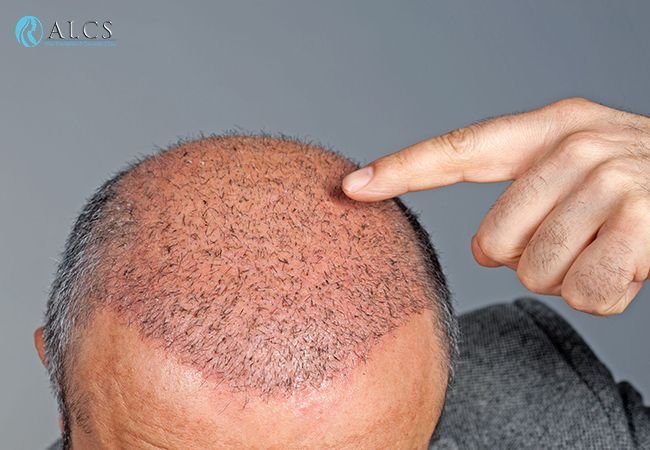
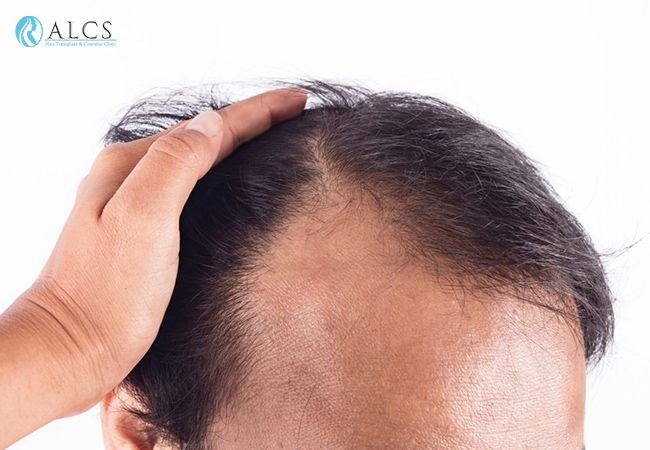
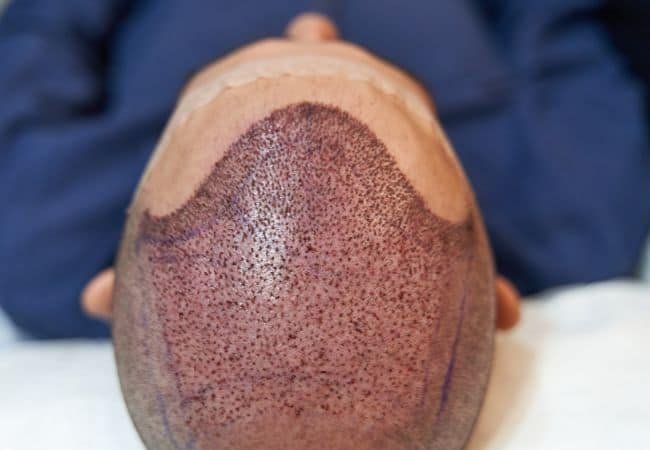
If you’re facing hair fall issues and considering getting a hair transplant, it can initially be a lot of information. So here we have all the information about types of hair transplants, their advantages and all the related information which would help you decide which is better for you, FUE vs FUT.
There are two types of hair transplants- FUT and FUE. Both are successful ways of restoring dense hair. Go on to read further and learn more about FUE vs FUT.
What is a FUE hair transplant?
In this procedure, each follicle is randomly extracted from the donor area and transplanted into the thinking and the bald regions. As a result, the donor area also doesn’t get much affected.
Advantages of FUE hair transplant:
Here are some advantages of FUE hair transplant:
High-quality grafts: In FUE, a computerised system is used, which helps get a 3D picture and analysis of each hair follicle. Thus, the doctor can select the stronger and healthier ones with a better survival rate.
Natural-looking hair: In an FUE hair transplant, the hair looks natural and real with no scar. Hence it is a preferred choice for those who want to keep short hair.
Painless procedure: The doctor uses local anaesthesia to numb the area while performing FUE. It is almost a non-invasive technique. Hence patients feel minimal pain during and after the surgery.
Fast recovery time: In the FUE hair transplant technique, no stitches or scalpels are used throughout. Hence the recovery time for FUE among all types of hair transplants is minimal. The patients can usually get back to their daily activities in a couple of days. The time required to complete the FUE procedure is around 8 hours.
Minimal scarring of donor area: As the follicles from the donor area are randomly extracted, they still have nearly the same density. FUE hair transplant is a choice for those who want to keep short hair at the back and want it to look natural and unaffected after the procedure.
Regarding the procedure’s success rate, FUE hair transplant vs FUT is on the same pedestal. With the use of robotic FUE technology, success can be as much as 100 per cent. However, the procedure’s success is highly dependent on the expertise and skills of the doctor.
What is a FUT hair transplant?
In Follicular Unit Transplantation ( FUT), the doctor would remove a small piece of scale strip from one ear to another ear. The follicles are then extracted from the strip using stereo-microscopic dissection. After the follicles are extracted from it, the area is closed, and a fine line scar is left.
Advantages of FUT hair transplant:
Here are some of the advantages of FUT hair transplant:
Less recovery time: The recovery period of a FUT hair transplant is around 10 to 12 days. In rare cases, it has been observed that the patient experiences pain and inflammation in the donor area, but you can handle them with medication.
Successful follicles: In FUT, the donor area is from the middle section of the hair, which is resistant to hair loss. The grafts are carefully planted with the tissues intact to grow as usual. It is a good option for people with lesser hair to get sure shot results.
Natural appearance: After the surgery, the mark left after the procedure is not more than 1 mm in diameter. The scar gets easily hidden by the newly growing hair. In FUT, the doctors transplant small groups of 1 to 4 hairs at a time. It hence creates a fuller look and covers any scars caused.
No multiple scarring: No matter how many transplant sessions a patient undergoes, there will be only one scar. But in an FUE hair transplant, several small dots exist in every place of follicle transfer. Thus, in this aspect of FUE vs FUT, the latter is a better option.
The success rate of FUT depends on the skills and expertise of the doctor. A well-experienced doctor can perform the surgery with as much as 95 to 98 per cent accuracy. However, after the type of hair transplant you’ve undergone, the transplanted hair would fall out, and new hair would further come. Also, the results vary from person to person.
Which is better, FUE hair transplant vs FUT?
Both types of hair transplants are a boon to men and women facing severe hair loss. When choosing FUT and FUE hair transplants, only your surgeon would be the best person to decide on your condition.
In the consultation session, make sure to have a thorough discussion about your reasons for the surgery and expected results, the number of follicular units which need to be transplanted and the new hairline. Clear communication would ensure that you get the desired result. Visit ALCS now for FUT and FUE hair transplant
At times, we generalise the effects of medical procedures, and this generalisation sometimes conceals the facts. Let us understand the absolute truth behind hair transplants and debunk the popular hair transplant myths.
Hair transplants give immediate results.
Hair transplants do not provide instant results, but you can observe full growth after 6-9 months. Some patients may experience a waiting period of 12 months. Additionally, you may experience fall-out of the transplanted hair due to shock. It is a natural occurrence. Once the shock or sleeping phase gets over, you can notice hair growth on your scalp. The hair growth matches the existing hair on your scalp and perfectly blends with them.
It is crucial to understand the hair transplant facts and myths before making a decision.
A hair transplant is painful.
You are given anaesthesia doses before starting the procedure to control pain and discomfort. Once anaesthesia stops showing its effects, you may experience pain at the surgery site. However, this pain is controlled through painkillers prescribed by your surgeon. In Follicular Unit Extraction (FUE), your surgeon uses micro-puncture tools to carry out the procedure. These tools are effective to extract hair follicles and plant them in the desired area. As a result, the surgery site heals fast and reduces your dependency on painkillers. Moreover, you can resume your work in 2-3 days.
Only men are suitable to undergo hair transplants.
It is one of the prevalent hair transplant myths. People associate baldness and hair thinning to male pattern baldness. However, this is not true. Both men and women lose hair, but their hair loss pattern differs. Hair restoration techniques are suitable for men and women and effectively cover bald patches and diffuse hair thinning. Follicular Unit Extraction (FUE) and Follicular Unit Transplant (FUT) are effective hair transplant procedures. If you have been diagnosed with male or female pattern baldness, you can undergo these hair restorative procedures to fight hair loss.
Men generally lose hair from the back or front of their scalp, whereas women have diffuse thinning.
It is expensive, and only rich people can afford transplants.
Another common myth is that hair transplant is accessible only by the rich. People believe that hair transplant surgery is expensive and hence, unaffordable for everyone. However, the truth is hair transplant procedures like Follicular Unit Extraction (FUE), and Follicular Unit Transplantation (FUT) are affordable. It is a one-time expenditure that provides near-permanent results. Moreover, you can save your money by stopping the investment in alternative hair restoration procedures and topical medications. Therefore, it is cost-effective as compared to other hair restorative procedures.
Hair transplants provide temporary results.
It is generally believed that hair transplants do not provide permanent results. However, the hair transplant facts prove it wrong. These procedures offer near-permanent results with a natural-looking appearance. After 5-7 weeks of the hair transplant procedure, your hair may fall off temporarily, but it is a common phenomenon. After this, new hair will grow from the transplanted follicles in the next 5-6 weeks.
It is popular among young candidates.
Most mid and old age people believe that hair transplant is best suited for young people. However, this is not true as your age and gender are not linked to hair restoration procedures. Anyone between the age of 25-70 can undergo this procedure to get a fuller scalp. However, young adults in their early 20s are not considered eligible for hair transplants. It is because people in their early 20s do not have a fixed hair loss pattern. Therefore, it is challenging to determine the perfect procedure to suit their requirements. However, they can choose a preliminary transplant to enhance their hairline and get a fuller appearance.
It does not provide natural-looking results.
Hair transplant procedures provide a natural and subtle look as the grafted hair follicles match the texture of your existing hair. These hair grafts are prepared by extracting existing hair follicles from your scalp. If you have taken the services of an experienced and reputed surgeon, you must not worry about your looks. Before performing hair transplant surgery, your surgeon considers angles of the hair and grafts, follicle’s location, and targeted area to provide a natural look. Once your hair grows back, you can cut, wash, or colour them according to your choice.
There is a need to discuss hair transplant facts and myths to bust the prevalent thoughts on hair restoration surgeries. If you want a natural and long-lasting result from your hair transplant surgery, you may contact ALCS Clinic. At ALCS Clinic, we use the latest technology to prepare hair grafts and plant them in areas with low hair density. Our expert surgeons and medical professionals evaluate your suitability and then suggest the best hair restoration method for you. Moreover, you can walk through our doors to know more about hair transplant facts and debunk the myths.
What are you waiting for? Call us and book your appointment to get rid of the receding hairline. Improve your confidence by undergoing the hair restoration surgeries we offer.
Did you know, not only women but men also opt for cosmetic surgeries to enhance their look? It is estimated that about 1.3 million men choose cosmetic surgery as an alternative to improve their appearance and self-confidence. The most popular choice among men is hair transplants. A question that recurs in the mind of every individual undergoing hair transplant is, “can hair transplant be done without shaving the head?”
Let us know about the process in detail and understand whether you can get a hair transplant without shaving your head.
What is a hair transplant?
A hair transplant is a process where healthy hair follicles are implanted onto the bald patches of your head. These follicles grow into healthy hair strands and cover your bald spots. Before starting the surgery, a surgeon uses anaesthesia to numb the treatment area. After that, the prepared hair grafts are implanted onto the balding areas.
Balding men significantly choose hair transplants, but women with thinning hair can also opt for this procedure. Moreover, anyone who has developed a receding hairline due to scalp injury can undergo this procedure. However, it is not a viable option for everyone. Hair transplant may not show effective results if your scalp lacks healthy hair follicles. Moreover, people with surgery scars on their scalp are not suitable candidates for hair transplants.
Hair transplant without shaving head
Shaving your head is essential to make hair extraction easier. However, you don’t have to shave your entire head before the procedure. Instead, your surgeon may shave a portion from the back of your scalp. It is easy to cover the shaved part with your existing hair. In addition, some individuals undergo hair transplants to treat a small area on their scalp. If you are among them, you can undergo this procedure without shaving your head. However, remember that hair transplant without shaving will make the process challenging, and the surgeon may take longer to complete the process.
Hair-loss treatment procedures
Before choosing a hair transplant procedure at ALCS Clinic, you can talk to Dr. Sunil Arora regarding your concerns. Discussing your medical history and expectations from the surgery can help you decide which treatment options best suit you.
The treatment options for hair transplants include:
Low-level laser therapy It is an effective method that provides excellent results in restoring hair density. Low-level laser therapy is among the most accessible hair restoration treatments that provide quick results. You need to undergo two to three sessions per week for the process to get completed. Moreover, it does not have any downtime and does not show any side effects. Low-level laser therapy may take up to 26 weeks to give you the desired results. In addition, each session requires 20 minutes to get completed and then, you can get started with your daily routine.
Follicular Unit Extraction (FUE) Hair Transplant In an FUE hair transplant, your surgeon removes healthy hair follicles from a part of your scalp and grafts those follicles onto the bald spots. Before getting into the treatment, your surgeon cleans your scalp and prepares it for harvesting. Then, anaesthesia is applied to numb the area and make the hair extraction process more manageable. Next, the extracted hair follicles are planted in the area with low hair density. The hair continues to grow in the harvested area. Moreover, hair grows on the bald spots after transplanting healthy hair follicles in those areas.
During a session, your surgeon may transplant thousands of healthy hair follicles onto the balding spots. It is a lengthy procedure and takes several hours. However, you may need additional sessions if you want a fuller appearance. In an FUE hair transplant technique, it is challenging to carry a no shave hair transplant.
You can undergo a hair transplant without shaving your head. However, it may take longer to perform the surgery. In addition, shaving makes the process a bit easy to perform. If you want to undergo a hair transplant, you may contact ALCS Clinic to get natural-looking results. Our medical team will clear your concerns about the cosmetic procedure. We use minimally invasive and technologically advanced processes to provide you with a fuller appearance. Be ready to get showered with praises after undergoing our hair transplant procedures.
Hair transplants have become a popular solution for individuals suffering from hair loss. While there are various techniques available, two of the most discussed and effective methods are Follicular Unit Extraction (FUE) and Direct Hair Implantation (DHI). Both procedures offer promising results, but they differ in the way the hair follicles are extracted, handled, and implanted.
Understanding the differences between FUE, DHI, and also the older Follicular Unit Transplantation (FUT) method can help in determining which is the best option for specific cases. This article will delve into the FUE vs. FUT debate, explain how DHI fits into the picture, and outline the pros and cons of each technique.
Understanding the Hair Transplant Techniques: FUE, FUT, and DHI
FUE is one of the most advanced hair restoration techniques. During the procedure, individual hair follicles are extracted from the donor area (usually the back of the scalp) using a micro-punch tool. These follicles are then transplanted into the recipient area where hair growth is desired.
Procedure Steps:
Local anesthesia is applied.
Each follicular unit is extracted one by one using a special punch tool.
The extracted follicles are implanted into tiny incisions made in the recipient area.
Advantages of FUE:
Minimally invasive: Since the hair follicles are extracted individually, there are no large incisions, resulting in quicker recovery.
No visible scarring: This technique leaves tiny dot-like scars, which are less noticeable than the linear scars associated with FUT.
Faster recovery time: FUE allows patients to return to normal activities sooner than other procedures.
Natural results: The precision of extracting individual follicles makes it easier to achieve a natural-looking hairline.
FUT, also known as the “strip method,” is an older hair restoration technique where a strip of skin containing hair follicles is removed from the donor area. This strip is dissected under a microscope to isolate individual follicular units, which are then transplanted into the recipient area.
Procedure Steps:
A strip of scalp skin is removed from the donor site.
The skin strip is dissected to extract individual follicular units.
The units are implanted into the balding areas of the scalp.
Advantages of FUT:
Large follicle extraction: FUT allows a large number of follicular units to be harvested in a single session, making it ideal for patients needing extensive hair restoration.
Higher yield: Since the follicles are extracted from a strip of skin, the survival rate of hair follicles can be higher than in FUE, where some follicles may be damaged during extraction.
3. Direct Hair Implantation (DHI)
DHI is a specialized version of FUE that uses a different implantation method. In DHI, hair follicles are extracted similarly to FUE, but the key difference lies in the implantation process. DHI utilizes a special tool called a “Choi pen,” which allows for simultaneous extraction and implantation, reducing the time the follicles spend outside the body.
Procedure Steps:
Follicles are extracted individually like in FUE.
The extracted follicles are implanted directly into the scalp using a Choi implanter pen.
Advantages of DHI:
No incisions required: The DHI technique eliminates the need for creating incisions in the recipient area beforehand.
More control over implantation: The Choi pen allows the surgeon to control the depth, direction, and angle of each hair follicle, leading to a more natural result.
Faster recovery: As no incisions are made, the healing process is faster compared to other techniques.
Comparing FUE vs. FUT vs. DHI: Key Differences
1. Extraction Method
FUE: Involves the extraction of individual hair follicles using a micro-punch tool.
FUT: Involves removing a strip of skin from the donor area to harvest multiple hair follicles.
DHI: Extracts individual follicles like FUE but implants them immediately using the Choi pen.
2. Scarring
FUE: Leaves minimal, dot-like scars that are virtually invisible, especially when the hair is left long.
FUT: Results in a linear scar at the donor site, which may be noticeable if the patient wears short hairstyles.
DHI: Similar to FUE, DHI leaves minimal scarring due to the absence of large incisions.
3. Recovery Time
FUE: Recovery is relatively fast, and patients can resume normal activities within a few days.
FUT: Recovery time is longer due to the larger incision required for strip removal, and patients may need to take more time off work.
DHI: DHI offers one of the quickest recovery times, as there are no incisions and minimal trauma to the scalp.
4. Implantation Technique
FUE: Hair follicles are implanted into pre-made incisions in the recipient area.
FUT: Similar to FUE, but since the extraction is done via a strip, more preparation is needed for implantation.
DHI: Utilizes the Choi implanter pen, allowing for simultaneous extraction and implantation.
5. Control Over Hair Placement
FUE: Offers good control over the placement and direction of the hair follicles but depends heavily on the surgeon’s skill.
FUT: Provides less control compared to FUE due to the bulkier extraction method.
DHI: Provides the highest level of control over the angle, depth, and direction of hair placement, ensuring a more natural result.
FUE vs. FUT: Pros and Cons
FUE: Pros and Cons
Pros:
Minimally invasive and less painful.
Quicker recovery and fewer complications.
No visible scarring, ideal for short hairstyles.
Highly effective for smaller hair transplants or touch-ups.
Cons:
More expensive due to the labor-intensive process.
Extraction of each follicle individually can lead to some follicle damage, reducing survival rates slightly.
Time-consuming, especially for larger transplants.
FUT: Pros and Cons
Pros:
Ideal for patients requiring large numbers of grafts in one session.
Higher follicle yield in each session, maximizing the success of hair growth.
Typically less expensive than FUE.
Cons:
Leaves a linear scar, which may be visible with short hair.
Longer recovery time due to the invasive nature of the procedure.
More postoperative discomfort compared to FUE.
FUT vs. FUE vs. DHI: Which is Best?
When deciding between FUE, FUT, and DHI, it’s important to consider your specific hair loss condition, budget, and desired results. Here’s a breakdown of when each method is ideal:
FUE: Best for patients looking for a minimally invasive solution with no visible scarring and quicker recovery. Ideal for those with moderate hair loss or who prefer wearing short hair.
FUT: Suited for patients with extensive hair loss who require a large number of grafts in one session. It’s also a more cost-effective option but comes with the downside of a linear scar.
DHI: Offers the most precise results and control over hair placement, making it a premium choice for those seeking high-end results and minimal downtime.
Conclusion: FUE vs. DHI—Which Is Better?
Between FUE and DHI, the choice largely depends on personal preference and budget. DHI offers more precision, control, and quicker recovery, but it’s also more expensive. FUE, on the other hand, is a tried-and-true method that offers natural results with minimal scarring, albeit with slightly less control over the implantation process. Both methods provide excellent results, but for those seeking the latest innovation in hair transplantation, DHI may edge out FUE. However, if you’re looking for a cost-effective solution with minimal scarring, FUE remains a highly popular option.
People suffering from hair loss, baldness, or receding hairline may find hair transplant as one of the most effective hair restoration techniques. Hair transplant is a cosmetic surgery procedure that has recently gained popularity as it yields permanent and natural-appearing results. The procedure mostly comprises relocating hair follicles from the back or side of the head that is the donor area to the hair thinning or recipient area of the scalp. Anyone opting for hair transplantation will have three options- FUT, FUE, and DHI.
FUT or Follicular Unit Transplantation- In this procedure, the hair transplant surgeon removes a section of hair-bearing scalp skin from the donor area. Then the extracted strip is divided into each follicular unit that is carefully implanted under a microscope. These hair grafts are carefully implanted by making slits to the recipient area.
FUE or Follicular Unit Extraction- In this process, the surgeon extracts individual hair follicles from the donor area of the scalp and then they are further segregated into smaller units. Once the graft segregation is complete, each of these follicular units is carefully implanted in the recipient area with a special tool.
DHI or Direct Hair Implantation- DHI is an advanced hair restoration technique that is developed and patented by DHI Medical Group. In this process, the hair follicles are extracted individually and then placed in a special solution that helps to preserve the extracted hair follicles by increasing the survival rate of the grafts. This small step helps to boost the success rate of the procedure up to 94 to 96 percent. Finally, with the aid of the DHI implanter that is controlled by an expert surgeon, the hair follicles are carefully implanted at the desired angle and direction so that the most natural appearance is accomplished.
The only drawback associated with the DHI technique is this procedure provides limited control on the depth, direction, and angle of the implanted hairs which may deliver an unnatural appearance. There is no doubt that DHI is a far more advanced technique and is a result of 50 years of technological research by some of the top scientists of the DHI Medical group. One of the top specialties of undergoing this procedure is the precision at which the hair follicles are implanted with an implanter.
How does diagnosis work at ALCS?
ALCS is one of the finest hair transplant clinics in Jaipur where you can meet one of the most popular doctors, Dr. Sunil Arora. In case you book an appointment at our clinic, the doctors will first analyze your hair condition and then they will go through your medical report thoroughly. Next, based on your condition and expectation, the doctor will devise a customized treatment plan for your condition. In this session, the doctor will explain to you about the hair transplant technique that is suitable for your condition, the number of hair grafts to be extracted, and how much coverage or density it can give you. Every single doctor and staff present in our ALCS are dedicated professionals and keep themselves updated with the latest technology. Proper training and adequate equipment in the clinic allow the most accurate diagnosis and also guarantees a natural result.
What is the cost involved?
Cost is one of the most crucial factors that must be considered before deciding to undergo a hair transplant procedure. Many people may consider some of the cheapest options available being unaware of the fact that may yield an unnatural appearance. It is only an experienced hair transplant surgeon who will be able to analyze the total cost of the process after evaluating your condition because most of the clinic charges on a per graft basis. Hair transplant is no doubt an expensive procedure, so if you are skeptical about your decision, you must know that ALCS offers flexible payment options and offers 0% EMIs. So hurry and book your appointment at ALCS to undergo a success
Hair transplant is one of the most popular and effective treatment options for hair loss. However, following the pre-operative and post-operative care instructions provided by your hair transplant surgeon is essential for proper healing and successful results.
During the recovery period, many patients notice the formation of small crusts or scabs on the scalp, which can sometimes cause concern.
One of the most common questions people ask after a hair transplant surgery is how to get rid of these scabs safely. While scab formation is a natural part of the healing process, understanding why they occur and how to manage them properly can help ensure smooth recovery and protect the newly transplanted grafts.
What Are Hair Transplant Scabs?
Scabs are rough, dry, crust-like structures that form on the scalp as part of the body’s natural wound-healing process after a hair transplant surgery. They are usually made up of dried blood, plasma, and healing fluids that collect around the tiny incisions created during the procedure, giving them a crusty appearance.
The formation of scabs is a normal part of recovery after a hair transplant. These scabs act as a temporary protective barrier over the treated area, helping shield the newly implanted grafts from external damage, bacteria, and irritation while the scalp heals underneath.
How Are Scabs Formed After a Hair Transplant?
Scabs form naturally after a hair transplant as part of the body’s healing process. During the procedure, the surgeon makes tiny incisions in the scalp to implant hair grafts. These small wounds may cause slight bleeding, which triggers the body to form blood clots to prevent blood loss.
Initially, these blood clots are soft, but as they dry and harden over time, they develop into crust-like structures called scabs. The scabs act as a protective barrier over the treated area, helping shield the newly implanted grafts from infection and external damage while allowing the skin underneath to heal.
As recovery progresses, the skin continues repairing itself beneath the scabs. Once healing advances, the scabs gradually loosen and naturally fall off, usually within 7-14 days after the procedure.
How to Remove Scabs After a Hair Transplant?
Proper hair transplant scab removal should always be done gently to avoid damaging newly implanted grafts or affecting scalp healing after a hair transplant. To support safe removal of scabs after hair transplant, wash gently as instructed by your doctor and avoid picking or scratching the scabs.
Follow these steps carefully:
Apply the prescribed moisturizer or lotion and leave it on for about 30 minutes to soften the scabs.
Rinse gently with lukewarm water.
Lather a mild shampoo in your hands before applying it.
Massage the scalp gently using light circular movements.
Wash thoroughly with lukewarm water.
Pat the scalp dry using a soft towel without rubbing.
Avoid using force while removing scabs, as aggressive handling may irritate the scalp and interfere with healing.
How Long Do Hair Transplant Scabs Last?
Hair transplant scabs usually last for about 7-14 days after the procedure and gradually fall off as the scalp heals. The exact duration may vary depending on individual healing and post-operative care.
However, recovery timelines can vary from person to person depending on factors such as:
Number of grafts transplanted
Graft packing density
Size of recipient-site incisions
Individual healing response
Adherence to post-operative care instructions
As the scabs begin to shed, some short transplanted hairs may also fall out with them. This is a normal part of the recovery process and is not a sign of graft failure.
The implanted hair follicles stay securely attached beneath the scalp, even though the apparent hair shafts may shed. The grafts are usually properly fixed by the fifth day after surgery to prevent graft loosening.
Factors Affecting Scab Formation and Healing Time
The time it takes for scabs to form and naturally fall off after a hair transplant can vary from person to person. Several factors, including the treatment method used, the extent of the procedure, and how well post-operative instructions are followed, can influence the healing process.
Key factors affecting scab formation and healing time are:
Individual Healing Capacity: Every person heals at a different pace based on factors such as age, overall health, immune response, and skin healing ability. Some individuals may experience faster scab shedding, while others may require more time for complete recovery.
Hair Transplant Technique Used: The type of procedure performed can affect recovery time. Procedures like FUE (Follicular Unit Extraction) involve smaller and more scattered incisions, which may heal faster. FUT (Follicular Unit Transplantation), on the other hand, involves a strip-based method that may require a slightly longer healing period.
Extent of the Procedure: The number of grafts transplanted and the size of the treatment area can influence healing. Larger procedures with densely packed grafts may result in more scab formation and a slightly longer recovery period.
Post-Operative Care: Following the surgeon’s aftercare instructions plays an important role in healing. Gentle hair washing, keeping the scalp moisturized, and avoiding excessive sun exposure or pressure on the scalp can help scabs soften and shed naturally.
Natural Skin Recovery Process: As the scalp heals beneath the scabs, the protective crust gradually dries, loosens, and falls away. This process is a normal part of recovery and signals ongoing healing of the treated area.
Hair Transplant Scab Healing Timeline
Hair transplant recovery usually follows a predictable timeline, with scabs forming within the first few days, gradually drying, and shedding between days 7-14. New hair growth usually starts becoming visible around months 3-4.
The hair transplant scab healing process generally can have a timeline like:
Timeline
What Happens
Day 1-3
Mild redness and clot formation
Day 3-5
Small scabs begin forming
Day 5-7
Scabs become dry
Day 7-10
Gradual shedding begins
Day 10-14
Most scabs disappear
Month 3-4
New growth starts
When Should You Be Concerned About Hair Transplant Scabs?
Scab formation after a hair transplant is a normal part of the healing process and usually resolves on its own within one to two weeks. However, while mild redness, slight swelling, and itching are expected, certain symptoms could indicate that the healing process is not progressing normally.
Warning signs to look out for include:
Severe swelling: Mild swelling around the forehead or scalp can occur initially, but excessive or worsening swelling that persists beyond a few days should not be ignored.
Yellow discharge: Any yellow fluid or drainage from the transplant site may indicate an infection or delayed healing.
Pus formation: Pus around the grafted area is not considered normal and may suggest bacterial infection at the incision sites.
Foul smell from the scalp: An unpleasant odor coming from the transplant area can sometimes be a sign of infection and should be evaluated by your surgeon.
Excessive pain: Mild discomfort is expected after surgery, but severe or increasing pain that does not improve with prescribed medications may require attention.
Increasing redness: Slight redness around the grafts is common initially, but redness that spreads or intensifies over time could indicate inflammation or infection.
Fever: Developing a fever after a hair transplant may suggest that the body is responding to an infection and should be assessed promptly.
Heavy or persistent bleeding: Small spots of bleeding immediately after surgery can be normal, but significant or ongoing bleeding is not expected during recovery.
How to Care for Scabs After a Hair Transplant?
Proper scalp care after a hair transplant helps promote healing, prevent infection, and support healthy graft growth. Following your surgeon’s instructions carefully can also help the scabs soften and shed naturally.
Some helpful care tips include:
Wash your scalp with a mild or baby shampoo starting around 72 hours after surgery, as advised by your doctor.
Use saline spray or prescribed lotions to keep the scalp moist and reduce itching.
Avoid scratching, rubbing, or picking at the scabs.
Limit prolonged sun exposure during the recovery period.
Avoid tight caps or headwear for the first few days.
Avoid using hair brushes till the scabs fall off or till the doctor permits the same.
Avoid strenuous physical activity that may increase sweating.
Avoid using a shower or high-pressure water while washing your hair.
What Will Happen if I Remove the Scabs Early?
You should not try to remove your scab using nails or anything rough before it has completed its purpose, as this could affect your hair transplant treatment results and injure your scalp.
Picking your scab before its time can result in the following:
Bleeding
Dislodgement of the implanted hair follicle
Scarring
Higher infection risk
Delayed hair growth
Longer healing time
To prevent infection risk and even failure of the hair transplant procedure, it is best to avoid picking your scab early.
Scabs Not Falling Off After Hair Transplant: What to Do?
If your scabs have not fallen off after two weeks, there is usually no need to panic. Continue following your surgeon’s post-operative instructions, including keeping the scalp clean, using recommended moisturizers or saline sprays, and avoiding scratching or forcefully removing the scabs.
Persistent scabs after a hair transplant can sometimes lead to itching, discomfort, or interfere with the healing process if left untreated for an extended period. If the crusts remain beyond the expected healing period, it is advisable to contact your hair transplant surgeon for an evaluation.
Avoid attempting to pick or remove stubborn scabs on your own, as this may irritate the scalp and potentially affect the healing of transplanted grafts.
Conclusion
Scab formation after a hair transplant is a normal and important part of the healing process. These protective crusts help safeguard the newly implanted grafts and support proper recovery. While it may be tempting to remove the scabs quickly, patience and proper aftercare are essential to ensure the best possible results.
Following your surgeon’s instructions, maintaining scalp hygiene, and avoiding habits like scratching or picking can help the scabs fall off naturally within seven to fourteen days. If you notice persistent scabs, unusual symptoms, or delayed healing, consulting your hair transplant surgeon can help address any concerns.
Frequently Asked Questions
Can I scratch my scalp if it feels itchy after a hair transplant?
No, scratching your scalp after a hair transplant is not recommended, even if itching becomes uncomfortable. Scratching may dislodge newly implanted grafts, delay healing, increase irritation, and raise the risk of scarring. Using saline sprays or doctor-recommended lotions can help reduce itching safely during recovery.
Is it normal for transplanted hair to fall with scabs?
Yes, it is completely normal for small transplanted hairs to shed along with the scabs. This does not mean that the grafts have failed or become dislodged. The hair shafts may fall out, while the follicles remain secure beneath the scalp and continue supporting future hair growth.
Can scabs damage my hair transplant results?
Scabs themselves generally do not damage hair transplant results. In fact, they serve a protective role during healing by shielding the scalp and helping grafts settle properly. Problems usually occur only when scabs are picked, scratched, or forcefully removed before the healing process is complete.
Can I use coconut oil to soften transplant scabs?
It is best to avoid using coconut oil or any home remedies unless your surgeon specifically approves them. Certain oils or products may irritate the scalp or interfere with healing. Always use moisturizers, lotions, or aftercare products recommended by your doctor for safe recovery and scab management.
Do all hair transplant patients develop scabs?
Most patients develop some level of scabbing after a hair transplant procedure because scab formation is a natural part of healing. The severity and amount of scabbing can differ based on graft numbers, surgical technique, scalp sensitivity, and how closely post-operative care instructions are followed during recovery.
Can I wear a hat while healing after a hair transplant?
Wearing a hat immediately after a hair transplant is generally not recommended unless approved by your surgeon. Tight or rough headwear can create pressure, friction, and irritation around the grafts. Once healing progresses, your doctor may allow loose-fitting head coverings during the recovery phase.
Why are my scabs thicker than expected after a hair transplant?
Scab thickness can vary significantly from person to person and is not always a cause for concern. Factors like larger graft sessions, higher graft density, skin type, healing response, and the hair transplant method used can all influence the appearance and thickness of post-surgical scabs.
Ask any fans of Hindi film music and they are certain to have heard and liked songs by the dynamic music director Himesh Reshammiya. With a slightly nasal twang to his voice and the music rooted in the Indian melodies, Himesh has been a known name in the Indian households ever since his first movie as an independent music director, “Pyar Kiya To Darna Kya”. What endeared him to the audience was not just his soulful music, but also his unique hairstyle.
With his music career taking off with chartbusters like “Tera Suroor”, “Aashiq Banaya Aapne” and others, Himesh took the next logical step, i.e. acting. He acted in several movies and was the judge in many popular reality TV shows on singing. The typical style of Himesh Reshammiya, with a slightly tilted cap was extremely popular with many fans following in his footsteps.
Ask any fans of Hindi film music and they are certain to have heard and liked songs by the dynamic music director Himesh Reshammiya. With a slightly nasal twang to his voice and the music rooted in the Indian melodies, Himesh has been a known name in the Indian households ever since his first movie as an independent music director, “Pyar Kiya To Darna Kya”. What endeared him to the audience was not just his soulful music, but also his unique hairstyle.
With his music career taking off with chartbusters like “Tera Suroor”, “Aashiq Banaya Aapne” and others, Himesh took the next logical step, i.e. acting. He acted in several movies and was the judge in many popular reality TV shows on singing. The typical style of Himesh Reshammiya, with a slightly tilted cap was extremely popular with many fans following in his footsteps.
At such a high point in his career, Himesh faced a common problem faced by most men, that of a thinning hair line. Also referred to as male pattern baldness, the receding hair line can be a problem for anyone and here was a person who was appearing on TV and in movies regularly. Thus, getting it remedied was a need of the hour. This is where the talk of “Himesh Reshammiya hair transplant” started.
With many awards and accolades under his belt, the Himesh Reshammiya hair treatment was inevitable and the results were out there for everyone to see. With the confidence of a head full of healthy and natural hair, Himesh Reshammiya has been seen frequently experimenting with his hair, post the Himesh hair transplant.
So, was the Himesh Reshammiya hair transplant real or only rumoured?
Hair Transplant is a common procedure and a great back up for all the celebrities whose income majorly depends on their appearance. Somebody like Himesh, who is always in the public eye, needs to always look good and stay fit. A healthy hair line is a prominent part of his appearance, including the unique hairstyle that is copied by many. Hence, Himesh Reshammiya hair treatment was imperative, under the threat of permanent hair loss.
While the news was never confirmed, many experts believe that Himesh hair transplant is real. They cite the before and after photographs of the singer, song writer for the same. The difference between the hair lines is quite visible and evident. The regrowth of hair and the permanent results are there for everyone to see and it is possible only through a hair transplant. Thus, it is safe to say that Himesh Reshammiya hair transplant is very much a reality. This treatment has given him great results and anyone can see the outcome.
The next obvious question then is, What is this Hair Transplant Procedure?
As the name suggests, Hair Transplant is a medical procedure during which healthy hair from one part of the scalp of the patient (donor area) is transplanted onto another (recipient area). The density of hair growth is very high in the donor area, for example, like at the back of the scalp. On the other hand, the density of hair growth on the recipient area is minimum (the typical bald patches that appear on the head).
There is further sub classification in the types of hair transplant based on the method for removing the hair from the donor area.
Follicular Unit Transplant (FUT) – This is the traditional procedure, in which a strip of scalp is removed from the donor area and that is then closed with stitches. The hair follicles from the removed strip are then extracted and grafted on to the recipient area. The only problem with this method is the scarring left behind at the place where the strip was removed from.
Follicular Unit Extraction (FUE) – A comparatively newer and slightly expensive method, FUE is an improvisation over FUT since this method does not involve any strip removal. Instead, the individual follicular units from the donor area are extracted using special devices and transplanted one by one on the recipient area. This leads to minimal scarring, lesser pain and faster recovery.
Both the methods of hair transplant are popular and quite easily available these days. Anyone, men or women, can benefit from the procedure. The only caveat being, it is a medical procedure and needs a qualified surgeon to carry it out just like any other operation. Also, everyone may not be a good candidate for every type of hair transplant. It is the surgeon’s experience that will help you identify the right procedure for you.
Hence, it is advised to visit a qualified expert with a good experience in carrying out a hair transplant procedure. You can visit Dr. Sunil Arora at ALCS for a consultation and benefitting from his years of experience in the field.
It is obvious to wonder when is the best time to get your much-awaited hair rejuvenation to improve your aesthetics. There are indeed certain times in a year that is best to get your hair transplant done.
Selecting an apt time and date can prove to be beneficial for getting better results and easier recovery. Keep reading if you want to know when is the best time to get a hair transplant and why you should opt for it.
What is a hair transplant, and how do seasons affect it?
Hair transplant is a minimally invasive procedure that involves removing hair with its roots from the back of the head or other body parts and then transferring them to the bald area. There is not an extensive recovery period after this procedure, and you can easily go to your work the next day.
But when is the best time to get your hair transplant done, and why? Of course, the best time to get the procedure done is as per your convenience and the doctor’s availability. But hair transplant surgery is more in demand in the summer. Here is why!
There is a large population of people who visit hair clinics far from their homes, either because they have heard good reviews about the doctor or because it is cost-effective. Since there is travel involved, they prefer summer rather than monsoon. In general, many people take time off from their jobs or go on a vacation during these months, especially parents who have young kids. Also, it would be nice not to run them to school during recovery.
While the above is a patient perspective, what is the expert opinion on when is the best time to get a hair transplant?
According to the experts, you can get a hair transplant in summer, but it is not ideal. Your hair transplant won’t be a failure, but it might pose challenges as you recover. Summer means sweat. Sweating can make recovery challenging. To avoid bacteria entering the transplant site via sweat, you might need to clean the area or avoid sweaty activities frequently.
Sun rays can be harmful, and you do not want to expose your fresh wound to it, so you have to be careful. You can indeed have a transplant in summer, but then be ready to spend a few days indoors or in a cool place.
Winter is the best for transplants!
In winter, you don’t sweat, which means your scalp remains dry and clean naturally. There is a change in our lifestyles during winter. We tend to stay indoors and avoid outdoor activities like sports and sunbathing. With a lesser impact on daily life, you can quickly recover from the transplant.
You do not need to find a shade on the beach or keep yourself from going for a swim. It all happens naturally in winter. Another benefit of getting the transplant in winter is that you have a new look with new hair when it is summer and time for fun activities.
You have a new you with your new hair that boosts your confidence and makes your summer worth it!
So, in the end, when is the best time to get hair transplant surgery? It depends on you!
There is not single but several factors that play a role in deciding a hair transplant surgery. Ultimately, the final call is all dependent on you. As long as you are ready to do whatever aftercare is required, any time is the best time to get your hair transplant. One thing to look out for is allowing a proper recovery. You need to be more careful in summer but if that suits you, go ahead.
Another important thing is getting the right hair transplant surgeon. The experience of the surgeon has a direct impact on results. Thus, it would be best to have a surgeon with adequate knowledge, qualifications and trustworthiness. You need to be sure that you have made the right choice and will get the desired results.
Your doctors will take your daily routine and needs into consideration. The surgeon will also recommend a preferred time and method for your hair transplant, depending on your case.
At ALCS, we have a proper mix of experts, consultants and staff who will together help you get the best treatment. So when you are faced with questions such as, ‘when is the right time to get a hair transplant?’ or ‘Which method should I opt for?’ We have you covered! Call us for a consultation today!
Millions around the country suffer from hair loss and pattern baldness. But nowadays, they have several options for hair transplantation. However, although there are no side effects in the process, wearing any headgear might subject the receiver area to friction or unnecessary pressure.
Since the donor and receiver areas are shaved before the procedure, and you won’t notice the changes for at least a few months, having queries like “How long after a hair transplant can you wear a hat?” is quite natural. So we would be happy to provide you with all the relevant information regarding the headgear.
After How Many Days Of Hair Transplant Can I Wear A Cap?
One of the most frequent queries put up by the patients before the procedure is, “When can I wear a hat after a hair transplant?”. Although the average waiting time for wearing a hat is considered to be around a week, we recommend you wait for at least three weeks to a month to prevent any harm to the newly transplanted hair follicles. The doctor would provide you with the correct time for wearing a hat at the time of consultation post-procedure. But you might want to go for a headgear that is light and not too tight, as it would put an added pressure on the donor and receiver areas.
To prevent any damage to the newly implanted hair grafts and achieve the best outcome, you must follow the guidelines and instructions provided to you by the doctor. If you have any doubts or queries, it would be best to get in touch with the doctor and post-procedure staff, rather than anyone else.
Reason Behind Wearing A Cap After The Procedure
Another prevalent query about the post-op is, “Why should I be wearing a cap after a hair transplant?”. There are two hair restoration procedures: Follicular Unit Extraction (FUE) and Follicular Unit Transplantation (FUT). In FUE, there is no need to make a significant incision to extract hair follicles from the donor area. So there is no noticeable scar on your head. But if you have opted for the FUT method, the surgeon would remove a tiny strip of skin abundant with hair from the donor areas like the sides or the back of your head. After that, the follicles are extracted from the skin graft and implanted individually onto the scalp. So after the procedure, there would be an apparent scar on the donor area that might make you a little insecure about the procedure. So you might want to opt for headgear, preferably light and loose hat. Also, if you choose FUE, the recovery is quite fast as there is no scar. But the donor area is shaved to make the extraction easier. So a hat might be a good option after a few days post-procedure.
Tips For Wearing A Hat After The Hair Transplant Procedure
Although it would be okay for you to wear a hat after a few days, there are two things you might need to take into consideration while wearing one: The type of hat and how you wear it.
Type Of Hat: If you are dead set on wearing a hat after the procedure, opt for one that is loose, light and made out of a breathable and soft fabric. A cap too tight would make you sweat and put an added pressure on your donor and receiver areas. You might want to steer clear of black coloured headgear as black colour attracts and absorbs heat.
How You Wear It: Selecting the right hat is not enough. You should also know how to wear it properly. First off, it should be worn light and loose. If the hat is adjustable, you should adjust it as loose as possible to avoid pressure on the donor and receiver areas. Another crucial thing to remember is putting it on in a front-to-back motion and taking it off from back to front.
Come over to ALCS India if you are looking for a hair transplant procedure. Our experts will be happy to answer every one of your queries, including “When can I wear a cap after hair transplant?”. So log on to www.alcsindia.com and book your appointment today.
Hair fall and pattern baldness are quite prevalent in India, with millions affected by hair-related issues around the country. In the olden times, baldness used to be for life, as there was nothing they could do about it.
But it is not a topic of worry anymore. The new hair transplant techniques have ensured that patients would have their hair in its full strength in just a few months.
A surgery that extracts the hair follicles from a donor area like the sides or back of the head and plants them back into the receiver area like the scalp is called hair transplantation surgery.
Here are a few of the hair transplantation methods that can help you with the pattern baldness with minimally invasive procedures:
Follicular Unit Transplantation (FUT): In this technique, the surgeon removes a thin strip of hair-abundant skin from the donor area like the sides and back of the head. Then they extract the hair follicles individually and implant them onto the scalp. Although FUT is not the newest hair transplant technology, it is quite effective and a relatively cheaper one on the list. But it might leave a noticeable scar on the donor area after the procedure and can be pretty painful.
Follicular Unit Extraction (FUE): It is one of the latest hair transplant techniques in the industry. In this method, the surgeon extracts the hair follicles from the donor area individually. Then they are implanted back onto the receiver area, such as the scalp. The patients prefer it for its ability to provide effective results without inducing too much pain. Moreover, unlike the FUT method, there is no apparent scar on the donor area.
Platelet-Rich Plasma (PRP) Method: In this technique, a sample of blood is drawn from your body. The blood cells and the platelet-rich plasma are separated through a centrifuge. The plasma is then injected into the receiver area with baldness. It promotes hair growth by reviving the dormant hair follicles. This latest hair transplant technology is almost risk-free. Doctors have used it for other medical conditions like joint issues, erectile dysfunction, etc., but it has only recently been used for hair treatment.
Stem Cell Hair Transplant: Stem Cell Hair Transplant, the newest hair transplant technology, is effective for people suffering from pattern baldness. The doctor extracts a few hair follicles from the patient’s donor area, like the sides and back of the head. After that, they are multiplied or cloned in a lab and implanted back onto the scalp, just like the Follicular Unit Extraction method.
Automated Neograft Hair Transplant: Another latest hair transplant technology, Automated Neograft Hair Transplant, is the enhanced version of follicular unit extraction. Instead of going through an arduous and meticulous process of extracting every hair follicle by hand, automated Neograft hair transplantation is conducted by a thin rod-like apparatus. It suctions the hair follicles and implants them automatically without the need for individual incisions for transplantation.
ARTAS iX: The ARTAS iX hair transplant technique is a precise and minimally invasive method combining robotics and artificial intelligence. Using advanced robotics, it scans and extracts the best hair grafts from the donor areas several times. After that, it analyses the best possible position for implanting each follicle to achieve the best results. It provides the patients with a smooth hair transplant.
BioGraft Hair Transplant: BioGraft method uses the traditional hair transplant techniques such as FUE or FUT, then blends the existing natural and transplanted hair into one seamless form with the help of a technology called strands. It ensures no apparent difference in the styling, shades or texture of the implanted and existing hair. The little details like where the hair folds and how they curl are focused on providing the patients with a seamless hairstyle.
The selection of these new hair transplants is decided after the consultation with the doctor, as they would be able to provide you with the necessary information and determine which one is the best for you.
A few of the factors that dictate the success of a hair transplant procedure are as follows:
The technique used for hair transplantation.
Surgeon conducting the procedure.
Infrastructure and technology used by the healthcare facility of your choice.
After-care followed by the patient after the procedure.
Are you looking for a hair transplant? Then come over to ALCS India for the latest hair restoration techniques. Our experts will provide you with all the necessary information and ensure that you have the best and most indistinguishable hairstyle post-procedure.