Get Expert Advice - Free Today

Is Hair Transplantation Right For You? Factors To Consider

Hair loss is a dreading issue that almost everyone starts facing at some point. However, many opt for traditional or DIY remedies to treat the condition. It is important to understand that losing around 50 to 100 hair daily is common. But it is a matter of concern if the number increases more than that. The early signs of hair loss include lots of hair in a comb, while scrubbing, or on pillows. 

Though everyone faces hair loss issues, some have temporary conditions, and others experience lifelong issues. Male or female pattern baldness or androgenic alopecia is generally due to genetics. Apart from that, other conditions such as increased stress, pollution, altered lifestyle, poor nutrition and excess junk foods also contribute to hair loss. 

Solutions for Hair Loss

Whether it’s women or men, both experience hair loss issues; however, the pattern of hair loss differs in both. Males go bald, whereas women experience hair thinning and do not go completely bald. Hence men generally look for permanent and effective solutions to hair loss. Using shampoos, oils, and lotions for hair loss treatment is generally unreliable. 

Apart from using hair products, many opt for wigs, extensions, or shaved heads as a solution to increasing baldness. Many change their hairstyles that tend to hide their bald parts. These are just temporary solutions, and they can become too laborious. 

There are various over-the-counter medications available in the market for hair loss. These medications work by slowing down hair loss and, at the same time, accelerating hair growth. It has been found that though the effects shown by these medications are positive, the condition relapses in a short period. 

Therefore, a hair transplant is one of the most effective and long-lasting treatments for hair loss. It is minimally invasive cosmetic surgery. The procedure involves extracting follicular hair units from the donor area and then transplanting them to the desired area. 

The demand for hair transplants has increased tremendously in past years. Many hair transplant clinics are being opened in Jaipur to meet such demand. This has led to a comparatively lower cost of transplants than what it used to be before. 

Facts of hair transplantation

Consider hair transplant facts to understand if a hair transplant is right for you. 

  • Can a hair transplant bring back lost hair?

It is important to understand the right facts about hair transplants. It is not a process that regrows lost hair follicles. Hair transplantation is a surgical process that replaces the follicular unit from one place to the desired recipient area. 

Dr Sunil Arora at ALCS Clinic is one of the top surgeons with years of experience, enabling him to conduct effective and successful transplants. 

  • Is a hair transplant painful?

Many people fear the pain associated with hair transplants. Consider hair transplant facts about pain, no matter how severe or small the surgery is. Since people anticipate pain during and after the treatment, they abandon the plan. However, the right hair transplant factor is that it is entirely painless. Moreover, the procedure is performed under local anaesthesia, so one feels no discomfort. 

Even after the transplant, one feels slight pain that is easily tolerable and does not cause morbidity. If experienced surgeons perform the surgery, know you won’t feel discomfort. 

Just like any medical surgery, it is vital to inform your surgeon about all the medications that you are on or if you have any other medical condition. It helps them to avoid any kind of complications. 

  • How does transplanted hair grow?

One should not believe the myth and get the hair transplant factors right. Many believe that the hair starts growing immediately after the transplant, but the reality is that one has to wait for several months to enjoy the fully developed outcome. A few weeks after the surgery, the transplanted hair shaft completely falls, and new hair follicles grow. After three months, hair starts growing, and the growth is clearly noticeable after six months. It may look irregular initially, but it eventually covers the entire scalp. After one year of the surgery, the procedure’s success can be declared. 

These are the hair transplant factors that you should consider to know if a hair transplant is right for you or not. Moreover, there are many myths about the treatment that one should refrain from. A hair transplant is a highly effective treatment that offers permanent and natural-looking results. There is generally no complication related to it. To know about the procedure better, consult an experienced surgeon. 

ALCS Clinic in Jaipur is one of the top clinics that can help you get the most effective results. We have the right team, medical services and technology to provide the most effective results. If you are considering getting a hair transplant for you, then now is your time. So, make a decision now an

Hair Transplantation Techniques: FUE VS FUT

It is not unknown that hair transplant has become one of the top cosmetic surgeries today. All the major cities have resources available to perform the transplant surgery conveniently and successfully. If you look at the data from a few previous years, you will notice that the hair transplant industry has seen rapid growth in our country at competitive prices. It has led to the establishment of various reputed clinics with the latest hair transplant technology. 

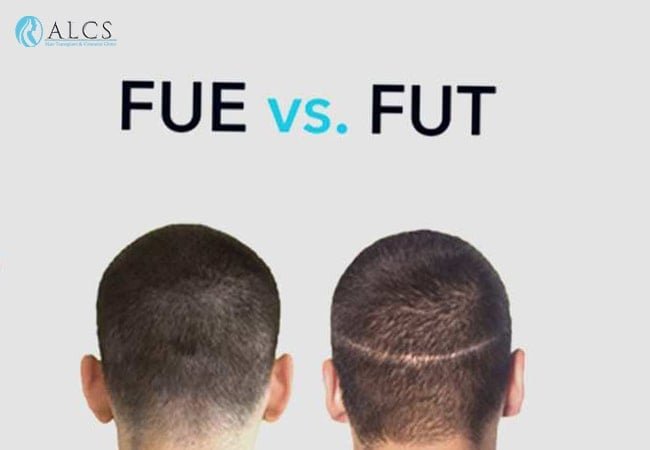
The hair transplant involves extracting hair follicles from the donor area with sufficient hair density and then transplanting them to the recipient area. Two primary hair transplant techniques are available; FUT and FUE hair transplant. Choosing the technique is one of the most important stages of the procedure. The hair transplant techniques involve the same fundamental procedure; the only difference between FUE and FUT is how grafts are harvested. 

  • FUT (Follicular Unit Transplantation) or Strip Transplantation: This hair transplant technique involves the extraction of a strip containing a large amount of follicle unit. The strip is then bisected further into the lab under a microscope. The extracted units are then implanted into the bald area. A trichophytic closure technique is used to close the donor area. The donor area heals with scarring without being noticeable. 
  • FUE (Follicular Unit Extraction): The FUE hair transplant technique involves extracting individual follicular units from the donor area. By assuming the direction of the hair root, the hair grafts are pulled and extracted through a punching surgical tool. The units are then implanted in the recipient area. To avoid scarring, each hair follicle is taken from a distance apart. 

Deciding on which technique to choose can take time. Various factors such as age, scalp type and texture, location and size of the bald area determine the type of technique that will be suitable for you. 

FUE vs FUT Hair Transplant 

Let’s compare both hair transplant techniques to understand which would be better for you.

  • Procedure: For the FUT transplant, a strip is extracted from the donor area from which follicular units are bisected later in the lab. On the other hand, in the FUE technique, each unit is extracted and then directly implanted in the desired area.
  • Follicle Count: With an FUE hair transplant, a count of 2000 to 2500 hair follicle units can be extracted, but the FUT technology allows harvesting of 3000-3500 units. Thus for covering larger bald areas, FUT is preferred. 
  • Indications: For the facial hair transplant or initial phase of hair loss FUE technique is indicated. At the same time, FUT is indicated in extreme hair loss cases or for high-density hair transplants. 
  • Cost: FUE is generally time-consuming and needs to be performed very carefully; therefore, it is more expensive than the FUT technique. 
  • Scarring: Both techniques cause almost undetectable scarring. New hair transplant technology for FUT helps provide minor, easily concealable, linear scarring. Similarly, FUE grafts can be removed with almost undetectable circular scarring. 
  • Shaving: For the FUT technique, shaving can be avoided or done minimally, but for the FUE technique, it is compulsory. 
  • Damage Rate: FUT technique involves careful dissection of follicular units under high magnification; therefore, the roots are safe. However, for the FUE technique, the roots are pulled by assuming their direction and using a surgical punch tool; therefore, the damage rate is much higher. 
  • Time Required: FUE technique requires lesser time than FUT. Where FUE can be performed in 4 to 6 hours, FUT takes 5 to 8 hours.

This FUE vs FUT hair transplant provides a detailed comparison between both procedures. It helps to understand which hair transplant will be more suitable for you. However, before the surgery, various consultation sessions are organised with the surgeon to better understand the condition of the scalp, hair and desired results. 

Which hair transplant technique is best?

The latest hair transplant technology has made getting effective and permanent outcomes from both FUE and FUT techniques easier. However, the technique should be chosen by the requirement. Not every patient will have the same technique performed similarly. Various factors influence the effectiveness and success of the hair transplant. Age, sex, quantity and quality of graft, degree of baldness, and hair density are some of the factors considered when choosing the type of hair transplant technique.

Hair loss can drastically impact one’s social, personal and professional life. So if you see the early signs of hair loss, it is best to start taking adequate steps. However, it has become evident there is no need to panic as a hair transplant in Jaipur by ALCS Clinic is one of the most effective. Our in-house surgeon, Dr Sunil Arora, has conducted various successful surgeries in his years of service. By adapting the latest hair transplant technology and technique ALCS Clinic has become one of the best in the industry. So book your appointment now!

Restore Your Hairline With Hair Transplant Surgery

Hair loss drastically impacts one’s social, professional and personal life. Finding hair in combs makes people freak out, but still, many opt for temporary solutions to fix it. However, these fixes only last for a while, and people eventually start looking for more permanent results. A hair transplant for receding hairline is the only treatment for hair loss that offers permanent results. Since people are becoming more aware of its effectiveness and desire a permanent solution, the demand for hair transplants is increasing tremendously. The rise in clinic competition has led to a lower cost of hair transplants in India. 

Though hair transplant hairline offers incredible results, it is important to understand whether the solution is right for you. Therefore, before the surgery is performed, a consultation session is organised with the surgeon to address questions and evaluate the condition to understand whether the treatment is feasible for you. 

What is a hair transplant?

A hair transplant for receding hairline is a minimally invasive surgical procedure that helps to restore the hair follicle. The method involves extracting follicle units from the donor area with high hair density and implanting them into the desired bald area. It shouldn’t be confused with the regenerative process; hair transplant is a completely restorative method. The treatment helps you to reach reasonable expectations, but you won’t have your pre-hair loss hair back.

Hair follicles’ life depends on the blood supply to them, and therefore 100% restoration is impossible. Though only 30% restoration is possible, the advanced techniques help to provide pleasing and natural-looking hair. 

FUE and FUT technique involves the same procedure; the only difference is how grafts are harvested. The FUT technique extracts a small strip from the donor area, generally the head’s back or side. The donor area is the region with high hair density sufficient to carry out the implant. Once extracted, the strip is sent to the lab for further dissection under a microscope. Finally, the units are implanted into the slits formed at the recipient area. On the other hand, in the FUE technique, each follicular unit is grafted from the donor area and then transplanted into the desired area. 

Are the results of a hair transplant permanent?

Receding hairline transplant is the only treatment option for hair loss that offers permanent and natural-looking results. The follicles of lost hair are DHT-prone. They serve as hormone receptors and therefore experience shrinkage and thinning before hair loss. The frontal area and vertex area experience most of the hair loss.

During the hair transplant for receding hairline procedure, DHT-resistant hair follicles are implanted, which do not get impacted and remain throughout life. These DHT-resistant hair follicles are generally present at the back and side of the head. To avoid damage to hair follicles, they are extracted carefully. The damage rate in the FUT technique is less as the dissection is carried out in the lab under a high-resolving microscope. 

Therefore, implanting DHT-resistant hair follicles during the procedure helps to provide permanent results. 

How does a hair transplant transform appearance?

Receding hairline transplant aims at covering the bald area by transferring hair follicles from the donor area. The hair follicle is taken from the androgen-insensitive region, which is the back and side of the head. These follicles remain genetically unimpacted and therefore last for a longer time to give permanent results. 

The existing hair and the transplanted hair follicle look the same and grow in the same manner, for the transplant patient’s hair is used to get as natural-looking hair as possible. Moreover, a skilled surgeon with solid attention to artistic detail is a must. 

To provide natural-looking hair, a lot of key factors are taken into consideration. The patient’s age, sex, facial features, head shape, etc., all help to determine the perfect hairline design. A perfectly designed hairline enhances one’s look but also boosts their confidence. 

The angle of hair follicles in the bald area is positioned correctly before implanting any new hair follicles. Ideal and correct angulation is a must to have a natural design. The angulations are considered at the time of preparing for implanting or slicing.

Secondly, the pattern of the hair follicles is also an important factor. The units are arranged in a zigzag pattern. A linear pattern gives the appearance of doll hair which looks unnatural.  

The quality and quantity of hair follicles implanted also determine the appearance that a receding hairline transplant will offer. For frontal lines and temporal triangles, single grafts are used. To cover a larger bold area, many thick grafts are implanted. 

All those factors together determine the appearance that a hair transplant hairline offers. It is an incredible treatment option for those suffering from hair loss. However, the important thing to remember is that choosing a skilled and experienced surgeon is as important, so if you are searching for a surgeon to restore your hairline, visit ALCS Clinic now!

What To Expect During A Hair Transplant Procedure?

Deciding on getting a hair transplant process is critical and needs careful thinking. Since it is a surgical procedure, there is always some doubt and questions before undergoing a hair transplant. So, one should know a few important things about the procedure. There are various misconceptions and false facts about hair transplants that people believe in. These tend to hamper one’s decision or make them expect unrealistic outcomes.

The demand for the process of hair transplant is growing rapidly as it is the only treatment for hair loss that provides a permanent solution. The increased demand has led to increased competition, so the process cost in Jaipur has significantly decreased. Though it has become easier for people to get transplants, it needs a lot of research to search for the best clinic.

So, one should better understand the hair restoration process before having the treatment. At ALCS Clinic, we provide complete transparency to make our patients receive satisfying results. Our surgeon, Dr Sunil Arora, is a highly skilled surgeon who makes patients understand the hair transplant procedure step-by-step. It helps to set realistic and reasonable expectations before the patient. 

Hair Transplant cosmetic surgery

A hair transplant is a minimally invasive surgical procedure that helps to restore the hair follicle. The method involves extracting follicle units from the donor area with high hair density and implanting them into the desired bald area. The surgeon should have exceptional surgical and artistic skills to perform the surgery. 

Basic factors that one should know at the time of a hair transplant procedure:

  • The procedure is strictly restorative. It involves moving hair follicles from one part to another. The process shouldn’t be confused with regenerative therapy that replaces lost hair follicles.
  • You will have to wait several months to get the complete results. At six months, the hair growth becomes visible.
  • Hair loss can still happen near the transplanted hairs, but it does not prevent hair loss. With a properly performed transplant, the hairs remain for the patient’s life. 
  • Technological advancements have enabled permanent, natural results that look just like a normal hairline.

Like any other surgical procedure, a hair transplant is not without risk or complication. That is why it needs to be carried out by skilled surgeons.

These are some of the facts that one should keep in mind at the time of the hair transplant process. 

Hair transplant procedure step by step

At the time of the hair transplant process, the following steps are performed by a specialised and authorised plastic or cosmetic surgeon:

  1. Local anaesthesia: Before the procedure is started, local anaesthesia is given. A single dosage before the start of the procedure is sufficient. The effect remains for 12 hours. It helps patients not to feel any pain or discomfort at the time of the hair transplant procedure. 
  2. Grafts harvesting from the donor site: The grafts are harvested from the donor site where hair density is high, generally the back or side of the head. There two primary hair transplant techniques differ in the harvesting procedures:
  • FUT hair grafting (Follicular unit transplantation or strip technique): FUT technique involves extracting the strip from the donor area with follicular hair units. The desired strip is extracted from the head’s back or side with sufficient hair follicles. It is then sent to the lab to dissect further under a microscope. Afterwards, the follicular units are implanted in the bald area. 
  • FUE hair transplant (Follicular unit extraction): This hair replacement technique extracts the hair follicle units individually from the donor area. A punch-like surgical instrument is used to pluck out the roots. Then each unit is implanted into the desired area. 
  1. Slitting the recipient area: After harvesting the grafts from either technique, the recipient area is prepared for implantation. This step needs to be performed carefully because it impacts the overall results of the transplantation. It takes exceptional surgical skills and artistic sense to accomplish slitting precisely. 
  2. Transplantation of hair roots: Finally, the harvested follicular grafts are implanted at the desired area in the prepared slits. The arrangement, alignment and angulations of follicular grafts are considered for natural-looking hair. 

These are the steps that are involved at the time of the hair transplant procedure. From this, we understand the importance of choosing an experienced and skilled surgeon. 

ALCS clinic is a leading clinic for hair transplants. It is among the top clinics not only in Jaipur but all over India. We have the availability of cutting-edge technology to provide outcomes that are ideal for patients. Our medical team, led by Dr Sunil Arora, is highly skilled. 

Dr Sunil Arora is an experienced and reputed cosmetic surgeon who has done wonders in the hair transplant field. He has an extraordinary record of successful surgeries. So, if yo

The amount Hair Thickness A Hair Relocate Can Give

There are numerous reasons that you might consider before undergoing hair transplant surgery. If you are planning to undergo a hair transplant, you must keep reading this article to get a clear idea of the success rate and the types of transplant surgeries that are most commonly performed.

More about a hair transplant procedure

A hair transplant is also popular as a hair restoration method is a surgical procedure and involves harvesting hair follicles from one part of the body to the affected area of the scalp. The part of the body from where the hair follicles are collected is called the donor site. While the area where the hair is implanted is known as the recipient site.

There are different methods of hair transplant that are available, but the most advanced and the most common procedures are-

Follicular Unit Extract (FUE)

In the FUE hair transplant procedure, the surgeons collect individual hair follicles from the donor area by utilizing some minimally invasive, pain-free technique.

Follicular Unit Transplant (FUT)

In this hair restoration procedure, the surgeon extracts a piece of skin from the scalp’s back. This skin consists of numerous hair follicles that are extracted and preserved for implanting into the recipient area.

Who can undergo a hair transplant procedure?

Different people choose to undergo a hair transplant procedure for various reasons like-

Both men and women choose to undergo a hair transplant procedure to eliminate baldness.

Not only people who are suffering from baldness may choose to undergo this hair restoration procedure, but people who are not satisfied with their hair volume can also choose to undergo a hair transplant procedure.

Smaller or bigger scale accidents are unavoidable, and that may give rise to some unexpected hair damage conditions. So such people can also experience a hair transplant procedure to restore hair in the affected areas.

Cosmetic surgeries are high on trend now, and many people desire to have an increasing hair volume of their lashes, eyebrows, or even beard. They, too, can decide to undergo a hair transplant procedure to accomplish the desired outcome.

The hair transplant success rate

The success rate of a hair transplant procedure is one of the most crucial things about which you must have a clear idea before undergoing a hair transplant procedure.

Well, according to some stat reports, it has been seen that about 80 percent of all transplanted hair follicles always grow back within three to four months, provided you have strictly followed all the post-op instructions.

This number is quite encouraging and proves that hair transplant is one of the most effective hair restoration methods compared to any other natural remedies or medications.

However, the success rate of the FUE highly depends on a few factors like if anyone experienced hair loss as a result of chemotherapy or severe injury to the scalp, then the chances that FUE will be slightly lower than usual. However, in other cases, FUE hair transplants are usually very successful in providing the most desirable result.

Now speaking about the FUT hair transplant procedure’s success rate, it has a slightly higher success rate compared to that of the FUE hair transplant procedure. However, this is a very complicated and sophisticated procedure.

Precautions that must be taken both before and after undergoing a hair transplant procedure

As with all medical procedures, it is essential to stick to the pre-and post-surgery instructions provided by your hair surgeon to guarantee the most desirable outcome. So before undergoing a hair transplant procedure, the patients must be in an overall good health condition and must avoid drinking alcohol, smoking, having spicy foods, taking some blood-thinning medications, and even participating in some strenuous activities.

During the treatment procedure, most of the patients are asked to wear some disposable clothing and keep communicating with the hair surgeon in case they experience any difficulty.

Immediately after undergoing a hair transplant procedure, the patients will feel some amount of pain and swelling, which is normal. In this time, it is essential to follow instructions provided by your surgeons, such as maintaining a healthy lifestyle, a healthy diet, avoiding smoking, consuming alcohol, caffeine, and aspirin-type medications.

The surgeons may also impose some restrictions regarding activities like shampooing, brushing hair, or even scratching hair.

The amount Hair Thickness A Hair Relocate Can Give

A head loaded with power could not just make you at any point look delightful yet in addition help your self-assurance so you can vanquish each part of your life.

Nonetheless, the symptoms of certain prescriptions and stress, strain, contamination, or other way of life decisions can take harm to your hair thickness. At last, you might wind up having frail and fragile hair back to front.

Balding can presumably be a damaging encounter that influences your appearance as well as your emotional well-being. Nonetheless, going through a hair relocate system can assist with reestablishing lost hair as well as help to certainty by improving the appearance.

Hair Relocate methods

A hair relocate is a kind of surgery that moves hair from the giver site to the going bald or hair diminishing region to load up with meager hair. Typically, this system is acted in the giver’s office under neighborhood or general sedation. The two most normal hair relocate systems are Follicular Unit Extraction (FUE) and Follicular Unit Relocate (FUT).

The FUT hair relocate technique includes eliminating a 6 to 10-inch take from the rear of the head or the benefactor region. Then the specialist saves the skin and shuts the scalp cut. This region generally stays concealed inside the hair around it.

In the subsequent stage, the specialist or his group separates the strip into a few minuscule units, each having a singular hair or in dew hairs. The number and kind of hair follicles you see relies upon the nature, condition, and size of the going bald region.

The FUE hair relocate strategy includes separating individual hair follicles from the contributor region. At last, these separated hair follicles are painstakingly relocated onto the beneficiary region, which is the genuine going bald piece of the scalp. As of now, FUE hair relocate utilizes the most outstanding innovation to achieve the most wanted outcome, which includes minimal agony as well as the most un-incidental effects and scarring.

Sooner or later, it might appear to be that both the techniques are something similar, yet they are not. For any accomplished hair specialist like Dr. Sunil Arora from ALCS, the technique might take around 4 to 8 hours to finish the whole system.

Hair Relocate Assumptions

It is normal for patients to encounter a few aggravations and delicacies in the treatment region. The specialist recommends a few drugs for torment and a few anti-infection agents to improve recuperation. Likewise, fundamentals to adhere to the directions are given by the specialist stringently.

However, prior to going through such a hair rebuilding strategy, the vast majority of the patients want to be familiar with the hair thickness that they can accomplish. Remembering this, it is outstandingly fundamental to fathom the hair thickness that you might get from the activity depends on various variables like age, going bald, and the reason behind going bald.

Hair thickness and Hair Relocate

Much prior to going through the strategy, the specialist will initially inspect the thinning up top condition and afterward will assess the quantity of hair follicles that might be expected to conceal the bare patches.

Moreover, the quantity of follicular hair units that are utilized by the specialist that decides the embed will altogether influence the hair thickness in the wake of going through the system. Presently, this makes it colossally fundamental to go through a hair relocate method from the best hair center on the off chance that you mean to accomplish the most ideal outcome.

Be that as it may, there are a few misguided judgments about expanding hair thickness by relocating an overabundant measure of hair onto the going bald regions, which can help them accomplish full hair thickness.

It is fundamental to recollect that relocating overabundant hair follicles can make a critical effect on the general blood stream of the encompassing hair, and that might try and bring about shock misfortune. Thus, it is just an accomplished hair relocate specialist who can gauge what hair thickness will be best for the patient in light of the patient’s normal hair thickness.

Presently, hair thickness can shift generally from one individual to another, and every individual’s hair is one of a kind. Subsequently, the hair thickness after a FUE hair relocate system of one patient can extensively change from each other.

By and large, each individual can anticipate a standard hair thickness of around 30-35 percent of the regular hair thickness after the system.

Synthetic Hair Transplant: Comprehensive Guide

While artificial hair transplants may appear like a promising solution for those who have no other choice, it’s crucial to recognize that if they choose to have the procedure, they will also be responsible for all the hazards involved.

Synthetic hair transplants replaced traditional ones in the late 1970s. In this article, we discussed a surgical treatment that involves transplanting individual hair strands, not wigs or other hair accessories.

Let’s look at this amazing process, its components, and its sequential steps.

What Is A Synthetic Hair Transplant?

A synthetic hair transplant is a surgical procedure in which synthetic fibers are implanted into previously bald areas. This treatment is performed by qualified and experienced physicians using specialized hair implant devices.

Each strand of synthetic hair has a knot at its end to prevent it from slipping out of the scalp. Synthetic hair strands are known to be more durable than natural hair and are biocompatible; however, a fiber compatibility test is performed before the procedure to ensure the synthetic hair is suitable for the patient’s skin.

The surgeon uses special implanters to implant up to 100 strands of artificial hair into the bald area. This outpatient procedure involves a light surgery, and an adverse reaction should be detected after the implantation of 100 strands. 

Synthetic hair is available in different lengths, shapes, and colors to create a natural-looking hairline.

What Is The Significance Of A Synthetic Hair Transplant?

While traditional hair transplant techniques involve using a patient’s own hair follicles, synthetic hair transplant is an alternative option that offers several advantages in certain situations.

In this section we will explore the significance of synthetic hair transplants as a viable option for extreme baldness where conventional techniques are impossible.

A viable option for extreme baldness

Synthetic hair transplant is an effective alternative for individuals with extreme baldness or hair loss, where traditional hair transplant techniques may not be possible due to the lack of donor’s hair.

In such cases, synthetic hair transplant provides an option for restoring a full head of hair without a donor site.

Can be sought at any time during your life

Unlike traditional hair transplant procedures that require a certain amount of hair growth, synthetic hair transplants can be performed at any time during a patient’s life, making it a convenient option for those who want to restore their hair at any age.

Outpatient procedure

A synthetic hair transplant is an outpatient procedure that does not require the patient to take leave from work or their daily routine. The procedure typically takes a few hours to complete, and the patient can go home on the same day.

No substantial post-operative procedure

Unlike traditional hair transplant procedures, synthetic hair transplant requires minimal post-operative care. Routine cleaning and follow-up appointments are necessary, but the patient does not have to undergo any substantial post-operative process.

Hair can be seen immediately

One significant advantage of synthetic hair transplant is that the results are visible immediately after the procedure. The patient can see a full head of hair right away, without waiting for the transplanted hair to grow.

Hair does not turn grey or white

Synthetic hair does not turn grey or white as a patient ages, unlike natural hair. It means that the patient can enjoy a full head of hair without worrying about the effects of aging.

Comparatively less expensive

Synthetic hair transplant is generally less expensive than traditional hair transplant procedures. The cost varies depending on the number of hair strands required, but overall, it is a cost-effective option for those looking to restore their hair.

Various colors and types

Synthetic hair transplant offers a range of colors and types to suit any hair texture, making it a versatile option for those looking to restore their hair. 

This allows patients to choose a hair color and texture that matches their natural hair or to experiment with different looks.

Are There Any Side Effects And Complications Of This Procedure?

Synthetic hair transplantation may come with some side effects that patients should be aware of. Here are some of the potential side effects of synthetic hair transplantation:

Rejection by the immune system

Synthetic hair is a foreign body, and the immune system may recognize it as such and trigger an allergic reaction. It can cause a variety of symptoms, including redness, itching, and swelling.

Breakage of transplanted hair

Approximately 30% of the transplanted synthetic hair may break within a year and require reimplantation. It can be an additional cost to the patient and may result in a less satisfactory outcome.

Headaches

In rare cases, patients may develop migraine-like headaches following the procedure.

Damage to surrounding hair

In some cases, synthetic hair may cause the surrounding natural hair to be destroyed, resulting in further hair loss.

Itching

The scalp may become itchy following the treatment, and patients should avoid scratching because the hair grafts are delicate and sensitive.

Special hair products

Patients should only use the recommended hair products that are suitable for synthetic hair to maintain its appearance and longevity.

Scalp cleansing

It is necessary to have regular scalp cleansing performed by a professional to avoid the accumulation of sebum plugs.

Destruction of surrounding native hair

There is a possibility that the procedure may destroy the surrounding natural hair in the long run, especially if the area is not completely bald.

Poor blood circulation

Continuous reimplantation of synthetic hair can lead to poor blood circulation, decreasing the survival rate of existing hair.

Long-term risks

Although not verified, cancer is a potential long-term risk of artificial hair implantation.

Eligible Candidate For Artificial/Synthetic Hair Implant Procedure?

Synthetic hair transplantation is a procedure that involves the implantation of synthetic hair into the scalp to restore hair growth. It is an option for individuals who have limited donor areas, suffer from extremely low-density hair, or are completely bald.

We will discuss the eligibility criteria for synthetic hair transplants. Eligibility Criteria for Synthetic Hair Transplant:

Limited donor area or exhausted donor area

If an individual has limited donor areas or has already undergone FUT or FUE transplant and has exhausted their donor area, then they may be eligible for synthetic hair transplantation.

Want instant results

Individuals who do not want to wait for a few months for the hair to grow after FUT or FUE transplant may opt for synthetic hair transplantation. Synthetic hair transplantation offers instant results.

Good health and scalp health

An individual must be in good overall health and have good scalp health to be eligible for synthetic hair transplantation.

No sensitivity or medical conditions

Individuals who do not suffer from sensitive skin or scalp problems, HIV, hepatitis, uncontrolled diabetes, asthma, heart problems, autoimmune diseases, hypertension, or high blood pressure, and are not taking blood thinners or beta-blockers may be eligible for synthetic hair transplantation.

Extremely low-density hair or completely bald

Individuals who suffer from extremely low-density hair on the scalp or are completely bald may be eligible for synthetic hair transplantation.

Pass the tolerance test

Individuals who pass the tolerance test with no sensitivity to synthetic hair may be eligible for synthetic hair transplantation.

Prepared to follow aftercare guidelines

Individuals who are prepared to follow the proper scalp aftercare and hygiene guidelines may be eligible for synthetic hair transplantation.

Need for touch-ups

Individuals who are willing to undergo touch-ups to maintain the hair may be eligible for synthetic hair transplantation.

How Is The Synthetic Hair Implant Procedure Performed?

The procedure of synthetic hair transplant begins with a fiber compatibility test to ensure that the patient is not allergic to synthetic hair. The process involves inserting 100 artificial hairs in the first month, which are monitored for nearly a month for any allergic reactions.

Once there are no signs of any allergic reactions, the full procedure is performed. Patients are required to visit the clinic every month for follow-ups and scalp cleaning, which involves removing sebum plugs and preventing infection, inflammation, and even cysts. 

It is crucial to maintain regular follow-ups to ensure the success of the synthetic hair transplant procedure.

The synthetic hair transplant procedure involves several steps, which are as follows:

  • The first step is to anesthetize the scalp with local anesthesia to minimize any discomfort or pain during the procedure.
  • Next, the doctor uses an automatic hair implant device to implant each hair strand into the scalp. The device inserts and hooks the knot at the end of each strand inside the scalp fascia. 
  • The process is done one by one until the desired hair density is achieved. The implantation process continues until the doctor reaches the appropriate hair density. This may take several hours to complete, depending on the extent of the hair loss.
  • Once the implantation is complete, the doctor will cleanse the scalp with a disinfectant to prevent any infections. It is essential to keep the scalp clean and free from infection during the recovery period.

What Are The Advantages Of Artificial/Synthetic Hair Implantation? 

Synthetic hair fibers are implanted into the scalp to create the appearance of natural hair growth. In this column, we will discuss the advantages of synthetic hair transplants.

Simple, quick, and painless procedure

Synthetic hair transplantation is a simple, quick, and painless procedure. The implantation process is relatively straightforward and can be completed in a couple of hours.

Natural aesthetic results

Synthetic hair fibers are designed to look and feel like natural hair, providing an immediate, improved appearance. Unlike traditional hair transplant procedures, you don’t have to wait for the hair to grow.

High hair density in a couple of hours

Synthetic hair transplantation can create high hair density in just a few hours, making it an ideal option for those looking for immediate results.

Outpatient procedure

Synthetic hair transplantation is an outpatient procedure, which means you can get back to your active lifestyle immediately after the implant.

A good option for patients with a limited donor area for a hair transplant

Synthetic hair transplantation is a good option for patients with a limited donor area for hair transplant. It does not require donor hair, unlike traditional hair transplantation procedures.

Highly affordable procedure

 Synthetic hair transplantation is highly affordable compared to traditional hair transplantation procedures, making it accessible to a wider range of people.

Can be performed alone or in combination with other procedures

Synthetic hair transplantation can be performed alone or in combination with other procedures, depending on the individual’s needs.

How Many Biofibers Of Artificial Hair Can Be Implanted In A Single Session?

During a hair transplant session, synthetic hair can be transplanted under the effect of local anesthesia. The number of synthetic hairs that can be transplanted in a session varies depending on the duration of the procedure.

Typically, it takes around 2 hours to transplant 500 synthetic hairs and 3 hours to transplant 1000 synthetic hairs. Patients can return to their routine on the same day after the procedure. 

The maximum number of synthetic hairs that can be transplanted in a single session is up to 2000 hairs.

How Long Will It Take To Recover From An Artificial/Synthetic Hair Implant Procedure? 

Recovery from a synthetic hair transplant is relatively easy, with no significant downtime. Patients can resume their normal lifestyle immediately after the procedure.

There may be some minor swelling and redness in the treated area, which will gradually subside over the next few days. Patients are advised to avoid vigorous exercise and strenuous activities for the first few days after the procedure to minimize the risk of dislodging the newly transplanted hair follicles. 

The surgeon will provide detailed aftercare instructions to help ensure a smooth recovery and optimal results.

Are There Any Pre And Post-Treatment Guidelines For Artificial/Synthetic Hair Implants? 

Before undergoing a synthetic hair transplant, a thorough discussion of medical history, general physical examination, and some medical tests are required.

The doctor may prescribe certain products that need to be used regularly to make your scalp suitable for hair implantation. It is important to follow the post-treatment guidelines provided by the clinic, which include not using regular hair products such as gels, hair dyes, etc. 

The implanted hair should be washed with a gentle shampoo, and a soft brush should be used to comb it. It is also important to cleanse your scalp regularly, but the scalp should be treated very gently. 

Medications and antibiotics may be prescribed by the doctor to prevent infection. Lastly, hair maneuvers and scratching should be avoided to prevent damage to the implanted hair. 

By following these guidelines, the best possible results can be achieved after a synthetic hair transplant.

What Is The Cost Of Artificial/Synthetic Hair Implantation In India? 

The cost of a synthetic hair transplant can vary depending on various factors. On average, it can range from Rs.85 to Rs.120 per strand. Factors such as the number of strands required, the complexity of the procedure, the location of the clinic, and the experience of the surgeon can influence the cost.

Are The Results Of Artificial/Synthetic Hair Implantation Permanent? 

The results of synthetic hair transplants are not permanent and reimplants are needed every year to maintain the desired level of hair growth.

The longevity of the synthetic hair strands can vary depending on the individual’s scalp condition and how well they follow the post-transplant care instructions. 

In some cases, the synthetic hair may last up to two years, but it is not uncommon for patients to require reimplants every year. 

It is essential to consult with a hair transplant specialist to understand the potential outcomes of synthetic hair transplants and whether it is a suitable option for the individual’s specific hair loss condition.

What Is Artificial Hair Fibres?

Artificial hair fibers are synthetically derived monomers of highly purified nylon material that are used in an aesthetic medicine procedure to improve hair thickening. 

These fibers are ideal when an immediate aesthetic result is required and can be customized to match any color, length (ranging from 15 to 45 cm), and shape (straight, wavy, or curly) to match the natural hair of the individual. 

While synthetic hair fibers are undetectable to natural hair, they do run the risk of rejection in some cases. Therefore, it is essential to consult with a hair transplant doctor to determine if artificial hair fibers are a suitable option for the individual.

Durability Of Artificial Hair Fibers

Artificial hair fibers require utmost care and cleaning during the initial stage for at least seven days as they are fragile and delicate. 

It is important to follow up regularly with cleaning and removal of crusts to ensure the longevity of the artificial hair fibers, which is typically two to three years. 

Further implant sessions are typically performed after three to four weeks on the same area of the scalp and after one to two weeks on a different area. Therefore, maintenance and follow-up are crucial for the durability of artificial hair fibers.

How To Take Care Of Synthetic Hair

After an artificial hair fiber implant, immediate post-implant treatment includes local and general antibiotic treatment for 5-6 days. During this time, hair should be handled with care, avoiding abrupt maneuvers, as complete adhesion of hair requires 20-30 days.

It’s important to note that artificial hair fibers never grow in length or number, and the selected length of fiber is chosen according to the client’s requirements. 

Regular washing and combing can be started from the 7th day onwards, which can help maintain the artificial hair fibers in good condition.

Is Repeated Biofibre Implantation Harmful?

Repeated synthetic hair transplant can also be harmful, as the synthetic materials used may cause irritation, inflammation, or infection of the scalp. 

While it can help refill the lost fibers and maintain the outlook, it can also lead to mild swelling in the forehead which usually goes away within 3-4 days. As synthetic hair implant lasts 8-10 years, a second procedure may be needed.

However, repeated synthetic hair transplants may cause more severe side effects, such as hair breakage, scalp damage, or even permanent hair loss, and therefore should be avoided. 

It is always advisable to consult with a medical professional before considering any hair transplant procedure.

Is An Artificial Hair Transplant Safe?

Synthetic hair transplant, which involves the implantation of foreign bodies into the scalp, is considered safe. While people may sometimes confuse it with hair transplantation methods used in the 80s, synthetic hair transplant produces good results.

It’s important to follow the aftercare advice provided by the doctor, which may include taking a 7-day course of antibiotics after the surgery. While there are some potential side effects, such as infection, the success rate for synthetic hair transplants is generally high, with 95-98% of implants being successful. 

Only 2% of cases experience infection, which can be managed with proper care and attention.

Artificial Vs Real Hair Transplants

Hair transplantation is a cosmetic procedure that involves moving hair from one part of the body to another. While traditional hair transplant uses real hair, synthetic hair implant has emerged as an alternative solution.

Here, we’ll explore the similarities and differences between these two methods, and which one may be the right choice for you.

Normal Hair Transplant

  • Natural hair will perfectly match your existing hair, providing a seamless and realistic result.
  • You will not need regular top-up treatments as the transplanted hair will continue to grow and shed like your natural hair.

Synthetic Hair Transplant

  • You can bleach or use permanent chemical treatments on synthetic hairs, providing more versatility in styling.
  • You may need a large number of implants and multiple sessions as synthetic hairs typically come in smaller units.
  • If you cut the fibers, they won’t grow back, so you’ll need to stick with the same hairstyle.
  • Artificial hair won’t age in the same way as natural hair, so you may see color and texture differences as you age.

The Difference Between A Hair Transplant And A Hair Implant

Although many people might initially confuse these, they are very different. If you’re also thinking about getting a transplant or an implant, you need to be well aware of what each one requires. We discuss the key variations between the two in the sections below.

Hair Transplant

A hair transplant is a surgical procedure that involves the removal of hair follicles from denser areas of the scalp, known as the donor zone, which are then implanted into areas with less hair, known as the recipient zone. 

The procedure is performed under local anesthesia by highly trained doctors. Since the hair follicles come from the same person, there is no risk of rejection. However, it may take six to eight months for the transplanted hair to grow and become fully visible.

Hair Implant

Hair implantation involves the placement of artificial hair into already dead follicles on the scalp. The results of hair implantation are immediately visible, and hair does not need to be taken from the donor area.

 However, hair implants have a higher risk of being rejected by the body compared to hair transplants. Additionally, there is a risk of scalp infections with this procedure. Therefore, it is essential to carefully consider the risks and benefits of hair implantation before undergoing the procedure.

Does An Artificial Hair Transplant Give You Natural Looks?

Artificial hair transplant techniques can provide a relatively acceptable look, but it is important to note that this appearance cannot be preserved later.

Unlike natural hair, artificial hair is not a part of the human organism, which can give it a dull appearance. Additionally, the process requires the transplantation of additional hair strands, which can be a costly procedure. 

There are also concerns about the long-term cost-effectiveness of artificial hair transplant methods. Overall, while an artificial hair transplant can provide some improvement in appearance, it is crucial to consider all of the potential drawbacks and limitations before deciding on this option.

Additional Complications Of Synthetic Hair Transplant

Synthetic hair transplant has been known to have several additional complications. The thin dermal tissue in the temples and low frontal hairline areas can cause difficulty inserting synthetic hair fibers, leading to a higher risk of apparent inflammation and scar formation.

Moreover, 15-20% of the transplanted artificial hair fibers may fall out every year, and the estimated life span of synthetic hair is around 8 to 10 years. Heat and chemicals can cause damage to the synthetic hair strands, and the insertion process can lead to permanent scalp damage. 

All these factors should be taken into consideration while considering synthetic hair transplant as a hair restoration option.

FAQ

How Long Does Synthetic Hair Transplant Last?

A synthetic hair transplant typically lasts 7 to 8 years before experiencing a 10% loss each year.

Can Synthetic Hair Damage Your Hair?

Synthetic hair has the potential to damage natural hair, but taking proper precautions can help minimize the risk of damage.

Is Synthetic Hair Expensive?

Synthetic hair is generally more affordable than wigs, and it is also known for being comfortable and lightweight.

Does Synthetic Hair Look Fake?

While synthetic hair may have an unnatural shine, its visual quality is generally good, and it can feel natural to the touch.

Can You Shower With The Synthetic Hair?

It’s generally safe to shower with synthetic hair using lukewarm water, as hot water can damage the strands and dull their shine.

How does synthetic hair transplant work?

For those who are unable to undergo conventional transplants due to a lack of donor hair or medical issues, artificial hair transplants are a therapy option. This technique, which acts as an alternative to actual transplants, is known as “bio fibre.”

FUE vs. FUT: Which Hair Transplant Method is Right for You?

A hair transplant is done to add hair to a part of your head that may be bald or where your hair may be receding. Candidates for hair transplants can want the treatment because they are self-conscious about their baldness and look better overall.

 In an FUE process, hair follicles are extracted individually and then transplanted to different locations on the scalp; in a FUT operation, the scalp is removed in a long strip, the follicles are separated, and the grafts are replanted.

What Are FUE And FUT Hair Transplant Techniques?

Follicular Unit Transplant (FUT), also known as the strip method, and Follicular Unit Excision (FUE) are two primary techniques used in hair transplant procedures.

Both approaches have demonstrated high success rates in hair restoration. In FUT, the surgeon extracts a strip of donor skin from the scalp, while in FUE, individual follicular units are directly excised from the scalp. 

These procedures offer productive solutions for individuals seeking to restore their hair and address issues of hair loss.

FUE

Follicular Unit Extraction (FUE) is a hair transplant technique that has gained popularity over the traditional Follicular Unit Transplantation (FUT) method. In FUE, individual follicular units are harvested from the scalp, unlike in FUT where a strip of tissue is removed.

During an FUE procedure, the scalp is shaved, and follicular unit grafts are excised individually. A motorized surgical tool is used to create microscopic circular incisions on the scalp, typically with a 0.8mm to 1mm punch. 

It allows the surgeon to harvest hair from the donor area without creating a linear scar, unlike a FUT that can leave a noticeable scar at the donor site.

The extraction of follicular units through FUE leaves a series of tiny dot scars on the scalp, which are less conspicuous compared to the linear scar from FUT. These dot scars tend to be less noticeable, especially when hair grows back and covers the area.

If multiple sessions are required, the donor area may gradually thin out due to the extraction of follicular units. 

However, it is essential to ensure an adequate donor supply for a long-term plan, taking into consideration the available hair in the donor area.

FUT

Follicular Unit Transplantation (FUT), also known as strip surgery, is a hair transplant procedure that involves the following steps:

  • A strip of hair-bearing skin is surgically removed from the donor area, typically the back or sides of the scalp.
  • The amount of donor’s hair available is influenced by the looseness or laxity of the scalp skin.
  • The hair density per square centimeter in the donor scalp determines the potential donor hair yield.
  • The strip of hair-bearing skin is carefully dissected under high-powered microscopes to create tiny grafts of individual follicular units, which can consist of one to four hairs each.
  • The dissected grafts are placed in a chilled tissue storage solution to maintain viability and quality.
  • The donor area is stitched up using sutures, and the surrounding hair covers the stitches.
  • Between 10 and 14 days after the procedure, the physician removes stitches.

Comparison Table (Procedure, Scarring, Cost, Recovery, Results, Etc.)

Follicular Unit Extraction (FUE) and Follicular Unit Transplantation (FUT) are two popular techniques for hair transplantation.

In terms of procedure, FUE involves the extraction of individual hair follicles from the donor area using a punch tool, while FUT requires the removal of a strip of scalp from the donor zone, from which the hair follicles are extracted.

FUE results in tiny, dot-like scars scattered across the donor area, whereas FUT leaves a linear scar that can be concealed with longer hair. In terms of cost, FUE is generally more expensive due to the time-consuming nature of the procedure. 

Recovery is typically faster with FUE as it requires minimal healing time and causes less discomfort. FUT, on the other hand, may require a prolonged recovery period due to the surgical incision. 

Both techniques can produce natural-looking results, but FUE is often preferred for patients with smaller areas to be transplanted, while FUT may be more suitable for individuals with larger areas of hair loss.

FeaturesFUTFUE
Shaving /Trimming of headnot neededneeded
Costcheaperexpensive
Large areaspossibledifficult
Stitches requiredYesNo
Visible scarring with short hair at backMay be presentTiny dot like scars
Pain after the procedureMinorNone
Time required for the procedureShortLonger
Healing time: donor area2-3 weeksApproximately 1 week
Healing time: recipient areaAround  2 weeks10–14 days
Amount of time after which patient may return to workNext dayUsually the next day, BUT SOME DISCMFORT FOR2 WEEKS
Natural resultsYesYes
Transection rate (grafts damaged during extraction)Varies 1–2%2-5%

Pros And Cons

FUE offers the advantage of minimal scarring, and quicker recovery, and is suitable for smaller areas. FUT, on the other hand, provides a more cost-effective option and allows for extensive transplant sitting, but leaves a linear scar and requires a lengthy recovery period. 

Here, we have discussed detailed information on the pros and cons of FUE and FUT hair transplant techniques.

FUT hair transplant pros

The consultant can discuss specific advantages and disadvantages of FUT in your case. They can provide personalized guidance and help determine the most suitable approach for your desired outcomes and preferences.

  • FUT (Follicular Unit Transplantation) typically yields a higher growth rate of transplanted hair compared to the FUE (Follicular Unit Excision) procedure. It is because the grafts extracted in FUT are usually larger and contain more follicular units, which have a higher chance of successful transplantation and regrowth.
  • FUT utilizes precise stereo-microscopic dissection techniques, which minimize the transection or damage of hair follicles during extraction policy. 
  • It ensures a higher percentage of viable grafts for transplantation and improves the overall success rate of the procedure.
  • The entire donor area needs to be shaved for extraction, FUT does not require complete shaving of the head. 
  • Only a narrow strip of the donor’s hair is trimmed, allowing patients to maintain their endure hairstyle and conceal the procedure more easily during the healing phase.
  • FUT is generally less expensive than FUE. The FUT procedure requires less time and resources for extraction, making it a cost-effective option for individuals seeking hair transplantation.

FUT hair transplant Cons

The major drawback of FUT is the linear scar that remains after the procedure. The strip of the donor’s hair that is removed leaves behind a visible scar, especially if the hair is cut very short or shaved.

While the mark can be concealed by longer hair, it can be a concern for individuals who prefer shorter hairstyles or those who wish to keep their hair at a shorter length.

Due to the linear scar left by FUT, it may not be possible to keep the back of the hair very short, such as with a #2 or #3 guard or a fade with a razor. The scar may be noticeable at these shorter lengths that can limit hairstyle options for some individuals.

Some patients may experience more discomfort or pain at night following FUT compared to FUE. However, pain perception is subjective and can vary from person to person. 

While not everyone experiences severe postoperative pain, it is a possibility that should be taken into consideration when choosing the transplantation method.

FUE hair transplant pros

FUE hair transplant offers a minimally invasive technique that allows a quicker recovery time compared to traditional methods, ensuring less discomfort and scarring for patients.

  1. No Linear Scar

One of the significant advantages of FUE (Follicular Unit Extraction) is that it does not leave a linear scar on the donor area of the scalp. Instead, individual follicular units are extracted using tiny punches, leaving small, circular scars that are barely noticeable.

  1. Minimal Post-operative Pain

Compared to FUT (Follicular Unit Transplantation), FUE generally involves less post-operative pain. Since FUE does not imply the removal of a strip of scalp tissue, patients typically experience minimal discomfort and a faster recovery.

  1. Short Hair Wearability

With FUE, hair can be worn short without the risk of a visible linear scar. It is particularly advantageous for individuals who prefer shorter hairstyles or have a professional requirement to maintain a neat appearance.

  1. Faster Donor Area Healing

In most cases, the healing time in the donor area is shorter with FUE compared to FUT. Since FUE involves individual follicular unit extraction, the healing process is generally quicker, allowing patients to resume their regular activities sooner.

  1. Cosmetically Acceptable Scarring

While FUE does leave multiple tiny scars, these scars are usually less noticeable compared to a single linear mark from FUT. 

However, it’s worth noting that if the hair is cut short, thousands of pin-sized scars may become more visible, resulting in a moth-eaten or patchy appearance.

FUE hair transplant Cons

FUE hair transplant may result in a higher risk of graft damage compared to other methods, particularly if performed by inexperienced surgeons. In this column, we discuss some of the FUE disadvantages.

  1. Slightly Lower Growth Rate

FUE may have a slightly lower growth rate compared to FUT due to higher transverse cut rates. Transection refers to the accidental damage or cutting of hair follicles during extraction policy.

FUE’s extraction technique may result in a higher risk of transection, potentially reducing the overall hair growth yield.

  1. Lower Total Lifetime Yield

While FUE can yield satisfactory results, it generally has a lower total lifetime yield compared to FUT. FUT allows for the extraction of a substantial number of grafts in a single session, which can result in a higher overall hair density and better coverage.

  1. Shaving Requirement

For a standard FUE procedure, it is necessary to shave the back and sides of the head to facilitate the extraction of individual follicular units. 

It can be a concern for individuals who prefer to keep their hair long or those who do not wish to reveal the transplant surgery. 

However, some clinics offer Long Hair FUE as an alternative, which allows for the extraction without shaving, but it may involve additional costs.

  1. Higher Fees

FUE hair transplant procedures typically have higher fees compared to FUT. The meticulous nature of the individual extraction process, along with the advanced skills and time required, often leads to higher costs for FUE surgeries.

Patient Profiles For FUT And FUE Hair Transplantation

An ideal candidate for FUT (Follicular Unit Transplantation) or FUE hair transplantation hair should meet certain criteria. Based on a few factors, your physician will decide which method would give you the best result. The following criteria are common for all the patients who are planning to undergo hair transplant surgery.

Age 

The ideal age for an FUE hair transplant is typically considered to be a minimum of 25 years old, as this allows for the natural progression of hair loss patterns (stabilized pattern) to become more evident.

Healthy Donor Supply 

The patient should have a good and healthy donor supply, especially in the back and sides of the scalp. These areas provide hair roots that can be excised and transplanted to fulfill cosmetic goals. 

FUT and FUE techniques, being widely-accepted and result-oriented techniques, requires a stable state of the donor area before the surgery.

Absence of Autoimmune Disorders

The patient’s scalp must be free from autoimmune disorders, such as Alopecia areata or spot baldness. These conditions make it difficult to perform a FUT hair transplant as the entire scalp is affected by the disease, making it challenging to harvest a healthy strip of hair.

Scalp Flexibility

The flexibility of the scalp is essential for easy insertion of grafts during the hair transplant procedure. Scalp laxity plays a crucial role, and an exceptionally tight scalp can hinder the success of the surgery.

No DUPA Suspicions

The patient should not be suspected of having Diffuse Un-Patterned Hair Loss (DUPA). DUPA mainly affects the back and sides of the scalp, including the safe donor area. If a patient is diagnosed with DUPA, the possibility of using the FUT hair transplant technique is avoided.

You can give quickly watch these two patient profile videos of the FUT and FUE procedures.

https://www.youtube.com/watch?v=5OJU3PXwVeA

The Cost of Hair Transplants in India: A Comprehensive Guide

Hair loss is a major issue for millions of individuals throughout the world, causing many to look into various hair replacement options. Among these options, hair transplants have emerged as a popular and successful choice. The hair transplant business in India has grown significantly, drawing both local and foreign patients because of its high-quality procedures and reasonable rates. 

This detailed article focuses on the cost of hair transplants in India, including various procedures, pricing factors, and what one can expect from the process.

Cost of Hair Transplants in India

The cost of a hair transplant procedure in India varies based on many factors, including the kind of transplant technique, the amount of grafts, the degree of baldness, and the surgeon’s experience. The following are the approximate pricing estimates for various hair transplant treatments in India:

  1. FUE Method Transplant: The cost ranges from roughly Rs 40,000 to Rs 130,000 per graft. Each transplant normally has three hair follicles. The price per graft, including taxes, ranges between Rs 20 and Rs 150.
  2. FUE procedure: The cost of the FUE procedure varies according to the degree of baldness. On average, each graft costs around Rs 50, including taxes. The cost for a FUE hair transplant varies from Rs 25 to Rs 200 per graft, excluding GST taxes.
  3. DHT Hair Transplant: The cost of a DHT hair transplant ranges from Rs 30 to Rs 220 per graft, excluding GST taxes.
  4. FUT Hair Transplant: The cost of a FUT hair transplant ranges from Rs 20 to Rs 180 per graft, excluding GST taxes.

Please keep in mind that these pricing figures are only estimates and may vary based on a variety of factors. It is essential that you speak with a skilled hair transplant expert to get an exact cost estimate based on your unique demands and preferences.

Here is a cost chart that can help you evaluate where you are on the baldness scale.

BALDNESS GRADEPATIENT REQUIRED NO. OF GRAFTSCOST OF TRANSPLANT
1st Grade of Baldness700- 120022000 to 40000
2nd Grade of Baldness1500-180029,000 to 50,000
2A Grade of Baldness1100- 150030,000 to 55,000
3A Grade of Baldness1500- 190040,000 to 60,000
4th Grade of Baldness1400- 230032,000 to 65,000
4A Grade of Baldness1800- 250045,000 to 70,000
5 Grade of Baldness2000- 250050,000 to 80,000
5A Grade of Baldness2200- 280055,000 to 1,00,000
6th Grade of Baldness2400- 300058000 to 1,30,000
7th Grade of Baldness2500- 320070,000 to 1,75,000

Factors Impacting the Cost of Hair Transplants in India

The cost of a hair transplant is determined by a number of factors, including the degree of hair loss and the size of the treated area. Also, factors such as the chosen procedure, surgeon skill, and clinic location all contribute significantly to the final cost.

  1. The Degree of Baldness: The degree of baldness is a key factor in determining the cost of a hair transplant. The cost is usually related to the degree of baldness a person has. Different clinics may charge different fees for their hair transplant procedures, therefore it is best to check expenses from similar facilities before choosing one.  In situations of severe baldness, the number of grafts needed for the transplant increases. The increased quantity of grafts has a direct impact on the procedure’s final cost.  It is critical to have an accurate assessment of your baldness grade to estimate the degree of the transplant needed. The Norwood rating system is often used to determine the kind of baldness.
  2. The total number of grafts : The overall number of grafts required for a hair transplant process determines its cost. Grafts normally cost between Rs 25 and Rs 120. The surgeon can determine the exact number of grafts required based on the individual’s hair loss situation. The number of grafts required affects the total cost of the treatment. The degree of baldness, as measured by the Norwood grading scale or other diagnostic methods, influences the amount of grafts required to cover the balding region successfully.
  3. Donor Graft Availability : The availability of donor grafts has a considerable impact on the cost of a hair transplant. Typically, hair follicles are taken from the back of the head, which is the major donor site. However, if the donor region is too small or inadequate, the doctor may have to take follicles from other places of the body, such as the chest or beard. This alternate method is more difficult and time-consuming, which might increase the total cost of the process.
  4. Hair Transplantation Type : The cost of a hair transplant is greatly influenced by the technique used. The costs differ between the two basic methods, Follicular Unit Extraction (FUE) and Follicular Unit Transplantation (FUT). FUT includes the surgical removal of a strip of scalp, which leaves a horizontal scar. In contrast, FUE leaves tiny areas where individual hair follicles are removed. The approach used depends on the patient’s individual situation. A trained surgeon will analyze the patient’s baldness and choose the best treatment strategy. They will also analyze the donor-to-recipient ratio to achieve the best possible outcome. In certain situations, further tests may be necessary to assess the hair and scalp condition, which might increase the entire cost. 
  5. Experienced Staff: The skills and expertise of a hair surgeon have an important effect on the cost of hair transplants. Surgeons with over five years of experience can manage difficult situations. A wide range of patient demands, providing comfort with their established track record.  Their experience with surgical equipment ensures that surgeries are accurate and without any complications, resulting in better results. Additionally, their experience in creating natural-looking hairlines that compliment your facial features is also valuable. Patients are prepared to pay a premium for these assurances, expecting the best results from experienced doctors who can provide visually attractive and successful hair restoration.
  6. Geographic location : The cost of hair transplantation varies according on the clinic’s geographic location. The procedure is likely to be more expensive in locations with high cost of living, such as big cities or metropolitan regions. Also, the level of competition in a certain place might impact the pricing, since clinics may modify their prices in response to market demand. Patients who opt to travel long distances to locate a sufficiently skilled surgeon should also consider the costs of getting to and from the clinic, which can contribute to the entire cost.
  7. Reputation of the clinic: The popularity and reputation of a clinic might influence the cost of hair transplantation. Reputable clinics with a track record of successful surgeries and pleased customers tend to demand greater rates than less well-known clinics. The higher price point is frequently justified by the perceived benefit of obtaining high-quality service and having qualified and experienced personnel execute the treatment. Patients may be ready to pay extra for the guarantee of receiving treatment at a respected facility.
  8. Number of sessions necessary : The number of sessions required for a hair transplant might impact the total cost. Each session normally lasts several hours, ranging from five to eight. A surgeon can transplant between 3000 and 4000 grafts in a single session, however in certain circumstances, more than 4000 grafts may be necessary. Depending on the degree of baldness and desired effect, many treatments may be required. Each subsequent session will increase the final cost of the hair transplant since it requires more time, money, and experience from the medical team.

Trichoscopy

The use of trichoscopy in hair transplant treatments might affect the cost in the following ways:

  1. Clinic with Trichoscopy Analysis: Including a clinic with trichoscopy analysis capability may increase total costs. These specialist clinics invest in the required equipment and technology to conduct precise hair analysis.
  2. Software-based automated hair analysis: This modern technology enables a thorough evaluation of the patient’s hair qualities, giving crucial information for the hair transplant surgery.
  3. Estimation of eventual Result: Trichoscopy analysis allows the surgeon to predict the eventual outcome of the hair transplant. This evaluation helps to manage the patient’s expectations and select the best course of action.
  4. Donor Area Assessment: Trichoscopy analysis determines the size, thickness, and density of the donor area, which is the location from which hair follicles are harvested for transplantation. This information assists the surgeon in determining the probable availability of the donor’s hair for the transplant surgery.
  5. Viability: Trichoscopic study helps to determine whether a patient is a potential candidate for a hair transplant. The surgeon can analyze the procedure’s feasibility and success rate by inspecting the hair and scalp.
  6. Determining the Number of Sessions: Trichoscopy analysis helps to estimate the number of sittings or sessions needed for the hair transplant surgery. This study takes into account the level of hair loss, desired density, and the condition of the donor area, enabling the surgeon to plan the treatment accordingly.

Consumables and Punches

Consumables and punches contribute significantly to the expense of a hair transplant. Clinics usually charge for the consumables and instruments used during the operation.

It is critical that these consumables are standardized, specialized, and of high quality. Using high-quality consumables guarantees the greatest possible outcomes for patients while lowering the risk of problems.

In addition, punches, which are specialized equipment linked to the FUE machine, are typically imported and must be of the greatest quality. To preserve hygiene and achieve the best outcomes, it is advised that each new patient receive a fresh punch.

Clinics that use exclusively imported, high-quality punches may charge a premium price to make up for these costs.

FUE Machine and Counter

The FUE machine and counter used during the hair transplant surgery have an influence on the final cost. A decent FUE machine should operate at a low RPM (Revolutions Per Minute) and produce little torque.

This guarantees that the hair follicles are carefully picked without using too much force, reducing the risk of harm. A high-quality FUE machine generally has RPMs ranging from 600 to 1200.

In addition, the machine should include a counter feature for determining the quantity of hair grafts harvested throughout the operation. This counter function is also useful for calculating the cost per graft for hair transplants in India.

Types of OT Facilities

The type of OT (Operating Theater) facilities can influence the cost of a hair transplant surgery. Facilities that fulfill certain criteria, such as being adequately sterilized and fumigated, following COVID protocols, and following disinfection and sterilization norms, tend to be more expensive.

These institutions may offer extra services including auto-cleared OT gowns, PPE kits, and emergency kits. Additionally, the availability of modern equipment such as multi-parameter monitors, defibrillators, and a central supply of oxygen raises the overall cost.

The medical team uses facilities with high-quality magnification loops, such as Carl Zeiss magnification lenses, for hair transplant operations, which need sensitive manipulation of hair grafts.

The team performing the surgery

The cost of a hair transplant is greatly impacted by the team that does it. It is critical to select an experienced surgical team that works together.

Various skill sets are required throughout the process, and the surgeon should be assisted by trained and experienced medical personnel. Graft harvesting requires a professional crew as well. A skilled, trained, and experienced staff will often charge extra for their services since they are certain of achieving positive results.

Hidden cost charges

The cost for a hair transplant operation might be estimated per hair or per graft. Some clinics may charge more per hair, while others may charge according to the cost per graft.

It is critical to establish with the hospital administration whatever procedure they use and what defines a graft. A single hair graft might include anywhere from 1 to 4 hair follicles, thus it is critical to grasp the exact cost structure and maintain clarity regarding charges.

Expertise in particular area hair transplantation

The hair transplant team’s experience in executing unusual cases of hair transplant can have an influence on the total cost.

Additional abilities and knowledge are required for specialized instances such as repair hair transplant, beard hair transplant, brow hair transplant, beard-to-scalp transplant, and body-to-scalp transplant.

These procedures frequently require the use of specialized tools, punches, and equipment, which can raise the cost of a hair transplant. These treatments are more expensive than ordinary hair transplants due to their complexity and special requirements.

In conclusion, hair transplants in India have become an increasingly popular remedy for hair loss, with high-quality operations available at reasonable rates. The cost of hair transplants in India varies greatly depending on a variety of criteria, including the technique employed (FUE, FUT, DHT), the degree of baldness, the amount of grafts required, the surgeon’s experience, the clinic’s geographic location, and its reputation.

Understanding these aspects can assist patients in making educated decisions and finding the best therapy available within their budget. Additionally, potential patients should speak with competent hair transplant experts to obtain accurate assessments and individualized cost estimate

Hair Transplant Aftercare: A Complete Guide to Post-Transplant Care and Maintenance

The immediate post-operative period is crucial for healing and recuperation, which can have a significant impact on the final result of your procedure. This article includes all the aftercare information, side effects, and thorough advice you’ll need during this time for hair transplants.

What Patients Should Expect After The Hair Transplant Procedure

By adhering to these guidelines, you can promote the healing process, minimize the risk of complications, and enhance the success of your hair transplant. Remember to consult your hair transplant surgeon for specific post-operative instructions and any concerns you may have throughout the recovery spell.

1-14 Days

After a hair transplant, it is crucial to follow the proper care routine to ensure optimal healing and results. During the initial 1-14 days, you will receive a post-op kit that includes a spray for your scalp.

It is essential to spray your scalp regularly with this solution to accelerate follicle healing, prevent infection in the incisions, and avoid scab formation. When spraying, use your left hand for the left side and your right hand for the right side. If needed, ask a family member or friend for assistance.

After completing the 12-hour spraying period, it is recommended to rest and sleep for a few hours. During this time, it is important to avoid activities such as swimming, drinking alcohol, smoking, high-impact exercise, and combing your hair vigorously. Be cautious not to wet your hair excessively to prevent bleeding or irritation.

5-9 Days

Around 5-9 days post-transplant, your scalp should have healed enough for gentle washing. Soreness and swelling should have subsided by this point. However, it is still advised to avoid shampoo during this stage.

Instead, focus on delicately removing any dried skin or scabs that may have formed. It is crucial to continue avoiding high-impact exercise until all follicles have healed.

10-14 Days

After undergoing a hair transplant procedure, it is important to follow certain steps for proper care and maintenance. Here’s what to do after a hair transplant:

  • 10-14 days after the procedure, your scalp will likely appear pink and scabbed. It is a normal part of the healing process and typically lasts around 10-14 days. There should be no pain or discomfort during this period.
  • Once your scalp has healed, the transplanted follicles will go dormant again, and the newly transplanted hair will fall out. It is also usual and expected.
  • Begin washing your hair again, but be gentle. Avoid using aggressive and abusive shampoo. It can irritate the scalp and disrupt the healing process. It’s foremost to choose a shampoo that suits your needs and doesn’t contain any ingredients you are allergic to or sensitive to. Tea tree shampoo is a great choice for its soothing properties.
  • To wash your hair after a hair transplant, fill a clean bowl with tepid water. Add a dollop of tea tree shampoo and mix it well with the water until it becomes soapy.
  • Use a cup or jug to pour the solution carefully over the transplanted and donor areas of your scalp. Make sure to be gentle while applying the shampoo.
  • In the transplanted area, pat down gently on the grafts and wash the suture line gently using a circular motion. Take care not to apply excessive pressure.
  • Ensure that all sides of the scalp are rinsed off using ordinary clean water.
  • After washing, allow your hair to dry naturally. Avoid using hairdryers or excessive rubbing with towels, as this can cause friction and damage the newly transplanted hair.
  • Stitches, if any, will be removed seven to ten days after a Follicular Unit Transplant (FUT) procedure. Follow your surgeon’s instructions regarding stitch removal and any additional post-operative care.

3-6 months

3-6 months after hair transplantation, nature will take its course and gradually promote natural hair growth. During this period, it is important to attend check-up appointments at the 3-month and 6-month marks. 

Each person’s healing process may vary, so it is advisable to discuss aftercare and the future of your hair with your healthcare provider.

10 months

Around 10 months after the procedure, you can expect the first signs of natural hair regrowth to appear. Initially, the growth may be patchy and uneven.

However, between 5-8 months, the majority of your transplanted follicles should start growing. By the 10th month, you should have achieved full, natural, and healthy hair growth.

12 months

At the 12-month mark, it is recommended to have a final hair transplant aftercare check-up. This check-up allows your healthcare provider to provide feedback on the progress of your hair growth and address any concerns you may have.

It can also be a significant milestone in your hair restoration journey, helping you regain confidence in your appearance.

How To Care For The Transplanted Area

Taking care of hair after a transplant is crucial to ensure the success and longevity of the procedure. By following specific guidelines, individuals can promote healing, minimize complications, and protect the newly transplanted hair follicles. The following points outline the essential steps to care for transplanted hair.

Keep the newly grafted area moist

Firstly, it is prime to keep the newly grafted area moist. The surgeon typically provides all the necessary tools and instructions to maintain a moist environment for the transplanted hair follicles. Frequent misting of the hair with a saline solution helps to prevent dehydration and promote healing.

Gentle hand washing

Gentle hand washing is recommended after the first one to two days following the transplant. It is advised to avoid washing the hair directly under the shower as the water pressure can be too strong.

Instead, decrease the shower pressure or use a cup of lukewarm water to wash the hair gently. A gentle shampoo should be used to avoid any harsh chemicals that may irritate the scalp.

Sleeping semi-upright

During the initial days after the transplant, it is recommended to sleep in a semi-upright position. This position helps to minimize the effects of gravity on the transplanted hair follicles. Instead of sleeping in a completely flat position, a “recliner” position with an upright angle of about 45 degrees is ideal.

Keep any swelling and irritation to a minimum.

To reduce swelling and irritation, frequent gentle cleansing of the hair is important. It will help to prevent scabbing and alleviate scalp itching. It is also advised to sleep in a fixed position for the first three nights to minimize any forehead swelling that may occur.

Avoid vigorous exercise after hair transplant surgery

Vigorous exercise should be avoided immediately after the hair transplant surgery. While light activities such as walking and stretching are acceptable, intense physical exertion should be restricted.

Engaging in intense exercise too soon can increase pain and inflammation in the scalp, potentially affecting the healing process.

A softer hairstyle works better than harsh up-dos

Choosing a softer hairstyle is recommended during the recovery period. Loosen ponytails and braids to avoid putting stress on the newly implanted hairs. Overusing hair products should also be avoided, as transplanted hair shafts can be more delicate and prone to damage.

By adhering to these guidelines, individuals can optimize the outcome of their hair transplant procedure. It is important to remember that each person’s recovery process may vary slightly, and it is advisable to consult with the surgeon for specific instructions tailored to the individual’s needs. 

Following proper care after a hair transplant will help promote healthy hair growth and ensure long-lasting results.

Potential Side Effects

While hair transplantation is generally considered safe and effective, there are several side effects that patients may experience during the recovery period.

It is important to note that these side effects are usually temporary and subside on their own over time. Let’s take a closer look at the potential side effects after hair transplantation:

Hair Shedding

One of the common side effects after hair transplantation is hair shedding. This occurs because the transplanted hairs go through a normal process called shedding.

The hair shaft falls out within 2-3 weeks after the procedure, while the root remains intact. The growth starts again from the root, and new hair becomes visible by 3-4 months. 

This phenomenon is known as shock loss and is a temporary phase. The transplanted hairs eventually regrow back within a few months.

Bleeding

Bleeding is a natural consequence of any surgical procedure, including hair transplantation. During the transplantation process, cuts and nicks are made in the scalp, which can lead to some blood loss.

However, the amount of bleeding is usually minimal and is effectively controlled by the surgeon during the procedure. After the surgery, patients are advised to apply gentle pressure on the gauze to minimize bleeding. 

It is also essential to avoid blood-thinning medications before and after the surgery to reduce the risk of excessive bleeding.

Infections

Although the risk is minimal, there is a possibility of developing infections after hair transplantation. Choosing a reputable and experienced doctor and clinic can significantly reduce the chances of encountering infections.

Even with the best facilities, some infections may occur. In such cases, antibiotics may be prescribed to prevent or treat any inflammation that may arise.

Pain

Pain is a common side effect after any surgical procedure, including hair transplantation. However, the level of pain experienced varies from person to person. To minimize discomfort, the doctor will administer sedatives and anesthesia during the procedure.

 In addition, pain medications may be prescribed for a post-operative period to manage any discomfort. Patients may also experience a stretching sensation in cases where the strip harvesting technique (FUT) is used. 

Taking over-the-counter painkillers, such as paracetamol, can help alleviate this sensation.

Itching

Itching is a common side effect experienced by a majority of people after hair transplantation. It occurs due to the formation of scabs at the transplant site.

To address itching, patients are usually instructed to spray a solution provided by the clinic over the grafts and wash their scalp with a mild or medicated shampoo. With proper care and hygiene, the itching gradually subsides over a few days.

Swelling

Swelling is another common side effect following hair transplantation. The degree of swelling can vary from person to person. It is typically observed on the forehead and around the eyes, which may resemble a black eye.

However, the swelling generally subsides within a few days without specific treatment.

Numbness

Numbness can occur after hair transplantation, particularly in cases where the strip harvesting technique (FUT) is employed. This numbness is attributed to the cutting of nerves during the procedure.

 It is advisable to discuss this potential side effect with the doctor before undergoing the procedure to understand the risks and take necessary precautions to avoid nerve damage and minimize the occurrence of numbness.

Scarring

Scarring is a consideration when it comes to hair transplantation. In the case of Follicular Unit Extraction (FUE), tiny micro scars may be left behind, but these scars typically disappear within a few weeks.

They are often so small that they become virtually invisible. On the other hand, the strip harvesting technique (FUT) can result in a linear scar along the donor area. Although this scar is permanent, it is usually hidden by surrounding hair.

Cysts

Cysts can occasionally occur after hair transplantation. They are usually the result of buried grafts that were not properly taken out during the procedure.

Cysts may resemble a cluster of pimples and can be worrisome for patients. However, they typically disappear within a few weeks as the healing progresses. If the cysts do not subside or cause discomfort, it is recommended to consult a physician for further evaluation and treatment.

Hiccups

While rare, hiccups can be an unexpected side effect some patients may experience after hair restoration. The exact cause of hiccups following the procedure is not well understood. However, they typically resolve on their own within a few weeks and do not require specific treatment.

How To Maximize Results

To maximize the results of hair transplantation, there are several important factors to consider. By following these guidelines, you can increase the chances of a successful and satisfactory outcome.

Follow aftercare instructions

First and foremost, it is crucial to adhere to the aftercare instructions provided by your surgeon. In the initial weeks following the procedure, it is important to avoid direct sunlight and refrain from vigorously handling your scalp.

Exposure to sunlight can be harmful and hinder the healing process, while excessive touching or rubbing of the scalp can dislodge the newly transplanted hair follicles.

Follow an anti-infection routine

Another key aspect is to follow an anti-infection routine. Hair transplants involve breaking the skin, which poses a risk of microbial invasion and potential infection.

Therefore, it is essential to diligently follow the prescribed hygiene practices to minimize this risk. Keeping the scalp clean, using prescribed antiseptic solutions or creams, and taking any prescribed antibiotics or medications as directed can help prevent infections.

PRP therapy

Consider incorporating Platelet-Rich Plasma (PRP) therapy into your post-transplant routine. PRP therapy is a popular remedy after a hair transplant, as it utilizes your own blood to extract growth factors and proteins that promote cellular growth.

PRP is known to be rich in hair growth abilities, and combining it with hair transplants can potentially result in denser hair growth. Consult with your surgeon to determine if PRP therapy is suitable for you and to discuss the recommended treatment plan.

Beware of sweating

Sweating can negatively impact the regrowth process, so it is essential to be mindful of this. Excessive sweating can lead to increased itching of the scalp, which can potentially result in severe infections of the newly transplanted hair follicles.

These infections can cause permanent damage and even lead to the loss of transplanted hair. To avoid this, it is advisable to avoid activities that induce excessive sweating during the initial healing phase.

Hair washes procedure for speedy regrowth

The hair wash procedure plays a vital role in the speedy regrowth of transplanted hair. It is crucial to follow the specific instructions provided by your surgeon regarding the use of hair care products and the frequency of washing.

Typically, a gentle soap or shampoo recommended by the surgeon should be used, and it is important to avoid taking a shower or bath for the first few days after the procedure. When washing your hair, apply a small amount of pressure and use a soft cloth to gently cleanse the scalp. 

It is important to avoid rubbing the scalp vigorously, as this can disturb the grafts and potentially lead to poor regrowth. 

Nutritional recommendations after hair transplant

Nutrition plays a significant role in achieving successful results after a hair transplant. The hair follicle is a living cell that relies on a healthy blood supply for nourishment.

Improving the quality of our blood can expedite the healing process and support the growth of transplanted hair. Blood contains essential vitamins that are crucial for maintaining hair health.

It is important to note that increasing the number of meals consumed does not necessarily contribute to better results. Instead, it is vital to focus on eating properly and maintaining a balanced diet. Adequate nutrition is extremely important for supporting the healing process and minimizing hair loss.

By providing the necessary nutrients through a well-rounded diet, individuals can enhance the health of their transplanted hair and optimize the outcome of the procedure. Proper nutrition can also help reduce hair loss and promote overall hair growth.

Foods to be limited in nutrition after hair transplant

After a hair transplantation procedure, it is crucial to pay attention to your diet for optimal results. Here are some key points regarding food and nutrition:

  • Limit the consumption of grains and wheat-derived foods for a period of 15 days following the transplant. Minimize the intake of animal foods, milk, fermented foods (such as yogurt, kefir, probiotics), and pickles.
  • Pay attention to the fat content in your diet, as excessive consumption of animal oils can lead to acne.
  • Avoid processed foods, cigarettes, alcohol, hookahs, and recreational substances, as they can have a negative impact on the healing process.
  • Stay away from tea and beverages containing caffeine for at least three days after the operation.

Recommended vitamins and foods after hair transplant 

Vitamin B is essential for hair health and the growth process. It nourishes the hair root and promotes hair growth.

Foods rich in vitamin B include whole grains, legumes, eggs, milk, red meat, poultry, dark green leafy foods like broccoli and spinach, as well as bananas, avocados, oranges, and lemons.

Specifically, vitamin B2 improves hair quality by promoting blood circulation. Vitamin B3 helps protect hair color. Vitamin B5 prolongs the anagen phase of hair growth. Vitamin B6 is important for nutrition and promotes cell renewal in the scalp.

 Vitamin B7 reduces inflammation and delays graying of hair. Vitamin B9 (Folic acid) promotes rapid hair growth by nourishing the hair. Lastly, vitamin B12 aids in hair growth and development.